



Spain, is a country in southwestern Europe. It is the largest country in Southern Europe and the fourth-most populous European Union member state. Spanning across the majority of the Iberian Peninsula, its territory also includes the Canary Islands in the Atlantic Ocean, the Balearic Islands in the Mediterranean Sea, and the autonomous cities of Ceuta and Melilla in Africa. Peninsular Spain is bordered to the north by France, Andorra, and the Bay of Biscay; to the east and south by the Mediterranean Sea and Gibraltar; and to the west by Portugal and the Atlantic Ocean. Spain’s capital and largest city is Madrid, and other major urban areas include Barcelona, Valencia, and Zaragoza.
Spain operates a universal health care system. According to the Organisation for Economic Co-operation and Development, total health spending accounted for 9.4% of GDP in Spain in 2011, slightly above the OECD average of 9.3%.[citation needed] Spain’s healthcare system ranks 19th in Europe according to the 2018 Euro health consumer index. As of 2016, Spain is ranked 1st in the world in organ transplants.
In 2000, the Spanish health care system was ranked as the 7th most efficient healthcare in the world, as indicated in a report by the World Health Organization. In 2011, the public sector was the main source of health funding with 73% of health spending funded by public sources, very close to the average of 72% in OECD countries.
Source:https://en.wikipedia.org/wiki/Spain
- GLOBAL PRETERM BIRTH RATES – SPAIN
- Estimated # of preterm births: 7.1 per 100 live births/Global Average: 10.6
- Source- WHO Preterm Birth Rate (Per 100 Live Births)

COMMUNITY

Foods we eat are covered in plastics that may be causing a rise in premature births, study says
By Sandee LaMotte, CNN – February 6, 2024

Premature births are on the rise, yet experts aren’t sure why. Now, researchers have found synthetic chemicals called phthalates used in clear food packaging and personal care products could be a culprit, according to a new study.
Past research has demonstrated that phathalates — known as “everywhere chemicals” because they are so common — are hormone disruptors that can impact how the life-giving placenta functions. This organ is the source of oxygen and nutrients for a developing fetus in the womb.
“Phthalates can also contribute to inflammation that can disrupt the placenta even more and set the steps of preterm labor in motion,”said lead author Dr. Leonardo Trasande, directorof environmental pediatrics at NYU Langone Health.
“Studies show the largest association with preterm labor is due to a phthalate found in food packaging calledDi(2-ethylhexyl) phthalate, or DEHP,” Trasande said. “In our new study, we found DEHP and three similar chemicals could be responsible for 5% to 10% of all the preterm births in 2018. This could be one of the reasons why preterm births are on the rise.”
The5% to 10% percentagetranslated into nearly 57,000 preterm births in the United States during 2018, at a cost to society of nearly $4 billion in that year alone, according to the study, published Tuesday in the journal Lancet Planetary Health.
“This paper focused on the relationship between exposure to individual phthalates and preterm birth. But that’s not how people are exposed to chemicals,” said Alexa Friedman, a senior scientist of toxicology at the Environmental Working Group, or EWG, in an email.
“Every day, they’re often exposed to more than one phthalate from the products they use, so the risk of preterm birth may actually be greater,” said Friedman, who was not involved in the study.
Phthlates are used in all manner of food packaging, including the plastic wrap that keeps meat fresh and the liners of some milk and juice containers.
The American Chemistry Council, an industry trade association for US chemical companies, told CNN the report did not establish causation.
“Not all phthalates are the same, and it is not appropriate to group them as a class. The term ‘phthalates’ simply refers to a family of chemicals that happen to be structurally similar, but which are functionally and toxicologically distinct from each other,” a spokesperson for the council’s ’s High Phthalates Panel wrote in an email.
‘Everywhere chemicals’
Globally, approximately 8.4 million metric tons of phthalates and other plasticizers are consumed every year, according to European Plasticisers, an industry trade association.
Manufacturers add phthalates to consumer products to make the plastic more flexible and harder to break, primarily in polyvinyl chloride, or PVC, products such as children’s toys.
Phthalates are also found in detergents; vinyl flooring, furniture and shower curtains; automotive plastics; lubricating oils and adhesives; rain and stain-resistant products; clothing and shoes; and scores of personal care products including shampoo, soap, hair spray and nail polish, in which they make fragrances last longer.
Studies have connected phthalates to childhood obesity, asthma, cardiovascular issues, cancer and reproductive problems such as genital malformations and undescended testes in baby boys and low sperm counts and testosterone levels in adult males.
Enter your email to sign up for the CNN Travel newsletter.
Bottom of Form
“The Consumer Product Safety Commission no longer allows eight different phthalates to be used at levels higher than 0.1% in the manufacture of children’s toys and child care products,” Trasande said. “However, not all of the eight have been limited in food packaging by the FDA (US Food and Drug Administration).”
In response to governmental and consumer concerns, manufacturers may create new versions of chemicals that no longer fall under any restrictions. Take DEHP, for example, which has been replaced by newer phthalates called di-isodecylphthalate (DiDP), di-n-octyl phthalate (DnOP), and diisononyl phthalate (DiNP).
Are those safer than the original? That’s not what scientists say they typically discover as they spend years and thousands of dollars to test the newcomers.
“Why would we think that you can make a very minor change in a molecule you are manufacturing and the body wouldn’t react in the same way?” asked toxicologist Linda Birnbaum, former director of the National Institute for Environmental Health Sciences, as well as the National Toxicology Program. She, too, was not involved in the paper.
“Phthalates should be regulated as a class (of chemicals). Many of us have been trying to get something done on this for years,” Birnbaum said in an email.
Even more dangerous swaps
The new research used data from the National Institutes of Health’s Environmental influences on Child Health Outcomes, or ECHO, study, which investigates the impact of early environmental influences on children’s health and development. In 69 sites around the country, expectant mothers and their newborns are evaluated and provide blood, urine and other biological samples to be analyzed.
The team identified 5,006 pregnant mothers with urine samples that tested positive for different types of phthalates and compared those with the baby’s gestational age at birth, birthweight and birth length.
Data was also pulled from the 2017-2018 National Health and Nutrition Examination Survey, a government program that assesses the health and nutritional status of Americans using a combination of interviews, physical examinations and laboratory analysis of biological specimens.
After analyzing the information, Trasande and his coauthors were able to confirm past research showing a significant association of DEHP with shorter pregnancies and preterm birth.
Interestingly, however, the research team found the three phthalates created by manufacturers to replace DEHP were actually more dangerous than DEHP when it came to preterm birth.
“When we looked further into these replacements, we found even stronger effects of DiDP, DnOP and DiNP,” Trasande said. “It took less of a dose in order to create the same outcome of prematurity.”
Dangers of prematurity
A birth is considered preterm if it occurs before 37 weeks of gestation — a full-term pregnancy is 40 weeks or more. Because vital organs and part of the nervous system may not be fully developed, a premature birth may place the baby at risk. Babies born extremely early are often immediately hospitalizedto help the infant breathe and address any heart, digestive and brain issues or an inability to fight off infections.
As they grow up, children born prematurely may have vision, hearing and dental issues, as well as intellectual and developmental delays, according to the Mayo Clinic. Prematurity can contribute to cerebral palsy, epilepsy,and mental health disorders such as anxiety, bipolar disorder and depression.
As adults, people born prematurely may also have higher blood pressure and cholesterol, asthma and other respiratory infections and develop type 1 and type 2 diabetes, heart disease, heart failure or stroke.
All of these medical expenses add up, allowing Trasande and his coauthors to estimate the cost to the US in medical care and lost economic productivity from preterm births to be “a staggering $3.8 billion,” said EWG’s Alexa Friedman.
“But the real cost lies in the impact on infants’ health,” Friedman said.
There are additional steps one can take to reduce exposure to phthalates and other chemicals in food and food packaging products, according to the American Academy of Pediatrics’ policy statement on food additives and children’s health.
“One is to reduce our plastic footprint by using stainless steel and glass containers, when possible,” said Trasande, who was lead author for the AAP statement.
“Avoid microwaving food or beverages in plastic, including infant formula and pumped human milk, and don’t put plastic in the dishwasher, because the heat can cause chemicals to leach out,” he added. “Look at the recycling code on the bottom of products to find the plastic type, and avoid plastics with recycling codes 3, which typically contain phthalates.”
Source:https://www.cnn.com/2024/02/06/health/preterm-birth-phthalates-study-wellness/index.html


Enrique Iglesias, Maria Becerra – ASI ES LA VIDA
24.7M subscribers Enrique Iglesias
121,795,462 views • Premiered Oct 5, 2023 • #EnriqueIglesias #OfficialVideo #AsiEsLaVida
Enrique Iglesias & María Becerra- Así Es La Vida (Official Video)


Enhanced Recovery After Surgery (ERAS) Society Recommendations for Neonatal Perioperative Care
Mercedes Pilkington, MD, MGSC1,2; Gregg Nelson, MD, PhD2,3; Brandon Pentz, MSc4; et alTyara Marchand, MD4; Erin Lloyd, BSc5; Priscilla P. L. Chiu, MD, PhD1; David de Beer, MB, ChB6; Nicole de Silva, RN(EC), NP1,7; Scott Else, MD8; Annie Fecteau, MDCM, MHSC1; Stefano Giuliani, MD, PhD9,10; Simon Hannam, MBBS, MD11; Alexandra Howlett, MD12; Kyong-Soon Lee, MD, MSc7; David Levin, MD, MSc13; Lorna O’Rourke, RN11; Lori Stephen, RN/BN14; Lauren Wilson, BMedSci, BMBS15; Mary E. Brindle, MD, MPH2,16

JAMA Surg. Published online July 31, 2024. doi:10.1001/jamasurg.2024.2044
Abstract
Importance Neonates requiring surgery are often cared for in neonatal intensive care units (NICUs). Despite a breadth of surgical pathology, neonates share many perioperative priorities that allow for the development of unit-wide evidence-based Enhanced Recovery After Surgery (ERAS) recommendations.
Observations
The guideline development committee included pediatric surgeons, anesthesiologists, neonatal nurses, and neonatologists in addition to ERAS content and methodology experts. The patient population was defined as neonates (first 28 days of life) undergoing a major noncardiac surgical intervention while admitted to a NICU. After the first round of a modified Delphi technique, 42 topics for potential inclusion were developed. There was consensus to develop a search strategy and working group for 21 topic areas. A total of 5763 abstracts were screened, of which 98 full-text articles, ranging from low to high quality, were included. A total of 16 recommendations in 11 topic areas were developed with a separate working group commissioned for analgesia-related recommendations. Topics included team communication, preoperative fasting, temperature regulation, antibiotic prophylaxis, surgical site skin preparation, perioperative ventilation, fluid management, perioperative glucose control, transfusion thresholds, enteral feeds, and parental care encouragement. Although clinically relevant, there were insufficient data to develop recommendations concerning the use of nasogastric tubes, Foley catheters, and central lines.
Conclusions and Relevance
Despite varied pathology, neonatal perioperative care within NICUs allows for unit-based ERAS recommendations independent of the planned surgical procedure. The 16 recommendations within this ERAS guideline are intended to be implemented within NICUs to benefit all surgical neonates.
FULL ARTICLE

Source:https://jamanetwork.com/journals/jamasurgery/article-abstract/2821818

Clinical Pearl: Accuracy and Comparability of Race, Ethnicity, and Language Preference Data
Kshama Shah, MD, MPH, MA, Victoria Rodriguez, MD, Joseph Hageman, MD

Differences in neonatal outcomes between demographic groups have become increasingly apparent, from disparities in the likelihood of premature birth to quality of care in the hospital or neonatal intensive care unit to death in both disease-specific outcomes, such as severe bronchopulmonary dysplasia and overall mortality. This variation in care and patient outcomes underscores systemic issues that demand attention and reform. Race, ethnicity, and language preference (REaL) data are routinely collected and can be used to disaggregate health outcomes and unmask population-level health disparities. The need to collect accurate REaL data is further emphasized with the emerging identification of disparities in healthcare outcomes.
There is increasing recognition that race and ethnicity often serve as proxies for more profound issues such as structural racism, systematized inequality, and oppression. Pediatric research journals have also labored to establish research and publication standards that eradicate the previous fallacy that biological differences are primary drivers of differences in health outcomes. One challenge, however, is an accurate and complete collection of REaL data. While it is imperative to display the significance of disparities in neonatal outcomes, current practices in data collection may fall short, leading to incomplete or inaccurate information that hinders efforts to understand and mitigate disparities.
To capture some sense of the accuracy in REaL data collection in a children’s hospital setting, Hoang et al. compared parental reports of race/ethnicity for their hospitalized children with EHR‐ documented demographics. EHR documentation was likely to have been entered at the first encounter with the hospital system, by registration at hospital admission, or, in the case of a transferred patient, by face sheet. The study specifically focused on the non-newborn population because of the likelihood of birthing parent information being put into the neonate’s chart. Despite this exclusion, they found only 69% concordance between parent reported and EHR-documented race and 80% between parent reported and EHR-documented ethnicity. While informative to the pediatric population, the likelihood of accurate and complete REaL data collection in neonates still needs to be explored.
With a broader lens, one study examining 93 pediatric hospitals without a specific focus on newborn services found notable variability in REaL data collection categories and practices. While 95% of hospitals reported collecting REaL data, only 68% used the U.S. Office of Management and Budget categories. Most added options were “other,” “unknown,” “declined,” or similar, but only 13% included a multiracial and/or multiethnic option. Approximately 20% or less of these hospitals reported stratifying hospital outcomes by race/ethnicity or language. In its findings, Cowden et al. describe two areas of focus in improving REaL data collection: 1. Standardization, where standard categories might allow for easier comparison at different levels of population health, and 2. Customization and disaggregation, where standard minimum criteria may inappropriately combine populations with heterogeneous experiences and outcomes. It is worth noting that REaL data collection for newborns, particularly recently delivered ones, will have unique processes and challenges, given that chart creation often precedes any formal admission screening process.
In our own experiences, in the newborn and neonatal intensive care unit settings, creating a newborn’s medical record relies heavily or exclusively on information from the birthing parent’s face sheet. This information defaults to the race, ethnicity, and language documented for only one of the infant’s parents, which may not accurately reflect the newborn’s race/ethnicity and may not be complete in identifying the language preferences of both parents or primary caregivers. This process is based on the harmful assumption that either both of the infant’s parents must share the same racial and ethnic identity and equal comfort with a preferred language or that a non-birthing parent’s racial and ethnic identity and language preferences do not contribute meaningfully to their infant.
Efforts to improve REaL data documentation and standardize data collection practices are underway and paired with efforts to reduce disparities in health outcomes. Specific to the neonatal period, the California Perinatal Quality Care Collaborative (CPQCC) has a publicly available resource bundle for families in the neonatal intensive care unit with non-English language preferences. Quality improvement initiatives aim to enhance the quality of language preference data to address disparities in neonatal care. The Illinois Perinatal Quality Collaborative is leading the Equity and Safe Sleep for Infants initiative. As part of the initiative, one strategic measure is the collection of parent reported infant race and ethnicity. In our Illinois hospital’s efforts to develop a workflow for collecting parent-reported infant race and ethnicity, one potential solution includes allowing REaL data to be entered after chart formation for neonates. While an intentional system-wide effort exists in many places to require REaL data elements to be documented for chart creation during registration, shifting this workflow to require completion prior to encounter closure supports a more inclusive workflow tailored to the needs of newborn services. This shift allows space for discussion with families on REaL data elements.
Addressing disparities in neonatal outcomes requires a multifaceted approach that includes improving data collection practices, acknowledging systemic biases, and implementing targeted interventions. When accurately collected, REaL data is essential in monitoring the quality of care across populations, continuing to shed light on health disparities, and creating the best solutions for health equity. Our solutions to decrease health disparities will only be as good as the data we capture and interpret.
Source:https://www.neonatologytoday.net/newsletters/nt-jul24.pdf

PREEMIE FAMILY PARTNERS

How to care for your preemie baby at home ? | ft. Dr. Stephanie Liu

Nov 24, 2020 CANADA CanadianPreemies
Fabiana Bacchini, Canadian Premature Babies Foundation executive director and Preemie Power Week host, received Dr. Stephanie Liu, family physician, mom of two, and founder of Life of Dr. Mom as she provided tips on caring for your preemie at home. She discussed topics from how to care for your preemies skin to baby sleep tips. . Dr. Stephanie Liu is a Family Physician and Assistant Clinical Professor at the University of Alberta. She graduated from Columbia University with a Masters of Science and completed her Doctor of Medicine at the University of Alberta.


Coping with stress in the NICU

Key Points
Having a baby in the NICU can be stressful for parents. Expect to have strong feelings about your baby’s health and care.
You, your partner and your family may deal with the stress of the NICU differently. It’s OK to have different feelings.
Go to shareyourstory.org to find support and encouragement from other parents with a baby in the NICU.
It’s important to take care of yourself so that you can care for your baby.
Ask for and accept help from friends and family. Tell them exactly what they can do to help.
How do you feel when your baby is in the NICU?
When your baby’s in the NICU, you’re probably pretty stressed. Stress is worry, strain or pressure that you feel in response to things that happen in your life. You may be worried about your baby’s condition and when you’ll be able to take him home. Your relationship with your partner may be strained because this situation is new to both of you. You may feel pressure to be with your baby in the NICU instead of at work or home with other children. All these things cause stress.
When your baby’s in the NICU, you may have a lot of different feelings. You may feel:
- Scared about your baby’s medical condition and what may happen to her in the future
- Sad about your baby being in the hospital and not at home like you planned
- Overwhelmed by responsibilities outside the NICU, like going to work, paying bills, taking care of other children and taking care of things at home
- Angry about the changes that the NICU makes in your life and the loss of not just giving birth and taking your healthy baby home
- Guilty that your baby’s in the NICU
- Helpless and frustrated because you can’t do more to help your baby
- Love and pride in your new baby
- Happy about the progress your baby makes and the problems she overcomes
When your baby’s in the NICU, there’s no “normal” way to feel. You and your partner may feel differently. Know that many families who have had a baby born early or sick share the same kinds of feelings that you and your partner have.
How can you take care of yourself when your baby is in the NICU?
When your baby’s in the NICU, it may be hard to think about taking care of yourself because you’re so focused on your baby’s needs. But taking care of yourself can help you stay well and have more energy to spend time with your baby.
Here’s what you can do to help take care of yourself when your baby’s in the NICU:
- Stick to a daily routine. Every day, take a shower, eat healthy foods and regular meals, drink plenty of water, and get a good night’s sleep. As part of your routine, decide when you want to be with your baby in the NICU.
- Connect with other NICU families at NICU classes, in the family lounge or in the NICU hallway. They may understand how you’re feeling better than friends and family who don’t have the same experience. You can meet and talk with other NICU families on shareyourstory.org, the March of Dimes online community for families.
- Take breaks from the NICU. It’s OK to make time for yourself and your family.
- Talk to a counselor. This may be someone from the NICU staff or a social worker or your religious or spiritual leader. Sometimes it’s helpful to talk to someone other than your family and friends.
What can you do if you need to go back to work when your baby’s in the NICU?
If you need to go back to work while your baby is still in the NICU, tell the NICU staff. Let them know your work schedule and when you plan to be with your baby. Before going back to work, talk about your schedule with your supervisor. Ask how you can get time off from work if you need to get to the NICU. Ask if you can work different hours so you can be with your baby when it’s best for her.
How can friends and family members help when your baby’s in the NICU?
It’s OK to ask for help from your friends and family. Many of them want to help, but they don’t always know how. Tell them exactly what they can do for you. For example, ask them to:
- Bring a meal or snacks to you and your family at the hospital or at home
- Do your grocery shopping or laundry or clean your home
- Help with your older children
- With your OK, share updates about your baby through blogs, email or social media
- Drive you to and from the hospital
- Go with you to meetings with your baby’s providers at the hospital and take notes to help you remember what was said
- Sit with your baby in the NICU so you can take a break if the NICU allows visitors to be with your baby without you). Or if you have more than one baby in different rooms in the NICU, they can sit with one while you’re with the other.
What if you feel sad and overwhelmed when your baby’s in the NICU?
You may be extra emotional when your baby’s in the NICU. But there may be other reasons you feel sad. For example, you may have the baby blues. Baby blues are feelings of sadness many women have 3 to 5 days after having a baby. The feelings most likely are caused by all the hormones in your body right after pregnancy. You may feel sad or cranky, and you may cry a lot. These feelings usually go away about 10 days after your baby’s birth. If they don’t, tell your provider.
If you have more intense feelings of sadness or worry that last for a long time, you may have postpartum depression (also called PPD). PPD is different from the baby blues. It’s a serious medical condition that needs treatment to get better. PPD often starts 1 to 3 weeks after having your baby, but it can happen any time in the first year of giving birth. Having a baby in the NICU can increase your risk for PPD. If you think you have PPD, tell your health care provider.

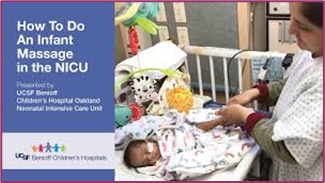
How to Do A Baby Massage in the NICU

UCSF Benioff Children’s Hospital Oakland


HEALTHCARE PARTNERS

Fellows Column: Neonatal Anesthesia: Safeguarding our Tiniest Patients
Shane Davis, OSM IV, Anthony Shoo, MD

Neonatal anesthesiology is an under-discussed, somewhat foreign field of study for many anesthesiologists and healthcare providers. Neonatal anesthesia is defined as anesthesia administered to neonates up to 28 days old. It comes with its own unique challenges related to vast differences in anatomy and physiology compared to adults and more mature children. For this reason, neonatal anesthesia can be stressful for providers with limited experience in caring for neonates. With over 1.5 million neonates requiring anesthesia annually in the United States, it is of vital importance that we are well-trained in the unique challenges these young patients present to us in the operating room. This manuscript aims to review some of the overlooked aspects of neonatal anesthesia to increase awareness of the challenges anesthetic providers face and improve the safety and efficacy of providing anesthetic care to our youngest and most valuable patients.
Neonates have distinctive and often challenging anatomy that impacts how we manage their airways. They have a relatively larger head-to-body ratio than adults. The head of a neonate is, on average, one-third the size of an adult, while their body is only about a ninth the size of an adult’s. This physiology makes for a shorter neck, which may cause challenges during head positioning with intubation. Narrow nasal passages that may become easily clogged by excess secretions in neonates are another concern because neonates are obligate nose-breathers for the first few weeks of life.
Additionally, neonates have large tongues that may easily obstruct their airways when in the supine position during surgery. They also have an elevated larynx compared to adults. The vocal cords are cephalad and anterior at the level of C3-C4 as opposed to the C5-C6 position in adults, making finding the cords more difficult during intubation. An “omega-shaped” epiglottis may be more challenging to maneuver with a laryngoscope blade than an adult “leaf-shaped” epiglottis. These challenges lead to an increased risk of missing ETT (endotracheal tube) placement, resulting in repetitive attempts needed at intubation, which may result in blunt trauma to the larynx. This consequence, in turn, puts the neonate at risk for laryngeal edema and lethal airway obstruction . Data from The Children’s Hospital of Philadelphia found that up to 20% of neonates require two or more intubation attempts. This issue suggests that safer techniques, such as video laryngoscopy, may be necessary for primary intubation attempts to avoid compromising the airway in neonates. The immature cricoid cartilage of neonates is narrower and cone-shaped, moving further down the windpipe than the adult airway, which is cylindrical. The cricoid cartilage is not fully developed until age 10-12. This anatomical difference is crucial because it makes neonates more susceptible to subglottic airway edema and inflammation from prolonged ETT placement when using a cuffed ETT.
For this reason, the standard of care has historically recommended using uncuffed ETTs in neonates. However, an uncuffed ETT is becoming less necessary with the development of newer, highvolume/low-pressure cuffs as opposed to the older, high-pressure/ low-volume cuffs. Newer research has shown no difference in the rate of post-op complications with the use of uncuffed vs cuffed ETT.
Furthermore, it was found that using an uncuffed ETT was associated with a greater risk of needing to change the ETT. While anatomical considerations are crucial in neonatal anesthesia, one should not overlook neonates’ vastly unique physiological differences. Cardiac physiology differs in that neonates have much less myocardium than the adult heart, resulting in less contractile force and, therefore, smaller stroke volumes. For this reason, neonates are said to be heart rate dependent for their cardiac output. This physiology is of particular importance to anesthesia providers who must do their best to avoid bradycardic states, which are potentially detrimental to the neonate’s cardiac output. It is important to note that neonates have a fully developed parasympathetic nervous system, while the sympathetic nervous system development is still incomplete (matures near puberty). Therefore, CNS (central nervous system) responses in neonates tend to be vagal, which leads to an increased risk of developing bradycardia and the potential for cardiovascular collapse in the operating room. Conversely, neonates lack mature cerebral autoregulatory mechanisms that control perfusion to the brain. In the setting of severe hypertension, for example, neonates cannot self-adapt, putting them at risk for intracerebral hemorrhage due to immature and fragile vasculature supplying the CNS.
The respiratory system in neonates also differs physiologically from adult patients. Ribs in neonates are cartilaginous, flatter, and at a horizontal angle. Their intercostal musculature is underdeveloped and weak, and their diaphragm is flattened. This physiology becomes a mechanical disadvantage for getting adequate oxygenation and tidal volumes to expand the immature alveoli that will continue to develop until age 10-12. In the setting of pathologies such as neonatal respiratory distress syndrome (NRDS) or transient tachypnea of the newborn (TTN), ventilating these patients can become even more of a challenge.
Additionally, airway resistance is increased due to smaller bronchi and fewer alveoli relative to adult patients. The cartilaginous nature of the rib cage means that neonates have increased chest wall compliance but decreased lung compliance, limiting their maximum tidal volume. Like the neonatal cardiovascular system, which is rate-dependent, the respiratory system also depends on increased respiratory rates and increases in minute ventilation to provide adequate ventilation. Neonates also consume oxygen at a rate double that of adults. On top of this, neonates have an overall decreased ventilatory drive due to an underdeveloped CNS. Add these limiting factors together, and it becomes clear why neonates are at greater risk for hypoxemic and hypercapnic events.
Hematologic considerations regarding neonatal anesthesia must account for the increased HbF (fetal hemoglobin) concentration and the minimal tolerance to surgical blood loss in neonates. HbF is approximately 70% of total hemoglobin in neonates and up to 97% in preemies. HbF has a higher affinity for oxygen than mature hemoglobin, which allows the fetus to accumulate and hold on to oxygen from the placental circulation. However, this means oxygen delivery to its vital tissues and organs is decreased. For this reason, the anesthesiologist and surgical team must monitor surgical blood loss vigilantly. Neonates have a circulating blood volume of roughly 90 mL/kg. They can only tolerate about 50-75mL of blood loss (which is about 20% of their circulating volume) before transfusion needs to be considered. Therefore, matched blood products should be readily available during risky procedures. It is important to note that using a suction canister during surgery to monitor blood loss is ineffective because by the time blood has reached the canister, too much blood has already been lost.
A topic that deserves more attention in neonatal anesthesia is the lack of available pharmacologic agents and the pharmacodynamics of drugs. Because neonates are a vulnerable population, there have been few studies looking at the safety and efficacy of anesthetic drugs on neonates. For this reason, most of the drugs we use in neonatal anesthesia are off-label. However, we know that neonates differ physiologically, meaning that the metabolism and elimination of drugs differ from that of adults. From a hepatic standpoint, neonates have immature liver function. They have decreased CYP enzymatic activity, leading to delayed metabolism of certain drugs. For example, opiates must be used with caution in neonates as their half-life is prolonged, which means they are potentially at greater risk for cardiopulmonary adverse effects.
Additionally, neonates have decreased protein binding capacity due to lower levels of protein carriers such as albumin. This may also contribute to some pharmacological agents’ longer action duration, Other concerns with immature liver function include deceased glycogen reserves in the setting of high glucose utilization in the neonate. They consume glucose at a rate roughly double that of adults (5-6mg/kg/min vs 3mg/kg/min). For this reason, anesthesia providers must consider intraoperative fluids containing glucose, such as D10W or D5LR, and continue TPN (total paren-teral nutrition) when appropriate during the case.
Renal elimination of medications is also compromised in neonates due to immature renal tubular function during the first few weeks of life. With decreased GFR (glomerular filtration rate) and RBF (renal blood flow) relative to adults, neonates are at risk of adverse effects secondary to prolonged duration of action of renal excreted medications. Additionally, it is noteworthy to mention that because the body water content of neonates is about 80-90% of their body weight (fat content of 10-15%), they have a higher volume of distribution of water-soluble drugs. With relatively lower body fat content, they require a higher dose of hydrophilic drugs (ex. propofol) to reach appropriate therapeutic levels. In conclusion, due to differences in metabolism and elimination physiology, dosing medications in neonates is often an art that requires careful attention to detail and calculation on the anesthesiologists’ end.
Thermoregulation is another vital component of the art of neonatal anesthesia practice. Preemies and neonates have a large surface area-to-weight ratio, increasing their heat loss risk. In conjunction with this, their mechanisms for avoiding heat loss, such as shivering, low-fat content, and vasoconstriction, are immature and inefficient. Additionally, the use of general anesthetics contributes to heat loss. Some solutions to this issue include warming the OR before induction, using warmed intravascular fluids, bearing a hugger device, and minimizing exposed skin during surgery.
With complex differences in physiology and anatomy, neonatal anesthesiologists must be prepared with techniques and equipment appropriately sized for their patients. The choice of laryngoscope blade is often debated amongst physicians: Mac or Miller. Historically, the Miller blade was preferred in neonates due to the ability to effectively sweep the tongue and lift the infant’s floppy epiglottis out of view to obtain the best view of the vocal cords. Conversely, a Macintosh (MAC) blade is inserted into the vallecula of the patient, and with an anterior force, the epiglottis is lifted upwards, thus exposing the cords. While the Miller blade still appears to be more commonly utilized in neonates today, studies have debunked its superiority and shown no difference in laryngeal view and intubation success rate using either blade (7). As for sizing, for preemies ((37 weeks estimated gestational age), use a size 0blade. For term neonates, use a size 1 blade. Next, to determine the correct size ETT for the neonate, a couple of approaches have been shown to be effective. As shown in Figure 1, a reference chart is one reliable option. However, when this is unavailable, or when time is of the essence, ETT size can be calculated using one-tenth the gestational age roundest to the nearest tube size.For example, a 36-week EGA neonate would do well with a size 3.5 ETT (1/10th of 36 = 3.6 rounded to nearest tube size = 3.5). Next, to determine the correct tube depth, physicians should follow the “7-8-9 Rule.” The rule says that a 1 kg neonate should have ETT taped at 7cm at the gums, a 2kg neonate should have ETT taped at 8 cm at the gums, and a 3kg neonate should have the ETT taped at 9cm at the gum. After placement, correct positioning should be verified by bilateral chest rise, breath sounds, and capnography. If there are still concerns about correct tube positioning due to desaturations or inadequate breath sounds, a chest X-ray is considered the gold standard for verification of proper placement.
In conclusion, caring for neonates in the operating room can be difficult, but it is gratifying when done correctly. Awareness of neonates’ physiological and anatomical differences is essential to providing proper care when administering anesthesia and placing neonates on a ventilator. Physicians should carefully create their anesthetic plan, considering the unique equipment requirements, pharmacodynamics, and metabolism encompassing appropriate neonate anesthetic care. In addition, neonatal anesthesiologists must stay up-to-date on new research and guidelines to provide the most efficient patient care. Further research should be considered into the dosing and formulation of anesthetic drugs for pediatric and neonatal patients due to their unique physiology. The variability in pharmacodynamic effects concerning age, weight, and metabolic maturity is significant and deserves more attention so that providers can maximize their therapeutic effectiveness while minimizing potential toxicities.

Source:https://www.neonatologytoday.net/newsletters/nt-jul24.pdf

Artificial Intelligence Applications in Neonatal Critical Care: A Scoping Review
Sakore, Surekha Satish; Devi, Seeta; Mahapure, Prachi; Kamble, Meghana; Jadhav, Prachi
Journal of Clinical Neonatology13(3):p 102-109, Jul–Sep 2024. | DOI: 10.4103/jcn.jcn_13_24
Abstract
Background:
The development of artificial intelligence (AI) approaches impacted drug discovery, medical imaging, customized diagnostics, and therapeutics. Medicine will be transformed by AI. One such area of medicine where AI is significantly improving care is neonatology.
Objective:
The objective of this scoping review is to explore the applications of AI in neonatal critical care and its outcome.
Methods:
Following the Preferred Reporting Items for Systematic Reviews and Meta-Analyses guidelines, a scoping review was conducted utilizing the Web of Science, MEDLINE (PubMed), and Scopus databases. The search was limited to full-text publications on AI applications in neonatal critical care that were published between January 1, 2019, and December 31, 2023. Articles specifically addressing the application of AI in neonatal care have been considered within the scope of this review. At least three reviewers had independently executed the screening, data abstraction, and exploration.
Results:
Database searches yielded 631 articles, of which 11 met the inclusion criteria. The research encompassed extensive AI applications in neonatal critical care, employed for prognosis, diagnosis, and therapy strategizing. Artificial neural networks, machine learning, deep learning, and shallow hybrid neural networks were the commonly utilized AI techniques (neonatal critical care). These methods were applied to screen for inborn metabolic abnormalities, predict various outcomes, including death and sepsis, identify diseases such as sepsis, and assess neurodevelopmental outcomes in preterm newborns, helping plan several medical treatments. The included research demonstrated encouraging outcomes when using AI in neonatal critical care.
Conclusions:
AI-driven electronic arrangements upgrade neonatal basic care by improving risk forecast, promising critical commitments to future health care. Be that as it may, careful appraisal, evidence-based considers, and determination of safety, ethics, and information straightforwardness issues are essential before implementation. Acceptance by administrative bodies and the therapeutic community pivots on tending to these concerns.

When Life Is Expected to Be Brief: A Case-Based Guide to Prenatal Collaborative Care

Sharen Wilson, DO; Krista Mehlhaff, DO August 01 2024 https://doi.org/10.1542/neo.25-8-e486
Advances in fetal health detection and neonatal care have improved outcome predictions but have outpaced the development of treatments, leaving some families facing the heartbreaking reality of their baby’s short life expectancy. Families with a fetus that has a life-limiting condition must make tough decisions, including the possibility of termination, perinatal palliative care options, and the extent of newborn resuscitation. Access to abortion services is crucial in decision-making, underscoring the significance of palliative care as an option. Perinatal palliative care programs offer vital support, honoring the baby and family throughout pregnancy, birth, and death. They provide compassionate care for pregnant individuals, partners, and newborns, integrating seamlessly into standard pregnancy and birth care. Successful programs prioritize families’ desires, goals, and personal priorities, whether through a dedicated team or an organized system.
“Regardless of the length of a baby’s life or duration of illness, it is their lifetime. The infant and family deserve skilled and compassionate attention to their plight; a safety net throughout the experience; a palliative care approach emphasizing living fully those days, hours, and even moments.”

INNOVATIONS
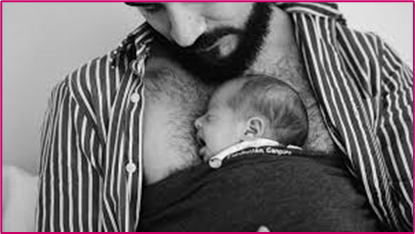
KMC and Brain Development: A Plea for Starting KMC as Early as Possible and as Long as Possible
Nathalie Charpak Catalina Lince- Rivera Jose Tiberio Hernandez Volume 38, Issue 2 https://doi.org/10.1177/09732179241235479

Abstract
The kangaroo mother care (KMC) method is a “45-year-old innovation” in health care to care for premature or low birth weight (LBW) infants: the KMC position with direct skin-to-skin contact on the chest of the mother, KMC nutrition based on breast milk and early home discharge in KMC position with close monitoring are the three key elements of this intervention. Created in 1978 to compensate for the lack of incubators in a huge maternity hospital in Colombia, it has always met with resistance from health professionals. Rigorously studied, it has shown benefits far beyond the reduction in mortality, to ensure a proper quality of life for these fragile babies. KMC has become an example of evidence-based care for premature or LBW infants, and it is no longer ethical not to apply it. Exploratory analysis results on brain growth according to the duration in days of KMC position are presented in this article and should help accelerate the systematic introduction of KMC as early as possible and for as long as possible from birth, as published by the WHO in 2022.
Introduction
Preterm birth and low birth weight (LBW) infants represent a significant global challenge. They represent 10% of all deliveries worldwide, accounting for a staggering 13.4 million births annually. These infants contribute to 70% of neonatal and infant mortality rates and remain the primary cause of death among children under five years old. The United Nations warns of preterm birth rates flatlining in every region. Over the past decade (2010–2020), the rate of preterm births has not changed in any region of the world.
Despite advancements in neonatal care technology, the global prematurity rate remains unchanged for several reasons. These include the rise in multiple pregnancies due to assisted reproductive techniques and the development of “induced” or “medically determined” prematurity in cases where severe maternal pathology requires an emergency cesarean section. Let’s not forget elective cesarean sections from 34 weeks, especially in Latin America where the cesarean section rate can reach 90% in certain socio-economic environments.
Prematurity is not solely responsible for major motor sequelae in early childhood; it also contributes to minor long-term sequelae up to adulthood. These include problems with coordination, behavior, cognition, learning, hyperactivity, school performance, and even tendencies toward aggressiveness. The misuse of technology has lowered mortality rates but has amplified long-term consequences. There’s a trend to rescue even the smallest premature infants, with some weighing as little as 212 g.
What Is Needed to Enhance Kangaroo Mother Care (KMC) Intervention in 2024?
Upon a baby’s birth, a clinical assessment determines the need for a neonatal intensive care unit (NICU) or intermediate care, based on evaluating the transition from the prenatal environment. In 2022, WHO introduced recommendations for preterm or LBW infant care, proposing three care bundles. The first emphasizes preventive and promotive care, highlighting KMC as a routine for all such infants. KMC, recommended ideally for 24 hours daily, can initiate either in healthcare facilities or at home if home birth (“Strong recommendation, high-certainty evidence”). Immediate initiation of KMC after birth for preterm or LBW infants was also strongly advised (“Strong recommendation, high-certainty evidence”).
A paradigm shift is proposed, advocating for the immediate initiation of KMC, even if resuscitation is necessary, after the stabilization of the critical infant. This approach extends to cases where babies need a referral to other hospitals, transportation to intensive or intermediate care, and as a tool for early home discharge in with continuous Kangaroo position and strict monitoring up to term and follow-up in the KMC program for to one or two years of corrected age as it is the rule in Colombia. Successful implementation of KMC has been shown to reduce hospital stays by approximately 10 days. Promoting KMC in all newborn units, regardless of the infants’ location, is strongly recommended.
Implementing WHO’s new recommendations requires a transformative shift in healthcare culture. This entails transitioning from separate obstetric and neonatal services with distinct protocols, personnel, and locations to a collaborative model. Obstetricians, midwives, pediatricians, and neonatal nurses would work jointly in a unified setting, providing comprehensive care for both mothers and newborns. Emphasizing family involvement is an approach that acknowledges families as crucial partners in newborn care. A substantial challenge arises in restructuring maternal and neonatal units to facilitate the proximity of mothers to their sick preterm or LBW infants, especially in specialized or intensive care units. This adjustment may be more feasible for otherwise healthy preterm or LBW infants, typically cared for in postnatal or designated KMC wards. However, it still requires organizational changes to accommodate fathers and other family members, enabling their involvement in KMC and ensuring infants receive as close to 24-hour KMC as possible. There are already neonatal units of this type in India or in Vietnam and it would be interesting to evaluate in these settings the positive results obtained with continuous KMC from birth, in the neonatal unit and intensive care unit, and to evaluate the costs.
KMC implementation strategy, designed to support the zero-separation policy for mothers and infants, aligns with the WHO Immediate KMC Study Group’s (2022) recommendations. It involves creating a distinct NICU, known as the mother–newborn care unit, equipped with facilities such as a mother’s bed alongside each infant, attached facilities addressing maternal needs, and standard equipment for infant care resembling conventional units. This approach encompasses transitioning infants to this unit in the KMC position, ensuring continuous KMC provision by the mother or a surrogate until the mother’s transfer, providing training for neonatal nurses in maternal postnatal care, and conducting daily rounds by obstetricians for mothers. Its aim is to establish a cohesive and adaptable KMC approach applicable across diverse country contexts, prioritizing the crucial mother-child bond during care.
What Does KMC Method Mean?
KMC initially created by Dr. Edgar Rey Sanabria in 1978 and further developed by Dr. Martinez and Dr. Navarrete at the “Instituto Materno Infantil” in Bogota, Colombia to compensate for the lack of incubators in this huge maternity hospital. Since 1989, the Kangaroo Foundation team has been dedicated to the scientific evaluation of KMC, which is now considered an example of an evidence-based method. KMC emphasizes continuous skin-to-skin contact on the chest of the mother in the vertical position (kangaroo position) initiated as soon as possible for as long as possible, breastfeeding exclusively whenever possible (kangaroo nutrition), and early discharge in kangaroo position with close follow-up, proving beneficial for mitigating effects on preterm/LBW infants. Its adaptability is particularly valuable in regions, especially low and middle-income countries, where neonatal units may lack necessary facilities and neonatal mortality is high, but the medium- and long-term benefits in terms of morbidity, nutrition, and growth, the mother-father-child relationship, cerebral protection, and neurodevelopment are the same for all these fragile children, regardless of where they are born.21 The adoption of KMC depends on the understanding and knowledge of health directors and professionals.
KMC follow-up involves both Inpatient and Outpatient components.
During in-hospital training, families are empowered as experts in caring for their premature or LBWI infants, emphasizing the importance of acknowledging their autonomy. It is critical because health professionals frequently display significant reluctance to involve parents in neonatal care, viewing them as obstacles to their tasks. It is probably the main resistance to KMC implementation. However, it is crucial to discard these preconceptions. Acknowledging findings from scientific studies that highlight the benefits of keeping the baby close to the mother and father is crucial as we strive toward this objective. KMC has a higher impact when the mother’s education is lower, it also serves for decreasing infection ratesand increase growth and breastfeeding rates. therefore, it is essential to involve parents in decisions, educate them on the best practices for their baby, and include the entire family in caring for the fragile infant as they will play a critical role in the baby’s future.
What Does “Empowerment” of the Family Mean?
Previously seen only as observers, parents now hold the primary responsibility as caregivers for their fragile infants. Health professionals are tasked with the responsibility of instructing and aiding them throughout the infant’s hospital stay. It is essential to acknowledge that parents are not “visitors.” In our survey of parents, physical space consistently emerges as a challenge, and immediate modification might not be feasible. However, this limitation should not obstruct KMC implementation. Instead, efforts should focus on assisting parents in staying with their infants, even if the environment lacks comfort.
To educate parents effectively, it is crucial to comprehend the two sides of parental empowerment: the emotional dimension, which involves feeling prepared and ready, and the operational dimension, centered around being equipped and ready. This presents the challenge during their hospital stay, necessitating attention to both these aspects: emotional readiness and operational preparedness.
The father’s role in KMC is equally significant in all cultures. Evidence has shown that the father’s participation in KMC has a medium and long-term impact: if the father has carried his baby in KMC, he becomes more present during the first year of life and buys more toys related to his child’s psychomotor development. At 20 years, results from a cross-sectional study showed that the families of these same fathers suffered less separation.
Implementation of KMC and Its Influence on Sensory Stimulation
Our understanding of the impact of prematurity on the developing brain reveals increased vulnerability, resulting in functional deficits among affected infants. Approximately 5%–10% of preterm infants experience substantial neurological deficits, often presenting as severe cognitive delay, cerebral palsy, or sensorineural impairment. Additionally, a significant percentage, approximately 25%–50%, face less severe but still impactful neurodevelopmental challenges, such as coordination issues, executive function difficulties, language deficits, and learning hurdles.
Premature infants commonly exhibit behavioral characteristics encompassing emotional traits, attention/hyperactivity challenges, anxiety, and difficulties in forming peer relationships. This vulnerability also serves as a risk factor for psychiatric illnesses, significantly impacting between 40% and 60% of children with LBW who may require specialized educational support throughout their schooling years.
Post-birth interventions play a crucial role in shaping an environment that actively encourages sensory stimulation for preterm or LBW babies. Studies consistently highlight the profound impact of enriched sensory experiences on the developmental trajectory of infants. A lack of adequate sensory input in the early stages of life has been associated with an increased risk of cognitive delays and developmental issues.
Research demonstrates that an underprivileged environment increases the probability of cognitive deficits in infants. Therefore, interventions following birth should prioritize creating an environment that fosters sensory stimulation specifically tailored for premature infants.
In this context, the implementation of KMC stands out as a comprehensive method that not only fosters physical closeness between the parent and infant but also serves as a continual stimulant for the neurosensory system and brain development. This practice provides a nurturing environment that stimulates multiple senses simultaneously: Vestibular, Tactile, Olfactory, Auditory, Visual, and Proprioceptive stimulations. For instance, the tactile sensation of the direct mother skin-to-skin contact, coupled with the warmth and comfort it provides, supports not just physical well-being but also contributes significantly to the baby’s emotional and cognitive development.
In Table 1, a detailed breakdown of the sensory components within KMC and the corresponding stimulated senses is presented, showcasing how this method comprehensively nurtures various sensory experiences crucial for the holistic development of the brain of preterm or LBW infants. It is important to promote father involvement in KMC, as their presence and engagement contribute also to the sensory-rich environment necessary for the optimal development of preterm babies.
Brain Development and KMC
There’s a crucial time window between 24 and 40 weeks of gestational age that demands the concerted attention and efforts of all medical professionals engaged in the care of preterm and LBW infants. The brain grows in volume by 1.5 and the cortex is multiplied by 4 in surface (sulci and convolutions) during this critical period then premature is in our hands.
Furthermore, the impact of prematurity, even in cases without complications during the transition to extra-uterine life, indicates an inherent disruption in the organization and maturation of the developing brain. This underlying alteration underscores the critical need for proactive and comprehensive care strategies within this timeframe to mitigate potential long-term consequences on neurological development in these vulnerable infants. A very interesting paper was published this year in the NEJM by Drs. Inder, Volpe, and Anderson allow us to understand better the timeline between the initial injury due to prematurity and the developing brain. That is why this extrauterine period of development of the preterm infant must be centered on the promotion and facilitation of parental KMC and the essential establishment of uninterrupted bonding from the moment of birth, especially within the confines of the intensive care unit.
Summary of the Methodology Used to Build Our Database, Enabling Us to Carry Out These Analyses Comparing KMC and Traditional Care in Incubator
A randomized clinical trial (RCT) of the original KMC intervention versus “traditional” hospital care was conducted by the Kangaroo Foundation in Bogota, between 1994 and 1996. The 746 participants were infants who weighed ≤2,000 g at birth, survived the transition to extrauterine life, and were eligible for minimal neonatal care. They were randomly assigned to the KMC group with home discharge in KMC after stabilization or traditional care in the minimal care unit (control group) and according to birth weight (1.200, 1.201–1.500, 1.501–1.800, and 1.801–2.000 g). This RCT demonstrated in the short term that morbidity, mortality, growth, development, and other selected health-related outcomes were at least as good as or better than those obtained with usual care when the babies reached their term and one year of corrected age.
At 20 years, with the support of Grand Challenge Canada (saving brains initiative), we were able to re-enrolled 441 participants of our original cohort (RCT) The results of this work, already published, must definitely help to disperse any mist of skepticism or doubts about the safety and effectiveness of KMC and show clear advantages of the KMC implementation in selected groups. The short- a middle-term benefits observed in our original RCT are still present 20 years later, especially in the most fragile individuals. In addition to this, long-term impacts on the KMC group parents were found; for example, parents in the KMC group are more protective and nurturing, as reflected by reduced school absenteeism (P = .006) and a more stimulating home (P = .000), resulting in higher IQs in the most fragile groups (0.5 SD, P = .009, d = 0.657) compared with non-KMC fragile LWB infant of the control group. It was also found that the lower the education of the mother and the socioeconomic status of the family, the stronger the impact of KMC on the quality of the home environment, with reduced hyperactivity, aggressiveness, internalization and externalization, and socio-deviant conduct of the young adult who was premature. It conclusively supports KMC as an essential method to be used by rational, scientifically oriented health professionals in addition to standard neonatal care.
We were able to perform neuroimages in the sub-sample of our re-enrolled cohort of young adults ex-preterm <1,800 g at birth. Neuroimages were processed using specialized tools such as a free surfer, SPM, and Camino We used BRAVIZ, based on Python, R, and VTK tools, for interactive visualization of our data including the processed neuroimages in this re-enrolled cohort. Results already published54 found that as compared with former preterm infants not exposed to kangaroo position, those who had received KMC had higher volumes of total gray matter and cortical gray matter, and, in subcortical gray matter, of the striatum, caudate and putamen nuclei. Regarding white matter, the KMC group had a significantly better organization of the white matter (Anisotropy Fraction). Multiple linear regression showed that duration in KP was an independent predictor of total gray matter, total cortical gray matter, striatum, subcortical gray matter, caudate nucleus, and cerebellar volume. The mathematical models showed statistically significant increases in the volume of all those structures per each additional day in KP while controlling for potential confounders. Increments in performance in standardized cognitive, memory, attention and coordination, and fine motor skills were also associated with the duration of KP. In this article, we are presenting some complementary results of this exploratory analysis, not yet published.
Results of the New Exploratory Analysis
We introduced gender as a control variable in addition to our fragility index. The severity index of the perinatal illness contains gender as a risk factor for developing prematurity injury at birth prior to randomization. The gender variable we introduce here is to balance the fact that boys have a larger cerebral volume and that there are more boys in the KMC cohort (survivor cohort). We therefore control all analyses for severity of perinatal disease (22 variables) and gender.
We verified the positive correlation between total cortical gray matter volume at 20 years in these young adults and the duration of the kangaroo position in days in the sub-sample of ex-preterm hospitalized during the neonatal period.
We did the same with the total subcortical gray matter volume at 20 years and the duration of kangaroo position in days in the sub-sample of young adults ex-preterm hospitalized during the neonatal period.
We were interested in the impact of neonatal hospitalization, especially in intensive care, and in ventilatory support techniques, including mechanical ventilation. Knowing the importance of the corpus callosum, a cerebral structure that connects the two hemispheres and is reported to be thinner in prematurity, we found a significant correlation between the length of fibers in the posterior corpus callosum and days of mechanical ventilation in the intensive care unit.
Out of curiosity, we found a positive relationship between the length of the fibers in the corpus callosum, the duration of kangaroo position in days, and the fine motor skills measured by the NHPT (Nine Hold Peg Test) (shorter the test, better the motricity).
We then loaded the distribution of NHPT in this sample and looked at the visualization of the corpus callosum in the four best short tests and compared them visually with the four longest tests and
The only possible conclusion is that our actions during this period after birth with these fragile infants may have very long-term, definitive repercussions that we do not see. This is a justification based on the evidence of the importance of humanizing neonatal care and introducing KMC from birth, with no separation of this immature child from its mother.
Knowing the importance of the cerebral amygdala in social development and the neural regulation of emotions, particularly fear and other emotions, a weak point in our premature babies as they grow from infancy to adolescence, we explore the impact of neonatal hospitalization on cerebral amygdala volume knowing these structures are notably susceptible to injury at birth in premature infants. We add in the model the behavioral variables of internalization and externalization assessed by the ABCL test applied to parents of the ex-premature young adults of our co-re-enrolled cohort We introduce an interaction of days in NICU and day in kangaroo position .
Brain Amygdala Volume and Internalization (ABCL/Parents)
We found that the volume of the cerebral amygdala, once controlled by fragility and gender is correlates with the days in NICU (more days in NICU, less volume), with the interaction between kangaroo position and days in NCIU (despite being in the NICU, more kangaroo position, more volume) and the internalization is in relation with the volume of brain amygdales. Less internalization, more volume.
We found exactly the same results with the externalization.
The hippocampus is also an organ that is extremely sensitive to asphyxia and prematurity, and we also looked at the correlation between its overall volume, days in the NICU, and their interaction with the duration of the kangaroo position and visual memory (VMI) and verbal memory (intrusions, CVLT test). The hippocampus is particularly sensitive to hypoxia, has a smaller volume in preterm infants compared to term infants. The right (or non-dominant) hippocampus is particularly involved in visuospatial memory processes assessed with the VMI test, while the left (or dominant) hippocampus is involved in verbal memory processes assessed with the CVLT test (number of intrusions).
Hippocampus Volume and Verbal Memory
Controlling by fragility and gender, we found that more days in NICU, less hippocampus volume, despite being in the NICU, more kangaroo position, more volume, and less intrusions when more volume of the hippocampus .
These findings provide new insight into the critical period of ex-utero preterm brain development and the effect that KMC could have on brain protection and plasticity in promoting functional connectivity and synaptic efficacy. Our database offers a large amount of comprehensive data and could be the start of a new line of research for better comprehension of the development of the fetal brain and a possible impact of prematurity.
Conclusion: Kangaroo Position—A Neuroprotective Approach
The kangaroo position acts as a neuroprotective agent, like a “brain surfactant” providing essential support analogous to how pulmonary surfactants aid immature lungs or colostrum supports the underdeveloped intestine. Its sustained use has demonstrated a profound impact on long-term brain development, displaying dose-dependent effects on various brain structures including total gray matter, cortex, basal ganglia volume, and the cerebellum. The significance of early initiation and continuous implementation of KMC cannot be overstated, offering a pathway to avoid separation as the standard practice from birth, thereby promoting optimal brain development in vulnerable infants.
Initially, a heightened sense of insecurity often prevails, encompassing fears related to procedures like extubating and central line removal. To counter this, it is essential to establish a comprehensive protocol for initiating KMC immediately after birth. As a physician, active involvement in facilitating continuous skin-to-skin contact between the newborn and the mother is essential. Embracing a conviction regarding the short and long-term benefits of KMC becomes imperative in addressing these initial insecurities and fostering a supportive environment for both the infant and the mother.
Working in close collaboration with parents involves multifaceted support and engagement: Providing comprehensive information and support before delivery, framing this phase as a challenge to be overcome together. Encouraging parents to utilize the kangaroo position as an opportunity to closely observe their baby, decipher their cues, and evolve into the most adept caregivers for their fragile infant. Ensuring continuous attentiveness and availability for assistance whenever needed. Granting parents, the privacy required to engage in KMC effectively.
Acknowledging the instrumental role of parental associations, and maintaining focus on the challenge of preventing separation, even in the face of material concerns, underscores the importance of this collective effort in nurturing both the infant and the parent’s bond.
During the vulnerable phase of brain development, it becomes the responsibility of medical personnel to shield these delicate stages. Through the implementation of KMC, the focus lies on safeguarding these fragile young minds and fostering an environment conducive to their optimal growth and development.
To our knowledge, these are the first available evidence on the potential protective effects of KMC, and specifically of KP on neurological development in preterm infants, extending well beyond infancy into young adulthood. These new findings might provide further support to the efforts to disseminate KMC as a powerful tool to supplement standard neonatology care of preterm infants, as soon as possible and for as long as possible to better key outcomes, particularly neurodevelopment. We are awaiting funding to carry out formal neuroimage, anatomical, and functional analyses to corroborate the exploratory analyses presented in this article.
Please see the full article with charts here

https://journals.sagepub.com/doi/full/10.1177/09732179241235479



Twinkl Teaching Resources
Oct 3, 2022 #teacherappreciation #learning #educationalvideo
In this video, children will learn all about World Teachers’ Day and why we celebrate it.

World Teachers Day 2024

October 5 Awareness Days
World Teachers’ Day is a heartfelt tribute to the dedicated educators who shape the future by imparting knowledge and inspiring young minds. This global celebration acknowledges the invaluable contributions of teachers and their role in nurturing generations. As World Teachers’ Day 2024 approaches, let’s delve into the significance of this day, its historical origins, and the ways you can join in honoring educators worldwide.
What is World Teachers’ Day 2024?
World Teachers’ Day 2024 is a day of recognition and appreciation for teachers around the world. It’s an occasion to celebrate the profound impact teachers have on society by equipping students with the skills, knowledge, and values needed for success. This day also serves as a reminder of the importance of quality education and the role of teachers in achieving it.
When is World Teachers’ Day 2024?
World Teachers’ Day is celebrated annually on October 5th. In 2024, this day falls on a Saturday, so if you think your child has the best teacher be sure to give them a big thank you when school starts again on Monday!
How to get involved with World Teachers’ Day 2024?
Participation in World Teachers’ Day can take various forms to show your appreciation for educators. Here are some meaningful ways to get involved:
- Thank Your Teachers: Reach out to your current or former teachers to express your gratitude and appreciation for their dedication and guidance.
- Support Educational Initiatives: Donate to educational charities or programs that aim to improve access to quality education in underserved communities.
- Join Commemorative Events: Participate in local or virtual events, seminars, or workshops dedicated to celebrating teachers and discussing educational issues.
- Create Handmade Gifts: Craft a thoughtful card or gift to show your gratitude to a teacher who has made a difference in your life.
- Advocate for Education: Advocate for policies that prioritize education and support teachers in your community and beyond.
- Share Your Teacher’s Impact: Share stories or anecdotes about a teacher who has inspired you on social media using the hashtag #WorldTeachersDay.
- Visit a School: If possible, visit a local school to observe the teaching process and show your support for educators.
History of World Teachers’ Day
World Teachers’ Day has a rich history dating back to 1966 when the United Nations Educational, Scientific and Cultural Organization (UNESCO) and the International Labor Organization (ILO) established the Special Intergovernmental Conference on the Status of Teachers in Paris. This conference adopted the UNESCO/ILO Recommendation concerning the Status of Teachers, which outlines teachers’ rights and responsibilities.
World Teachers’ Day was first celebrated on October 5, 1994, to commemorate the 30th anniversary of the 1966 conference. Since then, it has become an annual event, recognized globally as an occasion to acknowledge and honor the remarkable contributions of teachers to society.
Source: https://www.awarenessdays.com/awareness-days-calendar/world-teachers-day-2024/

Celebrating the Unsung Heroes: Teachers and Their Impact on Preterm Birth Survivors
International Teachers’ Day holds a special significance for preterm birth survivors and their families. This day honors the remarkable role that teachers play in our lives, guiding us through a world that can sometimes feel overwhelming and full of unique challenges. Teachers are often more than just educators—they are advocates, mentors, and champions who recognize that every child’s journey is distinct. For preterm birth survivors, teachers often provide the extra care and understanding needed to truly thrive.
For those of us who entered the world early and faced developmental hurdles, teachers may be the ones who walk beside us, offering encouragement and crafting personalized strategies to help us succeed both in the classroom and beyond. From the first day of school to the proud moment of graduation, educators strive to create environments that foster growth and learning. They may see our strengths, help build our confidence, and provide support that is essential for our development. Whether it’s creating sensory-friendly classrooms, adapting teaching methods to match our learning pace, or collaborating with specialists, dedicated progressive educators recognize the diverse learning styles and needs that exist within their classrooms.
As educational resources and knowledge about diverse learning styles continue to evolve, preterm birth survivors and other students with unique learning capacities may be increasingly empowered with the tools and support necessary for success. Teachers have the opportunity to impart more than just academics; they have the latitude to empower us with essential life skills—resilience, problem-solving abilities, and the confidence to advocate for ourselves. These skills are crucial for preterm birth survivors, especially those who may continue to face health or developmental challenges throughout their lives.
When nurturing our sense of independence, teachers prepare us to navigate the world with courage and determination. Their influence extends far beyond the classroom, shaping our ability to overcome life’s challenges.
On International Teachers’ Day, we celebrate and express our deepest gratitude to the extraordinary educators who go above and beyond in their efforts to influence, empower, and support the development of the emotional and intellectual intelligence of preterm birth survivor and all children. Educators who teach with compassion, dedication, and unwavering recognition of our potential and capabilities empower us to seek and achieve our brightest dreams and heartfelt goals.
Who do you see in the kaleidoscope of teachers contributing to your growth and development?
As we honor the teachers who have touched our lives and inspired our imaginations, let’s carry forward their legacy by giving back to others. Whether through teaching, mentoring, or simply supporting those around us, we can extend the same kindness, guidance, and encouragement that our teachers have shown us.



Mrs. K’s Book Worm Adventures
Nov 17, 2022 #funnyChildren #kidsbooksreadaloud #Kidsbookreadaloud
Max daydreams about what he would do if he were the teacher. His ideas are wild and hilarious! Let’s enjoy the magic of reading as we read together, “If I Were the Teacher” written by Johnny Tiersma and illustrated by Ron Van Der Pol and see what ideas Max has and what he thinks of his new teacher!


Surfing in Spain Cantabria

BoardShortzNL – Nov 18, 2018
Surfing in Cantabria, Northern Spain. Get an idea about the surf and the beautiful Spanish landscapes. Where to sleep and where to eat. We surfed: – Santander – Playa Oyambre – Playa Verdicio – Playa Meron – Playa de Gerra

 The Neonatal Womb Warriors