France, Imperforate Hymen, The Glaze, WebCams!


notredome

PARIS The City of LOVEheart.jpg

                      FRANCE france.flag

COMMUNITY

France’s preterm birth rate was 3.6 per 1000 (US was 6.1%) in 2010. France has played a critical role in the development of neonatal care globally.

old-maternine new.maternine

                       Paris Maternité in 1881      Maternité Port Royall (Paris Maternité) 05/19/17

I (Kathy) was in Paris this week to attend a museum opening for an art exhibition (Medusa) where Kat’s brother (my son) Seth had work displayed, so we decided it was a good opportunity to explore our preterm birth family in France; an innovative, energetic and passionate global neighbor! While taking a break from the Art of French Bakeries, I visited the Maternite Port Royall on 05/19/17 where friendly staff were enthused and proud of their country’s historical contributions towards the development of neonatology.

In 1981, while the French were experiencing a falling birth rate, Dr. Stephane Tarnier developed the first closed incubator in a maternity ward at Paris Maternite. The incubator was based on those used in the care of chicken eggs. Dr. Tarnier helped convince other physicians that the treatment helped premature infants. In addition, and perhaps equally important, Dr. Tarnier advanced the concepts of isolation, hygiene, appropriate feeding, and provision of a warm, humid environment within the emerging field of neonatology. France became an early innovator in the development of medical care and technology for the preterm birth community. Now, as in 1881, birth rates in France are once again very low and the survival rate of all infants is of critical concern.

WARRIORS:

katsurfing

WHAT is an IMPERFORATE HYMEN?

(Wikipedia) An imperforate hymen is a congenital disorder where a hymen without an opening completely obstructs the vagina. It is caused by a failure of the hymen to perforate during fetal development. It is most often diagnosed in adolescent girls when menstrual blood accumulates in the vagina and sometimes also in the uterus. It is treated by surgical incision of the hymen.

Symptoms: Affected newborns may present with acute urinary retention.[1] In adolescent females, the most common symptoms of an imperforate hymen are cyclic pelvic pain and amenorrhea; other symptoms associated with hematocolpos include urinary retention, constipation, back pain, nausea, and diarrhea

Pathophysiology: An imperforate hymen is formed during fetal development when the sinovaginal bulbs fail to canalize with the rest of the vagina.[3] Although some instances of familial occurrence have been reported, the condition’s occurrence is mostly sporadic, and no genetic markers or mutations have been linked to its etiology.[4]

Diagnosis: development.[5] In adolescent girls of menarcheal age, the typical presentation of the condition is amennorhea and cyclic pelvic pain, indicative of hematocolpos secondary to vaginal obstruction. An imperforate hymen is usually visible on vaginal inspection as a bulging blue membrane.[5] If hematocolpos is present, a mass is often palpable on abdominal or rectal examination. The diagnosis of an imperforate hymen is usually made based purely on the physical exam, although if necessary the diagnosis can be confirmed by transabdominal, transperineal or transrectal ultrasound.[2]

An imperforate hymen can also be diagnosed in newborn babies and it is occasionally detected on ultrasound scans of the foetus during pregnancy.[5] In newborns the diagnosis is based on the findings of an abdominal or pelvic mass or a bulging hymen.[5] Examination of the normal neonatal vagina usually reveals a track of mucus at the posterior commissure of the labia majora; an absence of mucus may indicate an imperforate hymen or another vaginal obstruction.[1]

A similar condition, cribriform hymen, is diagnosed when the hymen contains many minute openings.[6]

Management: Before surgical intervention in adolescents, symptoms can be relieved by the combined oral contraceptive pill taken continuously to suppress the menstrual cycle or NSAIDs to relieve pain.[7] Surgical treatment of the imperforate hymen by hymenotomy typically involves making cruciate incisions in the hymen, excising segments of hymen from their bases, and draining the vaginal canal and uterus.[8] For affected girls who wish (or whose parents wish) to have their hymens preserved, surgical techniques to excise of a central flange of the hymen can be used.[9] The timing of surgical hymen repair is controversial: some doctors believe it is best to intervene immediately after the neonatal period, while others believe that surgical repair should be delayed until puberty, when estrogenization is complete.[10]

Complications: If untreated or unrecognized before puberty, an imperforate hymen can lead to peritonitis or endometriosis due to retrograde bleeding. Additionally, it can lead to mucometrocolpos (dilatation of the vaginal canal and uterus due to mucous buildup) or hematometrocolpos (dilatation due to buildup of menstrual fluid). Mucometrocolpos and hematocolpos can in turn cause urinary retention, constipation, and urinary tract infection.[1]

Epidemiology: Imperforate hymen is the most common vaginal obstruction of congenital origin.[1] Estimates of the frequency of imperforate hymen vary from 1 in 1000 to 1 in 10,000 females.

*** For additional information, see: https://en.wikipedia.org/wiki/Imperforate_hymen

Life is Sweet! Enjoy!     kat.cake.jpg 

KAT’S STORY           

Globally, approximately 1 out of 10 births (average) is preterm. As more preemies are surviving and mortality rates of preterm birth deaths are decreasing we, the Neonatal Womb community, with increased necessity, must expand our knowledge regarding the healthcare needs of the surviving preemie population. Through our blog we have shared information regarding brain development, psychological health, lung and heart health in young adult surviving preemies. Together, through cooperative efforts, communication, and research, we will discover and explore new areas of medical concerns, and develop the diagnostics, treatment, resources, and actions required to support the health and well-being of our preterm birth Warriors.

Warriors, we are Strong, and each of us is engaged in a unique journey. We can approach our medical, cognitive, psychological and related challenges with compassion, curiosity, progressive intent and positive action!  We can choose to be open and confident about exploring, discussing and sharing information regarding all of our health complications. Our ability to continue healing as preemie survivors is not limited to our discharge dates or our early medical revisitation appointments.  We have the power and the opportunity to help those who follow us down this preterm birth survivor path!

Today, I (Kat) want to share my experience and perspective regarding a congenital condition the medical community recommends may pose an above average risk to preterm birth female survivors. Imperforate Hymen effects between 1 per 1000 to 1 in 10,000 females in the general population. The condition itself and treatment are often considered controversial, even taboo subjects.  Although rates of imperforate hymen amongst premature females at this time are not yet well-researched, I know through my personal experiences that sharing information regarding the condition of imperforate hymen may provide essential support to preemie girls, preemie parents and other members of our Neonatal Womb community at large.

I am a 24-week gestation surviving twin who underwent open heart surgery without anesthesia at 3 ½ weeks of age while weighing 1 lb. and 3 oz. Following a medically challenging first year of life and lifesaving medical care from both allopathic and “non-traditional” caregivers, my health stabilized and I grew and generally developed as a healthy child. Growing up as a preemie survivor I first became aware of the effects of my preterm birth when I started playing biddy-sports at age 3. I was much smaller in stature than most other kids. My mother didn’t let that hold me back from experiencing life and performing activities like any other fully functioning child. I enjoyed good health and well-being until I reached puberty.

After starting my first menstrual period at age 11 yrs., I experienced heavy bleeding and  periods lasting from 7 days to over a month long. Initially I thought I had inherited these symptoms from my family. The women in my family had tipped uteruses and their periods usually lasted about seven days. However, unlike my family, I was not able to use tampons, as my body did not accommodate them, and I had to settle for using sanitary pads. I sensed that this was due to some factor related to my prematurity, but was provided with no medical explanation. As an active high-school athlete, a 3-sport varsity captain, and a select basketball player the inability to use tampons was extremely frustrating, inconvenient, and socially “different”. My inability to use tampons troubled me, and my personal confidence declined. Though not necessarily planning to be sexually active as a teen, I also didn’t feel sexually appealing or desirable to a potential partner. As a hetero-identified female, I questioned who would want to deal with a girl unable to function sexually even if she wanted to someday? I believed that I had no reason to pursue romantic or sexual interests. This included the common teenage innocence of excessive kissing. In addition, I didn’t want the stress of needing to explain myself for a condition I wasn’t even fully aware of in the first place. I worried about being bullied if anyone found out about my “secret”.   Therefore, I made the personal choice to stay away from dating all together.

When I turned 17 years of age I received my first gynecological exam. It was at that appointment I was diagnosed with an imperforate hymen. My family practice doctor referred me to a specialist who sent me to a surgeon. In pre-op, I learned that my hymen was significantly malformed and that sexual intercourse with my condition would have posed the potential threat of severe pelvic and vaginal damage, excessive to fatal bleeding, and possible harm to a male partner. I had already made it past the incubators and intubation. I didn’t want to risk death by sex! Shortly thereafter, I underwent surgery (hymenectomy) to correct this congenital disorder.

According to the Journal of Gynecology a hymenectomy…“typically involves making cruciate incisions in the hymen, excising segments of hymen from their bases, and draining the vaginal canal and uterus. For affected girls who wish (or whose parents wish) to have their hymens preserved, surgical techniques to excise of a central flange of the hymen can be used.”  

My surgery produced immediate positive results. Following a few days of post-op pain, I felt relieved, empowered and normal! I was back to enjoying my daily activities and I cherished the freedom to finally use tampons!  My sexual confidence increased knowing choices related to my sexual health were now under my control.  I was able to look forward to experiencing important aspects of wellness that a healthy sex life and romantic partnership may offer. This chapter in my life journey had a happy ending.

With heartfelt heartfelt resolve, great respect and with appreciation we are asking that our Neonatal Womb Partners including Global, National and Community preterm birth advocacy programs/ organizations, healthcare and preemie family partners, researchers and scientists, and our funding sources contribute and work together with our Warrior community to educate our global family regarding the condition of imperforate hymen as a potential COMPLICATION to preterm birth survivors. Together we can reduce the risks of injury, even death, increase preemie survivor wellness, reduce medical costs, and collectively build Community confidence in our efforts to build and sustain the health and wellness of our Neonatal Womb family. Our efforts will need to be situationally sensitive to cultural perspectives, and treatments may vary accordingly. We believe increasing our dialogue around this topic will lead to a greater understanding of the possible health risks and complications premature girls and women with this congenital disorder may experience.  As a reader of this blog, you have information that could transform, even save, a life!  THANK YOU!


HEALTH CARE PARTNERS

presence

Preterm Birth Therapists play a crucial and expanding role in the care and development of preterm birth survivors. In the National Association of Neonatal Therapists article 3 Ways to Improve Your Communication in the NICU Therapist Sue Ludwig provides ideas to improve communication within our Neonatal Womb community. NANT connects and serves neonatal occupational therapists, physical therapists, and speech-language pathologists. Recognizing eye contact vs the “glaze”, limiting negative effects of too many words, and recognizing the expressions of sensory input can significantly enhance communication. For example, the glaze aversion coming from a preterm birth baby (and us as well) is a sign of stress. Ms. Ludwig writes “How do you know if you’re using too many words? Look in their eyes. Your colleagues, the attending, your spouse, the NICU parent, your kids. You know the look. The one where no one is present in those eyes anymore. They’ve stopped taking in information”.

Enter here for the full article: http://neonataltherapists.com/?s=3+ways


nicubabypreemie.png

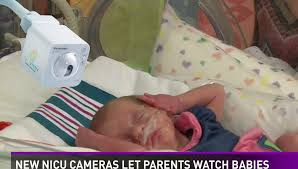
Web camera use in NICU Units provides families with a priceless and empowering resource that allows families and friends to share “time” with the NICU baby.  Web cameras create a safe opportunity for the extended family to connect with the infant and to understand the dynamic and complex journey of the preterm birth family. But how does the Web Camera effect our health care provider staff and how can we support staff with respect to this expanding technology? The abstract cited below considers this important issue……

Clinical Medicine and Research (March 14, 2016)

Web Camera Use in the Neonatal Intensive Care Unit: Impact on Nursing Workflow (Abstract)

Background

Many neonatal intensive care units (NICU) are using web camera systems to allow virtual visitation of the infant by family members. Generally, families appreciate the web camera and utilize this service. However, no one has looked into the change on nursing workload after implementation of a web camera.

Objective

This study was designed to explore the perception of nurses and their workflow and identify determinants that may disrupt or facilitate the use of a commercially available camera service. Our primary goal was to see if the camera system interferes with the nursing care.

Summary

Over time, as nurses had more exposure to caring for an increasing number of infants on camera, the perception of the service was viewed as beneficial. Findings in this study also showed that simultaneously caring for multiple infants while using the web camera increased nurses’ workload and stress, which they perceived as having an adverse effect on quality of infant care. Therefore, to allow the nurses to compensate for these disruptions, we would recommend increasing awareness of the potential issues with both cameras and families, multiple training sessions to the nursing staff before the systems are implemented”.

Full Article: https://www.ncbi.nlm.nih.gov/pmc/articles/PMC4851448/


mediclogo


PREEMIE FAMILY PARTNERS

Global family members with access to NICU care are experiencing increased support through the availability of new technologies that allow them to increase their opportunities to bond with the preterm birth baby and to safely share the NICU/preterm birth experience with friends and family. The benefits of having access to webcam technology during the NICU experience is priceless, and we wish all our preterm birth families had access to webcam or similar technologies. Travel into the webcam experience through the YouTube below:

NicView – The NICU Camera System

money.jpg

FINANCES and Preterm Birth Families: Preterm birth may really challenge family finances in numerous ways and associated financial needs can feel overwhelming. Please talk to your Social Worker or a similar advisor (if one is available to you) to better understand and access local resources, and consider connecting with preemie support groups in your community to gain ideas and identify helpful resources to help you through this challenging time. The dynamics of resource availability are unpredictable when political climates change or are in transition, so contacting the appropriate agencies in a timely manner will help you identify assistance and may lead you to new, additional/alternative resources.

Baby Center provides the following resource list to consider for assistance.

Financial Assistance: 7 sources of financial help for you and your preemie

The article states” Parents of preemies often qualify for help from the government and private agencies. Your NICU’s social worker can help you find the right program for you and help you apply (as early as possible).  Consider your needs and these resources as you navigate the financial challenges of being a NICU parent”. The article will provide you with specific information regarding the following 7 resources:

  • – SSI (Supplemental Security Income)
  • – Medicaid
  • – WIC
  • – Ronald McDonald Houses
  • Hospital Grade Breast Pumps
  • Tax Deductible Expenses
  • Free Parking

Please see the full article: https://www.babycenter.com/0_7-sources-of-financial-help-for-you-and-your-preemie_10371026.bc

INNOVATIONS

COLLABORATION! “None of us, including me, ever do great things. But we can all do small things, with great love, and together we can do something wonderful.” – Mother Teresa

Rice University 360° Institute of Global Health and Queen Elizabeth Central Hospital successfully collaborated to advance preterm birth care in Malawi.  Rice 360° NEST works with team partners University of Malawi College of Medicine, Northwestern School of Management, University of Malawi Polytechnic and London School of Hygiene and Tropical Medicine to create Newborn Essential Solutions and Technologies. Rice University 360° has been named a Semi-Finalist in the MacArthur $1 million Grant Competition (winner pending). The seed for Gogo Chatinkha was initiated through a $100,000 grant donation from Rice University staff.

A Breath of Hope

 The new Neonatal Ward in Malawi opened June 29, 2016 at the Queen Elizabeth Central Hospital in Blantyre, Malawi (Southeastern Africa).  The Rice Newsletter (Winter, 2017) states “In a country where statistics say it will be 150 years before a baby born in Africa has the same chance of survival as one born in North America, Gogo Chatinkha is as step towards giving every child born a chance for survival”. The satisfaction of effective collaborative work and the excitement of this life-sustaining community healthcare resource is joyously expressed in the video that follows:


We want to SHOUT OUT   save.jpg to all of the technology, science-centered, resource provider, and diverse global contributors and funding donors who represent an essential component of our preterm birth family! Without you we would not be able to manifest the great and challenging advances needed in our community at large! Your efforts integrate into every aspect of our community and we are GRATEFUL!

             SURFING      frances   surfcaro.jpg

French River Surfing Just Like They Drive! And, of course, it WORKS and is SO FUN!  ENJOY!


https://www.youtube.com/watch?v=A_4pusFm19k


Baltic Beauty, Strong Nurses, Preemies Behaving, Social Warriors

COMMUNITY-

island.finland

FINLAND

Finland has one of the lowest preterm birth rates in the world and we do not know why. Many theories are shared, and in time research may allow us to understand the dynamics in this Baltic Paradise that promote maternal and  newborn health.

Wikitravel: Finland (Finnish: Suomi, Swedish: Finland) is in Northern Europe and has borders with Russia to the east, Norway to the north, and Sweden to the west.  Finland is a thoroughly modern welfare state with well-planned and comfortable small towns and cities, but still offers vast areas of unspoiled nature. Finland has approximately 188,000 lakes (about 10% of the country) and a similar number of islands. In the northernmost part of the country the Northern Lights can be seen in the winter and midnight sun in the summer. Finns also claim the mythical mountain of Korvatunturi as the home of Santa Claus, and a burgeoning tourist industry in Lapland caters to Santa fans. Despite living in one of the most technologically developed countries in the world, Finns love to head to their summer cottages in the warmer months to enjoy all manner of relaxing pastimes including sauna, swimming, fishing and barbecuing. Today, Finland has a distinctive language and culture that sets it apart from the rest of Nordic Europe.

Full Source: http://wikitravel.org/en/Finland

 The Preterm birth rate in Finland is very low at 5.5% compared to the Global Average of 11.1%_

Full Article: http://www.marchofdimes.org/mission/global-preterm.aspx

Health Care Partners-

Much love and gratitude to our preterm birth nurses…

NICU Deaths – Supporting NICU Nurses-

Supporting the neonatal nurse in the role of final comforter – Abstract:

The death of an infant in the neonatal intensive care unit (NICU) without the presence of family members can be a stressful event for the care nurse, who may feel obligated to provide love and comfort to the infant, in addition to medical care. The nurse may experience role conflict while attempting to meet all of the infant’s perceived needs. This article explores the unique needs and circumstances of the NICU nurse in the role of final comforter for a dying infant when a family member is not present. The provision of such emotionally demanding work requires the nurse to receive education, mentoring, and support from colleagues and administration. NICU nurses who receive education on grief management and palliative care, mentorship from experienced nurses, and post-mortem grief support are better able to manage their own experiences with grief after the death of an infant in their care. To access the full article,  follow this link!

Full Article: http://www.journalofneonatalnursing.com/article/S1355-1841(16)30115-6/abstractInternational

 Neonatal Nursing Excellence Award 2016  feet.jpg  

Recognizing champions in high burden, low-resource settings’

Globally, there are 2.7 million newborn deaths each year. Three quarters of these deaths are in South Asia and Sub Saharan Africa. The Sustainable Development Goals towards 2030 include a target for ending preventable newborn. Achieving this target will require universal and quality health care for sick and small newborns and could save over 500,000 lives each year. The Every Newborn Action Plan calls for strengthening the health care workforce particularly midwives and nurses with skills of care for small and sick newborns.  

Nurses provide the majority of care to sick newborns in health facilities, yet very few nurses and midwives have the opportunity to specialize in newborn care especially in the highest burden settings. Staffing neonatal units with skilled and dedicated nurses is extremely difficult due to an acute shortage of neonatal nurses. Within low-resource countries, there is a desperate need for champions to promote:

  • the role neonatal nursing plays in preventing newborn deaths
  • the need to define national qualifications for neonatal nursing advanced practice

. This award recognizes the commitment of nurses working on the frontlines of newborn care in resource-challenged countries, where the majority of newborn deaths occur.

Full Article: http://www.healthynewbornnetwork.org/international-neonatal-nursing-excellence-award-2016/

International Neonatal Nursing Excellence Award 2016 – Adeyemo Abass Kola 

scienceAbstract: Suboptimal bonding impairs hormonal, epigenetic and neuronal development in preterm infants, but these impairments can be reversed. Kommers D1,2Oei G3,4Chen W2Feijs L2Bambang Oetomo S1,2.

This review aimed to raise awareness of the consequences of suboptimal bonding caused by prematurity. In addition to hypoxia-ischaemia, infection and malnutrition, suboptimal bonding is one of the many unnatural stimuli that preterm infants are exposed to, compromising their physiological development. However, the physiological consequences of suboptimal bonding are less frequently addressed in the literature than those of other threatening unnatural stimuli. CONCLUSION: This review found that suboptimal bonding significantly impaired hormonal, epigenetic and neuronal development, but these impairments could be reversed by bonding interventions. This suggests that neonatal intensive care units should focus more on interventions that optimise bonding.

Full Source: Acta Paediatr. 2016 Jul;105(7):738-51. doi: 10.1111/apa.13254. Epub 2015 Dec 8.

gannon

Please say Hello (or Meow) to our new family member Gannon, our rescue (PTSD) Tabby!-

Preemie Family Partners-

Nationwide Children’s in Columbus, Ohio offers an innovative family-centered care in the hospital and at home. Honor Roll List of U.S. News & World Report’s Best Children’s Hospitals 2016-2017

Extremely Premature Infant Care: The article notes that the  survival rate for babies born at 23 weeks was 10 percent only a short time ago.  Today, the survival rate at Nationwide Children’s for babies born at 23 weeks is 63 percent. The site states “At the heart of the Small Baby Program is a standardized protocol for care, developed by the neonatology team at Nationwide Children’s and tested at the bedside, providing a uniform, interdisciplinary approach to the family-centered care of extremely premature babies. The guidelines outline care regarding development, nutrition, cardiovascular functioning, infection and other potential health concerns throughout these infants’ hospitalization. As a result, premature babies at Nationwide Children’s are doing more than surviving. They’re catching up to their peers and thriving with outstanding developmental outcomes”.

Full Article:http://www.nationwidechildrens.org/caring-for-your-baby

keiki.png

Understanding Preterm Infant Behavior in the NICU

Maureen Mulligan LaRossa, R.N. Nurse Mulligan LaRossa states “All living things are in constant communication with their environment. The trick is learning how to understand their method of communication”. Per the article, Heidi Als, Ph.D. has been a pioneer in helping us understand how to “read” preterm infant’s cues, especially while they are still in the NICU. Dr. Als has made her life’s work observing preterm infants, and thanks to her we have a greater understanding of what these fragile infants are trying to tell us. Many nurseries have incorporated Dr. Als’ ideas into their nursery practice, and much has been written on this topic. This is meant to be a brief summary of the main points of her theory and a few examples of how it is applied to care in the NICU.  The Synactive Theory of Infant Development provides a framework for understanding the behavior of premature infants. The infant’s behaviors are grouped according to five “subsystems of functioning.” The five subsystems are as follows:

  1. MOTOR – We look at the infant’s motor tone, movement, activity and posture.
  2. AUTONOMIC – This is the basic physiologic functioning of our body necessary for survival. The easily observable indicators of this subsystem are skin color, tremors/startles, heat rate and respiratory rate.
  3. STATES – This is a way of categorizing our level of central nervous system arousal – sleepy/drowsy, awake/alert and fussing/crying.
  4. ATTENTION/INTERACTION – This is the availability of the infant for interacting, alertness and the robustness of the interaction.
  5. SELF-REGULATORY – This is the presence and success of the infant’s efforts to achieve and maintain a balance of the other four subsystems.

Each subsystem can be described independently, yet functions in relation to the other subsystems. The autonomic system has to be functioning (the baby breathing and has a heat rate) to be able to assess an infant’s ability to look at something. The process of subsystem interaction (how the five subsystems work together or influence each other) is what is meant by the term “synaction.” This synaction is combined with the infant’s continuous interaction with the environment to formulate the “Synactive Theory of Infant Development.” The basic concept underlying this approach is that the infant will defend him/herself against stimulation if it is inappropriately timed or is inappropriate in complexity or intensity. If an inappropriate stimuli persists the infant will no longer be able to maintain a stable balance of subsystems (e.g., decrease or increase in heart or respirations may be observed or skin color may change, or muscle tone decrease). If properly timed and appropriate in complexity and intensity, stimulation will cause the infant to search and move toward the stimuli, while maintaining him/herself in a stable balance (e.g., appropriate color, even heart and respiratory rate and/or good muscle tone). In healthy full term infants these systems generally work smoothly supporting and promoting each other. In the preterm infant these systems are not fully developed and ready to function. Therefore, the preterm infant’s behaviors are generally characterized by disorganization and signs of stress. The preterm infant is more dependent, than the full-term infant, on its environment to help support and maintain balanced equilibrium. Technology, which focuses care solely on the autonomic system (respiratory, cardiac, digestive and temperature control functions), comes at the expense of the motor, state, organizational and self-regulatory systems, which are intimately dependent on an adaptive environment.

***Providers and parents: Please view the full article! Nurse LaRossa provides empowering insight into recognizing signs and developing interventional strategies that may allow us to promote the health and well-being of the preterm infant!

Enter Here: https://www.pediatrics.emory.edu/divisions/neonatology/dpc/nicubeh.html


Innovations-

Kat and Nurse after heart surgery            Mom and Kat at 2 months in NICU

The Power of Touch!

Home / Science News Brains of premature babies respond differently to touch-

The experience of touch is the beginnings of the development of human communication-

By Brooks Hays   |   March 16, 2017 at 2:06 PM: The brains of premature babies respond differently to touch than those born at full term. The difference could affect the way their brains continue to grow and develop.

Babies experience the world through touch. While premature babies are separated from mom and often subjected to surgeries and other medical procedures, full-term babies continue to experience a series of sensations inside the safety of their mother’s womb. Scientists believe the discrepancy explains why neural reactions triggered by touch are different for premature babies when they finally get home from the hospital. The disparity problems can be improved by ensuring preterm babies receive as much gentle skin-to-skin contact as possible while in the hospital. “Making sure that preterm babies receive positive, supportive touch such as skin-to-skin care by parents is essential to help their brains respond to gentle touch in ways similar to those of babies who experienced an entire pregnancy inside their mother’s womb,” Nathalie Maitre, a researcher and pediatric expert at the Nationwide Children’s Hospital and Vanderbilt University Medical Center, said in a news release. “When parents cannot do this, hospitals may want to consider occupational and physical therapists to provide a carefully planned touch experience, sometimes missing from a hospital setting.” Maitre and her colleagues measured the brain response to touch of 125 preterm and full-term babies right before they were discharged from the hospital. A soft head cap of 128 electrodes measured the neural response when each baby experienced a soft puff of air on the skin. Air puffs were less likely to elicit a brain response in preterm babies than full-term babies, and preterm babies who had experienced more pain and significant medical procedures were the least likely to register a brain response. Increased gentle skin-to-skin contact with parents and hospital staff helped diminish the effects on brain response for preterm babies, the researchers said.

Researchers published their findings in the journal Current Biology. The article continues:http://www.upi.com/Science_News/2017/03/16/Brains-of-premature-babies-respond-differently-to-touch/8861489684220/

scienemarch.jpgThe March For Science April 22, 2017

Leif Nelin, MD, on small baby guidelines-


WARRIORS-

Research from Finland reports that young adult preemies are less likely to consider themselves sexy. Embracing our full beauty and healthy sexuality is something we can create for ourselves! This article is interesting and offers us an invitation to explore our individual self-perceptions.

Full Article: http://www.reuters.com/article/us-adult-preemies-love-life-idUSKBN0KZ0AC20150126 -By Lisa Rapaport

(Reuters Health) – Twenty-somethings who were born prematurely are less likely to move in with a lover or have sex than their peers born at full term, Finnish researchers find. These young adults are also less likely to consider themselves sexy. And, more of them have never moved out of their childhood home. “Previous studies have found that individuals born preterm might be more cautious and less risk-taking than those born at full term, which might also be reflected in our findings of lower likelihood of romantic relations,” said lead study author Dr. Tuija Mannisto, a researcher and fellow in clinical chemistry with the National Institute for Health and Welfare and the Northern Finland Laboratory Centre Nordlab in Oulu, Finland, in email to Reuters Health. Pregnancy normally lasts about 40 weeks, and babies born after 37 weeks are considered full term. In the weeks immediately after birth, preemies often have difficulty breathing and digesting food. Some premature infants also encounter longer term challenges such as impaired vision, hearing, and cognitive skills as well as social and behavioral problems. To examine the romantic prospects of preemies later in life, the researchers reviewed questionnaires completed by people born in Finland between 1985 and 1989. The average age of the study participants was about 23 years. Overall, 149 participants had been born early preterm (less than 34 weeks gestation), 248 were born late preterm (between 34 and 37 weeks), and 356 were born at full term. Compared to individuals who were full-term, those born late preterm were 20 percent less likely to have ever lived with a romantic partner and 24 percent less likely to have ever had sex. The findings were similar for people born early term, though after taking other variables into account, the difference wasn’t statistically significant. The researchers also saw that fewer of those born early had ever moved out of their parents’ house, but that difference too was no longer statistically significant after adjusting for other factors. Asked to rate their sexual attractiveness on a scale of zero to 10, preemies on average gave themselves a lower score. With 10 being the sexiest, full-term participants rated themselves a 6.9 on average, compared with 6.5 for late preterm individuals and 6.2 for early preterm. The findings show that social outcomes related to preterm birth aren’t limited to those with the most severe prematurity, and, in fact, extend to many people born even just a week a two early, the researchers note in their report in the journal Pediatrics. While the results may have some relevance outside of Finland, babies born there have many advantages not as widely available elsewhere. For example, Finland has few children living in poverty and offers generous parental leave and allowances for childcare, all factors that can contribute to better outcomes for preterm infants. At the end of the day, one of the best predictors of outcomes is maternal income and education and socioeconomic status,” said Dr. Kristi Watterberg, a neonatologist at the University of New Mexico who wasn’t involved in the study. A preemie born to a mother living in poverty in the U.S. who works multiple jobs and has no access to affordable child care is probably going to fare worse than a baby born with more advantages in Finland, she told Reuters Health. Still, there are several things parents can do to improve prospects for their preemie, said Watterberg, who also chairs the American Academy of Pediatrics Committee on Fetus and Newborn. In the weeks immediately after birth, preemies can benefit from skin to skin contact, breastfeeding, and being touched in a gentle, soothing way that doesn’t overstimulate them, she said. Cooing, and mimicking their sounds and actions also helps these babies engage with the world around them and build social skills. Watterberg also cautioned that the Finnish study findings may not necessarily mean that preemies grow up to be unhappy adults. “What we have seen with kids is that babies who are born preterm tend to be more risk averse and shy and more fearful,” Watterberg said. “But on the other hand, we have seen that these kids tend to grow up and develop a good life, a life the kids and their parents are happy with.”

FULL SOURCE: bit.ly/1kCYrQ1 Pediatrics, online January 26, 2015.

Arctic Swell – Surfing the Ends of the Earth-


UAE, MUSIC THERAPY, DADS MATTER, TEAM WORK


Abu.UAE

COMMUNITY-


EAU.Flag

 United Arab Emirates 

People: The population in the United Arab Emirates is incredibly diverse. Only some 20% of the population of the Emirates are ‘real’ Emiratis; Most the rest come from the Indian Subcontinent: India, Pakistan, or Bangladesh (some 50%); other parts of Asia, particularly the Philippines, Malaysia, and Sri Lanka (another perhaps 15%); and “Western” countries (Europe, Australia, North America, South Africa; 5-6%), with the remainder from everywhere else. On any given day in, say, Dubai or Sharjah, you can see people from every continent and every social class. With this diversity, one of the few unifying factors is language, and consequently nearly everyone speaks some version of English. Nearly all road or other information signs are in English and Arabic, and English is widely spoken, particularly in the hospitality industry. On the other hand, there are elements that would be unsettling for overseas travelers, such as fully veiled women, but as this is “their way”, tourists should show respect and will be offered the same in turn.

Full Article: http://wikitravel.org/en/United_Arab_Emirates

UAE – The Smallest Lives Matter

University Hospital Sarjah (UHS) – NEWS – The smallest lives matter: World Prematurity Day 2016 at University Hospital Sharjah. On November 17, 2016 University Hospital Sharjah commemorated World Prematurity Day on November 17, 2016 focusing attention on infants born early and the need to alleviate the concerns of their families.

In this article, Prof Hakam Yaseen, Medical Director (CMO) Consultant Neonatologist, HOD Paediatric & NICU and Member of Board of Trustees, UHS, said, “The neonatal mortality rate at UHS is 4 babies per 1000 which is much less than the global average rate. We have the experience, expertise, tools, and technology. This is a day for us to align our actions and global efforts and in doing so, demonstrate our conviction that every newborn is worth saving.”  HE Abdullah Ali Al Mahyan, Chairman of Board of Trustees, UHS, said, “A baby born less than 37 weeks of gestation risks suffering from complications after birth and could face a lifetime of disability. Preterm birth is of growing concern, but the lives of these infants can be saved as well as preventing negative impacts on their families. Today, we stand poised to end preventable deaths by recognizing preterm birth as a priority in alignment with global efforts. *10% of babies born in UAE are preterm births.

Working Together

Sheikh Zayed Institute Doctors Children’s National Medical Center:

Per their website http://www.uaeusaunited.com/story/childrens-national-medical-center Children’s National Medical Center, located in Washington DC states “For decades, physicians at Children’s National Medical Center in Washington, DC have treated Emirati patients who require specialized pediatric care. A transformative $150 million grant from the United Arab Emirates in 2009 established the Sheikh Zayed Institute for Pediatric Surgical Innovation at Children’s National, spurring new research and groundbreaking developments that will improve the health of children in the US, the UAE, and around the world”. The partnership between the United Arab Emirates and Children’s National also supports education exchange opportunities. The Website states “UAE doctors are learning from some of the best pediatric physicians, nurses and technical professionals in the United States, on their journey to contribute to UAE’s growing reputation as a world-class medical care hub with state-of-the-art hospitals and research facilities”.

Preemie Family Partners- 

turtles.swin

In Dubai, UAE Preterm Birth families find support through Babies Born a little too soon.

Who they are: Our hope is to bring people together by offering support and care to those families currently in NICU or who have recently come home. We are not doctors, nurses or counsellors. We are mothers who have experienced first-hand the NICU journey and we hope to help you like we helped each other.

****  Please take a peak at this Neonatal Womb/Preterm Birth Community resource!http://www.smallandmightybabies.com/about/

heart.EAU.jpg

“Music Therapy Helps Preemie Babies Thrive”-

Web MD    By Amy Norton/ HealthDay Reporter  THURSDAY, Aug. 25, 2016 (HealthDay News): “The soothing sound of mom singing may help premature newborns breathe easier, a new review finds.

Article Summary: The analysis, of over a dozen clinical trials, found that music therapy helped stabilize premature newborns’ 

Breathing rate during their time in the neonatal intensive care unit (NICU). For the most part, music therapy involved mothers singing to their babies (though some studies used recordings of mom’s voice). And that’s key, the researchers said. “Full-term infants can recognize the mother’s voice at birth,” explained researcher Lucja Bieleninik. “This connection is important to foster inpremature infants, whose last months of gestation are instead spent outside of the womb.”

Plus, when mom or dad sing, they can change their voices – getting quieter, for example, when the baby seems to be falling asleep, explained Bieleninik, a postdoctoral researcher at the Grieg Academy Music Therapy Research Center, in Bergen, Norway.

In essence, music therapy begins in the womb, said Joanne Loewy. She’sdirector of the Mount Sinai Health System’s Louis Armstrong Center forMusic and Medicine, in New York City.

“The first drummer you ever hear is your mother’s heart,” said Loewy, who wasn’t involved in the review. “You hear the ‘whoosh’ sounds of the womb.”

Loewy had some advice for parents who want to use music to soothe their infants: Sing a simple lullaby at bedtime, holding your baby over your heart, skin to skin. She said the “best” song is one that has meaning for parents — because it’s from their culture or because their parents sang it to them, for example. And it doesn’t have to be a traditional lullaby. “Parents can sing their favorite songs, modifying them into a lullaby style that is gentle, quiet, and ‘lulling,'” Bieleninik said. “Often,” she added, “a very simple, nurturing use of the voice serves as the best medicine between preterm infant and parent at this vulnerable time.” The study was published August 25 in the journal Pediatrics.

Enjoy the full article at – http://www.webmd.com/parenting/baby/news/20160825/music-therapy-helps-preemie-babies-thrive#1

yanni

  Kathy: I played music (Yanni, Tangerine Dream,  George Winston, Kitaro) for Kathryn and Cruz in 1991 by placing ear phones connected to a cassette player (yes, old technology) across my belly. We played the same cassette for Kathryn while she was in the NICU. In 1991 the NICU rooms were shared, and someone must have played a lot of “Carpenters” music because as a toddler, whenever Kathryn heard a Carpenter’s song, she sang all of the lyrics.


FATHERS MATTER:

Preterm Birth Dads need support also! The Fatherhood Global website offers Preterm Dads food for thought! Because support for Dads is elusive, we are including the full article.

                           Fatherhood.Global reports the science of fatherhood. –

FATHERS ARE NEEDED IN THE NEONATAL INTENSIVE CARE UNIT

It is important for fathers to have physical contact with their babies in a neonatal intensive care unit.

Six different research articles published in 2016 have looked at fathers in neonatal care units. The researches come to three main conclusions:

  • Babies need to have physical contact with their father.
  • Mothers need fathers to be present.
  • There are things that parents can do to make sure the intensive care unit helps fathers in the best way.

Things mothers and fathers can do-

Neonatal intensive care units are not always very good at involving fathers properly. A big study of 9,000 parents in 11 neonatal intensive care units in Finland, Sweden, Norway, Estonia, Spain and Italy found that units performed weakest in fathers’ participation in infant care, particularly in the view of fathers. The researchers top tips are:

  1. Make sure the father is really OK!

This is not selfish. Mother and baby need the father to be OK.

Whilst both parents experience the situation in similar ways – stress, fear, alienation and a sense of chaos and unreality – mothers and fathers can respond in different ways. Fathers can try to fit into the role of the “strong” person. Sometimes they have to cry alone and unseen. If the mother is also unwell, the father is concerned for her care as well as the baby’s, while the mother can focus more of her concern on the baby.

  1. Get father time alone with the baby

The research shows that fathers can be less intimate with the baby when the mother is present – they defer to the mother. Fathers tend to express less determination to be in control of the care of their babies than mothers do, so may let the mother take over. But mothers need a break and babies need their fathers.

  1. Stroke and carry the baby as much as possible

Nurses should be ready to teach fathers the practice of stroking the baby and carrying them skin-to-skin (often called “kangaroo care”).

  1. Don’t rely on second-hand information

Many fathers have to keep working and look after other family members too. There is a risk that they receive too much second-hand information because they are not present during working hours. Staff should be available in the evenings to communicate information directly to fathers.

  1. Get flexible access to the unit

Flexible access to the unit and longer visits are important for fathers. There is a risk of this not happening if the father is taking on the other family responsibilities.

  1. Connect with other fathers in the internet

This is what some fathers said to other fathers on social media groups in a US research study.

“I think that one thing I could have used was communication with other dads who had been through the NICU experience. The moms were able to bond in the pumping room but I had no place to meet or talk with other dads that had gone through what I was expecting.”

“The whole preemie thing is terrifying. Everybody around the situation is focused on mom/baby. Dads are left to worry about everything and everyone. As a dad, you may feel lonely. Hopefully, you will get some support by talking to people in here.”

“Because of our choice to speak up, [infant’s name] is receiving the support he so desperately needs. Feeling empowered and speaking up to advocate for your child is such an important aspect of helping your child whether it’s in the NICU or after you come home.”

“I don’t want to be weak in front of my wife. I don’t think she knows how bad I am hurting right now.”

“We guys like to fix things and this is something that cannot be fixed and there’s got to be some frustration about that. I wouldn’t want my wife asking me how I feel.”

Full Article: https://fatherhood.global/neonatal-intensive-care/

INNOVATIONS-  

   THE GOLDEN HOUR sunset 

What is the Golden Hour in the World of Neonatology?

A term borrowed from emergency and cardiovascular medicine, the phrase “Golden Hour” refers to the first hour of an infant’s life following delivery. Two articles approaching similar and alternative perspectives are provided.

We found this article to be unique and compelling! Please enjoy the feature, data and research and be sure to check out the Audit form for the First Golden Hour Practice and additional interesting forms on the website indicated below.:

Journal of Clinical Neonatology – November 16, 2016

The golden hour approach: Practical guidelines of the Saudi neonatology society on managing very low birth weight infants in the first hour of life.

Abstract:   

Premature infants are at a high risk of morbidity and mortality. Furthermore, physiologic immaturity renders most very low birth weight infants (VLBWIs) in need of interventions and stabilization immediately following birth. Some of these may trigger deleterious processes that become significant precursors to acute and chronic morbidities. The Kingdom of Saudi Arabia is lacking guidelines that focus on VLBWI, especially on the first hour of life (golden hour). Therefore, the aim of these practice guidelines is to compliment rather than replace clinical judgment. In addition, golden hour approach will enable units to collaborate in providing comprehensive care to VLBWI and thus will improve their chances of survival without pulmonary, neurodevelopmental, and neurosensory morbidities.

This finding noted in the article really caught our attention: Care of the high-risk fetus and neonate demands close collaboration among medical (neonatologists/pediatricians, obstetricians, and perinatologists), nursing (Neonatal Intensive Care Unit [NICU] nurses, midwives, and transport nurses), and auxiliary (respiratory therapists and clinical pharmacists) personnel. Effective communication is vital to focusing such multidisciplinary efforts on the objective of ensuring complication-free survival of VLBWI, particularly as communication errors have been identified as the root cause of perinatal deaths and injuries.[7],[8]

Full Article: http://www.jcnonweb.com/article.asp?issn=2249-4847;year=2016;volume=5;issue=4;spage=222;epage=229;aulast=Al-Salam

Journal of Pediatrics and Neonatal Care

The Golden Hour: Providing Very Premature Infants a Favorable Beginning

Abstract: The first hour of life in a very premature neonate is a critical period of transition requiring extra-uterine adaptation of multiple organ systems for which the vulnerable neonate is ill prepared. Medical interventions provided to the neonate during this golden first hour of life can have significant implications on immediate survival and long term morbidities. Delayed cord clamping, delivery room temperature stabilization, strategies to establish functional residual capacity and gentle ventilation, early administration of dextrose and amino acid infusions, antibiotics when indicated and timely successful placement of peripheral or umbilical venous catheters are areas of focus during golden hour care. Premature infants born and resuscitated at tertiary and quaternary care centers have improved survival chances and outcomes when compared to similar “outborn” infants which highlight the role of experienced and skilled resuscitation teams in the golden hour. Strategies to standardize the various elements used in the resuscitation and stabilization of the very premature neonate that utilize quality improvement measures such as a golden hour protocol may help improve timeliness and efficacy of care provided in the first hour of life.

Conclusion: An increasing body of evidence substantiates that medical interventions done during resuscitation and stabilization of a very premature infant may have a direct impact on immediate survival and long term morbidities. A multitude of complex decisions and tasks need to be completed in a brief time period following birth of a very premature infant to provide the best chances for a smooth transition to postnatal life and ensure positive outcomes. A standardized evidence based approach of team development, effective communication and enhanced performance by utilization of a ‘golden hour for neonate’ protocol by interdisciplinary teams caring for high risk newborns may improve timeliness of interventions and advance outcomes.

Full Article: http://medcraveonline.com/JPNC/JPNC-05-00182.pdf

The Golden Hour … Family-Centered Care and Innovation-

Health Care Partners-

At its 2016 Interim Meeting, in Orlando, Fla., the AMA House of Delegates adopted policies aimed at expanding access to spiritual care, mental health services, protecting newborns from harm, improving access to care for prisoners and ex-convicts, and supporting physicians’ efforts to highlight shortfalls in care. A summary of a few of the policies that were addressed follows:

AMA News – 11/17/16  Timothy M. Smith

Physicians see positive role for spirituality in medicine –

Appreciating patients’ spiritual side: 

With research suggesting that patient satisfaction is lower and cost of care is higher in the absence of spiritual support from care teams, the AMA adopted policy recognizing the importance of individual patient spirituality and its effect on health. Delegates also encouraged giving patients access to spiritual care services.

In addition, the AMA adopted policy “supporting mental health and faith community partnerships that foster improved education and understanding regarding culturally competent, medically accepted and scientifically proven methods of care for psychiatric and substance use disorders.” The policy says mental health professionals should better understand the role faith can play in mental health and addiction recovery for some patients. The AMA will support the efforts of mental health professionals to “create respectful, collaborative relationships with local religious leaders to improve access to scientifically sound mental health services.”

Better mental health services for undergrads and grad students:

A rising number of college students are experiencing disorders such as depression, anxiety, suicidal ideation, alcohol misuse, eating disorders and self-injury. According to a 2014 National Survey of College Counseling Centers, 94 percent of surveyed college counseling directors reported that the number of students with significant mental health problems is a growing concern.

The AMA adopted policy supporting strategies to destigmatize mental illness and enable timely and affordable access to mental health services for undergraduate and graduate students. The Association will support college and university efforts to stress to undergraduate and graduate students and their parents the importance, availability and efficacy of mental health resources. Lastly, the policy supports collaborations among university mental health specialists and local public or private practices to provide a larger pool of resources, “such that any student is able to access care in a timely and affordable manner.”

“Many physicians-in-training do not seek out treatment for physical, mental health or addiction issues because they are concerned about confidentiality, the possible negative impact that receiving treatment could have on their future career in medicine, or burdening colleagues with extra work,” AMA Board Member and medical student Omar Z. Maniya said in a statement. “With a high number of medical students and residents experiencing depression, burnout and suicide, and too many physicians overlooking their own health needs, we must do everything we can to reduce the barriers and stigmas that keep them from receiving care.”

Full Article: https://wire.ama-assn.org/ama-news/physicians-see-positive-role-spirituality-medicine

Neonatal Conference:

Latifa Women and Children Hospital- Dubai Health Authority (DHA) cordially invites you to the “3rd Latifa Hospital International Pediatric and Neonatal Conference” (LHPNC 2017) to be held from 23rd – 25th March 2017 in Dubai – UAE.

WARRIORS!

Preterm births result from many diverse environmental, medical, physical, psychological, economical, situational, nutritional, and multidimensional factors and are unique to each of us. However, there are also known factors that impact our Neonatal Womb Community as a whole which once recognized and understood may allow us to decrease preterm birth and preterm mortality rates over time. This article approaches an issue that is not often discussed as a factor in preterm birth, and the research is compelling. As we become protectors and keepers of our planet and as we embrace our social and global responsibilities, some of us may be called to serve in capacities that support an environmentally health and life-sustaining planet.

Science News reported on February 16, 2017 (University of New York):  Outdoor air pollution tied to millions of preterm births. In Summary, the article states: Outdoor air pollution has been linked to 2.7 million preterm births per year, a major study has concluded. When a baby is born preterm (at less than 37 weeks of gestation), there is an increased risk of death or long-term physical and neurological disabilities. The annual economic cost of the nearly 16,000 premature births linked to air pollution in the United States has reached $4.33 billion, according to a report by scientists at NYU Langone Medical Center. The sum includes $760 million spent on prolonged hospital stays and long-term use of medications, as well as $3.57 billion in lost economic productivity due to physical and mental disabilities associated with preterm birth. For the study, Trasande and his colleagues examined data from the Environmental Protection Agency, the Centers for Disease Control and Prevention, and the Institute of Medicine. The new analysis, to be published in the journal Environmental Health Perspectives online March 29, is the first to examine the costs of premature births due to air pollution in the U.S., according to the study’s authors. Researchers say air pollution is known to increase toxic chemicals in the blood and cause immune system stress, which can weaken the placenta surrounding the fetus and lead to preterm birth. Please see the interesting article and graph at:

Please see the interesting article graphhttps://www.sciencedaily.com/releases/2016/03/160329101031.htm

Tim’s Reef | SURFING in Fujairah | Abdel Elecho Films

Happy Valentines Day All!

cinque-terra

hands   COMMUNITY    heartexclaim

In the beautiful country of Italy the preterm birth rate is a very low 6.51% (Global Average is 11.1 %, USA average is 9.6% per March of Dimes). The current rate of births for Italian women is 1.39 children on the average while the European average is 1.58. Per the World Health Organization across 184 countries the rate of preterm birth ranges from 5% to 18% of babies born.

A Different Dynamic!

A dynamic decline in births combined with a growing retired population has created a demographic storm that will challenge Italy’s economic growth in the future. High unemployment rates often leading to migration out of the “homeland”, low rates of woman in the workforce, high nursery care costs are some of the issues challenging the population in general.

http://www.marchofdimes.org/mission/global-preterm.aspx#tabs-3

Researchers in ITALY found that mothers and fathers of premature babies can react differently per an article dated 12/03/16 in the weekly research publication Family Included. The article shares the findings of a small study that concluded that mothers of preterm birth babies experience distress due to the alteration in their own role and by the appearance of their preterm baby while fathers reported greater feelings of anger and fear in the context of bonding with their babies. Researchers concluded that a family centered “intervention” is necessary.

http://familyincluded.com/mothers-fathers-premature-babies/

There is a great need globally to provide our preterm birth families with strong, effective, and accessible resources! Technology has the ability to enhance the bonding experience with preemies and their family members at large! The ability to visually/auditorily record the baby’s journey allows families with access to appropriate technology to include the family members in the baby’s early life experience while protecting the preterm birth baby’s exposure to airborne and contact pathogens.


oceanheart

Kathryn was born (1991) when preterm birth parents were informationally, socially, and personally isolated and disempowered on this journey. We feel inspired knowing that the actions, research, data collection, information sharing, collaboration, grassroots and global activities of organizations such as WHO, March of Dimes, Healthy Newborn Network, GAPPS, CARE and the multitudes of other Local, National and Global support resources have not only advanced our ability to prevent preterm births, but provide services to connect and care for the Neonatal Womb community at large.  THANK YOU! 

heartstiny

INNOVATIONS

Preterm Simulator! Simulation in medical training is a critical teaching resource! Below is a recent example of simulation technology. While we do not personally know the cost and outcome effectiveness of this specific technology we are confident that new technologies will empower our abilities to reduce preterm birth and provide effective medical care to mothers and preterm infants in our global Neonatal Womb Community. See SIM Characters recent “arrival”.

Recently (01/10/16) SIM Characters (located in Vienna) launched Paul, a 27-week gestation simulation manikin! Per the SIM Character website “Paul is the most accurate recreation of a preterm baby born in the 27th week of pregnancy. Overwhelmingly praised by neonatologists and NICU nurses for his highly realistic anatomy and convincingly lifelike features, the Paul High Emotion simulator has already become Europe’s favorite new manikin. Designed specifically to improve the realism and learning outcomes of your NICU/PICU training program, Paul will transform your simulations beyond high-fidelity into high emotion”.

SIM Characters – The Story of Paul Premature Baby Simulator –

We found the brochure to be especially informative:

http://www.simcharacters.com/wp-content/uploads/2014/08/SIMCharacters-Paul-Brochure-1_17.pdfAbout SPIE

Preemie Developments in Biomedical Optics & Medical Imaging

The article notes that one in four preterm babies will grow up with cognitive and physical impairments mainly caused by a lack of blood flow and oxygen delivery to the brain.  The ability to precisely monitor blood flow and oxygenation could help reduce the risk of brain lesions in extremely premature babies. Even a small reduction (i.e., from 25 to 20%) in the risk of brain lesions would eventually reduce the number of children with disabilities by more than 1000 per year in Europe alone according to Alessandro Torricelli in this article published on December 06, 2016. In summary, the article states “we have developed a new neonatal tool—known as BabyLux—to help prevent neurological damage in preterm babies (caused by a lack of oxygenation in the brain). The main goal of our project has been to bridge the gap between research and industry, by addressing a specific need that affects both children and society as a whole. After two years of laboratory tests, we are currently conducting a clinical trial in Denmark and Italy. We plan to deliver the first results at a public conference in Milan, in December 2016”.

SPIE is an international society advancing an interdisciplinary approach to the science and application of light. About the Society: The not-for-profit society advances emerging technologies through interdisciplinary information exchange, continuing education, publications, patent precedent, and career and professional growth.

Full Link: http://spie.org/newsroom/6647-innovative-neonatal-sensing-system-for-the-prevention-of-neurological-damage

treeheart Preemie Family Partners:

We are heartily exploring research related to the health, medical, social, emotional and psychological needs of preterm birth babies as they grow into adolescence and adulthood. Research is very new in the grand scheme of things and some of what we review may alarm various community members.  However, we believe that now is the time to keep our eyes and hearts open! It is not “enough” that these children survived; we need to provide them with the appropriate resources and support to live empowered healthy lives. Keep in mind that much of the research is new and evolving. Our healthcare partners will be challenged to further their research, interpret information and develop appropriate diagnostics and treatments. We are a Family, and we truly need each other.

According to UO’s Andrew Lovering, preterm young adults may live with lungs of the elderly April 28, 2015 (University of Oregon)-

“Adult survivors of preterm births may have a lung capacity that resembles the healthy elderly or casual smokers by the time they reach their early twenties, says Andrew Lovering, associate professor of human physiology at the University of Oregon. Lovering was the lead author on a study published in the Annals of the American Thoracic Society, comparing the lung function of adults born after fewer than 32 weeks to adults born full-term. “Additional research is needed to find better ways to serve adult survivors of preterm birth,” Lovering said. “We need to better understand how we can help them maximize their quality of life and lung health as they age.”

Full Article: http://research.uoregon.edu/news/discovery-innovation/preterm-young-adults-may-live-lungs-elderly

Link discovered between preterm birth and risk of heart disease-American Heart Association Meeting Report Abstract 45

ORLANDO, Florida, Sept. 15, 2016 – Abnormalities in a type of cell involved in blood vessel development and healing may explain why adults who were born prematurely are at increased risk of high blood pressure and other heart alterations, according to new research presented at the American Heart Association’s Council on Hypertension 2016 Scientific Sessions. Interested?

Full Article: http://m.newsroom.heart.org/news/link-discovered-between-preterm-birth-and-risk-of-heart-disease

Health Care Partners

Last spring, when medical resident Ned Morris was about to publicly disclose his struggle with depression during medical school, he was fearful that the disclosure would hurt him professionally. Earlier this month, Morris wrote a Washington Post column and posed the question: What drives bright young people – medical students – to take their own lives? In this podcast, he discusses the stigma of mental illness that is still so pervasive in society today.

Hear Ned’s perspectives on this Podcast!https://med.stanford.edu/news/all-news/one-to-one/2016/mental-health-in-medical-school.html

What we can do!

Review and consider signing this petition! –Demand AAMC and ACGME Take Action to Prevent Medical Student and Resident Suicides-http://www.thepetitionsite.com/869/066/029/demand-aamc-and-acgme-put-an-end-to-medical-student-and-resident-suicide/?cid=fb_LG_AdsMedStudentPhysicianSuicide&src=facebook_ads&campaign=sign_869066029&z00m=27883481

speech-bubble-round.pngNot a Talker? (you kinesthetic travelers!)


If we as Preterm Birth Community Members (all of us) proactively address our emotional and mental health needs as we experience life, the potential for our experiences to cause us to freeze or become incapacitated by our emotions will be greatly reduced or in many cases transition us emotionally to even greater health and larger capacities to empower the healing of ourselves and others. While we are aware that EMDR and Yoga are currently considered the most effective approaches to treating PTSD (please note that these are also non-verbal treatment modalities), we want to share additional options to explore that we have found effective during our healing life journeys.

ROLFING

http://www.rolf.org/

Named after its founder, Dr. Ida P. Rolf, Rolfing Structural Integration is a form of bodywork that reorganizes the connective tissues, called fascia, that permeate the entire body. The Rolfing process enables the body to regain the natural integrity providing enhanced freedom of movement.

My (Kathy) first experience with Rolfing was at Esalen Institute in the early 1980’s. The therapist noted considerable constriction around my heart and I found that therapy was effective in opening my physical and emotional channels. In the 1990’s I pursued Rolfing as a healing modality after the birth (and death of one twin) and found emotional as well as physical relief from severe hip and sacral constriction related to scar tissue and misalignment. As the constrictions are released, so are many emotions that are stored subconsciously/cellularly within our bodies!

Enjoy this fun and informational You Tube with Dr. Oz and Oprah!


WARRIORS!

We know that there is a lot of interesting information in this blog for you to explore. So let’s just kick back and watch a little surfing – Italian Style!

When From Rome- Published on Aug 21, 2015-Leonardo Fioravanti has done as the Romans seldom do: Become a world-class surfer.

worldtravel

Can you guess our next destination?


Cutting Cords, Healing & Drones in Madagascar (wait… what?)

As we continue our global journey (set sail in late February, 2016) within the Neonatal Womb (preterm birth) community we seek to see and understand who we are as a community, what our needs, strengths, and resources are and how we can contribute to the health and well-being of our global community. Every country we visit, article we review, organization we meet, video we watch, family we talk to broadens our perspective. We have learned that high income countries do not necessarily have low preterm birth rates, and countries with limited resources can create innovative solutions to serve our global needs. We understand that part of our healthcare provider community is professionally denied humane healthcare itself, and that globally the shortage of healthcare providers is critically high. The training of community health care workers is positively impacting the preterm birth community in many areas, and the potential for technology combined with community health care workers has the ability to bridge to a great extent the vast healthcare deficit we are experiencing. We know that resources to reduce preterm births and infant mortality exist, and that the process of working together as a Community is the key to supporting the health, well-being, and positive evolution of our Community as a whole.

MADAGASCAR

maddy

Madagascar is a biodiversity hotspot in which over 90% of its wildlife is found nowhere else on Earth. Madagascar’s diverse ecosystems and unique wildlife are threatened by the encroachment of the rapidly growing human population and other environmental threats.


               flower Community flag

The Republic of Madagascar, the fourth largest island in the world, is located off the east coast of sub-Saharan Africa. Eighty percent of the country’s population lives in rural settings with limited access to public health facilities. Malaria is a major cause of morbidity and mortality, and despite improvements in maternal, infant and child mortality, these mortality rates remain high. http://fieldnotes.jhpiego.org/?_ga=1.139497203.1749228238.1482733953  

27% of infant deaths in Madagascar are due to preterm birth complications (Healthy Newborn Network @http://www.healthynewbornnetwork.org/country/madagascar/)

Per Every Preemie Scale (http://reliefweb.int/sites/reliefweb.int/files/resources/Madagascar_0.pdf) In Madagascar, 118,000 babies are born too soon each year and 5,400 children under five die due to direct preterm complications.

Community Health Care Workers/Volunteers Worldwide provide crucial care as health care resource shortages remain at critically high levels. Madagascar will provide increased support of the General and Neonatal Womb community through expansion of an effective healthcare outreach program!

United States Mission to Madagascar

10/24/2016: “New health program will deliver improved Community Health Services for 6.1 million Malagasy.

Antananarivo –  6.1 million people, 23.3% of the total population of Madagascar (INSTAT, 2015), will benefit from a new 5-year, $30 million USD integrated community health program funded by the United States Agency for International Development (USAID).  The program is a collaboration between the Ministry of Public Health, USAID and JSI Research & Training Institute, Inc. (JSI).

The Community Capacity for Health (CCH) program, which will be known locally as Mahefa Miaraka, is a follow-on of a previous, highly successful 5-year program called MAHEFA, which helped over 3.5 million people access health care through community health volunteers, treated more than 620,000 children for serious illnesses and built over 86,000 latrines.  MAHEFA also trained and equipped 6,052 community health volunteers, who are an essential part of Madagascar’s health care system, providing underserved and remote communities with access to health services, education on healthy behaviors and delivering lifesaving medicines. The Mahefa Miaraka program builds on this success and will continue to promote the community health approach”.https://www.antananarivo.usembassy.gov/embassy_news/press-releases2/10/24/2016–new-health-program-will-deliver-improved-community-health-services-for-6.1-million-Malagasy

duck

On our journey to Madagascar we have discovered a compelling organization that we intend to explore and reference, perhaps for a very long time! Premature Birth most often involves trauma, and trauma is an integral experience to all encountering global crisis and disasters. The Neonatal Womb represents a very large portion of out worldwide population, and the trauma experienced within our community is expanded in crisis, disaster, and within war zones. I was especially excited to see that information regarding the conflicts in countries such as Palestine and Syria appeared to be represented with at least some factual healthcare/related status and needs/humanitarian action information. We are very motivated to support the global health and well-being our preterm birth family in all socioeconomic, political/religious, demographic and geographic dimensions.

ReliefWeb (Informing Humanitarians Worldwide)-ReliefWeb is a leading humanitarian information source on global crises and disasters. It is a specialized digital service of the UN Office for the Coordination of Humanitarian Affairs (OCHA).

Relief Web notes Madagascar as a country in need of Humanitarian help. Food, nutrition, water, health, sanitation, hygiene, and livelihood are all factors that affect preterm birth and infant mortality in general and in Madagascar specifically. The website states “We provide reliable and timely information, enabling humanitarian workers to make informed decisions and to plan effective response. We collect and deliver key information, including the latest reports, maps and infographics and videos from trusted sources”.http://reliefweb.int/sites/reliefweb.int/files/resources/Madagascar%20Grand%20Sud%20Humanitarian%20Snapshot%20%28as%20of%20October%202016%29.pdf

madagascar_fossa_by_joshi1404-d90f8z8

INNOVATIONS

New development/recommendations regarding the timing of umbilical cord clamping following birth may increase preterm birth wellness/survival and developmental outcomes while reducing the need for invasive procedures. Please review this interesting information regarding umbilical cord clamping recommendations as provided by The American College of Obstetricians and Gynecologists:

ob

Recommendations: The American College of Obstetricians and Gynecologists’ Committee on Obstetric Practice makes the following recommendations regarding the timing of umbilical cord clamping after birth:

  • In term infants, delayed umbilical cord clamping increases hemoglobin levels at birth and improves iron stores in the first several months of life, which may have a favorable effect on developmental outcomes.
  • Delayed umbilical cord clamping is associated with significant neonatal benefits in preterm infants, including improved transitional circulation, better establishment of red blood cell volume, decreased need for blood transfusion, and lower incidence of necrotizing enterocolitis and intraventricular hemorrhage.
  • Given the benefits to most newborns and concordant with other professional organizations, the American College of Obstetricians and Gynecologists now recommends a delay in umbilical cord clamping in vigorous term and preterm infants for at least 30–60 seconds after birth.
  • There is a small increase in the incidence of jaundice that requires phototherapy in term infants undergoing delayed umbilical cord clamping. Consequently, obstetrician–gynecologists and other obstetric care providers adopting delayed umbilical cord clamping in term infants should ensure that mechanisms are in place to monitor and treat neonatal jaundice.
  • Delayed umbilical cord clamping does not increase the risk of postpartum hemorrhage.
  • http://www.acog.org/Resources-And-Publications/Committee-Opinions/Committee-on-Obstetric-Practice/Delayed-Umbilical-Cord-Clamping-After-Birth

mom

JHPIEGO & The John Hopkins University

! Imagine you’re a mother who just gave birth to a 28-week-old baby. Per Jhpiego, if you live in a high-income country, there’s a 90 % chance your baby will survive and go home with you. If you live in a low-income country, there’s a 90 % chance your baby will die within the first few days of life. As Neonatal Womb Community partners, we know that preterm birth is a problem in every country, and even within a high-income country such as the USA preterm birth rates vary substantially (Oregon at 7.6 % preterm birth rate, Mississippi at 13%). However, preterm birth infants in the USA have a high rate of survival. Low-income countries in general are disproportionately affected because they have both higher rates of preterm birth and lower rates of survival.

Jhpiego is an international, non-profit health organization affiliated with The Johns Hopkins University. For 40 years and in over 155 countries, Jhpiego has worked to prevent the needless deaths of women and their families. The article Ending Preventable Preterm Birth through Integrated Maternal and Newborn Care dated October 16, 2015 authored by Lindsay Grenier and Stella Abwao shares information regarding the need to prepare skilled health workers through training, and addresses issues such as the availability of essential supplies and commodities, organization of and linkages between services and cultural practices and expectations that influence the survival of premature babies, and coordinating care for at risk pregnant women. Please enjoy:https://www.jhpiego.org/success-story/ending-preventable-preterm-birth-through-integrated-maternal-and-newborn-care/

h

Health Care Partners

The Wendt Center for Loss and Healing published a helpful article for Professionals addressing Vicarious Trauma. The Center states:

“Vicarious trauma often carries many of the same symptoms as first-hand trauma or post-traumatic stress disorder. These symptoms are usually grouped into three broad categories:

  • Intrusions, such as flashbacks, nightmares, intrusive thoughts
  • Avoidance of situations, people or places that bring on the intrusions
  • Hyperarousal, including hypervigilance, sleeplessness, and increased startle response (“jumpiness”)

What you can do…

Monitor yourself. In order to stave off vicarious trauma, it is important to keep track of your levels of “burnout” or “compassion fatigue”. There are several professional assessments aimed at these areas, including the Professional Quality of Life Scale, which is available online free of charge. There are also many online self-assessments, which will give you a sense of whether you are adequately engaging in self-care”.

In addition, the recommendations for Professionals experiencing Vicarious Trauma include: Take care of yourself. Take time for yourself. Separate yourself. Limit yourself. Help yourself. Be honest with yourself. Empower yourself. Renew yourself.

Full access to this empowering article here:  http://www.wendtcenter.org/resources/for-professionals/

Kat and I have experienced PTSD personally and I have professionally worked for over 30 years with a population that includes a high percentage of people who have experienced significant trauma. I appreciate the recommendations presented in this article. One gift trauma has provided to me is a closer, more intimate relationship to the Universe (perhaps experienced as God for some). My concept of our Oneness is well represented in Dr. Larry Dossey’s book One Mind. Meditation (listening) and a commitment to positive self talk is valuable. The concept of reframing has helped me navigate the toughest journeys (a miracle is a change of perception). Reframing is not about denial (closing doors) and is about creating spaciousness in order to expand our options. The late Wayne Dyer stated “Peace is the result of retraining your mind to process life as it is rather than what you think it should be”. There is a significant alignment to freedom (and therefore wholeness) within Wayne’s statement.

island

Preemie Family Partners:

Do you long to feel more connected to your preemie baby? Bonding with a preemie infant can be challenging. The delayed ability to hold our baby when she/he is in a special care baby  or neonatal intensive care unit can be frustrating, disappointing and saddening. Massage may provide us with an alternative way to connect with and contribute to the infant’s well-being. When Kat was in the NICU a very gifted respiratory therapist empowered me with the ability to provide the appropriate massage and tapping of Kat’s little body (back, chest) in order to decrease the effects of her chronic lung disease. I continued that therapeutic practice daily for years. Most often premature and low-birth-weight babies respond well to gentle rubbing or stroking. Of course, the appropriate medical guidance from your healthcare team is required, so check in with your providers to determine what is medically supported for your infant. Per the article “Can I massage my prem baby(Baby Centre) massage can also help your baby to develop. It may:

  • Help your baby to gain weight, especially if you use oil to massage him.
  • Help your baby to feed more readily. This may mean he can come home sooner.
  • Help to stabilize your baby’s brain activity, breathing and heart rate.
  • Reduce levels of stress hormones. Massage can help your baby to cope better with procedures that are necessary, but uncomfortable.
  • Help your baby to sleep more easily.
  • Please enjoy this helpful article: http://www.babycentre.co.uk/x1042912/can-i-massage-my-prem-baby#ixzz4UExq3vwh

WARRIORS!

We are born into fascinating times. The age of technology is expanding quickly, offering us diverse and unique landscapes to explore! Space is not the last frontier. Our frontiers are evolving before our eyes! Catch a wave with us on this exciting little (yet very BIG) adventure!

Vayu’s Drones Deliver Healthcare in Rural Madagascar (08/04/16)-


water

Indirect Trauma, Brain Storming, Surfing in Kenya!

Google defines blog as “a regularly updated website or web page, typically one run by an individual or small group, that is written in an informal or conversational style”. Currently, the purpose of our blog is to share information we gain as we travel globally through and expand our understanding and vision of the preterm birth community at large. We are passionate about sharing information that fluidly connects the Community while recognizing the individuality of our many Partners.  We hope to share articles and information we feel may “Light the way, build community, and empower the preterm birth/NICU traveler”.  Our journey is enriched through the interesting stories, innovations, experiences and issues you, our Partners, provide.  Kat and I are working towards evolving our abilities to share information in a format that better serves the community; thus the hyperlink inclusion! Thank you!

tree

PTSD and Preemie Parents is a hot topic; one that warrants on-going research and development of diverse prevention and treatment options. This recent article provides an interesting perspective regarding steps a parent can take during the trauma of a preterm birth experience.

Preemie Family Partners-

The Misdiagnosis of PTSD in Preemie Parents; by parijat Deshpande

“Nightmares. Jitteriness. Feeling jumpy. Heart palpitations. Avoiding places that remind you of “that awful time.”

What does that sound like? Without any context, to most, that list sounds like symptoms of post-traumatic stress disorder (PTSD). PTSD is something many women who had traumatic pregnancies, deliveries or babies in the NICU are frequently diagnosed with”.

Despite having the diagnosis, however, not every man or woman with these symptoms actually has PTSD when they’re diagnosed. The article provides ideas for healing trauma that are available to the Traveler engaged in the traumatic event at the time, and includes recommendations readily available to all of us (exercise, mindful breathing, eating, and help).

Enter HERE:http://www.preemiebabies101.com/2016/10/misdiagnosis-ptsd-preemie-parents/

Health Care Partners-

providers

Self-care for Providers – INDIRECT TRAUMA

Kat and I seek to identify potential support resources for our Health Care Partners locally and abroad.  The International Society for Traumatic Stress Studies may be a resource for our Healthcare Partners to assist themselves and others in efforts to maximize personal and community health and well-being.   The International Society for Traumatic Stress Studies is dedicated to sharing information about the effects of trauma and the discovery and dissemination of knowledge about policy, program and service initiatives that seek to reduce traumatic stressors and their immediate and long-term consequences. Engaged, Diverse, and Worldwide the organization also shines a light on the identification, symptoms/signs, and treatment options related to the effects of Indirect Trauma. Please note that Families of Preemies may experience indirect trauma and may also benefit from the wisdom shared in this article.

The article addresses the Who, How, Cost, What Contributes to, and What Can Be Done questions you may have regarding Indirect Trauma! The article begins with the following:

“Professionals who work with trauma survivors in an open, engaged, and empathic way and who feel responsible or committed to helping them are likely to experience indirect trauma. That means that they will be transformed by the work. The way helpers understand and experience the world and themselves is changed as they enter into the world of the survivor. While trauma work can be very meaningful and rewarding, it can also be very difficult and painful. The changes helpers experience in their identities, world views, and spirituality affect both the helpers’ professional relationships with clients and colleagues and their personal relationships.

Indirect trauma, also known as vicarious trauma (VT), compassion fatigue (CF), or empathic strain, is an inevitable byproduct of working with trauma survivors. It isn’t the “fault” of survivors, any more than occupational stress in air traffic controllers is the fault of pilots or airline passengers. Indirect trauma is the cumulative response to working with many trauma survivors over time. The signs and symptoms of indirect trauma resemble those of direct trauma. Treaters may experience intrusive imagery and thoughts, physiological arousal, avoidance, or anxiety. Treaters may also experience disruptions in their personal or professional relationships, in managing boundaries, and in regulating their emotions.”

Please Check this out!-https://www.istss.org/treating-trauma/self-care-for-providers.aspx

brain+ storm= Innovations-

Prevention of premature birth may be our strongest ally in creating health and wholeness in and beyond our Neonatal Womb community! GAPPS leads  us forward in this endeavor.

GAPPS  (Global Alliance to Prevent Prematurity and Still Birth)-

“Nov. 17, 2016 – In 2011, the Bill & Melinda Gates Foundation committed $20 million to the Global Alliance to Prevent Prematurity and Stillbirth (GAPPS), an initiative of Seattle Children’s, to fund the Preventing Preterm Birth initiative (PPB).

The PPB is part of the Grand Challenges in Global Health, and seeks to discover biological mechanisms that lead to preterm births and develop novel interventions to prevent them. In the five years since its launch, GAPPS has overseen 13 projects funded through the PPB and tremendous strides have been made in preterm birth research.

More than 15 million babies are born too soon every year, and preterm birth is the leading cause of death in all children under 5 worldwide. Despite this high global burden, few strategies have been found that can identify women at risk or prevent preterm birth.

GAPPS was asked to develop the PPB to evaluate if investment in a consortium of innovative investigators could advance the science of pregnancy and preterm birth and identify novel targets for preterm birth prevention. By bringing together experts from a variety of scientific disciplines and creating a collaborative research program, the PPB has yielded promising discoveries in pregnancy health.

“The strength of the PPB consortium is its ability to bring together a cadre of established investigators, both within and outside the reproductive biology community, who regularly question and critique each other’s work and direct ongoing activities to improve project outcomes,” said Dr. Eve Lackritz, GAPPS Deputy Director. “Collaborations among investigators have continued to expand, and increased communication among researchers has benefitted the program as a whole. We’re proud of the investigators and their innovation and accomplishments, which have more than fulfilled the vision of the PPB.”

For the full article please proceed! –http://gapps.org/resource/press_room/press_releases/preventing-preterm-birth-initiative-yields-promising-research-discoveries

children_holding_hands_around_the_earth_heart_sticker-rdf5f367991794560ba7b50d6529555fd_v9w0n_8byvr_324Community

Wikipedia: Kenya (/ˈkɛnjə/; locally [ˈkɛɲa] (  listen)), officially the Republic of Kenya, is a country in Africa and a founding member of the East African Community (EAC). Its capital and largest city is Nairobi. Kenya covers 581,309 km2 (224,445 sq mi), and had a population of approximately 45 million people in July 2014.

wethemovement_exported_2-navA BIG SHOUT OUT to our Friends at WE Charity who founded and support The Baraka Health Clinic situated in the Narok South District of Kenya which serves approximately 30,000 community members. The clinic was established by Free The Children (now WE) to help increase primary health care including mother and child health services for the Maasai, Kipsigis and Kisii communities. The permanent health clinic is an extension to, and works in conjunction with, an earlier established mobile health care unit that serves all of Adopt a Village’s partner communities.

Rise in preterm births threat to child health in Kenya

“Figures released by the Ministry of Health (MOH) indicate that of the 1.5 million live-births in Kenya annually, 188 thousand are of babies born too soon (below 37 weeks).Based on these statistics, one out of every eight children born in the country is premature.

“This is worrying. And it makes Kenya one of the countries with the highest number of pre-term babies,” noted Dr. Nicholas Muraguri, Director of Medical Services, during the commemoration of the World Prematurity Day.”

“Dr Katema Bizuneh, Unicef Kenya’s chief of health noted that close to 80 per cent of these deaths are largely preventable through low cost interventions that have already been scientifically proven to work effectively. An example, he states, is the Kangaroo Mother Care (KMC) technique where the tiny infant is held skin-to-skin on the mother’s chest. This keeps the baby warm, facilitates breastfeeding and wards off infection. As a result, the baby matures faster and can finally be discharged from the hospital,” said Dr. Bizuneh.”

The article states that The World Health Organization estimates that the use of KMC can prevent close to 450,000 new-born deaths annually, especially among pre-term babies, and that studies have also shown that the mortality rate for babies who benefit from KMC can be the same or higher than that of premature babies in incubators.

The full article is available at:  http://www.businessdailyafrica.com/Corporate-News/Rise-in-preterm-births-threat-to-child-health-in-Kenya/539550-2527814-oxp99c/index.html

pazThe publication “All AFRICA” provides us with a current perspective (09/23/16) regarding Kenya’s preterm birth challenges and proposed prevention and treatment solutions. Identification of factors contributing to the causes on neonatal deaths, preterm birth, and a focus on identifying current, cost effective and evidence based solutions are shared by the author,  Muthoni Waweru.

Enter here!-http://allafrica.com/stories/201609231159.html

WARRIORS:

You arrived here in perfect alliance with your life path.

path

CHECK OUT: Kenya – Watamu / Kite-surfing in a beautiful country

https://www.youtube.com/watch?v=cpAyx8MzRzM

GRATITUDE

heart (Part 3: Journeys of Grief, Guilt, Guts and Gratitude)heart

Celebrating World Prematurity Day November 17, 2016, Thanksgiving, and YOU Our Beloved, Local and Global Neonatal Womb/Preterm Birth Community

hearts

GRATITUDE by Louie Schwartzberg-

The Neonatal Womb Community Celebrates World Prematurity Day (WPD) on November 17, 2016. Local and global communities celebrate this important recognition of our community in diverse and powerful ways! A Shout-Out to a few of our Partners:

South Africa: Minister Motsoaledi to announce government initiatives on the occasion of World Prematurity Day: Some of these initiatives include the first of its kind, largest public health scale up program ever, Mom-Connect – a mobile phone-based messaging service providing South Africa’s estimated 1.2 million pregnant women with health care information during pregnancy and through the 1st year of the child’s life.  Full Article:www.africa-newsroom.com/press/minister-motsoaledi-to-announce-government-initiatives-on-the-occasion-of-world-prematurity-day?lang=en

Local/Global: March of Dimes And Little Lotus Announce Partnership In Honor Of World Prematurity Day. Little Lotus will donate proceeds of product purchases to March of Dimes during Prematurity Awareness Month.

Through November 30, Little Lotus will donate $5.00 from every purchase of the Lotus Signature Swaddle and Sleeping Bag – featuring the company’s original, handprint-inspired design – to March of Dimes to help support this critical work.

Little Lotus is a line of baby products (including swaddle and sleeping bags for newborns – 2 years) using a proprietary fabric inspired by NASA spacesuits to keep babies at the optimal temperature, helping them to sleep better. The company has a forthcoming preemie size swaddle as well, with pre-orders available soon. For every Little Lotus baby product purchased, a baby is saved by the Embrace Warmer, a low-cost infant incubator designed by Embrace Innovations, which has already helped to save over 200,000 babies around the world.

Purchase Link: https://littlelotusbaby.com/

THANK YOU passionate, committed, engaged, wise and globally collaborative Community Partners who continue to work to prevent/decrease preterm births and support the health and well-being of ALL partners in the Neonatal Womb/Preterm birth community. You gift us with your presence on this journey! The need for continued work together remains….

Premature Births Rise Slightly, First Uptick In 8 Years, March Of Dimes Reports By Carmen Heredia Rodriguez – November 1, 2016  

http://khn.org/news/premature-births-rise-slightly-first-uptick-in-8-years-march-of-dimes-reports/

The number of preterm births in the United States rose in 2015 for the first time in eight years, according to data presented Tuesday by the March of Dimes. The organization also reported that racial minorities continue to experience early labor at higher rates. Preterm births increased from 9.57 to 9.63 percent in 2015, which represents an additional 2,000 babies born prematurely in the U.S., the report found. Seven states — Arkansas, Connecticut, Idaho, Nebraska, New Mexico, Utah and Wisconsin — had higher preterm birth percentages than in 2014, but the report does not offer any suggestions for what caused that increase. Four states — Vermont, Oregon, New Hampshire and Washington — earned the highest marks from the organization for having a preterm birth rate at 8.1 percent or below.

The Benefits of Gratitude-Psychology Today-

https://www.psychologytoday.com/basics/gratitude#sidr-main

Gratitude is an emotion expressing appreciation for what one has—as opposed to, for example, a consumer-driven emphasis on what one wants. Gratitude is getting a great deal of attention as a facet of positive psychology: Studies show that we can deliberately cultivate gratitude, and can increase our well-being and happiness by doing so. In addition, gratefulness—and especially expression of it to others—is associated with increased energy, optimism, and empathy.

The Healing Power of GratitudeLisa Firestone (11/20/2015)

http://www.huffingtonpost.com/lisa-firestone/the-healing-power-of-gratitude_b_8601638.html

Through her words, Lisa Firestone explores the healing potential choosing gratitude to empower our daily lives offers to us! Please read the full article to capture the depth and expanded awareness Lisa presents.

Article summary: As an important mental health principle, the benefits of gratitude extend far beyond what we may imagine. Scientific studies have found that gratitude is associated with:

Ms. Firestone states “With no downside to practicing more gratitude, it seems like a goal we would all embrace. Yet, as we aim to cultivate more gratitude, there are two questions to consider: what barriers do we face in feeling grateful in our daily lives, and how can we connect more fully to our feelings of appreciation?”

Ms. Firestone contends and recommends:

  • It’s difficult to acknowledge what we have.
  • Gratitude reminds us of what we lacked in the past.
  • Challenge your critical inner voice. – Act grateful and be more accepting.
  • Practice mindfulness.

Psychologist Jack Kornfield recently said in an interview, “The cultivation of mindfulness… really allows us to become present for our own body, for the person in front of us, for the life we’ve been given. Out of that grows, quite naturally, the spirit of gratitude.”

Awaken your sense of wonder. Kirk Schneider who authored the book Awakening to Awe wrote: Awe is the sense of amazement (humility and wonder) before the mystery of life… Awe is not just a cheap thrill, or a stunned helplessness; it is an appreciation of the whole of life—the fragile as well as the exalting. Awe inspires us to see through the pettiness of life, and connects us to the grand picture, the “great adventure;” and this adventure has remarkable potential to lift us, to heal us, and to give our lives  meaning.

Haiti

haiti

 sax

Wikipedia: Haiti: The country is located on the island of Hispaniola, in the Greater Antilles archipelago of the Caribbean. It occupies the western three-eighths of the island, which it shares with the Dominican Republic. Haiti is 27,750 square kilometres (10,714 sq mi) in size and has an estimated 10.6 million people, making it the most populous country in the Caribbean Community (CARICOM) and the second-most populous country in the Caribbean as a whole.

Healthy Newborn Network reports that in Haiti 34% of infant deaths are due to preterm birth complications. http://www.healthynewbornnetwork.org/country/haiti/

In Haiti, 37,000 babies are born too soon each year and 2,700 children under five die due to direct preterm complications. http://www.everypreemie.org/wp-content/uploads/2016/02/Haiti-2.pdf

Haiti:  Kangaroo Care – Simple and effective support for premature babies By Jennifer Ocquidant (May 06, 2014) http://www.msf.ca/en/article/haiti-kangaroo-care-simple-and-effective-support-premature-babies

In 2011 Médecins Sans Frontières/Doctors Without Borders (MSF) opened a new obstetric emergency hospital in Delmas, a busy neighbourhood in Haiti’s capital, Port-au-Prince. The 143-bed facility treats pregnant women with severe complications, offering a maternity ward, obstetric surgery, family planning and psychosocial support. It replaced MSF’s previous emergency obstetric hospital that was destroyed in the 2010 earthquake.

For years the Haitian health system has struggled to manage the demand for emergency obstetric care. Most private medical services are too expensive for the majority of people. The Delmas hospital is a haven for pregnant women with complications who require specialized, free emergency care. MSF offers medical services comparable to western countries like Canada. The high demand for its services makes the hospital a very busy place.

 On a recent visit, I was particularly impressed by the kangaroo care ward. Kangaroo care was invented by a Colombian pediatrician as a way of dealing with a lack of incubators for premature babies at his hospital. He decided to test a new method whereby the fragile premature infant is held continuously and directly skin-to-skin with its mother. Since MSF works mainly in resource-poor settings, the decision to include this method in its medical projects was no surprise.

Simple method yields good results: Simple but revolutionary, this method seemed like a miracle solution to help get premature babies through their difficult first weeks. Permanent contact with the mother’s skin helps infants maintain an adequate body temperature, allowing them to feel a womb-like protection and to gradually gain weight. Their growth and development are regularly monitored. Besides being born prematurely, the babies must be healthy to participate in the program. New mothers must attend an information session on the method and follow the protocol.

I watched the mothers stretched out next to each other in a room buzzing with activity, going about their business with small bundles attached to their chests. I noticed one mother who had not one small bundle on her chest, but two. The pediatrician explained that she gave birth to twins prematurely due to pre-eclampsia, a condition characterized by high blood pressure in pregnancy. Common among Haitian women, this can be fatal to both the fetus and the mother. The only remedy is to induce labour.

 Christelle, 19, gave birth to twin babies at the MSF hospital 28 weeks into her pregnancy. Her daughter weighed 940 grams and her son only 720. The twins had to be treated in the neonatal intensive care unit for two weeks. Only after they had stabilized could they come to the kangaroo care ward.

“During the day, I lie with my babies on top of me and nurse them every two hours,” Christelle explained. “While it’s difficult, this method seems to be working because my little girl weighs 1,425 grams now. Unfortunately my son had complications and had to return to the pediatric ward. But he’s doing better. I went to MSF because the other hospitals weren’t equipped to handle complicated deliveries like mine. This hospital is very good. The employees stay positive and help the patients a lot.”

With two new babies, life won’t be easy for Christelle. Her family wants her to go back to school, so the babies may have to go to and live with their grandmother. But Christelle says she is confident about the future.

msf

Doctors Without Borders: Doctors Without Borders/Médecins Sans Frontières (MSF) is the world’s leading independent international medical relief organization, implementing and managing medical projects in close to 70 countries worldwide and with national offices in 21 countries.

 We are grateful for the many INNOVATIONS our Partners create:

This article reveals several recent innovations empowering the health and well-being of Women and Children, and the Neonatal Womb Community. One such innovation comes to us from India!-https://thinkprogress.org/could-technology-prevent-so-many-women-and-children-from-dying-preventable-deaths-6c91ef53e31d#.8vs9gkgoj

A Bracelet To Monitor Newborns’ Body Temperature-

Some innovations — like the Hemafuse — are developed because of the cost barriers the developing world faces to high standards of care. Others come out of specific market needs.

Ratul Narain, founder of the company Bempu, developed his device after extensive observation and consultation with pediatricians in India, which has the highest rate of death due to preterm babies in the world. One of the main reasons for the high death rate is low birth weight, and a corresponding high risk of hypothermia — if a baby’s temperature drops even a bit, they will start burning necessary body fat, putting them at severe risk of brain damage or death.

In the United States, for example, such children are kept in the hospital until they’ve gained enough weight to leave without constant risk. But in India, many families don’t have that luxury, and the only hope is constant vigilance 24 hours a day — a tough ask for an exhausted new mother, particularly one with a job, a household, or other children to care for.

“Practically, that has limited accuracy, and the mother has to be trained on it, and she has to do it, and she also has to sleep,” said Narain. The problem is deceptively simple: the babies need to be watched constantly to ensure that they’re warm enough. However, in practical terms, constant, accurate attention is a difficult ask.

In response, Bempu developed a simple bracelet that accurately monitors the baby’s temperature full-time and acts as a warning system. Retailing for about $27 dollars, it provides round-the-clock protection for two months — the time when the baby is at the highest risk.

“The bracelet sits on the wrist of the baby and monitors it, and it blinks a soft blue light if the temperature is okay,” Narain told ThinkProgress. “If the baby is hypothermic at any time, it sounds an alarm and blinks a bright red light to wakes up the mother so she can warm the baby through kangaroo care [which is where she holds the baby next to her chest.”

Bempu is also working on developing a bootie that will help babies with apneas by ‘flicking’ their feet to remind them to keep breathing — currently, in India, the standard is crowded neonatal wards and harried nurses.

Warriors surf

We don’t have to travel the world or become a professional athlete to give back. There are endless and unique (like you!) ways we can contribute to the health and well-being in our communities. Today we want to Shout-Out (Seahawks Sunday) to someone we respect and honor:

We are Grateful for SEAHAWKS Defensive End – Cliff Avril & Ravens Elvis Dumervil.

cliff.jpg

Hey Cliff and Elvis! We are so GRATEFUL for your generous work in Haiti! For every sack Cliff records this season Seahawks defensive end Cliff Avril will donate money to build a house in Haiti, the Carribean country that was hit hard by Hurricane Matthew, a natural disaster that according to a recent Reuters report has claimed 1,000-plus lives.  Cliff stated “For every sack I get this year, including the two I already have, I will be donating to build a house in Haiti, especially in those areas that got flooded,” Avril said after a Monday practice at Virginia Mason Athletic Center. “Those houses can withstand through hurricanes, and earthquakes as well.” Avril, whose family is of Haitian descent and whose Cliff Avril Family Foundation helped rebuild and open an elementary school in Haiti just last month, has teamed with New Story Charity on the house-building effort, a project he was introduced to by Baltimore Ravens linebacker Elvis Dumervil, who also has Haitian roots.

http://www.seahawks.com/news/2016/10/11/seahawks-defensive-end-cliff-avril-pledges-fund-homes-haiti-after-hurricane-matthew

surfhaitii

Gratitude colors our lives in big and small ways. Today, as preterm birth community partners, we want to express our gratitude for our opportunity over the past 25 years to share this life journey together and with our Neonatal Womb partners. Daily, we find ourselves recharged and healed within the arms of Mother Nature who has recently blessed us with the presence of an exquisitely large and magnificent Owl as we walk and run along the nature path behind the Mill Creek Towne Center in Mill Creek, WA. Twice recently the mysterious grey and white owl has swooped past us, brushing our cheeks with air propelled by massive wings. Head swiveling as she lands, the Owl stares intently into our eyes. We are overwhelmed with gratitude at being “seen” and recognize this as a sign that all people from all walks of life will someday be seen and cherished as the exquisite creations the Universe intended. When that happens, and unconditional love rules, we will enjoy the human experience at its full potential.

THANK YOU!

Guilt and Guts; Sri Lanka & Seattle

elephant

Randomly, we choose to take a look at Sri Lanka, knowing so little about this interesting and beautiful country. Our curiosity revealed an exciting connection between Sri Lanka and our home, Seattle, WA, USA!

Sri Lanka:

Wikipedia: Sri Lanka, officially the Democratic Socialist Republic of Sri Lanka, is an island country in South Asia near south-east India. Sri Lanka’s documented history spans 3,000 years, with evidence of pre-historic human settlements dating back to at least 125,000 years. Its geographic location and deep harbours made it of great strategic importance from the time of the ancient Silk Road through to World War II. Sri Lanka was known from the beginning of British colonial rule until 1972 as Ceylon. Sri Lanka’s recent history has been marred by a thirty-year civil war which decisively ended when the Sri Lankan military defeated the Liberation Tigers of Tamil Eelam in 2009. A diverse and multicultural country, Sri Lanka is home to many religions, ethnic groups, and languages. Sri Lanka is a republic and a unitary state governed by a semi-presidential system. Sri Lanka has a universal health care system that extends free healthcare to all citizens, which has been a national priority. 

Sri Lanka Preterm Births – Per WHO/Born Too Soon:

Preterm births in Sri Lanka are 10.7%, and the Sri Lanka is ranked 81 globally in the number of preterm births. “Born too Soon” also reports that Sri Lanka is one of seven low- and middle-income countries that have halved their preterm deaths within a decade (as of 2012). The additional countries include Turkey, Belarus, Croatia, Ecuador, El Salvador, Oman and China.

plane

Our journey to Sri Lanka led us to: INTERGROWTH-21st –

intergrowth21

The International Fetal and Newborn Growth Consortium for the 21st Century, or INTERGROWTH-21st, is a global, multidisciplinary network of more than 300 researchers and clinicians from 27 institutions in 18 countries worldwide and coordinated from the University of Oxford. The INTERGROWTH-21st project was a multi-centre, multi-ethnic, population-based project, conducted between 2009 and 2014, in eight demarcated urban areas: Pelotas, Brazil; Shunyi County, Beijing, China; Central Nagpur, India; Turin, Italy; Parklands Suburb, Nairobi, Kenya; Muscat, Oman; Oxford, UK, and Seattle, USA. Its primary aim was to study growth, health, nutrition and neurodevelopment from <14weeks of gestation to 2 years of age, using the same conceptual framework as the WHO Multicentre Growth Reference Study, so as to produce international prescriptive standards for pregnancy dating, maternal weight gain, fetal growth, newborn size, the postnatal growth of preterm infants and cognitive development at 2 years of age. INTERGROWTH -21st developed scientifically robust clinical tools to be used to monitor and evaluate maternal and fetal wellbeing, as well as infant health and nutrition at an individual and population level (birth weight, head circumference, length standards). Through this project INTERGROWTH-21st developed Preterm Size at Birth References and Z Scores (Standard Deviations) and online browser based tools that enable birth weight, length and head circumference to be classified according to these international references. On Feb. 19, 2016 Intergrowth-21st announced the availability of Very Preterm Size of Birth References and Z Scores.

An article dated Dec. 11, 2015 in the Global Health Network (https://tghn.org/) reported:Sri Lanka becomes the first country to adopt the INTERGROWTH-21st Preterm Standards”

Webinar: In January 2014, Professors Stephen Kennedy and Jose Villar, Co-Directors of the Oxford Maternal and Perinatal Health Institute, and “chief architects” of the INTERGROWTH-21st Project discussed the objectives, design and emerging findings from the world’s largest collaborative venture in the field of perinatal health research.

Webinar Link: https://intergrowth21.tghn.org/about/intergrowth-21st-webinar/


island2

      Part 2 (Journeys of Grief, Guilt, Guts and Gratitude):- GUILT

  • Miriam Webster:  Simple Definition of guilt:
  • :responsibility for a crime or for doing something bad or wrong
  • :a bad feeling caused by knowing or thinking that you have done something bad or wrong

In the preterm birth community, guilt is often experienced in relationship to “What Ifs” and “If Onlys”, and many Partners within our community experience guilt in some capacity related to the traumas that connect us.

Healthy Children.org published this updated article (11/21/2015) “Common Parent Reactions to the NICU”. The article briefly addresses the range of reactions and emotions parents may experience following their first moments in the NICU, such as Fear, Anger, Loss, Guilt, Powerlessness, and Feeling on Display. Regarding Guilt the article states:

“It took us a long time to resolve our guilt. We asked the ‘what if’ and ‘why us’ questions for months. But we did nothing wrong. We had good prenatal care. What happened to us was nobody’s fault.

Most parents express feelings of guilt after the birth of a sick or premature baby. You may ask yourself, “What did I do to cause this?” or “What could I have done to prevent this?” And nearly every parent unnecessarily laments, “If only I hadn’t….” Mothers, especially, examine their lives since the day they became pregnant—wondering if they could have changed the outcome by making different decisions or if their circumstances had been different.

For most babies in the NICU, the reasons they were born sick or premature are not known. If necessary, let go of guilty feelings, which will give you more energy to care for yourself and your new baby. It is also important to try and share these feelings with the NICU team. Often the NICU team can provide answers and comfort”.

We sometimes lock ourselves into a “closet” of guilt,  perhaps to avoid taking action.  In reality, however, the door is OPEN!  Allow guilt to fade with the setting sun. Welcome in the light of transformation as the sun arises.

palm

Kathy: My experience of guilt was stronger more in relationship to the twin (Cruz) whom I feel (from a spiritual perspective) choose not to remain  in this realm, than it was in relationship to the surviving twin (Kat) due to the fact that I have had an opportunity to contribute in a positive way to Kat’s current  life journey. As parents we can identify a myriad of issues that we imagine we “may” be guilty of.  Guilt itself offers an opportunity to look more intently into an event, our motivations and actions, etc., but beyond expanding our immediate perspective guilt is not a feeling that contributes to the well-being of ourselves or others.  I encourage our community partners to choose love, take action, and positively transform our feelings of guilt in order to support our health and well-being, and in doing so the health and well-being of others.

Kat: I feel some guilt that my brother Cruz passed while I was able to survive our birth. I experience some guilt that my family was caught in the trauma of caring for a child that lived while living in the anguish of another’s passing. Some guilt still remains present in my heart when I am in the NICU or hear a story of a fellow preemie that passes or has a challenging outcome. Within myself I question “why did I make the estimated 15% chance of life for babies born at 24 weeks gestation?” Acknowledging my feelings of guilt allows me to take action, and to recognize and seize the opportunity to move the stagnant energy of guilt into a positive energy of healing, love and action. Healing and wholeness are a process…

buddah

Meditation is a powerful way to transform the energies of feelings! Abundant, diverse and free guided imagery resources are available on YouTube. We loveh The Honest Guys and recommend this Guided Meditation as a tool for transforming guilt into a positive energy.

GUIDED MEDITATION – Overcome Guilt ; The Honest Guys – Published on Aug 9, 2016

Some people find it difficult to overcome guilt, to forgive themselves. This can become a difficult load to bear. This meditation will help you to forgive yourself and leave the guilt behind you.

GUTS                                           lion

1.     Google: (informal) personal courage and determination; toughness of character.

guts

We travel, each of us, on a Hero’s Journey through life. As a Neonatal Womb traveler, we have all been challenged to choose love over fear, staying over fleeing, seeing over denial. Perhaps courage is the act of knowing ourselves deeply, accepting and creating space to experience the wholeness of who we are, and living within the integrity of our beingness with presence and compassion towards ourselves and others. We are a community of Heroes.

joseph

WARRIORS:

Are you familiar with Bethany Hamilton, the surfer who lost her left arm in a shark attack (2003)? Bethany resumed surfing about one month after the accident, and went on to win a national pro surfing title in 2005. Now, at 26 years of age, Bethany, a wife and mother, is an inspiration to many. This influential surfer is quoted as saying ““Courage doesn’t mean you don’t get afraid. Courage means you don’t let fear stop you” and “I don’t want easy, just possible”. Please enjoy this short video about courage, personal experiences, and choices of a young girl.

Bethany Hamilton: Shark Attack–The Real Story


meditation-courses1

RESOURCES:

Journeys of Grief,Guilt,Guts & Gratitude

hawaii

“When your fear touches someone’s pain, it becomes pity, when your love touches someone’s pain, it becomes compassion.” -Stephen Levine

Our intent for the next few blogs is to openly address critical emotions that deeply, uniquely yet universally connect and impact partners within the Neonatal Womb community. So often within our community we feel we need to take this journey in silence, often alone with our feelings, even within our family and work family units. Currently, there is an abundance of grief related resources available to preterm birth families within the USA including diverse in-person, telephonic, on-line resource opportunities. We are aware of a clear and concerning lack of resources available to support our healthcare brothers and sisters through their experiences of grief and related emotions. Warriors, understanding grief will empower our capacity to fully experience and acknowledge our own emotional being as we journey forward, while empowering our capacities for empathy, kindness, joy, health and strength.

Part 1 – Grief

Dictionary.com: Definition of grief: noun

  1. keen mental suffering or distress over affliction or loss; sharp sorrow; painful regret.
  2. a cause or occasion of keen distress or sorrow.

Kathy: The anguish and grief experienced by the mother represented in the video below is not unlike the anguish and grief I experienced with the death of Kat’s twin brother, my son Cruz

NATURE | Unforgettable Elephants | A Mother’s Anguish | PBS

https://www.youtube.com/watch?v=cg4aaXgWn2g

Kat: I grieve for the loss of my brother Cruz on this earthly plane, and cherish my connection with him in our spiritual togetherness. As an adult, I have become increasingly present with my feelings of grief, and with the emotional pain and sorrow of those who enter into the preterm birth experience.

flower

Do not surrender your grief so quickly Let it cut more deeply Let it ferment and season you As few human or divine ingredients can.– Hafiz of Persia

“Coping with Loss: Bereavement and Guilt”-Mental Health America:

Source: http://www.nmha.org/conditions/coping-loss-bereavement-and-grief

A child’s death arouses an overwhelming sense of injustice for lost potential, unfulfilled dreams and senseless suffering. Parents may feel responsible for the child’s death, no matter how irrational that may seem. Parents may also feel that they have lost a vital part of their own identity.

Living with Grief:

Coping with death is vital to your mental health. It is only natural to experience grief when a loved one dies. The best thing you can do is allow yourself to grieve. There are many ways to cope effectively with your pain.

Seek out caring people. Find relatives and friends who can understand your feelings of loss. Join support groups with others who are experiencing similar losses.

Express your feelings. Tell others how you are feeling; it will help you to work through the grieving process.

Take care of your health. Maintain regular contact with your family physician and be sure to eat well and get plenty of rest. Be aware of the danger of developing a dependence on medication or alcohol to deal with your grief.

Accept that life is for the living. It takes effort to begin to live again in the present and not dwell on the past.

Postpone major life changes. Try to hold off on making any major changes, such as moving, remarrying, changing jobs or having another child. You should give yourself time to adjust to your loss.

Be patient. It can take months or even years to absorb a major loss and accept your changed life.

Seek outside help when necessary. If your grief seems like it is too much to bear, seek professional assistance to help work through your grief. It’s a sign of strength, not weakness, to seek help.

Helping Others Grieve:

If someone you care about has lost a loved one, you can help them through the grieving process.

Share the sorrow. Allow them – even encourage them — to talk about their feelings of loss and share memories of the deceased.

Don’t offer false comfort. It doesn’t help the grieving person when you say “it was for the best” or “you’ll get over it in time.” Instead, offer a simple expression of sorrow and take time to listen.

Offer practical help. Baby-sitting, cooking and running errands are all ways to help someone who is in the midst of grieving.

Be patient. Remember that it can take a long time to recover from a major loss. Make yourself available to talk.

Encourage professional help when necessary. Don’t hesitate to recommend professional help when you feel someone is experiencing too much pain to cope alone.

Helping Children Grieve:

Children who experience a major loss may grieve differently than adults. A parent’s death can be particularly difficult for small children, affecting their sense of security or survival. Often, they are confused about the changes they see taking place around them, particularly if well-meaning adults try to protect them from the truth or from their surviving parent’s display of grief.

Limited understanding and an inability to express feelings puts very young children at a special disadvantage. Young children may revert to earlier behaviors (such as bed-wetting), ask questions about the deceased that seem insensitive, invent games about dying or pretend that the death never happened.

Coping with a child’s grief puts added strain on a bereaved parent. However, angry outbursts or criticism only deepen a child’s anxiety and delays recovery. Instead, talk honestly with children, in terms they can understand. Take extra time to talk with them about death and the person who has died. Help them work through their feelings and remember that they are looking to adults for suitable behavior.


Kathy: I regret not helping Kathryn and Cruz’s siblings with their grief processes. Overwhelmed with my own anguish, caring for Kat, working full time, I was profoundly engaged in a moment by moment effort to just make it through. I have since apologized, and want to thank my oldest child Jesse for stepping in to help me care for his brother and sisters.

Death of a child: Karly

The Luminous Light Beach Ceremony Carly Marie DudleyPublished on Dec 20, 2013

“It is with the greatest joy on this Saturday morning that I share with you all the film clip from our Luminous Light Beach Ceremony that we held back in November, to honour all of the babies and children that are no longer with us. We had 180 people come to share in this very beautiful sunset with us. As we tied ribbons to the peace branch we spoke messages of love to our children and the breeze took those messages out into the universe. Each person was invited to write their child’s name on a seashell at the beginning of the ceremony. During the ceremony we called out the names of over 300 babies and children. As those names were called we invited the parents to come forward to place their seashell in the sand next to the flame of remembrance. Next to the flame was a package of letters sent to me from last year’s prayer flag project and a list of names with messages of love from over 4000 families from all over the world. Once the family members and friends had placed their seashells in the sand, they were offered a handful of flower petals to take down to the ocean to give to the waves in an act of peace and remembrance. After the sun had set, that is when we began the bubble release. It was the most beautiful scene. Adults, teenagers, children and babies all surrounded by thousands and thousands of bubbles. Finally we gave out sparklers and glow sticks and the evening came to a close under the full moon and stars with families sharing their hearts on the beach with strangers. We covered the seashells with beach sand so that a part of our babies and children would remain at the beach together forever more. This was an evening that will be held in my heart and soul forever. I cannot thank everyone who came enough for without them, it would not have been possible. Please, when you have a spare 8 minutes, take some time out of your day and be a part of that beautiful evening.  With love, Carly Marie”


HEALTHCARE PROVIDERS

Our comprehensive efforts to identify and explore grief support for healthcare providers remains a frustrating and concerning endeavor. Our interviews with medical providers reinforce our understanding that a large portion of our Neonatal Womb Community does not have humane access to grief support resources. It seems to us to a large extent that grief in the healthcare, and especially in the physician and medical student communities, is denied, dismissed, buried, and our souls are broken. The Industry promotes, acknowledges the positive impact, and encourages provider “presence” with the patient population, but discounts the critical needs of the providers to be supported in being present with the wholeness of their own being. It is not possible to be fully present for someone else if one is not able to be present within their own being.

Nurses: We were able to identify several sources to support the grief process within the vibrant community of nursing professionals where the sharing of emotions such of grief are often encouraged and healing is supported. Nurses often mentor students in ways to seek grief support, acknowledge feelings, and function professionally within the healthcare environment.

“How Nurses Can Grieve the Loss of a Loved One or Special Patient”-by TAMMY RUGGLES, BSW, MA.-

Please Enjoy the Full Article: http://www.workingnurse.com/articles/how-nurses-can-grieve-the-loss-of-a-loved-one-or-special-patient

(10 ideas for touching the void: Below we summarize this helpful article):

  1. Listen to music. * Kat and I are both certified Zumba instructors, and we love Latin music. Neither of us speaks fluent Spanish (Kat speaks pretty good Portuguese). We acknowledge the healing capacity of music and how in some ways not understanding the lyrics of the songs frees us to connect fully with the emotion of the music and that connection allows us to acknowledge and say hello to the energies of our own feelings and senses. ”Words” are not required.
  2. Be alone with yourself
  3. Get out the photo albums
  4. Do something in honor of your lost loved one.
  5. Clear out the mementos, not the memories.
  6. Visit a support group in person or online.
  7. Help others through their grief.
  8. Clear out the mementos, not the memories.
  9. Visit a support group in person or online.
  10. Help others through their grief.

The New York Times – “When Doctors Grieve

By LEEAT GRANEK – MAY 25, 2012   (Leeat Granek is a health psychologist and a postdoctoral fellow at the Hospital for Sick Children in Toronto.)

Full Article: http://www.nytimes.com/2012/05/27/opinion/sunday/when-doctors-grieve.html?_r=0

In this article Leeat Granek reports “Our study took place from 2010 to 2011 in three Canadian hospitals. We recruited and interviewed 20 oncologists who varied in age, sex and ethnicity and had a wide range of experience in the field — from a year and a half in practice in the case of oncology fellows to more than 30 years in the case of senior oncologists. Using a qualitative empirical method known as grounded theory, we analyzed the data by systematically coding each interview transcript line by line for themes and then comparing the findings from each interview across all interviews to see which themes stood out most robustly”.

Psychologist Granlek stated “Our study indicated that grief in the medical context is considered shameful and unprofessional. Even though participants wrestled with feelings of grief, they hid them from others because showing emotion was considered a sign of weakness. In fact, many remarked that our interview was the first time they had been asked these questions or spoken about these emotions at all”.

Unacknowledged grief was described as “exactly what we don’t want our doctors to experience: inattentiveness, impatience, irritability, emotional exhaustion and burnout”.

In Summary the article proposes “To improve the quality of end-of-life care for patients and their families, we also need to improve the quality of life of their physicians, by making space for them to grieve like everyone else”.

A Poem – El Curandero –Rafael Campo

I am bathing. All my greyness— The hospital, the incurable illnesses, This headache—is slowly given over To bathwater, deepening it to where

I lose sight of my limbs. The fragrance, Twenty different herbs at first (dill, spices From the Caribbean, aloe vera) Settles, and becomes the single, warm air

Of my sweat, of the warmth deep in my hair— I recognize it, it’s the smell of my pillow And of my sheets, the closest things to me. Now one with the bathroom, every oily tile

A different picture of me, every square One in which I’m given the power of curves, Distorted, captured in some less shallow Dimension—now I can pray. I can cry, and he’ll

Come. He is my shoulder, maybe, above The grey water. He is in the steam, So he can touch my face. Rafael, He says, I am your saint. So I paint

For him the story of the day: the wife Whose husband beat purples into her skin, The jaundiced man (who calls me Ralph, still, Because that’s more American), faint

Yellows, his eyes especially—then, Still crying, the bright red a collision Brought out its perfect vessel, this girl, This life attached to, working, the wrong thing

Of a tricycle. I saw pain— Primitive, I could see it, through her split Chest, in her crushed ribs—white-hot. Now, I can stop. He has listened, he is silent.

When he finally speaks, touching my face, It sounds herbal, or African, like drums Or the pure, tiny bells her child’s cries Must have been made of. Then, somehow,

I’m carried to my bed, the pillow, the sheets Fragrant, infinite, cool, and I recognize His voice. In the end, just as sleep takes The world away, I know it is my own.

~~~~~~~~~~~~~~~~~~~~

Grief is only one aspect of Physician and Medical Student Suicide, but it may be a critical one. Although the article below is relatively long, it is very pertinent to the Neonatal Womb Community. Excellent medical care is critical to the health of the preterm birth community at large. Given the shortage of healthcare providers nationally and globally, the fact that the preterm birth community is large and preterm birth infant survival rates are increasing we need to support health and well-being of our healthcare partners. The comprehensive, thought provoking, and current Physician Suicide article below is one of numerous writings we reviewed that addressed the increasing necessity to provide appropriate, effective, accessible and safe/accepted support to the Global and National Healthcare Community at large, and to our Neonatal Womb partners Worldwide.

Physician Suicide

-July 28, 2016   Author: Louise B Andrew, MD, JD; Chief Editor: Barry E Brenner, MD, PhD, FACEP

Article Source: http://emedicine.medscape.com/article/806779-overview

Overview:

It has been known for more than 150 years that physicians have an increased propensity to die by suicide. It was estimated in 1977 that on average the United States loses the equivalent of at least one small medical school or a large medical school class to suicide.[1]   Exact numbers are not known. Although it is impossible to estimate with accuracy because of inaccurate cause of death reporting and coding, the number most often used is approximately 3-400 physicians/year, or perhaps a doctor a day. Of all occupations and professions, the medical profession consistently hovers near the top of occupations with the highest risk of death by suicide.

Sadly, although physicians globally have a lower mortality risk from cancer and heart disease relative to the general population (presumably related to knowledge of self-care and access to early diagnosis), they have a significantly higher risk of dying from suicide, the end stage of an eminently treatable disease process. Perhaps even more alarming is that, after accidents, suicide is the most common cause of death among medical students.

In every population, suicide is almost invariably the result of untreated or inadequately treated depression or other mental illness that may or may not include substance or alcohol abuse, coupled with knowledge of and access to lethal means.[2] Depression is at least as common in the medical profession as in the general population, affecting an estimated 12% of males and up to 19.5% of females.[3, 4]Depression is even more common in medical students and residents, with 15-30% of them screening positive for depressive symptoms.[5, 6, 7, 8, 9]  This is not an isolated North American phenomenon. Studies from Finland, Norway, Australia, Singapore, China, Taiwan, Sri Lanka, and others have shown increased prevalence of anxiety, depression, and suicidality among students and practitioners of medicine.[10, 11, 12, 13]

However, because of the stigma associated with depression in almost all cultures, which seems to be greatly magnified among medical practitioners, self-reporting likely underestimates the prevalence of the disease in medical populations. Indeed, although physicians seem to have generally heeded their own advice about avoiding smoking and other common risk factors for early mortality, they are decidedly reluctant to address depression, a significant cause of morbidity and mortality that disproportionately affects them. Depression is also a leading risk factor for myocardial infarction in male physicians, and it may play a role in immune suppression thus increasing the risk of many infectious diseases and cancer.[14, 15, 16, 17, 18, 19, 20, 21]

Because of their greater knowledge of and better access to lethal means, physicians have a far higher suicide completion rate than the general public. The most reliable estimates of successful completion of suicide range from 1.4-2.3 times the rate achieved in the general population. Although female physicians attempt suicide far less often than their counterparts in the general population, their completion rate equals that of male physicians and, thus, far exceeds that of the general population (2.5-4 times the rate by some estimates).[3, 4]

A reasonable assumption is that underreporting of suicide as the cause of death by sympathetic colleagues certifying death may well skew these statistics; consequently, the real incidence of physician suicide is probably somewhat higher than the prevailing estimate.

The most common psychiatric diagnoses among physicians who complete suicide are affective disorders (eg, depression and bipolar disease), alcoholism, and substance abuse. The most common means of suicide by physicians are lethal medication overdoses and firearms.[22, 23]

Depression in Physicians

Physicians are demonstrably poor at recognizing depression in patients, let alone themselves. Furthermore, they are notoriously reluctant to seek treatment for any personal illness. This may be especially true in the case of potential mental illness. A survey of American surgeons revealed that although 1 in 16 had experienced suicidal ideation in the past 12 months, only 26% had sought psychiatric or psychological help. There was a strong correlation between depressive symptoms, as well as indicators of burnout, with the incidence of suicidal ideation. More than 60% of those with suicidal ideation indicated they were reluctant to seek help due to concern that it could affect their medical license.[24] Other studies in press and in progress reveal that this concern about regulatory intervention is a very common concern hampering help seeking for mental health issues.  In addition, other research suggests that 1 in 3 physicians has no regular source of medical care.[25]

Reluctance to recognize depression in a colleague is a tendency shared and imposed by other physicians, who may be well intentioned, habitually emotionally distanced from colleague/competitors, and/or feeling temporarily vulnerable themselves. Even when healthy, physicians find it difficult to ask for help of any kind. When they are depressed and feeling less than adequate, they find it even more difficult—and when they can bring themselves to ask, they sometimes find that the help they need is remarkably difficult to obtain.

To some extent, however, physicians’ reluctance to reach out is self-imposed. They may feel an obligation to appear healthy, perhaps as evidence of their ability to heal others. Inquiring about another physician’s health can shatter this mutual myth of invulnerability, and volunteering support or assistance unasked may seem like an affront to a colleague’s self-sufficiency. Thus, the concerned colleague or partner may say nothing, while wondering privately if the colleague has become impaired.

Unconsciously defending against this painful vulnerability, partners or significant others may also fail to notice significant depression or withdrawal, attributing behavioral changes instead to stress or overwork. Nearly every article about a physician’s suicide contains a quotation from some close contact, occasionally a spouse, saying something like, “I never had any idea that he/she was suffering.”[26]Of course, many physician obituaries omit the fact that the “sudden death” was a completed suicide.

Depressed physicians who do reach out may find that they receive only limited understanding or sympathy from colleagues. There is no specialized training for a physician’s physician (as there is, for example, for the pope’s confessor). Most physicians either shrink from this role or perform it poorly.

For many experiencing depression, the early symptoms are physical. A physician unable to diagnose his or her own symptoms commonly feels incompetent. To admit one’s inability to diagnose oneself to another colleague is to admit failure. When this admission is met with avoidance, disbelief, or derision by a reluctant treating physician, it can only reinforce a depressed physician’s feelings of worthlessness and hopelessness.

Physicians find it painful to share their experience of mental illness with others and know that doing so is somewhat risky; therefore, published accounts of physician depression are very difficult to find. However, recent highly publicized cases of resident and physician suicides and subsequent sharing of experiences of depression by physicians[27] suggest that either the incidence of depression is rising, or we are beginning to be more able to admit and to address the immensity of the problem. 

Marriage is in most populations considered to be an effective buffer to emotional distress. This does not seem to be true for women physicians.[23]  It is believed that physician divorces are less frequent compared to the general population, but marital problems are common, perhaps in part because of the tendency of physicians to postpone addressing marital problems and to avoid conflict in general.[28] Marital problems, separation, or divorce can certainly contribute to depressive symptoms, which can increase the likelihood of suicidality if unaddressed.

Physicians are a “high control” population (along with law enforcement, lawyers, and clergy), and situations that decrease physicians’ ability to control their environment, workplace, or employment conditions predictably play a higher role in physician suicide than they do in lower control populations.[23]  The massive changes that have taken place in medicine in the past several decades, leading to increased workloads and regulatory requirements coupled with decreased ability to control income and patient safety and liability concerns also predictably lead to higher levels of stress, job dissatisfaction, burnout, and depression in physicians. 

Litigation-related stress can precipitate depression and, occasionally, suicide.[29, 30]The suicide note of a Texas emergency physician, written the day after he settled a malpractice case, read, “I hope that my death will shed light on the problem of dishonest expert testimony.”[31] Some physicians have completed suicide upon first receipt of malpractice claims, after judgments against them in court, or after financially motivated settlements foisted upon them by a malpractice insurer solely in order to cut the insurer’s losses. Any settlement in a malpractice case is by law reported to the National Practitioner Data Bank, which is yet another source of distress and stigma that can contribute to depression. 

Other physicians have attempted or completed suicide in response to employment discrimination relating to judgments or settlements or upon the realization that they are no longer able to practice because of discrimination by liability insurers who refuse to insure them because of past judgments or settlements or because of regulatory licensure investigations or limitations or databank reporting,[32, 33]  or in the setting of forced hospitalization or treatment for chemical dependency when a dual diagnosis has not been justified under medically accepted standards.[34]

Problems With Treating Physician Depression

Many clinicians are uncomfortable treating fellow physicians, especially in the realm of mental health.[35] The “VIP syndrome,” characterized by well-intentioned, but superficial or inadequate, treatment based on collegiality and concerns about confidentiality, can detract from the effectiveness of therapy.

Mental health experts who have studied physician depression and suicide stress that immediate treatment and confidential hospitalization of suicidal physicians can be lifesaving—more so than in other populations.[36] Yet, the specters raised by this approach—the fear of temporary withdrawal from practice, of lack of confidentiality and privacy in treatment, or of loss of respect in the community—are often major impediments that hinder physicians from reaching out in a time of crisis and seeking effective treatment.[32, 37, 38]

Physicians who have reported depressive symptoms (even those for which they are receiving effective treatment) to their licensing boards, potential employers, hospitals, and other credentialing agencies have experienced a range of negative consequences, including loss of their medical privacy and autonomy, repetitive and intrusive examinations, licensure restrictions, discriminatory employment decisions, practice restrictions, hospital privilege limitations, and increased supervision.[39, 40, 41, 37, 38]

Such discrimination can immediately and severely limit physicians’ livelihoods as well as the financial stability of their families. For this reason, well-meaning colleagues or family members who are aware of the depression sometimes discourage physicians from seeking help.

Licensure concerns

Medical licensure applications and renewal applications frequently require answers to intrusive questions regarding the physician’s mental health history and may be out of compliance with the provisions of the Americans with Disabilities Act (ADA).[42, 43, 44, 41, 45]

Most states have physician health programs that may or may not be associated with the medical licensing authority, and many have regulations that allow a physician enrolled in a physician health program who is compliant with treatment to check “no” on the mental health questions on licensure applications. However, physicians who are contemplating or in need of treatment are almost universally unaware of such “safe harbor” provisions.

Most physicians assume that any state agency or treating physician will share confidential information about them to the licensing authority.[46] Additionally, any lack of disclosure on an employment or credentialing application can be cited as grounds for termination or decredentialing.

Insurance concerns

Discrimination in obtaining insurance coverage is a common, but little publicized problem for physicians with mental illness. Health, disability, life, and liability insurance may all be denied to a physician who admits to depression.

Even if disability insurance has previously been procured, its use may subject physicians to repeated humiliating and invasive examinations by detached and dubious “independent medical examiners” for the insurer, whose motivation is to cut company losses. Many physicians affected by mental illness feel that insurers expect them to adhere to the standard prescription “physician, heal thyself.”

Self-treatment

Despite the protections afforded by law to citizens and other professionals who have disabilities, the potentially devastating effects triggered by a physician’s self reporting of depression may delay or, in effect, preclude appropriate treatment.

Although everyone knows that a doctor who treats himself or herself “has a fool for a patient,” we also know that most physicians treat themselves anyway, at least on occasion. This is especially likely when the physician believes that the consequences of seeking treatment may subject him or her to stigma, shame, or worse.

Because many states require reporting by other licensed physicians of a physician who may be suffering from a potentially impairing condition, physicians can be reluctant to seek treatment from colleagues, or from utilizing their insurance coverage, or even from using their own names when seeking treatment. A physician whose thought processes are clouded by depression and the anticipated consequences of seeking treatment for it may honestly believe that self-treatment is the only safe option. One analysis of physician suicide data relative to nonphysician victims revealed a much lower prevalence of antidepressant medication in the blood of physician victims, which is an objective indication of the truth that physicians do not receive mental health care in proportion to their need.[23] Too often, however, attempts at self-treatment are unsuccessful. Failure to obtain consultation and treatment for depression needlessly and significantly increases the risk of physician suicide.

Depression in Medical Trainees

Prospective medical students and residents are extremely unlikely to report a history of depression during highly competitive selection interviews. The prevalence of depression in these populations and in medical student and postgraduate trainees is unknown, but it is estimated to range from 15-30%.[5, 6, 7, 8, 9, 47]  After accidents, suicide is the most common cause of death among medical students. In one study, 9.4% of fourth-year medical students and interns reported having suicidal thoughts in the previous two weeks.[6]

One report has suggested that depression is not uncommon in pediatric residents (up to 20% self reported in 3 programs). This preliminary study found that residents who experienced depression may be as much as 6 times more likely than nonaffected controls to make medication errors.[48] Other studies have confirmed the association of depression with self-perceived medication and other errors.[49]Recently skyrocketing rates of burnout being reported among physician trainees and physicians have garnered attention[50] . Although burnout does not necessarily lead to depression, some of the symptoms are similar; and burnout probably contributes to the development or onset of depression in those who are predisposed. 

Stressful aspects of physician training—such as long hours, having to make difficult decisions while being at risk for errors due to inexperience, learning to deal with death and dying, frequent shifts in workplace, and estrangement from supportive networks, such as family—could add to the tendency toward depressive symptoms in trainees.

Harassment and belittlement by professors, higher-level trainees, and even nurses contribute to mental distress of students and development of depression in some.[51] Even positive workplace changes, such as translocations to secure further training or job advancement, can contribute to job-related stress. Suicide in medical trainees is most likely to occur just prior to beginning clinical rotations, or prior to or at the beginning of residency. 

A few schools are implementing programs to recognize and deal with depression and other stresses in medical trainees.[52, 53, 7, 54, 55, 9] The American Foundation for Suicide Prevention has created a video on the topic for physicians and other medical trainees.[56]

Education and Resources

Depression, like substance abuse, is not only more common in physicians than in the general public but also more readily treatable as a rule. This is because of physicians’ strong self motivation to continue successful pursuit of a professional calling, which is an important source of their self-esteem.

More education is needed regarding this disease and its disproportionate and needless toll on the medical profession, beginning in the earliest stages of physician training.[57] In addition, there is an urgent need to change the attitudes of those in health care (including those in the regulatory system), as well as the attitudes of the general public, toward mental illness. Such changes might encourage physicians to be more receptive to a diagnosis of depression and enable them to feel free to seek treatment without the fear of repercussion.

Physicians themselves need to be aware of the existence of physician health programs in nearly every state and province, which allow a physician who is compliant with treatment to avoid disclosing depression or other stable illnesses that do not interfere with ability to practice to licensing authorities.[58]  But they also need to be circumspect in dealing with these agencies, and to proceed with caution and full knowledge of the process before entering into it, because of the risk of being entailed into substance abuse programs, if no concomitant substance use disorder exists.[45]   

The American Medical Association had a 2009 directive from its House of Delegates to work with the Federation of State Medical Boards and Federation of State Physician Health Programs to study barriers to effective utilization of physician health programs, including assurance of confidentiality safeguards, and to educate members and others regarding the relationships between state licensing authorities and physician health programs. It is unclear what if any effect this activity has had on physician willingness to seek help for mental illnesses. However, the AMA and other organizations have realized that there is an emerging crisis of burnout in physicians and medical trainees, and are taking steps to address at least the burnout component. 

WARRIORS:

“Grief does not change you, Hazel. It reveals you.”

 ― John Green,The Fault In Our Stars

Grief is a dynamic emotion that calls for recognition in order to heal us as we evolve. Grief can freeze us, hide us, disguise us or even bury us. But grief can also empower us, strengthen us, deepen our capacities to love, connect and create! Life is about choices…….

Surf

 (Friends, If you receive our blog post via email please follow our blog link to view video footage)


GLOBAL – at Heart!

Besos (kisses) from the Zumba Instructors Convention in Orlando Florida where Kat, I and 7,000 plus global fitness instructors, our brothers and sisters, are dancing, sweating, engaging, and expanding our professional skills in the company of our global Zumba Tribe. Huge THANKS to the three Albertos who created and continue to evolve and empower the international Zumba community (180 countries, 15 million people, 200,000 locations). Zumba is committed to creating health, fitness, peace and love and for that we are joyously grateful.

Within the world of Healthcare communities, countries, and continents collide, connect, intersect, and merge to develop and transform individuals, resources, systems, processes, and medical solutions.   A perspective in healthcare that attempts to be isolationist is not only myopic, it is not viable. Let’s travel with curiosity and open minds; keeping our eyes, ears and hearts open……

heart

Cardiac Conditions and Preterm Birth Close to our Hearts

Come walk with us through a bit of the history of pediatric cardiac surgery…. and celebrate the Global personality of healing, health and medicine.

Living and working in Guatemala resides a brilliant pioneer in pediatric cardiac surgery, Dr. Aldo Casteneda. Born July 17, 1930 in in Nervi, Italy to a Nicaraguan mother and a Guatemalan father, Aldo entered elementary school in Munich, Germany. When World War II began in 1939, his family, Guatemalan citizens, became “enemy aliens” and they were not allowed to leave Germany.  Eventually, Dr. Castañeda received his MD training at the University of Guatemala and completed his training as a surgeon through the University of Minnesota. At 86 years of age, Dr. Casteneda continues to provide cardiac surgeries to the neediest children in Guatemala, Honduras, El Salvador, Nicaragua, Belize, Haiti and the Dominican Republic.

We initially discovered Dr. Casteneda in a short video provided by Hearts for Life Across the World-World Society for Pediatric and Congenital Heart Surgery (Every child born anywhere in the world with a congenital heart defect should have access to appropriate medical and surgical care) at:  http://www.wspchs.org/index.php/interviews/78-interview-with-dr-aldo-castaneda-intro).

Walking around Greenlake in Seattle WA. one beautiful evening last week we located and listened to (one ear bud per person, nerdy-we know!) a more recent YouTube interview with Dr. Casteneda. The intro to the YouTube (below) itself presents a story of global and national medical significance. Please enjoy this short read:

Published on Dec 9, 2015

“Aldo R. Castañeda is a pioneer in pediatric cardiac surgery. He has been a vigorous supporter of early correction of complex cardiac malformations in infants and newborns. These efforts culminated in the successful repair of transposition in neonates, giving rise to the modern era of neonatal cardiac surgery. Under his mentorship William Norwood developed the Norwood operation for hypoplastic left heart syndrome.”

Dr. Castañeda received his training at the University of Guatemala and the University of Minnesota. Upon completion, he remained at Minnesota as a faculty member. In 1972 he accepted an appointment as Cardiac Surgeon-in-Chief at The Children’s Hospital in Boston and Professor of Surgery at Harvard Medical School. From 1981 to 1994 he served as Surgeon-in-Chief at The Children’s Hospital. Dr. Castañeda’s many contributions to pediatric cardiac surgery are remarkable and well documented in his more than 400 scientific articles and two books.

Dr. Castañeda’s work has spanned the globe. Upon retirement he returned to Guatemala and developed one of the most successful programs for pediatric cardiac surgery in Central America. More than forty of Dr. Castañeda’s trainees have served as chiefs of Pediatric Cardiac Units at institutions across the globe. In 2006 he was appointed to the Pediatric Cardiology Hall of Fame”.

Now, for the SHOW: Please enjoy Dr. Casteneda’s answers the questions posed. His unique personality really shines!

WSPF – “History of Medicine Series: Cardiac Surgery” with Dr. Aldo Castaneda, for OPENPediatrics”-

Funding for the medical treatment the communities Dr. Casteneda serves is provided through the US Based Non-Profit Organization “Friends of Aldo Casteneda” at http://saveachildshearttoday.org/Friends_of_the_Aldo_Castaneda_Foundation/Home_page.html

download (1)download (5)download (4)download (2)download (3)images

Home Sweet Home:

U.S. News & World Report has ranked Boston’s Children’s Hospital Heart Center # 1 in the Nation – Cardiology and Heart Surgery – 2016/17.  Frank Pigula, MD, Director of the Neonatal Cardiac Surgery Service at Boston Children’s Hospital, discusses how the Heart Center team cares for the most complicated prenatal congenital cardiac diagnoses. This video provides a personalized look into the world of neonatal cardiac surgery. 

https://www.youtube.com/watch?v=fZ5dTH9r2Ws

images

Local Flavor Shout Out ……and forever thank you’s to Kat’s Cardiac Surgeon, Margaret Allen M.D. – A National Library of Medicine Local Legend. Kat would not have survived her preterm birth if not for the skill, courage, and genius of her cardiac surgeon, Margaret Allen MD and her surgical and after care team.  A pioneer in cardiac and transplant surgery, Dr. Allen’s legend continues to unfold through her research (tissue engineering, stem cells, and autologous cardiomyocytes for repair and regeneration of cardiac muscle).  Dr. Allen’s inspiring biography can be found at: https://www.nlm.nih.gov/locallegends/Biographies/Allen_Margaret.html

imagesdownloaddownload (10)

WARRIORS:

Medical research exploring cardiac issues that challenge preterm birth survivors is relatively new. While preterm birth infant survival rates in the USA have dramatically improved over the past few decades, developing research reports that preterm birth has been identified as an emerging risk factor for arterial hypertension, diabetes mellitus, cardiovascular disease, and stroke in later life.

The following article in Forbes Magazine AUG 12, 2013 is interesting and provides us with an opportunity to explore related ongoing medical research.

Preterm Birth Linked To Adult Heart Problems – Robert Glatter, MD

“Based on results of new research, babies born prematurely may be at risk for structural heart abnormalities which can lead to additional cardiac risk factors such as high blood pressure as they age.  This may ultimately impact individuals who are at risk for coronary artery disease, making early screening for high blood pressure particularly important for those who were born prematurely (< 37 weeks)”.

The article cited research in which investigators studied 102 premature infants from birth into their mid 20’s.  The article stated “They compared their findings to 132 individuals who were full term, and found that progressing into adulthood, the right lower chamber of the heart (the right ventricle) was smaller in size, but had walls which were significantly thicker with a pumping mechanism which was less efficient compared to those born full term.  They also found that the more premature the birth, the greater overall decrease in size as well as function of the right ventricle”.

Dr. Paul Lesson, the lead investigator from Oxford University’s Clinical Cardiovascular Research Facility in England stated “Up to 10 percent of today’s adults were born prematurely, and some have an altered higher cardiovascular risk profile in adult life”.

Dr. Adam Lewandowski, the Lead study author, agreed, explaining,  “We are trying to dig deeper into what’s different about the hearts of those born preterm”.   He added, “The potential scientific reasons why their hearts are different are fascinating and our study adds to the growing understanding of how premature birth shapes future heart health”.

http://www.forbes.com/sites/robertglatter/2013/08/12/premature-birth-linked-to-adult-heart-problems/#7d414f6b3c58

Preterm Birth and the Shape of the Heart – Mikael Norman-Circulation – January 15, 2013: Preterm Birth and the Shape of the Heart: http://circ.ahajournals.org/content/127/2/160

The article begins with the following summary “Preterm birth, that is, delivery >3 weeks before term, affects an estimated 13 000 000 newborn infants annually, and rates are increasing. In only the United States, ≈500 000 infants are born preterm each year, and of these, 80 000 are delivered very preterm (>8 weeks before the expected date). Without effective care, the number of deaths among very preterm infants would equal that of major causes of death in adults such as Alzheimer disease or essential hypertension. Although mortality after preterm birth was high until a few decades ago, advances in perinatal medicine have resulted in almost universal survival, so the concept of prematurity nowadays is shifting from a pregnancy complication to a common developmental basis for a whole new generation of young adults. Although this progress is very welcome for women delivering preterm, their infants, and their families, there is an increasing concern because preterm birth has been identified as an emerging risk factor for arterial hypertension, diabetes mellitus, cardiovascular disease, and stroke in later life”. The article shares the following suggestion  “The most obvious clinical implication of this new knowledge is that young people born very preterm need continued and tailored follow-up, taking the total cardiovascular risk factor burden into account”.

If these articles spike a bit of interest, you may also want to review this December 10, 2012 thought provoking article in Medscape Multispecialty “Premature Birth ‘Should Be New Risk Factor’ for Cardiovascular Disease” which offers interesting research/findings.- http://www.medscape.com/viewarticle/775950

The developing research into preterm birth and cardiovascular disease is new, exciting, and perhaps, for some, concerning. Further research may allow our preterm birth family to understand and promote our own health and well-being as we experience adulthood. Access to emerging medical research may inspire us to discuss questions and concerns with our personal health care providers as we responsibly choose to empower our own well-being.  Aloha Warriors!