Let’s Thrive, Compendiums, Navigation

Kuwait, officially the State of Kuwait, is a country in West Asia and the geopolitical region known as the Middle East. It is situated in the northern edge of the Arabian Peninsula at the tip of the Persian Gulf, bordering Iraq to the north and Saudi Arabia to the south. With a coastline of approximately 500 km (311 mi), Kuwait also shares a maritime border with Iran, across the Persian Gulf. Most of the country’s population reside in the urban agglomeration of Kuwait City, the capital and largest city. As of 2024, Kuwait has a population of 4.82 million, of which 1.53 million are Kuwaiti citizens while the remaining 3.29 million are foreign nationals from over 100 countries. Kuwait has the third largest foreign-born population in the world.

Like most other Arab states of the Persian Gulf, Kuwait is an emirate; the emir is the head of state and the ruling Al Sabah family dominates the country’s political system. Kuwait’s official state religion is Islam, specifically the Maliki school of Sunni Islam. Kuwait is a high-income economy, backed by the world’s sixth largest oil reserves.

Kuwait has a state-funded healthcare system, which provides treatment without charge to holders of a Kuwaiti passport. A public insurance scheme exists to provide healthcare to non-citizens. Private healthcare providers also run medical facilities in the country, available to members of their insurance schemes. As part of Kuwait Vision 2035, many new hospitals have opened.

Source: https://en.wikipedia.org/wiki/Kuwait

Published 15April 2024

Reem Al-SabahAbdullah Al-TaiarAli H. ZiyabSaeed Akhtar & Majeda S. Hammoud

Abstract

Background

Pregnant and postpartum women are at high risk of depression due to hormonal and biological changes. Antenatal depression is understudied compared to postpartum depression and its predictors remain highly controversial.

Aim

To estimate the prevalence of depressive symptoms during pregnancy and investigate factors associated with this condition including vitamin D, folate and Vitamin B12 among participants in the Kuwait Birth Study.

Methods

Data collection occurred as part of the Kuwait Birth Cohort Study in which pregnant women were recruited in the second and third trimester during antenatal care visits. Data on antenatal depression were collected using the Edinburgh Postnatal Depression Scale (EPDS), considering a score of ≥ 13 as an indicator of depression. Logistic regression was used to investigate factors associated with depressive symptoms in pregnant women.

Results

Of 1108 participants in the Kuwait Birth Cohort study, 1070(96.6%) completed the EPDS. The prevalence of depressive symptoms was 21.03%(95%CI:18.62–23.59%) and 17.85%(95%CI:15.60-20.28%) as indicated by an EPDS ≥ 13 and EPDS ≥ 14 respectively. In the multivariable analysis, passive smoking at home, experiencing stressful life events during pregnancy, and a lower level of vitamin B12 were identified as predisposing factors. Conversely, having desire for the pregnancy and consumption of fruits and vegetables were inversely associated with depressive symptoms.

Conclusion

Approximately, one fifth of pregnant women had depressive symptoms indicating the need to implement screening program for depression in pregnant women, a measure not systematically implemented in Kuwait. Specifically, screening efforts should focus on pregnant women with unintended pregnancies, exposure to passive smoking at home, and recent stressful live events.

Source: https://link.springer.com/article/10.1007/s44197-024-00223-7

18 July 2024

 | Technical document

Overview

Access to appropriate, affordable, effective, and safe health technologies is paramount, especially in low-resource settings, where burden of  non-communicable diseases adds on to the infectious diseases.   

NCDs account for a staggering 74% of global deaths, with 86% of premature fatalities occurring in resource-constrained regions. Cardiovascular diseases, cancers, chronic respiratory conditions, and diabetes collectively contribute to over 80% of these premature NCD-related deaths. Addressing this challenge requires targeted interventions and innovative solutions tailored to LMICs.

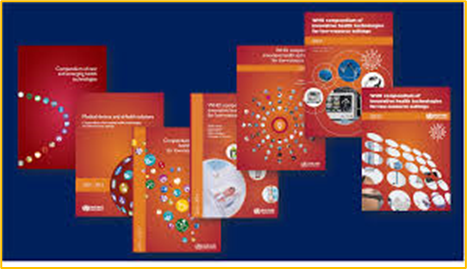
The 2024 Compendium of Innovative Health Technologies for low-resource settings includes commercially available solutions and prototypes. This 7th edition showcases 21 technologies, each with a full assessment. It also includes updates for technologies previously featured in previous compendia editions. Assessments include clinical aspects, relation to WHO technical specifications, regulatory compliance, criteria on health technology assessment and health technology management, local production viability, and intellectual property considerations.

Beyond presenting these innovations, the Compendium serves as a catalyst for increased interaction among stakeholders—ministries of health, procurement officers, donors, developers, biomedical engineers, clinicians, and users. By providing evidence-based assessments and relevant information, it aims to drive use of innovative health technology and expand global access, particularly for low-resource settings for populations in need.

WHO Team

Access to Assistive Technology and Medical Devices (ATM), Access to Medicines and Health Products (MHP), Health Product Policy and Standards (HPS), Medical Devices and Diagnostics (MDD)

Editors World Health Organization ISBN: 978-92-4-009521-2

Source:https://www.who.int/publications/i/item/9789240095212

Humood – Kun Anta | حمود الخضر – كن أنت | Official Music Video

Humood Othman AlKhudher, commonly known as Humood Alkhudher, is a Kuwaiti singer and music producer.

* English Translation https://youtu.be/9JPaGW21Rzg

Benjamin Hopkins, DO, Andrew Hopper, MD

Welcome back to another installment. My name is Benjamin Hopkins, and I am currently a post-grad year one pediatric resident at the University of California, San Francisco–Fresno. When ‘I grow up,’ I want to be a Neonatologist. Look at previous months’ journals for my earlier articles and follow along with this column as I navigate my way to becoming a neonatologist.

 I am just over halfway done with my residency intern year. I have recently completed a rotation through inpatient wards, getting to see a variety of ages and patient presentations, along with consults to other specialties helping care for pediatric patients. I have been privileged to work closely with my fellow residents and supervising attendings who tailor their care for each patient they see.

This month, I had the privilege to talk with Dr. Andy Hopper, Chair of the LLU School of Medicine Promotions Committee and professor of pediatrics and neonatologist at Loma Linda University. We discussed the characteristics of an outstanding neonatologist, how he became a neonatologist, what a resident should prioritize, and some of his current interests and research.

What qualities are most essential to excel as a neonatologist?

 First, you’ve got to like working with babies and the excitement of thinking about and caring for a young patient who has their entire life in front of them. Your interaction with them will allow them to achieve health so they can have that life in front of them. That’s always the prime directive for me when I’m looking to look after a baby. Can we get these kids through whatever problem they’re having so they can go home and live their best life? You have to have a passion for the patient population that you’re going to serve.

That goes for any specialty, but especially for the specialties that are critical care, where it takes more of an emotional burden from time to time and with the care and investment you have towards that patient population when there is, you know, loss or things don’t go the way we want them to and just making sure like we have support and things like that for those areas.

You’re also the doctor to the parents. Most parents, when they landed in the NICU, never planned for this to be the outcome. They’re immediately thrown into this rather harsh environment of bells, whistles, monitors, and people doing things that they’re not sure what they’re doing for their child, but it’s pretty scary. As the neonatologist, this is one of the areas that you have to work with them, and you’re educating them. We’re also trying to give them peace, and you’ll help them get through this. It is a team effort in our specialty, but the physician and the parents have to collaborate to make it work.

We have two daughters, and when I was a pediatric resident, my first daughter was born at 33 weeks. I don’t think we were particularly freaking out about that, but she was preterm. Then, my younger daughter was born when I was in my neonatology fellowship at Stanford. She was 27 weeks, and back in 1982, the year she was born, 28 weeks was considered the limit of viability; they’re different now, and the numbers have come down dramatically. However, I remember my faculty members saying that if she is not too aggressive, we may not want to go all out to resuscitate her because they were thinking the worst. Fortunately, she came out, and she was vigorous. Four hours out, she reached up and pulled her ET tube out; the rest is history.

Another beneficial quality in intensive care is when you’re looking at things to map out what you think will happen in the next 12 to 24 hours; what’s the worst-case scenario, and am I ready to deal with that? When they don’t happen, you’re thrilled, but when they do happen, you’re not caught off guard. I was the director of the ECMO program at Loma Linda for 10 years, and it was always determining who we would put on ECMO and when to do it. That’s where you have to sit down and map out what would be the things that would make me push towards putting this kid on ECMO. It’s an approach that uses differential and critical thinking so that you can be proactive rather than reactive. It’s not a good idea to be catching up with a kid in a code where you thought four hours ago we should have picked up on this, and we could have prevented this.

An excellent bedside nurse will make your night much better because you trust their assessment; I’ve had nurses call me and say, “I was here yesterday. I can’t put my finger on it today, but something’s not right with this kid.” That’s all I need to hear because then I will look carefully to say, what’s different? Is it a heart rate change since the kid has early onset sepsis, or is this a baby with a cardiac lesion that’s ductal dependent, and maybe the duct is closing? Very few things are crash-and-burn type things, but you need to be ready to recognize when those things are happening to connect on that.

When I was in training, we had fewer options; now, there are five or six different kinds of mechanical ventilation, and you use them for various reasons. When I was in training, you either mechanically ventilated them with a pressure-limited time cycle ventilator or didn’t. Those were the times when faculty were home at night, and you were there on the front lines. Part of that, I’m not saying it was always a good thing, but you were the person who had to make those decisions at 2 a.m.; there wasn’t anybody else around.

I remember, as a first-year fellow at Stanford, when I would call the attending and say, “I’ve got this sick kid with meconium aspiration and pulmonary hypertension; these are the things I’m doing. This is what I’m thinking about.” I remember the attending said, “Wow, that kid sounds sick. Good luck. I’ll see you tomorrow.” Then you think, “You know what, this is on me.” They don’t do that anymore, and I’m not saying that was a good role model of the time; it was just different in those days.

What caused you to pursue a career in neonatology?

I can tell you precisely what happened when I was doing my pediatric rotation as a third-year medical student, and I was assigned to a NICU. I went to the University of Texas in San Antonio, and we were down at a county hospital. The intern became ill and was off. The senior resident and attending said, “Okay, you’re a third year medical student; you’re now the intern.” I got promoted very quickly, which was scary, but it was also exciting to be given that responsibility. I had a lot of guidance; that wasn’t something I just did, but I enjoyed the mix of doing procedures, putting in lines, being able to intubate, and putting in chest tubes. Plus, you’re the doctor, the whole doctor, not just the orthopedist or the hematologist. You’re the doctor, covering everything for this unique population. I wouldn’t do well in a clinic setting because I like the adrenaline rush of helping a kid when you don’t know which way things are going. I like the excitement of inpatient medicine and the ability to be that detective to figure out the most likely thing that’s going on. I did my neonatal training at Stanford, but then I was in a quandary about whether I wanted to do PICU. I had the option of going to CHOP, but the way they did their PICU training was they had you go through anesthesia training and then, on top of that, to PICU. After three years of residency and neonatology, my family asked if I was serious about another five or six years. I then ended up going to UCSF to do an additional year there in the old hospital in Parnassus, where we had a Peds ICU on  the sixth floor, and we had cardiac and post-cardiac recovery.

As the PICU fellow, the cardiac surgeon would come in, do an extensive surgery, and it’s five o’clock, and he’s telling you about all the horrible things that could happen after the surgery, and then, his parting words are, “don’t let this kid die.” That was before we had good monitoring or many medications. We had isoproterenol and epinephrine, and it was a juggling act, where you were at the bedside all night trying to keep this kid in bounds so that the following day, you could sign out to the next person; the whole mindset was to keep him alive till 8.05. There was much fear back then; it’s much better now, but it was through fear and intimidation for some of those encounters.

What do you now know that you wish you knew before going into neonatology?

That’s a good question; if I replayed my career, I was focused on clinical stuff. When I was a fellow at Stanford, we had a rotation where you were on service for an entire month, morning and night, seven days a week; you would rely on your colleagues to support you. I would have liked to have had an opportunity to focus on research and academics for a year after the clinical training. If I could replay what I did again now, I would have taken that extra year in pulmonology or neurology because those are the things I’m passionate about. You learn on the job; at the time, I didn’t think I could put my family through that. It’s not always apparent that that’s something I could have done. But if I could replay that, I would have tried to do an extra year or two. Many people now have MD/PhD degrees, which is fine. I didn’t need a PhD, but an additional year of training in working with people would have been a way to solidify a more substantial research career for me.

What are you currently working on? I’m working part-time now and fill in when people need help. We have a fellowship program, and I have three fellows I mentor and help with their SOC projects required for fellowship. I miss bedside teaching, but I give lectures and didactics for fellows. We have a couple of new faculty members that I’m also trying to work with, and I am trying to educate our nurses because you need to have excellent nurses. That’s what makes a unit good: good nurses and RTs. It was much different then, but one of the reasons you could survive a crazy month of fellowship was because you had RTs that were on to help you, and they were very professional in what they were doing. Fostering teamwork and education is something I still enjoy.

I am still particularly energized when I go to a good research meeting. It excites you; I’m jealous of guys like you who are beginning their careers because I can only imagine what new neonatology will be like in 10 years. You’ll also have all kinds of genetic capabilities to make diagnoses and genetic-based treatments. Neonatology is a relatively new field with new treatments. My career has been almost 40 years, and when I started, we didn’t have surfactants or artificial surfactants. We barely had TPN, which was adult TPN watered down for babies. We didn’t have nitric oxide treatment or neonatal ECMO. All these things resulted from people doing research and wanting to improve the outcome of kids.

Even in a unit like Kaiser, the way that they do their research may be less of a bench-top approach, but they do some incredible QI work that helps develop protocols. We have a small baby unit with extremely preterm kids, and everything is driven by protocol. However, the idea is that you’re constantly refining and evaluating those protocols to see if they’re the best. You’re analyzing, making changes, and evaluating the changes to see if that makes things better. It is a good way to do medicine in general, and neonatology thrives on that approach.

What would you encourage a future neonatologist to prioritize and be involved in? I

t’s a little different now; people come into the fellowship, and they have been doing neonatal electives, and that is to their advantage is to have a little bit of familiarity with neonatology so you’re not going to freak out. We have a massive unit with high acuity, which can be overwhelming for somebody with no neonatal background before the pediatric residency program. I’m not saying it’s right or not, but residents in pediatrics used to have six months of neonatology. Now that’s been watered down by the ACGME, you only have three months. You’re coming into a fellowship with a significantly different background than we did before. You’ll learn to be an outstanding neonatologist.

What you want to do now is take advantage of some ancillary subspecialties like cardiology. I would also consider doing a PICU elective because many of these babies will graduate and go to the PICU. We have babies in our unit in Loma Linda that are seven or eight months old. They’re no longer neonates, so having that experience is beneficial. Neurology is another area where there’s so much of it in neonatology that a good neurology background, teaming up with a neonatal neurologist who cares about those babies, can show you how to do an appropriate, careful physical and neurologic exam. Take advantage of that stuff because you don’t get a chance to do that later on.

Having been in this field for this long, I have a couple of things I did that I have enjoyed: working at Loma Linda and the friendships of my colleagues—I value what they do. They’re good people, and our group is collegial. It’s stressful, so the ability to work with people who care for you makes a big difference. You may not be close buddies with them all, but they respect you, and you respect them. An example is if you were sick and you couldn’t do your call, I can tell you my experience has been if I call in and say, “Hey, you know, I’m sick this evening. Can anybody take my call?” Usually, within 10 minutes, somebody says, “Yeah, I’ll do your call.” That kind of support makes a big difference; people have your back, which is nice; generally, it’s a great specialty.

Developmental Care

The majority of babies born prematurely do well and develop normally, however, the risk of developmental problems is considerably higher than in the rest of the  population and the risk increases proportionately with the degree of prematurity.  About half of the infants born preterm (before 28 weeks) will require some form of specialist help when they start school: for those born between 28 and 32 weeks this figure decreases to 30%. The range of problems is wide and they often overlap or present in clusters so that a child may have a complex developmental profile.

Problems include:

  • Altered pain perception
  • Anxiety and Depression
  • Attachment disorders
  • Attention deficit disorder
  • Autism
  • Behavioural problems
  • Cerebral Palsy
  • Cognitive deficits
  • Co-ordination disorders
  • Executive Functions
  • Feeding problems
  • Hearing loss
  • Hyperactivity (related to attention deficit)
  • Language delay
  • Memory
  • Perceptual motor problems
  • Sensory Processing
  • Social isolation
  • Specific learning deficits (e.g maths)
  • Timidity/withdrawal
  • Visual deficits

Developmental care improves the potential of infants who are disadvantaged by premature birth or adverse perinatal events by supplementing and humanizing high tech medical care.

In many units the focus of developmental care is Family Centered Care (FCC). In FCC units the importance of the family as the most significant influence on the infant’s well being and development is underlined and parents and healthcare professionals work in partnership, with open communication. FCC places the infant firmly in the context of the family, acknowledging that the family is the most constant influence on an infant’s development. Adjusting to parenting in the NICU following a traumatic birth experience or pre-term delivery can be difficult. Assisting mothers and fathers adapt to their parenting roles in the NICU is part of developmental care. FCC is sensitive to the nature of personal, social and cultural influences upon each family.

Another view of developmental care focuses on the NICU environment, particularly in adapting the physical environment to provide appropriate sensory stimulation, to protect the baby from stress and to promote sleep. The immature central nervous system of the neonate is in a critical period of rapid growth and increasing specialization, all designed to take place in quite a different settling e.g. the mothers womb. The NICU is not the optimal sensory environment for preterm and newborn development. The infants’ behavioural cues are the best guide to whether or not the environment (sensory, temporal and social) is conducive to the current development needs of the infant and the environment needs to be organized in such a way to meet the infant’s developmental expectations.

Individualised developmental care is care that is responsive to the ever changing needs of the infant. Behavioural cues help us understand the infant’s competency, strengths, sensitivity, vulnerability and developmental goals. The leading mode of individualized developmental care is the NIDCAP- Newborn Individualised Developmental Care and Assessment Programme. Many of the NICUs in Ireland have NIDCAP trained professionals. To learn more about NIDCAP visit www.nidcap.org.

MEETING THE NEEDS OF THE NEONATE

Physiological stability is important for brain development. The way that the NICU environment, light and noise, the timing of events, handling and positioning can have a positive or negative effect on heart beat, respiratory pattern, oxygenation, intracranial pressure, temperature and oxygen consumption.

Minimising the pain and stress of the neonate because of the long term impact on behaviour and sensory processing is an important aspect of developmental care. Many benign routine aspects of neonatal care such as nappy change and bathing can be stressful for the premature infant and developmental care ensures that such procedures are adapted to minimize distress to the infant.

Protecting Sleep. REM or active sleep is associated with brain development whilst quiet sleep is associated with growth. Sleep protection relies on the caregiver’s ability to distinguish different states of arousal.

Enhanced nutrition. Developmental care can support nutrition by helping the infant to conserve energy and to digest food in addition to providing effective support for breast feeding.

Appropriate sensory experience.  Certain kinds of stimulation are required to trigger normal development whilst inappropriate stimulation that is out of phase with developmental brain expectation can result in some systems failing to develop. By observing the infants behaviour the caregiver can learn which sensory stimulations are appropriate.

Parenting and attachment. Parenting style has a significant impact on development and learning how their infant communicates is an integral component of developmental care for families. The high tech environment of the NICU can have an adverse impact upon attachment. Developmental care facilitates this attachment process and allows the parent/infant relationship to develop, supports the parents as they get to know their infant and grows their confidence as primary caregivers.

Protecting postural development. Development care can protect infants from the acquired postural deformities that can result from long periods of lying flat on a bed (e.g flat head syndrome), retracted shoulders (e.g.arms held in the W position), legs abducted and externally rotated (e.g. frog leg position), and torticollis. Adequate positioning support combined with frequent position changes can counteract these deformities which can otherwise delay the acquisition of skills such as sitting and walking, self comforting, feeding and fine motor co-ordination. 

EXAMPLES OF DEFENSIVE/AVOIDANCE BEHAVIOUR IN THE NEONATE

Agitation Arching Bracing position of legs Colour changes Coughing Crying Diffuse states Eye floating Finger splay Fussing Glazed look

Grimmacing Hiccoughs High guard hands Jerky movement Limp or stiff posture Looking away Mouth hanging open Pauses in breathing Positioning Salute Sighing

Sneezing Staring Sudden movement Straining Squirming Tongue thrusting Tremulousness Twitching Whimpering Yawning

EXAMPLES OF COPING/APPROACH BEHAVIOUR IN THE NEONATE

Easily consoled Frowning Grasping Healthy Colour Holding on Hands to mouth

Hands clasped together
Moving hand to face
One foot clasping the other
Orientation to voice or sound
Perky attentive expression
Relaxed open face

Responsive smiling Restful sleep Smooth movements Soft flexed position Settles self Snuggling when held

SENSORY DEVELOPMENT

The senses mature in the following order:

  • Touch
  • Vestibular (response to movement in space)
  • Chemosensory (taste and smell)
  • Hearing
  • Vision

TOUCH

Different kinds of touch activate different sensory receptors in the skin. Light, feathery touching can be arousing and preterm infants may react irritably. Gentle deep pressure touch is more soothing for the infant. Infants may seek comfort through tactile self-regulatory strategies such as grasping and bracing. Boundaries (nesting) , wrapping and cradling the feet, head or body with still hands have an organizing input.

VESTIBULAR

The vestibular apparatus located in the inner ear responds to movement through space and the effects of gravity. Vestibular input is thought to promote maturation of the other systems.
The movement experienced by infants in the NICU is often sudden and unpredictable and their fragile vestibular systems can become easily overloaded. It is important that infants are prepared for position changes by providing adequate support and moving slowly and gently.

TASTE AND SMELL

The infant is exposed to many noxious smells in the NICU. Staff should minimize unpleasant olfactory experiences e.g alcohol wipes, plaster removers, strong perfume, strong hand creams etc, deliver medications separately from milk, and facilitate positive olfactory experiences by encouraging close contact with parents.
Taste may be affected by intrusive oral experience e.g. prolonged use of endotracheal tube and this may contribute to later feeding difficulties.

HEARING

Protecting sleep is an important factor in auditory development and the sound environment of the NICU should be monitored to reduce background noise (e.g bins, phones, placing objects on the incubator). Background noise should be kept very quiet, average max. 45 decibels per hour as noise makes it difficult for the infant to hear and respond to the human voice. Parents should be encouraged to speak softly with their infant.

VISION

REM sleep is essential for development of the visual system. As the eyelids of the neonate are thin and let considerable light through, the ambient lighting of the NICU should be adapted e.g placing incubator covers over the isolettes. Pupil contraction reflex is only effective from 32 weeks and the infant is unable to regulate light entering the eye before then.

INTEROCEPTION

Interoception is a sense that allows us to notice internal body signals like a growling stomach, racing heart, tense muscles or full bladder. Our brain uses these body signals as clues to our emotions. Research shows that the ability to clearly notice body signals is linked to the ability to identify and manage the following emotions and more:

Hunger Tiredness Focus Fullness/Thirst Need for Bathroom Calm Pain Anger Boredom Illness Anxiety Sadness Body Temperature Distraction

ATTENTION AND INTERACTION

  • Up to 32 weeks   Infants are easily overloaded by sensory experience.

The snuggle is real: Banners in the hospital hallway remind the families of premature babies of the importance of kangaroo care.

Helen Adams    May 17, 2024

Maggie Gambon hadn’t had a baby shower yet or even bought maternity clothes. The lawyer-turned-marketer was still pretty far away from her due date. But her son Eli was arriving anyway – born March 8. “He weighed 1 pound, 11 ounces,” his mom said.

She’d known she was at risk for premature birth. Gambon had preeclampsia, “a life-threatening hypertensive disorder,” according to the Preeclampsia Foundation. It can lead to “a rapid rise in blood pressure that can lead to seizure, stroke, multiple organ failure and even death of the mother and/or baby,” the foundation’s website says.

“My OB at East Cooper sent me over here to MUSC for observation because of the preeclampsia. And then, while I was here for observation, pulmonary edema set in.” Pulmonary edema, which means too much fluid in the lungs, is life-threatening. That was a signal that her baby had to be born.

“They did an emergency C-section,” Gambon said of her cesarean section, a procedure that may have saved both her life and her baby’s.

 Nurse Kara St Laurent, left, and respiratory therapist Rebecca Barbrey help Maggie Gambon settle in to snuggle with Eli. She’ll stay there for two or three hours at a time.

Eli was rushed to the neonatal intensive care unit at the MUSC Shawn Jenkins Children’s Hospital, where he’s had round-the-clock care ever since. His tiny body still needs time to grow before he’ll be big and healthy enough to go home to Summerville with his mom and dad.

Gambon or her husband visit every day. And they’ve learned something special that MUSC Children’s Health doctors and nurses know can help Eli thrive. Julie Ross, M.D., a neonatal specialist at the hospital, said it’s called kangaroo care or skin-to-skin care. Kangaroo, because kangaroo babies rush into their mothers’ pouches after birth, then stay there for months, feeding on their mothers’ milk and growing.

Whatever you call it, human babies need physical contact with a parent’s skin every day if possible. “Our goal is for parents to be able to do skin-to-skin care with their baby as soon as possible after delivery, ideally within the first 72 hours of life if they’re able. And then continuing that up to twice a day for as long as they would like to do that,” Ross said.

“Kangaroo care has significant benefits for preterm babies, including improved neurodevelopment. There are situations where skin-to-skin care can be challenging, based on how sick babies are at times, but we really try everything possible to make sure that it can happen, and when it’s not possible, we encourage parental contact in other ways, such as hand hugs and gentle touch during cares.”

It can be a little scary for the parents of a fragile-looking preemie like Eli. “It’s kind of a big production,” his mother said.

A nurse and a respiratory therapist are on hand to set them up for kangaroo care. Since Eli’s hooked up to machines, they slowly move him toward the bottom of his hospital bed. There, his mother leans over to pick him up carefully. They help her ease into a chair with her baby, where mother and son rest peacefully. She and her husband have seen what a difference it makes.

“We noticed that the days that we did kangaroo, he seemed to have a marked difference in how well he was doing. So we committed to doing it every day. Either I or my husband will be here to kangaroo with him,” Gambon said.

“And I don’t know if the research says if there’s any difference between mom or dad holding them or just human contact. We committed to ensuring he’s going to get skin to skin with one of us every single day, and he’s been doing so much better since we did.”

There’s plenty of science to back up the practice of skin-to-skin care. For example, the World Health Organization said research shows that it “significantly improves a premature or low-birthweight baby’s chances of survival.” It also can save up to 150,000 lives a year, according to the organization.

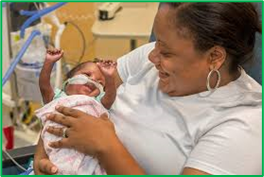
 Delisa Abson smiles as her son, Braxton Abson grips her hand in the neonatal intensive care unit at the MUSC Shawn Jenkins Children’s Hospital. She regularly bonds with him through skin-to-skin contact.

Families in the MUSC Shawn Jenkins Children’s Hospital see banners in the hallways promoting the importance of kangaroo care. Delisa Abson, another mother whose baby needs a little time in the hospital before he’ll be healthy enough to go home, makes it part of her routine, too.

Ross, the neonatal specialist, described some of kangaroo care’s other benefits. “It helps with the baby’s temperature control; reduces stress, including decreasing pain during procedures; increases weight gain; and improves overall stability in heart rate and oxygen saturations. It benefits mom as well in terms of breast milk production and can decrease parental stress and support bonding. The body responds to the baby’s closeness.”

Gambon said she can feel it happening during and after skin-to-skin time with Eli. “Every time I put him back in bed, my breasts feel like they’re gonna explode.” That may not sound like a great feeling, but she’s thrilled to be able to supply that milk to her son. A nurse noticed he’s getting baby fat rolls – a good sign for a little boy who’s still weeks from his original due date.

And the connection Gambon has been able to solidify with Eli while still in the hospital has been remarkable. “It helped tremendously with bonding early on. He was born at 26 weeks gestation, so, initially, I kind of felt like, ‘Man, what just happened to me? Did I have a baby?’ It felt kind of like a mirage. But getting to have skin to skin with him and smell him and feel him … it’s real. It made it real.”

Source: https://web.musc.edu/about/news-center/2024/05/17/how-kangaroo-care-is-helping-tiny-preemies-grow-and-bond-with-parents

Preparing to welcome a new baby home is a time of joy—and stress!—under the most ideal circumstances. But if your baby arrived early and is being cared for in the NICU, bringing them home comes with all of that joy — and a double helping of the stress.

Bringing a preemie home from the NICU requires some extra preparation so you can give your new baby the care they’ll need to grow and thrive. As you make your plans for your preemie’s homecoming, having the right gear and supplies can help to ease the transition and make it through the early days.

This guide can help you get ready, with a comprehensive checklist of preemie must-haves.

What do you do when baby comes home from NICU?

Hospital NICU’s are fully stocked with all the supplies and gear that are needed to care for premature babies. To make the transition from caring for your baby in the NICU to caring for your baby at home as easy as possible, it helps to make sure you have all the preemie must-haves on hand before your baby comes home. This checklist of preemie essentials can help you get organized and get ready: 

  • Diapers and Wipes: Most preemies require special-sized diapers so be sure to stock up on the sizes you need. 
  • Bottles: Ask the NICU staff about the best nipple types and bottles for your baby. 
  • Clothing: Newborn-sized clothing will likely be too big for your baby. You’ll need some cozy preemie-sized onesies and pajamas that fit your baby. 
  • Swaddle Blankets and Sleep Sacks: Keeping premature babies warm at home is essential, and swaddling can help your baby sleep longer and better. Ask the NICU nurses to help you perfect your swaddling techniques so your baby can get the rest they need.   
  • Sleeping Arrangements: The American Academy of Pediatrics recommends that babies sleep in a crib or bassinet with a firm mattress in their parents’ room for at least the first six months of their life. The MamaRoo Sleep® Bassinet offers a firm, flat sleeping surface and adjustable legs, making it a great preemie bassinet that you can use until your baby is 25 pounds or can push up on their arms and legs. Plus it has over 100 motion, speed, and sound combinations that can be tailored to baby’s needs.  
  • Baby Thermometer: A thermometer is an important part of premature baby care and health monitoring. Choose a thermometer that’s suitable for newborns. 
  • Bathtub: Make bath time easier with a tub designed for infants that can also double as a preemie essential, like the Cleanwater™ Tub—it comes with a newborn insert to cradle your preemie safely and is designed to grow with your baby. 
  • Nasal Aspirator: A basic bulb syringe or a device that helps to suction mucus from your baby’s nose, making it easier for them to breathe, suck, and eat. 
  • Medication Management: If your baby needs medications, consult with your NICU team to make sure you have all the medical supplies and prescriptions you need on hand to continue premature baby care at home.

The extended “bringing preemie home” checklist

Beyond these preemie must-haves, you may want some other items that can make premature baby care a little easier:

  • Baby Monitor: Being able to keep an eye (and an ear) on your baby can give you some added peace of mind when you’re not in the same room. 
  • Baby Swing: A baby swing can be a familiar and safe space for your preemie when your tired arms need a break. More than 600 hospital NICUs across the country trust the MamaRoo® Multi-Motion Baby Swing™ to comfort the tiny babies in their care. Want to learn more about this preemie must-have? A NICU nurse explains why its parent-inspired motions keep preemies content and comfortable. 
  • Skin-to-Skin Gear: A specially made wrap or shirt makes it easy to give your baby the beneficial skin-to-skin contact they need.

Do NICU babies have a hard time adjusting to home?

Bringing a  preemie home from the NICU might feel overwhelming, but there are ways to make it a little easier on you.

Use your time in the NICU to gain the confidence you need to care for your baby; the nurses can teach you how to care for preemies and provide any special care your baby needs, including soothing techniques that will calm your baby and help you all settle more easily into a routine. You can also turn to preemie essentials made to soothe babies.

As you and your baby adjust to life at home, it’s vital to establish a support system to help you cope with the sometimes overwhelming responsibilities and emotions that go along with premature baby care. Your partner, parents, relatives, and friends are probably eager to pitch in and help in whatever ways they can—providing meals, helping with household chores, or coming over to hold the baby so you can shower, eat, or just get a little break.

You may also want to seek out a support group that connects you with other parents whose babies were in the NICU to share stories about preemie parenting, trade tips, and get comfort from other new parents who are having similar experiences. A pediatrician who is experienced with caring for preterm babies can help you find a local or online group and can also direct you to any specialists you might need as your baby grows.

Get ready to bring your baby home

Bringing your preemie home from the NICUE is a time that’s both joyful and challenging for your family—but the right tools can help. Preemie must-haves like the  MamaRoo® Multi-Motion Baby Swing™—which is used and trusted in more than 600 NICUs in the US—can help you re-create the nurturing environment of the NICU so your preemie can flourish.

And when you purchase these products for your baby, you’re helping –https://www.4moms.com/blogs/the-bib/12-preemie-must-haves-for-bringing-your-preemie-baby-home

Surviving Residency: Insider Secrets from a Chief Resident (Don’t Be THAT Intern!) #residency

     Prerak Juthani

2,242 views Jan 20, 2024

I had the pleasure of interviewing one of my chief residents about the tips that he would give himself if he were to do residency again. What he shared with me was beyond inspiring. The individual who I had the pleasure of interviewing was Peter Konyn. He graduated from UC Davis with a B.S. in Pharmaceutical Chemistry, as part of the University Honors Program. He then enrolled at UCLA for medical school, where he graduated at the top of his class, including earning induction into both the AOA Honors Society and the Gold Humanism Honors Society. I think that the tips he shares here are things that I still think about to this day!

Mandatory Reporting in the NICU: Supporting Families with Substance Abuse

Wednesday Jan 08, 2025

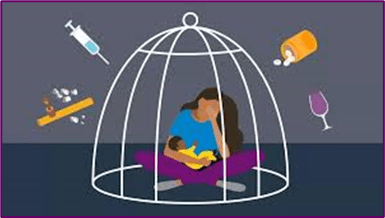
In this episode, we explore the intersection of neonatal care, substance use disorders, and mandatory child protective services (CPS) reporting, particularly in the NICU setting. NICU nurses and advanced practice professionals often focus on managing neonatal withdrawal and supporting the baby’s immediate needs, but what happens when mandatory reporting policies impact the delicate relationship between mother and infant? How do these policies affect long-term bonding and family-centered care?

We’re joined by Dr. Kelly McGlothen-Bell, a nursing scientist and expert in reproductive justice and health equity, who brings a wealth of knowledge on the complexities of caring for families affected by substance use during pregnancy. Dr. McGlothen-Bell discusses the stigma surrounding substance use, the emotional and systemic challenges mothers face, and the significant role of CPS interventions, which can create barriers to consistent visitation and strain the mother-infant bond. She also highlights the need for a more integrated, compassionate approach to care, ensuring that families receive necessary services without punitive actions such as child removal when not warranted.

With 31% of births occurring in states with mandatory reporting laws, and nearly half of child removals linked to substance use, understanding the policies at play is critical for healthcare providers. Dr. McGlothen-Bell emphasizes the importance of understanding these policies, advocating for more equitable care, and addressing racial disparities within the child welfare system. The episode also explores how CPS involvement can affect long-term outcomes for families, including stress, relapse, and strained recovery.

Listeners will gain insights into the importance of clear communication, prenatal care, and the role of nurses and social workers in advocating for families both within and outside the NICU. We discuss how healthcare professionals can balance mandatory reporting with compassionate care, ensuring that families navigate the complexities of recovery, legal systems, and childcare with dignity and respect.

This episode is a must-listen for NICU nurses, social workers, and anyone working at the intersection of maternal and neonatal care, as well as those interested in the policy and systemic factors that influence family outcomes in the NICU and beyond.

Source:https://nanncast.podbean.com/e/mandatory-reporting-in-the-nicu-supporting-families-with-substance-abuse/?token=ff2bab9aaa8cb066c48cb2b67b2cc920

The Incubator Channel    Oct 28, 2024

Ben and Daphna speak with Dr. Melissa House, Chavis Patterson, and Kathleen Stanton about creating a “psychologically-minded” NICU, where mental health support is essential for families, staff, and patients alike. They discuss the upcoming CHNC workshop, “Combating Distress, Dissatisfaction, and Discord,” which introduces trauma-informed care, caregiver support, and the impact of chronic stress on NICU staff and families. Listen in as they share insights on fostering empathy, self-awareness, and a supportive NICU culture, helping caregivers bring their best selves to the bedside.

Zsuzsanna Nagy, MDMahmoud Obeidat, MDVanda Máté, MD; et al Rita Nagy, MD, PhDEmese Szántó, MDDániel Sándor Veres, PhDTamás Kói, PhDPéter Hegyi, MD, DSc9Gréta Szilvia Major, MD

JAMA Pediatr. Published online December 30, 2024. doi:10.1001/jamapediatrics.2024.5998

Key Points

Question  What are the occurrence and temporal distribution of intraventricular hemorrhage (IVH) in very preterm neonates during the first week of life?

Findings  This systematic review and meta-analysis including 64 studies and 9633 preterm neonates found that the overall prevalence of IVH in preterm neonates has not changed significantly over the past 20 to 40 years. However, IVH earlier than 6 hours of life has been reduced to less than 10% of all IVH events.

Meaning  These data suggest that although preventive measures have been implemented, IVH has occurred later but its prevalence has not been reduced.

Abstract

Importance  Intraventricular hemorrhage (IVH) has been described to typically occur during the early hours of life (HOL); however, the exact time of onset is still unknown.

Objective  To investigate the temporal distribution of IVH reported in very preterm neonates.

Data Sources  PubMed, Embase, Cochrane Library, and Web of Science were searched on May 9, 2024.

Study Selection  Articles were selected in which at least 2 cranial ultrasonographic examinations were performed in the first week of life to diagnose IVH. Studies with only outborn preterm neonates were excluded.

Data Extraction And Synthesis  Data were extracted independently by 3 reviewers. A random-effects model was applied. This study is reported following the Preferred Reporting Items for Systematic Reviews and Meta-analyses (PRISMA) reporting guideline. The Quality in Prognostic Studies 2 tool was used to assess the risk of bias.

Main Outcomes And Measures  The overall occurrence of any grade IVH and severe IVH among preterm infants was calculated along with a 95% CI. The temporal distribution of the onset of IVH was analyzed by pooling the time windows 0 to 6, 0 to 12, 0 to 24, 0 to 48, and 0 to 72 HOL. A subgroup analysis was conducted using studies published before and after 2007 to allow comparison with the results of a previous meta-analysis.

Results  A total of 21 567 records were identified, of which 64 studies and data from 9633 preterm infants were eligible. The overall rate of IVH did not decrease significantly before vs after 2007 (36%; 95% CI, 30%-42% vs 31%; 95% CI, 25%-36%), nor did severe IVH (10%; 95% CI, 7%-13% vs 11%; 95% CI, 8%-14%). The proportion of very early IVH (up to 6 HOL) after 2007 was 9% (95% CI, 3%-23%), which was 4 times lower than before 2007 (35%; 95% CI, 24%-48%). IVH up to 24 HOL before and after 2007 was 44% (95% CI, 31%-58%) and 25% (95% CI, 15%-39%) and up to 48 HOL was 82% (95% CI, 65%-92%) and 50% (95% CI, 34%-66%), respectively.

Conclusion And Relevance  This systematic review and meta-analysis found that the overall prevalence of IVH in preterm infants has not changed significantly since 2007, but studies after 2007 showed a later onset as compared with earlier studies, with only a small proportion of IVHs occurring before 6 HOL.

Source:https://jamanetwork.com/journals/jamapediatrics/fullarticle/2828319

12/18/2024

Carle Foundation Hospital (CFH) is the only Neonatal Intensive Care Unit (NICU) in the region offering Level III perinatal care for newborns with critical conditions. On average, staff care for 35 babies each day in the NICU from an area that stretches west from Bloomington and Decatur, east to Danville and south to Olney. This distance, and potentially long NICU stays, mean some parents may need to leave their healing babies at times in the care of CFH staff.

Now, Carle’s Neonatal Intensive Care Unit is helping parents stay connected with their babies through technology. It is the first unit in the U.S. to offer an innovative and secure application where nurses share photos and video as the baby progresses. It’s called vCreate and is already in use in the U.K.

“Leaving a newborn at the hospital is naturally stressful for parents, some with limited visits for a variety of reasons such as distance from the hospital, work commitments, or caring for siblings of the newborn,” Kara Weigler, RN, manager, Neonatal Intensive Care Unit said. “We receive such positive feedback from parents about having this application available. We can take video of a baby having a bath or photos of the newborns as they progress.”

Not only do parents receive visual updates on their baby’s progress, but nurses also mark special occasions such as visits with Santa Claus.

For Carle Health team members, offering this free tool is just part of the type of care experience they strive for every day. And with such limited options for the level of care the CFH NICU provides, they take that responsibility very seriously.

“If someone cannot deliver, due to a complex pregnancy, at their community hospital, they are transported here,” Weigler said. More than 100 transports arrive at Carle yearly.

Syvanna Keith, who also has a 3-year-old, drives an hour to see her baby who is in the NICU after surgery due to an intestinal blockage. “Having a baby in the NICU is stressful and the nurses in the NICU have been wonderful to work with. Seeing photos of baby Bryan Duane when I am not there really helps a lot.”

A Carle nurse discovered the vCreate application at a conference and introduced the idea to her colleagues. The only equipment the family needs is a smart cell phone to start receiving the photos and videos nurses record in the NICU. Parents may review the message in the language of their choice.

Source:https://carle.org/newsroom/community/2024/12/nicu-nurses-first-in-nation-to-use-new-technology

Burstein, Or Aryeh, Tamara Geva, Ronny Burstein, O., Aryeh, T., & Geva, R. (2024). Neonatal care and developmental outcomes following preterm birth: A systematic review and meta-analysis. Developmental Psychology. Advance online publication. https://doi.org/10.1037/dev0001844

Abstract

Major amendments in neonatal care have been introduced in recent decades. It is important to understand whether these amendments improved the cognitive sequelae of preterm children. Through a large-scale meta-analysis, we explored the association between prematurity-related complications, neonatal care quality, and cognitive development from birth until 7 years. MEDLINE, APA PsycInfo, and EBSCO were searched. Peer-reviewed studies published between 1970 and 2022 using standardized tests were included. We evaluated differences between preterm and full-term children in focal developmental domains using random-effects meta-analyses. We analyzed data from 161 studies involving 39,799 children. Preterm birth was associated with inferior outcomes in global cognitive development (standardized mean difference = −0.57, 95% CI [−0.63, −0.52]), as well as in language/communication, visuospatial, and motor performance, reflecting mean decreases of approximately 7.3 to 9.3 developmental/intelligence quotients. Extreme prematurity, neonatal pulmonary morbidities, and older assessment age in very-to-extreme preterm cohorts were associated with worse outcomes. Contemporary neonatal medical and developmental care were associated with transient improvements in global cognitive development, evident until 2 to 3 years of age but not after. Blinding of examiners to participants’ gestational background was associated with poorer outcomes in preterm cohorts, suggesting the possibility of a “compassion bias.” The results suggest that preterm birth remains associated with poorer cognitive development in early childhood, especially following pulmonary diseases and very-to-extreme preterm delivery. Importantly, deficits become more pervasive with age, but only after births before 32 gestational weeks and not in moderate-to-late preterm cohorts. Care advancements show promising signs of promoting resiliency in the early years but need further refinements throughout childhood.

Impact Statement

Preterm birth is related to persistent neurodevelopmental difficulties, yet it remains unclear whether changes in care improve outcomes. Covering 50 years of research, including 37,999 children (0–7 years), we found considerable cognitive disadvantages that steepen the earlier the preterm birth occurs and following neonatal brain or lung damage. These early-life difficulties intensify with age but only in very and extreme cases of prematurity. Importantly, changes in neonatal intensive care unit care protocols show some positive, though yet transient, signs of promoting resiliency.

Source:https://psycnet.apa.org/search/display?id=e23f63e6-6b37-757e-0c5d-25a37874dfb3&recordId=1&tab=PA&page=1&display=25&sort=PublicationYearMSSort%20desc,AuthorSort%20asc&sr=1

Griffith, Thao PhD, RN; White-Traut, Rosemary PhD, RN, FAAN; Tell, Dina PhD; Green, Stefan J. PhD; Janusek, Linda PhD, RN, FAAN

Advances in Neonatal Care 24(6):p E88-E95, December 2024. | DOI: 10.1097/ANC.0000000000001216

Abstract

Background: 

Preterm infants face challenges to feed orally, which may lead to failure to thrive. Oral feeding skill development requires intact neurobehaviors. Early life stress results in DNA methylation of NR3C1 and HSD11B2, which may disrupt neurobehaviors. Yet, the extent to which early life stress impairs oral feeding skill development and the biomechanism whereby this occurs remains unknown. Our team is conducting an NIH funded study (K23NR019847, 2022-2024) to address this knowledge gap.

Purpose: 

To describe an ongoing study protocol to determine the extent to which early life stress, reflected by DNA methylation of NR3C1 and HSD11B2 promoter regions, compromises oral feeding skill development.

Methods: 

This protocol employs a longitudinal prospective cohort study. Preterm infants born between 26 and 34 weeks gestational age have been enrolled. We evaluate early life stress, DNA methylation, cortisol reactivity, neurobehaviors, and oral feeding skill development during neonatal intensive care unit hospitalization and at 2-week post-discharge.

Results: 

To date, we have enrolled 70 infants. We have completed the data collection. Currently, we are in the data analysis phase of the study, and expect to disseminate the findings in 2025.

Implications for Practice and Research: 

The findings from this study will serve as a foundation for future clinical and scientific inquiries that support oral feeding and nutrition, reduce post-discharge feeding difficulties and lifelong risk of maladaptive feeding behaviors and poor health outcomes. Findings from this study will also provide further support for the implementation of interventions to minimize stress in the vulnerable preterm infant population.

Source:https://journals.lww.com/advancesinneonatalcare/fulltext/2024/12000/epigenetics_embedding_of_oral_feeding_skill.17.aspx

Dear Fellow Warriors,

I want to take a moment to talk to you about love—not just the love we’ve received but the love we carry within ourselves. You’ve come so far, and every step of your journey has been marked by resilience fueled by love.

Love is what surrounded you in those early days. It’s the hands that held you, the whispers of encouragement when things felt uncertain, and the hope that never wavered. That love wasn’t just given to you—it became part of you, a quiet strength you carry forward every single day.

But here’s the beautiful thing about being a preemie: you’ve learned that love isn’t just something you receive; it’s something you radiate. Every time you take a step forward, every milestone you achieve, and every moment you choose to persevere, you remind the world what love in action looks like.

Life may present challenges, but love is your greatest ally. It’s the love you show yourself when you celebrate how far you’ve come. It’s the love you give others when you share your story, offering hope and inspiration. And it’s the love that reminds you that you are more than capable of facing anything that comes your way.

Resilience doesn’t mean you don’t face hardships. It means you face them with courage, with the knowledge that you’ve already overcome so much. Love and resilience go hand in hand—they’ve carried you this far, and they’ll continue to carry you wherever you dream of going.

So, to every preemie reading this: You are enough. You are strong. You are loved. And because of that love, there is nothing you can’t do.

Keep shining, keep thriving, and never forget the power of love within you.

With pride and encouragement, Kathryn Campos

This song aims to carry the premature cause and gather around common values. The video clip represents the struggle of prematurity through our little magician Julia, a former premature baby, who gets to the end of the race despite the obstacles with the help of caregivers.

It’s Valentine’s Day and Biscuit is ready to play. What will he do? Woof! Let’s find out in this wonderful tale, “Biscuit’s Valentine’s Day” by Alyssa Capucilli.

Make Eat Happen

AsianNeo, Mentors, SOS Préma

Malaysia is a country in Southeast Asia. A federal constitutional monarchy, it consists of 13 states and three federal territories, separated by the South China Sea into two regions: Peninsular Malaysia and Borneo‘s East Malaysia. Peninsular Malaysia shares a land and maritime border with Thailand and maritime borders with SingaporeVietnam, and Indonesia. East Malaysia shares land borders with Brunei and Indonesia, as well as a maritime border with the Philippines and Vietnam. Kuala Lumpur is the national capital, the country’s largest city, and the seat of the legislative branch of the federal governmentPutrajaya is the administrative centre, which represents the seat of both the executive branch (the Cabinetfederal ministries, and federal agencies) and the judicial branch of the federal government. With a population of over 34 million, the country is the world’s 43rd-most populous country. Malaysia is tropical and is one of 17 megadiverse countries; it is home to numerous endemic speciesTanjung Piai in the Malaysian state of Johor is the southernmost point of continental Eurasia.

Healthcare in Malaysia is under the purview of the Ministry of Health of the Government of MalaysiaMalaysia generally has an efficient and widespread system of health care, operating a two-tier health care system consisting of both a government-run public universal healthcare system along with private healthcare providers. Within the public universal healthcare system, specialist services are either free or have low user fees for procedures (however, appliances are fully self-funded out of pocket by the patient, even within the public healthcare system); as such the public healthcare system suffers from high demand, routine congestion, long wait lists, chronic widespread delays along with persistent shortages in healthcare personnelmedical equipment and healthcare supplies.

Therefore, private healthcare providers play a pivotal role in providing specialist consultants and general practitioner (GP) services to the Malaysian population; the private healthcare providers complements or supplants the public healthcare system in terms of availability, types of treatments provided and types of materials used.

Source: https://en.wikipedia.org/wiki/Malaysia

Introduction

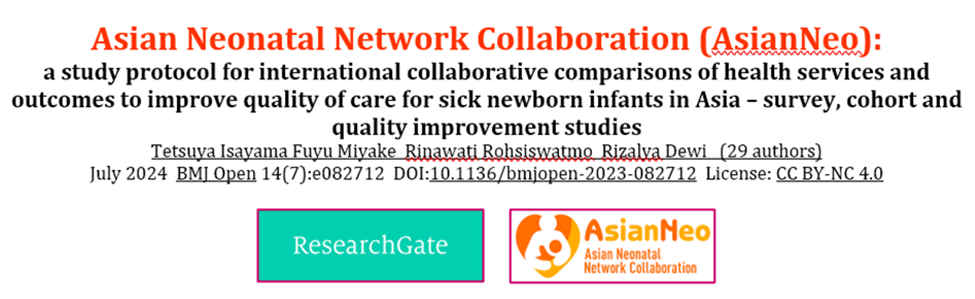
Reducing neonatal deaths in premature infants in low- and middle-income countries is key to reducing global neonatal mortality. International neonatal networks, along with patient registries of premature infants, have contributed to improving the quality of neonatal care; however, the involvement of low-to-middle-income countries was limited. This project aims to form an international collaboration among neonatal networks in Asia (AsianNeo), including low-, middle- and high-income countries (or regions). Specifically, it aims to determine outcomes in sick newborn infants, especially very low birth weight (VLBW) infants or very preterm infants, with a view to improving the quality of care for such infants. Methods and analysis Currently, AsianNeo comprises nine neonatal networks from Indonesia, Japan, Malaysia, Philippines, Singapore, South Korea, Sri Lanka, Taiwan and Thailand. AsianNeo will undertake the following four studies: (1) institutional questionnaire surveys investigating neonatal intensive care unit resources and the clinical management of sick newborn infants, with a focus on VLBW infants (nine countries/regions); (2) a retrospective cohort study to describe and compare the outcomes of VLBW infants among Asian countries and regions (four countries/regions); (3) a prospective cohort study to develop the AsianNeo registry of VLBW infants (six countries/regions); and (4) implementation and evaluation of educational and quality improvement projects in AsianNeo countries and regions (nine countries/regions). Ethics and dissemination The study protocol was approved by the Research Ethics Board of the National Center for Child Health and Development, Tokyo, Japan (reference number 2020–244, 2022–156). The study findings will be disseminated through educational programmes, quality improvement activities, conference presentations and medical journal publications.

ABSTRACT

Introduction  Reducing neonatal deaths in premature infants in low- and middle- income countries is key to reducing global neonatal mortality. International neonatal networks, along with patient registries of premature infants, have contributed to improving the quality of neonatal care; however, the involvement of low- to- middle- income countries was limited. This project aims to form an international collaboration among neonatal networks in Asia (AsianNeo), including low-, middle- and high- income countries (or regions). Specically, it aims to determine outcomes in sick newborn infants, especially very low birth weight (VLBW) infants or very preterm infants, with a view to improving the quality of care for such infants. Methods and analysis  Currently, AsianNeo comprises nine neonatal networks from Indonesia, Japan, Malaysia, Philippines, Singapore, South Korea, Sri Lanka, Taiwan and Thailand. AsianNeo will undertake the following four studies: (1) institutional questionnaire surveys investigating neonatal intensive care unit resources and the clinical management of sick newborn infants, with a focus on VLBW infants (nine countries/regions); (2) a retrospective cohort study to describe and compare the outcomes of VLBW infants among Asian countries and regions (four countries/regions); (3) a prospective cohort study to develop the AsianNeo registry of VLBW infants (six countries/regions); and (4) implementation and evaluation of educational and quality improvement projects in AsianNeo  countries and regions (nine countries/regions).Ethics and dissemination  The study protocol was

approved by the Research Ethics Board of the National Center for Child Health and Development, Tokyo, Japan (reference number 2020–244, 2022–156). The study findings will be disseminated through educational programmes, quality improvement activities, conference presentations and medical journal publications.

Full (compelling!) publication: https://www.researchgate.net/publication/382243432_Asian_Neonatal_Network_Collaboration_AsianNeo_a_study_protocol_for_international_collaborative_comparisons_of_health_services_and_outcomes_to_improve_quality_of_care_for_sick_newborn_infants_in_Asia_-

Authors: Wan Mazwati Wan Yusoff,  International Islamic University Malaysia Mashitah Zainol Abidin

Abstract

Premature babies are very vulnerable and exposed to various life-threatening diseases. World Health Organization reported that many premature babies were saved from morbidity and mortality when they were fed with breastmilk starting from within the first hour after their birth. The rate of premature birth in Malaysia has increased exponentially since 2018—more than 20 percent premature births. Therefore, hospitals should have enough supplies of breastmilk to save the lives of the precious premature babies. However, only one hospital in Malaysia provides supplies of breastmilk on demand. This study employed philosophical method to argue for the establishment of breastmilk collection centre. It examined the concept of maqāṣid al-sharīʿah to justify the proposal of the establishment of breastmilk collection centres in hospitals throughout Malaysia to save the lives, intellects, and progenies of the at-risk premature babies. The primary issues resulting from breastmilk sharing according to Islamic perspective were examined and practical steps were proposed to rectify them. The steps involved obtaining signed consent from wet nurse and her husband; screening of wet nurse’s health and personality characteristics; screening of the breastmilk by the milk collection centre; obtaining signed consent from the premature baby’s parents; feeding breastmilk to the premature baby with the consent of witnesses; meeting between wet nurse and her family and the baby’s parents and family; and completing wet nursing document to be given to the newly formed milk kinship family. 

Source:https://doi.org/10.31436/alburhn.v7i2.310

Rody Azar, MHA, RRT-NPS

Introduction:

Trust is an essential element of effective teamwork. It fosters an environment where team members feel safe communicating openly, sharing ideas, and collaborating towards common goals. Without trust, relationships become strained, communication breaks down, and organizational performance suffers. According to a study by Gallup, organizations with high employee engagement, which is closely related to trust, report 21% higher profitability (Gallup, 2020). This paper explores trust in teams, examining how it can be fostered and its profound impact on organizational success.

The Importance of Trust in Teams:

1. Enhanced Communication: Trust creates a safe space where team members can share their thoughts and feelings without fear of judgment. This openness leads to improved communication, enabling teams to function more effectively. When team members trust each other, they are more likely to engage in candid discussions, ask for feedback, and share constructive criticism. This process encourages continuous improvement and innovation.

2. Improved Collaboration: Teams characterized by trust collaborate more seamlessly. Trust encourages team members to share resources, support one another, and seek each other’s abilities. This collaborative spirit leads to better problem-solving and decision-making, as individuals are more willing to listen to diverse perspectives.

3. Increased Engagement: Trust enhances commitment and engagement within teams. Employees who feel trusted and valued are more likely to invest their time, energy, and creativity into their work. This higher level of engagement results in better performance and productivity, as engaged employees are motivated to achieve team goals.

4. Effective Conflict Resolution: Conflict is a natural occurrence in any team dynamic. However, team members are more likely to address conflicts directly and constructively in a trusting environment, allowing them to express their disagreements without fear of damaging relationships. This approach leads to more effective and quicker resolutions, which helps support a positive team atmosphere.

5. Greater Accountability: When trust exists within teams, members are more likely to hold themselves and each other accountable for their roles and responsibilities. Trusting teams create a culture of accountability where individuals take ownership of their work, leading to higher standards and better performance.

Characteristics of Trusting Teams:

  1. Open Communication: Team members communicate transparently and honestly, fostering a culture of openness and inclusivity.
  2. Mutual Respect: Trusting teams recognize and appreciate each other’s strengths, value  

 diversity, and promote an inclusive environment.

  • Shared Goals: All team members are aligned with common goals, reinforcing collaboration

        and commitment.

  • Empathy and Support: Team members show care and understanding for one another,   

 creating a supportive atmosphere that encourages sharing and vulnerability.

  • Reliability: Trusting teams foster a sense of reliability, where members can depend on each

other to fulfill commitments and responsibilities.

Strategies for Building Trusting Teams:

Building trust is an ongoing process requiring intentional effort from leaders and team members. Below are strategies to cultivate trust in teams:

1. Lead by Example: Leaders play a crucial role in shaping team dynamics. By showing trustworthy behaviors, such as honesty, integrity, and accountability, leaders set the standard for others to follow. Vulnerability in leadership (e.g., admitting mistakes and seeking feedback) can also strengthen trust within the team.

2. Foster Open Communication: Encourage team members to openly share their thoughts, ideas, and feedback. Create an environment where communication is valued, and actively listen to team members. Regular check-ins, team meetings, and one-on-one discussions can help open dialogue and build trust.

3. Encourage Collaboration: Design opportunities for team collaboration across various projects. Creating diverse project teams allows members to collaborate, share knowledge, and build relationships. Activities such as brainstorming sessions or team-building exercises can strengthen interpersonal connections.

4. Recognition and Appreciation: Regularly acknowledge and celebrate the contributions of team members. Recognition fosters an environment of appreciation, reinforcing the value of individual efforts. Simple gestures such as expressing gratitude during meetings or highlighting achievements can significantly boost trust within the team.

5. Create a Safe Environment for Risk-Taking: Encourage team members to take thoughtful risks and innovate without fear of negative consequences. Providing autonomy and support for innovative ideas helps build trust, as team members feel empowered and valued for their contributions.

6. Establish Clear Roles and Expectations: Clarify the roles and responsibilities of each team member. When individuals understand their specific roles and expectations, it fosters accountability and reduces uncertainty. Clear roles create a sense of security, allowing team members to trust that everyone is working towards the same goals and can depend on one another to fulfill their responsibilities.

7. Promote Team-building Activities: Engaging in in-person or virtual team-building activities can significantly strengthen team members’ interpersonal relationships. These activities should encourage collaboration, promote understanding, and foster positive interactions outside of day-to-day work. Such experiences can help individuals develop personal connections, creating a more profound sense of trust.

8. Provide Opportunities for Professional Development: Encouraging continuous learning and professional growth shows team members that the organization values their development. Offering training, workshops, and mentorship opportunities improves individual skills and reinforces trust, as team members see that their organization is invested in their success.

9. Practice Transparency: Transparency is a key part of trust. Leaders should share relevant information about the organization’s goals, decision-making processes, and performance metrics with their teams. When team members are informed about what is happening within the organization, they feel more involved and valued, strengthening trust.

10. Encourage Feedback: Creating a culture where feedback is valued encourages trust among team members. Implementing regular feedback mechanisms—such as one-on-one check-ins and anonymous surveys—allows team members to express their thoughts and concerns. Moreover, showing that feedback is taken seriously and leads to action, reinforcing the notion that everyone’s input is valuable.

The Impact of Trusting Teams on Organizational Success:

The presence of trusting teams can lead to transformative outcomes in an organization:

1. Higher Performance and Productivity: Organizations with trusting teams have been shown to achieve higher performance levels. Trust enhances collaboration and reduces time spent on conflicts, resulting in teams completing projects more efficiently and effectively.

2. Improved Employee Well-being: A trusting environment improves employee morale and job satisfaction. Employees who feel trusted are less likely to experience stress and burnout, resulting in a healthier workforce with higher retention rates.

3. Greater Innovation: Trust allows teams to embrace creative solutions and explore innovative ideas without fear of failure. This environment fosters innovation as team members confidently share their insights and experiment with novel approaches to work.

4. Stronger Organizational Culture: A trust-based culture promotes a sense of belonging and shared purpose. Employees are more likely to feel aligned with the organization’s mission and values, which enhances overall engagement and loyalty.

5. Resilience to Change: Organizations characterized by trust navigate change effectively. Trusting teams adapt more readily to new initiatives and challenges as members communicate openly and support one another during transitions.

Conclusion:

Building trusting teams is not just a desirable outcome but essential for organizational success. Trust enhances communication, collaboration, and accountability while fostering a positive work environment. Organizations can cultivate a culture where teams thrive by implementing strategies that promote trust-building, such as leading by example, fostering open communication, and providing opportunities for development.

Leaders must recognize that trust is a pivotal part of team dynamics and should actively work to nurture it. The benefits of trusting teams extend beyond individual relationships; they affect organizational performance, employee satisfaction, and innovation. As organizations navigate complexities in the modern workplace, prioritizing trust will be paramount for achieving sustainable success.

By building trust within teams, organizations can strengthen their foundation and position themselves for future success. As shown throughout this paper, trusting teams are the cornerstone of an effective and resilient organizational culture.

Posted on 13 November 2024

10-11 October saw 340 healthcare professionals gather in France for SOS Préma’s 15th annual training days, a pivotal event offering an empathetic view into the realities faced by families of preterm infants.

Each year, “SOS Préma”, our valued partner in France, hosts training sessions to deepen the understanding of healthcare providers around the unique challenges encountered by preterm infants and their families. Established in 2011, these events now bring together hundreds of healthcare professionals, all committed to improving neonatal care. The 15th edition, held on 10 and 11 October, attracted over 340 participants, all united in their commitment to advancing care for these vulnerable newborns.

The event revolved around four main themes, each addressing key aspects of neonatal care:

  1. Zero Separation: Couplet care from birth
    Promoting uninterrupted contact between newborns and parents from birth through hospitalisation, ensuring that critical family bonds are supported from the earliest moments.
  1. Supporting late preterm babies
    Exploring breastfeeding and Kangaroo Mother Care as essential practices to help these infants grow and thrive, reinforcing the importance of holistic approaches.
  1. Navigating difficult moments with Zero Separation
    Addressing challenging periods during hospitalisation and equipping professionals with strategies to provide consistent infant- and family-centred support.
  1. Observing newborns with family involvement
    Encouraging healthcare providers to incorporate parents as essential members of the caregiving team, fostering a collaborative environment for a more comprehensive understanding of each infant’s needs.

SOS Préma’s Charter for the Hospitalised Newborn, a cornerstone of these discussions, continues to influence practices by promoting humane and inclusive neonatal care. Parental testimonials were central to the event, with families sharing their firsthand experiences, followed by scientific insights, ensuring that every healthcare professional gains practical tools and empathetic perspectives.

Source:https://www.efcni.org/news/sos-prema-15th-annual-training-days/

Before you complete your family medicine residency or even finish medical school, there are ways that you can begin to nurture your interest in global health and prepare for service you may want to provide in the future. Here’s how to get started.

Integrating Global Health into Your Medical Education

Seeking out as many global health-related opportunities as possible during your time in medical school can help you clarify your vision for working and serving globally, and cultivate relationships through which you may contribute and be mentored.

Opportunities you should consider include the following:

  • Develop knowledge, skills, and understanding that will prepare you to work effectively in a global context. 
  • Participate in your medical school’s global health track (if available). Getting involved in a global health track during medical school is strongly recommended. A well-designed global health track provides necessary background information and skills. It can also facilitate networking, which is key to short-term international rotations, and help you find individual mentors who can help guide your decisions.
  • Participate in activities that focus on local underserved populations and/or global health (e.g., journal clubs, courses, electives, service projects, service-oriented student groups, research)
  • Volunteer for a not-for-credit experience serving an underserved population during your M1-M2 summer, or during a fall, spring, or holiday break
  • Do a research project or a scholarly/capstone project focused on a population outside of the United States or an underserved population in the United States
  • Advocate for the value and relevance of global health curriculum and experiences to your medical school. For example, you could provide the dean and the family medicine chair with information about the value of global health experiences and curriculum for your development as a physician and the school’s achievement of its mission.
  • Get involved in your medical school’s global health-related student interest group (if available)
  • Lead your Family Medicine Interest Group (FMIG) in serving a local underserved population; you might want to partner with other student groups to develop a sustainable program.
  • Engage with your medical school’s office/center/institute for global health (if available)
  • Build a foundation for long-term collaboration by developing relationships with people and organizations involved in global health; tap into your medical school’s existing partnerships and relationships, if available.
  • Aim for a longitudinal experience throughout medical school
  • Use the AAFP global health resources and network
  • Cultivate relationships with mentors who can guide your development of abilities and attributes you will need to pursue your interest in global health

Finding a Family Medicine Mentor in Global Health

Finding a mentor can be a huge help in navigating the many questions you’ll have as you become more aware of global health needs and opportunities. Here are some suggestions on finding a mentor for yourself.

  • Attend the American Academy of Family Physicians’ (AAFP’s) annual Global Health Summit. This conference is specifically designed to facilitate networking and is attended by experienced global health workers who have long-term involvement in specific cultures and countries.
  • Try personal networking. Ask colleagues, friends, and family members whether they know anyone who works in global health, and contact potential leads with emails and phone calls. The more connections you make, the greater your chances of identifying one or more physicians who would be an appropriate mentor.
  • Look for someone who is doing the type of global health work you would like to do or working in a region that interests you. Contact that person to share your background and aspirations.
  • Reach out to presenters at meetings or to authors of articles/books of interest. Ask for advice or offer to help someone with a project. People working in global health often find it rewarding to advise and work with those who are exploring an interest in global health.

For Residents

Preparing for Global Health During Family Medicine Residency

An accredited family medicine residency program provides ideal preparation for short- and long-term global health work. Family physicians are specifically trained to provide the care that is most needed in the developing world—care for patients of all ages that is comprehensive, continuous, integrated, community oriented, and team based. If you are seriously considering global health work, you should select a residency program that offers:

  • Support and guidance for interest in global health
  • A patient population that includes a variety of ethnicities, cultures, and languages so that you can become proficient in the use of translators and cultural interpreters
  • A robust global health track that provides additional training in tropical and poverty-related diseases, advanced procedural skills, and cultural competence; the opportunity to participate in global rotations; and a network of international contacts. Getting involved in a global health track during residency is strongly recommended.

Once you have started your family medicine residency, the following steps can help you prepare for global health work:

  • Develop competence in a team-based approach to medical care; attention to the whole family; preventive and community-oriented care; and provision of continuous care to a defined population
  • Develop specific interventional skills (e.g., procedures that are commonly performed at the primary care level in developing countries, such as repair of complex lacerations and interpretation of diagnostic ultrasound examination)
  • Find a faculty mentor or advisor who is involved in global health work and can help you prepare yourself and your family. A faculty mentor might also be able to help you use your global health experience to develop a scholarly presentation or paper.
  • Complete additional (e.g., fellowship-based) training in advanced obstetrics and gynecology (including c-section) or disaster relief. Although a fellowship is not essential for an effective contribution to global health, it can be helpful.

Family Medicine Residency Programs with International Rotations

The AAFP Center for Global Health Initiatives has compiled a director of family medicine residency programs that include international rotations. Search our free database to explore these programs.

INTERNATIONAL ROTATIONS DIRECTORY

Ways to Integrate Global Health into Your Residency Experience

Find your passion within global health.

If you want to make a lasting impact in a global health setting, it is important to find your niche within the vast array of family medicine global health opportunities. It may take time and several different experiences to discover and develop your passion. You may find that you are drawn to a certain country, culture, language area, or area of need (e.g., maternal and child health, social determinants of health, disaster relief, policy, noncommunicable diseases). Be open to the many types of experiences that are available. If possible, explore them before you are committed to long-term employment.

There may be faculty mentors in your residency program who have experience in certain areas of global health. The AAFP offers a directory of global health opportunities.

Attending conferences such as the AAFP Global Health Summit also will expose you to many different areas of interest within global health.

Form partnerships. 

Once you find your passion, partnering with individuals and organizations that share your enthusiasm will further your interest and help you have a lasting, sustainable impact. Cultivate relationships by staying connected with particular organizations or international communities. If you travel, try to return to the same area so you can deepen your commitment to that population. Partnerships and connections will help you integrate global health fully into your career, and expand your capabilities in sustainable global health efforts.

Connect with others. 

There is significant interest in global health among family medicine residents in the United States and abroad. The World Organization of Family Doctors (Wonca) Young Doctors’ Movements (YDMs) around the world connect passionate residents and young physicians in conversations about family medicine in global health.

  • The Polaris Movement for New and Future Family Physicians in North America is a YDM launced in 2014 that provides an international platform for medical students, residents, and new family physicians. Connect on their Facebook page
  • Another initiative of the Wonca YDMs is Family Medicine 360°an exchange program for family medicine residents during their elective months. These four-week exchanges allow participants to travel to a country of interest and experience primary health care delivery in that setting.
  •  

Consider completing a Master of Public Health (MPH) degree. 

Proficiency in public health is becoming increasingly important in the global health arena, especially if you want to make lasting impact on prevention and social determinants of health. Some residency programs and fellowship programs pay for pursuit of an MPH while in training. Find out if your residency program is among them.

Explore fellowships in global health.

It is becoming easier to find residency programs that offer a family medicine global health fellowship; however, there are currently more global health fellowships in emergency medicine (EM) and internal medicine (IM) than in family medicine. If this is the case at your residency program, talk with the fellowship program to find out whether these fellowships can be adapted to family medicine.

Explore electives in global health. 

Many residencies already have global health electives or tracks in place. If your residency does not offer these, consider creating your own global health elective in your area of interest. Most residency programs will accept your ideas for an elective, especially if you already have a relationship with the organization with which you will be working.

If you are unable to travel due to time or financial constraints, pursue or create electives locally that encompass global health ideals. Working with underserved or marginalized populations in your own community can create lasting positive changes. Remember, global health is not just international health; it includes efforts in your own backyard as well!

Source: https://www.aafp.org/family-physician/patient-care/global-health/education.html

Kristen Leeman, MD

Posted on March 21, 2023 by Nancy Fliesler | Our CommunityPeople

While the majority of neonatologists are women, women make up a far smaller proportion of neonatologists in leadership positions. A recent national survey led by Kristen Leeman, MD, in the Division of Newborn Medicine at Boston Children’s and Lindsay Johnston, MD, at Yale, finds that many female neonatologists face roadblocks to career development. They often miss out on speaking engagements, career guidance, additional training, networking opportunities, and above all, mentors.

To learn more about their needs, Leeman and her colleagues contacted nearly 4,000 female neonatologists from the AAP-affiliated Women in Neonatology group and a Facebook group for female neonatologists. They received 451 survey responses, revealing several additional challenges:

  • gender-based salary discrepancies, reported by 49 percent of respondents
  • delayed promotion (37 percent)
  • harassment by colleagues (31 percent), trainees (8 percent), staff (24 percent), and patient families (32 percent)
  • lack of an established mentor (61 percent).

Female neonatologists also tend to struggle more than their male counterparts with work/life balance issues, Leeman notes, making it hard to advance. “Women commented on child care stress and burnout,” she says. “The supports are not there at vulnerable times in their careers. It’s a leaky pipeline.”

Building a mentoring program for female neonatologists

Leeman and Johnston decided to address what they see as the key missing ingredient — mentors.

“Both of us have had the benefit of superb mentorship, which has been integral to our careers,” says Leeman. “We wanted to offer an opportunity for all women across the U.S. to have access to female role models to help mentor them through different elements of their careers.”

With colleagues across the country, they created the National Women in Neonatology Mentorship Program. Bringing together senior, mid-career, and junior neonatologists, the year-long pilot program, which concludes in August, has three goals:

  • to provide resources to facilitate career advancement and professional and personal satisfaction
  • to identify strategies to help female neonatologists gain appropriate compensation, promotions, and professional recognition
  • to foster a feeling of community.

In virtual and in-person meetings, the program’s 250-plus participants read and discuss materials, hear speakers, share their thoughts and experiences, network, offer mutual encouragement, and consult with mentors. The program has various subgroups, including groups for women practicing in community NICUs, groups for specific interests like global health or lab research, and groups for women from backgrounds that tend to be underrepresented in medicine.

Neonatology mentorship at Boston Children’s: Balancing medicine, research, and family

Patricia Davenport, MD, and Martha Sola-Visner, MD, neonatologists at Boston Children’s, illustrate the value of mentorship. As a junior faculty member, Davenport found herself juggling her clinical, research, and family responsibilities. In addition to caring for patients in the NICU, she joined Sola-Visner’s lab to conduct research on neonatal platelet transfusions. Sola-Visner quickly became a mentor.

“Martha’s mentorship has been crucial to me,” Davenport says. “She values her patients, her research, and her family. Holding those three things equally in your hands is really important. I had never done basic science before and needed a lot of mentoring, not just at the bench but also writing and presenting.”

Whether it’s an unfortunate patient outcome, an experiment that didn’t work, or a family emergency, Sola-Visner has been a vital support and sounding board. And the benefits of mentorship flow in both directions.

“I’m established now, and at this stage in my career, seeing other people progress and move forward is the most rewarding part of what I do,” says Sola-Visner. “Making sure that the people who I’ve mentored are succeeding becomes more and more important over time. I get great joy to see that.”

Davenport is also an enthusiastic participant in the national pilot mentorship program, where she is part of a subgroup on basic science.

“We talk about funding difficulties, how to organize a lab, wellness, how to care for yourself,” she says. “There’s a real sense of community across the nation. You’re always asking, ‘am I good enough?’ and it’s nice to hear other women having the same thoughts and feelings of ‘imposter syndrome.’ But we’re all doing good work.”

Source: https://answers.childrenshospital.org/mentorship-neonatology/

Wanglong Gou, PhD1,2,3Congmei Xiao, PhD1,2Xinxiu Liang, PhD1,2; et alZelei Miao, PhD1,2,3Meiqi Shi, MS4Yingying Wu, MS4Sha Lu, PhD4Xuhong Wang, MS4Yuanqing Fu, PhD1,2Wensheng Hu, PhD5,6Ju-Sheng Zheng, PhD1,2,3,7

Key Points Original Investigation Public Health December 19, 2024

Question  Is physical activity during pregnancy associated with preterm birth among women with gestational diabetes (GD)?

Findings  In this cohort study of 1427 pregnant women with GD, accelerometer-derived moderate-to-vigorous intensity physical activity (MVPA) demonstrated an inverse association with preterm birth. The dose-response curve for MVPA in relation to the risk of preterm birth exhibited an L-shaped pattern, with a steady decline in preterm birth rate up to approximately 74 minutes per day.

Meaning  These findings provide key evidence for the health benefits of MVPA during pregnancy and lay the foundation for establishing physical activity guidelines for pregnant women with GD.

Abstract

Importance  Physical activity, as a modifiable factor, emerges as a primary intervention strategy for the prevention and management of gestational diabetes (GD). Among women with GD, the association of physical activity during pregnancy with preterm birth remains unclear.

Objective  To examine the association of accelerometer-derived physical activity metrics and patterns with preterm birth among women with GD.

Design, Setting, and Participants  This prospective cohort study recruited pregnant women with GD in Hangzhou, China, from August 2019 to August 2023 as part of the Westlake Precision Birth Cohort study. Statistical analysis was performed between August and November 2023.

Exposures  Wearable accelerometer–derived physical activity metrics and patterns. Measurements of physical activity via wearable accelerometer were performed at a median (IQR) of 25.4 (24.6-26.6) weeks’ gestation.

Main Outcomes and Measures  Preterm birth was determined through the examination of delivery records. Incident preterm birth was defined as the delivery of infants before completing 37 weeks of gestation.

Results  Among the 1427 women meeting the inclusion criteria, the mean (SD) age was 31.3 (3.8) years, and there were 80 cases of preterm birth. An increase in moderate-to-vigorous intensity physical activity (MVPA) and the fraction of physical activity energy expenditure derived from MVPA exhibited an inverse association with preterm birth, with an odds ratio per 30 minutes of 0.64 (95% CI, 0.42-0.98) and an odds ratio per SD of 0.69 (95% CI, 0.55-0.88). In the dose-response analysis, there was a progressive decrease in the odds of preterm birth with increasing duration of MVPA per day, reaching a plateau at approximately 74 minutes per day. Furthermore, the findings indicated that active MVPA (MVPA ≥30 minutes per day), whether it was concentrated into a few days or followed a more regular pattern, had similar beneficial association with preterm birth.

Conclusions and Relevance  In this prospective cohort study, MVPA during pregnancy exhibited an inverse association with preterm birth among women with GD. Concentrated physical activity was associated with similar benefits in reducing preterm birth risk as regular physical activity.

Source: https://jamanetwork.com/journals/jamanetworkopen/fullarticle/2828262

Mount Sinai Hospital   Sinai Health  March 21, 2024

Two years ago, Adiah and Adrial Nadarajah defied the odds when they were born at just 22 weeks at Mount Sinai Hospital.

The twins, who share the Guinness World Records for the youngest and lightest premature babies born, recently celebrated their second birthday, and we caught up with the family to find out how they’re doing.

Things certainly are much different in the Nadarajah household these days. “The first year of their lives was spent constantly tending to their medical needs,” reflects Shakina. And today, as the twins’ mother puts it, the family is now in the phase of “full throttle toddler parenting.”

“In the first year, the twins didn’t have much recognition of each other, so it’s beautiful to see how close they are becoming,” says Shakina. “Adrial is very affectionate and is always trying to hug his sister. He has started saying a few words too.” Some of which include: banana, potato, purple, car and of course – mama and papa.

Adiah is “the bossy one,” calling all of the shots when it comes to play time. She loves reading books, and given that both of her parents play the piano, Adiah has been naturally drawn to it.

“She is mesmerized by the piano and enjoys watching us play on it, or playing it herself,” says Shakina. “That is how she spends quality time with her dad, Kevin.”

The younger twin, Adrial was on oxygen for a period of time following a re-hospitalization after their discharge from the NICU, but went off it shortly after the twins’ first birthday. And while checking oxygen tanks and figuring out wiring across the house were not what they envisioned for their first year of parenthood, these add to their unique story of parenthood and to the twins’ story of resilience.

The twins continue to attend standard follow up appointments at Mount Sinai Hospital’s neonatal follow-up clinic, which provides families with developmental assessments for their infant(s) who received care in the NICU, and also counselling for early intervention, depending on the needs of children. The detailed assessment of a baby’s growth, feeding and development includes movement patterns, speech, play skills and problem-solving abilities, and guides families in supporting activities to enhance their development to the full potential.

“Infants who spend an extended period of time in the NICU can face long-term challenges, which is why it is important to continuously monitor these children to identify any challenges they may face as early as possible,” says Dr. Prakesh Shah, Paediatrician-in-Chief at Sinai Health. “This allows us to proactively provide optimal support, planning and timely therapy referrals for families.”

The twins were referred to different specialists, including a speech therapist, physiotherapist and an occupational therapist, and continue to get support on an ongoing basis.

“This family is a living example of what hope can do,” says Dr. Shah. “The family continuously advocated for their babies and persevered and now the twins are two years old, defying many odds.”

Although so much has changed for the Nadarajah family over the past two years, Shakina shares that “not a single day goes by” that they don’t think about the Mount Sinai Hospital NICU.

“It holds such a special place in our hearts, and was where we spent the first half year of our babies’ lives. It was our everything – our whole world. And it was amazing to have the support we received from the hospital, especially in the first year.”

Source:https://www.sinaihealth.ca/news/the-worlds-most-premature-twins-turn-two

The first app of its kind to offer information SPECIFIC to the weekly growth and development of the premature baby.”

“A comprehensive guide for parents of premature babies that helps to reshape the NICU experience. Providing and educational and empowering platform to document, record, and celebrate their preemie’s story.”

“The Peekaboo ICU PREEMIE App is inspiring parents and making an impactful difference for NICU families.”

Jun 29, 2024

The realm of neonatal care has always been a critical aspect of medical science. The delicate nature of newborns, especially preterm infants, necessitates constant innovation and improvement in technology. 

As we advance through 2024, several groundbreaking developments are revolutionizing neonatal care, ensuring better survival rates and improved health outcomes for infants. In this blog, we will delve deeper into the significant advancements in neonatal technology that are shaping the landscape this year. 

  1. Neonatal Intensive Care Units (NICUs): Modern NICUs are increasingly integrating smart technology and artificial intelligence (AI) to enhance care delivery. In 2024, many hospitals have adopted AI-driven monitoring systems that continuously analyze vital signs and predict potential complications before they become critical.

The modern NICUs use machine learning algorithms to identify patterns that may be missed by human observation, providing early warnings for serious medical conditions. In fact, more seizures are recorded in real-time when the AI algorithms are applied.

Additionally, NICUs are now equipped with advanced incubators that offer more than just a controlled environment. These incubators come with integrated sensors that monitor temperature, humidity, oxygen levels, and even the infant’s movements. Real-time data from these sensors helps healthcare providers make immediate adjustments to optimize the infant’s environment, significantly reducing the risk of complications.

  • Telemedicine and Remote Monitoring: Telemedicine has become a crucial tool in neonatal care, particularly in remote or underserved areas. In 2024, advancements in telehealth technology allow for real-time video consultations between neonatologists and local healthcare providers. 

Remote monitoring technology has also made significant strides. Wearable devices designed for neonates can now continuously track vital signs and other health metrics, transmitting data to healthcare providers instantly. These devices are minimally invasive, ensuring that they do not interfere with the infant’s comfort while providing critical health information. 

  • Respiratory Support: Respiratory support is a cornerstone of neonatal care, especially for preterm infants whose lungs are not fully developed. In 2024, advancements in this area are particularly noteworthy. 

The high-frequency ventilation and non-invasive procedures are two examples of innovations in the respiratory support systems that have been able to improve the prognosis for neonates suffering from respiratory distress syndrome. These developments also lower the likelihood of long-term problems by offering mild and efficient breathing assistance.

Furthermore, innovations in surfactant therapy, which helps to reduce the surface tension in the lungs and keep the airways open, are enhancing the survival rates and respiratory outcomes for preterm infants. 

  • Personalized Medicine and Genomics: Personalized medicine is transforming neonatal care by customising treatments to the individual needs of each infant. Advances in genomic sequencing allow for the early identification of genetic disorders enabling targeted interventions.

In 2024, whole-genome sequencing is becoming more accessible and faster, allowing for timely diagnosis and treatment of congenital conditions. Pharmacogenomics, which studies how genes affect a person’s response to drugs, is also making its way into neonatal care. 

  • Advanced Imaging Techniques: Imaging technology has seen remarkable improvements, providing clearer and more detailed views of neonatal anatomy and physiology. High-resolution screening devices such as CFM Olympic Brain Monitor specifically designed for neonates are now available, offering non-invasive ways to screen brain conditions. 

In addition, there are other advanced imaging techniques help in early detection of issues such as brain injuries, congenital heart defects, and other critical conditions, allowing for prompt and appropriate interventions.

  • Parental Involvement and Support Technologies: A number of technologies have been introduced in 2024 to encourage parental involvement in neonatal care, in recognition of the vital role that parents play in this process. 

Throughout their child’s time in the NICU, parents are offered resources to remain informed, involved, and supported. Furthermore, specially made wraps and clothes are making skin-to-skin contact—also referred to as Kangaroo care. These items enable parents to comfortably hold their infants while providing the essential medical supervision and assistance.

Summing It Up:

The advancements in neonatal technology in 2024 are profoundly transforming the care and outcomes for newborns, especially those born prematurely or with critical conditions. 

As technology continues to evolve, the hope is that these advancements will become accessible to all, ensuring that every newborn receives the highest standard of care, regardless of their circumstances.

Source: https://www.genworkshealth.com/blog/advancements-in-neonatal-technology-whats-new-in 2024#:~:text=In%202024%2C%20whole%2Dgenome%20sequencing,its%20way%20into%20neonatal%20care.

Abstract

Background

Despite healthcare improvements in Rwanda, newborn mortality remains high. This study assesses the impact of neonatal mentorship on enhancing nurses’ competencies within neonatal units, aiming to address this mortality concern and strengthen healthcare providers’ abilities.

Methods

The prospective cohort study included 25 health facilities supported by Ingobyi Activity in Rwanda, which were beneficiaries of a monthly mentorship program focusing on five critical neonatal competencies. These included adopt manipulation of neonatal equipment, effective management of small and sick newborns, stringent infection prevention and control (IPC), kangaroo mother care (KMC) implementation, and family-centered care provision. We employed an observation checklist to measure neonatal practice competencies, comparing practices at the time point of the baseline, at the 6th mentorship session, and finally at the 12th mentorship session.

Results

The program engaged 188 neonatal nurse mentees. Data analysis highlighted a substantial increase in overall neonatal practice competencies from a baseline of 42.7%–75.4% after 12 mentorship sessions. Specific competency enhancements included family-centered care (40.3%–70.3%), IPC (43.2%–84.2%), KMC (56.9%–73.3%), management of small and sick newborns (38.5%–77.6%), and manipulation of neonatal equipment (42.7%–75.4%).

Conclusions

This neonatal mentorship program was effective in enhancing nursing competencies, leading to significant improvements in neonatal care practices. Future work should evaluate the program’s cost-effectiveness and explore its potential to positively impact neonatal health outcomes, thus ensuring sustainable healthcare advancements.

Source:https://onlinelibrary.wiley.com/doi/full/10.1002/puh2.141#:~:text=Neonatal%20nurse%20mentorship%20intervention,by%20the%20project%20throughout%20Rwanda.

We are delighted to present an editorial for the Special Issue ‘Advances in Healthcare for Neonates’. This Special Issue is a testament to the excellent quality of the eleven articles submitted in the short span of just one year, far exceeding our expectations. We are humbled by the commitment of the scientific community to pursue neonatal research across the globe, which bodes well for improvements in quality of life as newborns grow into children and adults.

The survival of extremely preterm infants in the past few decades is closely linked to the discovery of surfactants in the early 1990s. Advances in neonatal care, including parenteral nutrition, gentle ventilation, and infection control practices, have further contributed to the increasing survival of extremely low birth weight (ELBW) infants. The extensive use of continuous positive airway pressure (CPAP) and non-invasive ventilation (NIV) techniques is essential for the close monitoring of infants on NIV to ensure appropriate clinical decision-making. One such method is standardizing the weaning process when using non-invasive ventilatory support. Nussbaum et al. attempted to standardize the weaning of NIV using the Silverman–Andersen score (SAS). The study did not find any differences among the groups, highlighting the fact that various factors, including interrater reliability, influence weaning from NIV, thereby limiting the predictive value of the SAS. However, the study addresses an important knowledge gap in weaning infants on NIV off respiratory support.

Neonatal units have traditionally used chest X-ray for the diagnosis of respiratory disorders in neonates. However, more recently, lung ultrasound has emerged as a useful clinical tool at the bedside. Ismail et al. have demonstrated that imaging using lung ultrasound can not only be used as an alternative to chest X-ray, but also as a high-precision tool for diagnosing various respiratory diseases in neonates, such as respiratory distress syndrome, pneumonia, transient tachypnea of the newborn, meconium aspiration syndrome, pneumothorax, and atelectasis. Incorporating point-of care-ultrasound scanning in scientific studies and training programs would certainly enhance the existing clinical applications of ultrasound, thus helping to advance the care of neonates.

Despite advances in neonatal care leading to the increased survival of ELBW infants, premature infants are at an increased risk of adverse long-term neurodevelopmental outcomes, including cerebral palsy. Assessment of motor movements based on heart rate is a novel way of detecting abnormal pathologies that could help in earlier detection of cerebral palsy. In this Special Issue, Maeda et al., from Japan, present an algorithm to extract the movement patterns of premature neonates, as assessed through a combination of heart rate and video recordings of general movements. The authors demonstrated that it is possible to use an algorithm-based approach to assess general movements using instantaneous heart rate monitoring; however, they caution that it is essential to distinguish artifacts, such as a care intervention, using a supplemental video recording . Nevertheless, as fetal movements indicate fetal wellbeing, movement pattern assessment using algorithmic tools could be valuable for assessing motor and cognitive functions in premature infants after birth.

Early diagnosis and appropriate intervention can minimize the risk of developmental delays sometimes seen in premature neonates. A randomized controlled study comparing standardized early physical therapy versus no intervention in preterm infants from 32 weeks of gestation to 2 months corrected age demonstrated no differences between the group. However, factors such as the dose, intensity of intervention, parental compliance, and the shorter duration of intervention might have contributed to an absence of difference between the groups. The authors also highlight that engaging with and educating parents demonstrating poor compliance with therapy techniques for prolonged periods is essential to derive benefits .

Implementation of neuroprotective care in the neonatal intensive care unit is essential for optimal neurodevelopmental outcomes in premature neonates. Therefore, reducing pain is critical for neuroprotective care in premature infants. Dusek et al. studied the possibilities of influencing the procedural pain associated with retinopathy of prematurity (ROP) screening using oral clonidine. The authors assessed the pain and vegetative scores of using oral clonidine versus standard care during routine ROP exams. Although they did not demonstrate any difference between the groups, the absence of severe complications with clonidine may make it a potential candidate in future studies addressing neonatal pain.

The clinical care of neonates is the focus of this Special Issue. Traumatic lumbar puncture (LP) has been a problem confounding the diagnostic evaluation of neonates, especially in extremely low birth weight infants. In addition to ensuring the proceduralist′s technique, skills, and experience, it is also essential to use the correct size of needle when performing a procedure. In a study in this Special Issue, a smaller gauge (25G) lumbar puncture needle not only resulted in a decreased incidence of traumatic LP, but also a reduction in desaturation episodes during the procedure. This study is a step in the right direction for providing neuroprotective care to these fragile infants. Future studies should address optimal positioning, non-invasive imaging techniques to facilitate easier insertion, and needle size stratification based on gestational age or birth weight in order to optimize the success of vital neonatal procedures.

Improving the outcomes of neonates is best accomplished by preventing hospital-acquired infections and ensuring the optimal screening of newborns in the intensive care unit. The World Health Organization has described antimicrobial resistance as a serious threat to public health; hence, screening fragile infants for multidrug-resistant microbes is essential. Out born infants admitted to neonatal units in Turkey were meticulously screened using perirectal swab cultures and were found to have a 27.2% and 4.8% positive screening rate for carbapenem-resistant Enterobacterales (CRE) and vancomycin-resistant Enterococci (VRE), among the 125 referrals from the outside hospitals. This result reinforces the need for antibiotic stewardship to prevent multidrug resistance, and high vigilance and attention to screening when these vulnerable neonatal patients are referred from centers in which antibiotic policies are unclear.

Next-generation sequencing (NGS) and exome and genome sequencing using targeted panel molecular genetic analysis have contributed significantly to advances in newborn care. In this issue of Advances in Newborn Care, Zaza et al. describe a neonate with a cleft palate and an aortic root aneurysm, with a pathogenic mutation of exon 8 of TGFBR2 confirming a diagnosis of Loeys–Dietz syndrome. Advances in molecular genetics will help better diagnose rare conditions using genetic mutations, thus contributing to earlier detection of conditions and better management of these infants. Neonates with special conditions and genetic syndromes require a higher level of care and treatment strategies, and standardized tools to enhance their recovery. Vogt et al. propose an enhanced recovery protocol for patients undergoing the Kasai procedure for biliary atresia. The checklist includes, among other elements, parental education, preoperative dextrose-containing fluids, maintaining normothermia, adequate analgesia, and initiation of early feeds. The checklists almost always provide a framework for clinicians to optimize outcomes in complex patients such as those requiring the Kasai procedure.

With the increasing survival of premature infants, many patients go home with an accompanying increase in respiratory morbidities post-discharge. The widespread use of palivizumab helps to reduce re-admission rates and complications from infection with respiratory syncytial virus. The feasibility of home immunization with palivizumab without any serious adverse events is reported in this Special Issue . The advantages of home immunizations include higher parental satisfaction and well-being for the whole family. This study is a step towards personalized medicine within a unique population, which may help them to avoid visiting the hospital or clinic and potentially being exposed to children with other droplet infections. On the note of personalized medicine, there is an increase in the growing adult population who were born prematurely and are thus at extremely high risk of developing various comorbidities such as systemic hypertension, metabolic syndrome, reduced exercise tolerance, pulmonary hypertension, chronic obstructive pulmonary disease, and cardiac failure. Holistically addressing the problems of adults born preterm will help promote cardiovascular health, wellness, and quality of life over their lifetime. Despite the large number of resources invested in the survival and care of extremely premature infants, it is surprising that minimal resources are available regarding commitment to wellness as infants grow into children and adults. Vital screening programs, effective communication, targeted counseling and therapeutic interventions, and a seamless transition of care from a pediatric clinician to an adult health care provider would improve the quality and longevity of life of those born extremely preterm.

Source:https://pmc.ncbi.nlm.nih.gov/articles/PMC10297648/#:~:text=Advances%20in%20neonatal%20care%2C%20including,birth%20weight%20(ELBW)%20infants.

Unsafe sleep practices may be a more common cause of sudden unexpected infant death cases where children are born exposed to drugs, according to a new study. The article, “Sleep-Related Sudden Unexpected Infant Death Among Infants Prenatally Substance Exposed,” published in the December edition of Pediatrics, looked at data from the Centers for Disease Control and Prevention SUID and Sudden Death in the Young Case Registry. Data showed that of 2,010 infants with sleep related deaths, 14% had been born drug exposed with nearly a third of all infants dying from suffocation. Among the sleep-related deaths, about half happened in an adult bed with infants sharing the space with a sleeping adult. Overall, 1 in 4 deaths of prenatally exposed infants involved supervisors who were both impaired and bedsharing. Non-Hispanic white infants were disproportionately impacted, making up nearly half of those prenatally exposed who died in their sleep. These infants were also more likely to be exposed to social drivers of poor health and family vulnerability such as poverty and barrier to prenatal care. Study authors advocated for expanded prevention efforts such as safe sleep messaging while arguing more needs to be done to address the social needs of these families.  

The American Academy of Pediatrics is an organization of 67,000 primary care pediatricians, pediatric medical subspecialists and pediatric surgical specialists dedicated to the health, safety and well-being of infants, children, adolescents and young adults.

Source:https://www.aap.org/en/news-room/news-releases/pediatrics2/2024/infants-exposed-to-substances-prenatally-also-have-increased-exposure-to-unsafe-sleep-practices/

The study, led by UBC and SFU researchers in collaboration with the Medical Research Council (MRC) Unit The Gambia, has the potential to help healthcare workers diagnose babies earlier, including in lower- and middle-income countries (LMICs) where neonatal sepsis is of particular concern. The researchpublished today in eBiomedicineis funded by the National Institutes of Health and the Canadian Institutes of Health Research.

“Neonatal sepsis is caused by the body’s irregular response to a severe infection that occurs within the first 28 days of life. Globally, it affects around 1.3 million babies annually, and unfortunately, in LMICs, those rates are higher,” said first author Andy An, a UBC MD/PhD student who completed the research as a doctoral student in the department of microbiology and immunology. “Even when treatment is successful, sepsis can have lifelong effects because it can lead to developmental delay in children, imposing cognitive deficits and long-term health issues. By recognizing it as early as possible, we can treat infants promptly and ideally, head off these harms.”

Neonatal sepsis causes an estimated 200,000 deaths worldwide each year, with the highest rates in LMICs. In Canada, the risk is lower at about one in 200 live births, but higher in prematurely born babies.

Rolling the dice on health

Diagnosing sepsis is challenging for doctors and families. The symptoms can look like many other illnesses, and tests to check if sepsis is present can take several days, aren’t always accurate, and are largely only available in hospitals. The uncertainty can delay urgent treatment with antibiotics.

“Knowing that sepsis is impending would also allow physicians more time to determine the appropriate treatment to use,” said co-senior author Dr. Bob Hancock, professor in the UBC department of microbiology and immunology. “The consequences of neonatal sepsis are so severe in the most vulnerable individuals that providing an early diagnosis to assist and guide physicians could save lives.”

Equitable access to healthcare

The researchers participated in a large study in The Gambia where blood samples were taken from 720 infants at birth. Out of this cohort, 15 babies developed early-onset sepsis.

The researchers used machine learning to map the expression of genes active at birth, in search of biological markers that could predict sepsis.

“We found four genes that, when combined in a ‘signature’, could accurately predict sepsis in newborns nine times out of 10,” said co-senior author Dr. Amy Lee, assistant professor in the SFU department of molecular biology and biochemistry. “This was a unique opportunity where samples were available from all babies in this cohort on the day of birth, meaning we could study the genes expressed in the sepsis babies before they got sick. Most other studies have only published markers that were present when the babies were already ill, and this would therefore not be a predictive signature.”

“The early recognition of sepsis is vital for infants’ survival, and identifying markers that might allow us to ‘predict’ babies at particular risk would be an enormous advantage, since we could then target specific surveillance and treatment of such infants,” said Dr. Beate Kampmann, who led the clinical component of the study at the MRC Unit in The Gambia.

The researchers hope the signature will one day be incorporated not only into PCR tests in hospitals, but also in portable, point-of-care devices.

“There are point-of-care devices available that can test for gene expression, for instance, COVID-19 and influenza, with a single drop of blood. They can operate anywhere with a power source including batteries and can be used by anyone, not just trained healthcare providers,” Dr. Hancock. “These portable devices could be retooled to recognize this ‘signature’ relatively easily and inexpensively.”

The next step for the research would involve a large prospective study to show the signature is successful at predicting sepsis in other populations and prove its methodology, and then the development of point-of-care tools for approval by relevant government bodies.

Source:https://www.sciencedaily.com/releases/2024/10/241028211504.htm

Ready to kick off the new year with fresh goals and BIG dreams? This fun and interactive video is perfect for kids, parents, and educators! We’ll share simple and achievable New Year’s resolution ideas for kids to help them learn goal-setting in a positive and exciting way.

Welcoming the New Year with Hope and Resilience

As preemie warriors, we step into 2025 with gratitude and pride, not just for how far we’ve come but for the people who made our journey possible. This new year is a moment to reflect on the strength and resilience that define us—and to honor the families, parents, caregivers, and healthcare providers who stood by us every step of the way.

Our journey has been shaped by many. For some, families and communities stood as steadfast advocates, offering love and support through difficult decisions and uncertain times. For others, healthcare providers brought their expertise and compassion to the forefront, working tirelessly to help achieve the best possible outcomes. Together, these connections have been a source of strength, ensuring care and hope in moments that mattered most.

2025 is a celebration of this community of support. Together, we’ve proven that resilience is a collective effort. Every milestone we’ve reached—every breath, every step, every moment of growth—is a shared triumph, a testament to the power of unity and the impact of care.

This year, let’s continue to inspire and uplift one another. Our stories remind the world that we as preemie warriors have so much to offer, and that progress in neonatal care depends on the passion and dedication of our neonatal womb community, preemie warriors, families, and professionals alike. By sharing our journeys, we create a ripple effect—sparking change, advancing care, and building a future where every preemie has the best chance to thrive.

Here’s to 2025: a year to honor the bonds that sustain us, the progress we’ve made, and the hope we carry forward. Together, we rise, stronger and more united than ever.

CGI Animated Short Film: “Miles to Fly” by Stream Star Studio | CGMeetup

Follow your Dreams – Miles to Fly is a graduation short made by 4 students from Multimedia University, Malaysia released in 2020. The story is about an ambitious boy who dreams of becoming a pilot but is torn between helping his mother’s bakery to survive, or pursuing his dream.

Mar 12, 2018  Kembara Xscapes

MIRROR/MIRROR, TRIALS, AND TRANSFORMATIONS

Austria, formally the Republic of Austria,] is a landlocked country in Central Europe, lying in the Eastern Alps. It is a federation of nine states, one of which is the capital, Vienna, the most populous city and state. Austria is bordered by Germany to the northwest, the Czech Republic to the north, Slovakia to the northeast, Hungary to the east, Slovenia and Italy to the south, and Switzerland and Liechtenstein to the west. The landlocked country occupies an area of 83,879 km2 (32,386 sq mi) and has a population of around 9 million.

The nation of Austria has a two-tier health care system in which virtually all individuals receive publicly funded care, but they also have the option to purchase supplementary private health insurance. Care involving private insurance plans (sometimes referred to as “comfort class” care) can include more flexible visiting hours and private rooms and doctors.  Some individuals choose to completely pay for their care privately.

Healthcare in Austria is universal for residents of Austria as well as those from other EU countries.  Students from an EU/EEA country or Switzerland with national health insurance in their home country can use the European Health Insurance Card.  Self-insured students have to pay an insurance fee of EUR 52.68 per month.

Source: https://en.wikipedia.org/wiki/Austria

Reflecting on the compelling needs of our preterm birth community and all communities worldwide, we turn our focus toward the greater good. As the dawn of a new year approaches, what will it bring? With hope and determination, we eagerly anticipate remarkable possibilities and transformative progress.

Kat and I are highlighting  our healthcare provider community who is in need of international and regional support, our respect, our awareness of their challenges and strengths,  and acknowledgement of their humanity. Without our diverse and competent health/medical provider community and their ancillary supportive partners there will continue to be a decline in our maternal and child health globally.  The Covid pandemic accelerated the medical provider shortages that were already expanding globally when the pandemic hit.

Long story short: Our global healthcare provider community deserves our best intentions and actions. To deliver adequate—and especially life-saving—healthcare, we must prioritize developing, protecting, and supporting our healthcare provider family.

The World Health Organization (WHO) estimates that there is a global shortage of 4.3 million physicians, nurses, and other health professionals. The shortage is often starkest in developing nations due to the limited numbers and capacity of medical schools in these countries. Additionally, rural and remote areas also commonly struggle with a physician shortage the world over. While among the leading countries in the development of healthcare technology and medical research, the USA is a significant underachiever in providing health care access to the  US population at large.

Infant mortality is the death of an infant before his or her first birthday. The infant mortality rate is an important marker of the overall health of a society. In 2022, the infant mortality rate in the United States was 5.6 deaths per 1,000 live births (https://www.cdc.gov/maternal-infant-health/infant-mortality/index.html). The infant mortality rate for Austria in 2022 was 2.476 deaths per 1000 live births.(Austria Infant Mortality Rates, 1950-2024)

In 2022, there were 22 maternal deaths for every 100,000 live births in the U.S. — more than double, sometimes triple, the rate for most other high-income countries in this analysis. In half of the countries, there were less than five maternal deaths per 100,000 live births (Commonwealth Fund,2024)

Each and every global citizen requires and deserves healthcare access to treatment and that includes the preterm birth community at large.

Addressing the Physician Shortage in the USA: A Call for Systemic Change

The United States faces a critical shortage of physicians, nurses, and other healthcare specialists. The medical doctor workforce is driven in large part by congressional limits on the number of medical residencies funded through Medicare. This artificial cap stifles the growth of our healthcare workforce, leaving millions underserved. One solution lies in embracing free-market principles and implementing reforms that prioritize the expansion of medical training opportunities.

Our healthcare providers are overworked and undervalued. The practice of requiring medical residents to endure 24-36 hour shifts is not only inhumane but also counterproductive to delivering safe and effective patient care. Requiring  trauma surgeons and other medical providers  to call insurance carriers to gain authorization for emergency treatment is ludicrous. Employment laws must evolve to respect the humanity of those we entrust with our health and lives. Healthcare professionals deserve fair treatment and work conditions that enable them to thrive, not just survive.

Moreover, the elitist funding structures of academic institutions perpetuate inequities, prioritizing financial privilege over talent and potential. It is imperative to create accessible pathways for aspiring doctors who possess not only the intellectual aptitude but also the emotional intelligence necessary for patient-centered care. These individuals often bring unique perspectives that can enhance the quality of healthcare delivery, especially in underserved communities.

To address the root causes of our physician shortage, we must scrutinize the financial and political forces influencing the system. By following the money, it becomes clear that vested interests have prioritized profits over people. Reforms rooted in free-market/supply and demand economic principles, coupled with a commitment to equity and sustainability, may help resolve the undersupply of medical practitioners and ensure a healthier future for all.

Cheers to all of you “BROAD” thinkers out there! Your passions are cherished. Best Regards and much love, Kathy and Kat

THE COMMONWEALTH FUND

David BlumenthalEvan D. GumasArnav ShahMunira Z. GunjaReginald D. Williams II

Abstract

  • Goal: Compare health system performance in 10 countries, including the United States, to glean insights for U.S. improvement.
  • Methods: Analysis of 70 health system performance measures in five areas: access to care, care process, administrative efficiency, equity, and health outcomes.
  • Key Findings: The top three countries are Australia, the Netherlands, and the United Kingdom, although differences in overall performance between most countries are relatively small. The only clear outlier is the U.S., where health system performance is dramatically lower.
  • Conclusion: The U.S. continues to be in a class by itself in the underperformance of its health care sector. While the other nine countries differ in the details of their systems and in their performance on domains, unlike the U.S., they all have found a way to meet their residents’ most basic health care needs, including universal coverage.

Source: https://www.commonwealthfund.org/publications/fund-reports/2024/sep/mirror-mirror-2024

Joseph Philips, MD

Dr. Mildred T. Stahlman, known to all as Millie, died June 29, 2024, at 101 years of age. The attached biographic articles and obituaries  detail much of her life and groundbreaking achievements. She was one of only four women in her medical class of 50 and was elected into AOA. Upon completing training, including a foundational time with John Lind at the Karolinska Institute in Stockholm, Sweden, she established herself at Vanderbilt University and created one of the first modern NICUs anywhere in the world. She made fundamental observations regarding respiratory physiology in the newborn, as detailed in the attached references . She was among the first to mechanically ventilate an infant with RDS, using a negative pressure ventilator as diagramed in reference 3. Back in the 1980s, we had one here at UAB that, I suppose, went to the warehouse and was never to be seen again. It was awkward to use, especially when one needed to enter it to do something with the baby, as one’s hands were repeatedly sucked in and out with each cycle of the machine.

Dr. Stahlman was among the early investigators who used neonatal lambs to study the physiology of the newborn.  Millie also established one of the first regional neonatal transport systems in the US, pioneering the regionalization of neonatal intensive care. The first “Angel” transport vehicle was a converted old bread delivery truck, as pictured below. She was among the first to publish follow-up studies of former premature infants . The ethics of newborn intensive care was another of her interests, about which she wrote and spoke often . In her later years, she collaborated with Dr. Jeffrey Whitsett, with whom she published many seminal manuscripts on various aspects of lung development and surfactant biology. Together, they made additional groundbreaking discoveries regarding pulmonary surfactant and lung development.

Dr. Stahlman also trained and mentored numerous fellows and young faculty, many of whom pursued distinguished academic careers. She received both the Virginia Apgar Award from the American Academy of Pediatrics and the Howland Award, the highest award given by the American Pediatric Society in 1996, which she had previously served as President. She was elected into the Institute of Medicine for her groundbreaking scientific contributions, now officially known as the National Academy of Medicine. Dr. Stahlman’s multiple contributions to neonatology, neonatal biology, and physiology were truly profound and enduring.

May 22, 2023

Medical training practices in the United States haven’t changed much since formal residency programs were first introduced in 1897. A series of unaddressed problems within these practices have perpetuated mental health challenges within the medical profession. In this talk, Dr. Jake Goodman brings awareness and promotes advocacy to further the discussion on medical training improvements that are necessary to better protect the mental health and care of both physicians and patients. Jake Goodman is a Miami-based psychiatry resident physician. With more than 2.1 million followers, Dr. Goodman is a mental health activist and social media content creator focused on fighting stigma and discrimination while empowering those experiencing mental health challenges to seek help. This talk was given at a TEDx event using the TED conference format but independently organized by a local community.

Kaleen – What It Feels Like (Official Musicvideo)

Kaleen

Jul 6, 2023

The Incubator Channel Oct 23, 2023 

Kristyn Beam is a neonatologist at Beth Israel Deaconess Medical Center in Boston, MA. She is also an Instructor at Harvard Medical School. Her research interests are aimed at investigating how machine learning and artificial intelligence can utilize large data sources in the neonatal intensive care unit to create new prediction models and ultimately improve neonatal outcomes. She is joined on stage by her husband and fellow researcher Dr. Andrew Beam, an assistant professor in the Department of Epidemiology at the Harvard T.H. Chan School of Public Health who also studies the clinical applications of machine learning.

11/27/23

A child’s death, whether from illness or sudden loss, is always traumatic and stressful, and those affected may grieve in different ways.

The pediatrician can play a critical role in helping families, caregivers and the child’s community navigate the loss of a child, according to an updated clinical report published by the American Academy of Pediatrics.

The report, “Supporting the Family After the Death of a Child or Adolescent,” published in the December 2023 Pediatrics, draws on the latest evidence on grief, bereavement and mourning on ways to provide support and practical information.

How pediatricians can help a grieving family

“A pediatrician can provide comfort, compassion and a listening ear. They can also offer practical information, like where to find a community bereavement program or grief counseling,” said Meaghann S. Weaver, MD, PhD, MPH, FAAP, lead author of the report.

“If there are siblings, each child may process grief in their own way, based on their age and maturity level. There are no easy paths through the grieving process. But having support from a variety of places, including the medical provider, is critical.”

The AAP Committee on Psychosocial Aspects of Child and Family Health and the Section on Hospice and Palliative Medicine wrote the clinical report, which replaces a 2016 report, noting that families cannot be expected to “move on” or “get over” the death of a child.

“The grief process is unpredictable. It does not unfold in a straight line. Emotions may wax or wane from one day to another,” said Arwa Nasir, MBBS, MSc, MPH, FAAP.

“After families absorb the inevitable shock of the death, they may move into

new phases of their grief,” Dr. Nasir said. “We can encourage family members to be gentle with each other as they adjust to their loss and the impact on their lives.”

The most common causes of death in children

The report breaks down the most common causes of death in children. It shows how the COVID-19 pandemic revealed the vulnerability of even pediatric patients. By March 2022, approximately 355 children ages 4 and below and 737 ages 5 through 18 died from a COVID infection and related causes in the United States.

Although American Indian/Alaska Native, Black, and Hispanic children represent 41% of the US population under age 20, they accounted for 78% of COVID-19-related deaths in this age cohort, according to research cited.

Sudden and unexpected infant deaths, including SIDS, accidental suffocation deaths, and ill-defined deaths represent 3,400 deaths per year in the United States and are the largest category of sudden and unexpected deaths in childhood.

Motor vehicle crashes were cited as the leading cause of pediatric deaths for over half a century. Beginning in 2017, firearms now represent the number one cause of death among persons ages 1 to 19 years old.

AAP’s recommendations for pediatricians include:

  • Respect that compassion is a universal language of care and can be expressed through taking the time to listen and provide emotional support to a family.
  • Realize how knowledge about the structure of a family and its support systems may be important in recognizing each family’s unique needs.
  • Consult with sources and family to learn about the cultural and religious traditions surrounding death and bereavement to include culturally appropriate parental roles of grieving.
  • Pediatricians should consider visiting their seriously ill or dying patients in the emergency department or pediatric intensive care unit, as able. Consider a phone call or face-to-face meeting with the child’s caregiver.
  • Follow-up with and provide guidance to surviving siblings who are still patients.
  •  

“It’s important to understand that grieving the loss of a child is longer than many expect,” Dr. Weaver said. “Families often hold a cherished, forever connection to the child.”

More information

A Randomized Controlled Trial

Karadede, Huriye MSc, RN, Lecturer; Mutlu, Birsen PhD, RN Editor(s): Dowling, Donna PhD, RN; Newberry, Desi M. DNP, NNP-BC; Parker, Leslie PhD, APRN, FAAN, Section Editors

Abstract

Background: 

Endotracheal suctioning (ES) is a painful procedure frequently performed in the neonatal intensive care unit. This procedure negatively affects the comfort level of premature neonates.

Purpose: 

To determine the effect of 2 nonpharmacologic methods, swaddling and the administration of oropharyngeal colostrum, on the pain and comfort levels of preterm neonates during ES.

Methods: 

This randomized controlled experimental study comprised 48 intubated premature neonates (swaddling group n = 16; oropharyngeal colostrum group n = 16; and control group n = 16) at 26 to 37 weeks of gestation. The neonates were swaddled with a white soft cotton cloth or administered 0.4 mL of oropharyngeal colostrum 2 minutes before ES, according to the group in which they were included. Two observers evaluated the pain levels (Premature Infant Pain Profile-Revize [PIPP-R]) and comfort (Newborn Comfort Behavior Scale [COMFORTneo]) of the infants by observing video recordings of before, during, and after the procedure.

Findings/Results: 

A significantly lower mean PIPP-R score was found in the swaddling group during ES compared with the control group (P = .002). The mean COMFORTneo scores of the swaddling and oropharyngeal colostrum groups during ES (P < .01, P = .002) and the mean PIPP-R and COMFORTneo scores immediately after ES and 5, 10, and 15 minutes later were significantly lower than the control group (P < .005).

Implications for Practice and Research: 

Swaddling was effective both during and after the procedure, while oropharyngeal colostrum was effective only after the procedure in reducing ES-related pain in premature neonates. Swaddling and oropharyngeal colostrum were effective in increasing comfort both during and after the procedure.

Yilan Yan1†, Jiahui Hu1†, Fei Hu1† and Longyan Wu1

BMC Palliative Care

Abstract

Background

Neonatal nurses should provide timely and high-quality palliative care whenever necessary. It’s necessary to investigate the knowledge, attitude and behavior of palliative care among neonatal nurses, to provide references and evidences for clinical palliative care.

Methods

Neonatal intensive care unit (NICU) nurses in a tertiary hospital of China were selected from December 1 to 16, 2022. The palliative care knowledge, attitude and behavior questionnaire was used to evaluate the current situation of palliative nursing knowledge, attitude and behavior of NICU nurses. Univariate analysis and multivariate logistic regression analysis were used to analyze the influencing factors.

Results 122 nurses were finally included. The average score of knowledge in neonatal nurses was 7.68±2.93, the average score of attitude was 26.24±7.11, the score of behavior was 40.55±8.98, the average total score was 74.03±10.17. Spearman correlation indicated that score of knowledge, attitude and behavior of palliative care in neonatal nurses were correlated with the age(r=0.541), year of work experience(r=0.622) and professional ranks and titles(r=0.576) (all P<0.05).

Public contribution

NICU nurses have a positive attitude towards palliative care, but the practical behavior of palliative care is less and lack of relevant knowledge. Targeted training should be carried out combined with the current situation of knowledge, attitude and practice of NICU nurses to improve the palliative care ability and quality of NICU nurses.

Source:https://link.springer.com/content/pdf/10.1186/s12904-024-01470-y.pdf

Sep 11, 2023       The Incubator Channel

Dr. Namba is an Associate Professor of Pediatrics at Saitama Medical Center, Saitama Medical University, one of the largest NICUs in Japan. He is an active researcher in the field of BPD, PDA and ROP. At Delphi this year, Dr. Namba shared with us the unique approach of our Japanese colleagues toward caring for extremely low birth weight infants in the neonatal intensive care unit. From management in the delivery room to day-to-day care in the NICU. This approach is at the root of the impressive outcomes of ELBW infants born in Japan. We are so proud to bring you this amazing talk.

Jonnae Atkinson Lizzeth Alarcon Emilio Blair David Chartash Chantel Clark Amy Clithero-Eridon Adrian George

Shira Goldstein Joseph Luzarraga Rebecca Cantone

DOI: 10.62694/efh.2024.128Sun, 08 Sep 2024 in Education for Health

Abstract

Mistreatment of learners in medical education is a significant problem affecting more than half of all trainees worldwide. This mistreatment can lead to severe consequences, including burnout, post-traumatic stress disorder symptoms, substance misuse, and decreased self-esteem, impacting not only future physicians but also the broader educational community. Despite increased awareness of such harms associated with mistreating medical learners, these behaviors have continued to persist over the years. We aim to equip medical educators and learners with practical strategies to recognize and mitigate mistreatment in the educational setting. We offer examples and concrete advice to help educators and institutional leaders classify mistreatment, navigate various scenarios, and create optimal reporting structures. Additionally, we provide recommendations for dismantling toxic environments and enhancing reporting transparency to build learner trust. Addressing mistreatment will require multifaceted collaboration between learners, educators, and institutions. This advice will help foster a shared commitment to establishing a culture of respect and support among all in the medical learning environment.

INTRODUCTION

A comprehensive view of medical education from the perspectives of educators, anthropologists, and trainees reveals that professional identity formation and clinical training are often overshadowed by a facade of mistreatment. As physicians training the next generation, it is crucial to avoid perpetuating cycles of mistreatment or harmful student learning experiences in pursuit of our goal of training the most competent physicians.

This article offers practical advice for medical school educators, leaders, and other health professionals to recognize, address, and dismantle mistreatment in educational settings. We also provide strategies to improve reporting and foster a healthy learning environment. Key advice is bolded, and scenarios are italicized to illustrate situations experienced by our student authors.

Classify the Mistreatment Type

The first step in addressing mistreatment is to classify the type. Is the occurrence discrimination, harassment, or general mistreatment? Each of these issues can be investigated at the institutional level. However, discrimination and harassment may have legal protections and implications at a higher level.

On inpatient rounds during a family medicine sub-internship, a third-year medical student is assigned a patient who presents to the ED with acute pancreatitis. The student prepares to admit the patient to the floor with a resident on the team. The student makes errors when attempting to calculate the rate of IV fluids. The resident smiles and says, “I would have expected someone like you to be good at math.”

This scenario could be mistreatment or discrimination, depending on the context. To begin, review definitions of mistreatment relevant to your context. In the U.S., The AAMC defines mistreatment as, “intentional or unintentional behavior that disrespects the dignity of others and unreasonably interferes with the learning process.” Reference your institutional code of conduct for guidance. Mistreatment should be assessed if the behavior unreasonably interfered with the learning process. To help make this judgment, ask the reporter to share how they would classify the event.

Address Toxic Environments that Allow for Mistreatment

Worldwide, more than half of all medical trainees experience mistreatment and harassment.4 Mistreatment in medical students can lead to burnout, post-traumatic stress disorder symptoms, substance misuse, and decreased self-esteem. This issue extends beyond future physicians.  Therefore, advocating for safe learning environments for all medical learners is essential. Beyond the direct harm to students, a learning environment filled with mistreatment can degrade the quality of education, affecting instruction, assessment, and overall learning.

The family medicine inpatient team student is admitting a patient with chest pain. After presenting to the team, the plan is to consult cardiology. The student calls the cardiology fellow to discuss the consult. When the student cannot answer a question posed by the cardiology fellow, the fellow becomes upset and says on the phone, “You clearly have not read this patient’s chart, and you do not know this patient. Tell your resident to call me to discuss this consult” and hangs up. The resident is seeing another patient, and only the attending is around.

Encourage reporting in a safe environment to address individual incidents and to empower students to dismantle toxic environments in their future workplaces. In order of severity, a step-wise approach to addressing mistreatment begins with providing direct feedback to the perpetrator. Inform them of the allegations, solicit their viewpoints, review policies if warranted, provide constructive criticism, and create an individual improvement plan. If an entire cohort has engaged in inappropriate behavior, conduct a group feedback and teaching session.

If the transgression is severe or there is a pattern of poor behavior, it may be necessary to separate the parties involved by removing the teacher from the learner, or vice versa. The most extreme response involves escalating the issue to human resources to place the transgressor on administrative leave or to terminate employment. It is important to set realistic expectations for potential outcomes for both parties. Consequences should be fair and consistent, and a step-wise approach should be used to resolve the issue. Keep the outcome confidential to avoid exacerbating psychological harm to the person who reported the incident. The resolution of the incident should not be constructed solely by either party. Instead, a consensus-driven conclusion should be reached as part of a comprehensive process.

Recognize Public Embarrassment as a Form of Mistreatment

A team finishes long rounds and wants coffee together before the next admission. They ask the student to pick up the coffee because everyone else on the team has ‘real responsibilities.’

Minimizing a student’s role on the healthcare team interferes with their education, causing them to question their place in the profession. Imposter syndrome, a relatively well-recognized phenomenon, occurs when highly successful individuals attribute their success to external factors, such as luck or knowing the right people. These feelings can lead to a decrease in self-confidence and may escalate to substance abuse, depression, and suicidal ideation.

Recognize that Students Experience Mistreatment by Patients

A third-year medical student sees an ambulatory family medicine patient individually, and the patient comments, “I don’t want to talk to you. I don’t trust medical students, especially students who look like you.” The student then tells the faculty, and the faculty sees the patient independently without debriefing with the student or discussing more with the patient.

Mistreatment of healthcare professionals by patients is a notable problem. Students may be at increased risk for mistreatment by patients because of their training status and exposure to patients in various clinical settings. Fnais et al. examined harassment and discrimination in medical training in studies performed in multiple countries.  They found discrimination was most prevalent based on gender, ethnicity, and race. Additionally, they found that patients and their families constitute the second most common source of harassment and discrimination toward medical trainees.

Despite awareness of reporting processes for mistreatment, students often refrain from reporting due to practical or ethical concerns.  Students wonder whether reporting will significantly change patient behavior or impact their grades.  Data suggest that trainees who experience mistreatment report increased anxiety, avoidance of specific patient types, and, in some cases, reconsideration of their career choices or practice locations.

To effectively address the mistreatment by patients towards healthcare trainees, it is crucial to implement policies that specifically address such incidents and provide guidelines for handling patient accommodation requests. Equally important is the training of faculty and staff to support and debrief students who encounter mistreatment from patients.  Integrating mixed curricula featuring case-based scenarios, often in video format, can educate faculty, staff, and trainees on recognizing and responding to mistreatment.  Workshops structured for discussion and role-playing offer practical, real-time experience managing mistreatment incidents. Faculty development may also emphasize appropriate patient screening practices to prevent placing students in challenging situations without adequate support.

Recognize the Effect of Reporting on Faculty

Assuming the majority, if not all, medical educators approach their teaching responsibilities with good intent and enthusiasm, it can be surprising, demoralizing, and anxiety-inducing for an educator to learn they are the subject of a student mistreatment report. Once a medical educator is notified about their involvement in a report, several steps can be taken to facilitate a positive outcome. Initially, scheduling a prompt meeting can address immediate faculty concerns, alleviate anxiety, and assess the educator’s emotional state. The meeting can also define outcome goals and structure ongoing communication to monitor progress toward achieving goals. Pairing the educator with a colleague in the department for regular check-ins can provide additional support and mentorship to enhance the probability of a successful outcome. Recognizing and affirming the faculty’s commitment to becoming a better educator upon achievement of their goals is essential. It is important for medical educators to understand that how they respond to student mistreatment and complaints can underscore their ability to accept constructive feedback, effectively handle criticism, and demonstrate a growth mindset, all qualities valued in successful teachers, and learners.

Value the Role of the Graduate Medical Learner

Postgraduate trainees (e.g., junior doctors, house officers, interns, registrars, and residents) play a significant role in the education of medical students. They are closer in age to medical students and thus often serve as role models for student behavior. Therefore, training this cohort to become better teachers is crucial to optimizing the student learning experience. For example, properly equipping them with skills such as giving and receiving feedback can significantly enhance the learning environment.

Additionally, as integral members of the educational team and clinical environment, postgraduate learners must understand the processes for reporting mistreatment and discrimination at their institution, and their responsibilities as witnesses or involved parties. Ensuring that postgraduate trainees are well-informed and engaged in these processes can positively influence the culture of the learning environment.

Ensure Follow-up is Complete

Ensure a proper procedure is in place for comprehensive follow-up after an incident of mistreatment. A follow-up protocol that concludes the process will help the mistreated party feel heard and ensure their incident was addressed. Put measures in place to protect the mistreated party and the accused from retaliation. The integrity and character of all parties should be safeguarded throughout the reporting process. While reporting may be anonymous, essential details about the incident should be included to ensure a thorough understanding of the situation.

Transparency is also critical. Informing the students of the outcome can empower them to speak up if they experience or witness inappropriate behavior. Additionally, de-identified and broad reports should be shared with student groups, faculty, and leadership. Reporting can drive cultural change within the profession by validating student experiences and reinforcing that certain behaviors are unacceptable. Without reporting, students may become disengaged and disillusioned and perpetuate negative behaviors.

CONCLUSION

Finally, don’t wait for incidents to be reported. Take a proactive approach to prevent student mistreatment. Strategies include creating a positive working environment with uplifting visuals in the workspace, and conducting simulations to train individuals—including bystanders—on proper responses to various mistreatment scenarios. Providing new students, faculty, and staff with an overview of policies related to student mistreatment and reporting can promote a culture of awareness, recognition, and intervention. Creating spaces for critical reflection allows students and faculty to discuss recent challenges, brainstorm helpful strategies, and identify growth areas.

Emphasize building a culture of solutions rather than focusing on problems. Training and policies alone are insufficient, without a culture of proactive engagement, to ensure a shared language and understanding of the desired outcomes related to delivering quality medical education in a respectful and safe environment.

Education for Health disseminates work consistent with the mission of The Network: Towards Unity for Health (TUFH), a global consortium of health professions schools and individuals committed to improving education of the health workforce and focused on responsiveness to the needs of communities they serve.

Source:https://educationforhealthjournal.org/index.php/efh/article/view/128/134

Episode 50: The NICU View: Mom & Baby (Part 1)

Nemours

Jul 31, 2024  #pediatrics #kidshealth #health

We begin our four-part series “Hot Topics in Neonatology” with the story of author and preemie family advocate Deb Discenza. Deb was 30 weeks pregnant when she gave birth to her daughter, Becky. In this episode, she shares their NICU story of persistence and resilience, and how she is paying it forward by helping and supporting other pregnant people and their pre-term babies. Guest: Deb Discenza, Founder & Executive Director, PreemieWorld Foundation Inc. Producer, Host: Carol Vassar

Nearly half of parents say they are “completely overwhelmed” by raising kids most days, with four in 10 reporting that the stress keeps them from functioning. These statistics paint the bleak picture of parenting today as delineated in “Parents Under Pressure,” a recent advisory from U.S. Surgeon General Vivek H. Murthy.

Many Concerns for Modern Parent:

Parents’ pressure has risen steadily over the past decade, with a spike during COVID-era lockdowns.  Even though that period has passed, the general state of overwhelm shows no sign of receding. Parental stress now qualifies as a public health issue, according to the advisory.

Almost three-quarters of parents say parenting is more difficult now than 20 years ago.  Constant scrutiny from other parents, primarily via social media, contributes to parents’ mental health struggles. Other top stressors include economic instability, job pressures, long to-do lists and too little time, difficulty managing their kids’ exposure to technology, and social isolation.

Personal Mental Health Among Parents’ Worries:

 While parents are juggling the stressors of the role, many are also concerned about how best to manage their mental health challenges. Almost a quarter of parents had a documented mental illness, and a quarter of those were classified as “serious.” Parents of children with special health care needs were especially likely to report “fair or poor mental health.” Nearly one in five children under 17 have such needs.

A Multifaceted Solution

However, the outlook does not have to be as forbidding.

“We can do better,” according to Murthy, who recalled his “moments of feeling lost and exhausted.” Calling attention to the stress and mental health concerns facing parents and caregivers allows for the opportunity to “lay out what we can do to address them.”

 Individual efforts to reduce parental stress and prioritize mental health can offer some relief, including building relationships with parenting peers, getting enough sleep, making time for self-care, and exercising regularly. However, broader policy changes have the potential to impact more parents positively. Increased paid parental leave and endorsing flexible work schedules, along with reduced taxes for families with children and more affordable childcare alternatives, are all mentioned in the report.

The report also includes a section that outlines opportunities for government to contribute to solutions. Recommendations include:

  •  Promoting and expanding funding for programs that support parents and caregivers
  • Establishing a national paid family and medical leave program
  • Addressing the barriers that contribute to the disproportionate impact of mental health conditions for certain parents and caregivers
  • Ensuring parents and caregivers have access to mental health care

It is likely to take contributions from governments, employers, communities, and schools to reduce parenting stress in America. Allowing it to remain unchecked harms the parents, their kids, and society.

Canadian Preemies

CANADIAN PREMATURE BABIES FOUNDATION official channel. Videos, LIVE education sessions (Preemie Chats), and presentations for NICU families, researchers and health care professionals. Learn more about the Canadian Premature Babies Foundation at our website: http://www.canadianpreemies.org.

*** Wonderful Resources For Providers and Families Experiencing Loss

INHA

The INHA is Ireland’s first collaborative platform and network to represent the interests of preterm infants, ill infants in the Neonatal Intensive Care Units (NICU) and their families.

Booklets

Source: https://inha.ie/resources-for-bereaved-parents/ https://inha.ie/resources-for-staff/

Front. Pediatr., 12 November 2024 Front. Pediatr., 12 November 2024

Ibrahim Farhan Safra1Shaikha Jabor Alnaimi2*Gehad Gad3Aliamma Abraham1Ahmad Hassan Al-Hammadi4Mohammad A. A. Bayoumi1*Fawziya Alyafai5Ashraf Gad1

Background: Clinical trials (CTs) in children are critical for understanding and treating childhood diseases. However, there trials require prior permission from parents. We evaluated parental attitudes and perceptions regarding the recruitment of their children in CTs.

Methods: We used a cross-sectional survey questionnaire targeting parents of children admitted to the neonatal and pediatric departments in two tertiary hospitals in Qatar. The survey was administered by investigators and was composed of two domains to assess the knowledge and attitude of parents regarding children’s enrollment in CTs, in addition to the participant’s demographics domain.

Results: Of the 167 questionnaires offered to parents, we received a total of 138 responses, resulting in a response rate of 82.6%, with the majority being women (72%). Many parents (75%) expressed willingness to enroll their children in CTs. However, 66% opposed new experimental treatments for their child, while 41% agreed to new treatments if they had previously been used in the medical field. Logistic regression analysis revealed key predictors influencing parents’ decisions to include their children in CTs, including having a newborn (aOR = 17.651, p < 0.001), families with five or more members (aOR = 3.293, p = 0.012), collecting blood samples (aOR = 8.602, p = 0.003), performing additional tests on collected samples (aOR = 4.115, p = 0.046), belief in helping others (aOR = 8.744, p = 0.002), and the option of home therapy (aOR = 7.090, p = 0.004).

Conclusion: Many parents are open to enrolling their children in CTs, particularly when treatments have been previously used. Factors like having a newborn, large family size, blood collection, additional tests, and home therapy influence their decisions. Clear communication can enhance recruitment in pediatric trials.

This concept holds strong potential, as it fosters meaningful engagement that could significantly enhance parent/caregiver confidence and improve baby health outcomes. When effectively implemented, it may also contribute to a measurable reduction in hospital revisits and emergency department visits, benefiting parents, babies, and medical providers alike.

Source:https://www.frontiersin.org/journals/pediatrics/articles/10.3389/fped.2024.1490274/full

Telehealth Handoffs Help Ensure Smooth Transition of Care

4/18/2024

Neonatologist Jeanne Zenge, MD, facilitates a telehealth handoff to an infant’s pediatrician as part of the NICU discharge process.

Key takeaways

  • Medically complex infants face a higher risk of readmission after neonatal intensive care unit (NICU) discharge, yet their discharge summaries are often incomplete or lack important details.
  • In this case series, a multi-institutional collaboration sought to enhance NICU discharge communication and improve transition of care from the neonatologist to the pediatrician using telehealth handoffs.
  • Telehealth handoffs provide an opportunity for the neonatal provider, pediatrician, family and relevant subspecialists to share information and ask questions.
  • Scenarios where telehealth handoffs have been valuable include assisting with post-discharge care plan changes, demonstrating unique physical findings, making additional subspecialists available and coordinating care across long distances.
  • While this approach is relatively easy to implement, more research is needed to evaluate the impact of telehealth handoffs on outcomes and patient and caregiver experiences.

Research study background

Infants discharged home from a neonatal intensive care unit (NICU) may face elevated risks due to factors such as prematurity, lingering medical issues, dependence on technology, and challenges within the family dynamic. These risks can lead to acute emergency department visits and hospital readmissions.

The transition of care from the neonatologist to the primary care provider typically relies on written summaries or phone handoffs, but recent surveys reveal pediatricians’ dissatisfaction due to incompleteness and lack of critical health details. Traditional methods may fail to convey unique findings and hinder discussions on post-discharge health issues, posing challenges for coordinated care.

Children’s Hospital Colorado was among three institutions collaborating on this case study as part of the Supporting Pediatric Research Outcomes Utilizing Telehealth (SPROUT) initiative. The project’s objective was to enhance discharge communication and hospital handoffs between neonatologists and PCPs using telehealth. This case series highlights four scenarios illustrating the benefits of this approach.

Case 1: Support for change in care plans after NICU discharge

Telehealth handoff coordination optimized home oxygen for a medically complex infant. Remote adjustments by PCP, neonatologist and pulmonologist averted readmission and improved oxygen saturation levels. The pulmonologist expedited follow-up and increased oxygen deliveries, ensuring the infant’s stability at home.

Case 2: Demonstration of physical findings

Telehealth handoff facilitated communication among the neonatologist, mother, pediatric surgery nurse practitioner (NP) and PCP for an infant with a large omphalocele and post-surgical epithelialization. This ensured a clear understanding of anomaly size, wound status and care instructions for an uncommon diagnosis. The NP provided guidance on when the PCP should contact pediatric surgery for timely intervention.

Case 3: Incorporation of additional subspecialties

A late preterm infant diagnosed with Hurler’s disease was treated for mild cardiomyopathy, weaned to low-flow oxygen and discharged from a level IV NICU. A telehealth handoff including the family clarified unique findings and disease complexities, empowering the PCP to coordinate timely enzyme replacements with insights from the NICU provider and metabolic consultant.

Case 4: Care coordination for remote patients

An infant born in a small rural mountain town was transferred to a level IV NICU for diaphragmatic repair. A handoff at discharge involving the NICU provider, surgical PA and family helped familiarize a new PCP with the infant’s mild tachypnea and clarified home oxygen delivery across state lines. The PA and PCP also discussed using telehealth to prevent an 11-hour drive for surgical follow-up.

Relevance to practice

Study authors noted that telehealth handoffs are relatively easy to implement. They underscored the need for more research to gather objective data on the provider and caregiver experience and how this approach can impact safety, health outcomes and quality of care.

Read the entire study  Published in the March 2023 of Telemedicine and e-Health

  Jul 9, 2024        InvestigateTV

This hospital shows us how new technology allows some families to feel close to their newborns even when they’re miles away.

A Study Protocol

Griffith, Thao PhD, RN; White-Traut, Rosemary PhD, RN, FAAN; Tell, Dina PhD; Green, Stefan J. PhD; Janusek, Linda PhD, RN, FAAN Editor(s): Dowling, Donna PhD, RN; Newberry, Desi M. DNP, NNP-BC; Parker, Leslie PhD, APRN, FAAN, Section Editors

Abstract

Background: 

Preterm infants face challenges to feed orally, which may lead to failure to thrive. Oral feeding skill development requires intact neurobehaviors. Early life stress results in DNA methylation of NR3C1 and HSD11B2, which may disrupt neurobehaviors. Yet, the extent to which early life stress impairs oral feeding skill development and the biomechanism whereby this occurs remains unknown. Our team is conducting an NIH funded study (K23NR019847, 2022-2024) to address this knowledge gap.

Purpose: 

To describe an ongoing study protocol to determine the extent to which early life stress, reflected by DNA methylation of NR3C1 and HSD11B2 promoter regions, compromises oral feeding skill development.

Methods: 

This protocol employs a longitudinal prospective cohort study. Preterm infants born between 26 and 34 weeks gestational age have been enrolled. We evaluate early life stress, DNA methylation, cortisol reactivity, neurobehaviors, and oral feeding skill development during neonatal intensive care unit hospitalization and at 2-week post-discharge.

Results: 

To date, we have enrolled 70 infants. We have completed the data collection. Currently, we are in the data analysis phase of the study, and expect to disseminate the findings in 2025.

Implications for Practice and Research: 

The findings from this study will serve as a foundation for future clinical and scientific inquiries that support oral feeding and nutrition, reduce post-discharge feeding difficulties and lifelong risk of maladaptive feeding behaviors and poor health outcomes. Findings from this study will also provide further support for the implementation of interventions to minimize stress in the vulnerable preterm infant population.

Source:https://journals.lww.com/advancesinneonatalcare/abstract/9900/epigenetics_embedding_of_oral_feeding_skill.161.aspx#video1

From Preemie to Survivor

I’ve got something truly special for you in our latest episode. I sat down with the remarkable Christina Gagnon, a warrior who entered this world as a preemie with the odds stacked against her. Weighing just 1 pound and 8 ounces at birth, Christina’s resilience is nothing short of miraculous.

KIDS BOOK READ ALOUD ~ Splat the Cat Goes to the Doctor ~ Read Aloud ~ Doctors

Sometimes going to the doctor can be scary! Join Splat the Cat on his first visit to the doctor to see that it’s not so bad after all! Please like and subscribe!

Christian Strasser – Mar 2, 2016

When the glaciers send their ice cold waters down the river Salzach in Salzburg, Austria, its high time for the riversurfers to ride the natural wave crests in Kuchl between stone blocks. Watch the masters of the alpine ocean waves challenging the standing wave in the riverbreak of the European alps!

OT, PIONEERS, YOUTH SUPPORT

Colombia, officially the Republic of Colombia, is a country primarily located in South America with insular regions in North America. The Colombian mainland is bordered by the Caribbean Sea to the north, Venezuela to the east and northeast, Brazil to the southeast, Ecuador and Peru to the south and southwest, the Pacific Ocean to the west, and Panama to the northwest. Colombia is divided into 32 departments. The Capital District of Bogotá is also the country’s largest city hosting the main financial and cultural hub. Other major urban areas include MedellínCaliBarranquillaCartagenaSanta MartaCúcutaIbaguéVillavicencio and Bucaramanga. It covers an area of 1,141,748 square kilometers (440,831 sq mi) and has a population of around 52 million. Its rich cultural heritage[15]—including language, religion, cuisine, and art—reflects its history as a colony, fusing cultural elements brought by immigration from Europe and the Middle East, with those brought by the African diaspora, as well as with those of the various Indigenous civilizations that predate colonization.  Spanish is the official language, although Creole, English and 64 other languages are recognized regionally.

Health care in Colombia refers to the prevention, treatment, and management of illness and the preservation of mental and physical well-being through the services offered by the medicalnursing, and allied health professions in the Republic of Colombia.

The Human Rights Measurement Initiative[1] finds that Colombia is fulfilling 94.0% of what it should be fulfilling for the right to health based on its level of income.

The reform of the Colombian healthcare had three main goals:

  • The achievement of an antitrust policy, to avoid the statal health monopoly.
  • The incorporation of private health providers into the healthcare market
  • The creation of a subsidiated healthcare sector covering the poorest population.

The general principles of the law determine that healthcare is a public service that must be granted under conditions of proficiency, universality, social solidarity and participation. Article 153 of the law mandates that health insurance be compulsory, that health providers must have administrative autonomy, and that health users must have free choice of health providers.

Source: https://en.wikipedia.org/wiki/Colombia

How to provide neonatal care in low-resource environments | Thomas M. Berger | TEDxGVAGrad

Drawing on historical milestones in neonatology, Professor Thomas Berger highlights the groundbreaking discoveries that revolutionised the care of infants with respiratory distress, ultimately leading to significant reductions in mortality rates. Through his personal experiences in Namibia and the implementation of low-cost interventions in low to middle income countries, he showcases how he has taken matters into his own hands and emphasises the importance of prioritising the patient’s well-being above all else. In this inspiring speech, Professor Berger shows how grit and simple solutions can make a positive impact in saving neonatal babies. Thomas M. Berger is a Swiss paediatrician and neonatologist. His postgraduate training began in Switzerland and continued in the USA (residency in paediatrics at the Mayo Clinic, Rochester, MN; fellowship in neonatology at the Harvard Joint Program in Neonatology, Boston, MA; fellowship in paediatric critical care at the Children’s National Medical Center in Washington, DC). After returning to Switzerland, he led the Neonatal and Paediatric Intensive Care Unit at the Children’s Hospital in Lucerne for almost 20 years. In 2017, together with his wife Sabine (a paediatric nurse), he founded NEO FOR NAMIBIA – Helping Babies Survive. This Swiss NGO helps to improve neonatal care in Namibia by providing affordable and robust equipment, ensuring thorough training of local health care professionals, and measuring impact with appropriate statistics. This talk was given at a TEDx event using the TED conference format but independently organized by a local community. Learn more at https://www.ted.com/tedx


By Charlotte Gore
  – Mon 18 Mar 24

In short: A program that aims to lower the national rates of preterm and early births says it’s helped 4,000 Australian babies avoid an early birth each year since 2021.

The Every Week Counts program helps maternity hospitals redesign services to identify and treat women at risk of delivering early.

What’s next? Experts involved in the program said they hoped to challenge the belief that full term was 37 weeks gestation. 

Sheree Walsh’s twins Heidi and Connor weighed a combined 1250 grams when she delivered her babies at just 25 weeks gestation. The mother only realised she was at risk of a premature birth after she had concerns over a lack of movement and went to the hospital for a check-up. In an ultrasound she could see both babies moving and was temporarily relieved, until the doctor told her to immediately pack her bags to be admitted to the hospital for bed rest.

“I could still feel the babies, but my cervix had shortened so much that it was a risk for me to remain off bed rest,” Ms. Walsh said.

It was not long before the twins arrived.

“We had Heidi and Connor christened the day after they were born because we didn’t think Heidi would make it. She was so sick,” Ms Walsh recalled.

Every Week Counts 

A world-first Australian program, led by the Australian Preterm Birth Prevention Alliance (APBPA), has said it has managed to significantly lower the number of preterm and early births across the country. 

A preterm birth is one that occurs before 37 weeks gestation, while an early term birth is one that occurs between 37 and 39 weeks — and the Every Week Counts program has aimed to reduce the rates of both.

According to the APBPA, preterm births are the single greatest cause of death and disability in Australians under five years old, and 8 per cent of Australians are born preterm.

Australian Institute for Health and Welfare data has shown that preterm birth rates have fallen by 6 per cent since the APBPA began its work in 2018.

First Nations women are twice as likely as non-Indigenous mothers to experience a preterm or early birth. 

APBPA deputy chair Professor Jonathan Morris said recent data from the federally-funded program suggested early term birth rates had declined by at least 10 per cent.

“Over the course of the program, that means 4,000 babies that would’ve been born early have been born at an appropriate time,” he said.

“Meaning they’re more likely to be with their mothers, more likely to be healthy in the first year of life, and more likely to perform well in later life.”

‘She’s a total miracle’

Ms. Walsh said before delivering her twins she had not heard of a Neonatal Intensive Care Unit (NICU) and was yet to attend birth classes.

“A premature birth is something that you’re not prepared for,” she said.

“With many parents of preemies, their relationship doesn’t survive, but we were really lucky because we were there for each other and we had strong support from our family.”

Now almost seven years old, Heidi is vibrant and energetic, and to her parents she’s “a total miracle”.

Having a premmie baby

Most parents don’t have to leave their baby behind when they go home from the hospital.

“Heidi has very limited core strength, however it doesn’t stop her. She is the most resilient child I’ve ever come across,” Ms. Walsh said.

The mother has had a subsequent pregnancy and was able to deliver Heidi and Connor’s younger brother at full term. She said she believed that was due to the extra monitoring and treatments she received under the Every Week Counts program.

‘Misconception’ of 37 weeks as full term 

Women’s Healthcare Australasia chief executive Barb Vernon said the Every Week Counts program has helped healthcare workers across multiple hospitals reshape some services with the aim of seeing fewer preterm and early term births. Strategies included prescribing vaginal progesterone to people with a shortened cervix or who have a history of spontaneous preterm birth — a treatment that assisted Ms. Walsh in her subsequent pregnancy.

The program has also promoted the continuity of care model which sees expectant mothers meeting with the same staff. Smoking while pregnant is also strongly discouraged.

“What we’ve been doing in this program is working with the hospitals to help them redesign their own local hospital system, to help them do their best care for every woman every time,” she said. “Whether it’s their electronic medical record, their booking process for an induction, the way they communicate with women during pregnancy and the information they might give women to make informed decisions. “All of those elements of care then have an impact on supporting more women to continue their pregnancy to 39 weeks.”

Dr. Vernon said a common misconception they hoped to address with the program was the idea that a baby had reached full term at 37 weeks gestation.

“That’s an idea that has been around for more than 100 years, but what we now know is that the baby’s brain develops much more powerfully if they’re born two weeks later at 39 weeks of pregnancy,” she said.

Dr Vernon said the program was an important opportunity to help pregnant women understand they would be doing “the best possible thing for their baby” if their pregnancy could safely continue to 39 weeks gestation.

“The advice that is being given to women as part of this work is that they should be seeking to have a cervix length measurement taken when they have their mid-pregnancy scan,” she said.

Dr. Vernon said so far the program’s work had been “really inspiring” in terms of the outcomes for women and their families.

“There are hospitals across Australia, from very large services to very small rural centres, that are seeing a drop in the number of babies being born earlier than they should be born,” she said.

Trust, meaningful conversations key to improving Indigenous outcomes

While the program has seen broad improvements across the country, the positive outcomes have not extended to First Nations women, according to Indigenous obstetrician and gynaecologist Kiarna Brown who lives and works on Larrakia country in the Northern Territory.

“I have the amazing privilege of now working as an obstetrician in the town that I grew up in, and so what that also means is that throughout pregnancies, I’m looking after my cousins and my nieces,” Dr Brown said.

The experience has shown her that First Nations women have better birth outcomes when they feel safe and can trust their maternity care providers. 

Dr. Brown was part of a study that examined ten years of births at the Royal Darwin Hospital, finding the prevalence of many risk factors for preterm and early births were the same among Indigenous women compared to other expectant mothers. Those risk factors included preterm membrane ruptures, diabetes in pregnancy, blood pressure issues and whether a woman was carrying more than one baby.

But it did find Indigenous women were more likely to have shorter cervical lengths — an area Dr. Brown said needed more study. She said given preterm birth risk factors were not too dissimilar in Indigenous women, it was likely social determinants of health were responsible for First Nations women being twice as likely to experience preterm births.

“I think it boils down to people’s access to healthcare services … levels of education and employment,” Dr Brown said.

“We also need to find ways to engage and educate women — and I’m not saying we should tell women what to do — but actually getting their perspectives on how [health services] can do better.” “So, that’s what we’ve started in the Top End. We’re doing lots of yarning groups in remote communities, asking:

‘Hey, how can we do better? What do you know about this issue preterm birth? What experience have you had with maternity care?'”

She said the predominantly non-Indigenous workforce urgently needed culturally-informed training, as Western medicine has long ignored how First Nations mothers have traditionally experienced pregnancy.

Dr Brown said one example was that many mothers did not track their pregnancies in weeks or trimesters.

She said instead they might say, “‘My baby’s due in the wet season … or my baby’s as big as a mango'”.

“When they feel safe and trusted, they’re going to come [to maternity services] more often and they’re going to have more meaningful relationships with their healthcare professionals,” Dr Brown said. 

Source:https://www.abc.net.au/news/2024-03-19/australian-program-prevents-preterm-early-births/103601038

May 2, 2024 By Andis Robeznieks, Senior News Writer

Not all telehealth programs began during the COVID-19 pandemic. Ochsner Health started connecting pregnant patients with its digital medicine obstetric program in 2016 and has since achieved success across six key performance metrics including improved clinical outcomes, access to care and health equity.

Ochsner Health’s Connected MOM (Maternity Online Monitoring) initiative uses digital health tools to offer expectant mothers a convenient way to safely manage their pregnancy in collaboration with their physicians at some 20 clinical sites in Louisiana and Mississippi.

In 2022, Ochsner Health enrolled about 205 pregnant patients per month in the program, with nearly 1,600 enrolled at any given time that year and more than 2,250 patients in total for the year, according to an AMA Future of Health case study (PDF).

Ochsner Health is a member of the AMA Health System Program, which provides enterprise solutions to equip leadership, physicians and care teams with resources to help drive the future of medicine.

Patients are given a blood-pressure cuff to enable them to submit BP readings remotely via their personal smartphone.

This enables ob-gyns and patients to track key health readings and receive alerts when a reading is outside normal thresholds. Once alerted, physicians work with patients on a care plan.

Ochsner Health’s program caught the attention of Sen. Bill Cassidy, MD (R-La.), who then used it as the foundation of his Connected MOM Act, a bipartisan bill supported by the AMA (PDF). The bill would provide state Medicaid programs with remote physiologic monitoring devices and related services through Medicaid.

The Connect MOM program is especially helpful in detecting the hypertensive disorders of pregnancy, like preeclampsia, which is responsible for up to 7% of pregnancy-related deaths in the U.S.

Measures indicate success

The case study notes that the program has achieved significant success across these six dimensions.

Clinical outcomes. 

Connected MOM participants overall had 20% lower odds of pre-term. The program also helped identify patients with “masked hypertension,” which includes those who had hypertension at home but a normal BP measurement in the clinic and are nonetheless at an increased risk for adverse outcomes. Those patients were given early intervention and closer monitoring. 

Access to care. Ochsner Health’s team of more than 120 ob-gyns and certified nurse midwives delivered more than 10,860 babies—of which, about 20% were enrolled in Connected MOM. The option of substituting some in-office visits with virtual visits also was a benefit to patients with transportation challenges, and was helpful to those who otherwise would have had to take time off from work and secure child care to see their physician.

Patient, family and caregiver experience. Ochsner Health data indicates that 10.7% of patients in Connected MOM are re-enrollees, “highlighting a high level of satisfaction with the program,” says the case study.

Clinician experience. Because it is so easy to use the program’s digital tools, staff can better manage their time and offer support to more new patients. For every 1,000 patients enrolled in Connected MOM, the capacity of an ob-gyn’s clinic increases by the equivalent of 0.6 of full-time employee.

Financial operational experience. Connected MOM is offered at no additional cost to patients.

Health equity. Connected MOM supports the recruitment of a diverse demographic of patients, with more than 60% of enrollees being between 26–35 from various racial backgrounds, including 29% Black and 5% Asian, with about 30% of enrollees covered by in-state Medicaid programs.

Grant funding has helped pay for much of the program, so the passage of Dr. Cassidy’s bill would go a long way toward making the program sustainable.

“We’re asking for CMS [the Centers for Medicare & Medicaid Services] to make sure that not just the moms who go to Ochsner, but all moms across the United States are able to benefit from the Bluetooth-enabled blood-pressure devices and remote patient-monitoring devices such as those used in Connected MOM,” Veronica Gillispie-Bell, MD, MAS, head of women’s services at Ochsner Medical Center-Kenner, said in a recent episode of “AMA Update.” 

“If we’re really looking to bring resources to those individuals, to those patients who need it the most, we have to have federal support,” Dr. Gillispie-Bell added.

Support for patients and physicians

The case study also highlights how Ochsner Health leverages the foundational pillars for “addressing the digital health disconnect” described in the AMA-Manatt Health report Closing the Digital Health Disconnect: A Blueprint for Optimizing Digitally Enabled Care (PDF).

The blueprint’s foundational pillars to achieve digitally enabled care are:

  • Build for patients, physicians and clinicians.
  • Design with an equity lens.
  • Recenter care around the patient-physician relationship.
  • Improve and adopt payment models that incentivize high-value care.
  • Create technologies and policies that reduce fragmentation.
  • Scale evidence-based models quickly.

In describing how the program is built for patients, physicians and other health professionals, the case study notes that patients are sent reminders to take their BP reading. Patients also receive a weekly planner and checklist for tracking their vital signs.

“The program has been thoughtfully designed to support both patient and clinician needs,” the case study says.

Regarding the pillar on creating technology that reduces fragmentation, the case study notes that sharing data via the patient’s smartphone app means that patients don’t need to copy or transcribe the data to message their physician. “Connected MOM allows for a centralized location for both the care team and the patient to access information, track progress, [and] identify trends,” the case study says.

Source:https://www.ama-assn.org/practice-management/digital/digital-health-program-cuts-pre-term-births-20

Juanes           3.07M subscribers  

 1.9M views 1 year ago

#JuanLuisGuerra #Juanes #VidaCotidiana

Mitchell Goldstein, MD, MBA, CML

Neonatology, a field dedicated to the care of newborns, is characterized by its rapid pace of evolution. New research findings, advanced technologies, and updated guidelines continuously reshape our understanding and practices. What was considered best practice a decade ago may be outdated as the field progresses. This constant flux can lead to disagreements among professionals, which, though potentially disruptive, play a critical role in advancing care standards and improving patient outcomes.

Navigating these disagreements with finesse ensures they contribute rather than hinder progress. Constructive disagreement is not just about airing differing opinions; it involves engaging in a thoughtful and respectful dialogue that fosters professional growth and enhances patient care. Here are several fundamental principles for managing disagreements effectively in neonatology.

1. Prioritize Respectful Dialogue

The foundation of productive disagreement is respectful.  communication. Interrupting others disrupts the flow of conversation and can escalate tensions. It is crucial to allow each participant to complete their thoughts before responding. This practice ensures that every viewpoint is fully understood and considered. Active listening is a cornerstone of respectful dialogue; it demonstrates that you value the other person’s perspective and are open to their ideas.

2. Let Everyone Speak

Equally important is ensuring that every participant has the opportunity to voice their opinions. Dominating the conversation or dismissing others’ viewpoints can stifle valuable insights and create a skewed discussion. Encourage a balanced exchange where all voices are heard. This inclusive approach not only fosters a more democratic dialogue but also enriches the decision making process by incorporating diverse perspectives.

3. Silence is Golden

In the heat of a debate, silence can be a powerful tool. It provides a moment for reflection and allows participants to process the information being discussed. Rather than rushing to fill every

pause with words, embrace moments of silence as an opportunity to gather your thoughts and consider the points raised by others. Silence can also help de-escalate tensions and allow everyone to cool down before responding.

5. Choose the Appropriate Setting for Discussions

 The context in which disagreements occur can significantly impact their resolution. Sensitive or contentious issues are often better addressed in a private rather than a public forum. A private discussion allows for more candid exchanges without the added pressure of an audience, which can lead to more effective problem-solving and reduce the risk of escalating the conflict.

6. Focus on the Issue, Not the Person

Effective disagreement involves focusing on the issue rather than allowing personal animosities to cloud the discussion. Avoid competitive “pissing contests” where the goal is to outshine or undermine the other person. Instead, concentrate on clearly articulating the opposing viewpoint and contrasting it with evidence based data. This approach ensures that the debate remains centered on the merits of the arguments rather than personal conflicts.

7. Use the Praise Sandwich Approach

One effective method for presenting a differing opinion is the “praise sandwich” approach. This technique involves beginning with a positive remark or acknowledgment of the other person’s perspective, presenting your disagreement, and concluding with another positive note. This approach helps soften the impact of dissent and maintains a positive and constructive tone throughout the discussion. It demonstrates respect for the other person’s contributions while making your point.

8. Know When to Step Back

Sometimes, despite our best efforts, discussions can become too heated to be productive. In such cases, stepping back and taking a break is wise. A pause lets participants cool down and reflect on the discussion with a clearer perspective. Revisiting the conversation later can lead to more thoughtful and constructive dialogue, fostering a better resolution.

9. Cultivate an Open Mind

Approaching disagreements with an open mind is essential for constructive dialogue. Suspend disbelief and be willing to consider new ideas, even if they challenge your current beliefs. This willingness to explore different viewpoints can lead to innovative solutions and improvements in practice. Agreeing to disagree is a natural part of professional discourse and can enhance collaboration and problem-solving.

10. Remember the Shared Goal

Regardless of the intensity of the disagreement, it is essential to remember that all participants share a common goal: improving patient care. Maintaining a sense of camaraderie and mutual respect helps to keep the bigger picture in focus. (4) Disagreements should be viewed as opportunities to refine and enhance practices rather than as personal battles.

 By adhering to these principles, disagreements can be transformed from potential conflicts into valuable opportunities for professional development and innovation. Constructive disagreement enriches the practice environment and contributes to improved physician retention and a more dynamic approach to patient care. Fostering a respectful dialogue ensures that every voice is heard and that the field of neonatology continues to advance in its pursuit of excellence.

Source: https://neonatologytoday.net/newsletters/nt-sep24.pdf

High-quality neonatal intensive care requires diverse specializations and interprofessional teamwork to include the unique contributions of neonatal therapists. Neonatal therapists include occupational therapists (OT), physical therapists (PT), and speech-language pathologists (SLP), who specialize in delivering age-specific evaluations and therapeutic interventions for premature and medically complex infants in the neonatal intensive care unit (NICU)  A neonatal therapist begins with the end in mind to mitigate adverse sequelae, optimize neurodevelopment, and strengthen infant mental health by scaffolding the infant-parent dyad Although therapists are traditionally known for their rehabilitative roots, neonatal therapists utilize a preventative, habilitative approach, emphasizing neuroprotection and neuropromotion .

 What is Neonatal Therapy? 

 Neonatal therapy is an advanced practice area for OTs, PTs, and SLPs as described by the Neonatal Therapy Core Scope of Practice©. All three professional groups share core fundamental knowledge yet recognize that each discipline adds unique and valuable contributions to the field. In part, neonatal therapy is “the art and science of integrating typical development of the infant and family into the environment of the NICU.”.  As interdisciplinary care team members, neonatal OTs, PTs, and SLPs help drive the delivery of Family Centered, developmental care and are often instrumental in the discharge planning process. In level III and IV NICU settings, neonatal therapists are integral to neonatal follow-up clinics, providing neurodevelopmental testing and triage for early intervention services.

Why is neonatal therapy considered an advanced practice area?

 Professional training programs for OT, PT, or SLP entail graduate-level or doctoral degrees. Despite this rigorous education, advanced training in the neonatal therapy subspecialty is required. An entry-level neonatal therapist requires NICU-specific continuing education and mentorship to ensure safe, well-timed, risk-adjusted neonatal care. Neonatal therapists must be familiar with the complexities of the NICU environment, recognize neonatal risk factors, precautions, and medical comorbidities, navigate NICU equipment, safely handle preterm and critically ill infants, apply trauma-informed principles when working with families, and have a solid understanding of typical preterm and newborn neurobehavior and developmental progression (1-3). This extensive education and training instills confidence in neonatal therapists’ expertise and their ability to provide evidence-based services in this highly vulnerable patient population.

What are the requirements to become a certified neonatal therapist (CNT)?

The CNT designation is internationally recognized and obtained throughthe Neonatal Therapy Certification Board (NTCB). The CNT certification requirements include: (a) credentialling as an OT, PT, or SLP for three or more years, (b) 3500 hours of experience in the NICU, (c) Forty hours of NICU-specific education in less than three years, (d) forty hours of NICU mentorship, and (e) successful completion of the Neonatal Therapy National Certification Exam.

What are the neonatal therapy practice domains?

Neonatal OT, PT, and SLP have a shared foundational knowledge, including six practice domains: (1) environment, (2) family/ psychosocial support, (3) sensory system, (4) neurobehavioral system, (5) neuromotor and musculoskeletal systems, and (6) oral feeding and swallowing, which are not fundamentally exclusive to any one discipline (1,2). Neonatal therapists use an integrative collaborative-care model when administering continual assessment and intervention cycles grounded in evidence-based decision-making (9). Ideally, therapeutic interventions begin at the earliest point of the lifespan when therapists collaborate with other disciplines and use their unique lenses to help advance infant competencies, promote parental confidence, and expedite the journey home.

What interventions do neonatal therapists provide?

From the first day of life, neonatal therapists promote healthy postures and movement patterns, reduce pain and stress, and nurture age-appropriate sensory experiences. In tandem with the bedside nurse, neonatal therapists partner with families to engage them in their baby’s activities of daily living, such as diapering, eating, dressing, bathing, etc.. Neonatal therapists can be instrumental in coaching parents with direct hand-overhand support and anticipatory guidance to help develop proficiency and confidence in their co-occupation as parents. The neonatal therapy team helps to advance individualized care plans to include environmental modifications, positive touch, therapeutic handling for posture and regulation, protection of the aerodigestive system, infant-driven feeding strategies, and parent education related to discharge needs (1, 3, 11). In many settings, neonatal therapists are considered feeding specialists with advanced training in pre-feeding strategies, breastfeeding support, and clinical feeding assessments (10, 13). Highly skilled neonatal therapy professionals will often have extensive training in any of the following areas: (a) evaluating an infant’s neurologic integrity using skilled observations and standardized testing, (b) therapeutic management of orthopedic conditions, (c) instrumental swallowing evaluations such as video fluoroscopic swallow studies (VFSS) or fiberoptic endoscopic evaluation of swallowing (FEES), and (d) lactation support as a Certified Lactation Counselor (CLC) or International Board Certified Lactation Consultant (IBCLC).

What is the best approach to successful neonatal therapy staffing?

With the rising complexity and volume of premature and medically fragile infants, there is a growing need for highly trained, multidisciplinary NICU teams . Finding and staffing NICUs with all three disciplines who also have NICU-specific expertise can be highly challenging, particularly in units with high fluctuations in their census and for smaller, more rural NICUs. Larger level III and IV NICUs have additional staffing challenges of higher acuity, heavy caseloads, and shortage of qualified therapists. The staffing models of neonatal therapy teams often vary in size and the way they delineate roles between neonatal therapists based on therapist availability, cross-discipline knowledge, therapy service requirements, budget constraints, and the individual therapist’s competence and confidence within the neonatal subspecialty. The American Academy of Pediatrics (AAP) NICU Verification Program includes neonatal therapy services for Level II, III, and IV NICUs, with certified neonatal therapists (CNTs) preferred.

Help celebrate neonatal therapists from around the world!

Every September, the National Association of Neonatal Therapists (NANT) hosts International Neonatal Therapy Week (INTW) to highlight this advanced practice area and unite neonatal OT, PT, and SLP clinicians around the globe. NANT is a professional organization that delivers NICU-specific continuing education, resources, standards, mentorship, and supportive connections to advance this specialty. During the week of September 15th-21st, 2024, NANT will celebrate the impact of this vibrant neonatal therapy community with its members, who span over thirty countries and five continents.

Want To Learn More?

• Celebrate International Neonatal Therapy Week between September 15th and 21st, 2024 and join  

   our vibrant neonatal community.

 • Attend NANT 15, the annual neonatal therapy conference, in Indianapolis, IN, from March 27th to   

   29th, 2025. Attendees typically represent all fifty states and eight or more countries.

• Join NANT’s annual Virtual Summit in December — A FREE educational event— info coming soon! • Stay informed by subscribing to NANT NEWS and visiting www.neonataltherapists.com

• Therapists interested in becoming a CNT can apply online at https://www.ntncb.com/

Cistone, Nicole MSN, RN, RNC-NIC; Pickler, Rita H. PhD, RN, FAAN; Fortney, Christine A. PhD, RN, FPCN; Nist, Marliese D. PhD, RNC Editor(s): Gephart, Sheila PhD, RN, Section Editor; Newnam, Katherine PhD, RN, NNP-BC, CPNP, IBCLE, Advances in Neonatal Care 24(5):p 442-452, October 2024. | DOI: 10.1097/ANC.0000000000001177

Abstract

Background: 

Although routine nurse caregiving is vital for the overall health of preterm infants, variations in approaches may exert distinct effects on preterm infants’ stress responses and behavior state.

Purpose: 

The purpose of this systematic review was to examine routine nurse caregiving in the neonatal intensive care unit and its effect on stress responses and behavior state in preterm infants.

Data Sources: 

A systematic search was conducted using PubMed, Embase, and CINAHL for studies published between 2013 and 2023.

Study Selection: 

Included studies enrolled preterm infants born <37 weeks gestational age and investigated nurse caregiving practices and effects on stress responses and/or behavior state.

Data Extraction: 

Following Preferred Reporting Items for Systematic Reviews and Meta-Analyses guidelines, data about study design, methods, findings, and limitations were extracted and summarized. Included studies were evaluated for bias using the National Health, Lung, and Blood Institute quality assessment tools.

Results: 

All 13 studies included in the review received a fair quality rating. Nurse caregiving activities, including suctioning, diaper changes, bathing, and weighing, were associated with increases in heart and respiratory rates, blood pressure, energy expenditure, and motor responses, lower oxygen saturations, and fewer sleep states.

Implications for Practice and Research: 

Adapting nurse caregiving frequency and duration, aligning caregiving with infant state, and integrating developmental care strategies may reduce infant stress responses and support behavioral rest. Further research is needed to understand how caregiving activities affect stress responses and behavior state in preterm infants, aiding in identifying modifiable caregiving stressors to promote optimal development.

Spotsylvania Regional Medical Center    Jul 19, 2021

Meet Occupational Therapist Hayley Chrzastowski and learn how a baby in the Level III NICU at Spotsylvania Regional Medical Center would receive care from an occupational therapist. Dr. C Chrzastowski will also discuss how she works to both include and support baby’s care team to best prepare them to care for baby once transitioned home.

Key Points

Your baby may have tests in the NICU to find out about health conditions and treatments she needs to grow and be healthy.

Some tests, like blood tests, are really common, and lots of babies get them. Others are just for babies with certain health conditions.

Before providers can do certain tests on your baby, you have to give permission. This is called informed consent.

Talk to your baby’s provider about tests your baby needs. Make sure you understand the test and why your baby needs it before you give permission.

Why do babies have tests in the NICU?

Your baby’s health care providers in the newborn intensive care unit (also called NICU) staff give your baby medical tests to find out about your baby’s health conditions. Test results help providers know what treatment your baby needs. For example, providers may do a blood test to check your baby for anemia. Anemia is when your baby doesn’t have enough healthy red blood cells to carry oxygen to the rest of her body. Or providers may take an X-ray to check your baby for a lung infection. Your baby’s provider tells you what tests your baby needs and tells you the test results.

Before providers can do certain tests, they need your consent. This means they’ll ask you to read and sign a consent form. When you sign the form, you give them permission to do the test. Sign the form only when you understand what the test is and why your baby needs it. Ask your baby’s providers any questions you have about the test before you sign the form.  

What tests may your baby have in the NICU?

blood test — Tests your baby’s blood for certain health conditions. Blood tests are the most common tests done in the NICU. Test results give providers important information about your baby’s health.  They also help providers find possible problems before they become serious.

CAT scan or CT scan — Also called computed tomography scan. A test that takes pictures of the inside of the body. It’s like an X-ray, but it gives a clearer, three dimensional (also called 3D) view. Your baby goes to the radiology department for the test. She may need medicine to help keep her still during the test.

echocardiogram — A special kind of ultrasound that takes pictures of the heart. Ultrasound uses sound waves and a computer screen to make the pictures. Providers use this test to help find heart problems, including heart defects. A heart defect is a problem with the heart that’s present at birth.

EKG or ECG— Also called electrocardiogram.  A test that records the heart’s electrical activity. An EKG can show how fast your baby’s heart is beating and if the rhythm of the heartbeat is regular.

hearing test — Also called brainstem auditory evoked response test or BAER. This test checks your baby’s hearing. A provider places a tiny earphone in your baby’s ear and puts small sensors on his head. The provider plays sounds through the earphones, and the sensors send information to a machine that measures your baby’s response to the sounds. All babies get this test as part of newborn screening.

MRI— Also called magnetic resonance imaging. This test uses strong magnets and radio waves to take detailed pictures of the inside of your baby’s body. An MRI gives a more detailed view than a CT scan, X-ray or ultrasound. Your baby may need medicine to help keep her still during the test.

newborn screening test — Checks for serious but rare and mostly treatable conditions at birth. It includes bloodhearing and heart screening.

ROP exam— Also called retinopathy of prematurity exam or eye exam. Providers use this test most often for babies born before 30 weeks of pregnancy or babies who weigh less than 3 1/3 pounds. An eye doctor (also called an ophthalmologist) checks to see if the blood vessels in your baby’s eyes are developing the right way. If the doctor sees signs of problems, he checks your baby’s eyes over time to see if the condition gets better or if it needs treatment.

ultrasound — A test that uses sound waves to make pictures of the inside of the body. A provider puts a special jelly on your baby’s skin over the area of the body she wants to check. Then she rolls a small device shaped like a microphone over the area. Providers often use ultrasound to check for bleeding in your baby’s brain.

urine test — Tests a baby’s urine for certain health conditions. Urine test results can tell providers a lot about your baby’s overall condition. For example, test results can tell provider if your baby’s getting enough fluid, how your baby’s kidneys are working and if your baby has an infection. Your baby’s provider inserts a thin tube called a urinary catheter in the opening where urine passes out of your baby’s body to collect the urine.

weight — Weighing your baby at birth and as he grows and develops. Providers weigh your baby soon after birth and at least once a day in the NICU. It’s a good sign when babies start to gain weight at a steady rate.

x-ray — A test that uses small amounts of radiation to take pictures of the inside of your baby’s body. X-rays show pictures of your baby’s lungs and other organs. If your baby has breathing problems, she may need several lung X-rays each day. X-rays expose your baby to radiation, but the amount is so low that it doesn’t affect her health now or in the future. Radiation is strong energy that can be harmful to your baby’s health if she’s exposed to too much.

See also: shareyourstory.org https://www.marchofdimes.org/find-support/topics/neonatal-intensive-care-unit-nicu/common-tests-nicu

Recognize the warning signs of social anxiety and get help for your teen.

Posted December 20, 2022 |  Reviewed by Gary Drevitch

THE BASICS

Key points

  • Post-pandemic life is harder for teens with social anxiety, as restrictions that curtailed their social activities are no longer present.
  • Parents can watch for a variety of signals that indicate whether their teen is struggling with social anxiety.
  • Cognitive behavioral therapy is the gold standard of effective treatment and management for social anxiety.

Parents continue to grapple with the impact of pandemic restrictions on the mental health of their children. For teens, reentry into “normal” life brings a new set of challenges, especially for those prone to social anxiety. Most teens with social anxiety experienced profound relief during the pandemic because restrictions curtailed their social and performance situations. They didn’t have to face the many situations that commonly trigger their social anxiety, such as raising a hand in class, making idle chitchat with peers, attending a social event, and playing sports. However, their prolonged lack of exposure to these situations also set them back because they didn’t have the opportunity to learn and grow and discover that they can in fact handle being in uncomfortable social situations.

Teens’ anxiety about social and performance situations came roaring back with a vengeance when those situations returned to their daily lives. A national survey of U.S. teens aged 15 to 19 found that nearly half (48%) were concerned about experiencing social anxiety while transitioning back to “normal” life (Steinberg, 2021). Compared with pre-pandemic statistics, which indicated that approximately 10% of teens suffered from social anxiety (NIH, n.d.), this is a remarkable increase that deserves our attention.

In simple terms, social anxiety involves feeling extreme worry and fear related to social and performance situations. Individuals suffering from social anxiety can also fear being observed doing basic everyday activities, such as using a phone, texting, writing, using a computer, eating, or using a public restroom. Their worry and fear focus on concerns about feeling judged, negatively evaluated, and ultimately being rejected by others. Social anxiety doesn’t present the same way in all individuals, but it always exacts a big toll on the well-being of the sufferer.

How do I know if my teenager is struggling with social anxiety?

Observe your teen’s behaviors and listen to what they are saying. If you notice any of the following, your teen is likely experiencing social anxiety:

  • Inordinate focus on and preoccupation with concerns about how others perceive them.
  • Avoidance of social or performance situations that most peers tolerate.
  • Extreme physiological reactions (e.g., sweating, shaking, nausea, hyperventilation) in performance or social situations.
  • Excessive reassurance seeking and/or declarations that others perceive them as weird, odd, etc.
  • Requests for special accommodations from teachers, counselors, etc. to reduce or avoid being in situations that trigger worry and fear (e.g., requests to be excused from oral presentations, public speaking, competitions, or classes or activities that others tolerate easily).
  • Recess and break times spent in the library or other locations less likely to result in social interactions
  • Refusal to attend parties or other events you expect your teen would enjoy, or insistence that they simply dislike these events.
  • Spending time only with kids they know well.

If you observe any of the above, your teen is missing out and may need your help.

Why it’s important to get help for your teen

Untreated social anxiety is associated with depressionsubstance abuse, and other serious psychological problems. It can make your teen’s life miserable and limited.

Studies show that untreated social anxiety has a strong negative impact on various measures of quality of life, including academic achievement, and can interfere with people’s career paths (Vilaplana-Pérez et al., 2021). Without effective intervention, teens often come to define themselves as lacking in basic self-confidence, insecure, self-doubting, and inadequate.

These unfortunate outcomes and suffering are avoidable and repairable if the right steps are taken. Social anxiety or any other type of anxiety disorder should never define a person. These are common, highly treatable problems, just like asthma, diabetes, or allergies.

Finding treatment for social anxiety

Cognitive behavioral therapy (CBT) is the gold standard of effective treatment and management for most anxiety and related problems, including social anxiety. The basic process of CBT for anxiety disorders involves identifying distorted thinking, correcting those thinking errors, and adjusting specific behaviors. Exposures are the single most important element of successful CBT. The basic technique of exposure is to gradually face a situation that triggers anxiety, while at the same time not engaging in any safety, avoidance, or accommodation behaviors or rituals (Walker, 2021).

Finding a qualified CBT clinician, however, can be a huge challenge, and locating one who is truly experienced in CBT is not easy. You may have tried traditional talk therapy for your teen but found it ineffective. Unfortunately, after ineffective treatment, many people feel worse about themselves; like they can’t be helped. This is especially damaging to a young person developing their sense of self.

To find a therapist, visit the Psychology Today Therapy Directory.https://www.psychologytoday.com/us/blog/anxiety-relief-for-kids-and-teens/202212/post-pandemic-reentry-for-teens-with-social-anxiety

Dr Niels Rochow is a researcher and neonatologist at Klinikum Nürnberg, in Nürnberg, Germany, one of the largest municipal hospitals in Europe. 

His work, looking after newborns born early or with medical problems, keeps him very close to the topic of his research. He recalls a tense battle over the weekend to save a premature baby’s life. 

‘She was born early and was in a bad state. We fought for two and a half days to keep her alive.’ The baby’s survival depended on invasive artificial ventilation technology and external lung and kidney support. 

Although sometimes lifesaving, these devices were originally developed for adults and scaled down for neonatal care. They are not well adapted to a baby’s tiny body, are highly invasive and can damage immature lung tissue.

Currently, premature babies frequently need to be heavily medicated and connected to a mechanical ventilator pumping air into their lungs. 

‘These babies are full of tubes and essentially paralysed,’ said Rochow. This treatment often leads to side effects and can cause chronic lung disease, impacting the child’s whole life.’

Short- and long-term impact

Every year, about 15 million babies are born preterm – classified as before the 37th week of pregnancy. A full-term pregnancy is 40 weeks, but a lot happens in those last three weeks. Currently, around 7% of births in the EU are classified as preterm. 

Despite advancements in neonatal intensive care, progress in improving long-term health outcomes for these infants has been slow. Two million preterm babies lose their lives – before they even start – every year. 

In fact, the Global Burden of Disease study in 2010 estimated that preterm births were the leading cause of death and disability in children under the age of five – greater than either malaria or pneumonia.

Having missed the crucial developmental milestones that normally occur in the last part of the pregnancy, survivors also have increased risks of long-term health consequences. They are more likely to suffer respiratory issues like bronchitis and asthma, and be affected by a range of neurodevelopmental disorders due to brain injury.

Like mother’s womb

Dr Rochow is one of a team of European and international researchers that received a grant through the European Innovation Council (EIC) Pathfinder programme to work on a better alternative – a system they call an artificial placenta, or ArtPlac. 

The goal is to simulate the conditions of the mother’s womb, potentially reducing complications and improving outcomes for the most vulnerable newborns.

‘In the womb, the baby is connected to the natural placenta which serves as a lung, a kidney and a feeder,’ said Professor Jutta Arens, one of the lead engineering scientists working on the four-year ArtPlac project, which kicked off in 2023. 

‘This placenta cannot be reconnected after birth, which is why we are developing a device that replaces its functions in the most natural way possible.’ By connecting to the baby’s belly button, the artificial placenta allows the infant to develop and heal naturally, offering a less invasive alternative to current methods. 

ArtPlac will also make it easier for parents to have physical contact with their child from the start. Artificial ventilators are not only very invasive, they are also awful for parents, according to Rochow.

‘If you hear your baby cry, you want to hold it. Yet, you can’t. With ArtPlac, parents could be close to the baby and interact with it more easily.’ 

ArtPlac will undergo initial in-vitro testing in the last quarter of 2024. This will be followed by proof of principle in-vivo testing which will be carried out on a premature lamb. The aim is to be able to perform initial clinical trials on babies within the next few years. 

Early injury, lifetime consequences

Although advances in healthcare mean that more than half of all babies born before 28 weeks survive, a large proportion of these will have a lifelong disability. Even babies born late preterm – between 32 and 37 weeks – are at increased risk.

The brain damage caused by premature birth, known as encephalopathy of prematurity (EOP), can result in long-term disorders like cerebral palsy, severely impaired cognitive functions, attention deficit and hyperactivity disorder (ADHD) and autism spectrum disorder (ASD). Brain injury can also be caused by a lack of oxygen during birth (asphyxia) or a stroke around the time of birth. 

For example, it is estimated that a quarter of all cerebral palsy cases are associated with preterm birth. Diagnosing a brain injury in a preterm baby, however, is complicated and can take days to weeks. Even then, there are few options for treatment. 

Dr Bobbi Fleiss is a researcher and senior lecturer at the Royal Melbourne Institute of Technology (RMIT) in Melbourne, Australia. She leads the RMIT Perinatal Brain Injury lab and is passionate about understanding injury to the brain in newborn babies and how to make outcomes for these infants better. 

‘The standard procedure is applying cooling therapy, which has to happen within six hours after birth,’ explains Fleiss. ‘It is very stressful.’ 

Fleiss is part of a global team of researchers that received funding from the EU to develop an effective alternative treatment for preterm brain injury. Led by the French National Institute of Health and Medical Research (INSERM), the PREMSTEM project runs from 2020 to the end of 2024.

It brings together world-leading clinicians, researchers, stakeholder advocacy groups and an industrial partner specialising in neonatology and drug development from eight countries: Australia, France, Germany, Italy, the Netherlands, Spain, Sweden and Switzerland.

Brain-healing stem cells

Like ArtPlac, PREMSTEM takes its inspiration from nature’s own design. Blood that remains in the umbilical cord after birth contains a special kind of cell called a stem cell. 

These cells have the ability to grow into many different kinds of cells, such as bone marrow cells, blood cells or brain cells. This makes them very valuable for treating a wide range of diseases.

PREMSTEM is using stem cells from donated umbilical cords to create a groundbreaking and easy-to-administer new treatment that could help heal neonatal brain injuries. 

‘Think of stem cells as little factories that produce helpful chemicals and support the brain in helping itself,’ said Fleiss. ‘Our goal is to provide an intranasal treatment using a fine mist containing the stem cells.’

Specifically, a simple nasal spray containing stem cells is sprayed into the baby’s nose. From there, the stem cells travel to the brain, find the damaged areas and assist the brain in repairing itself.

PREMSTEM researchers have successfully tested different delivery systems, several of which have proven to be effective in reducing brain injury in animals. They expect that clinical trials testing the new treatment in human babies should begin in 2026. 

The success of these projects could be life-changing for millions of babies and their families. ‘Even if we help one percent of them, it’d be wonderful,’ said Fleiss.

‘My dream is to see every baby leaving the hospital with smiling families. I hope every parent’s biggest stress will be how to strap their baby into a car seat. Nothing more.’ 

Research in this article was funded by the EU’s Horizon Programme including, in the case of ArtPlac, via the European Innovation Council (EIC). The views of the interviewees don’t necessarily reflect those of the European Commission.

Source:https://projects.research-and-innovation.ec.europa.eu/en/horizon-magazine/pioneering-care-preemies-artificial-placentas-brain-healing-stem-cells

Last updated: August 21, 2024

High-risk pregnancies can be treated and managed through telehealth as long as the patient and provider have an emergency plan in place. US Dept. Health and Human Services

What are considerations for using telehealth for high-risk pregnancies?

Telehealth can provide life-saving health care for pregnant patients. Some rural patients live far from high-risk specialists. Others can’t afford to take time off work or find childcare to go to their provider’s office. There are several ways to ensure access to high quality care for high-risk patients through telehealth.

Use remote patient monitoring

There are several devices that can monitor a patient’s health without the patient having to come into the office for multiple check ups. Remote patient monitoring can also be used to gauge whether a patient has breached the high-risk threshold, meaning it’s time to seek immediate medical care.

Pregnancy-related remote monitoring devices may include:

  • Blood pressure monitors
  • Blood glucose testing
  • At home fetal monitors

Patients should be sent to in-person care when:

  • There is decreased fetal movement
  • There are known fetal abnormalities that require multiple check ups
  • The patient is experiencing pre-eclampsia symptoms
  • The patient is experiencing signs of early labor

Know when to seek in-person care

Part of your telehealth workflow should include a protocol for when to send a high-risk patient to the office or hospital. Some high-risk conditions, including pregnancies with multiple babies and certain chronic conditions, need more in-person oversight than telehealth can provide.

Partner with local resources for rural and underserved patients

Telehealth can be a life-saving resource and also the first line of defense for potential pregnancy complications. This is especially true for rural and underserved patients who may delay, or entirely forgo, prenatal care.

High-risk care tends to be more hands on than complication-free maternal health care. But there are many ways telehealth providers can make sure rural and underserved patients get the care they need, when they need it. Some examples include:

  • Identify and partner with the patient’s local clinic or hospital. Local facilities can often provide routine testing that will help you determine the best course of care, and keep an eye on potentially serious complications. This could include baseline 24 urine collection and labs for pre-eclampsia, STI panels, blood sugar monitoring, and ultrasound.
  • Work with local OB-GYNs for in-person appointments. Underserved patients may often feel more comfortable with providers that are not local to their area.
  • Research local resources and online help post-childbirth. Rural and underserved parents don’t stop needing maternal telehealth care once the baby is born. Telehealth providers can help in those first few days and weeks with telehealth lactation consulting and mental health counseling. Other potential resources following high-risk pregnancies could include maternal or pediatric specialists, local and online behavioral health support, substance use counseling, smoking cessation, and parenting classes.

More information

Telehealth for chronic conditions — Health Resources and Services Administration

Statewide Telehealth Program Enhances Access to Care, Improves Outcomes for High-Risk Pregnancies in Rural Area — Agency for Health Care Research and Quality

Spotlight

Maternal Hypertension Remote Patient Monitoring Project

Using remote patient monitoring (RPM) technology, the University of Mississippi Medical Center, a HRSA-funded Telehealth Center of Excellence, is monitoring women who are at high risk for hypertension during their pregnancy. A nurse coordinator will assist the mothers in coordinating care including connecting them to community and health resources to support a healthy pregnancy. The program also provides maternal child and chronic disease management support and virtual consultations with an obstetrician in the home.

Learn more about the University of Mississippi Medical Center’s Maternal Hypertension RPM project .

YouTube  Child Mind Institute  Apr 27, 2023

Building Resilience: Taking Charge of Your Well-Being

Navigating life as a young person today can feel like an obstacle course of challenges, from school pressures to social expectations and the quest for personal goals. But each of these experiences is also a chance to build something powerful: resilience. Resilience is the ability to bounce back from setbacks and keep going even when the going gets tough. And the good news? It’s a skill anyone can develop with a little practice.

Set Your Own Pace
Life is not a race, despite how it sometimes feels. Take a moment to step back, breathe, and check in with yourself. How do you feel? Are you pushing too hard or not hard enough? Finding your balance is key. Try setting small, achievable goals each week that help you get closer to your bigger dreams. Remember, it’s the consistent, small steps that lead to big changes.

The Power of Positive Self-Talk
Your mind can be a powerful cheerleader—or a tough critic. What you say to yourself impacts how you feel and act, so practice kindness in your self-talk. When a mistake happens, instead of thinking, “I can’t believe I messed up,” try, “I learned something valuable here. I’ll do better next time.” Resilience isn’t about never feeling down; it’s about how you lift yourself back up.

Find Your Outlet
Everyone needs an outlet to decompress and recharge. For some, that’s going for a jog or hitting the gym. For others, it’s creating art, cooking, or simply enjoying a quiet walk. Whatever brings you joy, make time for it. Life can be demanding, but even a few minutes a day spent doing what you love will help you keep your energy up and your stress down.

Celebrate Your Wins
Often, we’re so focused on what we haven’t done that we forget to celebrate what we have achieved. Did you ace that exam, complete a project, or make a new friend? Each accomplishment is worth recognizing. Celebrating even the small victories gives you the confidence to tackle the next big thing with resilience and courage.

Building resilience takes time, patience, and practice. But with each step forward, you’re creating a stronger foundation to support you through whatever life brings your way. Keep going, believe in yourself, and know that every challenge you overcome makes you that much stronger.

Mylemarks

Stress Management Tips for Kids and Teens!

Sep 3, 2020

Today, we will be learning all about stress! You’ll learn the definition of stress, how it affects you, and FIVE helpful ways of coping!

Mental Health Center Kids

Coping Skills For Kids – Managing Feelings & Emotions For Elementary-Middle School | Self-Regulation

Nov 6, 2022

Help children and teens learn how to manage big emotions. Emotional regulation for anger management, stress management, anxiety, depression, and coping strategies for many more mental health struggles. Provide a good foundation of coping skills for elementary and middle school students, and the same concepts can be applied to teenagers or high school students. Three Steps To Manage Emotions: 1) Notice And Identify Your Feelings 2) Think About Coping Skills You Can Use To Feel Better 3) Take Action By Practicing One Or More Coping Skill

        Gravedad Zero

De Colombia para el mundo. Los mejores exponentes del surf local se unieron a tres surfistas explosivos: la campeona mundial de stand up paddle Izzi Gómez, su hermano Giorgio y el panameño Oli Camarena. Dirección y Producción: Germán Bertasio. Edición: Fede Maicas. Comercial: Martín Méndez Pasquali. Productora: Mundo Zero Producciones.

EXCEPTIONAL ACTS, PERSPECTIVES, TRANSFORMING HEALTHCARE

Honduras, officially the Republic of Honduras, is a country in Central America. It is bordered to the west by Guatemala, to the southwest by El Salvador, to the southeast by Nicaragua, to the south by the Pacific Ocean at the Gulf of Fonseca, and to the north by the Gulf of Honduras, a large inlet of the Caribbean Sea. Its capital and largest city is Tegucigalpa.

The nation’s economy is primarily agricultural, making it especially vulnerable to natural disasters such as Hurricane Mitch in 1998. The lower class is primarily agriculturally based while wealth is concentrated in the country’s urban centers. Honduras has a Human Development Index of 0.625, classifying it as a nation with medium development. When adjusted for income inequality, its Inequality-adjusted Human Development Index is 0.443.

The health system consists of a public and a private sector. The former includes the Ministry of Health and the Honduras Social Security Institute . The Ministry serves the entire population in its own facilities staffed by its own physicians and nurses, but it is estimated that only 50%-60% of Hondurans regularly use these services. The Institute covers 40% of employed economically active individuals and their dependents, using its own and contracted facilities. The private sector serves some 10%-15% of the population: those who can afford to pay or are covered by private insurance. An estimated 17% of Hondurans do not have regular access to health services. 

Source:https://en.wikipedia.org/wiki/Honduras

Evelyn Lee, PhD1,2Deborah Schofield, PhD2Mithilesh Dronavalli, MPhil3Kate Lawler, BSc(Med)Hons4Hannah Uebel, MD4,5Lucinda Burns, PhD7Barbara Bajuk, MPH8Andrew Page, PhD3Yuanyuan Gu, PhD6John Eastwood, MBChB, PhD9,10,11,12,13,14Michelle Dickson, PhD15Charles Green, PhD16Lauren Dicair, MSW17Ju Lee Oei, MD4,18,19

JAMA Pediatr. Published online July 22, 2024. doi:10.1001/jamapediatrics.2024.2281

Key Points

Question  Does the increase in health care needs among children exposed to substance use during pregnancy vary by engagement in out-of-home care?

Findings  In this cohort study, children exposed to substance use during pregnancy with or without neonatal abstinence syndrome were at higher risk of adverse birth outcomes and long-term costs than children who were not exposed but a reduction in cost was associated with any out-of-home care contact.

Meaning  Increased support and timely access to services could mitigate the higher readmission risk and cost associated with substance use during pregnancy.

Abstract

Importance  

Children exposed to substance use during pregnancy have increased health needs but whether these are influenced by engagement in out-of-home care is uncertain.

Objective  

To evaluate the association between substance use during pregnancy, out-of-home care and hospitalization utilization, and costs from birth up to age 20 years.

Design, Setting, and Participants  

This was a retrospective cohort study using individual-linked population birth, hospital, and out-of-home care information of all liveborn infants from New South Wales, Australia, between 2001 and 2020 using longitudinal population-based linkage records from administrative databases. Substance use during pregnancy included newborns with neonatal abstinence syndrome (n = 5946) and intrauterine exposure to drugs of addiction (n = 1260) and other substances (eg, tobacco, alcohol, and illicit drugs or misused prescription drugs; n = 202 098). Children not exposed to substance use during pregnancy were those without known exposure to substance use during pregnancy (n = 1 611 351). Data were analyzed from July 2001 to December 2021.

Main Outcomes  

Main outcomes were hospital readmission, length of stay, and cost burden associated with substance use during pregnancy from birth up to age 20 years. Outcomes were investigated using 2-part and Poisson regression models adjusted for sociodemographic characteristics. Mediation analysis was used to evaluate whether the association of substance use during pregnancy with risk of readmission was mediated through engagement with out-of-home care.

Results  

Of the 1 820 655 live births, 935 807 (51.4%) were male. The mean (SD) age of mothers was 30.8 (5.5) years. Compared with children who were not exposed to substance use during pregnancy, those who were exposed incurred significantly higher birth hospital costs (adjusted mean difference, A$1585 per child [US$1 = A$1.51]; 95% CI, 1585-1586). If discharged alive, more children with exposure to substance use during pregnancy had at least 1 readmission (90 433/209 304 [43.4%] vs 616 425/1 611 351[38.3%]; adjusted relative risk [RR], 1.06; 95% CI, 1.06-1.07), most commonly for respiratory conditions (RR, 1.11; 95% CI, 1.09-1.12) and mental health/behavioral disorders (RR, 1.36; 95% CI, 1.33-1.41). Excess hospital costs associated with substance use during pregnancy were A$129.0 million in 2019 to 2020. Mediation analyses showed that any out-of-home care contact mediated the association between substance use during pregnancy and risk of inpatient readmission and lower health care cost (decreased by A$25.4 million). For children with neonatal abstinence syndrome, any out-of-home care contact mediated readmission risk by approximately 30%, from adjusted RR, 1.28; 95% CI, 1.19-1.35, to RR, 1.01; 95% CI, 0.98-1.02.

Conclusion and Relevance

Children who were exposed to substance use during pregnancy incurred more hospital costs than children who were not exposed up to 20 years of age, but this was reduced in association with any contact with out-of-home care. This provides insights into possible strategies for reducing health and financial burdens associated with exposure to substance use during pregnancy for children.

Source:https://jamanetwork.com/journals/jamapediatrics/fullarticle/2821473

Ashley D. Osborne, MD; Diana Worsley, MPH; Catherine Cullen, MD; Ashley Martin, MPH; Lori Christ, MD

May 08 2024

BACKGROUND

Moderately preterm infants (MPTI) comprise a large proportion of NICU admissions and are an understudied population. The unique experience of families with MPTIs has yet to be examined in the literature. Describing MPTI parent needs and preferences may inform interventions to improve care and outcomes for this population.

METHODS

Semi-structured qualitative interviews were performed with English-speaking birth parents of infants born between 32 and 34 weeks gestation to describe their NICU experience and identify areas for improvement specifically surrounding care team inclusion, education, discharge, and communication. Interviews were recorded, transcribed, and analyzed using directed content analysis. Enrollment ceased when the data reached thematic saturation.

RESULTS

Sixteen birth parents participated. Four themes emerged around parent-medical team connectedness, parental confusion, discharge readiness, and the desire for a use of a mix of in-person and electronic communication methods (e-mail, texting, apps, etc.) for communication. MPTI parents valued a strong connection with the medical team; however, they described a lack of knowledge regarding the reasons for admission and ongoing management. Near discharge, parents desired more information regarding feeding, reflux, and breathing patterns. Parents preferred in-person discussions but described a role for electronic methods to improve their understanding of their infant and discharge readiness.

CONCLUSIONS

From the MPTI parent perspective, clinicians can focus improvement efforts on communication, specifically around reasons for admission, discharge planning, and anticipatory guidance. These results may serve as a foundation for initiatives to improve the MPTI parent experience and potentially parent and MPTI outcomes.

Source: https://publications.aap.org/pediatrics/article-abstract/153/6/e2023064419/197249/Enhancing-NICU-Care-and-Communication-Perspectives?redirectedFrom=fulltext

Apr 28, 2023 #NFL #AmericanFootball #Football

Auburn’s Derick Hall survives the near-death experience of being born four months premature, rising to become one of the best defensive ends in the nation – and making a transformational impact on his Gulf Coast community.

Nicolle Fernández Dyess, MD, MEd; Perspectives| September 01 2024

Shetal Shah, MD  Neoreviews (2024) 25 (9): e531–e536.https://doi.org/10.1542/neo.25-9-e531

The modern neonate differs greatly from newborns cared for a half-century ago, when the neonatal-perinatal medicine certification examination was first offered by the American Board of Pediatrics. Delivery room resuscitation and neonatal care are constantly evolving, as is the neonatal workforce. Similarly, the Accreditation Council for Graduate Medical Education review committees revise the requirements for graduate medical education programs every 10 years, and the modern pediatric medical trainee is also constantly evolving. Delivery room resuscitation, neonatal care, and pediatric residency training are codependent; changes in one affect the other and subsequently influence neonatal outcomes. In this educational perspective, we explore this relationship and outline strategies to mitigate the impact of decreased residency training in neonatal-perinatal medicine.

Source:https://publications.aap.org/neoreviews/article-abstract/25/9/e531/199058/The-Relationship-between-Pediatric-Medical?redirectedFrom=fulltext

Dudding, Katherine M. PhD, RN, RNC-NIC, CNE; Assistant Professor

Advances in Neonatal Care 24(5):p 389-390, October 2024.

A couple of months ago, I had a conversation with a Director of Nursing Professional Development from a potential hospital site which to conduct my research. I was asked if I would consider having a couple of nurses help with my study. Without hesitation, I replied “yes, I would be happy to mentor a couple of nurses to assist me with my study.” Initially, I thought this was an odd request because I feel like that is one of my professional responsibilities as a nurse. Upon further thinking, I realized maybe others do not share the same opinion and how unfortunate this would be for our future neonatal nurses, practitioners, educators, and researchers.

According to the American Nurses Association (ANA), 18% of nurses are leaving the profession after 1 year though other sources reported even higher rates of attrition. The nursing workforce dilemma continues to be problematic with nurse turnovers and an alarming rate of nurses leaving the profession after 1 year. While other sourcesreported rates as high as 30%, education and the healthcare systems are establishing strategic interventions to retain nurses. One of these interventions is mentoring. Specifically, peer nurse to nurse mentoring is beneficial when matched into a positive mentored relationship.

MENTORING

Nurses experiencing positive mentorships are associated with intent to remain at their current positions. There is nothing like the support of a mentor when you begin your nursing career. It was the kindness of mentors that taught us and encouraged us to become the best possible nurses and achieve our dreams. The knowledge we gained from our mentors are incorporated into our everyday professional lives. There is not one of us who was not impacted by a mentor and their influence (see Supplemental Figure 1, available at https://links.lww.com/ANC/A292). Many of us will have several distinct types of mentors throughout our nursing careers.

Each mentor serves a purpose and may be time limited. There may be mentors that are experts in clinical practice, education, research, or leadership. You might even have a mentor, whose sole purpose, is your sounding board for difficult decisions. However, there will be a handful of phenomenal nurses who will become lifetime mentors. Those are the special ones that we strive to emulate.

NURSING

When nurses feel supported by administration and mentors, they remain in their jobs. Being mentored gives us the opportunity to grow our skill sets or learn new processes under the guidance of our mentor. The mentor provides the safety net when learning and a resource to ask our never-ending questions without judgment.

We all can remember the hesitation we felt the first time we attempted our first IV. Moreover, we remember the happiness we felt when we successfully started our first IV. This was, in part, due to our mentor’s willingness to mentor us and invest their time and talent into our success. Our mentors believed in us.

It does not take long before these skills in essence become second nature. Our confidence level begins to increase with more successes than failures. We are becoming competent and independent nurses. These achievements cannot help but to spill over into our own interactions with patients, our students with teaching, and our participants in research. Good mentorship also benefits those we serve whether it be our patients, our students we teach or participants in research. Why would we not pay this forward when mentoring results in the best possible outcomes for all?

As our skills are honed, this cultivates our confidence, not only as a competent nurse, but as a valuable team member. Lyu et al states that competence and being integrated into a team is correlated with retention. As a supported team member, we are unstoppable to what we can accomplish in nursing. Eventually, this often leads the nurse mentee to now becoming the mentor.

GROWING THROUGH MENTORSHIP

Being a mentor is frequently the catalyst for endless opportunities for growth and the development of a leader. This may be a leadership opportunity within your respective work environment such as a charge nurse, manager, and director. Your sphere of influence, as a leader, has the ability change practice within the nursing. Moreover, this may motivate a broader impact by earning an advanced degree to become nurse practitioners, educators, and researchers.

What a privilege it is to mentor nurses and leave a lasting impact on the nursing profession. Today’s nursing graduates are tomorrow’s nursing leaders. We have a responsibility to present and future nurses to mentor them. I, personally, will forever be grateful to all my mentors. I am truly standing on the shoulders of giants by kindness that has and continues to be given to me. This act of kindness and giving of oneself through mentoring is invaluable.

In conclusion, there is only one question that remains, “will you step up to mentor the next generation of nurses?”

—Katherine M. Dudding, PhD, RN, RNC-NIC, CNE Assistant Professor The University of Alabama kmdudding@ua.edu

Source:https://journals.lww.com/advancesinneonatalcare/fulltext/2024/10000/peer_nurse_to_nurse_mentoring__an_exceptional_act.1.aspx

July 19, 2023     Sathvik Namburar

In a May 6, 2016 photo, medical residents Dr. Wes Penn, right, and Dr. Cameron Collier, center, walk with medical students down a hallway during their daily rounding at Our Lady of the Lake Regional Medical Center in Baton Rouge, Louisiana. (Gerald Herbert/AP)This article is more than 1 year old.

July marks a time of change in hospitals across the country. It marks the beginning of the academic year for medical residents and fellows, with new physicians starting their training. As I begin the second year of my medical residency this month, I have been thinking about Libby Zion and Nakita Mortimer.

The former was briefly a household name in the 1980s. Libby Zion was a college student who sought care at New York Hospital (now New York-Presbyterian) with a fever in March 1984, only to pass away after her doctors missed a crucial medication interaction. Her distraught parents believed that overworked resident physicians were to blame and drove efforts to institute work-hour caps for residents.

The latter is tragically less known. Dr. Nakita Mortimer was a resident physician at Montefiore Medical Center, and she died by suicide in May 2023. My colleagues and I became aware of her untimely passing almost immediately, as this news spread rapidly through the medical world. (As with all suicides, it will remain unclear specifically why Dr. Mortimer took her own life.)

My colleagues and I reacted to Dr. Mortimer’s death with shock but not surprise. As one of the senior resident physicians in my program put it, “Residency can unmoor even the best of us.”

All of us in the medical profession know classmates or colleagues who were unable to complete their training, overburdened by the demands of the profession. Studies show that upwards of 50% of physicians report feeling burnout.

Residency is a key contributor to these issues. Usually lasting between three and seven years depending on subspecialty, resident physicians have completed medical school but are still undergoing training and cannot independently practice medicine.

Being a resident means working long hours for little pay (the average first-year resident makes about $60,000 a year). Many residency programs continue to require residents to work 28-hour shifts out of a belief that these long hours enhance continuity of care and resident learning.

But by the end of 28-hour shifts, residents are so sleep-deprived that they have the equivalent of blood alcohol contents of 0.1%, above the threshold for being legally drunk. The resident physicians who were taking care of Libby Zion were in the midst of a 28-hour-plus shift and were also responsible for 40 other patients on the night she died.

Often forgotten in the Libby Zion case is that her death led her parents to push not only for reforms in the medical residency system, but also the consideration of legal charges against the resident physicians and the threat of revocation of their licenses to practice medicine. Therefore, to my co-residents and me, her passing is both a clarion call and a warning, that even if we are tired, we must be perfect or else lose our livelihoods. Of course, with the desire for perfection comes incredible mental stress.

With the desire for perfection comes incredible mental stress.

We resident physicians recognize that our profession has societal responsibilities. It is our duty to learn and take care of patients, and we do not and should not expect to work regular 9 a.m. to 5 p.m. hours during our training. My goal is to maximize my learning opportunities so that when I complete residency, I can practice medicine independently and competently.

Physicians take an oath to “Do no harm” and try to live up to this credo. But no one can always be perfect.

Some residency programs have been implementing further reforms to protect resident physicians and patients. Over the past year, I have only had to complete one 28-hour shift, compared to my friends in other residency programs who have had to do dozens of such shifts. My residency also has a dedicated wellness curriculum, peer listening programs and access to mental health professionals.

Still, there is more to do. Residents in programs around the country are forming unions and demanding better working conditions and more pay. After 26 years of stagnation, in 2022, Congress finally approved an increase in the number of residency spots, which would decrease the work burden on residents. Our patients should support these efforts and push for further changes because well-rested, better-paid residents are more likely to provide adequate health care.

Few other jobs place physical and mental demands on employees like residency does, and few other jobs come with the awesome responsibility that being a physician has. Continuing reforms will help prevent deaths like those of Libby Zion and Dr. Mortimer. We owe it to all resident physicians and our patients to ensure that such reforms are enacted.

Editor’s note: You can reach the National Suicide Prevention Lifeline at 1-800-273-TALK (8255) and the Samaritans Statewide Hotline (call or text) at 1-877-870-HOPE (4673). Call2Talk can be accessed by calling Massachusetts 211 or 508-532-2255 (or text c2t to 741741).

Source:https://www.wbur.org/cognoscenti/2023/07/19/medical-residency-long-shifts-libby-zion-nakita-mortimer-sathvik-namburar

A Million Little Miracles       Premiered May 22, 2024

Feeling lost on how to advocate for your preemie in the hospital? NICU grad mom Alexis shares practical tips to help you become your baby’s champion!

Shalece was 30 weeks pregnant when she went to UPMC Magee-Womens Hospital for a follow-up sonogram. At a routine prenatal appointment the week before, doctors felt the baby was smaller than he should be, so they asked her to come back for a second look.

She told her husband, Dion, not to bother calling off work; convinced that there was no danger, she brought her aunt instead, and the two women made plans to go for lunch after the appointment.

“When I got down there, they did the first sonogram. I could tell by their reaction that something was wrong, but they didn’t want to alarm me,” she recalled. “They said, ‘We’re going to send you upstairs for a uterine sonogram and a monitor.’”

Her older son, Dion 2nd, was born at full term 11 years earlier with no complications. So while her aunt panicked, Shalece — a former nursing assistant — remained calm: “I’m not a person who panics a whole lot,” she said, adding that throughout the process, she was thinking, “It’s only 30 weeks. I’m not having this baby today.”

And then the doctor on duty came in and said that, in fact, she was. The blood in the umbilical cord was flowing backward, preventing the baby from getting vital nutrients. She would have to undergo an emergency Cesarian section.

According to Dr. Yoel Sadovsky, MD, executive director of Magee-Womens Research Institute, the reversal of blood flow in the umbilical cord is usually caused by a dysfunction in the placenta — a complication Dr. Sadovsky and other researchers at the institute study.

In such cases, delivery is induced in an effort to save the baby’s life, he noted: “If you don’t deliver someone who has these kinds of findings, some babies don’t even make it.”

But at that moment, Shalece was in denial, even though the staff advised her to call her husband and get him to the hospital.

“I was absolutely not going for it,” she recalled. “In my mind, it wasn’t happening to me; it was happening around me.”

Finally, her aunt called her husband, who arrived in time for the emergency delivery. Their son was born at 1:33 p.m., but Shalece’s blood pressure skyrocketed, so she only glimpsed him before he went to the neonatal intensive care unit (NICU).

Once she stabilized, the staff wheeled her, still in her hospital bed, to meet her tiny son.

“There were more cords and plugs than baby,” she said. “I was able to see him, really see him. From there, it was me and him.”

Little Shea spent two months and three days in the NICU. After seeing her older son on the school bus in the morning, Shalece traveled back to the hospital, where she would sing to Shea, read to him from the Game of Thrones series, and talk.

“I told him, ‘You’re a squatter in this NICU. You’re coming home,’” she said. “I willed this baby into coming home.”

Of the 380,000 babies born prematurely in the United States each year, rates are up to 50 percent higher among women of color, according to the March of Dimes. Black children face an infant mortality rate that is more than twice as high as other infants, according to the U.S. Centers for Disease Control, making prematurity the largest contributor to infant mortality disparities.

Shea spent the first few hours of his life on oxygen and was treated with bilirubin lights for jaundice. He went through several blood transfusions and experienced a brain bleed, but no surgery was required. He also had retinopathy of prematurity, an eye disorder caused by abnormal blood vessel growth in the retina of premature infants, and wears glasses now. He also undergoes physical therapy for mild cerebral palsy.

About a quarter to a third of preterm births are medically induced, Dr. Sadovsky said. Less than 5 percent of all babies need to have a medically-induced preterm delivery for growth restriction, and in the majority of these cases, the placenta is the cause.

“This is a typical case of what we’re studying in our lab,” Dr. Sadovsky said. “One of the major goals of our research is better diagnosis, and importantly, prevention of these kinds of stories.”

Despite the long odds, Shea is now in preschool, and most people don’t realize he has had difficulty walking or climbing steps in the past. He adores sports and superheroes, and he looks up to his big brother.

“He’s your average 4-year-old boy. He is loud. He is fast,” said Shalece.

She knows his premature birth will always influence other parts of his life; she’ll have to be careful about his participation in sports because of his early brain bleeds, and she pays attention to how he learns things, or even how he holds a pencil.

“Once a preemie, always a preemie. You are always on high alert,” she said. She belongs to a support group for mothers of premature infants, where she both draws and offers encouragement.

Asked what advice she would offer to a new mother of a preemie, Shalece said: “Take it one day at a time. Don’t hesitate to cry; crying is good. Don’t feel bad, and reach out for help.”

She remembers how worried she was, and looks at her 4-year-old son riding a bike and realizes how far he has come.

“You have to try a little harder as a parent,” she said, but added, “Being born premature doesn’t mean they aren’t going to be the kid you thought they were going to be.”

Jul 9, 2024 #swaddling #babytips #preemiebaby

Was your baby born more than 3 weeks early? Premature development differs from full-term, but there’s no need to worry! Let’s explore effective ways to understand and support your baby’s growth and milestones. Premature babies are often born with more extended (straight) positions, while full-term babies get a curled up (flexed) feeling from being in the womb longer. Babies need both flexion and extension to help their motor skill development. Try these activities to aid your preemie’s physical growth and work on their flexion. Always consult your healthcare provider for personalized advice.

Medically Reviewed by Amita Shroff, MD on July 30, 2023 Written by R. Morgan Griffin

By the time they’re 2, your preemie has come a long way. It may be hard to believe that your child — maybe a noisy, strong-willed toddler already — is the same person as that tiny, fragile baby you anxiously watched over in the hospital.

What comes next? As they grow, most preemies become healthy children. But some continue to have health issues. And even kids that do well generally may have lasting health effects years and even decades later.

There’s no way to know exactly how your child will grow and develop. In general, the earlier your child was born, the more likely they are to have lasting health issues. Watch out for signs of problems so you can get your child the care and treatment they need.

Your Preemie’s Long-Term Health

If your child was born prematurely, they have a higher chance of some of these health concerns:

Growth problem: Kids who were born at less than 32 weeks of pregnancy — what doctors call “very premature” — are likely to be shorter and weigh less than other kids.

Learning disabilities.Some preemies have lasting problems with how they think and learn. About 1 in 3 kids born prematurely need special school services at some point.

Behavior problems: As they grow up, preemies may be more likely to have attention deficit hyperactivity disorder (ADHD) than full-term babies. They’re also more likely to be shy or anxious.

Breathing problems and asthma:.Lots of preemies need help breathing when they’re born, since their lungs aren’t ready yet. While these issues often go away, some babies born prematurely have lasting asthma or similar problems.

Other health conditions:Some preemies have more serious long-term complications. One example is cerebral palsy, which causes problems with movement and balance. There’s no cure, but it can be managed with treatment. Other kids may have lasting problems with their vision, hearing, and digestive system.

Remember, your child may not develop any of these problems or may outgrow them. But being aware that they have a higher chance of having them is important. If you notice signs, you can get help from your child’s doctor. The faster your child gets treatment for any problems, the better.

Your Preemie in Early Childhood

While your child might have been treated for lots of health problems in the hospital when they were born — like apnea, reflux, and jaundice — most if not all of those should be gone by now. Experts say that in terms of growth, most preemies are more or less caught up to full-term babies by age 3.

When your child is still young you can:

Keep track of your baby’s developmental milestones. Milestones are skills your child will learn, like riding a tricycle or walking up the stairs on their own. They’re often linked with the average age kids are able to do them. When preemies are young, doctors use their “corrected age” — based on their original due date — instead of their birthdate when checking milestones. But by age 2, most preemies have caught up enough that you can start using their actual age.

Remember that milestones are just rough averages. All kids develop differently, whether they’re full-term or premature. It’s not a big deal if your child doesn’t meet a milestone exactly on schedule.

Get help if you need it. If you do notice your child seems to be lagging behind, talk to their doctor. Make sure to ask about a state program called Early Intervention. It offers special services to help babies up to age 3 who have higher odds of developmental delays or disabilities. Some of these services are free. Other options include referral to private therapies such as physical therapy, occupational therapy, feeding therapy, and speech therapy.

Getting Your Child Ready for School

Watching your child go off to school is exciting — and stressful, too. To help make the transition smoother and give your child support, you can:

Get in touch with the school early. Before your child starts school, talk to the staff — like their teacher or the principal — about their health issues and concerns you have. Ask questions about the school’s special education programs. If your child’s teachers understand their needs, they’ll be better able to help them succeed.

Be alert for any new problems. Sometimes, learning disabilities or behavior problems only show up once a child starts school. If your child seems to be struggling, work with their teacher — and make sure your youngster gets special services if they need them.

Gradually give your child more independence. After you spend so much time caring for your child, it can be hard to let them go off on their own. But you have to find a balance between protecting them when they need it and giving them the freedom they need to grow.

As Your Preemie Grows Up

Will the effects of being born premature last into your child’s adulthood? It’s possible. Some studies have linked being a preemie with a higher chance of getting conditions like diabeteshigh blood pressure, and lung and vision problems in adults.

But again, remember that your child only has a higher risk of these problems. They may not develop any of them. You can look at being born premature as another factor that may raise your risk of developing health issues, like a person’s genes, habits, home life and environment. After all, plenty of adults who weren’t born prematurely develop the same health conditions.

The most important need for a child who was born prematurely is to get good, consistent care — both as a child and an adult. Being a preemie can create barriers to your child’s development. But with the help of the right experts — doctors, specialists, therapists, and others — you can often find ways to work around them.

Source: https://www.webmd.com/children/preemies-growth-development-age-two-up

University of Colorado Anschutz Medical Campus    Apr 9, 2024

While a recent explosion in AI technology has exposed its possibilities to the public with online systems such as ChatGPT and Dall·E, researchers at the University of Colorado Anschutz Medical Campus have been exploring the rapidly evolving technology for years and are beginning to harness its problem-solving powers to change healthcare.

Interprofessional Education (IPE) is more than sitting passively in a classroom together. It is integrative, experiential, and about learning and practicing the skills needed to function effectively as a highly collaborative team. Interprofessional collaborative practice makes care safer, more patient-centered, and it leads to lower burnout and higher job satisfaction amongst health professionals. Explore below to learn more about the opportunities to grow your skills in collaboration.

Interprofessional Education (IPE) is an approach to teaching and learning that brings together students from two or more professions to learn about, from, and with each other in service of enabling effective collaboration. The goal of IPE is to improve health outcomes through the education of a practice-ready health care team that is prepared to respond to local health needs (WHO, 2010).

Interprofessional Collaborative Practice (IPCP), or “Practice Transformation,” in health care occurs when multiple health workers from different professional backgrounds provide comprehensive services by working with patients, their families, carers and communities to deliver the highest quality of care across setting (WHO, 2010). The Interprofessional Education Collaborative (IPEC) states that, “interprofessional collaborative practice drives safe, high-quality, accessible, person-centered care and improved health outcomes” (2019).

Source:https://collaborate.uw.edu/about-us/defining-ipe-and-ipcp/

Anna Baranowska-Rataj, Kieron Barclay, Joan Costa-Font,Mikko Myrskylä, Berkay Özcan

Population Studies/ Research Article

A Journal of Demography – Volume 77, 2023 – Issue 3

Abstract

Although preterm birth is the leading cause of perinatal morbidity and mortality in advanced economies, evidence about the consequences of prematurity in later life is limited. Using Swedish registers for cohorts born 1982–94 (N  =  1,087,750), we examine the effects of preterm birth on school grades at age 16 using sibling fixed effects models. We further examine how school grades are affected by degree of prematurity and the compensating roles of family socio-economic resources and characteristics of school districts. Our results show that the negative effects of preterm birth are observed mostly among children born extremely preterm (<28 weeks); children born moderately preterm (32–<37 weeks) suffer no ill effects. We do not find any evidence for a moderating effect of parental socio-economic resources. Children born extremely preterm and in the top decile of school districts achieve as good grades as children born at full term in an average school district.                                   

Supplementary material for this article is available at: http://dx.doi.org/10.1080/00324728.2022.2080247.

As a micro-preemie, my early days were filled with challenges, but the encouragement from my mother to engage in sports became a pivotal part of my development. Growing up, I was introduced to various physical activities, from swimming to basketball, which not only helped me build strength but also instilled a sense of confidence that was essential for my growth. Research has shown that early engagement in sports can significantly benefit the physical and emotional development of children, particularly those with a history of premature birth. According to a study published in the Journal of Pediatrics, participation in physical activities helps improve motor skills and overall health, which are critical areas of development for preemies.

The benefits of sports extend beyond physical health; they also foster social skills and emotional resilience. Engaging in team sports allowed me to develop friendships and learn the value of teamwork. These experiences helped me navigate social dynamics and build a support network that would prove invaluable throughout my life. A report by the American Academy of Pediatrics emphasizes that participation in sports can promote social interactions and enhance communication skills, which are crucial for preemie survivors as they transition into adulthood. My mother’s encouragement to embrace sports created opportunities for me to thrive socially, fostering connections with peers who understood my unique journey.

Moreover, sports provided an essential outlet for stress relief and emotional expression. As I faced the lingering effects of my premature birth, participating in physical activities became a healthy way to cope with anxiety and build self-esteem. Studies have indicated that regular physical activity can reduce symptoms of anxiety and depression, particularly in children who may feel different or face health-related challenges. This therapeutic aspect of sports not only aided in my emotional well-being but also reinforced my belief in the importance of maintaining a healthy lifestyle, which I carry into adulthood.

Reflecting on my journey, I am grateful for my mother’s unwavering support and encouragement to engage in sports. The lessons I learned and the resilience I built through these experiences have shaped who I am today. For other preemie families, I encourage you to explore the world of sports and other physical activities you and they may prefer. The benefits are profound and can lead to a brighter, healthier future for your little ones.

Mid-Atlantic ADA Center 453 views May 30, 2023

Dr. Anjali Forber-Pratt, Director of the National Institute on Disability, Independent Living, and Rehabilitation Research (NIDILRR) and two-time Paralympian, talks about the importance of adaptive and inclusive sports and recreation for people with disabilities.

5,773 views Nov 14, 2017

David Kyle explains in his talk about his journey from discovering his disabilities and being depressed to a life full of challenges, mobility and opportunity for success as an athlete. David is the director of the UAH Ability Sport Network, which is a program that encourages participation among people with physical disabilities in adapted physical activity. In addition, he is a lecturer in the Department of Kinesiology of UAH’s College of Education. David holds a master’s degree in Health and Physical Education and will complete his doctoral degree in Kinesiology in 2019. He is also a Certified Exercise Physiologist and Disability Sport Specialist. David is a member of the USA Triathlon National Paratriathlon Committee, and competed internationally for 10 years with the USA Elite Paratriathlon Team in triathlon, duathlon, and XTERRA off-road events winning multiple world and national titles in each discipline.

Miss Rosie’s Storytime   Jun 15, 2019

Froggy Plays Soccer By: Jonathan London & Frank Remkiewicz It’s the day of the big game, and Froggy is ready. His soccer team is playing the Wild Things for the City Cup. All Froggy has to do is remember the rule: “Head it! Boot it! Knee it! Shoot it! BUT DON’T USE YOUR HANDS!” But Froggy’s busy doing cartwheels and picking daisies. Uh oh, Froggy! Here comes the ball! Budding soccer players and Froggy’s many fans will welcome Froggy’s latest hilarious adventure.

2020 started off as a big kiting year. About a week after I got back from the Grenadines as buddy called saying he’d organized a trip to a little known kite spot in Honduras called Roatan. Everyone scrambled to move things around, and at the last minute it all came together.

SAFEGUARDING, LA VIDA, PEARLS

Spain, is a country in southwestern Europe. It is the largest country in Southern Europe and the fourth-most populous European Union member state. Spanning across the majority of the Iberian Peninsula, its territory also includes the Canary Islands in the Atlantic Ocean, the Balearic Islands in the Mediterranean Sea, and the autonomous cities of Ceuta and Melilla in Africa. Peninsular Spain is bordered to the north by FranceAndorra, and the Bay of Biscay; to the east and south by the Mediterranean Sea and Gibraltar; and to the west by Portugal and the Atlantic Ocean. Spain’s capital and largest city is Madrid, and other major urban areas include BarcelonaValencia, and Zaragoza.

Spain operates a universal health care system. According to the Organisation for Economic Co-operation and Development, total health spending accounted for 9.4% of GDP in Spain in 2011, slightly above the OECD average of 9.3%.[citation needed] Spain’s healthcare system ranks 19th in Europe according to the 2018 Euro health consumer index. As of 2016, Spain is ranked 1st in the world in organ transplants.

In 2000, the Spanish health care system was ranked as the 7th most efficient healthcare in the world, as indicated in a report by the World Health Organization. In 2011, the public sector was the main source of health funding with 73% of health spending funded by public sources, very close to the average of 72% in OECD countries.

Source:https://en.wikipedia.org/wiki/Spain

By Sandee LaMotte, CNN –  February 6, 2024

Premature births are on the rise, yet experts aren’t sure why. Now, researchers have found synthetic chemicals called phthalates used in clear food packaging and personal care products could be a culprit, according to a new study.

Past research has demonstrated that phathalates — known as “everywhere chemicals” because they are so common — are hormone disruptors that can impact how the life-giving placenta functions. This organ is the source of oxygen and nutrients for a developing fetus in the womb.

Phthalates can also contribute to inflammation that can disrupt the placenta even more and set the steps of preterm labor in motion,”said lead author Dr. Leonardo Trasande, directorof environmental pediatrics at NYU Langone Health.

Studies show the largest association with preterm labor is due to a phthalate found in food packaging calledDi(2-ethylhexyl) phthalate, or DEHP,” Trasande said. “In our new study, we found DEHP and three similar chemicals could be responsible for 5% to 10% of all the preterm births in 2018. This could be one of the reasons why preterm births are on the rise.”

The5% to 10% percentagetranslated into nearly 57,000 preterm births in the United States during 2018, at a cost to society of nearly $4 billion in that year alone, according to the study, published Tuesday in the journal Lancet Planetary Health.

“This paper focused on the relationship between exposure to individual phthalates and preterm birth. But that’s not how people are exposed to chemicals,” said Alexa Friedman, a senior scientist of toxicology at the Environmental Working Group, or EWG, in an email.

“Every day, they’re often exposed to more than one phthalate from the products they use, so the risk of preterm birth may actually be greater,” said Friedman, who was not involved in the study.

Phthlates are used in all manner of food packaging, including the plastic wrap that keeps meat fresh and the liners of some milk and juice containers. 

The American Chemistry Council, an industry trade association for US chemical companies, told CNN the report did not establish causation.

“Not all phthalates are the same, and it is not appropriate to group them as a class. The term ‘phthalates’ simply refers to a family of chemicals that happen to be structurally similar, but which are functionally and toxicologically distinct from each other,” a spokesperson for the council’s ’s High Phthalates Panel wrote in an email.

‘Everywhere chemicals’

Globally, approximately 8.4 million metric tons of phthalates and other plasticizers are consumed every year, according to European Plasticisers, an industry trade association.

Manufacturers add phthalates to consumer products to make the plastic more flexible and harder to break, primarily in polyvinyl chloride, or PVC, products such as children’s toys.

Phthalates are also found in detergents; vinyl flooring, furniture and shower curtains; automotive plastics; lubricating oils and adhesives; rain and stain-resistant products; clothing and shoes; and scores of personal care products including shampoo, soap, hair spray and nail polish, in which they make fragrances last longer.

Studies have connected phthalates to childhood obesityasthmacardiovascular issuescancer and reproductive problems such as genital malformations and undescended testes in baby boys and low sperm counts and testosterone levels in adult males.

Enter your email to sign up for the CNN Travel newsletter.

Bottom of Form

“The Consumer Product Safety Commission no longer allows eight dif­ferent phthalates to be used at levels higher than 0.1% in the manufacture of children’s toys and child care products,” Trasande said. “However, not all of the eight have been limited in food packaging by the FDA (US Food and Drug Administration).”

In response to governmental and consumer concerns, manufacturers may create new versions of chemicals that no longer fall under any restrictions. Take DEHP, for example, which has been replaced by newer phthalates called di-isodecylphthalate (DiDP), di-n-octyl phthalate (DnOP), and diisononyl phthalate (DiNP).

Are those safer than the original? That’s not what scientists say they typically discover as they spend years and thousands of dollars to test the newcomers.

“Why would we think that you can make a very minor change in a molecule you are manufacturing and the body wouldn’t react in the same way?” asked toxicologist Linda Birnbaum, former director of the National Institute for Environmental Health Sciences, as well as the National Toxicology Program. She, too, was not involved in the paper.

“Phthalates should be regulated as a class (of chemicals). Many of us have been trying to get something done on this for years,” Birnbaum said in an email.

Even more dangerous swaps

The new research used data from the National Institutes of Health’s Environmental influences on Child Health Outcomes, or ECHO, study, which investigates the impact of early environmental influences on children’s health and development. In 69 sites around the country, expectant mothers and their newborns are evaluated and provide blood, urine and other biological samples to be analyzed.

The team identified 5,006 pregnant mothers with urine samples that tested positive for different types of phthalates and compared those with the baby’s gestational age at birth, birthweight and birth length.

Data was also pulled from the 2017-2018 National Health and Nutrition Examination Survey, a government program that assesses the health and nutritional status of Americans using a combination of interviews, physical examinations and laboratory analysis of biological specimens.

After analyzing the information, Trasande and his coauthors were able to confirm past research showing a significant association of DEHP with shorter pregnancies and preterm birth.

Interestingly, however, the research team found the three phthalates created by manufacturers to replace DEHP were actually more dangerous than DEHP when it came to preterm birth.

“When we looked further into these replacements, we found even stronger effects of DiDP, DnOP and DiNP,” Trasande said. “It took less of a dose in order to create the same outcome of prematurity.”

Dangers of prematurity

A birth is considered preterm if it occurs before 37 weeks of gestation — a full-term pregnancy is 40 weeks or more. Because vital organs and part of the nervous system may not be fully developed, a premature birth may place the baby at risk. Babies born extremely early are often immediately hospitalizedto help the infant breathe and address any heart, digestive and brain issues or an inability to fight off infections.

As they grow up, children born prematurely may have vision, hearing and dental issues, as well as intellectual and developmental delays, according to the Mayo Clinic. Prematurity can contribute to cerebral palsy, epilepsy,and mental health disorders such as anxiety, bipolar disorder and depression.

As adults, people born prematurely may also have higher blood pressure and cholesterol, asthma and other respiratory infections and develop type 1 and type 2 diabetes, heart disease, heart failure or stroke.

All of these medical expenses add up, allowing Trasande and his coauthors to estimate the cost to the US in medical care and lost economic productivity from preterm births to be “a staggering $3.8 billion,” said EWG’s Alexa Friedman.

But the real cost lies in the impact on infants’ health,” Friedman said.

There are additional steps one can take to reduce exposure to phthalates and other chemicals in food and food packaging products, according to the American Academy of Pediatrics’ policy statement on food additives and children’s health.

“One is to reduce our plastic footprint by using stainless steel and glass containers, when possible,” said Trasande, who was lead author for the AAP statement.

“Avoid microwaving food or beverages in plastic, including infant formula and pumped human milk, and don’t put plastic in the dishwasher, because the heat can cause chemicals to leach out,” he added. “Look at the recycling code on the bottom of products to find the plastic type, and avoid plastics with recycling codes 3, which typically contain phthalates.”

Source:https://www.cnn.com/2024/02/06/health/preterm-birth-phthalates-study-wellness/index.html

24.7M subscribers      Enrique Iglesias

121,795,462 views • Premiered Oct 5, 2023 • #EnriqueIglesias #OfficialVideo #AsiEsLaVida

Enrique Iglesias & María Becerra- Así Es La Vida (Official Video)

Mercedes Pilkington, MD, MGSC1,2Gregg Nelson, MD, PhD2,3Brandon Pentz, MSc4; et alTyara Marchand, MD4Erin Lloyd, BSc5Priscilla P. L. Chiu, MD, PhD1David de Beer, MB, ChB6Nicole de Silva, RN(EC), NP1,7Scott Else, MD8Annie Fecteau, MDCM, MHSC1Stefano Giuliani, MD, PhD9,10Simon Hannam, MBBS, MD11Alexandra Howlett, MD12Kyong-Soon Lee, MD, MSc7David Levin, MD, MSc13Lorna O’Rourke, RN11Lori Stephen, RN/BN14Lauren Wilson, BMedSci, BMBS15Mary E. Brindle, MD, MPH2,16

JAMA Surg. Published online July 31, 2024. doi:10.1001/jamasurg.2024.2044

Abstract

Importance Neonates requiring surgery are often cared for in neonatal intensive care units (NICUs). Despite a breadth of surgical pathology, neonates share many perioperative priorities that allow for the development of unit-wide evidence-based Enhanced Recovery After Surgery (ERAS) recommendations.

Observations  

The guideline development committee included pediatric surgeons, anesthesiologists, neonatal nurses, and neonatologists in addition to ERAS content and methodology experts. The patient population was defined as neonates (first 28 days of life) undergoing a major noncardiac surgical intervention while admitted to a NICU. After the first round of a modified Delphi technique, 42 topics for potential inclusion were developed. There was consensus to develop a search strategy and working group for 21 topic areas. A total of 5763 abstracts were screened, of which 98 full-text articles, ranging from low to high quality, were included. A total of 16 recommendations in 11 topic areas were developed with a separate working group commissioned for analgesia-related recommendations. Topics included team communication, preoperative fasting, temperature regulation, antibiotic prophylaxis, surgical site skin preparation, perioperative ventilation, fluid management, perioperative glucose control, transfusion thresholds, enteral feeds, and parental care encouragement. Although clinically relevant, there were insufficient data to develop recommendations concerning the use of nasogastric tubes, Foley catheters, and central lines.

Conclusions and Relevance

Despite varied pathology, neonatal perioperative care within NICUs allows for unit-based ERAS recommendations independent of the planned surgical procedure. The 16 recommendations within this ERAS guideline are intended to be implemented within NICUs to benefit all surgical neonates.

Source:https://jamanetwork.com/journals/jamasurgery/article-abstract/2821818

Kshama Shah, MD, MPH, MA, Victoria Rodriguez, MD, Joseph Hageman, MD

Differences in neonatal outcomes between demographic groups have become increasingly apparent, from disparities in the likelihood of premature birth to quality of care in the hospital or neonatal intensive care unit to death in both disease-specific outcomes, such as severe bronchopulmonary dysplasia and overall mortality. This variation in care and patient outcomes underscores systemic issues that demand attention and reform. Race, ethnicity, and language preference (REaL) data are routinely collected and can be used to disaggregate health outcomes and unmask population-level health disparities. The need to collect accurate REaL data is further emphasized with the emerging identification of disparities in healthcare outcomes.

There is increasing recognition that race and ethnicity often serve as proxies for more profound issues such as structural racism, systematized inequality, and oppression. Pediatric research journals have also labored to establish research and publication standards that eradicate the previous fallacy that biological differences are primary drivers of differences in health outcomes. One challenge, however, is an accurate and complete collection of REaL data. While it is imperative to display the significance of disparities in neonatal outcomes, current practices in data collection may fall short, leading to incomplete or inaccurate information that hinders efforts to understand and mitigate disparities.

To capture some sense of the accuracy in REaL data collection in a children’s hospital setting, Hoang et al. compared parental reports of race/ethnicity for their hospitalized children with EHR‐ documented demographics. EHR documentation was likely to have been entered at the first encounter with the hospital system, by registration at hospital admission, or, in the case of a transferred patient, by face sheet. The study specifically focused on the non-newborn population because of the likelihood of birthing parent information being put into the neonate’s chart. Despite this exclusion, they found only 69% concordance between parent reported and EHR-documented race and 80% between parent reported and EHR-documented ethnicity. While informative to the pediatric population, the likelihood of accurate and complete REaL data collection in neonates still needs to be explored.

With a broader lens, one study examining 93 pediatric hospitals without a specific focus on newborn services found notable variability in REaL data collection categories and practices. While 95% of hospitals reported collecting REaL data, only 68% used the U.S. Office of Management and Budget categories. Most added options were “other,” “unknown,” “declined,” or similar, but only 13% included a multiracial and/or multiethnic option. Approximately 20% or less of these hospitals reported stratifying hospital outcomes by race/ethnicity or language. In its findings, Cowden et al. describe two areas of focus in improving REaL data collection: 1. Standardization, where standard categories might allow for easier comparison at different levels of population health, and 2. Customization and disaggregation, where standard minimum criteria may inappropriately combine populations with heterogeneous experiences and outcomes. It is worth noting that REaL data collection for newborns, particularly recently delivered ones, will have unique processes and challenges, given that chart creation often precedes any formal admission screening process.

In our own experiences, in the newborn and neonatal intensive care unit settings, creating a newborn’s medical record relies heavily or exclusively on information from the birthing parent’s face sheet. This information defaults to the race, ethnicity, and language documented for only one of the infant’s parents, which may not accurately reflect the newborn’s race/ethnicity and may not be complete in identifying the language preferences of both parents or primary caregivers. This process is based on the harmful assumption that either both of the infant’s parents must share the same racial and ethnic identity and equal comfort with a preferred language or that a non-birthing parent’s racial and ethnic identity and language preferences do not contribute meaningfully to their infant.

Efforts to improve REaL data documentation and standardize data collection practices are underway and paired with efforts to reduce disparities in health outcomes. Specific to the neonatal period, the California Perinatal Quality Care Collaborative (CPQCC) has a publicly available resource bundle for families in the neonatal intensive care unit with non-English language preferences. Quality improvement initiatives aim to enhance the quality of language preference data to address disparities in neonatal care. The Illinois Perinatal Quality Collaborative is leading the Equity and Safe Sleep for Infants initiative. As part of the initiative, one strategic measure is the collection of parent reported infant race and ethnicity. In our Illinois hospital’s efforts to develop a workflow for collecting parent-reported infant race and ethnicity, one potential solution includes allowing REaL data to be entered after chart formation for neonates. While an intentional system-wide effort exists in many places to require REaL data elements to be documented for chart creation during registration, shifting this workflow to require completion prior to encounter closure supports a more inclusive workflow tailored to the needs of newborn services. This shift allows space for discussion with families on REaL data elements.

Addressing disparities in neonatal outcomes requires a multifaceted approach that includes improving data collection practices, acknowledging systemic biases, and implementing targeted interventions. When accurately collected, REaL data is essential in monitoring the quality of care across populations, continuing to shed light on health disparities, and creating the best solutions for health equity. Our solutions to decrease health disparities will only be as good as the data we capture and interpret.

Source:https://www.neonatologytoday.net/newsletters/nt-jul24.pdf

Fabiana Bacchini, Canadian Premature Babies Foundation executive director and Preemie Power Week host, received Dr. Stephanie Liu, family physician, mom of two, and founder of Life of Dr. Mom as she provided tips on caring for your preemie at home. She discussed topics from how to care for your preemies skin to baby sleep tips. . Dr. Stephanie Liu is a Family Physician and Assistant Clinical Professor at the University of Alberta. She graduated from Columbia University with a Masters of Science and completed her Doctor of Medicine at the University of Alberta.

Key Points

Having a baby in the NICU can be stressful for parents. Expect to have strong feelings about your baby’s health and care.

You, your partner and your family may deal with the stress of the NICU differently. It’s OK to have different feelings.

Go to shareyourstory.org to find support and encouragement from other parents with a baby in the NICU.

It’s important to take care of yourself so that you can care for your baby.

Ask for and accept help from friends and family. Tell them exactly what they can do to help.

How do you feel when your baby is in the NICU?

When your baby’s in the NICU, you’re probably pretty stressed. Stress is worry, strain or pressure that you feel in response to things that happen in your life. You may be worried about your baby’s condition and when you’ll be able to take him home. Your relationship with your partner may be strained because this situation is new to both of you. You may feel pressure to be with your baby in the NICU instead of at work or home with other children. All these things cause stress.

When your baby’s in the NICU, you may have a lot of different feelings. You may feel:

  • Scared about your baby’s medical condition and what may happen to her in the future
  • Sad about your baby being in the hospital and not at home like you planned
  • Overwhelmed by responsibilities outside the NICU, like going to work, paying bills, taking care of other children and taking care of things at home
  • Angry about the changes that the NICU makes in your life and the loss of not just giving birth and taking your healthy baby home
  • Guilty that your baby’s in the NICU
  • Helpless and frustrated because you can’t do more to help your baby
  • Love and pride in your new baby
  • Happy about the progress your baby makes and the problems she overcomes

When your baby’s in the NICU, there’s no “normal” way to feel. You and your partner may feel differently. Know that many families who have had a baby born early or sick share the same kinds of feelings that you and your partner have.

How can you take care of yourself when your baby is in the NICU?

When your baby’s in the NICU, it may be hard to think about taking care of yourself because you’re so focused on your baby’s needs. But taking care of yourself can help you stay well and have more energy to spend time with your baby.

Here’s what you can do to help take care of yourself when your baby’s in the NICU:

  • Stick to a daily routine. Every day, take a shower, eat healthy foods and regular meals, drink plenty of water, and get a good night’s sleep. As part of your routine, decide when you want to be with your baby in the NICU.
  • Connect with other NICU families at NICU classes, in the family lounge or in the NICU hallway. They may understand how you’re feeling better than friends and family who don’t have the same experience.  You can meet and talk with other NICU families on shareyourstory.org, the March of Dimes online community for families.
  • Take breaks from the NICU. It’s OK to make time for yourself and your family.
  • Talk to a counselor. This may be someone from the NICU staff or a social worker or your religious or spiritual leader. Sometimes it’s helpful to talk to someone other than your family and friends.
  •  

What can you do if you need to go back to work when your baby’s in the NICU?

If you need to go back to work while your baby is still in the NICU, tell the NICU staff. Let them know your work schedule and when you plan to be with your baby. Before going back to work, talk about your schedule with your supervisor. Ask how you can get time off from work if you need to get to the NICU. Ask if you can work different hours so you can be with your baby when it’s best for her.

How can friends and family members help when your baby’s in the NICU?

It’s OK to ask for help from your friends and family. Many of them want to help, but they don’t always know how. Tell them exactly what they can do for you. For example, ask them to:

  • Bring a meal or snacks to you and your family at the hospital or at home
  • Do your grocery shopping or laundry or clean your home
  • Help with your older children
  • With your OK, share updates about your baby through blogs, email or social media
  • Drive you to and from the hospital
  • Go with you to meetings with your baby’s providers at the hospital and take notes to help you remember what was said
  • Sit with your baby in the NICU so you can take a break if the NICU allows visitors to be with your baby without you). Or if you have more than one baby in different rooms in the NICU, they can sit with one while you’re with the other.

What if you feel sad and overwhelmed when your baby’s in the NICU?

You may be extra emotional when your baby’s in the NICU. But there may be other reasons you feel sad. For example, you may have the baby blues. Baby blues are feelings of sadness many women have 3 to 5 days after having a baby. The feelings most likely are caused by all the hormones in your body right after pregnancy. You may feel sad or cranky, and you may cry a lot. These feelings usually go away about 10 days after your baby’s birth. If they don’t, tell your provider.

If you have more intense feelings of sadness or worry that last for a long time, you may have postpartum depression (also called PPD). PPD is different from the baby blues. It’s a serious medical condition that needs treatment to get better. PPD often starts 1 to 3 weeks after having your baby, but it can happen any time in the first year of giving birth. Having a baby in the NICU can increase your risk for PPD. If you think you have PPD, tell your health care provider.

Source:https://www.marchofdimes.org/find-support/topics/neonatal-intensive-care-unit-nicu/coping-stress-nicu

UCSF Benioff Children’s Hospital Oakland

Shane Davis, OSM IV, Anthony Shoo, MD

Neonatal anesthesiology is an under-discussed, somewhat foreign field of study for many anesthesiologists and healthcare providers. Neonatal anesthesia is defined as anesthesia administered to neonates up to 28 days old. It comes with its own unique challenges related to vast differences in anatomy and physiology compared to adults and more mature children. For this reason, neonatal anesthesia can be stressful for providers with limited experience in caring for neonates. With over 1.5 million neonates requiring anesthesia annually in the United States, it is of vital importance that we are well-trained in the unique challenges these young patients present to us in the operating room. This manuscript aims to review some of the overlooked aspects of neonatal anesthesia to increase awareness of the challenges anesthetic providers face and improve the safety and efficacy of providing anesthetic care to our youngest and most valuable patients.

Neonates have distinctive and often challenging anatomy that impacts how we manage their airways. They have a relatively larger head-to-body ratio than adults. The head of a neonate is, on average, one-third the size of an adult, while their body is only about a ninth the size of an adult’s. This physiology makes for a shorter neck, which may cause challenges during head positioning with intubation. Narrow nasal passages that may become easily clogged by excess secretions in neonates are another concern because neonates are obligate nose-breathers for the first few weeks of life.

Additionally, neonates have large tongues that may easily obstruct their airways when in the supine position during surgery. They also have an elevated larynx compared to adults. The vocal cords are cephalad and anterior at the level of C3-C4 as opposed to the C5-C6 position in adults, making finding the cords more difficult during intubation. An “omega-shaped” epiglottis may be more challenging to maneuver with a laryngoscope blade than an adult “leaf-shaped” epiglottis. These challenges lead to an increased risk of missing ETT (endotracheal tube) placement, resulting in repetitive attempts needed at intubation, which may result in blunt trauma to the larynx. This consequence, in turn, puts the neonate at risk for laryngeal edema and lethal airway obstruction . Data from The Children’s Hospital of Philadelphia found that up to 20% of neonates require two or more intubation attempts. This issue suggests that safer techniques, such as video laryngoscopy, may be necessary for primary intubation attempts to avoid compromising the airway in neonates. The immature cricoid cartilage of neonates is narrower and cone-shaped, moving further down the windpipe than the adult airway, which is cylindrical. The cricoid cartilage is not fully developed until age 10-12. This anatomical difference is crucial because it makes neonates more susceptible to subglottic airway edema and inflammation from prolonged ETT placement when using a cuffed ETT.

For this reason, the standard of care has historically recommended using uncuffed ETTs in neonates. However, an uncuffed ETT is becoming less necessary with the development of newer, highvolume/low-pressure cuffs as opposed to the older, high-pressure/ low-volume cuffs. Newer research has shown no difference in the rate of post-op complications with the use of uncuffed vs cuffed ETT.

Furthermore, it was found that using an uncuffed ETT was associated with a greater risk of needing to change the ETT. While anatomical considerations are crucial in neonatal anesthesia, one should not overlook neonates’ vastly unique physiological differences. Cardiac physiology differs in that neonates have much less myocardium than the adult heart, resulting in less contractile force and, therefore, smaller stroke volumes. For this reason, neonates are said to be heart rate dependent for their cardiac output. This physiology is of particular importance to anesthesia providers who must do their best to avoid bradycardic states, which are potentially detrimental to the neonate’s cardiac output. It is important to note that neonates have a fully developed parasympathetic nervous system, while the sympathetic nervous system development is still incomplete (matures near puberty). Therefore, CNS (central nervous system) responses in neonates tend to be vagal, which leads to an increased risk of developing bradycardia and the potential for cardiovascular collapse in the operating room. Conversely, neonates lack mature cerebral autoregulatory mechanisms that control perfusion to the brain. In the setting of severe hypertension, for example, neonates cannot self-adapt, putting them at risk for intracerebral hemorrhage due to immature and fragile vasculature supplying the CNS.

The respiratory system in neonates also differs physiologically from adult patients. Ribs in neonates are cartilaginous, flatter, and at a horizontal angle. Their intercostal musculature is underdeveloped and weak, and their diaphragm is flattened. This physiology becomes a mechanical disadvantage for getting adequate oxygenation and tidal volumes to expand the immature alveoli that will continue to develop until age 10-12. In the setting of pathologies such as neonatal respiratory distress syndrome (NRDS) or transient tachypnea of the newborn (TTN), ventilating these patients can become even more of a challenge.

Additionally, airway resistance is increased due to smaller bronchi and fewer alveoli relative to adult patients. The cartilaginous nature of the rib cage means that neonates have increased chest wall compliance but decreased lung compliance, limiting their maximum tidal volume. Like the neonatal cardiovascular system, which is rate-dependent, the respiratory system also depends on increased respiratory rates and increases in minute ventilation to provide adequate ventilation. Neonates also consume oxygen at a rate double that of adults. On top of this, neonates have an overall decreased ventilatory drive due to an underdeveloped CNS. Add these limiting factors together, and it becomes clear why neonates are at greater risk for hypoxemic and hypercapnic events.

Hematologic considerations regarding neonatal anesthesia must account for the increased HbF (fetal hemoglobin) concentration and the minimal tolerance to surgical blood loss in neonates. HbF is approximately 70% of total hemoglobin in neonates and up to 97% in preemies. HbF has a higher affinity for oxygen than mature hemoglobin, which allows the fetus to accumulate and hold on to oxygen from the placental circulation. However, this means oxygen delivery to its vital tissues and organs is decreased. For this reason, the anesthesiologist and surgical team must monitor surgical blood loss vigilantly. Neonates have a circulating blood volume of roughly 90 mL/kg. They can only tolerate about 50-75mL of blood loss (which is about 20% of their circulating volume) before transfusion needs to be considered. Therefore, matched blood products should be readily available during risky procedures. It is important to note that using a suction canister during surgery to monitor blood loss is ineffective because by the time blood has reached the canister, too much blood has already been lost.

A topic that deserves more attention in neonatal anesthesia is the lack of available pharmacologic agents and the pharmacodynamics of drugs. Because neonates are a vulnerable population, there have been few studies looking at the safety and efficacy of anesthetic drugs on neonates. For this reason, most of the drugs we use in neonatal anesthesia are off-label. However, we know that neonates differ physiologically, meaning that the metabolism and elimination of drugs differ from that of adults. From a hepatic standpoint, neonates have immature liver function. They have decreased CYP enzymatic activity, leading to delayed metabolism of certain drugs. For example, opiates must be used with caution in neonates as their half-life is prolonged, which means they are potentially at greater risk for cardiopulmonary adverse effects.

Additionally, neonates have decreased protein binding capacity due to lower levels of protein carriers such as albumin. This may also contribute to some pharmacological agents’ longer action duration, Other concerns with immature liver function include deceased glycogen reserves in the setting of high glucose utilization in the neonate. They consume glucose at a rate roughly double that of adults (5-6mg/kg/min vs 3mg/kg/min). For this reason, anesthesia providers must consider intraoperative fluids containing glucose, such as D10W or D5LR, and continue TPN (total paren-teral nutrition) when appropriate during the case.

Renal elimination of medications is also compromised in neonates due to immature renal tubular function during the first few weeks of life. With decreased GFR (glomerular filtration rate) and RBF (renal blood flow) relative to adults, neonates are at risk of adverse effects secondary to prolonged duration of action of renal excreted medications. Additionally, it is noteworthy to mention that because the body water content of neonates is about 80-90% of their body weight (fat content of 10-15%), they have a higher volume of distribution of water-soluble drugs. With relatively lower body fat content, they require a higher dose of hydrophilic drugs (ex. propofol) to reach appropriate therapeutic levels. In conclusion, due to differences in metabolism and elimination physiology, dosing medications in neonates is often an art that requires careful attention to detail and calculation on the anesthesiologists’ end.

Thermoregulation is another vital component of the art of neonatal anesthesia practice. Preemies and neonates have a large surface area-to-weight ratio, increasing their heat loss risk. In conjunction with this, their mechanisms for avoiding heat loss, such as shivering, low-fat content, and vasoconstriction, are immature and inefficient. Additionally, the use of general anesthetics contributes to heat loss. Some solutions to this issue include warming the OR before induction, using warmed intravascular fluids, bearing a hugger device, and minimizing exposed skin during surgery.

With complex differences in physiology and anatomy, neonatal anesthesiologists must be prepared with techniques and equipment appropriately sized for their patients. The choice of laryngoscope blade is often debated amongst physicians: Mac or Miller. Historically, the Miller blade was preferred in neonates due to the ability to effectively sweep the tongue and lift the infant’s floppy epiglottis out of view to obtain the best view of the vocal cords. Conversely, a Macintosh (MAC) blade is inserted into the vallecula of the patient, and with an anterior force, the epiglottis is lifted upwards, thus exposing the cords. While the Miller blade still appears to be more commonly utilized in neonates today, studies have debunked its superiority and shown no difference in laryngeal view and intubation success rate using either blade (7). As for sizing, for preemies ((37 weeks estimated gestational age), use a size 0blade. For term neonates, use a size 1 blade. Next, to determine the correct size ETT for the neonate, a couple of approaches have been shown to be effective. As shown in Figure 1, a reference chart is one reliable option. However, when this is unavailable, or when time is of the essence, ETT size can be calculated using one-tenth the gestational age roundest to the nearest tube size.For example, a 36-week EGA neonate would do well with a size 3.5 ETT (1/10th of 36 = 3.6 rounded to nearest tube size = 3.5). Next, to determine the correct tube depth, physicians should follow the “7-8-9 Rule.” The rule says that a 1 kg neonate should have ETT taped at 7cm at the gums, a 2kg neonate should have ETT taped at 8 cm at the gums, and a 3kg neonate should have the ETT taped at 9cm at the gum. After placement, correct positioning should be verified by bilateral chest rise, breath sounds, and capnography. If there are still concerns about correct tube positioning due to desaturations or inadequate breath sounds, a chest X-ray is considered the gold standard for verification of proper placement.

In conclusion, caring for neonates in the operating room can be difficult, but it is gratifying when done correctly. Awareness of neonates’ physiological and anatomical differences is essential to providing proper care when administering anesthesia and placing neonates on a ventilator. Physicians should carefully create their anesthetic plan, considering the unique equipment requirements, pharmacodynamics, and metabolism encompassing appropriate neonate anesthetic care. In addition, neonatal anesthesiologists must stay up-to-date on new research and guidelines to provide the most efficient patient care. Further research should be considered into the dosing and formulation of anesthetic drugs for pediatric and neonatal patients due to their unique physiology. The variability in pharmacodynamic effects concerning age, weight, and metabolic maturity is significant and deserves more attention so that providers can maximize their therapeutic effectiveness while minimizing potential toxicities.

Source:https://www.neonatologytoday.net/newsletters/nt-jul24.pdf

Sakore, Surekha Satish; Devi, Seeta; Mahapure, Prachi; Kamble, Meghana; Jadhav, Prachi

Journal of Clinical Neonatology13(3):p 102-109, Jul–Sep 2024. | DOI: 10.4103/jcn.jcn_13_24

Abstract

Background: 

The development of artificial intelligence (AI) approaches impacted drug discovery, medical imaging, customized diagnostics, and therapeutics. Medicine will be transformed by AI. One such area of medicine where AI is significantly improving care is neonatology.

Objective: 

The objective of this scoping review is to explore the applications of AI in neonatal critical care and its outcome.

Methods: 

Following the Preferred Reporting Items for Systematic Reviews and Meta-Analyses guidelines, a scoping review was conducted utilizing the Web of Science, MEDLINE (PubMed), and Scopus databases. The search was limited to full-text publications on AI applications in neonatal critical care that were published between January 1, 2019, and December 31, 2023. Articles specifically addressing the application of AI in neonatal care have been considered within the scope of this review. At least three reviewers had independently executed the screening, data abstraction, and exploration.

Results: 

Database searches yielded 631 articles, of which 11 met the inclusion criteria. The research encompassed extensive AI applications in neonatal critical care, employed for prognosis, diagnosis, and therapy strategizing. Artificial neural networks, machine learning, deep learning, and shallow hybrid neural networks were the commonly utilized AI techniques (neonatal critical care). These methods were applied to screen for inborn metabolic abnormalities, predict various outcomes, including death and sepsis, identify diseases such as sepsis, and assess neurodevelopmental outcomes in preterm newborns, helping plan several medical treatments. The included research demonstrated encouraging outcomes when using AI in neonatal critical care.

Conclusions: 

AI-driven electronic arrangements upgrade neonatal basic care by improving risk forecast, promising critical commitments to future health care. Be that as it may, careful appraisal, evidence-based considers, and determination of safety, ethics, and information straightforwardness issues are essential before implementation. Acceptance by administrative bodies and the therapeutic community pivots on tending to these concerns.

Source:https://journals.lww.com/jocn/fulltext/2024/13030/artificial_intelligence_applications_in_neonatal.6.aspx

Sharen Wilson, DO; Krista Mehlhaff, DO August 01 2024 https://doi.org/10.1542/neo.25-8-e486

Advances in fetal health detection and neonatal care have improved outcome predictions but have outpaced the development of treatments, leaving some families facing the heartbreaking reality of their baby’s short life expectancy. Families with a fetus that has a life-limiting condition must make tough decisions, including the possibility of termination, perinatal palliative care options, and the extent of newborn resuscitation. Access to abortion services is crucial in decision-making, underscoring the significance of palliative care as an option. Perinatal palliative care programs offer vital support, honoring the baby and family throughout pregnancy, birth, and death. They provide compassionate care for pregnant individuals, partners, and newborns, integrating seamlessly into standard pregnancy and birth care. Successful programs prioritize families’ desires, goals, and personal priorities, whether through a dedicated team or an organized system.

“Regardless of the length of a baby’s life or duration of illness, it is their lifetime. The infant and family deserve skilled and compassionate attention to their plight; a safety net throughout the experience; a palliative care approach emphasizing living fully those days, hours, and even moments.”

Source: https://publications.aap.org/neoreviews/article-abstract/25/8/e486/198038/When-Life-Is-Expected-to-Be-Brief-A-Case-Based?redirectedFrom=fulltext?autologincheck=redirected

Nathalie Charpak  Catalina Lince- Rivera  Jose Tiberio Hernandez Volume 38, Issue 2    https://doi.org/10.1177/09732179241235479

Abstract

The kangaroo mother care (KMC) method is a “45-year-old innovation” in health care to care for premature or low birth weight (LBW) infants: the KMC position with direct skin-to-skin contact on the chest of the mother, KMC nutrition based on breast milk and early home discharge in KMC position with close monitoring are the three key elements of this intervention. Created in 1978 to compensate for the lack of incubators in a huge maternity hospital in Colombia, it has always met with resistance from health professionals. Rigorously studied, it has shown benefits far beyond the reduction in mortality, to ensure a proper quality of life for these fragile babies. KMC has become an example of evidence-based care for premature or LBW infants, and it is no longer ethical not to apply it. Exploratory analysis results on brain growth according to the duration in days of KMC position are presented in this article and should help accelerate the systematic introduction of KMC as early as possible and for as long as possible from birth, as published by the WHO in 2022.

Introduction

Preterm birth and low birth weight (LBW) infants represent a significant global challenge. They represent 10% of all deliveries worldwide, accounting for a staggering 13.4 million births annually. These infants contribute to 70% of neonatal and infant mortality rates and remain the primary cause of death among children under five years old. The United Nations warns of preterm birth rates flatlining in every region. Over the past decade (2010–2020), the rate of preterm births has not changed in any region of the world.

Despite advancements in neonatal care technology, the global prematurity rate remains unchanged for several reasons. These include the rise in multiple pregnancies due to assisted reproductive techniques and the development of “induced” or “medically determined” prematurity in cases where severe maternal pathology requires an emergency cesarean section. Let’s not forget elective cesarean sections from 34 weeks, especially in Latin America where the cesarean section rate can reach 90% in certain socio-economic environments.

Prematurity is not solely responsible for major motor sequelae in early childhood; it also contributes to minor long-term sequelae up to adulthood. These include problems with coordination, behavior, cognition, learning, hyperactivity, school performance, and even tendencies toward aggressiveness. The misuse of technology has lowered mortality rates but has amplified long-term consequences. There’s a trend to rescue even the smallest premature infants, with some weighing as little as 212 g.

What Is Needed to Enhance Kangaroo Mother Care (KMC) Intervention in 2024?

Upon a baby’s birth, a clinical assessment determines the need for a neonatal intensive care unit (NICU) or intermediate care, based on evaluating the transition from the prenatal environment. In 2022, WHO introduced recommendations for preterm or LBW infant care, proposing three care bundles. The first emphasizes preventive and promotive care, highlighting KMC as a routine for all such infants. KMC, recommended ideally for 24 hours daily, can initiate either in healthcare facilities or at home if home birth (“Strong recommendation, high-certainty evidence”). Immediate initiation of KMC after birth for preterm or LBW infants was also strongly advised (“Strong recommendation, high-certainty evidence”).

A paradigm shift is proposed, advocating for the immediate initiation of KMC, even if resuscitation is necessary, after the stabilization of the critical infant. This approach extends to cases where babies need a referral to other hospitals, transportation to intensive or intermediate care, and as a tool for early home discharge in with continuous Kangaroo position and strict monitoring up to term and follow-up in the KMC program for to one or two years of corrected age as it is the rule in Colombia. Successful implementation of KMC has been shown to reduce hospital stays by approximately 10 days. Promoting KMC in all newborn units, regardless of the infants’ location, is strongly recommended.

Implementing WHO’s new recommendations requires a transformative shift in healthcare culture. This entails transitioning from separate obstetric and neonatal services with distinct protocols, personnel, and locations to a collaborative model. Obstetricians, midwives, pediatricians, and neonatal nurses would work jointly in a unified setting, providing comprehensive care for both mothers and newborns. Emphasizing family involvement is an approach that acknowledges families as crucial partners in newborn care. A substantial challenge arises in restructuring maternal and neonatal units to facilitate the proximity of mothers to their sick preterm or LBW infants, especially in specialized or intensive care units. This adjustment may be more feasible for otherwise healthy preterm or LBW infants, typically cared for in postnatal or designated KMC wards. However, it still requires organizational changes to accommodate fathers and other family members, enabling their involvement in KMC and ensuring infants receive as close to 24-hour KMC as possible. There are already neonatal units of this type in India or in Vietnam and it would be interesting to evaluate in these settings the positive results obtained with continuous KMC from birth, in the neonatal unit and intensive care unit, and to evaluate the costs.

KMC implementation strategy, designed to support the zero-separation policy for mothers and infants, aligns with the WHO Immediate KMC Study Group’s (2022) recommendations. It involves creating a distinct NICU, known as the mother–newborn care unit, equipped with facilities such as a mother’s bed alongside each infant, attached facilities addressing maternal needs, and standard equipment for infant care resembling conventional units. This approach encompasses transitioning infants to this unit in the KMC position, ensuring continuous KMC provision by the mother or a surrogate until the mother’s transfer, providing training for neonatal nurses in maternal postnatal care, and conducting daily rounds by obstetricians for mothers. Its aim is to establish a cohesive and adaptable KMC approach applicable across diverse country contexts, prioritizing the crucial mother-child bond during care.

What Does KMC Method Mean?

KMC initially created by Dr. Edgar Rey Sanabria in 1978 and further developed by Dr. Martinez and Dr. Navarrete at the “Instituto Materno Infantil” in Bogota, Colombia to compensate for the lack of incubators in this huge maternity hospital. Since 1989, the Kangaroo Foundation team has been dedicated to the scientific evaluation of KMC, which is now considered an example of an evidence-based method. KMC emphasizes continuous skin-to-skin contact on the chest of the mother in the vertical position (kangaroo position) initiated as soon as possible for as long as possible, breastfeeding exclusively whenever possible (kangaroo nutrition), and early discharge in kangaroo position with close follow-up, proving beneficial for mitigating effects on preterm/LBW infants. Its adaptability is particularly valuable in regions, especially low and middle-income countries, where neonatal units may lack necessary facilities and neonatal mortality is high, but the medium- and long-term benefits in terms of morbidity, nutrition, and growth, the mother-father-child relationship, cerebral protection, and neurodevelopment are the same for all these fragile children, regardless of where they are born.21 The adoption of KMC depends on the understanding and knowledge of health directors and professionals.

KMC follow-up involves both Inpatient and Outpatient components.

During in-hospital training, families are empowered as experts in caring for their premature or LBWI infants, emphasizing the importance of acknowledging their autonomy. It is critical because health professionals frequently display significant reluctance to involve parents in neonatal care, viewing them as obstacles to their tasks. It is probably the main resistance to KMC implementation. However, it is crucial to discard these preconceptions. Acknowledging findings from scientific studies that highlight the benefits of keeping the baby close to the mother and father is crucial as we strive toward this objective. KMC has a higher impact when the mother’s education is lower, it also serves for decreasing infection ratesand increase growth and breastfeeding rates. therefore, it is essential to involve parents in decisions, educate them on the best practices for their baby, and include the entire family in caring for the fragile infant as they will play a critical role in the baby’s future.

What Does “Empowerment” of the Family Mean?

Previously seen only as observers, parents now hold the primary responsibility as caregivers for their fragile infants. Health professionals are tasked with the responsibility of instructing and aiding them throughout the infant’s hospital stay. It is essential to acknowledge that parents are not “visitors.” In our survey of parents, physical space consistently emerges as a challenge, and immediate modification might not be feasible. However, this limitation should not obstruct KMC implementation. Instead, efforts should focus on assisting parents in staying with their infants, even if the environment lacks comfort.

To educate parents effectively, it is crucial to comprehend the two sides of parental empowerment: the emotional dimension, which involves feeling prepared and ready, and the operational dimension, centered around being equipped and ready. This presents the challenge during their hospital stay, necessitating attention to both these aspects: emotional readiness and operational preparedness.

The father’s role in KMC is equally significant in all cultures. Evidence has shown that the father’s participation in KMC has a medium and long-term impact: if the father has carried his baby in KMC, he becomes more present during the first year of life and buys more toys related to his child’s psychomotor development. At 20 years, results from a cross-sectional study showed that the families of these same fathers suffered less separation.

Implementation of KMC and Its Influence on Sensory Stimulation

Our understanding of the impact of prematurity on the developing brain reveals increased vulnerability, resulting in functional deficits among affected infants. Approximately 5%–10% of preterm infants experience substantial neurological deficits, often presenting as severe cognitive delay, cerebral palsy, or sensorineural impairment. Additionally, a significant percentage, approximately 25%–50%, face less severe but still impactful neurodevelopmental challenges, such as coordination issues, executive function difficulties, language deficits, and learning hurdles.

Premature infants commonly exhibit behavioral characteristics encompassing emotional traits, attention/hyperactivity challenges, anxiety, and difficulties in forming peer relationships. This vulnerability also serves as a risk factor for psychiatric illnesses, significantly impacting between 40% and 60% of children with LBW who may require specialized educational support throughout their schooling years.

Post-birth interventions play a crucial role in shaping an environment that actively encourages sensory stimulation for preterm or LBW babies. Studies consistently highlight the profound impact of enriched sensory experiences on the developmental trajectory of infants. A lack of adequate sensory input in the early stages of life has been associated with an increased risk of cognitive delays and developmental issues.

Research demonstrates that an underprivileged environment increases the probability of cognitive deficits in infants. Therefore, interventions following birth should prioritize creating an environment that fosters sensory stimulation specifically tailored for premature infants.

In this context, the implementation of KMC stands out as a comprehensive method that not only fosters physical closeness between the parent and infant but also serves as a continual stimulant for the neurosensory system and brain development. This practice provides a nurturing environment that stimulates multiple senses simultaneously: Vestibular, Tactile, Olfactory, Auditory, Visual, and Proprioceptive stimulations. For instance, the tactile sensation of the direct mother skin-to-skin contact, coupled with the warmth and comfort it provides, supports not just physical well-being but also contributes significantly to the baby’s emotional and cognitive development.

In Table 1, a detailed breakdown of the sensory components within KMC and the corresponding stimulated senses is presented, showcasing how this method comprehensively nurtures various sensory experiences crucial for the holistic development of the brain of preterm or LBW infants. It is important to promote father involvement in KMC, as their presence and engagement contribute also to the sensory-rich environment necessary for the optimal development of preterm babies.

Brain Development and KMC

There’s a crucial time window between 24 and 40 weeks of gestational age that demands the concerted attention and efforts of all medical professionals engaged in the care of preterm and LBW infants. The brain grows in volume by 1.5 and the cortex is multiplied by 4 in surface (sulci and convolutions) during this critical period then premature is in our hands.

Furthermore, the impact of prematurity, even in cases without complications during the transition to extra-uterine life, indicates an inherent disruption in the organization and maturation of the developing brain. This underlying alteration underscores the critical need for proactive and comprehensive care strategies within this timeframe to mitigate potential long-term consequences on neurological development in these vulnerable infants. A very interesting paper was published this year in the NEJM by Drs. Inder, Volpe, and Anderson allow us to understand better the timeline between the initial injury due to prematurity and the developing brain. That is why this extrauterine period of development of the preterm infant must be centered on the promotion and facilitation of parental KMC and the essential establishment of uninterrupted bonding from the moment of birth, especially within the confines of the intensive care unit.

Summary of the Methodology Used to Build Our Database, Enabling Us to Carry Out These Analyses Comparing KMC and Traditional Care in Incubator

A randomized clinical trial (RCT) of the original KMC intervention versus “traditional” hospital care was conducted by the Kangaroo Foundation in Bogota, between 1994 and 1996. The 746 participants were infants who weighed ≤2,000 g at birth, survived the transition to extrauterine life, and were eligible for minimal neonatal care. They were randomly assigned to the KMC group with home discharge in KMC after stabilization or traditional care in the minimal care unit (control group) and according to birth weight (1.200, 1.201–1.500, 1.501–1.800, and 1.801–2.000 g). This RCT demonstrated in the short term that morbidity, mortality, growth, development, and other selected health-related outcomes were at least as good as or better than those obtained with usual care when the babies reached their term and one year of corrected age.

At 20 years, with the support of Grand Challenge Canada (saving brains initiative), we were able to re-enrolled 441 participants of our original cohort (RCT) The results of this work, already published, must definitely help to disperse any mist of skepticism or doubts about the safety and effectiveness of KMC and show clear advantages of the KMC implementation in selected groups. The short- a middle-term benefits observed in our original RCT are still present 20 years later, especially in the most fragile individuals. In addition to this, long-term impacts on the KMC group parents were found; for example, parents in the KMC group are more protective and nurturing, as reflected by reduced school absenteeism (P = .006) and a more stimulating home (P = .000), resulting in higher IQs in the most fragile groups (0.5 SD, P = .009, d = 0.657) compared with non-KMC fragile LWB infant of the control group. It was also found that the lower the education of the mother and the socioeconomic status of the family, the stronger the impact of KMC on the quality of the home environment, with reduced hyperactivity, aggressiveness, internalization and externalization, and socio-deviant conduct of the young adult who was premature. It conclusively supports KMC as an essential method to be used by rational, scientifically oriented health professionals in addition to standard neonatal care.

We were able to perform neuroimages in the sub-sample of our re-enrolled cohort of young adults ex-preterm <1,800 g at birth. Neuroimages were processed using specialized tools such as a free surfer, SPM, and Camino We used BRAVIZ, based on Python, R, and VTK tools, for interactive visualization of our data including the processed neuroimages in this re-enrolled cohort. Results already published54 found that as compared with former preterm infants not exposed to kangaroo position, those who had received KMC had higher volumes of total gray matter and cortical gray matter, and, in subcortical gray matter, of the striatum, caudate and putamen nuclei. Regarding white matter, the KMC group had a significantly better organization of the white matter (Anisotropy Fraction). Multiple linear regression showed that duration in KP was an independent predictor of total gray matter, total cortical gray matter, striatum, subcortical gray matter, caudate nucleus, and cerebellar volume. The mathematical models showed statistically significant increases in the volume of all those structures per each additional day in KP while controlling for potential confounders. Increments in performance in standardized cognitive, memory, attention and coordination, and fine motor skills were also associated with the duration of KP. In this article, we are presenting some complementary results of this exploratory analysis, not yet published.

Results of the New Exploratory Analysis

We introduced gender as a control variable in addition to our fragility index. The severity index of the perinatal illness contains gender as a risk factor for developing prematurity injury at birth prior to randomization. The gender variable we introduce here is to balance the fact that boys have a larger cerebral volume and that there are more boys in the KMC cohort (survivor cohort). We therefore control all analyses for severity of perinatal disease (22 variables) and gender.

We verified the positive correlation between total cortical gray matter volume at 20 years in these young adults and the duration of the kangaroo position in days in the sub-sample of ex-preterm hospitalized during the neonatal period.

We did the same with the total subcortical gray matter volume at 20 years and the duration of kangaroo position in days in the sub-sample of young adults ex-preterm hospitalized during the neonatal period.

We were interested in the impact of neonatal hospitalization, especially in intensive care, and in ventilatory support techniques, including mechanical ventilation. Knowing the importance of the corpus callosum, a cerebral structure that connects the two hemispheres and is reported to be thinner in prematurity, we found a significant correlation between the length of fibers in the posterior corpus callosum and days of mechanical ventilation in the intensive care unit.

Out of curiosity, we found a positive relationship between the length of the fibers in the corpus callosum, the duration of kangaroo position in days, and the fine motor skills measured by the NHPT (Nine Hold Peg Test) (shorter the test, better the motricity).

We then loaded the distribution of NHPT in this sample and looked at the visualization of the corpus callosum in the four best short tests and compared them visually with the four longest tests and

The only possible conclusion is that our actions during this period after birth with these fragile infants may have very long-term, definitive repercussions that we do not see. This is a justification based on the evidence of the importance of humanizing neonatal care and introducing KMC from birth, with no separation of this immature child from its mother.

Knowing the importance of the cerebral amygdala in social development and the neural regulation of emotions, particularly fear and other emotions, a weak point in our premature babies as they grow from infancy to adolescence, we explore the impact of neonatal hospitalization on cerebral amygdala volume knowing these structures are notably susceptible to injury at birth in premature infants. We add in the model the behavioral variables of internalization and externalization assessed by the ABCL test applied to parents of the ex-premature young adults of our co-re-enrolled cohort We introduce an interaction of days in NICU and day in kangaroo position .

Brain Amygdala Volume and Internalization (ABCL/Parents)

We found that the volume of the cerebral amygdala, once controlled by fragility and gender is correlates with the days in NICU (more days in NICU, less volume), with the interaction between kangaroo position and days in NCIU (despite being in the NICU, more kangaroo position, more volume) and the internalization is in relation with the volume of brain amygdales. Less internalization, more volume.

We found exactly the same results with the externalization.

The hippocampus is also an organ that is extremely sensitive to asphyxia and prematurity, and we also looked at the correlation between its overall volume, days in the NICU, and their interaction with the duration of the kangaroo position and visual memory (VMI) and verbal memory (intrusions, CVLT test). The hippocampus is particularly sensitive to hypoxia, has a smaller volume in preterm infants compared to term infants. The right (or non-dominant) hippocampus is particularly involved in visuospatial memory processes assessed with the VMI test, while the left (or dominant) hippocampus is involved in verbal memory processes assessed with the CVLT test (number of intrusions).

Hippocampus Volume and Verbal Memory

Controlling by fragility and gender, we found that more days in NICU, less hippocampus volume, despite being in the NICU, more kangaroo position, more volume, and less intrusions when more volume of the hippocampus .

These findings provide new insight into the critical period of ex-utero preterm brain development and the effect that KMC could have on brain protection and plasticity in promoting functional connectivity and synaptic efficacy. Our database offers a large amount of comprehensive data and could be the start of a new line of research for better comprehension of the development of the fetal brain and a possible impact of prematurity.

Conclusion: Kangaroo Position—A Neuroprotective Approach

The kangaroo position acts as a neuroprotective agent, like a “brain surfactant” providing essential support analogous to how pulmonary surfactants aid immature lungs or colostrum supports the underdeveloped intestine. Its sustained use has demonstrated a profound impact on long-term brain development, displaying dose-dependent effects on various brain structures including total gray matter, cortex, basal ganglia volume, and the cerebellum. The significance of early initiation and continuous implementation of KMC cannot be overstated, offering a pathway to avoid separation as the standard practice from birth, thereby promoting optimal brain development in vulnerable infants.

Initially, a heightened sense of insecurity often prevails, encompassing fears related to procedures like extubating and central line removal. To counter this, it is essential to establish a comprehensive protocol for initiating KMC immediately after birth. As a physician, active involvement in facilitating continuous skin-to-skin contact between the newborn and the mother is essential. Embracing a conviction regarding the short and long-term benefits of KMC becomes imperative in addressing these initial insecurities and fostering a supportive environment for both the infant and the mother.

Working in close collaboration with parents involves multifaceted support and engagement: Providing comprehensive information and support before delivery, framing this phase as a challenge to be overcome together. Encouraging parents to utilize the kangaroo position as an opportunity to closely observe their baby, decipher their cues, and evolve into the most adept caregivers for their fragile infant. Ensuring continuous attentiveness and availability for assistance whenever needed. Granting parents, the privacy required to engage in KMC effectively.

Acknowledging the instrumental role of parental associations, and maintaining focus on the challenge of preventing separation, even in the face of material concerns, underscores the importance of this collective effort in nurturing both the infant and the parent’s bond.

During the vulnerable phase of brain development, it becomes the responsibility of medical personnel to shield these delicate stages. Through the implementation of KMC, the focus lies on safeguarding these fragile young minds and fostering an environment conducive to their optimal growth and development.

To our knowledge, these are the first available evidence on the potential protective effects of KMC, and specifically of KP on neurological development in preterm infants, extending well beyond infancy into young adulthood. These new findings might provide further support to the efforts to disseminate KMC as a powerful tool to supplement standard neonatology care of preterm infants, as soon as possible and for as long as possible to better key outcomes, particularly neurodevelopment. We are awaiting funding to carry out formal neuroimage, anatomical, and functional analyses to corroborate the exploratory analyses presented in this article.

https://journals.sagepub.com/doi/full/10.1177/09732179241235479

Oct 3, 2022 #teacherappreciation #learning #educationalvideo         

In this video, children will learn all about World Teachers’ Day and why we celebrate it.

World Teachers’ Day is a heartfelt tribute to the dedicated educators who shape the future by imparting knowledge and inspiring young minds. This global celebration acknowledges the invaluable contributions of teachers and their role in nurturing generations. As World Teachers’ Day 2024 approaches, let’s delve into the significance of this day, its historical origins, and the ways you can join in honoring educators worldwide.

What is World Teachers’ Day 2024?

World Teachers’ Day 2024 is a day of recognition and appreciation for teachers around the world. It’s an occasion to celebrate the profound impact teachers have on society by equipping students with the skills, knowledge, and values needed for success. This day also serves as a reminder of the importance of quality education and the role of teachers in achieving it.

When is World Teachers’ Day 2024?

World Teachers’ Day is celebrated annually on October 5th. In 2024, this day falls on a Saturday, so if you think your child has the best teacher be sure to give them a big thank you when school starts again on Monday!

How to get involved with World Teachers’ Day 2024?

Participation in World Teachers’ Day can take various forms to show your appreciation for educators. Here are some meaningful ways to get involved:

  1. Thank Your Teachers: Reach out to your current or former teachers to express your gratitude and appreciation for their dedication and guidance.
  2. Support Educational Initiatives: Donate to educational charities or programs that aim to improve access to quality education in underserved communities.
  3. Join Commemorative Events: Participate in local or virtual events, seminars, or workshops dedicated to celebrating teachers and discussing educational issues.
  4. Create Handmade Gifts: Craft a thoughtful card or gift to show your gratitude to a teacher who has made a difference in your life.
  5. Advocate for Education: Advocate for policies that prioritize education and support teachers in your community and beyond.
  6. Share Your Teacher’s Impact: Share stories or anecdotes about a teacher who has inspired you on social media using the hashtag #WorldTeachersDay.
  7. Visit a School: If possible, visit a local school to observe the teaching process and show your support for educators.

History of World Teachers’ Day

World Teachers’ Day has a rich history dating back to 1966 when the United Nations Educational, Scientific and Cultural Organization (UNESCO) and the International Labor Organization (ILO) established the Special Intergovernmental Conference on the Status of Teachers in Paris. This conference adopted the UNESCO/ILO Recommendation concerning the Status of Teachers, which outlines teachers’ rights and responsibilities.

World Teachers’ Day was first celebrated on October 5, 1994, to commemorate the 30th anniversary of the 1966 conference. Since then, it has become an annual event, recognized globally as an occasion to acknowledge and honor the remarkable contributions of teachers to society.

Source: https://www.awarenessdays.com/awareness-days-calendar/world-teachers-day-2024/

International Teachers’ Day holds a special significance for preterm birth survivors and their families. This day honors the remarkable role that teachers play in our lives, guiding us through a world that can sometimes feel overwhelming and full of unique challenges. Teachers are often more than just educators—they are advocates, mentors, and champions who recognize that every child’s journey is distinct. For preterm birth survivors, teachers often provide the extra care and understanding needed to truly thrive.

For those of us who entered the world early and faced developmental hurdles, teachers may be the ones who walk beside us, offering encouragement and crafting personalized strategies to help us succeed both in the classroom and beyond. From the first day of school to the proud moment of graduation, educators strive to create environments that foster growth and learning. They  may see our strengths, help build our confidence, and provide support that is essential for our development. Whether it’s creating sensory-friendly classrooms, adapting teaching methods to match our learning pace, or collaborating with specialists, dedicated progressive educators recognize the diverse learning styles and needs that exist within their classrooms.

As educational resources and knowledge about diverse learning styles continue to evolve, preterm birth survivors and other students with unique learning capacities may be increasingly empowered with the tools and support necessary for success. Teachers have the opportunity to impart more than just academics; they have the latitude to empower us with essential life skills—resilience, problem-solving abilities, and the confidence to advocate for ourselves. These skills are crucial for preterm birth survivors, especially those  who may continue to face health or developmental challenges throughout their lives.

When nurturing our sense of independence, teachers prepare us to navigate the world with courage and determination. Their influence extends far beyond the classroom, shaping our ability to overcome life’s challenges.

On International Teachers’ Day, we celebrate and express our deepest gratitude to the extraordinary educators who go above and beyond in their efforts to influence, empower, and support the development of the emotional and intellectual intelligence of  preterm birth survivor and all children. Educators who teach with compassion, dedication, and unwavering recognition of our potential and capabilities  empower us to seek and achieve our brightest dreams and heartfelt  goals.

Who do you see in the kaleidoscope of teachers contributing to your growth and development?  

As we honor the teachers who have touched our lives and inspired our imaginations, let’s carry forward their legacy by giving back to others. Whether through teaching, mentoring, or simply supporting those around us, we can extend the same kindness, guidance, and encouragement that our teachers have shown us.

Nov 17, 2022 #funnyChildren #kidsbooksreadaloud #Kidsbookreadaloud

Max daydreams about what he would do if he were the teacher. His ideas are wild and hilarious! Let’s enjoy the magic of reading as we read together, “If I Were the Teacher” written by Johnny Tiersma and illustrated by Ron Van Der Pol and see what ideas Max has and what he thinks of his new teacher!

BoardShortzNL – Nov 18, 2018

Surfing in Cantabria, Northern Spain. Get an idea about the surf and the beautiful Spanish landscapes. Where to sleep and where to eat. We surfed: – Santander – Playa Oyambre – Playa Verdicio – Playa Meron – Playa de Gerra

GUIDE LAUNCH SUPPORT CELEBRATE

The Democratic Republic of the Congo, also known as Congo-KinshasaCongo-ZaireCongo DRDR CongoDRC, or simply either Congo or the Congo, is a country in Central Africa. By land area, the DRC is the second-largest country in Africa and the 11th-largest in the world. With a population of around 105 million, the Democratic Republic of the Congo is the most populous Francophone country in the world. The national capital and largest city is Kinshasa, which is also the economic center. The country is bordered by the Republic of the CongoCentral African RepublicSouth SudanUgandaRwandaBurundiTanzania (across Lake Tanganyika), ZambiaAngola, the Cabinda exclave of Angola, and the South Atlantic Ocean.

Health problems have been a long-standing issue limiting development in the Democratic Republic of the Congo (DR Congo). The Human Rights Measurement Initiativefinds that the Democratic Republic of the Congo is fulfilling 73.1% of what it should be fulfilling for the right to health based on its level of income. When looking at the right to health with respect to children, the Democratic Republic of the Congo achieves 96.6% of what is expected based on its current income. In regards to the right to health amongst the adult population, the country achieves 100.0% of what is expected based on the nation’s level of income.  The Democratic Republic of the Congo falls into the “very bad” category when evaluating the right to reproductive health because the nation is fulfilling only 22.8% of what the nation is expected to achieve based on the resources (income) it has available.

https://en.wikipedia.org/wiki/Democratic_Republic_of_the_Congo#Further_reading

06 May 2024

Windhoek – The World Health Organization (WHO) Regional Office for Africa and partner organizations today launched the region’s first-ever health investment charter that aims to align and drive sustainable investment in the health workforce.

With a bold target of halving the African region’s critical 6.1-million health workforce shortage by 2030, the African Health Workforce Investment Charter will mobilize and align domestic and partner funding to strengthen, grow and retain the continent’s health workforce, especially in rural and primary health care settings.

“Any discussion about the delivery of health care services must acknowledge that, for these services to be rendered and rendered effectively, we need feet on the ground,” said Honourable Dr Saara Kuugongelwa-Amadhila, Namibia’s Prime Minister. “For the health professionals to do their work effectively, they must be well resourced and capacitated in the best ways possible.”

In addition to shortages, the African region faces many other health workforce challenges, including, rising unemployment, excessive out-migration and low quality of training. Low health investment and limited prioritization of the health workforce have critically exposed health systems. Investment in health, especially from domestic sources, is still low and inadequate for many countries to meet the universal health coverage and ensure health security.

“The numbers of Africans who have left the continent in search of greener pastures in other parts of the world are staggering. It is a matter that needs to be addressed as a top priority for African governments and indeed all those who wish to see a shift in the historical as well as current trends,” said Honourable Dr Kalumbi Shangula, Minister of Health and Social Services of Namibia.

The charter launched today brought together the health workforce investment efforts of all stakeholders, including national governments, the private health sector, civil society, external financing institutions and development partners in Africa.

“By investing in the health workforce, we not only address the challenges within the sector but also generate dividends in education, employment and gender equality,” said Dr Matshidiso Moeti, WHO Regional Director for Africa. “These investments will contribute to our sustained efforts in attracting more resources and improving the quality of our health workforce.”

Investing in the health workforce will have positive spin-offs in the form of decent jobs, particularly for women and youth who often face barriers to employment. By providing opportunities for education, training and career progression, the Charter will immensely contribute to the economic empowerment of these demographics and fundamentally support inclusive economic growth.

Additionally, health labour force investment also brings multiple returns for health and economies, increasing life expectancy and job creation, while accelerating countries towards the achievement of the Sustainable Development Goals and universal health coverage.

For every US$1 invested in health and sustaining the jobs of health workers, the potential return is as much as US$9. It has also been demonstrated that half of all economic growth globally over the past decade resulted from improvements in health, and that for every added year of life expectancy, the economic growth rate is boosted by 4%.

“Studies show that investments in the health sector yield substantial economic returns, estimating a nine-to-one return on investment. The new narrative that we are promoting is to transform the health sector to move from liability to an asset for the economy of our countries,” said Dr Jean Kaseya, Director-General of the Africa Centre for Disease Control and Prevention.

The Africa Health Workforce Investment Charter was inaugurated in Namibia during the Health Workforce Investment Forum being held from 6 to 8 May 2024. Efforts will continue to be made to engage multisectoral stakeholders and partners on their experiences and achievements, and mobilize commitments, partnerships and investments to deliver on the principles and actions enshrined in the investment charter.

https://www.afro.who.int/news/african-regions-first-ever-health-workforce-investment-charter-launched

May 05, 2024

St. Charles’ Neonatal Intensive Care Unit has a new tool to help prevent blindness in premature infants, thanks to $85,000 in funding from St. Charles Foundation. The new retinal camera now in use allows caregivers to take high quality images of babies’ eyes, giving ophthalmologists the ability to detect early warning signs and recommend treatment for infants before the disease progresses, possibly leading to blindness.

“We feel very fortunate to have this new tool, and the improved monitoring and quality of care for our patients. It is exciting for St. Charles to have the newest technology and the best equipment to support our community,” said Dr. Patrick Lewallen, NICU medical director.  “We are grateful to the Foundation for helping raise the level of care our infants are receiving that is ultimately reducing the risks that premature babies have visual difficulties related to prematurity.”

Infants who are born premature are vulnerable to a number of health concerns – including eye disease and blindness. This is caused by a condition called retinopathy of prematurity. Infants born before 30 weeks’ gestation or weighing less than 3 pounds need to be scheduled for regular eye exams following birth. Until 2024, those exams at the St. Charles NICU were not that dissimilar from a regular eye exam: a pediatric ophthalmologist would shine a light into the eye and provide a written description of what was observed.

But starting this year, caregivers in the NICU are using a state-of-the-art retinal camera to observe and record the condition of the eye, thanks to donors who gave to the St. Charles Foundation’s General Fund. The camera takes highly detailed photos of the retina so they can be closely examined and compared to images over time. Early detection is key for this condition, as it is very treatable.

Pediatric Ophthalmologist Dr. John Davis works at the Oregon Health & Science University Casey Eye Institute’s Bend clinic and visits the NICU at St. Charles at least once a week to evaluate premature babies meeting criteria for this special monitoring. OHSU’s Bend clinic utilizes a similar retinal camera to the one used in the NICU. This allows for easy collaboration between the two organizations to compare images and best support patients as they transition from NICU to an outpatient setting.

When infants are born, blood vessels in their eyes have not fully developed, explained Davis. It takes between 36-40 weeks for infants to completely develop these blood vessels, and in premature infants, sometimes they never fully develop, which can lead to visual impairment and blindness.

Catching it early is critical as there are ways of treating it through the injection of a medication or laser procedure.

“The majority of patients who are screened do not need treatment, but for those that do, this is a critical tool to preserve vision,” said Davis.

The retinal camera is an example of new technology that is funded through St. Charles Foundation to give caregivers access to the best tools possible to treat patients.

“This is an example of how the Foundation can elevate our care for patients from good to excellent,” said Jenny O’Bryan, Executive Director for the Foundation, about why this project was funded. “Our goal is to raise funds that ultimately elevate the care we are able to provide for people in Central Oregon.”

https://www.stcharleshealthcare.org/news/new-camera-st-charles-nicu-helps-prevent-infant-blindness

Experts say the strategies will address gaps and minimise growth, health and developmental problems.

Published 26 June 2024 7:32am   Presented by Omoh Bello

It has been eight years since Emma Byers had her twins. They were born very preterm which means before 32 weeks gestation. She says the experience came with a lot of postpartum anxieties and pressures.

“It was very sudden, and it was quite a shock. I didn’t see my boys until the following day. When I arrived, I was really overwhelmed by the medical intervention that my boys needed to help them in these very, very early stages of their life. And both of them needed really significant help and intervention with their breathing. That was the main concern for them because they were born so early and spontaneously so there was no ability to get any interventions and steroids to help their lungs. They both had a lot of trouble and had to learn, I suppose, how to breathe”

This is the case for many Australian preterm families with over 3,500 babies born very prematurely in Australia each year.

Approximately 60 per cent experience difficulties and are at higher risk of growth, health, and developmental problems than full-term babies.

Although not all babies will encounter these issues, many parents are concerned about the long-term health outcomes for their children.

A team lead by Murdoch Children’s Research Institute [[MCRI]] has developed the first national guidelines to improve the long-term health outcomes of these infants.

Professor Jeanie Cheong is the Group Leader for the Victorian Infant Brain Studies at the M-C-R-I.

“The purpose of the guidelines is to provide a framework, an evidence based framework, to guide health professionals and also to inform families themselves about what areas of health and development are important. And also at what ages ideally, the children should be seen. And it is very important that you know, any problems with growth or health or development is detected early in childhood. So that resources and interventions can be put in place to help the children improve their outcomes. And optimise you know their potential. “

The National Health and Medical Research Council of Australia has adopted the guidelines – covering children from the moment they leave the hospital until they reach six years of age.

The guidelines will address care gaps by directing every family with a very preterm infant to a coordinated, multidisciplinary team to ensure health risks are detected and treated early.

Sarah Kirby, who had her son Teddy at 26 weeks, says he weighed 719 grams and could almost fit in her hand.

Ms Kirby, whose son is now a healthy 14-month-old, believes the process of having a preterm baby can be overwhelming, and the establishment of national guidelines is a relief.

“It’s a lot, and I’m just so glad that there’s going to be a standard guideline that are going to be in place now so that all the parents after us can just have like, even just walk out of the hospital feeling like they’ve got something to support them. Because you do spend a lot of time in NICU [[Neonatal Intensive Care U nit]]. So to have someone there to say, Okay, this is the check-ups that we’re going to do, when we’re going to be able to find out you know, what’s going on, what’s your baby if there’s anything wrong fairly quickly, because this is standard across the board. You can’t get much further than that can ya? Like I know that it’ll keep getting better but at the moment, to have that is just incredible.”

Ms. Byers says structured support is important also for the mental health of families of very preterm babies.

 “Everybody was very well aware that I needed to support as much as the boys did. I felt like the emotional help and support that I got was amazing, but then when I came home, there just sort of seemed to be a disconnect with the mental health services to help me process everything that was going on. I think it would have been great to have been linked in with those prior to the boys being discharged from hospital. But once I did, I really did find that the supports were there. It just took a little bit of a disconnect to get to that.”

Professor Cheong says services vary considerably across Australia.

She says follow-up care needs to be tailored to each child and initiated by each hospital’s Neonatal Intensive Care Unit [[NICU]] team.

Professor Cheong says the guidelines will significantly improve survival rates for babies.

“Children who are born very preterm do have follow up after they leave the hospital intensive care. However, this is not uniform throughout the country. And depending on where you live and the availability of resources, there is a great disparity of follow up. So these guidelines once again provide best practice recommendations. So that health services and families can advocate for the best care possible within the resources that we have.”

The guidelines will be reviewed in five years and updated with any additional evidence-based recommendations.

Professor John Newnham, chair of the Australian Preterm Birth Prevention Alliance says the body is working on safely lowering the rate of early birth across Australia.

 “Improving the care for babies born very preterm is very important. But we in Australia now have a program running to prevent preterm birth in the first place and the signs are that it’s being effective.”

https://www.sbs.com.au/news/podcast-episode/new-medical-guidelines-released-to-improve-health-outcomes-of-premature-babies/nnc0ok7lu

Fally Ipupa

19,585,780 views Aug 25, 2023

‘Formule 7’, triple album Rumba toujours disponible : https://FallyIpupa.lnk.to/formule7AY

Healthcare workers say clinics are being overwhelmed by women seeking help, amid lack of staff and facilities to back programme

Patrice Citera –  Mon 6 Nov 2023

Pregnant women across the Democratic Republic of the Congo are to be offered free healthcare in an effort to cut the country’s high rates of maternal and neonatal deaths.

Women in 13 out of 26 regions in the country will, by the end of the year, be entitled to free services during pregnancy and for one month after childbirth. Babies will receive free healthcare for their first 28 days under the scheme, which the government plans to extend to the rest of DRC – although there is no timetable for that yet.

However, health workers have raised concerns that hospitals and medical centres are ill-equipped to cope with any increased demand on services. Some told the Guardian there were not enough staff, facilities or equipment to successfully introduce the $113m (£93m) programme, which is supported by the World Bank.

The rollout of the programme comes amid nationwide strikes by nurses, midwives, technicians and hospital administrative staff, who are calling for higher pay and better conditions.

Congo has one of the highest number of maternal and neonatal deaths in the world. Latest figures record the maternal morality ratio at 547 deaths for every 100,000 live births, and its neonatal rate – the number of babies dying before 28 days of life – at 27 per 1,000 live births. The numbers are a long way from UN targets to reduce maternal and neonatal deaths to fewer than 70 deaths per 100,000 and 12 per 1,000, respectively, by 2030.

The minister of public health, Roger Kamba Mulamba, said the programme would free women from a “prison sentence”.

He said: “Mothers today get healthcare without fear when they are pregnant. Babies today do not die because they have no access to antibiotics. Mothers today do not die because they cannot afford to pay for a caesarean delivery.”

General examinations in public health centres can cost about 27,000 Congolese francs (£8), while ultrasounds can cost 60,000 francs. C-sections cost about 524,000 francs. According to the World Bank, more than 60% of Congolese live on less than $2.15 (5,600 francs) a day.

DRC has no universal health coverage, and most people cannot afford what limited care there is. Hospitals are known to detain patients until they have paid medical bills in full. Some new mothers have been forced to stay for weeks in overstretched facilities while relatives search for solutions.

The scheme was initially launched in the capital, Kinshasa, in September, but is now being rolled out to more of the country, including in eastern DRC, which has been blighted by years of conflict. The health ministry said it is spending $42m on the scheme, which is the first part of a $200m programme for prenatal, maternal and neonatal care. It said it was using radio, television to inform women about the free services.

Dr Simplice Kibatatu, from Kinkole general hospital on the outskirts of Kinshasa, said he welcomed the programme, but added that his health centre had been overwhelmed by the number of women seeking care.

“We moved from 30 women to about 65 women delivering each month,” he said. “Pregnant women were arriving at around 10am. Now that it [care] is free, they are turning up early, at around 8am, waiting for a consultation.”

Claudel Diakileke, a technician at the maternity centre in Barumbu, a district of Kinshasa, called the pilot scheme a fiasco. He said there were not enough doctors or trained midwives to meet the demand, and that the government had not provided health centres with more equipment or medicines.

The country has an estimated 9,500 doctors and 73,000 nurses to serve a population of about 95 million. It has one midwife for every 20,000 people.

He added that some women were concerned about the quality of care they would receive. “They say, ‘we always see that anything free is not good’,” he said.

Diakileke criticised the government for not consulting the healthcare workforce or community liaison workers, “who play the role to sensitise the population” before introducing the scheme. Community workers are “the ones who build trust with pregnant women, that tell them if you join the scheme you’ll get good care”.

Nenete Asuka, who owns a restaurant in Kinshasa, said she had yet to benefit from the scheme. She had to pay for a recent ultrasound and examinations at the Barumbu centre. “They said free delivery, but, when I come here I [had to] pay,” said Asuka, who is six months pregnant.

Filo Biancumpa, a dressmaker, who is also six months pregnant, is happy about the scheme, but said: “I never knew the free birth delivery was under way. Whenever I’m coming here [to the health centre], I find they [health workers] are on strike. There is no way to speak to female health workers who counsel pregnant women.”

https://www.theguardian.com/global-development/2023/nov/06/drc-offers-free-maternity-care-to-cut-death-rate-among-mothers-and-babies

Across the globe the nursing workforce is in crisis mode leaving nurses and nursing in chaos. Numerous countries are reporting acute shortages of nurses resulting, in part, from dissatisfaction and burnout resulting in high turnover. This is not a local or national problem, it is a global crisis, even more pronounced in low- and middle-income countries, vulnerable settings, and rural and remote locations. Globally, the World Health Organization predicts that there will be a shortfall of 10 million healthcare workers by 2030. In the United States, the Health Resources and Services Administration is projecting a shortage of 78,610 full-time equivalent registered nurses in 2025.

While it is difficult to break down the nursing shortage by specialty areas, reports around the world suggest that neonatal nursing shortages are similar to those in other areas. For example, data from the 2019 National Neonatal Audit Program in the UK found that only 69% of neonatal nursing shifts were staffed at the level recommended by national guidelines and that only 44% of shifts met the requirements for specialist nurse staffing. The accompanying article from the Nursing Times goes on to suggest that the UK is “desperately short of nurses in the right numbers and expertise to meet national guidelines” and that the UK requires at least 605 additional nurses to meet the staffing standards. In Australia, The Sydney Morning Herald in 2022, reported “More staff needed for our smallest, sickest babies on neonatal wards.”

CONTRIBUTING FACTORS

The current nursing shortage is not a new phenomenon, but a constant issue that has ebbed and flowed for decades, affecting the profession of nursing not only in the United States but globally. Nursing shortages are harmful to our profession, as it leads to exhausted nurses providing inadequate patient care, which results in errors and compromises patient safety. Nurses working under these conditions become frustrated when they cannot provide high-quality care. Patients and families suffer. Nurses break the cycle by quitting—not just leaving the current workplace but too often, leaving the profession.

This shortage is different than in the past. It is a global crisis resulting from staffing patterns, lack of ability to influence decision-making, and inequitable pay. These are recurring problems that are worsened by the escalating incidence of both vertical and horizontal violence, which is leading to burnout and the resultant intention of many nurses to leave the profession. A healthcare workforce survey by the Vivian Group found that, in 2021, 40% of survey respondents were considering leaving the profession in the next 5 years. In 2022, that number had increased to 67%.

Hospital systems add to the problem by treating nurses as an expense and not a revenue generator, which was clearly evident during the COVID-19 pandemic. The COVID-19 pandemic exacerbated the situation by reminding nurses that a work–life balance is critical to one’s well-being and that nurses have many options outside traditional nursing. The images of frontline workers during the pandemic drew new students to the profession and at the same time scared others away.
The declining US high school student pool coupled with an aging faculty and decimated college budgets has decreased the capacity of many colleges to enroll enough nursing students to meet the growing nursing workforce needs. In fact, in 2021, the American Association of Colleges of Nursing reported that over 90,000 eligible applicants were turned away from undergraduate and graduate programs because of a shortage of faculty, clinical sites and preceptors, and a lack of funding.

CONSEQUENCES OF THE NURSING SHORTAGE

One of the concerning outcomes of this nursing shortage is the impact on quality care and the increase in error rates. Medication error rates in the United States are reported to occur at rates of 5.5 to 77.9 per 100 medication orders. Over 2 decades ago, in 1999 the Institute of Medicine report “To Err is Human” highlighted that patient safety and quality of care were compromised when health systems failed including staffing inadequacies. Since that time multiple research studies have demonstrated that medical errors increase with staffing shortages.

Similarly, research has demonstrated that staffing ratios also impact other iatrogenic complications including unplanned extubation rates and the rates of nosocomial infection.A study by Tubbs-Cooley and colleagues14 found a significant correlation between nursing workload and missed care in the neonatal intensive care unit. This was also highlighted in a systematic review by Imam et al. Missed care included things such as parent education and supporting parent involvement in the care and oral feeding of their infants, items that may affect parental confidence and nursing satisfaction.

SOLUTIONS

Strategies to address shortages of healthcare workers have varied across the globe. From attempts to increase the number of positions in medical and nursing programs to recruiting workers from other countries or even from one area of a country to another, there are concerns that these strategies will not be effective. Moral and ethical issues arise when countries attempt to address the nursing shortage by enticing nurses from other countries with incentives and relocation packages; this practice is now happening between states or provinces. One state in Australia offered $10,000 relocation funding and another $10,000 after 12 months; hospitals on state borders are suffering as staff leave to work an hour up the road with better pay and conditions. A similar trend is occurring with travel nursing where nurses are resigning from their unit positions to be employed by a travel nursing company at a much higher salary.

THE ROLE OF NURSING ORGANIZATIONS

One of the key factors identified as contributing to nurses’ burnout and intention to leave the profession is unsafe staffing levels.1 The American Nurses Association (ANA) represents the interests of more than 4 million registered nurses. In a June 2023 statement, the ANA addressed governmental agencies and other key stakeholders urging them to implement safe staffing standards that highlight a need for minimum nurse-to-patient ratios. The ANA is urging policymakers, healthcare leaders, and nursing organizations to develop staffing standards to safely meet the unique needs of the patient populations they serve.

The ANA is not only advocating, but seeking solutions, launching the Nurse Staffing Think Tank in 2022 in partnership with other leading organizations, which produced a series of actionable strategies that healthcare organizations could implement within 12 to 18 months. In May 2023, the Nurse Staffing Task Force identified another 65 proposed long-term recommendations designed to spur innovation, policy, and regulatory action, encourage new care models, and effectively support direct care nurses and nurse leaders.

The ANA continues to advocate on behalf of nurses, remain a collaborative partner, and to call on Congress to enact meaningful legislation and policies that improve nurse staffing and their work environments. The ANA provides nurses at all levels key resources to help inform advocacy as well as approaches to address the nurse staffing crisis.

In 2022, the Association of Women’s Health, Obstetric and Neonatal Nurses released a new document titled “Standards for Professional Registered Nurse Staffing for Perinatal Units” based on 3 decades of research. In addition to the rationale for staffing ratios, the standards also stress the importance of nurse well-being, which is critical to patient safety and the financial stability of healthcare organizations. Historically, in the United States, the fetus and newborn have not been a part of the equation in calculating patient acuity levels. However, these vulnerable patients require extensive amounts of nursing care to assure quality and safety. It is essential that the number of bassinets is included in the number of beds reported by hospitals and daily census reports reflect the currently invisible fetus and newborn.

THE ROLE OF NEONATAL NURSES IN REDUCING THE NURSING SHORTAGE

While nurses are quick to blame the administrators for the causes of the nursing shortage, as nurses we also have to take responsibility for the situation ourselves by taking a hard look in the mirror and asking ourselves how our individual actions might contribute to or help alleviate the nursing shortage. How many overtime shifts do you willingly take on for the money or because you do not want to leave your colleagues abandoned even though you are mentally, physically, and emotionally exhausted? Have you been the aggressor, or witnessed or experienced lateral violence? When witnessing or experiencing lateral violence, did you speak up or intervene to stop the situation, or just let it continue? Are you a member of your country’s national nurses association and/or specialty organization? Have you contacted your representatives to your local, state, federal governments to help create legislation to improve nurse–patient ratios? Have you ever discouraged a child, young adult, or adult from pursuing a nursing degree?

As nurses we cannot wait for someone else to fix our problem, we need to start fixing it ourselves. But with it being such a huge problem, it is overwhelming to think that just one person can make a difference. In the United States alone, there are over 4 million nurses and worldwide there are 28 million, which is a lot of voices to help make/demand a change in how we care for patients. Five specialty organizations that focus on neonatal nursing care have come together to raise our collective voices, to advocate for neonates, their families, and our nursing members. We believe that professional organizations must take a stand to speak out against violence in the workplace, bullying, unsafe staffing ratios, and advocate for patient safety and high-quality care. We recognize it is not always safe to speak out in your own organizations, so we encourage you to use your professional organizations to advocate on your behalf. So what are the actions you can take to advocate for yourself and your patients?

  • Tell your story—to anyone who will listen, especially those who have the power to make a change. This puts nursing in the forefront and gives a face to the issues. The British Broadcasting Company StoryWorks has a series called “Caring with Courage” and they are recruiting for more stories—consider sharing your story! (https://www.bbc.com/storyworks)
  • Develop and practice your elevator speech so that when you have a chance to speak to an administrator, political representatives, or others who can help make a change you are prepared! (https://careerservices.fas.harvard.edu/blog/2022/10/11/how-to-create-an-elevator-pitch-with-examples/)
  • Take care of yourself—one cannot have a positive outlook on life and career choices if we do not make ourselves our number 1 priority. Eating healthy, exercising regularly, and getting at least 6-8 hours of sleep/day will go a long way to giving you a better perspective on life.
  • Advocate for novel rostering practices; rotating rosters with no flexibility will not entice new nurses into the profession, or keep current staff. The current generation (rightly) want a work–life balance and want to be able to have holidays, attend events when they choose, and have stability in their work–life. Yet, we still have in many places, rostering practices that have been unchanged for 40 years!
  • Lobby your politicians in regions with poorer conditions or lack of ratios.
  • Belong to your national nursing organization and specialty organizations—together we can do more, but in order to do more we need members to join and participate! Our organizations have realized the power of being a collective group to help create change and while we vie for the same population of nurses, we have decided to come together to work on common issues to improve the life of all neonatal nurses and the patients/families we care for.

CONCLUSION

The chaos that we find our profession in affects each and every one of us, in every country in the world. Never before, have we faced such a crisis, but never before have there been so many of us, collectively, able to address this chaos. We are the largest healthcare profession in the world, and it is time we use our collective voice to demand change and acknowledge that every single one of us has a voice and that voice is important. We all have a role to play to ensure the sustainability of our profession and never ever should we hear when asked what we do “I am just a nurse.” For us, as neonatal nurses, we care for the tiniest, most vulnerable in our society and therefore hold the future of humanity in our hands.

https://journals.lww.com/advancesinneonatalcare/fulltext/2023/12000/breaking_the_cycle_of_nursing_chaos__the_need_to.3.aspx

Aug 30, 2020

A midwife offers support and care to women during their pregnancy, labour and birth. Join our lecturers Kym and Joy as they go through a simulation of the birthing process, with one of our Bachelor of Nursing and Midwifery students. Our nursing and midwifery labs on campus are set-up to look just like the hospital environment, helping preparing our students before entering the wards.

May 2, 2024

Fieldfisher was delighted to host the 4Louis National Bereavement Midwives and Neonatal Nurses Forum in London. We recognise how invaluable such events are to encourage information sharing, collaboration, experience, providing support and promoting patient safety. The Forum was expertly led by Jane Scott MBE and Alex Mancini. It was a privilege to have been asked to speak at the event alongside other key speakers including Ruth May, Chief Nursing Officer NHS England, Kate Brintworth, Chief Midwifery Officer NHS England and Edile Murdoch, Consultant Neonatologist and Chair of the Maternity and Neonatologist Outcomes Group NHS England.

27 February 2024

Professor Caroline Hartley, Principal Investigator, and Dr Marianne van der Vaart Postdoctoral Researcher, in the Paediatric Neuroimaging Group at the Department of Paediatrics, have today launched a series of animations aimed at improving parental understanding of brain development in premature infants, and the effect it has on breathing and apnoeas (the cessation of breathing).

The series, called My Baby’s Brain, has been developed to support parents of premature babies, enabling them to understand why premature babies have apnoeas, the treatment they receive, and the equipment that is used.

My Baby’s Brain is a free, online resource that was created in collaboration with parents of premature babies alongside SSNAP (Supporting sick newborn and their parents), a charity based in the Newborn Care Unit at the John Radcliffe Hospital in Oxford.

Lauren Young, mother to Georgie, (age 7 and born at 40 weeks) and to Rosie (age 3 and born at 24 weeks), and also part of the Family Care Team at SSNAP, was part of the parent group that led to the creation of the series. She had a “traumatic, exhausting and long hospital stay of nearly 6 months” following the birth of her youngest daughter, and proactively wanted to help neonatal research and development.

She said: “In my role with the Family Care Team for SSNAP I see so many parents trying to navigate all the information they receive from the medical teams. I feel strongly that anything helping parents to process the information, feel more comfortable with their surroundings and the care that their child is receiving, can go a really long way to helping them on the journey.”

“These animations will be so helpful to parents and families with premature babies. They will help them to understand the reasons their baby is needing the care they receive and give a very clear picture of equipment used, as well as a soft introduction to language and terminology they may hear along their journey. My Baby’s Brain will help parents feel more in touch with their babies’ care and help them to build confidence in the neonatal setting.”

Professor Hartley said: “In the UK, 1 in 13 babies is born prematurely. Apnoea of prematurity  is a common problem in neonatal care, affecting around 50 percent of premature infants. Apnoeas are well-managed by the clinical team but can be worrying for parents. These animations have been put together with parents in mind, to give parents of premature babies a better understanding of how their baby’s brain is developing, how apnoea is linked to the immaturity of a premature infant’s brain, and the techniques researchers use to investigate brain development. Working together so closely with SSNAP and parents on this project has been extremely rewarding and enjoyable and has greatly enriched the animations which we hope will be a valuable resource for parents.”

Martin Realey, Charity Lead for SSNAP, said: “We are delighted to be able to support the creation of My Baby’s Brain which will be an indispensable tool to all parents to premature infants on neonatal units here in the John Radcliffe Hospital, and across the country. They have been made with parents in mind to ensure the information is accessible and easy-to-understand. The videos can be accessed using QR codes making them available on mobile devices, allowing parents to choose a time that best suits them to watch and process the information: This could be cotside with their baby, in the quiet of their home, or even sharing them with other family members. Viewers are also able to choose from bite-sized clips or longer videos which helps manage what can be an exhausting time of processing so much new information.”

My Baby’s Brain was funded by the Wellcome Trust Enriching Engagement programme, an initiative created to support researchers’ public engagement outreach. This series is the public engagement activity of Professor Hartley’s core research project into the relationship between apnoeas and brain development in premature infants.

Professor Hartley is a Sir Henry Dale Fellow at the Department of Paediatrics.

https://www.paediatrics.ox.ac.uk/news/new-animation-series-to-support-parents-of-premature-infants

Neonatal Intensive Care, Prematurity, and Complicated Pregnancies Annie Janvier- Professor of Paediatrics and Clinical Ethics at the University of Montreal, and a Neonatologist, clinical ethicist and researcher at CHU Sainte-Justin. https://doi.org/10.3138/9781487519261

About this book

These interwoven stories and articles provide essential insights into the medical world of premature birth, and into what happens to these babies and their families when things don’t go as planned.

“Annie Janvier has written the best book by far about prematurity for parents and health care providers. As a neonatologist, bioethicist, and mother of an extremely preterm infant, her voice is unique, and we should all listen to her wise and eloquent words. Her intensely honest account of giving birth to Violette at 24 weeks’ gestation and her subsequent experiences as a mother in the NICU is quite remarkable. This amazing book is written from Annie’s heart but also from her brain and her gut.” Nicolas Krawiecki, MD, Professor Emeritus of Pediatrics, Emory University: “Breathe, Baby, Breathe! is a book about resignation, resilience, and transformation.” Lainie Ross, Professor of Clinical Medical Ethics and Pediatrician, University of Chicago: “Breathe, Baby, Breathe! is incredibly honest, and there are times when you are brought to tears. Dr. Janvier not only discusses what it is like to be the mother of a premature baby, but its impact on her own sense of self-worth and the challenges to her family.”

https://www.degruyter.com/document/doi/10.3138/9781487519261/html#overview

Nov 3, 2022     

Jane Martin, MD, shares what a typical day is like for her as a maternal fetal medicine specialist at Ochsner Baptist hospital in New Orleans, where she takes care of moms with medical complications during their pregnancy.

Wednesday, May 22, 2024  FROM THE BLOG

I recently came across an EETimes article by Ray Lumina that describes how electroforming can be used for medical products, especially for those that help save lives in the Neonatal Intensive Care Unit (NICU).

Electroforming is a preferred method for medical technology manufacturing, as it is highly versatile and can adhere to extremely precise specifications, complexity and surface finish. Electroformed optical components are created from plated metal, electro-deposited to provide a precision reproduction of a surface. Every component is an exact replication of the mandrel, making this an economically favorable manufacturing method.

Lumina writes that electroforming is ideal for the production of medical instruments because of its ability to create “high-volume, quality components with extreme accuracy and design complexity.”

An application that he cites is the use of electroforming to create:

…custom reflectors for newborn-baby warming devices. The warmers combine advanced technologies with innovative features to deliver state-of-the-art…The custom electroformed reflector simplified a complex design, ultimately reducing production time and increasing heat output with an improved gold plating that reflects a greater amount of energy.

Electroforming is not exactly a breakthrough technology. It’s been around for nearly two hundred years, and many of the products that use it are decidedly low-tech. Think jewelry.

But the article got me to think about more high-tech instruments and devices that are used in critical, life-saving settings like the NICU.

Children’s Hospital of Orange County had a good list of the “amazing technological advances found in our NICU.” Among the technology that CHOC deploys are a “monitoring system [which] uses near infrared light spectrometry to monitor brain and kidney function.” You’re probably familiar with CPAP machines because there are plenty of TV ads aimed at adults with sleep apnea who need continuous positive airway pressure. Well, there are tiny CPAP machines that work with tiny babies. Another lung-related technology is the high frequency oscillatory ventilator.

Sophisticated telemetry monitors newborns, in real time, for seizure activity, and provides physicians with real-time access to the data on their patients. There’s something wonderful called a “giraffe bed” which is “designed to minimize any unnecessary stimulation to our babies. The beds rotate 360°, can be lowered or elevated as needed, and slide out of the temperature-controlled microenvironment to make it easier to position the baby for all types of procedures without disturbing the infant.” And of paramount importance: the giraffe beds enable parents to touch their little ones.

Like CPAP, most of us have heard of extracorporeal membrane oxygenation (ECMO), given that this technique is used with some frequency to combat COVID. “With ECMO, blood from the baby’s vein is pumped through an artificial lung where oxygen is added and carbon dioxide is removed. The blood is then returned back to the baby.”

The NICU at Children’s of Orange County also uses bar code scanning to make sure that medications, tests, and treatments are for the right patient.

These technologies aren’t unique to CHOC, of course. Other children’s hospitals, and the NICU departments of more general-purpose hospitals, also use these and similar technologies.

Having so many life-saving high-tech devices in the NICU is wonderful. If you’ve had, or know someone who’s had, a preemie or a newborn with challenging health issues, you know how critical this technology can be to give these babies a fighting chance. But the more time these babies spend in the NICU, the more likely they are to come down with a hospital-borne infection. So the goal of the medical community is to reduce NICU admissions and the length of stay (LOS) for the babies who are admitted there. A recent NIH study shows that “equipping care managers with better technological tools can lead to significant improvements in neonatal health outcomes as indicated by a reduction in NICU admissions and NICU LOS.”

And to keep babies out of the NICU, telemedicine and remote monitoring are being increasingly deployed.

Another example of how technology is life-enhancing.

***Critical Link is a privately held US-based company that designs and manufactures embedded systems for electronic applications.

www.criticallink.com/2024/05/technology-in-the-nicu

By Simon Little & Janet Brown – Global News – Posted March 11, 2024

Staff at Surrey Memorial Hospital in British Columbia are celebrating the arrival of new technology that could help save the lives of some of their tiniest patients.

“The brain is the most important organ but the least monitored organ in the ICU, and this device will provide better brain monitoring,” pediatrician and neonatologist Dr. Samer Yousfi told Global News.

Yousfi was talking about near-infrared spectroscopy (NIRS) monitoring devices, four of which have been installed in the hospital’s neonatal intensive care unit (NICU), which treats premature and vulnerable newborns.

NIRS devices are not new in hospital settings, but technology has only recently advanced enough for them to be used on infant patients.

The machines can monitor how much blood is being used in the brain, or other organs, and now supplement existing equipment that monitors things like breathing, heart rate and other vital signs.

Yousfi said the tool allows doctors and nurses to better tailor their care for vulnerable infants by adding real-time information about what is happening with their brains to the other data they have about a baby’s condition.

“The brain is an important organ because it affects babies’ long-term development outcomes,” Yousfi said.

“If I have a scar in my lung, if I have an injury to my liver if I have an injury to my kidney, most likely I will recover. But if I have an injury to my brain I will have to live with it the rest of my life.”

Yousfi estimated that about one in eight infants in the NICU will need additional monitoring.

https://globalnews.ca/news/10351928/surrey-neonatal-brain-monitoring/

Staff at Surrey Memorial Hospital in British Columbia are celebrating the arrival of new technology that could help save the lives of some of their tiniest patients.

“The brain is the most important organ but the least monitored organ in the ICU, and this device will provide better brain monitoring,” pediatrician and neonatologist Dr. Samer Yousfi told Global News.

Yousfi was talking about near-infrared spectroscopy (NIRS) monitoring devices, four of which have been installed in the hospital’s neonatal intensive care unit (NICU), which treats premature and vulnerable newborns.

Behind the scenes of caring for B.C.’s youngest patients

NIRS devices are not new in hospital settings, but technology has only recently advanced enough for them to be used on infant patients.

The machines can monitor how much blood is being used in the brain, or other organs, and now supplement existing equipment that monitors things like breathing, heart rate and other vital signs.

The latest health and medical news emailed to you every Sunday.

Yousfi said the tool allows doctors and nurses to better tailor their care for vulnerable infants by adding real-time information about what is happening with their brains to the other data they have about a baby’s condition.

“The brain is an important organ because it affects babies’ long-term development outcomes,” Yousfi said.

“If I have a scar in my lung, if I have an injury to my liver if I have an injury to my kidney, most likely I will recover. But if I have an injury to my brain I will have to live with it the rest of my life.”

Yousfi estimated that about one in eight infants in the NICU will need additional monitoring.

Nurse educator Sonya Bal said an education campaign is now underway among NICU staff, as well as with parents.

“This is something they have not seen before, so we are really working on our parent education, explaining what it is, and they are very excited,” she said.

“(It gives us) a lot of confidence, we can monitor and interpret the data as it is coming hourly and make those informed decisions.”

Surrey Memorial’s NICU is among the first in B.C. to acquire the technology.

The hospital’s four new NIRS devices cost about $15,000 each, with funding through the Surrey Hospitals Foundation.

“We applied it on one of our babies just a few days ago, and after I explained this technology in two or three hours I was just passing by the room and I asked the nurse, ‘How is the brain doing?’” Yousfi said.

“Her answer was, ‘The brain is happy, it is using just the right amount of oxygen, not too much, not too little.’ She made my day. That’s how much the staff are excited.”

https://globalnews.ca/news/10351928/surrey-neonatal-brain-monitoring/

Documenting the journey to establish inpatient care for small and sick newborns in Ethiopia, India, Malawi, and Rwanda, the authors showcase the remarkable progress and share lessons with stakeholders in other countries who aim to do the same.

Key Findings

  • Each country’s unique journey to establish inpatient care and roll out service delivery for small and sick newborns shows the diversity of actions and actors required to scale a new practice across different geographies:
    • In Ethiopia, care was implemented in a stepwise expansion from a newborn care corner to community-based newborn care to neonatal intensive care units.
    • In India, a model newborn care unit was an exemplar for national scale.
    • In Malawi, a hub-and-spoke model used the introduction of continuous positive airway pressure as a grounding point.
    • In Rwanda, integrated small and sick newborn care was initiated at the district level in the eastern region of the country, far from the capital city.

Key Implications

  • National stakeholders should document country-level strategies and innovation related to the establishment of small and sick newborn care, thereby giving voice to lived country experience.
  • Program managers can use the learnings from various countries to establish or strengthen small and sick newborn care service delivery.

ABSTRACT

Background:

Limited information is available about the approaches used and lessons learned from low- and middle-income countries that have implemented inpatient services for small and sick newborns. We developed descriptive case studies to compare the journeys to establish inpatient newborn care across Ethiopia, India, Malawi, and Rwanda.

Methods:

A total of 57 interviews with stakeholders in Ethiopia (n=12), India (n=12), Malawi (n=16), and Rwanda (n=17) informed the case studies. Our heuristic data analysis followed a deductive organizing framework approach. We informed our data analysis via targeted literature searches to uncover details related to key events. We used the NEST360 Theory of Change for facility-based care, which reflects the World Health Organization (WHO) Health Systems Framework as a starting point and added, as necessary, in an edit processing format until data saturation was achieved.

Findings:

Results highlight the strategies and innovation used to establish small and sick newborn care by health system building block and by country. We conducted a gap analysis of implementation of WHO Standards for Improving Facility-Based Care. The journeys to establish inpatient newborn care across the 4 countries are similar in terms of trajectory yet unique in their implementation. Unifying themes include leadership and governance at national level to consolidate and coordinate action to improve newborn quality of care, investment to build staff skills on data collection and use, and institutionalization of regular neonatal data reviews to identify gaps and propose relevant strategies.

Conclusion:

Efforts to establish and scale inpatient care for small and sick newborns in Ethiopia, India, Malawi, and Rwanda over the last decade have led to remarkable success. These country examples can inspire more nascent initiatives that other low- and middle-income countries may undertake. Documentation should give voice to lived country experience, not all of which is fully captured in existing, peer-reviewed published literature.

https://www.ncbi.nlm.nih.gov/pmc/articles/PMC10461708/

Embracing the Journey: My Experience with Onychomycosis and Finding a Solution

Growing up with onychomycosis on my left foot toes, affectionately dubbed my “goblin foot,” was a challenging journey.  Like some preterm infants, though rare, I have battled with onychomycosis since my time in the NICU. From an early age, this condition made me exceptionally self-conscious about my feet. Whether it was walking barefoot on the beach, surfing, or participating in yoga, the thought of exposing my toes was daunting. I avoided these activities free of heavily slathered-on nail polish to keep my condition hidden and always wore grip socks in yoga to feel more secure and less noticeable.

The hesitation to use prescribed medications was another layer of complexity. With a family history of kidney disease and my own health issues during the NICU, my mom and I were concerned about potential side effects on kidney health. We carefully weighed the risks and preferred to avoid traditional prescription treatments, which often led to trying various nail fungus ointments without any real success.

Recently, a friend introduced me to the world of “TikTok Dermatology,” recommending Vicks VapoRub as an alternative treatment. Skeptical but hopeful, I decided to give it a try. To my amazement, after just a couple of months, I noticed a dramatic transformation. My toes were finally looking healthier and were even ready for a normal pedicure process—a milestone I had missed out on as a teen and young woman due to my condition.Sharing this discovery is important to me, especially within the community of fellow preemie warriors who may face similar challenges. If you’re struggling with toenail fungus and traditional treatments haven’t worked for you you, I encourage you to consider this unconventional approach. Sometimes, the most unexpected solutions can bring the most significant changes.

Dr. Nick Campitelli

Sep 16, 2021 #toenailfungus #vicksvaporub #nailfungus

Does Vick’s Vaporub cure toenail fungus! Watch this video as Dr. Nick Campitelli answers the questions about Vick’s Vaporub and the treatment of toenail fungus!

What is pediatric onychomycosis?

Pediatric onychomycosis – Children’s Health

Fungal nail infections, or onychomycosis (on·​y·​cho·​my·​co·​sis), are more common on the toenails than the fingernails.

Onychomycosis tends to run in families because of an inherited tendency, but not everyone is susceptible.

It is rare in children unless one or both parents are infected.

How is pediatric onychomycosis diagnosed?

Pediatric onychomycosis – Children’s HealthA dermatologist may take samples from the nail in order to properly identify and treat the problem.

A scraping of the nail is treated with a chemical called KOH which allows it to be examined under a microscope. Sometimes, the scrapings from under the nail can be used to culture the material to see what grows and identify it.

Other conditions such as nail psoriasis or allergic reactions to nail polish, hardeners, or acrylic nails may look like fungal infections, but they are not. These tests help make the proper diagnosis.

Fungal infection of the nails is also important in people who have other diseases such as diabetes, and those who have had their immune system suppressed. Patients who are HIV, have AIDS, cancer patients, particularly those taking anti-cancer medications, and transplant patients who are also taking drugs which suppress the immune system, should be treated to prevent future health problems.

How is pediatric onychomycosis treated?

Topical antifungal creams, lotions, gels, and lacquers may be used, however, it is difficult for them to penetrate the nail.

Oral medicines like itraconazole, terbinafine, and fluconazole are used, and may require monitoring with blood tests. These are usually avoided in patients with a history of liver problems such as hepatitis and are not given to pregnant or nursing women. These new internal treatments are very safe when monitored by the dermatologist. In general, toe and fingernail fungus usually requires pills except in very mild cases.

Debridement or removing the infected part of the nail may enhance the effectiveness of the treatment. Dissolving or surgically removing the nail if the nail is thick and deformed may be helpful in a few situations, and used only if the infection is very severe.

  • Recurrence and prevention
  • Keep toenails cut short so as to minimize trauma or injury.
  • Wear shoes that fit properly and alternate shoes.
  • Use an antifungal cream on the feet to prevent fungal infection of the foot (athlete’s foot).
  • Use antifungal powder to control perspiration which may promote fungal infections of the feet.
  • Treat nail fungus to avoid complications especially in diabetics and immunosuppressed people.
  • Be certain of the correct diagnosis by seeing a dermatologist.
  • Wash and dry the feet properly.
  • Do not share clippers and files.
  • Cleanse all foot instruments with alcohol.
  • Avoid being barefoot in public facilities like locker rooms and pools.
  • Never wear someone else’s shoes.
  • Avoid wearing tennis shoes as regular shoes.
  • Wear outside shoes for outside work.
  • Use antifungal sprays and powders in the shoes weekly.

https://www.childrens.com/specialties-services/conditions/onychomycosis

 Kids underwater story / preemie baby story

Dec 15, 2020 #preemies #storytime

Sammie the Salmon by Debra Kline tells of Sammie a baby fish who was born to soon. He is very very small and his Mummy and Daddy worry. This amazing kids underwater story is a tale of love and letting your fears about your little ones go. Sammie goes from strength to strength and grows so big he becomes ” The biggest salmon the world has ever seen” This beautifully illustrated preemie baby story by Lynda Farrington Wilson hopes to inspire other families with their miracle babies.

Guides, Patterns, Stewardship

Scotland is a country that is part of the United Kingdom. It contains nearly one-third of the United Kingdom’s land area, consisting of the northern part of the island of Great Britain and more than 790 adjacent islands, principally in the archipelagos of the Hebrides and the Northern Isles. To the south-east, Scotland has its only land border, which is 96 miles (154 km) long and shared with England; the country is surrounded by the Atlantic Ocean to the north and west, the North Sea to the north-east and east, and the Irish Sea to the south. The population in 2022 was 5,439,842 and accounts for 8% of the population of the UK. Edinburgh is the capital and Glasgow is the largest of the cities of Scotland.

NHS Scotland sometimes styled NHSScotland, is the publicly–funded healthcare system in Scotland and one of the four systems that make up the National Health Service in the United Kingdom. It operates 14 territorial NHS boards across Scotland, supported by seven special non-geographic health boards, and Public Health Scotland.

At the founding of the National Health Service in the United Kingdom, three separate institutions were created in Scotland, England and Wales and Northern Ireland.

https://en.wikipedia.org/wiki/Scotland#

  • There are an estimated 29 million nurses worldwide and 2.2 million midwives. WHO estimates a shortage of 4.5 million nurses and 0.31 million midwives by the year 2030.
  • That will bring the a global shortage of health workers estimated for 2030 to 4.8 million nurses and midwives, with the greatest gaps found in countries in Africa, South-East Asia and the WHO Eastern Mediterranean Region, as well as some parts of Latin America. 
  • Nurses and midwives play a pivotal role in improving health and contributing to the wider economy. Investing in them is imperative to achieve efficient, effective, resilient and sustainable health systems. They not only provide essential care but also play a critical role in shaping health policies and driving primary health care. Nurses and midwives deliver care in emergency settings and safeguard the sustainability of health systems globally.
  • Globally, 67% of the health and social workforce are women compared to 41% in all employment sectors. Nursing and midwifery occupations represent a significant share of the female workforce.
  • More than 80% of the world’s nurses work in countries that are home to half of the world’s population. And one in every eight nurses practices in a country other than the one where they were born or trained.
  • Higher levels of female nurses are positively correlated with health service coverage, and life expectancy and negatively correlated with infant mortality.

Overview

Nurses and midwives are central to Primary Health Care and are often the first and sometimes the only health professional that people see and the quality of their initial assessment, care and treatment is vital. They are also part of their local community – sharing its culture, strengths and vulnerabilities – and can shape and deliver effective interventions to meet the needs of patients, families and communities.


WHO response

WHO’s work relating to nursing and midwifery is currently directed by World Health Assembly resolution WHA74.15 (2021) which calls on WHO Member States and WHO to strengthen nursing and midwifery through the Global Strategic Directions for Nursing and Midwifery (SDNM) 2021–2025. The SDNM is an interrelated set of policy priorities  that can help countries to ensure that midwives and nurses optimally contribute to achieving universal health coverage (UHC) and other population health goals .

The SDNM comprises four policy focus areas: education, jobs, leadership, and service delivery Each area has a “strategic direction” articulating a goal for the five-year period, and includes between two and four policy priorities If enacted and sustained, these policy priorities can support advancement along the four strategic directions: 1) educating enough midwives and nurses with competencies to meet population health needs; 2) creating jobs, managing migration, and recruiting and retaining midwives and nurses where they are most needed; 3) strengthening nursing and midwifery leadership throughout health and academic systems; and 4) ensuring midwives and nurses are supported, respected, protected, motivated and equipped to safely and optimally contribute in their service delivery settings.

WHO engages ministries of health, the Government Chief Nurses and Midwives (GCNMOs) and other relevant stakeholders to enable effective planning, coordination and management of nursing and midwifery programmes in countries. The Global Forum for the Government Chief Nurses and Midwives, established in 2004, is organized by WHO and meets every two years. It is a Forum for senior nursing and midwifery officials to develop and inform areas of shared interest. WHO also engages with academic institutions specialised in nursing and midwifery. Forty-seven academic centres are designated as Collaborating Centres for Nursing and Midwifery with WHO. The academic centres are affiliated to the Global Network of WHO Collaborating Centres for Nursing and Midwifery.

WHO has established a Nursing and Midwifery Global Community of Practice (NMGCoP). This is  a virtual network created to provide a forum for nurses and midwives around the world to collaborate and network with each other, with WHO and with other key stakeholders (e.g WHO collaborating centres for nursing and midwifery, WHO Academy, Nursing and Midwifery Associations and Institutions.) The network will provide discussion forums, a live lecture programme, opportunities to develop and share policies, WHO documents and tools, and facilitated innovation workshops, masterclasses and webinars.

The Nursing and Midwifery Global Community of Practice is free to join and available to nurses and midwives everywhere.

From May 2022 it will be possible to access the virtual community via a smartphone, by downloading the Nursing and Midwifery Global Community of Practice App Nurses Beyond the Bedside_WHO_CSW66 Side Event available for Android and IOS system via the APP store.

A 2017 Report on the history of nursing and midwifery in the World Health Organization 1948 –2017, demonstrates how WHO, since its inception, has given this workforce a voice, and highlights the critical role nurses and midwives play in improving health outcomes across the world.

Feb 8, 2024

Watch this amazing Scottish artist sing Yellow by Coldplay with me! @AndrewDuncan

Mary A. Short MSN, RN – Volumn19/Issue 5 May 24

Critical Path Institute (C-Path) announces the launch of Bridging the GAP: Empowering Neonatal Nurses in Drug Development for Neonates, a comprehensive series covering the history of neonatal drug development, approaches to promote drug development for neonates, pharmaceutical industry decision-making processes, and strategies for advocating neonatal needs. Developed in collaboration between its International Neonatal Consortium (INC) and the National Association of Neonatal Nurses (NANN), this series aims to empower neonatal nurses and interested neonatal health care professionals with the knowledge needed to actively participate in research and ensure better outcomes for our tiniest patients.

“As an organization committed to advancing neonatal research and care, we recognize the vital role nurses and clinicians play in the hospital setting,” said INC Executive Director Kanwaljit Singh, MD, MPH. “This collaboration with NANN represents a pivotal step forward in our mission to support and empower neonatal nurses and clinicians. By engaging them in developing these educational modules, we aim to enhance their understanding and involvement in neonatal clinical trials and drug development.”

The modules aim to provide foundational knowledge on innovative, regulated medicines development for neonates, including pipeline decision-making factors and addressing neonatal needs within the current environment. Upon completion of the presentations and activity evaluations, participants can earn up to 4.5 FREE CE credits and 2.56 FREE pharmacology credits. NANN is an accredited provider of nursing continuing professional development recognized by the American Nurses Credentialing Center’s Commission on Accreditation. The content is appropriate for AMA PRA Category 2 Credit. The presenters reflect the diversity of neonatal stakeholders, as illustrated in Figure 1, which outlines the module titles and the presenters involved.

Background:

Neonates are therapeutic orphans, underserved by the drug development community, and lag in the development of new, safe, and effective therapies. Most NICU drugs are off-label, impacting their safety and efficacy evaluation.  Nurses play a vital role in administering medications and monitoring their effects but often lack a comprehensive understanding of clinical trials and drug development processes in the NICU. Critical Path Institute (C-Path) is an independent nonprofit established in 2005 as a public-private partnership in response to the FDA’s Critical Path Initiative. C-Path’s mission is to lead collaborations that advance better treatments for people worldwide. Globally recognized as a pioneer in accelerating drug development, C-Path has established numerous international consortia, programs, and initiatives that currently include more than 1,600 scientists and representatives from government and regulatory agencies, academia, patient organizations, including parent/family advocates, nursing organizations, disease foundations, and pharmaceutical and biotech companies. INC, established in 2015 as a public-private partnership within the construct of C-Path, advances the unmet drug development needs in the neonatal population.

INC conducted a multistakeholder (neonatologists, neonatal nurses, parents) survey to explore communication practices and stakeholders’ perceptions and knowledge regarding the conduct of clinical trials in the NICU. Survey results indicated that most neonatologists (82%) responded that medications are insufficient to meet the needs of critically ill neonates and identified a knowledge gap for nurses regarding drug development. Degl et al. conclude that the engagement of nurses at all stages of neonatal research is suboptimal and indicates a need for nurses to be educated about research. Beauman et al. report additional findings specific to nurse respondents from the multistakeholder survey. Nurses expressed a learning need because they historically lacked effective education to prepare them for competent participation in neonatal research, especially in informing study design. The authors recommend leveraging neonatal nurses’ unique and essential role as key stakeholders from the onset of the study design to enhance the conduct of neonatal clinical research and improve care for premature and sick neonates.

To address the survey findings, industry representatives held an education workshop on Pharmaceutical Drug Development for Neonates at the 2019 INC Annual meeting intended for all neonatal stakeholders, including academics, clinicians, and regulators. The INC Communication Workgroup updated the content for the recently launched education modules, emphasizing the significance of the information for nurses, but the content remains relevant to other neonatal healthcare professionals.

Product Description:

“Consistent with our mission to elevate and transform neonatal care, NANN is grateful to bring forth this important collaboration with INC and give all neonatal nurses access to these outcome improving modules,” said NANN Executive Director Molly Anderson. “We know neonatal nurses have the expertise and knowledge to play an essential role in drug development that benefits their patients. NANN seeks out partnerships with organizations like INC that allow us to empower deepened nurse involvement with all aspects of care throughout their careers.”

The series includes access to seven on-demand video modules related to nurse-informed neonatal study design for drug development to provide context for the importance and implications for neonatal nurses. The NANN iLEARN site provides a platform for open access. Share the product flyer with colleagues to provide the QR code for access.

Jan 31, 2021       Kay Lloyd

Free patterns. Great for a beginner or just someone who wants to make for local maternity/neo natal hospital.

A Call to Action

Zukowsky, Ksenia PhD, CRNP, NNP-BC; Editorial Board Member; Savin, Michele Kacmarcik DNP, APRN, NNP-BC, CNE, FAWHONN; Assistant Professor Director; Manning, Mary Lou PhD, CRNP, CIC, FAPIC, FSHEA, FAAN; Professor Director

Advances in Neonatal Care 24(3):p 209-211, June 2024. | DOI: 10.1097/ANC.0000000000001168

Metrics

Antibiotics are life-saving drugs and essential for the treatment of many serious infections, but widespread inappropriate use is now common and has become a major contributor to the development of antibiotic resistance (ABR). ABR is an urgent global public health and socio-economic threat, generating calls for actions from the World Health Organization and the US Centers for Disease Control and Prevention (CDC). Left unchecked, ABR is poised to reverse a century of medical progress, rendering antibiotics ineffective in treating even the most common infectious diseases. Infants admitted to neonatal intensive care units (NICUs) are at high risk for the development and transmission of multidrug-resistant pathogens, particularly where hospital stays are prolonged because of prematurity or congenital anomalies.3 Worldwide, sepsis is the third leading cause of neonatal mortality, with antibiotic resistant pathogens responsible for approximately 30% of deaths.

Antibiotics are the most common medication prescribed in NICUs, with wide variability in use, regardless of the level of care or complexity of patients.5 On any given day, 40% of infants admitted to a NICU are prescribed antibiotics, with an estimated 90% exposed to antibiotics over the duration of their NICU stay. A recent study published in The Lancet Regional Health-Southeast Asia found that the most commonly prescribed antibiotics in Southeast Asia are now only 50% effective at treating sepsis and meningitis in newborns. Furthermore, there is increasing evidence that preterm infant antibiotic exposure is associated adverse outcomes including alteration in the intestinal microbiome, necrotizing enterocolitis, invasive fungal infections, retinopathy, and late-onset sepsis.5 Early life antibiotic exposure is also associated with future health problems including childhood obesity, asthma, allergic disorders, and inflammatory bowel disease. Therefore, it is important to find strategies to reduce antibiotic use in the NICU patient population.

ANTIBIOTIC STEWARDSHIP

According to the Society for Healthcare Epidemiology of America, the Infectious Diseases Society of America, and the Pediatric Infectious Diseases Society, the major objective of antibiotic stewardship (AS) is to achieve the best clinical outcomes related to antibiotic use while minimizing toxicity and other adverse events, thereby limiting the emergence of ABR bacterial strains. AS – a core strategy to combat ABR – is intended to ensure patient safety through the implementation of combined, coordinated interprofessional interventions to optimize how antibiotics are used. Studies indicate that the implementation of AS initiatives in NICUs is associated with a significant decrease in the overall days of therapy and reduction in use of broad-spectrum antibiotics, such as cephalosporins, without adverse issues. However, significant gaps exist between CDC recommendations to improve antibiotic use and antibiotic practices during the neonatal and newborn period. Until recently, AS interventions focused primarily on improving clinician antibiotic prescribing practices through formulary restriction and prospective audit with feedback. However, with more nurses in the frontline of healthcare than any other healthcare profession, the CDC, the American Nurses Association (ANA), the International Council of Nurses and The Joint Commission, have endorsed nurses’ active participation in AS activities to expand the reach and impact of stewardship programs. A recent survey of NICU nurses found that most were familiar with the term AS, yet over half reported administering an antibiotic to a patient who they thought was an inappropriate choice and most reported not questioning the treating provider about antibiotic choice, dose or route of administration.

THE ROLE OF NEONATAL NURSES AND NEONATAL NURSE PRACTITIONER IN ANTIBIOTIC STEWARDSHIP

As trusted professionals, expert clinicians, and advocates for their patient’s health, neonatal nurses and neonatal NPs are well qualified to make significant contributions to the reduction of ABR through active engagement in AS. There are multiple AS activities to consider now.

  • Advance your knowledge. Read the articles cited in this editorial. Participate in educational opportunities (eg, grand rounds, seminars, webinars) to advance your antibiotic, ABR and AS knowledge. Learn with and from others by starting an interprofessional AS journal club or lunch-and-learn at your practice setting. Contact the National Association of Neonatal Nurses and encourage them to provide state-of-the-science ABR and AS educational sessions specific to neonatal care and evidence-based antibiotic prescribing.
  • Advocate for the adoption and evaluation of at least one nurse driven AS recommended action in your practice setting. Many preterm infants who do not have infections receive antibiotic treatment in the setting of negative cultures. Consider implementing daily antibiotic timeouts.
  •  Antibiotic time-outs involve a daily formal antibiotic review, often conducted during clinical rounds, to determine if a modification or discontinuation of a patient’s antibiotic therapy is warranted. The time-out approach is in keeping with nurse engagement in prevention of central line-associated bloodstream infections, which includes a daily formal review of central line necessity. Bedside neonatal nurses are well positioned to lead reassessment of antibiotic treatment for they know how long a patient has been receiving antibiotic(s) and when diagnostic test results become available. For additional examples of nursing interventions that may have an important impact on promoting nurse engagement, read the recommendations from the ANA/CDC Workgroup and an article providing a framework to guide AS nursing practice.
  • Become an antibiotic stewardship champion. Neonates are entitled to receive antibiotic therapy that is based on evidence and best practice, but might be overlooked in hospital AS programs. Build and strengthen partnerships and facilitate communication between the NICU clinical staff and your organization’s AS team (physicians, clinical pharmacists, clinical laboratory personnel). Reach out to the AS team to learn about the overall AS program and specific AS NICU strategies. Engage and educate NICU staff about AS to increase their buy-in and awareness of nursing-related AS practices. Consider AS within the tenets of patient safety, and promote local-level “stewarding” behaviors that tap into the interprofessional NICU team’s collective knowledge, expertise, relationships and wisdom.15 NICU AS nursing practices should be intentionally selected, and strategically align with the organization’s AS program, giving ample consideration to the local context and tailored to the needs and resources of the NICU patients and clinical setting.
  • Monitor your antibiotic prescribing practices. A core AS strategy is tracking and reporting of provider antibiotic prescribing. Audit and feedback, includes analyzing antibiotic prescribing data and providing feedback to clinicians aimed at helping them understand their antibiotic prescribing habits. These data are most effective when individual results are compared to other clinicians in the clinician’s area and/or specialty (e.g., NNP peer comparisons). If you are a prescriber and are not receiving peer comparison audit and feedback data, work closely with your practice colleagues to develop a process to audit patterns of antibiotic prescribing to gauge appropriateness.
  • Use evidence-based clinical decision support systems. Clinical decision support systems are electronic tools or software that provide guidance to providers in making both diagnostic and therapeutic choices for patients.16 Applications range from pop-up reminders during a patient encounter, to automated order entry, to electronic guides, including dynamic interactive programs that tailor guidelines to specific patients. Such systems can be particularly useful when applied to antibiotic prescribing. Engage and partner with the NICU clinical team to identify the most useful systems to enhance clinical guideline adherence, decrease antibiotic consumption, or narrow the spectrum of antibiotic usage.

ABR has been aptly described as a subtle, slow moving catastrophe. AS programs aim to optimize antibiotic use to prevent the emergence of resistant pathogens and protect patients from the adverse effects of unnecessary antibiotics. We posit that all NICU nurses have a central role to play in the safe and responsible use of antibiotics and suggest several strategies for NICU nurses to engage in preventing unnecessary antibiotic exposure in this highly vulnerable population. We encourage you to seize the moment and become active, engaged stewards!

https://journals.lww.com/advancesinneonatalcare/fulltext/2024/06000/neonatal_nurse_and_nurse_practitioner_engagement.1.aspx

First Day of Neonatology

Dr. Glaucomflecken

Jennifer Degl, MS, Deb Discenza, MA, Mitchell Goldstein, MD, MBA, CML

In contemporary healthcare settings, the role of a Neonatal Intensive Care Unit (NICU) Volunteer Coordinator is indispensable, as it embodies the essence of compassionate care and community support for families navigating the challenges of premature births and neonatal health complications. While volunteer coordinators are often relied upon to fulfill this critical role, it is imperative to recognize the value they bring to the table and advocate for establishing a paid position dedicated to this noble cause.

Parents experience trauma regardless of what level NICU their baby is in and no matter the length of their NICU stay, and so it is vital that we push for a national campaign to address the inequity in order to help families bond and start the healing process before discharge. Not doing so can lead to trauma-related family issues at home. Currently, we largely focus on preparing parents for discharge across all things involving care of the infant. Why would we leave out the important topic of mental health Not addressing this important issue is tantamount to failure for that infant’s long term outcome, not to mention the outcome of the family unit as well. A NICU Volunteer Services Coordinator can alter that trajectory.

The NICU Volunteer Services Coordinator serves as a beacon of hope and support for families enduring the emotional rollercoaster of having their newborn hospitalized. This position encompasses a myriad of responsibilities aimed at fostering a nurturing environment within the NICU, where families feel empowered and supported throughout their journey. From recruiting additional NICU graduate parents to serve as volunteers to organizing crucial training sessions on mental health first aid and active listening, the coordinator plays a pivotal role in equipping volunteers with the necessary skills to provide invaluable support to NICU families.

 Furthermore, the coordinator is a liaison between volunteers, nursing staff, and physicians, ensuring seamless communication and collaboration for improving patient care. Facilitating regular meetings and educational events creates opportunities for peer to-peer support among parents and disseminates vital information on neonatal care practices, empowering families to make informed decisions regarding their child’s healthcare journey.

The significance of celebrating milestones and raising awareness cannot be overstated in the NICU setting. The coordinator spearheads initiatives such as NICU Awareness Month/Day and World Prematurity Month/Day, fostering community and solidarity among NICU families and staff. Moreover, their involvement n fundraising activities and grant writing endeavors ensures continued access to resources and services that benefit NICU babies and their families, underscoring their dedication to enhancing the quality of care provided.

Regarding qualifications and working conditions, the NICU Volunteer Services Coordinator must possess a unique blend of empathy, organizational acumen, and leadership skills. While a post-secondary education degree serves as a foundation, firsthand experience as a parent of a NICU graduate and previous involvement in peer mentoring or emotional support roles are invaluable assets. The flexible nature of the position, with a combination of on-site and remote work, accommodates the dynamic needs of NICU families while ensuring that the coordinator remains accessible and responsive to their concerns.

Crucially, advocating for a paid position for the NICU Volunteer Services Coordinator acknowledges the intrinsic value of their role and underscores the commitment of healthcare institutions to prioritize patient-centered care and community engagement. By investing in this position, hospitals enhance the support provided to NICU families and cultivate a culture of compassion and collaboration that is essential for fostering positive health outcomes.

In conclusion, establishing a paid position for the NICU Volunteer Services Coordinator is not merely a bureaucratic formality but a testament to the unwavering commitment of healthcare institutions to uphold the highest standards of patient care and support. By recognizing the invaluable contributions of these dedicated individuals, we affirm our collective responsibility to ensure that every NICU family receives the compassion, guidance, and support they deserve during their journey toward healing and hope. And in the end, the hospital, as a whole, wins substantially through quality improvement scores and community appreciation. It is worth the investment because the benefits are tenfold.

August 15, 2023 – by Robert Forman

Midwife care can improve pregnancy outcomes for mothers and babies, says new “Expert Review” from Yale faculty

The practice of midwifery is less common in the United States than in other countries and other cultures, which is a shame because adding care by midwives generally improves childbirth outcomes, according to two Yale faculty members who have published an “Expert Review” in the American Journal of Obstetrics & Gynecology. Holly Powell Kennedy PhD, MSN,CNM, the Helen Varney Professor of Midwifery, and  Joan Combellick, PhD, MPH,CNM, assistant professor of nursing, along with their colleagues, examined the scientific literature related to midwifery and childbirth, and conclude that many measures of successful pregnancy are elevated when midwives play a central role.

They cite the approach to midwifery that is standard in other countries, especially in wealthy European nations, where women have as much as seven times the access to midwives that they do in the United States. They report that midwifery care has improved outcomes by 56 different measures—including lower morbidity and mortality among mothers and newborns, fewer preterm births and low birthweight infants, and reduced interventions in labor.

The authors acknowledge that differences in those countries’ overall health systems make a substantial contribution to good outcomes, but say it’s the integral role of midwives that matters most. “In other countries, midwives make up the basic maternity care provider workforce, and then, obstetricians are used as the specialists that they are, surgeons who are there to handle complications,” says Combellick. “[Midwives] are the experts in normal childbirth, which happens the majority of the time.” Combellick adds that midwives also extend their care beyond pregnancy. “We also do well-person preventive care, across the lifespan from teenagers through postmenopausal people, so it isn’t only pregnancy-related.”

The Value of Midwives at the Baby’s Arrival

But the continuum of pregnancy, birth, and postnatal care is what midwives are best known for, and where the contribution of midwives can differ sharply from what is often considered standard care. Kennedy says a very basic way that outcomes can improve is because prenatal care by midwives is not squeezed into appointments of a set duration, where the provider may not have the time to fully answer the patient’s questions. Kennedy notes that in some settings, midwives caring for a woman throughout the pregnancy bring continuity and can structure longer appointments. Having more time permits building better rapport with a mother-to-be and helps her feel more respected, which often translates into a smoother pregnancy.

“In our paper, we discuss some of the research done about respect. It’s true for any kind of health care, but particularly in prenatal care,” says Kennedy. “It can amount to being highly disrespected and simply having to wait two hours for a very short prenatal visit. If people aren’t feeling respected or safe, they’re less likely to keep coming in for prenatal care.” Combellick adds that this can be especially true for women of color, for whom the cumulative race-based disrespect they endure in their daily lives can make the pressures of pregnancy more intense.

When the time for delivery arrives, a few statistics are especially striking. First-time mothers giving birth at medical centers where midwives were on their care team were 74% less likely to have their labor induced, 75% less likely to receive oxytocin augmentation, and 12% less likely to deliver by cesarean than their counterparts at medical centers without midwives in attendance.

Midwives and Ob/gyns Collaborate During Childbirth

Combellick says that on a collaborative team, the pregnant person is at the center of care, with everyone contributing their particular expertise. Whether to wait and allow labor to continue at its own pace, to induce, or to perform a cesarean can generally be a shared decision that involves patient understanding and consent. “We are collaborators,” says Combellick. “We work in conjunction with physicians. To have two viewpoints thinking about one person is a really strong style of care.”

At Yale, Kennedy and Combellick contribute to the midwifery faculty practice supporting student midwives as they learn. Faculty practice midwives are also active with obstetricians-in-training. “We contribute to the resident training program,” Combellick says. “So the residents, when they first come, are assigned to follow a midwife. Around the country, midwives often play a role in demonstrating ‘here’s what normal physiologic birth looks like,’ and that occurs at Yale.”

Hugh S. Taylor, MD, chair and Anita O’Keeffe Young Professor of Obstetrics, Gynecology & Reproductive Sciences at Yale School of Medicine, says this collaboration has been good for all involved. “It’s important that all of our practitioners get exposure and training on the collaborative practice model. The trainees participate in these teams and get a living example of how collaboration results in outstanding care. It was very important to establish that program—not only for patient care but for our residents and students.”

Taylor says that both for prenatal care and during deliveries, the presence of midwives on the care team can be invaluable. “Most of the prenatal care in our collaborative practice is delivered by midwives, with appropriate escalation and/or referral when things get complicated. If somebody develops diabetes or high blood pressure in pregnancy, we get the physician involved. However, for routine prenatal care or uncomplicated deliveries, we try to keep the physician in the background.”

Kennedy and Combellick both hope that the profile of midwifery in this country will rise, both through growing what Combellick now calls a “relatively small midwifery workforce” that attends only 10 to 12% of births in the United States, and by reforming practices related to health care delivery at large. “It’s not a simple, magical thing about the midwife,” Kennedy concludes, “but really about the model of care: that it’s accessible, it’s available, it’s respectful.” Those changes for the better, they say, would be nothing short of radical, and they are doing their part to gather the available evidence and advocate for change to happen.

https://medicine.yale.edu/news-article/the-value-of-midwives-during-prenatal-care-and-birth/

 UpToDate – Free

Find clinical answers at the point of care or anywhere you need them! Now you can access UpToDate’s current, synthesized clinical information — including evidence-based recommendations — quickly and easily on your iPad, iPhone, or iPod touch.

Notes: To use the mobile app you must first create an UpToDate account. Use this link on the WCMC-Q network to create an account.

 First Consult – FREE

Do you need evidence-based answers to clinical questions at the point of care? The First Consult iPhone/iPad app is your solution. The app allows First Consult’s trusted answers to be stored on your iPhone, iPad, or iPod touch. A data connection is required for the initial content download and content updates, but is not required to use the app itself.

Notes: Log in with your ClinicalKey account created from a WCMC-networked computer.

               DynaMed Plus – Free

DynaMed Plus™ is the clinical reference tool that physicians go to for answers to clinical questions. Content is written by a world-class team of physicians and researchers who synthesize the evidence and provide objective analysis. DynaMed Plus topics are always based on clinical evidence and the content is updated multiple times each day to ensure physicians have the information they need to make decisions at the point of care.


Note: To use this app begin by clicking on the “Get the DynaMed Plus Mobile App” link on the DynaMed Plus homepage. See this link for more information.

Touch Surgery, Surgical Simulator – Free

Touch Surgery is an interactive mobile surgical simulator that guides you step-by-step through every part of an operation, and every decision that’s made along the way. It’s the OR in your pocket.

Preop Eval – Free

Preop Eval organizes and presents much of the guidance that one needs in order to evaluate and prepare adult patients for non-cardiac surgery. It is based upon the guidelines on this topic from the American College of Cardiology of 2014, the European Society of Anaesthesiology of 2011, , and more. The app contains 1 algorithm and 3 resources: the cardiac evaluation algorithm, guidance on starting and stopping key medications in the perioperative period, guidance on timing of surgery after cardiac events, and guidance on preoperative testing. It also contains a review of preoperative evaluation mainly for students and residents.

AO Surgery Reference – Free

AO Surgery Reference is an online repository for surgical knowledge. It describes the complete surgical management process from diagnosis to aftercare for all fractures of a given anatomical region, and also assembles relevant material that the AO has published before.

drawMD General Surgery – Free

drawMD General Surgery’s content was developed by physicians and clinical practitioners to facilitate discussion of the most common conditions and procedures. The drawMD platform allows you to easily annotate any condition on our pertinent medical illustration or you can easily upload your own images.

*** This site also has All-Purpose Clinical APPs:

https://hslib-guides.qatar-weill.cornell.edu/c.php?g=364087&p=4181702

In Scotland, we believe that parenting is one of the most important jobs in the world. The work we do preparing our children for the future will ultimately shape our world in the years to come. With that in mind, we want to make sure that Scotland was the best place in the world to grow up in. That’s why, in 2017, we launched the Baby Box initiative, which is designed to give every single baby in Scotland an equal start in life.

Scottish Government   Jun 29, 2022

New babies need a surprising amount of stuff! Scotland’s Baby Box is packed full of clothes, bedding and lots of other useful things to help give your baby the best possible start in life

https://www.scotland.org/live-in-scotland/progressive-scotland/baby-box

by Eduardo Gonzalez-Moreira, Thalía Harmony, Manuel Hinojosa-Rodríguez, Cristina Carrillo-Prado,María Elena Juárez-Colín,Claudia Calipso Gutiérrez-Hernández, María Elizabeth Mónica Carlier, Lourdes Cubero-Rego, Susana A. Castro-Chavira, and Thalía Fernández / Published: 2 May 2023

Abstract

Background: Preterm birth is one of the world’s critical health problems, with an incidence of 5% to 18% of living newborns according to various countries. White matter injuries due to preoligodendrocytes deficits cause hypomyelination in children born preterm. Preterm infants also have multiple neurodevelopmental sequelae due to prenatal and perinatal risk factors for brain damage. The purpose of this work was to explore the effects of the brain risk factors and MRI volumes and abnormalities on the posterior motor and cognitive development at 3 years of age. Methods: A total of 166 preterm infants were examined before 4 months and clinical and MRI evaluations were performed. MRI showed abnormal findings in 89% of the infants. Parents of all infants were invited to receive the Katona neurohabilitation treatment. The parents of 128 infants accepted and received Katona’s neurohabilitation treatment. The remaining 38 infants did not receive treatment for a variety of reasons. At the three-year follow-up, Bayley’s II Mental Developmental Index (MDI) and the Psychomotor Developmental Index (PDI) were compared between treated and untreated subjects. Results: The treated children had higher values of both indices than the untreated. Linear regression showed that the antecedents of placenta disorders and sepsis as well as volumes of the corpus callosum and of the left lateral ventricle significantly predicted both MDI and PDI, while Apgar < 7 and volume of the right lateral ventricle predicted the PDI. Conclusions:  The results indicate that preterm infants who received Katona’s neurohabilitation procedure exhibited significantly better outcomes at 3 years of age compared to those who did not receive the treatment.  The presence of sepsis and the volumes of the corpus callosum and lateral ventricles at 3–4 months were significant predictors of the outcome at 3 years of age.

OPEN ACCESS ARTICLE HERE: Brain Sci. 2023, 13(5), 753; https://doi.org/10.3390/brainsci13050753 ; https://www.mdpi.com/2076-3425/13/5/753

Ryan Jaslow – Program Director, External Communications – Research, Mass General Brigham- rjaslow@mgb.org

06/05/24

Key Takeaways

  • A new clinical trial in Shanghai, China, in partnership with Mass Eye and Ear researchers, demonstrated the restoration of hearing in both ears in five children born with autosomal deafness caused by mutations in the OTOF gene.
  • All children gained ability to determine locations that sounds came from and improved speech perception in noisy environments.
  • The trial is the first to provide gene therapy for this form of inherited deafness to children in both ears, and the researchers hope to expand this work internationally.

Boston, Mass. — A novel gene therapy designed to target a form of inherited deafness restored hearing function in five children who were treated in both ears. The children also experienced better speech perception and gained the ability to localize and determine the position of sound. The study, the world’s first clinical trial to administer a gene therapy to both ears (bilaterally), demonstrates additional benefits than what were observed in the first phase of this trial, published earlier this year, when children were treated in one ear. The research was led by investigators from Mass Eye and Ear (a member of the Mass General Brigham healthcare system) and Eye & ENT Hospital of Fudan University in Shanghai, and findings were published June 5th in Nature Medicine.

“The results from these studies are astounding,” said study co-senior author Zheng-Yi Chen, DPhil, an associate scientist in the Eaton-Peabody Laboratories at Mass Eye and Ear. “We continue to see the hearing ability of treated children dramatically progress and the new study shows added benefits of the gene therapy when administrated to both ears, including the ability for sound source localization and improvements in speech recognition in noisy environments.”

The researchers noted their team’s goal was always to treat children in both ears to achieve the ability to hear sound in three dimensions, a capability important for communication and common daily tasks such as driving.

“Restoring hearing in both ears of children who are born deaf can maximize the benefits of hearing recovery,” said lead study author Yilai Shu MD, PhD, professor, director of Diagnosis and Treatment Center of Genetic Hearing Loss affiliated with the Eye & ENT Hospital of Fudan University in Shanghai, “These new results show this approach holds great promise and warrant larger international trials.

Over 430 million people around the world are affected by disabling hearing loss, of which congenital deafness constitutes about 26 million of them. Up to 60 percent of childhood deafness is caused by genetic factors. Children with DFNB9 are born with mutations in the OTOF gene that prevent the production of functioning otoferlin protein, which is necessary for the auditory and neural mechanisms underlying hearing.

This new study is the first clinical trial to use bilateral ear gene therapy for treating DFNB9. The new research presents an interim analysis of a single-arm trial of five children with DFNB9 who were observed over either a 13-week or 26-week period at the Eye & ENT Hospital of Fudan University in Shanghai, China. Shu injected functioning copies of the human OTOF transgene carried by adeno-associated virus (AAV) into the inner ears of patients through a specialized, minimally invasive surgery. The first case of bilateral treatment was conducted in July 2023. During follow-up, 36 adverse events were observed, but no dose-limiting toxicity or serious events occurred. All five children showed hearing recovery in both ears, with dramatic improvements in speech perception and sound localization. Two of the children gained an ability to appreciate music, a more complex auditory signal, and were observed dancing to music in videos captured for the study. The trial remains ongoing with participants continuing to be monitored.

In 2022, this research team delivered the first gene therapy in the world for DFNB9 as part of a trial of six patients in China treated in one ear. That trial, which had results published in The Lancet in January 2024, showed five of six children gained improvements in hearing and speech. Shu initially presented the data at the 30th annual congress of European Society of Gene and Cell Therapy (ESGCT) in Brussels, Belgium in October 2023, becoming the first in the world to report clinical data on using gene therapy to restore hearing.

“These results confirm the efficacy of the treatment that we previously reported on and represent a major step in gene therapy for genetic hearing loss,” said Shu. Shu trained under Chen for four years as a postdoctoral fellow at Mass Eye and Ear, with their collaboration continuing for more than a decade since he returned to Shanghai.

“Our study strongly supports treating children with DFNB9 in both ears, and our hope is this trial can expand and this approach can also be looked at for deafness caused by other genes or non-genetic causes,” added Chen, who is also an associate professor of Otolaryngology–Head and Neck Surgery at Harvard Medical School. “Our ultimate goal is to help people regain hearing no matter how their hearing loss was caused.”

Currently, there are no drugs available to treat hereditary deafness, which has made room for novel interventions like gene therapies.

Mass General Brigham’s Gene and Cell Therapy Institute is helping to translate scientific discoveries made by researchers into first-in-human clinical trials. Chen and his colleagues are working with the Institute to develop platforms and vectors with good manufacturing practice standards that would enable his team to more easily test this therapeutic approach with other genes in the future.

The authors note that more work is needed to further study and refine the therapy. The bilateral study requires more consideration compared to the unilateral (one-ear) study as operations in both ears, in the course of one surgery, doubles the surgical time. Furthermore, by injecting double doses of AAVs into the body, the immune response is likely to be stronger and the potential for adverse effects could be greater. Looking ahead, more patients as well as a longer follow-up duration are necessary, and continued analysis of gene therapies and cochlear implants in larger randomized trials will be valuable.

Paper cited: Wang, H et al. “Bilateral gene therapy in children with autosomal recessive

HEALTHMEDICAL SCIENCES 11 MAR 2024

The Neuroimaging Group, at the Department of Paediatrics, in collaboration with Bliss, the charity for babies born premature or sick, has launched a new suite of information resources for parents of neonates, designed to make them feel more confident about being involved in the care of their babies.

While evidence demonstrates that parents can play a positive role in comforting their baby during painful procedures, practice in the UK lags far behind. However new research by the Neuroimaging Group, published in the Lancet Child & Adolescent Health and Pain has brought further proof of the positive impact that being involved in their baby’s care has on parents.

The Parental touch trial (Petal) aimed to assess whether parental touch at a speed of approximately 3 cm/s to optimally activate C-tactile nerve fibres, provides effective pain relief during a heel-prick procedure. While there was no difference in the babies’ brain, behavioural or heart rate response to pain regardless of whether the parent touched their baby before or after the painful procedure, the findings did demonstrate that the majority of parents had positive emotions when involved in their child’s care – such as feeling useful and reassured – and an overall decrease in parental anxiety after their participation.

These new resources, a combination of beautifully curated and informative videos, FAQs and online information content, have been developed in light of the collaboration with parents and healthcare professionals. They are free to access online and set out in detail the many ways that parents can touch and comfort babies of all gestations during painful procedures on the neonatal unit, including skin-to-skin care.

Commenting on the research in an accompanying Lancet Child and Adolescent Health editorial, Ruth Guinsburg, said: ‘This study is an example of excellence in research. The trial was carefully designed with a clear question, strict inclusion and exclusion criteria, a well-designed and reproducible intervention based on biological plausibility, and defined outcomes, with the strength of using an objective rather than a subjective measure of pain. Only with trials like this might we transform faith in scienceand test the efficacy of traditional aspects of parental care in order to incorporate them, or not, in bundles to alleviate the pain in neonates.’

Dr. Rebeccah Slater, Professor of Paediatric Neuroscience and Senior Wellcome Fellow at the Neuroimaging Group, said: ‘Working with parents, babies and healthcare professionals to better understand how we can support premature and sick babies during painful procedures has been a highlight of my career. Developing these resources with Bliss has placed families at the heart of all the research we do, and has directly improved our engagement with families and the quality of our research. We will continue to find new ways to support parents and their babies when painful procedures form an essential component of neonatal care.’

Dr. Roshni Mansfield, a Paediatrics trainee and NIHR Academic Clinical Fellow in the Paediatric Neuroimaging Group said: ‘The Petal trial has highlighted the importance of involving parents in the provision of care and comfort for relieving their child’s pain. Future studies can build upon the insights gained from this trial including the positive parental experiences observed in this study. Prospective research might, for example, exercise a more spontaneous approach to delivering the gentle touch, such as allowing parents to stroke their child at their own pace, for as long as they need to calm and comfort their child, rather than a more mechanical and precise application.’

Dr. Maria Cobo, a postdoctoral researcher who managed the trial, added: ‘Another positive aspect of the study was the high degree of involvement by both fathers (35%) and mothers (65%) in delivering the parental touch to their babies. This contrasts with many studies, where only mothers’ opinions and involvement have been sought.’

 Caroline Lee-Davey, Chief Executive of Bliss, said: ‘We are thrilled to have worked alongside the amazing team of researchers at the University of Oxford to further our understanding on the importance of parental involvement in their babies’ neonatal care. We know that babies have the best chance of survival and quality of life when their parents are empowered to be partners in their care but, sadly, we hear all too often that parents are not informed about their babies’ procedures or the role that they can have in comforting their baby. The outcomes of this research have directly shaped a new suite of Bliss information for parents and healthcare professionals which will help to validate what families often instinctively know to be true – that no matter how unexpected or strange the neonatal environment can feel, they are still their baby’s parent and they have a vital role to play in their comfort and care.’ 

Additional funding from the Wellcome Trust enabled Bliss to develop these valuable resources for families, including new information, video content filmed at John Radcliffe Hospital’s neonatal unit giving precious insight into neonatal care, as well as translated flyers for neonatal units and a webinar for healthcare professionals on how to support parents to be involved in their babies’ procedures. These resources were created in collaboration with parents and healthcare professionals, and included a listening event with the Raham Project, a CIC supporting ethnic minority families, where four mothers shared their neonatal stories.

  https://www.ox.ac.uk/news/2024-03-11-research-shows-comforting-babies-eases-parental-stress-painful-procedures

Empowering the Unsung Heroes: Siblings of NICU Warriors

When a baby is born prematurely or with critical health needs, the entire family is thrust into a world of uncertainty and emotional upheaval. While much attention is rightfully focused on the newborn and parents, siblings often navigate this journey with a unique blend of resilience and vulnerability. These brave siblings of preemie babies deserve recognition and support for the vital role they play in the family’s NICU journey.

Siblings of NICU babies often experience a whirlwind of emotions, from fear and confusion to jealousy and isolation. It’s essential to create an environment where their feelings are acknowledged, and their contributions celebrated. Simple actions, like involving them in care routines or creating special sibling-only times, can foster a sense of inclusion and importance. Encouraging open conversations about their fears and questions can also help them feel more connected and less isolated.

Educational resources tailored to siblings can also be beneficial. Books, videos, and activities that explain the NICU environment in age-appropriate terms can demystify the experience and reduce anxiety. These resources help siblings understand the medical aspects of their baby brother or sister’s care, making the hospital environment less intimidating. Providing clear and accessible information empowers siblings by giving them a sense of control and understanding in an otherwise overwhelming situation. Resources such as Hand to Hold, Bliss, Miracle Babies Foundation, and Canadian Premature Babies Foundation, offer valuable insights and practical tips for supporting siblings during this challenging time.

Recognizing the importance of supporting siblings of NICU babies is essential for fostering a positive family dynamic and ensuring the emotional health of all children involved. By acknowledging their unique experiences and providing targeted support, parents and caregivers can help these strong siblings navigate the complex emotions and challenges they face, contributing to the overall resilience and well-being of the entire family navigating the NICU journey.

These resources provide valuable insights and practical tips to help siblings navigate the complex emotions and experiences associated with having a brother or sister in the NICU:

Hand to Hold: Sibling Support

Hand to Hold provides comprehensive resources to support siblings of NICU babies, including tips for preparing siblings for NICU visits and strategies for making them feel included in their baby brother or sister’s care.

https://handtohold.org/resources/siblings

Bliss (UK): Support for Siblings

Bliss is a UK-based charity that provides comprehensive support for families of premature and sick babies. They offer resources and guidance specifically designed for siblings, including advice on how to involve them in the care process and ways to help them understand and cope with the NICU environment.

https://www.bliss.org.uk/parents/support/siblings

Miracle Babies Foundation (Australia): Sibling Support

Miracle Babies Foundation is an Australian organization dedicated to supporting premature and sick newborns, their families, and the hospitals that care for them. They provide resources tailored for siblings, helping them navigate the emotional and practical challenges of having a brother or sister in the NICU.

https://www.miraclebabies.org.au/parents-and-families/sibling-support/

Canadian Premature Babies Foundation Sibling Support

The Canadian Premature Babies Foundation (CPBF) offers a range of resources to support families of premature babies across Canada. They provide specific guidance and materials for siblings, including educational resources and support groups to help them cope with their sibling’s NICU stay.

https://www.cpbf-fbpc.org/sibling-support

Boy’s Heart Melts As He Meets Baby Sister After NICU Stay

Sep 11, 2023

 A three-year-old boy who could not meet “his” baby sister while she spent her first days in the NICU lit up when he was finally able to hold her for the first time. Dominic “Dommy” Voso, from Rome, Georgia, told his parents the newborn would be “his” baby, having asked mom and dad for a sibling for a long time, proudly telling others when his mom was pregnant. But unfortunately for Dommy, mom Chrissy, 30, had preeclampsia during her pregnancy, which meant that Mia had be delivered at 35 weeks and four days. Mia then had trouble breathing, which caused her to spend her first 12 days in the NICU. This period was extremely tough for Dommy, as he had been desperate to meet his newborn sister, but only adults and siblings over 13 years of age could enter the NICU. Added to this difficulty, Chrissy had to spend an extra eight days in hospital, too, so Dommy couldn’t understand why he could see his mom but not his little sister. But that all changed on July 4 when Dommy sat in his family’s home and Chrissy came in holding Mia. When Dommy was then presented with his little sister, he immediately beamed with joy, holding her before bringing toys and books to share with her.

This inspiring video  highlights the experiences and resilience of siblings of Preemie Warriors:

                                 Let’s Travel!      #scotland #travelchannel #scotlandtravel

Surfing Scotland, Thurso, surf trip UK, Surfing scotland West Coast, Surfing Scotland East Coast, Surfing Dunbar, Moray firth, December surf!

MYTHS, CALL 4 ACTION, UPDATES

North Korea, officially the Democratic People’s Republic of Korea (DPRK), is a country in East Asia. It constitutes the northern half of the Korean Peninsula and borders China and Russia to the north at the Yalu (Amnok) and Tumen rivers, and South Korea to the south at the Korean Demilitarized Zone. The country’s western border is formed by the Yellow Sea, while its eastern border is defined by the Sea of Japan. North Korea, like its southern counterpart, claims to be the legitimate government of the entire peninsula and adjacent islandsPyongyang is the capital and largest city.

Officially, North Korea is an “independent socialist state” which holds democratic elections; however, outside observers have described the elections as unfair, uncompetitive, and pre-determined, in a manner similar to elections in the Soviet Union. The Workers’ Party of Korea is the ruling party of North Korea. According to Article 3 of the constitution, Kimilsungism–Kimjongilism is the official ideology of North Korea. The means of production are owned by the state through state-run enterprises and collectivized farms. Most services—such as healthcareeducationhousing, and food production—are subsidized or state-funded.

North Korea has a life expectancy of 72.3 years in 2019, according to HDR 2020.  While North Korea is classified as a low-income country, the structure of North Korea’s causes of death (2013) is unlike that of other low-income countries. Instead, it is closer to worldwide averages, with non-communicable diseases—such as cardiovascular disease and cancers—accounting for 84 percent of the total deaths in 2016.

In 2013, cardiovascular disease as a single disease group was reported as the largest cause of death in North Korea. The three major causes of death in North Korea are strokeCOPD and Ischaemic heart disease. Non-communicable diseases risk factors in North Korea include high rates of urbanization, an aging society, and high rates of smoking and alcohol consumption amongst men.

Maternal mortality is lower than other low-income countries, but significantly higher than South Korea and other high income countries, at 89 per 100,000 live births. In 2008 child mortality was estimated to be 45 per 1,000, which is much better than other economically comparable countries. 

https://en.wikipedia.org/wiki/North_Korea

GLOBAL PRETERM BIRTH RATES –North Korea

Ilana Levene, BM, BCh1Nurul Husna Mohd Shukri, PhD2Frances O’Brien, MB, BS3; et alMaria A. Quigley, MSc4Mary Fewtrell, MD5 – May 6, 2024

Key Points

Question  What is the association between the provision of a relaxation intervention and lactation outcomes?

Findings  In this systematic review and meta-analysis including 1871 participants, heterogeneous relaxation interventions (including music, meditation, mindfulness, and guided relaxation) were compared with standard care. Results suggest that provision of relaxation was associated with an increase in human milk quantity and infant weight gain and a slight reduction in stress and anxiety.

Meaning  Relaxation interventions can be offered to lactating parents who would like to improve milk supply and increase well-being.

Abstract

Importance  Human milk feeding is a key public health goal to optimize infant and maternal/parental health, but global lactation outcomes do not meet recommended duration and exclusivity. There are connections between lactation and mental health.

Objective  To appraise all available evidence on whether the provision of relaxation interventions to lactating individuals improves lactation and well-being.

Data Sources  Embase, MEDLINE, CINAHL, Allied and Complementary Medicine Database, Web of Science, and the Cochrane Library were searched on September 30, 2023, and topic experts were consulted.

Study Selection  Two independent reviewers screened for eligibility. Inclusion criteria were full-text, peer-reviewed publications with a randomized clinical trial design. Techniques that were entirely physical (eg, massage) were excluded. A total of 7% of initially identified studies met selection criteria.

Data Extraction and Synthesis  Two independent reviewers extracted data and assessed risk of bias with the Cochrane Risk of Bias 2 tool. Fixed-effects meta-analysis and Grading of Recommendations, Assessment, Development, and Evaluations guidelines were used to synthesize and present evidence.

Main Outcomes and Measures  Prespecified primary outcomes were human milk quantity, length and exclusivity of human milk feeding, milk macronutrients/cortisol, and infant growth and behavior.

Results  A total of 16 studies were included with 1871 participants (pooled mean [SD] age for 1656 participants, 29.6 [6.1] years). Interventions were music, guided relaxation, mindfulness, and breathing exercises/muscle relaxation. Provision of relaxation was not associated with a change in human milk protein (mean difference [MD], 0 g/100 mL; 95% CI, 0; 205 participants). Provision of relaxation was associated with an increase in human milk quantity (standardized mean difference [SMD], 0.73; 95% CI, 0.57-0.89; 464 participants), increased infant weight gain in breastfeeding infants (MD, z score change = 0.51; 95% CI, 0.30-0.72; 226 participants), and a slight reduction in stress and anxiety (SMD stress score, −0.49; 95% CI, −0.70 to −0.27; 355 participants; SMD anxiety score, −0.45; 95% CI, −0.67 to −0.22; 410 participants).

Conclusions and Relevance  Results of this systematic review and meta-analysis suggest that provision of relaxation was associated with an increase in human milk quantity and infant weight gain and a slight reduction in stress and anxiety. Relaxation interventions can be offered to lactating parents who would like to increase well-being and improve milk supply or, where directly breastfeeding, increase infant weight gain.  

Full Study: https://jamanetwork.com/journals/jamapediatrics/fullarticle/2818395#:~:text=Conclusions%20and%20Relevance%20Results%20of,reduction%20in%20stress%20and%20anxiety.

Joseph J. Noh – Published online 2021 Dec 24

Abstract

The women’s healthcare in North Korea is in poor condition. The present study explored the current state of women’s healthcare, especially in the field of obstetrics, in the region with a number of considerations in regards to establishing a better healthcare system. Peer-reviewed journal articles and reports from intergovernmental organizations were reviewed. Data show that many healthcare facilities suffer from shortages of basic amenities. The maternal mortality ratio was 82 deaths per 100,000 live births. The leading cause of maternal death was postpartum hemorrhage. It was also found that many hospitals were unable to provide adequate obstetrical emergency care such as anticonvulsants, antibiotics, and blood products. A long-term roadmap that is sustainable with clear principles and that is not disturbed by political tensions should be established.

Full Article     https://www.frontiersin.org/journals/public-health/articles/10.3389/fpubh.2021.744326/full

Sep 27, 2023

The grand final performance by the great 김옥주, her vocal might radiating throughout Pyongyang. After a brief hiatus, this rendition removes all doubt of her place at the very top – Korea’s most legendary singer of the 2020s. (So far..) 빛나는 조국 is seen somewhat as the DPRK’s second national anthem, even replacing it at times, though the lyrics are rarely sang aloud. Every KCTV Broadcast concludes with this song, making it the perfect bookend to the 75th Anniversary Concert.

Apr. 19, 2024 – A Switch to Tylenol Leads to Fewer Unplanned Intubations and Improved Mortality

Scott_Hesel@URMC.Rochester.ed

A quality improvement (QI) initiative to standardize care for babies in the NICU following surgery at the University of Rochester Medical Center (URMC) correlated with fewer unplanned intubations and improved mortality rates.

The study, “Reducing Unplanned Intubations in the Neonatal Intensive Care Unit After Children’s Surgery: A Quality Improvement Project,” streamlined care following surgery in 2019 through routine use of acetaminophen (Tylenol) for pain control, rather than opioids, and use of a checklist to ensure patients were ready for extubation. To understand the impact of these changes, the authors observed the rate of unplanned intubations over time using statistical process control charts.

Following these changes, the number of unplanned intubations decreased more than 75%, resulting in 11 fewer unplanned intubations each year in the NICU. The percent of infants receiving acetaminophen following surgery increased from 25% to 90%, which resulted in a significant decline in opioid exposure during the post-operative period.  These improvements have been sustained for more than two years, and in addition, the 30-day mortality rate for postoperative patients in the NICU significantly declined from 6.5% to 0.7%, a nearly 90% decrease.

Surgeries for pre-term babies can occur for a variety of reasons, including addressing congenital defects as well as helping the development of systems that are typically immature at the time of delivery.

Using opioids for pain management after neonatal surgery had been standard practice in hospitals, but increases the risk of respiratory depression, which can then lead to unplanned intubations. “Reducing unplanned intubations matters to patients, because they are associated with increased length of stay, additional complications, and mortality,” said study co-author Jeffrey Meyers, MD, neonatologist and Associate Chief Quality Officer at UR Medicine Golisano Children’s Hospital (GCH).

A multidisciplinary team involving surgeons, neonatologists, anesthesiologists, pharmacists, and other improvement experts engaged in this QI project after noticing that a higher number of infants were experiencing unplanned intubations after surgery relative to peer institutions. The team responded by applying a standardized approach, including a post-operative huddle and checklist to document and communicate what happened in each case in order to create best practices.

After applying these standards, it soon became clear that opioid use was highly correlated with the increase in unplanned intubations.

“Babies are already prone to not breathing normally, and opioids can cause apnea and respiratory depression,” said Derek Wakeman, MD, co-author and surgeon at GCH. “We transitioned to maximizing non-opioid medication.”

Most babies in the NICU need Tylenol to be given through an IV, as alternative routes such as rectal are less effective. IV Tylenol, however, had limited availability until the last 5-10 years, and this improved availability helped facilitate the transition in the GCH NICU.

While there were initial concerns about Tylenol providing the correct amount of pain management, most babies in the NICU responded well to treatment, according to Wakeman.

The GCH NICU has now transitioned to using Tylenol as the first-line option following surgery. This is the first documented QI initiative to successfully reduce unplanned intubations in neonates, and one of the first to link opioid stewardship with improved post-operative outcomes. Wakeman and Meyers hope that this will help facilitate a more rapid transition to Tylenol in NICUs across the country.

Wakeman and Meyers credit Peter Juviler, MD, surgical resident, for data compilation, analysis, and drafting the manuscript.

“Opioid stewardship is an important topic across all parts of the health care system, and it’s important for these practices to be examined in the NICU,” said Meyers. “Pain management is important, but we should continue to critically examine how and where we use medications that have risks, such as opioids, and seek alternatives that can provide appropriate analgesia. This project speaks to the importance of using self-assessment to improve outcomes.”

https://www.urmc.rochester.edu/news/story/quality-improvement-methods-centered-on-pain-management-lead-to-better-outcomes-in-the-nicu

In this episode Michelle J. White MD, MPH, FAAP, explains the concept of a “built environment” and how the infrastructure where people live can affect their health. Hosts David Hill, MD, FAAP, and Joanna Parga-Belinkie, MD, FAAP, also speak with Henry Lee, MD, FAAP, about new suggested changes to the Neonatal Resuscitation Program.

May 22, 2024 by Eric Graber

“Several myths surround the growth of preterm and small infants,” according to Expected and Desirable Preterm and Small Infant Growth Patterns, the scientific review published in Advances in Nutrition: An International Review Journala publication of the American Society for Nutrition. According to the authors, Dr. Tanis R. Fenton et. al., these myths are “often founded in the prevalent misconceptions that fetal and infant growth patterns solely and strongly predict future risks of obesity, cardiovascular disease, and metabolic disorders.”

In order to dispel these myths and shed an objective light on the subject, this review examined the full spectrum of infant growth expectations, focusing on how preterm infants’ growth may be similar to or different from full-term infants’ growth. Moreover, the authors emphasized how science should inform how nutritionists and healthcare providers talk to and counsel parents.

A common concern among neonatologists has been that if the diets and treatment plans for preterm and small infants lead them to grow too quickly, catching up to the growth expectations for full-term babies, they will have higher risks of obesity and cardiovascular disease in later life. This review, however, found that preterm and small infants are not necessarily at higher risk for obesity and cardiovascular disease in the long term, but rather “the long-term risks for obesity and cardiovascular disease is influenced by a combination of modifiable and nonmodifiable factors, including genetics, social determinants of health, prenatal history and nutrition, as well as later life lifestyle choices, including physical activity, nutrition and energy balance.”

Adequate nutrition and growth are both necessities for neurodevelopment. However, just as the authors pointed to a more complex relationship between preterm infants and obesity and cardiovascular disease, they also pointed to a similarly complex relationship between preterm infants and long-term neurodevelopment. According to the authors, “in neonatal intensive care units that provide good nutrition support as well as nutrition services post-discharge, the causes of poor cognitive outcomes are less likely mediated by poor growth as there are other more influential directly contributing causes.”

An editorial accompanying this review, Revolutionizing Neonatal Nutrition: Rethinking Definitions and Standards for Optimal Care, noted how the review “significantly contributes to our understanding of growth patterns in preterm infants and provides valuable guidance to rethink definitions and standards for optimal nutritional care.” In particular, the author of the editorial, Ariel A. Salas, notes that “the call for the development of individualized growth trajectories due to multicausality in growth outcomes is insightful.”

Individual growth variability is a biological phenomenon influenced by genetics, prenatal growth, morbidities, and nutrition. Thus, it is important to recognize that preterm and full-term infants with healthy outcomes exhibit a wide range of growth variability. Nonetheless, the authors recognize that parents are concerned about children who plot low on growth charts. They stress the importance of avoiding the commonly used word “failure” when discussing an infant’s growth. Even if an infant’s growth is faltering, it can be very harmful and alarming for parents to hear the word “failure” about their child. Similarly, it can be harmful for parents and children to hear the words “obese” or “fat” when used to describe their family member or themselves. Finally, the authors stress that “no specific percentile should be set as a growth goal; individual variability should be expected.”

Overall, “while there may be some challenges and concerns related to preterm growth during the neonatal period, these risks are not necessarily predetermined by an infant’s preterm birth or neonatal intensive care unit course.” In fact, the majority of uncomplicated preterm infants tend to catch up in head circumference, weight, and length measurements between 0 and 36 months.

If you’re interested in learning more about this review and delving more deeply into the many factors that can influence infant growth and health outcomes throughout the lifespan, tune into Dr. Tanis Fenton on Desirable Preterm Infant Growth Patterns. This podcast is Episode Two of the recently launched podcast series Advances in Nutrition: An International Review Journal—The Podcast.

https://nutrition.org/growth-of-preterm-and-small-infants-dispelling-myths/

CALL TO ACTION

We urge hospital administrators, health care providers and policymakers to take steps to ensure the optimal health and safety of infants and young children by heeding three important calls to action.

When hospital procurement decisions are focused on cost, patients pay the price.

Hospitals must include NICU and PICU clinicians in the procurement process for medications, devices, supplies and services to ensure vulnerable infants and young children receive the safest care possible.

Hospital procurement is the process of purchasing medications, devices, and other supplies and services for use at the hospital. Procurement is a long process, usually completed by teams of doctors, nurses and other hospital staff. The process can be a determining factor in health outcomes for patients.

Some hospital procurement teams face pressure to keep costs low, so clinical staff have less input in the process than administrators. This can lead to the hospital purchasing products and services that present safety issues for certain patient populations.

INFANTS AND CHILDREN ARE NOT LITTLE ADULTS.

The problem is especially pressing in neonatal and pediatric intensive care units. For example, the hospital may procure a large inventory of tubing and syringe systems to be used across all hospital units. But these tubing and syringe systems can present serious safety issues for NICU patients.

Inefficient procurement processes can force clinicians to find workarounds, causing them to lose time with their patients. Inventory imbalances in the NICU and PICU can also force hospitals to delay or cancel procedures or treatments.

NICU and PICU clinical staff members know the unique needs of their patients. Ensuring they are part of hospital procurement processes will promote the safest and best care possible for infants and young children.

Infants need medications and devices that are specifically designed and tested for them.

CALL TO ACTION

Policies must prioritize and incentivize companies to develop medications and devices specifically for the neonatal and pediatric populations to ensure safe and optimal care.

Infants and young children need care that is tailored to their needs and size. Infants are not tiny adults, yet they are often given smaller doses of adult medications or smaller sized adult medical devices.

ADULT MEDICATIONS AND DEVICES THAT ARE ALTERED FOR BABIES CAN PRESENT SAFETY CONCERNS.

This practice can result in medication dosing errors or device safety issues, which can lead to poor patient outcomes.

For example, the pulse oximeter was made for adults but was often used on infants. Although the device saved many adult lives, it was not reliable when used on infants and children because they have reduced blood flow to their fingers and toes, which makes it harder to accurately measure oxygen saturation with the oximeter.

Clinicians recognized infants needed technology specifically for their size, and since then, innovators have developed new oxygen monitoring technologies specifically for infants.

But innovation for new medications and devices faces barriers. Innovation for this small group of patients can be costly and time consuming, and enrolling infants and children in clinical trials can be challenging. Providers also need to be willing to become early adopters of new technology.

It is important to ensure each patient in the NICU and PICU receives the highest quality of care during their hospital stay, which includes devices and medications that are specifically designed for their size and unique needs.

Policies that incentivize and prioritize innovation, like patent extensions, priority review vouchers or tax credits, will ensure more innovation to meet the needs of infants and young children.

Suitable hospital staffing leads to positive patient outcomes.

CALL TO ACTION

States should adopt policies that clearly outline acuity-based staffing guidelines, include nurses in decisions about staffing and support their mental health and well-being.

Patients in the NICU and PICU require a high level of care from clinicians, including nurses and nurse practitioners. But when there are not enough clinicians in a unit, it presents a safety risk to patients and affects the mental well-being of clinicians.

Hospitals across the U.S. are facing severe nursing shortages for several reasons, including an aging nursing workforce, burnout, the COVID-19 pandemic, high turnover, lack of clinical educators and even understaffing itself.

BUT STEPS CAN BE TAKEN TO ADDRESS THESE SHORTAGES.

The American Nurses Association’s Principles for Nurse Staffing, for example, guides hospitals and other decision-makers in developing the processes and policies needed to improve nurse staffing. Nursing workforce development programs are also essential to ensuring there are enough nurses to treat patients. The Title VIII Nursing Workforce Reauthorization Act, which has not been reauthorized by Congress, supports important workforce development programs, strengthens nursing education at all levels and provides funding to increase nurse practice in rural and underserved communities.
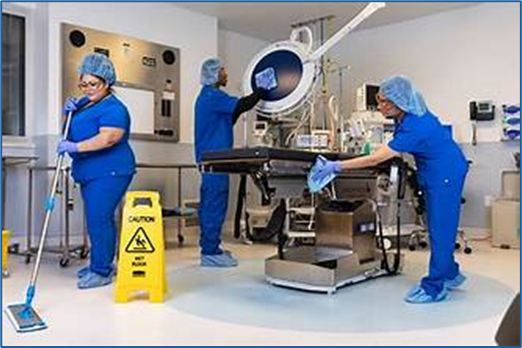
Mental health support is also important to overcoming nursing shortages. Hospitals should consider mentorship programs, longer orientation sessions and mental health support to help prepare and support nurses for their critical role in patient care. Adequate nurse staffing is vital for patient safety, the health care system and the well-being of nurses themselves.

Adopting policies that set standards for staffing guidelines, including nurses in creating staffing plans and supporting the mental health and mentorship of nurses will ensure patients receive safe, personalized and high-quality care.

Premature babies can have a form of post-traumatic stress after staying in the neonatal intensive care unit (NICU).

By Ruchi Kaushik, MD, MPH-Medical Director, ComP-CaN (Comprehensive Peds for Complex Needs)-Medical Director, CHRISTUS Children’s Blog-Assistant Professor, Pediatrics, Baylor College of Medicine

*** June 27 is Post-traumatic Stress Disorder Awareness Day; PTSD is a mental health diagnosis that you have likely heard, particularly among the men and women who have served in the armed services.

But did you know that premature babies can have a form of post-traumatic stress after staying in the neonatal intensive care unit (NICU)?  The trauma, or “early adverse experiences,” from a NICU stay can affect your premature baby’s health, development, and behavior.

Why is a NICU stay traumatic?

NICU stays can be traumatic for a variety of reasons:

Stimulation: Babies do not tolerate being overstimulated. Flashing lights, beeping monitors, constant alarms sounds in the NICU can cause a premature baby to suddenly pause in breathing and also result in frequent increases and decreases in heart rate, blood pressure, and oxygen levels.

Procedures: The procedures performed in the NICU are life-saving, but they do have consequences.  In addition to having a tube placed in the airway to help a baby breathe, there are many procedures that cause pain such as placing an IV or undergoing surgery.  These “skin-breaking” procedures can affect a baby’s normal development.

Separation from Mom: Although necessary, separating a premature baby from mom interferes with bonding and can affect the baby’s normal stress responses.  This means that a premature baby’s response to stress may be excessive (prolonged crying, more severe separation anxiety, etc.) compared to that of a baby who was not premature and in the NICU.

What can I do to lessen the effects of this trauma?

The best studied technique to improve the impact of trauma on a premature baby in the NICU is skin-to-skin (or kangaroo) care.  To perform skin-to-skin care, the baby is wearing only a diaper and is held upright on her belly against mom’s chest.  Indeed, in animals, being sensitively touched soon after having been born results in less production of the body’s stress hormones (steroids).

Other methods to decrease stimulation include covering incubators with blankets to reduce light exposure, removing noisy equipment from the area if not necessary, and using sound-absorbing panels if they are available.

Although the  NICU experience is necessary to help save a premature baby’s life, as a parent, you can do their part to lessen the effects of this trauma by being aware that this is a problem, providing skin-to-skin care as often as possible, and always responding quickly to your baby’s needs so your baby feels safe and secure with you once you go home.

Newborns Can Experience PTSD Following Hospitalization | CHRISTUS Health

Ira Hillman leads Einhorn Collaborative’s Bonding strategy. Learn more about our work in Bonding and more about IraSign up to receive our monthly newsletter and be the first to read Ira’s blog posts.

My husband and I remember the phone call vividly.

“We were contacted by your son’s birth mother. She gave birth again and reached out to us about placing the child with an adoptive family. We told her that you were already working with us to adopt a second child, and she was happy to hear that this might work. The baby is a girl. She was born in July. At 26 weeks.”

Our jaws dropped. We knew nothing about premature birth other than that it wasn’t ideal. We soon found out that the baby girl who would become our daughter had actually been born at 28 weeks and 5 days. Her birth weight was 2.5 pounds.

The panic, fear, and anxiety we felt is what many families experience in association with the birth of their child. In fact, nearly 1 in 10 children each year in the US are born before 37 weeks gestation.

Since 2008, an alliance of health organizations from around the world has commemorated World Prematurity Day on November 17 in order to shine a light on preterm birth and support the families and communities affected by it.

Premature babies are often born with immediate health issues that require special care in a Neonatal Intensive Care Unit (NICU). They also face developmental challenges that lead to long-term neurological, mental, behavioral, and physical health risks, like cerebral palsy, asthma, and hearing or vision loss.

When babies are born, they need the nurturing relationships of parents and caregivers in order to thrive. But, because their fragile bodies need medical support, babies in the NICU are by necessity separated from their families. And it’s not just physical separation that gets between infants and parents; the sadness, fear, and guilt parents may be experiencing after a premature birth can make it even more challenging for them to provide nurturing care to their babies.

Family Nurture Intervention

All of these challenges can be addressed through a new approach to NICU care known as Family Nurture Intervention (FNI). Developed by the Nurture Science Program at Columbia University, FNI is a novel approach that centers emotional expression and the mother-child relationship.

The goal of FNI is to get a mother and baby connected so they can regulate each other’s bodies, in spite of the obstacles created by the NICU environment.

The approach, facilitated by a trained Nurture Specialist, involves a combination of sensory calming activities between the two while emotional communication happens. This means that while engaging in activities such as kangaroo care, eye contact, and scent cloth exchange (activities fairly common in the NICU), mothers are also encouraged to express their feelings to their babies.

When the mothers express their feelings – often in response to prompts like, “Tell your baby the story of your pregnancy and birth,” or “Tell your baby the story of how you chose their name” – they notice that their child’s attention turns to them, and they feel connected. The combined approach is not just about improving physiological outcomes, it is about building the kind of parent-child relationship that is crucial for lifelong health and wellbeing.

The feelings expressed by a mother of twin boys born at 26 weeks are similar to those felt by many parents, who often bear the burden of commuting an hour or more each way to visit their newborn children, in addition to the emotional trauma they have experienced.

“I didn’t feel like they were my babies because they were in the hospital, and I didn’t know if they were going to make it or not,” the mother of twins confessed.

Another mother of a girl born three months early said, “It took us months before I actually even saw her face, because she had so many tubes in. And when your baby is in that kind of situation, it’s almost like you can’t let your guard down to really bond with them. Because you’re scared of losing them.”

But, after experiencing Family Nurture Intervention, that same mother shared, “It’s like therapy for both of us. I’m telling you, that was the first time I felt like I could breathe, and I could bond with my baby.” And another mother agreed, “I actually come in now, and I can take a deep breath and be like, ‘I’m alright. And she’s alright.’”

Positive effects for babies and mothers

A clinical trial of FNI was conducted in the NICU at Columbia University with 150 preterm infants and their mothers, and it showed that they indeed are “alright.”

Compared to families who received standard care in the NICU, the babies who were part of FNI showed better sleep and improved brain development, particularly in the prefrontal cortex which is critical for executive function. They also showed better physiological regulation, which is an important marker of stress resilience.

At 18 months of age, those same children also scored better on measures of language, attention, and cognition, and had lower risks for behavioral and socio-emotional problems.

Importantly, given the dyadic nature of the intervention, there were benefits for the mothers as well, including reduced maternal depression and anxiety four months after giving birth, compared to mothers who did not receive the intervention, as well as healthier cardiac function.

The clinical trial is also the first NICU study to demonstrate long-term positive effects on both the mother and child; a recent follow-up study documents improved cardiac function and stress resilience, even five years later – for both the child and the mother.

My husband and I weren’t a part of this study. We weren’t even in the NICU or in contact with our daughter for the first two months of her life. But the lasting effects of FNI showed us that there’s no time limit on the healing power of nurture and emotional connection. Through emotional expression and mutual calming, we are moving through the developmental challenges that came from our daughter’s premature birth, together. On top of that, the emotional connection shared by each of us with her has helped all of us heal from the traumas of premature birth and its effects on our whole family.

Healing the Trauma of Premature Birth (einhorncollaborative.org)

KEY POINTS

Contact your health insurance company to find out what medical costs are covered by your plan.

If your baby isn’t already on your insurance plan, call the company to add her.

If your insurance doesn’t cover all of your baby’s care, you may be able to apply for more insurance or financial aid.

How do you know what NICU costs are covered by your health insurance?

You may start getting bills for your baby’s stay in the newborn intensive care unit (also called NICU) while he’s still in the hospital. This may add to the stress that you’re already feeling about your baby’s health and care. Finding out what your insurance covers can help you manage your stress so you can focus on taking care of your baby.

Health insurance helps pay for medical care. You may get health insurance from your employer, or you may get it from the government or buy it on your own. Contact your insurance company to ask what costs are covered and what costs you need to pay. You can find the company’s phone number on your insurance card or on its website. If your baby’s not already on your plan, call the company to add her.

When you talk to a representative from your health insurance company, ask these questions:

• Does my plan pay for all of my baby’s medical expenses in the NICU?

• Are there services that the plan does not pay for?

• How do we pay the remaining cost?

Take notes when you talk to your health insurance representative. Write down the date of your calls and the names of the people you talk to. Many parents find it helpful to start a folder of letters and bills related to the cost of their baby’s medical care. Keeping everything together in one place can help you stay organized so you can focus on your baby’s care.

What if your health insurance doesn’t cover all of your baby’s care?

If your insurance doesn’t cover all services for your baby, ask the NICU social worker or case manager what to do. A social worker is a person who is trained to help families cope with their baby’s NICU stay. A social worker helps families find resources and services to help them care for their baby. A case manager is a person who may oversee a baby’s discharge from the hospital and help set up home-care services and supplies.

One or both of these staff can help you work with your insurance company and help plan for your baby’s transition home. They may suggest you apply for more insurance or financial aid, like Medicaid or the Supplemental Security Income Program (also called SSI) offered by Social Security. Your baby may qualify for SSI based on her medical need and your financial resources. For more information about SSI, call 800-772-1213. Having more insurance or financial aid may reduce the amount of money you pay for your baby’s medical bills.

If your insurance doesn’t cover all your bills, talk to someone from the hospital’s finance department about setting up a payment plan.

https://www.marchofdimes.org/find-support/topics/neonatal-intensive-care-unit-nicu/paying-your-babys-nicu-stayhttps://www.marchofdimes.org/find-support/topics/neonatal-intensive-care-unit-nicu/paying-your-babys-nicu-stay

Front. Pediatr., 08 April 2020  Sec. Neonatology  Volume 8 – 2020 | https://doi.org/10.3389/fped.2020.00150 Merete S. Engeseth1,2* Mette Engan2,3 Hege Clemm2,3 Maria Vollsæter2,3 Roy M. Nilsen1 Trond Markestad2 Thomas Halvorsen2,3 Ola D. Røksund1,3

Objective: To investigate voice characteristics and exercise related respiratory symptoms in extremely preterm born 11-year-old children, focusing particularly on associations with management of a patent ductus arteriosus (PDA).

Study design: Prospective follow-up of all children born in Norway during 1999–2000 at gestational age <28 weeks or with birthweight <1,000 g. Neonatal data were obtained prospectively on custom-made registration forms completed by neonatologists. Voice characteristics and exercise related respiratory symptoms were obtained at 11 years by parental questionnaires.

Result: Questionnaires were returned for 228/372 (61%) eligible children, of whom 137 had no history of PDA. PDA had been noted in 91 participants, of whom 36 had been treated conservatively, 21 with indomethacin, and 34 with surgery. Compared to the children treated with indomethacin or conservatively, the odds ratio (95% confidence interval) for the surgically treated children were 3.4 (1.3; 9.2) for having breathing problems during exercise, 16.9 (2.0; 143.0) for having a hoarse voice, 4.7 (1.3; 16.7) for a voice that breaks when shouting, 4.6 (1.1; 19.1) for a voice that disturbs singing, and 3.7 (1.1; 12.3) for problems shouting or speaking loudly. The significance of surgery per se was uncertain since the duration of mechanical ventilation was associated with the same outcomes.

Conclusion: Extremely preterm born children with a neonatal history of PDA surgery had more problems with voice and breathing during exercise in mid-childhood than those whose PDA had been handled otherwise. The study underlines the causal heterogeneity of exercise related respiratory symptoms in preterm born children.

https://www.frontiersin.org/articles/10.3389/fped.2020.00150/full

UCSF researchers call for precision-medicine approach that could identify targets for novel treatments.

By Victoria Colliver January 24, 2024

A UC San Francisco-led study has for the first time identified genetic variants that predict whether a patient is likely to respond to treatment for preterm birth, a condition that affects 1 in 10 infants born in the United States.

The findings are critical because no medication is available in the U.S. to treat preterm birth. Last year, the Food and Drug Administration (FDA) pulled the only approved therapy to help reduce the likelihood of preterm births, citing ineffectiveness. The drug, a synthetic form of progesterone, was sold under the brand name Makena.

The new research found that pregnant individuals with high levels of mutations in certain genes — specifically those associated with involuntary muscle contraction — were less likely to respond to the treatment. Screening for the mutations could allow doctors to target Makena and other potential medications to those most likely to benefit, the authors suggest.

“This study calls for a precision framework for future drug development,” said the study’s senior author, Jingjing Li, PhD, associate professor in UCSF’s Department of Neurology and the Eli and Edythe Broad Center of Regenerative Medicine and Stem Cell Research. “In addition to understanding drug effects based on population averages, we also need to take into account the drug response of each individual patient and ask why some respond and some don’t.”

The study, which was done in collaboration with Stanford University, appears Jan. 19, 2024, in the journal Science Advances.

New genes associated with preterm birth

Preterm birth — babies born alive prior to 37 weeks of gestation instead of at the standard 40 weeks — is the leading cause of infant mortality and affects some 15 million pregnancies worldwide each year. Preterm birth also leads to a range of long-term health consequences including breathing problems, neurological impairments such as cerebral palsy, developmental disabilities, visual and hearing impairments, heart disease and other chronic illnesses.

To conduct the study, researchers developed a machine-learning framework to analyze genomes of 43,568 patients that had spontaneous preterm births. The approach uncovered genes that had not previously been known to be associated with preterm birth.

They examined mutations in the genes among those who had received the progesterone treatment Makena. The FDA approved the drug in 2011 after a single clinical trial but took it off the market last spring after concluding the drug didn’t work.

The decision left doctors without an approved medication to prevent preterm births and frustrated those who had found it effective for a subset of their patients. This posed the question: Could there be a genetic reason why progesterone therapy worked for some, but not for others?

The researchers discovered that patients in the group with low levels of mutations in the genes associated with muscle contractions were more likely to respond to Makena, but those with higher levels tended not to respond. About 19% patients in the study group had high mutation levels in those muscle genes, and none of those individuals responded to Makena.

The findings suggest a personalized medicine approach involving genetic screening could lead to successful results in patients without a high burden of those mutations.

“Progesterone therapy was the only treatment for recurrent preterm birth over the past decade, and its recent withdrawal by the FDA has left a void in the medication options available for preterm birth patients,” said the study’s first author, Cheng Wang, PhD, a postdoctoral scholar at UCSF.

“In previous clinical practice, we did see that many patients benefited from progesterone therapy,” Wang said. “We probably should reevaluate its efficacy, if we can identify those who respond positively to the treatment.”

The researchers included a cohort of African American patients in the study to determine whether the findings applied broadly across different races. Black women in the U.S. are almost twice as likely to give birth prematurely than white women.

They found the genetic burden did not vary by race. This suggests the high rate of preterm birth among Black mothers may be due primarily to environmental factors such as elevated stress hormones, health care biases and lack of prenatal care.

A new type of precision medicine

The researchers went beyond that finding to identify new targets and potential therapies to treat preterm birth by screening more than 4,000 compounds. They homed in on 10 predicted to interact with the genes associated with preterm birth.

Many of these therapeutic compounds are already being used to treat cancer and other diseases, which means that these drugs could possibly be repurposed to help prevent preterm labor. A top candidate is the small molecule RKI-1447, a drug that is currently being used to treat cancer, glaucoma and fatty liver disease. Additional study of the potential of these molecules in treating preterm birth is needed.

https://www.ucsf.edu/news/2024/01/426976/genetic-discovery-reveals-who-can-benefit-preterm-birth-therapy

Authors: Tanith Alexander, Ph.D., Sharin Asadi, Ph.D., Michael Meyer, M.D., Jane E. Harding, D.Phil., Yannan Jiang, Ph.D., Jane M. Alsweiler, Ph.D. https://orcid.org/0000-0002-0874-6654, Mariana Muelbert, Ph.D., and Frank H. Bloomfield, Ph.D. https://orcid.org/0000-0001-6424-6577, for the DIAMOND Trial Group – Published April 24, 2024

ABSTRACT

BACKGROUND

Most moderate-to-late–preterm infants need nutritional support until they are feeding exclusively on their mother’s breast milk. Evidence to guide nutrition strategies for these infants is lacking.

METHODS

We conducted a multicenter, factorial, randomized trial involving infants born at 32 weeks 0 days’ to 35 weeks 6 days’ gestation who had intravenous access and whose mothers intended to breast-feed. Each infant was assigned to three interventions or their comparators: intravenous amino acid solution (parenteral nutrition) or dextrose solution until full feeding with milk was established; milk supplement given when maternal milk was insufficient or mother’s breast milk exclusively with no supplementation; and taste and smell exposure before gastric-tube feeding or no taste and smell exposure. The primary outcome for the parenteral nutrition and the milk supplement interventions was the body-fat percentage at 4 months of corrected gestational age, and the primary outcome for the taste and smell intervention was the time to full enteral feeding (150 ml per kilogram of body weight per day or exclusive breast-feeding).

RESULTS

A total of 532 infants (291 boys [55%]) were included in the trial. The mean (±SD) body-fat percentage at 4 months was similar among the infants who received parenteral nutrition and those who received dextrose solution (26.0±5.4% vs. 26.2±5.2%; adjusted mean difference, −0.20; 95% confidence interval [CI], −1.32 to 0.92; P=0.72) and among the infants who received milk supplement and those who received mother’s breast milk exclusively (26.3±5.3% vs. 25.8±5.4%; adjusted mean difference, 0.65; 95% CI, −0.45 to 1.74; P=0.25). The time to full enteral feeding was similar among the infants who were exposed to taste and smell and those who were not (5.8±1.5 vs. 5.7±1.9 days; P=0.59). Secondary outcomes were similar across interventions. Serious adverse events occurred in one infant.

CONCLUSIONS

This trial of routine nutrition interventions to support moderate-to-late–preterm infants until full nutrition with mother’s breast milk was possible did not show any effects on the time to full enteral feeding or on body composition at 4 months of corrected gestational age. (Funded by the Health Research Council of New Zealand and others; DIAMOND Australian New Zealand Clinical Trials Registry number, ACTRN12616001199404.)

https://pubmed.ncbi.nlm.nih.gov/38657245/

Nutritional Support for Moderate-to-Late–Preterm Infants — A Randomized Trial | New England Journal of Medicine (nejm.org)

https://pubmed.ncbi.nlm.nih.gov/38657245/

Mar 19, 2024          Tommy’s

1 in 13 babies born in the UK are premature. Here at Tommy’s, we know more needs to be done to stop babies being born too soon. That’s why, we’re proud to announce the launch of our brand new National Centre for Preterm Birth Research today.

By the time premature babies reach 14 to 19 years of age, they have, on average, a similar body mass index to peers born at term, according to an analysis of more than 250,000 people

By Jason Arunn Murugesu26 January 2023

People born prematurely are likely to have similar body mass indexes (BMIs) when they reach adolescence to people who were born at term.

To determine what effect the amount of time spent in the uterus has on a person’s body weight in childhood and adolescence, Johan Vinther at the University of Copenhagen in Denmark and his colleagues analysed data collected across 16 studies conducted in Europe, North America and Australia.

These studies included data on the gestation age of newborn children and follow-up data on their subsequent heights and weights over several years. A total of more than 250,000 children were included from across the studies, all born between 1985 and 2017.

Vinther and his colleagues took the height and weight data from each person and calculated their BMIs at various ages.

“Body size is a decent proxy for physical health,” says Vinther. “Though it’s not the  only measure.”

The researchers found that while people born before 37 weeks of pregnancy, also known as preterm, were more likely to have a lower BMI in childhood than people born after 37 weeks, this difference disappeared between the ages of 14 and 19.

“Our study suggests that preterm individuals gain more weight in childhood, relatively, compared to people born at term,” says Vinther. It is unclear why, he adds.

The findings don’t necessarily mean children born preterm will always reach healthy body weights in adolescence, says Vinther. Other factors such as the BMI and education level of the mother will play a role, he says.

The results are based on people in high-income countries. “We don’t really know what this would look like in lower-income countries,” says Vinther. The team didn’t look at the specific effect of sex or ethnicity on the results.

Neena Modi at Imperial College London says the findings corroborate several long-running studies on this issue from across the world. However, recent work has shown that very preterm individuals are more likely to develop chronic conditions that are exacerbated by being overweight, she says.

“The critical health message is to ensure preterm individuals, and their parents and clinicians, are aware of the importance of maintaining a healthy body weight,” she says.

https://www.newscientist.com/article/2356651-preterm-babies-have-a-similar-bmi-at-adolescence-to-peers-born-at-term/

Psych2Go

At times, we can feel stress and anxiety reach new levels. You may have felt overwhelmingly stressed that you wouldn’t turn in an assignment on time, or you may have felt an abrupt feeling of anxiety wash over you as you walked over to a class podium for a presentation. Or perhaps your stress and anxiety seem constant and unrelenting. It may be difficult to do seemingly simple tasks all because you’re too overwhelmed by your anxious thoughts and stressful to-do list. Well, to help relieve some of your stress and anxiety, here are some daily habits that can reduce stress and anxiety.

Warrior Wisdom: Navigating Long-Term Outcomes and Managing Stress

Hello, Neonatal Womb Warriors!

This month, we’re focusing on a topic that hits close to home for many in our community: the long-term outcomes of preemie survivors and effective ways to manage anxiety and stress. Understanding these aspects is crucial for our continued growth and well-being.

As preemie survivors, we often carry the legacy of our early days in the NICU into adulthood. While we’ve overcome significant hurdles, the journey doesn’t end there. Many of us may experience ongoing health challenges such as respiratory issues, developmental delays, sensory processing disorders, anxiety, and PTSD.

Managing the stress and anxiety that can come with these long-term outcomes is equally important. Techniques such as mindfulness, meditation, spending time in nature, and engaging in physical exercise can serve as powerful tools to center/nourish our minds and bodies. Explore and find the activities that work best for you and incorporate them into your wellness routines.

Creating a supportive environment for and within yourself is KEY! Surround yourself with positive influences and nurturing relationships.  Sharing experiences and coping strategies within our community can provide invaluable emotional support and practical advice. Online forums and local support groups can be great places to connect with others who truly understand our challenges and triumphs.

Lastly, don’t hesitate to seek professional help if you need it. Therapists and counselors who specialize in trauma and anxiety can offer tailored strategies to help you cope with your unique experiences. Sometimes, just having someone to talk to can make a significant difference in managing stress and fostering health.

We are incredibly strong and resilient. Let’s embrace our unique journeys and provide to ourselves the loving care we have long received from others.

Cheers!

created by photogrid

Nov 26, 2021     nightyniteswithneli

Hi Friends! Welcome back to my channel! I’ve missed you guys so much! November is Prematurity Awareness Month so all month long we will be reading books by Preemie Authors, Parents, Siblings, and Healthcare workers who work with Preemies! On this episode of Nighty Nights with Miss Neli, we will be reading Faces of the NICU By: Shatoya Lewis & Latoya Lewis-Young Book Description: This book tells readers all about all of the different faces that work in the NICU with Preemie and NICU babies. Join Miss Neli as we learn about the different things they do!

Tiên Huyền      Jun 17, 2017

DPRK’s East Sea is very clean, beautiful and pristine.

Heat, Socials, Reciprocal Shadowing

Tanzania, officially the United Republic of Tanzania, is a country in East Africa within the African Great Lakes region. It is bordered by Uganda to the north; Kenya to the northeast; the Indian Ocean to the east; Mozambique and Malawi to the south; Zambia to the southwest; and RwandaBurundi, and the Democratic Republic of the Congo to the west. Mount Kilimanjaro, Africa’s highest mountain, is in northeastern Tanzania. According to the 2022 national census, Tanzania has a population of nearly 62 million, making it the most populous country located entirely south of the equator.

Today the country is a presidential constitutional republic with the federal capital located in Government CityDodoma; the former capital, Dar es Salaam, retains most government offices and is the country’s largest city, principal port, and leading commercial centre Tanzania is a de facto one-party state with the democratic socialist Chama Cha Mapinduzi party in power. The country has not experienced major internal strife since independence and is seen as one of the safest and most politically stable on the continent. Tanzania’s population comprises about 120 ethnic,linguistic, and religious groups. Christianity is the largest religion in Tanzania, with substantial Muslim and Animist minorities. Over 100 languages are spoken in Tanzania, making it the most linguistically diverse country in East Africa; the country does not have a de jure official language, although the national language is Swahili. English is used in foreign trade, in diplomacy, in higher courts, and as a medium of instruction in secondary and higher education, while Arabic is spoken in Zanzibar.

Tanzania has a hierarchical health system which is in tandem with the political-administrative hierarchy.  At the bottom, there are the dispensaries found in every village where the village leaders have a direct influence on its running. The health centers are found at ward level and the health center in charge is answerable to the ward leaders. At the district, there is a district hospital and at the regional level a regional referral hospital. The tertiary level is usually the zone hospitals and at a national level, there is the national hospital. There are also some specialized hospitals that do not fit directly into this hierarchy and therefore are directly linked to the ministry of health.

The government has several key plans and policies guiding healthcare provision and development. The Health Sector Strategic Plan III (2009–15) is guided by the Vision 2015 and guides planning for health facilities. The Big Results Now (BRN) was copied from the Malaysian Model of Development and placed health as a key national result area and mainly was for priority setting, focused planning and efficient resource use. There are many other policies aiming at improving the health system and health care provision in Tanzania.

The leading causes of mortality in Tanzania include: HIV 17%, lower respiratory infections 11%, malaria 7%, diarrheal diseases 6%, tuberculosis 5%, cancer 5%, ischemic heart disease 3%, stroke 3%, STDs 3% and sepsis 2%[5] and this shows the double burden of disease the country has to bear.

Source:https://en.wikipedia.org/wiki/Tanzania

  • Preterm Birth Rate Tanzania –  11  %
  • (Global Average: 10.6)
  • Source- WHO Tanzania – Healthy Newborn Network

Heather H. Burris, MD, MPH1,2,3,4Allan C. Just, PhD5,6 February 26, 2024

In this issue of JAMA Pediatrics, Ye et al1 report an analysis of more than 1 million births in the Greater Sydney region of New South Wales, Australia, revealing a significant association between extreme heat exposure in the third trimester and preterm birth (PTB). Individuals experiencing temperatures over the 95th percentile for their residential location during their third trimester had 61% higher odds of PTB (adjusted odds ratio [OR], 1.61; 95% CI, 1.55-1.67). There was no significant association of extreme heat in the other 2 trimesters with PTB. Ye and colleagues also observed significant interaction between heat and greenness on the outcome of PTB; individuals with extreme heat exposure had lower odds of preterm birth if they resided in greener areas (interaction P < .05). We commend the authors’ study and its important implications. As the world’s temperatures increase, it is critical not just to document health impacts but to identify targets of intervention, such as greening, that promise to mitigate some of the negative effects of climate change.

The use of publicly available data from global climate reanalysis products, merged with an enormous, local health registry dataset, is novel and impressive. Geographic information systems analyses have become more readily available and are ideal for linkage with population-based datasets, which do not suffer from referral and selection bias inherent to hospital-based and payer databases, respectively. The association of higher temperatures with higher odds of PTB is in the expected direction. However, the magnitude of the association is higher than what is often observed in epidemiologic studies of other exposures with PTB. Maternal smoking is one of the strongest risk factors for PTB. ORs for PTB among individuals who smoke, compared with those who do not, range from 1.2 in a meta-analysis of 20 cohort studies across the world to 1.59 in US population-based data of over 25 million births. We suspect that the large effect estimate of heat exposure with PTB (OR, 1.61) reported in this study may be a result of methodologic challenges of characterizing the relevant etiologic period inherent to PTB studies and highlights the importance of methods to overcome these challenges.

The investigators used a gridded spatiotemporal layer at 0.1° × 0.1° resolution, described as 9 × 10³ m, which would translate to approximately 8.1 × 10⁷ m2 when squared, which is how the data are downloaded.5 Addresses were collected within local statistical areas with a median area of 8.3 × 10⁶ m2 and because the gridded temperature predictions did not share boundaries with the statistical areas, the temperature layer was spatially joined with the statistical area layer and averaged. The result is that all individuals within a statistical area unit would be assigned the same temperature value for a given day, masking local neighborhood variation in temperature and leading to potential exposure misclassification. For example, a home near a body of water may be substantially cooler than a home a few blocks inland, yet the 2 would be assigned the same temperature. Furthermore, variability across statistical areas is lost if contained within the same grid. This is a limitation of downscaling. When the greenness layers were added at a finer resolution (250 m), the investigators reported statically significant interaction with higher levels of greening leading to a smaller effect size of the association between extreme heat and PTB. A promising interpretation is that greenness modifies the association between heat and PTB, potentially acting as a protective variable. Another interpretation is that the greenness variable is compensating for measurement error in the heat exposure. It is also possible that greener areas are healthier for many reasons; greenness can be an indicator of fewer emissions from industry or roadways and higher socioeconomic position of the local inhabitants. In the present study, socioeconomic status was averaged across the whole statistical area, which may not be granular enough. Taken together, the significant effect modification by greenness could be confounded by other variables. Use of methods such as propensity score matching of groups with various greenness exposure could limit such confounding.

Extreme heat exposure was defined as greater than the 95th percentile of the mean daily temperature for a given statistical area for each trimester. This is an internally derived ranking system that helps to avoid confounding across statistical areas. By design, in each statistical area, 5% of all births would have extreme heat exposure. Other methods such as the time-stratified, case-crossover study design can overcome confounding by time-invariant factors.7 Exposures in case periods are compared with matched control periods using a case-only analysis and can answer the question “Was it hotter leading up to these PTBs than in other (matched) periods within the same month, for a given population?” Because control periods are potentially both before and after the case period, similar numbers of individuals are eligible for the outcome, and the effects of confounding by long-term or seasonal trends are minimized. The case-crossover study design is useful for responses to acute heat events.

Defining heat exposure is not straightforward and varies across studies. We commend the authors for also considering nighttime temperatures, as high nighttime residential temperatures can be especially harmful given the inability of the body to cool effectively. Additionally, nighttime is when individuals are most likely to be home, which reduces exposure misclassification for residential addresses. Mean temperature may not capture all health impacts of heat. For example, the US Environmental Protection Agency defines heat waves, or extreme heat conditions, as 2 or more consecutive days where the daily minimum (usually nighttime) apparent temperature (temperature adjusted for humidity) exceeds the 85th percentile for days in July and August for a given city.11 Changes in temperature, as well as humidity levels, affect physiologic responses to heat. It is possible that in Greater Sydney, the same numeric temperature on the coast may feel very different from the temperature 2.0 × 10⁵ m inland due to differences in humidity.

Perhaps the most important methodological consideration for this study is that the outcome may have affected exposure estimates because cases of PTB would have fewer third-trimester days than term births. Individuals with PTB have shorter (or even nonexistent) third trimesters and fewer data points to average before giving birth. Paucity of data can lead to less stable temperature averages and increased likelihood of having a third-trimester mean temperature above the 95th percentile, even if heat were not causally related to PTB. In other words, the outcome could be driving the likelihood of having the exposure indicator in the dataset. This may be an alternative explanation for the large effect estimate observed in the study. Solutions to this issue are emerging in the literature. Time-to-event survival analyses account for differential susceptibility at every gestational week and have been used for analysis of air pollution and PTB. These methods could be applied to heat-related studies.

Although it is common to group all PTB as a single outcome, PTB is a heterogeneous phenotype that arises from a diverse set of conditions ranging from placental disorders such as preeclampsia and poor fetal growth to spontaneous labor or rupture of membranes. Pathophysiologic processes may start as early as implantation for preeclampsia and as late as the hours before birth for acute chorioamnionitis-triggered labor. As noted by the authors, heat in any given trimester may have a different impact on each of these conditions, and future work with detailed characterization of PTB phenotypes may elucidate potential mechanistic pathways by which thermal stress could lead to PTB.

As each region of the world wrestles with climate change and extreme heat events, modeling health impacts will be critical for disaster prevention and response planning. An admirable aspect of the current study is the quantification of heat-associated PTBs that might be averted with greenness. Although the estimates rely on accurate modeling, they provide valuable preliminary data with which to make policy and funding prioritization decisions. The next step is to analyze the real-world impact of interventions such as urban greening and tree-planning initiatives to mitigate climate change impacts for maximal health benefit. Although the present study can shed light on the population at highest risk during the summer in Greater Sydney, each community’s experiences will vary based on local climate and heat experiences, air conditioning availability, and other societal resources for adaptation. As demonstrated by these authors, there are widely available, often free, exposure data that can be linked to local, regional, and national registries even in resource-limited settings to understand the impact of heat on health. These available datasets can be used to also model effects of extreme cold events and other climate and weather-related health effects most prevalent in local communities.

In summary, the important study by Ye et al emphasizes the potential impact that residing in a hot community during the third trimester may have on PTB risk. Although alternative methods may result in slightly different effect estimates, it is becoming increasingly apparent that extreme heat is harmful for human health, including during pregnancy. Such data and studies are crucial to inform public health efforts to optimize health across the life span.

3,874,132 views – Nov 29, 2023 – #mwambieni #macvoice #NextlevelMusic

June 16, 2022

By: Scott Weathers, Frontline Health Workers Coalition, IntraHealth International -The Frontline Health Workers Coalition recently sat down to speak with Dr. Namala Mkopi, a Tanzanian doctor, former President of the Medical Association of Tanzania, and current Vice President of the Pediatric Association of Tanzania. Dr. Mkopi has been a tireless advocate for children’s health in Tanzania and global health legislation in the United States. Our conversation has been edited for length and clarity.

Q: Tell us about yourself and the work you’ve done in Tanzania.

A: I am a pediatrician working for the National Hospital in Tanzania. I do some advocacy, hardcore advocacy, that is bringing it to radio and TV, hoping that you reach many people, but of course you don’t – that’s why I call it hardcore. Of course, vaccine advocacy has been one of the things that I really have passion for.

Q: What do health workers experience as they try to administer care in Tanzania? Could you talk about your experience in Tanzania about the obstacles health workers face?

Tanzania has a shortage in human resources for health. That is, there are areas in the same country where you do not have medical doctors and you have other parts of the country with specialists and consultants giving health care to patients. It’s not quite a crisis, but a big problem created internally because of the reallocation of resources. So, as a health care provider from a professional society, I’m trying to talk with the government, negotiate so that they can improve the working environments in hard to reach areas.

Most of the doctors end up staying in bigger cities and towns, because there are resources and comforts. It has a bigger impact as well. You find out patients are being mismanaged and mistreated. The right people are placed elsewhere.

As a health care provider, there are other challenges I face every day. That does not only affect service delivered to the patient, it also affects the morale of the health care provider. They don’t feel enthusiastic, they don’t feel like they can do anything to change because every other intervention that you want for a patient is not there. It creates a status quo and blunts people. They ignore things. A death of a person does not touch them. They are demotivated and not looking forward to coming back to work tomorrow.

Q: You talked about getting doctors in rural areas. What would be your solution for getting doctors out in rural areas?

The remote area is usually not attractive for the best in business. If you’re the best in the business, usually you want to live in a place that matches your status and has services like education for your family.

If you want to change, it’s not impossible, it is very possible. We’ve seen an initiative that gives doctors who are finishing graduate school internships and incentives to work in rural areas, with good salaries compared to town. They employ them, and slowly but surely, they transfer the employment from them to the government and allow them to work in different places. But salaries fall because the government pays less, so it hasn’t been sustainable.

The district is supposed to build capacity so the government facility has enough funds to make sure the doctor is well compensated and stays there.

Q: Tanzania is one of the top recipients of global health investments by United States for a variety of global health issues such as HIV/AIDS treatment or vaccines for women and children. What broader interventions do you think donors like the US could support to build stronger health systems and health workers?

We have to strengthen the system – this is not only financial muscle. It’s more than just infrastructure, it’s how to supervise and make sure that things happen according to the standard. It shouldn’t take American doctors and American medicine. I think the best plan is building capacity – so that the countries responsible can step in.

Source:A Tanzanian Pediatrician and Advocate’s Take on Tanzania’s Health Workforce and U.S. Global Health Investments | Frontline Health Workers Coalition

LaTrice L. Dowtin, PhD, Elizabeth Fischer, PhD

The National Network of NICU Psychologists (NNNP) is a collective group of passionate psychologists with the united mission to optimize care for infants and their families in NICU settings through direct family involvement, staff support, research, education, and social justice and equity. This network was unofficially established in 2012 following the “Hynan Calls,” hosted by psychologist Michael Hynan, Ph.D. (Saxton et al., 2020). At this stage, Stephen Lassen and Chavis Patterson (co-chairs for approximately seven years, 2011~2018) volunteered to help organize the budding collaboration between eager NICU psychologists under the mentorship of Mike Hynan (2011– current) and the late Cheryl A. Milford (2011~2020).

In 2019, the NNNP was officially formed as the current organization working under the parent organization, the National Perinatal Association (NPA), striving to be the leading voice and resource for NICU mental health services across the country, led by co-chairs Allison Dempsey and Sage Saxton (2019–2022). As an organization, NNNP’s work is accomplished through fluid collaboration between an executive leadership council and five dedicated committees, each led by psychologist chairs and co-chairs skilled, trained, and experienced in providing high-quality care to infants and families in NICUs. The committees include Social Justice and Equity, Training and Education, Advocacy, Research, and Communications. This collective group provides mentorship to those entering the field of NICU psychology and advocates for the role of psychologists and other mental health providers in NICU settings.

Values and Beliefs: The NNNP operates under core values and beliefs: 1) Psychologists have unique training and skills to optimize medical, socioemotional, and neurodevelopmental outcomes for NICU infants and families. 2) Psychology services should be integrated into every NICU in the United States. 3) Implementing evidence-based, targeted interventions to improve parental, familial, and infant mental health is critical to each child and family’s long-term health and wellbeing. 4) National collaboration among NICU psychologists is essential to state-of the-art education, clinical research, policy development, and change advocacy.

NNNP Initiatives and Contributions: The NNNP is a busy organization actively working to contribute to training, scientific literature, and direct patient care. In the past, group members have come together to publish peer-reviewed articles and cutting-edge book chapters outlining clinical care and psychotherapy interventions for NICU families. One specific area of focus has been addressing traumatic stress in the NICU setting. Members additionally partnered to write a resource book for behavioral health clinicians in neonatal and perinatal settings, offering guidance, direction, and understanding regarding the practice of NICU psychology. During the initial months of the COVID-19 pandemic, the group worked closely with NPA to create support resources for NICU mental health clinicians and families, available on the NPA website. The materials included guidance for parent-infant bonding, coping with the hospitalization during a pandemic, and support for caregivers in this context. Furthermore, the training and education arm of the NICU has launched a series of educational webinars for psychologists and trainees interested in practicing in the NICU setting.

Under the present leadership of co-chairs LaTrice L. Dowtin and Elizabeth Fischer (2022–current), the NNNP continues to have an active agenda for education, research, and advocacy while keeping a running focus on social justice and equity. Currently, the NNNP is working on completing a NICU mental health roadmap to support families through the NICU journey. The advocacy group is actively completing work on an advocacy toolkit that guides clinicians and administrators on their path to developing a NICU psychology program at their institution. The training and education members continue to put out webinars and other training opportunities for membership, focusing on psychology trainees early and transitional career psychologists to help them gain specialized training and consultation in NICU and perinatal mental health. During the annual NPA conference, a retreat is held for psychologists, providing networking, training, and time to develop shared projects further. The NNNP has had an increasing presence in scientific presentations at the NPA conference through platform and poster presentations.

As we look to the future, our focus is on expanding our reach by welcoming new members and continuing our important work through collaboration between members of our organization and other medical and mental health advocacy organizations in infant, postpartum, and perinatal mental health. Together with NPA, we will continue mentoring trainees and those new to the field of NICU mental health to expand the field of clinicians and researchers, improving the care and outcomes for babies and families who share the NICU journey.

Hello Friends 👋 We have a great episode of Journal Club for you this week, where we review the latest papers published in peer-reviewed journals. This week we also have the pleasure of welcoming back to the show the EBNEO team who shares with us their commentary on the two-year outcomes of the OPTIMIST trial. Enjoy this episode.

Check out the Podcast here:

Source:https://www.the-incubator.org/post/186-journal-club-the-latest-research-in-neonatology-feb-25-2024

Cynthia Gyamfi-Bannerman, MD, MS1,2Rebecca G. Clifton, PhD3Alan T. N. Tita, MD, PhD4; et alSean C. Blackwell, MD5Monica Longo, MD, PhD6Jessica A. de Voest, PhD3T. Michael O’Shea, MD, MPH7Sabine Z. Bousleiman, MSN, MSPH1Felecia Ortiz, RN, BSN5Dwight J. Rouse, MD8Torri D. Metz, MD, MS9George R. Saade, MD10,11Kara M. Rood, MD12Kent D. Heyborne, MD13John M. Thorp Jr, MD7Geeta K. Swamy, MD14William A. Grobman, MD, MBA15Kelly S. Gibson, MD16Yasser Y. El-Sayed, MD17George A. Macones, MD, MSCE18; for the Eunice Kennedy Shriver Maternal-Fetal Medicine Units Network

Original Investigation  April 24, 2024 Key Points

Question  Is administration of antenatal corticosteroids to individuals at risk of late preterm delivery, originally shown to improve short-term neonatal respiratory outcomes but with an increased rate of hypoglycemia, associated with adverse childhood neurodevelopmental outcomes at age 6 years or older?

Findings  There were no statistically significant differences in the primary outcome, a General Conceptual Abilities score of less than 85, between the betamethasone (17.1%) and placebo (18.5%) groups. No differences in any secondary outcomes were observed.

Meaning  In this follow-up study of a randomized clinical trial, antenatal corticosteroids in persons at risk of late preterm delivery were not associated with adverse effects on childhood neurodevelopmental outcomes at age 6 years or older.

Abstract

Importance  The Antenatal Late Preterm Steroids (ALPS) trial changed clinical practice in the United States by finding that antenatal betamethasone at 34 to 36 weeks decreased short-term neonatal respiratory morbidity. However, the trial also found increased risk of neonatal hypoglycemia after betamethasone. This follow-up study focused on long-term neurodevelopmental outcomes after late preterm steroids.

Objective  To evaluate whether administration of late preterm (34-36 completed weeks) corticosteroids affected childhood neurodevelopmental outcomes.

Design, Setting, and Participants  Prospective follow-up study of children aged 6 years or older whose birthing parent had enrolled in the multicenter randomized clinical trial, conducted at 13 centers that participated in the Maternal-Fetal Medicine Units (MFMU) Network cycle from 2011-2016. Follow-up was from 2017-2022.

Exposure  Twelve milligrams of intramuscular betamethasone administered twice 24 hours apart.

Main Outcome and Measures  The primary outcome of this follow-up study was a General Conceptual Ability score less than 85 (−1 SD) on the Differential Ability Scales, 2nd Edition (DAS-II). Secondary outcomes included the Gross Motor Function Classification System level and Social Responsiveness Scale and Child Behavior Checklist scores. Multivariable analyses adjusted for prespecified variables known to be associated with the primary outcome. Sensitivity analyses used inverse probability weighting and also modeled the outcome for those lost to follow-up.

Results  Of 2831 children, 1026 enrolled and 949 (479 betamethasone, 470 placebo) completed the DAS-II at a median age of 7 years (IQR, 6.6-7.6 years). Maternal, neonatal, and childhood characteristics were similar between groups except that neonatal hypoglycemia was more common in the betamethasone group. There were no differences in the primary outcome, a general conceptual ability score less than 85, which occurred in 82 (17.1%) of the betamethasone vs 87 (18.5%) of the placebo group (adjusted relative risk, 0.94; 95% CI, 0.73-1.22). No differences in secondary outcomes were observed. Sensitivity analyses using inverse probability weighting or assigning outcomes to children lost to follow-up also found no differences between groups.

Conclusion and Relevance  In this follow-up study of a randomized clinical trial, administration of antenatal corticosteroids to persons at risk of late preterm delivery, originally shown to improve short-term neonatal respiratory outcomes but with an increased rate of hypoglycemia, was not associated with adverse childhood neurodevelopmental outcomes at age 6 years or older.

Source:Neurodevelopmental Outcomes After Late Preterm Antenatal Corticosteroids: The ALPS Follow-Up Study | Reproductive Health | JAMA | JAMA Network

Kimberly K. Monroe, MD, MS; Jennifer L. Kelley, MSN, RN, CPN, ACCNS-P; Ndidi Unaka, MD, MEd Heather L. Burrows, MD, PhD; Trisha Marshall, MD; Kelli Lichner, MSN, RN, CPN;Harlan McCaffery, MA, MS; Brenda Demeritt, RN, MHA, CPN;Debra Chandler, MSN, RN; Lisa E. Herrmann, MD, MEd – May 2021

OBJECTIVES:

Poor communication is a major contributor to sentinel events in hospitals. Suboptimal communication between physicians and nurses may be due to poor understanding of team members’ roles. We sought to evaluate the impact of a shadowing experience on nurse–resident interprofessional collaboration, bidirectional communication, and role perceptions.

METHODS:

This mixed-methods study took place at 2 large academic children’s hospitals with pediatric residency programs during the 2018–2019 academic year. First-year residents and nurses participated in a reciprocal, structured 4-hour shadowing experience. Participants were surveyed before, immediately after, and 6 months after their shadowing experience by using an anonymous web-based platform containing the 20-item Interprofessional Collaborative Competency Attainment Survey, as well as open-ended qualitative questions. Quantitative data were analyzed via linear mixed models. Qualitative data were thematically analyzed.

RESULTS:

Participants included 33 nurses and 53 residents from the 2 study sites. The immediate post-shadowing survey results revealed statistically significant improvements in 12 Interprofessional Collaborative Competency Attainment Survey question responses for nurses and 19 for residents (P ≤ .01). Subsequently, 6 questions for nurses and 17 for residents revealed sustained improvements 6 months after the intervention. Qualitative analysis identified 5 major themes related to optimal nurse–resident engagement: effective communication, collaboration, role understanding, team process, and patient-centered.

CONCLUSIONS:

The reciprocal shadowing experience was associated with an increase in participant understanding of contributions from all interprofessional team members. This improved awareness may improve patient care. Future work may be conducted to assess the impact of spread to different clinical areas and elucidate patient outcomes that may be associated with this intervention.

FULL ARTICLE

Nurse/Resident Reciprocal Shadowing to Improve Interprofessional Communication | Hospital Pediatrics | American Academy of Pediatrics (aap.org)

Jan 17, 2024  

       The Incubator Channel

Dr. Moen is a senior consultant in neonatology Dept. of Neonatology, Oslo University hospital, Norway. We are grateful for him making the trip from Europe to be with us today. His interests include variability in neonatal care, NICU design and family centered care. Find out more about Delphi at http://www.delphiconference.org Check out the incubator podcast for the latest in the field of neonatology and newborn medicine at www.the-incubator.org

Atle Moen MD PhD | Three challenges to the next generation of neonatologists | Delphi 2023 (youtube.com)

Making friends and keeping friends can be difficult for any child. Children who were born premature might have particular difficulties with the social communication skills needed to make and keep friends. When people talk about “social communication skills” they are usually referring to what someone does when interacting with other people. These skills can affect how a child makes and keeps friends and how well the child is liked by his/her peers – all of which can have an impact on a child’s enjoyment of school, academic skills, mental health, and communication skill development.

Struggles with social communication are common. When a child has trouble fitting in, it can be stressful for the child and their parents. The child’s difficulties may be related to one or more of the following social communication difficulties:

  1. The child has not yet developed the social communication skills to interact successfully with their peers in at least some situations. These skills might include paying attention to others, playing in a way that allows others to enjoy the activity; engaging in back-and-forth conversations and considering others’ needs and feelings;
  2. The child may want to interact and knows what they can do to join their peers but their timing may not be ideal (e.g., telling a joke at a time when people are discussing something serious). This may result in peers moving away from the child;
  3. The child feels uncomfortable (e.g., shy, anxious) interacting with peers despite having developed the necessary skills. This may lead to the child not trying to join peers;
  4. The child’s attention is constantly changing, making it difficult for peers to pay attention to each other.

Strategies to help your child develop social communication skills

Problems fitting in and making friends can be complicated, and so solutions might involve using more than one strategy. Social communication support must be tailored to the needs of your child, your family, and school. It is generally true that:

  • The goals set and strategies used must be a good match for your child’s particular needs;
  • Skills should be taught in ways that allow your child to practise in real life;
  • The child must feel successful practising these new skills;
  • People close to the child (like parents, peers, and teachers) are involved and can help the child practise these developing skills.

It can be helpful for parents to learn more about social communication skills and strategies that help them develop so they can support their child whenever opportunities to interact arise.

The Neonatal Follow-up Clinic at Sunnybrook can support parents and educators with information and resources to help children develop important social skills.

Navigating the social world

Background on social communication skills

As children get older, there is an unspoken expectation that every child will learn how to successfully navigate the social world. Some children seem to do this well without even trying; they make friends easily, they are well liked by their peers, and they appear to enjoy opportunities to interact with same-aged children. Even the most socially skilled children may struggle along the way. For some children, the struggles can be persistent and a source of stress and worry for the child and their parents. Determining which skills to focus on and which strategies will help the most is an important first step. Professionals with expertise in social communication can help you with this (e.g., speech-language pathologist, occupational therapist, psychologist, behaviour therapist, paediatrician, etc.) We at the Sunnybrook Neonatal Follow-up Clinic can help!

What is the relationship between preterm survivors and social skill development?

Research suggests that preterm survivors are more likely to struggle in some aspects of social functioning as compared to their term born peers.

How can we help social communication skills develop?

It’s hard to know where to start given the amount of information available. It may be helpful to speak to a clinician with expertise in social communication to help find a starting point.

Social communication is made up of many different skills. For children who are not developing those skills as expected, we must target these skills directly. Over the last few years, numerous social communication training programs have been developed. These programs might focus on peer play, peer relationship skills, conversation skills, emotional regulation, etc. Some programs are led by trained facilitators, some are classroom-based and led by the teacher, and some incorporate parents or peers as the facilitators, with support from a clinician.

What can you do to help your child’s social development progress?

You have a very important role in helping your children improve their social communication development. This includes:

  • providing a nurturing home environment;
  • arranging social activities so that your child can interact with peers;
  • advocating for preschool and school environments to help with social skill development;
  • seeking out additional professional help when necessary.

If your child is struggling with social communication skills, it may be useful to consider the following questions:

  • “When does my child appear most successful socially? Why might this be?”
  • “In which situations does my child struggle the most (e.g., after a certain amount of time with peers, before/during/after transitions, with one child, with more than one child, in noisy environments, etc.)?”

What role can my child’s school play?

Educators are in a unique and very important position to effect change in the lives of children. School cultures that promote social interaction can better support social and emotional development.

The promotion of social skill development may be more effective if it is offered in multiple settings, with different people, and at different times.

What does this mean for Neonatal Follow Up (NNFU)?

We are invested in the children and families of our clinic. NNFU can support parents by doing the following:

  • Support parents in addressing social communication development early
  • Support parent advocacy to work with schools to promote social skill development
  • Connect families to appropriate local community supports and services

Source:Social communication: What preemies and their families need to know – Sunnybrook Neonatal Follow-Up Clinic

CanadianPreemies     Mar 29, 2024

Typically, research into prematurity is always about the babies or their families but rarely what happens when those babies grow up! Which is why we feel capturing the voice of adults born pre-term is so important. We’ll be speaking about some of the common issues coming from interviews with adults born pre-term and putting forward our ideas for how professionals can be more aware of some of the long-term impacts of prematurity.

Citation: Constantine A, Fantaye AW, Buh A, Obegu P, Fournier K, Kasonde M, et al. (2024) Utilisation of mobile phone interventions to improve the delivery of maternal health services in sub-Saharan Africa: A scoping review protocol. PLoS ONE 19(3): e0295437. https://doi.org/10.1371/journal. pone.0295437

Abstract Introduction

There has been significant progress in maternal health outcomes in the sub-Saharan African region since the early 1990s, in part due to digital and mobile health interventions. However, critical gaps and disparities remain. Mobile phones in particular have potential to reach underserved, hard-to-reach populations with underdeveloped infrastructure. In spite of the opportunities for mobile phones to address maternal mortality in the region, there is no extensive mapping of the available literature on mobile phone interventions that aim to improve access of maternal care in sub-Saharan Africa. The proposed scoping review aims to map literature on the nature and extent of mobile phones interventions designed to improve maternal care health services in the region.

Methods

Conduct of this scoping review will be guided by the Joanna Briggs Institute approach. Literature searches will be conducted in multiple electronic databases, including MEDLINE, Embase, CINAHL, APA, PsycINFO, Cochrane Central Register of Controlled Trials, Global Health, African Index Medicus, Web of Science, and Applied Social Sciences Index & Abstracts. Grey literature will also be identified. Keyword searches will be used to identify articles. Two reviewers will independently screen eligible titles, abstracts and full articles with a third reviewer to help resolve any disputes. We will extract data on general study characteristics, population characteristics, concept, context, intervention details, study results, gaps and recommendations.

Discussion

Understanding use of mobile phones among underserved, hard-to-reach populations with underdeveloped infrastructure to address maternal mortality in developing countries is very critical to informing health systems on potential effective strategies. This review will complement the evidence base on utilization of mobile phone interventions to improve the delivery of maternal health services in sub-Saharan Africa.

Introduction

Maternal health refers to women’s health and well-being during the periods of pregnancy, childbirth and puerperium . Since the adoption of the Declaration of Alma-Ata in 1978, maternal health has become a ubiquitous priority among countless national and international stakeholders, including governments, civil society, multilateral organisations, and the private sector. This priority was emphasized by global commitments and efforts to meet the primary aims of the 1987 Safe Motherhood Initiative, and the targets of the fifth Millennium Development Goal (MDG). Maternal health remained a key priority in the 2030 Agenda for Sustainable Development, through the Sustainable Development Goals (SDGs), as it received major coverage in the third and fifth SDG, to ensure healthy lives and promote well being for all at all ages and to achieve gender equality and empower all women and girls, respectively. In the last 20 years, several global initiatives have been developed to help fast-track progress towards maternal health targets set in the MDGs and SDGs . The development goals and global initiatives galvanized major advocacy, political commitments, and greater financial investments into the annual development assistance for maternal health. This is particularly important as the coronavirus pandemic has hindered progress towards the attainment of SDGs further. The Goals and initiatives have also encouraged the development and implementation of local and national community-based and health facility-based interventions across the continuum of maternal healthcare. These interventions range from training and linking traditional birth attendants to a health system, to establishing maternity waiting homes and mobile maternal health services.

Despite the growing number of global initiatives and meso and micro-level interventions aimed at reducing adverse maternal health outcomes, there remain critical gaps and disparities in access to maternal health services in low and middle income countries (LMICs), especially in sub-Saharan Africa (SSA). The current literature showcases barriers to access and utilization of routine and emergency maternal health services in SSA. This includes physical, topographical and financial barriers, as well as lack of knowledge, trust and awareness of available services. Consequently, the SSA region accounts for the highest burden of maternal deaths, carrying 68% of maternal deaths worldwide every year (UNICEF, 2019). Nevertheless, most SSA countries have seen some progress in maternal health out comes in the last 15 years, compared to previous periods . Most notably, the region had a 45%reduction in the maternal mortality ratio between 1990 and 2015, and varied improvements in access to evidence-based antenatal, childbirth and postnatal care services. This progress is partly attributable to transformative, technological innovations, that have helped to mitigate certain gaps in healthcare systems. Digital health technology has made major inroads throughout SSA, and it is increasingly becoming an integral component of healthcare in many communities. Mobile health (mHealth) technology is a type of digital health that delivers care through mobile technology including mobile phones, tablets or smart watches and has shown immense potential to bridge existing gaps in maternal and essential healthcare service delivery in developing regions.

Many governments and leading national organizations have been enthusiastic about the utility of mHealth devices and applications, as scalable tools, to provide effective, efficient, safe and personalized care to service users . In addition, mHealth devices and applications can be implemented at all levels of a health system, including the home, the community, primary, secondary and tertiary level care. When applied to maternal health, mHealth devices and applications have helped to mitigate geographic, infrastructural and human resource challenges, as well as to improve health provider and patient education. In the last decade, mobile phone adoption has risen rapidly in SSA, a region that has emerged as a major arena for innovative mHealth interventions. Such interventions have demonstrated the utility of mobile phones for reaching hard-to-reach locations with limited infrastructure, and for strengthening communication throughout different levels of a health system. This is significant as global health initiatives targeting maternal health often fail to reach women in underserved rural and remote areas.

Over the past 15 years, a large number of mobile phone interventions have been developed and placed in the market. In accordance, there has been an increase in publications that describe the development, implementation, feasibility and impact of mobile phone interventions on health services. Several reviews have synthesized the emerging evidence on mHealth interventions, including mobile phone interventions, targeting maternal healthcare in SSA and other LMIC regions.

The majority of these reviews are systematic reviews that assess and collate evidence on the feasibility, appropriateness, or effective ness of mobile and other mHealth interventions. Four recent scoping reviews examined the scope, coverage and/or conceptualization of mHealth interventions in LMICs. However, these reviews focus on a specific population, such as community health workers, a specific outcome, such as behavior change, or a specific context, such as the provision of services during disruptive events. There is currently no extensive mapping of the available literature on mobile phone interventions that aim to improve accessibility and utilization of maternal care services across the continuum of maternity care in SSA.

As such, a scoping review is needed to examine the rapidly emerging evidence on mobile phone interventions developed to improve the delivery of maternal care services. The purpose of this scoping review is therefore to examine the nature and extent of mobile phone interventions used to improve maternal healthcare services in SSA. The review will determine the volume and scope of the interventions, and provide an overview of their targeted users, features and functionalities, and degree of integration within maternal healthcare provision systems. The review will also highlight the gaps and challenges in the development and implementation of these interventions, as well as the best practices for addressing these problems. Therefore, the findings of this scoping review will inform future research, and the developments and implementation of new mobile interventions, and/or the refinements to existing mobile phone interventions.

Review question

What mobile phone interventions are available to assist the provision of maternal health ser vices in sub-Saharan Africa?

Methods

This review protocol is reported in accordance with the reporting guidance provided by the Preferred Reporting Items for Systematic Reviews and Meta-Analyses Protocols (PRISMA-P) criteria. This protocol is registered with the Open Science Framework. The scoping review will be guided by the JBI approach to the conduct of scoping reviews described in the JBI Evidence Synthesis Manual. We will use the PRISMA-ScR to guide the development, conduct and reporting of this review.

Patient and public involvement

Public consultation took place during two global health conferences, one in Geneva, Switzerland and another in Lisbon, Portugal, in 2022. The objective of these consultations was to engage a broad audience and to get additional feedback to inform our review questions and nature of data to be extracted. During these consultations, global health practitioners and researchers expressed concern and surprise by the lack of scoping review of digital and mobile health interventions addressing maternal mortality in sub–Saharan Africa. A definite gap in the research was established and potential use for research findings for evidence-based policy implementation was acknowledged. Further, there was concern expressed over the current number of digital health interventions in existence and the lack of coordination, collaboration, and interoperability amongst implementers of these interventions. As such, this scoping review may further assist policy makers to establish a coordinated approach to the implementation of mHealth interventions addressing maternal mortality in SSA in order to align practitioners and increase efficiencies of political, technical and financial investments.

Inclusion criteria

Participants. Studies on the provision of maternal health services for women during pregnancy, childbirth and puerperium through the use of mobile phones. This will include studies involving health service providers such as doctors (including but not limited to obstetricians and gynecologists) nurses, midwives and community health workers (CHWs).

Concept

The concept for this review is the use of mobile phones to assist delivery of maternal health services. Mobile phones include basic phones (with no computing or internet capacity), smart phones and other mobile telephone device with applications and functionalities that can be used to provide services that link the service provider (doctor, nurses/mid wives, CHWetc) to clients without a face-to-face encounter. By maternal health services, we particularly refer to services that are provided to a woman during the periods of pregnancy, childbirth and puerperium. Studies that report the use of mobile phones to deliver any service related to the above-mentioned core services will be considered.

Context

This review will consider studies that have been conducted in both health care facility and community settings in sub-Saharan Africa. Studies conducted on African populations out of the African continent will not be considered given that their inclusion may mask critical contextual constraints that needs to be considered during data analysis. The rationale for sub–Saharan Africa is based on the current burden of maternal mortality.

Types of evidence sources

 Studies that used quantitative, qualitative and mixed methods designs will be considered for inclusion. Quantitative study designs of interest will include experimental, quasi-experimental (RCTs and non-RCTs), interrupted time series, and pre post-test studies. Observational studies such as prospective and retrospective cohort studies, cross sectional and case control studies will be identified. Observational studies that are descriptive in nature such as individual case reports and case series, cross sectional studies will also be considered for inclusion.

Qualitative study designs for consideration will not be limited to phenomenology, action research, grounded theory, qualitative description, ethnography and feminist research. Beyond primary research studies, we will consider evidence emanating from systematic reviews, case reports, practice guidelines, text and comment/opinion papers, grey literature, websites and blogs for eligibility.

Information sources and search

Search strategies will be developed by an information specialist (KF) and peer reviewed using the PRESS guideline [67]. The search will be conducted in: MEDLINE(R) ALL (OvidSP), Embase (OvidSP), CINAHL (EBSCOHost), APA PsycInfo (OvidSP), Cochrane Central Register of Controlled Trials (OvidSP), Global Health (EBSCOHost), African Index Medicus, Web of Science, and Applied Social Sciences Index & Abstracts (ProQuest). Each database will be searched from their inception for the concept of “maternal health”, “mobile devices” and “Sub-Saharan Africa” using a combination of subject headings and keywords. Drafting the search strategy was informed by a Cochrane review for the concept of mobile devices, [55] and by consulting the search method from the Cochrane Pregnancy and Childbirth’s Trials Register for the concept of maternal health. No search filters or language limits will be used. In addition, no publication date limits will be applied. The Medline search strategy can be found in the extended data. Additionally, the reference list of all identified sources will be searched for additional studies. Authors of primary studies will be contacted for additional information if necessary. A strategy will be developed to search for unpublished studies and grey literature from databases such as: ProQuest Dissertation and Theses and Google Scholar, websites and digital repositories (mHealth/digital health).

Source of evidence selection

All database results will be sent to Covidence (Veritas Health Innovation Ltd.), where duplicate records will be removed automatically. Following a pilot test, titles and abstracts will then be screened by two or more independent reviewers for assessment against the inclusion criteria for the review. Potentially relevant studies will be retrieved in full, and their citation details will be imported into the JBI System for the Unified Management, Assessment and Review of Information (JBI SUMARI). Two or more independent reviewers will assess the full text in detail against the inclusion criteria. Any evidence source that does not meet the inclusion criteria will be excluded and rea sons for exclusion will be reported in the final review report. Any disagreement that arises between the reviewers at each stage of the selection process will be resolved through discussion or with an additional reviewer. The results of the search and the study inclusion process will be reported in full in the final scoping review and presented in a Preferred Reporting Items for Systematic Reviews and Meta-analyses extension for scoping review (PRISMA-ScR) flow diagram.

Data extraction

Two independent reviewers will extract data from all included studies using a data extraction tool developed by the review authors (see in extended data). Any disagreement will be resolved by a third reviewer. The tool will be tested during a pilot trial and any relevant modifications will be made and detailed in the review. Any disagreement that arises between the reviewers at each stage of the selection process will be resolved through discussion or with an additional reviewer. If appropriate, authors of papers will be contacted to request missing or additional data, where required.

Data to be extracted will include details such as title, authors, objective, methodology, population characteristics, concept, context, type of evidence source, interventions (including name, type, description, timing of evaluation if available), study results, and gaps and recommendations. In the event of any missing or ambiguous data from a study, the corresponding author of the study will be contacted to retrieve missing or additional data

Data analysis and presentation

Data will be presented using either tables, charts, maps or a combination of these formats depending on the type of results we retrieve. A narrative summary will accompany the tabulated and/or charted results and will describe how the results relate to the review objective and question/s. The first content of the presentation will include details on author and year of publication, type of source, setting, study design, geographic location, delivery format and population. The second set of presentation will dwell on the various existing mobile phones and associated applications used to deliver maternal health services in Africa, services provided, functionalities, effectiveness, impact, challenges, opportunities, gaps, and/or recommendations.

Discussion While most SSA countries have made substantive progress in maternal health outcomes in the last 15 years, progress has been slow. However, transformative, technological innovations, have been reported to have helped to mitigate certain gaps in healthcare systems. Particularly, digital health technology has made major contributions throughout SSA, and it is increasingly becoming an integral component of healthcare in many communities. While mHealth technology has shown immense potential to bridge existing gaps in maternal and essential healthcare service delivery in developing regions, there still remains a gap in evidence on the nature and extent of mobile phone interventions available to assist the provision of maternal health services in sub-Saharan Africa.

An understanding of the nature and extent of mobile phone interventions available to assist the provision of maternal health services is critical to examining the rapidly emerging evidence on mobile phone interventions developed to improve the delivery of maternal care services. Through this scoping review, it is hoped that the volume and scope of the mobile phone interventions, including their targeted users and functionalities will be well understood. Additionally, we hope that through this review, some gaps and challenges in the development and implementation of these interventions, as well as the best practices for addressing these problems will be highlighted and potentially inform future research, and the developments and implementation of new mobile interventions.

Supporting information

S1 Checklist. PRISMA-P (Preferred Reporting Items for Systematic review and Meta-Analysis Protocols) 2015 checklist: Recommended items to address in a systematic review protocol*. (DOC) S1 File. Appendix A: Search strategy. (DOC)

March 26, 2024 –JAMA. 2024;331(12):1035-1044. doi:10.1001/jama.2024.2302

Key Points

Question  Does the timing of inguinal hernia repair influence the likelihood of serious adverse events among preterm infants?

Findings  In this randomized clinical trial including preterm infants in the neonatal intensive care unit with an inguinal hernia, 28% in the early hernia repair group vs 18% in the late hernia repair group had at least 1 serious adverse event (risk difference, −7.9%).

Meaning  Delaying inguinal hernia repair in preterm infants until after neonatal intensive care unit discharge and when infants were older than 55 weeks’ postmenstrual age appears to reduce the likelihood of serious adverse events.

Abstract

Importance  Inguinal hernia repair in preterm infants is common and is associated with considerable morbidity. Whether the inguinal hernia should be repaired prior to or after discharge from the neonatal intensive care unit is controversial.

Objective  To evaluate the safety of early vs late surgical repair for preterm infants with an inguinal hernia.

Design, Setting, and Participants  A multicenter randomized clinical trial including preterm infants with inguinal hernia diagnosed during initial hospitalization was conducted between September 2013 and April 2021 at 39 US hospitals. Follow-up was completed on January 3, 2023.

Interventions  In the early repair strategy, infants underwent inguinal hernia repair before neonatal intensive care unit discharge. In the late repair strategy, hernia repair was planned after discharge from the neonatal intensive care unit and when the infants were older than 55 weeks’ postmenstrual age.

Main Outcomes and Measures  The primary outcome was occurrence of any prespecified serious adverse event during the 10-month observation period (determined by a blinded adjudication committee). The secondary outcomes included the total number of days in the hospital during the 10-month observation period.

Results  Among the 338 randomized infants (172 in the early repair group and 166 in the late repair group), 320 underwent operative repair (86% were male; 2% were Asian, 30% were Black, 16% were Hispanic, 59% were White, and race and ethnicity were unknown in 9% and 4%, respectively; the mean gestational age at birth was 26.6 weeks [SD, 2.8 weeks]; the mean postnatal age at enrollment was 12 weeks [SD, 5 weeks]). Among 308 infants (91%) with complete data (159 in the early repair group and 149 in the late repair group), 44 (28%) in the early repair group vs 27 (18%) in the late repair group had at least 1 serious adverse event (risk difference, −7.9% [95% credible interval, −16.9% to 0%]; 97% bayesian posterior probability of benefit with late repair). The median number of days in the hospital during the 10-month observation period was 19.0 days (IQR, 9.8 to 35.0 days) in the early repair group vs 16.0 days (IQR, 7.0 to 38.0 days) in the late repair group (82% posterior probability of benefit with late repair). In the prespecified subgroup analyses, the probability that late repair reduced the number of infants with at least 1 serious adverse event was higher in infants with a gestational age younger than 28 weeks and in those with bronchopulmonary dysplasia (99% probability of benefit in each subgroup).

Conclusions and Relevance  Among preterm infants with inguinal hernia, the late repair strategy resulted in fewer infants having at least 1 serious adverse event. These findings support delaying inguinal hernia repair until after initial discharge from the neonatal intensive care unit.

Trial Registration  ClinicalTrials.gov Identifier: NCT01678638

Source: https://jamanetwork.com/journals/jama/article-abstract/2816629

By Dr. Sushama R. Chaphalkar, PhD.Apr 15 2024 Reviewed by Susha Cheriyedath, M.Sc.

In a recent review published in the journal Advances in Nutritionresearchers examined the current evidence on the role of human milk oligosaccharides (HMOs) in protecting infants against respiratory syncytial virus (RSV) infection and disease, highlighting potential mechanisms and future research directions.

Background

RSV, a common cause of pediatric respiratory infections, particularly impacts infants under two years, with significant morbidity and mortality. Beyond the immediate health impact, RSV infection could also affect long-term immune development and overall health outcomes.

The heavy disease burden of RSV infection in infants, coupled with the lack of effective treatments, highlights the urgent need for prophylaxis strategies. Breastfeeding is shown to offer consistent protection against severe RSV disease, potentially owing to the bioactive components in breast milk, including HMOs. Recent studies have associated HMOs with lower respiratory infection risk and reduced viral load and inflammation in infants, highlighting their potential role in preventing and managing RSV infection.

Overview of human milk oligosaccharides

HMOs, abundant in human milk, play diverse roles in infant development. They are synthesized from lactose and can form various structures with additional sugars like GlcNAc, Gal, Fuc, and Neu5Ac. The concentration and composition of HMOs vary among individuals and populations due to genetic and environmental factors. HMOs are resistant to digestion and reach the colon intact, where they modulate the microbiome, inhibit pathogen binding, reduce inflammation, and modulate the immune system, potentially contributing to the prevention of viral infections in breastfed infants.

HMOs reduce the risk of respiratory infections

Clinical studies have explored the association between HMOs and respiratory symptoms in infants, particularly focusing on their potential preventive effects against RSV infection and other respiratory diseases. Lower levels of lacto-N-fucopentaose II (LNFP-II) in maternal milk and infant feces were found to be associated with increased respiratory symptoms in infants. Another study demonstrated that infant formula containing 2’-fucosyllactose (2’-FL) and lacto-N-neotetraose (LNnT) reduced the incidence of lower respiratory tract infections and bronchitis in infants. Additionally, the maternal secretor genotype, which affects the production of α1-2 fucosylated HMOs, was found to be associated with a reduced risk of acute respiratory infections in breastfed infants. However, some studies did not find a significant association between HMOs and respiratory infections. Further research is needed to elucidate the precise mechanisms and effects of HMO consumption on RSV incidence and severity, considering factors such as HMO composition, secretor status, and microbiome composition.

HMOs show antiviral activity

HMOs exhibit antiviral properties by binding to clinically relevant viruses, including rotavirus, norovirus, human immunodeficiency virus (HIV), and influenza. For instance, α1-2 fucosylated HMOs like 2’-FL can occupy norovirus binding sites, reducing infectivity. Additionally, certain HMOs compete with HIV-1 for binding sites on dendritic cells, potentially reducing transmission. Despite human milk’s ability to transmit viruses, it rarely causes disease in infants, likely owing to the antiviral properties of HMOs. The structural diversity of HMOs provides a wide range of protection against viral infections, with implications for preventing diseases like coronavirus disease 2019 (COVID-19). However, research on HMOs’s ability to preclude RSV infection and pro-inflammatory responses remains limited compared to other viruses.

Altering the host’s innate response

Exposure to certain HMOs alters the response of human respiratory and peripheral blood mononuclear cells (PBMCs) to RSV infection. These HMOs are shown to reduce RSV viral load and cytokines linked to disease severity and inflammation in respiratory cells and PBMCs. Infants fed formula containing 2’-FL also exhibit lower plasma levels of inflammatory cytokines when challenged with RSV, similar to breastfed infants. Thus, HMO supplementation may enhance resistance to RSV infection in infants, potentially explaining the reduced risk of severe RSV disease observed in breastfed infants.

Modulation of gut microbiome to mitigate RSV disease severity

The gut-lung axis concept suggests that gut microbiota can influence immune defense against respiratory infections like RSV beyond the gastrointestinal tract. Changes in the gut microbiome and the associated metabolites are found to be linked to the incidence and severity of respiratory infections such as RSV.

Research on infant formula indicates that 2’-FL and LNnT can promote a Bifidobacterium-dominated microbiota in some infants, potentially reducing the need for antibiotics. Additionally, elevated fecal fucosylated glycans, lactate, acetate, and Bifidobacterium are associated with reduced risk of bronchitis or lower respiratory tract infections in infants.

Acetate, produced by gut bacteria in response to specific HMOs, may enhance immune responses against RSV infection. Animal studies demonstrate that acetate supplementation can protect against RSV-induced lung inflammation, and clinical observations in infants with RSV bronchiolitis suggest that high levels of fecal acetate are associated with milder symptoms.

Conclusion and future perspectives

HMOs show promise in combating RSV through multiple mechanisms, including direct antiviral action and gut microbiota modulation. Standardized methods for identifying HMOs are essential. Future studies should optimize designs to investigate HMOs effects on RSV. Extensive birth-cohort studies could provide valuable insights. Key questions include identifying specific HMOs protective against RSV and understanding their mechanisms of action.

Source:Breast milk’s secret weapon against RSV revealed in new study (news-medical.net)

TRINE JENSEN-BURKE

Having a baby in the NICU is a distressing time for parents, and sometimes sibling and their needs can sometimes be a little neglected in the turmoil surrounding a premature birth.

Encouraging bonds to form between preemies and their siblings requires extra thought and consideration when a baby is receiving neonatal care, because the baby is separated from her brother or sister, and certain bonding activities (such as touch) may not be possible.

Preemies and their older siblings

But luckily, there are things you can do to make sure older children get to bond with their teeny siblings.

1. Create a sibling scrapbook

Celebrating the arrival of a newborn baby is part of the acceptance process; a great way of involving your older child is to buy a scrapbook where they can write messages to their baby brother or sister, record milestones and add pictures. The scrapbook will become a focal point for your child’s feelings and maybe even something they can present in show and tell. The book can also be kept as a record to show how far the baby has come.

2. Give your child a homecoming calendar

Siblings of preemies may think that their baby brother or sister is never going to come home. To help with their fears, give your child their own calendar and ask them to mark off the days until the baby comes home.

3. Use videos to introduce baby to their sibling

Parents who have experienced premature birth will know that many neonatal units have a policy of not admitting toddlers and this delays physical contact between siblings. One method of promoting closeness that doesn’t involve physical contact is to keep a video diary and show your child their brother or sister. The advantage of using technology is that your child will be able to see the baby before he or she comes home.

f your neonatal unit uses video messaging, why not ask your nurse to create a personalised video that includes a greeting from your newborn baby to help your older child understand that the new baby loves them and is looking forward to coming home.

4. Bring a small gift for the baby

The act of exchanging gifts can really empower a child struggling to cope with having a baby in the NICU. Why not ask your partner to take your older child shopping and say that they can choose a present for their brother or sister?

5. Join a sibling support club or attend a sibling support day

Some NICUs focus on the needs of siblings by running sibling support clubs. In our research for this blog piece, we read about a unit in New Zealand that has a dedicated play area for siblings near the neonatal unit.

6. Encourage your child to make things for the baby

Not being able to be close to their baby brother or sister is distressing for children, but drawing pictures to go by the baby’s cot side or making something for the baby, will help your child to feel closer to their brother and sister when they are not able to be there.

7. Read books that relate to siblings and the NICU process

Reading books related to the NICU experience will make it easier for you to talk with your child about why their sibling is in a neonatal unit. Make sure that they know it is nobody’s fault that their baby brother or sister is in the NICU. Reading relevant books is also a method you can use to prepare them for the first visit to the NICU so that it is less daunting.

8. Allocate time for baby-talk

Set aside an hour in the morning or in the evening for talking to your older child about your new arrival. Maybe you could talk about the milestone your baby has achieved that day; perhaps he or she has gained weight or had some equipment removed. It’s probably wise to stay away from medical jargon that they won’t understand. Keep in mind that this time is to help your child feel involved and like they are getting to know their sibling.

Also, don’t forget to have fun – you could get creative and use fruits to show your child the size of the baby as he or she progresses. This can be especially useful before the first visit to see their preemie brother or sister, to prepare them for just how small the baby will be.

Source:https://www.herfamily.ie/parenting/8-ways-help-form-bond-preemies-older-siblings-365840

If you’re going back to work or school, you may need to find a child care provider for your baby. There are lots of different child care options. But not all child care providers can take care of a baby with medical needs. To help you find child care for your baby:

  • Ask your baby’s health care provider about finding a child care provider. Ask if she can refer you to a provider who has experience caring for babies with medical needs.
  • Ask the NICU staff for suggestions for child care providers.
  • Search the internet for day care centers that take babies who have medical needs.
  • Find out if your health insurance covers the cost of in-home nursing care for your baby.

NICU babies are more likely to get sick when they’re around other babies, children or adults. If you’re taking your baby to a child care center, make sure the staff follow these rules:

  • Caregivers must wash their hands before touching babies or children.
  • Caregivers must wash their hands after changing diapers, touching used tissues and going to the bathroom.
  • Sick babies and children aren’t allowed to attend child care. Child care centers have rules about when children who have been sick can come back to day care. For example, a child who has had a fever or been sick may not be allow back to the center until they’ve been symptom-free or have been on antibiotics for 24 hours.

If you’re having a child care provider come to your home to care for your baby, let them spend a few days with you and your baby before you go back to work or school. This gives them time to learn how to best take care of your baby and for your baby to adjust to the provider.

Source:https://www.marchofdimes.org/find-support/topics/neonatal-intensive-care-unit-nicu/home-after-nicu

LiaChaCha – Nursery Rhymes & Baby Songs

The pet dog at home is a good friend of Lia and ChaCha, and they grow up happily together!

Nov 23, 2022 TANZANIA

SURFING TANZANIA! We didn’t plan to stay in Mchinga for long but when there’s waves, you gotta check it out!! Robin surfed some fun waves while Charlotte practiced filming from a boogie board… We find our way to Mchinga village and learn about village life in Tanzania. We’re the entertainment for the day 😂 A few local children take a liking to Moya and walk back with us to the beach where they then help pull our dingy back into the water. The episode finishes off with some fun and laughter between Robin and Charlotte while having a delicious tuna fish braai!