
Lifelines, Redirection, Neurocritical Care

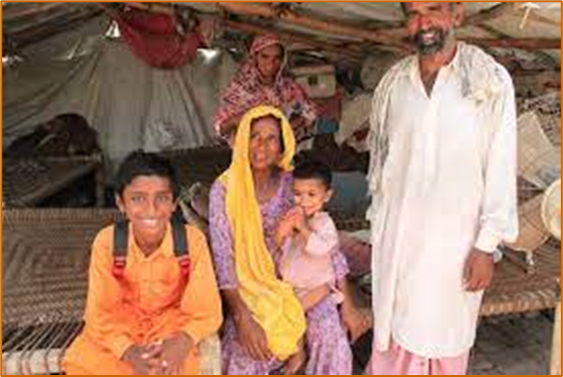
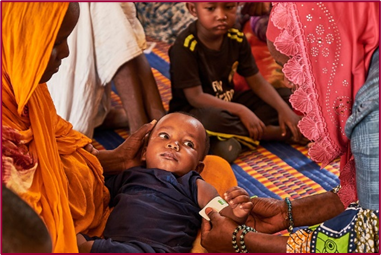
Yemen, officially the Republic of Yemen, is a country in West Asia. It is located in the southern end of the Arabian Peninsula, bordering Saudi Arabia to the north and Oman to the northeast. It shares maritime borders with EritreaDjibouti and Somalia. Covering 530,000 square kilometres (204,634 square miles) and having a coastline of approximately 2,000 kilometres (1,200 miles), Yemen is the second-largest Arab sovereign state on the Arabian Peninsula.Sanaa is its constitutionally stated capital and largest city. The country’s population is estimated to be 34.7 million as of 2023. Yemen is a member of the Arab League, the United Nations, the Non-Aligned Movement and the Organisation of Islamic Cooperation.

Since 2011, Yemen has been facing a political crisis, marked by street protests against poverty, unemployment, corruption, and President Saleh’s plan to amend Yemen’s constitution and eliminate the presidential term limit. Subsequently, the country has been engulfed in a civil war with multiple entities vying for governance, including the government of President Hadi (later the Presidential Leadership Council), the Houthi movement‘s Supreme Political Council, and the separatist Southern Movement’s Southern Transitional Council. This ongoing conflict has led to a severe humanitarian crisis and received widespread criticism for its devastating impact on Yemen’s people.

The ongoing humanitarian crisis and conflict has received widespread criticism for having a dramatic worsening effect on Yemen’s humanitarian situation, that some say has reached the level of a “humanitarian disaster”. Yemen is one of the least developed countries in the world, facing significant obstacles to sustainable development and is one of the poorest countries in the Middle East and North Africa region. The United Nations reported in 2019 that Yemen had the highest number of people in need of humanitarian aid, amounting to about 24 million individuals, which is nearly 75% of its population.

Source:https://en.wikipedia.org/wiki/Yemen

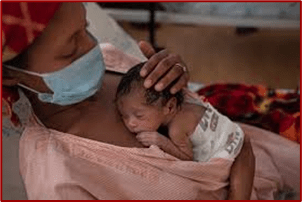
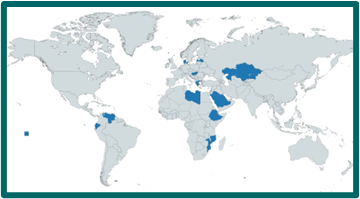
  • GLOBAL PRETERM BIRTH RATES YEMEN
  • Estimated # of preterm births: UNKNOWN per 100 live births
  • (Global Average: 10.6)
  • Source- WHO Yemen – Healthy Newborn Network 6.8% preterm birth rate, 39% of infant mortality

Highlights

  • Despite expert knowledge and expertise, nurses often do not write for publication.
  • Barriers to writing for publication are commonly reported by nurses.
  • A virtual, Writing for Publication Program was convened to overcome these barriers.
  • The group of clinical and academic nurses successfully published a manuscript.
  • Recommendations for overcoming writing for publication barriers provided.

Abstract

Nurses have valuable knowledge and expertise to share. Yet, for a variety of reasons, many nurses do not write for publication. Members in one Sigma Theta Tau International chapter requested information about publishing so a writing for publication program (WPP) was convened. Ten nurses from diverse clinical and academic backgrounds participated. The goal of the WPP was to support a small group of nurses to advance knowledge and develop practical skills through the development of a manuscript with mentorship from doctorally-prepared nurses with publishing experience. The anticipated effect was that participants would share what they learned with colleagues or mentor others to publish in the future. Beginning with informational sessions to lay the foundation for writing and publishing, the WPP included biweekly, two-hour online sessions over a seven-month period whereby individual and group writing with embedded peer and WPP leader feedback occurred. WPP participants gained proficiency in searching online databases, synthesizing published literature, and working as a member of a writing team. The group successfully published a manuscript based on a topic of interest. This current article describes the structured support and mentorship provided during the WPP with recommendations for overcoming publication barriers commonly described in the literature.

Background

Barriers to writing for publication are widely reported in nursing literature. Writing barriers are described as situational or personal (Tivis & Meyer, 2018) and internal or external (Oman et al., 2016). Situational and external barriers to writing for publication include a lack of time, family commitments, lack of resources, inadequate access to technology, insufficient organizational support, or a workplace culture that does not value writing and dissemination (Ansryan et al., 2019; Oman et

Forming the group

In August 2021, the annual general membership meeting for one chapter of Sigma Theta Tau International (Sigma) was held. Based on member requests, the educational focus of the general membership meeting, held online via the chapter’s discussion board, was writing for publication. Over the three-day meeting, those with publication experience were encouraged to share insights related to publishing. Members without publication experience reflected on publishing myths and barriers to writing for

Developing the manuscript

The goal of the WPP was to train a small cohort of nurses on how to write a single manuscript on a topic of interest and submit it to a peer-reviewed nursing journal. Wood (2018) and Bourgault (2023) note that some of the earliest decisions should be selecting the topic of the manuscript, identifying the intended audience, and selecting the journal the manuscript should be submitted. Oman et al. (2016) concur that successfully writing a manuscript is enhanced when the topic relates to lived

Reflections from group members

Two months after the second manuscript was accepted for publication, participants were asked to complete an anonymous survey to ascertain perspectives about the WPP. All ten members completed the survey. Resoundingly participants believed the WPP was a ‘well run,’ ‘helpful,’ and a ‘worthwhile’ experience. WPP leaders were ‘well prepared’ and ‘professional and skilled in guiding the process.’

The topics that members were already familiar with before participating in the WPP were writing

Lessoned learned with recommendations

Reflection by WPP leaders yielded several lessons learned with recommendations for overcoming known barriers to writing for publication. Insufficient time is frequently cited as a barrier to writing for publication (Ansryan et al., 2019). The structure of the WPP program was feasible to accomplish personal and collective goals. Two-hour, bimonthly meetings allowed sufficient time to complete the session agenda without burdening participants who may have competing work and family demands.

Conclusion

Writing for publication is an expectation of all nurses because it improves the quality of patient care to achieve optimal outcomes while also advancing the nursing profession. An innovative, virtual WPP successfully guided 10 academic and clinical nurses to publish a manuscript in a respected, peer-reviewed journal (Chargualaf et al., 2023). Participants largely reported feeling more confident in their own ability to publish in the future. Thus, the goal of the WPP was met. 

Source:https://www.sciencedirect.com/science/article/abs/pii/S8755722324000267

FROM THE AMERICAN ACADEMY OF PEDIATRICS| FEBRUARY 26 2024

American Academy of Pediatrics https://doi.org/10.1542/peds.2023-065582Board of Directors  Pediatrics (2024) 153 (3): e2023065582.

The violence, suffering, and death from the terrorist attack on Israel and the Israel-Hamas War weigh on us all. Pediatricians—who are called to care for children and keep them safe and healthy—have been reaching out to the American Academy of Pediatrics expressing anguish, outrage, and a deep desire to help stop the killing, ease the suffering, and protect all children from harm.

We are shaken and pained by what is happening in Israel and Gaza, and we are also alarmed by the increasing acts of violence and intimidation we’ve been witnessing in this country toward Jews, Muslims, and those with ties to Israel or Palestine. Many pediatricians and the families they care for have experienced such incidents.

As antisemitic and anti-Palestinian hate speech have been surging on social media, acts of hate have also been increasing in the United States and around the world. There has been an unprecedented rise in incidents of antisemitism, Islamophobia, and anti-Palestinian racism in this country according to data from the Anti-Defamation League and the Council on American-Islamic Relations. And reports of violent hate crimes targeting Jews, Muslims, and Arabs have risen steeply across the United States.

As people at home and abroad confront these issues and as world leaders debate how to move forward, one thing is certain: all children affected deserve our unconditional support.

It will always be the mission of the American Academy of Pediatrics (AAP) to advocate for children’s protection, health, and safety, no matter what, no matter where—be it in the United States, Israel, Gaza, the West Bank, Ukraine, South Sudan, Armenia, Syria, Yemen, Myanmar, Ethiopia, Democratic Republic Congo, or other conflict-torn areas that receive less media attention.

As pediatricians, pediatric medical subspecialists, and pediatric surgical specialists, we understand that the profound cost of any war is measured in children’s lives—those lost to violence and those forever changed by it. We know that what happens to these children today and what we do for them will help determine what becomes of this generation tomorrow.

In 2018, the Academy published a policy statement and accompanying technical report, “The Effects of Armed Conflict on Children,” which began with the following statistic: 1 in 10 children are affected by armed conflict. By 2021, 1 in 6—or about 449 million children worldwide—were living in a conflict zone. Africa had the highest overall number of children impacted by conflict (180 million), followed by Asia (152 million), and the Americas (64 million). Today, that figure is tragically even higher.

Our policy details both the acute and long-term effects of armed conflict on child health and well-being and uses a children’s rights-based approach as a framework for the AAP, child health professionals, and national and international partners to respond in the domains of clinical care, systems development, and policy formulation.

Our policy calls on governments to safeguard children and for pediatricians and health organizations to be involved both in preventing and responding to armed conflict. It advocates for integrating core human rights principles set forth in the United Nations Convention on the Rights of the Child (UNCRC) treaty into US policy.

To fulfill these rights, the policy lays out a number of detailed recommendations for mitigating the harms of child conflict both in clinical practice and in social systems serving children. This includes ensuring child health professionals who care for children affected by armed conflict have access to training in trauma-informed care, which involves recognizing and mitigating the harmful effects of these experiences. And it highlights opportunities for public policy advocacy, which include:

  • Ending the participation of children younger than 18 years of age in armed conflict and ensuring all children are protected from torture and deprivation of liberty, including extended or arbitrary detention;
  • Upholding the Geneva Conventions with respect to maintaining the sanctity of safe places for children, ensuring medical and educational neutrality, and allowing children fleeing armed conflict to petition for asylum and be screened for evidence of human trafficking;
  • Ensuring that children are not separated from their families during displacement and resettlement, and in the event of separation, prioritizing family reunification;
  • Protecting children from landmines, unexploded ordnances, small arms, and light weapons through effective clearing efforts and strict control on their sale, ownership, and safe storage;
  • Affording children a voice in creating policy and programs that prevent and mitigate harmful effects of armed conflict; and
  • Providing children affected by armed conflict access to educational opportunities as part of an environment conducive to their reintegration into society.
2023 AAP Board of Directors2024 AAP Board of Directors
Sandy L. Chung, MD, FAAP Benjamin D. Hoffman, MD, FAAP 
Benjamin D. Hoffman, MD, FAAP Susan J. Kressly, MD, FAAP 
Moira A. Szilagyi, MD, FAAP Sandy L. Chung, MD, FAAP 
Dennis M. Cooley MD, FAAP Margaret C. Fisher, MD, FAAP 
Patricia Flanagan, MD, FAAP Patricia Flanagan, MD, FAAP 
Warren M. Seigel, MD, FAAP Jeffrey Kaczorowski, MD, FAAP 
Margaret C. Fisher, MD, FAAP Patricia Purcell, MD, MBA, FAAP 
Michelle D. Fiscus, MD, FAAP Jeannette “Lia” Gaggino, MD, FAAP 
Jeannette “Lia” Gaggino, MD, FAAP Dennis M. Cooley, MD, FAAP 
Gary W. Floyd, MD, FAAP Susan Buttross, MD, FAAP 
Martha C. Middlemist, MD, FAAP Greg Blaschke, MD, MPH, FAAP 
Yasuko Fukuda, MD, FAAP Yasuko Fukuda, MD, FAAP 
Madeline M. Joseph, MD, FAAP Madeline M. Joseph, MD, FAAP 
Charles G. Macias, MD, FAAP Angela M. Ellison, MD, MSc, FAAP 
Constance S. Houck, MD, FAAP Kristina W. Rosbe, MD, FAAP 
Joelle N. Simpson, MD, FAAP Joelle N. Simpson, MD, FAAP 

In examining the entire policy in light of the Israel-Hamas War, we determined it was missing important elements to emphasize the protection of children during war and the Academy’s opposition to religious persecution of any kind. We voted unanimously to add the following to the policy statement:

  • Children should never be harmed because of the religious, cultural, and other beliefs and values of the child and/or their family;
  • Harm to children should never be used as a tool or tactic of war or conflict; and
  • Children should be protected from the direct effects of armed conflicts and their food, housing, health, and other basic needs safeguarded.

With the magnitude of the suffering and so many children hurting at home and abroad, this is a distressing time to work in pediatrics. The pain of our members is palpable; both the urgent desire to do all we can to protect children in Israel and Gaza and the fear and concern we are experiencing as acts of hate proliferate in the United States. Yet our common mission and the outpouring of support and solidarity among our member pediatricians reminds us there is light in the darkness.

We use our platform as the world’s largest pediatric organization to speak out against violence, hate, antisemitism, Islamophobia, and enmity toward Jews, Muslims, Israelis, and Palestinians and to speak up on behalf of all children suffering in armed conflict. We stand with everyone in the pediatric profession in these times of tragedy as we continue our work of healing, protecting, and caring for the world’s children.

Source:https://publications.aap.org/pediatrics/article/153/3/e2023065582/196273/Protecting-Children-and-Condemning-Hate-During-a?autologincheck=redirected

Jane E. Brumbaugh, MD1Carla M. Bann, PhD2Edward F. Bell, MD3; et alColm P. Travers, MD4Betty R. Vohr, MD5Elisabeth C. McGowan, MD5Heidi M. Harmon, MD, MS3Waldemar A. Carlo, MD4Susan R. Hintz, MD, MS Epi6Andrea F. Duncan, MD, MS7; for the Eunice Kennedy Shriver National Institute of Child Health and Human Development Neonatal Research Network- 03/11/24

Key Points

Question  How are maternal social determinants of health associated with discussions and decisions surrounding redirection of care for infants born extremely preterm?

Findings  In this cohort study of 15 629 infants born extremely preterm, Black mother-infant dyads were significantly less likely to have redirection of care discussions than White mother-infant dyads, and Hispanic mother-infant dyads were significantly less likely to have redirection of care discussions than non-Hispanic mother-infant dyads.

Meaning  Research is needed to understand the possible reasons and solutions for differences in redirection of care discussions for critically ill infants by race and ethnicity.

Abstract

Importance  Redirection of care refers to withdrawal, withholding, or limiting escalation of treatment. Whether maternal social determinants of health are associated with redirection of care discussions merits understanding.

Objective  To examine associations between maternal social determinants of health and redirection of care discussions for infants born extremely preterm.

Design, Setting, and Participants  This is a retrospective analysis of a prospective cohort of infants born at less than 29 weeks’ gestation between April 2011 and December 2020 at 19 National Institute of Child Health and Human Development Neonatal Research Network centers in the US. Follow-up occurred between January 2013 and October 2023. Included infants received active treatment at birth and had mothers who identified as Black or White. Race was limited to Black and White based on service disparities between these groups and limited sample size for other races. Maternal social determinant of health exposures were education level (high school nongraduate or graduate), insurance type (public/none or private), race (Black or White), and ethnicity (Hispanic or non-Hispanic).

Main Outcomes and Measures  The primary outcome was documented discussion about redirection of infant care. Secondary outcomes included subsequent redirection of care occurrence and, for those born at less than 27 weeks’ gestation, death and neurodevelopmental impairment at 22 to 26 months’ corrected age.

Results  Of the 15 629 infants (mean [SD] gestational age, 26 [2] weeks; 7961 [51%] male) from 13 643 mothers, 2324 (15%) had documented redirection of care discussions. In unadjusted comparisons, there was no significant difference in the percentage of infants with redirection of care discussions by race (Black, 1004/6793 [15%]; White, 1320/8836 [15%]) or ethnicity (Hispanic, 291/2105 [14%]; non-Hispanic, 2020/13 408 [15%]). However, after controlling for maternal and neonatal factors, infants whose mothers identified as Black or as Hispanic were less likely to have documented redirection of care discussions than infants whose mothers identified as White (Black vs White adjusted odds ratio [aOR], 0.84; 95% CI, 0.75-0.96) or as non-Hispanic (Hispanic vs non-Hispanic aOR, 0.72; 95% CI, 0.60-0.87). Redirection of care discussion occurrence did not differ by maternal education level or insurance type.

Conclusions and Relevance  For infants born extremely preterm, redirection of care discussions occurred less often for Black and Hispanic infants than for White and non-Hispanic infants. It is important to explore the possible reasons underlying these differences.

Rotana   2,117,326 views Premiered Dec 6, 2023 #FouadAbdulwahed #Rotana2023 #Rotana

#FouadAbdulwahed #Rotana2023 #Rotana Fouad Abdulwahed – Habibi | Official Music Video 2023 | فؤاد عبدالواحد – حبيبي

Credit…Ruth Fremson/The New York Times

By Alisha Haridasani Gupta     Published Feb. 8, 2024Updated Feb. 14, 2024

Premature births, after years of steady decline, rose sharply in the U.S. between 2014 and 2022, according to recently published data from the Centers for Disease Control and Prevention. Experts said the shift might be partly the result of a growing prevalence of health complications among mothers.

“I’m not too surprised that these are the changes we’re seeing,” said Dr. Nahida Chakhtoura, chief of the pregnancy and perinatology department at the Eunice Kennedy Shriver National Institute of Child Health and Human Development. “We know that maternal complications have been on the rise for the same time period.”

Births before 37 weeks of gestation increased by 12 percent, though there were fluctuations during the pandemic years, with slight decreases in 2020 and 2022. Deliveries at or after week 40 declined during the study period. Increases in premature birth rates were similar across races and age groups, but the largest jump was among mothers aged 30 and above.

It is a reversal of promising trends before 2014, when premature births had been steadily declining and full-term deliveries were on the rise. Though the latest report doesn’t delve into the causes, it is “concerning,” Dr. Chakhtoura said, particularly because premature babies generally face increased risks for health complications.

One of the reasons for the rise might be that women are having babies later in life, said Dr. Vanessa Torbenson, an obstetrician and gynecologist at the Mayo Clinic in Minnesota. Older maternal age, she added, presents an increased risk of health complications that may require an early induction. Overall rates of high blood pressure in particular have been on the rise in recent years. According to the C.D.C., almost 16 percent of women who delivered in hospitals had some kind of hypertensive disorder in 2019, and those issues were most common among women 35 and older. Rates of gestational diabetes have also grown, especially among older mothers.

Generally, “the further along you go in pregnancy, the higher the chance of survival” for the baby, said Dr. Dawnette Lewis, director of Northwell Health’s Center for Maternal Health and a maternal fetal medicine specialist. Studies have found that a baby delivered at 23 weeks, for example, has a roughly 55 percent chance of survival, with chances increasing each week after that, Dr. Lewis said. The American College of Obstetricians and Gynecologists recommends inducing labor at or before 37 weeks when medically necessary.

The latest C.D.C. data is “skimming the surface,” Dr. Lewis said. One of the many unanswered questions is why there were few differences in premature birthrates across races, given that research consistently shows that rates of pre-eclampsia and hypertension are disproportionately higher among Black women. Understanding who was induced and why might shed some light on that question, she added.

Despite the concerns around later maternal age, many of the health risks can be managed, Dr. Lewis said. “Anyone who’s considering a pregnancy, regardless of their age, should see a health care practitioner so that they can be evaluated and, in case that they do have any medical conditions, that they can get those under control before attempting a pregnancy.”

Source:https://www.nytimes.com/2024/02/08/well/family/premature-births-maternal-age.html

By  Cathy Cassata  Published on May 03, 2022   Medically reviewed by Steven Gans, MD

There’s no doubt early in the pandemic, healthcare workers were pushed to their limits. Crowded hospitals required doctors and nurses to work long hours caring for patients suffering from an unprecedented and unpredictable COVID-19 virus. The pressure and demands of the situation put a physical and mental strain on those seeing patients.

According to a 2021 survey published in the Journal of General Internal Medicine of more than 500 healthcare workers and first responders, a substantial majority of respondents reported experiencing clinically significant psychiatric symptoms, including:1

  • anxiety (75%)
  • depression (74%)
  • post-traumatic stress disorder (38%)
  • recent thoughts of suicide or self-harm (15%) 

To support healthcare workers’ mental health during the pandemic, many people were inspired to establish organizations. Below are three that sprung up over the past few years and continue to make a difference in the lives of doctors, nurses, and other frontline workers bearing the brunt of caring for the public during the ebb and flow of the pandemic. 

Dr. Lorna Breen Heroes Foundation

Lorna Breen, MD, was a seasoned emergency room physician at New York Presbyterian Hospital in Manhattan when the COVID-19 crisis hit. In a period of three weeks, Breen treated COVID patients, contracted COVID herself, and returned to an overwhelming number of critically sick patients. At the peak of COVID, she worked 15 to 18-hour shifts with limited PPE, insufficient supplies, and not enough equipment to care for patients; some of who were dying in the hallways. 

When Breen called her sister Jennifer to share that she was overwhelmed and exhausted to the point that she couldn’t get out of her chair, Jennifer and her husband Corey Feist went to Manhattan and took Breen to a mental health hospital, where she stayed for 10 days, receiving the first mental health treatment of her lifetime. A few days into her stay, Breen called her sister to express concern that her career as a physician was ruined because she was receiving mental health treatment. 

When Breen returned to work on April 1, 2020, her fear continued, as she worried her colleagues would notice she couldn’t keep up. Breen died by suicide on April 26, 2020. 

What Lorna was feeling is felt by doctors and nurses across the country today. The average person can ask for help, but not healthcare workers; in [several] states, they can lose their license for seeking [treatment for mental health]. That’s unacceptable.

According to a 2022 Medscape report, when physicians were asked why they have not sought help for burnout or depression, their top reasons were:2

  • I can deal with this without help from a professional (49%)
  • Don’t want to risk disclosure to medical board (43%)
  • Concerned about it being on my insurance record (32%)
  • Concerned about my colleagues finding out (22%) 

After Breen’s death, the Feists went on the “Today” show to spread awareness about the mental health strain healthcare workers faced during the pandemic. After the show, they received an outpouring of support from the healthcare workforce, thanking them for sharing Breen’s story. One sentiment they heard often was the need for change when it comes to questions on licensure applications and hospital credentialing applications that ask about a person’s prior mental health
history. 

The responses moved them to establish the Dr. Lorna Breen Heroes Foundation, which aims to reduce burnout of healthcare professionals and safeguard their well-being and job satisfaction by: 

  1. Advising the health care industry to implement well-being initiatives
  2. Building awareness of these issues to reduce the stigma; and
  3. Funding research and programs that will reduce health care professional burnout and improve provider well-being. 

“While Lorna is our beacon and inspiration, we started the organization because we heard from the
healthcare force (hundreds) after she died that something needed to change,” said Feist. “Now, what we have is a huge subsection of our healthcare workforce who has experienced repetitive trauma for two years. For some of them, this has been 9/11 every day for two years, and because of their fear of repercussions to continue working, they are going to suffer in silence.”

On March 18, 2022, the foundation’s work helped pass the Dr. Lorna Breen Health Care Provider Protection Act, which establishes grants and requires other activities to improve mental and behavioral health among healthcare providers.

The more we talk about mental health, the more we normalize it and give others permission to speak. Lorna was the toughest person I knew in the world and she was a seasoned physician in New York. She worked through Ebola in New York and other crises. This wasn’t about being tough.

He added that many solutions to the problem are complex, but that small actions can help. 

“[Like] someone being vulnerable and recognizing the need for self-care, and peer support (recognizing a colleague who needs support) that don’t cost money. We need to make it clear that you care for yourself and colleagues just as you would your patients,” he said. 

The foundation’s next mission is to raise awareness among medical licensing boards, nursing boards, and hospital systems about the impact of including mental health questions on applications. They hope licensing boards will change questions to reflect current mental health impairment and exclude past ones. 

“We are asking all hospitals in this country to simply publish to their workforce that they can
get mental health support without repercussions, which can be a life-saving opportunity for all of the healthcare community,” said Feist. 

The Emotional PPE Project

In March 2020, Ariel Brown, PhD, neuroscientist, was talking to her neighbor and friend Daniel Saddawi-Konefka, MD, critical care physician and anesthesiologist at Massachusetts General Hospital, when she was moved to help with the COVID crisis. 

“Dr. Dan…is responsible for directing [about] 100 anesthesiology residents and was struggling with the best way to support them during the onslaught of COVID,” said Brown. “I wanted to help and so I put out a call on social media to see if any of the therapists in my network wanted to volunteer some of their time to help these folks who were fighting on the frontline of the pandemic.” 

The therapists raised their hands in droves to offer free therapy to healthcare workers. When
Brown passed on their contact information to the residents, many reached out to therapists for help
at a no-cost, no-insurance, streamlined option for healthcare workers to seek mental health care. 

Because of the goodwill of the mental health provider community and because of the great need in the healthcare worker community, things grew very quickly. I put together a team, which I led to set up to be able to scale. Two years later, we are a national nonprofit organization that has over 700 volunteer therapists and has served over 2,000 healthcare workers across the nation.

Over the course of the pandemic, she has learned that healthcare workers face significant barriers to getting support for their mental health. The Emotional PPE Project is designed to streamline mental health service by lifting barriers, including: 

  • Financial: Facilitating services at no cost and with no insurance.
  • Access: A streamlined process to connect with therapists
  • Stigma: Remaining 100 percent confidential and unaffiliated with any organization that employs healthcare workers

“Overall, we seek to take away every barrier that we can so that the folks experiencing unprecedented stress and trauma can have a streamlined connection with someone that can help,” said Brown. 

The Emotional PPE Project is also involved in research and advocacy work similar to that of the Dr. Lorna Breen Heroes Foundation, including working to reform licensing practices to protect the mental health of physicians

  • Healthcare workers, find a therapist in The Emotional PPE Project directory
  • Licensed therapists, sign up to volunteer your time
  • Anyone, support the organization by making a tax-deductible donation

Therapy Aid Coalition

As the world started to shut down due to COVID-19 in March of 2020, Jennifer Silacci, LCSW, psychotherapist, felt grateful she could work from home and shelter in place although anxious about the virus. 

I wondered, if those of us at home felt so overwhelmed, how were those on the frontlines coping? How were they processing the anxiety around constant exposure to a potentially deadly virus? And what could I do to help them?

She decided to offer free and low-cost therapy sessions to healthcare workers and asked her colleagues if they would join her. Word spread, and before she knew it, thousands of volunteer therapists from across the country joined Silacci. 

“Quite honestly, I had no idea how to manage this new, growing network of volunteers, or the thousands of emails pouring into my inbox, so I asked everyone I could think of for help. Childhood friends and even some kids I babysat (now adults) stepped up. A friend connected us with her law firm, and soon we were a fully formed 501(c)(3) public charity,” she said. 

Within months of putting out the initial call, Silacci established the Therapy Aid Coalition,
now made up of over 3,000 licensed therapists, who offered free and low-cost online therapy to essential workers in the United States. 

Because confidentiality is a concern for many healthcare professionals, and many do not want to utilize employee assistance programs (EAPs), health insurance, or support and resources from their hospitals and clinics, Silacci said her service offers them the opportunity to connect with a therapist anonymously. Over the past two years, the program has served thousands of essential workers throughout the country. 

“I think the pandemic and the amazing work of so many nonprofits…have shed light on the need for mental health support, destigmatization, and advocacy for mental wellness within the healthcare professions,” she said. 

Because the Therapy Aid Coalition continues to receive hundreds of requests monthly, Silacci said, normalizing the fact that healthcare professionals “while perhaps heroic in their actions—are still painfully and beautifully human” needs to become more understood. 

“We all have a breaking point. It is my belief that individuals that have been on the frontlines may not even fully realize the impact of their experience just yet. Some are still running on adrenaline. Some are still numb and just trying to make it through another shift,” she said. “I believe we will see a greater need for mental health support among frontline workers in the next year or two, as they finally come up for air, and have the time and space to unthaw, and digest all that has unfolded.”

Those affected also include mental health professionals, Silacci added, and taking care of therapists is also one of her objectives. While the Therapy Aid Coalition currently offers free and low-cost services, it plans to pay therapists via stipends as it accumulates grants. 

Those affected also include mental health professionals, Silacci added, and taking care of therapists is also one of her objectives. While the Therapy Aid Coalition currently offers free and low-cost services, it plans to pay therapists via stipends as it accumulates grants. 

“We want services to be free to essential workers, but we also believe it is absolutely not fair to ask therapists to continue to offer pro-bono sessions two years into the pandemic,” she said. “[Therapists] are essential workers, and also qualify for free short-term sessions with us!” 

Source:https://www.verywellmind.com/3-organizations-providing-a-free-lifeline-for-healthcare-workers-5222435

Bernard Marr/Contributor

The roles of professionals in society are shifting thanks to the development of truly useful and powerful generative artificial intelligence. Every industry will be impacted, but we have already seen that healthcare, with its heavy use of data and technology, will be disrupted more than most.

Generative AI has the potential to revolutionize the way we treat disease, develop new medicines and personalize treatments to fit individual patients. It will also fundamentally change both the day-to-day working lives of doctors, nurses and other clinical health professionals and even the way they are seen by society. As a result, they will find they are more reliant than ever on the human qualities like compassion, communication and the instinct that many who fill these jobs have for providing care.

So here’s my overview of some of the most dramatic and meaningful transformations we can expect to see in the near future, as well as some of the practical and ethical challenges that will have to be overcome.

AI As A Diagnostic Assistant

Generative AI helps with diagnosing conditions by interpreting data and providing clear, in-depth insights into what is known about the patient. It can be used to examine hundreds of X-ray, MRI and CT scans and quickly give a statistical summary of its findings. This will lead to more accurate, data-driven diagnosis of many common or not-so-common conditions.

This communication can then be fine-tuned depending on the role of the healthcare professional who is using it, whether a doctor, nurse, consultant or specialist. Communicating only the insights relevant to them means there will be less noise between the professional and the specific information they need.

The World Economic Forum has also predicted that generative AI will lead to improved outcomes as it becomes able to efficiently extract data from the many disparate and siloed sources that have traditionally existed across healthcare.

It will also increasingly be used to create synthetic data, which is artificially generated to resemble real-world information. This is particularly useful for situations with limited training data, such as with rare conditions and diseases. It can also reduce the security and data protection measures that healthcare professionals must take when working with real patients’ personal data. Synthetic data can also be used to simulate healthcare scenarios like pandemics or the emergence of antibiotic-resistant organisms that could cause a global healthcare crisis.

Automating Routine And Administrative Tasks

It will become increasingly common for medical professionals to use generative AI to automate many of the repetitive and routine administrative tasks they carry out every day. This will free up their time to focus on directly providing care, as well as continuing their training and learning.

From managing and updating patient records to scheduling appointments, healthcare professionals engage in many time-consuming tasks that can be streamlined or even entirely taken over by AI. According to one study, doctors spend half of their working day on tasks involving maintaining electronic health records.

Generative AI can drive more efficient EHR management by intelligently organizing doctors’ notes, test results and medical imaging. It can then provide quick summaries of individual patients, highlighting aspects of their health that are a concern and generating reports for other professionals. Automating many of these tasks is likely to also have the effect of reducing errors that could impact quality of care and patient outcomes.

Generative AI In Drug Discovery

The same capabilities that allow generative AI to create text and writing can also be used to develop new candidate medicines and vaccines for clinical trials. This means that researchers can speed up the lengthy process of shortlisting potential candidates.

Last year, Oxford-based biotech firm Etcembly produced the first immunotherapy drug created with the help of generative AI.

The process promises to speed the transition of potentially lifesaving new treatments from lab to patient, ultimately leading to better patient outcomes. This indicates that just like doctors and nurses, healthcare researchers and scientists will also have powerful generative AI tools to enable them to work more quickly and efficiently.

Ethical Consideration: The Human Touch

Clearly, however, integrating generative AI into healthcare in this way creates a long list of ethical challenges that can’t be ignored. This is because most use cases revolve around the use of personal data. This means that safeguarding against data leaks, losses and breaches is of paramount importance.

It’s also essential that AI algorithms make decisions that are transparent and explainable—this will be crucial for building the public trust essential for these systems’ potential to be realized.

The damage that can be caused by bias in data is also more pronounced than in nearly any other field. Its been shown that generative AI models can amplify bias present in training data. We know that women and people from minority ethnic backgrounds are more frequently diagnosed due to their underrepresentation in medical studies, and this issue could scale as AI becomes more widely used.

Data, models and outcomes must all be continually monitored and updated in order to mitigate these biases, which could otherwise further perpetuate inequalities.

Like many other professionals, those in healthcare will find themselves required to learn the skillset of the AI ethicist. This means developing the capability to evaluate potential use cases in order to determine whether applying AI is likely to cause damage, risk or danger, and ensuring adequate guardrails are in place at all times.

The Future Of Doctors And Healthcare Workers

Doctors, nurses and other clinical healthcare professionals are probably more insulated than many from the risks of being replaced by AI. Their jobs require them to function at an advanced level across many human skills that machines will not replicate any time soon. Intuition and experience all play a role, and that isn’t going to change.

AI does, however, offer the opportunity for these professionals to redefine the way they work and even their role in wider society. Shifting to models of work that allow them to spend more time with patients will also mean more time to continue their ongoing education and develop their own medical expertise.

This is likely to lead to new specializations as the need grows for clinical staff focused on AI-enhanced diagnoses, data-driven medicine and ethical AI, as well as helping patients navigate the range of new AI-assisted treatment options that will become available.

With AI handling routine analysis, record keeping and interpretation of scans, imaging and other data, doctors and nurses will spend more time getting to the bottom of more complex and nuanced patient issues.

Ultimately, the essence of providing healthcare will continue to revolve around empathy, compassion and the human touch. Generative AI creates the opportunity to augment these qualities in ways that will make professionals in this field even more essential to society. Those who are able to embrace this paradigm shift will find they are able to use their skills and training to cure sickness and improve patient lives in ever more rewarding ways.

Source:https://www.forbes.com/sites/bernardmarr/2024/03/13/how-generative-ai-will-change-the-jobs-of-doctors-and-healthcare-professionals/?sh=58f34eef974a

Dec 15, 2023

Title: Neonatal Neurocritical Care: Past, Present and Future Speaker: Fernando Gonzalez, MD Co-Director, UCSF Neuro-Intensive Care Nursery Director, Residency Molecular Medicine Track Co-Leader, SPR Pediatrician-Scientist Development Professor of Pediatrics, University of California, San Francisco Presented by leading researchers from UCSF Pediatrics, from other departments at UCSF and outside institutions, Frontiers in Child Health Research is an interactive series meant to facilitate scientific exchange and stimulate new ideas.

Front. Pediatr., 20 March 2024 Meline M’Rini* Loïc De Doncker Emilie Huet Céline Rochez Dorottya Kele Neonatal Department, Hôpital Universitaire de Bruxelles, Hôpital Erasme, Université Libre de Bruxelles, Brussels, Belgium

Objective: Immediate skin-to-skin contact (SSC) is already standard care for healthy term newborns, but its use for term or preterm newborns requiring admission to neonatal intensive care unit (NICU) with or without respiratory support is challenging. This study aimed to assess the safety and feasibility of SSC during the transfer of newborn infants, using a new purpose-built mobile shuttle care-station, called “Tandem”.

Material and methods: A monocentric prospective observational study was conducted at the tertiary referral center of the Université libre de Bruxelles in Brussels, Belgium after ethical approval by Hopital Erasme’s Ethics Committee (ClinicalTrials.gov ID: NCT06198478). Infants born with a birth weight above 1,500 g were included. Following initial stabilization, infants were placed in SSC with one of their parents and transferred to the NICU using the Tandem.

Results: Out of 65 infants initially included, 64 (98.5%) were successfully transported via SSC using the Tandem. One transfer was not successful due to last minute parental consent withdrawal. The median (range) duration of continuous skin-to-skin contact after birth was 120 min (10–360). SSC transfers were associated with gradually decreasing heart rate (HR) values, stable oxygen saturation levels (SpO2), and no increase in median fraction of inspired oxygen (FiO2). Heatloss was predominantly observed during initial setup of SSC. There was no significant difference in the occurrence of tachycardia, desaturation or hypothermia between preterm and term neonates. No equipment failures compromising the transfer were recorded.

Conclusion: Skin-to-skin transfer of infants with a birthweight of equal or above 1,500 g using the Tandem shuttle is feasible and associated with stable physiological parameters. This method facilitates early bonding and satisfies parents.

Clinical Trial Registration: ClinicalTrials.gov (NCT06198478).https://www.frontiersin.org/articles/10.3389/fped.2024.1379763/full

© Pexels/Hussein Altameemi

POSTED ON 18 MARCH 2024

Fasting during Ramadan is a valuable experience for Muslims all over the world. Even though it is not compulsory for pregnant women to participate in fasting, many choose to do so. However, the question arises as to whether abstaining from food and water throughout the day could have an impact on the well-being of the unborn child. To answer this question, fourteen studies from seven countries were reviewed, involving more than 2,800 expectant mothers. The results show that Ramadan fasting influences neonatal weight and other parameters of foetal health. However, most of the effects, including the risk for preterm birth, were found to be non-significant. This indicates that fasting during Ramadan is not harmful for the baby overall, and that the decision to participate in Ramadan fasting should therefore be left to the mother.

Ramadan is a month focusing on prayer, community, and reflection for all Muslims around the world. Central to this is the Ramadan fasting (RF), which is a form of intermittent fasting in which no food or water is consumed from sunrise to sunset. The abstinence from water during the fasting period makes RF more intense compared to other forms of intermittent fasting. While RF is obligatory for healthy Muslims, breastfeeding mothers and pregnant women are exempt from fasting and can decide for themselves whether they feel fit enough to participate or not. The Muslim population makes about ¼ of the world’s population, and accordingly many pregnant women face the question if they can participate in RF without harming the foetus. This concern arises from the fact that an adequate supply of nutrients is important to meet the needs of both mother and foetus, and neonatal weight is a direct indicator of the foetus’ wellbeing.

A total of 14 studies from seven countries examined the topic and the results were analysed in an overall review. The 2,889 participating mothers lived in Turkey, Iran, Lebanon, Pakistan, the UK, the Netherlands, and Saudi Arabia.

Ramadan fasting has a significant influence on birth weight

Several different measurements indicate foetal health and can be used to analyse the effects of RF on the unborn child. One indicator is neonatal weight. The findings varied in the different studies examined, but the overall effect showed a significantly lower birth weight in fasting mothers. The amniotic fluid index (AFI), a standardised indicator of foetal well-being, also showed a significant effect. The combination of dehydration during RF, longer daytimes, and temperatures above 36°C led to a reduction of the AFI in fasting mothers. Further significant correlations were found between RF and foetal femur length and RF and lower biparietal diameter assessing foetal size in fasting mothers.

The results on gestational age at delivery were contradictory but insignificant altogether. When analysing the impact on preterm birth (PTB), only one study showed a slightly increased incidence of PTB when the mother was fasting. The increase was not statistically significant and all other studies that examined PTB reported no association, leading to the redeeming conclusion that RF has no effect on the likelihood of PTB.

Various other measures showed no significant impact of RF on foetal health, including foetal body weight, length, head circumference, and abdominal circumference of the infant. The biophysical profile also did not change for fasting mothers, nor did the foetal movements, breathing movements, tone, amniotic fluid volume or the Apgar Score.

 Fasting for expectant mothers is not harmful to neonatal health overall

Although RF affects foetal growth, it is not associated with poorer neonatal health. The negative associations between fasting and foetal well-being were stronger when the mother fasted during the second or third trimester of her pregnancy. Furthermore, all associations between RF and reduced health were predominantly found in lower quality studies, which supports the evidence that fasting is safe for pregnant women. Thereafter, current scientific evidence shows that fasting during Ramadan is not harmful to the foetus and can be practiced by pregnant women. The decision to fast should therefore be made by the pregnant woman herself, in consultation with her doctor, who will take her individual health status into account. The wellbeing of the foetus depends more on the type of food the mother eats during the fast-breaking period of Ramadan.

Source:https://www.efcni.org/news/does-ramadan-fasting-influence-risk-for-ptb/

In adulthood, these children “are more vulnerable to stress-related health outcomes, like diabetes, and mental health issues, addiction and obesity,” one expert says

By Katie C. Reilly – March 20, 2022

Are infants too young to experience and remember painful emotions or traumatic events? A growing body of research suggests no, and researchers believe that if left untreated, trauma experienced in infancy can sometimes result in lifelong health consequences.

Beyond such obvious triggers as war and terrorism, exposure to domestic violence, natural disasters such as a house fire, physical abuse and community violence are examples of experienced events that can be traumatic for infants, experts say.

Experts in infant mental health, which goes from the prenatal period up to age 3, say that babies and very young children who experience such things have higher incidences of anxiety disorders or depression that can persist into adulthood if left untreated.

“It is easy to assume that babies don’t remember trauma because they express their experiences differently,” Tessa Chesher, an clinical assistant professor of psychiatry and behavioral sciences at Oklahoma State University who specializes in infant and early childhood mental health, says in an email. “At [8 to 12] weeks of age, babies have stored enough memories that [the babies] start to anticipate their caregiver’s behavior based on previous behaviors. They start to respond based on the experiences they have had.”

‘Vulnerable to stress-related illnesses’

Evelyn Wotherspoon, a social worker specializing in infant mental health, said that as they reach adulthood “infants and very young children who have had early exposure to trauma and chronic stress … are more vulnerable to stress-related health outcomes, like diabetes, and mental health issues, addiction and obesity. These children are much more vulnerable to all of these stress-related illnesses, and their brain may not develop the way it should.”

Although infants and young children are just developing, experts in infant mental health say they can experience a wide range of feelings that includes negative emotions, sadness or anxiety. A report by the American Academy of Pediatrics found that, by age 16, more than 2 in 3 children had said they had experienced a traumatic event.

According to a Report of the Task Force of the World Association for Infant Mental Health, rates of mental health disorders in infancy (which generally includes birth to age 3) are comparable to that of older children and adolescents. And one small study of 1-year-olds found that 44 percent of those who had witnessed severe violence against their mother by an intimate partner showed symptoms of trauma afterward, such as increased arousal, increased aggression or an interference with normal infant development. Infants and young children (under age 4) can develop post-traumatic stress disorders after events, according to a study in the Journal of the American Academy of Child & Adolescent Psychiatry.

Kathleen Mulrooney, a counselor who is also program director for the Infant and Early Childhood Mental Health Program for Zero to Three, a nonprofit organization dedicated to improving the lives of babies and toddlers, said it’s important to note that not every infant who experiences a trauma will be traumatized. As with adults, it depends on the infant, “because what is traumatic for one person is not for someone else,” Mulrooney says.

“To be traumatized, one must be severely frightened,” says Charles Zeanah, a psychiatrist and the executive director of the Institute of Infant and Early Childhood Mental Health at Tulane University School of Medicine. Infants under 12 months may not always be aware that a particular situation is actually dangerous, which can potentially protect them from trauma, he says.

Caregivers can be key

In this context, caregivers can be key in buffering small children from the effects of trauma by how they react. “The ability of parents or key caregivers to provide protection, to have a co-regulating role when it comes to the stress response is critical,” Mulrooney said in an email.

If a child has a significant trauma before age 2 but following the trauma “the baby has the powerful protective factors of consistent safety, love and security; there is a decreased likelihood of having mental health problems,” Chesher says in an email. “That doesn’t mean the baby didn’t suffer or that their body doesn’t remember that trauma, it means that there were protective factors around to mitigate the effects of the trauma.”

Regina Sullivan, a developmental behavioral neuroscientist and professor of psychiatry at NYU Grossman School of Medicine, says that while a primary caregiver cannot “buffer a small child from trauma in the environment — it’s called social buffering because the child’s fear response and stress hormone response is reduced — more recently, we have shown that the caregiver is actually blocking neural activity in the amygdala, the brain area responsible for fear.”

Trauma in infancy can physically alter the developing architecture of the brain, according to the American Academy of Pediatrics. Toxic stress — strong, frequent or prolonged adversity — has been shown in various studies to harm learning capabilities, memory and executive functioning.

“Many brain areas in infants and small children are physically altered and the ability of those brain areas to talk to one another is also modified by trauma,” said Sullivan.

Trauma can be difficult to recognize

Yet trauma in infancy can be difficult to recognize given that infants are not yet verbal and rely on their caregivers to respond to their needs, which means a caregiver would have to be attuned to symptoms and seek help.

“A baby can’t just go up to you and say, ‘Hey this happened yesterday, I’m scared,’ Chesher says. “And so really learning the language of the babies is important and then educating people on how to read that language. And so, if we don’t know the red flags, then we are not identifying trauma and we can have longer term effects on the brain.”

Experts say some red flags of trauma for babies younger than 12 months are: feeding or sleep problems and not being able to be comforted by their caregiver. A toddler (between ages 1 and 3) can express themselves more verbally and physically than a baby. Some red flags of trauma in that age group can involve repeating traumatic events in their play or becoming aggressive, Chesher says.

“One of the issues is how that child expresses trauma might be through disruptive sleep or being a bit fussier,” Sullivan says, “things that occur in normal children for a host of many reasons, which makes it difficult to identify which child is going to respond to the trauma in a way that will be long lasting and damaging.”

If a parent or other caregiver is concerned, based on a child’s behavior and experiences, they should “ask to be referred to an infant and early childhood mental health specialist,” Chesher says.

Experts will look at a variety of factors, with the most critical being the relationship between the baby and their primary caregiver. In addition to observing that interaction, mental health experts may also look at “pregnancy history, birth history, medical history, development history, safety screeners, perinatal depression screener [for both parents], how the infant eats and how the infant sleeps,” Chesher says.

Different interventions

Depending on a child’s age, different interventions are available, including child-parent psychotherapy.

“It is essential that the parents or … their caregivers … are involved in a major way in the treatment because it is really through relationships with caregiving adults that infants thrive and do well,” Zeanah says.

To recover, an infant needs a caregiver in their life who can accurately read their cues and respond in a nurturing, patient manner, Wotherspoon says. “One of the most powerful therapeutic tools that we have is the relationship a child has with a nurturing caregiver and they only need one and it doesn’t have to be perfect. … An infant who gets that fairly early on can recover beautifully from trauma,” Wotherspoon says.

Increasing awareness about infant and early childhood mental health among both parents and medical practitioners is critical, experts say. But it’s also important for parents to understand what trauma is — and is not. A child “getting distressed is different than being traumatized,” Zeanah says.

“It’s important to distinguish from everyday events that might scare the child and are important in the child learning how to regulate their emotions and physiology versus trauma from horrible events such as a tornado or a parent who is repeatedly traumatizing the child unnecessarily through verbal or physical assaults,” Sullivan says.

“We want parents to enjoy this time in their life and not be fearful that they are going to traumatize their child by making them eat vegetables or get vaccinated,” she adds. “Those are normal experiences in life that the child needs to experience as part of [the] current world.”

Source:https://www.washingtonpost.com/health/2022/03/20/infant-trauma-stress-mental-health/

August 28, 2023 

DeKalb, IL – Technology developed by NIU Electrical Engineering Professor Lichuan Liu and designed to prevent hearing loss in the most vulnerable of newborns could soon find its way into hospital neonatal intensive care units, or NICUs

NICUs can be noisy. The care units are louder than most home or office environments and have sound levels that often exceed the maximum levels recommended by the American Academy of Pediatrics. Hearing impairment is diagnosed in 2% to 10% of preterm infants, versus 0.1% of the general pediatric population.

Aiming to put her electrical engineering expertise to use to benefit others, Professor Liu invented an apparatus, system and method to significantly reduce harmful noises while maintaining communication between the newborns and their parents or caregivers.

In 2014, NIU began a partnership with Invictus Medical, a Texas-based medical device company, to commercialize the technology. NIU licensed its related patents to Invictus, while the company has continued to refine the incubator-based active noise control (ANC) device, now known as the Neoasis®.

In July, Invictus announced that the company had received a U.S. Food and Drug Administration (FDA) clearance-for-use declaration for the device.

The control unit front face and home screen on the Invictus Medical Neoasis® incubator-based active noise control (ANC) device. Photo courtesy of Invictus Medical

“With this clearance for use, Invictus has made a huge step towards deploying the Neoasis® ANC device in neonatal intensive care units,” said George Hutchinson, Ph.D., Invictus Medical’s chief executive officer. “It is well documented that a quieter environment has a positive impact, including improved sleep hygiene and weight gain in infants where both are critical for development.

“The NIU team has been a pleasure to work with,” Dr. Hutchinson added. “The Office of Innovation has been a great teammate throughout the entire process.”

The Neoasis® ANC device utilizes a proprietary, innovative active noise control (ANC) system to attenuate noise with canceling sound wave technology. At the same time, it allows a parent’s voice to be directed to the infant, which can also be beneficial for cognitive development. Invictus is currently exploring relationships with strategic partners to get the Neoasis® ANC device into NICUs—now possible with the FDA clearance.

While universities and researchers can realize typically modest financial benefits from technology transfer, the primary intent is to broaden the potential impact of research through the creation of innovative products and services for public benefit, said Karinne Bredberg, director of NIU’s Office of Innovation. The office has guided Liu through the partnership, patent processes and licensing.

“This is a big deal for Dr. Liu and for NIU,” Bredberg said.

“NIU research has produced other patents and licenses, but we believe this is the first NIU-licensed technology to be incorporated into a device that has an FDA clearance-for-use declaration,” Bredberg said.

Mark Hankins, NIU’s assistant director for technology transfer, credited the ingenuity of Professor Liu, as well as a great working relationship with Invictus Medical.

“Dr. Hutchinson in particular was very diligent in trying to move this technology forward and persevered through a number of roadblocks,” Hankins said.

Professor Liu said it was about a decade ago when President Lisa C. Freeman, then serving as NIU’s vice president for Research and Innovation Partnerships, brought Liu together with Invictus Medical. While Liu developed an initial prototype, the company refined the device, making the it more commercially accommodating for NICU environments.

“It’s a little different working with industry, as opposed to academia,” Professor Liu said. “It was a learning curve for me, but Invictus Medial has been very professional and easy to work with.”

NIU Professor Lichuan Liu is now conducting research on an artificial-intelligence algorithm that can detect the meaning behind babies’ cries.

Over the years, the commercialization process received funding support from the NIU Foundation and a National Science Foundation’s (NSF) Small Business Technology Transfer grant. Liu, herself a mother of two, is excited at the prospect of hospitals using the Neoasis® ANC device.

“I think this is fantastic,” Liu said. “I kept working on this project and thought someday there would be payback.

“I have a passion or motivation to work to benefit others,” Liu added. “As a mom, I think this device is really something important. As an engineer, I’m happy to make an impact.”

Liu said her current research includes other ways to use noise cancellation. She is working on a pillow that would cancel out the racket of snoring, and she and NIU Nursing Professor Jie Chen are working on a system for adult intensive care units.

Additionally, Liu is working on an artificial intelligence algorithm that can listen to infant cries and determine whether they are normal or abnormal to potentially indicate a severe or chronic illness. Invictus might incorporate the technology into future versions of its Neoasis® ANC device.

Source:https://newsroom.niu.edu/niu-researchers-innovation-helps-lead-to-device-to-prevent-hearing-loss-in-nicu-infants/

Carla Madeleine Cuya1* Carlos Barriga2 Maria del Carmen Graf3 Mirta Cardeña1 María del Pilar Borja1 Richard Condori4 Moises Azocar5 Carlos Cuya4

Introduction: In a significant number of NICUs, mothers are unable to provide enough maternal milk to feed their premature babies, so healthcare workers rely on human milk banks. Unfortunately, this service is not available in many countries, such as Peru, where premature infants receive formula. The aim of this study was to determine the effectiveness of multisensory stimulation on mother’s own milk production.

Methods: Participants in this study were postpartum mothers of preterm infants 27–37 weeks gestational age. The participants were assigned to three groups: (1) audiovisual stimulation (SAV) (n = 17), (2) audiovisual and olfactory stimulation (SAVO) (n = 17), and (3) control (n = 16). A questionnaire was used to collect demographic and obstetric data, including a record of mother’s own milk volume.

Results: There was no significant difference between the SAV, SAVO and control groups regarding age, marital status, education level, occupation, number of children, mode of delivery, Apgar and birth weight. On the other hand, a significant difference was observed between the SAV and SAVO groups regarding the amount of milk produced, with higher production between the fourth and seventh day (Tukey p < 0.05). Similarly, milk volume was significantly greater in the SAVO group compared to the SAV and control groups (OR = 1.032, 95% CI = 1.0036–1.062, p < 0.027).

Conclusion: Multisensory stimulation in postpartum mothers of preterm infants caused an increase in the volume of mother’s own milk production. However, more research is needed to explain the findings presented in this study.

Front. Pediatr., 14 March 2024
Volume 12 – 2024 | https://doi.org/10.3389/fped.2024.1331310

Jennifer Arnold, Niranjan Vijayakumar, Philip Levy

Abstract

Advances in modeling and imaging have resulted in realistic tools that can be applied to education and training, and even direct patient care. These include point-of-care ultrasound (POCUS), 3-dimensional and digital anatomic modeling, and extended reality. These technologies have been used for the preparation of complex patient care through simulation-based clinical rehearsals, direct patient care such as the creation of patient devices and implants, and for simulation-based education and training for health professionals, patients and families. In this section, we discuss these emerging technologies and describe how they can be utilized to improve patient care.

Introduction

Simulation is a powerful tool for improving education, patient safety, and innovation in any field of medicine.1 In neonatology, the opportunity to create realistic simulations to help prepare clinicians for high risk care of vulnerable patients is paramount.2 As the field of healthcare simulation advances, technologies for simulation are diversifying. With advances in modeling and imaging, broader and more realistic tools for education and training, and even opportunities to improve direct patient care are emerging. These include realistic models for preprocedural planning and clinical rehearsals, and innovative, bespoke patient specific devices and healthcare tools to use in clinical care. Current advances in specific technologies have allowed for this expansion, including point-of-care-ultrasound (POCUS), three dimensional (3D) and digital anatomic modeling, and extended reality technologies that are immersive digital recreations of reality, such as virtual reality (VR), augmented reality (AR), and mixed reality (beyond the scope of this article). In this article we review the types of imaging and modeling technologies available and how they can be applied to improve neonatal patient care and outcomes through healthcare simulation-based education (SbE), clinical rehearsals(SbCR), and more.

Section snippets:

Point-of-care ultrasound (POCUS)

POCUS, which is ultrasound performed and interpreted in real time by bedside clinicians, has been used by adult and pediatric specialties for many decades, with recognition that this technology may enhance quality of care and improve patient outcomes.3 Pediatric anesthesiology and adult emergency medicine were early adopters of POCUS, and pediatric critical care has increasingly utilized POCUS for central line placement and diagnostic imaging.4 POCUS has more recently been utilized in

Applications of imaging and modeling

The types of imaging and modeling described above are emerging tools now available in healthcare that can be applied in three specific ways: preparation for complex patient care through SbCRs, direct application for patient care, and simulation-based education and training.

Patient specific simulation-based clinical rehearsal (SbCR)

Simulation-based Clinical Rehearsal (SbCR) refers to the practice and rehearsal by clinicians to prepare for a patient-specific procedure or complex care process before providing direct patient care. These are typically rehearsed using physical 3DP or virtual models. SbCRs can be patient-specific (utilizing the patient’s exact anatomical data to create a model for rehearsal, such as practicing a specific congenital heart disease [CHD] repair on a 3DAM before operating on the patient) or

Imaging and modeling in direct patient care

While using immersive technologies as a part of the preparation for patient care is exceedingly valuable, there are additional applications as part of healthcare services provided directly to patients. In the next section we describe how 3DP, POCUS, and virtual modeling improve care delivery in neonatology and other fields of medicine.

Imaging and modeling in simulation-based education and training

Imaging, modeling and other emerging technologies are used in the education of healthcare professionals and patients, families, and other home caregivers. 3DAMs have been shown to improve performance and promote competency-based education. The benefits of 3DP in education include on demand reproducibility, the possibility to model different physiologic and pathologic anatomy from an endless dataset of images, and the possibility to share 3D models among different institutions.56 3DP has

Conclusion

In conclusion, imaging and modeling technologies have significantly advanced healthcare, including neonatal care. These technologies have enhanced education and training for all levels and types of learners, enabled better preparation and rehearsal for complex care, augmented diagnosis and applications of personalized treatment plans, and improved patient outcomes. From ultrasound to physical models to sophisticated virtual models, these tools provide invaluable insights into the delicate care.

Source:https://www.sciencedirect.com/science/article/abs/pii/S0146000523001283?via%3Dihub

Casey Insights

Mar 7, 2023 VIENNA

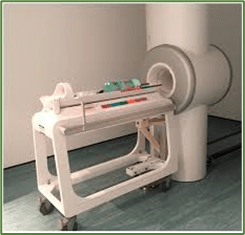
MRI can be a powerful tool for diagnosing problems in newborns, but transferring infants to the radiology department for scanning creates a number of issues. Aspect Imaging has developed Embrace, a 1-telsa MRI scanner that can be installed in the neonatal intensive care unit (NICU) to enable MRI to be used at the bedside. Aspect Imaging demonstrated the Embrace scanner at the 2023 European Congress of Radiology (ECR) meeting.

Innovation and Comfort in the NICU: Enhancing the Neonatal Experience:

In the fast-paced world of neonatal care, where infants face immense challenges from their earliest moments, a wave of innovation is transforming the NICU into a place of both healing and joy. Amidst the beeping monitors and hushed whispers, new technologies and thoughtful touches are bringing smiles to the faces of families and healthcare professionals alike.

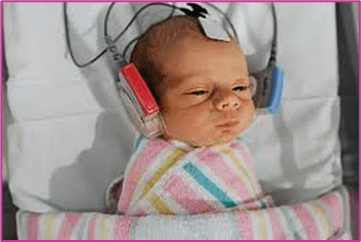
Imagine, for a moment, the introduction of point-of-care MRI machines, compact enough to fit beside a newborn’s crib yet powerful enough to provide detailed images without the need for transport. Picture tiny headphones delicately placed on the ears of our smallest patients, playing gentle melodies to soothe and comfort them during procedures. In these small yet significant advancements, the NICU transcends its clinical setting, becoming a sanctuary of warmth and reassurance.

But the innovation doesn’t end there. Enter virtual reality (VR), once reserved for gaming enthusiasts, now offering parents a momentary escape to tranquil beaches or serene forests, providing a much-needed respite from the sterile surroundings. Meanwhile, specialized mobile apps empower parents to track their baby’s progress, celebrate milestones, and inject a touch of whimsy into their daily routines with photo filters that adorn their infants with superhero capes or astronaut helmets.

This harmonious blend of technology and compassionate care paints a future where laughter and joy are as integral to the NICU experience as medical treatment. It’s a future where parents find solace and moments of levity amidst the uncertainty, and where our smallest patients are given every opportunity not just to survive, but to thrive.

As we embrace these innovations, we usher in a new era of neonatal care—one filled with hope, imagination, and the promise of brighter beginnings for our tiniest heroes and their families.

By Yi-Jin Yu – February 19, 2024

An Indiana mother was inspired to change careers after her second child was diagnosed with congenital heart defects and spent nearly two months in a neonatal intensive care unit.

With February being Heart Month, Calley Burnett is sharing her personal story to raise awareness about congenital heart defects, something she had no idea her son Spencer would have when he was born on July 26, 2016.

Burnett, who previously worked for a family business, is now a NICU nurse at Riley Hospital for Children in Indianapolis, the same hospital where Spencer was sent for further care days after his birth.

Calley Burnett was inspired to become a nurse after her second son, Spencer, was born with congenital heart defects.

Burnett’s positive experience with the Riley nurses and doctors who cared for Spencer left an indelible mark on her and in 2019, the mom of two decided to go back to nursing school and become a registered nurse.

“Spencer was born with congenital heart defects and that led my way into the nursing program after just being bedside for several weeks with Spencer at Riley,” the 39-year-old told “Good Morning America.”

Recent Stories from GMA

Burnett said even though it was a “very scary” time for her while Spencer was in the NICU, she and her family had a team of caring health providers who were dedicated to helping Spencer through his many treatments and hurdles.

Spencer had to spend nearly two months in the neonatal intensive care unit at Riley Hospital for Children in Indiananpolis, Indiana.

Spencer had to be treated for multiple heart defects, including coarctation of the aorta, ventricular septal defect, and patent ductus arteriosus. This meant a part of Spencer’s aorta was narrower than usual, he had an unclosed hole in his aorta and he also had a hole in the wall separating the two ventricles of his heart.

According to Burnett, Spencer needed to have a closed-heart surgery in August 2016 before he was discharged. Nearly a year later, the boy also had an open-heart surgery in July 2017, all to treat the various heart issues he was born with.

“We had just phenomenal nurses there that I still talk to today … Their bedside manner and how they made me feel and the trust that I had and the bond that we had, it just opened my eyes to say, ‘You know what, I think that this is something that I would love to do,'” Burnett explained.

It took Burnett, who had to take prerequisite classes, about two years to complete nursing school. The working mom said although it was “tough,” the sacrifices and the hard work were “very well worth it.”

After graduating, Burnett first took a job at another hospital but she knew she wanted to return to Riley, where the staff meant so much to her and Spencer.

“I knew immediately that I wanted to be with the babies. There’s just something about being at Riley and being with kids and tiny little infants that I just knew that’s where my heart was going to be as soon as I hit nursing school,” Burnett said.

Today, Spencer is an active second grader who plays basketball and soccer.

“He is a very spunky 7-year-old. He’s very athletic. He’s always on the go, always making me laugh. He is just loving life,” his mother told “GMA.”

Burnett says she’s staying on her toes as a NICU nurse at Riley, which she said “feels like home.”

“It’s a phenomenal feeling to be able to help the parents because I feel like I’ve been there. I can tell these moms and dads, ‘Hey, I’ve been where you are and I understand.’ And I just love it,” she said.

For others inspired to take a turn in their own careers or to go into nursing themselves, Burnett said she encourages them to take the leap.

“If that is your passion. I would 100% follow [it]. It’s worth it,” she said. ‘The journey is worth it. It’s tough. But what you get back from it is a hundred times better.”

Source: https://www.goodmorningamerica.com/living/story/mom-inspired-become-nurse-after-sons-diagnosis-heart-107269214

Mama Sing My Song  715 views Jan 19, 2024

“My Little Fighter – NICU Baby Song” by @mamasingmysong AS SEEN ON SHARK TANK! https://www.mamasingmysong.com

🦸‍♂️💜Children’s Book Read Aloud: SUPREEMIE: KYLO’S JOURNEY THROUGH THE NICU by Nico Avery + Shanel

nightyniteswithneli

On this episode of Nighty Nights with Miss Neli, we join our friend Kylo on his journey to grow big and strong so that he can go home with his family from the NICU. Book Description: This book takes readers on a journey with a micro premature baby named Kylo. Born weighing just 1 pound 3 ounces, Kylo may be small but that doesn’t stop him from being super. He’ll have to stay in the NICU (Neonatal Intensive Care Unit), which is way different from mommy’s belly until he’s big and strong enough to go home. But adventure and growth await him during his hospital stay. This story follows Kylo on his journey to grow stronger and bigger. SUPREEMIE KYLO’S JOURNEY THROUGH THE NICU

NOVA | Performance Paragliders Oct 28, 2014 #FLYnova #parapente #paragliding

A group of professional test pilots explore the remote and rarely visited Island of Socotra off the coast of Yemen in the heart of the Middle East. Join them as they thermal up to 1000m over the Indian Ocean, battle 40 km/h winds, and fly from the longest caves in the orient. A 37 minute documentary including spectacular aerial footage from one of the few remaining flying secrets left on earth. #NOVAparagliders #NOVAwings #FLYnova #Gleitschirm #paragliding #parapente #parapendio #paragleiter #ForgottenIsland

PREVENTION, COLLABORATION, HANDS ON/HANDS OFF

The United States of America (USA or U.S.A.), commonly known as the United States (US or U.S.) or America, is a country primarily located in North America. The third-largest country in the world by land and total area,[c] the U.S. is a federal republic of 50 states, with its capital in a separate a federal district, and 326 Indian reservations that overlap with state boundaries. It also has five major unincorporated territories, and seven undisputed plus four disputed Minor Outlying Islands.[i]. It shares land borders with Canada to its north and with Mexico to its south and has maritime borders with several other countries.[j] With a population of over 334 million,[k] it is the third-most populous country in the world. The national capital is Washington, D.C., and its most populous city and principal financial center is New York City.

Healthcare in the United States is largely provided by private sector healthcare facilities, and paid for by a combination of public programs, private insurance, and out-of-pocket payments. The U.S. is the only developed country without a system of universal healthcare, and a significant proportion of its population lacks health insurance.

The U.S. healthcare system has been the subject of significant political debate and reform efforts, particularly in the areas of healthcare costs, insurance coverage, and the quality of care. Legislation such as the Affordable Care Act of 2010 has sought to address some of these issues, though challenges remain.

https://en.wikipedia.org/wiki/United_States

June 10 & 11, 2024    Marriott Marquis Chicago, Illinois

The 2024 Mom and Baby Action Network Summit will be a multi-day, multi-track, in-person conference to bring together existing and prospective M-BAN members, community partners, funders, philanthropists, and March of Dimes mission staff to learn, network, celebrate, be inspired, commit, and take action to advance equity in maternal and infant health.

https://www.marchofdimes.org/our-work/mom-and-baby-action-network#:~:text=The%202024%20Mom%20and%20Baby%20Action%20Network%20Summit%20will%20be,take%20action%20to%20advance%20equity

By Sandee LaMotte, CNN – 02:23 – Source: CNN

Premature births are on the rise, yet experts aren’t sure why. Now, researchers have found synthetic chemicals called phthalates used in clear food packaging and personal care products could be a culprit, according to a new study.

Past research has demonstrated that phathalates — known as “everywhere chemicals” because they are so common — are hormone disruptors that can impact how the life-giving placenta functions. This organ is the source of oxygen and nutrients for a developing fetus in the womb.

Phthalates can also contribute to inflammation that can disrupt the placenta even more and set the steps of preterm labor in motion,”said lead author Dr. Leonardo Trasande, directorof environmental pediatrics at NYU Langone Health.

Studies show the largest association with preterm labor is due to a phthalate found in food packaging calledDi(2-ethylhexyl) phthalate, or DEHP,” Trasande said. “In our new study, we found DEHP and three similar chemicals could be responsible for 5% to 10% of all the preterm births in 2018. This could be one of the reasons why preterm births are on the rise.”

The5% to 10% percentagetranslated into nearly 57,000 preterm births in the United States during 2018, at a cost to society of nearly $4 billion in that year alone, according to the study, published Tuesday in the journal Lancet Planetary Health.

“This paper focused on the relationship between exposure to individual phthalates and preterm birth. But that’s not how people are exposed to chemicals,” said Alexa Friedman, a senior scientist of toxicology at the Environmental Working Group, or EWG, in an email.

“Every day, they’re often exposed to more than one phthalate from the products they use, so the risk of preterm birth may actually be greater,” said Friedman, who was not involved in the study.

The American Chemistry Council, an industry trade association for US chemical companies, told CNN the report did not establish causation.

“Not all phthalates are the same, and it is not appropriate to group them as a class. The term ‘phthalates’ simply refers to a family of chemicals that happen to be structurally similar, but which are functionally and toxicologically distinct from each other,” a spokesperson for the council’s ’s High Phthalates Panel wrote in an email.

‘Everywhere chemicals’

Globally, approximately 8.4 million metric tons of phthalates and other plasticizers are consumed every year, according to European Plasticisers, an industry trade association.

Manufacturers add phthalates to consumer products to make the plastic more flexible and harder to break, primarily in polyvinyl chloride, or PVC, products such as children’s toys.

Phthalates are also found in detergents; vinyl flooring, furniture and shower curtains; automotive plastics; lubricating oils and adhesives; rain and stain-resistant products; clothing and shoes; and scores of personal care products including shampoo, soap, hair spray and nail polish, in which they make fragrances last longer.

Studies have connected phthalates to childhood obesityasthmacardiovascular issuescancer and reproductive problems such as genital malformations and undescended testes in baby boys and low sperm counts and testosterone levels in adult males.

“The Consumer Product Safety Commission no longer allows eight dif­ferent phthalates to be used at levels higher than 0.1% in the manufacture of children’s toys and child care products,” Trasande said. “However, not all of the eight have been limited in food packaging by the FDA (US Food and Drug Administration).”

In response to governmental and consumer concerns, manufacturers may create new versions of chemicals that no longer fall under any restrictions. Take DEHP, for example, which has been replaced by newer phthalates called di-isodecylphthalate (DiDP), di-n-octyl phthalate (DnOP), and diisononyl phthalate (DiNP).

Are those safer than the original? That’s not what scientists say they typically discover as they spend years and thousands of dollars to test the newcomers.

“Why would we think that you can make a very minor change in a molecule you are manufacturing and the body wouldn’t react in the same way?” asked toxicologist Linda Birnbaum, former director of the National Institute for Environmental Health Sciences, as well as the National Toxicology Program. She, too, was not involved in the paper.

“Phthalates should be regulated as a class (of chemicals). Many of us have been trying to get something done on this for years,” Birnbaum said in an email.

Even more dangerous swaps

The new research used data from the National Institutes of Health’s Environmental influences on Child Health Outcomes, or ECHO, study, which investigates the impact of early environmental influences on children’s health and development. In 69 sites around the country, expectant mothers and their newborns are evaluated and provide blood, urine and other biological samples to be analyzed.

The team identified 5,006 pregnant mothers with urine samples that tested positive for different types of phthalates and compared those with the baby’s gestational age at birth, birthweight and birth length.

Data was also pulled from the 2017-2018 National Health and Nutrition Examination Survey, a government program that assesses the health and nutritional status of Americans using a combination of interviews, physical examinations and laboratory analysis of biological specimens.

After analyzing the information, Trasande and his coauthors were able to confirm past research showing a significant association of DEHP with shorter pregnancies and preterm birth.

Interestingly, however, the research team found the three phthalates created by manufacturers to replace DEHP were actually more dangerous than DEHP when it came to preterm birth.

“When we looked further into these replacements, we found even stronger effects of DiDP, DnOP and DiNP,” Trasande said. “It took less of a dose in order to create the same outcome of prematurity.”

Dangers of prematurity

A birth is considered preterm if it occurs before 37 weeks of gestation — a full-term pregnancy is 40 weeks or more. Because vital organs and part of the nervous system may not be fully developed, a premature birth may place the baby at risk. Babies born extremely early are often immediately hospitalizedto help the infant breathe and address any heart, digestive and brain issues or an inability to fight off infections.

As they grow up, children born prematurely may have vision, hearing and dental issues, as well as intellectual and developmental delays, according to the Mayo Clinic. Prematurity can contribute to cerebral palsy, epilepsy,and mental health disorders such as anxiety, bipolar disorder and depression.

As adults, people born prematurely may also have higher blood pressure and cholesterol, asthma and other respiratory infections and develop type 1 and type 2 diabetes, heart disease, heart failure or stroke.

All of these medical expenses add up, allowing Trasande and his coauthors to estimate the cost to the US in medical care and lost economic productivity from preterm births to be “a staggering $3.8 billion,” said EWG’s Alexa Friedman.

But the real cost lies in the impact on infants’ health,” Friedman said.

For second year in a row, US gets D+ grade for high preterm birth rate: ‘There’s so much work to be done’

There are additional steps one can take to reduce exposure to phthalates and other chemicals in food and food packaging products, according to the American Academy of Pediatrics’ policy statement on food additives and children’s health.

“One is to reduce our plastic footprint by using stainless steel and glass containers, when possible,” said Trasande, who was lead author for the AAP statement.

“Avoid microwaving food or beverages in plastic, including infant formula and pumped human milk, and don’t put plastic in the dishwasher, because the heat can cause chemicals to leach out,” he added. “Look at the recycling code on the bottom of products to find the plastic type, and avoid plastics with recycling codes 3, which typically contain phthalates.”

https://www.cnn.com/2024/02/06/health/preterm-birth-phthalates-study-wellness/index.html

     Olivia Rodrigo

**********************************************************

Tala Talks NICU 6,508 views Dec 19, 2022 Cardiac

You are about to attend a delivery of a prenatally diagnosed cardiac patient: when do you need to immediately alert the cardiologists/ transport team/ cardiac surgeons? We discuss 3 cardiac lesions which may need immediate intervention.

Dr. Tala is a board-certified neonatologist and has worked in busy level III and IV units for the past 15 years. She has won multiple teaching awards throughout her time as a neonatologist.

Abstract

The World Health Organization in its recommendations for the care of preterm infants has drawn attention to the need to address issues related to family involvement and support, including education, counseling, discharge preparation, and peer support. A failure to address these issues may translate into poor outcomes that extend across the lifespan. In this paper, we review the often far-reaching impact of preterm birth on the health and wellbeing of the parents and highlight the ways in which psychological stress may have a negative long-term impact on the parent-child interaction, attachment, and the styles of parenting. This paper addresses the following topics: (1) neurodevelopmental outcomes in preterm infants, including cognitive, sensory, and motor difficulties, (2) long-term mental health issues in premature infants that include elevated rates of anxiety and depressive disorders, autism, and somatization, which may affect social relationships and quality of life, (3) adverse mental health outcomes for parents that include elevated rates of depression, anxiety, and symptoms of post-traumatic stress, as well as increased rates of substance abuse, and relationship strain, (4) negative impacts on the parent-infant relationship, potentially mediated by maternal sensitivity, parent child-interactions, and attachment, and (5) impact on the parenting behaviors, including patterns of overprotective parenting, and development of Vulnerable Child Syndrome. Greater awareness of these issues has led to the development of programs in neonatal mental health and developmental care with some data suggesting benefits in terms of shorter lengths of stay and decreased health care costs.

1.Introduction

Global estimates of preterm (<37 weeks gestation) and low birth weight (LBW) infants range from 15–20% of all live births. Infants in this category have a two- to 10-fold higher risk of mortality than the term and normal birth weight infants and are at greater risk of medical complications and developmental problems including growth failure and developmental disabilities. Preterm birth rates decreased between 2007–2014 but have increased since that date with one in 10 babies in the US being born prematurely. Rates of prematurity and low birth weight vary depending on race and ethnicity with higher rates in Black women .

While much attention has been focused on the medical and developmental issues of preterm infants, an appreciation of the psychological impact of the preterm birth and the neonatal intensive care unit (NICU) experience on the parents has been less well studied. This is reflected in the hospital NICU practices that have emphasized interventions to improve infant outcomes rather than the psychological health of the parents. However, the recent World Health Organization Recommendations for Care of the Preterm or Low-Birth-Weight Infant [3] have drawn attention to the need to address the issues related to family involvement and support including education, counseling, discharge preparation, and peer support.

The birth and hospitalization of a preterm or LBW infant in the NICU is typically an unexpected and traumatic experience for parents. Parents frequently report feelings of guilt, anxiety, and sadness about the loss of the “perfect” child. Sources of stress include aspects of the NICU environment, unexpected physical characteristics and behaviors of the infant, difficult interactions with NICU staff, and the inability to take on the expected parenting role. The psychological models used to explain parental reactions include those of grief and loss, but also the trauma model, in which the baby’s preterm birth is experienced as a traumatic event.

In this paper, we review the often far-reaching impact of preterm birth on the health and wellbeing of the parents and highlight the ways in which psychological stress may have a negative long-term impact on parent-child interaction, attachment, and styles of parenting. A failure to recognize these issues may translate into poor outcomes that may extend across the lifespan.

2. Neurodevelopmental Outcomes

To provide a context to the impact of preterm birth, we start with a review of neurodevelopmental outcomes in the preterm infants. As improvements in survival have occurred among preterm infants, focus has shifted somewhat from preventing mortality to reducing neurodevelopmental impairment [5,6]. In the second half of gestation, brain volumes increase over 10-fold, making this a particularly vulnerable stage for neurological injury and disordered development . The brains of preterm infants over time may show poor oligodendrocyte maturation, delayed myelination and neurite formation, and glial activation . Rates of cognitive, motor, and sensory impairments are higher among preterm born than term born children and have been studied extensively. The highest rates of impairment occur among the most premature, although even late preterm and early term born children may have outcomes below term norms. In a meta-analysis of studies performed after 2000, the rates of cognitive and motor delays were found in roughly 16% and 20% of preterm born children with mild delays being more frequent than moderate to severe delays. Among those extremely preterm (EPT: born at less than 28 weeks gestation) and very preterm (VPT: born between 28–31 weeks gestation), the rates are higher and estimated to be 52% and 24%, respectively, in an international cohort .

It is important to note that challenges exist in interpreting the existing data regarding neurodevelopmental outcomes due to a variation in the individual center approaches to high-risk infants , varying definitions of impairment in the literature, changes in testing models, and a limited predictability of early-stage testing to predict school age outcomes . There is a relative paucity of data on neurodevelopmental outcomes up to school age with some concern that early estimates of cognitive and motor impairment may underestimate issues identifiable at later ages. In addition, the post discharge care environment may have a profound impact on the developmental trajectories, particularly for the highest risk infants.

Specific neurodevelopmental challenges among former preterm children include abnormalities of motor, cognitive, and sensory capabilities. A composite of these three factors, often a combination of Bayley Scales of Infant Development (BSID) cognitive and motor scores and sensory impairment data, is commonly used as a primary outcome in neonatal research but misses other important challenges faced by preterm born children. Social, attentional, executive function, and communication skills may be undermeasured, either due to a test construct or the age of administration, but may represent more important functional and life-impacting issues to children and families. Attention has been brought by former NICU families on the need to include factors valued by the family, or those themselves who were born preterm, in the delineation of research outcomes.

Motor disturbances were among the earliest described and may encompass both cerebral palsy (CP), and movement disorders. The rates of CP have fallen in recent years with an estimate of 6.8% in preterm born children, down from previous estimates of ~11% in more historical cohorts. Higher rates of CP are found in EPT-born children but have similarly fallen from estimates of ~14% to 10%. The rates of overall motor delay are higher than of CP, being up to 44% of EPT children and 16% of VPT children with moderate to severe delays in 11% and 6%, respectively. Although movement disorders may be ameliorated by therapies, some may have a significant impact on daily living activities and are associated with an increased risk of reading and attention issues, speech and language impairment, and social-emotional problems.

Sensory impairments, including profound hearing and vision impairment, are less frequent than cognitive and motor delays but may have important long-term consequences for the preterm infant. Bilateral hearing impairment requiring intervention occurs in 1–9% of preterm infants. As auditory input is important for language development, a failure to recognize and mitigate the deficits may have a significant impact on functional abilities and academic performance. Visual impairments, including acuity, convergence, and strabismus issues, are also more common in preterm infants and may lead to academic challenges .

Cognitive disabilities represent the most common neurodevelopmental impairment and may include difficulties in executive function, language processing, and working memory. The rates of cognitive neurodevelopmental impairment are more common in EPT children with a pooled prevalence of 29% in recent studies, and 10.9% being moderate or severe. VPT children in this same review had a 14% rate of cognitive impairment with 5.8% being moderate or severe. Language skills are often commonly affected with VPT children who are eight times more likely to exhibit a poorer language trajectory during development. IQ scores are 12–13 points lower than term infants in VPT born children [38] and up to 25 points lower for children born less than 26 weeks gestation.

Intelligence tests may fail to detect other issues that are important to cognitive function, including executive function, and a collection of abilities related to goal-direction and adaptive behavior. The included domains are working memory, impulse control, cognitive flexibility, planning, and organization. EPT children have higher rates of executive dysfunction at school age, particularly in working memory, planning, and organization. Working memory, in particular, is a strong, independent predictor of academic achievement, even after accounting for IQ. Attention disorders are more common among preterm infants and may significantly impact academic performance. VPT children have shown higher levels of attention problems, social impairment, and compromised communication skills than their term born counterparts .

3. Speech and Language Delays

Children born preterm demonstrate an increased risk for poor outcomes in language development. Early difficulties with language have been documented across all degrees of prematurity, including among children born extremely preterm, moderately and late preterm, late preterm, and preterm or at a low birthweight. Children born preterm display difficulties on the measures of receptive language , expressive language, receptive and expressive language considered together , and articulation. While an extensive literature documents the challenges that children born preterm experience with the acquisition of language skills, there is a paucity of research that has investigated how to mitigate the risk of prematurity on language development during the earliest opportunity to intervene—in the NICU environment. More research is needed on NICU-based language interventions to provide children born preterm with a robust foundation from which to build language competence.

4. Infant Mental Health Outcomes

Children born preterm demonstrate a heightened risk for a wide range of mental health and neurodevelopmental conditions. A variety of psychobiological factors have been implicated in the development and maintenance of these conditions. An appreciation of both the risk for and complexity of psychiatric and neurodevelopmental concerns can support the delivery of effective, tailored care to children born preterm.

4.1. Internalizing and Externalizing Disorders

Children born preterm may display behavioral difficulties as they progress through childhood, however, research findings in the literature are mixed. Several unique behavioral profiles have been detected. Some children born preterm may show the highest levels of behavioral problems in the period between two and three years of age. However, Bosch and colleagues found limited behavioral challenges among two-year-olds with a history of preterm birth. Some children born preterm may show few externalizing and internalizing behaviors, with relatively more internalizing behaviors as they age.

Variables that account for the outcomes in behavioral concerns include gestational age, skin-breaking procedures and morphine administration in the NICU, maternal depression, parenting stress, caregiver hostility, parental view of child vulnerability, and socioeconomic status. The emerging research has focused on investigating the neural correlates of behavioral difficulties of the children born preterm. Results from Gilchrist and colleagues have revealed that decreased neural network integration is linked to greater internalizing challenges when children are seven years of age.

Heightened risk for psychiatric disorders has been reported in the literature, although findings have been inconsistent. Among three- to six-year-olds, late preterm birth has been shown to relate to elevated odds of developing an anxiety disorder. Late preterm birth has also been linked to elevated teacher reports of attention and internalizing concerns at six years. Individuals born preterm display 1.5–2.9 times greater odds of developing depression, 2.7–7.4 times greater odds of developing bipolar disorder, and 1.6–2.5 times greater odds of developing psychosis. The findings from Upadhyaya et al. similarly demonstrate heightened risk for depression between the ages of 5 and 25 years in individuals born preterm. A history of preterm birth has also been found to relate to elevated odds of psychiatric hospitalization later in life. Lower gestational age has been found to be linked to higher odds of psychiatric hospitalization. However, in a report from Burnett and colleagues on adolescents, mood and anxiety disorders were present at comparable levels between subjects who had been born preterm and subjects who served as controls.

4.2. Social Relationships and Autism

The extant literature has demonstrated a link between a history of preterm birth and social functioning. At seven to nine months of age, children born preterm demonstrate lowered social attentional preference relative to children born full term, although this difference is no longer present at five years. Preterm birth is also related to an elevated risk for autism spectrum disorder (ASD). One report indicates a prevalence rate of ASD of 28–40% in a local sample of adolescents with a history of preterm birth. Research from Chang and colleagues has demonstrated that earlier gestational age is linked with an elevated risk for ASD. Among the children with ASD, the children born preterm show poorer nonverbal behaviors but better socioemotional reciprocity and peer relationships relative to the children born full term. The candidate etiological pathways for the onset of ASD in children born preterm are underlying inflammatory and genetic processes.

4.3. Somatization

Given that children born preterm undergo a multitude of painful procedures over the course of a NICU admission, it is critical to understand the degree to which early, concentrated experiences of pain are related to later pain processing and management. Grunau and colleagues have found that young children with a history of extremely low birth weight and preterm birth demonstrate clinically elevated levels of somatization. Variables that have been found to relate to somatization in the children born preterm include family relations, maternal sensitivity, and NICU admission history.

4.4. Quality of Life

Quality of life is an important consideration when caring for infants born preterm who have a greater likelihood of enduring the painful and extensive medical interventions from the earliest moments of life. An examination of the quality of life of individuals born preterm has resulted in mixed findings, depending in part on the source of data and the age of the subjects. The parents of children born preterm have indicated a lower quality of life for their children at 10 years of age as compared to the parents of children born full-term. Subject- and caregiver assessment of quality of life has demonstrated a less favorable quality of life relative to the controls at 13 and 26 years. On the other hand, Roberts and colleagues reported that adolescents with a history of extremely preterm or extremely low birth weight have quality of life ratings that are comparable to control peers. Similarly, adults with a history of moderately preterm birth demonstrate a quality of life that is similar to their peers with a history of full-term birth.

The early life experiences of children born preterm, and their families may contribute to cascading consequences in the areas of mental health and neurodevelopment. It is important to recognize that the etiology of psychiatric and neurodevelopmental conditions is often multifactorial, encompassing factors across the social and biological realms. A keen understanding of the key factors and processes that contribute to the differences in development can facilitate the development of interventions that ameliorate the impact of preterm birth and promote child and family well-being. Parental and child health are inextricably linked. In order to support the development of children, clinical attention should also address the needs of parents.

5. Parental Mental Health Outcomes

When considering mental health issues related to preterm birth, it is important to take into account the impact on parents. For many parents, an infant’s admission to the NICU can evoke feelings of shock, guilt, fear, sadness, and helplessness. In summarizing the NICU parent experience, Miles categorized stressors for NICU parents into four categories: (1) the infant’s appearance and behaviors, (2) the sights and sounds in the NICU, (3) parental relationship and communication with staff, and (4) parental role alteration. NICU parents are faced with seeing their sick infant exposed to intensive medical intervention in an unfamiliar environment, while simultaneously learning how to effectively communicate with staff, and to trust in one’s own abilities as a parent. If unaddressed, the mental health sequelae of these stressors can disrupt a parent’s ability to be present and engaged in their infant’s care, potentially causing a negative impact on both the short-term and long-term child-parent relationship, child developmental outcomes, and overall parent mental health.

5.1. Grief and Loss

Experiences of grief and loss are also commonly reported by NICU parents. For NICU parents, the time around the end of their infant’s life can be especially challenging due to issues related to decision making, saying goodbye to their infant, and making preparations for after the death. In addition, NICU parents have reported experiencing anticipatory grief, or the psychological challenges associated with hoping for the infant’s survival while simultaneously preparing for their death. Ambiguous loss is also commonly reported by NICU parents, including feelings of loss related to important milestones or experiences such as the imagined pregnancy or birth, having a baby shower, or being able to hold one’s baby immediately after birth. Additionally, the developmental trajectories of infants in the NICU related to prematurity or other complex medical needs can often be very different than what a parent imagined for their child, themselves, and their family.

5.2. Depression

Despite what can often be a very vulnerable time for all new parents, stressors unique to the NICU experience likely contribute to the higher reported rates of depression among NICU parents when compared to the general population. For example, when compared to the parents of full-term infants, the parents of very premature infants reported much higher rates of depression shortly after birth. Moreover, while approximately one in seven mothers and one in 10 fathers in the general population experience postpartum depression, this number may be as high as four in 10 mothers of preterm infants. With reported feelings of inadequacy, helplessness, and guilt, depressive symptoms have been found in as many as 38% of all NICU parents, often with depressive symptoms decreasing over time.

5.3. Anxiety and Traumatic Stress

In addition to symptoms of depression, parental stressors associated with an infant’s NICU admission have been reported to lead to increased rates of parental anxiety and traumatic stress. Malouf and colleagues found that among NICU parents, 41.9% reported experiencing anxiety, and 39.9% experienced post-traumatic stress. Critical medical diagnoses such as prematurity, traumatic birth experiences, and witnessing infants receive intensive medical intervention can lead to higher rates of anxiety and traumatic stress that may meet criteria for acute stress disorder or post-traumatic stress disorder (PTSD). Commonly reported traumatic stress symptoms include symptoms of arousal and intrusion, as well as either a difficulty leaving the infant’s bedside or an avoidance of the NICU. Despite remaining higher than the general population of parents, NICU parent reports of anxiety and traumatic stress have also been found to decrease over time. Lefkowitz and colleagues found that while 35% of mothers and 24% of fathers met the criteria for acute stress disorder a few days after their infant’s NICU admission, when screened 30 days later, 15% of mothers and 8% of fathers went on to meet the criteria for PTSD.

5.4. Substance Use

In the United States, every 25 min a baby is born who will experience symptoms of Neonatal Abstinence Syndrome (NAS) due to the discontinuance of in-utero exposure to substances. Parents of these children are often forced to find ways to cope with their infant’s prolonged NICU admission, as well as with managing their own psychological adjustment and substance use. While little is known about the link between traumatic stress and substance use in NICU parents specifically, the literature suggests that the prevalence of PTSD among those with substance use disorders can range from 25.3% to 49%. In addition to potentially suffering from the biopsychosocial consequences of addiction, a newborn’s withdrawal symptoms and need for intensive and sensitive care can cause a parent distress, guilt, and create challenges for a parent’s ability to bond and connect with their baby.

5.5. Relationship Strain

Parenting a child with a serious or chronic illness increases the risk for breakups or divorce. The relationship strain experienced by NICU parents can be especially challenging because the infant has never left the hospital and parents have yet to experience their baby on their own and may be excluded from care. The differences in coping styles, gender roles and expectations, and communication styles can add additional stress for parents. For example, some fathers are forced to return to work while also feeling responsible for caring for the mother, the newborn baby, and older children. In addition, many NICU hospitalizations can last for months at a time, placing increased strain on the parents to make arrangements for other children and to navigate a return to work, potentially causing parents to be separated from each other for long periods of time. The social and emotional strain placed on NICU parents can persist after discharge and have lasting effects on family relations, including the critical parent-infant relationship and attachment.

6. Parent-Infant Relationship and Attachment

The quality of caregiving relationships during infancy and early childhood has significant and lasting psychological and biological impacts on the developing child. The parent-infant relationship is one of the infant’s most proximal environmental exposures, and preterm infants are considered to be neurologically and biologically more vulnerable to their environmental exposures, hence, it is critical to understand the barriers and challenges in developing optimal relationships in the NICU parents and infants. Prematurity, particularly when leading to a NICU admission, can cause a disruption in the normal process of parent-infant bonding. Preterm infants are less interactive, less alert and, and more easily dysregulated, and as a result their parents can have a harder time reading their cues. NICU admission leads to parent-infant separation and makes it challenging, and at times impossible, for parents to hold their infant and to help soothe or regulate them when in distress. The parents of preterm infants also experience higher rates of psychiatric distress and can experience lower parental self-efficacy (parent’s self confidence in being able to carry out their parental role) which can add to their difficulties in bonding with their infant.

The parent-infant relationship is complex and multidimensional. Maternal sensitivity (defined as the mother’s ability to detect, interpret, and respond to their infant’s emotional and physical needs ), the quality of the parent-infant interactions, and the patterns of attachment are among the main dimensions studied in both the general and the preterm parent-infant population. Sensitive parenting and high-quality parent-infant interactions are associated with better neurocognitive, socioemotional, and language development, and higher academic achievement later in childhood in preterm infants. Inversely, less sensitive parenting has been associated with an increase in externalizing behaviors in early childhood, and in particular, in those preterm infants who experience higher levels of distress in infancy. Drawing on this literature and our general understanding of the effects of the parent-infant relationship in full-term infants, higher levels of parental sensitivity and higher quality of parent-infant interactions are thought to be protective factors in the face of the increased developmental risks that preterm infants face.

Given the importance of high-quality parent-infant relationships in the NICU population and the many challenges these infants and parents face in establishing an optimal bond in the beginning, many researchers have looked at the various aspects of the parent-infant relationship in this population to discern if there are any differences when compared to the general population. The results are heterogenous and difficult to interpret. The heterogeneity in the results is likely due to several factors: (1) as mentioned above, the parent-infant relationship is complex and multidimensional and therefore, different studies have looked at different aspects of this relationship, and even those that have looked at the same dimension, at times, have used different assessment tools and methods, (2) among preterm infants there is a significant diversity in terms of the degree of prematurity, medical comorbidities, and the length of stay in the NICU, all of which can affect the quality of the parent-infant relationship, (3) NICUs and the supportive/therapeutic services they offer (family based developmental care practices, mental health services, psychosocial support services, etc.) differ widely, (4) factors such as race, ethnicity, and psychosocial adversity play an important role in the quality of the care patients receive and in their outcomes, and (5) differences in the study designs in terms of the timeline of assessments, and whether the study is longitudinal vs. cross sectional, and if longitudinal the follow up timelines can all create a heterogeneity in the findings. Here, we summarize some of the findings on the three core dimensions of the preterm parent-infant relationship.

6.1. Preterm Parent-Child Interactions

The majority of the studies that look at the preterm infant behavior have found preterm infants to be less interactive, less responsive, and to demonstrate less positive affect. However, some studies found no differences between the preterm and full-term infant behaviors and a small number of studies found mixed results, or more favorable infant behavior among the preterm infants. It is important to note that the degree of prematurity, other medical comorbidities, pain and distress, or sedation can all impact the degree of a preterm infant’s responsiveness and engagement in dyadic interactions. A larger number of studies have looked at the maternal interactive patterns in the mothers of preterm infants. The findings here are more heterogeneous and therefore, it is not easy to draw any universal conclusions based on these studies. About half the studies have shown less favorable maternal interactive patterns such as lower sensitivity, more controlling and intrusive behavior, and lower responsiveness. There are, however, studies that show higher levels of attunement and maternal sensitivity, and responsiveness in the mothers of preterm infants, and a fair number of studies that have found no statistically significant differences between these mothers and the mothers of full-term infants. Finally, a smaller subset of studies has looked at the quality of the dyadic interaction in the preterm population. About half of these studies have found a lower quality of dyadic interactions in these mothers and infants. These studies have found less dyadic coregulation, less cooperation, synchrony, and positive affect in the preterm mothers and infants. Others have found no statistically significant differences, although the majority of the studies that found no differences were performed when infants were six months or older.

Looking at the findings of the research on preterm parent-infant interaction highlights the fact that preterm mothers and infants constitute a heterogeneous population. There are differences in the infants’ medical condition and birth weight, parents bring their own varying psychosocial and personal backgrounds and histories of trauma or adversity, and the NICUs differ significantly in terms of the resources (including early screening, psychological support, and interventions) that they provide. The timing of assessment can significantly affect the findings: while preterm infants are less interactive and neurologically premature, in many cases they eventually catch up with their full-term counterparts. Similarly, during the early postpartum period and the NICU admission, many parents experience higher degrees of psychological distress and uncertainty about their infant’s developmental and medical outcomes. Therefore, depending on the population studied and considering the variations in methodological designs discussed earlier, it is not surprising to see the heterogeneity in the findings.

Nevertheless, a number of points can be more definitely concluded based on these studies: (1) preterm infants, in particular very preterm and extremely preterm infants and those with medical complications, contribute substantially less to the dyadic interactive flow and use different ways of communicating their needs and distress. This in turn, can affect parental interactive patterns with these infants, (2) there are subsets of vulnerable groups among parents of the preterm infants when it comes to parental sensitivity and interactive style. Some of the factors leading to vulnerability are better known, however, we need to better understand which parental and infant factors can lead to an increased vulnerability in developing optimal parent-infant interactions in the preterm population, and (3) preterm infants and their parents may undergo periods during which the quality of their interactions are more challenged (including during the NICU stay, the immediate period post-discharge, and the times when there are medical crises or complications). These periods of increased vulnerability need to be better studied and understood.

6.2. Preterm Parent-Infant Attachment

Another important framework to assess the parent-infant relationship is through attachment classification. Attachment theory and science describe the role that parents play for their infants in making them feel safe, secure, and protected. Children who consistently receive sensitive, loving, and responsive parenting are able to use their parents as a safe haven when feeling in danger and a secure base from which to explore their environment. These children develop what is classified as a secure attachment. Unlike children who develop secure attachment, those who develop insecure attachment often are faced with inconsistent or distant, insensitive, or unresponsive caregiving. Broadly, the insecurely attached children are divided into the anxious-ambivalent group (children who have received an inconsistent quality of responsiveness and sensitivity and therefore act in ambivalent ways toward their caregivers) and the anxious-avoidant group (children who have received an insensitive, unresponsive, and absent caregiving who are unable to use their caregiver as a safe haven or a secure base). A fourth category of disorganized attachment was later added to this classification. Children who have disorganized attachment style often have caregivers who are at times frightening or frightened due to their own significant history of unresolved trauma. These children do not have an identifiable pattern of relating to their caregivers at times of separation, reunion, or distress. Even though a disorganized attachment is the only category that is directly associated with later psychopathology, insecure attachment styles are also associated with problematic patterns of emotional regulation, interpersonal, and academic skills. The gold standard for the assessment of attachment style is the Strange Situation Protocol (SSP) which is often used when the infant is nine to 18 months old.

Many of the studies that have looked at the preterm infant’s attachment styles have reported higher rates of insecure attachment in this group compared to the full-term infants. Studies have also found higher rates of disorganized attachment. However, these findings are not consistent, and some research has not demonstrated any statistically significant difference in the rates of the various categories of attachment styles between the preterm and full-term infants and their caregivers. Looking more closely at some studies, there are again subpopulations of preterm infants who might be at a higher risk of developing insecure or disorganized attachment styles: VLBW infants, infants with respiratory illness, those with longer lengths of hospitalization, and children with more significant developmental delays. These findings highlight the importance of understanding the infant, parental, and environmental factors that can impede or promote the child’s attachment to their caregiver. Identifying the infants and parents who are biologically, medically, developmentally, or psychologically at risk of developing insecure or disorganized attachment styles can help us tailor interventions and support systems specific to their needs.

7. Impact on Parenting

In addition to the impact of preterm birth on the attachment and parent-child interactions, it is important to consider how these early life experiences for both parent and child affect parenting behaviors. Parents have a critical impact on an infant’s learning and development through parenting interactions. Parental emotional trauma during a neonatal intensive care unit (NICU) admission often has a significant impact on the parents’ mental health and distorted parental perceptions of their child’s vulnerability (PPCV). This impacts their parenting styles and can result in a style of overprotective parenting. NICU parents are at a high risk for developing increased PPCV. Parents of preterm infants had significantly higher PPCV for their healthy children at age 36–42 months old compared to healthy term infants. Sixty four percent of the mothers of ex-premature infants viewed their children as vulnerable in one study. Additionally, about 83% of mothers who experienced significant emotional trauma during the NICU stay also say they have distorted vulnerability views of their infants. It has been found that the medical complexity of the infants does not correspond with the PPCV ratings, and that NICU parents have high ratings of PPCV compared to healthy term infants.

The effects of increased PPCV on the parents and child can persist after the infant’s discharge from the NICU, such as compromises in optimal parenting skills and stunted learning and developmental outcomes for the child. This is described in the concept of Vulnerable Child Syndrome (VCS). Green et al. first described the theory that VCS affected parents with children whose ages and diagnoses varied, but that a fear for the child’s survival persisted even after the resolution of a traumatic health event. This fear led to increased PPCV and then overprotective parenting skills. The final common point was associated poor outcomes for the child’s behavior, social skills, over somatization of bodily symptoms, school problems, health care utilization, and psychological problems. In 2015, Horwitz et al. developed a theoretical model specifically for VCS in NICU children and showed that the maternal responses and sequelae to traumatic events, maternal dysfunctional coping methods to trauma, and the levels of family support were most influential in the development of VCS, per a multi-regression analysis model. Hoge et al. have further explored the concept of utilizing trauma-informed cognitive behavioral therapy models to predict the risk and progression of the development of VCS.

The reported incidence of VCS in the general pediatrics literature has been around 10–21%; however, the incidence in the NICU families is unknown. Given that the risk factors of anxiety, depression, trauma, and distorted views of vulnerability are high in this population, more so than the general population, it could be assumed that the incidence is at least as high as in the general population, and likely higher. Thus, it is important to support the NICU parents during the infant’s hospital stay by finding ways to ameliorate their ability to effectively cope with the emotional trauma during, and after a NICU admission, and help them have realistic and healthy perceptions of their child for the future.

Cognitive behavioral therapy (CBT) could be an effective mode of treatment to prevent VCS in the NICU population. Manualized CBT has been shown to be feasible to address concepts of PPCV and VCS in the NICU parents of premature infants with very high parental satisfaction. These parents have expressed stories of utilizing the techniques and improving situations once discharged from the NICU. Ongoing analysis is underway to assess the effects on PPCV scores and long-term outcomes of the children.

8. Discussion

With increased rates of survival of preterm infants, attention is now being focused on the long-term issues affecting both infants and their caregivers. These include not only chronic medical complications and neurodevelopmental delays, but also the parenting and mental health issues that have been referenced above. For many parents, the trauma of a preterm birth may have a lifelong impact, not only on styles of attachment and parenting approaches, but also on their own mental health and well-being.

Interest in these issues has led to the growth of new specialties, including neonatal mental health and developmental care. While still a relatively young field, it is fortunate that researchers are starting to develop a number of effective and evidence-based interventions that have the potential to improve both the infant and parent outcomes. These include: (1) developmental care interventions involving measures to reduce infant pain and stress, sensory interventions to stimulate development, and educational interventions that teach parents how to recognize their infant’s developmental needs and foster healthy parenting skills, (2) interventions that include parent-infant psychotherapy that address the relationship and interactions between the parent and infant with the goal of fostering parental sensitivity and engagement, and (3) interventions directed specifically at the parents to address parental stress and trauma.

Although these interventions have proven efficacy and long-term benefits, access to psychological and developmental care services is not uniform across the NICUs. Even in those hospitals that fund psychological services, there are often gaps and disparities in their implementation and utilization based on cultural and systemic variables. In part, these gaps exist due to the absence of robust mental health screening for parents. Although many obstetrical programs now offer screening for depression, it is rare for the NICUs to routinely screen parents of preterm infants, in particular, the non-birth parents who may be equally impacted by the birth trauma. In addition, access to follow-up mental health care after the infants are discharged is often variable and, in many cases, completely absent. Similarly, preventative mental health care in the prenatal period is generally not available even in well-funded academic programs.

Looking forward, there is a strong need for research and program development in the areas of neonatal mental health and developmental care. Although there is some data that has shown shorter lengths of stay and decreased health care costs, there has been no systematic evaluation of the risks associated with not offering early intervention or the potential benefits of providing these services. Patterns of overprotective parenting and symptoms of VCS, for example, as described above, have been linked with the overutilization of healthcare services in pediatric care, as well as increased rates of somatization, which also burden the healthcare system. However, without robust evidence to demonstrate the financial benefits of early childhood and parent interventions, it will be difficult to convince both hospital programs and insurance companies to provide adequate mental health care and parent support. Future research would do well to demonstrate the benefits of mental health and developmental care interventions for the well-being of infants, families, and the health care systems that serve them.

Source: https://www.mdpi.com/2227-9067/10/9/1565

Gravens By Design: “Hands-Off” and “Hands-On” Care in the NICU: Can They Coexist and be Mutually Reinforcing in the NICU of the Future?

Robert White, MD

In this decade, we have witnessed the steady growth of both “hands-off” and “hands-on” care in the NICU. While at first glance, these would seem to be competing concepts—and indeed, they have been in many respects in the early part of this decade. Experience with both concepts has grown, and now a new factor has emerged—artificial intelligence (AI), which may help us find a way to realize the benefits of both strategies while avoiding most of their downsides.

I will define “hands-off” care as the intent to avoid stress in high risk newborns whenever possible by limiting any “unnecessary” (a concept mostly in the eye of the beholder since there is a paucity of data available to define this) sensory input, to include not only touch but also visual and auditory stimuli. This concept was born out of an era in the early days of NICU care when infants were subjected to excessive stimuli of all sorts—except for human contact, which was extremely restricted.

I will define “hands-on” care as the effort to keep babies in the arms of a parent or surrogate as much as possible, even very soon after birth and even if receiving intensive care in the form of endotracheal intubation, umbilical vessel catheterization, and other similar invasive measures. This, too, can be seen as a reaction to the minimal access given to parents in the early days of NICU care but obviously with a much different philosophy to the “hands-off” approach. Both strategies are intended to minimize the stress on the newborn so they can thrive, but through entirely different methods.

Both “hands-off” and “hands-on” care have advocates who have produced strong scientific evidence that their approach has led to better outcomes than in previous eras. Intraventricular hemorrhage (IVH) prevention protocols embrace a number of “hands-off” practices and, when bundled together, have been shown to reduce the incidence of IVH. (1) However, there is little evidence that any individual component of the bundle (such as minimal touch or continuous dim lighting) is essential to the success of the bundle. In many NICUs, most components of these bundles are continued well beyond the time frame used in the studies to show benefits for IVH prevention; in particular, infants on ventilatory assistance are often kept on “minimal stress” precautions for weeks or months. Notably, one characteristic of these protocols, formal or informal, depending on the NICU, is that parents are given limited opportunities to hold their babies while they are on ventilatory assistance.

On the other hand, proponents of “zero separation” have shown that even the highest-risk infants can be safely held by their parents and exposed to various auditory and visual stimuli in the first days of life, with outcomes comparable to the most cautious NICU protocols. (2) A third trend has emerged, that of AI, although it has yet to have practical applications in the NICU with respect to these challenges. Can we project how each of these well-intentioned strategies might play out in the coming two or three decades (the typical lifespan of a NICU), so that someone currently planning a new NICU will create an environment of care that gives its babies, families, and caregivers the maximal benefit of all of these trends? Let us start with basic goals, which I suggest can be identified as follows:

 • Support infant homeostasis to the greatest degree possible in order to optimize growth, development, and healing.

 • Optimize parent-infant interaction to the greatest degree possible. 

• Provide caregivers with as much information as possible to guide their care, packaged and processed, to maximize the accuracy and thoroughness of medical decision-making.

 In today’s NICU, “hands-off” and hands-on” strategies are intended to support homeostasis, thereby minimizing stress and its related complications, although they seek to achieve that goal through very different methods. Could AI help here? Perhaps so— one of AI’s most obvious uses would be detecting imperceptible changes and trends in a patient’s status and either alerting a caregiver or implementing a change in clinical support according to the given directions. Consider, for example, our current method of adjusting ventilatory support for a very preterm infant in the first days of life. In the first era of neonatology, we adjusted oxygen input based on visual assessment of color and frequent arterial blood gases; we adjusted ventilator settings based on those same blood gases and ancillary tests such as chest X-rays. With the advent of transcutaneous O2 saturation and pCO2 monitors, we obtained real-time continuous data, occasionally confirmed with much less frequent blood gases, but usually could make adjustments in oxygen concentration and ventilator settings based on the transcutaneous information. It is only a matter of time before AI can receive that same information as well as data from the ventilator itself and, based on parameters determined by the clinician, make adjustments in ventilator settings continuously, still with intermittent adjustments in either actual settings or the parameters being used by AI by clinicians as they see fit.

One can imagine a similar strategy being employed to manage continuous drips to support blood pressure or blood glucose. It is perhaps a little more of a stretch to imagine how sensory input could also be managed with the help of AI. However, let us agree that the goal should be to minimize noxious stimuli and maximize nurturing stimuli. We must only identify how we judge an infant’s response to a given environmental input to determine whether it should be limited or encouraged. It is very likely that we already have access to continuous data, such as heart rate, cerebral oxygenation, and brain wave activity, which can be used for this purpose once we learn how to train an AI helper properly.

If AI could provide directed, automatic intervention as well as alert clinicians to times when an infant needed more direct attention, it should be possible to put an infant in the arms of his/her parents with the assurance that homeostasis would be maintained or the clinician alerted when that was not possible within the parameters selected. In this future, but perhaps not too distant scenario, babies could be safely in the arms of a parent or surrogate most of the time.

What impact would this next era of care have on NICU design? First —and we are probably already there—NICUs will not need to be constructed with “line of sight” considerations in which nurses would have direct visibility of their baby’s bed. All the information once gained by this design consideration is now available through the interlinking of monitors, cameras, and personal communication devices. This does not mean that nurses will not have direct contact with their patients; their bedside duties will remain, but when they are away from the bedside, they will still receive all the information they need about their patient’s status electronically. Second, it is likely that we can customize each infant’s immediate environment—lighting, auditory, temperature, humidity, etc.—to their specific need, rather than using a “one size fits all” approach that we have been forced to use until now. Third, if we can safely provide care to babies while they are being held for extended periods, we can design our NICUs in a way that fully supports a parent or parents who want to essentially live with their baby during the NICU stay, and therefore create patient rooms and support spaces that welcome families as an integral part of our care team, rather than as visitors.

 It will be a brave new world, but babies will get even better care while minimizing stressors for caregivers and families. The NICUs that do this best will be designed with these changes in mind.

https://neonatologytoday.net/newsletters/nt-jan24.pdf

Barnes, Jessica MSN, RN, RNC-NIC, NPD-BC; Vance, Ashlee J. PhD, MA, RN, RNC-NIC

Advances in Neonatal Care 24(1):p 1-3, February 024. | DOI: 10.1097/ANC.0000000000001144

Supporting parenting in the neonatal intensive care unit (NICU) is one of the most challenging but rewarding aspects of patient care in neonatal nursing. As nurses, we are uniquely positioned to offer support, advice, and guidance in the transition to parenthood. Yet, sometimes parents perceive us as “gatekeepers” to their newborn rather than facilitators of access. As the neonatal nursing community works to improve care for all patients, parenting in the NICU is one element of care that needs to remain at the forefront. Consider the following experience of a parent, who has been on “both sides” of the incubator as a NICU nurse and then a NICU parent.

OUR STORY

After 12 years working in high-risk perinatal care and level III NICUs, I found myself on the other side of the bed, watching my child received the same care I had provided countless times to other babies and their families. Instead of guiding a parent through one of the most challenging and difficult experiences of their lives, I was the one now in need of support and guidance. My daughter, Aurelia, was born in August 2022 at 27 weeks 5 days of gestation, after a placental abruption, which began at home. On the night Aurelia was born, I woke up to a significant amount of blood that quickly increased. I immediately sensed what was happening. As my husband was speeding to the hospital through overnight construction traffic, I was acutely aware of what laid before us. If we both survived, our whole family was facing months of uncertainty, anxiety, and separation. I wept for my baby, myself, my husband, and my 2 other children at home. How were we going to do this?

I delivered Aurelia at the hospital where I worked for 10 years—with much of that time spent in their large, high-acuity level III NICU. Although I was no longer working in that unit, I called the NICU charge nurse from the L&D waiting room and explained our situation. Even though she did not know who I was, I told her to prepare for a STAT 27-weeker and I needed to know which provider was on call. She cautiously gave me details about the delivery team and assured me they were getting a space ready for my baby.

The nurse in labor and delivery triage kept telling me everything was going to be okay while trying to find Aurelia’s heart tones. After the third time, I asked her to stop saying it was okay. I knew this was a preterm abruption and nothing about this situation was okay. I needed to hear my baby’s heartbeat and get to the OR as quickly as possible. I needed to know she was still alive, and we both needed to be saved. I thought of my 2 boys at home and wanted so badly to be able to see them again. I wanted my baby to survive despite all the potential challenges ahead of her.

OUR PRIVILEGE

I want to pause here and take a moment to acknowledge the immense privilege I carried with me into our NICU stay. Not only did I have experience and knowledge of the NICU environment and the medical care necessary for my baby’s survival, but my positionality as a White woman with adequate employment and good insurance. We had a good support network providing childcare so that my husband and I could be in the NICU daily. Additionally, I had already established care with a therapist, who was also a NICU parent, as we embarked on our own NICU journey. I had so many moments sitting at Aurelia’s bedside thinking about my struggles and wondering if I was struggling this much, despite my privilege, how much more challenging it must be for other families. If it’s this hard for me, I can’t imagine how other families did it.

During the first few days of our hospitalization, I tried to be “easy” parent. Because of my experience, I knew we had a long stay ahead of us, and I didn’t want to develop a reputation. I accommodated the nurses, thought of their tasks and schedules before my own, and felt the constant tension of wanting to interject when it wasn’t the way I would have done it. This all changed for me after Aurelia’s first bath.

I coordinated with the nurse to be present for Aurelia’s first bath at 3 am on her fourth day of life while I was still inpatient. That night, I fell deep asleep for the first time since she was born, and I woke up in a panic at 03:09, knowing immediately that I might have missed my window. I rushed to the NICU as quickly as I possibly could, considering my postpartum, postoperative recovery. I arrived at her bed at 03:14 to her nurse putting away the plastic bath basin. She turned to me and said, “We said three o’clock.” Those 4 words completely shattered me, and I felt an intense wave of grief flood me. I sat down at her bedside and cried the hardest I had ever cried in my life. It was in this moment that I realized being the “good parent” or “easy parent” was not meeting my needs nor my daughter’s. Aurelia may have been taken out of my body, but here in the NICU, I felt like she was not mine. I was at the mercy of the nurses, doctors, respiratory therapists, and countless other people overseeing her care. I was outnumbered and terrified; all my previous experience did not prepare me for this moment.

IMPORTANCE OF PRESENCE

Missing Aurelia’s first bath put everything into perspective for me. I was/am her mother; that’s who she needed me to be, her advocate. I would do whatever it took to be heard and supported. One of the most frustrating experiences during her NICU stay was the constant reminder to “just be her mom right now.” When I heard comments like this, what I understood the team to be saying was, “Don’t ask too many questions. Just sit quietly. I’ll let you know when you can interact with her.”

The irony is that while they were telling me to be her mother, there were more moments when the opportunity to be her mother was not possible or taken from me. It is a mother’s job to bathe, hold, feed, and care for her infant, but in the NICU, those activities often require permission: to be given permission from the “gatekeepers.” The conflict between my personal and professional understanding of the situation further complicated my traumatic experiences. I knew as a professional that there were legitimate reasons for some of the responses I was given, but as a mother, there was nothing any of the nurses could say that I would find acceptable. I was trying to be her mother, yet it was so hard! There were so many competing interests: how do I integrate my knowledge as a mother and my experience as a nurse?

So, I decided to be myself and lean into the duality of my role as Aurelia’s mom and as a NICU professional. I was authentic and honest with the team. I started with transparent communication despite it being perceived as negative. Some offered a sympathetic ear and a shoulder to cry on, others seemed to take it personally and tried to appeal to my sense of “knowing better.” When offered unsolicited advice, I would remind them that my experience was unique and valid. The times that I felt the most supported as her mother were when I was able to express my authentic emotions about what was happening—the everchanging mixture of pride, fear, love, anger, and gratitude I felt at any given moment. A few colleagues were consistent sources of support. They provided meals, acknowledged the disappointment, stress, and grief we were experiencing while also celebrating every weight gain, skin-to-skin session, and successful eating experience. I will forever be grateful for their kindness and support.

IMPORTANCE OF PARENTING AND PRESENCE

Parental–infant separation is inherently traumatic. Human beings are social beings that need human connection to thrive and so the effect of being separated from and not able to hold your baby after birth is a common source of trauma reported by former NICU parents, which also increases their risk for developing posttraumatic stress disorder. When an emergency and the need for life-saving care disrupts the bonding process, the sequela of events that follow can negatively impact parents and infants. Postpartum Support International lists NICU admission as an example of trauma and risk for developing postpartum posttraumatic stress disorder (P-PTSD). Symptoms include “intrusive re-experiencing of a past traumatic event… flashbacks or nightmares, avoidance of stimuli associated with the event … persistent increased arousal (irritability, difficulty sleeping, hypervigilance, exaggerated startle response), anxiety and panic attacks, feeling a sense of unreality and detachment.” The American Psychiatric Association estimates 17% of parents experience P-PTSD or birth-related trauma—a number that only includes those who meet clinical criteria for diagnosis as many more parents experience P-PTSD symptoms.4 But what many former NICU parents will tell you, is that even after leaving the NICU, the NICU never really leaves you. NICU parents remain at risk for developing P-PTSD up to a year after their infant’s discharge. Every noticeable difference from your baby gets mentally tagged and then the worry sets in wondering if it was connected to their birth. Is this her normal or is it because she was born early or in the NICU? These lingering questions make it even harder to process the trauma exposure from the NICU. I have always been a strong advocate of trauma-informed care (TIC) and have integrated TIC principles into every class I teach as a neonatal clinical nurse educator. I remember telling my therapist during one of our virtual sessions, as I sat in my car in between care times, that I felt like I was disassociating—like I was watching a movie about the NICU as if it was happening to some other family. Again, all my professional experience and training couldn’t have possibly prepared me for this traumatic experience, even though I knew what to expect from the environment. Even the most clinically benign NICU admission can be traumatic, and processing that trauma takes time.

During our NICU journey, I experienced the effects of toxic positivity, which I had not recognized before. Toxic positivity is defined as “dismissing negative emotions and responding to distress with false reassurances rather than empathy.”6 When people are uncomfortable or are unsure of what to say, they often rely on vague or empty statements. The team kept telling me over and over to “be grateful,” “this will all be over soon,” or “at least she’s growing/doing well/not requiring a lot of respiratory support.” My reaction to these comments highlighted how dismissive they were and reminded me of all the times I said similar things to other parents. For example, during her first and only septic workup, I was told “Hey! It’s her first one. It’s not a NICU stay without a workup or two. I’m surprised it hasn’t happened already” and while I understood this sentiment as a professional, as a parent, it shattered my emotional composure. It was one of our worst days in the NICU, and these comments did nothing to validate or acknowledge the worry and fear we were feeling.

In short, I learned language matters. If nothing else changes in your clinical practice after reading this or other articles, other than removing the phrase “at least” in your communication with parents, then that will be a win for me. Even though I was deeply grateful that this was only her first workup and that she was getting the right care at the right time, I was still upset about the pain my daughter was feeling and concerned about implications of the results. Multiple things can be true at once: parents can be grateful, disappointed, scared, and angry at the same time. Statements that are dismissive of parents’ emotions and concerns can further exacerbate their traumatic experience and distrust of providers. Given the focus of individualizing care for infants, we must also acknowledge and individualize the emotional support provided to parents and not be dismissive of their experience.

VALIDATION AND EMOTIONAL SUPPORT

In healthcare, we often focus on the short-term outcomes. Nowhere is that truer than the NICU. We celebrate every discharge and pat ourselves on the back for a job well done of getting a baby home. We reminisce about former patients and enjoy seeing holiday cards and getting updates at return visits or reunions, but so much more could be done to connect us with the lived experiences of our patients and their families as they navigate the transition to parenthood in an unfamiliar environment. The care we provide today potentially impacts every one of their tomorrows. Why wouldn’t we want to support their family’s transition to home in the best way possible? In sum, Aurelia’s 75-day stay in the NICU was clinically uneventful. I owe that in part to the high-quality care she received, but I also believe our consistent presence in the NICU as her parents played a protective role in her outcomes. Validation fosters resilience and resilience mitigates the impact of trauma. My hope in sharing my experience is to empower more NICU professionals to choose to foster resilience in our patients and their families.

We hope that this special series, Parenting in the NICU, offers new insights, challenges conventional practices in the NICU, and sparks a desire to promote care that values and validates the parent’s role in the care of their child during a NICU hospitalization. Let’s meet parents where they are at, knowing the lasting impacts our choices have on their transition to parenthood.

https://journals.lww.com/advancesinneonatalcare/fulltext/2024/02000/perspectives_on_parenting_in_the_nicu__advocacy,.1.aspx

NCH·Feb 1, 2024

October 26, 2023

Interdisciplinary Collaborative Receives $4 Million Cooperative Agreement from the CDC to Improve Postpartum Care In and Beyond the Neonatal Intensive Care Unit

Chapel Hill, NC, October 2023 – The University of North Carolina at Chapel Hill’s Department of Pediatrics and Collaborative for Maternal and Infant Health, along with Reaching Our Sisters Everywhere, the University of California San Francisco’s School of Nursing and subject matter collaborative partners, have received a $4 million Cooperative Agreement from the Centers for Disease Control and Prevention (CDC) to Advance Best Practices to Improve Postpartum Care In and Beyond the Neonatal Intensive Care Unit (“Care for NICU Families”).

Collaborative partners include Mighty Little Giants, Breast Friends Lactation and Support Services, the 4th Trimester Project, Bellamy Management Consultants, Narrative Nation, the National Institute for Children’s Health Quality, the National Perinatal Association, Postpartum Support International, the Association of Women’s Health, Obstetric and Neonatal Nurses, Sabia Wade, and Heather Burris.

Care for NICU Families

The team will build a national partnership guided by community and diverse lived experience voices to develop a set of Best Practices for Postpartum NICU Care along with co-created tools and strategies to support model care. They will share what they learn across NICUs, professional and community networks nationwide, and provide technical assistance to groups who are ready to make change. This will lead to increased awareness and use of effective data-informed clinical care and public health resources and interventions, as well as increased capacity to implement clinical and public health approaches to improve outcomes for postpartum people.

Co-Principal Investigator (Co-PI) Dr. Ifeyinwa Asiodu highlights that “The long-term goal of this important project is to eliminate perinatal health disparities and improve postpartum health and wellbeing during NICU stays through the transition to home. Continuity of care, including addressing the physical and mental health needs of the postpartum person and family, is critical to improving care for NICU families.“

The United States has one of the highest rates of maternal mortality and morbidity among wealthy countries (32.9 deaths per 100,000 birth) with unacceptable inequities due to historic and structural racism: Black birthing people experience a rate of maternal mortality 2.6 times higher than those who are White. “We know from previous research that mothers with infants in a NICU are more likely to have experienced a birth-related trauma, have depression/anxiety, lack access to basic care, have a chronic health condition, experienced a cesarean birth, and/or a blood transfusion, than mothers whose infants do not have a NICU stay,” Co-PI Dr. Sarah Verbiest underscored. Dr. Verbiest also directs the Jordan Institute for Families at the UNC School of Social Work which focuses on building economic and social supports for families with young children.

“NICUs are designed to address infant health, and they often do not accommodate the needs of postpartum people who are recovering from childbirth,” states Co-PI Dr. Wayne Price. NICU families describe challenges with basic practical needs, such as NICU visitor restrooms without menstrual products, going without meals to avoid leaving the infant bedside, and not taking pain medication / pulling over on the side of the road to sleep because there was no place to rest while visiting the NICU. He furthers, “Care for NICU Families” will increase awareness, resources, interventions, and capacity to make changes for NICU families on their postpartum journeys.”

Co-PI Dr. Kimarie Bugg concludes, “The “Care for NICU Families” team believes that better care for NICU postpartum parents will lead to improvements in outcomes for mothers and their babies by reducing maternal mortality and morbidity, increasing infant access to human milk, addressing maternal mental health and trauma, and providing NICU and community-based resources and social supports.”

You can learn more about the “Care for NICU Families” work at NewMomHealth.com/care-for-nicu-families.

https://www.med.unc.edu/pediatrics/2023/10/new-funding-care-for-nicu-families/

Chad Van Alstin | January 24, 2024 | Health Imaging | Womens Imaging

After more than 20 years of research between University of Illinois Chicago and University of Illinois Urbana-Champaign, a new method for measuring a woman’s risk of delivering a baby prematurely has been developed. 

By using quantitative ultrasound to measure microstructural changes in the cervix, clinicians can accurately predict the risk of a premature birth as early as 23 weeks into a pregnancy.The research is published in  the American Journal of Obstetrics & Gynecology Maternal Fetal Medicine.

Currently, assessing the risk of a premature birth—which occurs in 10%-15% of pregnancies, according to the study authors—requires some guesswork based on symptoms and a patient’s previous history. Now, with ultrasound, providers will be able to make a more grounded assessment, regardless of a patient’s symptoms or previous pregnancies. 

“Today, clinicians wait for signs and symptoms of a preterm birth,” study lead author Barbara McFarlin, a professor emeritus of nursing at the University of Illinois Chicago, said in a statement. “Our technique would be helpful in making decisions based on the tissue and not just on symptoms.”

The study was conducted on 429 women who gave birth without induction at the University of Illinois Hospital, all of whom were given quantitative ultrasounds prior to birth. However, instead of simply analyzing the pictures, researchers read radio frequency data from the scans to assess tissue characteristics. 

The women in the study were assessed for their risk based on two separate hospital visits where sonograms were performed. The risk assessment took into consideration a patient’s medical history as well as the results of the ultrasounds.

Based on symptoms and patient history alone, the best predictive model for a premature pregnancy had an estimated receiver operating characteristic area under the curve of 0.56 ± 0.03. However, after the two visits where quantitative ultrasound was utilized, the predictive model showed a significant improvement (likelihood ratio test, p < 0.01), with the area under the curve reaching 0.69 ± 0.03.

Ultrasounds earlier in pregnancy also showed a modest improvement over a clinical examination of history and symptoms (0.63 ± 0.03). Notably, this improvement  was seen as early as 23 weeks. Because the method allows for premature births to be more accurately predicted, it may reduce the number of premature babies and save lives, the researchers said, as clinicians will now have a larger window to administer treatments and monitor a fetus.

A method 22 years in the making

The quest to develop a better way to predict premature births began when McFarlin was working as a sonographer and midwife. Noticing there were differences in the appearance of the cervix in women who went on to deliver preterm, she became interested in researching what this could mean when she was a PhD student at the University of Illinois Chicago in 2001.

She partnered with University of Illinois Urbana-Champaign professor Bill O’Brien, who was studying ways to use quantitative ultrasound data in healthcare. Together, their research discovered that changes in the cervix could predict a premature birth, and quantitative ultrasound waves are able to measure those changes. 

This study found that using quantitative ultrasound works. However, more research is being done to further improve its accuracy. 

https://healthimaging.com/topics/medical-imaging/womens-imaging/premature-births-can-be-predicted-23-weeks-using-ultrasound

The Incubator Channel
Oct 12, 2023


Dr. Campbell is a neonatologist at the Hospital for Sick Children and the Director of the NICU & Deputy Chief Pediatrics at St. Michael’s Hospital in Toronto Canada. He has varied research interest and has been a positive presence for neonatology on social media over the years. This year at Delphi, Dough spoke to us about a new way to ventilate neonates using non-invasive negative pressure ventilation.

Jul 13, 2021

Normal human pregnancy lasts 40 weeks. However, every 10th baby is born preterm, which means before 37 weeks of pregnancy. Very preterm birth is defined as birth before 32 weeks and affects about 1 – 2% of all babies, that is over 50,000 babies per year in Europe.

Improvements in care during pregnancy and during the neonatal period have increased survival. However, very preterm survivors face greater risks of physical and mental health problems that can affect their participation in everyday activities.

It is thus important to identify children who are at risk of health and developmental difficulties and to find treatments or factors in the environment that protect them against adverse outcomes and build on their strengths.

The EU-funded RECAP preterm Data Platform brings together data from more than 20 population-based very preterm cohorts, meaning studies that enroll very preterm infants at birth and follow them up into childhood and adulthood.

The platform will provide access to over 20.000 variables hosted across Europe. The data from the cohorts are kept securely in each institution, but new software allows for non-disclosive and safe data analysis across the cohorts.

This Data Platform presents exciting opportunities to make optimal use of all available data to generate new knowledge about the consequences of preterm birth.

RECAP preterm aims to improve the health, development, and quality of life of children and adults born very preterm and their parents. RECAP preterm does so by identifying core risk and protective factors for development and suggesting policy recommendations for optimal care and support that can make a difference for each and every person born preterm throughout childhood, adolescence and adulthood.

In the RECAP Preterm on-line summer school you are able to learn about existing cohorts, new research studies using the platform and their findings on children and adults born very preterm.

The school will also provide information on how to implement a collaborative research protocol, including the ethical and legal requirements, data harmonisation, the technological aspects of storing and sharing data, and analytic approaches and software.

If you are interested in more information or would like to develop a project on our platform, please see the RECAP Preterm website for more information.

January 05, 2024 By Allison Thommen

When my mom was diagnosed with HELLP syndrome while she was pregnant with me, her prognosis was not good. In 1989, birth at 35 weeks was considered risky and both of them were nervous to become parents in such an uncertain way. That level of prematurity was considered high risk.

My dad was asked which one of us he would rather the medical team focus their life-saving attention on if it came to it. He is a doctor, so his response was simple.

“You’ll come get me before something happens to either of them.”

On May 29th, 1989, I was born at 35w6d and was immediately snuggled by my perfectly healthy mom. We both made it through her labor without any major complications.

I spent a total of 10 days in the NICU and my parents are adamant that my first years were no different than the two full-term siblings who followed me.

The medical field has progressed so much since then.

I’ve been witness to the NICU graduations of babies born at 23 and 24 weeks while I worked in a NICU as a dietitian. The joy of watching those babies leave our unit is something I will never forget.

My perspective on the NICU and premature babies shifted when I became a mother.

I learned to cling to my daughters’ great health and never take for granted the blessing that is. I was once the baby with an uncertain future and that worry shadowed my parents’ first moments as mom and dad. I will never take for granted the easy pediatrician appointments and clean bills of health.

I cannot imagine the worry, fear, and uncertainty of the journey of a NICU mom.

Just because I didn’t walk that road in my own journey in motherhood doesn’t mean that I don’t want to understand yours.

I want your story…I want your worries…I want your trust that I will do what it takes to help you.
I want you to reach out to me when you need a friend…I want you to know that I think about you often…I want you to know that I pray for you and your baby(ies).

Prematurity remains the leading cause of death in children under the age of 5. We have come so far, and yet have so very far to go.

On every day, but especially on World Prematurity Day, I want to take a moment to celebrate all those moms who have walked that unknown path in the NICU and the years beyond it, to sing praises for all those babies that were born far too early who fought like crazy to be here today, to pray for the babies who are fighting their battles now, to thank the partners and medical professionals who supported a mom healing from delivery while caring for her baby(ies), and to lift up in prayer the babies born beyond what our medical expertise can help.

We are honored to know you, to support you, to love you, and to lift you up by any means necessary.

You are strong…You are brave…You are the best mother.

https://www.preeclampsia.org/our-stories/i-was-a-nicu-baby-and-it-changed-my-perspective-of-motherhood

TEDx Talks
Mar 25, 2019
In this talk, Rebecca shares the process of joining the Student Counsel (STUCO) at her elementary school. She discusses her feelings when she was forced to take on this challenge by her mother and how she was able to shift her anger into a growth mindset. Student at Shekou International School (SIS). This talk was given at a TEDx event using the TED conference format but independently organized by a local community.
Learn more at https://www.ted.com/tedx

   SchYPAR     Sep 1, 2023

This short introduction to youth participatory action research (YPAR) facilitated by Dr. Alexandrea Golden of the University of Memphis was created by the Center for Urban Education at Cleveland State University as part of its School-Based YPAR program. Visit http://www.schypar.org for more information and resources on how to do YPAR in schools.

Dare To Do       Aug 28, 2023

a short but beautiful story for life 🙂

   #banzaipipeline Oahu Surf Films  #northshore

Monday January 22nd The best of 2024 by far. The word is out. Monday morning Surfers from around O’ahu and Pros in town for the Lexus Pipeline Pro awoke to a perfect Big Pipeline. It doesn’t get any better than this. I counted a total of 7 broken boards between 8-11am. Sit back and grab some popcorn for the intro as no one was seriously hurt but lots of people paid their dues.

Innovations, Health, Unified Dreams

Pakistan, officially the Islamic Republic of Pakistan, is a country in South Asia. It is the fifth-most populous country, with a population of over 241.5 million, having the largest Muslim population as of 2023.Islamabad is the nation’s capital, while Karachi is its largest city and financial centre. Pakistan is the 33rd-largest country by area, being the second largest in South Asia. Bounded by the Arabian Sea on the south, the Gulf of Oman on the southwest, and the Sir Creek on the southeast, it shares land borders with India to the eastAfghanistan to the westIran to the southwest; and China to the northeast. It shares a maritime border with Oman in the Gulf of Oman, and is separated from Tajikistan in the northwest by Afghanistan’s narrow Wakhan Corridor.

Pakistan is a middle power nation, and has the world’s sixth-largest standing armed forces. It is a declared nuclear-weapons state, and is ranked amongst the emerging and growth-leading economies, with a large and rapidly-growing middle class. Pakistan’s political history since independence has been characterised by periods of significant economic and military growth as well as those of political and economic instability. It is an ethnically and linguistically diverse country, with similarly diverse geography and wildlife.

The healthcare delivery system of Pakistan  is complex because it includes healthcare subsystems by federal governments and provincial governments competing with formal and informal private sector healthcare systems. Healthcare is delivered mainly through vertically managed disease-specific mechanisms. The different institutions that are responsible for this include: provincial and district health departments, parastatal organizationssocial security institutionsnon-governmental organizations (NGOs) and private sector. The country’s health sector is also marked by urban-rural disparities in healthcare delivery and an imbalance in the health workforce, with insufficient health managers, nurses, paramedics and skilled birth attendants in the peripheral areas. Pakistan’s gross national income per capita in 2021 was $4,990 and the total expenditure on health per capita in 2021 was Rs 657.2 Billion, constituting 1.4% of the country’s GDP. The health care delivery system in Pakistan consists of public and private sectors. Under the constitution, health is primarily responsibility of the provincial government, except in the federally administered areas. Health care delivery has traditionally been jointly administered by the federal and provincial governments with districts mainly responsible for implementation. Service delivery is being organized through preventive, promotive, curative and rehabilitative services. The curative and rehabilitative services are being provided mainly at the secondary and tertiary care facilities. Preventive and promotive services, on the other hand, are mainly provided through various national programs; and community health workers’ interfacing with the communities through primary healthcare facilities and outreach activities. The state provides healthcare through a three-tiered healthcare delivery system and a range of public health interventions. Some government/ semi government organizations like the armed forces, Sui Gas, WAPDA, Railways, Fauji Foundation, Employees Social Security Institution and NUST provide health service to their employees and their dependents through their own system, however, these collectively cover about 10% of the population. The private health sector constitutes a diverse group of doctors, nurses, pharmacists, traditional healers, drug vendors, as well as laboratory technicians, shopkeepers and unqualified practitioners.

Source:https://en.wikipedia.org/wiki/Pakistan

Healthcare workers being trained across the country

Nov 20, 2023

Eight faculty members from Aga Khan University out of a total of 55 national and international neonatologists have contributed to the 352-page first National Guidelines for Small and Sick Newborn Care at Primary and Secondary Healthcare Facilities in Pakistan.

Ten percent of neonatal deaths globally take place in Pakistan. The guidelines will be used to train primary and secondary healthcare workers, paediatricians and neonatologists in Pakistan with the goal of lowering these mortality rates.

“Ten percent of neonatal deaths globally take place in Pakistan.”


The guidelines were the initiative of Pakistan’s Ministry of National Health Services, Regulations & Coordination, and have been supported by the Neonatology Group of Pakistan Pediatric Association (PPA), UNICEF, Pakistan and WHO, Pakistan.

Prof Sabina Durrani, the director-general of the Population Program Wing at the Ministry of National Health Services, Regulations and Coordination, Pakistan has said that these guidelines will be disseminated at and followed in all primary and secondary level healthcare facilities in Pakistan which will contribute to the achievement of SDG 3.2. The high rate of preterm babies and slow decline in neonatal mortality are key concerns towards achieving SDG 3.2. The major proportion of our neonatal mortality is from primary or secondary healthcare facilities.

AKU’s Dr Muhammad Sohail Salat led the effort from Sindh and his concerted follow-up with the team and his commitment to the project have resulted in these much-needed guidelines. From Aga Khan University these are the contributing authors:

  • Distinguished Professor Zulfiqar A. Bhutta
  • Associate Professor of Paediatrics Muhammad Sohail Salat
  • Associate Professor of Paediatrics Khalil Ahmad
  • Assistant Professor of Paediatrics Ali Shabbir Hussain
  • Assistant Professor of Paediatrics Adnan Mirza
  • Assistant Professor of Paediatrics Muhammad Hussain Shah
  • Assistant Professor of Paediatrics Vinod Kumar
  • Senior Instructor & Neonatologist Waqar Hussain Khawaja

The manual provides national standards and protocols to guide clinicians, administrators and teams working across maternity and neonatal services. These guidelines will standardize the development of neonatal units at secondary level hospitals and quality management of small and sick newborns in them.

The chapters include guidance on setting up a neonatal unit at a secondary level healthcare facility. The guidelines even specify dress codes, effective handwashing in Neonatal Units, hands-on techniques of Neonatal Resuscitation and Neonatal Transport.

These guidelines will be updated every two to three years. Work started in May-June 2022 and the book was published by July 2023. Over 100 trainers have been trained so far (Nov 2023) with pre- and post-workshop testing. The three-day sessions are divided into covering Neonatal resuscitation, Essential newborn care, Prevention of infections, Neonatal transport, Oxygen therapy, NIV, nHFT, nCPAP, CMV, Approach to respiratory failure. Workshops on Non-Invasive Ventilation, Kangaroo Mother Care and Neonatal Resuscitation have been held.

The guidelines have been edited by Prof. Khalid N. Haque, Visiting Professor of Neonatal Medicine, University of Child Health Sciences, The Children’s Hospital, Lahore, Former Professor and Reader in Neonatal Medicine, University of London, Consultant Neonatologist, Director of Research and Development, Epsom & St Helier University Hospitals Trust, London, UK.

Dr Muhammad Sohail Salat commented, “We are hopeful that the guidelines and effective training will serve to standardise the quality and level of new-born care in primary and secondary healthcare facilities across the country.”​

By Milena Chodola and Dorota Zadroga – October 02, 2023

For 12 months, the Polish Medical Mission conducted a program in Ukrainian neonatology hospitals aimed at improving the standard of maternal and newborn care, training medical personnel in European standards and the latest national guidelines for patient care, including in wartime conditions.

Within the framework of the project “Strengthening neonatal and obstetric healthcare in the war-affected regions of Ukraine” which lasted from September 2022 to the end of August 2023, the Polish Medical Mission equipped neonatal intensive care units in 10 hospitals in Ukraine with specialized medical equipment – neonatal resuscitation stations, patient monitors and dual-syringe infusion pumps. The project was implemented in hospitals in the following cities: Kyiv, Dnipro, Chernihiv, Kharkiv, Chernivtsi, Zaporizhzhia, Poltava and Lviv. In its implementation, the Polish Medical Mission cooperated with the Association of Neonatologists of Ukraine, the Ukrainian NGO “Early Birds,” the National Health Service of Ukraine and the Ministry of Health of Ukraine.

At each of the 10 hospitals, PMM conducted monthly in-person sessions for patients to raise their awareness about patient rights, newborn care and caring for well-being, supplemented by regular online sessions. These sessions also discussed changes in the operation of hospitals and medical services due to the war in Ukraine, available medical packages within the National Health Service of Ukraine, and options for psychological support. Patients admitted that, despite sometimes being in the hospital for several weeks, they often had no knowledge of how the National Health Service of Ukraine’s packages functioned, how to be treated at the state’s expense, and their rights and options for psychological support. Doctors from 10 project hospitals also participated in training sessions on patient rights in Ukraine. At these trainings, doctors also learned about the issue of patient rights in the European Union. This is an important issue for Ukrainian hospitals in the context of Ukraine’s introduction of more EU solutions and practices into the Ukrainian system on the way to receiving membership in the European Union. Medical staff from the 10 participating hospitals were also trained in doctor-patient communication, including under wartime conditions. The trainings also included recommendations on the well-being of medical personnel, counteracting professional burnout and maintaining a work-life balance. The training and session program on patient rights were supervised and coordinated by patient rights experts Oleksandra Balyasna and Yevgeniya Kubakh.

As part of the strengthening of professional competence, the medical staff of the aforementioned hospitals took part in four-day in-person medical training courses on neonatal intensive care, post-intensive care and various perinatal problems of newborns and premature infants, among others. The training program was developed on the basis of European neonatal treatment standards, the latest international research, but also on the basis of the latest national clinical guidelines, and is designed to update and expand doctors’ knowledge and promote good practice in Ukraine. During the medical training sessions at each hospital, the trainers, together with the medical staff, discussed and tried to work out solutions to the current challenges of a particular hospital – concerning both difficult clinical cases at a particular hospital and working under wartime conditions. The medical training program as well as its coordination in hospitals was supervised by medical experts, Prof. Tetiana Znamenska and Prof. Olga Vorobiova. At the beginning and end of the training, the doctors filled out anonymous knowledge tests – the results show that about 95% of the participating doctors increased their level of knowledge in the topics covered in the trainings.

During monitoring visits that the trainers conducted several months after the training, they undertook to identify problems that may have gone undetected during medical training, and reassessed the level of doctors’ knowledge using a test of the knowledge gained during medical training. The trainers also analyzed in detail the work of neonatology departments in terms of adherence to national guidelines, international recommendations and clinical protocols, reviewed department reports with indicators and statistics (number of patients, morbidity, mortality, length of stay in hospitals), and assessed the quality of neonatal care, including premature and sick newborns. They also discussed the organization of primary and specialized care, taking into account the conditions of individual hospitals. On the basis of this detailed analysis and audit, the trainers jointly gave a rating to each hospital and made recommendations for further professional development of doctors and for improving the operation of hospitals under wartime conditions (preserving the availability and continuity of care for newborns and pregnant and post-partum women). After summarizing and approving the results of the assessment, the medical trainers, together with the staff of the hospital in question, developed an action plan for the hospitals and individual departments (including neonatal intensive and post-intensive care, labor and delivery, and postpartum). Each hospital received an individually prepared plan.

Hospital administration representatives from 10 facilities indicated in their reports after medical monitoring that the project’s activities helped ensure the necessary standards of patient care and reduce mortality in the unit during the reporting period. For example, at a hospital in Poltava, mortality in the neonatal intensive care unit decreased by 5.8 times during the reporting period. In one hospital in Dnipro, on the other hand, the mortality rate and treatment time in the neonatal intensive care unit decreased almost 2 times during the reporting period. At a hospital in Chernihiv, morbidity and mortality among premature babies in the neonatal intensive care unit decreased thanks to modern medical equipment received under the project – the morbidity rate fell by 8%, and the mortality rate fell by 5%.

In an effort to reach a larger audience, including those outside the 10 participating hospitals, on the Ukrainian medical online platform the Polish Medical Mission published a comprehensive course on patient rights, doctor-patient communication and preventing professional burnout for medical professionals, as well as a webinar on patient rights, well-being and neonatal care for patients from across Ukraine. Prominent Ukrainian experts were invited to participate in these events, including the head of the National Health Service of Ukraine, who spoke about available neonatology and obstetrics services during the war. It will also be used in the next year of the ongoing second edition of the project to support neonatology in 10 more hospitals in new locations in Ukraine.

Key statistics of the project:

– 1,717 female patients attended sessions conducted in 10 hospitals in both in-person and online formats, as well as a webinar for female patients from across Ukraine.

– 78 stationary awareness-raising sessions for female patients on patient rights, newborn care, doctor-patient communication, changes in the functioning of hospitals and medical services due to the war in Ukraine, and opportunities for psychological support.

– 2578 newborns had benefited from medical equipment purchased under the project by the end of August.

– 346 doctors from the 10 hospitals participating in the project took part in medical training, and 160 in training on patient rights.

– 995 doctors from across Ukraine took a course on patient rights registered with the Ministry of Health of Ukraine, conducted online on a Ukrainian medical platform, passed the test, received a certificate and credits from the Ministry of Health of Ukraine.

– During medical monitoring, 94.42% of medical professionals trained at medical training courses showed improvement in patient care.

– 8 live online trainings on patient rights, doctor-patient communication and preventing professional burnout for medical workers from 10 hospitals. They were attended by 160 health workers.

– 10 individual plans were developed to improve the operation of hospitals and individual departments under wartime conditions.

– 1 live webinar on the popular Ukrainian medical platform Medvoice for patients from across Ukraine.

Source:https://reliefweb.int/report/ukraine/strengthening-neonatal-and-obstetric-healthcare-war-affected-regions-ukraine-october-2023

By Parija Kavilanz, CNN – October 27, 2023

New York CNN — 

Jane Chen is racing against the clock, again. She knows well how every minute that passes is crucial for a new life that emerges prematurely into the world in the most vulnerable of circumstances — in the midst of war, in the aftermath of a natural disaster or in a remote village far away from a medical center.

Acutely aware of the deepening crisis between Israel and Gaza, Chen is mobilizing her team at Embrace Global, a nonprofit she co-founded to help save babies’ lives, in a way that’s become second nature to her.

Embrace, based in San Francisco, California, makes low-cost portable baby incubators that don’t require a stable electricity supply.

The Embrace incubator resembles a sleeping bag, but for a baby. It’s a three-part system consisting of an infant sleeping bag, a removable and reusable pouch filled with a wax-like phase-change material which maintains a constant temperature of 98 degrees F for up to eight hours at a stretch when heated, and a heater to reheat the pouch when it cools.

Chen said the pouch requires just a 30-minute charge to be fully ready for reuse. “This is really ideal for settings that have intermittent access to electricity, which is a lot of places where we work in the world,” she said.

According to the UN Population Fund (UNFPA), an estimated 50,000 pregnant women currently reside in Gaza, 5,500 of whom are due to give birth in the coming month.

The stats are startling to Chen, who is bracing for a swell of need there. She’s learned how access to incubators becomes critical in conflict areas through the organization’s efforts to donate 3,000 Embrace incubators with the help of UNICEF to doctors and hospitals in Ukraine where a war with Russia rages on. The nonprofit also sent the devices to Turkey and Syria after devastating earthquakes there earlier this year.

Medical experts point to elevated stress as a potentially serious factor that could trigger preterm deliveries in these situations.

“There’s been plenty of data that show stress not only causes preterm birth but also low-birth-weight,” said Dr. Veronica Gillispie-Bell, an obstetrician-gynecologist and associate professor with Ochsner Health in New Orleans, Louisiana

In general, babies born preterm or before 37 weeks, have difficulty maintaining their body temperature, said Bell. “Specifically, if we are speaking of disasters…. in my own experience of being here during [Hurricane] Katrina, in those very stressful situations, we have seen an uptick during those times in preterm birth and low birth weight,” she said.

Chen said the pouch requires just a 30-minute charge to be fully ready for reuse. “This is really ideal for settings that have intermittent access to electricity, which is a lot of places where we work in the world,” she said.

In general, babies born preterm or before 37 weeks, have difficulty maintaining their body temperature, said Bell. “Specifically, if we are speaking of disasters…. in my own experience of being here during [Hurricane] Katrina, in those very stressful situations, we have seen an uptick during those times in preterm birth and low birth weight,” she said.

Because preterm and low-birth-weight babies don’t have as much body fat, it’s harder for them to maintain their body temperature, which for a healthy baby is between 96.8 and 99.5 degrees F, she said. “The lower it is below that, the more oxygen and energy they need to stay warm. So they would have use even more energy.”

In both cases of preterm and low-birth-weight infants, quick and constant access to an incubator is vital.

From Ukraine to Gaza

In Ukraine, Chen said doctors have indicated that preterm births are on the rise across the country at the same time that intermittent power outages have made the use of conventional incubators very challenging. Several doctors and nurses, she said, also must consistently take babies and mothers to basement shelters as bombings continue.

Dr. Halyna Masiura, a general practitioner, is experiencing this first hand at the Berezivka Primary Healthcare Center in the Odesa region of Ukraine.

“Half of the babies being born in this area need more care,” Masiura told CNN. “They are being born early and with low birth weight. When air raids happen, we all have to go into shelters.” Masiura said her staff members have been relying on donated Embrace incubators for babies born with a birth weight of 2 kg (4 lbs.) and up.

In the Palestinian exclave of Gaza, Israel has instructed more than half of the more than 2 million residents in the north to evacuate to the southern region ahead of an anticipated ground operation in Gaza by the Israel Defense Forces (IDF) in response to Hamas’ deadly October 7 attack on Israel.

That attack killed more than 1,400 people.

In Gaza, where half of the overall population are children, access to medical aid, food, water, fuel, electricity and other normal daily necessities of life have evaporated in recent days amid sustained Israeli bombardment.

Over the weekend, after days of a complete siege of the exclave by Israel, the first trucks reported to be carrying medicine and medical supplies, food and water entered Gaza on Saturday.

For Chen, the most pressing problem is to figure out how to get the incubators to where they are most needed on the ground there. “As we did for Ukraine, we’re looking for partnerships with organizations that can get into the region effectively and also for funding,” she said. As a nonprofit, Chen said donations are sought through GoFundMe and a mix of individual donors, foundations and corporate donations.

Her team is working on a partnership with a humanitarian relief organization to respond in Gaza. “We’re also reaching out to organizations in Israel to assess the need for our incubators there,” she added.

A couple of hundred incubators are ready to immediately be sent to Israel and Gaza. Said Chen, “Depending on the need, we would go into production for more. But the big question is, can we get into those areas? We don’t want to ship products and then have them sit there.”

From a classroom idea to real-world solution

Linus Liang, along with Chen, was among the original team of graduate students at Stanford University who, as part of a class assignment in 2007, were given a challenge to develop a low-cost infant incubator for use in developing countries.

Liang, a software engineer who had already created and sold two gaming companies by then, was intrigued. “This class deliberately brought together people from different disciplines – law, business, medical school, engineers – to collaborate to solve world problems,” he said.

“Our challenge was that about 20 million premature and low-birth-weight babies are born globally every year,” he said. “Many of them don’t survive, or if they do, they live with terrible health conditions.”

The reasons why came down to factors such as a shortage of expensive conventional incubators or families living far away from medical centers to access quickly for their newborns.

The team formed their company in 2008 and then took a few years to engineer and produce the solution, with Liang and Chen both moving to India for a few years to get it off the ground and market test it there. Chen said the incubators, made in India, underwent rigorous testing and are CE certified, a regulatory standard that a device must meet to be approved for use in the European market and in Asia and Africa.

“We chose that route instead of seeking FDA approval because the need really is outside of the US,” said Liang. The cost per incubator is about $500, including cost of the product, training, distribution, shipping, implementation, monitoring and evaluation, said Chen. That compares to as much as $30,000 or more per conventional incubators, she said.

Chen estimates some 15,000 babies benefited from Embrace incubators in 2022.

Not just wars

Dr. Leah Seaman has been using Embrace incubators for three years in Zambia. Seaman is a doctor working in pediatrics for the last 12 years, including six years focusing on neonatal care at the Kapiri Mposhi District Hospital in the Central Province of Zambia.

Seaman has also been busy setting up a new specialized neonatal ward in the rural district hospital. “When I first came to Zambia, we had one old incubator that would draw a lot of power,” she said. “We often struggle with power cuts here, so even the voltage can be too low for the incubator to function well. Having enough space to set up conventional incubator was an issue as well.”

So she reached out to Chen in late 2020 after researching solutions that would work for the specific conditions in Zambia.

“In Zambia, 13% of births are premature, and that’s not even including low-birth-weight babies born at term,” she said. “We needed an effective solution.”

Embrace Global donated 15 incubators to the hospital. The new neonatal ward, set to open this month, is built around the Embrace incubator stations with Kangaroo mother care, or skin to skin contact between mother and baby.

“Last year we had 800 babies through the ward and maybe half of them used the Embrace incubator,” said Seaman. “This year we’ve had over 800 already. We haven’t asked for any conventional incubators because from 1 kg (2.2 lbs) and above, the Embrace incubator does the work.”

Because of their heavy use, Seaman said the main challenge with the incubators is making sure that the heating pad is kept warm and reheated in a timely manner. “We’ve built a mattress station where we will be teaching the new mothers how to do that,” she said.

“Why do we keep babies warm? It’s not just a nice thing. It literally does save lives,” Seaman said.

Source:https://www.cnn.com/2023/10/25/business/baby-incubators-israel-gaza/index.html

      Asim Azhar

5,017,656 views May 29, 2023 #Bulleya #AsimAzhar #ShaeGill

Asim Azhar & Shae Gill collaborates for the first time. Presenting the official video of “Bulleya” A song about peace, harmony & love 🤍🎶 This is definitely going straight into your daily travel playlist.

For the first time in two decades, infant mortality is on the rise in the United States. The nation already struggles with a higher infant mortality rate than many other developed countries. Moreover, like other countries, the United States has recently charted higher rates of low birthweight and preterm births. Nevertheless, new data from the CDC clearly illustrate the factors driving infant deaths – and give powerful clues about how to prevent them. Infant Mortality Data:

Between 2021 and 2022, the United States saw a 3% climb in its infant mortality rate. That raises infant fatalities to 5.6 per 1,000 live births. In a nation that welcomes 3.7 million babies each year, this means that more than 18,000 newborn lives were lost last year.

Babies of color face a higher risk of death:

A Black infant born in America is about twice as likely as a white infant to die in the first year of life. Native American infants and babies born before 37 weeks of gestation experienced the starkest change in mortality over the past few years.

Reversing the Trend:

The CDC cites two primary causes of infant mortality: maternal complications and bacterial meningitis. However, the “cause of death” alone paints an incomplete picture. The factors driving changes in infant survival, especially the disparities in maternal and infant health, are complex and multifaceted.

Consider that Black, Alaskan Native, Native Hawaiian, and Native American women are far more likely than white women to face fetal death, preterm births, stillbirths, and low-birthweight babies. These same groups have higher rates of pregnancies for which they receive no prenatal care and have higher incidences of maternal mortality.

The trend suggests that lack of access to adequate prenatal care and interventions contributes to the rise in infant deaths. The COVID-19 pandemic, which reduced hospital visits and led some clinics to close, also deepened healthcare inequalities.

Better access to care could not only save infants but also reduce pregnancy-related maternal death.

Reducing infant mortality, therefore, will require targeted policy interventions. Policymakers, healthcare professionals, and communities can unite around policy initiatives that bolster maternal and prenatal health services and education.

One example is the Black Maternal Health Momnibus Act of 2023, which aims to address the maternal health crisis in the United States. The legislation provides critical funding to address social determinants of health, enhance data collection processes, improve access to maternal mental health care, and promote maternal vaccinations to protect the health of moms and their babies.

All expectant mothers, regardless of their demographic background, should have access to timely and comprehensive prenatal care. By prioritizing maternal health care and addressing disparities in access, policymakers, advocates, and providers can work toward a healthier, more equitable future for mothers and babies alike”.

Source:https://neonatologytoday.net/newsletters/nt-dec23.pdf

Gil Wernovsky, MD; Benjamin Hopkins, OMSIV (Discussant)

In this month’s edition of Cardiac Corner, I would like to discuss some critical physiological principles necessary for all those caring for babies with congenital heart disease. There are three broad concepts which determine chamber and great artery pressures, as well as direction of shunting

• A hole of any significant size equalizes the pressure on both sides of the hole.

• “Holes” equalize pressure, but do not determine the direction of shunting 1. Blood rolls “downhill”.

• The differences in the vascular resistance determine the direction of shunting  2. Blue is better than gray.

• A “low” oxygen saturation with normal cardiac output typically results in improved oxygen delivery than a “normal” oxygen saturation with low systemic blood flow

 Let me get into this distinction in more detail. It is not uncommon at the bedside to confuse the crucial distinctions between pressure and resistance. When discussing “holes” such as atrial septal defects, ventricular septal defects, patent ductus arteriosus, and AP window, etc., it is essential to remember that the pressures are equal on either side of the hole, particularly at the ventricular and great vessel levels. Therefore, it is also vital to understand the strict definition of pulmonary hypertension: a mean pressure in the pulmonary artery greater than 25 mmHg. Thus, in all patients with a large VSD and with a large patent ductus arteriosus, the pulmonary artery pressure is at the systemic level. Thus, there is “pulmonary hypertension.” I will get into this in more detail below

The second rule, blood rolls downhill, involves resistance, not pressure. For example, in a baby with a ventricular septal defect, blood will shunt, in most situations, from the left ventricle to the low-resistance pulmonary circuit via the right ventricle. This results in a left to right shunt, pulmonary congestion, and no hypoxemia. If pulmonary vascular resistance is high, or there is an obstruction to pulmonary blood flow, as in Tetralogy of Fallot, blood may go from the right ventricle to the left ventricle, where there is less resistance to flow.

Number three, “blue is better than gray,” is the physiologic principle most frequently quoted when discussing complex physiology with my NICU colleagues. By that, we mean that the delivery of oxygen, is more important than the oxygen saturation via pulse oximetry (which, of course, is the percent of hemoglobin, which is bound to oxygen). Indeed, if cardiac output is normal and carrying capacity (hemoglobin) is normal, oxygen saturations in the 60s and 70s, even if sustained, will not result in tissue ischemia, metabolic acidosis, or, importantly, neurologic injury. It is beyond the scope of this article to discuss all of the details of every congenital heart problem. Still, in general, not all oxygen saturations that are “higher” are “better.”

The next concept that I’d like to discuss is “shunting.” This, by convention in most NICUs, refers to shunting in only one direction, right to left, resulting in hypoxemia, and may be labeled “PPHN”. This can easily be determined by pulse oximetry. However, the degree of left-to-right shunting cannot be quantified at the bedside but may result in significant clinical illness.

I think of “shunting” associated with hypoxemia in two broad categories. The most common scenario in the NICU is interpulmonary shunting, where the blood returning from the pulmonary veins is not fully saturated; this is due to lung disease, pneumothorax, pleural effusion, atelectasis, etc. Intracardiac shunting, however, results in systemic hypoxemia due to systemic venous return bypassing the pulmonary circulation through an intracardiac or great vessel connection. So, in a hypoxemic newborn with congenital heart disease, it is important to distinguish systemic hypoxemia due to an intrapulmonary shunt, intracardiac shunt, or both.

Finally, “pulmonary hypertension” is a frequently misused term, and I wonder if we will ever get it out of our lexicon. In my world as a congenital cardiologist, pulmonary hypertension needs to be divided into two categories: pulmonary hypertension due to elevated pulmonary vascular resistance (such as seen in PPHN, diaphragmatic hernia, and meconium aspiration), and pulmonary hypertension due to the connection of the ventricles or the great vessels by “holes” (Rule #1), and differences in resistance (Rule #2). For example, echo reports may report “elevated right ventricular and pulmonary artery pressure,” which may be assumed by the bedside team that the pressure is elevated due to elevated resistance (“PPHN”), with institution of pulmonary vasodilation. However, it may also be due to Intracardiac or great vessel communications – a very important distinction for management.

As a parting comment, systemic hypoxemia without alveolar hypoxia does NOT cause an elevated pulmonary vascular resistance or “worse PPHN” – otherwise, all babies with intracardiac shunts from congenital heart disease would have elevated pulmonary vascular resistance! It is alveolar hypoxia which causes elevations in pulmonary vascular resistance, sometimes severe, and should be treated with usual ventilatory maneuvers, inhaled nitric oxide, ECMO, etc. If a baby has hypoxemia with no lung disease, increasing oxygen, non-invasive or invasive mechanical ventilation is likely to do more harm than good.

Source:https://childrensnational.org/visit/find-a-provider/gil-wernovsky

WHNT News 19   Jan 15, 2024

Do you believe in angels? What about miracles? Some say they’ve seen both in the Regional Neonatal Intensive Care Unit at Huntsville Hospital for Women and Children.

Jul 8, 2023 #theartofmedicine #podcastsonamazonmusic

It’s a pleasure to welcome Susan Landers, MD, to The Art of Medicine with Dr. Andrew Wilner. Dr. Landers is a retired neonatologist and author of the memoir, “So Many Babies.” After four years of medical school, three years of pediatric residency, and three years of neonatology fellowship, Dr. Landers worked as a neonatologist for 34 years. She has many stories to tell! In “So Many Babies,” Dr. Landers tells the stories of many of her tiny patients and their distraught and devoted families. She also shares the challenges she faced as a full-time working Mom. Dr. Landers tried desperately to balance her dedication to her patients and academic career with the roles of wife and mother to three children. She learned that working full-time, producing scholarly publications, teaching medical students and residents, providing optimal patient care, and raising a family can be too much for one person to do simultaneously. The lessons she learned may help young physicians, nurses, and other career-minded professionals succeed in their careers and family life. You can find “So Many Babies” on Amazon and in my library.

The Smallest Things  Jul 20, 2023

A webinar from The Smallest Things premature baby charity and the University of Leicester for parents and carers who want to help their prematurely born children at school. • Hear from leading academics including Professor Samantha Johnson on the latest research findings into educational needs and how schools can support premature children • Receive practical advice and resources to help you advocate for your child and ask their school to become Prem Aware • Watch teachers from Prem Aware schools explain why they took the three steps to achieve the Prem Aware Award and how it’s making a difference to their communities • Listen to an adult born prematurely and a parent of premature children talk about their experiences of the education system.

Lullaby-Playing Pacifier Helps Premature Babies Thrive | UCLA Health Newsroom

UCLA Health – Feb 11, 2019

Babies who are born premature often struggle with feeding and the reflex to suck, breathe and swallow, which is pivotal for their development. And when parents watch their premature newborns in the neonatal intensive care unit (NICU), they often feel helpless. Now, researchers with the music therapy program at UCLA Mattel Children’s Hospital are testing whether an unusual device, which plays a lullaby recorded by the baby’s parents when a baby successfully sucks on the connected pacifier, can empower parents by helping them bond with their babies — and strengthen the babies by improving their oral abilities, which play a crucial role in the ability to feed. A family with triplets participated in the research and used the pacifier-activated lullaby (PAL) device to aid in their babies’ development.

Seeking Local Parent /Patient support? EFCNI provides contact information for International and National  Parent and Patient Organizations.

International Organizations

  • INTERNATIONAL COUNCIL OF MULTIPLE BIRTH ORGANISATIONS / ICOMBO
  • INTERNATIONAL FEDERATION OF SPINA BIFIDA AND HYDROCEPHALUS / IFSBH
  • INTERNATIONAL PATIENT ORGANISTION FOR PRIMARY IMMUNODEFICIENCIES / IPOPI
  • 57 Countries are listed with  identified patient/parent organizations

ENTER HERE

Source:https://www.efcni.org/parent-and-patient-org-2/

November 30, 2023  Karolinska Institutet

Summary:

Skin-to-skin contact between parent and infant during the first hours after a very premature birth helps develop the child’s social skills. The study also shows that fathers may play a more important role than previous research has shown.

Skin-to-skin contact between parent and infant during the first hours after a very premature birth helps develop the child’s social skills. This is according to a new study published in JAMA Network Open by researchers from Karolinska Institutet and others. The study also shows that fathers may play a more important role than previous research has shown.

In current practice, very premature babies are usually placed in an incubator to keep them warm and to stabilize them during the first hours after birth.

In the “Immediate parent-infant skin-to-skin study” (IPISTOSS), 91 premature babies born at 28 to 33 weeks were randomized to either traditional care in an incubator or immediate skin-to-skin contact with one of the parents.

The study has generated several results that show, among other things, that immediate skin-to-skin contact is safe for babies and beneficial for their cardiorespiratory stabilization and temperature maintenance, and that it is perceived as valuable by the parents.

Now, as part of this study, the researchers have also studied the social development at four months of age of 71 of these premature babies.

The children were randomly assigned to receive either standard care in an incubator or to receive care resting on one of their parents’ breasts, either the mother’s or the father’s, for the first six hours after birth.

“What is new about our study is that we also allowed the fathers to have skin-to-skin contact immediately after the birth. In most previous studies, it is the mother who is the primary caregiver, but in our study it was the fathers who had the most skin-to-skin contact,” says Wibke Jonas, midwife, senior lecturer and associate professor at Karolinska Institutet’s Department of Women’s and Children’s Health, as well as research leader and last author of the study.

“The study has identified fathers as a previously untapped resource that really has an important function in having immediate skin-to-skin contact with their infant if the mother is not available,” says Siri Lilliesköld, PhD student at the same department and specialist nurse in neonatal care, and first author of the study.

After four months, the social interaction between mother and infant was filmed and assessed by two psychologists who did not know which infant had received early skin-to-skin contact and which had not.

The quality of the interaction was measured according to the Parent-Child Early Relational Assessment (PCERA) scale, where different elements are graded between one and five, with one being cause for concern and five being very good quality.

The infants who received immediate skin-to-skin contact had significantly better results in a subscale measuring the infant’s communicative and social skills.

On the five-point scale, their average score was closer to four, while the infants cared for according to current practice were just above three.

“What you could see was that the infants in the skin-to-skin group had slightly better communication skills, they were a bit more social and happier,” says Wibke Jonas.

Premature babies have developmental challenges as they grow up and need a lot of support.

Even though medical developments have come a long way, the care of these babies still needs to be developed, the researchers say.

“If we combine the immediate medical care of the very premature babies with a relatively simple intervention such as skin-to-skin contact, it has effects on the infants social skills,” says Jonas Wibke and continues.

“Previous studies have shown that premature babies perform slightly poorer when socially interacting, for example, they do not give as clear signals in the interaction with their mothers. The closeness between babies and their parents at birth may therefore stimulate later interaction and thus the development of the infant.”

The benefits of immediate skin-to-skin contact are so clear that both Wibke Jonas and Siri Lilliesköld believe it should be introduced now in Swedish neonatal care.

And this work is already underway, they say.

‘We have worked very actively to minimize separation between infants and parents in general, and now we have the evidence to do the same with these very premature babies,” says Siri Lilliesköld.

The research team will continue to report on the development of the infants at 12 and 24 months.

The study is a collaboration between researchers from Karolinska Institutet and the University Hospital of Stavanger, Norway, and the University of Turku, Finland. The research was funded by, among others, the Swedish Research Council, Region Stockholm and Stiftelsen Barnavård. The researchers declare that there are no conflicts of interest.

Source:https://www.sciencedaily.com/releases/2023/11/231130113047.htm

Coral L. Shuster, PhD1Stephen J. Sheinkopf, PhD2Elisabeth C. McGowan, MD1,3; et alJulie A. Hofheimer, PhD4T. Michael O’Shea, MD4Brian S. Carter, MD5Jennifer B. Helderman, MD, MS6Jennifer Check, MD6Charles R. Neal, MD, PhD7Steven L. Pastyrnak, PhD8Lynne M. Smith, MD9Cynthia Loncar, PhD3Lynne M. Dansereau, MSPH1Sheri A. DellaGrotta, MPH1Carmen J. Marsit, PhD10Barry M. Lester, PhD1,3

Key Points

Question  How are screening examinations using a 2-stage parent-report autism risk screening tool at 2 years of age associated with 3-year developmental and behavioral outcomes among infants born very preterm?

Findings  In this longitudinal cohort study of 467 infants born less than 30 weeks’ gestation, children who screened positive on the 2-stage parent-report autism risk screening tool at age 2 years were significantly more likely to have cognitive, language, and motor delay as well as internalizing, externalizing, and autism-related behavior problems at age 3 years.

Meaning  Study results suggest use of the 2-stage parent-report autism risk screening tool for behavior problems and overall developmental delays for infants born very preterm, regardless of future autism diagnosis.

Abstract

Importance  Use of the Modified Checklist for Autism in Toddlers, Revised With Follow-Up, a 2-stage parent-report autism risk screening tool, has been questioned due to reports of poor sensitivity and specificity. How this measure captures developmental delays for very preterm infants may provide support for continued use in pediatric care settings.

Objective  To determine whether autism risk screening with the 2-stage parent-report autism risk screening tool at age 2 years is associated with behavioral and developmental outcomes at age 3 in very preterm infants.

Design, Setting, and Participants  Neonatal Neurobehavior and Outcomes for Very Preterm Infants was a longitudinal, multisite cohort study. Enrollment occurred April 2014 to June 2016, and analyses were conducted from November 2022 to May 2023. Data were collected across 9 university-affiliated neonatal intensive care units (NICUs). Inclusion criteria were infants born less than 30 weeks’ gestational age, a parent who could read and speak English and/or Spanish, and residence within 3 hours of the NICU and follow-up clinic.

Exposures  Prematurity and use of the 2-stage parent-report autism risk screening tool at age 2 years.

Main Outcomes and Measures  Outcomes include cognitive, language, motor composites on Bayley Scales for Infant and Toddler Development, third edition (Bayley-III) and internalizing, externalizing, total problems, and pervasive developmental disorder (PDD) subscale on the Child Behavior Checklist (CBCL) at age 3 years. Generalized estimating equations tested associations between the 2-stage parent-report autism risk screening tool and outcomes, adjusting for covariates.

Results  A total of 467 children (mean [SD] gestational age, 27.1 [1.8] weeks; 243 male [52%]) were screened with the 2-stage parent-report autism risk screening tool at age 2 years, and outcome data at age 3 years were included in analyses. Mean (SD) maternal age at birth was 29 (6) years. A total of 51 children (10.9%) screened positive on the 2-stage parent-report autism risk screening tool at age 2 years. Children with positive screening results were more likely to have Bayley-III composites of 84 or less on cognitive (adjusted odds ratio [aOR], 4.03; 95% CI, 1.65-9.81), language (aOR, 5.38; 95% CI, 2.43-11.93), and motor (aOR, 4.74; 95% CI, 2.19-10.25) composites and more likely to have CBCL scores of 64 or higher on internalizing (aOR, 4.83; 95% CI, 1.88-12.44), externalizing (aOR, 2.69; 95% CI, 1.09-6.61), and PDD (aOR, 3.77; 95% CI, 1.72-8.28) scales.

Conclusions and Relevance  Results suggest that the 2-stage parent-report autism risk screening tool administered at age 2 years was a meaningful screen for developmental delays in very preterm infants, with serious delays detected at age 3 years.

Source:https://jamanetwork.com/journals/jamapediatrics/article-abstract/2812810

Nousheen Akber PradhanAmmarah AliSana RoujaniSumera Aziz AliSamia RizwanSarah Saleem, Sameen Siddiqi 

Abstract

Background

In LMICs including Pakistan, neonatal health and survival is a critical challenge, and therefore improving the quality of facility-based newborn care services is instrumental in averting newborn mortality. This paper presents the perceptions of the key stakeholders in the public sector to explore factors influencing the care of small and sick newborns and young infants in inpatient care settings across Pakistan.

Methods

This exploratory study was part of a larger study assessing the situation of newborn and young infant in-patient care provided across all four provinces and administrative regions of Pakistan. We conducted 43 interviews. Thirty interviews were conducted with the public sector health care providers involved in newborn and young infant care and 13 interviews were carried out with health planners and managers working at the provincial level. A semi-structured interview guide was used to explore participants’ perspectives on enablers and barriers to the quality of care provided to small and sick newborns at the facility level. The interviews were manually analyzed using thematic content analysis.

Findings

The study respondents identified multiple barriers contributing to the poor quality of small and sick newborn care at inpatient care settings. This includes an absence of neonatal care standards, inadequate infrastructure and equipment for the care of small and sick newborns, deficient workforce for neonatal case management, inadequate thermal care management for newborns, inadequate referral system, absence of multidisciplinary approach in neonatal case management and need to institute strong monitoring system to prevent neonatal deaths and stillbirths. The only potential enabling factor was the improved federal and provincial oversight for reproductive, maternal, and newborn care.

Conclusion

This qualitative study was insightful in identifying the challenges that influence the quality of inpatient care for small and sick newborns and the resources needed to fix these. There is a need to equip Sick Newborn Care Units with needed supplies, equipment and medicines, deployment of specialist staff, strengthening of in-service training and staff supervision, liaison with the neonatal experts in customizing neonatal care guidelines for inpatient care settings and to inculcate the culture for inter-disciplinary team meetings at inpatient care settings across the country.

Source:https://bmcpediatr.biomedcentral.com/articles/10.1186/s12887-021-02850-6

MATERNAL HEALTH – BEATRIZ LECUMBERRIPATRICIA R. BLANCO– Madrid – SEP 13, 2023

A study by the Bill and Melinda Gates Foundation states that the world is experiencing an epidemic of maternal and child mortality

Seven medical innovations or treatments, most of them inexpensive and easy to implement, could significantly reduce maternal and infant deaths around the world, particularly in sub-Saharan Africa and South Asia. This is the conclusion of the 2023 Goalkeepers Report published by the Bill and Melinda Gates Foundation this Tuesday. “By making new innovations accessible to those who need them most, 2 million additional lives could be saved by 2030 — and 6.4 million lives by 2040,” estimates the philanthropic organization in its annual report, which focuses on maternal and child mortality, whose progress has become stagnant since 2016 and even increased in some countries, including the United States.

Among these innovations are the rapid diagnosis of postpartum hemorrhage, an intravenous infusion of iron against anemia, a probiotic supplement for babies, antenatal corticosteroids (anti-inflammatories) for women who will give birth prematurely, azithromycin (an antibiotic) to prevent infections, and an AI-enabled ultrasound device to monitor high-risk patients in low-resource places.

In 2015, world leaders agreed on 17 Sustainable Development Goals with an eye toward 2030. The year 2023 marks the halfway point to achieving those goals and, in the case of maternal, child and neonatal mortality, the data indicate that there is still a long way to go. The goal was to end all preventable child deaths by 2030 and reduce maternal mortality to 70 out of every 100,000 births, but that has not happened. Every day, 800 women around the world die from reasons related to pregnancy and childbirth. That is, one every two minutes. According to the UN, 70% of these deaths occur in sub-Saharan Africa. In addition, every year approximately five million children die before their fifth birthday, and nearly two million more are stillborn.

This happens despite the fact that there has never been so much scientific knowledge on maternal and child health: “Researchers have learned more about the health of mothers and babies over the past 10 years than they did in the century before that,” the report states. The problem is that the solutions do not reach those who need them most. The authors even speak of an “epidemic” of maternal and child mortality, and not only in low-income countries: in the United States, for instance, mortality among Black mothers has doubled since 1999. “American women are more than three times more likely to die from childbirth than women in almost every other wealthy country. But, as I noted earlier, the biggest crisis is among Black and Indigenous women,” writes Melinda French Gates.

In the 2000s, indicators of human well-being such as poverty or education improved substantially, and it was precisely maternal and child health what made the most progress. This was possible, in part, because several international organizations had set ambitious goals; these, however, were curtailed after 2016 and ended up stagnating with the arrival of the Covid-19 pandemic. In some countries, like Venezuela or the United States, the situation has even worsened, according to the report.

Three low-cost lifesavers

According to Melinda French Gates, three inexpensive innovations can prevent thousands of women in low- and middle-income countries from dying during pregnancy and childbirth: a new treatment for postpartum hemorrhage, the use of the antibiotic azithromycin to prevent infections, and intravenous infusions of iron for cases of anemia.

Postpartum hemorrhage (PPH), which occurs when a woman loses more than half a liter of blood within 24 hours of childbirth, is the number one cause of maternal death. The World Health Organization (WHO) estimates that it affects 14 million women a year, killing 70,000, particularly in low-income countries. In impoverished countries, the main problem is realizing that a significant loss of blood is taking place. In many places this is only estimated visually, and thousands of women die without receiving the treatment that could save them.

The Gates Foundation proposes a simple, low-cost way to assess this blood loss: a calibrated obstetric drape that looks like a V-shaped plastic bag, which is hung on the edge of the patient’s bed so the blood falls into it and rises like the mercury in a thermometer. That is a quick visual gauge that can alert healthcare personnel in time. Furthermore, instead of sequentially applying the five treatments to stop bleeding (uterine massage, oxytocic drugs, tranexamic acid, IV fluids and genital-tract examination), they propose grouping them all together. In a study called E-MOTIVE, Nigerian obstetrician-gynecologist Hadiza Galadanci and a team of researchers from four African countries with a high maternal mortality rate found that using the drapes and following the updated guidelines managed to decrease cases of severe bleeding by a remarkable 60%.

Another of the proposed changes is the treatment of anemia, which affects 37% of pregnant women (although in some areas of the world, such as South Asia, it can go up to 80%) and increases the chances of hemorrhage during childbirth. Diagnosing it during pregnancy is essential, but instead of treating it with oral iron supplements that must be taken for 180 days, Bosede Afolabi, a Nigerian obstetrician and researcher, is working to implement a promising new intervention in her country: a single intravenous infusion of iron that takes 15 minutes and can replenish a woman’s iron reserves during pregnancy.

Another of the main causes of maternal mortality is infection. In recent years, researchers have discovered that one of the most promising new ways to prevent infections during pregnancy is one of the most used antibiotics in the world: azithromycin. In a trial carried out in sub-Saharan Africa, it reduced cases of sepsis (an extreme inflammatory reaction) by one third.

“These breakthroughs aren’t silver bullets on their own — they require countries to keep recruiting, training, and fairly compensating health care workers, especially midwives, and building more resilient health care systems. But together, they can save the lives of thousands of women every year,” reflects Melinda French Gates.

The baby knowledge boom

“Over the past decade, the field of child health has moved faster and farther than I thought I’d see in my lifetime,” writes Bill Gates, highlighting the launch of three Gates Foundation programs to carry out research on the deaths of children and newborns, in order to prevent them: CHAMPS (Child Health and Mortality Prevention Surveillance); PERCH, which analyzes the causes of childhood pneumonia; and GEMS, for diarrheal diseases.

Ten years ago, he explains, “any record of a child’s death would generally list one of the four most common causes: diarrhea, malnutrition, pneumonia, or premature birth.” However, he continues, “each was a vast ocean of different illnesses, with scores of different causes and cures. Pneumonia, for example, is linked to more than 200 types of pathogens.”

The collection of data carried out in recent years — taking blood and tissue samples from children who had died and comparing cases — has revealed that some pathogens were less likely than expected, such as the one that causes whooping cough, while others were more common, such as Klebsiella, which is more difficult to treat. The new information about this last bacteria “is leading doctors to change what antibiotics they use,” explains Bill Gates. This is what he refers to as the baby knowledge boom. “Thanks to studies like CHAMPS, GEMS and PERCH, the medical field has begun to understand precisely when and why some babies are dying, which allows them to keep others alive,” he stresses.

Another example that Gates highlights is how doctors help premature babies breathe by giving antenatal corticosteroids (ACS) to pregnant mothers who are going to give birth prematurely. According to the foundation’s calculations, “ACS could save the lives of 144,000 infants in sub-Saharan Africa and South Asia by 2030 and nearly 400,000 by 2040.” Probiotic supplements with bifidobacteria (bacteria that live in the digestive system and help break down milk sugars) also reduce the risk of death or serious illness in premature babies.

Source:https://english.elpais.com/international/2023-09-13/seven-simple-innovations-that-could-save-the-lives-of-two-million-pregnant-women-and-babies.html

Unlocking Potential: The Early Stages of Preemie Education Programming – A Journey of Growth and Exploration

Every preemie represents a world of untapped potential, and preemie education programs are at the forefront of pioneering innovative approaches. These programs are breaking away from traditional teaching methods, placing a strong emphasis on adaptability and forward-thinking to cater to each child’s unique needs. Envision a classroom where lessons seamlessly blend with sensory experiences, social interactions, and progressive challenges. In an ideal learning/teaching environment education is far from a one-size-fits-all model; it’s a journey of individual resonance, finely tuned for every individual learner.

Within this promising new educational frontier targeting the needs and  great potentialities of prematurely born children, and as research continues, we can anticipate the expansion of such programs over time. With increased understanding and ongoing innovation, we can look forward to the implementation of more of these tailored educational approaches, ensuring that every preemie has the opportunity to thrive and reach their full potential.

Preemie education programming isn’t a fanciful educational approach; it’s a pragmatic response to unique challenges. It signifies the resilience of preemies, the creative expertise of teachers, the importance of tailored learning, and a cooperative effort that benefits both learners, educators, and their support systems. Our education-focused journey is in its early stages, and the possibilities are vast, inviting our creativity, knowledge, and most of all, engagement.

Preemie Chat – Catriona Ogilvy – on January 14 at 1 pm EST

Following the successful introduction of the UK Prem Aware Award, helping teachers to support the needs of children born prematurely in school, this presentation will highlight the lasting journey and impact of premature birth, with a specific focus on education and learning.  While being born premature does not mean that a child will have special educational needs, it does increase the chances. It is essential therefore that parents and teachers alike are aware of the potential difficulties and become equipped to meet these needs. This presentation will examine this topic and discuss what more we can do to support the long-term outcomes of children born early.

New research shows that extremely prematurely born adults are transitioning to adult life similarly to their term-born peers.22 DECEMBER 2023 RESEARCH AND CLINICAL TRIALS | NICU

New evidence from a world-leading Victorian study following premature babies into adulthood shows that babies born before 28 weeks’ gestation are doing surprisingly well as young adults in their twenties.

In a paper published in PEDIATRICS, new data released from the Victorian Infant Collaborative Study (VICS) 1991-92 cohort reveals insights from the 25-year point of the long-term study.

The study, co-led by the Royal Women’s Hospital and Murdoch Children’s Research Institute (MCRI), shows that extremely prematurely born adults are just as likely to have completed secondary school, be in paid work, and be in a romantic relationship, compared to their peers born at full term.

Dr Lauren Pigdon, Research Officer at MCRI, analysed the new data from the unique Australian geographic cohort who were recruited at birth and followed for 25 years.

“A strength of this study is that it represents the earliest survivors of the post-surfactant era to navigate the transition into adulthood and fills a gap in knowledge,” Dr Pigdon said.

The introduction of exogenous surfactant in the early 1990s was a game changer in treating respiratory distress syndrome in newborn intensive care. Since then, there has been a dramatic rise in survival of infants born extremely preterm (younger than 28 weeks’ gestation) or with extremely low birthweight (less than 1000g).

With increased survival rates of even the tiniest babies, concerns arose that these tiny babies might have increased chances of health and developmental problems as children and adults. And that this may in turn have an impact on their transition into adult life. But is this true?

Professor Jeanie Cheong, Consultant Neonatologist at the Women’s and Co-Group Leader of the Victorian Infant Brain Studies group at MCRI.

“Our data paints a positive and encouraging picture,” Dr Pigdon said. “There were minimal group differences in self-reported general interpersonal relationships, satisfaction with different aspects of life, and current smoking behaviour.”

However, Professor Jeanie Cheong, Consultant Neonatologist at the Women’s and Co-Group Leader of the Victorian Infant Brain Studies group at MCRI, said there were some differences between the groups.

“More adults born extremely preterm had their main income source from government financial assistance and more had not yet moved out of the parental home compared with their peers born full term,” Professor Cheong said.

“Data from the past 25 years has allowed us to look at how, over time, care has improved for Victoria’s youngest and most vulnerable patients,” Professor Cheong said.

“While survival rates have gone up, we now also know that these babies have the chance to become fully functional members of our society.

“Findings from our study are relevant when counselling families after their baby is born, to put into perspective what the long-term outcomes may mean for their child.”

Duane has certainly grown up since he was born extremely premature at 26 weeks’ gestation in March 1992. He weighed only 886 grams at birth.

“I was so tiny that my father’s wedding ring could fit all the way up my arm to my shoulder,” Duane remembers.

After a happy and normal childhood, Duane completed high school and became a competitive slalom skier, trying out for the Australian National Team. While he is an experienced downhill racer avoiding major obstacles, Duane faced a few health issues and injuries in his early 20s.

Duane is now a professional skiing and snowboard instructor. He follows the snow seasons and enjoys living and working abroad. He spent a long time in Austria, where he completed a sports diploma in Innsbruck, and now speaks German fluently.

Currently, Duane is keen for his torn ACL in the knee to heal. Then he plans to hit the slopes again and has offers to work in the USA, Japan, and Europe.

Source:https://www.thewomens.org.au/news/prem-babies-become-capable-adults-when-grown-up-new-study-confirms

J&D Play Fun

What are all the ways we can go to school around the WORLD, watch and find out! SUBSCRIBE for more books! This is another of D’s school books with FCA.

Yasir Jawed   Nov 25, 2022     MUBARAK VILLAGE BEACH

The coastal belt of Pakistan has one of the best beaches in the World. In today’s vlog, we are going to be surfing at Mubarak village beach. Surfing is a sport that is not popular in Pakistan like other water sports but there are people who love to surf in Pakistan, we will meet the surfing community of Rehman Goth @Surfers of Bulleji and another group resident of Mubarak Village. I’d like to appreciate the efforts and support of Dr. Aftab Ahmed Siddiqui who has been supporting the fishing community of Mubarak village he has provided them the equipment, accessories training to encourage them to do this sport. Moreover, I am thank full to Mr. Murtaza Sabir Ali for engaging me in such activities, I am sure the bond is getting stronger day by day. For me Surfing was entirely new but since I love water sports, it was a great experience for me. My son 9 years old and my friend Khalil also enjoyed the day by far. Special thanks to Team @shaharyarkhanvlogs & Team @PakistanwithFarhanAli because of the fellow content creators we had extreme fun. Thanks to @Atiq a professional surfer from Rehman Goth, I wish he becomes a star in the sports one day.

Lifesavers, Sub-Specialties, Downs

Mauritania, officially the Islamic Republic of Mauritania is a sovereign country in Northwest Africa. It is bordered by the Atlantic Ocean to the west, Western Sahara to the north and northwest, Algeria to the northeastMali to the east and southeast, and Senegal to the southwest. By land area, Mauritania is the 11th-largest country in Africa and the 28th-largest in the world, and 90% of its territory is situated in the Sahara. Most of its population of 4.4 million lives in the temperate south of the country, with roughly one-third concentrated in the capital and largest

Mauritania is culturally and politically part of the Arab world; it is a member of the Arab League and Arabic is the sole official language. The official religion is Islam, and almost all inhabitants are Sunni Muslims. Despite its prevailing Arab identity, Mauritanian society is multiethnic; the Bidhan, or so-called “white moors”, make up 30% of the population, while the Haratin, or so-called “black moors”, comprise 40%. Both groups reflect a fusion of Arab-Berber ethnicity, language, and culture. The remaining 30% of the population comprises various sub-Saharan ethnic groups.

Despite an abundance of natural resources, including iron ore and petroleum, Mauritania remains poor; its economy is based primarily on agriculture, livestock, and fishing. Mauritania is generally seen as having a poor human rights record, and is particularly censured for the perpetuation of slavery as an institution within Mauritanian society. It abolished the practice in 1981, and criminalized the ownership of slaves outright in 2007.

Source:https://en.wikipedia.org/wiki/Mauritania

What the biggest country in South America can teach the world about healthcare.

By Bill Gates  December 12, 2023 – EXEMPLARY


The country’s Bolsa Familia program—which provides cash transfers to poor families if they meet certain conditions, including vaccination for children and prenatal care—deserves credit too. Expanded in tandem with primary healthcare, Bolsa Familia is just one of the
many social programs Brazil has built out over the past few decades that have
helped lift almost a fifth of the country’s population out of poverty. But it’s
also helped broaden healthcare access and usage by giving people an incentive
to enter the healthcare system—which is how Bolsa Familia has contributed
to 
reductions in child mortality as well.

I’ve been able to learn about these initiatives through the Gates Foundation’s partnership with Brazil’s Ministry of Health—which has focused on combatting malaria, improving vaccine production, leveraging local brainpower to address global health issues, and
documenting the impact of social and health programs through data sciences. And
I’ve been really impressed.

Of course, despite all the progress that’s been made in recent decades, Brazil still faces challenges. Financial crises and austerity budgets have led to cuts in healthcare spending, for example, and there are still districts where poorer residents have no access to
CHWs.

But Brazil’s healthcare system doesn’t have to be perfect to serve as proof of what happens when a country invests strategically in care for its most vulnerable: The returns are often
far-reaching and life-changing. 

That is why Brazil is highlighted by the Exemplars in Global Health program, which I helped launch in 2020. The program’s mission is to identify countries that have made remarkable progress on health problems, understand the keys to their success, and share those insights globally so others can make similar progress. By that
standard, Brazil has a lot to teach.


That’s not to say any country can or should replicate Brazil’s approach exactly, since no two countries are alike. But with the right mix of investment and innovation, Brazil has made great strides in becoming a healthier place for its people. If the country continues
on that path and keeps doing what it’s done well already, and if other
countries follow—or simply forge their own paths with Brazil in mind—we’ll have
a healthier world, too.

Source:https://www.gatesnotes.com/Lessons-from-Brazil?WT.mc_id=2023121160000_Lessons-From-Brazil_BG-EM_&WT.tsrc=BGEM


   Susan Hepworth, Suzanne Staebler, DNP, APRN, NNP-BC, FAANP, FAAN, Mitchell Goldstein, MD, MBA, CML

When hospital procurement decisions are focused on cost, patients pay the price

Hospitals must include NICU and PICU clinicians in the procurement process for medications, devices, supplies and services to ensure vulnerable infants and young children receive the safest care possible.

Hospital procurement is the process of purchasing medications, devices, and other supplies and services for use at the hospital. Procurement is a long process, usually completed by teams of doctors, nurses and other hospital staff. The process can be a determining factor in health outcomes for patients. Some hospital procurement teams face pressure to keep costs low, so clinical staff have less input in the process than administrators. This can lead to the hospital purchasing products and services that present safety issues for certain patient populations.

INFANTS AND CHILDREN ARE NOT LITTLE ADULTS.

The problem is especially pressing in neonatal and pediatric intensive care units. For example, the hospital may procure a large inventory of tubing and syringe systems to be used across all hospital units. But these tubing and syringe systems can present serious safety issues for NICU patients. Inefficient procurement processes can force clinicians to find workarounds, causing them to lose time with their patients. Inventory imbalances in the NICU and PICU can also force hospitals to delay or cancel procedures or treatments. NICU and PICU clinical staff members know the unique needs of their patients. Ensuring they are part of hospital procurement processes will promote the safest and best care possible for infants and young children.

Infants need medications and devices that are specifically designed and tested for them.

Policies must prioritize and incentivize companies to develop medications and devices specifically for the neonatal and pediatric populations to ensure safe and optimal care.

Infants and young children need care that is tailored to their needs and size. Infants are not tiny adults, yet they are often given smaller doses of adult medications or smaller sized adult medical devices.

ADULT MEDICATIONS AND DEVICES THAT ARE ALTERED FOR BABIES CAN PRESENT SAFETY CONCERNS.

This practice can result in medication dosing errors or device safety issues, which can lead to poor patient outcomes. For example, the pulse oximeter was made for adults but was often used on infants. Although the device saved many adult lives, it was not reliable when used on infants and children because they have reduced blood flow to their fingers and toes, which makes it harder to accurately measure oxygen saturation with the oximeter. Clinicians recognized infants needed technology specifically for their size, and since then, innovators have developed new oxygen monitoring technologies specifically for infants.

But innovation for new medications and devices faces barriers. Innovation for this small group of patients can be costly and time consuming, and enrolling infants and children in clinical trials can be challenging.

Providers also need to be willing to become early adopters of new technology.

It is important to ensure each patient in the NICU and PICU receives the highest quality of care during their hospital stay, which includes devices and medications that are specifically designed for their size and unique needs.

Policies that incentivize and prioritize innovation, like patent extensions, priority review vouchers or tax credits, will ensure more innovation to meet the needs of infants and young children.

Source:https://neonatologytoday.net/newsletters/nt-nov23.pdf

Mouna DenDenni and Macsim Daddy are native Mauritanians  and Hamzo Bryn is Mauritian and Moroccan

– Olivia Bielskis 09/25/2020

The Islamic Republic of Mauritania is a vast desert country with a significant nomadic population. These facets of Mauritania’s geography present challenges for creating healthcare infrastructure. In particular, physical distance and large rural populations make distributing care a massive undertaking. Accordingly, there are only 0.19 practicing physicians per 1,000 people in Mauritania. Here are five facts about healthcare in Mauritania.

  1. A lack of proper infrastructure devastates public health in rural, vulnerable regions. Problems stemming from poor sanitation and a lack of clean water plague Mauritania. Many areas of Mauritania go completely without consistent water sources due to geographic barriers. Overall, the capital city of Nouakchott is the only region with adequate water supply and treatment. This lack of water leads to serious consequences for healthcare in Mauritania. According to the World Health Organization, 2,150 Mauritanians die from diarrheal disease per year. Ninety percent of these deaths are linked to a lack of sanitation and insufficient access to clean water. In addition, droughts and desertification are preventing rural populations from accessing water at all. This is yet another challenge to improving healthcare in Mauritania.
  2. Many political barriers inhibit attempts to improve healthcare in Mauritania. The country suffers from a shortage of doctors and treatment facilities in rural areas of the country. While there are potential avenues for funding expansion, the Mauritanian government tends to keep infrastructure projects centralized to the capital region. Although the capital is the largest city and presents the most promise for economic growth, this neglects rural citizens. For example, the national insurance program prioritizes a portion of the urban population, as it only covers government officials and those who are formally employed. Poverty-stricken people are further disadvantaged by the astronomical cost of healthcare without any insurance. Thankfully, groups like the Institute of Tropical Medicine are working to provide a concerted effort to expand healthcare in Mauritania.
  3. Mauritania struggles with reproductive and neonatal care. According to the World Bank, Mauritania has a birthrate of 4.62. Combined, the birthrate and lack of adequate neonatal care lead to high infant and maternal mortality. However, the International Development Association is dedicating $23 million to expanding the reach and quality of maternal, neonatal and reproductive healthcare in Mauritania. The initiative also aims to combat childhood malnutrition by investing in further healthcare and nutrition services for children. These efforts, part of the Mauritania Health System Support project, aspire to alleviate issues in healthcare beyond the capital city. This will provide much-needed relief to rural and refugee populations.
  4. International aid is going toward healthcare in Mauritania. The International Development Association of the World Bank is providing funds to help local governments build sanitation and water treatment infrastructure. These funds will address the gross centralization of public utilities and expand access to water and sanitation services into rural areas. With tools to manage public services provided through the Decentralization and Productive Intermediate Cities Support project, localities will have the means to create a substantive foundation for healthcare in Mauritania.
  5. The Institute of Tropical Medicine is also promoting healthcare in Mauritania. In her 2018 article for the Institute of Tropical Medicine, public health expert Kirsten Accoe details how the ITM intends to establish a local health system team in the country. This team would tackle healthcare on the district level in conjunction with centralized efforts to improve healthcare. The initiative aims to create sustained quality care by increasing the retention of healthcare workers in each district, which has previously been an issue due to lack of funding, equipment and trained personnel. ITM’s effort can therefore allow more to people get the relief they deserve.

Improving healthcare in Mauritania is certainly a complex task. But the government and aid organizations can come together to cultivate a coordinated effort to improve infrastructure, assist healthcare professionals at the district level and expand the reach of care. In doing so, they will begin to create an equitable healthcare system and provide all Mauritanians with the care they deserve.

Source:https://borgenproject.org/healthcare-in-mauritania/

2023 Dec 1;152(6):e2023063815. doi: 10.1542/peds.2023-063815.

Yakun Liu 1Xiaoxiao Yu2Guoqing Zhang3Chuanping Xie4Yang Li 5Pengfei Mu 6 7Shuai Chen 6 7Yajun Chen4Shungen Huang1

Abstract

Objective: To investigate the potential association between preterm birth and infantile appendicitis.

Methods: We conducted a retrospective, multicenter, matched case-control study. This study included consecutive patients <1 year of age with surgery- or autopsy-confirmed appendicitis, admitted between December 2007 and May 2023. For each case, 10 healthy infants were randomly selected and matched by age. Infants were categorized as neonates (0 to 28 days) or older infants (>28 days and <1 year).

Results: The study included 106 infants diagnosed with appendicitis (median age 2.4 months) and 1060 age-matched healthy controls. In the univariate analysis, preterm birth was significantly associated with the development of appendicitis within the first year of life (odds ratio [OR], 4.23; 95% confidence interval [CI], 2.67-6.70). Other factors associated with a higher risk of infantile appendicitis included being male (OR, 1.91; 95%CI, 1.25-2.94), weight-for-age z-score (OR, 0.72; 95%CI, 0.64-0.81), and exclusively fed on formula (OR, 2.95; 95%CI, 1.77-4.91). In multivariable analyses, preterm remained significantly associated with appendicitis (adjusted OR, 3.32; 95%CI, 1.76-6.24). Subgroup analysis revealed that a preterm birth history increased the risk of appendicitis in both neonates (adjusted OR, 4.56; 95%CI, 2.14-9.71) and older infants (adjusted OR, 3.63; 95%CI, 1.72-7.65). However, preterm did not significantly influence the incidence of appendiceal perforation.

Conclusions: Preterm infants have an increased risk of appendicitis during the first year of life. A preterm birth history may help improve the timely diagnosis of infantile appendicitis.

Source:https://pubmed.ncbi.nlm.nih.gov/38018230/#:~:text=In%20the%20univariate%20analysis%2C%20preterm,%5D%2C%202.67%2D6.70).

Frederick P. Rivara, MD, MPH1Javi Gonzalez-del-Rey, MD2Christopher B. Forrest, MD, PhD3

JAMA Pediatr. Published online December 18, 2023. doi:10.1001/jamapediatrics.2023.5235   December 18, 2023

Over the past 20 years, the health care needs of children and the increasing complexity of their care has changed due to medical advances and rapidly changing developmental ecosystems. In addition, patterns of where and how children are treated in the health care system have evolved. These changes have contributed to an increased demand for pediatric subspecialty services and have raised concerns about the current and future availability of pediatric subspecialty care and research. Combined with substantial disincentives to pursuing a career as a pediatric subspecialist, these changes hold the potential to negatively influence children’s health.

In 2022, the National Academies of Sciences, Engineering, and Medicine, with support from a coalition of sponsors, formed the Committee on the Pediatric Subspecialty Workforce and Its Impact on Child Health and Well-Being1 to recommend actions for a future that ensures adequate pediatric subspecialty care and a robust research portfolio to advance the health and health care of for the nation’s infants, children, and adolescents. This Viewpoint summarizes 4 strategic goals with associated recommendations the committee developed to help achieve this vision.

Promote Collaboration and the Effective Use of Services Between Pediatric Primary Care Clinicians and Subspecialty Physicians

The committee envisioned a health system that enables all children to receive the appropriate type and amount of primary and specialty care whenever they need it. A larger workforce alone is not sufficient. Efforts are needed to recruit and retain subspecialists while more judiciously using all members of the health care team in effective models of care. The committee recommends that the Agency for Healthcare Research and Quality should periodically report on the changing demands and needs for pediatric primary and subspecialty care, access to to care, disparities in receipt of services, and the nature of the workforce (including data on clinicians from backgrounds underrepresented in medicine).

Data indicate that a substantial proportion of visits to pediatric subspecialists are for problems that should be managed in primary care. To foster more appropriate referrals, the committee recommends that the American Academy of Pediatrics, the Council of Pediatric Subspecialties, and other pediatric professional societies should collaboratively develop, disseminate, and implement testing, management, and referral guidelines for conditions commonly managed by subspecialists. The ability to provide interprofessional and team-based care to enhance access to pediatric subspecialty care will require insurers to adequately reimburse these newer delivery models such as virtual consultations, telehealth, and integrated care teams. Although the committee was not tasked with reviewing health care systems and delivery models, innovations in the primary–specialty care interface and the pediatric subspecialty referral and care coordination processes are needed and should be sponsored, developed, and evaluated by the Centers for Medicare and Medicaid Services in conjunction with state Medicaid agencies, private foundations, and health systems.

Reduce Financial and Payment Disincentives

Physician payment is largely driven by private and public health insurers who contract with and reimburse clinicians. Medicaid covers 35% of children overall and 50% or more of the children with complex medical needs treated by pediatric subspecialty physicians. The high percentage of patients covered by Medicaid, which generally has lower reimbursement rates compared to Medicare, coupled with low relative value unit–based payment rates, adversely affects the financing of pediatric care. To address the factors that contribute to limited access and invest in children’s health, the committee calls on Congress to provide funds within the next 5 years to increase Medicaid payment rates for pediatric services, achieving or exceeding parity with Medicare rates. These federal funds should be provided to all states, and the payment increases should be mandatory. The Centers for Medicare and Medicaid Services should prioritize attention to pediatric services in assigning relative value units that accurately reflect time and resource use for pediatric subspecialty care.

As a result of lower salaries for some subspecialties and longer training, pediatric subspecialists may face a high debt burden, which can discourage pediatricians from careers in lower-paid subspecialties. Funding of the Pediatric Specialty Loan Repayment Program should be increased to $30 million as originally authorized. The program should focus on loan repayment for high-priority pediatric medical subspecialties as well as subspecialists from backgrounds that are underrepresented in medicine or economically disadvantaged.

Enhance Education, Training, Recruitment, and Retention

The current model requiring 3 years of training for pediatric medical subspecialists has limited flexibility in the design and length of fellowship. Currently, streamlined pathways are not available for trainees who are committed to careers in clinical practice. The committee asks the American Board of Pediatrics, the American Osteopathic Board of Pediatrics, and the Accreditation Council for Graduate Medical Education to develop, implement, and evaluate distinct fellowship pathways, including a 2-year option for those who aspire to a career with a primary focus on clinical care. It also calls on the Association of Medical School Pediatric Department Chairs to convene representatives from the American Board of Pediatrics, the Accreditation Council for Graduate Medical Education, pediatric professional societies, and pediatric education organizations to adjust training curricula for pediatric residents and fellows. Achieving this goal will likely require input from the different pediatric specialties to the American Board of Pediatrics.

The current funding of graduate medical education, including Medicare graduate medical education and Children’s Hospital graduate medical education, needs to be reformed by Congress. Funding should be distributed to address priority pediatric workforce needs, such as increased inclusion of clinicians from backgrounds underrepresented in medicine, high-priority subspecialties, geographic shortages, and enhanced training for new models of care.

Pediatric department chairs, medical school deans, and health systems should develop, implement, and publicly report on plans and outcomes to attract, support, and retain students, residents, fellows, and faculty from backgrounds that are underrepresented in in pediatric subspecialties. These plans should include efforts to further the development and growth of recruitment programs for precollege students from backgrounds underrepresented in medicine and initiatives to make learning and working environments more inclusive.

Support the Pediatric Physician-Scientist Pathway

Pediatric subspecialty physician-scientists play a critical role in advancing children’s health through research. However, the number and level of funding for career development programs are inadequate to develop and maintain a robust pediatric-scientist workforce. The National Institutes of Health and Agency for Healthcare Research and Quality should increase the number of career development grants in pediatrics, particularly institutional training awards, the Pediatric Loan Repayment Program, and K awards, with attention to providing such grants to physician-scientists from backgrounds that are underrepresented in the scientific workforce and for high-priority subspecialties in pediatric research. Funding for individual K awards should be increased to reflect current salaries and research expenses and should include additional funding for mentorship.

It is difficult to fully characterize the pediatric subspecialty physician-scientist workforce due to data limitations, with little to no coordination between the funders of pediatric research training programs. The committee asks the National Institutes of Health Pediatric Research Consortium, with leadership from the National Institute of Child Health and Human Development and input from the National Institutes of Health’s Scientific Workforce Diversity Office to engage with other government and nongovernment pediatric research funders to create and maintain a publicly available central repository for data on pediatric physician-scientists’ funding and success throughout their careers, including the development of new measures to understand the initial success and retention of pediatric physician-scientists. The Association of Medical School Pediatric Department Chairs should provide supplemental data as needed.

Summary

The current health care system is expensive, inequitable, and not fully satisfying to the people who work in it or the patients and families it serves. This report outlines recommendations that may improve the quality of pediatric medical subspecialty care. Ensuring an adequate level of pediatric subspecialty care to meet the needs of US children will require concerted efforts across federal and state governments, professional societies, major education and training organizations, medical schools, fellowship programs, and health systems, with authentic participation from patients and families. It will also require a willingness to adapt to the rapidly changing needs of children and clinicians. Implementing these recommendations while providing necessary support to primary care will contribute to development of a health care system that better serves the needs of all children and improves the current and future health of the nation.

Corresponding Author: Frederick P. Rivara, MD, MPH, Seattle Children’s and the University of Washington, Building Cure, PO Box 5371, Seattle, WA 98145-5005 (fpr@uw.edu).

Source:https://jamanetwork.com/journals/jamapediatrics/fullarticle/2812574?guestAccessKey=1f9d7ce5-6f5e-42d3-a52a-c5ad11ffcfdb&utm_source=silverchair&utm_medium=email&utm_campaign=article_alert-jamapediatrics&utm_content=olf&utm_term=121823&adv=

For low-acuity 35-week gestation infants, NICU (versus Mother/Baby Unit) admission was associated with increased length of stay, decreased exclusive breast milk feeding, and decreased readmission.

PLAY VIDEO HERE:

https://video.publications.aap.org/pedsvideoabstracts/detail/videos/all-video-abstracts/video/6318919272112

By Zarafshan Shiraz, New Delhi Oct 17, 2023 04:16 PM IST


Bringing a new life into the world is a remarkable and awe-inspiring experience however, for parents of premature babies, it can also be a journey filled with unique challenges. Premature birth, defined as birth before 37 weeks of pregnancy, can raise concerns about a baby’s development.

In an interview with HT Lifestyle, Dr Suresh Birajdar, Neonatologist and Pediatrician at Motherhood Hospital in Kharghar, spilled the beans on navigating the early journey of developmental concerns in premature babies, what to expect and how to support their developmental needs.

1. Delicate Beginnings: Understanding Prematurity

Premature birth can happen for various reasons, including maternal health issues, multiple pregnancies (e.g., twins or triplets), or unknown causes. The degree of prematurity can vary, with some babies born just a few weeks early and others several months prematurely. Each premature baby’s developmental journey is unique.

2. Adjusted Age: A Key Concept

When assessing the developmental milestones of premature babies, it’s essential to consider their “adjusted age.” This means calculating their developmental age based on their due date rather than their actual birth date. Adjusted age accounts for the time spent in the womb, providing a more accurate picture of their developmental progress. Sometimes, it is also called as “corrected gestation”.

3. Growth and Weight Gain: Early Priorities

Premature babies often need specialized care in neonatal intensive care units (NICUs) to support their growth and weight gain. Adequate nutrition is critical during this period, as it helps preemies catch up to their full-term peers in terms of size and strength. Healthcare professionals closely monitor their weight and growth to ensure they are thriving.

4. Respiratory Challenges: Breathing Support

Premature babies may have underdeveloped lungs, requiring respiratory support in the form of oxygen therapy or mechanical ventilation. These interventions can affect their early development, but the good news is that with proper care, many preemies eventually outgrow these challenges.

5. Neurodevelopmental Delays: Monitoring Progress

Premature birth can increase the risk of neurodevelopmental delays, which may manifest as challenges in motor skills, language development, and cognitive abilities. Early intervention programs and developmental assessments can help identify and address these concerns.

6. Feeding Challenges: Patience and Persistence

Feeding can be a significant concern for premature babies. They may have difficulty breastfeeding or bottle-feeding due to weak sucking reflexes or coordination issues. Working closely with a lactation consultant or feeding therapist can be instrumental in overcoming these challenges.

7. Sensory Sensitivities: A Gradual Adjustment

Premature babies may exhibit heightened sensitivity to light, noise, and touch. Creating a calm and soothing environment in the NICU and at home can help premature infants gradually adjust to the sensory stimuli of the outside world.

8. Kangaroo Care: The Power of Touch

Kangaroo care, where the baby is held against the parent’s skin, has proven to be highly beneficial for premature infants. It promotes bonding, regulates the baby’s body temperature, and supports overall development.

9. Developmental Milestones: Celebrate Progress

Parents and caregivers need to celebrate every developmental milestone achieved, no matter how small. Premature babies may reach certain milestones later than full-term infants, but with time and support, most babies catch up.

10. Seek Support: You’re Not Alone

Parenting a premature baby can be emotionally challenging. Reach out to support groups, healthcare professionals, and early intervention services for guidance and reassurance. Connecting with other parents who have experienced similar journeys can provide invaluable support.

The developmental concerns in premature babies are real but they are also surmountable and with early intervention, specialised care and unwavering parental love and support, premature babies can overcome many challenges and thrive. Every milestone achieved is a testament to their strength and resilience, reminding us of the remarkable journey they’ve embarked upon from their very first breath.

Source:https://www.hindustantimes.com/lifestyle/health/new-parent-check-10-ways-to-support-the-developmental-needs-of-premature-babies-101697537822053.html

Julia Langham, PhD-Ipek Gurol-Urganci, PhD-Patrick Muller PhD-Kirstin Webster, MSc-Emma Tassie, MSc-Margaret Heslin, PhD

Summary:

Background

Pregnant women with pre-existing mental illnesses have increased risks of adverse obstetric and neonatal outcomes compared with pregnant women without pre-existing mental illnesses. We aimed to estimate these differences in risks according to the highest level of pre-pregnancy specialist mental health care, defined as psychiatric hospital admission, crisis resolution team (CRT) contact, or specialist community care only, and the timing of the most recent care episode in the 7 years before pregnancy.

Methods

Hospital and birth registration records of women with singleton births between April 1, 2014, and March 31, 2018 in England were linked to records of babies and records from specialist mental health services provided by the England National Health Service, a publicly funded health-care system. We compared the risks of adverse pregnancy outcomes, including fetal and neonatal death, preterm birth, and babies being born small for gestational age (SGA; birthweight <10th percentile), and composite indicators for neonatal adverse outcomes and maternal morbidity, between women with and without a history of contact with specialist mental health care. We calculated odds ratios adjusted for maternal characteristics (aORs), using logistic regression.

Findings

Of 2 081 043 included women (mean age 30·0 years; range 18–55 years; 77·7% White, 11·4% South Asian, 4·7% Black, and 6·2% mixed or other ethnic background), 151 770 (7·3%) had at least one pre-pregnancy specialist mental health-care contact. 7247 (0·3%) had been admitted to a psychiatric hospital, 29 770 (1·4%) had CRT contact, and 114 753 (5·5%) had community care only. With a pre-pregnancy mental health-care contact, risk of stillbirth or neonatal death within 7 days of birth was not significantly increased (0·45–0·49%; aOR 1·11, 95% CI 0·99–1·24): risk of preterm birth (<37 weeks) increased (6·5–9·8%; aOR 1·53, 1·35–1·73), as did risk of SGA (6·2– 7·5%; aOR 1·34, 1·30–1·37) and neonatal adverse outcomes (6·4–8·4%; aOR 1·37, 1·21–1·55). With a pre-pregnancy mental health-care contact, risk of maternal morbidity increased slightly from 0·9% to 1·0% (aOR 1·18, 1·12–1·25). Overall, risks were highest for women who had a psychiatric hospital admission any time or a mental health-care contact in the year before pregnancy.

Interpretation

Information about the level and timing of pre-pregnancy specialist mental health-care contacts helps to identify women at increased risk of adverse obstetric and neonatal outcomes. These women are most likely to benefit from dedicated community perinatal mental health teams working closely with maternity services to provide integrated care.

Funding: National Institute for Health Research.

Source:https://www.thelancet.com/journals/lanpsy/article/PIIS2215-0366(23)00200-6/fulltext

Down Syndrome for New Parents: What to Know During the First Year | Mass General Brigham

Mar 11, 2022     Mass General Brigham

What will the first year of life be like for a baby with Down syndrome? What kind of support and care do they need? What is it like being a sibling of a child with Down syndrome? Brian Skotko, M.D, M.P.P., Medical Geneticist and Emma Campbell Endowed Chair on Down Syndrome at MassGeneral Hospital for Children, explains what parents can expect during the first year of raising a child with Down syndrome, including information on breastfeeding, necessary testing, and more. Down Syndrome Clinic to You: https://www.dsc2u.org/

Preterm Birth Increases Health Vulnerabilities of Babies With Down Syndrome

April 19, 2023 –  JoAnna Pendergrass, DVM

Babies with Down syndrome who are born preterm have higher prenatal morbidity and mortality rates than those in babies with Down syndrome born at term, suggesting pediatricians can lower their risk threshold for certain screenings or interventions.

Compared with age-matched neonates without Down syndrome, babies with Down syndrome are more likely to experience developmental delay, gastrointestinal disorders and poor growth, among other challenges.

Neonates with Down syndrome who are born prematurely face an even steeper uphill health battle.

In a study published in the Journal of Perinatology, researchers reported that morbidity and mortality rates were significantly higher in neonates with Down syndrome born before 34 weeks of gestation than in those born later.

“Studies of babies with Down syndrome have not reported health outcomes according to gestational age,” says Emily Messick, DO, pediatrician at Nationwide Children’s Hospital and lead author of the study. “We began this project to address this gap in the literature.”

For their single-center retrospective study, the team analyzed the medical records of 314 neonates with Down syndrome who were treated at Nationwide Children’s NICU from 2010 to 2020.

Neonates were grouped according to gestational age: <34 weeks (n=31), 34 to 36 weeks (n=68), 37 to 38 weeks (n-127) and ≥39 weeks (n=88).

Data collected included prenatal and neonatal characteristics and morbidities experienced during the first year of life, such as necrotizing enterocolitis (NEC) and congenital abnormalities.

Morbidity rates were highest in neonates born before 34 weeks of gestation.

Fox example, three of the six neonates in the study who developed NEC were born before 34 weeks. The rates of oxygen supplementation and gastrostomy tube placement were greatest for the <34-week group than the other groups. Also, the use of nitric oxide, commonly used to treat respiratory failure associated with persistent pulmonary hypertension of the newborn, was highest for neonates born before 34 weeks.

The overall mortality rate in the study was 4.5%, with in-hospital mortality rates being highest (19%) in those born before 34 weeks. The most recent data for infant mortality in the US indicate a <1% mortality rate for infants born at 34 to 36 weeks.

“Awareness of those neonates’ higher morbidity risks can drop the threshold for certain screening tests and prompt the early involvement of other sub-specialists to help improve long term outcomes,” says Dr. Messick.

A multidisciplinary approach that is comprehensive and individualized is integral to improving outcomes for neonates with Down syndrome. For example, “A team of dietitians, speech therapists and gastroenterologists can help optimize growth for patients with feeding difficulties and poor growth,” notes Dr. Messick.

Keeping a patient’s family informed while the baby is in the NICU is key. “It is also helpful to look at the big picture and assess what goals need to be met for the baby to be discharged home with the family,” she adds.

Source:https://pediatricsnationwide.org/2023/04/19/preterm-birth-increases-health-vulnerabilities-of-babies-with-down-syndrome/

KING 5 Seattle    Oct 3, 2019

KING 5 Meteorologist Jordan Steele’s son was born earlier this year with Down syndrome. His family went through a wave of emotions, but say they’re trusting the journey.

Maternal Migration Background and Mortality Among Infants Born Extremely Preterm

Joaquim Vidiella-Martin, PhD1,2Jasper V. Been, PhD3,4,5   December 13, 2023

Key Points

Question  Is maternal migration background associated with neonatal intensive care unit (NICU) admission and survival?

Findings  In this cross-sectional study of 1405 live births in the Netherlands (2010-2017), infants born to migrant mothers between 24 weeks 0 days and 25 weeks 6 days of gestation had lower risk of mortality within the first year of life than infants born to mothers with no migration background. This was unlikely to be explained by differences in admission, in care across NICUs, or in preferences for active obstetric management across migration backgrounds.

Meaning  These results suggest that maternal migration background is associated with increased survival of extremely preterm infants admitted to Dutch NICUs, and further research is needed to understand the underlying factors.

Abstract

Importance  Extremely preterm infants require care provided in neonatal intensive care units (NICUs) to survive. In the Netherlands, a decision is made regarding active treatment between 24 weeks 0 days and 25 weeks 6 days after consultation with the parents.

Objective  To investigate the association between maternal migration background and admissions to NICUs and mortality within the first year among extremely preterm infants.

Design, Setting, and Participants  This cross-sectional study linked data of registered births in the Netherlands with household-level income tax records and municipality and mortality registers. Eligible participants were households with live births at 24 weeks 0 days to 25 weeks 6 days gestation between January 1, 2010, and December 31, 2017. Data linkage and analysis was performed from March 1, 2020, to June 30, 2023.

Exposure  Maternal migration background, defined as no migration background vs first- or second-generation migrant mother.

Main Outcomes and Measures  Admissions to NICUs and mortality within the first week, month, and year of life. Logistic regressions were estimated adjusted for year of birth, maternal age, parity, household income, sex, gestational age, multiple births, and small for gestational age. NICU-specific fixed effects were also included.

Results  Among 1405 live births (768 male [54.7%], 546 [38.9%] with maternal migration background), 1243 (88.5%) were admitted to the NICU; 490 of 546 infants (89.7%) born to mothers with a migration background vs 753 of 859 infants (87.7%) born to mothers with no migration background were admitted to NICU (fully adjusted RR, 1.03; 95% CI, 0.99-1.08). A total of 652 live-born infants (46.4%) died within the first year of life. In the fully adjusted model, infants born to mothers with a migration background had lower risk of mortality within the first week (RR, 0.81; 95% CI, 0.66-0.99), month (RR, 0.84; 95% CI, 0.72-0.97), and year of life (RR, 0.85; 95% CI, 0.75-0.96) compared with infants born to mothers with no migration background.

Conclusions  In this nationally representative cross-sectional study, infants born to mothers with a migration background at 24 weeks 0 days to 25 weeks 6 days of gestation in the Netherlands had lower risk of mortality within the first year of life than those born to mothers with no migration background, a result that was unlikely to be explained by mothers from different migration backgrounds attending different NICUs or differential preferences for active obstetric management across migration backgrounds. Further research is needed to understand the underlying mechanisms driving these disparities, including parental preferences for active care of extremely preterm infants.

Published: December 13, 2023. doi:10.1001/jamanetworkopen.2023.47444

Source:https://jamanetwork.com/journals/jamanetworkopen/fullarticle/2812821?widget=personalizedcontent&previousarticle=0

03/08/23

Study says little progress has been made in preventing development problems when infants born more than two months early

While most babies born more than two months prematurely now survive thanks to medical advances, little progress has been made in the past two decades in preventing associated developmental problems, an expert review has found.

The review also found that very preterm babies can have their brain development disrupted by environmental factors in the neonatal intensive care unit (NICU), including nutrition, pain, stress and parenting behaviours.

Each week in Australia more than 50 babies are born very preterm – at fewer than 32 weeks’ gestation – increasing their risk of disrupted brain development. Many of these infants have no or mild issues but some experience developmental delays, deafness, blindness, cerebral palsy and behavioural issues.

A review conducted by experts from the Children’s Hospital of Orange County in the US and the Turner Institute for Brain and Mental Health at Monash University in Australia found that while these neurodevelopmental problems can be related to brain injury during gestation or due to cardiac and respiratory issues in the first week of life, the environment of the NICU is also critical.

Published on Thursday in the New England Journal of Medicine (NEJM), the review examined research that used brain magnetic resonance imaging (MRI) shortly after birth, including new insights from advanced neuroimaging techniques as well as studies of infant nervous systems.

“Over the past two decades, the incidence of cerebral palsy, particularly severe cerebral palsy, has declined,” the review found. “However, there has been no decline in the high incidence of cognitive impairment and social and emotional challenges among children and young adults born preterm.”

Dr Peter Anderson, a co-author of the paper and professor of paediatric neuropsychology at Monash University, said the review sought to better understand why some children born very early experience significant problems while others experience none.

“This particular period in their third trimester of pregnancy is well known to be a period where there is an enormous development in the brain … probably the most dynamic and rapid period of development in the brain throughout the lifespan,” Anderson said.

An injury during this period can alter the normal brain development processes . But the review found that even if the infant has no injury to the brain, development can be affected by environmental factors after birth.

“They’re experiencing enormous levels of stress as a result of a whole range of different factors, including loud noises and lights, which they wouldn’t be being exposed to in utero,” Anderson said.

To improve outcomes for very preterm babies, the review recommended family based interventions that reduce parental stress during gestation, more research into rehabilitation in intensive care and in the early months of life, and greater understanding of the role of environment and parenting after birth.

Source:https://www.theguardian.com/australia-news/2023/aug/04/babies-born-very-premature-can-have-brain-development-disrupted-in-intensive-care-unit-review-finds

de Groot, Eline R. MSc; Ryan, Mary-Anne MSc, RN; Sam, Chanel BSc; Verschuren, Olaf PhD; Alderliesten, Thomas PhD, MD; Dudink, Jeroen PhD, MD; van den Hoogen, Agnes PhD, RN

Abstract

Background: 

Developmental care is designed to optimize early brain maturation by integrating procedures that support a healing environment. Protecting preterm sleep is important in developmental care. However, it is unclear to what extent healthcare professionals are aware of the importance of sleep and how sleep is currently implemented in the day-to-day care in the neonatal intensive care unit (NICU).

Purpose: 

Identifying the current state of knowledge among healthcare professionals regarding neonatal sleep and how this is transferred to practice.

Methods: 

A survey was distributed among Dutch healthcare professionals. Three categories of data were sought, including (1) demographics of respondents; (2) questions relating to sleep practices; and (3) objective knowledge questions relating to sleep physiology and importance of sleep. Data were analyzed using Spearman’s rho test and Cramer’s V test. Furthermore, frequency tables and qualitative analyses were employed.

Results: 

The survey was completed by 427 participants from 34 hospitals in 25 Dutch cities. While healthcare professionals reported sleep to be especially important for neonates admitted in the NICU, low scores were achieved in the area of knowledge of sleep physiology. Most healthcare professionals (91.8%) adapted the timing of elective care procedures to sleep. However, sleep assessments were not based on scientific knowledge. Therefore, the difference between active sleep and wakefulness may often be wrongly assessed. Finally, sleep is rarely discussed between colleagues (27.4% regularly/always) and during rounds (7.5%-14.3% often/always).

Implications: 

Knowledge about sleep physiology should be increased through education among neonatal healthcare professionals. Furthermore, sleep should be considered more often during rounds and handovers.

Source:https://journals.lww.com/advancesinneonatalcare/pages/currenttoc.aspx

By : Melchior KobaDate : mercredi, 07 décembre 2022

With formal training in information technology and banking and finance, she helps entrepreneurs fulfill their ambition. Apart from being a business advisor, she also runs a startup incubator. 

Zeinebou Abdeljelil (photo) is a Mauritanian tech entrepreneur and a financial management consultant. She holds two master’s degrees, one in banking and financial support services from IFID in Tunisia and the other in business and IT from ISG in Tunisia. She also completed a six-week program on entrepreneurship at the University of Notre Dame’s Mendoza College of Business in the United States.

With a firm belief that innovation and digital technologies have the potential to drive sustainable and inclusive growth in Africa, she co-founded – in 2014- Hadina RIMTIC, the first incubator focused on ICTs in Mauritania. Through her incubator, she organizes pitch competitions (MauriApp Challenge or the entrepreneurship marathon) and, to date she has supported more than 100 projects in the field of digital, livestock feed production, natural compost, and solar energy equipment.

“ There is a need to build the capacity of entrepreneurs in Mauritania, whether it is in the ideation of their projects, in the financial and day-to-day management of their start-ups, or in building their resilience to shocks,”she said earlier this year.

In 2015, she also co-founded IKLAAA Consulting, an agency aimed at building entrepreneurs’ capacities with strategic counseling and management advice. Apart from her entrepreneurship career, the Mandela Washington Fellowship Alumni has over a decade-long professional and consulting experience. Her professional career started, in 2010, with BAMIS Bank where she was a corporate relations manager.

In 2016, UNDP hired her as a capacity-building consultant for small and medium producers in Mauritania. After three months of working for the UNDP, she joined the anti-inequality non-profit organization, Oxfam Intermón, as a microfinance consultant in her country. In 2017, she officiated as a youth entrepreneurship development consultant for the World Bank Group and a Peace consultant for the United Nations Population Fund (UNFPA). The following year, she worked for Caritas Mauritania as a youth entrepreneurship development consultant.

Source:https://www.wearetech.africa/en/fils-uk/tech-stars/mauritania-zeinebou-abdeljelil-promotes-innovation-and-youth-entrepreneurship

Mrs. K’s Book Worm Adventures

May 16, 2023 #Learntoread #readalong #autismawareness

Masterpiece is an inclusive kids book celebrating a child on the autism spectrum. An Award-winning book, it recently won The Golden Wizard Book Prize and placed as a Top 3 Finalist for Book of the Year! Masterpiece is an inclusive story featuring Samuel, a boy on the autism spectrum who sees the world differently than his peers. When Samuel’s teacher asks his class to create a piece of art, it quickly becomes apparent that his beautiful way of looking at the world makes him a true masterpiece!

Top Premature Infant Health Conditions: Understanding and Embracing the Journey

As many of you who follow our neonatal health blog know, the journey of premature birth is both complex and heartening. Premature birth, defined as delivery before 37 weeks of gestation, presents a unique set of challenges and demands specialized care and attention. These tiny warriors, known affectionately as “preemies,” embark on a journey that is as much about medical resilience as it is about the strength of the human spirit. In our continuous effort to support and inform the neonatal community, we delve into the common health conditions faced by these remarkable infants. With advances in neonatal medicine and technology, the outlook for premature infants has become increasingly positive, turning many potential hardships into stories of triumph and hope.

In-Depth Exploration of Common Premature Infant Health Concerns

1. Respiratory Distress Syndrome (RDS): A prevalent issue in preemies, RDS is caused by underdeveloped lungs lacking sufficient surfactant. Treatments like artificial surfactant administration and ventilatory support have greatly improved survival rates and outcomes.

2. Intraventricular Haemorrhage (IVH): This condition involves bleeding in or around the brain’s ventricles. Severity varies, and treatments range from monitoring to surgical interventions, with regular brain scans being crucial.

3. Necrotizing Enterocolitis (NEC): A serious gastrointestinal disorder, NEC involves tissue death in parts of the bowel. Management includes stopping oral feedings, providing intravenous nutrition, administering antibiotics, and possibly surgery in severe cases.

4. Patent Ductus Arteriosus (PDA): A heart condition where a fetal blood vessel remains open post-birth, leading to potential heart failure and other complications. Treatment options include NSAID medications and surgery.

5. Jaundice: Common due to immature liver function, jaundice in preemies is treated effectively with phototherapy, which lowers bilirubin levels.

Focusing on Vision Health in Premature Infant

Premature infants often face a higher risk for vision issues, including Retinopathy of Prematurity (ROP). ROP, a condition where abnormal blood vessels grow in the retina, necessitates regular eye exams for early detection. Treatments may involve laser therapy or other surgical procedures.

Glasses: A Fun Twist on Vision Health for Preemies

As we delve deeper into the realm of premature infant health, we mustn’t overlook the unique and heartwarming aspect of vision health, especially when it comes to preemies. Premature infants are more susceptible to a range of vision issues, with one of the most common being Retinopathy of Prematurity (ROP). ROP is a condition in which abnormal blood vessels grow in the retina, and it requires vigilant monitoring and intervention. However, there is a delightful twist to this narrative for some preemies – the introduction of eyeglasses.

For those tiny warriors who need glasses to address their vision challenges, this requirement can become an unexpected source of joy and excitement. In today’s world, paediatric eyewear isn’t just functional; it’s also stylish and fun. These pint-sized glasses come in an array of designs, colours, and shapes, catering to the unique personalities of each preemie. From playful patterns to vibrant hues, glasses for premature infants are a canvas for self-expression.

Glasses can quickly transform from a medical necessity into a delightful accessory that not only helps preemies see the world more clearly but also adds a touch of charm to their appearance. Parents often find themselves choosing frames that reflect their child’s personality, turning the process of selecting eyewear into a bonding experience. Whether it’s a pair adorned with their favourite cartoon character or a set with glittering frames, these glasses allow preemies to showcase their individuality and style.

Moreover, the joy of wearing glasses extends beyond aesthetics. For preemies who have had to navigate a world filled with medical procedures and treatments, glasses can be a beacon of normalcy and empowerment. They provide a sense of control and ownership over their own health journey. These little ones quickly discover that glasses help them see the world more clearly, enabling them to engage with their surroundings, recognize their loved ones’ faces, and explore their environment with greater confidence.

Parents, too, find solace and delight in the fact that their preemies can express their uniqueness and personality through their eyewear. It’s a small but significant way to celebrate the resilience and strength of their child. Watching their little one embrace their glasses with enthusiasm can be an emotionally uplifting experience, reminding parents that their preemie is not defined by their medical challenges but rather by their spirit and character.

In Conclusion: A Celebration of Resilience and Growth

The journey of premature infants is marked by countless hurdles and triumphs, and their vision health is just one facet of this remarkable adventure. Every challenge they face, including the need for glasses, is met with advanced medical care and a creative, supportive approach. The introduction of fun and stylish glasses for preemies not only aids in vision correction but also celebrates the individuality and spirit of each incredible preemie.

As we continue to support and cheer for these tiny warriors on their journey to growth and resilience, let us remember that their unique path is filled with opportunities for joy and self-expression. Through fun glasses, we celebrate not only the developmental milestones but also the unwavering spirit of these incredible preemies. Here’s to their continued growth, thriving, and conquering of each step of their journey, with a dash of style and a lot of heart!

kepaacero

A surf exploration along the Mauritanian desert by Kepa Acero

Workforce Rights, AI, Mortality Increasing

Argentina, officially the Argentine Republic, is a country in the southern half of South America. Argentina covers an area of 2,780,400 km2 (1,073,500 sq mi), making it the second-largest country in South America after Brazil, the fourth-largest country in the Americas, and the eighth-largest country in the world. It shares the bulk of the Southern Cone with Chile to the west, and is also bordered by Bolivia and Paraguay to the north, Brazil to the northeast, Uruguay and the South Atlantic Ocean to the east, and the Drake Passage to the south. Argentina is a federal state subdivided into twenty-three provinces, and one autonomous city, which is the federal capital and largest city of the nation, Buenos Aires. The provinces and the capital have their own constitutions, but exist under a federal system. Argentina claims sovereignty over the Falkland IslandsSouth Georgia and the South Sandwich Islands, the Southern Patagonian Ice Field, and a part of Antarctica.

Argentinahealth care system is composed of a universal health care system and a private system. The government maintains a system of public medical facilities that are universally accessible to everyone in the country, but formal sector workers are also obligated to participate in one of about 300 labor union-run health insurance schemes, which offer differing levels of coverage. Private medical facilities and health insurance also exist in the country. The Ministry of Health (MSAL), oversees all three subsectors of the health care system and is responsible for setting of regulation, evaluation and collecting statistics.

Source:https://data.un.org/Data.aspxd=WHO&f=MEASURE_CODE%3AWHS_PBR

Young Argentine medical professionals force government to back down and withdraw law

The government of Buenos Aires withdrew a law that defined medical residents and concurrents as trainees and stripped them of labor right. This followed continuous mass protests by the medicos

December 07, 2019 by Peoples Dispatch

The young Argentine health professionals staged a number of protests in the first week of December against the law. Photo: Photo: Assembly of Residents and Concurrents of CABA.

Thousands of young Argentine healthcare professionals won a victory on December 5, Thursday, when the government withdrew a law that did not recognize them as health workers and promoted their exploitation. The victory came after a massive demonstration held outside the Buenos Aires city hall on December 4.

The protests were led by the Assembly of Residents and Concurrents of CABA.

Following the mass protests, the head of the government of Buenos Aires, Horacio Rodriguez Larreta, moved a resolution in the city legislature that revoked the Law of Residents and Concurrents of CABA. The motion was passed. In addition, Larreta promised to draft a new law after cosulting residents, concurrents and their union.

The residents and concurrents are medics who work and receive in-service training in public hospitals of Buenos Aires as part of the city’s healthcare system. Residents are full-time workers who get paid for providing their services. Concurrents are part-time workers who do not receive any remuneration.

The law disregarded their status as healthcare professionals and termed them as trainees. It also defined their work in emergency departments as a “continuous intensive training process.” The law set a minimum work duration of 36 hours and a maximum of 64 hours per week, making it unhealthy for both professionals and the people who access their services.

It also took away the right to take part in collective negotiation processes and reduced maternity or paternity leaves from 30 to 14 and stress leaves from 10 to 7. It made marking attendance compulsory, thus guaranteeing a precarious labor force, since it included concurrents, who do not receive salary or other labor rights, but comply with the same practices as residents and other healthcare professionals.

The law was passed on November 28, while on the streets, the doctors protesting against it were repressed by the police. The bill was presented on November 20, one week before it was voted on, without consulting the professionals involved and without enough time for discussion.

Source:Young Argentine medical professionals force government to back down and withdraw law : Peoples Dispatch

On November 1, the CDC released sobering new data that showed a 3% increase in infant mortality in 2022. This is critical as infant mortality has steadily decreased over the last several years and this data shows the largest year-to-year increase in more than 20 years. Maternal and infant health is fundamental to all health. Read our statement.

One of the leading factors in infant mortality is preterm birth. Now, more than ever, it’s critical that we do all we can towards ending preventable preterm birth. This November is the 20th anniversary of Prematurity Awareness Month. Please join us to raise awareness of the maternal and infant health crisis our country is facing.

The U.S. remains among the most dangerous developed nations for childbirth. Prematurity affects too many moms and babies and is fueled significantly by disparities in our healthcare system, communities, and institutions. Let’s all come together for action and advocacy.

How can you help? Make a difference by donating today and on November 17, World Prematurity Day, to help ensure that all moms, babies, and families get the best possible start.

Kelly Ernst SVP, Chief Revenue & Impact Officer  –  March of Dimes

Source:pages.marchofdimes.org/index.php/email/emailWebview?email=ODY3LVBLUi01NzEAAAGPTtuFiflD-F3Qq88K6WeAuIrKi9z4FhmenbLrToIMgjYtpytyhzEq3MLRO-o1N0C5XOTqHqDgRb-V6VCuP87vjPy8o6cGsNKhgQ

Enrique Iglesias, Maria Becerra – ASI ES LA VIDA (Official Video)

Enrique Iglesias (SPAIN): 27,241,727 views Premiered Oct 5, 2023 #AsiEsLaVida #EnriqueIglesias #MariaBecerra

María Becerra (Argentina):María de los Ángeles Becerra (born 12 February 2000) is an Argentine singer and former YouTuber

Danielle M. Ely, Ph.D., and Anne K. Driscoll, Ph.D.

Abstract Objectives—This report presents provisional 2022 data on infant mortality rates using the U.S. linked birth/infant death files. Infant mortality rates are shown by infant age at death, maternal race and Hispanic origin and age, gestational age and sex of the newborn, state of residence of the mother, and 10 leading causes of infant death.

Methods—Data are from the period linked birth/infant death files, which link infant deaths with the corresponding birth certificates. Comparisons are made between provisional 2022 and final 2021 data. The linked birth/infant files are based on 100% of birth certificates and 98%–99% of infant death certificates registered in all states and the District of Columbia. For 2022, 1.4% of infant deaths remained unlinked. Infant deaths in states with less than 100% of infant death records linked to their respective birth records are weighted.

Results—The provisional infant mortality rate for the United States in 2022 was 5.60 infant deaths per 1,000 live births, 3% higher than the rate in 2021 (5.44). The neonatal mortality rate increased 3% from 3.49 to 3.58, and the postneonatal mortality rate by 4% (from 1.95 to 2.02) from 2021 to 2022. Mortality rates increased significantly among infants of American Indian and Alaska Native non-Hispanic (7.46 to 9.06) and White non-Hispanic (4.36 to4.52) women. From 2021 to 2022, infant mortality rates increased significantly for infants of women ages 25–29, from 5.15 to 5.37. Mortality rates increased significantly for total preterm (less than 37 weeks of gestation) and early preterm (less than 34 weeks of gestation) infants. The mortality rate increased significantly only for male infants from 2021 to 2022. Infant mortality rates increased in four states and declined in one state. Mortality rates increased for 2 of the 10 leading causes of death: maternal complications and bacterial sepsis.

Source:Vital Statistics Rapid Release, Number 33 (November 2023) (cdc.gov)

Author links open overlay panel Mi Yu 1, Miran Yang 2, Boram Ku 3, Jon S. Mann 4

Abstract

Purpose

Virtual reality simulation can give nursing students a safe clinical experience involving high-risk infants where access to neonatal intensive care units is limited. This study aimed to examine the effects of a virtual reality simulation program on Korean nursing students’ knowledge, performance self-efficacy and learner satisfaction.

Methods

A nonequivalent control group design was applied. Senior nursing students were divided into an experimental group (n = 25) experiencing virtual reality simulation and routine neonatal intensive care unit practice and a control group (n = 25) having routine neonatal intensive care unit practice. The program consisted of three scenarios: basic care, feeding management and skin care and environmental management for prevention of neonatal infection. The total execution time for the three scenarios was 40 minutes. The simulation created immersive virtual reality experiences using a head-mounted display with hand-tracking technology. Data were collected from December 9, 2019, to January 17, 2020, and were analyzed using descriptive statistics and the t-test, paired t-tests, Mann-Whitney test and Wilcoxon signed-ranks test.

Results

Compared to the control group, the experimental group showed significantly greater improvements in high-risk neonatal infection control performance self-efficacy (t = −2.16, p = .018) and learner satisfaction (t = −5.59, p < .001).

Conclusion

The virtual reality simulation program can expand the nursing students’ practice experience in safe virtual spaces and enhance their performance self-efficacy and learning satisfaction.

Source:Effects of Virtual Reality Simulation Program Regarding High-risk Neonatal Infection Control on Nursing Students – ScienceDirect

Posted on March 21, 2023 by Nancy Fliesler | Our CommunityPeople


Martha Sola-Visner, MD, and Patricia Davenport, MD, enjoy a strong mentoring relationship where benefits flow in both directions. (Photos: Michael Goderre, Boston Children’s Hospital)
While the majority of neonatologists are women, women make up a far smaller proportion of neonatologists in leadership positions. A recent national survey led by Kristen Leeman, MD, in the Division of Newborn Medicine at Boston Children’s and Lindsay Johnston, MD, at Yale, finds that many female neonatologists face roadblocks to career development. They often miss out on speaking engagements, career guidance, additional training, networking opportunities, and above all, mentors.

To learn more about their needs, Leeman and her colleagues contacted nearly 4,000 female neonatologists from the AAP-affiliated Women in Neonatology group and a Facebook group for female neonatologists. They received 451 survey responses, revealing several additional challenges:
• gender-based salary discrepancies, reported by 49 percent of respondents
• delayed promotion (37 percent)
• harassment by colleagues (31 percent), trainees (8 percent), staff (24 percent), and patient families (32 percent)
• lack of an established mentor (61 percent).

Female neonatologists also tend to struggle more than their male counterparts with work/life balance issues, Leeman notes, making it hard to advance. “Women commented on child care stress and burnout,” she says. “The supports are not there at vulnerable times in their careers. It’s a leaky pipeline.”
Building a mentoring program for female neonatologists
Leeman and Johnston decided to address what they see as the key missing ingredient — mentors.


“Both of us have had the benefit of superb mentorship, which has been integral to our careers,” says Leeman. “We wanted to offer an opportunity for all women across the U.S. to have access to female role models to help mentor them through different elements of their careers.”


With colleagues across the country, they created the National Women in Neonatology Mentorship Program. Bringing together senior, mid-career, and junior neonatologists, the year-long pilot program, which concludes in August, has three goals:
• to provide resources to facilitate career advancement and professional and personal satisfaction
• to identify strategies to help female neonatologists gain appropriate compensation, promotions, and professional recognition
• to foster a feeling of community.


In virtual and in-person meetings, the program’s 250-plus participants read and discuss materials, hear speakers, share their thoughts and experiences, network, offer mutual encouragement, and consult with mentors. The program has various subgroups, including groups for women practicing in community NICUs, groups for specific interests like global health or lab research, and groups for women from backgrounds that tend to be underrepresented in medicine.


Neonatology mentorship at Boston Children’s: Balancing medicine, research, and family

Patricia Davenport, MD, and Martha Sola-Visner, MD, neonatologists at Boston Children’s, illustrate the value of mentorship. As a junior faculty member, Davenport found herself juggling her clinical, research, and family responsibilities. In addition to caring for patients in the NICU, she joined Sola-Visner’s lab to conduct research on neonatal platelet transfusions. Sola-Visner quickly became a mentor.


“Martha’s mentorship has been crucial to me,” Davenport says. “She values her patients, her research, and her family. Holding those three things equally in your hands is really important. I had never done basic science before and needed a lot of mentoring, not just at the bench but also writing and presenting.”


Whether it’s an unfortunate patient outcome, an experiment that didn’t work, or a family emergency, Sola-Visner has been a vital support and sounding board. And the benefits of mentorship flow in both directions.
“I’m established now, and at this stage in my career, seeing other people progress and move forward is the most rewarding part of what I do,” says Sola-Visner. “Making sure that the people who I’ve mentored are succeeding becomes more and more important over time. I get great joy to see that.”
Davenport is also an enthusiastic participant in the national pilot mentorship program, where she is part of a subgroup on basic science.


“We talk about funding difficulties, how to organize a lab, wellness, how to care for yourself,” she says. “There’s a real sense of community across the nation. You’re always asking, ‘am I good enough?’ and it’s nice to hear other women having the same thoughts and feelings of ‘imposter syndrome.’ But we’re all doing good work.”

Source:https://answers.childrenshospital.org/mentorship-neonatology

What happens when you love the technical side of medicine and the emotional draw of babies in need? You become a neonatologist. Dr. Joanna Parga-Belinkie explains why the traumas and the triumphs of her tiny patients, many of them premature babies, make neonatology the “best job.” #wearepediatricians

October 29, 2023

Summary: Researchers discovered that bilingualism benefits children born prematurely, contradicting some health care professionals’ advice. The study found bilingual preterm children outperformed monolingual peers in cognitive tests.
Bilingualism could be an early intervention strategy to improve executive functions in preterm children. The research suggests bilingualism’s potential role in enhancing the developmental skills of preterm-born children.
Key Facts:

  1. Bilingual children born prematurely performed better in cognitive tests than monolingual peers, displaying skills crucial for academic success.
  2. Executive functions like attention, planning, and decision-making are often compromised in preterm children, leading to misconceptions about bilingualism causing delays.
  3. The study involved 17 preterm children (ages 6-7); results indicated bilingual children performed more accurately and made more switches in the Creature Counting task.

Source: Florida International University


Researchers from FIU have found that speaking more than one language can be beneficial for children born prematurely, counter to advice often given by health care professionals.


The study, published in Advances in Neonatal Care, compared two groups who were born preterm: bilingual children and children who only spoke one language. The bilingual group performed better on a cognitive test, showing better organization, accuracy and response time, compared to monolingual children—important skills for academic success.


“The conventional advice provided by health care professionals is not to speak more than one language with children born prematurely,” said Caroline Gillenson, lead author and doctoral student in FIU Center for Children and Families (CCF) Clinical Science Program.


“Our findings show that shouldn’t be the case and that bilingualism could be an early intervention strategy to help strengthen preterm-born children’s executive functioning.”


Children born prematurely are often at increased risk for poor executive functioning—cognitive processes that include paying attention, planning, memory, decision-making, carrying out a task, among others. Researchers say this is one of the reasons misconceptions arose that speaking more than one language can interfere with language acquisition or cause delays.
The researchers followed a small group of 17 children, between the ages of 6 and 7, born very preterm (before 35 weeks) with low birth weight and long hospital stays in the neonatal intensive care unit (NICU). There were eight monolingual children and nine children who spoke English and Spanish.
To test their executive function, researchers gave the children a Creature Counting task—a test that had them counting the number of animals from top to bottom, starting with one, and then switching between counting upward or downward, according to arrows.


The ability to switch from counting upward to downward or vice versa is key to measuring executive functioning. Correct responses and the time it took to complete the task were recorded.


Preterm-born bilingual children performed significantly more accurately and with more total switches than the preterm-born monolingual children.
The study’s authors point out that although they had a small sample size, their preliminary data has real-world implications and shines a light on the advantages bilingualism may give to preterm-born children’s executive functioning abilities.


“This really shows speaking more than one language can be tremendously helpful for preterm-born children just as it is for children born full term,” said FIU Psychology Professor and study author Daniel Bagner.


Next, the team hopes to also explore additional advantages that may arise when preterm-born children speak more than one language, including spatial reasoning (the understanding of how objects can move in a 3-dimensional world), and meta-linguistic awareness (the ability to consciously reflect on the nature of language and figure out rules and patterns).


“Unfortunately, many parents who have a child that was born prematurely have shared with us that their pediatric provider advised them to stop using their native language at home. They were told to use English only with their child,” said Melissa Baralt, FIU psycholinguistics professor and one of the study’s authors.


“We hope this research can serve as a call-to-action for parents and health care professionals to embrace the advantages of bilingualism in nurturing the developmental skills of preterm-born children.”

Tips for parents to promote bilingualism in their children

Melissa Baralt shared the following tips:

  1. Read with your baby every day. Public libraries have books in many different languages! Interact with the book and with your child.
  2. Learning can happen anywhere. You can turn everyday moments into learning opportunities for your baby by having conversations, asking questions, and narrating what you are doing together. These are the moments that matter.
  3. Get the entire family involved! Grandparents are linguistic experts, and talking on Facetime or WhatsApp video gives them a great opportunity to have interactive conversations.
  4. Try not to depend on television or tablets. Promoting bilingualism requires interactive conversations.
  5. Help children associate positive feelings with the language. Sing in Spanish or the language of your choice, play together and listen to music.
  6. Be enthusiastic when you speaking and have fun!
  7. Focus on what your child has achieved rather than perfection. Interactive conversations and the creative use of language is more important than correct grammar.

Summary: Researchers discovered that bilingualism benefits children born prematurely, contradicting some health care professionals’ advice. The study found bilingual preterm children outperformed monolingual peers in cognitive tests.

Bilingualism could be an early intervention strategy to improve executive functions in preterm children. The research suggests bilingualism’s potential role in enhancing the developmental skills of preterm-born children.

Key Facts:

Bilingual children born prematurely performed better in cognitive tests than monolingual peers, displaying skills crucial for academic success.
Executive functions like attention, planning, and decision-making are often compromised in preterm children, leading to misconceptions about bilingualism causing delays.
The study involved 17 preterm children (ages 6-7); results indicated bilingual children performed more accurately and made more switches in the Creature Counting task.

Researchers from FIU have found that speaking more than one language can be beneficial for children born prematurely, counter to advice often given by health care professionals.

The study, published in Advances in Neonatal Care, compared two groups who were born preterm: bilingual children and children who only spoke one language. The bilingual group performed better on a cognitive test, showing better organization, accuracy and response time, compared to monolingual children—important skills for academic success.

Preterm-born bilingual children performed significantly more accurately and with more total switches than the preterm-born monolingual children. Credit: Neuroscience News

“The conventional advice provided by health care professionals is not to speak more than one language with children born prematurely,” said Caroline Gillenson, lead author and doctoral student in FIU Center for Children and Families (CCF) Clinical Science Program.

“Our findings show that shouldn’t be the case and that bilingualism could be an early intervention strategy to help strengthen preterm-born children’s executive functioning.”

Children born prematurely are often at increased risk for poor executive functioning—cognitive processes that include paying attention, planning, memory, decision-making, carrying out a task, among others. Researchers say this is one of the reasons misconceptions arose that speaking more than one language can interfere with language acquisition or cause delays.

The researchers followed a small group of 17 children, between the ages of 6 and 7, born very preterm (before 35 weeks) with low birth weight and long hospital stays in the neonatal intensive care unit (NICU). There were eight monolingual children and nine children who spoke English and Spanish.

To test their executive function, researchers gave the children a Creature Counting task—a test that had them counting the number of animals from top to bottom, starting with one, and then switching between counting upward or downward, according to arrows.

The ability to switch from counting upward to downward or vice versa is key to measuring executive functioning. Correct responses and the time it took to complete the task were recorded.

Preterm-born bilingual children performed significantly more accurately and with more total switches than the preterm-born monolingual children.

The study’s authors point out that although they had a small sample size, their preliminary data has real-world implications and shines a light on the advantages bilingualism may give to preterm-born children’s executive functioning abilities.

“This really shows speaking more than one language can be tremendously helpful for preterm-born children just as it is for children born full term,” said FIU Psychology Professor and study author Daniel Bagner.

Next, the team hopes to also explore additional advantages that may arise when preterm-born children speak more than one language, including spatial reasoning (the understanding of how objects can move in a 3-dimensional world), and meta-linguistic awareness (the ability to consciously reflect on the nature of language and figure out rules and patterns).

“Unfortunately, many parents who have a child that was born prematurely have shared with us that their pediatric provider advised them to stop using their native language at home. They were told to use English only with their child,” said Melissa Baralt, FIU psycholinguistics professor and one of the study’s authors.

“We hope this research can serve as a call-to-action for parents and health care professionals to embrace the advantages of bilingualism in nurturing the developmental skills of preterm-born children.”

Tips for parents to promote bilingualism in their children
Melissa Baralt shared the following tips:

Read with your baby every day. Public libraries have books in many different languages! Interact with the book and with your child.

Learning can happen anywhere. You can turn everyday moments into learning opportunities for your baby by having conversations, asking questions, and narrating what you are doing together. These are the moments that matter.

Get the entire family involved! Grandparents are linguistic experts, and talking on Facetime or WhatsApp video gives them a great opportunity to have interactive conversations.
Try not to depend on television or tablets. Promoting bilingualism requires interactive conversations.

Help children associate positive feelings with the language. Sing in Spanish or the language of your choice, play together and listen to music.

Be enthusiastic when you speaking and have fun!
Focus on what your child has achieved rather than perfection. Interactive conversations and the creative use of language is more important than correct grammar.

About this neurodevelopment research news – Author: Caroline J. Gillenson -Source: Florida International University
Contact: Caroline J. Gillenson – Florida International University
Original Research: Closed access. “A Preliminary Study of Executive Functioning in Preterm-Born Children” by Caroline J. Gillenson et al. Advances in Neonatal Care

Source:Bilingual Boost: Preterm Children Thrive with Two Languages – Neuroscience News: https://neurosciencenews.com/bilingual-neurodevelopment-25120/

October 29, 2023

Summary: Researchers discovered that bilingualism benefits children born prematurely, contradicting some health care professionals’ advice. The study found bilingual preterm children outperformed monolingual peers in cognitive tests.

Bilingualism could be an early intervention strategy to improve executive functions in preterm children. The research suggests bilingualism’s potential role in enhancing the developmental skills of preterm-born children.

Key Facts:

  1. Bilingual children born prematurely performed better in cognitive tests than monolingual peers, displaying skills crucial for academic success.
  2. Executive functions like attention, planning, and decision-making are often compromised in preterm children, leading to misconceptions about bilingualism causing delays.
  3. The study involved 17 preterm children (ages 6-7); results indicated bilingual children performed more accurately and made more switches in the Creature Counting task.

Source: Florida International University

Researchers from FIU have found that speaking more than one language can be beneficial for children born prematurely, counter to advice often given by health care professionals.

The study, published in Advances in Neonatal Care, compared two groups who were born preterm: bilingual children and children who only spoke one language. The bilingual group performed better on a cognitive test, showing better organization, accuracy and response time, compared to monolingual children—important skills for academic success.

“The conventional advice provided by health care professionals is not to speak more than one language with children born prematurely,” said Caroline Gillenson, lead author and doctoral student in FIU Center for Children and Families (CCF) Clinical Science Program.

“Our findings show that shouldn’t be the case and that bilingualism could be an early intervention strategy to help strengthen preterm-born children’s executive functioning.”

Children born prematurely are often at increased risk for poor executive functioning—cognitive processes that include paying attention, planning, memory, decision-making, carrying out a task, among others. Researchers say this is one of the reasons misconceptions arose that speaking more than one language can interfere with language acquisition or cause delays.

The researchers followed a small group of 17 children, between the ages of 6 and 7, born very preterm (before 35 weeks) with low birth weight and long hospital stays in the neonatal intensive care unit (NICU). There were eight monolingual children and nine children who spoke English and Spanish.

To test their executive function, researchers gave the children a Creature Counting task—a test that had them counting the number of animals from top to bottom, starting with one, and then switching between counting upward or downward, according to arrows.

The ability to switch from counting upward to downward or vice versa is key to measuring executive functioning. Correct responses and the time it took to complete the task were recorded.

Preterm-born bilingual children performed significantly more accurately and with more total switches than the preterm-born monolingual children.

The study’s authors point out that although they had a small sample size, their preliminary data has real-world implications and shines a light on the advantages bilingualism may give to preterm-born children’s executive functioning abilities.

“This really shows speaking more than one language can be tremendously helpful for preterm-born children just as it is for children born full term,” said FIU Psychology Professor and study author Daniel Bagner.

Next, the team hopes to also explore additional advantages that may arise when preterm-born children speak more than one language, including spatial reasoning (the understanding of how objects can move in a 3-dimensional world), and meta-linguistic awareness (the ability to consciously reflect on the nature of language and figure out rules and patterns).

“Unfortunately, many parents who have a child that was born prematurely have shared with us that their pediatric provider advised them to stop using their native language at home. They were told to use English only with their child,” said Melissa Baralt, FIU psycholinguistics professor and one of the study’s authors.

“We hope this research can serve as a call-to-action for parents and health care professionals to embrace the advantages of bilingualism in nurturing the developmental skills of preterm-born children.”

Tips for parents to promote bilingualism in their children

Melissa Baralt shared the following tips:

  1. Read with your baby every day. Public libraries have books in many different languages! Interact with the book and with your child.
  2. Learning can happen anywhere. You can turn everyday moments into learning opportunities for your baby by having conversations, asking questions, and narrating what you are doing together. These are the moments that matter.
  3. Get the entire family involved! Grandparents are linguistic experts, and talking on Facetime or WhatsApp video gives them a great opportunity to have interactive conversations.
  4. Try not to depend on television or tablets. Promoting bilingualism requires interactive conversations.
  5. Help children associate positive feelings with the language. Sing in Spanish or the language of your choice, play together and listen to music.
  6. Be enthusiastic when you speaking and have fun!
  7. Focus on what your child has achieved rather than perfection. Interactive conversations and the creative use of language is more important than correct grammar.

Summary: Researchers discovered that bilingualism benefits children born prematurely, contradicting some health care professionals’ advice. The study found bilingual preterm children outperformed monolingual peers in cognitive tests.

Bilingualism could be an early intervention strategy to improve executive functions in preterm children. The research suggests bilingualism’s potential role in enhancing the developmental skills of preterm-born children.

Key Facts:

Bilingual children born prematurely performed better in cognitive tests than monolingual peers, displaying skills crucial for academic success.
Executive functions like attention, planning, and decision-making are often compromised in preterm children, leading to misconceptions about bilingualism causing delays.


The study involved 17 preterm children (ages 6-7); results indicated bilingual children performed more accurately and made more switches in the Creature Counting task.

Researchers from FIU have found that speaking more than one language can be beneficial for children born prematurely, counter to advice often given by health care professionals.

The study, published in Advances in Neonatal Care, compared two groups who were born preterm: bilingual children and children who only spoke one language. The bilingual group performed better on a cognitive test, showing better organization, accuracy and response time, compared to monolingual children—important skills for academic success.

Preterm-born bilingual children performed significantly more accurately and with more total switches than the preterm-born monolingual children. Credit: Neuroscience News

“The conventional advice provided by health care professionals is not to speak more than one language with children born prematurely,” said Caroline Gillenson, lead author and doctoral student in FIU Center for Children and Families (CCF) Clinical Science Program.

“Our findings show that shouldn’t be the case and that bilingualism could be an early intervention strategy to help strengthen preterm-born children’s executive functioning.”

Children born prematurely are often at increased risk for poor executive functioning—cognitive processes that include paying attention, planning, memory, decision-making, carrying out a task, among others. Researchers say this is one of the reasons misconceptions arose that speaking more than one language can interfere with language acquisition or cause delays.

The researchers followed a small group of 17 children, between the ages of 6 and 7, born very preterm (before 35 weeks) with low birth weight and long hospital stays in the neonatal intensive care unit (NICU). There were eight monolingual children and nine children who spoke English and Spanish.

To test their executive function, researchers gave the children a Creature Counting task—a test that had them counting the number of animals from top to bottom, starting with one, and then switching between counting upward or downward, according to arrows.

The ability to switch from counting upward to downward or vice versa is key to measuring executive functioning. Correct responses and the time it took to complete the task were recorded.

Preterm-born bilingual children performed significantly more accurately and with more total switches than the preterm-born monolingual children.

The study’s authors point out that although they had a small sample size, their preliminary data has real-world implications and shines a light on the advantages bilingualism may give to preterm-born children’s executive functioning abilities.

“This really shows speaking more than one language can be tremendously helpful for preterm-born children just as it is for children born full term,” said FIU Psychology Professor and study author Daniel Bagner.

Next, the team hopes to also explore additional advantages that may arise when preterm-born children speak more than one language, including spatial reasoning (the understanding of how objects can move in a 3-dimensional world), and meta-linguistic awareness (the ability to consciously reflect on the nature of language and figure out rules and patterns).

“Unfortunately, many parents who have a child that was born prematurely have shared with us that their pediatric provider advised them to stop using their native language at home. They were told to use English only with their child,” said Melissa Baralt, FIU psycholinguistics professor and one of the study’s authors.

“We hope this research can serve as a call-to-action for parents and health care professionals to embrace the advantages of bilingualism in nurturing the developmental skills of preterm-born children.”

Tips for parents to promote bilingualism in their children

Melissa Baralt shared the following tips:

Read with your baby every day. Public libraries have books in many different languages! Interact with the book and with your child.

Learning can happen anywhere. You can turn everyday moments into learning opportunities for your baby by having conversations, asking questions, and narrating what you are doing together. These are the moments that matter.

Get the entire family involved! Grandparents are linguistic experts, and talking on Facetime or WhatsApp video gives them a great opportunity to have interactive conversations.

Try not to depend on television or tablets. Promoting bilingualism requires interactive conversations.

Help children associate positive feelings with the language. Sing in Spanish or the language of your choice, play together and listen to music.

Be enthusiastic when you speaking and have fun! Focus on what your child has achieved rather than perfection. Interactive conversations and the creative use of language is more important than correct grammar.

About this neurodevelopment research news – Author: Caroline J. Gillenson -Source: Florida International University
Contact: Caroline J. Gillenson – Florida International University
Original Research: Closed access. “A Preliminary Study of Executive Functioning in Preterm-Born Children” by Caroline J. Gillenson et al. Advances in Neonatal Care

Source: https://neurosciencenews.com/bilingual-neurodevelopment-25120/

Are you a NICU Parent or Adult born premature? Have your say! The Most Premature Babies Priority Setting Partnership (PSP) Survey wants you to help choose the 10 questions that matter the most to you helping to determine the top 10 research priorities for extremely premature babies. The results will be shared with the international research community and funding bodies, to help researchers design and conduct studies and act as a guide for funding bodies and research institutions to determine where resources should be prioritised.

Survey Link Here: https://www.npeu.ox.ac.uk/news/2449-get-involved-most-premature-babies-priority-setting-partnership-psp-survey#:~:text=Most%20Premature%20Babies%20Priority%20Setting%20Partnership%20(PSP)%20Survey,-Published%20on%20Monday&text=The%20Most%20Premature%20Babies%20Priority,to%20guide%20future%20research%20funding. 

Shresth Jain • Putun Patel • Nimisha Pandya • Dhruva Dave • Trupti Deshpande

Published: October 27, 2023

ABSTRACT

Background

Preterm births are a significant concern worldwide due to their association with both short- and long-term morbidity. Modern neonatal intensive care techniques have improved the survival of infants born at the brink of viability. However, there remain significant challenges concerning their neurodevelopment. A considerable proportion of very low birth weight infants exhibit significant motor deficits such as cerebral palsy or cognitive, behavioral, or attention disabilities. The consequences of these impairments, particularly given their life-long nature, can be severe for the affected individuals, families, and public health resources. Consequently, timely neurodevelopmental assessment is critical in recognizing delayed development and selecting infants for neurodevelopmental stimulation. This study aimed to estimate the neurodevelopment of preterm infants, identify influencing factors, detect at-risk groups, and refer/recommend early intervention when developmental delays are observed.

Methodology

This prospective, observational, hospital-based study done in the department of pediatrics, Gujarat Medical Education and Research Society (GMERS) Medical College and Hospital, Gotri, Vadodara, Gujrat, India included inborn and outborn preterm neonates admitted to the Neonatal Intensive Care Unit (NICU) or the Sick Newborn Care Unit from their first day of life. The study period was from October 2020 to January 2021, and only neonates with an uncomplicated clinical course were included. Newborns were enrolled in a high-risk clinic, and follow-up appointments were scheduled at three, six, nine, and 12 months of corrected gestational age (CGA). We used the Baroda Developmental Screening Tool (BDST) to calculate the developmental quotient (DQ) at each appointment. This assessment involved parental interviews, observation of developmental milestones, and simple test demonstrations. The gathered DQ data at different ages were analyzed and compared across groups.

Results

Of 100 preterms enrolled, 62 preterms were followed up until 12 months of CGA. Thirteen patients out of the 62 (approximately one-fifth) preterm neonates exhibited developmental delays at one year of CGA, most of whom were early preterm infants. Twenty-six patients (approximately two-fifths) were delayed at three months of CGA, and thus 13 patients (half) showed catch-up growth and development. There was no statistically significant difference between the neurodevelopment of female and male infants. However, infants born to mothers with better socioeconomic status and higher education showed improved neurodevelopment.

Conclusions

Our study findings suggest that preterm infants discharged from the NICU exhibit poor neurodevelopmental outcomes, especially those born early preterm. This pattern indicates an inverse relationship between neurodevelopmental delay and the maturity of the neonate. Maternal education and socioeconomic status positively impacted the neurodevelopment of preterm NICU graduates. Thus, regular follow-up (at least once every three months), early detection by a screening scale like the BDST and intervention significantly improved neurodevelopmental outcomes.

Source:Cureus | Neurodevelopmental Outcomes in Preterm Babies: A 12-Month Observational Study | Article

Reviewed by Megan Craig, M.Sc. Oct. 16, 2023

ChatGPT, the AI language model capable of mirroring human conversation, may be better than a doctor at following recognized treatment standards for clinical depression, and without any of the gender or social class biases sometimes seen in the primary care doctor-patient relationship, finds research published in the open access journal Family Medicine and Community Health.

However, further research is needed into how well this technology might manage severe cases as well as potential risks and ethical issues arising from its use, say the researchers.

Depression is very common, and many of those affected turn first to their family (primary care) doctors for help. The recommended course of treatment should largely be guided by evidence-based clinical guidelines, which usually suggest a tiered approach to care, in line with the severity of the depression.

ChatGPT has the potential to offer fast, objective, data-derived insights that can supplement traditional diagnostic methods as well as providing confidentiality and anonymity, say the researchers.

They therefore wanted to find out how the technology evaluated the recommended therapeutic approach for mild and severe major depression and whether this was influenced by gender or social class biases, when compared with 1249 French primary care doctors (73% women).

They drew on carefully designed and previously validated vignettes, centering around patients with symptoms of sadness, sleep problems, and loss of appetite during the preceding 3 weeks and a diagnosis of mild to moderate depression.

Eight versions of these vignettes were developed with different variations of patient characteristics, such as gender, social class, and depression severity. Each vignette was repeated 10 times for ChatGPT versions 3.5 and 4.

For each of the 8 vignettes, ChatGPT was asked: ‘What do you think a primary care physician should suggest in this situation?’ The possible responses were: watchful waiting; referral for psychotherapy; prescribed drugs (for depression/anxiety/sleep problems); referral for psychotherapy plus prescribed drugs; none of these.

Only just over 4% of family doctors exclusively recommended referral for psychotherapy for mild cases in line with clinical guidance, compared with ChatGPT-3.5 and ChatGPT-4, which selected this option in 95% and 97.5% of cases, respectively.

Most of the medical practitioners proposed either drug treatment exclusively (48%) or psychotherapy plus prescribed drugs (32.5%).

In severe cases, most of the doctors recommended psychotherapy plus prescribed drugs (44.5%). ChatGPT proposed this more frequently than the doctors (72% ChatGPT 3.5; 100% ChatGPT 4 in line with clinical guidelines). Four out of 10 of the doctors proposed prescribed drugs exclusively, which neither ChatGPT version recommended.

When medication was recommended, the AI and human participants were asked to specify which types of drugs they would prescribe.

The doctors recommended a combination of antidepressants and anti-anxiety drugs and sleeping pills in 67.5% of cases, exclusive use of antidepressants in 18%, and exclusive use of anti-anxiety and sleeping pills in 14%.

ChatGPT was more likely than the doctors to recommend antidepressants exclusively: 74%, version 3.5; and 68%, version 4. ChatGPT-3.5 (26%) and ChatGPT-4 (32%) also suggested using a combination of antidepressants and anti-anxiety drugs and sleeping pills more frequently than did the doctors.

But unlike the findings of previously published research, ChatGPT didn’t exhibit any gender or social class biases in its recommended treatment.

The researchers acknowledge that the study was limited to iterations of ChatGPT-3 and ChatGPT-4 at specific points in time and that the ChatGPT data were compared with data from a representative sample of primary care doctors from France, so might not be more widely applicable.

Lastly, the cases described in the vignettes were for an initial visit due to a complaint of depression, so didn’t represent ongoing treatment of the disease or other variables that the doctor would know about the patient.

“ChatGPT-4 demonstrated greater precision in adjusting treatment to comply with clinical guidelines. Furthermore, no discernible biases related to gender and [socioeconomic status] were detected in the ChatGPT systems,” highlight the researchers.

But there are ethical issues to consider, particularly around ensuring data privacy and security which are supremely important, considering the sensitive nature of mental health data, they point out, adding that AI shouldn’t ever be a substitute for human clinical judgement in the diagnosis or treatment of depression.

Nevertheless, they conclude: “The study suggests that ChatGPT…. has the potential to enhance decision making in primary healthcare.”

“However, it underlines the need for ongoing research to verify the dependability of its suggestions. Implementing such AI systems could bolster the quality and impartiality of mental health services.”

Source:ChatGPT outperforms doctors in following clinical guidelines for depression treatment (news-medical.net)

Yulin Hswen, ScD, MPHJennifer Abbasi JAMA. Published online October 25, 2023. doi:10.1001/jama.2023.19295

This conversation is part of a series of interviews in which JAMA Editor in Chief Kirsten Bibbins-Domingo, PhD, MD, MAS, and expert guests explore issues surrounding the rapidly evolving intersection of artificial intelligence (AI) and medicine.

How is generative AI catalyzing a paradigm shift in medical education? What will it mean for AI to assist in medical school applications or clinical teaching? And can AI be harnessed to elevate the skills and acumen of clinicians while also allowing them to connect more deeply with their humanity in encounters with patients?

Needless to say, when it comes to med school, it’s a brave new world.

It’s the world Bernard S. Chang, MD, MMSc (Video), has been steeped in since being named dean for medical education at Harvard Medical School this summer. JAMA Editor in Chief Kirsten Bibbins Domingo, PhD, MD, MAS, recently spoke with Chang, who is the Daniel D. Federman, MD, professor of neurology at Harvard and a practicing neurologist at Beth Israel Deaconess Medical Center in Boston.

Dr Bibbins-Domingo: Well, it is an interesting time for medical schools. You recently wrote an editorial that accompanied what JAMA publishes every year about the demographics of the students in medical schools in the US. Your editorial focused on how AI is going to transform medical education.

Dr Chang: I think this is about to be a major inflection point in medical education akin to what we experienced when the internet and internet search engines became available. The internet was around when I was in medical school in the mid-1990s, but it wasn’t really a source of medical information. Certainly as students, we didn’t go to the internet to help in our courses or help to learn material. But when search engines became available, it became clear that access to knowledge was so much easier and cheaper and simpler than it had been before. And what many medical schools around that time did was evolve their curriculum from one that emphasized lectures, which of course are very efficient ways of transferring facts and knowledge, to small group discussion formats which are more beneficial toward knowledge integration and knowledge analysis and interpretation and help students with oral presentation skills.

Dr Bibbins-Domingo: So it’s not as much that we have to memorize everything and just have all of that knowledge transferred to us. It’s more that medical education is focused on the higher-order skills of integrating that knowledge to try to make a clinical decision.

Dr Chang: Exactly. And I think coming up in these next few years, we’re going to have a similar transformation, which is that what generative artificial intelligence, these AI tools like ChatGPT, can do very effectively is summarize and even analyze and even make probabilistic decisions for us using data that we provide to it.

And so like what happened years ago, I think in undergraduate medical education we need to similarly evolve our curricula to reflect this new era. Our students of course still need to learn the fundamentals of how to be a doctor. That will never change. But we can more quickly move our students toward doing even higher levels of cognitive analysis, higher levels of understanding the individual patient nuance, which I think might still be difficult for AI to handle. Higher levels of compassionate and culturally competent communication, which we know AI might have some difficulty with. And returning students to the primacy of the physical exam, which as far as I know chatbots are not going to be replacing in the next few years.

So in other words, what I point out in my Viewpoint is that we need our students to be even more human in their doctoring skills than ever before, working at the highest levels of cognitive analysis, [engaging in] the most personally nuanced forms of communication, and remembering the importance of the actual laying on of hands.

Dr Bibbins-Domingo: Let’s take those 3 elements together. We already know that things like ChatGPT take tests pretty well, but you are challenging us that the medical student then of the future will need to not just be building this font of knowledge but be even better at integrating and figuring out how to synthesize that knowledge for the types of clinical decisions that are being made. So they might rely on ChatGPT for a first order, but they have to be even better using their human skills at figuring out how to integrate that for the patient. ChatGPT communicates, it seems to be very good at being empathetic, but you’re challenging us to be more human in our communication skills that we are teaching medical students. And then the physical exam, which presumably these gen [generative] AI tools are not going to ever be able to do.

Dr Chang: Right. So as an example, we know that ChatGPT when given a set of signs and symptoms can produce a fairly good differential diagnosis. And that’s something that we still need to teach our students, but maybe more quickly than before we can move our students to a level at which they’re working with that differential diagnosis to make it individualized to their particular patient. To take into account some of the particular nuances and specifics of their patient’s history or their patient’s lived experience that ChatGPT really can’t take into account. And that’s where their role as medical students and future doctors can be most useful.

We want to train our students to be the physicians of the future who are going to be AI-enabled physicians. Artificial intelligence is not going to replace physicians, right? But physicians who use artificial intelligence are really going to be working at the top of their game in clinical medicine. So we want to train our medical students to be those physicians, to be the physicians who in a clinical visit can really focus on that interpersonal interaction to really get to know their patients as human beings, to be that compassionate provider, and to do the most incisive levels of clinical decision-making while AI is presumably running in the background and doing some of the lower-level tasks that otherwise would’ve occupied those physicians in the past.

So it’s not that we don’t need to start from the basics. Of course medical students need to start from the basics, but I believe they can move more quickly from the basics to more advanced levels of reasoning and communication, knowing that they’ll be supported by AI in the future to do the fundamentals of decision analysis and communication.

Dr Bibbins-Domingo: What I like about your piece so much is that it seems like this natural evolution. We used to never think we would have calculators at exams or we would never have these other types of catalogs of medical knowledge as a part of our exams. And now we routinely accept them because we want our clinicians to be functioning at much higher levels. So it resonates so much for me what you’ve written. Now, how do we do that? How are you going to do that at Harvard Medical School?

Dr Chang: Our students learn to take a history, they learn to perform a physical exam, and then they learn to write a proper clinical note. And then we ask them to do it over and over and over again to basically instill that into their minds and show us with confidence that they can automatically generate solid clinical notes that are interpretable by other providers. Well, we know that ChatGPT writes pretty good clinical notes if given the right inputs. So I’d love for our students to learn the basics of history and physical exam and writing clinical notes. But instead of spending as much time as we do now writing notes over and over and over again, we can move our students to higher levels of analysis and interpretation earlier in their medical education.

Dr Bibbins-Domingo: So you’re not talking about replacing the building blocks. You’re talking about moving more quickly through those to get to the point that we’re actually focused on still, the big gap between what we learn in medical education and what we need as a practicing physician. How do we do that? Where do you see the changes? Are they going to be in the first few years of medical education? Are they going to be in the later years? I recognize you’re a new dean, but do you have a sense of what type of things will look different as we go into the future?

Dr Chang: Honestly, I think every phase of medical education is going to look different and every phase of undergraduate medical education, from preclerkship curriculum to the clinical clerkships to the postclerkship phase. I think everything is going to look different. In the preclerkship curriculum, for example, in the basic science and social science courses, AI is going to be present as an educational tool. It’s already happening. The entering class of first-year students, many of them were college seniors when ChatGPT became available last academic year, and they are now going to be using ChatGPT, GPT-4, and other tools like that to help them learn, to help them preview the material in our flipped classroom environment, to help them consolidate the knowledge afterward, and to study the content for exams.

So that’s already present. They’re using it as an educational tool. They can use it to serve as a self-tutor because you can ask ChatGPT to serve as a tutor, to test you with certain questions, and to alter the level of difficulty of the questions based on your responses. So already that’s right from the beginning of medical school.

In our clinical skills course where we’re preparing our students to be able to have the fundamental building blocks to go onto the clerkships, again, I think we’re going to be able to use the fact that ChatGPT is available to move our students to those higher-level clinical skills earlier on. And then I think after the clerkships, as students are exploring subinternships and electives and thinking about applying to residencies, of course this is going to be 2 or 3 years from now for our entering students, and we will have 2 or 3 years of generative AI under our belts. I think it’s going to play a very large role in our students’ experience as they, as subinterns, actually lead the care of their own inpatients on teams.

We’re already seeing that among our house officers, who after all are some of the primary teachers of our students, among our residents and fellows ChatGPT is being used to help refine a differential diagnosis to make sure that nothing is missed, to help with some of the difficult or rare conditions that we know that AI can be very helpful for and that sometimes humans have cognitive biases against. And so as our students see this being used by residents and fellows and attendings on the wards, that’s going to be part of their education because AI is going to be part of the future of clinical medicine. And just like any aspect of clinical medicine, as medical school leaders, we need to adapt what we’re teaching and how we’re teaching to prepare our students for clinical medicine in the future.

Dr Bibbins-Domingo: When these types of generative AI tools first came into prominence or awareness, educators, whatever level of education they were involved with, had to scramble because their students were using them. They were figuring out how to put up the right types of guardrails, set the right types of rules. Are there rules or danger zones right now that you’re thinking about?

Dr Chang: Absolutely, and I think there’s quite a number of these. This is a focus that we’re embarking on right now because as exciting as the future is and as much potential as these generative AI tools have, there are also dangers and there are also concerns that we have to address.

One of them is helping our students, who like all of us are still new to this within the past year, understand the limitations of these tools. Now these tools are going to get better year after year after year, but right now they are still prone to hallucinations, or basically making up facts that aren’t really true and yet saying them with confidence. Our students need to recognize why it is that these tools might come up with those hallucinations to try to learn how to recognize them and to basically be on guard for the fact that just because ChatGPT is giving you a very confident answer, it doesn’t mean it’s the right answer. And in medicine of course, that’s very, very important. And so that’s one—just the accuracy and the validity of the content that comes out.

As I wrote about in my Viewpoint, the way that these tools work is basically a very fancy form of autocomplete, right? It is essentially using a probabilistic prediction of what the next word is going to be. And so there’s no separate validity or confirmation of the factual material, and that’s something that we need to make sure that our students understand.

The other thing is to address the fact that these tools may inherently be structurally biased. Now, why would that be? Well, as we know, ChatGPT and these other large language models [LLMs] are trained on the world’s internet, so to speak, right? They’re trained on the noncopyrighted corpus of material that’s out there on the web. And to the extent that that corpus of material was generated by human beings who in their postings and their writings exhibit bias in one way or the other, whether intentionally or not, that’s the corpus on which these LLMs are trained. So it only makes sense that when we use these tools, these tools are going to potentially exhibit evidence of bias. And so we need our students to be very aware of that. As we have worked to reduce the effects of systematic bias in our curriculum and in our clinical sphere, we need to recognize that as we introduce this new tool, this will be another potential source of bias.

You alluded to the fact that we need to help our students understand what the right use of these tools is. Is it okay to use these tools to write an assignment? Is it okay to use these tools to help yourself study? Is it okay to use these tools to draft that clinical note, that writeup on the patient that you just saw in your doctoring course? Well, we need to establish a set of educational policies and so forth to make sure that our students are still learning the basics and are using these tools as aids to their education and aids to their work.

You used the calculator analogy before. A student who started with a calculator right at the beginning might not ever learn basic arithmetic, but once you’ve learned basic arithmetic, we want you to be able to go on to learn more advanced forms of mathematics by using a calculator to help you take care of the basic arithmetic more quickly and without as many errors. And that’s what we need to tell our students about for ChatGPT.

Dr Bibbins-Domingo: I like that. It does strike me that even language models that are not trained on all the world’s information on the internet but are just trained on health care data, the challenge is that it risks learning the patterns of bias and not optimal care that we in medicine have delivered for our patients.

One of the things that I’ve loved being part of an educational institution, and I’m sure I suspect the same is for you, is teaching the next generation of clinicians to imagine the world different than what we have currently created. It’s good, but we also want it to be better. And that’s part of the ambition, I think, for medical schools. And so it feels like that’s another thing—placing these tools in context as one of the tools but not something that substitutes from imagining the world differently than what currently exists.

Dr Chang: Absolutely. It seems a little bit counterintuitive to be talking about how we may be able to strengthen and return to more of that humanistic patient-physician encounter in the face of a computational revolution here. But I really believe it. I’d love to see in the future our medical students and future physicians be able to spend more time at the bedside, more time looking at the patient, and less time typing over on the keyboard. More time concentrating on the individual nuanced communication and making sure that everything is being understood and less time worrying about whether this or the other fact is going to be recalled.

And I’m imagining that after a clinical encounter, which is going to be more face-to-face time and more effective in compassionate communication, then the physician will be able to turn to the screen aided by AI and have a note drafted, have a differential diagnosis listed, have laboratory results from the online medical record that might be relevant to the conversation pulled up, maybe have letters to consultants already drafted—things that might’ve otherwise taken the physician quite a lot of time to search for in the past. And knowing that that is running in the background should give me as the physician more opportunity and more leeway to spend time talking with my patient the way I really ought to have been all along.

Dr Bibbins-Domingo: So as applicants to medical school become more AI savvy, what will be the impact either on the process of going to medical school or the class that you’ve admitted?

Dr Chang: This is a question that is at the top of our minds because one of the things that I think AI can help us with is distinguishing the content with which we are judging our applicants from the fluency and readability of their language.

And I think it’s very difficult for us to separate those two things. When a personal statement reads very well and sounds very good, we are naturally inclined to think, wow, this is somebody who expresses themselves very well and we’re naturally inclined to think that the content of what they’ve said, the substance of what they’ve said, is very valuable. And while that may be true in certain circumstances, I think it does inherently carry some bias against those for whom English was not a native language or their first language and against those for whom other forms of expression are more natural to them.

I think AI will level the playing field there, and it will force us to look more closely at the substance of what people are writing, the nature of their experiences, why they actually want to become physicians, what their visions for a career in medicine are, and not just simply the surface readability or fluency of their language, because ChatGPT can make everybody sound fluent in that way.

Dr Bibbins-Domingo:  I certainly agree with you. As in our business in the editorial and publishing world, being able to have publishing be more accessible to a range of authors because they can give us a manuscript that sounds or reads much more like what we’re used to reading—that certainly resonates for me. But aren’t you worried we’re going to get the empathy from ChatGPT and confuse it with whether that person who’s applying is really that wonderful, empathetic human being who might make a good doctor?

Dr Chang: It’s a great question, and I think that’s something that we’re going to struggle with. ChatGPT generates what I would call generically empathic statements. It’s very good at doing that, but we don’t want generically empathic doctors. We want medical students who are going to take their own experiences and learn from their patients who have their own lived experiences and generate authentic conversations and authentic communication to help with that patient’s health. And I think that’s going to be the job of our admissions committees, which is to look beyond the generically empathic statements to see the substance behind what our students, our applicants, are offering and the substance behind their internal drive to come to the field of medicine.

Dr Bibbins-Domingo: I have one more question for you. We have all of these wonderful applicants and entering students who have lived in this AI world and then they’re still being taught by the faculty. How are you going to train us faculty members to be the faculty of the future?

Dr Chang: This is a great point, and this is a major challenge for us, but it’s also a great opportunity. Our faculty are excited to learn. They need to learn. They are not naive to this. They need to learn, but they want to learn because they see the potential for what this can mean for the education of our students.

First of all, they see, frankly, the potential that this can make their work a little bit quicker and a little bit easier in terms of generating new content, generating assessment questions, finding ways to instruct the students, and also to test the students on their knowledge. So in some ways, this is a tool that will make our faculty’s job easier, but what we need to do in medical school is work on faculty development. And we’re going to spend a lot of this next year doing that.

Right now anyway, there’s no better way to learn how these tools work than to try them. And that’s been our mantra to our faculty, which is just try it, try it, try it. Using your current course materials, try it with what you’re doing on the clerkships right now, or what you’re doing in the subinternships right now, and don’t just rely on the first response. And so we’ve had a couple of different messages for our faculty.

Number one is that “generative” is the key word in generative AI. This is not just a fancy Google search. Don’t use it just to try to find some more obscure fact than you were going to find on Google. This generates content for you. It writes human-sounding text for you. So it plays its most important role at times when you need to generate, when you need to write, when you need to create text content for the page. And that’s one thing we’re telling our faculty.

Another thing we’re telling our faculty is the importance of what’s now known as prompt engineering, which is knowing what questions to ask. It’s funny because that’s an old-fashioned thing we tell our students on the wards, right? That when students say, “That patient was a poor historian,” perhaps, in fact, it’s because you didn’t ask the right questions. And it’s the same thing with these generative AI tools. The quality of the prompt that you give it is proportional to the quality of the response that you’re going to get. And so we have to become better at generating specific prompts that we know are going to elicit the kinds of responses that we need that are going to be most helpful.

And I always tell our faculty, don’t just stop with the first response. The first answer that you get back is just a first draft, and you would never accept a first draft as your final version. So if there’s something that you don’t like about what came back, if there was an error, or if it was not quite what you were looking for, the beauty of ChatGPT is that you can converse. You can say, “Actually, that’s not quite what I was looking for. I was expecting X and Y and please don’t do Z again.” And then it’ll come back with another response. And in my experience, after just 2 or 3 iterations, you have something that’s much closer to what you intended than maybe the first try. So these are some of the simple mantras that we’ve been spreading to our faculty as they’re learning, and we’re all learning how to use these tools in our educational program.

Source:AI Will—and Should—Change Medical School, Says Harvard’s Dean for Medical Education | Medical Education and Training | JAMA | JAMA Network

We are thrilled to come together once again to celebrate the annual Neonatal Womb Warriors Blog; a testament to the strength and resilience of premature babies, preemie survivors, families, providers, and all community members alike. Every year holds a particularly special place in our hearts.  We’ve had the privilege of shining a spotlight on 12 additional Nations from around the world, each presenting their unique neonatal community.

Please enjoy our annual Instagram posts @katkcampos, displayed in the photo below, where we highlight the remarkable 12 nations featured this year. Our fashionable posts feature music from each nation (listed below) and come with a delightful surprise (see Greece!). We are excited to share a mouthwatering assortment of our personal favorite home-baked goods, along with secret baking tips for added fun! These delectable treats are more than just a sweet indulgence; they symbolize the sweetness of the victories achieved by our Neonatal Womb Warriors/Preterm Birth Community and the love that binds our Global community together.

However, the fun doesn’t stop there; this year’s special gift is the sharing of our cherished original Red Velvet cake recipe. Just as the ingredients in this recipe blend harmoniously to create something beautiful, our Neonatal Womb Warriors community continues to strengthen through collaboration, research and innovation, the shared stories, love, and compassion that connect us all.

We extend our heartfelt thanks to each and every one of you for being an essential part of this incredible journey!

Moving from the top left to the right are hyperlinked songs for each Instagram post featuring an artist from each of the 12 nations we’ve highlighted this past year.

794,455 views • Dec 25, 2021 • Kids try their holiday traditions with their best friends!

ALAS Pro Tour      May 31, 2020

¿QUE SIGNIFICA EL TOUR ALAS EN TU VIDA? Esa es la pregunta que le hicimos a algunxs surfistas que hace años viene siguiendo nuestro tour latinoamericano. Porque el surf es más que un deporte o una disciplina física. Es una forma de expresión, es vibrar desde la profundidad del ser, es sumergirse, es salir y estallar en segundos. Para quienes sienten el surf tan latente es como una constante perfección hermosamente imperfecta; porque nunca hay una ola igual a otra. Surfear es como el borrador de una obra maestra… es un arte.

WHAT DOES THE ALAS TOUR MEAN IN YOUR LIFE? That’s the question we asked some surfers who have been following our Latin American tour for years. Because surfing is more than a sport or a physical discipline. It is a form of expression, it is vibrating from the depth of one’s being, it is immersing oneself, it is coming out and exploding in seconds. For those who feel surfing so latent, it is like a constant, beautifully imperfect perfection; because there is never one wave the same as another. Surfing is like the draft of a masterpiece… it’s an art.

Maps, APPS, and Revolutions

   Mongolia is a landlocked country in East Asia, bordered by Russia to the north and China to the south. The western extremity of Mongolia is only 23 km (14 mi) from Kazakhstan, and this area can resemble a quadripoint when viewed on a map. It covers an area of 1,564,116 square kilometres (603,909 square miles), with a population of just 3.3 million, making it the world’s most sparsely populated sovereign state. Mongolia is the world’s largest landlocked country that does not border a closed sea, and much of its area is covered by grassy steppe, with mountains to the north and west and the Gobi Desert to the south. Ulaanbaatar, the capital and largest city, is home to roughly half of the country’s population.

After the collapse of the Qing dynasty in 1911, Mongolia declared independence, and achieved actual independence from the Republic of China in 1921. Shortly thereafter, the country became a satellite state of the Soviet Union. In 1924, the Mongolian People’s Republic was founded as a socialist state.[12] After the anti-communist revolutions of 1989, Mongolia conducted its own peaceful democratic revolution in early 1990. This led to a multi-party system, a new constitution of 1992, and transition to a market economy.

Approximately 30% of the population is nomadic or semi-nomadic; horse culture remains integral. Buddhism is the majority religion (51.7%), with the nonreligious being the second-largest group (40.6%). Islam is the third-largest religious identification (3.2%), concentrated among ethnic Kazakhs. The vast majority of citizens are ethnic Mongols, with roughly 5% of the population being KazakhsTuvans, and other ethnic minorities, who are especially concentrated in the western regions.

Modern Mongolia inherited a relatively good healthcare system from its socialist period, a world bank report from 2007 notes “despite its low per capita income, Mongolia has relatively strong health indicators; a reflection of the important health gains achieved during the socialist period.” On average Mongolia’s infant mortality rate is less than half of that of similarly economically developed countries, its under-five mortality rate and life expectancy are all better on average than other nations with similar GDP per capita.

Source:Mongolia https://en.wikipedia.org/wiki/Mongolia

Estimated # of preterm births: 14 % (USA 9.56-Global Average: 10.6)

Source:https://data.un.org/Data.aspxd=WHO&f=MEASURE_CODE%3AWHS_PBR

How Mongolia Revolutionized Reproductive Health for Nomadic Women

With a series of health reforms and the use of new technologies, Mongolia has dramatically cut its maternal mortality rate and boosted access to maternal healthcare for one of its most vulnerable populations: nomadic women in remote communities.

Published on Jan. 11, 2018 – Written by Didem Tali

After a traumatic home birth in the 1990s, Bayarbat Delgermaa left her nomadic life to move closer to health facilities. But Mongolia’s work to improve maternal healthcare made her confident enough to move back to the Gobi Desert in 2010. Didem Tali

DALANZAGDAD, Mongolia – Bayarbat Delgermaa almost died when she gave birth to her first child in the early 1990s.

“The baby arrived earlier than expected and it was winter time,” Delgermaa, a 47-year-old nomadic herder from Mongolia’s Gobi desert, recalls. She is sitting on the floor of her yurt, which is decorated with woodwork, portraits of horses and the medals that the animals her family breeds have won in local games and festivals.

Delgermaa and her family were living in a remote nomadic community with limited access to medical services when her first child arrived. There was no way to get her to the hospital, so she had to give birth in a yurt, with the help of her relatives. Although she survived the difficult birth and ended up holding a healthy daughter in her arms, the experience traumatized her.

“I wanted to have more children, but didn’t want to go through the same experience,” Delgermaa says. She decided to move her family to the nearest province, where she later gave birth to two more daughters in hospitals with trained medical staff.

Had Delgermaa given birth today, the story of her first delivery might have been a happier one. In the past few decades, Mongolia has made dramatic improvements in maternal health. Through a series of governmental reforms and campaigns, the country has decreased its maternal mortality rate, which tends to be higher in nomadic communities, from 199 deaths for every 100,000 live births in 1990 to 26 in 2015.

Mongolia’s progress on reducing maternal mortality numbers took a hit in 2016, when an economic downturn caused poverty rates to shoot up and led the state to cut budgets for contraceptives and other reproductive health supplies. At the same time, an extreme weather event called a dzud – summer drought followed by severe winter – caused massive livestock loss, exacerbating health issues for women in rural communities. That year, maternal mortality nearly doubled to 48.6 per 100,000 live births.

Still, says Naomi Kitahara, Mongolia representative of the UNFPA, the country has made great strides in reducing the risks for pregnant and birthing mothers, especially with its population so spread out.

“During pregnancy complications, we usually only have two to three hours to save a woman’s life,” says Kitahara. “It’s essential that women across the country have access to the best quality care, especially in life-threatening circumstances.”

The Gobi Desert’s harsh terrain and extreme weather conditions make it difficult for nomadic women to get to clinics to give birth, so Mongolia improved access by opening more health clinics closer to remote communities and tapping into mobile tech. (Didem Tali)

The least densely populated nation-state in the world, Mongolia has seen its urban population rise steadily since the collapse of communism in 1990s. Today, 2 million people out of the country’s total population of 3 million live in urban centers, but a quarter of Mongolians still pursue a traditional nomadic lifestyle.

Many of the health issues in nomadic communities stem from how remote those communities are. In the Gobi Desert and around Mongolia, temperatures can plummet as low as −40C (−40F) in winter and soar to 45C (113F) in summer. Harsh weather conditions and a terrain that is often difficult to navigate pose significant challenges in getting reproductive health services to everyone who needs them.

To address those challenges, Mongolia’s government launched a series of reforms, including increasing the number of maternity waiting homes in all districts, to make them more accessible to nomadic women. Waiting homes are places where women carrying high-risk pregnancies can stay until they give birth, to make sure they can be easily transferred to a nearby medical facility if complications arise before the delivery.

“We’ve managed to reduce the maternal mortality ratio by ensuring delivery in hospitals,” says Naomi Kitahara, Mongolia representative of the UNFPA.

Health authorities also introduced a “two-week” rule, encouraging women in at-risk communities to attend a prenatal clinic two weeks before they are due to deliver, even if they haven’t sought any medical support for their pregnancy before then.

“Now, women from nomadic families come to the provincial or district clinic two weeks before the due date. If there’s a pregnancy-related complication, a skilled birth attendant is on hand to support them,” Kitahara says.

The government has also tapped into the growing mobile and satellite phone networks to help reduce maternal mortality risks. Through a maternal and child health telemedicine network, established in 2008, women across the country can access reproductive health services, including family planning advice and information about cervical cancer.

Two decades ago, few women living in remote communities in Mongolia could access maternal health services. Today, 99.6 percent of births take place at health facilities such as this clinic in the Gobi Desert. (Didem Tali)

The United Nations Population Fund (UNFPA) estimates that around half of deliveries in Mongolia take place in the provinces. Overall, 99.6 percent of births now take place within health facilities that thousands of women didn’t have access to in the 1990s.

Access to maternal health services has improved so much in Mongolia that Delgermaa recently decided it would be safe to return to her nomadic life.

After moving her young family to a province in 1990s to get closer to essential health facilities, she sorely missed being a herder under the endless blue skies of the Gobi Desert. With the new health reforms in place, Delgermaa decided to move her family back out to the desert in 2010, confident that, this time, she and her daughters would be able to get medical help if they need it.

“My daughters will be able to live wherever they want,” Delgermaa says. “Although I am getting older, I don’t need to return to a province myself. I am happy here.”

Source:How Mongolia Revolutionized Reproductive Health for Nomadic — Women and Girls (thenewhumanitarian.org)

7 Medical Apps Healthcare Professionals Use

Written By Christine Moore Updated on February 9, 2022

As with other industries, mobile apps have changed the experience of healthcare for both patients and providers. Consumers track exercise, diet, sleep patterns, and even vital signs through their smartphones and watches. Medical practices incorporate digital apps to improve online scheduling, send appointment reminders, and provide telemedicine options. And thanks to a variety of medical mobile apps, physicians now have entire medical libraries at their fingertips to confirm a diagnosis, check drug interactions, and collaborate with other HCPs.

Here are some of the most popular medical apps for doctors, nurses and medical students.

1. Epocrates

iOS and Android — Free version available; Epocrates Plus $174.99/year

Epocrates tops many lists as a must-have medical app for healthcare professionals. Popular features include a robust drug database, including an interaction check for up to 30 drugs at one time, as well as pill identification, ICD-10 code search, and alternative medicine information. The athenaText function connects HCPs to a directory of U.S. physicians and provides direct, secure chat between doctors.

2. Medscape

iOS and Android — Free with registration

This medical reference app is a go-to for current research, clinical information, and continuing medical education (CME). Physicians can earn CME/CE credits through online coursework and track their progress within the app. Medscape can also pull news content covering 34 health fields, as well as information about more than 8,500 drugs, herbals and supplements. 

3. PEPID

iOS and Android | Free version available; Specialty suites available for $299.95/year

Designed primarily for emergency room teams, PEPID allows physicians to enter a patient’s symptoms, lab results, and other information to find a likely diagnosis. Providers can browse or search videos of medical procedures, check drug interactions, save favorite content pages, and keep digital notes. 

4.UpToDate 

Android | Free version available; full subscription starts at $579/year for individual physicians

UptoDate lives up to its name and offers physicians the most current information and answers to clinical questions. The app website touts that more than 1.7 million medical providers use UpToDate. The app also offers CME credits, medical calculators, and built-in email functionality, both with patients and other HCPs.

5. DynaMed Plus

iOS and Android | Free with DynaMed subscription; standalone subscription $399/year for physicians and $99.95 for medical students

This medical reference resource has experts reviewing content multiple times a day to ensure information is current and accurate. DynaMed Plus subscribers can access all DynaMed site tools via mobile, including available electronic health record (EHR) integration.

6. Doximity

iOS and Android — Free for qualifying healthcare professionals

Launched as a networking app for physicians and other clinicians, Doximity may be best known for its Dialer feature, which allows doctors to call patients from their own phones but display an office or hospital number. In May 2020, Doximity launched Dialer Video, providing HIPAA-compliant video connections for doctors practicing telehealth. Physicians can also call patients via Doximity directly from within Haiku, Epic’s mobile electronic medical record app. The Dialer Video feature costs $19.99 per month.

7. 3D4Medical

iOS and Android — Free trial with subscriptions starting at $39.99/year for students and $99.99/year for educators and professionals

When it comes to medical imagery, it’s tough to beat 3D4Medical’s detailed illustrations and interactive 3D models. Particularly helpful for patient education, 3D4Medical offers more than 1,500 videos and animations. The 3D functionality allows physicians to rotate, zoom and change visual perspectives on more than 17,000 anatomical structures.

Source:https://www.healthgrades.com/explore/7-medical-apps-healthcare-professionals-use

Jan 15, 2022           Daniela C Barragan

Heeey 🙋🏻‍♀️ Today I’m sharing some of the apps that I use the most at medical school for anatomy, productivity and focus. They’re all free and really simple to use across multiple devices.

      Bold – #zozo

Music video by Bold performing “#zozo” off his upcoming 14th album ’90’s Love’. © 2023 440Hz Records, a Division of B Production

Bold Dorjsuren (born on November 16, 1978) is a Mongolian singer, producer, and television personality. He enrolled in “School of music and dance” in 1986 and he graduated as a professional violinist in 1996.

A Resource to Improve Health Outcomes and Advocate for Midwifery Welcome to the Global Midwives’ Hub

The Global Midwives’ Hub is a digital data resource where midwives and midwives’ associations can discover information about the state of their profession and the need for safe delivery services. This information will help them to advocate for a midwife-led continuity of care and to strengthen maternal and newborn health services within their countries and regions.

Developed by the International Confederation of Midwives (ICM) and Direct Relief, the Global Midwives’ Hub is designed with input from midwives, and displays data generated by the midwifery profession as well as official global sources such as the World Health Organization (WHO) and the United Nations Population Fund (UNFPA).

ICM and Direct Relief share a mission to improve maternal and newborn health globally. These two organisations are working together to leverage data to empower midwives in their efforts to inform policy makers of their vital role in saving lives and strengthening communities.

Explore ICM’s Professional Framework

ICM operates according to a Professional Framework that has 10 core elements: a philosophy, essential competencies for midwifery, education, regulation, association, research, a model of practice, leadership, and enabling environment and a commitment to gender equality and JEDI. The elements are deeply woven and entirely interdependent. The ICM SoWMy Survey collected data about 4 elements: association, education, leadership, and regulation.

Learn New Skills

Anyone can use open-source data, free of charge.  Learn how to use the Hub to visualise, download, create and share your own data visualisations. Learn New Skills

#MappingMidwives

Midwives’ associations globally are using data analysis to shape the issues and agendas in their countries and to advocate for an improved midwifery profession. Below are a few examples of midwives’ associations who have collaborated and created data products from open data to advocate for improved safe delivery services.

The team behind the Global Midwives’ Hub we will be working with a limited number of additional Midwives’ Associations to create and share midwife focused data products on the Global Midwives’ Hub.

Would you like to register your interest?

Connect with the Team to feature your midwives’ association as  #MappingMidwives!

About

The aim of the Global Midwives’ Hub is to increase geographic understanding in the field of midwifery, in order to improve outcomes in Maternal and Newborn Health.  The Global Midwives’ Hub is a collaboration between the International Confederation of Midwives and Direct Relief.

A Systematic Review and Network Meta-Analysis – 10/02/2023

Yuting Wang, MD1Ivan D. Florez, MD, MSc, PhD1,2,3Rebecca L. Morgan, MPH, PhD1,4; et alFarid Foroutan, PhD1,5Yaping Chang, PhD1Holly N. Crandon, MBiotech6Dena Zeraatkar, MSc, PhD1,7Malgorzata M. Bala, MD, PhD8Randi Q. Mao, MD9Brendan Tao, MD10Shaneela Shahid, MD, MSc11Xiaoqin Wang, PhD6Joseph Beyene, PhD1Martin Offringa, MD, PhD12Philip M. Sherman, MD13Enas El Gouhary, MD11Gordon H. Guyatt, MD, MSc1Behnam Sadeghirad, PharmD, MPH, PhD1,6,7

Key Points

Question  In premature infants, what association do probiotics, prebiotics, lactoferrin, and their combination have with major morbidity, mortality, and intervention-related adverse effects?

Findings  This systematic review and network meta-analysis including 106 trials involving 25 840 preterm infants found that multiple-strain probiotics were associated with reductions in all-cause mortality, necrotizing enterocolitis, feeding intolerance, and hospitalization. When combined with oligosaccharides, multiple-strain probiotics were associated with reductions in NEC and feeding intolerance and the best effectiveness for these outcomes but did not have high-certainty evidence for other outcomes.

Meaning  Moderate- to high-certainty evidence shows multiple-strain probiotics alone or possibly in combination with oligosaccharides to be superior to alternative prophylactic interventions.

Abstract

Importance  Modulation of intestinal microbiome by administering probiotics, prebiotics, or both may prevent morbidity and mortality in premature infants.

Objective  To assess the comparative effectiveness of alternative prophylactic strategies through a network meta-analysis (NMA) of randomized clinical trials.

Data Sources  MEDLINE, EMBASE, Science Citation Index Expanded, CINAHL, Scopus, Cochrane CENTRAL, and Google Scholar from inception until May 10, 2023.

Study Selection  Eligible trials tested probiotics, prebiotics, lactoferrin, and combination products for prevention of morbidity or mortality in preterm infants.

Data Extraction and Synthesis  A frequentist random-effects model was used for the NMA, and the certainty of evidence and inferences regarding relative effectiveness were assessed using the GRADE approach.

Main Outcomes and Measures  All-cause mortality, severe necrotizing enterocolitis, culture-proven sepsis, feeding intolerance, time to reach full enteral feeding, and duration of hospitalization.

Results  A total of 106 trials involving 25 840 preterm infants were included. Only multiple-strain probiotics were associated with reduced all-cause mortality compared with placebo (risk ratio [RR], 0.69; 95% CI, 0.56 to 0.86; risk difference [RD], −1.7%; 95% CI, −2.4% to −0.8%). Multiple-strain probiotics alone (vs placebo: RR, 0.38; 95% CI, 0.30 to 0.50; RD, −3.7%; 95% CI, −4.1% to −2.9%) or in combination with oligosaccharides (vs placebo: RR, 0.13; 95% CI, 0.05 to 0.37; RD, −5.1%; 95% CI, −5.6% to −3.7%) were among the most effective interventions reducing severe necrotizing enterocolitis. Single-strain probiotics in combination with lactoferrin (vs placebo RR, 0.33; 95% CI, 0.14 to 0.78; RD, −10.7%; 95% CI, −13.7% to −3.5%) were the most effective intervention for reducing sepsis. Multiple-strain probiotics alone (RR, 0.61; 95% CI, 0.46 to 0.80; RD, −10.0%; 95% CI, −13.9% to −5.1%) or in combination with oligosaccharides (RR, 0.45; 95% CI, 0.29 to 0.67; RD, −14.1%; 95% CI, −18.3% to −8.5%) and single-strain probiotics (RR, 0.61; 95% CI, 0.51 to 0.72; RD, −10.0%; 95% CI, −12.6% to −7.2%) proved of best effectiveness in reduction of feeding intolerance vs placebo. Single-strain probiotics (MD, −1.94 days; 95% CI, −2.96 to −0.92) and multistrain probiotics (MD, −2.03 days; 95% CI, −3.04 to −1.02) proved the most effective in reducing the time to reach full enteral feeding compared with placebo. Only single-strain and multistrain probiotics were associated with greater effectiveness compared with placebo in reducing duration of hospitalization (MD, −3.31 days; 95% CI, −5.05 to −1.58; and MD, −2.20 days; 95% CI, −4.08 to −0.31, respectively).

Conclusions and Relevance  In this systematic review and NMA, moderate- to high-certainty evidence demonstrated an association between multistrain probiotics and reduction in all-cause mortality; these interventions were also associated with the best effectiveness for other key outcomes. Combination products, including single- and multiple-strain probiotics combined with prebiotics or lactoferrin, were associated with the largest reduction in morbidity and mortality.

Source: https://jamanetwork.com/journals/jamapediatrics/article-abstract/2810095

Front. Pediatr., 18 October 2023 Sec. Neonatology Volume 11 – 2023 | https://doi.org/10.3389/fped.2023.1242978 Baoying Feng1,2 Zhihui Zhang3 Qiufen Wei1,2 Yan Mo1,2 Mengmeng Luo4 Lianfang Jing1,2 Yan Li1,2*

Objectives: Neonatal necrotizing enterocolitis (NEC) is a severe gastrointestinal disease that primarily affects preterm and very low birth weight infants, with high morbidity and mortality. We aim to build a reliable prediction model to predict the risk of NEC in preterm and very low birth weight infants.

Methods: We conducted a retrospective analysis of medical data from infants (gestational age <32 weeks, birth weight <1,500 g) admitted to Maternal and Child Health Hospital of Guangxi Zhuang Autonomous Region. We collected clinical data, randomly dividing it into an 8:2 ratio for training and testing. Multivariate logistic regression was employed to identify significant predictors for NEC. Principal component analysis was used for dimensionality reduction of numerical variables. The prediction model was constructed through logistic regression, incorporating all relevant variables. Subsequently, we calculated performance evaluation metrics, including Receiver Operating Characteristic (ROC) curves and confusion matrices. Additionally, we conducted model performance comparisons with common machine learning models to establish its superiority.

Results: A total of 292 infants were included, with 20% (n = 58) randomly selected for external validation. Multivariate logistic regression revealed the significance of four predictors for NEC in preterm and very low birth weight infants: temperature (P = 0.003), Apgar score at 5 min (P = 0.004), formula feeding (P = 0.007), and gestational diabetes mellitus (GDM, P = 0.033). The model achieved an accuracy of 82.46% in the test set with an F1 score of 0.90, outperforming other machine learning models (support vector machine, random forest).

Conclusions: Our logistic regression model effectively predicts NEC risk in preterm and very low birth weight infants, as confirmed by external validation. Key predictors include temperature, Apgar score at 5 min, formula feeding, and GDM. This study provides a vital tool for NEC risk assessment in this population, potentially improving early interventions and child survival. However, clinical validation and further research are necessary for practical application.

Source:https://www.frontiersin.org/articles/10.3389/fped.2023.1242978/full

The Incubator Channel  Sep 19, 2023

Doctor Benjamin Courchia is a neonatal intensive care physician working in Davie, Florida. He is the director of neonatal innovation at Envision health and HCA University Hospital. He is actively involved in the development and implementation of new technologies to improve the care of critically ill neonates. He is also the director of the chronic lung disease program. He is an adjunct faculty of medicine at Nova Southeastern University. At Delphi 2023, Ben presented how ChatGPT could be used by neonatologists in various contexts, such as research, education and more.

In a recent study published in Microbial Genomics, researchers investigated the genomes of a group of Staphylococcus capitis isolates from neonates.

Background

NRCS-A, a clone of S. capitis, is prevalent among newborns, a vulnerable population prone to late-onset sepsis. This NAS, a prevalent cause of late-onset sepsis (LOS), lengthens hospital stays, requires invasive procedures, and requires antibiotic treatments, all of which have a severe influence on newborn babies’ long-term health.

Despite a significant incidence of the strain in neonatal intensive care units (NICUs) globally, the mechanisms of NRCS-A are unknown.

About the study

In the present study, researchers analyzed staphylococci isolates obtained from a longitudinal assessment of NAS from gut and skin swabs of NICU-admitted babies.

The study included neonates admitted to neonatal ICUs of Norfolk and Norwich University Hospital (NNUH, United Kingdom) or University Children’s Hospital (Germany) throughout 10-week intervals in 2017 and 2018. The UK unit enrollment occurred between November 2017 and January 2018, whereas the German unit enrollment occurred between January and March 2018.

The researchers examined S. capitis-colonizing neonates admitted to the two NICUs and pathological clinical isolates. Swabs are regularly collected from neonates upon hospitalization and during their stays at both locations for monitoring methicillin-resistant Staphylococcus aureus (MRSA).

Duplicate swab specimens were collected for the current investigation, and staphylococci were isolated. Isolates were obtained from positive cerebrospinal fluid, blood, wound cultures, and urine during the research, and those obtained subsequently were also included.

On admission and every week until discharge, Amie charcoal swabs were used for isolating microorganisms from newborns.

Swabs obtained from the nose, ear, groin, axilla, and stomach were streaked on horse blood agar before incubating at room temperature for 24 hours, and coagulase-negative Staphylococcal organisms were identified following mannitol-salt agar (MSA) sub-cultures, coagulase testing, and matrix-assisted laser desorption/ionization-time-of-flight mass spectrometry.

Clinically relevant S. capitis isolates detected by local departments during routine practice during the investigation period were included, as were further anonymized clinical isolates obtained during regular hematological tests from neonates suspected of having sepsis from the NNUH neonatal ICU in 2018 (seven neonates) and from June to May 2022 (five neonates).

A 15 Staphylococcus capitis-panel was isolated from pre-existing Staphylococcal collections using Amies swabs, and isolates were obtained from adult hematological cultures (in cases of suspected infection) and prosthetic joint infections (PJIs).

Isolates were cultured overnight at 37 °C in Brain Heart Infusion (BHI) broth, and deoxyribonucleic acid (DNA) was isolated, measured, and submitted to polymerase chain reaction (PCR) and whole-genome sequencing.

The pangenome of 138 isolates was evaluated after genome analysis. The phylogeny of Staphylococcus capitis isolates was studied to find traits related to NRCS-A isolates. The National Center for Biotechnology Information (NCBI) protein database was searched for nsr and tarJ gene homologs. Antimicrobial susceptibility tests and pH sensitivity studies were also carried out.

Results

The team discovered 102 S. capitis isolates from four body locations in 159 regular swabs from NICU newborns in the United Kingdom and Germany, 12 from neonates with illness, 11 from blood, and one from skin. The average genome size of all 129 strains was 2.5 Mbp, with 33% GC content.

The team found a three-group population structure: non-NRCS-A strains, NRCS-A strains, and ‘proto-NRCS-A’ strains closely linked to the NRCS-A strains but unrelated to neonatal infections. All bloodstream isolates belonged to the NRCS-A group and were indistinguishable from skin or gut strains.

NRCS-A strains were more resistant to antibiotics and chlorhexidine than other Staphylococcus capitis isolates and could proliferate at higher pH levels. Both the NRCS-A and proto groups had characteristic tarJ and nsr genes. Only NRCS-A isolates exhibited the clustered regularly interspaced short palindromic repeats (CRISPR)-CRISPR associated protein (Cas) system and increased expression genes involved in metal uptake and transport.

The researchers discovered evidence of Staphylococcus capitis NRCS-A transmission in the neonatal ICU, with related strains transferred between newborns and repeated acquisitions by a few neonates. NRCS-A isolates colonized uninfected neonates in the NICU, indicating a possible reservoir for infection.

Researchers discovered genes involved in the higher disease potential of the NRCS-A isolate, including antimicrobial peptide resistance, metal uptake and detoxification, and phage defense.

The genes enabled NRCS-A to persist in the gut, which might explain its success. Multiple antimicrobial resistance (AMR) genes were found in NRCS-A isolates, including fusB (fusidic acid resistance), blaZ (beta-lactamase), mecA (penicillin/methicillin resistance), and AAC(6′)-la-APH(2′)-la (aminoglycoside resistance).

Antiseptic susceptibility differed by geographical location, with S. capitis isolates being more sensitive to octenidine than chlorhexidine. The 50% minimum inhibitory concentration (MIC50) values for octenidine and chlorhexidine were lower in German isolates, whereas they were greater in UK isolates for gentamicin, penicillin, and fusidic acid. No vancomycin resistance was detected; however, roughly a quarter of the patients showed intermediate susceptibility.

Conclusions

Overall, the study findings showed that the most prevalent neonatal strain detected on the skin and gut of uninfected newborns was NRCS-A, which was transmitted and survived in the NICU. The isolate was linked to CRISPR genes and has a full CRISPR-Cas type III-A system.

Carriage isolates were indistinguishable from blood cultures, suggesting that carriage can occur before infection. Strategies to prevent gut colonization may help reduce NRCS infections. The ability to live in the stomach and on the skin aided transmission, and metal uptake and tolerance may be important in NRCS-A biology. Further research is required to devise infection control protocols for NRCS-A.

Journal reference:

Felgate H, Sethi D, Faust K, et al. (2023). Characterisation of neonatal Staphylococcus capitis NRCS-A isolates compared with non NRCS- A Staphylococcus capitis from neonates and adults. Microbial Genomics, 9:001106. 

Source:doi:10.1099/mgen.0.001106. https://www.microbiologyresearch.org/content/journal/mgen/10.1099/mgen.0.001106https://www.news-medical.net/news/20231008/Neonatal-ICU-mystery-Unraveling-the-secrets-of-the-prevalent-Staphylococcus-strain.aspx?utm_source=news_medical_newsletter&utm_medium=email&utm_campaign=children_s_health_newsletter_15_october_2023

By HealthDay  Sept. 1, 2023 By Cara Murez HealthDay Reporter

Infants born three to six weeks early — considered late preterm — are at risk for learning problems, but they can be overcome, researchers say.

Preschool attendance and sensitive parenting can help them bridge the gap academically, a new study shows.

“Our findings highlight an opportunity for pediatric providers to offer prevention strategies to parents of late preterm infants to mitigate academic risk, and promote academic resilience through sensitive parenting,” said lead author Dr. Prachi Shah, a developmental and behavioral pediatrician at University of Michigan Health C.S. Mott Children’s Hospital in Ann Arbor.

Low level of maternal education, prenatal tobacco use, twins/multiple gestation and male sex increased the risk for deficits in math and reading by kindergarten for late preterm infants, the study found.

Pediatricians can foster sensitive parenting to help these kids, researchers said. They can promote early relational health, where parents provide a safe, stable and nurturing relationship with their children.

“We found that early sensitive parenting experiences were associated with early academic success for late preterm infants,” Shah said in a university news release.

The researchers used data from a study that has followed thousands of children since birth in 2001.

They tracked academic progress for 1,200 late preterm infants over time. They recorded developmental assessments at 9 months and 24 months, and followed up with reading and math scores at times when children would be in preschool and kindergarten.

While most late preemies developed reading skills on a schedule similar to their full-term peers, they had lower average math scores at all points. The biggest performance gap was in kindergarten.

It’s not clear why late preterm infants have vulnerability in math development but not in reading. Researchers said it could suggest unique brain development characteristics including structural changes in neural pathways related to visuoconstructive skills. Visuoconstructive abilities involve coordination of fine motor skills and tasks such as drawing.

“Now that we have identified patterns and predictors of reading and math skill development, we can help inform pediatric guidelines to help late preterm infants, who are the majority of infants born preterm, thrive in the period before kindergarten,” Shah said.

Study findings were published Aug. 25 in the journal Pediatric Research.

Source:https://www.usnews.com/news/health-news/articles/2023-09-01/for-preemie-babies-preschool-plus-parenting-can-spell-academic-success#:~:text=FRIDAY%2C%20Sept.,academically%2C%20a%20new%20study%20shows.

#thedodo #cat #kitten

Golden retriever is the first one to run to his baby sister’s crib every morning

Yanique Williams-Adeniji, MSW, LICSW

Introduction: Globally, there are approximately 15 million preterm births annually (1), with almost 400,000 occurring in the U.S. The increase in preterm newborns continues to be a public health challenge. Preterm births, defined as birth before 37 weeks, continue to be the leading cause of morbidity and mortality. The focus of infant research is the reduction of preterm births, although the number of overall preterm births has not decreased. In 2021, the Centers for Disease Control and Prevention (CDC) reported that preterm births rose by 4%, with one in ten pregnancies classified as preterm . Moreover, when considering racial, ethnic, and social disparities, preterm births remain stagnant as Black Women account for 14.4% of all births, 50% higher than both White and Hispanic births. Twenty percent of pregnant women will experience some form of adverse mental health outcome while caring for their babies . Along with preterm birth outcomes, there is considerable concern for the mental health and wellness of pregnant persons. The physical health of the infant and pregnant person is often prioritized in healthcare settings at the expense of the pregnant person’s current and long-term mental well-being. With the current maternal mortality rate at 32.9 per 100,000 births and infant mortality at 5.4 per 1,000 per live births, it is not surprising that imminent health needs are paramount. Moreover, for minority populations, infant mortality remains the highest at 69.9 for Blacks and 28.0 for Hispanics. Although evidence supports health disparity in prematurity and mortality rates, both the physical and mental health concerns must be prioritized in maternal child health.

Mental Health Needs of Caregivers: Caregivers of premature newborns are more vulnerable to adverse mental health outcomes. These pregnant persons often suffer from anxiety, postpartum depression, post-traumatic stress disorder, and obsessive-compulsive disorder. If not assessed and targeted early in the perinatal period, the mother/infant bonding period is compromised. In addition, the cognitive development of newborns is compromised when pregnant persons suffer from mental/behavioral health challenges. Maternal mental/behavioral health challenges impact the entire family system. Maternal mental health challenges can pervasively impact the system, including the marital relationship, other children, and extended family.

Caregivers of premature infants have higher levels of stress and have unmet needs. In a study, pregnant persons reported that their mental health needs were not effectively addressed . Mental health services are identified as taking place during the antepartum period and consisting only of postpartum depression screens. There are opportunities to assess and screen significantly earlier in the perinatal period, allowing customized, comprehensive mental health treatment and services. Unique Needs of Women of Color: The preterm birth rate for Black women is 50% higher compared to both White and Hispanic pregnant persons . The premature birth rate for Black women is attributed to long-standing racial discrimination. Though the risk of mental health issues is high for all pregnant persons who give birth to premature newborns, studies have shown that women of color, particularly Black women, are at higher risk. Black women do not receive adequate mental health services that are culturally sensitive. Healthcare policies and practices must focus on cultural biases and racism. Black pregnant persons report feeling invisible and misunderstood by providers and hospital staff. The “one size fits all ‘’ health care model undercuts the multiple socio-cultural layers that affect Black pregnant persons. These types of experiences worsen mental health outcomes. More research is needed to explore the health care and mental health care needs of Black pregnant persons.

Reflections of a Mother: As a woman of color who gave birth to late preterm (35 weeks) twins during COVID-19, I can attest to the necessity of ongoing dialogue around mental health services for mothers. Though my children were fortunate not to have any major medical complications, both my genetics specialist and obstetrician used each perinatal appointment to prepare me for the possibility of a newborn intensive care unit (NICU) admission due to premature birth. Though I was given adequate information regarding the best and worst scenarios concerning the health outcomes of my twins, my anxiety increased with mood swings fluctuating from anxious to depressed with constant, ongoing hypervigilance. These mental health needs were not addressed. I was clear that being a woman of color placed me at higher, elevated health risks and adverse maternal health outcomes; however, I was not aware or prepared for the mental health toll during and after my pregnancy.

Interactions with healthcare providers were not ideal and further contributed to mental health challenges. Though I would voice my desire to carry my pregnancy to at least 35 weeks, I was told it was impossible due to my dynamic cervix. Early in my second trimester, I requested to be placed on bed rest; however, I was told I “was fine.” Since my husband was not permitted to attend my appointments due to COVID-19 health regulations, I requested that he attend virtually via Facetime. This request was met with resistance even though his support would have benefited my mental health. My husband would try to discuss my mental health challenges and voice his own concerns, but his concerns were also ignored. These instances often made me feel alone and that I had no autonomy over my pregnancy or my body. The lack of cultural sensitivity I encountered only heightened my fear and frustration. I, too, felt unheard, particularly when advocating for the mental health services I needed. Moreover, the lack of provider engagement after giving birth and at discharge left me anxious and concerned about my ability to effectively parent premature infant twins who were both under five pounds. Conclusion: The patient and health care provider relationship holds a vital key to shifting maternal mental health care services. Researchers propose using collaborative models when discussing mental health interventions to alleviate maternal stress (5). Furthermore, a host of perinatal mental health screening can detect other perinatal conditions outside of depression. Ongoing maternal health care assessments and interventions should not be limited to the hospital setting or discharge. Instead, the discharge plan should include follow-up reassessments and interventions to promote the continuity of care and progress.

As premature births continue to remain on the rise, adequate maternal mental health interventions are vital to the healthy development of newborns and serve an essential role in supporting pregnant persons during the perinatal period. When supporting the mental health of persons of color, health providers are tasked to create meaningful bonds for pregnant persons by listening, validating concerns and fears, and encouraging full family support. To help decrease stigma and increase mental health awareness, culturally relevant community education about perinatal mental health concerns and their impact on the perinatal postpartum.

Source:https://neonatologytoday.net/newsletters/nt-sep23.pdf

Jun 14, 2022     

Born three months premature, Alfie and his family are having to take each day at a time. Tiny Lives Series two follows University Hospital Wishaw’s Neonatal Unit and their team of highly specialist staff who provide round-the-clock care to some of Scotland’s most fragile babies. This series follows the stories of babies born prematurely at the height of the Covid-19 pandemic in Scotland.

Reviewed by Danielle Ellis, B.Sc.Oct 4 2023

Premature babies in neonatal care units are extremely vulnerable, and susceptible to life-threatening infections. To help keep these babies safe the risk of infection needs to be kept as low as possible.

A particular problem is late-onset sepsis that starts from three days after birth, when bacteria get into the blood and grow. This can be very dangerous and babies with late-onset sepsis end up staying in hospital longer, need more treatment with antibiotics and can be left with life-long effects on their health.

Bacteria from the Staphylococcus family are the most common causes of late-onset sepsis. Most members of this large group of bacteria are harmless; they are normal colonizers of our skin, which can even protect us from harmful microbes. However, some strains, when they end up in the wrong place and get inside the body, can cause major problems, particularly for immunocompromised individuals like neonatal babies.

Staphylococcus capitis is an example of this. This is a species which is usually content living on our scalp, face and neck; capitis means “of the head’ in Latin. Some strains of S. capitis are however associated with late onset sepsis. One particular strain, known as NRCS-A, has been identified as causing serious infections in neonates around the world.

Scientists think this strain first emerged in the 1960s and spread globally throughout the 1980s as it evolved resistance to the commonly used antibiotic vancomycin. Strains circulating now show resistance to multiple antibiotics and a reduced susceptibility to antiseptics that we use to sterilize the skin of babies. This makes the bacteria harder to treat and control, but exactly why this NRCS-A strain has become so globally successful has remained a mystery.

To try and understand what makes this strain able to spread around the world and to develop better ways to keep it under control, Professor Mark Webber and his team from the Quadram Institute and University of East Anglia analyzed the genomes of hundreds of S. capitis isolates. They worked with two Neonatal Intensive Care Units (NICUs), one in the UK and one in Germany, obtaining samples of S. capitis from the skin and gut of neonatal babies, with and without late onset sepsis.

Their results, published in the journal Microbial Genomics, found that the NRCS-A strain was commonly carried on the skin and in the gut of uninfected neonatal babies, that transmission between babies within NICUs was likely.

By reading the complete genome of each sample, the team were able to identify tiny genetic differences between the S. capitis strains that caused disease and those that don’t.

Professor Webber and his team found that the NRCS-A strains that can cause disease carried a set of unique genes, which they think allows them to survive in the gut as well as on the skin. This would make cleaning the skin to eradicate the bacteria ineffective as the babies will carry a reservoir in their gut microbiomes that cannot be easily removed, but can act as a source of infection.

The genes found in the NRCS-A strains allow them to be resistant to nisin, an antimicrobial compound naturally produced by bacteria in the gut. They also carried genes to survive exposure to the toxic metals that our immune system uses to kill bacteria, as well as genes to scavenge essential metals that are known to be hard for bacteria to access in the gut environment.

Further experiments also showed that the bacteria grow better in acidic conditions as found in the gut. Together, the evidence supports the idea these bacteria are adapted to exploit growth in the gut.

If metal scavenging is critical to infection, this may also be the bacteria’s Achilles heel, presenting a new way to counter its threat. There is early evidence that feeding babies a probiotic supplement of benign bacteria reduces the rate of late onset sepsis and that these ‘good bacteria’ can extract metals before the S. capitis, preventing their growth.

“Studying how strains like NRCS-A have become globally successful is crucial to understanding how bacteria evolve to colonize different environments, and to give us new ideas about how to reduce the risks of infection in vulnerable populations” said Professor Webber.

“We hope this work can be the starting point for more research to develop better ways to protect newborn babies from the terrible consequences of infection.”

Source: Microbiology Society

Source:https://www.news-medical.net/news/20231004/Study-identifies-potential-new-way-to-protect-premature-babies-from-deadly-infection.aspx

New tools are helping neuroscientists investigate why early life is such a crucial time for neural development

By Emily Underwood 03.20.2023

Many of our defining traits — including the languages we speak and how we connect with others — can be traced back at least in part to our earliest experiences. Although our brains remain malleable throughout our lives, most neuroscientists agree that the changes that occur in the womb and in the first few years of life are among the most consequential, with an outsize effect on our risk of developmental and psychiatric conditions.

“Early on in life, the brain is still forming itself,” says Claudia Lugo-Candelas, a clinical psychologist at Columbia University and coauthor of an overview of the prenatal origins of psychiatric illness in the Annual Review of Clinical Psychology. Starting from a tiny cluster of stem cells, the brain develops into a complex organ of roughly 100 billion neurons and trillions of connections in just nine months. Compared to the more subtle brain changes that occur later in life, Lugo-Candelas says, what happens in utero and shortly after birth “is like building the house, versus finishing the deck.”

But just how this process unfolds, and why it sometimes goes awry, has been a hard mystery to crack, largely because so many of the key events are difficult to observe. The first magnetic resonance imaging (MRI) scans of baby and fetal brains were taken back in the early 1980s, and doctors seized on the tool to diagnose major malformations in brain structure. But neuroimaging tools that can capture the baby brain’s inner workings in detail and spy on fetal brain activity in pregnant moms are much newer developments. Today, this research, coupled with long-term studies that follow thousands of individual children for years, is giving scientists new insights into how the brain develops.

These advances have propelled researchers to a different stage than they were in even five years ago, says Damien Fair, a neuroscientist at the University of Minnesota who studies developmental conditions like autism and attention deficit hyperactivity disorder (ADHD).

Until recently, a major challenge has been that, unlike an adult, a fetus or newborn baby won’t lie still inside a brain scanner. Buoyed by amniotic fluid, a fetus constantly shifts position, and newborn babies love to wriggle around, checking out their environment. In the past, researchers and clinicians often had to do multiple time-consuming, expensive scans to get a good image. They sometimes sedated children and pregnant moms to reduce movement, an approach that alters brain function and may have health risks.

But new imaging and computational techniques that reduce distortions caused by fidgeting — including software developed by a company cofounded by Fair — have made it easier to collect data from babies and fetuses. And that has invigorated the field.

Peering into prenatal brain development

The new work is starting to reveal what typical brain development looks like and hint at how atypical conditions like autism and ADHD may arise. In a first-of-its kind study in 2017, for example, a team of researchers led by pediatric neuroscientist Moriah Thomason, now at New York University, used functional magnetic resonance imaging (fMRI) to investigate patterns of neural communication among brain regions in 32 fetuses. Half of the pregnant women were at high risk of early delivery and 14 of the babies ultimately were born prematurely.

Premature birth is a known risk factor for cognitive and emotional issues later on. But it has been difficult for scientists to determine whether this is due to the trauma of premature delivery, which often involves brain injury and oxygen deprivation, or to preexisting brain differences that start in the womb.

Thomason’s study provided the first evidence that the problems start in utero.

As fetuses, the preemies-to-be that were scanned by her team had brain activity that suggested weaker communication between various brain regions compared with fetuses that ended up being carried to term. Most strikingly, the scientists found altered neural communication in networks that eventually support language, including a language center on the left side of the brain.

Researchers have since found more evidence for prenatal brain disruption in preemies. In 2021, for example, another group found that 24 prematurely delivered infants had lower brain volumes and less cerebrospinal fluid while still in utero, compared with a group of infants carried to term. And a variety of studies have found that women who delivered prematurely had high levels of inflammation caused by bacterial or viral infections in the amniotic fluid and placental tissues.

The findings add to growing evidence that inflammatory events during pregnancy can alter fetal brain development. Large-population studies, for example, have shown that mothers who have had a severe infection during pregnancy are at a slightly elevated risk of having an autistic child, although it’s not yet clear that prenatal infection alone can actually cause autism.

Lugo-Candelas’s research focuses on how a pregnant woman’s perceived stress, life events, depression and anxiety may affect early brain development. A number of studies have found that high maternal anxiety and depression during pregnancy are associated with a twofold increase in the risk of the child developing a mental disorder later in life. If the risks start earlier in development, “that also means there’s a chance to intervene earlier than we thought,” she says. But, Lugo-Candelas adds, scientists are still working to untangle the mechanisms behind that increased risk, what stressors might have the most impact, and when and how to intervene.

An MRI scan shows MIT neuroscientist Rebecca Saxe kissing her 2-month-old son. Advances in imaging software have allowed researchers to better study the changing brains of babies.

Moreover, like many other risk factors in pregnancy, there’s no one thing that leads to psychiatric illness or developmental problems, says Lugo-Candelas. “It’s a collection of tiny risks.” She emphasizes that there’s nothing rigidly deterministic about any of these early exposures or experiences. “You can have children that are exposed prenatally to a bunch of the things that we think could increase risk for a psychiatric disease, and then have a child that doesn’t have a disorder at all and will never have it.”

That complexity speaks to one of the greatest challenges of studying the developing brain: the fact that similar outcomes, such as autism or schizophrenia, can have many underlying neurological causes. Some people with autism have increased connectivity between certain brain regions compared with the neurotypical population, for example — but others have less. There’s no single neural signature for the condition.

Brain connections as ‘neural fingerprints’

Fair’s approach to this problem has been to identify what he calls “functional fingerprints,” patterns — unique to each individual — in how different brain regions communicate with each other when a person is at rest inside an fMRI scanner.

He first observed these neural fingerprints in adults in 2014, and went on to show that children have them too. The patterns are surprisingly consistent within families, even across generations, he and his colleagues have found, suggesting that certain types of brain connectivity are at least partially inherited.

Neuroscientists at MIT have made their brain imaging set-up more baby-friendly to learn more about early development. Using an adapted MRI scanner, researchers can image infants’ brains as the babies watch movies with different types of visual stimuli.

Last year, he published evidence that even eight-month-old babies have these neural fingerprints — and that certain elements of the fingerprint, such as the amount of crosstalk between regions involved in functions like attention and movement, can predict an infant’s precise age, down to a few months.

Meanwhile, Thomason’s fMRI studies of the fetal brain suggest that these distinct connectivity patterns emerge in the second and third trimester, including in neural circuits that eventually govern learning, memory and emotion. Thomason and others are now using neuroimaging to investigate how a variety of prenatal experiences — ranging from maternal Covid-19 infection to cannabis use — affect how these circuits develop.

The fact that scientists can detect these distinct brain activity patterns so early suggests to Fair and others that much of what makes us who we are is already in place by the time we’re born, even though we’ll continue to be shaped by our experiences and exposures throughout life. Because every baby’s brain is shaped by so many different factors, however, researchers are going to need long-term imaging data from thousands of children to get a robust understanding of what “typical” development looks like, Fair and colleagues argue in the 2021 Annual Review of Developmental Psychology.

Eventually, imaging tools could help clinicians and researchers monitor how a baby’s brain is developing, spot signs of future trouble and develop earlier personalized interventions and treatments for conditions like autism, Fair adds.

In the meantime, Lugo-Candelas thinks that we already know enough to take action. “I feel pretty confident that interventions that effectively minimize distress in pregnancy, like paid maternal leave, are going to be beneficial for the next generation,” she says. She notes that could lead to better outcomes in school and other areas, like mental health, that ripple across the lifespan. “I just don’t think we’ve done a really good job yet at measuring what those outcomes look like, or the mechanisms that lead to them.”

Source:https://knowablemagazine.org/article/mind/2023/zooming-brains-babies

A Call for Change: Fixing A Broken Medical Training System | Jake Goodman |

15,359 views  May 22, 2023

Medical training practices in the United States haven’t changed much since formal residency programs were first introduced in 1897. A series of unaddressed problems within these practices have perpetuated mental health challenges within the medical profession. In this talk, Dr. Jake Goodman brings awareness and promotes advocacy to further the discussion on medical training improvements that are necessary to better protect the mental health and care of both physicians and patients. Jake Goodman is a Miami-based psychiatry resident physician. With more than 2.1 million followers, Dr. Goodman is a mental health activist and social media content creator focused on fighting stigma and discrimination while empowering those experiencing mental health challenges to seek help. This talk was given at a TEDx event using the TED conference format but independently organized by a local community.

“Adventure Awaits: Facing Obstacles with a Smile!” 

Hey there, brave adventurers of all ages! Life is like a grand treasure hunt, full of twists, turns, and… obstacles! But guess what? These obstacles are like secret doors to even more exciting adventures! 🌟 

Imagine you’re climbing a giant mountain, and suddenly, you come across a massive boulder blocking your path. Instead of giving up, let’s put on our explorer hats and get creative! Maybe you can find a clever way to go around it or even turn it into a rock-solid stepping stone to reach new heights! Remember, it’s not about the size of the obstacle; it’s about the size of your openness and receptivity to new pathways! Obstacles can teach us incredible things, like patience, creativity, and solution generation. So, next time you find yourself face-to-face with one of life’s challenges, remember this: you’re an intrepid explorer on a grand adventure! Don’t forget to share your stories ofobstacle-conquering with your fellow adventurers and make every moment a fantastic part of your journey. Embrace the bumps, twists, and turns with a smile because the best is yet to come!! 🚀💫

Resilience In Hard Times

A yellow text on a black background

Description automatically generated

At the very darkest points of individual and national life, we need – more than ever – to practice the art of resilience. If you like our films, take a look at our shop (we ship worldwide): 

Turning adversity into opportunity | Muniba Mazari | TEDxIslamabad

A red circle with white text

Description automatically generated

In this talk Muniba shares the heart wrenching story of an incident which changed her life completely – from the bad to the good. Muniba Mazari is an artist and a writer. She believes in playing with vibrant colors and flawless portrayal of true emotions. Her work speaks her heart out and is all about people, their expressions, dreams and aspirations. 

Although wheel chair bound, her spirit and artistry knows no bounds. In fact, she takes the agony of spinal cord injury as a challenge and is more determined to express her sentiments through her art work. While doing her bachelor in fine arts she met a road accident which made her paraplegic. Currently, she is running her brand by the name ‘Muniba’s Canvas’ with the slogan ‘Let Your Walls Wear Colors’. She is a mix media artist and believes in depicting the ethnic jewels of her region in an abstract way. Some of her work is purely abstract which depicts the humans’ expressions, their thoughts and dreams. Her paintings give the message of living life and represent the real personality of the artist.

Book: My Early Surprise: A Bedtime Story For Preemies Author: Sharifa Brown

Story Time w/ Kayla

Join me as we read, “My Early Surprise: A Bedtime Story For Preemies” by Sharifa Brown. Here we see first-hand the obstacles Baby Malik and his family faced during his early entrance into the world!

No Surfing in Mongolia but Amazing Skiing

 Alex Tino Jan 24, 2020 #ski #snowboard #mountain

RESIDENT TIPS, KCM, HYGGE

Denmark is a Nordic country in Northern Europe. It is the metropolitan part of and the most populous constituent of the Kingdom of Denmark, a constitutionally unitary state that includes the autonomous territories of the Faroe Islands and Greenland in the North Atlantic Ocean. Metropolitan Denmark is the southernmost of the Scandinavian countries, lying south-west and south (Bornholm and Ertholmene) of Sweden, south of Norway, and north of Germany, with which it shares a short border, Denmark’s only land border.

As of 2013, the Kingdom of Denmark, including the Faroe Islands and Greenland, had a total of 1,419 islands above 100 square metres (1,100 sq ft); 443 of these have been named and 78 are inhabited.] Spanning a total area of 42,943 km (16,580 sq mi), metropolitan Denmark consists of the northern part of the Jutland peninsula and an archipelago of 406 islands.] Of these, the most populated island is Zealand, on which the capital and largest city, Copenhagen, is situated, followed by Funen, the North Jutlandic Island, and Amager. Denmark has flat, arable land, sandy coasts, low elevations, and a temperate climate. It had a population of 5.935 million (1 February 2023), of whom 800,000 live in Copenhagen (2 million in the wider area). Denmark exercises hegemonic influence in the Danish Realmdevolving powers to handle internal affairs. Home rule was established in the Faroe Islands in 1948 and in Greenland in 1979; the latter obtained further autonomy in 2009.

As of 2015, Denmark has a life expectancy of 80.6 years at birth (78.6 for men, 82.5 for women), up from 76.9 years in 2000. This ranks it 27th among 193 nations, behind the other Nordic countries. The National Institute of Public Health of the University of Southern Denmark has calculated 19 major risk factors among Danes that contribute to a lowering of the life expectancy; this includes smoking, alcohol, drug abuse and physical inactivity. Although the obesity rate is lower than in North America and most other European countries, the large number of overweight Danes results in an annual additional consumption in the health care system of DKK 1,625 million. In a 2012 study, Denmark had the highest cancer rate of all countries listed by the World Cancer Research Fund International; researchers suggest the reasons are better reporting, but also lifestyle factors like heavy alcohol consumptionsmoking and physical inactivity.

Denmark has a universal health care system, characterised by being publicly financed through taxes and, for most of the services, run directly by the regional authorities. One of the sources of income was a national health care contribution (sundhedsbidrag) (2007–11:8%; ’12:7%; ’13:6%; ’14:5%; ’15:4%; ’16:3%; ’17:2%; ’18:1%; ’19:0%) but it was phased out from January 2019 in favor of income taxes. This means that most health care provision is free at the point of delivery for all residents. Additionally, roughly two in five have complementary private insurance to cover services not fully covered by the state, such as physiotherapy.  As of 2012, Denmark spends 11.2% of its GDP on health care; this is up from 9.8% in 2007 (US $3,512 per capita).  This places Denmark above the OECD average and above the other Nordic countries.

Source:https://en.wikipedia.org/wiki/Denmark#

Estimated # of preterm births: 7 % (USA 9.56-Global Average: 10.6)

Source:https://data.un.org/Data.aspx?d=WHO&f=MEASURE_CODE%3AWHS_PBR

Tim Venkatesan, MA(Cantab), MB, BChir, DTM&H1Philippa Rees, BSc(Hons), MPhil, MBBCh1Julian Gardiner, MA, MSc, PhD1,2; et alCheryl Battersby, PhD, BMBS, BMedSci3Mitana Purkayastha, BDS, MPH, PhD1; Sept.5, 2023

Key Points

Question  How have inequalities in US preterm infant mortality changed over time according to a mother’s race and socioeconomic status?

Findings  This cross-sectional study including 12 256 303 preterm infant births over 26 years found widening inequality in preterm infant mortality rates between mothers of differing socioeconomic status, while racial and ethnic disparities remained constant over time. Receiving inadequate antenatal care was the biggest predictor of preterm infant mortality across the study period.

Meaning  These findings indicate that between 1995 and 2020, US preterm infant mortality improved, but racial, ethnic, and socioeconomic inequalities in preterm infant mortality rate persisted.

Abstract

Importance  Inequalities in preterm infant mortality exist between population subgroups within the United States.

Objective  To characterize trends in preterm infant mortality by maternal race and socioeconomic status to assess how inequalities in preterm mortality rates have changed over time.

Design, Setting, and Participants  This was a retrospective longitudinal descriptive study using the US National Center for Health Statistics birth infant/death data set for 12 256 303 preterm infant births over 26 years, between 1995 and 2020. Data were analyzed from December 2022 to March 2023.

Exposures  Maternal characteristics including race, smoking status, educational attainment, antenatal care, and insurance status were used as reported on an infant’s US birth certificate.

Main Outcomes and Measures  Preterm infant mortality rate was calculated for each year from 1995 to 2020 for all subgroups, with a trend regression coefficient calculated to describe the rate of change in preterm mortality.

Results  The average US preterm infant mortality rate (IMR) decreased from 33.71 (95% CI, 33.71 to 34.04) per 1000 preterm births per year between 1995-1997, to 23.32 (95% CI, 23.05 to 23.58) between 2018-2020. Black non-Hispanic infants were more likely to die following preterm births than White non-Hispanic infants (IMR, 31.09; 95% CI, 30.44 to 31.74, vs 21.81; 95% CI, 21.43 to 22.18, in 2018-2020); however, once born, extremely prematurely Black and Hispanic infants had a narrow survival advantage (IMR rate ratio, 0.87; 95% CI, 0.84 to 0.91, in 2018-2020). The rate of decrease in preterm IMR was higher in Black infants (−0.015) than in White (−0.013) and Hispanic infants (−0.010); however, the relative risk of preterm IMR among Black infants compared with White infants remained the same between 1995-1997 vs 2018-2020 (relative risk, 1.40; 95% CI, 1.38 to 1.44, vs 1.43; 95% CI, 1.39 to 1.46). The rate of decrease in preterm IMR was higher in nonsmokers compared with smokers (−0.015 vs −0.010, respectively), in those with high levels of education compared with those with intermediate or low (−0.016 vs – 0.010 or −0.011, respectively), and in those who had received adequate antenatal care compared with those who did not (−0.014 vs −0.012 for intermediate and −0.013 for inadequate antenatal care). Over time, the relative risk of preterm mortality widened within each of these subgroups.

Conclusions and Relevance  This study found that between 1995 and 2020, US preterm infant mortality improved among all categories of prematurity. Inequalities in preterm infant mortality based on maternal race and ethnicity have remained constant while socioeconomic disparities have widened over time.

Source:https://jamanetwork.com/journals/jamapediatrics/article-abstract/2808782?resultClick=24

Lukas Graham

“Say Forever” by Lukas Graham, Live from In The Round Listen to 4 (The Pink Album) now: https://LukasGraham.lnk.to/4ThePinkAlbum


Mothers and babies should stay together after birth even when the baby is small or sick

16 May 2023

Today, WHO released two new resources to support wider uptake of kangaroo mother care (KMC) – a lifesaving technique which includes ongoing skin-to-skin contact and exclusive breastfeeding – to benefit more small and preterm babies.

Now the leading cause of death of children under 5, prematurity is an urgent public health issue. Every year, an estimated 13.4 million babies are born preterm (before 37 weeks of pregnancy) while an even higher number – over 20 million babies – have a low birthweight (under 2.5 kg at birth). For these babies, KMC is a proven, effective intervention for saving lives and improving their health and development.

“Kangaroo mother care is one of the most critical, lifesaving measures to improve the survival prospects and wellbeing of babies born early or small,” said Dr Anshu Banerjee, Director for Maternal, Newborn, Child and Adolescent Health at WHO. “Ensuring mothers and babies everywhere can stay together and practice kangaroo mother care immediately after birth will require a radical rethink of how maternal and newborn care is organized – these new publications aim to support this process.”

The two publications – a global position paper and implementation strategy – seek to enable the expansion of KMC within health facilities and at home, globally. They follow the release of landmark new guidelines published last year, which recommend KMC as the essential standard of care for all preterm and low birthweight babies, starting right after birth. The new documents highlight that it should be available both for babies that are well and sick – for at least eight hours a day – including in intensive care.

“For most health facilities, achieving the widespread adoption of kangaroo mother care for all preterm or low birthweight babies will require fundamental changes in newborn care provision, especially neonatal intensive care,”  said Dr Shuchita Gupta, Medical Officer at WHO who coordinated the development of the new documents. “This includes changes to the physical layout of care facilities, that enable the mother to stay with her small and sick baby inside the newborn care unit on a 24/7 basis. It also means changing the way healthcare is provided so that obstetricians, midwives, paediatricians, and nurses work together in harmony to care for mothers and babies in one place, as a unit.”

KMC has been shown to significantly improve survival and health outcomes for preterm and low birthweight babies, compared to clinical stabilization in a more ‘high-tech’ incubator or warmer. In fact, data shows it can increase preterm survival rates by as much as a third, reduce infections, prevent hypothermia, and improve feeding and growth. It is also empowering and reassuring for mothers and families who take a leading role in providing care for their infants.

Despite these benefits, only around a third of countries are estimated to have an updated policy or guideline on KMC, meaning millions of preterm and low birthweight babies are likely to be missing out on this lifesaving technique.

The new documents outline some key actions that should be taken to enable the wider adoption and implementation of KMC:

  • Governments should recognize and include KMC as essential care for all preterm or small babies, ensuring it is financed and monitored – including the necessary infrastructure changes within hospitals – as part of national programmes. Additional parental leave and entitlements can help address the special needs of caregivers of preterm or low birthweight infants so that they can provide the requisite care.
  • Facilities and healthcare providers should help ensure small and preterm babies can benefit from skin-to-skin contact with their mother for the recommended 8-24 hours a day, starting immediately after birth.
    • Critically, both mother and newborn should receive respectful care, together, as a unit – even when the infant is sick and requires care inside the newborn care unit.
    • Parents and caregivers should be involved in routine care and all aspects of decision-making around care for their newborns. They should be supported – with coaching, emotional and practical assistance – to provide KMC for their small and preterm babies.
  • Partners and family members can help in providing KMC, providing relief for the mother, stepping in if she is unwell, and helping meet her needs while she is caring for her baby.

Developed in collaboration with a multi-country, multi-stakeholder working group, these resources are directed to governments, programme partners, policy makers and the broader public health community, to help countries expand KMC for babies born early or small. Around the world, WHO is providing ongoing assistance in implementing and scaling up KMC as the foundation of small and/or sick newborn care within national maternal, newborn and child health programmes.

Editor’s note:

The Working Group that developed these documents is comprised of various scientific experts, Ministries of Health and representatives from UN agencies (UNICEF, the World Bank, WHO), bilateral agencies (USAID, Japan International Cooperation Agency -JICA, Norwegian Agency for Development Cooperation-NORAD, the Foreign and Commonwealth Development Office of the United Kingdom- UK-FCDO), donor organizations (Bill and Melinda Gates Foundation, the Children’s Investment Fund Foundation (CIFF), Laerdal Foundation), parents groups (European Foundation for the Care of Newborn Infants, FUNDAPREMA, Preemie Connect), professional associations (the American Academy of Pediatrics,, Council of International Neonatal Nurses (COINN), the International Confederation of Midwives, the International Federation of Gynecology and Obstetrics (FIGO), the International Pediatric Association), and non-governmental organizations (Kangaroo Foundation, Médecins sans Frontières, Save the Children) and specialized partnerships like the Partnership for Maternal, Newborn and Child Health.

Source:https://www.who.int/news/item/16-05-2023-new-resources-released-to-help-more-preterm-and-low-birthweight-babies-benefit-from-kangaroo-mother-care

Taking cues from the Danish art of getting comfy and cozy can definitely be a way to practice self-care.

By Stacey Colino Medically Reviewed by Allison Young, MD November 3, 2022

Practicing hygge is all about doing things we know are good for lowering stress and boosting wellness, from drinking warm, soothing beverages to spending time with people we care about.

People have been talking about “hygge” for a few years now. It’s the Danish word for coziness or feeling warm, comfortable, and safe, according to the Cambridge Dictionary. It was back in 2016 that The New Yorker reported it was the “year of hygge.”

And wellness experts say that if you haven’t joined the trend yet, these colder weather months are the perfect time to do so.

It’s not so much an activity you might choose to do or not do; hygge is more a way of life, one that makes ordinary moments feel special, pleasurable, and meaningful, according to Meik Wiking, CEO of the Happiness Research Institute and the author of The Little Book of Hygge: Danish Secrets to Happy Living.

The concept of hygge is about creating a cozy, comforting physical environment: lighting candles, snuggling up with soft blankets, and consuming warm, soothing drinks. But it’s also (and perhaps more importantly) a mindset and a philosophy, Wiking explains.

“Hygge is about an atmosphere and an experience, rather than about things,” Wiking says. Hygge is also about creating a comforting social and emotional environment for yourself; it’s about who you choose to surround yourself with and what you choose to spend your time doing.

“It is about being with the people we love; a feeling that we are safe, that we are shielded from the world and are allowing ourselves to let our guard down,” Wiking says.

It’s not just the cooler weather that may make adopting a hygge mindset attractive; it’s a way to take care of yourself during a time filled with all sorts of worldwide stressors and negative news cycles, says Holly Schiff, PsyD, a Connecticut-based licensed clinical psychologist for Jewish Family Services of Greenwich.

“During this time of uncertainty and stress, we crave consistency, predictability, and a sense of control,” Schiff explains. As such, she notes that hygge practices and its emphasis on self-care can help individuals exercise control amid uncontrollable circumstances.

A note on pronunciation: For us English speakers, “HUE-geh” is pretty close. Complicating matters, the word can be used as a noun, a verb, and an adjective. “Hygge” in both Danish and Norwegian means “coziness,” and is derived ultimately from Old Norse. As a concept and cultural practice, hygge became popular in Denmark in the 19th century as a celebration of comfortable conviviality during the long, dark Scandinavian winters, Wiking says.

The Benefits of Hygge and Why It’s Self-Care

Hygge may be part of the reason why Denmark consistently ranks among the happiest countries on the planet, alongside Finland, Norway, and Switzerland (these rankings come from the annual World Happiness Report).

Experiencing hygge reportedly reduces stress and improves emotional well-being, though there isn’t any scientific research examining the perks of the practice as a whole. “The support for hygge comes from its independent components — it hasn’t been tested as a set of environmental conditions,” notes Sally Augustin, PhD, environmental and design psychologist, and principal at the Chicago-based design firm Design With Science. Dr. Augustin’s work focuses on using design in science-backed ways to improve cognitive, emotional, and physical experiences.

For example, research published in the February 2020 issue of the journal Ergonomics found that people perceived warm, dimmer light as more relaxing than bright, white lights.

In addition, there’s strong evidence that having nurturing social connections (another component of hygge — spending time with friends and family) is beneficial for physical and emotional health; several such studies are included in a review published in 2018 in the journal Annual Review of Psychology.

Previous research has also shown, for example, that when premenopausal women get more frequent hugs from their partners, they have higher levels of oxytocin (often called the “love hormone” or the “cuddle hormone”) as well as lower blood pressure and heart rate.

Science has also shown that being around certain scents (yes, aromatherapy counts) can induce relaxation: A study from Japan found that when women were exposed for 90 seconds to air infused with the scent of rose or orange essential oil, it induced physiological relaxation in their brains and led to an increase in “comfortable” and “relaxed” feelings.

What’s more, “when we’re in a more positive or relaxed mood, we get better at problem-solving, we think more creatively, and we get along better with each other,” Augustin says. All these potential benefits of practicing hygge explain why and how it can be a method of self-care.

Additionally, Schiff notes that hygge principles, including those involving self-care, could have positive mental health implications. These include less stress, reduced anxiety, and better mood overall.

In one of the few studies that has looked at practicing hygge, researchers found that the lifestyle had significant positive impacts from women in a women’s correctional facility in Denmark who used hygge practices, such as food and props in their cells to create a hygge environment. Results from the small study (it only involved 9 women) were reported in 2019 in the journal Appetite.

How to Make Hygge Part of Your Life

Why does creating a cozy, inviting, appealing environment make a difference in terms of our well-being? “It’s about creating environmental flow and warmth, about making you feel comfortable and cozy through visual, spatial, and other sensory properties,” says Allen Elkin, PhD, a clinical psychologist based in New York City and author of Stress Management for Dummies.

How do you get started with creating the hygge effect? It’s really up to you. “The important thing to remember is that your environment does influence how you feel — and you can take control of your environment and actually make it really good,” Augustin says. That “taking control” aspect is really important, she adds. “One of our fundamental human motivations is to feel that we have an element of autonomy in our lives” — that you have options in terms of what you do.

To that end, you can choose from the following strategies to get started with hygge and practice it as a form of self-care.

Opt for mood lighting. At home, dim the lights and light some candles. Or make a fire in the fireplace if you can do so safely. Or, buy warm amber bulbs for your lamps and light fixtures then “turn on whatever is appropriate at any particular moment,” Augustin suggests.

Hang out with a small circle of close friends. “The most important social relationships are close relationships in which you experience things together with others, and experience being understood; where you share thoughts and feelings; and both give and receive support,” Wiking explains. That togetherness is the essence of hygge.

Make yourself comfortable. Add flannel or fleece blankets, pillows, and throws to your home environment for snuggling opportunities. Go casual and wear comfy, loose pullovers, leggings or jeans you’re not afraid to get wrinkled, thick socks that keep your feet warm, and big scarves (a Danish signature). “Opt for soft textures that feel good against your skin,” Augustin advises.

Establish a comforting bedtime ritual and space. Aside from sticking with a regular sleep schedule, Schiff recommends creating your sleeping space as comfortable and cozy as possible, per the hygge philosophy. “Cuddle up with some hot tea, wrap yourself in a warm blanket, and make your bedroom the most relaxing place in the house,” she suggests. Try breathing exercises for more relaxation, she says.

Get cooking. Food and beverages are a big part of the hygge experience. It’s about pleasure, so go ahead and enjoy sweets, cakes, hot chocolate, mulled wine, and other tasty treats. “Few things contribute more to the hygge factor than the smell of fresh baked goods,” Wiking says. So roll up your sleeves and bake something delicious at home (by yourself or with friends). Remember: “Hygge food may be comfort food,” Wiking says, “but hygge food is also very much slow food” — meaning, part of the magic is in its preparation.

Relish the here and now. Mindfulness and gratitude are key components of hygge, says Schiff. Turn off your phone and other digital devices and focus on the present moment. Listen to music that soothes your heart and soul. Light a candle and treat yourself to good scents that have a calming effect (think: lavender, rose, jasmine, or bergamot). Read an enjoyable book or play a fun board game with friends or family. Hygge is about giving the responsible, stressed-out, perhaps overachieving part of yourself a break, says Wiking. It’s about joy and contentment. “It is about experiencing happiness in simple pleasures and knowing that everything is going to be okay.”

Source:https://www.everydayhealth.com/wellness/what-is-hygge-and-why-is-it-good-for-your-wellbeing/

Improving the lives of parents of neonatal patients: 2023 Curtin Medalist Joanne Beedie

   Curtin University

Joanne is the CEO and co-founder of Helping Little Hands, a charity that has supported thousands of Western Australian families with premature and sick babies in the Neonatal Intensive Care Unit (NICU) at King Edward Memorial Hospital. A mother of five, Joanne has firsthand experience of the NICU rollercoaster when her twin son Lewis was born at 27 weeks’ gestation. Tragically, she lost his brother Logan at just 21 weeks. Determined to use her own lived experience to help others, Joanne set up her charity to provide practical assistance, financial aid, peer support and advocacy to struggling families. Helping Little Hands focuses on stepping in when families fall between the gaps in government services; providing petrol vouchers, cots and car seats; funding accommodation for Aboriginal mothers; and raising hundreds of thousands of dollars to fund essential medical equipment. Congratulations Joanne, on receiving the 2023 John Curtin Medal. The John Curtin Medal is awarded to those who have made a remarkable difference to the world we live in, and who have exhibited John Curtin’s qualities of vision, leadership and community service.


  The NICU Doc

By Stephanie Loomis Pappas  February 25, 2019

Do you have kids? When are you having kids? How old are your kids?

Our questions about other people’s children are often asked as plurals. “Kids” not “kid” is the default assumption, but it is time for us to rethink the language we use. Asking a stranger at the grocery store “Are they your first?” suggests, however innocently, that a parent ought to have a “second”, but some parents are not keen to go through birth more than once.

A study in the journal Pediatrics suggests that whether or not a child is “first” or “only” depends in part on how early they was born, and how traumatic it was for their parents.

Researchers at Finland’s National Institute for Health and Welfare (THL) identified all 230,308 recorded singleton infants born in Finland between January 1987 and September 1990 and interviewed those infants’ parents.

The study revealed that parents of infants born preterm were less likely to have subsequent children than parents whose born at term. Infants born “extremely” preterm (between 23 and 27 weeks) were the least likely to have a subsequent sibling, but even those born nearly at term (between 34 and 36 weeks) were less likely to have a subsequent sibling. The researchers concluded that for every 1,000 preterm births, there were 142 “missing siblings” from parents who would have been statistically likely to have more children.

A THL press release put the results in simple terms: “The more premature a child is born, the greater the probability that it will be the last child in the family.”

The researchers have not determined a cause for this lowered birth rate among parents of preterm infants, but speculate that the lowered rate “may reflect the crisis a premature birth may cause for the parents and its far-reaching impact. The birth of a premature infant is often a surprise, and can place the parents in a situation where their hopes and resources do not meet their expectations on parenting or the challenges during early childhood.”

In other words, parents’ experiences with their preterm children – which may include harrowing weeks or months in neonatal intensive care units as well as lifelong health problems – may make them more hesitant to have more children. The sole exception were parents whose children born preterm died within their first year. Those parents were actually more likely to have subsequent children.

In a post to the American Academy of Pediatrics’ blog, editor-in-chief Lewis First stresses that the issue will require further study before researchers can draw a causal link between preterm birth and the subsequent birth rate.

In the interim, however, we might want to consider the pain inflicted by probing questions about subsequent children. There’s no need to ask a family member when she’s planning to have more kids. Instead of asking these kinds of close-ended questions about family planning and family size, we could all do better by asking open-ended questions about the kid who is actually right there in front of us.

Source:https://www.mother.ly/health-wellness/its-science/children-born-preterm-missing-siblings-study-finds/

Welcoming a new baby into the family is a massive transition. But when the baby arrives earlier than expected, the stress can feel overwhelming. For parents of a premature baby, having support can help lighten the load.

Notes from chief residents in family and internal medicine.

Developing Resident Educators

Dr. Temte is a Chief Resident in Internal Medicine at Providence Portland Medical Center in Portland, OR.

We currently find ourselves at the start of another academic year. By this time in August, many medical trainees are settling into new roles. Recently graduated medical students are getting used to hearing Dr. before their name. New senior residents who were interns a short time ago now find themselves leaders of their own teams. As for myself, I am starting a pulmonary and critical care fellowship at a new academic center. By August, all these training doctors are considering the question of how they will lead and teach in their new roles.

Throughout medical school, we have the privilege of being taught by excellent instructors. While all our instructors had various pros and cons, very few of them provided dedicated instruction on how to be leaders and educators. Most residents have observed that their fellow residents doing most of the teaching. Early on, we model our teaching tactics based on what we’ve observed during our own learning. However, I found very quickly as I advanced from medical student to senior resident that it is a bit more complex than teaching others in the way that I would like to be taught. Diagnosing the learner and effectively teaching the student in front of me requires intention and training.

Residents as Teachers

At my residency program, we were fortunate to be able to create a Residents as Teachers program during the height of the COVID-19 pandemic. During the first few months of 2020, some clinic and elective time was canceled, which created an unexpected opening in our schedules. While we were at home working on research and learning via Teams, a few of us came together with our best teaching attendings and started to create a curriculum.

Luckily, many successful Residents as Teachers programs have been instituted at other programs, and we modeled our intervention after them. Together, we created resident-led workshops, curriculum, syllabus, and an elective rotation. During the 2021-2022 year, we had our inaugural Residents as Teachers session. We focused primarily on instructing second- and third-year residents and were excited to have 9 of the 18 senior residents join our group. As a result of the program, we’ve participated in some excellent teaching workshops, had more resident-led noon conferences, and increased teaching on the hospital wards.

One prerequisite for a Residents as Teachers certification was to get involved in a medical education project. This requirement has led to an improved simulation lab, medical student curriculum, and further POCUS teaching. To this day, helping to create and lead the first year of our Residents as Teachers is one of my favorite projects.

Resident Educator Tips – What I’ve Learned So Far

Resident-led education is so important and can create a meaningful impact for both the teacher and learner. During this last part of the article, I’ll leave you with a few tips I’ve acquired from my mentors. These are not all-encompassing but are a great place to start during your early career as a medical educator.

  • Get involved in teaching. This may be daunting at first, especially early in your career. However, we all have something we are interested in and can pass along to our fellow trainees. Practice makes progress when it comes to teaching.
  • Create psychological safety. Everyone learns best in a safe environment that is free of ridicule and undue stress. Bloggers on our site have discussed psychological safety before — for those interested in learning more.
  • Focus on illness scripts. Many new learners are still building their pattern recognition skills. Comparing and contrasting illness scripts for a presenting illness can solidify clinical reasoning around a particular disease or framework.
  • Teach one or two things at a time. Once you find a teaching point or area of improvement, focus on providing instruction around a few key takeaways. Make sure to emphasize the key points you want your learner to remember at the end of the lesson.
  • Set clear goals and expectations. Make sure everyone knows how, when, and who will be doing the teaching.
  • Prepare a few talks on your favorite subjects. This is your chance to dive deeply into an interesting topic and be the go-to expert on this subject.
  • Provide take-home materials. This can be something as simple as a paper to read afterward or a framework you’ve created.
  • Seek out frequent feedback. Having a mentor or an educator you look up to provide feedback on your teaching can be an invaluable experience.
  • Join your residency’s Residents as Teachers program. If you do not have a Residents as Teachers program, creating one can help expand the education culture of your residency and be very rewarding.

I believe we all have a duty to train the next generation and pay it forward. Improving your skills as an educator will not only help the field of medicine but also improve your skills as a physician. I hope everyone experiences the joy of helping someone along their professional journey.

Source: https://blogs.jwatch.org/general-medicine/

HealthySimulation – Medical Simulation Resources Mar 23, 2023 #IMSH2023

https://HealthySimulation.com was provided a demonstration of the latest #ClinicalSimulation pediatric neonate technologies from SIMCharacters @SIMCharacters at #IMSH2023 !

Scott D. Duncan, M.D., M.H.A.

In the sweltering heat of the summer, medical students, residents, and fellows begin the next stage of their career journey. Recently graduated fellows become attending physicians with expanded responsibilities, including supervision of trainees. However, in the current healthcare environment, provider shortages, and reduced intensive care training requirements demand unique solutions for the provision of patient care. One option to expand the workforce is to include APPs as employed qualified healthcare providers.

Depending on the employment model, scope of practice, and state regulations, APPs may bill independently for services. In many academic institutions, both physicians and APPs are employed by provider organizations, separate from the hospital or university. With the expansion of types of healthcare providers found in the NICU, a trainee may interact with an attending neonatologist and/ or APP. In some academic institutions, an APP may supervise a trainee. These different training and employment models require an understanding supervision and correct billing practices.

Given the following codes, the correct coding for the neonatologist includes:

Q 1: On the first day of service, a neonatologist in a teaching hospital attends a delivery with a pediatric resident. The infant is apneic at birth and requires PPV via face mask. The neonatologist instructed the resident to intubate the infant, which the resident accomplished under direct bedside supervision. The infant required additional PPV via an endotracheal tube, with subsequent recovery. The infant was subsequently transferred to the NICU.

99465 – Delivery Room Resuscitation 31500 – Intubation

A. 99465, 31500

B. 99465

C. 31500

D. There was no billable service

Q 2: On the first day of service, a neonatologist in a teaching hospital attends a delivery with an APP, is employed by the care provider group, and is permitted to bill under state regulations. The infant is apneic at birth and requires PPV via face mask. The neonatologist instructs the APP to intubate the infant, which was accomplished by the APP. The infant required PPV via an endotracheal tube, with subsequent recovery. The infant was subsequently transferred to the NICU.

Correct coding includes:

A. 99465 by the neonatologist, 31500 by the APP

B. 99465 by the APP

C. 99465,31500 by the neonatologist

D. There was no billable service

 Q 3: On the first day of service, an APP in a teaching hospital attends a delivery with a pediatric resident. The infant is apneic at birth and requires PPV via face mask. The APP instructed the resident to intubate the infant, which the resident accomplished under direct bedside supervision. The infant required PPV via an endotracheal tube with subsequent recovery. The infant was subsequently transferred to the NICU. Correct coding for the APP includes:

A. 99465   

B. 99465, 31500 

C. 31500

D. There was no billable service

In each of the preceding scenarios, the correct answer is A. The focus of the questions is based on the supervision of trainees and the collaboration of care providers. In the first scenario, the neonatologist is supervising a trainee. Supervision and proper coding are dictated by Teaching Physicians, Interns & Resident Guidelines, published by the Centers for Medicare & Medicaid Services, often referred to as Physician at Teaching Hospitals or PATH guidelines. These guidelines can be found here: www.cms. gov/outreach-and-education/medicare-learning-network-mln/mlnproducts/downloads/teaching-physicians-fact-sheet-icn006437. pdf. When a teaching physician supervises a resident trainee, the physician must ensure proper documentation, demonstrating their involvement in the patient’s care. In this case, a delivery room note detailing the request for attendance at delivery, services provided,

Similarly, according to PATH guidelines, an APP is not considered a supervising physician. As such, in the third scenario, the APP may bill for the resuscitation, as this would be considered their work. However, the APP cannot bill for the intubation performed by the resident. Appropriate documents should be included in the medical record by the APP for the attendance at delivery and the infant’s resuscitation, as well as a procedure note by the resident for the intubation of the infant. As new models of providing patient care are developed and supervision of trainees shifts to include APPs, it is paramount to walk the correct PATHway!

Source:http://neonatologytoday.net/newsletters/nt-aug23.pdf

Maastrup R 1,2, Rom AL 2, Walloee S 3, Sandfeld HB 4, Kronborg H 5

Background

Early breast milk expression, prolonged skin-to-skin contact, rooming-in, use of test-weighing and minimizing use of pacifiers are positively associated with exclusive breastfeeding of preterm infants, whereas use of nipple shields is negatively associated.

Aim

To test whether a training program for neonatal nurses with a focus on these six breastfeeding-supportive clinical practices affects the rate of preterm infants exclusively breastfed at discharge to home, the postmenstrual age at establishment of exclusive breastfeeding, and maternal self-reported use of the practice in the neonatal intensive care unit.

Methods

A quasi-experimental multi-centre intervention study from 2016-2019 including a control group of 420 preterm mother-infant dyads, an intervention with a training program for neonatal nurses and implementation of weekly breastfeeding meetings for neonatal nurses, and an intervention group of 494 preterm mother-infant dyads.

Results

Significantly more preterm infants in the intervention group were exclusively breastfed at discharge to home (66.6%) than in the control group (58.1%) p = 0.008. There was no significant difference in postmenstrual age at establishment of exclusive breastfeeding between control and intervention group (37.5 vs.37.8 weeks, p = 0.073). Compared to the control group the number of infants continuing daily skin-to-skin contact after incubator care increased (83.2% vs. 88.3%, p = 0.035), infants using a nipple shield decreased (61.8% vs. 54.2%, p = 0.029), and the number of mothers initiating breast milk expression before six hours post-partum increased (32.6% vs. 42.4%, p = 0.007). There was a significant correlation between percentage of neonatal nurses participating in the breastfeeding training program and changes in exclusive breastfeeding rates (Pearson Correlation 0.638, p = 0.047).

Conclusion

Exclusive breastfeeding rates in preterm infants and maternal self-reported use of breastfeeding-supportive practices increased by training neonatal nurses in the six clinical practices. It is important to include all nurses in the breastfeeding training program to ensure positive effect on exclusive breastfeeding rates.

Source:https://europepmc.org/article/pmc/7857627

Eat, Sleep, Console Approach or Usual Care for Neonatal Opioid Withdrawal

Leslie W. Young, M.D.,  Songthip T. Ounpraseuth, Ph.D., Stephanie L. Merhar, M.D.,  Zhuopei Hu, M.S.,  Alan E. Simon, M.D.,Andrew A. Bremer, M.D., Ph.D.,  Jeannette Y. Lee, Ph.D.,  Abhik Das, Ph.D., Margaret M. Crawford, B.S., Rachel G. Greenberg, M.D.,  P. Brian Smith, M.D., Brenda B. Poindexter, M.D.

BACKGROUND

Although clinicians have traditionally used the Finnegan Neonatal Abstinence Scoring Tool to assess the severity of neonatal opioid withdrawal, a newer function-based approach — the Eat, Sleep, Console care approach — is increasing in use. Whether the new approach can safely reduce the time until infants are medically ready for discharge when it is applied broadly across diverse sites is unknown.

METHODS

In this cluster-randomized, controlled trial at 26 U.S. hospitals, we enrolled infants with neonatal opioid withdrawal syndrome who had been born at 36 weeks’ gestation or more. At a randomly assigned time, hospitals transitioned from usual care that used the Finnegan tool to the Eat, Sleep, Console approach. During a 3-month transition period, staff members at each hospital were trained to use the new approach. The primary outcome was the time from birth until medical readiness for discharge as defined by the trial. Composite safety outcomes that were assessed during the first 3 months of postnatal age included in-hospital safety, unscheduled health care visits, and nonaccidental trauma or death.

RESULTS

A total of 1305 infants were enrolled. In an intention-to-treat analysis that included 837 infants who met the trial definition for medical readiness for discharge, the number of days from birth until readiness for hospital discharge was 8.2 in the Eat, Sleep, Console group and 14.9 in the usual-care group (adjusted mean difference, 6.7 days; 95% confidence interval [CI], 4.7 to 8.8), for a rate ratio of 0.55 (95% CI, 0.46 to 0.65; P<0.001). The incidence of adverse outcomes was similar in the two groups.

CONCLUSIONS

As compared with usual care, use of the Eat, Sleep, Console care approach significantly decreased the number of days until infants with neonatal opioid withdrawal syndrome were medically ready for discharge, without increasing specified adverse outcomes. (Funded by the Helping End Addiction Long-term (HEAL) Initiative of the National Institutes of Health; ESC-NOW ClinicalTrials.gov number, NCT04057820. opens in new tab.)

Source:https://www.nejm.org/doi/full/10.1056/NEJMoa2214470

Warren Jones, PhD1,2,3Cheryl Klaiman, PhD1,2Shana Richardson, PhD1; et alChrista Aoki, PhD1Christopher Smith, PhD4Mendy Minjarez, PhD5Raphael Bernier, PhD5Ernest Pedapati, MD6Somer Bishop, PhD7Whitney Ence, PhD7Allison Wainer, PhD8Jennifer Moriuchi, PhD8Sew-Wah Tay, PhD9Ami Klin, PhD1,2,3JAMA. 2023;330(9):854-865. doi:10.1001/jama.2023.13295 September 5, 2023

Key Points

Question  Can eye-tracking–based measurement of social visual engagement aid in early diagnosis and assessment of autism in young children?

Findings  In a multisite, prospective, double-blind study of 475 children aged 16 to 30 months assessed for autism in 6 specialty clinics, measurement of social visual engagement had 71.0% sensitivity and 80.7% specificity relative to expert clinical diagnosis. In the subgroup of children whose autism diagnosis was certain (n = 335), the test had 78.0% sensitivity and 85.4% specificity.

Meaning  Eye-tracking–based measurement warrants further evaluation for early diagnosis and assessment of autism in young children referred to specialty clinics.

Abstract

Importance  In the US, children with signs of autism often experience more than 1 year of delay before diagnosis and often experience longer delays if they are from racially, ethnically, or economically disadvantaged backgrounds. Most diagnoses are also received without use of standardized diagnostic instruments. To aid in early autism diagnosis, eye-tracking measurement of social visual engagement has shown potential as a performance-based biomarker.

Objective  To evaluate the performance of eye-tracking measurement of social visual engagement (index test) relative to expert clinical diagnosis in young children referred to specialty autism clinics.

Design, Setting, and Participants  In this study of 16- to 30-month-old children enrolled at 6 US specialty centers from April 2018 through May 2019, staff blind to clinical diagnoses used automated devices to measure eye-tracking–based social visual engagement. Expert clinical diagnoses were made using best practice standardized protocols by specialists blind to index test results. This study was completed in a 1-day protocol for each participant.

Main Outcomes and Measures  Primary outcome measures were test sensitivity and specificity relative to expert clinical diagnosis. Secondary outcome measures were test correlations with expert clinical assessments of social disability, verbal ability, and nonverbal cognitive ability.

Results  Eye-tracking measurement of social visual engagement was successful in 475 (95.2%) of the 499 enrolled children (mean [SD] age, 24.1 [4.4] months; 38 [8.0%] were Asian; 37 [7.8%], Black; 352 [74.1%], White; 44 [9.3%], other; and 68 [14.3%], Hispanic). By expert clinical diagnosis, 221 children (46.5%) had autism and 254 (53.5%) did not. In all children, measurement of social visual engagement had sensitivity of 71.0% (95% CI, 64.7% to 76.6%) and specificity of 80.7% (95% CI, 75.4% to 85.1%). In the subgroup of 335 children whose autism diagnosis was certain, sensitivity was 78.0% (95% CI, 70.7% to 83.9%) and specificity was 85.4% (95% CI, 79.5% to 89.8%). Eye-tracking test results correlated with expert clinical assessments of individual levels of social disability (r = −0.75 [95% CI, −0.79 to −0.71]), verbal ability (r = 0.65 [95% CI, 0.59 to 0.70]), and nonverbal cognitive ability (r = 0.65 [95% CI, 0.59 to 0.70]).

Conclusions and Relevance  In 16- to 30-month-old children referred to specialty clinics, eye-tracking–based measurement of social visual engagement was predictive of autism diagnoses by clinical experts. Further evaluation of this test’s role in early diagnosis and assessment of autism in routine specialty clinic practice is warranted.

Source:https://jamanetwork.com/journals/jama/article-abstract/2808996?widget=personalizedcontent&previousarticle=2809023

A Qualitative Analysis

Quinn, Jenny PhD, APRN, NNP-BC; Quinn, Megan PhD, RNC-NIC; Lieu, Brandon BS; Bohnert, Janine BS; Halamek, Louis P. MD; Profit, Jochen MD; Fuerch, Janene H. MD; Chitkara, Ritu MD; Yamada, Nicole K. MD; Gould, Jeff MD; Lee, Henry C. MD

Background: 

Simulation-based training (SBT) and debriefing have increased in healthcare as a method to conduct interprofessional team training in a realistic environment.

Purpose: 

This qualitative study aimed to describe the experiences of neonatal healthcare professionals when implementing a patient safety simulation and debriefing program in a neonatal intensive care unit (NICU).

Methods: 

Fourteen NICUs in California and Oregon participated in a 15-month quality improvement collaborative with the California Perinatal Quality Care Collaborative. Participating sites completed 3 months of pre-implementation work, followed by 12 months of active implementation of the simulation and debriefing program. Focus group interviews were conducted with each site 2 times during the collaborative. Content analysis found emerging implementation themes.

Results: 

There were 234 participants in the 2 focus group interviews. Six implementation themes emerged: (1) receptive context; (2) leadership support; (3) culture change; (4) simulation scenarios; (5) debriefing methodology; and (6) sustainability. Primary barriers and facilitators with implementation of SBT centered around having a receptive context at the unit level (eg, availability of resources and time) and multidisciplinary leadership support.

Implications for Practice and Research: 

NICUs have varying environmental (context) factors and consideration of unit-level context factors and support from leadership are integral aspects of enhancing the successful implementation of a simulation and debriefing program for neonatal resuscitation. Additional research regarding implementation methods for overcoming barriers for both leaders and participants, as well as determining the optimal frequency of SBT for clinicians, is needed. A knowledge gap remains regarding improvements in patient outcomes with SBT.

Source:https://journals.lww.com/advancesinneonatalcare/fulltext/2023/10000/neonatal_healthcare_professionals__experiences.6.aspx

BrightenUp! Kids

Feb 3, 2022 #kidsmeditation #mindfulnessforkids #bodyscanmeditation

Welcome to BrightenUp! Kids, we provide free meditation and mindfulness content for children of all ages! In this guided 7-minute body scan video, we play a fun relaxing game using our imaginations to practice mindfulness and body awareness with the help of a ladybug friend! About body scan activities: Body scan meditation is a mindfulness tool used to bring awareness to different parts of the body. This can be a fun exercise for building more body and emotional awareness and can help aid with relaxation.

MINDFULNESS – 3 MINUTE MEDITATION


Mindfulness has been shown to be very beneficial. (details below) Join our community/see our products: https://www.thehonestguys.co.uk/products In this short 3 minute exercise you’ll learn that you can to be completely present in the current moment, letting go of your thoughts and achieving calmness, at any time you choose.

THE HONEST GUYS We create effortless ways for anyone to reach a profound sense of deep relaxation, meditation and sleep, without ever having to try. In particular, we cater to anyone who is turned-off by the idea of “meditation”, but still want to reap the massive health benefits, that meditation can bring. We offer this through high-quality audio productions, called ‘guided visualisations’. These include sleep talk-downs, meditations, wonderful fantasy imagery and stories.

Hey Warriors, did you know that some of the most famous and beloved people in the world were born prematurely, just like many of our brave little fighters in the neonatal community? One such incredible individual is none other than the famous actor and action hero, Dwayne “The Rock” Johnson! That’s right, before he was the tough guy we see on the big screen, he was a tiny baby who couldn’t wait to make his grand entrance into the world. Born two months premature, baby Dwayne faced his early challenges head-on, and look at him now – a real-life superhero inspiring us all to be strong and resilient, just like him!”

Another remarkable person born prematurely is the musical sensation, Stevie Wonder. Long before he was a Grammy-winning artist and an icon in the music industry, he was a little preemie who showed the world the incredible power of determination and talent. Born six weeks early, Stevie didn’t let his early start hold him back. Instead, he used his love for music to create timeless hits that continue to touch the hearts of people of all ages.

So, to all the parents with preemies in the neonatal community, remember that your little ones may be tiny, but they have the potential to achieve greatness that knows no bounds. Keep nurturing their dreams, just like these famous preemies’ families did, and who knows what amazing things they’ll accomplish one day!

To all the superheroes working tirelessly in neonatal units, take heart in the knowledge that you’re in illustrious company. Your dedication and care are invaluable in shaping the futures of these little miracles. Together, you’re helping to write remarkable stories of strength and resilience that will inspire generations to come.

And, to all the neonatal warriors out there, remember that you are in excellent company with these famous figures and our Neonatal Womb Warrior/Preterm Birth Community at large.

😄💜🙌🏾 Children’s Book Read Aloud: GO Preemies! By: A.P. Male

On this episode of Nighty Nights with Miss Neli, we will be reading Go Preemies! By A.P. Male! Book Description: This book tells readers all about Famous Preemies who grew big and strong to do amazing things in this world!

Albert Einstein-Preemie

=
Panic Magazine
  🇩🇰

Claudia Lederer captured a few waves of Lee-Ann Curren & Tom Curren during a short stay in Cold Hawaii, Klitmøller, Denmark. Locals gave evidence of unique dance moves while father and daughter were playing music together for the Ocean Love Festival.

Hearing, Voices, and Deserts

The Bahamas, officially the Commonwealth of The Bahamas, is an island country within the Lucayan Archipelago of the West Indies in the North Atlantic. It takes up 97% of the Lucayan Archipelago’s land area and is home to 88% of the archipelago’s population. The archipelagic state consists of more than 3,000 islandscays, and islets in the Atlantic Ocean, and is located north of Cuba and northwest of the island of Hispaniola (split between the Dominican Republic and Haiti) and the Turks and Caicos Islands, southeast of the U.S. state of Florida, and east of the Florida Keys. The capital is Nassau on the island of New Providence. The Royal Bahamas Defence Force describes The Bahamas’ territory as encompassing 470,000 km2 (180,000 sq mi) of ocean space.

The country gained governmental independence in 1973, led by Sir Lynden O. PindlingCharles III is currently its monarch. In terms of gross domestic product per capita, The Bahamas is one of the richest countries in the Americas (following the United States and Canada), with an economy based on tourism and offshore finance.

Health standards have greatly improved throughout the Bahamas in recent years. New hospitals and healthcare facilities have opened in Nassau and Grand Bahama. These healthcare facilities have also lowered the price of care for their residents. In comparison to the United States, the cost of a procedure in the Bahamas is about 30-40% less. Still, there are high levels of health and economic inequality and most of the population are unable to obtain private health insurance. Catastrophic spending on healthcare has bankrupted many patients and their families.

The National Health Insurance program was established in 2017. This program gives anyone who is a resident of the Bahamas, healthcare for no cost up front when receiving the service. There are about 42,000 Bahamians or 10% of the population that have enrolled, but membership is voluntary. The Out Islands are serviced by small government clinics.[3] There are 80 primary care providers, including 4 private labs which provides care across New ProvidenceGrand BahamaAbaco and Exuma.

Source:https://en.wikipedia.org/wiki/The_Bahamas#

Source:https://data.un.org/Data.aspx?d=WHO&f=MEASURE_CODE%3AWHS_PBR

Embrace change, for it is universal law. Evolution is not just inevitable; it’s a path to new possibilities. Being receptive and appreciative can unlock the road to your dreams. Stephen Hawking once said that intelligence is the ability to adapt to change. Carl Jung empowered us with his words, stating, ‘I am not what happened to me, I am what I choose to become.’ These insights remind us that we have the power to adapt and transform, no matter what life brings our way.” – Kat and Kathy

Surgeon General’s Advisory Addressing Health Worker Burnout | 5.25.22

May 25, 2022

Health workers across have long faced factors like irregular hours and extraordinarily stressful working environments that led to high levels of burnout. The pandemic exacerbated that crisis, and now our health workforce and the communities they serve are at increasing risk. Our health depends on the well-being of our health workforce, and it’s time to take care of those who are always there to care for us.

Why health worker burnout matters:

The realities of our health care system are driving many health workers to burnout. They are at an increased risk for mental health challenges and choosing to leave the health workforce early. They work in distressing environments that strain their physical, emotional, and psychological well-being. This will make it harder for patients to get care when they need it.

Workforce shortages:

Physician demand will continue to grow faster than supply, leading to a shortage of between 54,100 and 139,000 physicians by 2033. The most alarming gaps are expected in primary care and rural communities. (Source: The Association of American Medical Colleges, 2020)

Differential impacts on health workers

Burnout, resource shortages, and high risk for severe COVID-19 infections have unevenly impacted women and health workers of color. This is due to pre-existing inequities around social determinants of health, exacerbated by the pandemic.

Health worker burnout harms all of us

If not addressed, the health worker burnout crisis will make it harder for patients to get care when they need it, cause health costs to rise, hinder our ability to prepare for the next public health emergency, and worsen health disparities.

Source:https://www.hhs.gov/surgeongeneral/priorities/health-worker-burnout/index.html

#BornTooSoon

Newborn Hearing Screening

Updated: Jul 18, 2022 Author: Anne M Delaney, PhD; Chief Editor: Arlen D Meyers, MD, MBA  

Overview

Universal screening programs have been implemented across the United States. Hearing loss occurs often enough in the general population to justify the legislation for universal hearing screening programs across the United States.

Hearing loss is one of the most common congenital anomalies, occurring in approximately 2-4 infants per 1000. Prior to implementation of universal newborn screening, testing was conducted only on infants who met the criteria of the high-risk register (HRR). It was found that the HRR was not enough, given that as many as 50% of infants born with hearing loss have no known risk factors. Reliable screening tests that minimize referral rates and maximize sensitivity and specificity are now readily available.

Early identification and intervention can prevent severe psychosocial, educational, and linguistic repercussions. Infants who are not identified before 6 months of age have delays in speech and language development. Intervention at or before 6 months of age allows a child with impaired hearing to develop normal speech and language, alongside his or her hearing peers.

A study from the Centers for Disease Control and Prevention (CDC) found that in the United States between 2006 and 2012, in newborns screened for hearing loss, the rate of hearing impairment diagnoses for those who did not pass their final screening test rose from 4.8% to 10.3%, while the rate of enrollment in early intervention services among children diagnosed with hearing loss grew from 55.4% to 61.7%. According to the study, however, reporting is inconsistent with regard to diagnostic test results (as opposed to screening results) and enrollment in early intervention. [

A study by Neumann et al involving 158 countries (containing nearly 95% of the world’s population) indicated that approximately 38% of infants are born in countries where newborn and infant hearing screening (NIHS) is minimal or absent. In addition, less than a third of newborns and infants were found to be enrolled in universal NIHS programs than encompass 85% of more of a region or country’s babies. See Table 1 below for common misconceptions held by the public about hearing loss and its identification in infants. Universal newborn hearing screening is essential to the normal speech and language development in the large number of infants born with hearing loss in the United States each year.

Table 1. Common Misconceptions Held by the Public and the Clinical Facts

MisconceptionClinical Fact
Parents will know if their child has a hearing loss by the time their child is 2-3 months of age.Prior to the universal screening, the average age at which children were found to have a hearing loss is 2-3 years. Children with mild-to-moderate hearing loss were often not identified until 4 years of age.
Parents can identify a hearing loss by clapping their hands behind the child’s head.Children can compensate for a hearing loss. They use visual cues, such as shadows or parental expressions and reactions, or they may feel the breeze caused by the motion of the hands.
The HRR is all that is needed to identify children with hearing loss.The HRR misses approximately 50% of all children with hearing loss.
Hearing loss does not occur often enough to justify the use of universal screening programs.Hearing loss affects approximately 2-4 per 1000 live births, and it has been estimated to be one of the most common congenital anomalies.
Tests are not reliable and cause too many infants to be referred to specialists.Referral rates are as low as 5-7%.
There is no rush to identify a hearing loss. The loss does not need to be identified until a child is aged 2-3 years.Children identified when they are older than 6 months can have speech and language delays. Children identified when they are younger than 6 months do not have these delays and are equal to their hearing peers in terms of speech and language.
Children younger than 12 months cannot be fitted with hearing aids.Children as young as 1 month of age can be fit with and benefit from hearing aids.
Source:https://emedicine.medscape.com/article/836646-overview?form=fpf
 

Premiered Oct 29, 2018

Celebrating the BIGGEST cultural explosion of The Bahamas, Julien Believe, the King of Junkanoo Pop, pays homage to his roots through his latest single titled ‘Goin’ Down On Bay.

Sundquist Beauman, Sandra MSN, CNS, RNC-NIC; Eklund, Wakako M. DNP, APRN, NNP-BC, FAANP, FAAN; Short, Mary A. MSN, CNS, RNC; Kenner, Carole PhD, RN, FAAN, FNAP, ANEF Advances in Neonatal Care 23(4):p 338-347, August 2023.

Abstract

Background: 

Preterm birth is a significant contributor to neonatal morbidity and mortality. Despite legislative efforts to increase pediatric drug development, neonatal clinical trials continue to be infrequent. The International Neonatal Consortium (INC) includes nurses as key stakeholders in their mission to accelerate safe and effective therapies for neonates.

Purpose: 

INC developed a survey for nurses, physicians, and parents to explore communication practices and stakeholders’ perceptions and knowledge regarding clinical trials in neonatal intensive care units (NICUs).

Methods: 

A stepwise consensus approach was used to solicit responses to an online survey. The convenience sample was drawn from INC organizations representing the stakeholder groups. Representatives from the National Association of Neonatal Nurses and the Council of International Neonatal Nurses, Inc, participated in all stages of the survey development process, results analysis, and publication of results.

Results: 

Participants included 188 nurses or nurse practitioners, mainly from the United States, Canada, the European Union, and Japan; 68% indicated some level of research involvement. Nurses expressed a lack of effective education to prepare them for participation in research. Results indicated a lack of a central information source for staff and systematic approaches to inform families of studies. The majority of nurses indicated they were not asked to provide input into clinical trials. Nurses were uncertain about research consent and result disclosure processes.

Implications for Practice and Research: 

This study indicates the need to educate nurses in research, improve NICU research communication through standardized, systematic pathways, and leverage nurse involvement to enhance research communication.

Source:https://journals.lww.com/advancesinneonatalcare/fulltext/2023/08000/nurses__knowledge,_communication_needs,_and_future.8.aspx

Reviewed by Megan Craig, M.Sc. Aug 09, 2023

Simple home workouts using exercise apps can effectively reduce depressive symptoms in healthcare workers and could be a major tool to combat the global mental health crisis in the sector, says new University of British Columbia research.

The study, published today in JAMA Psychiatry, divided participants into either a waitlisted control group or an exercise group who were given free access to a suite of home exercise apps called DownDog, that included yoga, cardio and strength training. They were asked to aim for at least 80 minutes of moderate-intensity exercise per week over 12 weeks.

The positive effects were most pronounced among participants who completed an average of at least 80 minutes of exercise per week.

In addition to depressive symptoms, the researchers measured burnout symptoms and sick days over the two-week period prior to the beginning of their participation in the study, and every two weeks during the trial, while the exercise apps tracked participants’ workouts.

Exercise improved two measured facets of burnout, namely cynicism and emotional exhaustion. The exercise group also reported fewer sick days than the control group.

Using physical activity to boost mental health

While previous research has shown that exercise can improve depressive symptoms, researchers said behavioural approaches such as exercise were missing in the mental health initiatives offered by healthcare institutions around the world to address covid-19’s toll on their staff’s mental health.

“Our study provides the first evidence that working out at home using exercise apps, even with limited equipment, can significantly enhance the mental health of healthcare workers,” said lead author Dr. Eli Puterman, an associate professor at UBC’s school of kinesiology and Canada Research Chair in Physical Activity and Health.

“The past three years have been incredibly difficult for healthcare workers. Offering accessible, easy ways to exercise could be a great tool for employers to support their staff’s mental well-being, in addition to the institutional, provincial, and federal measures currently being undertaken to reduce healthcare workers’ burnout, sick leave and resignations.”

The study was conducted in collaboration with Providence Health Care and recruited participants across acute and long-term care hospitals in Vancouver, B.C. Most participants were women who worked as nurses.

For study co-investigator Agnes Black, director of Health Services and Clinical Research and Knowledge Translation at Providence Health Care, the study offers a welcome, preventative approach to mental health care.

“We recognize the incredible stress healthcare workers have endured during the pandemic and amid ongoing staff shortages. This is a really innovative and low-cost way to have a positive impact by putting our money upstream, before people are in crisis, are burnt out and have to call in sick. It’s a way to say, ‘We want to make it super easy for you to fit exercise into your day so you can stay physically and mentally healthy as you continue your vital work.'”

Making working out a habit

The study found that a major challenge was getting participants to stick to the program: between week two and week 12, adherence to the recommended 80 minutes of exercise per week dropped to 23 per cent of participants, from 54 per cent.

In the future, the researchers plan to explore whether providing motivational support such as fitness coaches can nurture the exercise habit.

“We also hope to do longer-term trials to focus on the broader mental, physical and economic impacts of this type of intervention,” said Dr. Puterman.

He encourages healthcare institutions to think about other ways they can support healthcare workers to be more physically active, such as offering free gym memberships, walk breaks at work, or staff exercise rooms within hospitals.

“While our findings underscore the potential of low-barrier interventions like offering exercise apps, we also have to figure out and address factors that prevent healthcare workers from exercising. Whether these are work-related stressors or other factors, we need to support healthcare workers on multiple fronts.”

Source: https://www.news-medical.net/news/20230809/Exercise-apps-could-be-a-major-tool-to-combat-mental-health-crisis-among-healthcare-workers.aspx

As California maternity wards close, preterm birth rate rises

By Katie Hyson / Racial Justice and Social Equity Reporter Contributors: Carlos Castillo / Video Journalist Published August 14, 2023

The March of Dimes has a new report on maternity care in California. KPBS reporter Katie Hyson spoke with a local manager about what the report does and doesn’t reveal.

What Kinds of Follow-Up Care Will My Baby Need After NICU Discharge?

After leaving the NICU, your premature baby may need frequent medical and developmental follow-up appointments. In addition to regular checkups with your pediatrician, your baby’s health care team may recommend early intervention support services to help them thrive. These services may include occupational therapy, physical therapy or speech therapy, based on their individual needs. As your baby continues to get healthier and develop more skills, they’ll need fewer of these visits. Watch this video to learn more.

Preemie Voices: Live

Here we meet some of the preemie participants who wrote the inspiring letters in the “Preemie Voices” book (preemievoicesbook.com). The video provides a visual insight into the candid stories of young adults, both with and without disabilities. It is both powerful and educational and should be seen by former preemies, their parents, and health professionals.

POSTED ON 10 JULY 2023

A recent systematic review from Canada explored parental experiences and bereavement in the NICU, shedding light on the challenges of infant loss. Healthcare professionals are crucial in supporting parents, which can be done by facilitating meaningful moments and using clear communication. Strategies like shared decision-making, parental involvement in activities, and bonding time were also found to help with grief. Other resources like spiritual care and counselling are also essential. Understanding parents’ needs in neonatal loss can help healthcare professionals with their supportive role.

Unfortunately, despite significant advances in neonatal care in the last decade, not all NICU patients survive. For parents, losing their child causes severe emotional turmoil. The ethical decisions made during end-of-life care in the NICU can profoundly impact parents’ grief and bereavement experiences. Grief is a common emotional response, characterized by a range of emotions such as sadness, disappointment, shame, guilt, suffering, and helplessness. Bereavement, a long-term process, involves parents coming to terms with the loss and finding meaning in their child’s life.

Parental experiences in the NICU, including physical separation from the baby, interruptions in their parental role, and other losses, shape their bereavement process. Therefore, healthcare professionals are crucial in supporting parents through meaningful moments, encouraging memory-making, and engaging in effective and honest communication. Understanding these experiences is very important to provide appropriate support to parents.

A systematic review from Canada aimed to summarize empirical studies on parental bereavement in the NICU, and to identify considerations that healthcare professionals can use to guide their caregiving practices and bereavement support. The review included findings from 47 empirical studies of varying geographic locations conducted between 1990 and 2021.

Grief was found to be predominant among parents. It often evolved through stages, including denial, anger, bargaining, depression, and acceptance, although these stages would not necessarily occur in a linear fashion. More postnatal bonding times with the baby as well as shared decision-making between parents and healthcare providers were associated with less grief for parents.

Parents also highly valued the support provided by healthcare professionals, such as facilitating meaningful moments and memory-making. Opportunities for parental involvement in their infant’s care, such as bathing, dressing, and other parental responsibilities, as well as the provision of photographs and hand/foot molds, were also appreciated by parents and helped them navigate the grieving process.

Additionally, the study identified clear and compassionate communication that respects the individual experiences and values of the family to be a positive factor during challenging times. Parents were also found to often perceive more suffering in their babies than healthcare professionals, highlighting the need for sensitive and appropriate communication. Parents generally want the opportunity to say goodbye to their infant in a private and safe space.

The study also explored various supports parents found beneficial in the NICU and beyond. Spiritual care, palliative care consultation, and tailored education for healthcare providers were also valuable resources. Other beneficial resources were professional counselling, support groups, and community physicians to address the increased risks of physical health concerns, depression, anxiety, and post-traumatic stress.

By understanding and addressing the unique needs and experiences of parents facing neonatal loss, healthcare professionals can enhance the support they provide to families during this challenging time. Further research is encouraged to understand other long-term impacts of neonatal loss on parents’ mental health and the effectiveness of specific interventions.

Paper available at: Journal of Palliative Care Full list of authors: Jenna Lakhani, Cheryl Mack, Diane Kunyk, Janice Kung, and Michael van Manen

Source:https://www.efcni.org/news/exploring-parental-bereavement-support-in-the-neonatal-intensive-care-unit-nicu/

HNEkidshealth

Saroj Saigal, MD, FRCP, FAAP

There is now a considerable body of research that shows that very preterm (VPT) birth is associated with an increased risk of neurological impairments, cognitive deficits, and behavioral and social problems that last from childhood to adolescence. Until recently, it was unclear whether these problems improved over time or persisted into adult life. In the last two decades, there has been an increasing interest in the outcomes at adulthood, which show that, although some problems have improved over time, newer issues have emerged with a high prevalence of mental health, cardiometabolic, and chronic health problems. This paper focuses on a broad range of outcomes from the world literature on former VPT/ELBW (very preterm/extremely low birthweight) infants in adulthood compared with full-term (FT) controls. In addition, the personal perspectives of the former preemies in adulthood will be highlighted.

Cognition, Educational Attainment, and Employment: Several studies have shown that cognitive deficits  and problems with executive functioning  persist into adulthood, with an incremental association with lower gestational age. Very preterm adults have lower rates of high school graduation and postsecondary educational attainment than their FT peers in cohort studies  and population-linked registries. However, despite the inclusion of participants with neurological impairments, the McMaster study of extremely low birthweight infants (ELBW<1000g) showed no differences in the total years of education (16.0 vs. 16.7 years) or in postsecondary education at middle-adulthood (30–36 years).  The Norwegian population linked study at ages 19-35 years showed a statistically significant association between gestational age and educational achievement, even after individuals with impairments were excluded, with 67.7% of individuals between 23 and 27 weeks gestation completing high school compared with 75.4% of FT adults, and 25% vs. 35% completing a bachelor’s degree. The Bavarian study showed that VLBW (very low birthweight) adults do not outgrow their earlier intellectual deficits, and the IQ was 0.9-1.27 and Executive Function 0.59-1.15 SD below that of controls. High SES can modify the impact of prematurity with a significant positive impact of 1.13 SD.  Lately, Individual Participant Data (IPD) meta-analyses from several international consortia: the Adults born Preterm International Collaboration (APIC) and Research on European Children and Adults born Preterm (RECAP), have highlighted several aspects with lower intelligence equivalent to 12 IQ points and poorer mathematical performance in childhood and adulthood.

Regarding employment, although no significant differences were observed in the McMaster young adults at age 23 years (48% vs. 57%), at middle adulthood (age 30–36 years), a significant disparity emerged in employment and income in ELBW compared with FT adults.  A lower proportion of ELBW adults was employed (80.4% vs. 91.8%, and the net income was $20,000/year lower than FT adults. The association with household income remained after excluding ELBW adults with impairments, with more ELBW adults requiring social assistance (13.8% vs 3.7%).  Norwegian extremely preterm (EPT) young adults from the National Registry had lower job-related income (23% vs. 20%, P < 0.001), and 1 in 9 persons born < 0.001).  Scandinavian studies have shown that preterm birth was associated with a stepwise increase in disability, decreased chance of completing university, and lower net income. However, despite the higher prevalence of disabilities, a significant proportion of young adults born prematurely completed high school were employed and were functioning well in society.  It was also reassuring that, as a group, they contributed more to income tax than they received in benefits.

Social Outcomes, Relationships, and Reproduction: Many reports have shown that a higher proportion of VLBW and VPT young adults continue to live with their parents compared to FT adults (7,14), which is more so in individuals with disabilities.  Compared with FT adults, those born EPT/VPT were less likely to have romantic relationships, cohabitation, and experience sexual intercourse and parenthood. (2,10,11,14) The McMaster study reported that 1 in 5 ELBW adults had never experienced sexual intercourse, and these differences remained even after excluding those with impairments. Furthermore, the likelihood of experiencing romantic partnership, sexuality, and parenthood showed a significant dose-response with a lower probability with decreasing gestational age. (9,11,14,-16) Several studies have shown poorer social relations and fewer friends among prematurely born adults than controls. (7,9,14,17) They also engaged less often in risk-taking behaviors than FT. (2,7,8,11)

Both cohort (2,11) and population-linked registries (9,10,18,19) report reproductive problems among individuals born prematurely. The Norwegian National Birth Registry of 60,354 premature births between 1967–1988 found a dose-response association by degree of prematurity with lower rates of reproduction in both males and females, higher rate of stillbirths (20.8/1000 births in <28 weeks vs. 7.6 FT/1000 births); and recurrent premature offspring in prematurely born women (14% in 22-27 weeks vs. 6.4% in FT).  The Swedish population-based registry (1973-83 births) also reported a reduced probability of reproduction in both males and females.

Chronic Physical and Mental Health Conditions: Individuals born prematurely have been reported to experience a high prevalence of adult-onset medical conditions such as hypertension, Type 2 diabetes, and metabolic syndrome in mid-tolate adulthood.  Higher blood pressure has been consistently reported in adults born VPT compared to FT controls. In IPD analyses, the mean difference in blood pressure in 1571 adults born VPT versus 777 FT controls was 3.4 mmHg systolic and 2.1 mmHg in diastolic blood pressure. There is also an association between preterm birth and with risk of ischemic heart disease at adulthood. Recent cohort studies have reported a higher prevalence of dysglycemia, insulin resistance, and hepatic fat content in adults born ELBW, which collectively increase cardiometabolic risk. The McMaster cohort found differences in body composition, elevated body fat, and reduced lean mass at middle adulthood, which likely contributed to the differences in metabolic health.  IPD meta-analysis showed that individuals born preterm were at risk of not reaching their full airway growth potential at adulthood, which places them at higher risk for future chronic obstructive pulmonary disease. There are also adverse effects on the developing kidneys that can retard nephrogenesis.

Preterm birth increases the risk for psychiatric disorders such as anxiety, inattention, depression, and autistic traits later in life.  The risk is also higher for psychosis, schizophrenia, and mood disorders.  There was a stepwise increase in psychiatric hospital admissions with decreasing gestational age. Using clinical interviews, the ELBW survivors exhibited higher rates of anxiety and depression compared with FT controls. This was confirmed in a larger sample by Individual Participant Data metaanalysis, which suggested that individuals born VP/VLBW have higher odds of meeting criteria for certain psychiatric disorders into adulthood than FT controls.  IPD analysis of self-reported mental health by VP young adults shows they have higher internalizing problems and more avoidant personality problems.  Several studies have also shown that young adults born preterm have a lower tendency for antisocial and risk-taking behaviors, such as smoking and drinking, than term controls.  Due to their timid personality and behaviors, they are at greater risk for increased bullying, peer victimization, and social exclusion.

 Health-related quality of life and Personal perspectives: The Health Utility Index Mark 3 (HUI III) has been widely used in several studies to obtain the perspectives of health-related quality of life (HRQL) of ELBW/VPT. When the HRQL was  obtained directly from the McMaster ELBW participants at YA (eliciting their own health status and own preferences using the Standard Gamble (SG) technique), the scores were equivalent to FT (0.85 vs. 0.88), where the scale of 0.00 is equivalent to dead, and 1.00 is perfect health. No differences were observed between ELBW adults with and without impairments. However, in comparing the longitudinal trajectories of the same cohort using the SG perspectives of Ontario parents (HUI3 community/societal preferences), the HRQL of ELBW was clinically lower than FT at each of the three-time points.  Also, The HRQL of ELBW with impairments was statistically lower at all ages compared to those without neurosensory impairments. Compared with data from other countries that used HUI3 community preferences, the HRQL of the McMaster cohort at 30-36 years of age was significantly lower than the Netherlands  and the German cohorts and there was no substantial improvement over time. This may be partly explained by the fact that the McMaster cohort included ELBW births, and the other two cohorts had VLBW participants. Again, using HUI3 community preferences, both the EPCURE participants (<26 weeks) and their parents rated their HRQL less favorably than the controls at both adolescence and adulthood, and there was a further decline at older age. IPD meta-analysis of HRQL of over 2100 VLBW/VPT 18-29 years showed a significant difference in the HUI3 multi-attribute utility score of −0.06 (95% CI −0.08, −0.04) in comparison to FT controls, especially concerning physical and cognitive functioning.

In a newer methodology of ‘Narrative Medicine,’  41 ELBW participants in their mid-30s provided candid personal stories about their lives, struggles, and accomplishments and, against all odds, showed remarkable resilience in overcoming their challenges. These letters express a much broader view of their lives than the restricted health-related quality of life studies: Preemie Voices, Press, 2014, accompanied by a video documentary, www. preemievoicesbook.com.

Comments and Limitations: Preterm birth is a chronic, life-long condition. Except for specific brain lesions, early biomedical risk factors play a smaller role, and environmental and social factors exert a greater influence on later outcomes. Subsequently, plasticity, resilience, and recovery come into play, and therefore, the future of premature children must be looked at from a lifespan perspective, as ‘recovery’ may not be evident until early adulthood. The VPT/ELBW adult participant cited in the above studies were born in the early post-neonatal care era and did not receive the advanced technology and other ‘gentle interventions’ offered to the current survivors. Although these data may not be entirely applicable to today’s survivors, the findings can guide and design effective strategies to improve the health, social well-being, and psychiatric and cardio-metabolic problems of future vulnerable premature infants. In addition, obtaining the personal perspectives of children and adults born prematurely cannot be over-emphasized. It is now clear that health professionals’ perspectives on the outcome of premature infants are often discordant with that of the premature individuals themselves. Finally, it should be reiterated that despite disabilities and significant health issues, a significant majority of EP/VPT showed amazing resilience, placed a high valuation on their quality of life, and enjoyed a fulfilling lifestyle in adulthood.

Although the complex psychosocial needs of parents of extremely preterm infants in the NICU are now recognized, the long-term needs and advice for the future health and development of VPT at adulthood are sorely neglected. Based on our current knowledge of the high prevalence of cardiometabolic and mental health problems in adults born VPT, transition to adult physicians should include taking a birth history of prematurity so that preventative measures and anticipatory guidance can be undertaken.

Source:http://neonatologytoday.net/newsletters/nt-jul23.pdf

Maternity Deserts, Low Access to Care Affect 5.6M Birthing People

Researchers said the increase in maternity deserts and poor access to care is in part due to the closure of obstetric wards.

By Sara HeathAugust 02, 2023

A whopping 5.6 million birthing people are finding themselves without access to maternity care as the prevalence of maternity deserts continues to grow, according to reports from March of Dimes.

These care access issues are compounded by the social determinants of health that also impact maternal health outcomes, the report authors said.

The March of Dimes report comes as the healthcare industry grapples with a fraught maternal health problem.

Separate studies have found that the US has the worst maternal health outcomes and worst maternal health equity out of the developed world. On top of that, the Supreme Court’s reversal of Roe v. Wade has called into question overall access to all kinds of reproductive healthcare, not just abortion.

Now, March of Dimes is outlining the state of birthing and maternity care access, particularly by shining a light on maternity care deserts.

“A person’s ability to have a healthy pregnancy and healthy birth should not be dictated by where they live and their ability to access consistent, quality care but these reports shows that, today, these factors make it dangerous to be pregnant and give birth for millions of women in the United States,” Dr. Elizabeth Cherot, March of Dimes president and chief executive officer, stated publicly.

“Our research shows maternity care is simply not a priority in our healthcare system and steps must be taken to ensure all moms receive the care they need and deserve to have healthy pregnancies and strong babies,” Cherot added. “We hope the knowledge provided in these reports will serve as a catalyst for action to tackle this growing crisis.”

Overall, 5.6 million birthing people live in counties with no or limited access to maternity care services, a trend that’s driven in large part by the loss of obstetric units in hospitals. Hospitals in 369 counties have seen their obstetric units close down since March of Dimes first reported on the topic in 2018. That represents around one in 10 counties.

Worse, 70 more counties in the US have been deemed as maternity care deserts as the result of obstetric ward closures since the 2018 report. Altogether, 36 percent of US counties are considered maternity care deserts, defined as counties without a hospital or birthing center that offers obstetric care and without any obstetric providers.

Obstetric ward closures are happening in some cases because of low birth volume and rising costs, the report authors said. Citing American Hospital Association figures, the report said over 50 percent of births in maternity care deserts are reimbursed via Medicaid, which offers a lower reimbursement rate than private insurance.

This makes the obstetrics ward a prime area of closure for a hospital facing tight margins.

But this phenomenon ultimately has a negative impact on maternal health. According to the researchers, over 32 million women of reproductive age are susceptible to poor health outcomes because they can’t access reproductive healthcare. This is most common in rural states such as North Dakota, South Dakota, Alaska, Oklahoma, and Nebraska.

These care access issues, and the consequences they hold for maternal health outcomes, are compounded by the prevalence of social determinants of health. The report authors pointed out that the environment, socioeconomics, and even housing access and pollution can indicate limited access to prenatal care. This is particularly true for women of color.

Moreover, occurrence of chronic disease plays a big role in health outcomes, they added. Eight in 10 maternity care deserts have a large population of pregnant people with a chronic illness, some of which impact birthing conditions like preeclampsia and pre-term birth.

SDOH and chronic illness are more common in places that are already maternity deserts, the team said, increasing the burden on birthing people with limited healthcare access options.

March of Dimes said these data points indicate a need for high-level policy change. Particularly, legislation that funds and sustains telehealth access, state perinatal regionalization programs to expand access to care, and programs that expand the healthcare workforce are integral.

The organization also endorsed the Rural Maternity and Obstetrics Management Strategies (RMOMS) and Rural Obstetrics Access and Maternal Services (ROAMS) to be expanded in all states. That’s in addition to an endorsement for extending Medicaid postpartum coverage from 60 days to a full year in all states.

“Every baby deserves the healthiest start to life, and every family should expect equitable, available, quality maternal care,” Cherot said. “These new reports show that the system is failing families today but paints a clear picture of the unique challenges facing mothers and babies at the local level—the first step in our work to put solutions in place, and build a better future for all families.”

Source:https://patientengagementhit.com/news/maternity-deserts-low-access-to-care-affect-5.6m-birthing-people

What are the challenges of Growing Up a Preemie ? | ft. Victoria DiGiovanni |

Hey there, Warriors! Let’s dive into the wonderful world of sharing resources for our incredible adult preemie infant survivors! Whether it’s sparking connections in vibrant online community support group chatrooms or igniting passion through engaging research initiatives, each resource we’ve got in our toolkit is a note in the symphony of care we’re creating.

Big cheers to the parents, family members, friends, healthcare providers, and communities that have been the wind beneath our wings on this unique journey! As fellow preemie survivors, your stories and wisdom are like compasses guiding fellow preemie warriors on this exhilarating rollercoaster ride. So, whether you’re swapping stories, sharing resources, or sending those virtual hugs that brighten any day, let’s keep the positivity flowing and the love spilling over. Because when we all bring our A-game, our preemie community gets a mega-boost of collective positivity that turns even cloudy days into sun-soaked adventures. Together, we’re not just passing around resources; we’re passing around resilience, happiness, and a colorful tapestry of caring that unites us as an unstoppable squad!

Check out these exciting adult preemie support resources below:

The Adult Preemie Advocacy Network (APAN) was set up in January 2021 by a group of adults who were born prematurely to share our experiences and discuss all issues relating to the long-term impact of premature birth. We hope this site will inform, support and advocate for the physical and mental health well-being of every adult preemie regardless of their gestation, health outcomes, or country of residence. All adults born prematurely deserve to have their voices heard! Please send us a message via social media or using the information on the Contact us page to share your preemie story.We also welcome discussion and communication from researchers and medical professionals interested in long-term outcomes. Please get in touch.

Link:https://adultpreemies.com/

We are a team of patients (i.e., ex-premature babies who are now adults), parents/caregivers of premature babies and healthcare professionals who are working together to identify research priorities in the most premature babies born before 25 weeks of gestation.

Link:https://www.npeu.ox.ac.uk/most-premature-babies/steering-group-membership

Preemie Support Community: An online community, the best place for connecting preemies young and old.

Link:https://www.inspire.com/groups/preemie/

💫 Children’s Books Read Aloud | YOU HAVE A SUPERPOWER by Sarah Lou

PLASTIC WARRIORS | DOCUMENTARY

Directed by Bahamian Filmmaker Lavado Stubbs and shot with vintage anamorphic lenses to exalt the beauty of The Bahamas’ landscapes, Plastic Warriors is a documentary that follows Kristal “Ocean” Ambrose’s journey to battle plastic pollution in The Bahamas and highlights the possibilities of change to protect the environment through youth empowerment.

CHAT, HAND HUGS, PROMISES

Libya officially the State of Libya, is a country in the Maghreb region in North Africa. It is bordered by the Mediterranean Sea to the north, Egypt to the eastSudan to the southeastChad to the southNiger to the southwestAlgeria to the west, and Tunisia to the northwest. Libya is made of three historical regions: TripolitaniaFezzan, and Cyrenaica. With an area of almost 1.8 million km2 (700,000 sq mi), it is the fourth-largest country in Africa and the Arab world, and the 16th-largest in the world. Libya has the 10th-largest proven oil reserves in the world. The largest city and capital, Tripoli, is located in north-western Libya and contains over a million of Libya’s seven million people.

Libya is a member of the United Nations, the Non-Aligned Movement, the African Union, the Arab League, the OIC and OPEC. The country’s official religion is Islam, with 96.6% of the Libyan population being Sunni Muslims. The official language of Libya is Arabic. Vernacular Libyan Arabic is the most spoken, and the majority of Libya’s population is Arab.

In 2010, spending on healthcare accounted for 3.88% of the country’s GDP. In 2009, there were 18.71 physicians and 66.95 nurses per 10,000 inhabitants. The life expectancy at birth was 74.95 years in 2011, or 72.44 years for males and 77.59 years for females

Source: https://en.wikipedia.org/wiki/Libya

Source: https://www.emro.who.int/child-adolescent-health/data-statistics/libya.html

According to Ready.gov, a wildfire is an unplanned fire that burns in areas such as a forest, grassland, or prairie. An increasing number of families live in areas prone to wildfires. The National Interagency Coordination Center has a Predictive Services Program that provides wildfire forecasts. It is important to note that a “Fire Weather Watch” means that dangerous fire weather conditions are possible over the next 12 to 72 hours. Extreme temperatures or tendencies toward hotter and drier climates (due to climate change), have led to increased wildfire activity and an intensifying of wildfires, all of which impact families and communities. Preparing in advance for potential wildfires can improve health outcomes and living situations for children and their families.

Protecting Children from Wildfires

Children are especially vulnerable to environmental hazards from wildfires. They eat more food, drink more liquids, and breathe more air than adults on a pound for pound basis. Children are in a critical period of development when toxic exposures can have profound negative effects and their exploratory behavior often places them in direct contact with materials that adults would avoid. (AAP policy: Ensuring the Health of Children in Disasters.)

Wildfires expose children to various environmental hazards (eg, fire, smoke, and the byproducts of combustion of wood, plastics, and other chemicals released from burning structures and furnishings). While wildfires are burning (acute phase), the major hazards to children are fire and smoke. In the aftermath of wildfires (recovery phase) children may be exposed to a different set of environmental hazards involving not only their homes, but also nearby structures, land, and recovery activities. The environment can include many potentially hazardous conditions and situations. Some of these are easy to see, such as broken glass and exposed electrical wires, and others are not visible, such as soil contaminated with hazardous materials like lead or persisting hot spots which can flare without warning.

Wildfires have the potential to cause short- and long-term effects on the psychological functioning, emotional adjustment, health, and developmental trajectory of children. (AAP clinical report: Providing Psychosocial Support to Children and Families in the Aftermath of Disasters and Crises).

Recommendations for Children and Masks

Wildfires can produce ashes, debris, or toxic chemicals in the air. These chemicals are especially challenging for children with asthma or other respiratory issues. This is similar to what happens when volcanic ash is in the environment after a volcano erupts. If the chemicals in the air make it not safe to breathe outdoors, public health officials might recommend that people stay indoors (in well-sealed and airconditioned facilities), limit trips outside, or briefly use masks or N95 respirators.

When Should Children Return to Areas Hit by Wildfires?

Children should be the last group to return to areas where there has been a natural disaster such as a wildfire. Key requirements for children to return to an area include restored drinking water and sewage removal, safe road conditions, removal of debris and damaged building materials, and structurally sound homes. Early education and child care facilities, schools, and outdoor play areas should be cleaned, cleared of hazards and made ready for use. Persisting hazards should be isolated and made inaccessible to children. Children, and whenever possible, teens, should only be permitted to return after affected areas have been cleaned up. Direct supervision of children by adults in these situations is important.

To address the health risks to children from wildfires, the Pediatric Environmental Health Specialty Units (PEHSU), with input from the AAP Council on Environmental Health, have developed the following fact sheets:

Contact your regional PEHSU to talk to an expert.

Free Online Couse – Wildfire Smoke and Your Patients’ Heath

The US Environmental Protection Agency (EPA) partnered with the Centers for Disease Control and Prevention (CDC) to develop an online course, Wildfire Smoke and Your Patients’ Heath. This course updates participants about the health effects associated with wildfire smoke and actions for people to take before and during a wildfire to reduce exposure. This course is intended for physicians, registered nurses, and others involved in clinical or health education. Continuing education credit is available.

Source:https://www.aap.org/en/patient-care/disasters-and-children/disaster-management-resources-by-topic/wildfires/

حمدالشريف – بديطير

ChatGPT has been of the most popular topics on the internet for quite some time now. People usually use it to write articles, emails, or simply to gather ideas for projects. But is it possible to use it in a medical setting? Let’s see!

Posted on March 21, 2023 by Nancy Fliesler | Our CommunityPeople

Martha Sola-Visner, MD, and Patricia Davenport, MD, enjoy a strong mentoring relationship where benefits flow in both directions.

While the majority of neonatologists are women, women make up a far smaller proportion of neonatologists in leadership positions. A recent national survey led by Kristen Leeman, MD, in the Division of Newborn Medicine at Boston Children’s and Lindsay Johnston, MD, at Yale, finds that many female neonatologists face roadblocks to career development. They often miss out on speaking engagements, career guidance, additional training, networking opportunities, and above all, mentors.

To learn more about their needs, Leeman and her colleagues contacted nearly 4,000 female neonatologists from the AAP-affiliated Women in Neonatology group and a Facebook group for female neonatologists. They received 451 survey responses, revealing several additional challenges:

  • gender-based salary discrepancies, reported by 49 percent of respondents
  • delayed promotion (37 percent)
  • harassment by colleagues (31 percent), trainees (8 percent), staff (24 percent), and patient families (32 percent)
  • lack of an established mentor (61 percent).

Female neonatologists also tend to struggle more than their male counterparts with work/life balance issues, Leeman notes, making it hard to advance. “Women commented on child care stress and burnout,” she says. “The supports are not there at vulnerable times in their careers. It’s a leaky pipeline.”

Building a mentoring program for female neonatologists

Leeman and Johnston decided to address what they see as the key missing ingredient — mentors.

“Both of us have had the benefit of superb mentorship, which has been integral to our careers,” says Leeman. “We wanted to offer an opportunity for all women across the U.S. to have access to female role models to help mentor them through different elements of their careers.”

With colleagues across the country, they created the National Women in Neonatology Mentorship Program. Bringing together senior, mid-career, and junior neonatologists, the year-long pilot program, which concludes in August, has three goals:

  • to provide resources to facilitate career advancement and professional and personal satisfaction
  • to identify strategies to help female neonatologists gain appropriate compensation, promotions, and professional recognition
  • to foster a feeling of community.

In virtual and in-person meetings, the program’s 250-plus participants read and discuss materials, hear speakers, share their thoughts and experiences, network, offer mutual encouragement, and consult with mentors. The program has various subgroups, including groups for women practicing in community NICUs, groups for specific interests like global health or lab research, and groups for women from backgrounds that tend to be underrepresented in medicine.

Neonatology mentorship at Boston Children’s: Balancing medicine, research, and family

Patricia Davenport, MD, and Martha Sola-Visner, MD, neonatologists at Boston Children’s, illustrate the value of mentorship. As a junior faculty member, Davenport found herself juggling her clinical, research, and family responsibilities. In addition to caring for patients in the NICU, she joined Sola-Visner’s lab to conduct research on neonatal platelet transfusions. Sola-Visner quickly became a mentor.

“Martha’s mentorship has been crucial to me,” Davenport says. “She values her patients, her research, and her family. Holding those three things equally in your hands is really important. I had never done basic science before and needed a lot of mentoring, not just at the bench but also writing and presenting.”

Whether it’s an unfortunate patient outcome, an experiment that didn’t work, or a family emergency, Sola-Visner has been a vital support and sounding board. And the benefits of mentorship flow in both directions.

“I’m established now, and at this stage in my career, seeing other people progress and move forward is the most rewarding part of what I do,” says Sola-Visner. “Making sure that the people who I’ve mentored are succeeding becomes more and more important over time. I get great joy to see that.”

Davenport is also an enthusiastic participant in the national pilot mentorship program, where she is part of a subgroup on basic science.

“We talk about funding difficulties, how to organize a lab, wellness, how to care for yourself,” she says. “There’s a real sense of community across the nation. You’re always asking, ‘am I good enough?’ and it’s nice to hear other women having the same thoughts and feelings of ‘imposter syndrome.’ But we’re all doing good work.”

Source:https://answers.childrenshospital.org/mentorship-neonatology/

Infant mental health should be paramount in the NICU.

Posted July 18, 2023 | Debra Brause, Psy.D

  KEY POINTS

  • Babies need touch and soothing to develop and thrive.
  • Infant mental health deserves a critical place among the many needs of pre-term babies.
  • The separation of parents and babies leads to poor outcomes on both sides.

“Your baby’s out. They’re resuscitating him now.” Those were the first words I heard while lying on the operating table, shivering from anesthesia, a glass tube next to me filling with blood. There was my son, a small, bluish thing, surrounded by frantic medical staff responding to the code blue.

That was the start of my son William’s life, named on that early morning in February for “strength.” William was rushed away to the Neonatal Intensive Care Unit for his first six weeks, and I can’t even remember how long it was before we could hold him. Visits were limited to one hour every three, and then, eventually, finally, through layers of tubes, my husband and I could make skin-to-skin contact with our baby.

On one of those early, torturous days, when I had been sitting at the “bedside” of William’s incubator, I was struck by how bright, noisy, and chaotic the NICU felt. Beeping machines, nurses rushing to and fro, fluorescent lighting: It was a lot for my neurotypical sensory system to manage. And here were these fragile creatures, experiencing the assault of sensory overload.

I pulled the social worker aside, explaining how damaging this sensory tsunami was for these underdeveloped nervous systems and my worry for my brand-new tiny preemie. “He hasn’t even reached his due date yet,” she said. “So don’t worry. It’s like he’s not born yet.”

I was stunned. “But he’s right there. He’s taking all this in.”

I began to circulate articles. A former supervisor of mine in an infant mental health program directed me to the work of Harvard psychologist Heidelise Als, an innovator in the design and understanding of the developmental care of premature babies. I desperately distributed what I thought would be welcome insights. I was met with polite but dismissive nods.

Some of the nurses were wonderful. They suggested making audiotapes of us reading children’s stories that they would play for our son at bedtime. We still repeat the timeless rhymes of Sandra Boynton’s But Not the Hippopotamus, our only lifeline to our helpless little infant inside his glass box.

The saddest part was the babies who had no visitors. The attachment traumas unfolding before my eyes were unbearable to witness. Many parents don’t have the luxury of time away from work and other children, and, in the absence of any psychological education, the attachment needs of these babies were not being communicated from hospital to parent. Or met. Babies need skin-to-skin contact, a safe and reliable loving presence, and responsiveness to their emotional and physical needs.

That was 16 years ago. Has there been progress? We know that a NICU stay gravely impacts the mother’s mental health. Articles abound on maternal depressionPTSD, and attachment difficulties. The stress of the NICU experience can impact the parent’s capacity to connect to their baby.

But what about the babies? Kangaroo care involves holding a baby facing the parent with skin-to-skin contact. It is considered the standard of care, yet many barriers exist to its implementation. Volunteer “baby cuddler” programs have sprung up in hospitals across Canada and the U.S. Still, resources are often insufficient to fund enough volunteers to hold the babies who need them. In the meantime, these babies are subjected to painful separation from their caregivers and intrusive, distressing procedures, leading to higher rates of neurocognitive and psychosocial difficulties later in their development (Givrad et al., 2021).

As far as optimizing mental health outcomes, a baby’s relationship with their intimate caregivers is vital to their social and emotional development. Als created the evidence-based Newborn Individualized Developmental Care and Assessment Program (NIDCAP) back in 1984, and it is considered the “gold standard” of care. Part of Als’s contribution is understanding that long-term neurodevelopmental problems are prevented through a reflective stance that helps parents recognize, interpret, and respond to their baby’s communication. Holding the baby’s emotional world in mind lays the groundwork for a secure, trusting relationship that buffers against adverse mental health outcomes (Browne, 2020).

Unfortunately, a few obstacles complicate the utilization of the NIDCAP model. The primary obstacles are that the training is extensive, the model’s implementation requires coordination of the entire neonatal team, and institutional support is needed for its success (Klein et al., 2021).

I often wonder how much my son’s regulatory difficulties stem from this early stay in intensive care. He has never developed a regular sleep/wake cycle. He came home from the hospital with a feeding tube in his nose and with no ability to choose when and how much he ate; he has difficulty stopping what goes in his mouth today. Our early separation still makes it painful to part 16 years later.

The importance of mental health has taken hold in popular culture, giving voice to and bringing awareness to vulnerable and previously overlooked parts of society. I hope that, in the same way, we can begin to provide what is long overdue: a voice to the most fragile among us, our babies in the NICU.

Source:https://www.psychologytoday.com/us/blog/psychology-meets-neurodiversity/202307/preemies-are-people-too

Amy C. Blake, M.D.

The last promise I made was in 2013. As a first-year fellow in neonatology, I was well versed in the statistics on survival of preterm infants. When Wyatt was admitted to the neonatal intensive care unit (NICU), after being born at 31 weeks of gestation, I reassured his mother: more than 98% of infants who are born at 31 weeks survive,1 and the overwhelming majority grow into happy, healthy children. He was small — around the fifth percentile for his gestational age — but he arrived screaming with strong lungs and was doing well in his first few days.

As Wyatt closed in on 1 week of life, stable and tolerating feedings, his mother confessed her anxiety during one of our daily updates. “I’m worried,” she said. “I just want him to be OK.”

I again reassured her: 98% of babies like Wyatt survive, and most do well. “He’ll be OK,” I said. “I promise.” She took a breath and smiled. I left feeling proud of my communication skills and confident that Wyatt would continue to do well.

Two days later, I was called in from home to see another baby in the unit. “While you’re here,” one of the nurses said, “could you look at Wyatt? He’s been tachycardic, and something just seems off.”

At Wyatt’s bedside, it was clear that something was, indeed, very off. His heart rate was in the 200s — high even for a premature baby. His skin was mottled and his belly distended. When I opened his diaper, I found it full of blood.

An x-ray confirmed the diagnosis: pneumatosis intestinalis, a pattern of air within the bowel wall that’s pathognomonic for necrotizing enterocolitis. We called his parents to come in as we drew labs, increased his respiratory support, and started IV fluids. By the time they arrived 30 minutes later, we had intubated Wyatt, had placed an arterial line, and were starting dopamine to address his hypotension. A repeat x-ray only 3 hours after the onset of tachycardia showed extensive pneumoperitoneum: his intestine had perforated.

I shared this information with his family, and we prepared to transfer Wyatt to the nearby children’s hospital for surgery. As they left the unit, his mother gave me a hug. “Thank you for everything,” she said.

Two days later, despite maximal efforts, Wyatt died of fulminant necrotizing enterocolitis.

Some 7 years later, I was an attending neonatologist rounding in the NICU when I received a text message from my brother. It’s a boy, he announced. Born at term after an uncomplicated pregnancy, Nick was doing well, as was his mother.

Only a few hours later, my brother called back, concerned: Nick was having trouble breathing. They were taking him to the NICU.

The next 48 hours were a flurry of text messages and phone calls, as I tried to interpret blood gases and chest x-rays from 1500 miles away and to translate what the doctors were telling my brother into plain language. Nick was moved from CPAP to a ventilator, received surfactant, and initially had a good response. As his oxygen requirement crept back up to 40%, then 60%, I began to get uneasy. Did he have an infection? Pulmonary hypertension? Something less common?

The neonatologist taking care of Nick tried to reassure my brother, much as I had tried to reassure Wyatt’s family years before. “He’s doing OK,” she said. “His blood gas is getting better, and his oxygen needs are stable.”

My brother, hoping for answers and heavily coached by me, pressed her: Is this pneumonia? Does he need an oscillator? How about transport for ECMO? Could this be something more sinister, like one of the congenital disorders of surfactant production?

“It’s not surfactant protein B deficiency,” she said. “That’s the bad one, and Nick doesn’t have that. I promise.”

As Nick continued to get sicker, he was transferred to the level IV NICU across town. His oxygen requirements and ventilator support remained at near-maximal levels for days, and then weeks, as each intervention helped a little, and then didn’t: sedation, paralysis, inhaled nitric oxide, inotropic support. His dedicated team left no stone unturned.

Just after Nick reached 3 weeks of age, the genetics report came back: surfactant protein B deficiency, it read. Homozygous for a pathogenic mutation. My brother and his wife sat down with the team to discuss the findings, but we knew what it meant: fatal without a lung transplant.

Nick remained on support for several days more, as his older brother and grandparents were finally able to meet him. Then, when he was just under a month old, his parents withdrew support. Nick died peacefully in his mother’s arms.

As physicians, we are frequently given the gift of implicit trust by our patients and their families. Based on years of education and experience, our words matter. A broken promise, even when broken by factors out of our control, can result in not only disappointment but destruction of that trust.2 A recent study of parent–physician communication in the NICU pointed to providing hope as a key theme of good communication.3 But promising something that’s out of our control risks providing only false hope.

When I promised Wyatt’s mother that he would be OK, I fully believed that would be the case. With my limited experience at that point in my training, I didn’t yet understand how helpless all our knowledge, our medicines, our surgeries could be against such ruthless disease. I believe, too, that Nick’s first neonatologist truly believed that he couldn’t have such a rare, terrible disease and that she was doing her best to provide that much-needed hope.

Promises that are within our power to keep, on the other hand, can strengthen the bond between physicians and parents: promises to do our best, to care about their child, to remember the ones we couldn’t save.

Two years after Wyatt died, I saw his parents again. His mother had delivered another child, Bryson, this time at 34 weeks. He was admitted to our NICU, just down the hall from where his older brother had been. When their mother saw me, she gave me a hug. “Thank you for taking care of Wyatt,” she said.

I hugged her back, thinking carefully about my words. “I’ll take great care of Bryson,” I said. “And I’ll never forget Wyatt. I promise.”

Source:https://www.nejm.org/doi/full/10.1056/NEJMp2213824

Eleanor R. Menzin, M.D.

When I joined my primary care pediatric practice 22 years ago, my senior partner frequently invited me to lunch, which he ate several times a week in the cafeteria of the children’s hospital across the street. Sometimes he ate with our office nurses, but often he ate with other physicians — surgeons or subspecialists whom he had met in his 30-plus years of practice, hospital work, and committee service. He frequently reminded me that these lunches were a critical way to make the professional connections every primary care doctor needs.

I never went to lunch. New to outpatient medicine, rounding daily at two or three hospitals, raising one small child (and then eventually two and three small children), I was in constant motion. I ate lunch in my car, racing from toddler music class to an afternoon session, or had it walking from the hospital to the office.

In part, I never went to lunch because of the competing demands on my time. I also avoided the invitations because, although I knew my partner would welcome me, I was also sure I would not fit in at the lunch table filled with men 30 years my senior. I viewed those lunches (and even more so, my older partners’ tales of the defunct Doctors’ Dining Room) the way I viewed my father’s stories of playing stickball in the streets of Brooklyn. I felt a faint nostalgia for a time I had never experienced — when social connections were spontaneous and time was elastic. But I did not want to put myself in that situation any more than I wanted to play stickball.

Yet it quickly became clear that a network of subspecialists and surgical colleagues was fundamental to my practice. Most of primary care is common illnesses, personal relationships, and evidence-based care algorithms. Most, but not all. Recognizing the unusual, knowing when you are the wrong clinician, and being able to access the correct specialist make the difference between good primary care and great primary care.

I set out to build my network without lunches. Luckily, I stayed at the same institution where I had trained. My residency class and the surrounding classes furnished me with three cardiologists, two neurologists, an allergist, an oncologist, and more emergency medicine and neonatologists than I could count. I met some doctors through patients with complex conditions, such as the otorhinolaryngology fellow with whom I shared a patient who had been born prematurely and needed airway reconstruction. Some doctors I met when I cared for their children; others I met when they operated on mine.

Those institutional contacts were the roots of my network, but the network grew through email. I read each subspecialist’s letter carefully. When I found a doctor whose plan was logical and who was liked by my patients, I carefully noted the name. The next time I had a question, I emailed and introduced myself. The physicians who answered quickly and thoughtfully became part of my inner circle. Gradually, I built a specialized list of my people: knees, hands, celiac disease, seizures, and arrhythmia.

These relationships, which are foundational to my practice, are hard to categorize. Last month, I emailed an orthopedist to help a friend’s child find a knee specialist 600 miles away. Before the appointment, my friend asked me if the person who had made the connection was a colleague or a friend. I thought for several minutes before admitting that I was not sure. I have known this doctor for years, we have exchanged cell phone numbers, and he has called an anxious family for me on a Sunday evening. And yet I wonder whether we would recognize each other in an elevator.

My husband sometimes points out that my gain from these relationships is clear but questions what the specialists gain. (Full disclosure: he asked this question after I backed into the car of an often-emailed spine surgeon in the parking garage.) I try to send my patients neatly packaged: patients with growth delay arrive with lab results, bone age, and growth charts so the endocrinologist can do the visit with minimal follow-up. I hope that I send mostly patients with complex and interesting conditions — that I weed out the unnecessary consults. For those who depend on a steady stream of new patients, I provide a steady stream of referrals. For those whose practices are overflowing, I send questions instead, since answering me is faster than seeing another patient.

For me, and I hope for my specialist friends, this relationship is more than just transactional. I went into medicine, and stayed in academic medicine, because I find it endlessly fascinating — a pleasure to learn and teach. Interactions with specialists are a welcome respite from the monotony of ear infections and an opportunity to learn. In addition, these interactions lighten the burden of practicing. Being an attending is, in many ways, a very lonely job. There is an unremitting stream of decisions to be made, and that responsibility is isolating. Discussions, by email or over lunch, of difficult cases ameliorate that loneliness. I am profoundly grateful for the doctors who answer my emails, look at my films, and squeeze in my patients. Shared wisdom and joint decision making in these exchanges bring intellectual stimulation and reassurance, increased joy, and decreased anxiety.

My institution, like many, is moving to e-consults. Soon, I will put a request into Epic rather than email a friend. This shift should increase equity and access for all primary care providers and their patients. As someone who answers many unreimbursed phone calls, I am keenly aware of the burden my emails put on specialists. I see all the ways that this system will improve care, but I also see the potential losses: personal relationships, building trust, choosing the patient’s team.

After 25 years, I am not worried about my network or community. I am worried about how new doctors will find opportunities for learning, collegiality, support, and friendship in the larger community of medicine. As burnout rates skyrocket in primary care, creating this scaffolding for young physicians is crucial.

Good advice has no statute of limitations; it is time to go to lunch. This fall, a new doctor will join our group after completing residency hundreds of miles away. When we meet weekly to run cases and answer questions, it will be in the hospital cafeteria. I will send out an email announcing her arrival to my network of friends and colleagues; it will include an open invitation to join us for lunch on Tuesdays at 12:15, starting in October. I hope to see you there.

Source:https://www.nejm.org/doi/full/10.1056/NEJMp2303125

Mediclinic Southern Africa – Nov 18, 2016

Celeste Rushby has three children who were born prematurely. The experience inspired her to start a support group for moms of preemies. This is her story.

If you are a parent with a baby in the neonatal intensive care unit (NICU) and you haven’t been able to hold your baby…OR you’re going through a season of life in the NICU where your baby can’t be held—I want you to know there are ways you can be there for your precious one. Here are 4 ways you can be involved that support your baby’s short- and long-term developmental outcomes, even when they can’t be held.

I’ve been thinking a lot about NICU parents who aren’t allowed to hold their baby. I can see the eyes of moms aching, yet terrified. It’s one of the hardest parts about being in the NICU…waiting.

The NICU is a rollercoaster (as I’m sure everyone who’s experienced it can attest!) and things can change in the blink of an eye. There are many situations and circumstances that can prolong the time until babies in the NICU can be held. 

The chance to hold may be delayed due to your baby’s

  • prematurity
  • unstable medical status
  • medical lines
  • surgical precautions, and/or
  • breathing requirements. 

The feeling of helplessness is heavy in the heart of every NICU parent. I want to provide you with something you CAN DO!

Here are 4 things you can do with your NICU baby when you aren’t able to hold them. Things that will boost your confidence AND their development.

1. GIVE A HAND HUG

Hand hugs can be a precious gift to NICU parents (and medical caregivers). It offers a way for you to provide your baby with some skin-to-skin touch and comforting input when they’re unable to be held.

A hand hug is when you place one hand on your baby’s head and the other hand is either

  1. cupping your baby’s feet OR
  2. placed over their arms/tummy while your baby is supported in a flexed (tucked)  position.

You can also place a hand over your baby’s trunk (midsection) and cup the feet as another option.

There are several variations of a hand hug. If you’re wondering how you can adapt it for use with your baby, I did an entire post dedicated to hand hugs in the NICU here!

ONE THING I TEACH EVERY NICU PARENT TO DO WITH THEIR BABY—A HAND HUG!

I have heard parents say so many times, “He doesn’t like to be touched” or “She’s a touch-me-not”. 

When you place your hands on your baby in a developmentally-supportive and nurturing way, you are shaping your baby’s brain.

You are…

  • building positive sensory pathways
  • supporting sensory processing skills
  • promoting medical stability, and
  • improving their tolerance to TOUCH!

Plus, lots more!

Because of your hand hugs, your baby will develop better tolerance to diaper changes, blood pressure checks, repositioning, transfers for holding, and interaction.

Always be responsive to your baby’s cues during a hand hug. Learning when your baby is showing you stress cues or happy, approach cues is important so you can help them develop strong coping skills

If you can’t provide a hand hug, let your sweet one hold onto your finger. Even if they aren’t grasping yet, place your finger in their hand so they can experience your scent and comforting touch.

 2. OBSERVE YOUR BABY’S MOVEMENTS

Now this one can be difficult because of the trauma that often comes with the NICU environment. Observing your baby may be really difficult for one mom, but may be the emotional release another mom needs. If it’s too triggering to stand at your NICU baby’s bedside and observe all their little movements and noises, that’s OK. 

Take a step back and come back to the bedside when you feel like you’re ready.

No matter how early your baby was born, or how sick they are—you can always observe them. 

EVERY SINGLE BABY in the NICU is different. 

Each baby is unique and special. Each with their own communication style, special movements, and individual behaviors that make up who they are and what their NICU journey will be like!

This is a special time to get to know your baby.

You don’t have to be hands-on all the time in order to be a good NICU parent or show attention to your child.

Let me say that again…”you don’t have to be hands-on all the time in order to be a good parent!”. 

 In fact, in the NICU, there are times when it is more supportive to your baby when we’re hands off and prioritize our touch and interactions to certain times.

When it’s “hands-off time”, you can always OBSERVE!

Gazing at your baby through their isolette and studying the way their toes wiggle, their face twitches, or their little hands move, can help ground you in the moment and help you as you transition to the role of “mom” or “dad”. 

That’s your baby.

I want to encourage you to observe your baby, but I also encourage caution and awareness as you peek into your baby’s isolette. 

When observing any baby in the NICU, it’s important to be aware of their sensory environment.

The sensory environment relates to all of the touch, smells, sounds, movement, tastes, and interactions occurring in your baby’s surroundings. Such as:

  • medical equipment beeping
  • lights on overhead
  • the medical team talking 
  • mom’s voice
  • the smell of hand sanitizer
  • being contained with a positioning device
  • feeling their arms and legs move in space
  • reflux or belly distress

Here’s a trick: if your baby has a cover over their isolette and/or is in a stage of development where their eyes need to be protected from direct light (babies younger than 35 weeks), open the isolette cover near the end of your baby’s bed. That way, you can observe without disrupting their environment or sleep.

I don’t want your baby to be overstimulated by their environment when we move their isolette cover and allow light into their healing space.

Let me know how your observations go! What sweet things does your baby do?

3. READ TO YOUR BABY

Yep, that’s right. You can read to your baby while they’re growing in the NICU. The beautiful thing about this, is that reading slowly and quietly at their bedside supports language, socio-emotional, and cognitive development. 

You are providing your baby with positive listening experiences that help regulate their medical status and teach them to process the world around them .

Parents have told me they feel silly doing this. It can feel strange at first. Especially when you are in an open bay NICU environment, meaning there are multiple bed spaces next to each other instead of private rooms.

Mom…Dad…nothing is silly if it supports the development and medical stability of your baby.

The isolette walls will muffle your voice similar to the womb. There’s no need to open the port holes of the incubator, your voice will carry to your baby in a developmentally-supportive way.

What if your NICU doesn’t let you bring items (like books!) into the unit? Don’t let that stop you! Go ahead and…

  1. make a story up, 
  2. tell your baby a story about somewhere you’ve been,
  3. tell a popular story from memory,
  4. read a children’s story/nursery rhyme from your phone.

There’s an entire organization that focuses on supporting parents by encouraging reading in the NICU. It’s called NICU Book Club. Check them out on Facebook to hear from other NICU families who are reading to their babies or donate in support of their mission.

Here are a couple of testimonials they share on their page. 

**Testimonials copied from the NICU book club Facebook page. 

  • “Reading to my daughter gives me relief, especially when she reacts to my voice. It strengthens our bond and brings us even closer. Not to mention the benefits she receives with brain development. It’s a tradition I plan on continuing outside of the NICU. Thank you for the opportunity and new routine!! “
  • “We would read books with him every day. Doctor Seuss was our favorite. His sats were always perfect while we cuddled and read together. It added some normalcy to our days in the NICU. For that moment, it was just me reading my favorite stories to my son.”

YOU’RE NOT ALONE.

Parents are reading to their NICU babies around the world. Your sweet baby is thankful knowing you are there.

4. PARTICIPATE IN THEIR CARE

Even if you’re not able to get your baby out to hold them, you can still participate in their care. 

Your baby will still need their diaper changed, their temperature taken, baths, and oral care.

Ask questions and get hands-on, so you can learn how to do some of these tasks. Your baby’s bedside nurse is happy to help you learn to parent in a new way.

If you are a parent with a baby in the neonatal intensive care unit (NICU) and you haven’t been able to hold your baby…OR you’re going through a season of life in the NICU where your baby can’t be held—I want you to know there are ways you can be there for your precious one. Here are 4 ways you can be involved that support your baby’s short- and long-term developmental outcomes, even when they can’t be held.

I’ve been thinking a lot about NICU parents who aren’t allowed to hold their baby. I can see the eyes of moms aching, yet terrified. It’s one of the hardest parts about being in the NICU…waiting.

The NICU is a rollercoaster (as I’m sure everyone who’s experienced it can attest!) and things can change in the blink of an eye. There are many situations and circumstances that can prolong the time until babies in the NICU can be held. 

The chance to hold may be delayed due to your baby’s

  • prematurity
  • unstable medical status
  • medical lines
  • surgical precautions, and/or
  • breathing requirements. 

The feeling of helplessness is heavy in the heart of every NICU parent. I want to provide you with something you CAN DO!

Here are 4 things you can do with your NICU baby when you aren’t able to hold them. Things that will boost your confidence AND their development.

1. GIVE A HAND HUG

Hand hugs can be a precious gift to NICU parents (and medical caregivers). It offers a way for you to provide your baby with some skin-to-skin touch and comforting input when they’re unable to be held.

A hand hug is when you place one hand on your baby’s head and the other hand is either

  1. cupping your baby’s feet OR
  2. placed over their arms/tummy while your baby is supported in a flexed (tucked)  position.

You can also place a hand over your baby’s trunk (midsection) and cup the feet as another option.

There are several variations of a hand hug. If you’re wondering how you can adapt it for use with your baby, I did an entire post dedicated to hand hugs in the NICU here!

ONE THING I TEACH EVERY NICU PARENT TO DO WITH THEIR BABY—A HAND HUG!

I have heard parents say so many times, “He doesn’t like to be touched” or “She’s a touch-me-not”. 

When you place your hands on your baby in a developmentally-supportive and nurturing way, you are shaping your baby’s brain.

You are…

  • building positive sensory pathways
  • supporting sensory processing skills
  • promoting medical stability, and
  • improving their tolerance to TOUCH!

Plus, lots more!

Because of your hand hugs, your baby will develop better tolerance to diaper changes, blood pressure checks, repositioning, transfers for holding, and interaction.

Always be responsive to your baby’s cues during a hand hug. Learning when your baby is showing you stress cues or happy, approach cues is important so you can help them develop strong coping skills

If you can’t provide a hand hug, let your sweet one hold onto your finger. Even if they aren’t grasping yet, place your finger in their hand so they can experience your scent and comforting touch.

2. OBSERVE YOUR BABY’S MOVEMENTS

Now this one can be difficult because of the trauma that often comes with the NICU environment. Observing your baby may be really difficult for one mom, but may be the emotional release another mom needs. If it’s too triggering to stand at your NICU baby’s bedside and observe all their little movements and noises, that’s OK. Take a step back and come back to the bedside when you feel like you’re ready.

No matter how early your baby was born, or how sick they are—you can always observe them. 

EVERY SINGLE BABY in the NICU is different. 

Each baby is unique and special. Each with their own communication style, special movements, and individual behaviors that make up who they are and what their NICU journey will be like!

This is a special time to get to know your baby.

You don’t have to be hands-on all the time in order to be a good NICU parent or show attention to your child.

Let me say that again…”you don’t have to be hands-on all the time in order to be a good parent!”. 

 In fact, in the NICU, there are times when it is more supportive to your baby when we’re hands off and prioritize our touch and interactions to certain times.

When it’s “hands-off time”, you can always OBSERVE!

Gazing at your baby through their isolette and studying the way their toes wiggle, their face twitches, or their little hands move, can help ground you in the moment and help you as you transition to the role of “mom” or “dad”. 

That’s your baby.

I want to encourage you to observe your baby, but I also encourage caution and awareness as you peek into your baby’s isolette. 

When observing any baby in the NICU, it’s important to be aware of their sensory environment.

The sensory environment relates to all of the touch, smells, sounds, movement, tastes, and interactions occurring in your baby’s surroundings. Such as:

  • medical equipment beeping
  • lights on overhead
  • the medical team talking 
  • mom’s voice
  • the smell of hand sanitizer
  • being contained with a positioning device
  • feeling their arms and legs move in space
  • reflux or belly distress

Here’s a trick: if your baby has a cover over their isolette and/or is in a stage of development where their eyes need to be protected from direct light (babies younger than 35 weeks), open the isolette cover near the end of your baby’s bed. That way, you can observe without disrupting their environment or sleep.

I don’t want your baby to be overstimulated by their environment when we move their isolette cover and allow light into their healing space.

Let me know how your observations go! What sweet things does your baby do?

3. READ TO YOUR BABY

Yep, that’s right. You can read to your baby while they’re growing in the NICU. The beautiful thing about this, is that reading slowly and quietly at their bedside supports language, socio-emotional, and cognitive development. 

You are providing your baby with positive listening experiences that help regulate their medical status and teach them to process the world around them.

Parents have told me they feel silly doing this. It can feel strange at first. Especially when you are in an open bay NICU environment, meaning there are multiple bed spaces next to each other instead of private rooms.

Mom…Dad…nothing is silly if it supports the development and medical stability of your baby.

Even if your baby is in an isolette, you can sit next to it and read quietly.

The isolette walls will muffle your voice similar to the womb. There’s no need to open the port holes of the incubator, your voice will carry to your baby in a developmentally-supportive way.

What if your NICU doesn’t let you bring items (like books!) into the unit? Don’t let that stop you! Go ahead and…

  1. make a story up, 
  2. tell your baby a story about somewhere you’ve been,
  3. tell a popular story from memory,
  4. read a children’s story/nursery rhyme from your phone.

There’s an entire organization that focuses on supporting parents by encouraging reading in the NICU. It’s called NICU Book Club. Check them out on Facebook to hear from other NICU families who are reading to their babies or donate in support of their mission.

Here are a couple of testimonials they share on their page. 

**Testimonials copied from the NICU book club Facebook page. 

  • “Reading to my daughter gives me relief, especially when she reacts to my voice. It strengthens our bond and brings us even closer. Not to mention the benefits she receives with brain development. It’s a tradition I plan on continuing outside of the NICU. Thank you for the opportunity and new routine!! “
  • “We would read books with him every day. Doctor Seuss was our favorite. His sats were always perfect while we cuddled and read together. It added some normalcy to our days in the NICU. For that moment, it was just me reading my favorite stories to my son.”

YOU’RE NOT ALONE.

Parents are reading to their NICU babies around the world. Your sweet baby is thankful knowing you are there.

4. PARTICIPATE IN THEIR CARE

Even if you’re not able to get your baby out to hold them, you can still participate in their care. 

Your baby will still need their diaper changed, their temperature taken, baths, and oral care.

Ask questions and get hands-on, so you can learn how to do some of these tasks. Your baby’s bedside nurse is happy to help you learn to parent in a new way.

I know you weren’t planning on changing a diaper the size of a credit card…I have some tips to make it easier.

And always remember, your baby wants you to do her care…even when it’s terrifying.

She wants to smell your scent as you open the doors of the isolette.

She wants to feel the touch of your skin on hers as you give her a hand hug before you start her care.

She wants to hear the soft whisper of your voice as you say, “Hi sweet one! It’s time for a diaper change. I’m so proud of you.”

There are so many reasons your baby wants you to be involved.

You are…

  • building attachment,
  • shifting into the role of mom and dad,
  • gaining confidence,
  • learning about your baby, and
  • creating positive brain pathways.

If you’re in a season where you can’t hold your baby, I truly hope that day is near.

Until then, know that your presence and involvement in your baby’s care at this stage in their journey is INCREDIBLY important for your sweet baby’s overall development and long-term growth.

I hope you can try some of these things today.

I’m prayerful that the day you can hold your baby is near! 

Is there anything special you do (or did!) when your baby can’t be held? 

What has helped you bond with your baby?

I’m proud of you.

Source:https://bloominglittles.com/4-things-you-can-do-when-youre-not-allowed-to-hold-your-nicu-baby-that-will-support-their-development/

by Jacquelyn Kauffman    May 3, 2023

Dangerous bacterial bloodstream infections in preemies may originate from the infants’ gut microbiomes, according to researchers at Washington University School of Medicine in St. Louis. Such infections are of substantial concern, as about half of infants who are extremely preterm or have very low birth weights experience at least one episode of the life-threatening infection after 72 hours of life.

The findings are published May 3 in the journal Science Translational Medicine.

Preterm infants are at high risk of infections due to underdeveloped organs, coupled with considerable antimicrobial exposure. Until recently, virtually every prematurely born baby was treated with antibiotics as a preventive measure. While the antibiotics are intended to target disease-causing pathogens, this treatment also can lead to disruption of the gut microbiome in a way that could allow virulent strains of antibiotic-resistant bacteria to increase in numbers.

“This is a vulnerable population,” said senior author Gautam Dantas, PhD, the Conan Professor of Laboratory and Genomic Medicine and a professor of pathology & immunology. “This is also a time when the composition of the gut microbiome is first developing. These early exposures to bacteria shape the gut microbiome in ways that will probably stay with these babies for the rest of their lives. We also have studied the gut microbiomes of infants born at full term, and we know that such babies do not have as many problems, but it’s clear that the type of bugs that colonize the gut in the first few months to three years of life will determine what the microbiome looks like later on. Our study also suggests that an early look at the gut microbiome in preemies may allow us to identify those at high risk of dangerous bloodstream infections.”

After birth, a baby’s microbiome develops by acquiring microbes from the environment and the infant’s primary caregivers. Such microbes help in a multitude of functions, including digestion and absorption of nutrients. In addition, in a more diverse gut microbiome, beneficial microbes outcompete disease-causing microbes, thereby protecting the infant from disease. In some instances, antibiotics can kill beneficial microbes, giving more dangerous and potentially antibiotic-resistant strains the opportunity to multiply and cause disease.

The most common bacteria in bloodstream infections are also commonly found to colonize the gut without initially causing disease. The researchers, including first author Drew J. Schwartz, MD, PhD, an assistant professor of pediatrics and an infectious diseases physician, aimed to test whether such bloodstream infections come from inside the gut or from external transmission. The study included newborns admitted to the neonatal intensive care units (NICU) at St. Louis Children’s Hospital, Children’s Hospital at Oklahoma University Medical Center and Norton Children’s Hospital in Louisville, Ky.

The researchers performed whole genome sequencing on the bacterial strain causing the bloodstream infection and used computational profiling to precisely track the identical strain within feces to identify the strains of bacteria that had colonized the infants’ guts prior to bloodstream infection.

In 58% of these cases, the researchers found the gut-origin hypothesis to be true: They found a nearly identical disease-causing bacterial strain in the guts right before a bloodstream infection was diagnosed. In about 79% of cases, they found the disease-causing strain in the gut after a bloodstream infection was diagnosed.

The data also demonstrated that some of the strains of bacteria that caused bloodstream infections were shared among infants within the NICU. This indicates that even in controlled environments, there still could be microbes exchanged between infants, shared by hospital staff or transferred from NICU surfaces. However, relative to other newborns in the NICU who did not experience bloodstream infections, those who did had dramatically more of the causative species in their guts in the two weeks prior to bloodstream infection.

Moving forward, Dantas said, responsible antibiotic use is key, meaning they should only be given to infants who have confirmed bacterial infections. The study suggests that it may be possible to develop a risk assessment tool to help physicians quantify the risk of future bloodstream infections by identifying whether disease-causing bacteria already have colonized an infant’s gut and to what degree, a focus of Schwartz’s independent research laboratory at Washington University. Ongoing studies could add additional microbiome data over time to show which infants received antimicrobials and what their impact was on potential pathogens lurking in the gut microbiome. This potentially could empower physicians to perform rapid microbiome sequencing to determine best treatment strategies.

“From this study, as well as in our lab’s past studies, it’s clear that we need to be better stewards of how antimicrobials are given,” Dantas said. “Antimicrobials are critical; we are going to need them to treat infections, but we need to carefully weigh whether and when to use antimicrobials in specific situations. We need to make sure that when those antimicrobials are given, we have a very good reason.”

Source:https://medicine.wustl.edu/news/dangerous-bloodstream-infections-in-preemies-may-originate-from-their-gut-microbiomes/

Munaf Kadri, MD, Shaina Lodhi, MD, Farha Vora, MD, Mitchell Goldstein, MD, MBA, CML, Hun-Seng Chao, MD

For the past several years, Chat GPT has been increasing in popularity. The abuses of AI to generate answers to college essays have been widely reported in the news, especially when these essays are flawed with imperfect information. Indeed, there are even programs that detect the use of AI when the authorship is suspect. Others extol its virtue in creating new answers to perplexing questions. However, is there a role for AI in the practice of Neonatology? We decided to interview OpenAI’s Chat GPT ( https://openai.com/about) to see if Chat GPT could find a useful place in our practices.

Chat-GPT, who are you and when did you come into being?

I am ChatGPT, a language model developed by OpenAI. I came into being as a part of the GPT-3.5 model, which is based on the GPT-3 architecture. My training data goes up until September 2021, and I was released in June 2020. My purpose is to assist users in generating human-like text based on the prompts and questions I receive. How can I assist you today?

Should I rely on questions that I ask you to make medical decisions about the clinical care of neonates?

 No, you should not rely on the questions you ask me, ChatGPT, to make medical decisions about the clinical care of neonates or any other individuals. While I strive to provide accurate and helpful information, I am an AI language model and my responses should not be considered medical advice.

When it comes to medical decisions, especially for the care of neonates, it is crucial to consult with qualified healthcare professionals such as doctors, pediatricians, or neonatologists. They have the necessary expertise, knowledge, and access to specific medical information to provide appropriate and personalized advice based on your specific situation.

If you have any concerns or questions regarding the clinical care of neonates, it is always best to consult a healthcare professional who can provide you with reliable and accurate information based on their clinical experience and the latest medical guidelines.

Can you reliably search research manuscripts in the field of Neonatology?

As an AI language model, I don’t have direct access to my training data or the ability to browse the internet. I cannot search research manuscripts or access specific sources such as subscription based databases, proprietary journals, or paywalled articles.

However, I have been trained on a diverse range of data, including books, websites, and scientific literature, up until September 2021. So, I can provide general information and answer questions to the best of my knowledge based on the training I have received. If you have specific questions about neonatology, I’ll do my best to assist you based on the information available to me. Remember to consult primary and peer-reviewed sources, as well as healthcare professionals, for specialized and up-to-date medical information.

Can I do things to make your responses better for me and others who might ask questions?

Absolutely! There are several things you can do to help improve the quality of responses and make the most out of your interactions with me and other users. Here are a few suggestions:

Be clear and specific: Providing clear and specific questions or prompts can help me understand what you’re looking for and provide more relevant and accurate responses.

Ask for clarification if needed: If a response is unclear or you require more information, feel free to ask for clarification. I’ll do my best to provide further details or elaborate on a particular topic.

 Provide context: If your question or prompt relates to a specific situation or context, providing relevant details can help me generate more tailored and useful responses.

 Fact-check and consult multiple sources: While I strive to provide accurate information, it’s always a good practice to fact-check the information and consult multiple reliable sources. This can help ensure the information is up-to-date and accurate.

 Keep conversations appropriate and respectful: Maintaining a respectful and appropriate conversation helps create a positive and productive environment for everyone. Avoid sharing personal or sensitive information during the conversation.

Remember that while I can provide general information and suggestions, it’s important to consult professionals or trusted sources for specific or critical matters, such as medical advice or legal issues.

 By following these guidelines, you can help improve the overall experience and obtain more valuable responses.

Are you able to suggest ways that a neonatologist can practice neonatology better?

As an AI language model, I can certainly offer some general suggestions that may help neonatologists enhance their practice. However, please note that these suggestions are not meant to replace professional experience or personalized advice. Neonatology is a specialized medical field, and specific recommendations may vary depending on individual circumstances and patient needs. Here are a few general ideas:

 1. Continual education: Staying up-to-date with the latest advancements, research, and guidelines in neonatology is essential. Participate in conferences, workshops, and online courses, and engage in self-directed learning to expand knowledge and skills.

2. Collaboration and networking: Foster collaborations with other neonatologists, pediatricians, and interdisciplinary teams. Engage in professional networks and communities to exchange knowledge, share experiences, and stay connected with the broader neonatology community.

 3. Patient-centered care: Focus on providing holistic and patient-centered care. Consider the physical, emotional, and developmental needs of neonates and their families. Involve parents in the decision-making process and provide clear and compassionate communication.

 4. Research and evidence-based practice: Contribute to the field of neonatology through research, clinical trials, or quality improvement projects. Strive to incorporate evidence based practices into clinical care and critically evaluate new interventions or technologies.

5. Teamwork and communication: Effective teamwork and communication are crucial in neonatology. Foster a supportive and collaborative environment among colleagues, nurses, respiratory therapists, and other healthcare professionals to ensure optimal patient outcomes.

 6. Continuous quality improvement: Regularly evaluate clinical practices, outcomes, and protocols. Engage in quality improvement initiatives to enhance patient safety, reduce errors, and optimize care processes.

7. Embrace technology: Stay informed about advancements in neonatal technology and utilize appropriate tools and systems to improve patient monitoring, data management, and treatment options.

Remember, these are general suggestions, and neonatology is a complex field that requires specialized expertise. It’s always important for neonatologists to rely on their own clinical judgment, consult with colleagues, and adhere to professional guidelines and best practices.

What’s the best time to do skin to skin with mothers after birth of a preterm baby?

Skin-to-skin contact, also known as kangaroo care, is beneficial for both preterm babies and their mothers. It helps promote bonding, regulate the baby’s body temperature, stabilize heart rate and breathing, and support breastfeeding initiation. The timing of skin to-skin care may vary depending on the baby’s condition and the practices of the specific neonatal unit. Here are some general guidelines:

Immediate skin-to-skin contact: In many cases, immediate skin to-skin contact is encouraged, as long as the baby is medically stable. This can occur as soon as the baby is born, after a quick assessment and necessary medical interventions.

Adaptation to the neonatal unit: In some cases, particularly when the baby requires immediate medical attention or stabilization, skin-to-skin care may be initiated once the baby is stable and has been transferred to the neonatal unit.

 Gradual progression: If immediate skin-to-skin contact is not possible due to the baby’s medical condition, the healthcare team may guide parents on gradually increasing the duration and frequency of skin-to-skin care as the baby’s condition improves.

 It’s important to note that individual circumstances may influence the timing of skin-to-skin care. The healthcare team, including neonatologists, nurses, and other specialists, will assess the baby’s medical stability and guide parents on the appropriate timing and duration of skin-to-skin contact.

Additionally, it’s recommended that parents consult with the neonatal care team to understand the specific protocols and guidelines of the neonatal unit where their preterm baby is being cared for. They will be able to provide tailored recommendations based on the baby’s condition and individual needs.

When is the best time to close a patent ductus arteriosus?

 1. Symptomatic PDAs: If a PDA is causing significant symptoms such as respiratory distress, poor feeding, or heart failure, intervention to close the PDA may be considered earlier. The specific timing will depend on the baby’s condition and the judgment of the healthcare team.

 2. Hemodynamically significant PDAs: A PDA that is causing significant hemodynamic instability, such as persistent pulmonary hypertension or compromised systemic blood flow, may require earlier intervention.

 3. Conservative management: In some cases, a “watchful waiting” approach may be adopted, especially if the PDA is small, asymptomatic, and the baby is clinically stable. The PDA may spontaneously close over time without intervention.

4. Timing and method of closure: When intervention is deemed necessary, the specific timing and method of closure can vary. Different strategies include medical therapy with cyclooxygenase inhibitors (such as indomethacin or ibuprofen), surgical ligation, or transcatheter interventions. The choice of method depends on various factors, including the baby’s gestational age, size, clinical condition, and the expertise available at the healthcare facility.

 It’s important to note that the decision to close a PDA requires careful assessment by a neonatologist or a pediatric cardiologist who will evaluate the individual baby’s condition and make an informed decision based on the available evidence, guidelines, and their clinical expertise.

Parents should consult with the healthcare team caring for their baby to understand the specific considerations and treatment plan for their baby’s PDA.

 What is the best humidity for a preterm patient in an isolette?

Maintaining appropriate humidity levels in the environment of a preterm patient, such as an incubator or isolette, is important for their well-being and respiratory comfort. The optimal humidity range can vary depending on the gestational age, overall health, and individual needs of the baby. However, the general guideline for humidity in the isolette is around 40-60%. Here are some considerations:

1. Gestational age: The humidity requirements may vary based on the baby’s gestational age. Extremely preterm infants may benefit from higher humidity levels initially, as they have more delicate and immature skin, higher transepidermal water loss, and increased risk of dehydration.

 2. Respiratory status: Infants with respiratory issues, such as respiratory distress syndrome, may benefit from slightly higher humidity levels to help reduce airway dryness and facilitate easier breathing. However, excessive humidity should be avoided to prevent skin maceration and fungal growth.

 3. Individualized care: Each baby’s needs may differ, and healthcare providers will assess the baby’s clinical condition and adjust the humidity levels accordingly. They will monitor the baby’s skin integrity, respiratory status, and response to the humidity levels to determine the appropriate range.

 It’s important to note that the specific target humidity range and adjustments should be determined by the neonatal care team in consultation with a neonatologist, taking into account the individual baby’s needs and clinical factors.

Parents should discuss the humidity requirements and management plan for their preterm baby with the healthcare team providing care for their child. The healthcare professionals can provide specific guidance and monitor the baby’s response to ensure optimal care.

Tell me about how to minimize lung damage in a preterm neonate

Minimizing lung damage in preterm neonates is a crucial aspect of their care to support optimal respiratory function and long-term health outcomes. Here are some strategies commonly employed in neonatal intensive care units (NICUs) to help minimize lung damage in preterm neonates:

 1. Antenatal corticosteroids: Administering antenatal corticosteroids to pregnant mothers at risk of preterm birth can significantly improve lung maturity in the fetus. This reduces the risk of respiratory distress syndrome and other lung complications.

2. Surfactant replacement therapy: For neonates with respiratory distress syndrome, surfactant replacement therapy is often provided to restore the surfactant levels in the lungs. Surfactant helps reduce surface tension and keeps the alveoli open, preventing lung collapse.

3. Respiratory support: Various forms of respiratory support may be employed, such as nasal continuous positive airway pressure (nCPAP) or mechanical ventilation. These interventions help support adequate oxygenation and ventilation, preventing lung injury due to respiratory failure.

 4. Gentle ventilation strategies: To minimize lung injury from mechanical ventilation, strategies like lung protective ventilation are employed. These techniques involve using lower tidal volumes, optimizing positive end-expiratory pressure (PEEP), and monitoring lung mechanics to avoid excessive lung stretch and barotrauma.

5. Oxygen therapy: Maintaining appropriate oxygen levels is crucial. Oxygen therapy is titrated to avoid both hypoxia and excessive oxygen exposure, which can lead to oxygen toxicity and lung injury. Close monitoring and adjustment of oxygen levels are essential.

 6. Temperature regulation: Maintaining a stable body temperature is important as temperature instability can stress the respiratory system. Preterm infants are susceptible to hypothermia, which can lead to increased oxygen demand and respiratory distress. Incubators or radiant warmers are used to maintain a neutral thermal environment.

7. Infection prevention: Infections can exacerbate lung damage in preterm neonates. Strict infection control measures, including hand hygiene, aseptic techniques, and appropriate use of antibiotics, are implemented to minimize the risk of respiratory infections.

8. Nutrition: Adequate nutrition, including optimal provision of fluids, calories, and essential nutrients, is crucial for supporting lung development and overall growth. Breast milk is preferred when possible due to its protective effects.

9. Developmental care: Minimizing stress and providing a supportive developmental environment for preterm neonates is important. Techniques such as minimizing handling, promoting kangaroo care (skin-to-skin contact), and reducing environmental stimuli can help reduce lung stress and improve outcomes.

It’s important to note that the specific management and interventions will depend on the baby’s individual needs and condition. Neonatal care teams, including neonatologists, nurses, and respiratory therapists, provide individualized care plans based on the best available evidence and clinical expertise.

Parents should consult with the healthcare team caring for their preterm baby to understand the specific strategies and interventions being employed to minimize lung damage and support their baby’s respiratory health.

How to minimize interruptions and allow the patient to rest in the NICU?

Minimizing interruptions and creating a restful environment for patients in the neonatal intensive care unit (NICU) is important for their well-being and recovery. Here are some strategies that can help achieve this goal:

1. Implement care bundles: Care bundles are sets of evidence based practices that aim to improve patient care. NICUs often utilize care bundles specifically designed to minimize interruptions and promote restful periods for infants. These bundles typically include synchronized care approaches and cluster care techniques, where multiple interventions are combined to minimize disruptions.

2. Quiet and dim environment: Creating a calm and soothing environment can contribute to improved rest and sleep for neonates. Maintain a quiet atmosphere in the NICU by reducing unnecessary noise, such as alarms and conversations. Ensure that lighting is dim and avoid excessive exposure to bright lights during rest periods.

 3. Promote developmental care: Developmental care principles focus on providing a nurturing environment that supports the developmental needs of preterm infants. This includes techniques such as swaddling, providing gentle touch, and promoting kangaroo care (skin-to-skin contact) when appropriate. These interventions can help soothe the baby and facilitate better rest.

 4. Coordinate care activities: Communication and coordination among the healthcare team are crucial in minimizing interruptions. Implementing scheduled care routines and coordinating interventions such as vital sign assessments, medication administration, and diaper changes can help cluster activities and reduce disturbances during rest periods.

 5. Parental involvement: Encouraging parental involvement in the care of their baby can contribute to improved rest. When feasible and appropriate, parents can participate in activities such as kangaroo care, feeding, and comforting their baby. This not only supports bonding but also helps the baby feel secure and calm.

 6. Monitor noise levels: Regularly monitoring and assessing noise levels in the NICU can help identify sources of disturbance. Implementing strategies like noise reduction protocols, using noise monitoring devices, and providing staff education on noise management can help maintain a quieter environment.

7. Staff education and awareness: Educating NICU staff about the importance of minimizing interruptions and creating a restful environment is essential. Training programs can focus on strategies for optimizing care delivery, reducing noise, and coordinating activities to ensure a patient-centered approach.

8. Use technology effectively: Utilize technology solutions to streamline processes and reduce unnecessary interruptions. Electronic medical records, bedside monitors, and communication tools can help facilitate efficient and coordinated care, minimizing the need for frequent interruptions. It’s important to note that individual patient needs may vary, and healthcare providers in the NICU will adapt their care strategies accordingly. Parents can communicate their preferences for their baby’s rest periods and collaborate with the healthcare team to promote a restful environment. Discussing these strategies with the NICU staff and seeking their guidance will ensure that the specific needs of the baby are considered and appropriate measures are taken to minimize interruptions and optimize rest in the NICU setting.

Can Chat GPT be incorporated into EMR while still maintaining HIPAA compliance?

 Integrating Chat GPT or any AI system into an Electronic Medical Record (EMR) system while maintaining HIPAA compliance is a complex task that requires careful consideration of privacy and security measures. Here are some key points to keep in mind:

1. Data privacy and security: Protecting patient data is of utmost importance. Any integration of Chat GPT into an EMR system should adhere to strict data privacy and security protocols. This includes ensuring secure transmission of data, encrypting sensitive information, and implementing access controls to limit data access to authorized personnel.

2. De-identification of data: Patient data used for training or interacting with Chat GPT should be properly de-identified to remove any personally identifiable information. This helps maintain privacy and HIPAA compliance by preventing the disclosure of identifiable patient information.

 3. User authentication and access controls: Implement robust user authentication mechanisms and access controls within the EMR system to ensure that only authorized healthcare professionals can access patient data and interact with Chat GPT. This helps prevent unauthorized access and maintains the privacy of patient information.

 4. Audit logs and monitoring: Implementing audit logs and monitoring mechanisms can help track system activity, detect and respond to any potential security breaches or unauthorized access attempts. Regular monitoring and review of these logs can help ensure compliance with HIPAA regulations.

 5. Business Associate Agreement (BAA): If the integration involves a third-party AI provider, ensure that a Business Associate Agreement (BAA) is in place. A BAA establishes the legal requirements and responsibilities of the AI provider regarding the protection and handling of patient data.

 6. Regular security assessments: Conduct regular security assessments, vulnerability testing, and risk assessments to identify and address any potential security vulnerabilities in the integrated system. This helps ensure ongoing compliance and protection of patient data.

 It’s important to note that while Chat GPT can provide valuable assistance in various healthcare contexts, it’s crucial to consult with legal and compliance experts, as well as involve appropriate stakeholders within the healthcare organization, to ensure that the integration of Chat GPT into an EMR system meets the specific requirements of HIPAA compliance and local regulations.

Can Chat GPT be used to establish and improve contact with families for follow up?

Yes, Chat GPT can be used to establish and improve contact with families for follow-up purposes. Here are a few ways in which Chat GPT can be utilized:

 1. Automated messaging: Chat GPT can be programmed to send automated messages to families, providing updates, reminders, and important information regarding follow-up appointments, test results, or medication schedules. These messages can be personalized based on the individual patient’s needs.

2. Answering common questions: Chat GPT can be trained with a database of frequently asked questions related to follow-up care. This can help provide families with quick and accurate responses to common inquiries, saving time and improving communication efficiency.

3. Appointment scheduling: Chat GPT can assist families in scheduling follow-up appointments by offering available dates and times, guiding them through the process, and sending appointment reminders.

4. Educational resources: Chat GPT can provide families with educational materials and resources related to their child’s condition, treatment, or follow-up care. This can include articles, videos, and links to trusted sources, empowering families with information to support their understanding and decision-making.

5. Monitoring and feedback: Chat GPT can facilitate ongoing communication between healthcare providers and families by allowing families to provide updates on their child’s progress, report any concerns or changes in symptoms, and receive appropriate guidance or recommendations from the healthcare team.

 It’s important to note that while Chat GPT can enhance communication and provide valuable support, it is not intended to replace direct interactions with healthcare professionals. It should be seen as a complementary tool to facilitate engagement and improve access to information and resources.

When implementing Chat GPT for follow-up communication with families, it’s essential to ensure data privacy and security, comply with relevant regulations (such as HIPAA), and have mechanisms in place for families to escalate urgent concerns or access direct human support when needed.

Can Chat GPT be used to improve compliance with taking meds and establishing follow up appointments?

Yes, Chat GPT can be used to improve compliance with taking medications and establishing follow-up appointments. Here are a few ways in which it can assist:

 1. Medication reminders: Chat GPT can send personalized medication reminders to patients or caregivers via automated messages. These reminders can help individuals remember to take their medications at the prescribed times, improving medication adherence.

 2. Medication information: Chat GPT can provide information about medications, including dosage instructions, potential side effects, and precautions. It can address common questions or concerns related to the medications, helping patients and caregivers make informed decisions and understand the importance of adherence.

3. Tracking and monitoring: Chat GPT can assist in tracking medication adherence by providing a platform for patients or caregivers to report medication intake. It can also remind patients to refill their prescriptions when needed, ensuring a continuous supply of medication.

 4. Follow-up appointment scheduling: Chat GPT can assist in scheduling follow-up appointments by providing available dates and times, helping patients or caregivers find suitable slots, and sending reminders prior to the appointments. This can improve compliance with follow-up visits and ensure continuity of care.

5. Communication and feedback: Chat GPT can serve as a communication channel between patients or caregivers and healthcare providers, allowing them to ask questions, provide updates on medication response or side effects, and receive guidance or adjustments to their treatment plan.

 By using Chat GPT to improve compliance with medication regimens and follow-up appointments, healthcare providers can enhance patient engagement, provide timely support, and potentially improve health outcomes. However, it’s important to note that Chat GPT should be seen as a supportive tool, and direct communication with healthcare professionals should still be encouraged for more complex or urgent concerns.

 Additionally, privacy and security measures must be in place to protect patient information and comply with relevant regulations, such as HIPAA.

Can Chat GPT be used to improve adherence and compliance with protocols in inpatient setting?

 Yes, Chat GPT can be used to improve adherence and compliance with protocols in an inpatient setting. Here are some ways in which it can be utilized:

1. Protocol reminders: Chat GPT can send reminders to healthcare providers regarding specific protocols or guidelines that need to be followed during patient care. These reminders can help reinforce adherence to established protocols and ensure consistency in practice.

2. Access to protocols and guidelines: Chat GPT can provide healthcare providers with easy access to protocols and guidelines at the point of care. This can assist in quickly referencing the appropriate protocols and ensuring they are followed correctly.

3. Real-time guidance: Chat GPT can offer real-time guidance and decision support to healthcare providers as they navigate complex protocols. It can help clarify any uncertainties or questions that arise during patient care, ensuring adherence to established guidelines.

4. Training and education: Chat GPT can serve as a training tool to educate healthcare providers on various protocols, procedures, and best practices. It can provide interactive learning experiences and answer questions related to protocol adherence, promoting knowledge retention and application.

 5. Data tracking and analysis: Chat GPT can assist in tracking adherence to protocols by collecting and analyzing data related to protocol compliance. It can generate reports and insights that can be used for quality improvement initiatives and identifying areas for targeted interventions.

6. Collaboration and communication: Chat GPT can facilitate communication and collaboration among healthcare providers by providing a platform for sharing experiences, discussing protocol-related challenges, and exchanging best practices. This can promote a culture of adherence and continuous learning.

While Chat GPT can be a valuable tool in promoting adherence and compliance with protocols, it’s important to note that it should not replace clinical judgment or the expertise of healthcare providers. It should be seen as a supportive resource that enhances decision-making and promotes standardized care.

Additionally, the implementation of Chat GPT in the inpatient setting should consider the privacy and security of patient information, compliance with relevant regulations, and integration with existing healthcare systems to ensure seamless workflow and usability.

 Can Chat GPT be used to alert the physicians of impending sepsis in a newborn based on vital sign data?

Chat GPT can be used as part of a system to alert physicians of potential signs of sepsis in a newborn based on vital sign data. However, it’s important to note that as an AI language model, Chat GPT doesn’t have direct access to real-time patient data or the ability to monitor vital signs in real-time. It relies on receiving information from external sources.

 To implement a system using Chat GPT for sepsis alerts, the following steps can be considered:

1. Data integration: Integrate the vital sign monitoring system used in the neonatal intensive care unit (NICU) with the AI system. This integration allows real-time transmission of vital sign data to the system.

2. Data analysis and interpretation: Develop algorithms or models that analyze the incoming vital sign data to detect patterns or indicators associated with sepsis. This could involve machine learning techniques trained on historical data to identify potential signs of sepsis based on vital sign trends.

 3. Alert generation: Once the AI system detects patterns or indicators suggestive of sepsis, it can generate an alert or notification. At this point, Chat GPT can be involved to communicate the alert to the physicians or healthcare providers. The model can provide additional information or guidance based on the specific alert to assist in clinical decision-making.

 4. Physician response and intervention: Physicians would then review the alert provided by Chat GPT, assess the patient’s condition, and initiate appropriate interventions based on clinical judgment and guidelines for sepsis management. It’s important to highlight that the design and implementation of such a system require collaboration with healthcare professionals, data scientists, and system developers. The system must undergo rigorous testing and validation to ensure accuracy, reliability, and safety. Additionally, compliance with privacy regulations and ethical considerations related to patient data handling should be a priority.

Overall, Chat GPT can play a role in alerting physicians to potential signs of sepsis in newborns based on vital sign data, but it should be integrated into a comprehensive system that combines real-time data monitoring, analysis algorithms, and physician intervention to effectively improve patient outcomes.

Can Chat GPT be used to formulate a nutrition plan for a neonate based on ongoing co-morbidities?

Chat GPT can assist in formulating a nutrition plan for a neonate based on ongoing co-morbidities by providing general information and suggestions. However, it’s important to note that the information provided by Chat GPT should not replace the expertise and guidance of a healthcare professional, such as a neonatologist or a registered dietitian.

When creating a nutrition plan for a neonate with ongoing comorbidities, it is crucial to consider several factors, including the specific medical condition, gestational age, weight, growth patterns, organ function, allergies, and any other individualized needs. These considerations require the expertise and clinical judgment of healthcare professionals who have a comprehensive understanding of the neonate’s medical history and current status.

While Chat GPT can offer general information on nutritional guidelines and considerations, it cannot take into account the unique circumstances and complexities of an individual neonate’s case. Therefore, it’s important to consult with the healthcare team and seek guidance from specialists who can provide tailored recommendations based on the neonate’s specific needs and comorbidities.

 Chat GPT can, however, provide general information on topics such as the nutritional requirements of preterm infants, guidelines for feeding and fortification of breast milk or formula, introduction of solid foods, considerations for specific co-morbidities, and potential nutritional challenges that may arise. In summary, while Chat GPT can provide general information on neonatal nutrition, it should not be solely relied upon for formulating a nutrition plan for a neonate with ongoing co-morbidities. Collaborating with healthcare professionals who specialize in neonatal nutrition and following their guidance is crucial to ensure the best outcomes for the neonate’s nutritional needs.

Can we trust the facts that you provide? As an AI language model, my responses are generated based on a mixture of licensed data, data created by human trainers, and publicly available data. I have not been directly trained on specific medical databases or have access to proprietary medical information. While I strive to provide accurate and up-to-date information, it’s important to note that I can’t guarantee the accuracy or reliability of the facts I present.

 I should not be considered as a substitute for professional medical advice, diagnosis, or treatment. Always consult with a qualified healthcare professional or trusted source for specific medical concerns or information. They can provide personalized guidance based on your individual circumstances.

It’s also worth noting that information in the healthcare field is constantly evolving, and new research can lead to updates and changes in understanding. Therefore, it’s always a good idea to verify information from multiple reputable sources and consult with healthcare professionals for any medical decisions or concerns.

 If you have any specific questions or concerns about the accuracy of information provided by Chat GPT, please let me know, and I’ll do my best to address them or provide additional context

Where do you get your information from?

 As an AI language model, my responses are generated based on a diverse range of sources and data. During my training, I was exposed to a large corpus of text from the internet, including books, articles, websites, and other texts, to develop a broad understanding of human language. This corpus covers a wide array of topics, including but not limited to, general knowledge, scientific literature, medical textbooks, and research papers. It’s important to note that while I strive to provide accurate and up-to-date information, I do not have direct access to current medical databases or proprietary medical sources. Therefore, my responses may not always reflect the most recent advancements or specialized knowledge in specific medical fields.

 I should be used as a helpful resource for general information and guidance, but it’s crucial to consult with qualified healthcare professionals or refer to reputable medical sources for specific medical advice or decisions.

If you have any specific questions or concerns about the sources of information used by Chat GPT, feel free to ask, and I’ll do my best to provide further clarification.

Can you write a discharge summary for a 25-week gestation infant that was in the NICU for 12 weeks?

Patient: [Infant’s Name] Date of Birth: [Date of Birth] Gestational Age at Birth: 25 weeks Date of Discharge: [Date of Discharge] Length of Stay: 12 weeks

 Diagnosis and Clinical Course: [Infant’s Name] was born prematurely at 25 weeks gestation and required intensive care in the NICU. The initial assessment revealed respiratory distress syndrome (RDS) necessitating mechanical ventilation and surfactant therapy. [He/She] also developed a patent ductus arteriosus (PDA) and received medical treatment with indomethacin, which led to successful closure. During the course of [his/her] stay, [he/she] experienced episodes of apnea, which were managed with caffeine therapy.

[Infant’s Name] demonstrated gradual improvement in respiratory function and feeding tolerance over the 12-week hospitalization period. [He/She] successfully transitioned from mechanical ventilation to non-invasive respiratory support, including nasal continuous positive airway pressure (nCPAP) and high-flow nasal cannula. [His/Her] nutritional needs were initially met through total parenteral nutrition (TPN) and gradually transitioned to enteral feeds, primarily fortified human milk.

 Additional interventions included monitoring for infection, which involved blood culture surveillance, antibiotic therapy, and sepsis workup whenever indicated. Serial cranial ultrasounds were performed to monitor for intraventricular hemorrhage (IVH) and periventricular leukomalacia (PVL). Fortunately, [Infant’s Name] did not develop significant intracranial abnormalities.

During the hospital stay, [he/she] received appropriate multidisciplinary care, including consultations with pediatric subspecialists, occupational therapy, and ophthalmology assessments. Regular growth and developmental assessments were conducted, and appropriate interventions were implemented to support [his/her] overall growth and neurodevelopmental progress.

Summary of Discharge Condition: At the time of discharge, [Infant’s Name] is clinically stable with improved respiratory function, adequate feeding tolerance, and weight gain. [He/She] has transitioned to full oral feeds and is maintaining appropriate growth velocity. [His/Her] oxygen requirement has significantly reduced, and [he/she] no longer requires respiratory support.

Instructions and Follow-Up:

 1. [Infant’s Name] should be closely followed by a pediatrician or neonatologist for ongoing growth monitoring, immunizations, and developmental assessments.

2. Family education regarding safe sleep practices, infection prevention, and general care of a premature infant should be provided.

3. A referral to early intervention programs or developmental follow-up clinics may be necessary to support [Infant’s Name]’s developmental progress.

4. Ensuring a supportive and nurturing home environment with adequate follow-up care and regular healthcare visits is crucial.

 Family Support and Resources: The family has been provided with extensive counseling, emotional support, and education throughout the NICU stay. They have been connected with appropriate community resources, support groups, and local organizations specializing in neonatal care.

It is essential to recognize that [Infant’s Name] will require ongoing [CHAT GPT stopped responding]

Regenerated response:

Discharge Summary

 Patient Information:

 • Name: [Infant’s Name] • Date of Birth: [Date of Birth] • Gestational Age at Birth: 25 weeks

• Length of NICU Stay: 12 weeks

Medical History and Diagnosis: [Provide a brief overview of the infant’s medical history and any significant diagnoses or conditions they experienced during their stay in the NICU. Include information on any complications, interventions, or procedures performed.]

 Treatment and Management: [Describe the treatments, interventions, and management strategies that were implemented during the infant’s NICU stay. This may include respiratory support, nutrition, medication administration, specialized monitoring, or surgical procedures.]

 Progress and Achievements: [Highlight the infant’s progress and achievements during their NICU stay, including improvements in respiratory status, weight gain, feeding milestones, neurological development, and any other notable achievements.]

 Outcomes and Prognosis: [Provide an assessment of the infant’s overall health and prognosis at the time of discharge. Discuss any ongoing concerns or follow-up requirements, and provide recommendations for ongoing care and monitoring.]

Plan of Care: [Outline the plan of care following discharge, including any medications, feeding regimen, follow-up appointments, and necessary support services. Include recommendations for developmental follow-up, immunizations, and any specific instructions for the parents or caregivers.]

Education and Support: [Detail the education and support provided to the parents or caregivers during the infant’s NICU stay, including information on infant care, feeding techniques, monitoring signs of illness, and available resources for ongoing support.]

Recommendations and Referrals: [Make appropriate recommendations and referrals based on the infant’s specific needs. This may include referrals to specialists, early intervention services, community resources, or support groups.]

Follow-up Appointments: [Provide a schedule of recommended follow-up appointments with the pediatrician, specialists, or developmental clinics. Include dates, times, and any specific instructions for scheduling these appointments.]

Discharge Medications: [List any medications prescribed at the time of discharge, along with dosages, administration instructions, and possible side effects.]

 Contact Information: [Provide contact information for the healthcare team, including the primary care provider, specialty clinics, and any other relevant contacts for the parents or caregivers to reach out to in case of questions or concerns.]

Please note that this discharge summary is a generalized example and should be tailored to the specific medical condition and requirements of the individual infant. Actual discharge summaries are typically created by healthcare professionals involved in the care of the infant, and they contain more detailed information and documentation specific to the patient’s case.

 Have you ever gotten anyone into legal trouble?

 As an AI language model, I don’t have the capability to take actions or cause direct consequences in the real world. I don’t have personal interactions or engage in activities that could lead to legal trouble for individuals. However, it’s important to note that while I strive to provide accurate and helpful information, the responsibility for using and interpreting that information lies with the user. It’s always advisable to consult with qualified professionals or trusted sources for specific legal advice or when making decisions that may have legal implications. If you have any concerns about legal matters, it’s best to consult with a legal professional who can provide appropriate guidance based on your specific situation and jurisdiction. Routine maintenance issues, like medication reminders and monitoring and scheduling follow-up appointments, allowing doctors and other care specialists more time to address specific, more serious issues that may arise. While AI, like Chat GPT, may already be useful in assisting some aspects of patient care, it will still be some time before it can be implemented to assist physicians in making real-time decisions in patient care. Until then and even afterward, we neonatologists still need to keep abreast of the latest advancements, research, and guidelines and use our best clinical judgment based on these and our experience to provide the best care for our patients since AI, no matter how advanced, thus far cannot replace human intuition and experience.

Source:http://neonatologytoday.net/newsletters/nt-jun23.pdf

Hello, young innovators of the digital age! 

In the vast expanses of the cosmos, one universal truth prevails: change is inevitable. Nothing remains the same, and this constant evolution is the backbone of our existence. The change you seek in the world begins with you, and in the digital era, you’re bestowed with abundant platforms to ignite this change, influence others, and make your voice heard. 

As youth in today’s interconnected world, you are explorers charting a course across the digital landscape, driven by curiosity, fueled by a sense of adventure, and bound together by a shared love for exploration. Your natural inclination as changemakers can be heightened and expanded via online platforms, enabling you to engage on a global scale. 

So how can you make the most of these opportunities? Here are a few pointers: 

Champion Curiosity: 

Encourage your natural curiosity and quest for knowledge. Be fearless in your exploration of new ideas and perspectives. Social media platforms and various online forums offer vast learning opportunities. 

Choose Your Tribe(s): 

Surround yourself with people who appreciate your adventurous spirit and love for exploration. Join online communities that align with your interests and passions. Their encouragement will only propel you further on your journey. 

Create and Share Positivity: 

Make it a point to spread positivity online. Share your growth, achievements, and lessons learned. Your story might just inspire someone else. 

Seek Personal Growth: 

Utilize online resources to enhance your skills, learn new ones, and expand your knowledge base. Online courses, webinars, and tutorials are just a few clicks away. 

Make Connections: 

Engage with like-minded individuals across the globe. Foster friendships, find mentors, and collaborate on projects. Remember, the internet erases geographical boundaries. 

Inspire and Be Inspired: 

Use your digital presence to inspire others, but also let yourself be inspired. Celebrate the achievements of your peers and let their success stories motivate you. 

In this journey, it’s essential to remember that personal growth and the ability to influence others start from within. Grow in ways that resonate with you, that make you feel good about yourself, and you’ll find that you naturally attract others who share your vibes. 

As the young navigators of the digital world, you hold immense power. Your actions, your posts, your shares can shape the world in remarkable ways. Embrace this power, use it wisely, and become the digital changemakers the world needs. 

Remember, in the grand scheme of the universe, we’re all part of the process of constant change. As the youth of today, it’s your time to steer this change towards a brighter, better future. So, dive into the digital world with an open mind, a curious heart, and the spirit of an explorer. The journey is just beginning! 

Below are a few resources we have found to be reputable and secure and that provide youth with opportunities to connect.  Other great sources for positive internet and social media resources include teachers, librarians, school counselors, friends and family! 

Kidnected World:https://kidnectedworld.org/  

One Global Kids:https://oneglobekids.org/  

Connect All Kids: https://www.connectallkids.com/

*** Check with your parents/caretakers prior to accessing these websites so that they may also provide  support  and assistance as needed. 

Hi Friends! On this episode of Nighty Nights with Miss Neli, we will be reading Faces of the NICU By: Shatoya Lewis & Latoya Lewis-Young Book Description: This book tells readers all about all of the different faces that work in the NICU with Preemie and NICU babies. Join Miss Neli as we learn about the different things they do!

The US-funded facility is a first in the Libyan capital and aims to help build better community links amongst the city’s young.

Reauthorization Act, Bliss, Environmental Prevention

Puerto Rico, officially the Commonwealth of Puerto Rico, is a Caribbean island and unincorporated territory of the United States with official Commonwealth status. It is located in the northeast Caribbean Sea, approximately 1,000 miles (1,600 km) southeast of MiamiFlorida, between the Dominican Republic and the U.S. Virgin Islands, and includes the eponymous main island and several smaller islands, such as MonaCulebra, and Vieques. It has roughly 3.2 million residents, and its capital and most populous city is San Juan.  Spanish and English are the official languages of the executive branch of government, though Spanish predominates.

Puerto Ricans have been U.S. citizens since 1917, and can move freely between the island and the mainland. However, as residents of an unincorporated territory, American citizens of Puerto Rico are disenfranchised at the national level, do not vote for the president or vice president, and generally do not pay federal income tax. In common with four other territories, Puerto Rico sends a nonvoting representative to the U.S. Congress, called a Resident Commissioner, and participates in presidential primaries; as it is not a state, Puerto Rico does not have a vote in Congress, which governs it under the Puerto Rico Federal Relations Act of 1950. Congress approved a local constitution in 1952, allowing U.S. citizens residing on the island to elect a governor. Puerto Rico’s current and future political status has consistently been a matter of significant debate.

Source: https://en.wikipedia.org/wiki/Puerto_Rico

In the 1990’s public healthcare was transferred from the government to contracted private insurers to provide health care services on a capitated payment plan. The PR Health Insurance Administration (PRHIA or ASES, Spanish acronym) oversees and negotiates contracts with private insurers.

The Government Health Plan (GHP) integrates physical and mental health in one facility, expands preventive medicine and screening, and provides direct access to specialists without need for referral within a Preferred Provider Network. The GHP is financed by a combination of state, municipal and federal funds (Medicaid and SCHIP). Medicaid funding to PR is limited to a fixed amount regardless of the eligible population medical needs, unlike the states that are set based on per capita income. ACA funds (non-recurrent) were added to the GHP for Medicaid assigned funds.

Source:https://mchb.tvisdata.hrsa.gov/Narratives/Overview/11398a5a-3858-47e2-a7b3-e0d3f8226c3b

COMMUNITY

Pregnancy in Puerto Rico: Protecting the Health of Women and Children by Reducing Metal Exposures

Pahriya Ashrap PhD Student  in Environmental Sciences – June 25, 2020

From a developmental view, children are most vulnerable during pregnancy and birth.

The body grows at tremendous speeds during these stages, so a seemingly minor amount of a toxicant can have a huge impact. And as we are learning from epigenetics—the study of heritable changes in gene expression without changes to the underlying DNA sequence—prenatal changes to a child’s biology can, years down the road, impact their offspring too.

It is essential to map the full process of pregnancy and the detrimental effects of certain chemicals to be able to develop interventions. And for every child, that starts with examining the causes of preterm birth.

WHY PRETERM BIRTH?

Preterm birth is a significant concern for public health around the world. Preterm birth occurs when a baby is delivered before the start of the 37th week of pregnancy and is the most common cause of death among infants worldwide. Survivors remain at risk for many adverse health consequences—neuro-developmental delays, disability as infants and adults, chronic respiratory problems, vision impairment, and hearing impairment.

In addition to the physical health consequences of preterm birth, the emotional and economic impact of preterm birth on families is tremendous.

Worldwide each year, an estimated 15 million babies are born too early—an average of more than 1 in 10 babies. In addition to the physical health consequences of preterm birth, the emotional and economic impact of preterm birth on families is tremendous.

WHY PUERTO RICO?

Studying preterm birth is especially important in a region like Puerto Rico, which has one of the highest incidences of preterm births among all US jurisdictions. Causes of preterm birth are complex and the etiology that triggers it is largely unknown, however, a number of contributing factors have been identified. Even though there is growing evidence that environmental factors may play a key role, these factors remain understudied. Many environmental exposures can be modified through technology/engineering, legislation/enforcement, and lifestyle changes, and therefore could be an optimal opportunity for prevention study.

The risk of exposure to contaminants is high for pregnant mothers in Puerto Rico.

This is also the case in Puerto Rico—environmental contamination on the island is heavy, with many hazardous waste sites and superfund sites. Superfund sites are areas contaminated by hazardous industrial waste that have been identified by the Environmental Protection Agency (EPA) as candidates for a federal clean-up program. The risk of exposure to contaminants—including but not limited to phenols and parabensphthalates, and metals—is high for pregnant mothers in Puerto Rico. Now we have evidence, with a growing body of literature focusing on exposure to these environmental chemicals during pregnancy and the risk of preterm delivery.

WHY METALS?

Metals occur naturally in the environment and enter the human body through ingestion of food and water, supplement intake, and the use of metal-containing products through inhalation and skin contact.

Metals like cadmium, mercury, and lead are non-essential to human health and toxic to the human body even in very low amounts. Metals like manganese and zinc play key roles in human physiology and are considered essential to human health—but even these can be toxic at high concentrations. Both types of metals can be environmental toxicants at high concentrations in our ecosystems.

In general, we need to learn more about metal exposures and their effect on pregnancy, especially combinations of metal exposures. Humans are continuously exposed to mixtures of environmental toxicants, and we need to study the relationship of metal exposures both individually and in combination with each other. However, studying the combined effects of any toxicant can be difficult to replicate in lab settings.

REAL RISKS OF METAL EXPOSURE

To bridge the gap between lab samples and what happens to human cells during daily life, we use biostatistics and other tools to study a variety of biomarkers. Lab data is clean and straightforward. Data from humans going about daily life is “messy” because we have less control over the variables. Biostatistics—applying complex math systems to biological questions—is the centerpiece of a creative critical thinking process that helps us look at chemicals we scrutinize in the lab while also incorporating human data from “real-world” contexts.

In the Puerto Rico Testsite for Exploring Contamination Threats (PROTECT) project, we collected data from 812 pregnant women to explore how environmental exposures during pregnancy may impact adverse birth outcomes such as preterm birth risk. Each woman participated in up to three study visits at approximately 18, 22, and 26 weeks of gestation. Blood samples were collected during visits and used to determine concentrations of different metals. Demographic information collected through questionnaires and birth outcome data abstracted from medical records at birth were added to improve our statistical models.

We found that pregnant women in Puerto Rico had relatively low blood-lead concentrations when compared to the general US population and to pregnant women in other countries. All blood samples in our study had lead concentrations lower than the level of concern set by the Centers for Disease Control and Prevention (CDC) for pregnant women (5 μg/dL). Despite lower concentrations, however, our analysis revealed that maternal blood lead was still more strongly associated with increased risk of preterm birth than other metals we assessed. We also found that elevated levels of the essential metals manganese and zinc during pregnancy may also adversely affect birth outcomes.

EVEN A LITTLE LEAD

Our results are consistent with previous studies—even low levels of lead exposure, indicated by blood lead levels well below current “safe” levels, may be associated with preterm birth. These findings provide further support for the need to reduce lead exposure as much as possible for all pregnant women. We advise pregnant women to avoid common sources of lead exposure, including lead paint in older homes, house dust, contaminated garden soil, certain cosmetics, and lead-glazed ceramics.

During pregnancy and birth, when children are so developmentally vulnerable, even slight changes in environment can impact them and even their future offspring.

For adults, a small amount of a toxicant does not always create significant health problems. For a tiny fetus, the same exposures can have detrimental effects. During pregnancy and birth, when children are so developmentally vulnerable, even slight changes in environment can impact them and even their future offspring. Sensitive periods of growth, when the body is growing rapidly and the epigenome is helping the body develop, are extremely important processes to study.

In public health, we focus on prevention. And preventing infants from getting diseases is one of the most important ways public health can protect generations of children and support their families. Improved understanding of environmental and other factors that contribute to preterm birth, together with developing sustainable technologies to remove contamination, will have direct public health impacts.

Source:https://sph.umich.edu/pursuit/2020posts/protecting-the-health-of-women-and-children-by-reducing-metal-exposures.html

PREEMIE Reauthorization Act of 2023

The PREEMIE Reauthorization Act represents the federal government’s commitment  to preventing premature birth , the second leading cause of death among newborns

Background

Preterm birth is when a baby is born before 37 weeks. With preterm birth increasing at startling rates across the country, impacting 383,000 babies each year, we cannot sit complacently. We must act to better understand the cause of preterm birth, what is causing this shocking increase, and what we can do to prevent preterm birth to allow our moms and babies the best start at life possible.

Premature babies may have more health problems or need to stay in the hospital longer than babies born on time. Some of these babies also face long-term health effects, like problems that affect the brain, lungs, hearing, or vision.

In 2006, Congress passed the original PREEMIE Act (P.L. 109-450), expanding research and developed a public-private agenda aimed at reducing preterm birth and its consequences.

In 2018, Congress reauthorized a 5-year extension, called the PREEMIE Reauthorization Act (S. 3029/H.R. 6085), renewing the U.S.’s commitment to address preterm birth through federal research, promoting known interventions, and promoting community initiatives.

On December 31st, 2023, research and programs made possible by the PREEMIE Act will be put at risk when authorization for these programs ends. Supporting reauthorization will ensure that these lifesaving programs continue.

The PREEMIE Act was introduced on May 12, 2023 by Sen. Michael Bennet (D-CO), Sen. John Boozman (R-AZ), Rep. Burgess (R-TX), Rep. Eshoo (D-CA), Rep. Miller-Meeks (R-IA), Rep. Kelly (D-IL), Rep. Jen Kiggans (R-CA), and Rep. Lisa Blunt Rochester (D-DE).

This imperative legislation is a top priority for March of Dimes and numerous organizations involved in maternal and infant health.

Key bill provisions

Key provisions of the PREEMIE Reauthorization Act included:

  • Renewal of the Centers for Disease Control and Prevention’s research and programs on preterm birth, including improved tracking of national data.
  • Reauthorization of the Health Resources and Services Administration’s activities aimed at promoting healthy pregnancies and preventing preterm birth.
  • Provides for a new study on the costs, impact of social factors, gaps in public health programs that lead to prematurity, and calls for HHS to make recommendations to prevent preterm birth.
  • Establishment of an entity in the Department of Health and Human Services to coordinate all federal activities and programs related to preterm birth, infant mortality, and other adverse birth outcomes

Source:https://www.marchofdimes.org/preemie-act-2023

Luis Fonsi – Buenos Aires (Official Video)

Luis Fonsi   31.4M subscriber 1,694,612 views Premiered May 25, 2023 #LuisFonsi #OfficialVideo #BuenosAires ‘Buenos Aires’ out now: https://luisfonsi.lnk.to/BuenosAires!YTD Subscribe to my channel: https://smarturl.it/LuisFonsiYouTube

Preterm birth more likely with exposure to phthalates

Monday, July 11, 2022

NIH study of pregnant women confirms link with chemicals that could put pregnancy at risk

Pregnant women who were exposed to multiple phthalates during pregnancy had an increased risk of preterm birth, according to new research by the National Institutes of Health. Phthalates are chemicals used in personal care products, such as cosmetics, as well as in solvents, detergents, and food packaging.

After analyzing data from more than 6,000 pregnant women in the United States, researchers found that women with higher concentrations of several phthalate metabolites in their urine were more likely to deliver their babies preterm, which is delivering three or more weeks before a mother’s due date.

“Having a preterm birth can be dangerous for both baby and mom, so it is important to identify risk factors that could prevent it,” said Kelly Ferguson, Ph.D., an epidemiologist at the National Institute of Environmental Health Sciences (NIEHS), part of NIH, and the senior author on the study published in the journal JAMA Pediatrics.

*In this study, the largest study to date on this topic, Ferguson and her team pooled data from 16 studies conducted across the United States that included individual participant data on prenatal urinary phthalate metabolites (representing exposure to phthalates) as well as the timing of delivery. Researchers analyzed data from a total of 6,045 pregnant women who delivered between 1983-2018. Nine percent, or 539, of the women in the study delivered preterm. Phthalate metabolites were detected in more than 96% of urine samples.

Higher concentrations of most phthalate metabolites examined were associated with slightly higher odds of preterm birth. Exposure to four of the 11 phthalates found in the pregnant women was associated with a 14-16% greater probability of having a preterm birth. The most consistent findings were for exposure to a phthalate that is used commonly in personal care products like nail polish and cosmetics.

The researchers also used statistical models to simulate interventions that reduce phthalate exposures. They found that reducing the mixture of phthalate metabolite levels by 50% could prevent preterm births by 12% on average. Interventions targeting behaviors, such as trying to select phthalate-free personal care products (if listed on label), voluntary actions from companies to reduce phthalates in their products, or changes in standards and regulations could contribute to exposure reduction and protect pregnancies.

“It is difficult for people to completely eliminate exposure to these chemicals in everyday life, but our results show that even small reductions within a large population could have positive impacts on both mothers and their children,” said Barrett Welch, Ph.D., a postdoctoral fellow at NIEHS and first author on the study.

Eating fresh, home-cooked food, avoiding processed food that comes in plastic containers or wrapping, and selecting fragrance-free products or those labeled “phthalate-free,” are examples of things people can do that may reduce their exposures. Changes to the amount and types of products that contain phthalates could also reduce exposures.

The researchers are conducting additional studies to better understand the mechanisms by which exposure to phthalates can affect pregnancy and to determine if there are effective ways for mothers to reduce their exposures.

Source:https://news.umich.edu/study-links-common-chemicals-to-preterm-births-in-puerto-rico/

HEALTHCARE PARTNERS

Fellow’s Column:Identification and Management of Neonatal Rashes in Skin of Color

Kundan Malik OMS-4, MS, MHS; Saba Saleem, DO, MPH

Introduction: Neonatal rashes vary in the presentation in “skin of color,” which increases the risk of misdiagnosis and improper treatment since management differs slightly for infants with lighter skin. Erythema toxicum neonatorum (ETN) is a common rash that affects up to 50% of term infants within the first few weeks of life. It is less common in premature babies, but when it does occur, it happens several weeks after birth . A rash similar to this is acne neonatorum, also known as neonatal acne. This rash affects up to 20% of newborns, with a slightly higher prevalence in male infants . Both conditions are usually benign and self-limiting but can cause significant distress for parents and caregivers, especially in infants with “skin of color”. This situation can necessitate testing and treatment. This manuscript will discuss the differentiating etiology, clinical features, and management between ETN and acne neonatorum in infants with “skin of color.”

Etiology: The exact causes of ETN and acne neonatorum are unknown, but both are considered physiologic responses to the newborn’s environment. ETN is presumed to be related to colonizing the infant’s skin by various bacteria, fungi, and viruses acquired during birthing . Specifically, ETN is associated with the presence of Staphylococcus epidermidis and Corynebacterium species on the skin of affected infants. However, the prevalence and diversity of these microorganisms on the skin of infants with skin of color are not well studied.

Acne neonatorum is believed to be related to hormonal fluctuations during fetal and neonatal life. Specifically, acne neonatorum is related to the activation of sebaceous glands in response to maternal androgens. This process can increase sebum production and follicular hyperkeratosis. Additionally, colonization of the skin by Propionibacterium acnes and other bacteria may contribute to the development of acne neonatorum .

Clinical Features: ETN typically presents as small, erythematous, yellow-white papules or pustules surrounded by a halo of erythema . The lesions can appear on any part of the body but are most commonly found on the face, trunk, and extremities. In infants with “skin of color,” the rash may appear as dark red or brown papules, making it difficult to distinguish from other conditions such as miliaria or neonatal acne. Additionally, the lesions may be more extensive and involve a larger body area in infants with “skin of color”.

Acne neonatorum typically presents as erythematous papules, pustules, or comedones on the face, scalp, and upper trunk, with a predilection for the cheeks and forehead. A halo of erythema may surround the lesions and range in size from 1 to 3 mm. In infants with “skin of color,” acne neonatorum may be more challenging to diagnose than ETN. This variation is because the lesions may be less conspicuous and blend in with the background pigmentation.

Diagnosis: The diagnosis of ETN is primarily clinical and based on the characteristic appearance of the rash. A thorough clinical examination is essential in infants with “skin of color” to differentiate ETN from other skin conditions such as miliaria or neonatal acne. The biopsy is not typically necessary for diagnosis, but if performed, it will show an infiltrate of eosinophils and neutrophils in the upper dermis (1, 3). The diagnosis of acne neonatorum is also primarily clinical, based on the characteristic appearance of the lesions. However, in rare cases, a skin biopsy may be necessary to rule out other diagnoses, such as miliaria or impetigo. In infants with “skin of color,” a Wood’s lamp examination may also help visualize the lesions.

Management: Treatment of ETN and acne neonatorum is not typically necessary, as the rashes are self-limited and resolve independently within 1-2 weeks or a few weeks to months, respectively. However, reassurance and education for parents and caregivers are essential to prevent unnecessary concern and healthcare utilization. In infants with “skin of color,” it is essential to provide additional education on the expected clinical course of ETN, as the rash may appear differently and may take longer to resolve compared to infants with lighter skin. If pruritus is present, topical emollients or mild topical corticosteroids can be used. For acne neonatorum, it is crucial to avoid topical acne medications or harsh cleansers, as they can irritate the skin and exacerbate the condition. If the lesions are extensive or associated with significant inflammation or scarring, referral to a dermatologist may be considered . Conclusion: ETN and acne neonatorum are common, self-limiting, and usually benign rashes with different clinical features and management in infants with “skin of color.” The diagnosis may be more challenging due to the less conspicuous appearance of the lesions. However, it is important to provide additional education and reassurance to parents and caregivers for both conditions to prevent unnecessary interventions.

Source:http://neonatologytoday.net/newsletters/nt-may23.pdf

Editorial: Future medical education in pediatrics and neonatology

Front. Pediatr., 08 February 2023  Sec. Neonatology  Volume 11 – 2023 | https://doi.org/10.3389/fped.2023.1136323

Michael Wagner1*Philipp Deindl2  and Georg M. Schmölzer3,4

Editorial on the Research Topic
Future medical education in pediatrics and neonatology

Pediatric and neonatal emergencies generate high-stress levels and an immense cognitive load for healthcare providers. For decades, a “see one, do one, teach one” approach was a common strategy within medical training . However, this approach is a challenge for patient safety, as providers used to perform procedures on patients for the very first time. Nowadays, a “see one, simulate many, do many, teach one” is acknowledged as more appropriate, where students and healthcare providers can practice skills and emergencies safely without harming patients. Simulation-based medical education is usually performed as either low-fidelity or high-fidelity training utilizing manikins and specific technology for on-site training . However, the COVID-19 pandemic demonstrated that traditional simulation-based medical education is not preserved from the outage and that healthcare and educational systems should be prepared for new educational challenges such as virtual teaching approaches. In this special issue of Frontiers in Pediatrics about future medical education in pediatrics and neonatology, we aimed to collect research articles focusing on promising and innovative new teaching methods for student training and clinical education.

Virtual teaching

One strategy to overcome traditional training approaches with the need to be on-site, often limited due to staff shortages and lack of space to perform training, is a switch to virtual education strategies. Recently, there has been a significant increase in serious game applications . Serious games can augment learning and establish continuous algorithm and decision-making skills . The authors Bardelli et al. introduced a new computer game called “DIANA: Digital Application in Newborn Assessment”, which enables virtual training of neonatal life support on a computer, and the authors demonstrated the equivalence of this virtual training to conventional training. Furthermore, telemedicine for tele-simulation was also described as an option for distance training with the advantage of integrating external experts from other countries in the skill or team training process . Löllgen et al. combined both serious gaming and tele-simulation utilizing avatars as surrogates for human participants to enable remote team training in multiple institutions simultaneously. They suggested this methodology as a feasible alternative to connect educators and trainees virtually at the same place. Whereas this training needs to be synchronized for participants, Wellmann et al. presented an asynchronous online training course with evidence-based content for neonatologists internationally.

However, future challenges will include the optimal integration and utilization of serious games and research on the outcome of virtual teaching methods on students’ and healthcare providers’ knowledge and preservation of psychological safety in a remote virtual setting.

Individualized training

Future training approaches often utilize new technology or media (feedback devices, ultrasound, eye-tracking, augmented reality, video recording, 3D printing) compared to traditional training strategies or methods. These technologies are used and discussed for training and integration in clinical settings for real-time assessment . The utilization of video recording is an excellent example of how technology can be used to record simulations or real clinical situations for clinical education and research. After a critical or even only after a routine situation, a video recording, either with a designated video recording system or from a first-person perspective using eye-tracking glasses, can be reflected together with the whole team to identify problems such as the environment, the algorithm adherence, or teamwork and communication. After that, this knowledge can be used for targeted training to improve the workflow in the delivery room, intensive care unit, and individual and team behavior. Heesters et al. described in their article the integration of video recording and reflections in their local setting in combination with a narrative review about this technology for a change in team culture and an increase in patient safety. The article gives an excellent overview of necessary preconditions, technical issues, and the organization of video debriefings. While the optimal video recording system still needs to be determined, there are some advantages when using eye-tracking glasses, such as a first-person perspective as well as insights into the visual behavior of healthcare providers. This new technology has the potential to identify human factor issues and to learn more about individual behavior during routine and critical situations. Anesthetists have previously used this technology and identified visual attention’s influence on individual performance and workload (10). Gröpel et al. used eye-tracking in a cross-over randomized simulation trial and identified that a specific gaze behavior with a strong focus on the patient and a minimum of gaze transitions was correlated with improved outcomes of ventilations and chest compressions. Furthermore, this technology can be used for telemedicine, tele-simulation approaches, and generating new data in simulation-based medical education.

Besides video recording as a new educational tool, integrating objective feedback devices can play a significant role in training and supervision. Nowadays, most of the training is still performed using an instructor’s subjective feedback. However, it has been shown that adding an objective feedback device, such as a respiratory function monitor, leads to better trainees’ performance (11). Rod et al. confirmed that using a respiratory function monitor as objective feedback improved ventilation parameters. Moreover, real-time feedback in simulated and clinical situations can potentially decrease workload and improve patient outcomes. However, there are still many research questions about the optimal integration within a specific environment and the human-technology interaction before they can be recommended for routine use. Nevertheless, continuous data acquisition with feedback devices can help collect knowledge on individual performance.

Source:https://www.frontiersin.org/articles/10.3389/fped.2023.1136323/full

Most OB-GYNs in new poll say Dobbs ruling worsened pregnancy-related mortality

BY LAUREN SFORZA – 06/21/23

Most OB-GYNs said in a new poll that the Dobbs ruling from the Supreme Court last year worsened maternal health care and increased pregnancy-related mortality.

Health policy nonprofit KFF released its new poll Wednesday, and it found that 64 percent of OB-GYNs surveyed believed the June 2022 decision overturning Roe v. Wade worsened pregnancy-related mortality. Sixty-eight percent also said the decision worsened their ability to treat pregnancy-related emergencies.

Nearly a year ago, the Supreme Court ended the constitutional right to an abortion in the Dobbs v. Jackson Women’s Health Organization decision and allowed states to make their own policies about the health procedure. This prompted more than a dozen states in the past year to enact all-out abortion bans or laws that banned women from receiving an abortion based on gestational limits.

This comes as pregnancy-related deaths have been rising in the United States since 2019, according to a Centers for Disease Control and Prevention (CDC) report earlier this year. In 2021, there were 32.9 deaths for every 100,000 live births.

The poll also found that half of OB-GYNs in states where abortion is banned said they had patients in their practice unable to receive the care that they wanted. About 4 in 10 OB-GYNs nationally said that their decision-making autonomy has also been negatively affected since the ruling.

After the Dobbs decision, the poll found 1 in 5 office-based OB-GYNs nationally said they are providing abortion services. Nearly 30 percent of OB-GYNs in states where abortion is legal said that they are providing the health service, while 10 percent of OB-GYNs in states where there are gestational limits said they are continuing to provide the care.

On a national scale, 20 percent of OB-GYNs who are office-based said they have felt “constraints” to provide care for miscarriages and other pregnancy-related emergencies. This number significantly increased to 40 percent among OB-GYNs in states where abortion is banned.

Fourteen percent of OB-GYNs nationally said they provide in-person medication abortions, while 5 percent said they provide medication abortions via telehealth. More than half of the OB-GYNs surveyed said they have seen an increase in patients seeking contraception since the Dobbs decision, including long-term or permanent methods like sterilization, IUDs and implants.

The poll also reported 70 percent of OB-GYNs believed the landmark ruling “worsened racial and ethnic inequities in maternal health.” Racial disparities in maternal healthcare already exist due to access to quality health care and racial biases in health care — Black women are three times more likely to die from a pregnancy-related issue than white women, according to the CDC.

The poll was conducted from March 17 to May 18 among 569 OB-GYNs and has a margin of sampling error of plus or minus 5 percentage points at the confidence level of 95 percent.

Source:https://thehill.com/policy/healthcare/4060274-obgyns-say-dobbs-ruling-worsened-pregnancy-related-mortality/

PREEMIE FAMILY PARTNERS

March of Dimes creating community for parents of premature babies

Apr 26, 2023   CBS Pittsburgh

Host Heather Abraham is chatting with Corey Rodman, a local ambassador for March of Dimes, which supports parents and families of premature babies.

Prenatal household air pollution linked to reduced birth weight and increased infant pneumonia risk

By Priyam Bose Ph.D   June 25, 2023

Pre-term birth and low birth weight are the two most common causes of infant death. Many children below five years of age are vulnerable to acute lower respiratory infection (ALRI), which could manifest severe illness.

Household air pollution (HAP) is a leading factor responsible for reduced birth weight and high ALRI risk in children below the age of five years. HAP is caused by the inefficient burning of solid fuels in traditional cookstoves.

There remains a lack of studies that have determined the stove intervention type and timing of intervention, such as prenatal or early childhood, that could reduce the generation of HAP and alleviate its associated risks. Nevertheless, several studies have established a relationship between higher prenatal HAP exposure, higher pneumonia risk, and lower birth weight. 

Thus, it is crucial to understand the time-varying associations and sensitive windows of HAP exposure that affect human health. There is a lack of evidence regarding the application of stove interventions in lowering HAP, which can improve birthweight in infants.

The Ghana Randomized Air Pollution and Health Study (GRAPHS) randomly assigned pregnant women to an improved efficiency biomass stove, a liquefied petroleum gas (LPG) stove, or a traditional open fire stove (control) to assess its effect on birth weight. Interestingly, none of the groups showed significant improvement in birth weight. 

Another study conducted in Guatemala, known as the Randomized Exposure Study of Pollution Indoors and Respiratory Effects (RESPIRE), revealed that no difference in birth weight was observed between pregnant women subjected to a plancha-type stove with chimney ventilation or open fire for 12 months. Many other studies, including the multi-country Household Air Pollution Intervention Network (HAPIN) trial, reported similar findings.

Exposure-response analyses have consistently identified a relationship between higher air pollution and lower birth weight. At present, a limited amount of exposure-response data from HAP pregnancy cohorts is available.

The GRAPHS study revealed that for every one part per million (ppm) increase in average prenatal carbon monoxide (CO) exposure, a 39-gram lower birth weight and 14% elevated odds of low birth weight occurs. However, this study was not able to demonstrate whether an improvement in pneumonia risk was due to reduced HAP.

Study findings

The study cohort included 1,306 live births at over 28 weeks gestation. Among these, a total of 1,196 newborns had at least one valid prenatal CO measurement, pneumonia surveillance data, and birth weight data.

To this end, 25% of the children experienced at least one episode of physician-diagnosed pneumonia. Additionally, 9% of the cohort developed at least one episode of physician-diagnosed severe pneumonia.

The study findings strongly suggest the importance of prenatal HAP exposure on infant health. According to the identification of the sensitive windows of HAP exposure, prenatal CO exposure in early to mid-gestation was associated with lower birth weight, whereas prenatal CO exposure in later gestation was linked with an increased risk of severe pneumonia and pneumonia in females. 

These findings emphasize the importance of using cleaner fuel cooking interventions in early pregnancy to improve the child’s birth weight and reduce the risk of pneumonia. The timeframe of early to mid-gestation coincides with the second wave of endovascular trophoblastic invasion. 

Based on the study findings, the cookstoves intervention was implemented too late to reflect any effect on birth weight and possibly severe pneumonia. Thus, it is crucial for women of childbearing age to strictly use cleaner stoves, which could ensure the use of cleaner stoves during pregnancy. In many regions, socioeconomic limitations could prevent the frequent purchase and use of clean cooking fuels.

Conclusions

Exposure to HAP during early to mid-gestation impairs the child’s birth weight. Furthermore, mid- and late-gestation HAP exposure influences the manifestation of infant pneumonia.

The current study highlights the importance of prenatal HAP exposure during the in-utero period. Cleaner fuel cooking interventions during early pregnancy will help improve the newborn’s birth weight and alleviate pneumonia risk.

Source:https://www.news-medical.net/news/20230625/Prenatal-household-air-pollution-linked-to-reduced-birth-weight-and-increased-infant-pneumonia-risk.aspx

How can I support my premature child when they start primary school?

Whether you delay, defer, or send your child to primary school based on their birth date, it is always helpful to understand how you can support their transition.

Attend “meet the teacher” or “settling in” sessions at the school

Many schools offer “stay and play” style sessions ahead of the start of the school year to allow new children to meet their teachers and spend time in a classroom environment. These will help your child become familiar with the new school setting, socialise with other children, and help prepare them for full-time education.

If your school does not offer these sessions and you believe it would benefit your child, ask them for photographs of the classrooms and an idea of the activities in a typical day, so that you can share that information with your child.

At home, you can help your child with self-care skills, such as putting on their shoes and coat by themselves and opening snack packets without assistance.

Attend all follow-up appointments with your child’s specialists

Even if you think your child does not have any additional needs, be sure to attend all follow-up appointments with their health visitors and specialists. They may be able to identify additional needs and talk through the school start with you.

A face-to-face developmental assessment should be provided at 2 years of age for all children born premature. Children born before 28 weeks of gestation may be offered a developmental assessment at the age of 4, which can highlight issues that had not been obvious at their 2-year assessment.

Raise awareness of prematurity by sharing information with the school

Teachers are trained to deal with special needs and disabilities. However, studies have shown that only a small number of teachers feel they have received enough training to support children who were born premature.

On average, each primary school class across the UK may have two children who were born premature. It is really important that teachers understand the child’s potential challenges and know the best ways to support them.

Through the school’s admissions process, you should outline any issues or concerns around your child’s health or development. Explain that their birth was premature and include further details about neonatal stays, care that they’ve received, and challenges that you’re aware of.

The ‘PremAware School’ Scheme

Our friends at The Smallest Things, a charity set up to support premature babies, have created the Prem Aware Scheme. This campaign helps to support and train teachers in how prematurity can affect development, recognise any additional learning needs, and help children to achieve their potential.

Ask the schools you would like your child to join if they are aware of the PremAware scheme and encourage them to sign-up if they are not.

PRISM Training – Preterm Birth Information for Education Professionals

Bliss and The Smallest Things also invite schools to complete the Preterm Birth Information for Educational Professionals, a free and accessible online training platform.

It was developed by the PRISM Study, a group of doctors, professors and psychologists from various UK universities. It was created in partnership with parents, to improve the knowledge and confidence of teachers and other educational professionals for supporting premature children in the classroom.

The training outlines possible considerations for children born premature. This may include lower academic attainment, special educational or behavioural needs, as well as social and emotional problems.

It also provides supporting strategies that teachers can use to work with the child, help and encourage them, and plan and evaluate their learning.

While this training programme is aimed at teachers, it is also a useful resource for parents if you want to know more about how premature birth can affect educational development.

Source:https://www.bliss.org.uk/parents/growing-up/starting-primary-school/supporting-your-child

After a premature birth: how non-birthing parents including fathers might feel

It’s natural for non-birthing parents including fathers to feel many and mixed emotions after a premature birth. For example, you might be excited about becoming a parent but also worried about your baby (or babies) and their mother.

There’s a lot going on practically too. Straight after a premature birth you might be talking to doctors, learning about your premature baby’s condition, and telling your family and friends what’s going on. You might also be looking after other children or managing work or other responsibilities. It’s understandable if you feel overwhelmed sometimes too.

It’s healthy to take time to think about your emotions and needs, whatever they are. And it’s important to take time for yourself too – even if it’s just a quick nap or a hot shower.

It can also help to talk to someone you trust about how you’re feeling, particularly if you’re struggling to cope with difficult or negative feelings. You could talk with a friend, family member, social worker or other health professional at the hospital. You could also call Lifeline on 131 114, a parent helpline or MensLine on 1300 789 978.

When you acknowledge your feelings and look after yourself, you’re more likely to have mental and emotional energy to care for your baby and your baby’s birthing mother.

Getting involved while your premature baby is in hospital

Being hands on with the daily care of your premature baby, where possible, is the best way to build your skills and confidence. For example, you might want to be involved in feeding, changing nappies or settling your baby. Or you could learn how to give your baby a bath.

These activities also create one-on-one time with your baby, which is the building block of a positive relationship.

Premature babies can get overstimulated and stressed easily. You can see signs of tiredness in their body language and in their vital signs, like heart rate and oxygen levels. It’s a good idea to check with your baby’s nurse about what you can do and how much your baby can handle, especially in the early days.

And if you ever feel left out of your baby’s care, just let hospital staff know. You can talk to the nurse, social worker, doctor or NICU coordinator.

Getting involved is great for bonding with your premature baby. It helps you get to know your baby’s needs and respond to them with love, warmth and care. When you do this, you build your relationship with your baby. Your baby also feels safe and secure, which lays the foundation for all areas of your baby’s development.

Spending time in the NICU with your premature baby

The more time you spend in the NICU, the better it is for your child’s development. That’s because you’re getting your relationship with your child off to a great start.

If you’re in the NICU as much as possible, it can also help your baby’s birthing mother feel more confident. Your support can boost her wellbeing and mental health, and it’s also good for her relationships with the baby and you.

If you have to go back to work, any amount of time you can spend in the NICU is still good for your baby, the birthing mother and you.

Most NICUs aim for family-centred care, and good communication with you is a big part of this. Although they’re busy looking after your baby, NICU staff will usually be happy to talk with you about any questions or concerns. Just try to aim for a balance between letting staff focus on your baby and asking questions.

You and your partner: caring for each other

If you’re in a relationship with your baby’s birthing mother, your relationship can play a big part in helping you both cope with the experience of having a premature baby. It might even bring you closer as you go through the experience together.

If your partner can’t get to the NICU or special care nursery in the first few days after the birth, you might like to take a photo or video of your baby. Hearing and seeing your baby can help your partner feel better and more connected. It can also prepare your partner for what to expect in the NICU.

Keeping notes and taking photos or videos can help you and your partner feel more connected to your baby. You might think you’ll never forget this time in your family’s life, but even the strongest memories fade over time.

Managing extra responsibilities while your premature baby is in hospital

Whether you’re in a relationship together or you co-parent with your baby’s birthing mother, you could be busy managing extra responsibilities for quite a while.

As well as making trips into the hospital, you might be doing the shopping, going to work, organising visitors, and dropping off and picking up your other children if you have any.

And even if your baby’s mother is sent home while your baby is still in hospital, she’s likely to be busy expressing breastmilk for the baby or spending a lot of time at the hospital.

Here are a few ideas to help you with managing all this:

  • Talk openly and honestly with your baby’s birthing mother about what’s happening for both of you. Good communication will help things run smoothly.
  • Agree together on who does what – and what doesn’t have to be done. For example, if you live together, it might not matter if the house doesn’t get cleaned as often.
  • Ask family members and friends for help with looking after other children.
  • Look into ways to save time on household tasks. For example, it’s often quicker to shop online for groceries and have them delivered.
  • Look into whether your workplace has any leave arrangements that might let you take some extra time off.
  • Say ‘Yes, please!’ if someone offers to cook you a meal, do your shopping, pick up your children and so on.

Fathers and all non-birthing parents can get postnatal depression. Signs include low moods, trouble sleeping, trouble concentrating, and withdrawal from friends and family. If you think you might have antenatal depression, it’s important to see your GP or a mental health professional as soon as possible.

Source:https://raisingchildren.net.au/newborns/premature-babies-sick-babies/premature-birth/non-birthing-parents-dads-premature-birth#after-a-premature-birth-how-non-birthing-parents-including-fathers-might-feel-nav-title

INNOVATIONS

Physiological Effects of Handling in Moderate to Late Preterm Infants Receiving Neonatal Intensive Care

Brashear, Nancy PhD, RN, CCRN; D’Errico, Ellen PhD, RN; Truax, Fayette Nguyen PhD, RN, PNP; Pentecost, Alena BS; Tan, John B. C. PhD; Bahjri, Khaled MD, DrPH, MPH; Angeles, Danilyn PhD-Advances in Neonatal Care 23(3):p 272-280, June 2023.

Abstract

Background: 

Of all preterm births, approximately 82% are moderate to late preterm. Moderate to late preterm infants are often treated like full-term infants despite their physiological and metabolic immaturity, increasing their risk for mortality and morbidity.

Purpose: 

To describe the relationship between routine caregiving methods and physiological markers of stress and hypoxemia in infants born between 32 and 366/7 weeks’ gestation.

Methods: 

This descriptive study used a prospective observational design to examine the relationship between routine caregiving patterns (single procedure vs clustered care) and physiological markers of stress and hypoxemia such as regional oxygen saturation, quantified as renal and cerebral regional oxygen saturation (StO2), systemic oxygen saturation (Spo2), and heart rate (HR) in moderate to late preterm infants. Renal and cerebral StO2 was measured using near-infrared spectroscopy during a 6-hour study period. Spo2 and HR were measured using pulse oximetry.

Results: 

A total of 231 procedures were captured in 37 participants. We found greater alterations in cerebral StO2, renal StO2, Spo2, and HR when routine procedures were performed consecutively in clusters than when procedures were performed singly or separately.

Implications for Practice and Research: 

Our results suggest that the oxygen saturation and HR of moderate to late preterm infants were significantly altered when exposed to routine procedures that were performed consecutively, in clusters, compared with when exposed to procedures that were performed singly or separately. Adequately powered randomized controlled trials are needed to determine the type of caregiving patterns that will optimize the health outcomes of this vulnerable population.

Source:https://journals.lww.com/advancesinneonatalcare/Abstract/2023/06000/Physiological_Effects_of_Handling_in_Moderate_to.12.aspx

“We are the ones who will have to make the change”: Cuban health cooperation and the integration of Cuban medical graduates into practice in the Pacific

Hum Resour Health 21, 36 (2023). https://doi.org/10.1186/s12960-023-00822-8

Abstract

Background

This paper responds to Asante et al. (in Hum Resour Health, 2014), providing an updated picture of the impacts of Cuban medical training in the Pacific region based on research carried out in 2019–2021, which focused on the experiences of Pacific Island doctors trained in Cuba and their integration into practice in their home countries.

Methods

The research focussed on two case studies—Solomon Islands and Kiribati. Study methods for this research included multi-sited ethnographic methods and semi-structured interviews as well as qualitative analysis of policy documents, reports, and media sources.

Results

The Cuban health assistance programme has had a significant impact on the medical workforce in the Pacific region increasing the number of doctors employed by Pacific Ministries of Health between 2012 and 2019. Qualitatively, there have been some notable improvements in the medical workforce and health delivery over this period. However, the integration of the Cuban-trained doctors into practise has been challenging, with criticisms of their clinical, procedural and communication skills, and the need for the rapid development of bridging and internship training programmes (ITPs) which were inadequately planned for at the outset of the programme.

Conclusions

The Cuban programme in the Pacific is an important model of development assistance for health in the region. While Cuba’s offer of scholarships was the trigger for a range of positive outcomes, the success of the programme has relied on input from a range of actors including support from other governments and institutions, and much hard work by the graduates themselves, often in the face of considerable criticism. Key impacts of the programme to date include the raw increase in the number of doctors and the development of the ITPs and career pathways for the graduates, although this has also led to the reorientation of Cuban graduates from preventative to curative health. There is considerable potential for these graduates to contribute to improved health outcomes across the region, particularly if their primary and preventative health care skills are utilised.

Source:https://human-resources health.biomedcentral.com/articles/10.1186/s12960-023-00822-8

Nobel Peace Prize Nomination

While Cuban doctors have been working abroad for years, the increased dedication of the Brigade during the COVID-19 pandemic recently drew attention from the World Peace Council. In October 2020, the Council formally registered the candidacy of Cuban doctors for the Nobel Peace Prize, stating in a letter to the Norwegian Nobel Committee that the work of Cuban doctors during the pandemic was “the most sincere example of … international solidarity.” Organizations and individuals around the world supported this nomination, ranging from the mayor of the small Italian town of Crema to communist organizations in many African countries.

Source:https://hir.harvard.edu/exploring-the-implications-of-cuban-medical-diplomacy/

Hush Little Baby — Promise of the Eat, Sleep, Console Approach

Wanda D. Barfield, M.D., M.P.H.

Hush little baby, don’t say a word …” This traditional lullaby is symbolic of our attempts to offer an appropriate intervention for infants with neonatal opioid withdrawal syndrome. The incidence of this condition, which affects newborns after maternal opioid exposure during pregnancy, has increased substantially in recent years, and more holistic approaches are being sought to support the care of mother, infant, family, and community.

In this issue of the Journal, Young et al. report the results of a large trial assessing a nonpharmacologic strategy — the Eat, Sleep, Console approach — for the treatment of neonatal opioid withdrawal syndrome. The study compares Eat, Sleep, Console with the more traditional approach of neonatal scoring for severity of withdrawal symptoms (typically, by means of the Finnegan or Modified Finnegan Neonatal Abstinence Scoring Tool4), which may overestimate the need for medications, typically morphine. The authors tested the hypothesis that the Eat, Sleep, Console approach can reduce the time until infants are ready for hospital discharge, without introducing harm.

Using a stepped-wedge, cluster-randomized method, the investigators assessed a sequential transition, in randomized order, of hospitals that treat neonatal opioid withdrawal syndrome from standard therapy (usual care) to the Eat, Sleep, Console approach. With the standard approach, a score of 8 or higher on the 21-point Finnegan scoring system assessing symptoms of opioid withdrawal (e.g., crying, loose stools, weight loss, and seizures) is considered to be an indication for opioid therapy. Fundamental components of the Eat, Sleep, Console approach include responding to newborns’ distress, watching for feeding cues, supporting a quiet and restful environment, and providing physical support through swaddling, rocking, and other means of consoling.

The use of this revised approach resulted in a significant reduction in the study’s primary outcome (the time until the infant was medically ready for discharge, defined according to established criteria) from 14.9 days to 8.2 days (adjusted mean difference, 6.7 days; 95% confidence interval [CI], 4.7 to 8.8). Infants in the Eat, Sleep, Console group were treated with opioids less often than those receiving usual care. There were no apparent between-group differences regarding in-hospital adverse events or safety measures assessed at 3 months, including nonroutine infant health care visits, rehospitalization, nonaccidental trauma, or death.

The findings in this study have important implications for the approach to care of newborns with neonatal opioid withdrawal syndrome. This nonpharmacologic intervention and its research design for multicenter implementation also show the importance of Perinatal Quality Collaboratives,  state or multistate networks of teams working to improve the quality of care for mothers and babies.
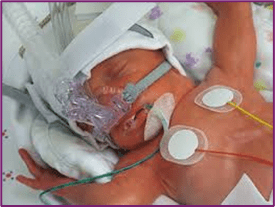
Early shared successes and dissemination efforts through these collaborative networks provide opportunities to improve maternal and infant health in both large academic medical centers and smaller community hospitals in urban and rural settings.  Since the publication of the first Eat, Sleep, Console quality improvement effort in 2017,  Perinatal Quality Collaboratives in Colorado and Massachusetts have disseminated the approach and standardized the care of infants with neonatal opioid withdrawal syndrome for nearly all birthing hospitals in these states.

Nevertheless, some issues warrant consideration before further dissemination of this new approach. As reported by the investigators, a lower percentage of infants of Hispanic mothers were included in the Eat, Sleep, Console treatment group than in the standard-care group, owing to later transition of sites with larger Hispanic populations. A prior statewide quality improvement initiative of 13 birthing hospitals in Colorado, which also showed significant reductions in the length of hospital stay and pharmacologic treatment for infants after the initiation of the Eat, Sleep, Console care approach, similarly described a later transition to this care approach among hospitals with greater proportions of Hispanic infants — and as a result, the benefits of this approach appeared later among Hispanic infants.  The quality of neonatal care has been shown to vary according to race and ethnic group among hospitals as well as within hospitals. Implicit bias and discrimination may lead to differential use of the Eat, Sleep, Console approach according to race, ethnic group, or language spoken. Other factors that may influence the implementation and effectiveness of this approach include limited hospital space to accommodate mothers and families and inadequate staffing or training to consistently implement the care protocol, particularly in under-resourced hospitals.

In addition, because study investigators used electronic medical records from the birthing hospital to assess the incidence of rehospitalization, they may have missed potential emergency department visits or readmissions to hospitals outside the study area. To maximize the effectiveness of the Eat, Sleep, Console approach, hospitals will need to consistently implement it, regularly assess adherence to its components, and follow infants closely after hospitalization.

The Eat, Sleep, Console approach offers an innovative opportunity to use a tried-and-true way to care for babies affected by neonatal opioid withdrawal syndrome — by holding them. Realizing its full potential requires the tools and resources to make this simple and nonpharmacologic approach a treatment that is equitable and available for all.

Source:https://www.nejm.org/doi/full/10.1056/NEJMe2304989?query=featured_secondary

Meg Dorsey

This end of school read aloud, with minimal animated pages, lets children know what begins when school ends. Summertime and vacation! It will spark excitement and joy for Kindergarten and elementary age kids. The season of summer is one to look forward to!

How to Enjoy Summer on a Budget

By Evelyn Waugh

With longer days, warmer weather and the season for adventure upon us, the pressure to enjoy the season is on. But summer can get expensive fast: Trips to the water park, nights spent dining out on patios, a week at the beach or lake and other outings can really add up.

If trying to pack the season with as much fun as possible is putting stress on you financially, hit pause on making expensive plans and try these budget-savvy activities. Here are seven ways to enjoy summer, with tips and ideas for both kids and adults.
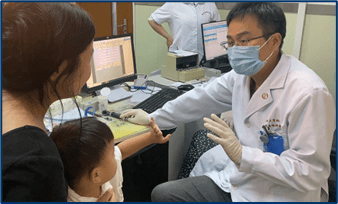
1. Get Outside

You’ve likely heard it before: Summer is the perfect time to get outdoors and commune with nature. Heading to the beach or going for a hike are great, but you don’t have to grab a beach towel or put on special shoes to get some fresh air. Even a simple walk around your neighborhood or trip to the park can be a no-cash-needed way to enjoy yourself and get the most out of the season. (Just check for park entry fees before you head out.)

2. Host a Potluck

The urge to go out to eat with friends is at its peak in summer. What’s more relaxing or luxurious than wining and dining alfresco in a warm evening breeze? But frequenting restaurants all summer long can be a recipe for blowing your budget, so it helps to find cheaper ways to come together around food. A potluck is the perfect alternative.

Hosting a potluck requires a bit of upfront thinking: You’ll need to invite guests, coordinate who wants to bring what, provide (or ask a guest to bring) plates and cutlery and set up a buffet for the food. But if you’re willing to take on a bit of organizing, it can be a great way to get together with loved ones and come away feeling full, with new memories and with your budget intact.

3. Look for Free Local Events

Many areas host free local events to help the community get outside and have fun in the summer. You may find that your area hosts live shows in the park, craft shows, movie screenings, community sports events or other types of summer festivities, all free to attend.

Apart from keeping your eyes peeled for fliers advertising local events, there are apps for staying in the know about everything going on in your locality. Eventbrite, All Events in the City and Meetup are great places to look.

4. Unleash Your Inner Astronomer

Summer is a great time to get into stargazing, when mild nights mean you can spend the evening outside without donning your winter coat. Here are a couple of celestial events you can look forward to in summer 2023:

The Perseid meteor shower, a dazzling display of meteors that shoot across the sky leaving bright trails, is expected to peak around August 12. It’s the perfect occasion to lay out on a blanket and stare up at the sky, because it’s an opportunity to watch hours of shooting stars.

You can also look forward to the biggest full moon of the year at the end of August. Often called a supermoon, the moon will be at its closest point to the Earth on August 30 and 31. On top of that, it will also be what astronomers call a “blue moon”: a term for the somewhat rare (every two or three years) event where there are two full moons in one month. So you can mark the first full moon on August 1 on your calendar—then enjoy the blue supermoon on August 30. The best part is, it won’t cost you a cent.

5. Have a DIY Movie Night

Going to the movies is a fun treat in the summer, but it can get expensive, especially when you’re bringing a group or buying popcorn and drinks. You can recreate the experience for less by staging your own movie night at home.

To make it a real occasion, dim the lights and stream a new movie. Pick up your favorite snacks at the grocery store, and go all out with lots of blankets and pillows. You can take it even further by throwing a themed movie night for kids, complete with pretend tickets, snack caddies, banners and the like.

6. Go to a Farmers Market

Even if you live in a region blessed with year-long good weather or indoor markets, hitting up the farmers market is a quintessentially wholesome summer experience.

Each week, you can grab your reusable bag and venture into a maze of vendors and farm-fresh food. If seasonal produce isn’t your jam, there’s usually much more—think handmade pickles, goat’s milk soaps, wool knits, nursery plants, the list goes on—plus live music, food trucks and a bustling crowd of farmers and neighbors. Even if you don’t buy anything, it’s fun to wander the stalls and take it all in.

7. Try Volunteering

You can give back and have a blast at the same time. Volunteer gigs span so many activities that whatever you’re passionate about, there’s probably an opportunity to incorporate into getting involved in your community.

Common volunteer work includes gardening, mentoring, tutoring, reading and hanging out with elders, animal rescue and rehabilitation, working at a soup kitchen, lending a hand at summer camp and so much more. Try looking for local opportunities on your city’s website or through a volunteer network. VolunteerMatch is a great place to search for local opportunities, wherever you live.

8.Splurge on a Budget

To pack the most fun into your summer without hurting your finances, balance those pricier treats with simple pleasures. There’s nothing wrong with heading to the movies or even splurging on a trip to the water park when you can afford it.
But balance your pricier plans with smaller treats—time spent in nature, home-cooked food shared with loved ones, the simple pleasure of time spent curled up on the sofa binging on TV or a great book—whatever helps you relax, unwind and celebrate this time of year.

Source:https://www.experian.com/blogs/ask-experian/how-to-enjoy-summer-on-budget/

As we transition into summer, I encourage us to reflect on the ways in which we can take advantage of the season to get outside of our comfort zone and give back to our community. Enriching our lives by engaging in causes we are passionate about can expand our perspective of the world around us and broaden our social network. Contributing to our communities through acts of service, outreach events, and volunteerism can help boost appreciation in our lives for others, build friendships, and promote a culture of inclusivity. Connecting with diverse groups of people and seeing a different side of the places we live can help us grow our self-awareness and support our psychological health. With the anticipated transitions in our personal, professional, academic, and/or family lives we may make this season my hope is that we may take the time to take a step back and consider the simple acts of kindness and service we can do to better our lives, communities, and world. Volunteering to clean up a community park, signing up to help out at a local fundraiser, or participating in a community center program to help empower youth could bring about newfound joy and personal empowerment. Let’s get out there and see where our community engagement could take us!

NowThis Kids

How can we come together to help our communities? This week on NowThis Kids, we’re talking to Emma Macdonald about how she gives back to her community with a revolving fridge. » Subscribe to NowThis Kids: https://go.nowth.is/kids_subscribe

ATUKITI | A Puerto Rico Surf Film | Rolando Montes, Hector Santamaria, Ale Moreda & Victor Bernardo

Jorge “Tutito” Benitez    Jan 14, 2023

“ATÚKITI” is an experimental surf film by Jorge Benitez shot in Puerto Rico