

Voices, Targeting Healthcare, Breaking Bread

Lebanon, officially the Republic of Lebanon, is a country in the Levant region of West Asia. Situated at the crossroads of the Mediterranean Basin and the Arabian Peninsula, it is bordered by Syria to the north and east, Israel to the south, and the Mediterranean Sea to the west; Cyprus lies a short distance from the coastline. Lebanon has a population of more than five million and an area of 10,452 square kilometres (4,036 sq mi). Beirut is the country’s capital and largest city.

Lebanon is a parliamentary democracy that includes confessionalism. The National Pact, erected in 1943, laid out a governing arrangement intended to harmonize the interests of the country’s major religious groups. The President has to be a Maronite Christian, the Prime Minister a Sunni Muslim, the Speaker of the Parliament a Shi’a Muslim, the Deputy Prime Minister and the Deputy Speaker of Parliament Eastern Orthodox. This system is intended to deter sectarian conflict and to represent fairly the demographic distribution of the 18 recognized religious groups in government.

Source: https://en.wikipedia.org/wiki/Lebanon

Background

Most of the Infant and Family Centered Developmental Care (IFCDC) Standards focus on evidence-based approaches to care of the baby and family while in intensive care. An ever expanding literature provides rationale for promoting the best care environments for the baby’s developing brain, as well as for parents’ physical and emotional adjustment as they transition to parenthood. As babies may spend days, weeks, and sometimes months during a critical time for brain and behavioral organization, an emphasis has been placed on neuroprotective caregiving strategies and environmental protection to enhance medical, developmental, and psychosocial outcomes.

Both neurodevelopmental and physiological research focus primarily on the age range of babies from birth to discharge, typically ending at 40 weeks post-conceptional age, or when the baby goes home. As babies may be discharged at earlier ages than in previous years—when medically stable, but before many neurodevelopmental tasks have been firmly established (e.g., coordinated eating, sleeping, and regulation)– it is important to extend the focus to the weeks and months after discharge when the baby is still in a developmental fast track.

Babies deemed medically stable enough to transition home need appropriate supports for discharge and preparation for life after hospitalization. A growing literature documents best practices for that preparation, assuring a smooth and uncomplicated transition to community services.

Post-discharge visits to the baby’s pediatrician typically focus on medical stability, as is appropriate. However, most follow-up clinic visits, which include developmental assessment and monitoring, may not occur until the baby is 3-6 months of age. Early intervention services in the United States provide developmental assessment and intervention, if appropriate, for those babies who are “categorically eligible” through Part C of the Individuals with Disabilities Education Act (IDEA). https://www.ed.gov/laws-andpolicy/individuals-disabilities/idea.

Each state determines the qualifications for eligibility, often including diagnoses of established conditions that demonstrate evidence of significant developmental delay (e.g., Down syndrome, chromosomal abnormalities, deafblind conditions, etc.). Often, low birthweight is either not included or restricted to birthweight under 1200 grams, which excludes those babies who have been identified as likely to have lingering developmental deficits (e.g., late preterm babies 34-36 weeks post-conceptual age). Part C assessment and follow-up are mandated to occur within a 45-day timeframe. However, many babies are not identified while they are in the hospital and may not be deemed eligible until obvious developmental concerns surface.

Rationale for assuring continuity of developmental and psychosocial supports from hospital to home.

Support for early brain organization during the neonatal period and throughout the first years of a baby’s life is critical for later development. The literature is replete with evidence regarding neurophysiological and behavioral development, as well as an emphasis on the need for appropriate relationship environments to promote optimal outcomes. Emerging evidence of specific brain development during the first few months of a baby’s life (often referred to as “the fourth trimester”) lends emphasis to the importance of not only understanding the enormity of brain development during this period, but also the potential opportunities for creating appropriate environments and caregiving.

The impact of early birth, medical complexities, and associated hospitalizations on brain development and organization indicates that short and long-term neurophysiologic, behavioral, and mental health outcomes are affected. These and many other outcome studies emphasize the need for early, appropriate environmental and developmental protections, as well as individualized care. Given the recent findings regarding the significant brain development and organization during the first three to six months (in addition to development during the last trimester), it becomes apparent that a significant focus should be on effective interventions both before and after discharge.

Brain and behavior development in parents

Brain changes also occur as parents are transitioning to becoming primary caregivers of their new baby. Emerging evidence of neuroendocrine, neurophysiologic, and behavioral changes during pregnancy, delivery, and postpartum indicates that the experience of becoming parents—for both mothers and fathers — has significant implications for later physical and mental health. Fewer studies indicative of brain changes in parents of early born and medically fragile babies are available; however, there are clear associations with parental mental and physical health challenges.

 Punctuated events and recalibration

As babies transition from being fetuses to newborns, there is a significant impact on their brain and behavioral organization. The environment is significantly different, necessitating adaptation from uterine to a maternal caregiving environment. This dramatic change has been referred to as a “punctuated event,” which signifies a significant change in both physiology and behavior, resulting in a period of adaptation and recalibration of behavior.

As previously proposed, a similar punctuated event occurs when the baby transitions from the familiar hospital caregiving environment to the novel home/community environment. (39, 40) It is no wonder that the babies who transition home experience changes in physiology and behavior as a result. Often, medical issues arise, sleep states are disorganized, feeding challenges occur, and previously effective calming strategies seem to be ineffective.  If the parent and baby have not had a chance to experience intimate and consistent caregiving in the hospital, which provides the continuity of a trusting relationship, there can be challenges in the process of recalibration.

Parents also experience significant life-changing events to which they must adapt and recalibrate. Pregnancy to delivery and delivery to parenting represent significant punctuated events that may cause other physiologic and/or mental health concerns to emerge. Most parents of term and medically stable babies have had opportunities to adapt to this change cognitively and psychologically. For parents who have a challenging pregnancy, a difficult delivery, and/or a baby at risk for medical challenges, these punctuated events can raise physiological and psychological challenges to which recalibration is complicated.

As with the transition home for babies, the transition home for parents can be disorganizing and difficult. Parents may not only be dealing with their own physical and/or mental health issues as a result of pregnancy, delivery, and hospitalization of their baby, but with the full-time care and adjustment to care in their own home environment. (48-50) Often, the demands of baby care and selfcare are discrepant, resulting in poor sleeping and eating, lack of exercise and social interactions, and other mental health concerns becoming issues that need to be addressed. Unfortunately, these issues may not be addressed quickly and may persist for the first 3-6 months of the family’s life together at home.

Relationship environments are essential for optimal development.

 One of the most significant influences on babies’ outcomes is the relationship environment with their primary caregiver. Given the significant neurophysiological and behavioral changes that occur in both newborns and their parents during the first few months after delivery, the development of robust and mutually supportive interactions is fraught with a variety of challenges and successes. These are particularly challenging for parents who come to parenting with significant mental health issues, economic and/or cognitive challenges, few social supports, and/or limited educational backgrounds.  Effective interventions have been developed to enhance the parent/baby relationships applied in community settings.

Although effective interventions in communities to promote relationships between parents and their babies have been developed, the application of these programs for parents of medically fragile or early born babies and related research is limited.  Having a hospitalized baby presents challenges to early relationship development. A multitude of medical, psychosocial, environmental, cultural, and systems events can challenge early relationship development. Early separation of baby and parent, postpartum medical issues in the postpartum period, family and job responsibilities, grief reactions and fear, poor communication with professionals, as well as restrictive policies and procedures, are but a few of the interfering variables that can affect robust relationship development. 

The Infant and Family Centered Developmental Care (IFCDC) Standards address continuity from the hospital to the community.

The IFCDC standards emphasize the importance of collaboration with parents to ensure they are well-prepared to support their baby’s development both in the hospital and after discharge. Each NICU system should engage in collaborative efforts among team members, including parents and caregivers.

The focus should promote and ensure parents’ preparation for transition to community resources, which can be accomplished by providing competent and relevant physical, developmental, and psychosocial services throughout the hospital stay and into the community.

The IFCDC standards also emphasize the need for collaboration with follow-up and community providers who will support their families in the weeks and months after hospitalization.

Conclusion:

Continuity during the transition from intensive care to the family’s home and community presents neurophysiological, psychosocial, and behavioral challenges for both babies and their parents. These occur during a particularly vulnerable time, as the last trimester and the first 3-6 months represent a sensitive period of brain, behavior, and relationship development. Interventions in the hospital should focus not only on neurodevelopmental support and environmental protection but should also emphasize parental involvement in preparation for supporting their baby’s development after discharge. As delineated in the IFCDC standards, it is essential for the intensive care community to not only engage parents as team members and prepare them during hospitalization for post-discharge care, but also to ensure continuity of well-prepared community support and medical follow-up. Currently, the kind of intervention that addresses the specific needs of babies and their parents — early and often, during the first 3-6 months —is not consistently practiced in the United States. There is a need for appropriately trained providers who can sensitively and knowledgably address health, development, relationship, and mental health, development, relationship, and mental health issues for vulnerable families during this vulnerable period.                    

 View additional graphs and info

Source: https://www.marchofdimes.org/ways-to-give/donate?utm_campaign=2021advocacy&utm_content=footer&utm_medium=email&utm_source=advocacy

Since 7 October 2023, 47% of attacks on health care – 65 out of 137 – have proven fatal to at least one health worker or patient in Lebanon, as of 21 November 2024.

This is a higher percentage than in any active conflict today across the globe – with nearly half of all attacks on health causing the death of a health worker.

In comparison, the global average is 13.3%, based on the SSA’s figures from 13 countries or territories that reported attacks in the same period, 7 October 2023–18 November 2024 – among them Ukraine, Sudan and the occupied Palestinian territory (oPt). In the case of oPt, 9.6% of the total number of incidents has resulted in the death of at least one medical professional or patient.

According to the SSA, 226 health workers and patients were killed in Lebanon and 199 injured between 7 October 2023 and 18 November 2024.

In the same period, the SSA registered a combined total of 1401 attacks on health in oPt, Lebanon and Israel – 1196 in oPt, 137 in Lebanon and 68 in Israel.

Civilian health care has special protection

“These figures reveal yet again an extremely worrying pattern. It’s unequivocal – depriving civilians of access to lifesaving care and targeting health providers is a breach of international humanitarian law. The law prohibits the use of health facilities for military purposes – and even if that is the case, stringent conditions to taking action against them apply, including a duty to warn and to wait after warning,” said WHO Representative in Lebanon Dr Abdinasir Abubakar.

International humanitarian law states that health workers and facilities should always be protected in armed conflicts and never attacked. Health facilities must not be used for military purposes, and there should be accountability for the misuse of health facilities.

“There need to be consequences for not abiding by international law, and the principles of precaution, distinction and proportionality should always be adhered to. It’s been said before, indiscriminate attacks on health care are a violation of human rights and international law that cannot become the new normal, not in Gaza, not in Lebanon, nowhere,” said WHO Regional Director for the Eastern Mediterranean Dr Hanan Balkhy.

The majority of incidents in Lebanon impact health workers

The majority (68%) of incidents in Lebanon registered by the SSA impacted health personnel, a pattern seen repeatedly in the last few years, including in Gaza in the past year. In Lebanon, roughly 63% affected health transport and 26% affected health facilities.

Attacks on health care hit twice. First, when health workers lose their lives or when a health centre is obliterated, and again in the following weeks and months when the injured can’t be treated, those who are dependent on regular care don’t receive it and when children can’t be immunized. 

“Casualty numbers among health workers of this scope would debilitate any country, not just Lebanon. But what the numbers alone cannot convey is the long-term impact, the treatments for health conditions missed, women and girls prevented from accessing maternal, sexual and reproductive health services, undiagnosed treatable diseases and, ultimately, the lives lost because of the absence of health care. That is the impact that’s hard to quantify,” said Dr Abubakar.

1 in 10 hospitals in Lebanon directly impacted

The greater the blow to the health workforce, the weaker the longer-term ability of a country to recover from a crisis and deliver health care in a post-conflict setting.

Lebanon is a lower middle-income country with a fairly advanced health system that’s been hit hard by multiple crises in recent years. After hostilities in Lebanon escalated in September 2024, the growing number of attacks on health have caused further strain on an already over-burdened system.

Today, the country’s health system is under extreme duress, with 15 out of 153 hospitals having ceased to operate, or only partially functioning. Nabatieh, as an example, one of Lebanon’s 8 governorates, has lost 40% of its hospital bed capacity.

“Attacks on health care of this scale cripple a health system when those whose lives depend on it need it the most. Beyond the loss of life, the death of health workers is a loss of years of investment and a crucial resource to a fragile country going forward,” Dr Balkhy concluded.

So far this year, between 1 January 2024 and 18 November 2024, a total of 1246 attacks on health care were registered globally, in 13 countries or territories, killing 730 health workers and patients and injuring 1255.

Note to editors

The Surveillance System for Attacks on Health Care (SSA), established in 2017 by the World Health Organization, is an independent global monitoring mechanism whose goal is to collect reliable data on attacks on health care and to then identify patterns of violence that inform risk reduction and resilience measures so that health care is protected. The SSA also provides an evidence base for advocacy against attacks on health care.

Source: https://www.who.int/news/item/22-11-2024-lebanon–a-conflict-particularly-destructive-to-health-care

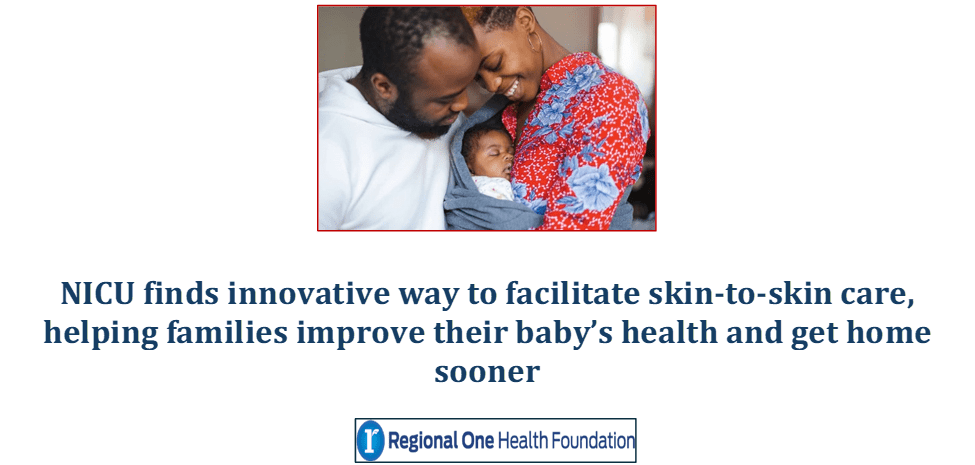
Skin-to-skin care helps newborn babies in many ways – brain development, regulating heart rate and body temperature, and bonding with their caregivers.

When a baby needs to be in the NICU, skin-to-skin care is especially important, but there can be challenges.

The team at Regional One Health’s Sheldon B. Korones Newborn Center is helping address that through an innovative use of existing equipment that helps facilitate skin-to-skin care.

After a baby is born, skin-to-skin contact is a powerful tool to bond with your baby, improve their brain development, and help them regulate their heart rate and body temperature. But when a baby needs to be in the NICU, skin-to-skin care can be more challenging.

“After a routine delivery, moms are encouraged to have skin-to-skin care right away,” said Ajay Talati, MD, medical director at Regional One Health’s Sheldon B. Korones Newborn Center. “If the baby has to go straight to the NICU for treatment, that can’t happen.”

Challenges can remain once a baby is in the NICU, said Kelley Smith, NICU Nursing Manager. If a baby is on an oscillator, a mechanical ventilation device used to help premature or ill infants breathe, they are connected to tubing that has to stay at the same level as their incubator.

“With an oscillator, the tubing is very stiff – it can’t be bent,” Smith explained. “That makes it hard to move the baby into the parents’ arms for skin-to-skin care.”

The NICU team started looking for a solution and found it in an innovative new use for a piece of equipment that is commonly found in other parts of the hospital.

Cardiac chairs are typically used to help cardiac and stroke patients rest in an optimal position. Because the chairs can go up and down, recline, and even lay flat, Smith and Assistant Nursing Manager Heather Burgess saw an opening to use them in the NICU for skin-to-skin care.

“With this chair, we can have the mom or dad sit in the chair and raise the chair to the level of the oscillator’s tubing,” Smith said. “It makes it easier to get the baby out of the incubator.”

Skin-to-skin care helps babies in a number of ways. “After a routine delivery, moms are encouraged to have skin-to-skin care right away,” said Ajay Talati, MD, medical director at Regional One Health’s Sheldon B. Korones Newborn Center

A generous Regional One Health Foundation supporter stepped up to donate a cardiac chair to the NICU, and the nursing team is now educating patients about its use and making it available to all families that can benefit. Along with families whose baby is on an oscillator, moms who have had a C-section are finding the chair useful.

“Many moms can’t sit upright for 12 to 24 hours after a C-section, and it can be uncomfortable trying to get in and out of a chair,” Dr. Talati said. “We use it whenever a mom or baby needs it. It’s great for when a baby is too sick to be lowered or when a mom has pain after a C-section.”

Burgess said finding a solution was important to the NICU team because skin-to-skin care has many proven medical benefits for babies and moms.

For the baby, skin-to-skin care helps regulate body temperature, breathing and heart rate and improves brain development, Burgess said. For moms, skin-to-skin can help improve breastmilk production, regulate postpartum hormone balance, and reduce anxiety and stress.

There’s also the matter of bonding, which applies not only to new moms, but to all caregivers.

“We encourage parents to do skin-to-skin care in the first week of their baby’s life, especially for very small, very sick babies,” Smith said. “When you have a baby in the NICU, you’re anxious and afraid, so sometimes parents wait until they go home. That can be a missed opportunity for bonding. The sooner we start skin-to-skin, the better off the family unit will be.”

Dr. Talati, Smith and Burgess have seen the value of skin-to-skin care on multiple occasions.

Moms, dads and other caregivers can all take part in skin-to-skin care. “We encourage parents to do skin-to-skin care in the first week of their baby’s life, especially for very small, very sick babies,” NICU Nursing Manager Kelley Smith said. 

The first mom to use the chair had impressive results. “Her baby came off the oscillator the next day!” Smith said. “It’s amazing to see. We’ll have babies on an oscillator with an oxygen saturation in the low 90s…then they do skin-to-skin and it shoots up to 100!”

Burgess said another mom provided skin-to-skin care in the NICU every day, and it contributed to her baby getting healthy enough to go home much sooner than originally expected.

Dr. Talati said there is plenty of evidence behind those individual experiences. Factors like better milk production and better feeding, the ability to regulate body temperature and heart rate, and increased oxygen saturation can all help a baby get stronger.

“It’s a lot of little things that can add up to the baby making faster progress toward going home,” he said. “We hope it can speed that up and we can help more babies go home sooner.”

Source: https://www.regionalonehealth.org/blog/2025/01/22/nicu-finds-innovative-way-to-facilitate-skin-to-skin-care-helping-families-improve-their-babys-health-and-get-home-sooner/

Have you ever wondered how the Neonatal Resuscitation Program (NRP) guidelines are created—and more importantly, who decides what changes and why? In this episode, we take you behind the scenes of the science and collaboration that shape NRP. From the rigorous evidence review conducted by the International Liaison Committee on Resuscitation (ILCOR) to how these findings are translated into bedside practice, you will learn exactly how research becomes reality. 

Together, Dr. Gary Weiner and Amanda Williams break down the multi-layered process of evidence evaluation, guideline development, and educational translation, while highlighting the critical role nurses play in shaping the NRP used daily. Whether you are new to NRP or a seasoned instructor, this episode will inspire you to see the program through a whole new lens and recognize the power of your voice in shaping neonatal care. 

Discover why NRP is more than a textbook—it is a living, breathing, global collaboration grounded in science and strengthened by the people who use it. 

For the past 10 years, I have worked as a pediatrician and neonatal hospitalist in multiple Level 2 NICUs across Georgia and other states. Over time, I have come to a realization that I cannot ignore: there is a significant public health imperative—and a gap in equitable access—when it comes to developmental and family support services in Level 2 NICUs.

Level 3 and 4 NICUs often have consistent access to lactation consultation, feeding therapy, physical and occupational therapy, and even music therapy. In Level 2 settings, those services are less consistently available—sometimes absent altogether. This discrepancy has a lasting impact on infants and families.

The common perception is that if a baby is born at or after 32 weeks and weighs ≥ 1500 grams—the typical admission criteria for Level 2—that they have “made it.” But research tells a different story. Moderately and late-preterm infants, even those who meet Level 2 thresholds, remain at high risk for readmission, feeding difficulties, developmental delays, and long-term neurodevelopmental challenges (1-4). Prematurity in any form is not a short-term hurdle—it is a lifelong risk factor that requires intentional support from the start.

So, why are we not introducing key developmental concepts, early intervention techniques, and consistent family education into Level 2 NICUs? Why are we not equipping nurses and families with the same foundational knowledge and access to services that higher-level NICUs utilize?

The NICU is not only a place for acute medical stabilization—it is a unique window of opportunity to shape lifelong outcomes. Families in Level 2 units should see themselves as vital participants in their baby’s success and be empowered with the tools to support feeding, bonding, sensory development, and early learning before discharge. Nurses should have access to training that enables them to integrate trauma-informed, developmental care principles into their daily practice, even when an entire therapy team is not available on the unit.

I believe it is time to establish a Task Force on Level 2NICU Care, bringing together neonatologists, neonatal hospitalists, nurses, therapists, public health professionals, and parents, to examine the current state of developmental and family support services in these units, identify barriers, and develop scalable strategies for improvement.

Potential strategies include: • Standardized education for nursing staff on early-intervention techniques, family engagement, and trauma-informed developmental care.

 • Telehealth access to lactation consultants, feeding/ occupational/physical therapists, and other specialists when on-site resources are limited.

• Parent-education toolkits that cover feeding, developmental milestones, safe sleep, and the importance of follow-up and early-intervention services.

• Structured discharge planning that includes referrals to early-intervention programs and developmental follow-up clinics for all eligible infants.

The public-health impact of closing these gaps is profound. If we can equip Level 2 NICUs with consistent developmental care education and tools, we can reduce readmissions, improve neurodevelopmental outcomes, and strengthen families’ ability to support their child’s growth and resilience.

The babies in Level 2 NICUs deserve the same intentional approach to developmental care as those in higher-level units. They may have “made it” past the highest-risk thresholds, but they have not yet crossed the finish line. We can—and must—do better.

Now is the time to act. Clinicians, hospital leaders, and policymakers must collaborate to prioritize Level 2 NICUs in state and national maternal-child health agendas. By identifying service gaps, piloting telehealth and staff-training models, and measuring family-centered outcomes, we can transform Level 2 NICUs from sites of short-term stabilization into launchpads for lifelong development, resilience, and equity.

Source: https://neonatologytoday.net/newsletters/nt-oct25.pdf

Introduction: The huge prevalence of neurodevelopmental disorders underscores the necessity for novel, comprehensive prevention strategies for neuroprotective intervention, particularly in preterm infants. The COVID-19 pandemic has accelerated the transformation of healthcare services, emphasizing the use of digital resources. Given the rapid brain development in infants in the first 1,000 days of life and the demonstrated impact of adaptive neuroplasticity, the implementation of early and ecological interventions are essential for supporting optimal neurodevelopment in this vulnerable population. Aim of this project is to develop a digital tool for parent-led parent-based intervention and assess its feasibility and accessibility.

Materials and methods: We collected evidence on early intervention strategies for preterm infants through a non-systematic review of current literature to develop the platform and created an ad-hoc questionnaire to evaluate the tool’s feasibility and acceptability in our neurological follow-up.

Results: “NE@R” is a digital platform designed to support neurodevelopment through parents-delivered play. The platform offers evidence-based information, videos, and practical activities to enhance motor, cognitive, social, and language development at each developmental phase. We introduce the resource in our clinical setting and collect 100 preterm infants’ families feedback. The majority of parents reported finding the resource beneficial, with many expressing increased confidence in supporting their child’s development.

Discussion: Preterm babies families’ support represents a precious field of intervention both for parents and infants at risk. “NE@R” has proven to be an effective, low-cost tool within our follow-up program, aligning with the principles of family-centered care.

Patricia Odero is an innovation facilitator extraordinaire based in Nairobi, Kenya, working for The Duke Global Health Institute. Patricia is trained in Medicine, Business and Social innovation and uses her skills and experience to help entrepreneurs in West Africa and beyond with funding and growth. She talks about the importance of networks, particularly in health entrepreneurship – long-term relationships and support programmes for organisations of different sizes and stages. Patricia has great advice for entrepreneurs and really interesting stories from the field. You can follow Patricia on Twitter @TrishOdero, BMJ Innovations @bmjinnovations and podcast host Helen Surana @hjsurana.

BMJ innovations is grateful to the World Innovation Summit for Health WISH for making this podcast series possible.

Takeaways

  • Children born preterm were significantly less likely to complete high school or university compared with full-term peers, according to a large Quebec-based study.
  • Non-graduation rates were highest among those born extremely preterm (40.2%) and lowest among full-term births (27.1%).
  • Low maternal education, male sex, unmarried parents, and low neighborhood socioeconomic status were major predictors of poorer academic performance.
  •  The odds of completing high school are reduced among children born preterm vs full-term, according to a recent study published in JAMA Network Open.

Approximately 10% of infants are born preterm, which may cause early exposure to noxious factors and influence brain development, challenging neurodevelopment and mental well-being. Additionally, socioeconomic factors often prevent children from accessing support systems that can mitigate disabilities.

“Few researchers have conducted studies on long-term educational outcomes across the full spectrum of preterm birth using large population-based cohorts that account for other health-related determinants and socioeconomic factors,” wrote investigators.

Assessing preterm birth and education

The birth cohort case-control study was conducted to assess the impacts of preterm birth and sociodemographic factors on educational outcomes. Live preterm births in Quebec, Canada, between January 1, 1976, and December 31, 1995, were included in the analysis.

Each preterm individual was matched with 2 full-term patients, defined as 37- to 42-weeks gestation. Exclusion criteria included multiple pregnancies, triplet births, and death between 1976 and 2019 without Quebec Ministry of Education records.

Extremely preterm birth was defined as under 28 weeks, very preterm as 28 to under 32 weeks, and moderate-to-late preterm as 32 to 37 weeks. Forty-three years of follow-up data was obtained from administrative databases.

High school performance was measured using the final high school average recorded in the Quebec Ministry of Education database, using marks obtained in grades 10 and 11. Covariates included year of birth, birth order, sex, stillbirth history, primary language, matrimonial status at birth, maternal education, and neighborhood socioeconomic status.

Participant characteristics and academic performance

There were 297,820 participants included in the final analysis, 0.6% of whom were born extremely preterm, 4.4% very preterm, 27.9% moderate-to-late preterm, and 67% full-term. Under 11 years of maternal school were reported in 20.6%, 24%, 23%, and 20.3%, respectively.

Preterm birth groups also more often reported primary languages other than French or English, and more recent birth years were reported in those born extremely preterm. Overall, the rate of preterm births in Quebec rose from 4.6% between 1976 and 1980 to 6.1% between 1991 and 1995.

Significant differences were not reported in high school performance based on preterm birth, with final mean scores of 69.4, 70.2, 70.7, and 71 for extremely preterm, very preterm, moderately preterm, and term births, respectively. However, rates of not graduating from high school were 40.2%, 34.4%, 31.1%, and 27.1%, respectively.

This data indicated significantly reduced odds of high school graduation from preterm birth. These patients were also more likely not to graduate from university. Rates included:

  • 83.3% for extremely preterm
  • 80.2% for very preterm
  • 78.2% for moderately preterm
  • 75.8% for full-term

Socioeconomic and demographic influences

In regression analyses, a B coefficient range of 0.15 to 1.45 was reported for the link between preterm status and final high school average. Low maternal education, male sex, low neighborhood socioeconomic status, not being first-born, and mother not married had the most significant B coefficients for low average marks of 4.43, 2.84, 2.30, 2.30, and 1.98, respectively.

These results indicated reduced odds of graduating from high school or university among children born preterm vs their full-term counterparts. Investigators concluded long-term follow-up is needed in both health care and education among individuals born preterm.

This data highlights the importance of preterm birth prediction. Identifying individuals at an increased risk of preterm birth may be more accurate through the use of neighborhood-level indices, according to Daniel L. Kuhr, MD, third-year fellow in maternal fetal medicine at the Icahn School of Medicine at Mount Sinai.

According to Kuhr, an increase in prediction was only noticeable when including individual patient characteristics. This highlights a need to evaluate other social determinants of health that may influence preterm birth risk.

“The best thing that you can do is take a really good history when you meet a patient at the beginning of pregnancy, and really make sure you can get accurate gestational ages of delivery when possible, because we do know that history of a prior spontaneous preterm birth is also a risk factor,” said Kuhr.

Source: https://www.contemporarypediatrics.com/view/preterm-birth-linked-to-reduced-odds-of-high-school-graduation

One of the first things that comes to mind when I think about the holidays is…food. Whether I’m crowded around a dinner table with family and friends or pulling my favorite cranberry and pear pie out of the oven to take to a holiday gathering, there’s something special about breaking bread with the ones you love.

Food, it seems, has a language of its own. In communities across the globe, food has a unique way of bringing people together. And this holiday season, we wanted to help you connect with your friends, family and with the World Relief community by sharing a few recipes from around the world in our new ebook — Breaking Bread Across Borders: Global Recipes from Refugee Kitchens.

https://worldrelief.org/blog-breaking-bread-recipes-around-the-world/DOWNLOAD THE RECIPES!

This ebook is filled with stories and recipes from immigrants who are part of  World Relief Western Washington’s Commercial and Teaching Kitchen — an innovative program that connects members of the community with their immigrant neighbors through workshops and events led by immigrant chefs while providing low-cost commercial kitchen space for immigrant caterers to rent and run their businesses. 

For women like Katya, who owned a bakery when she lived in Ukraine, the commercial and teaching kitchen is a way to bring people joy while pursuing her passion here in the U.S.
“​​I love to bring joy to people with my baking,” Katya said. “You become a piece of people’s special events [when you bake for them]. You become a piece of the joy.”

Source: https://worldrelief.org/blog-breaking-bread-recipes-around-the-world/

ABSTRACT

Background: 

The formation of the family is interrupted following a Neonatal Intensive Care Unit (NICU) admission, and fathers report experiencing delayed infant bonding due to unit barriers and separation. Fathers state comfort with early infant bonding through language, fearing physical contact with the sick newborn. During hospitalization, active engagement supports ongoing infant/parent vocalization and infant stabilization.

Purpose: 

This prospective descriptive pilot study explored the infant’s physiological response to the father’s voice during a live reading activity.

Methods: 

After Institutional Review Board approval and consent, 27 infant/father dyads were observed pre/post and during a live reading activity. All infants were in private rooms and positioned supine in open cribs, adjusted to 36 weeks or greater postmenstrual age, in a 34-bed Level III NICU in the Midwest. Outcome measures included cerebral oxygenation, oxygen saturation, heart rate (HR), and respiratory rate. Infants were monitored for 30 minutes prior to father reading, 10 minutes during and 30 minutes post reading.

Results: 

A clinically significant increase in cerebral oxygenation was noted, based on near-infrared spectroscopy readings in response to the father’s voice. Most infants had HR stabilization during the father’s active reading time frame.

Implications for Practice and Research: 

NICU nurses and staff can encourage a father’s engagement through speaking or reading to their infant. Nursing staff can promote verbal engagement between father–infant dyads by role modeling this behavior at the bedside. NICUs can provide books for families to further encourage exposure to father’s voices. Further study of premature infants at earlier chronological and adjusted ages is needed.

Source:https://journals.lww.com/advancesinneonatalcare/abstract/9900/the_response_of_the_infant_to_the_father_s_voice.231.aspx

About the Study

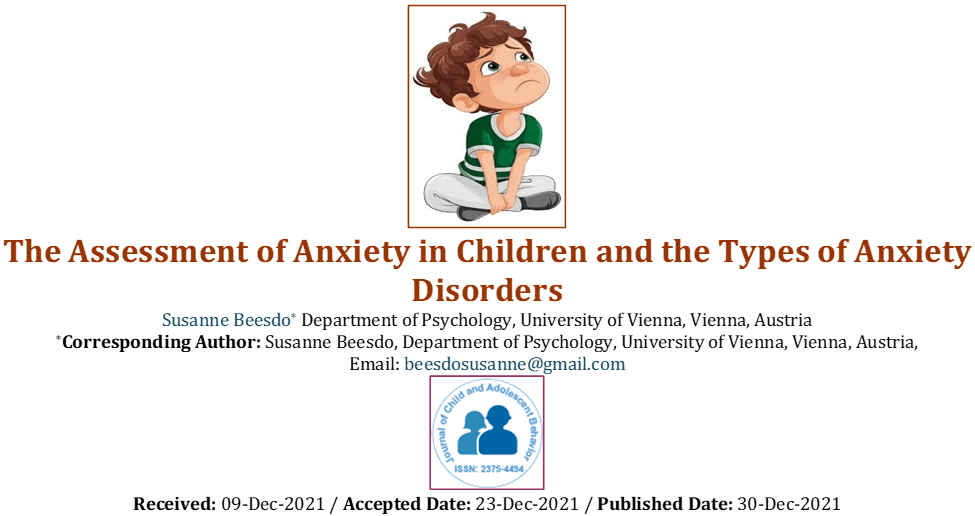
Anxiety disorders are defined and classified in diagnostic systems like the Diagnostic and Statistical Manual of Mental Disorders (DSM, currently version IV-TR, American Psychiatric Association) and the International Classification of Diseases (ICDS) (ICD, currently version 10, World Health Organization). Many anxiety disorders have clinical aspects across multiple systems, such as high levels of anxiety, physiological anxiety symptoms, and behavioural problems such as severe avoidance of fearful situations, and related discomfort or impairment. However, there are distinctions, and it’s worth noting that narrowly classified anxiety disorders like panic disorder, agoraphobia, and subtypes of certain phobias have a lot of phenotypic variety or heterogeneity.

From time to time, all children have worries and fears. However, anxiety in children can sometimes cross the line to a disorder that prevents them from normal everyday concerns doing the things they need to do. It may even prevent them from properly understanding life.

How do we determine whether the child’s worries and fears are more than just passing thoughts?

Here are a few questions to ponder:

• Do they express fear or anxiety on a regular basis, for weeks at a time?

• Is it difficult for them to sleep at night? Do they seem abnormally drowsy or exhausted during the day?

• Is it difficult for them to concentrate?

• Do they seem angry or easily irritated?

Anxiety disorders can manifest itself in a variety of ways in children. Some of the most common are:

Generalized Anxiety Disorder (GAD)

GAD children are overly concerned about a variety of things, including school, their own safety and health, the health of family members and friends, money, and the security of their families. The list could go on indefinitely. A child suffering from GAD may constantly imagine the worst-case circumstance. These anxieties may induce physical symptoms in children with GAD, such as headaches and stomach-aches. Because they are so burdened by their fears, your child may isolate themselves, avoiding school and friends.

Panic disorder

A panic attack is a sudden, acute experience of worry that occurs for no particular reason. The child’s heart may race, and he or she may be out of breath. The child may have tremors, dizziness, or numbness. (If the child is hyperventilating, encourage them to breathe gently and deeply.) Breathing through a brown paper bag can be beneficial.) Panic disorder is diagnosed when the child has experienced two or more of these episodes and is preoccupied with fears of them happening again.

Separation Anxiety Disorder (SAD)

Separation anxiety affects all children to some extent. It’s a normal developmental stage for babies and toddlers. Even older children, especially in new situations, may become clingy with their parents or caretakers. Separation anxiety disorder may affect older children who become especially upset when leaving a parent or another close relative, who have difficulty calming down after saying goodbye, or who become highly homesick and disturbed when away from home at school, camp.

Social phobia

In typical, everyday social circumstances, a child with social phobia experiences extreme anxiety and self-consciousness. This isn’t just a case of timidity. When talking with classmates, answering a question in class, or doing other common activities that require interacting with people, the socially anxious child is afraid of embarrassing themselves. This fear may prevent your child from attending school and participating in extracurricular activities. In severe instances, young children may even be unable to speak.

These are the type of anxiety disorders and their assessments on the children, to be considered by the parents, and treat their children accordingly.

Source: https://www.omicsonline.org/open-access/the-assessment-of-anxiety-in-children-and-the-types-of-anxiety-disorders-118047.html

✨ December Kindness for Neonatal Womb Warriors ✨

As December arrives—a month shaped by reflection, generosity, and deeper emotions—the Neonatal Womb Warriors community is reminded that kindness is one of the most powerful tools we have for calming fear and nurturing resilience. Many of us began life in fragile circumstances, where uncertainty, hope, and anxiety coexisted side-by-side. Because of that beginning, we understand how small comforts can soothe big worries. The neonatal world teaches us that healing happens moment by moment, and that gentleness, patience, and compassion are essential for helping families and children navigate anxious seasons.

For families with babies in the NICU, the holidays can intensify feelings of overwhelm, isolation, or emotional strain. Parents may carry silent anxiety about outcomes, siblings may sense stress without understanding it, and clinicians may feel the weight of supporting so many families at once. A simple act—sharing a grounding story of your own journey, sending a message of reassurance, offering a listening ear, or just showing presence without expectation—can ease the mental load for someone facing long days beside an incubator. These gestures remind families that they are not alone in managing the fear that often accompanies the NICU experience.

This month, we invite every Womb Warrior to choose a way—large or small—to give back emotionally or practically. Create a comfort bag for parents spending the holidays in the NICU. Donate time to a local children’s charity, NICU support network, or preemie nonprofit. Offer to read aloud or do a calming activity with siblings who may be feeling anxious. Volunteer at a community event that supports vulnerable families, or simply check in on someone who has been quiet. These actions not only lift others but also model for children that kindness is a powerful antidote to anxiety.

The strength of our community lies in its shared empathy—preemie survivors who have lived through uncertainty, NICU families who have learned courage through adversity, and clinicians who bring dedication and steadiness to every fragile moment. When we turn these lived experiences into acts of compassion, we help others feel grounded, less overwhelmed, and more hopeful. Kindness becomes the bridge between anxiety and reassurance, especially during a season that invites us to slow down and connect.

As we move through December, we encourage each of you to commit to one intentional act of kindness each week. Whether it’s offering comfort to a NICU family, expressing gratitude to a clinician, volunteering in your community, or choosing patience with yourself or your child during moments of stress—every act matters. Together, we carry forward the heart of Neonatal Womb Warriors: grounded in hope, strengthened by compassion, and united in helping families and children navigate anxiety with courage and care.

The whatifs/ A book to help kids overcome anxiety/bedtime story

Fun Story Time Kids Mar 30, 2022

What if my dog run away? what if I forget my homework? what if the sun stops shining? What if my crayon breaks? Will Cora be able to change her worry-filled thoughts into hopeful ones? Find out in this timely picture book about overcoming anxiety.

FELLOWS, FUTURES, FAMILIES

Senegal, officially the Republic of Senegal, is the westernmost country in West Africa, situated along the Atlantic Ocean coast. It borders Mauritania to the northMali to the eastGuinea to the southeast and Guinea-Bissau to the southwest. Senegal nearly surrounds The Gambia, a country occupying a narrow strip of land along the banks of the Gambia River, which separates Senegal’s southern region of Casamance from the rest of the country. It also shares a maritime border with Cape Verde. The capital and largest city of Senegal is Dakar.

Healthcare in Senegal is a center topic of discourse in understanding the well-being and vitality of the Senegalese people. As of 2008, there was a need to improve Senegal’s infrastructure to promote a healthy, decent living environment for the Senegalese.

Additionally, the country needs more doctors and health personnel, particularly general practitionersgynecologistsobstetricianspediatricianspulmonologist, and cardiologists. In fact, Senegal has seven doctors per 100,000 citizens, while 32% of rural citizens have no access to medical care at all. Moreover, there is a strong need to have more of these personnel in rural areas: in 2008, Senegal had only twenty full-fledged hospitals, seven of which are in Dakar.

From approximately 1905 to the present, there have been significant shifts in Senegal’s healthcare system, the system’s structures, specific diseases that are problematic in Senegal, as well as issues affecting women and children and access to healthcare in the country. As of 2019, there were 1,347 medical facilities, including 20 major hospitals.

 Problem Statement: Neonatal Intensive Care Unit (NICU) trainees experience high intensity situations under suboptimal physiologic and psychologic conditions that can lead to burnout and/or secondary traumatic stress. The mental health of NICU fellows can have significant impact on their well-being and the quality of patient care they provide. The overall goal of this project is to improve Neonatal Fellow mental health and well-being in a level 3 NICU by using Trauma Informed care (TIC) principles to identify needs that may warrant connection to further resources.

Abstract:

Methods:

 Key stake holders were identified: the ACGME director, the fellowship program director, the associate program director, the chief fellow, the psychologist, the fellow cohort, division chief, lead NNP, and the program coordinator. We aimed to develop a wellness curriculum and standardize the frequency of sessions, duration of sessions, attendance of sessions, confidentiality, location and topics. Key drivers rooted in the 6 principles of TIC became the foundation of the topics explored during the Wellness Sessions. These six principles / primary are 1. Safety, 2. Trustworthiness and Transparency, 3. Peer Support, 4. Collaboration and Mutuality, 5, Empowerment, voice, and choice, 6. Cultural sensitivities. These promoted the following standardized topics: Crucial conversations with mentors, Performance anxiety, Debrief challenging cases, debrief death, Navigating personal relationships (motherhood, significant other, daughter/son), Work life balance, Individualizing wellness, Cognitive behavioral strategy for stress management. A force field diagram was the QI tool used to mediate conversations to gain approval for this Wellness curriculum pilot. Driving forces in support of this pilot were having a dedicated NICU psychologist, ACGME recommendation for embedded Wellness training, fellow interest, previous match history, program evaluation demonstrating a gap for wellness training and existing private fellow office space. Restraining forces included scheduling time away from board preparation didactics, patient care and research duties, 360 degree buy in, post-call protected time, literacy of NICU psychologist role, and human bias to new process. Our outcome measure is compliance with monthly meetings characterized by completed monthly sessions from November 2023 to April 2024. The process measure is compliance with attendance for fellows that desired to attend the wellness session and not encounter barriers.

Results:

In the initial 6 months implementation period from November 2023 to April 2024 there was 30% compliance with monthly meetings. PDSA cycles revealed the challenges to completing a session. These included the available protected didactic times were filled with other lectures and case conferences, preparation for In-training-exams (ITE’s), research timelines, graduating fellow interviews, schedule gaps for anticipated and unanticipated medical leaves, and fellow graduation exit procedures. Compliance for attendance of the fellows conflicted with patient care duties and lack of commitment to protected time away from the NICU. Qualitative feedback from fellows was in support of establishing the permanence of this wellness curriculum and they specifically appreciated the topics and the time to pause and reflect on their experiences. Fellows’ feedback included: “mental health sessions are equally as important as the pathophysiology lectures,” the curriculum prioritizes “resetting the mindset more positively” and “improve work-related satisfaction.” This feedback, the start of the new chief fellow term, and persistent advocacy to establish this wellness curriculum enabled this pilot to continue for an additional 6 months. The frequency of sessions has increased in collaboration with program director approving bimonthly sessions.

Conclusions:

Implementation of a fellow wellness program was met with initial resistance, but over time has proven beneficial in fellow satisfaction and performance leading to increased support from key stakeholders, increased frequency of scheduled sessions and reduction in barriers to allow for fellow attendance. Future direction is to incorporate fellow wellness curriculum into monthly didactic schedule and standardize a curriculum to be replicated.

Source: https://neonatologytoday.net/newsletters/nt-sep25.pdf

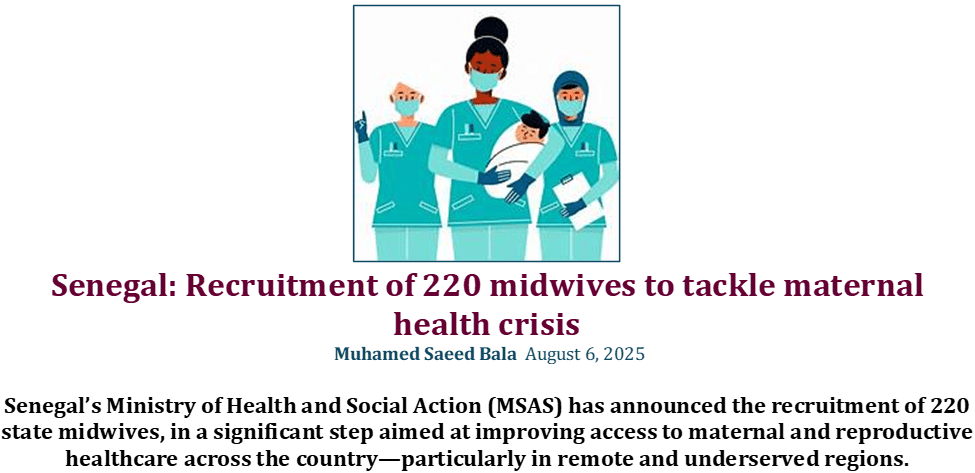
The latest statistics from the MSAS reveal a critical shortfall: there is currently only one midwife available for every 1,197 women of reproductive age.

This shortage has left numerous health centers, especially in rural areas, operating without qualified personnel capable of providing prenatal care or safely assisting with deliveries.

In some of the country’s most isolated communities, pregnant women are still forced to travel dozens of kilometers in search of professional medical assistance.

This persistent gap in healthcare access continues to put adolescent girls, expectant mothers, and newborns at risk, especially when it comes to managing high-risk pregnancies.

In response, the government has initiated a targeted recruitment drive under the broader SWEDD+ program—an initiative for Women’s Empowerment and the Demographic Dividend in West Africa.

The project aims to recruit a total of 500 midwives across 11 of Senegal’s most vulnerable regions, where the shortage is most pronounced.

The newly announced recruitment of 220 midwives marks the first wave of this effort, which is supported by key international partners including the World Bank and the United Nations Population Fund (UNFPA).

Beyond simply filling vacant roles, the goal is to ensure that skilled healthcare professionals are present and retained in the country’s most neglected areas—regions often bypassed by young professionals due to poor infrastructure and difficult living conditions.

Authorities hope this measure will significantly reduce maternal mortality, limit preventable childbirth complications, and improve access to essential services for women and adolescents.

However, health experts warn that recruitment alone will not be enough. For the initiative to succeed in the long term, newly deployed midwives will require proper housing, transportation, equipment, and incentives to remain in rural posts.

Despite these challenges, the decision signals a shift in policy direction. While the number of recruits may not fully meet the country’s needs, the move represents a concrete and long-overdue commitment to rebuilding Senegal’s maternal healthcare system from the ground up.

Source: https://dailymailafrica.com/senegal-recruitment-of-220-midwives-to-tackle-maternal-health-crisis/

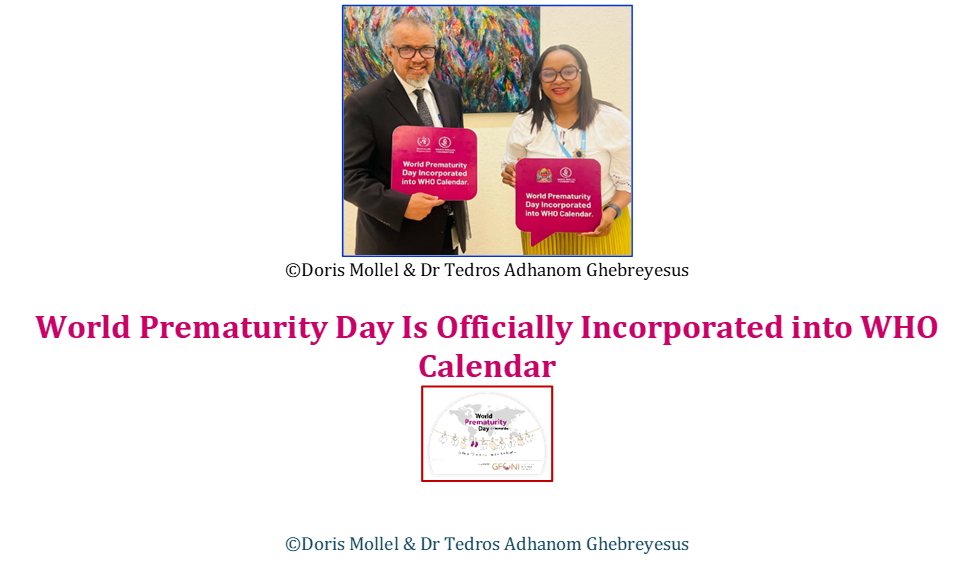
The World Health Assembly has officially designated November 17 as World Prematurity Day! The recent WHO endorsement is a major step forward – calling on governments around the world to prioritize preterm birth in their national health agendas. 

“As one of the founding organizations of World Prematurity Day in 2008, we at GFCNI are deeply proud to see it officially recognized by the World Health Organization,“ says Silke Mader. “This milestone is a tribute to our tireless efforts together with parent and patient organizations, healthcare professionals, and advocates around the world. A heartfelt thank you to Doris, whose dedication made this endorsement possible. Together, we have turned a vision into a worldwide movement for preterm babies and their families.”

This is truly a huge milestone for the global movement for premature babies,” adds Doris Mollel, founder of the Doris Mollel Foundation in Tanzania, whose tirelessly advocacy, supported by the Tanzanian government, has been pivotal in bringing global attention to the needs of preterm infants. “This is just the beginning. Together, we are building a future where every child has a fighting chance, and every life matters.”

Source: https://www.gfcni.org/campaigns/world-prematurity-day

The latest statistics from the MSAS reveal a critical shortfall: there is currently only one midwife available for every 1,197 women of reproductive age.

This shortage has left numerous health centers, especially in rural areas, operating without qualified personnel capable of providing prenatal care or safely assisting with deliveries.

In some of the country’s most isolated communities, pregnant women are still forced to travel dozens of kilometers in search of professional medical assistance.

This persistent gap in healthcare access continues to put adolescent girls, expectant mothers, and newborns at risk, especially when it comes to managing high-risk pregnancies.

In response, the government has initiated a targeted recruitment drive under the broader SWEDD+ program—an initiative for Women’s Empowerment and the Demographic Dividend in West Africa.

The project aims to recruit a total of 500 midwives across 11 of Senegal’s most vulnerable regions, where the shortage is most pronounced.

The newly announced recruitment of 220 midwives marks the first wave of this effort, which is supported by key international partners including the World Bank and the United Nations Population Fund (UNFPA).

Beyond simply filling vacant roles, the goal is to ensure that skilled healthcare professionals are present and retained in the country’s most neglected areas—regions often bypassed by young professionals due to poor infrastructure and difficult living conditions.

Authorities hope this measure will significantly reduce maternal mortality, limit preventable childbirth complications, and improve access to essential services for women and adolescents.

However, health experts warn that recruitment alone will not be enough. For the initiative to succeed in the long term, newly deployed midwives will require proper housing, transportation, equipment, and incentives to remain in rural posts.

Despite these challenges, the decision signals a shift in policy direction. While the number of recruits may not fully meet the country’s needs, the move represents a concrete and long-overdue commitment to rebuilding Senegal’s maternal healthcare system from the ground up.

Source: https://dailymailafrica.com/senegal-recruitment-of-220-midwives-to-tackle-maternal-health-crisis/

Was your baby born more than 3 weeks early? Premature development differs from full-term, but there’s no need to worry! Let’s explore effective ways to understand and support your baby’s growth and milestones. Premature babies are often born with more extended (straight) positions, while full-term babies get a curled up (flexed) feeling from being in the womb longer. Babies need both flexion and extension to help their motor skill development. Try these activities to aid your preemie’s physical growth and work on their flexion. Always consult your healthcare provider for personalized advice. • Swaddling: Helps bring your baby’s arms to the middle, providing comfort and aiding in muscle development. • Side Lying: Reduces gravity’s impact, making it easier for your baby to move their arms and legs. • Bringing Arms and Legs to Midline: Encourages flexion by helping your baby bring their limbs to the center of their body. • Tummy Time: Strengthens neck, back, shoulder, and core muscles crucial for overall development.

 👪 ABOUT PATHWAYS.ORG Pathways.org is a non-profit organization that provides free, trusted resources so that every parent is fully empowered to support their child’s development. Our milestones are supported by American Academy of Pediatric findings. Our resources are developed with and approved by expert pediatric physical and occupational therapists and speech-language pathologists.

Source: file:///C:/Users/Kathy%20P/Downloads/Global_Preterm_Birth_Organizations_Map_2025.html

Join Our Global Community

If your country or region isn’t yet listed, we’d love your help expanding this network.  Share your local preemie-family organization, NICU support group, or foundation by contacting us at NeonatalWombWarriors@gmail.com Together, we can make sure every family and their communities — no matter where they are — are able to gain needed support. We are stronger together.

Having a baby in the hospital NICU is a very stressful time for all members of a family, including big brothers and sisters. Siblings often feel confused, anxious, or even left out during a NICU stay. Children look to adults for reassurance, so it’s important to guide them through the experience with honesty, love, and consistency.

This guide offers simple, practical tips for NICU sibling support that help kids feel included, valued, and secure during this challenging time.

Helping Children Cope with a NICU Stay

BE CONSISTENT

Maintaining normal routines like bedtime, meals, and school helps young children feel safe. Consistency is especially important during a time when so much else is changing.

SET ASIDE SPECIAL TIME

Even small moments of connection, like reading a bedtime story, a short walk, or a chat in the car, can go a long way. Your time and attention matter more than perfection.

ASK FAMILY AND FRIENDS FOR HELP

Don’t be afraid to lean on your support system. People want to help, but they don’t always know how. Let them know what you need. Ask friends or family to help with school drop-offs or meals. Giving others a chance to help allows you to show up more fully for your children.

SURROUND THEM WITH FAMILIAR PEOPLE

If you have family members and friends providing child care, have them come to your home as much as possible. With so many changes, having a known and trusted adult around will help younger children cope, especially if they have a difficult time being separated from mom and dad. Familiarity offers comfort when parents are spending long hours at the hospital.

ADAPT THEIR DAILY ROUTINES

Routines are an important part of helping children cope with the NICU. You may have to temporarily change up your child’s routines to align with having a baby in the NICU. If your usual family dinners are now spent at the hospital, try shifting that special time to breakfast or bedtime instead. Flexibility can help kids still feel connected.

LEAVE NOTES OF LOVE

Leave your children love notes and messages when you have to be away. You may even sign some messages from the baby: “I am so lucky to have you as my big sister!” This can help them feel connected to the baby, especially if they can’t visit them.

CELEBRATE THEI ROLE AS BIG BROTHER OR SISTER

Remind siblings how important they are. Make a list of all the things your older children can do that the new baby can’t do and share it with them. Talk about their role in the family and how they will be helping to teach the new baby about these things.

ENCOURAGE YOUR CHILDREN TO TALK ABOUT THEIR FEELINGS

Even if they don’t ask, make time to talk. Let them know that it is okay if they are feeling sad, angry, lonely or frustrated. Let them know that they can tell you if they feel like they need you to spend some time with them. Create space for your children to talk about how they’re feeling by asking simple questions like: “What was the best part of your day?” or “Is anything making you feel sad or worried today?” Let them know it’s okay to feel all their feelings, and that you’re always there to listen.

LET THEM ASK QUESTIONS

Children often have big imaginations and need help making sense of what it means that the baby is in the NICU. Giving them age-appropriate, honest answers can ease their fears. For example: “The baby is in a special place where doctors are helping them get stronger.”

What are they worried about? What do they think might happen? Let their questions guide your conversations.

Model Coping and Resilience

Kids learn by watching you. Show them that it’s okay to be sad or overwhelmed, and that those feelings don’t last forever. Let them see you ask for help, take breaks, and care for yourself.

You Are Not Alone

The NICU experience can be tough on siblings, but it can also bring families closer. The most important thing we can do for our children is to give them support, encouragement, information and most of all reassurance that they are still important members of the family. With thoughtful support and simple routines, you can help your children feel secure, seen, and loved during this time.

Source: https://handtohold.org/im-special-too-how-to-support-siblings-when-your-baby-is-in-the-nicu/

Abstract

Purpose

The purpose of this research is to evaluate how AI integration in nursing education influences educational and practice performance outcomes, and to understand the roles of technological acceptance and institutional support in this process. Issue: AI’s role in nursing education and practice is not fully understood, particularly in terms of its effects on performance and the barriers to its effective implementation.

Method

A sample of 500 participants was surveyed, and data was analyzed using Smart-PLS 4.0 to assess the direct, indirect, and moderating effects between variables like AI integration, performance outcomes, and institutional factors. Results showed significant positive relationships between AI application in practice and nursing performance, with technological acceptance acting as a strong moderator.

Findings

AI integration in nursing education positively affects nursing performance (p < 0.001). Technological acceptance significantly enhances both educational and clinical outcomes, with interaction effects between technological acceptance and AI integration improving performance (p < 0.001).

Research policy implications

Policy should focus on supporting AI adoption in nursing curricula, with investments in faculty training, technological infrastructure, and fostering technological acceptance to maximize AI’s benefits in healthcare settings.

Conclusion

AI integration is crucial for advancing nursing education and practice, with technological acceptance and institutional support playing key roles in successful AI adoption. The findings underline the importance of targeted policy initiatives to foster these elements.

Introduction

Artificial Intelligence (AI) is rapidly transforming healthcare and nursing, providing new opportunities for education and practice. The integration of AI in nursing education is reshaping the way nursing curricula are developed, while the application of AI in clinical settings is enhancing the efficiency and accuracy of patient care. Despite these advancements, the impact of AI on global nursing education and practice remains inadequately explored, with few studies addressing both its benefits and challenges. This research aims to provide a comprehensive understanding of how AI integration in nursing education influences nursing performance, both in academic and clinical settings, and how AI applications in practice improve patient outcomes and care efficiency (Iqbal et al., 2025)

The adoption of AI in nursing education and practice is growing at an unprecedented rate, offering tools that range from curriculum enhancement through AI-driven learning tools to decision support systems (DSS) in clinical settings. AI is revolutionizing nursing by providing advanced technology for clinical training, decision-making, and patient monitoring (Chowdhury et al., 2021; Rana et al., 2024). However, the integration of AI in nursing education is often challenged by factors such as curriculum development, technology access, and the need for comprehensive training. Similarly, in clinical practice, the application of AI for clinical decisions and patient monitoring is reshaping nursing roles, yet concerns remain about how these technologies affect nursing practice performance (Denecke et al., 2020; Iqbal et al., 2023, 2024). Despite these changes, few studies have explored how these technological advances impact both nursing education and clinical performance in a holistic manner.

Although AI is increasingly being implemented in nursing education and practice, there is a lack of comprehensive research examining the direct effects of AI integration on nursing education performance (NEP) and nursing practice performance (NPP). Moreover, the factors that moderate or mediate the influence of AI such as technological acceptance, institutional support, and infrastructure have not been fully investigated. Understanding how these variables interact can provide valuable insights into the effectiveness and challenges of AI implementation in nursing.

These main three main research questions are:

1. How does AI integration in nursing education (curriculum design, technology access, and clinical training) influence nursing education performance, including academic performance, skill development, and clinical competency?

2. In what ways do AI applications in nursing practice (clinical training, decision support, and patient monitoring) affect nursing practice performance, particularly patient outcomes, satisfaction, and clinical accuracy?

3. How do factors such as technological acceptance and institutional support mediate and moderate the effects of AI integration and application in nursing education and practice?

These main three main research objectives are:

1.To examine the impact of AI integration in nursing education on nursing education performance (NEP).

2. To assess how AI applications in nursing practice affect nursing practice performance (NPP).

3. To analyze the role of technological acceptance and institutional support in moderating and mediating the relationship between AI integration and performance outcomes in nursing education and practice.

This study will provide crucial insights into how AI integration in nursing education and practice affects various performance outcomes, offering actionable recommendations for educators, healthcare policymakers, and technology developers. By exploring the moderating and mediating effects of technological acceptance and institutional support, the research will help identify strategies to overcome barriers to effective AI adoption in nursing. The findings will also contribute to the development of a conceptual framework for evaluating AI’s role in nursing education and practice, promoting more effective and sustainable implementation of AI in these fields.

This study will be conducted using Smart-PLS 4.0 to analyze the relationships between AI integration in nursing education and practice and its impact on nursing performance outcomes. The research will include an examination of the independent variables (AI integration in education and practice) and their effects on the dependent variables (nursing education and practice performance). Additionally, the moderating effects of technological acceptance and the mediating role of institutional support will be explored. This will lead to a set of practical recommendations for the integration of AI into nursing curricula and clinical environments.

Section snippets/Literature review

Artificial Intelligence (AI) has emerged as a transformative force in both nursing education and clinical practice. The integration of AI into nursing education, through innovations in curriculum design, clinical training, and simulation, is reshaping how nurses are trained and prepared for modern healthcare challenges. Similarly, AI applications in nursing practice, such as decision support systems (DSS) and AI-enhanced patient monitoring, are changing the way nurses deliver care, improving

Research methodology

This study will employ a quantitative research methodology to examine the impact of Artificial Intelligence (AI) integration on global nursing education and practice. The research will use Smart-PLS 4.0, a software tool for structural equation modeling (SEM), to analyze the relationships between the variables outlined in the study framework. SEM is chosen due to its capability to handle complex models involving multiple independent, dependent, mediating, and moderating variables (Hair et al.,)

Result analysis and discussion

The path coefficients in Table 1 reveal strong, significant relationships between AI integration and nursing performance outcomes. The T-values consistently exceed the threshold of 1.96, confirming the statistical significance of the direct paths. In Table 2, total indirect effects show meaningful mediating influences, with T-values above 1.96 for most variables, indicating significant indirect relationships. Confidence intervals in Table 3 further validate these findings, with narrow ranges

Conclusion

This study has demonstrated the significant impact of AI integration in both nursing education and practice. The results show that AI Application in Nursing Practice (AIANP) and AI Integration in Nursing Education (AIINE) have substantial positive effects on Nursing Education Performance (NEP) and Nursing Practice Performance (NPP). Key findings include the strong relationship between AIANP and Institutional Support (IS), as well as the enhancement of Technological Acceptance (TA) through AI.

Source: https://www.sciencedirect.com/science/article/abs/pii/S1355184125001000

The unpredictable hours of residency make romantic relationships tough—but not impossible. Here’s how to date and maintain a love life during residency.

The long and unpredictable hours of residency make starting and maintaining a romantic relationship tough. But it’s not impossible.

Here’s how to date and make the most of your love life during residency.

First, let’s address the elephant in the room. If you’re going into residency single and haven’t spent much time dating or figuring out what you need from a partner, taking on this challenge during residency will be difficult. Building a deep, romantic relationship requires time, which is something you have very little of in residency.

Even the act of finding a relationship requires a significant time investment. You’ll need to put yourself out there socially, such as going to events or joining community groups, work on your own personal development, and zero in on what you’re actually looking for from a partner.

If this sounds like you as a resident, do not despair. It is possible to find and build a relationship during residency, but you need to understand both what your priorities are and how many hours you have to find and keep that special someone. If finding a relationship in this stage of your life is important to you, you’ll need to intentionally carve out and block time for it, much like when you are studying for boards.

Don’t allow your years of residency to fly by without being intentional about every aspect of your life—this includes your professional development, personal wellness, hobbies and interests, and love life.

If starting a family and settling down is a top priority for you at this stage, you need to act like it. This will mean you have less time for other things, such as research you wanted to pursue, personal hobbies, or binging Netflix shows alone.

Alternatively, you may decide a serious relationship is less important to you at this time, which is perfectly okay too. Don’t fall into the trap of doing what those around you are doing just because it seems like the logical next step. Jumping into a serious relationship or beginning to start a family because you think you should, and not because you want to, is a recipe for disaster.

With that in mind, if dating is a priority for you, it’s time to get serious about identifying your needs.

Identify Your Needs

One of the biggest questions to ask yourself is whether or not you want to be with someone in medicine, as there are pros and cons to both choices.

A partner in a medical field, such as another resident or someone pursuing another healthcare career, will share an understanding of the time-consuming nature and challenges of residency. They are more likely to be comfortable with your limited and unpredictable hours because they experience the same thing. You’ll also have plenty to talk about in the realm of medicine, but this can be both positive and negative.

Your shared interests may keep the conversation going, but you run the risk of talking about medicine all the time. A partner outside of healthcare can offer new topics of conversation, and you can learn new things from each other. Additionally, a non-resident partner can more easily work around your rigid schedule.

If both of you are pursuing a career in healthcare, you may have similarly unpredictable schedules. If you each only have one small sliver of free time, it’s likely they won’t align, making it difficult to carve out time together.

However, your career path is only one small element of determining your own needs.

Are you looking for someone who wants to have children? Are you eager to start that process right away, or do you want to wait a few years? Do you want someone who shares your passion for fitness and wellness? Is preferring Star Trek over Star Wars a deal breaker for you?

By the time you’re in residency, you likely have a better understanding of yourself and what you hope your future will look like. Determine what you’re looking for in a partner to save yourself time during the dating process, as you don’t have any time to waste. However, ensure you’re not too rigid in your quest for love. The more you idealize your perfect partner, the harder your search will be.
After all, no one is perfect, and every relationship involves compromise.

Finding a Partner

After spending time identifying your preferences, it’s time to go out and find that special someone, which is easier said than done, especially for residents.

Unlike treatment algorithms, there are no x + y + z instructions to find a partner. It takes time, patience, and a whole lot of trial and error. Put yourself out there and continue meeting new people. Choose events, groups, and activities that align with your interests so you find someone who shares your values.

For example, if fitness is a top priority for you, join a gym or athletic community group you’re interested in, such as a running club, kickboxing class, or yoga in the park. If religion is an important aspect of your life, make time to go to church or temple events, and get more involved in religious community initiatives. If you’re passionate about books and storytelling, join local library events and begin participating in a book club.

Dating apps can also help you streamline the dating process. If used effectively, they can aid residents who have very little free time. Be sure to choose dating apps that align with your needs. If you’re looking for a serious relationship with someone who wants to start a family, don’t waste your time on an app known for its hookup culture.

If you’re looking for someone who is also in medicine, there are dating apps specifically for healthcare workers, such as ForeverX and DowntoDate.

Use dating apps to your advantage, but understand their limitations. If your residency is in a small town, you will have fewer options. The pros and cons of dating apps and how to optimize online dating are discussed in video on my Kevin Jubbal, M.D. channel.

Maintaining a Healthy Relationship

Starting a relationship is just one part of the equation. As a resident, you’ll have to put in more effort than usual to help maintain it. Here’s how to keep a healthy relationship strong.

1 | Be Clear About What to Expect

The first and most important tip is to be upfront with your partner about what to expect over the next few years. This will be easier if you’re dating a fellow resident or someone in the medical field, but either way, it’s vital that both of you have clear expectations.

Your free time will be very limited. Your schedule may be so hectic at times that all you can do after a long day is go home and sleep. Your free time will also be unpredictable, as you may be on call, which can and likely will result in cancelled plans, sometimes at the last minute. Preparing your partner for these situations from the outset will prevent conflict.

When approaching commitments, use percentages. With what percent confidence can you commit to an event? Is there a 90 percent chance you can make it, a 70 percent chance, or 30? Knowing this upfront will result in fewer misunderstandings and hurt feelings.

If hurt feelings do occur, be sure to allow your partner to vent. Constantly canceling plans will be frustrating for them at the very least, and if they aren’t working in healthcare, your schedule and priorities during this time will be difficult to understand.

Being in medicine in some ways is as close to being in the military as you can get, with an arguably even more unpredictable day to day schedule at times.

Be clear right from the start that you will be under a tremendous amount of stress. This is in no way carte blanche for you to be rude or self-obsessed; however, they should know there will be times when you come home after having been chewed out by an attending or after having lost a patient. You may not always be able to put on a happy face and forget about your day the moment you walk through the door.

2 | Develop Open and Honest Communication

Next, communication is the foundation of any strong relationship, and it’s what will save you during residency. Explain when your shifts are, when you’re on call, and share your exact schedule, but strive to go beyond that. You need to share what’s going on in your inner life as well, including your feelings, concerns, and current energy levels.

Be honest. Don’t put on a brave face. They need to know how to support you through your dark days, which means you need to give them the full and honest picture of the job from the start.

If a patient dies, it’s important to share how it affected you. Don’t act as though your partner can’t help you or pretend you don’t need help when they can see that you do. If you deny your feelings, you’re more likely to crack under the immense pressure you’re under. Plus, you’re taking away your partner’s agency. Of course, they can’t help you with everything, but when they can, let them. If you have the right partner, they’ll be happy to offer you support.

However, remember that communication is a two-way street. Your partner isn’t there just so you can talk at them about how rewarding or challenging it is to be a doctor. They need to know they can vent to you when they are stressed, no matter their career path. Being a teacher, accountant, waiter, or business owner comes with its own stresses. They must be able to talk about their day too.

While the relationship does largely rely on your schedule, it’s not all about you.

3 | Don’t Allow Medicine to Rule Your Life

Next, while it’s important to be honest about your work and how it makes you feel, it shouldn’t be the only thing you talk about, and it shouldn’t rule your lives.

It is essential to take time to decompress before you see your partner and to put a time limit on hospital or clinic talk.

Dr. Joshua Goldman has found success using his drive home to transition his mindset. He has two children, so he uses his commute to move from serious plastic surgeon to playful dad. Dr. Goldman shares how he balances his family and work life in an episode of Day in the Life.

Even though it may not feel like it at times, you are more than just a doctor. Developing a healthy life outside of medicine will aid both your relationship and your career. You’ll be able to go into work fresh and ready to start again, rather than carrying it with you 24/7.

Work with your partner on finding a balance in your conversations. This is especially important if both of you are in residency. It’s great that it’s a passion you both share, but you are more than just residents. What are your hobbies and values outside of medicine? If you have to, make a rule that when on dates or when sharing a meal, you don’t talk about medicine. This will allow you to get to know each other on a deeper level and grow your connection beyond your shared careers.

4 | Intentionally Block Time for Your Relationship

The fourth tip is to intentionally make time for your relationship and your partner. Even with your busy schedule, make specific plans, put them in your calendar, and do your best to commit to them. You may only have a few extra hours each week to dedicate to your partner, but know that any time spent together is better than nothing.

Neglecting time as a couple will erode any relationship. If you’re not careful, those few hours of free time will get eaten up by something else, and before you know it, four weeks will have passed by without the two of you spending any quality time together.

You need to block time for your relationship and ensure being together occurs in some form or another. When your schedule is tight, get creative about blending other commitments. How can you turn tasks like grocery shopping, cooking, or even cleaning the house into a date?

Completing these seemingly boring tasks together will make them more enjoyable while giving you more opportunities to see each other. That said, don’t allow your only time together to be over laundry and dishes, as this is a surefire way to lose that romantic spark.

On days when you only have a few moments to spare, taking the time for a small gesture like bringing home food or flowers or just texting them a kind message can brighten your partner’s day.

Don’t only focus on what you want out of a relationship. What does your partner prefer? You might care about gifts and small gestures while what’s most important to your partner is hearing words of affirmation.

This is commonly referred to as your love language. The five love languages are physical touch, acts of service, quality time, words of affirmation, and gifts.

If you don’t know your preferred love languages, there are plenty of online quizzes you can take. While by no means scientific, they can provide insight into your own needs and preferences as well as your partner’s. If your love languages align, awesome! If they do not, don’t be discouraged. Taking the time to learn more about each other’s preferences will help you both get what you need from the relationship.

This again falls back on effective communication. Neither of you are mind readers. Make every effort to ensure both of your needs are met.

Romantic relationships during residency can be tough—but they’re rewarding too. Residency is tremendously challenging, and having someone you can lean on during this time is extremely valuable.

Source: https://medschoolinsiders.com/medical-student/dating-and-relationships-in-residency/

Abstract

Background: 

Neonatal nurses have a major role in helping parents engage with their infant. A high level of parent participation, called Parent-Partnered Care, integrates parents as full partners in the delivery of hospital care to their infants. One parent-partnered intervention that improves infant, parent, and parent-infant outcomes is H-HOPE (Hospital to Home: Optimizing the Preterm Infant Environment). H-HOPE has 2 components: Massage+ and Parents+.

Purpose: 

The purpose of this article is to present an evidence-based guide showing how to deliver Parents+ and the implications for nursing practice.

Methods: 

The nursing approach to Parents+ includes participatory guidance and social support, which fosters a partnership with parents. The guidelines for using participatory guidance include a detailed description of each teaching/learning session along with implications for nursing practice.

Results: 

Parents’ experienced many benefits from participating in the Parents+ sessions. They reported feeling more confident in the care of their infant and more satisfied with learning and delivering Massage+. Additionally, parents also reported less fears handling their infants, increased feelings of bonding/attachment, and a sensitivity/responsiveness to their infant’s behavioral cues.

Implications for practice: 

Parents+ presents an opportunity for nurses to help parents engage with their infants and increase their confidence and competence. Parents’ desire a neonatal intensive care unit culture that embraces a comprehensive collaborative approach with healthcare professionals that is individualized to their infant’s health and well-being.

Neonatal nurses have a major role in helping parents engage with their infant and provide direct care. The inclusion of parents as full partners in the care of their infant in the neonatal intensive care unit (NICU) has greatly expanded to include routine caregiving, developmentally supportive care, and engagement with the neonatal team regarding infant healthcare decisions. A high level of parent participation in the care of their infants, called Parent-Partnered Care, is defined as “approaches that center or integrate parents as full partners in the delivery of hospital care to their ill or small newborns.”

One parent-partnered intervention that improves infant, parent, and parent-infant relationship outcomes is H-HOPE (Hospital to Home: Optimizing the Preterm Infant Environment). H-HOPE is a parent-focused intervention that fits within the Parent-Partnered Model of Care where members of the healthcare team partner with parents in care delivery . H-HOPE includes both an infant-focused intervention, Massage+ (formerly termed the ATVV, Auditory, Tactile, Visual, and Vestibular Intervention), and a parent-focused intervention, Parents+. A large body of research documents that Massage+ significantly increases infant alertness, clarity of the infant’s cues, oral feeding and growth, and fosters the development of infant social communication and the parent-infant relationship in hospital. Additionally, Massage+ has been associated with reduced acute care visits and improved parent-infant interaction at 6-weeks corrected age. Massage+ is designed to be provided by parents while Parents+ provides guidance and support from nurses so parents can confidently provide Massage+ with sensitivity to their infant’s cues.

H-HOPE: one model of parent-partnered care.

As an early behavioral intervention for preterm infants and their parents, H-HOPE is designed to be integrated within a culture that supports parents as partners in care. H-HOPE incorporates 3 key elements of Parent-Partnered Care: presence, participation, and engagement. The physical presence of parents is necessary to provide them the opportunity to participate in caregiving activities like Massage+. Parents may participate in care activities with the support of nurses or independently depending upon their confidence and experience. Parents+ requires collaboration between the nurse and parent to teach parents how to understand their infant’s behavior and deliver Massage+. Engagement occurs when a parent is emotionally involved in their infant’s health and healthcare through their actions. Engagement is not fixed, rather it exists along a continuum. Over time, the delivery of H-HOPE by parents increases parents’ confidence in their caregiving and engagement with the healthcare team.

A comprehensive toolkit, including instructions and videos showing the step-by-step process of Massage+ is available to support nurses and parents in the delivery of Massage+ on Pathways.org (https://pathways.org/massage-tool-kit-H-hope) at no cost. Pathways.org also has detailed information and developmental resources for nurses to use during the Parents+ sessions. After completion of Parents+, the website is available for parents.12 These materials and videos are especially helpful for parents to review content at any time. However, detailed guidelines for the nurse to deliver Parents+ is not currently available in the literature. Therefore, the purpose of this article is to present an evidence-based guide showing how to deliver Parents+ and the implications for nursing practice.

PARENTS+ CONCEPTUAL BASIS

Parents+ consists of teaching/learning sessions that help parents understand infant behaviors and cues, shows them the steps of Massage+, and provides experiences that build parent confidence in providing Massage+ guided by their infant’s cues. The conceptual basis supporting Parents+ includes participatory guidance,principles of adult learning and experiential learning.

  • Participatory guidance occurs when a skilled clinician guides the process of learning how to perform a complex task, with the mutual goal of moving the learner from novice to expert. This approach changes the relationship from “instructor-student” to a collaboration. When using this approach, nurses foster bidirectional communication with parents.
  • Adult learning involves respecting and integrating what the parent brings to the sessions, such as their own experience in caring for an infant. It is their “history” related to the context of their lives, including their preterm infant, family, socioeconomics, cultural factors, and other responsibilities.
  • Experiential learning provides opportunities that foster integration of the new experience into the learner’s everyday skills. This learning approach provides hands on practice (Massage+) and supports parents as they gain confidence and competence while interacting with their infants. Experiential learning is also a component of Bandura’s well-known social learning theory widely used as an effective model for behavior change programs.

The learning strategies derived from these concepts promote parent participation and engagement (Parent-Partnered Care), build trust between nurses and parents, and increase parents’ confidence and competence with infant care. The integration of these strategies fosters growing parent competency. One advantage of Parents+ is its strong conceptual approach that assists nurses in conducting parent education that is both planned and effective, allowing nurses to provide consist of support across shifts and nursing assignments. This common understanding of how to conduct parent education is much needed; as noted in a recent scoping review that described the inability of health professionals to articulate the systematic teaching strategies they used.

DESCRIPTION OF THE PARENTS+ SESSIONS

Parents+ consists of 3 to 4 sessions: 2 in-hospital and 1 to 2 post-discharge. The focus of each session is the parents’ engagement with their infant, as they learn to understand their infant’s behavioral cues and how to build the parent-infant relationship. Parents learn about cues both through the nurse teaching about behavioral cues as well as the nurse asking about what cues the parents have seen in their infant and pointing out cues the infant may exhibit during the Parents+ session (Table 1). Through this repeated process, parents learn to read, interpret and respond to engagement and disengagement cues. For example, when their infant is overstimulated and exhibits a potent disengagement cue, the parent learns how to modify his/her behavior to reduce overstimulation (see Session 1 for definitions of engagement and disengagement behaviors below).

TABLE 1. – Parents+ Content: Example Session Questions and Talking Points

Open session with parent concernsLet’s start by discussing how you’re doing. How are things going for you? Do you have any questions about your baby?
Infant behavioral statesHave you noticed how your infant wakes up? What state is your infant in right now?
Engagement & disengagement cuesThese pictures show some ways infants show they are ready to interact with you or want to continue. Which ones have you noticed that your infant does?
Orally directed behaviorsHere are some things infants do to show they are getting ready to eat. What does your infant do when s/he is ready to eat?
Hunger & satiation cuesHere are some things infants do to show they are getting ready to eat or that they are full. What behaviors does your infant have when they are getting ready to eat and when they are full?
Massage+Massage+ is an activity that stimulates all your infants’ senses and is enjoyable for both of you Massage+ helps infants become alert and ready to feed, so they eat and sleep better. Do you notice any benefits for your infant when doing Massage+? Infants may like some parts and not others. Do the parts your infant likes. Remember to pause if they need a break. How does your infant respond to Massage+?
Back to sleepDo you know the best position to put your infant in for sleeping?
Signs & symptoms of illnessBefore you go home, we’d like to review what you might see in your baby that would need immediate attention.
How to calm a fussy babyDoes your infant ever get fussy? What do you do? Let’s talk about different things that you can do to calm the infant when s/he is fussy.
Feeding is more than eatingFeeding is an important time to relate to your infant Whether breast or bottle feeding, your infant needs to be close to you and have your full attention while feeding. This is a time for you and your infant to relax and enjoy each other
Tummy timeTummy time is important for your infant’s development and achievement of milestones Let’s review ways you can get tummy time in each day
Developmental milestonesInfants do not develop the same way, but knowing what developmental milestones to be on the lookout for can help you monitor their progress. Let’s review some 0-3 month milestones. Have you seen any of these in your infant yet?
Close session with parent check-inDo you have any further questions or concerns about what we’ve discussed, or anything else?

Infant behaviors and Massage+ are introduced at the first session and reviewed and practiced in subsequent sessions. While teaching Massage+, the nurse talks about infant behaviors and caregiving, adding new content to each Parents+ session. Content of Parents+ can be divided into multiple smaller sessions to accommodate both parent and nurse time constraints. When this occurs, documentation of parent education in the electronic health record (ideally into the existing parent education documentation) serves as a communication tool between nurses to ensure completion of a Parents+ session, picking up where necessary. If an infant is discharged earlier than expected, missing content can be delivered during the post-discharge visits.

Each Parents+ session follows the same plan:

  • Address (re-address) parent concerns
  • Review any previous content
  • Introduce new content
  • Complete each session by returning to the parent’s continuing concerns and any questions about their infant.

The focus on parent needs at the beginning and end of each session is in response to the high stress, anxiety and fear many parents report during their time in the NICU. Nearly all parents’ have emotional needs related to caring for their vulnerable infants and are often hesitant about even touching their infant. The psychological distress of having a preterm infant, exacerbated by the stress of the NICU environment, along with the context of parent’s lives outside the hospital, affect their ability to fully participate in caregiving of their infant and engage with the healthcare team regarding their infant and family’s needs. For parents to fully engage during this stressful time, their needs must be addressed in conjunction with the infant’s needs. However, parents are rarely given an opportunity to discuss their own feelings and needs. Parents+ helps mitigate parents’ distress by acknowledging their needs and concerns and asking what they want to learn about their baby to support their learning and engagement.21 While some concerns are too complex to be resolved or may require referrals, simply acknowledging parent concerns helps parents feel heard and builds trust. Detailed guides for each session are available on Pathways.org.

Session 1

The first Parents+ session can be initiated when the parents are physically and emotionally ready, even if the infant is not old enough to receive Massage+ (Massage+ begins when the infant reaches 31-32 weeks postmenstrual age and is physiologically stable). Infants born between 33 and 35 weeks may also begin Massage+ once they are physiologically stable. This first session includes substantial content about preterm infant behaviors and cues that are highly relevant for all parent caregiving and engagement with the infant. Sharing information about preterm infant behavior and cues prior to the infant’s readiness for Massage+ allows parents’ time to become comfortable learning to read, interpret, and respond to their infant’s cues.

During Session 1, 4 content areas related to preterm infant behaviors are discussed. Nurses use active listening to understand parents’ concerns and tailor content to support learning. The session begins with a description of infant behavioral states and engagement and disengagement cues to help parents understand the many behaviors that infants use to express themselves. These cues also include orally directed behaviors (pre-feeding behaviors) and those that indicate hunger and satiation. When working with parents, using the term pre-feeding behaviors is easier for parents to understand. Later in this session, parents learn the steps of Massage+ and practice Massage+ on their infant with guidance. Cues are further reinforced when parents learn to read, interpret, and respond to the infant’s behavior while giving Massage+ to their infant.

  • Infant Behavioral States: Behavioral states include quiet sleep, active sleep, drowsiness, active alert, quiet alert, and crying. Identifying the infant’s behavioral state indicates readiness or lack of readiness to engage. During the active alert state, the infant’s eyes are open and the infant looks around; arms and legs may be moving, indicating readiness to feed. This state is most optimal for oral feeding, regardless of whether feeding is provided by bottle or breast feeding. During the quiet alert state, the infant’s eyes are open, the infant is calm and ready for social interaction with the parent.
  • Engagement and Disengagement Cues: These cues are important indicators of the infant’s readiness to interact or needing a break. Both engagement and disengagement cues can be potent (eg, easy to understand such as looking at the parent, or cry) or subtle (eg, difficult cue for the parent to read and interpret such as hands open or grimace). Preterm infants often show more subtle engagement cues such as brow raising, facial brightening, feeding posture, and hands open with fingers slightly flexed. As they mature, the frequency of potent cues increases. Potent disengagement cues include a cry face and halt hand, turning head away, and spitting up. Subtle disengagement cues include fast breathing, gaze aversion, and yawning.
  • Orally Directed Behaviors (Pre-Feeding): Orally directed behaviors indicate the infant’s readiness to feed. These include mouthing, rooting, tonguing, hand-to-mouth, hand swipes at mouth, empty sucking, sucking on hand, and sucking on tongue.7,30
  • Hunger and Satiation Cues: Hunger cues include arms and fingers bent, facial grimace or crying, mouthing and sucking movements. Satiation cues include arms relaxed or by the infant’s side, relaxed fingers, infant has a neutral face (no expression), or infant is asleep.26,27,31 These cues provide additional indicators of the infant’s hunger or feeling full. This is important for parents who often want to feed their preterm infant the entire oral feeding even though they are exhibiting satiation cues.

Session 2

Session 2 begins 1 to 2 weeks before discharge. Planning for Session 2 well before discharge allows additional time to address parents’ questions and concerns and to support the parent-infant relationship before heading home. This session also offers additional opportunities to integrate new information with previous learning.

Session 2 content includes signs and symptoms of illness and back to sleep. This information is often already incorporated into discharge education. However, the participatory guidance approach of H-HOPE (Parents+) acts as a reinforcement of the importance of active listening to address parents’ questions with bi-directional communication and incorporating the context of the parents’ needs and concerns as they transition to home. As discussed above, this may include referrals or additional resources to support parent self-care.

Sessions 3 and 4

One or two virtual sessions occur within 2 weeks after parents are discharged home with their infant. Parent feedback from our previous research indicated that this is also a stressful time for parents and they appreciated the additional support and educational content. The purpose of these post-discharge sessions is to offer support to parents, answer questions related to Massage+ and infant behavioral cues that were taught during the first session, as well as infant care. New topics include calming a fussy baby, feeding is more than eating, tummy time, and developmental milestones. Parents are also encouraged to use the Pathways.org App for continuing information about developmental milestones that can be easily downloaded onto their phones.

Depending on the parents’ schedules at home, these 2 sessions can be combined into 1 session. However, the rationale for providing 2 post-discharge virtual sessions was developed as a result of previous research with parents’ who found these visits valuable for their transition to home.

DISCUSSION

The purpose of this article was to present an evidence-based guide showing how to deliver Parents+ and the implications for nursing practice. While parents appreciated Massage+ in previous research studies, they reported high anxiety while handling their infants and not clearly understanding their infant’s behavior. Parent feedback led to the development of Parents+ which offers parent support and guidance to improve outcomes for infants, parents, and the parent-infant relationship. Massage+ is designed to be provided by parents while Parents+ provides guidance and support from nurses so parents can confidently provide Massage+ with sensitivity to their infant’s cues.

Parents+ is a model for collaboration between parents and nurses enabling the delivery of Parent-Partnered Care, and has benefits for parents, infants and nurses, as discussed below. The first Parents+ session was intentionally designed to guide parents in learning and practicing the steps of Massage+ on their infant. When Massage+ is provided by parents, they can see their infant’s positive behavioral responses and growing developmental capacities. The process of providing Massage+, a multimodal dyadic intervention, helps parents’ experience handling their infant and responding appropriately to infant cues; skills that readily transfer to virtually all other caregiving.

Thus, the experience of providing Massage+ begins to build the parent-infant relationship. In both qualitative and quantitative assessments, parents reported feeling more confident in the care of their infant and more satisfied with learning and delivering Massage+. In other intervention and engagement studies, parents reported improved mental health, increased confidence and competence while caring for their infant. Parents also reported less fears handling their infants, feelings of bonding/attachment, and parental sensitive-responsiveness to their infant’s behavioral cues.1Significantly, this response has been proposed as the foundation for the development of the parent-infant relationship.

Benefits for Parents+.

Overall, the benefits of H-HOPE (Massage+ and Parents+) for infants have been well documented in the literature. Infants of different post-menstrual ages (31-36 weeks) responded with improved alertness, increased orally directed behaviors, faster progression from gavage to oral feeding, improved growth, and fewer illness visits after hospital discharge.2,4,6-8 In addition, other investigators reported an improvement in neurodevelopmental outcomes following interventions focused on the parent-infant relationship. Interventions that also include the transition into the home as with Parents+ Sessions 3 and 4 are ideal because this offers additional support for parents and infants post-discharge.

Importantly, Parents+ also benefits staff, providing a practical guide that both novice and expert nurses can use to more effectively help parents engage with their infants. Conducting Parents+ using a participatory guidance approach further develops interactive and teaching skills for nurses. Essentially, the participatory guidance approach can be used for any instruction with parents. These skills foster a culture for parent participation, using bidirectional communication and demonstrating how parents can collaborate with the nurse as a partner. Showing respect and understanding of the parent perspective is particularly salient, as nurses play an important role in making parents feel comfortable and welcome in the NICU environment, as well as increasing their confidence in providing care for their preterm infants.

IMPLICATIONS FOR CLINICAL PRACTICE

Increasingly, the nurse’s opportunity to provide parent support and guidance is challenged by a continually, complex clinical environment, staffing shortages and family stressors. Parents+ presents an opportunity for nurses to help parents engage with their infants and increase their confidence and competence. Physical therapists, occupational therapists, and speech language pathologists trained to administer H-HOPE are well equipped to provide the intervention and can partner with nurses’ to provide these services. However, in most NICUs, the primary responsibility will likely reside with nurses, as they are the only clinicians in the NICU who are at the bedside 24/7. Moreover, evidence-based parent focused developmental approaches to preterm infant care have been shown to affect neurodevelopmental outcomes for infants, driving the need to become a standard of care in the NICU.45 The Vermont Oxford Network issued a statement, “All care is brain care,” to emphasize the importance of developmentally based care for the preterm infant.As NICUs move forward with advancing this type of care, a unit culture that incorporates a developmental and behavioral approach to caregiving by nurses is critical and necessary to achieve optimal outcomes. To support a unit culture of developmental care, staff education and training, from orientation through skill review sessions, is imperative.

The parent perspective can be found in the literature, via feedback from parent advisory groups, and local and national parent support networks (eg, https://nicuparentnetwork.orghttps://www.marchofdimes.org/our-work/nicu-family-supporthttps://handtohold.orghttps://www.projectnicu.com). Parents desire a NICU culture that embraces a comprehensive collaborative approach with healthcare professionals that is individualized to their infant’s health and well-being. The goal for all parents is to achieve optimal outcomes for their infant.44 However, this may require more than changing the NICU culture. There are many factors besides NICU culture and socioeconomics that are barriers and challenges for parents. These include insufficient knowledge about how to care for the infant and understanding realistic expectations for growth and development, as well as access to resources to support the parent’s and infant’s needs.

A successful practice change that incorporates the parent perspective also depends upon experienced leadership; operational and clinical leaders who set consistent expectations for implementing and sustaining evidence-based standards of care. In addition, assessment of staffing needs is critical to incorporate a practice change into nursing workflow. Parents need nurses who have the time to help them learn a behavioral intervention like H-HOPE and provide essential developmental care. NICUs where parent education and engagement are highly valued, and a cornerstone of nursing practice, will likely be more willing to accept H-HOPE. It is imperative for NICUs today to focus on meeting the needs of parents’ and infants, address the challenges, and implement evidence-based practices. In addition to assessing staffing needs, each institution must consider other logistical factors, such as reimbursement for services and who conducts the post-discharge sessions. While nursing time inpatient is not reimbursable, outpatient often is, which may cover the 2 post-discharge Parents+ visits. These post-discharge visits could be completed by a discharge nurse or developmental specialist, depending on the resources of each institution.

CONCLUSION

Parents+ is an innovative behavioral intervention with benefits for parents, infants and staff. Parents+ incorporates a model of Parent-Partnered Care, which helps mitigate parent’s distress by addressing parents’ needs and concerns to support their learning and engagement with their infant. The Parents+ sessions are designed to provide education and support during the NICU stay and post-discharge. Understanding the evidence that supports developmental and behavioral care is key to recognizing the rationale for incorporating Parents+ into the standard of care by staff. Incorporating a culture of developmental and behavioral care for parents and their infants is imperative to address their needs, improve outcomes, and advance nursing practice in the NICU.

 Summary of Recommendations for Practice and Research

What we know:Parents+ is a behavioral intervention that incorporates Massage+ to help parents learn their infant’s cues and contributes to optimal neurodevelopmental outcomes. Parents+ is an evidence-based approach to behavioral care in the NICU. Nurses are essential for providing Parents+.
What needs to be studied:Further research is recommended to identify effective strategies incorporating H-HOPE into neonatal nurses’ workflow. Research is critical to describe how NICUs embrace developmental care as the standard of care. Data are needed to document parent and infant outcomes from the delivery of Parent-Partnered Care.
What can we do today that would guide caregivers in the practice setting considering the use of this evidence for guiding practice?Provide leadership support for a developmental and behavioral approach to NICU care. Educate nurses on the principles of Parent-Partnered Care. Engage parents to understand the behavioral cues of their infant as a component of their caregiving.

Source: https://journals.lww.com/advancesinneonatalcare/fulltext/2025/10000/parents___an_early_behavioral_intervention_as_a.4.aspx?context=featuredarticles&collectionid=3

Club cell secretory protein (CC16) is a pneumoprotein that has anti-inflammatory and antimicrobial properties and whose levels are reduced in preterm infants.

Objective

We sought to investigate the role of circulating CC16 in the association of preterm birth (<37 weeks) with lung function and asthma from childhood into young adult life in longitudinal and mediation analyses.

Methods

Using the BAMSE (Swedish abbreviation for Barn/Children, Allergy, Milieu, Stockholm, Epidemiology) birth cohort (2,557 participants and 10,631 longitudinal observations), we assessed plasma CC16 (ages 8 and 24 years), spirometry (ages 8, 16, 24, and 26 years), and asthma (ages 8, 12, 16, 24, and 26 years). Longitudinal associations between preterm birth, CC16, percent predicted values of FEV1/forced vital capacity (ppFEV1/FVC), and asthma were examined in longitudinal multivariable mixed models. CC16 (ages 8-24 years) was tested as a mediator for the relationship of preterm birth to pre- and postbronchodilator ppFEV1/FVC and asthma in adulthood (ages 24-26 years).

Results

Preterm birth was associated with reduced plasma CC16 (−1.15 ng/mL; 95% CI, −1.22 to −1.08; P < .0001), lower ppFEV1/FVC (−1.9%; 95% CI, −3.1 to −0.8; P = .001), and higher risk for asthma (1.83; 95% CI, 1.28 to 2.62; P = .001) across ages 8 to 26 years. CC16 deficits were related to decreased ppFEV1/FVC (P < .0001) and increased risk for asthma (P = .007) in adulthood. Multivariable mediation analyses suggested that CC16 mediated 16% and 9% of the effects of preterm birth on ppFEV1/FVC and asthma in adult life, respectively.

Conclusions

Low CC16 is a potential mediator of the effects of prematurity on lung function deficits and asthma in young adulthood. Future studies should address whether CC16 can be used as a predictive biomarker and, possibly, a therapeutic target in individuals born preterm.

Section snippets

Participants

BAMSE is an observational population-based birth cohort study that enrolled 4089 children born in Stockholm between 1994 and 1996.35 The study design and enrollment process are detailed in this article’s Online Repository at www.jacionline.org. Perinatal data were obtained from the Swedish medical birth register.36 Plasma CC16 levels were measured at ages 8 and 24 years. Spirometry was conducted at ages 8, 16, 24, and 26 years. Asthma questionnaires were answered by parents at ages 8, 12, and

Results

Overall, 2,557 BAMSE participants were included in this study, contributing to a total of 10,603 longitudinal observations for asthma (526 for preterm participants) and 6,109 for lung function (324 for preterm participants). Compared with the 1,532 excluded participants because of missing CC16 and/or phenotypic data, those included were more likely to be females and have older, nonsmoking mothers and higher-educated parents with a history of asthma (Table I). There were no significant

Discussion

In this study—using a large, long-term, population-based birth cohort—we demonstrated that low circulating CC16 levels may mediate part of the effects of preterm birth on lung function and asthma in young adult life, supporting a protective role of CC16 in obstructive lung diseases of individuals born prematurely. These findings highlight the potential of CC16 for risk stratification and, possibly, novel therapeutic strategies for preterm individuals at risk for obstructive lung disease.

The role of CC16 in the associations of preterm birth with lung function and asthma in adult life – ScienceDirect

Empowering Voices: Honoring the Educators Who Shape Our Journeys

As we begin Neonatal and Preemie Awareness Month, we celebrate not just our survival stories, but the growth and purpose that follow. For those of us who began life in the fragile space of an incubator, this month is a reminder of how far we’ve come—and of the people who continue to help us become who we are meant to be. This November, our theme is “Educators as Warriors of Empowerment”—because teachers, mentors, and guides are often the ones who help transform early struggle into lifelong strength.

Many of us know that being a preemie can mean growing up with a different pace, a different rhythm, or a different way of learning. It’s our teachers who see that difference and choose to nurture it rather than correct it. They are the ones who remind us that resilience isn’t about perfection, it’s about discovery. Whether it’s the preschool teacher who cheered every word we learned to speak, or the university professor who saw our curiosity, these educators become part of our extended story of becoming.

This month, we celebrate their quiet strength—the patience to listen, the creativity to adapt, and the belief that every child’s journey matters. They empower us to see ourselves not as “born early,” but as born with perspective—the ability to find meaning in milestones others take for granted. Through education, we learn to define our own possibilities, rewrite old narratives, and embrace the uniqueness that began long before we could even open our eyes.

To every educator who has walked beside a preemie—thank you for being part of our collective story of empowerment. And to every survivor reading this: remember, your journey didn’t stop at survival. It continues through the lessons you share, the knowledge you seek, and the lives you touch. This month, let’s honor the teachers who reminded us that we are not defined by our start in life, but by how brightly we choose to grow.

Let’s Thrive, Compendiums, Navigation

Kuwait, officially the State of Kuwait, is a country in West Asia and the geopolitical region known as the Middle East. It is situated in the northern edge of the Arabian Peninsula at the tip of the Persian Gulf, bordering Iraq to the north and Saudi Arabia to the south. With a coastline of approximately 500 km (311 mi), Kuwait also shares a maritime border with Iran, across the Persian Gulf. Most of the country’s population reside in the urban agglomeration of Kuwait City, the capital and largest city. As of 2024, Kuwait has a population of 4.82 million, of which 1.53 million are Kuwaiti citizens while the remaining 3.29 million are foreign nationals from over 100 countries. Kuwait has the third largest foreign-born population in the world.

Like most other Arab states of the Persian Gulf, Kuwait is an emirate; the emir is the head of state and the ruling Al Sabah family dominates the country’s political system. Kuwait’s official state religion is Islam, specifically the Maliki school of Sunni Islam. Kuwait is a high-income economy, backed by the world’s sixth largest oil reserves.

Kuwait has a state-funded healthcare system, which provides treatment without charge to holders of a Kuwaiti passport. A public insurance scheme exists to provide healthcare to non-citizens. Private healthcare providers also run medical facilities in the country, available to members of their insurance schemes. As part of Kuwait Vision 2035, many new hospitals have opened.

Source: https://en.wikipedia.org/wiki/Kuwait

Published 15April 2024

Reem Al-SabahAbdullah Al-TaiarAli H. ZiyabSaeed Akhtar & Majeda S. Hammoud

Abstract

Background

Pregnant and postpartum women are at high risk of depression due to hormonal and biological changes. Antenatal depression is understudied compared to postpartum depression and its predictors remain highly controversial.

Aim

To estimate the prevalence of depressive symptoms during pregnancy and investigate factors associated with this condition including vitamin D, folate and Vitamin B12 among participants in the Kuwait Birth Study.

Methods

Data collection occurred as part of the Kuwait Birth Cohort Study in which pregnant women were recruited in the second and third trimester during antenatal care visits. Data on antenatal depression were collected using the Edinburgh Postnatal Depression Scale (EPDS), considering a score of ≥ 13 as an indicator of depression. Logistic regression was used to investigate factors associated with depressive symptoms in pregnant women.

Results

Of 1108 participants in the Kuwait Birth Cohort study, 1070(96.6%) completed the EPDS. The prevalence of depressive symptoms was 21.03%(95%CI:18.62–23.59%) and 17.85%(95%CI:15.60-20.28%) as indicated by an EPDS ≥ 13 and EPDS ≥ 14 respectively. In the multivariable analysis, passive smoking at home, experiencing stressful life events during pregnancy, and a lower level of vitamin B12 were identified as predisposing factors. Conversely, having desire for the pregnancy and consumption of fruits and vegetables were inversely associated with depressive symptoms.

Conclusion

Approximately, one fifth of pregnant women had depressive symptoms indicating the need to implement screening program for depression in pregnant women, a measure not systematically implemented in Kuwait. Specifically, screening efforts should focus on pregnant women with unintended pregnancies, exposure to passive smoking at home, and recent stressful live events.

Source: https://link.springer.com/article/10.1007/s44197-024-00223-7

18 July 2024

 | Technical document

Overview

Access to appropriate, affordable, effective, and safe health technologies is paramount, especially in low-resource settings, where burden of  non-communicable diseases adds on to the infectious diseases.   

NCDs account for a staggering 74% of global deaths, with 86% of premature fatalities occurring in resource-constrained regions. Cardiovascular diseases, cancers, chronic respiratory conditions, and diabetes collectively contribute to over 80% of these premature NCD-related deaths. Addressing this challenge requires targeted interventions and innovative solutions tailored to LMICs.

The 2024 Compendium of Innovative Health Technologies for low-resource settings includes commercially available solutions and prototypes. This 7th edition showcases 21 technologies, each with a full assessment. It also includes updates for technologies previously featured in previous compendia editions. Assessments include clinical aspects, relation to WHO technical specifications, regulatory compliance, criteria on health technology assessment and health technology management, local production viability, and intellectual property considerations.

Beyond presenting these innovations, the Compendium serves as a catalyst for increased interaction among stakeholders—ministries of health, procurement officers, donors, developers, biomedical engineers, clinicians, and users. By providing evidence-based assessments and relevant information, it aims to drive use of innovative health technology and expand global access, particularly for low-resource settings for populations in need.

WHO Team

Access to Assistive Technology and Medical Devices (ATM), Access to Medicines and Health Products (MHP), Health Product Policy and Standards (HPS), Medical Devices and Diagnostics (MDD)

Editors World Health Organization ISBN: 978-92-4-009521-2

Source:https://www.who.int/publications/i/item/9789240095212

Humood – Kun Anta | حمود الخضر – كن أنت | Official Music Video

Humood Othman AlKhudher, commonly known as Humood Alkhudher, is a Kuwaiti singer and music producer.

* English Translation https://youtu.be/9JPaGW21Rzg

Benjamin Hopkins, DO, Andrew Hopper, MD

Welcome back to another installment. My name is Benjamin Hopkins, and I am currently a post-grad year one pediatric resident at the University of California, San Francisco–Fresno. When ‘I grow up,’ I want to be a Neonatologist. Look at previous months’ journals for my earlier articles and follow along with this column as I navigate my way to becoming a neonatologist.

 I am just over halfway done with my residency intern year. I have recently completed a rotation through inpatient wards, getting to see a variety of ages and patient presentations, along with consults to other specialties helping care for pediatric patients. I have been privileged to work closely with my fellow residents and supervising attendings who tailor their care for each patient they see.

This month, I had the privilege to talk with Dr. Andy Hopper, Chair of the LLU School of Medicine Promotions Committee and professor of pediatrics and neonatologist at Loma Linda University. We discussed the characteristics of an outstanding neonatologist, how he became a neonatologist, what a resident should prioritize, and some of his current interests and research.

What qualities are most essential to excel as a neonatologist?

 First, you’ve got to like working with babies and the excitement of thinking about and caring for a young patient who has their entire life in front of them. Your interaction with them will allow them to achieve health so they can have that life in front of them. That’s always the prime directive for me when I’m looking to look after a baby. Can we get these kids through whatever problem they’re having so they can go home and live their best life? You have to have a passion for the patient population that you’re going to serve.

That goes for any specialty, but especially for the specialties that are critical care, where it takes more of an emotional burden from time to time and with the care and investment you have towards that patient population when there is, you know, loss or things don’t go the way we want them to and just making sure like we have support and things like that for those areas.

You’re also the doctor to the parents. Most parents, when they landed in the NICU, never planned for this to be the outcome. They’re immediately thrown into this rather harsh environment of bells, whistles, monitors, and people doing things that they’re not sure what they’re doing for their child, but it’s pretty scary. As the neonatologist, this is one of the areas that you have to work with them, and you’re educating them. We’re also trying to give them peace, and you’ll help them get through this. It is a team effort in our specialty, but the physician and the parents have to collaborate to make it work.

We have two daughters, and when I was a pediatric resident, my first daughter was born at 33 weeks. I don’t think we were particularly freaking out about that, but she was preterm. Then, my younger daughter was born when I was in my neonatology fellowship at Stanford. She was 27 weeks, and back in 1982, the year she was born, 28 weeks was considered the limit of viability; they’re different now, and the numbers have come down dramatically. However, I remember my faculty members saying that if she is not too aggressive, we may not want to go all out to resuscitate her because they were thinking the worst. Fortunately, she came out, and she was vigorous. Four hours out, she reached up and pulled her ET tube out; the rest is history.

Another beneficial quality in intensive care is when you’re looking at things to map out what you think will happen in the next 12 to 24 hours; what’s the worst-case scenario, and am I ready to deal with that? When they don’t happen, you’re thrilled, but when they do happen, you’re not caught off guard. I was the director of the ECMO program at Loma Linda for 10 years, and it was always determining who we would put on ECMO and when to do it. That’s where you have to sit down and map out what would be the things that would make me push towards putting this kid on ECMO. It’s an approach that uses differential and critical thinking so that you can be proactive rather than reactive. It’s not a good idea to be catching up with a kid in a code where you thought four hours ago we should have picked up on this, and we could have prevented this.

An excellent bedside nurse will make your night much better because you trust their assessment; I’ve had nurses call me and say, “I was here yesterday. I can’t put my finger on it today, but something’s not right with this kid.” That’s all I need to hear because then I will look carefully to say, what’s different? Is it a heart rate change since the kid has early onset sepsis, or is this a baby with a cardiac lesion that’s ductal dependent, and maybe the duct is closing? Very few things are crash-and-burn type things, but you need to be ready to recognize when those things are happening to connect on that.

When I was in training, we had fewer options; now, there are five or six different kinds of mechanical ventilation, and you use them for various reasons. When I was in training, you either mechanically ventilated them with a pressure-limited time cycle ventilator or didn’t. Those were the times when faculty were home at night, and you were there on the front lines. Part of that, I’m not saying it was always a good thing, but you were the person who had to make those decisions at 2 a.m.; there wasn’t anybody else around.

I remember, as a first-year fellow at Stanford, when I would call the attending and say, “I’ve got this sick kid with meconium aspiration and pulmonary hypertension; these are the things I’m doing. This is what I’m thinking about.” I remember the attending said, “Wow, that kid sounds sick. Good luck. I’ll see you tomorrow.” Then you think, “You know what, this is on me.” They don’t do that anymore, and I’m not saying that was a good role model of the time; it was just different in those days.

What caused you to pursue a career in neonatology?

I can tell you precisely what happened when I was doing my pediatric rotation as a third-year medical student, and I was assigned to a NICU. I went to the University of Texas in San Antonio, and we were down at a county hospital. The intern became ill and was off. The senior resident and attending said, “Okay, you’re a third year medical student; you’re now the intern.” I got promoted very quickly, which was scary, but it was also exciting to be given that responsibility. I had a lot of guidance; that wasn’t something I just did, but I enjoyed the mix of doing procedures, putting in lines, being able to intubate, and putting in chest tubes. Plus, you’re the doctor, the whole doctor, not just the orthopedist or the hematologist. You’re the doctor, covering everything for this unique population. I wouldn’t do well in a clinic setting because I like the adrenaline rush of helping a kid when you don’t know which way things are going. I like the excitement of inpatient medicine and the ability to be that detective to figure out the most likely thing that’s going on. I did my neonatal training at Stanford, but then I was in a quandary about whether I wanted to do PICU. I had the option of going to CHOP, but the way they did their PICU training was they had you go through anesthesia training and then, on top of that, to PICU. After three years of residency and neonatology, my family asked if I was serious about another five or six years. I then ended up going to UCSF to do an additional year there in the old hospital in Parnassus, where we had a Peds ICU on  the sixth floor, and we had cardiac and post-cardiac recovery.

As the PICU fellow, the cardiac surgeon would come in, do an extensive surgery, and it’s five o’clock, and he’s telling you about all the horrible things that could happen after the surgery, and then, his parting words are, “don’t let this kid die.” That was before we had good monitoring or many medications. We had isoproterenol and epinephrine, and it was a juggling act, where you were at the bedside all night trying to keep this kid in bounds so that the following day, you could sign out to the next person; the whole mindset was to keep him alive till 8.05. There was much fear back then; it’s much better now, but it was through fear and intimidation for some of those encounters.

What do you now know that you wish you knew before going into neonatology?

That’s a good question; if I replayed my career, I was focused on clinical stuff. When I was a fellow at Stanford, we had a rotation where you were on service for an entire month, morning and night, seven days a week; you would rely on your colleagues to support you. I would have liked to have had an opportunity to focus on research and academics for a year after the clinical training. If I could replay what I did again now, I would have taken that extra year in pulmonology or neurology because those are the things I’m passionate about. You learn on the job; at the time, I didn’t think I could put my family through that. It’s not always apparent that that’s something I could have done. But if I could replay that, I would have tried to do an extra year or two. Many people now have MD/PhD degrees, which is fine. I didn’t need a PhD, but an additional year of training in working with people would have been a way to solidify a more substantial research career for me.

What are you currently working on? I’m working part-time now and fill in when people need help. We have a fellowship program, and I have three fellows I mentor and help with their SOC projects required for fellowship. I miss bedside teaching, but I give lectures and didactics for fellows. We have a couple of new faculty members that I’m also trying to work with, and I am trying to educate our nurses because you need to have excellent nurses. That’s what makes a unit good: good nurses and RTs. It was much different then, but one of the reasons you could survive a crazy month of fellowship was because you had RTs that were on to help you, and they were very professional in what they were doing. Fostering teamwork and education is something I still enjoy.

I am still particularly energized when I go to a good research meeting. It excites you; I’m jealous of guys like you who are beginning their careers because I can only imagine what new neonatology will be like in 10 years. You’ll also have all kinds of genetic capabilities to make diagnoses and genetic-based treatments. Neonatology is a relatively new field with new treatments. My career has been almost 40 years, and when I started, we didn’t have surfactants or artificial surfactants. We barely had TPN, which was adult TPN watered down for babies. We didn’t have nitric oxide treatment or neonatal ECMO. All these things resulted from people doing research and wanting to improve the outcome of kids.

Even in a unit like Kaiser, the way that they do their research may be less of a bench-top approach, but they do some incredible QI work that helps develop protocols. We have a small baby unit with extremely preterm kids, and everything is driven by protocol. However, the idea is that you’re constantly refining and evaluating those protocols to see if they’re the best. You’re analyzing, making changes, and evaluating the changes to see if that makes things better. It is a good way to do medicine in general, and neonatology thrives on that approach.

What would you encourage a future neonatologist to prioritize and be involved in? I

t’s a little different now; people come into the fellowship, and they have been doing neonatal electives, and that is to their advantage is to have a little bit of familiarity with neonatology so you’re not going to freak out. We have a massive unit with high acuity, which can be overwhelming for somebody with no neonatal background before the pediatric residency program. I’m not saying it’s right or not, but residents in pediatrics used to have six months of neonatology. Now that’s been watered down by the ACGME, you only have three months. You’re coming into a fellowship with a significantly different background than we did before. You’ll learn to be an outstanding neonatologist.

What you want to do now is take advantage of some ancillary subspecialties like cardiology. I would also consider doing a PICU elective because many of these babies will graduate and go to the PICU. We have babies in our unit in Loma Linda that are seven or eight months old. They’re no longer neonates, so having that experience is beneficial. Neurology is another area where there’s so much of it in neonatology that a good neurology background, teaming up with a neonatal neurologist who cares about those babies, can show you how to do an appropriate, careful physical and neurologic exam. Take advantage of that stuff because you don’t get a chance to do that later on.

Having been in this field for this long, I have a couple of things I did that I have enjoyed: working at Loma Linda and the friendships of my colleagues—I value what they do. They’re good people, and our group is collegial. It’s stressful, so the ability to work with people who care for you makes a big difference. You may not be close buddies with them all, but they respect you, and you respect them. An example is if you were sick and you couldn’t do your call, I can tell you my experience has been if I call in and say, “Hey, you know, I’m sick this evening. Can anybody take my call?” Usually, within 10 minutes, somebody says, “Yeah, I’ll do your call.” That kind of support makes a big difference; people have your back, which is nice; generally, it’s a great specialty.

Developmental Care

The majority of babies born prematurely do well and develop normally, however, the risk of developmental problems is considerably higher than in the rest of the  population and the risk increases proportionately with the degree of prematurity.  About half of the infants born preterm (before 28 weeks) will require some form of specialist help when they start school: for those born between 28 and 32 weeks this figure decreases to 30%. The range of problems is wide and they often overlap or present in clusters so that a child may have a complex developmental profile.

Problems include:

  • Altered pain perception
  • Anxiety and Depression
  • Attachment disorders
  • Attention deficit disorder
  • Autism
  • Behavioural problems
  • Cerebral Palsy
  • Cognitive deficits
  • Co-ordination disorders
  • Executive Functions
  • Feeding problems
  • Hearing loss
  • Hyperactivity (related to attention deficit)
  • Language delay
  • Memory
  • Perceptual motor problems
  • Sensory Processing
  • Social isolation
  • Specific learning deficits (e.g maths)
  • Timidity/withdrawal
  • Visual deficits

Developmental care improves the potential of infants who are disadvantaged by premature birth or adverse perinatal events by supplementing and humanizing high tech medical care.

In many units the focus of developmental care is Family Centered Care (FCC). In FCC units the importance of the family as the most significant influence on the infant’s well being and development is underlined and parents and healthcare professionals work in partnership, with open communication. FCC places the infant firmly in the context of the family, acknowledging that the family is the most constant influence on an infant’s development. Adjusting to parenting in the NICU following a traumatic birth experience or pre-term delivery can be difficult. Assisting mothers and fathers adapt to their parenting roles in the NICU is part of developmental care. FCC is sensitive to the nature of personal, social and cultural influences upon each family.

Another view of developmental care focuses on the NICU environment, particularly in adapting the physical environment to provide appropriate sensory stimulation, to protect the baby from stress and to promote sleep. The immature central nervous system of the neonate is in a critical period of rapid growth and increasing specialization, all designed to take place in quite a different settling e.g. the mothers womb. The NICU is not the optimal sensory environment for preterm and newborn development. The infants’ behavioural cues are the best guide to whether or not the environment (sensory, temporal and social) is conducive to the current development needs of the infant and the environment needs to be organized in such a way to meet the infant’s developmental expectations.

Individualised developmental care is care that is responsive to the ever changing needs of the infant. Behavioural cues help us understand the infant’s competency, strengths, sensitivity, vulnerability and developmental goals. The leading mode of individualized developmental care is the NIDCAP- Newborn Individualised Developmental Care and Assessment Programme. Many of the NICUs in Ireland have NIDCAP trained professionals. To learn more about NIDCAP visit www.nidcap.org.

MEETING THE NEEDS OF THE NEONATE

Physiological stability is important for brain development. The way that the NICU environment, light and noise, the timing of events, handling and positioning can have a positive or negative effect on heart beat, respiratory pattern, oxygenation, intracranial pressure, temperature and oxygen consumption.

Minimising the pain and stress of the neonate because of the long term impact on behaviour and sensory processing is an important aspect of developmental care. Many benign routine aspects of neonatal care such as nappy change and bathing can be stressful for the premature infant and developmental care ensures that such procedures are adapted to minimize distress to the infant.

Protecting Sleep. REM or active sleep is associated with brain development whilst quiet sleep is associated with growth. Sleep protection relies on the caregiver’s ability to distinguish different states of arousal.

Enhanced nutrition. Developmental care can support nutrition by helping the infant to conserve energy and to digest food in addition to providing effective support for breast feeding.

Appropriate sensory experience.  Certain kinds of stimulation are required to trigger normal development whilst inappropriate stimulation that is out of phase with developmental brain expectation can result in some systems failing to develop. By observing the infants behaviour the caregiver can learn which sensory stimulations are appropriate.

Parenting and attachment. Parenting style has a significant impact on development and learning how their infant communicates is an integral component of developmental care for families. The high tech environment of the NICU can have an adverse impact upon attachment. Developmental care facilitates this attachment process and allows the parent/infant relationship to develop, supports the parents as they get to know their infant and grows their confidence as primary caregivers.

Protecting postural development. Development care can protect infants from the acquired postural deformities that can result from long periods of lying flat on a bed (e.g flat head syndrome), retracted shoulders (e.g.arms held in the W position), legs abducted and externally rotated (e.g. frog leg position), and torticollis. Adequate positioning support combined with frequent position changes can counteract these deformities which can otherwise delay the acquisition of skills such as sitting and walking, self comforting, feeding and fine motor co-ordination. 

EXAMPLES OF DEFENSIVE/AVOIDANCE BEHAVIOUR IN THE NEONATE

Agitation Arching Bracing position of legs Colour changes Coughing Crying Diffuse states Eye floating Finger splay Fussing Glazed look

Grimmacing Hiccoughs High guard hands Jerky movement Limp or stiff posture Looking away Mouth hanging open Pauses in breathing Positioning Salute Sighing

Sneezing Staring Sudden movement Straining Squirming Tongue thrusting Tremulousness Twitching Whimpering Yawning

EXAMPLES OF COPING/APPROACH BEHAVIOUR IN THE NEONATE

Easily consoled Frowning Grasping Healthy Colour Holding on Hands to mouth

Hands clasped together
Moving hand to face
One foot clasping the other
Orientation to voice or sound
Perky attentive expression
Relaxed open face

Responsive smiling Restful sleep Smooth movements Soft flexed position Settles self Snuggling when held

SENSORY DEVELOPMENT

The senses mature in the following order:

  • Touch
  • Vestibular (response to movement in space)
  • Chemosensory (taste and smell)
  • Hearing
  • Vision

TOUCH

Different kinds of touch activate different sensory receptors in the skin. Light, feathery touching can be arousing and preterm infants may react irritably. Gentle deep pressure touch is more soothing for the infant. Infants may seek comfort through tactile self-regulatory strategies such as grasping and bracing. Boundaries (nesting) , wrapping and cradling the feet, head or body with still hands have an organizing input.

VESTIBULAR

The vestibular apparatus located in the inner ear responds to movement through space and the effects of gravity. Vestibular input is thought to promote maturation of the other systems.
The movement experienced by infants in the NICU is often sudden and unpredictable and their fragile vestibular systems can become easily overloaded. It is important that infants are prepared for position changes by providing adequate support and moving slowly and gently.

TASTE AND SMELL

The infant is exposed to many noxious smells in the NICU. Staff should minimize unpleasant olfactory experiences e.g alcohol wipes, plaster removers, strong perfume, strong hand creams etc, deliver medications separately from milk, and facilitate positive olfactory experiences by encouraging close contact with parents.
Taste may be affected by intrusive oral experience e.g. prolonged use of endotracheal tube and this may contribute to later feeding difficulties.

HEARING

Protecting sleep is an important factor in auditory development and the sound environment of the NICU should be monitored to reduce background noise (e.g bins, phones, placing objects on the incubator). Background noise should be kept very quiet, average max. 45 decibels per hour as noise makes it difficult for the infant to hear and respond to the human voice. Parents should be encouraged to speak softly with their infant.

VISION

REM sleep is essential for development of the visual system. As the eyelids of the neonate are thin and let considerable light through, the ambient lighting of the NICU should be adapted e.g placing incubator covers over the isolettes. Pupil contraction reflex is only effective from 32 weeks and the infant is unable to regulate light entering the eye before then.

INTEROCEPTION

Interoception is a sense that allows us to notice internal body signals like a growling stomach, racing heart, tense muscles or full bladder. Our brain uses these body signals as clues to our emotions. Research shows that the ability to clearly notice body signals is linked to the ability to identify and manage the following emotions and more:

Hunger Tiredness Focus Fullness/Thirst Need for Bathroom Calm Pain Anger Boredom Illness Anxiety Sadness Body Temperature Distraction

ATTENTION AND INTERACTION

  • Up to 32 weeks   Infants are easily overloaded by sensory experience.

The snuggle is real: Banners in the hospital hallway remind the families of premature babies of the importance of kangaroo care.

Helen Adams    May 17, 2024

Maggie Gambon hadn’t had a baby shower yet or even bought maternity clothes. The lawyer-turned-marketer was still pretty far away from her due date. But her son Eli was arriving anyway – born March 8. “He weighed 1 pound, 11 ounces,” his mom said.

She’d known she was at risk for premature birth. Gambon had preeclampsia, “a life-threatening hypertensive disorder,” according to the Preeclampsia Foundation. It can lead to “a rapid rise in blood pressure that can lead to seizure, stroke, multiple organ failure and even death of the mother and/or baby,” the foundation’s website says.

“My OB at East Cooper sent me over here to MUSC for observation because of the preeclampsia. And then, while I was here for observation, pulmonary edema set in.” Pulmonary edema, which means too much fluid in the lungs, is life-threatening. That was a signal that her baby had to be born.

“They did an emergency C-section,” Gambon said of her cesarean section, a procedure that may have saved both her life and her baby’s.

 Nurse Kara St Laurent, left, and respiratory therapist Rebecca Barbrey help Maggie Gambon settle in to snuggle with Eli. She’ll stay there for two or three hours at a time.

Eli was rushed to the neonatal intensive care unit at the MUSC Shawn Jenkins Children’s Hospital, where he’s had round-the-clock care ever since. His tiny body still needs time to grow before he’ll be big and healthy enough to go home to Summerville with his mom and dad.

Gambon or her husband visit every day. And they’ve learned something special that MUSC Children’s Health doctors and nurses know can help Eli thrive. Julie Ross, M.D., a neonatal specialist at the hospital, said it’s called kangaroo care or skin-to-skin care. Kangaroo, because kangaroo babies rush into their mothers’ pouches after birth, then stay there for months, feeding on their mothers’ milk and growing.

Whatever you call it, human babies need physical contact with a parent’s skin every day if possible. “Our goal is for parents to be able to do skin-to-skin care with their baby as soon as possible after delivery, ideally within the first 72 hours of life if they’re able. And then continuing that up to twice a day for as long as they would like to do that,” Ross said.

“Kangaroo care has significant benefits for preterm babies, including improved neurodevelopment. There are situations where skin-to-skin care can be challenging, based on how sick babies are at times, but we really try everything possible to make sure that it can happen, and when it’s not possible, we encourage parental contact in other ways, such as hand hugs and gentle touch during cares.”

It can be a little scary for the parents of a fragile-looking preemie like Eli. “It’s kind of a big production,” his mother said.

A nurse and a respiratory therapist are on hand to set them up for kangaroo care. Since Eli’s hooked up to machines, they slowly move him toward the bottom of his hospital bed. There, his mother leans over to pick him up carefully. They help her ease into a chair with her baby, where mother and son rest peacefully. She and her husband have seen what a difference it makes.

“We noticed that the days that we did kangaroo, he seemed to have a marked difference in how well he was doing. So we committed to doing it every day. Either I or my husband will be here to kangaroo with him,” Gambon said.

“And I don’t know if the research says if there’s any difference between mom or dad holding them or just human contact. We committed to ensuring he’s going to get skin to skin with one of us every single day, and he’s been doing so much better since we did.”

There’s plenty of science to back up the practice of skin-to-skin care. For example, the World Health Organization said research shows that it “significantly improves a premature or low-birthweight baby’s chances of survival.” It also can save up to 150,000 lives a year, according to the organization.

 Delisa Abson smiles as her son, Braxton Abson grips her hand in the neonatal intensive care unit at the MUSC Shawn Jenkins Children’s Hospital. She regularly bonds with him through skin-to-skin contact.

Families in the MUSC Shawn Jenkins Children’s Hospital see banners in the hallways promoting the importance of kangaroo care. Delisa Abson, another mother whose baby needs a little time in the hospital before he’ll be healthy enough to go home, makes it part of her routine, too.

Ross, the neonatal specialist, described some of kangaroo care’s other benefits. “It helps with the baby’s temperature control; reduces stress, including decreasing pain during procedures; increases weight gain; and improves overall stability in heart rate and oxygen saturations. It benefits mom as well in terms of breast milk production and can decrease parental stress and support bonding. The body responds to the baby’s closeness.”

Gambon said she can feel it happening during and after skin-to-skin time with Eli. “Every time I put him back in bed, my breasts feel like they’re gonna explode.” That may not sound like a great feeling, but she’s thrilled to be able to supply that milk to her son. A nurse noticed he’s getting baby fat rolls – a good sign for a little boy who’s still weeks from his original due date.

And the connection Gambon has been able to solidify with Eli while still in the hospital has been remarkable. “It helped tremendously with bonding early on. He was born at 26 weeks gestation, so, initially, I kind of felt like, ‘Man, what just happened to me? Did I have a baby?’ It felt kind of like a mirage. But getting to have skin to skin with him and smell him and feel him … it’s real. It made it real.”

Source: https://web.musc.edu/about/news-center/2024/05/17/how-kangaroo-care-is-helping-tiny-preemies-grow-and-bond-with-parents

Preparing to welcome a new baby home is a time of joy—and stress!—under the most ideal circumstances. But if your baby arrived early and is being cared for in the NICU, bringing them home comes with all of that joy — and a double helping of the stress.

Bringing a preemie home from the NICU requires some extra preparation so you can give your new baby the care they’ll need to grow and thrive. As you make your plans for your preemie’s homecoming, having the right gear and supplies can help to ease the transition and make it through the early days.

This guide can help you get ready, with a comprehensive checklist of preemie must-haves.

What do you do when baby comes home from NICU?

Hospital NICU’s are fully stocked with all the supplies and gear that are needed to care for premature babies. To make the transition from caring for your baby in the NICU to caring for your baby at home as easy as possible, it helps to make sure you have all the preemie must-haves on hand before your baby comes home. This checklist of preemie essentials can help you get organized and get ready: 

  • Diapers and Wipes: Most preemies require special-sized diapers so be sure to stock up on the sizes you need. 
  • Bottles: Ask the NICU staff about the best nipple types and bottles for your baby. 
  • Clothing: Newborn-sized clothing will likely be too big for your baby. You’ll need some cozy preemie-sized onesies and pajamas that fit your baby. 
  • Swaddle Blankets and Sleep Sacks: Keeping premature babies warm at home is essential, and swaddling can help your baby sleep longer and better. Ask the NICU nurses to help you perfect your swaddling techniques so your baby can get the rest they need.   
  • Sleeping Arrangements: The American Academy of Pediatrics recommends that babies sleep in a crib or bassinet with a firm mattress in their parents’ room for at least the first six months of their life. The MamaRoo Sleep® Bassinet offers a firm, flat sleeping surface and adjustable legs, making it a great preemie bassinet that you can use until your baby is 25 pounds or can push up on their arms and legs. Plus it has over 100 motion, speed, and sound combinations that can be tailored to baby’s needs.  
  • Baby Thermometer: A thermometer is an important part of premature baby care and health monitoring. Choose a thermometer that’s suitable for newborns. 
  • Bathtub: Make bath time easier with a tub designed for infants that can also double as a preemie essential, like the Cleanwater™ Tub—it comes with a newborn insert to cradle your preemie safely and is designed to grow with your baby. 
  • Nasal Aspirator: A basic bulb syringe or a device that helps to suction mucus from your baby’s nose, making it easier for them to breathe, suck, and eat. 
  • Medication Management: If your baby needs medications, consult with your NICU team to make sure you have all the medical supplies and prescriptions you need on hand to continue premature baby care at home.

The extended “bringing preemie home” checklist

Beyond these preemie must-haves, you may want some other items that can make premature baby care a little easier:

  • Baby Monitor: Being able to keep an eye (and an ear) on your baby can give you some added peace of mind when you’re not in the same room. 
  • Baby Swing: A baby swing can be a familiar and safe space for your preemie when your tired arms need a break. More than 600 hospital NICUs across the country trust the MamaRoo® Multi-Motion Baby Swing™ to comfort the tiny babies in their care. Want to learn more about this preemie must-have? A NICU nurse explains why its parent-inspired motions keep preemies content and comfortable. 
  • Skin-to-Skin Gear: A specially made wrap or shirt makes it easy to give your baby the beneficial skin-to-skin contact they need.

Do NICU babies have a hard time adjusting to home?

Bringing a  preemie home from the NICU might feel overwhelming, but there are ways to make it a little easier on you.

Use your time in the NICU to gain the confidence you need to care for your baby; the nurses can teach you how to care for preemies and provide any special care your baby needs, including soothing techniques that will calm your baby and help you all settle more easily into a routine. You can also turn to preemie essentials made to soothe babies.

As you and your baby adjust to life at home, it’s vital to establish a support system to help you cope with the sometimes overwhelming responsibilities and emotions that go along with premature baby care. Your partner, parents, relatives, and friends are probably eager to pitch in and help in whatever ways they can—providing meals, helping with household chores, or coming over to hold the baby so you can shower, eat, or just get a little break.

You may also want to seek out a support group that connects you with other parents whose babies were in the NICU to share stories about preemie parenting, trade tips, and get comfort from other new parents who are having similar experiences. A pediatrician who is experienced with caring for preterm babies can help you find a local or online group and can also direct you to any specialists you might need as your baby grows.

Get ready to bring your baby home

Bringing your preemie home from the NICUE is a time that’s both joyful and challenging for your family—but the right tools can help. Preemie must-haves like the  MamaRoo® Multi-Motion Baby Swing™—which is used and trusted in more than 600 NICUs in the US—can help you re-create the nurturing environment of the NICU so your preemie can flourish.

And when you purchase these products for your baby, you’re helping –https://www.4moms.com/blogs/the-bib/12-preemie-must-haves-for-bringing-your-preemie-baby-home

Surviving Residency: Insider Secrets from a Chief Resident (Don’t Be THAT Intern!) #residency

     Prerak Juthani

2,242 views Jan 20, 2024

I had the pleasure of interviewing one of my chief residents about the tips that he would give himself if he were to do residency again. What he shared with me was beyond inspiring. The individual who I had the pleasure of interviewing was Peter Konyn. He graduated from UC Davis with a B.S. in Pharmaceutical Chemistry, as part of the University Honors Program. He then enrolled at UCLA for medical school, where he graduated at the top of his class, including earning induction into both the AOA Honors Society and the Gold Humanism Honors Society. I think that the tips he shares here are things that I still think about to this day!

Mandatory Reporting in the NICU: Supporting Families with Substance Abuse

Wednesday Jan 08, 2025

In this episode, we explore the intersection of neonatal care, substance use disorders, and mandatory child protective services (CPS) reporting, particularly in the NICU setting. NICU nurses and advanced practice professionals often focus on managing neonatal withdrawal and supporting the baby’s immediate needs, but what happens when mandatory reporting policies impact the delicate relationship between mother and infant? How do these policies affect long-term bonding and family-centered care?

We’re joined by Dr. Kelly McGlothen-Bell, a nursing scientist and expert in reproductive justice and health equity, who brings a wealth of knowledge on the complexities of caring for families affected by substance use during pregnancy. Dr. McGlothen-Bell discusses the stigma surrounding substance use, the emotional and systemic challenges mothers face, and the significant role of CPS interventions, which can create barriers to consistent visitation and strain the mother-infant bond. She also highlights the need for a more integrated, compassionate approach to care, ensuring that families receive necessary services without punitive actions such as child removal when not warranted.

With 31% of births occurring in states with mandatory reporting laws, and nearly half of child removals linked to substance use, understanding the policies at play is critical for healthcare providers. Dr. McGlothen-Bell emphasizes the importance of understanding these policies, advocating for more equitable care, and addressing racial disparities within the child welfare system. The episode also explores how CPS involvement can affect long-term outcomes for families, including stress, relapse, and strained recovery.

Listeners will gain insights into the importance of clear communication, prenatal care, and the role of nurses and social workers in advocating for families both within and outside the NICU. We discuss how healthcare professionals can balance mandatory reporting with compassionate care, ensuring that families navigate the complexities of recovery, legal systems, and childcare with dignity and respect.

This episode is a must-listen for NICU nurses, social workers, and anyone working at the intersection of maternal and neonatal care, as well as those interested in the policy and systemic factors that influence family outcomes in the NICU and beyond.

Source:https://nanncast.podbean.com/e/mandatory-reporting-in-the-nicu-supporting-families-with-substance-abuse/?token=ff2bab9aaa8cb066c48cb2b67b2cc920

The Incubator Channel    Oct 28, 2024

Ben and Daphna speak with Dr. Melissa House, Chavis Patterson, and Kathleen Stanton about creating a “psychologically-minded” NICU, where mental health support is essential for families, staff, and patients alike. They discuss the upcoming CHNC workshop, “Combating Distress, Dissatisfaction, and Discord,” which introduces trauma-informed care, caregiver support, and the impact of chronic stress on NICU staff and families. Listen in as they share insights on fostering empathy, self-awareness, and a supportive NICU culture, helping caregivers bring their best selves to the bedside.

Zsuzsanna Nagy, MDMahmoud Obeidat, MDVanda Máté, MD; et al Rita Nagy, MD, PhDEmese Szántó, MDDániel Sándor Veres, PhDTamás Kói, PhDPéter Hegyi, MD, DSc9Gréta Szilvia Major, MD

JAMA Pediatr. Published online December 30, 2024. doi:10.1001/jamapediatrics.2024.5998

Key Points

Question  What are the occurrence and temporal distribution of intraventricular hemorrhage (IVH) in very preterm neonates during the first week of life?

Findings  This systematic review and meta-analysis including 64 studies and 9633 preterm neonates found that the overall prevalence of IVH in preterm neonates has not changed significantly over the past 20 to 40 years. However, IVH earlier than 6 hours of life has been reduced to less than 10% of all IVH events.

Meaning  These data suggest that although preventive measures have been implemented, IVH has occurred later but its prevalence has not been reduced.

Abstract

Importance  Intraventricular hemorrhage (IVH) has been described to typically occur during the early hours of life (HOL); however, the exact time of onset is still unknown.

Objective  To investigate the temporal distribution of IVH reported in very preterm neonates.

Data Sources  PubMed, Embase, Cochrane Library, and Web of Science were searched on May 9, 2024.

Study Selection  Articles were selected in which at least 2 cranial ultrasonographic examinations were performed in the first week of life to diagnose IVH. Studies with only outborn preterm neonates were excluded.

Data Extraction And Synthesis  Data were extracted independently by 3 reviewers. A random-effects model was applied. This study is reported following the Preferred Reporting Items for Systematic Reviews and Meta-analyses (PRISMA) reporting guideline. The Quality in Prognostic Studies 2 tool was used to assess the risk of bias.

Main Outcomes And Measures  The overall occurrence of any grade IVH and severe IVH among preterm infants was calculated along with a 95% CI. The temporal distribution of the onset of IVH was analyzed by pooling the time windows 0 to 6, 0 to 12, 0 to 24, 0 to 48, and 0 to 72 HOL. A subgroup analysis was conducted using studies published before and after 2007 to allow comparison with the results of a previous meta-analysis.

Results  A total of 21 567 records were identified, of which 64 studies and data from 9633 preterm infants were eligible. The overall rate of IVH did not decrease significantly before vs after 2007 (36%; 95% CI, 30%-42% vs 31%; 95% CI, 25%-36%), nor did severe IVH (10%; 95% CI, 7%-13% vs 11%; 95% CI, 8%-14%). The proportion of very early IVH (up to 6 HOL) after 2007 was 9% (95% CI, 3%-23%), which was 4 times lower than before 2007 (35%; 95% CI, 24%-48%). IVH up to 24 HOL before and after 2007 was 44% (95% CI, 31%-58%) and 25% (95% CI, 15%-39%) and up to 48 HOL was 82% (95% CI, 65%-92%) and 50% (95% CI, 34%-66%), respectively.

Conclusion And Relevance  This systematic review and meta-analysis found that the overall prevalence of IVH in preterm infants has not changed significantly since 2007, but studies after 2007 showed a later onset as compared with earlier studies, with only a small proportion of IVHs occurring before 6 HOL.

Source:https://jamanetwork.com/journals/jamapediatrics/fullarticle/2828319

12/18/2024

Carle Foundation Hospital (CFH) is the only Neonatal Intensive Care Unit (NICU) in the region offering Level III perinatal care for newborns with critical conditions. On average, staff care for 35 babies each day in the NICU from an area that stretches west from Bloomington and Decatur, east to Danville and south to Olney. This distance, and potentially long NICU stays, mean some parents may need to leave their healing babies at times in the care of CFH staff.

Now, Carle’s Neonatal Intensive Care Unit is helping parents stay connected with their babies through technology. It is the first unit in the U.S. to offer an innovative and secure application where nurses share photos and video as the baby progresses. It’s called vCreate and is already in use in the U.K.

“Leaving a newborn at the hospital is naturally stressful for parents, some with limited visits for a variety of reasons such as distance from the hospital, work commitments, or caring for siblings of the newborn,” Kara Weigler, RN, manager, Neonatal Intensive Care Unit said. “We receive such positive feedback from parents about having this application available. We can take video of a baby having a bath or photos of the newborns as they progress.”

Not only do parents receive visual updates on their baby’s progress, but nurses also mark special occasions such as visits with Santa Claus.

For Carle Health team members, offering this free tool is just part of the type of care experience they strive for every day. And with such limited options for the level of care the CFH NICU provides, they take that responsibility very seriously.

“If someone cannot deliver, due to a complex pregnancy, at their community hospital, they are transported here,” Weigler said. More than 100 transports arrive at Carle yearly.

Syvanna Keith, who also has a 3-year-old, drives an hour to see her baby who is in the NICU after surgery due to an intestinal blockage. “Having a baby in the NICU is stressful and the nurses in the NICU have been wonderful to work with. Seeing photos of baby Bryan Duane when I am not there really helps a lot.”

A Carle nurse discovered the vCreate application at a conference and introduced the idea to her colleagues. The only equipment the family needs is a smart cell phone to start receiving the photos and videos nurses record in the NICU. Parents may review the message in the language of their choice.

Source:https://carle.org/newsroom/community/2024/12/nicu-nurses-first-in-nation-to-use-new-technology

Burstein, Or Aryeh, Tamara Geva, Ronny Burstein, O., Aryeh, T., & Geva, R. (2024). Neonatal care and developmental outcomes following preterm birth: A systematic review and meta-analysis. Developmental Psychology. Advance online publication. https://doi.org/10.1037/dev0001844

Abstract

Major amendments in neonatal care have been introduced in recent decades. It is important to understand whether these amendments improved the cognitive sequelae of preterm children. Through a large-scale meta-analysis, we explored the association between prematurity-related complications, neonatal care quality, and cognitive development from birth until 7 years. MEDLINE, APA PsycInfo, and EBSCO were searched. Peer-reviewed studies published between 1970 and 2022 using standardized tests were included. We evaluated differences between preterm and full-term children in focal developmental domains using random-effects meta-analyses. We analyzed data from 161 studies involving 39,799 children. Preterm birth was associated with inferior outcomes in global cognitive development (standardized mean difference = −0.57, 95% CI [−0.63, −0.52]), as well as in language/communication, visuospatial, and motor performance, reflecting mean decreases of approximately 7.3 to 9.3 developmental/intelligence quotients. Extreme prematurity, neonatal pulmonary morbidities, and older assessment age in very-to-extreme preterm cohorts were associated with worse outcomes. Contemporary neonatal medical and developmental care were associated with transient improvements in global cognitive development, evident until 2 to 3 years of age but not after. Blinding of examiners to participants’ gestational background was associated with poorer outcomes in preterm cohorts, suggesting the possibility of a “compassion bias.” The results suggest that preterm birth remains associated with poorer cognitive development in early childhood, especially following pulmonary diseases and very-to-extreme preterm delivery. Importantly, deficits become more pervasive with age, but only after births before 32 gestational weeks and not in moderate-to-late preterm cohorts. Care advancements show promising signs of promoting resiliency in the early years but need further refinements throughout childhood.

Impact Statement

Preterm birth is related to persistent neurodevelopmental difficulties, yet it remains unclear whether changes in care improve outcomes. Covering 50 years of research, including 37,999 children (0–7 years), we found considerable cognitive disadvantages that steepen the earlier the preterm birth occurs and following neonatal brain or lung damage. These early-life difficulties intensify with age but only in very and extreme cases of prematurity. Importantly, changes in neonatal intensive care unit care protocols show some positive, though yet transient, signs of promoting resiliency.

Source:https://psycnet.apa.org/search/display?id=e23f63e6-6b37-757e-0c5d-25a37874dfb3&recordId=1&tab=PA&page=1&display=25&sort=PublicationYearMSSort%20desc,AuthorSort%20asc&sr=1

Griffith, Thao PhD, RN; White-Traut, Rosemary PhD, RN, FAAN; Tell, Dina PhD; Green, Stefan J. PhD; Janusek, Linda PhD, RN, FAAN

Advances in Neonatal Care 24(6):p E88-E95, December 2024. | DOI: 10.1097/ANC.0000000000001216

Abstract

Background: 

Preterm infants face challenges to feed orally, which may lead to failure to thrive. Oral feeding skill development requires intact neurobehaviors. Early life stress results in DNA methylation of NR3C1 and HSD11B2, which may disrupt neurobehaviors. Yet, the extent to which early life stress impairs oral feeding skill development and the biomechanism whereby this occurs remains unknown. Our team is conducting an NIH funded study (K23NR019847, 2022-2024) to address this knowledge gap.

Purpose: 

To describe an ongoing study protocol to determine the extent to which early life stress, reflected by DNA methylation of NR3C1 and HSD11B2 promoter regions, compromises oral feeding skill development.

Methods: 

This protocol employs a longitudinal prospective cohort study. Preterm infants born between 26 and 34 weeks gestational age have been enrolled. We evaluate early life stress, DNA methylation, cortisol reactivity, neurobehaviors, and oral feeding skill development during neonatal intensive care unit hospitalization and at 2-week post-discharge.

Results: 

To date, we have enrolled 70 infants. We have completed the data collection. Currently, we are in the data analysis phase of the study, and expect to disseminate the findings in 2025.

Implications for Practice and Research: 

The findings from this study will serve as a foundation for future clinical and scientific inquiries that support oral feeding and nutrition, reduce post-discharge feeding difficulties and lifelong risk of maladaptive feeding behaviors and poor health outcomes. Findings from this study will also provide further support for the implementation of interventions to minimize stress in the vulnerable preterm infant population.

Source:https://journals.lww.com/advancesinneonatalcare/fulltext/2024/12000/epigenetics_embedding_of_oral_feeding_skill.17.aspx

Dear Fellow Warriors,

I want to take a moment to talk to you about love—not just the love we’ve received but the love we carry within ourselves. You’ve come so far, and every step of your journey has been marked by resilience fueled by love.

Love is what surrounded you in those early days. It’s the hands that held you, the whispers of encouragement when things felt uncertain, and the hope that never wavered. That love wasn’t just given to you—it became part of you, a quiet strength you carry forward every single day.

But here’s the beautiful thing about being a preemie: you’ve learned that love isn’t just something you receive; it’s something you radiate. Every time you take a step forward, every milestone you achieve, and every moment you choose to persevere, you remind the world what love in action looks like.

Life may present challenges, but love is your greatest ally. It’s the love you show yourself when you celebrate how far you’ve come. It’s the love you give others when you share your story, offering hope and inspiration. And it’s the love that reminds you that you are more than capable of facing anything that comes your way.

Resilience doesn’t mean you don’t face hardships. It means you face them with courage, with the knowledge that you’ve already overcome so much. Love and resilience go hand in hand—they’ve carried you this far, and they’ll continue to carry you wherever you dream of going.

So, to every preemie reading this: You are enough. You are strong. You are loved. And because of that love, there is nothing you can’t do.

Keep shining, keep thriving, and never forget the power of love within you.

With pride and encouragement, Kathryn Campos

This song aims to carry the premature cause and gather around common values. The video clip represents the struggle of prematurity through our little magician Julia, a former premature baby, who gets to the end of the race despite the obstacles with the help of caregivers.

It’s Valentine’s Day and Biscuit is ready to play. What will he do? Woof! Let’s find out in this wonderful tale, “Biscuit’s Valentine’s Day” by Alyssa Capucilli.

Make Eat Happen

OT, PIONEERS, YOUTH SUPPORT

Colombia, officially the Republic of Colombia, is a country primarily located in South America with insular regions in North America. The Colombian mainland is bordered by the Caribbean Sea to the north, Venezuela to the east and northeast, Brazil to the southeast, Ecuador and Peru to the south and southwest, the Pacific Ocean to the west, and Panama to the northwest. Colombia is divided into 32 departments. The Capital District of Bogotá is also the country’s largest city hosting the main financial and cultural hub. Other major urban areas include MedellínCaliBarranquillaCartagenaSanta MartaCúcutaIbaguéVillavicencio and Bucaramanga. It covers an area of 1,141,748 square kilometers (440,831 sq mi) and has a population of around 52 million. Its rich cultural heritage[15]—including language, religion, cuisine, and art—reflects its history as a colony, fusing cultural elements brought by immigration from Europe and the Middle East, with those brought by the African diaspora, as well as with those of the various Indigenous civilizations that predate colonization.  Spanish is the official language, although Creole, English and 64 other languages are recognized regionally.

Health care in Colombia refers to the prevention, treatment, and management of illness and the preservation of mental and physical well-being through the services offered by the medicalnursing, and allied health professions in the Republic of Colombia.

The Human Rights Measurement Initiative[1] finds that Colombia is fulfilling 94.0% of what it should be fulfilling for the right to health based on its level of income.

The reform of the Colombian healthcare had three main goals:

  • The achievement of an antitrust policy, to avoid the statal health monopoly.
  • The incorporation of private health providers into the healthcare market
  • The creation of a subsidiated healthcare sector covering the poorest population.

The general principles of the law determine that healthcare is a public service that must be granted under conditions of proficiency, universality, social solidarity and participation. Article 153 of the law mandates that health insurance be compulsory, that health providers must have administrative autonomy, and that health users must have free choice of health providers.

Source: https://en.wikipedia.org/wiki/Colombia

How to provide neonatal care in low-resource environments | Thomas M. Berger | TEDxGVAGrad

Drawing on historical milestones in neonatology, Professor Thomas Berger highlights the groundbreaking discoveries that revolutionised the care of infants with respiratory distress, ultimately leading to significant reductions in mortality rates. Through his personal experiences in Namibia and the implementation of low-cost interventions in low to middle income countries, he showcases how he has taken matters into his own hands and emphasises the importance of prioritising the patient’s well-being above all else. In this inspiring speech, Professor Berger shows how grit and simple solutions can make a positive impact in saving neonatal babies. Thomas M. Berger is a Swiss paediatrician and neonatologist. His postgraduate training began in Switzerland and continued in the USA (residency in paediatrics at the Mayo Clinic, Rochester, MN; fellowship in neonatology at the Harvard Joint Program in Neonatology, Boston, MA; fellowship in paediatric critical care at the Children’s National Medical Center in Washington, DC). After returning to Switzerland, he led the Neonatal and Paediatric Intensive Care Unit at the Children’s Hospital in Lucerne for almost 20 years. In 2017, together with his wife Sabine (a paediatric nurse), he founded NEO FOR NAMIBIA – Helping Babies Survive. This Swiss NGO helps to improve neonatal care in Namibia by providing affordable and robust equipment, ensuring thorough training of local health care professionals, and measuring impact with appropriate statistics. This talk was given at a TEDx event using the TED conference format but independently organized by a local community. Learn more at https://www.ted.com/tedx


By Charlotte Gore
  – Mon 18 Mar 24

In short: A program that aims to lower the national rates of preterm and early births says it’s helped 4,000 Australian babies avoid an early birth each year since 2021.

The Every Week Counts program helps maternity hospitals redesign services to identify and treat women at risk of delivering early.

What’s next? Experts involved in the program said they hoped to challenge the belief that full term was 37 weeks gestation. 

Sheree Walsh’s twins Heidi and Connor weighed a combined 1250 grams when she delivered her babies at just 25 weeks gestation. The mother only realised she was at risk of a premature birth after she had concerns over a lack of movement and went to the hospital for a check-up. In an ultrasound she could see both babies moving and was temporarily relieved, until the doctor told her to immediately pack her bags to be admitted to the hospital for bed rest.

“I could still feel the babies, but my cervix had shortened so much that it was a risk for me to remain off bed rest,” Ms. Walsh said.

It was not long before the twins arrived.

“We had Heidi and Connor christened the day after they were born because we didn’t think Heidi would make it. She was so sick,” Ms Walsh recalled.

Every Week Counts 

A world-first Australian program, led by the Australian Preterm Birth Prevention Alliance (APBPA), has said it has managed to significantly lower the number of preterm and early births across the country. 

A preterm birth is one that occurs before 37 weeks gestation, while an early term birth is one that occurs between 37 and 39 weeks — and the Every Week Counts program has aimed to reduce the rates of both.

According to the APBPA, preterm births are the single greatest cause of death and disability in Australians under five years old, and 8 per cent of Australians are born preterm.

Australian Institute for Health and Welfare data has shown that preterm birth rates have fallen by 6 per cent since the APBPA began its work in 2018.

First Nations women are twice as likely as non-Indigenous mothers to experience a preterm or early birth. 

APBPA deputy chair Professor Jonathan Morris said recent data from the federally-funded program suggested early term birth rates had declined by at least 10 per cent.

“Over the course of the program, that means 4,000 babies that would’ve been born early have been born at an appropriate time,” he said.

“Meaning they’re more likely to be with their mothers, more likely to be healthy in the first year of life, and more likely to perform well in later life.”

‘She’s a total miracle’

Ms. Walsh said before delivering her twins she had not heard of a Neonatal Intensive Care Unit (NICU) and was yet to attend birth classes.

“A premature birth is something that you’re not prepared for,” she said.

“With many parents of preemies, their relationship doesn’t survive, but we were really lucky because we were there for each other and we had strong support from our family.”

Now almost seven years old, Heidi is vibrant and energetic, and to her parents she’s “a total miracle”.

Having a premmie baby

Most parents don’t have to leave their baby behind when they go home from the hospital.

“Heidi has very limited core strength, however it doesn’t stop her. She is the most resilient child I’ve ever come across,” Ms. Walsh said.

The mother has had a subsequent pregnancy and was able to deliver Heidi and Connor’s younger brother at full term. She said she believed that was due to the extra monitoring and treatments she received under the Every Week Counts program.

‘Misconception’ of 37 weeks as full term 

Women’s Healthcare Australasia chief executive Barb Vernon said the Every Week Counts program has helped healthcare workers across multiple hospitals reshape some services with the aim of seeing fewer preterm and early term births. Strategies included prescribing vaginal progesterone to people with a shortened cervix or who have a history of spontaneous preterm birth — a treatment that assisted Ms. Walsh in her subsequent pregnancy.

The program has also promoted the continuity of care model which sees expectant mothers meeting with the same staff. Smoking while pregnant is also strongly discouraged.

“What we’ve been doing in this program is working with the hospitals to help them redesign their own local hospital system, to help them do their best care for every woman every time,” she said. “Whether it’s their electronic medical record, their booking process for an induction, the way they communicate with women during pregnancy and the information they might give women to make informed decisions. “All of those elements of care then have an impact on supporting more women to continue their pregnancy to 39 weeks.”

Dr. Vernon said a common misconception they hoped to address with the program was the idea that a baby had reached full term at 37 weeks gestation.

“That’s an idea that has been around for more than 100 years, but what we now know is that the baby’s brain develops much more powerfully if they’re born two weeks later at 39 weeks of pregnancy,” she said.

Dr Vernon said the program was an important opportunity to help pregnant women understand they would be doing “the best possible thing for their baby” if their pregnancy could safely continue to 39 weeks gestation.

“The advice that is being given to women as part of this work is that they should be seeking to have a cervix length measurement taken when they have their mid-pregnancy scan,” she said.

Dr. Vernon said so far the program’s work had been “really inspiring” in terms of the outcomes for women and their families.

“There are hospitals across Australia, from very large services to very small rural centres, that are seeing a drop in the number of babies being born earlier than they should be born,” she said.

Trust, meaningful conversations key to improving Indigenous outcomes

While the program has seen broad improvements across the country, the positive outcomes have not extended to First Nations women, according to Indigenous obstetrician and gynaecologist Kiarna Brown who lives and works on Larrakia country in the Northern Territory.

“I have the amazing privilege of now working as an obstetrician in the town that I grew up in, and so what that also means is that throughout pregnancies, I’m looking after my cousins and my nieces,” Dr Brown said.

The experience has shown her that First Nations women have better birth outcomes when they feel safe and can trust their maternity care providers. 

Dr. Brown was part of a study that examined ten years of births at the Royal Darwin Hospital, finding the prevalence of many risk factors for preterm and early births were the same among Indigenous women compared to other expectant mothers. Those risk factors included preterm membrane ruptures, diabetes in pregnancy, blood pressure issues and whether a woman was carrying more than one baby.

But it did find Indigenous women were more likely to have shorter cervical lengths — an area Dr. Brown said needed more study. She said given preterm birth risk factors were not too dissimilar in Indigenous women, it was likely social determinants of health were responsible for First Nations women being twice as likely to experience preterm births.

“I think it boils down to people’s access to healthcare services … levels of education and employment,” Dr Brown said.

“We also need to find ways to engage and educate women — and I’m not saying we should tell women what to do — but actually getting their perspectives on how [health services] can do better.” “So, that’s what we’ve started in the Top End. We’re doing lots of yarning groups in remote communities, asking:

‘Hey, how can we do better? What do you know about this issue preterm birth? What experience have you had with maternity care?'”

She said the predominantly non-Indigenous workforce urgently needed culturally-informed training, as Western medicine has long ignored how First Nations mothers have traditionally experienced pregnancy.

Dr Brown said one example was that many mothers did not track their pregnancies in weeks or trimesters.

She said instead they might say, “‘My baby’s due in the wet season … or my baby’s as big as a mango'”.

“When they feel safe and trusted, they’re going to come [to maternity services] more often and they’re going to have more meaningful relationships with their healthcare professionals,” Dr Brown said. 

Source:https://www.abc.net.au/news/2024-03-19/australian-program-prevents-preterm-early-births/103601038

May 2, 2024 By Andis Robeznieks, Senior News Writer

Not all telehealth programs began during the COVID-19 pandemic. Ochsner Health started connecting pregnant patients with its digital medicine obstetric program in 2016 and has since achieved success across six key performance metrics including improved clinical outcomes, access to care and health equity.

Ochsner Health’s Connected MOM (Maternity Online Monitoring) initiative uses digital health tools to offer expectant mothers a convenient way to safely manage their pregnancy in collaboration with their physicians at some 20 clinical sites in Louisiana and Mississippi.

In 2022, Ochsner Health enrolled about 205 pregnant patients per month in the program, with nearly 1,600 enrolled at any given time that year and more than 2,250 patients in total for the year, according to an AMA Future of Health case study (PDF).

Ochsner Health is a member of the AMA Health System Program, which provides enterprise solutions to equip leadership, physicians and care teams with resources to help drive the future of medicine.

Patients are given a blood-pressure cuff to enable them to submit BP readings remotely via their personal smartphone.

This enables ob-gyns and patients to track key health readings and receive alerts when a reading is outside normal thresholds. Once alerted, physicians work with patients on a care plan.

Ochsner Health’s program caught the attention of Sen. Bill Cassidy, MD (R-La.), who then used it as the foundation of his Connected MOM Act, a bipartisan bill supported by the AMA (PDF). The bill would provide state Medicaid programs with remote physiologic monitoring devices and related services through Medicaid.

The Connect MOM program is especially helpful in detecting the hypertensive disorders of pregnancy, like preeclampsia, which is responsible for up to 7% of pregnancy-related deaths in the U.S.

Measures indicate success

The case study notes that the program has achieved significant success across these six dimensions.

Clinical outcomes. 

Connected MOM participants overall had 20% lower odds of pre-term. The program also helped identify patients with “masked hypertension,” which includes those who had hypertension at home but a normal BP measurement in the clinic and are nonetheless at an increased risk for adverse outcomes. Those patients were given early intervention and closer monitoring. 

Access to care. Ochsner Health’s team of more than 120 ob-gyns and certified nurse midwives delivered more than 10,860 babies—of which, about 20% were enrolled in Connected MOM. The option of substituting some in-office visits with virtual visits also was a benefit to patients with transportation challenges, and was helpful to those who otherwise would have had to take time off from work and secure child care to see their physician.

Patient, family and caregiver experience. Ochsner Health data indicates that 10.7% of patients in Connected MOM are re-enrollees, “highlighting a high level of satisfaction with the program,” says the case study.

Clinician experience. Because it is so easy to use the program’s digital tools, staff can better manage their time and offer support to more new patients. For every 1,000 patients enrolled in Connected MOM, the capacity of an ob-gyn’s clinic increases by the equivalent of 0.6 of full-time employee.

Financial operational experience. Connected MOM is offered at no additional cost to patients.

Health equity. Connected MOM supports the recruitment of a diverse demographic of patients, with more than 60% of enrollees being between 26–35 from various racial backgrounds, including 29% Black and 5% Asian, with about 30% of enrollees covered by in-state Medicaid programs.

Grant funding has helped pay for much of the program, so the passage of Dr. Cassidy’s bill would go a long way toward making the program sustainable.

“We’re asking for CMS [the Centers for Medicare & Medicaid Services] to make sure that not just the moms who go to Ochsner, but all moms across the United States are able to benefit from the Bluetooth-enabled blood-pressure devices and remote patient-monitoring devices such as those used in Connected MOM,” Veronica Gillispie-Bell, MD, MAS, head of women’s services at Ochsner Medical Center-Kenner, said in a recent episode of “AMA Update.” 

“If we’re really looking to bring resources to those individuals, to those patients who need it the most, we have to have federal support,” Dr. Gillispie-Bell added.

Support for patients and physicians

The case study also highlights how Ochsner Health leverages the foundational pillars for “addressing the digital health disconnect” described in the AMA-Manatt Health report Closing the Digital Health Disconnect: A Blueprint for Optimizing Digitally Enabled Care (PDF).

The blueprint’s foundational pillars to achieve digitally enabled care are:

  • Build for patients, physicians and clinicians.
  • Design with an equity lens.
  • Recenter care around the patient-physician relationship.
  • Improve and adopt payment models that incentivize high-value care.
  • Create technologies and policies that reduce fragmentation.
  • Scale evidence-based models quickly.

In describing how the program is built for patients, physicians and other health professionals, the case study notes that patients are sent reminders to take their BP reading. Patients also receive a weekly planner and checklist for tracking their vital signs.

“The program has been thoughtfully designed to support both patient and clinician needs,” the case study says.

Regarding the pillar on creating technology that reduces fragmentation, the case study notes that sharing data via the patient’s smartphone app means that patients don’t need to copy or transcribe the data to message their physician. “Connected MOM allows for a centralized location for both the care team and the patient to access information, track progress, [and] identify trends,” the case study says.

Source:https://www.ama-assn.org/practice-management/digital/digital-health-program-cuts-pre-term-births-20

Juanes           3.07M subscribers  

 1.9M views 1 year ago

#JuanLuisGuerra #Juanes #VidaCotidiana

Mitchell Goldstein, MD, MBA, CML

Neonatology, a field dedicated to the care of newborns, is characterized by its rapid pace of evolution. New research findings, advanced technologies, and updated guidelines continuously reshape our understanding and practices. What was considered best practice a decade ago may be outdated as the field progresses. This constant flux can lead to disagreements among professionals, which, though potentially disruptive, play a critical role in advancing care standards and improving patient outcomes.

Navigating these disagreements with finesse ensures they contribute rather than hinder progress. Constructive disagreement is not just about airing differing opinions; it involves engaging in a thoughtful and respectful dialogue that fosters professional growth and enhances patient care. Here are several fundamental principles for managing disagreements effectively in neonatology.

1. Prioritize Respectful Dialogue

The foundation of productive disagreement is respectful.  communication. Interrupting others disrupts the flow of conversation and can escalate tensions. It is crucial to allow each participant to complete their thoughts before responding. This practice ensures that every viewpoint is fully understood and considered. Active listening is a cornerstone of respectful dialogue; it demonstrates that you value the other person’s perspective and are open to their ideas.

2. Let Everyone Speak

Equally important is ensuring that every participant has the opportunity to voice their opinions. Dominating the conversation or dismissing others’ viewpoints can stifle valuable insights and create a skewed discussion. Encourage a balanced exchange where all voices are heard. This inclusive approach not only fosters a more democratic dialogue but also enriches the decision making process by incorporating diverse perspectives.

3. Silence is Golden

In the heat of a debate, silence can be a powerful tool. It provides a moment for reflection and allows participants to process the information being discussed. Rather than rushing to fill every

pause with words, embrace moments of silence as an opportunity to gather your thoughts and consider the points raised by others. Silence can also help de-escalate tensions and allow everyone to cool down before responding.

5. Choose the Appropriate Setting for Discussions

 The context in which disagreements occur can significantly impact their resolution. Sensitive or contentious issues are often better addressed in a private rather than a public forum. A private discussion allows for more candid exchanges without the added pressure of an audience, which can lead to more effective problem-solving and reduce the risk of escalating the conflict.

6. Focus on the Issue, Not the Person

Effective disagreement involves focusing on the issue rather than allowing personal animosities to cloud the discussion. Avoid competitive “pissing contests” where the goal is to outshine or undermine the other person. Instead, concentrate on clearly articulating the opposing viewpoint and contrasting it with evidence based data. This approach ensures that the debate remains centered on the merits of the arguments rather than personal conflicts.

7. Use the Praise Sandwich Approach

One effective method for presenting a differing opinion is the “praise sandwich” approach. This technique involves beginning with a positive remark or acknowledgment of the other person’s perspective, presenting your disagreement, and concluding with another positive note. This approach helps soften the impact of dissent and maintains a positive and constructive tone throughout the discussion. It demonstrates respect for the other person’s contributions while making your point.

8. Know When to Step Back

Sometimes, despite our best efforts, discussions can become too heated to be productive. In such cases, stepping back and taking a break is wise. A pause lets participants cool down and reflect on the discussion with a clearer perspective. Revisiting the conversation later can lead to more thoughtful and constructive dialogue, fostering a better resolution.

9. Cultivate an Open Mind

Approaching disagreements with an open mind is essential for constructive dialogue. Suspend disbelief and be willing to consider new ideas, even if they challenge your current beliefs. This willingness to explore different viewpoints can lead to innovative solutions and improvements in practice. Agreeing to disagree is a natural part of professional discourse and can enhance collaboration and problem-solving.

10. Remember the Shared Goal

Regardless of the intensity of the disagreement, it is essential to remember that all participants share a common goal: improving patient care. Maintaining a sense of camaraderie and mutual respect helps to keep the bigger picture in focus. (4) Disagreements should be viewed as opportunities to refine and enhance practices rather than as personal battles.

 By adhering to these principles, disagreements can be transformed from potential conflicts into valuable opportunities for professional development and innovation. Constructive disagreement enriches the practice environment and contributes to improved physician retention and a more dynamic approach to patient care. Fostering a respectful dialogue ensures that every voice is heard and that the field of neonatology continues to advance in its pursuit of excellence.

Source: https://neonatologytoday.net/newsletters/nt-sep24.pdf

High-quality neonatal intensive care requires diverse specializations and interprofessional teamwork to include the unique contributions of neonatal therapists. Neonatal therapists include occupational therapists (OT), physical therapists (PT), and speech-language pathologists (SLP), who specialize in delivering age-specific evaluations and therapeutic interventions for premature and medically complex infants in the neonatal intensive care unit (NICU)  A neonatal therapist begins with the end in mind to mitigate adverse sequelae, optimize neurodevelopment, and strengthen infant mental health by scaffolding the infant-parent dyad Although therapists are traditionally known for their rehabilitative roots, neonatal therapists utilize a preventative, habilitative approach, emphasizing neuroprotection and neuropromotion .

 What is Neonatal Therapy? 

 Neonatal therapy is an advanced practice area for OTs, PTs, and SLPs as described by the Neonatal Therapy Core Scope of Practice©. All three professional groups share core fundamental knowledge yet recognize that each discipline adds unique and valuable contributions to the field. In part, neonatal therapy is “the art and science of integrating typical development of the infant and family into the environment of the NICU.”.  As interdisciplinary care team members, neonatal OTs, PTs, and SLPs help drive the delivery of Family Centered, developmental care and are often instrumental in the discharge planning process. In level III and IV NICU settings, neonatal therapists are integral to neonatal follow-up clinics, providing neurodevelopmental testing and triage for early intervention services.

Why is neonatal therapy considered an advanced practice area?

 Professional training programs for OT, PT, or SLP entail graduate-level or doctoral degrees. Despite this rigorous education, advanced training in the neonatal therapy subspecialty is required. An entry-level neonatal therapist requires NICU-specific continuing education and mentorship to ensure safe, well-timed, risk-adjusted neonatal care. Neonatal therapists must be familiar with the complexities of the NICU environment, recognize neonatal risk factors, precautions, and medical comorbidities, navigate NICU equipment, safely handle preterm and critically ill infants, apply trauma-informed principles when working with families, and have a solid understanding of typical preterm and newborn neurobehavior and developmental progression (1-3). This extensive education and training instills confidence in neonatal therapists’ expertise and their ability to provide evidence-based services in this highly vulnerable patient population.

What are the requirements to become a certified neonatal therapist (CNT)?

The CNT designation is internationally recognized and obtained throughthe Neonatal Therapy Certification Board (NTCB). The CNT certification requirements include: (a) credentialling as an OT, PT, or SLP for three or more years, (b) 3500 hours of experience in the NICU, (c) Forty hours of NICU-specific education in less than three years, (d) forty hours of NICU mentorship, and (e) successful completion of the Neonatal Therapy National Certification Exam.

What are the neonatal therapy practice domains?

Neonatal OT, PT, and SLP have a shared foundational knowledge, including six practice domains: (1) environment, (2) family/ psychosocial support, (3) sensory system, (4) neurobehavioral system, (5) neuromotor and musculoskeletal systems, and (6) oral feeding and swallowing, which are not fundamentally exclusive to any one discipline (1,2). Neonatal therapists use an integrative collaborative-care model when administering continual assessment and intervention cycles grounded in evidence-based decision-making (9). Ideally, therapeutic interventions begin at the earliest point of the lifespan when therapists collaborate with other disciplines and use their unique lenses to help advance infant competencies, promote parental confidence, and expedite the journey home.

What interventions do neonatal therapists provide?

From the first day of life, neonatal therapists promote healthy postures and movement patterns, reduce pain and stress, and nurture age-appropriate sensory experiences. In tandem with the bedside nurse, neonatal therapists partner with families to engage them in their baby’s activities of daily living, such as diapering, eating, dressing, bathing, etc.. Neonatal therapists can be instrumental in coaching parents with direct hand-overhand support and anticipatory guidance to help develop proficiency and confidence in their co-occupation as parents. The neonatal therapy team helps to advance individualized care plans to include environmental modifications, positive touch, therapeutic handling for posture and regulation, protection of the aerodigestive system, infant-driven feeding strategies, and parent education related to discharge needs (1, 3, 11). In many settings, neonatal therapists are considered feeding specialists with advanced training in pre-feeding strategies, breastfeeding support, and clinical feeding assessments (10, 13). Highly skilled neonatal therapy professionals will often have extensive training in any of the following areas: (a) evaluating an infant’s neurologic integrity using skilled observations and standardized testing, (b) therapeutic management of orthopedic conditions, (c) instrumental swallowing evaluations such as video fluoroscopic swallow studies (VFSS) or fiberoptic endoscopic evaluation of swallowing (FEES), and (d) lactation support as a Certified Lactation Counselor (CLC) or International Board Certified Lactation Consultant (IBCLC).

What is the best approach to successful neonatal therapy staffing?

With the rising complexity and volume of premature and medically fragile infants, there is a growing need for highly trained, multidisciplinary NICU teams . Finding and staffing NICUs with all three disciplines who also have NICU-specific expertise can be highly challenging, particularly in units with high fluctuations in their census and for smaller, more rural NICUs. Larger level III and IV NICUs have additional staffing challenges of higher acuity, heavy caseloads, and shortage of qualified therapists. The staffing models of neonatal therapy teams often vary in size and the way they delineate roles between neonatal therapists based on therapist availability, cross-discipline knowledge, therapy service requirements, budget constraints, and the individual therapist’s competence and confidence within the neonatal subspecialty. The American Academy of Pediatrics (AAP) NICU Verification Program includes neonatal therapy services for Level II, III, and IV NICUs, with certified neonatal therapists (CNTs) preferred.

Help celebrate neonatal therapists from around the world!

Every September, the National Association of Neonatal Therapists (NANT) hosts International Neonatal Therapy Week (INTW) to highlight this advanced practice area and unite neonatal OT, PT, and SLP clinicians around the globe. NANT is a professional organization that delivers NICU-specific continuing education, resources, standards, mentorship, and supportive connections to advance this specialty. During the week of September 15th-21st, 2024, NANT will celebrate the impact of this vibrant neonatal therapy community with its members, who span over thirty countries and five continents.

Want To Learn More?

• Celebrate International Neonatal Therapy Week between September 15th and 21st, 2024 and join  

   our vibrant neonatal community.

 • Attend NANT 15, the annual neonatal therapy conference, in Indianapolis, IN, from March 27th to   

   29th, 2025. Attendees typically represent all fifty states and eight or more countries.

• Join NANT’s annual Virtual Summit in December — A FREE educational event— info coming soon! • Stay informed by subscribing to NANT NEWS and visiting www.neonataltherapists.com

• Therapists interested in becoming a CNT can apply online at https://www.ntncb.com/

Cistone, Nicole MSN, RN, RNC-NIC; Pickler, Rita H. PhD, RN, FAAN; Fortney, Christine A. PhD, RN, FPCN; Nist, Marliese D. PhD, RNC Editor(s): Gephart, Sheila PhD, RN, Section Editor; Newnam, Katherine PhD, RN, NNP-BC, CPNP, IBCLE, Advances in Neonatal Care 24(5):p 442-452, October 2024. | DOI: 10.1097/ANC.0000000000001177

Abstract

Background: 

Although routine nurse caregiving is vital for the overall health of preterm infants, variations in approaches may exert distinct effects on preterm infants’ stress responses and behavior state.

Purpose: 

The purpose of this systematic review was to examine routine nurse caregiving in the neonatal intensive care unit and its effect on stress responses and behavior state in preterm infants.

Data Sources: 

A systematic search was conducted using PubMed, Embase, and CINAHL for studies published between 2013 and 2023.

Study Selection: 

Included studies enrolled preterm infants born <37 weeks gestational age and investigated nurse caregiving practices and effects on stress responses and/or behavior state.

Data Extraction: 

Following Preferred Reporting Items for Systematic Reviews and Meta-Analyses guidelines, data about study design, methods, findings, and limitations were extracted and summarized. Included studies were evaluated for bias using the National Health, Lung, and Blood Institute quality assessment tools.

Results: 

All 13 studies included in the review received a fair quality rating. Nurse caregiving activities, including suctioning, diaper changes, bathing, and weighing, were associated with increases in heart and respiratory rates, blood pressure, energy expenditure, and motor responses, lower oxygen saturations, and fewer sleep states.

Implications for Practice and Research: 

Adapting nurse caregiving frequency and duration, aligning caregiving with infant state, and integrating developmental care strategies may reduce infant stress responses and support behavioral rest. Further research is needed to understand how caregiving activities affect stress responses and behavior state in preterm infants, aiding in identifying modifiable caregiving stressors to promote optimal development.

Spotsylvania Regional Medical Center    Jul 19, 2021

Meet Occupational Therapist Hayley Chrzastowski and learn how a baby in the Level III NICU at Spotsylvania Regional Medical Center would receive care from an occupational therapist. Dr. C Chrzastowski will also discuss how she works to both include and support baby’s care team to best prepare them to care for baby once transitioned home.

Key Points

Your baby may have tests in the NICU to find out about health conditions and treatments she needs to grow and be healthy.

Some tests, like blood tests, are really common, and lots of babies get them. Others are just for babies with certain health conditions.

Before providers can do certain tests on your baby, you have to give permission. This is called informed consent.

Talk to your baby’s provider about tests your baby needs. Make sure you understand the test and why your baby needs it before you give permission.

Why do babies have tests in the NICU?

Your baby’s health care providers in the newborn intensive care unit (also called NICU) staff give your baby medical tests to find out about your baby’s health conditions. Test results help providers know what treatment your baby needs. For example, providers may do a blood test to check your baby for anemia. Anemia is when your baby doesn’t have enough healthy red blood cells to carry oxygen to the rest of her body. Or providers may take an X-ray to check your baby for a lung infection. Your baby’s provider tells you what tests your baby needs and tells you the test results.

Before providers can do certain tests, they need your consent. This means they’ll ask you to read and sign a consent form. When you sign the form, you give them permission to do the test. Sign the form only when you understand what the test is and why your baby needs it. Ask your baby’s providers any questions you have about the test before you sign the form.  

What tests may your baby have in the NICU?

blood test — Tests your baby’s blood for certain health conditions. Blood tests are the most common tests done in the NICU. Test results give providers important information about your baby’s health.  They also help providers find possible problems before they become serious.

CAT scan or CT scan — Also called computed tomography scan. A test that takes pictures of the inside of the body. It’s like an X-ray, but it gives a clearer, three dimensional (also called 3D) view. Your baby goes to the radiology department for the test. She may need medicine to help keep her still during the test.

echocardiogram — A special kind of ultrasound that takes pictures of the heart. Ultrasound uses sound waves and a computer screen to make the pictures. Providers use this test to help find heart problems, including heart defects. A heart defect is a problem with the heart that’s present at birth.

EKG or ECG— Also called electrocardiogram.  A test that records the heart’s electrical activity. An EKG can show how fast your baby’s heart is beating and if the rhythm of the heartbeat is regular.

hearing test — Also called brainstem auditory evoked response test or BAER. This test checks your baby’s hearing. A provider places a tiny earphone in your baby’s ear and puts small sensors on his head. The provider plays sounds through the earphones, and the sensors send information to a machine that measures your baby’s response to the sounds. All babies get this test as part of newborn screening.

MRI— Also called magnetic resonance imaging. This test uses strong magnets and radio waves to take detailed pictures of the inside of your baby’s body. An MRI gives a more detailed view than a CT scan, X-ray or ultrasound. Your baby may need medicine to help keep her still during the test.

newborn screening test — Checks for serious but rare and mostly treatable conditions at birth. It includes bloodhearing and heart screening.

ROP exam— Also called retinopathy of prematurity exam or eye exam. Providers use this test most often for babies born before 30 weeks of pregnancy or babies who weigh less than 3 1/3 pounds. An eye doctor (also called an ophthalmologist) checks to see if the blood vessels in your baby’s eyes are developing the right way. If the doctor sees signs of problems, he checks your baby’s eyes over time to see if the condition gets better or if it needs treatment.

ultrasound — A test that uses sound waves to make pictures of the inside of the body. A provider puts a special jelly on your baby’s skin over the area of the body she wants to check. Then she rolls a small device shaped like a microphone over the area. Providers often use ultrasound to check for bleeding in your baby’s brain.

urine test — Tests a baby’s urine for certain health conditions. Urine test results can tell providers a lot about your baby’s overall condition. For example, test results can tell provider if your baby’s getting enough fluid, how your baby’s kidneys are working and if your baby has an infection. Your baby’s provider inserts a thin tube called a urinary catheter in the opening where urine passes out of your baby’s body to collect the urine.

weight — Weighing your baby at birth and as he grows and develops. Providers weigh your baby soon after birth and at least once a day in the NICU. It’s a good sign when babies start to gain weight at a steady rate.

x-ray — A test that uses small amounts of radiation to take pictures of the inside of your baby’s body. X-rays show pictures of your baby’s lungs and other organs. If your baby has breathing problems, she may need several lung X-rays each day. X-rays expose your baby to radiation, but the amount is so low that it doesn’t affect her health now or in the future. Radiation is strong energy that can be harmful to your baby’s health if she’s exposed to too much.

See also: shareyourstory.org https://www.marchofdimes.org/find-support/topics/neonatal-intensive-care-unit-nicu/common-tests-nicu

Recognize the warning signs of social anxiety and get help for your teen.

Posted December 20, 2022 |  Reviewed by Gary Drevitch

THE BASICS

Key points

  • Post-pandemic life is harder for teens with social anxiety, as restrictions that curtailed their social activities are no longer present.
  • Parents can watch for a variety of signals that indicate whether their teen is struggling with social anxiety.
  • Cognitive behavioral therapy is the gold standard of effective treatment and management for social anxiety.

Parents continue to grapple with the impact of pandemic restrictions on the mental health of their children. For teens, reentry into “normal” life brings a new set of challenges, especially for those prone to social anxiety. Most teens with social anxiety experienced profound relief during the pandemic because restrictions curtailed their social and performance situations. They didn’t have to face the many situations that commonly trigger their social anxiety, such as raising a hand in class, making idle chitchat with peers, attending a social event, and playing sports. However, their prolonged lack of exposure to these situations also set them back because they didn’t have the opportunity to learn and grow and discover that they can in fact handle being in uncomfortable social situations.

Teens’ anxiety about social and performance situations came roaring back with a vengeance when those situations returned to their daily lives. A national survey of U.S. teens aged 15 to 19 found that nearly half (48%) were concerned about experiencing social anxiety while transitioning back to “normal” life (Steinberg, 2021). Compared with pre-pandemic statistics, which indicated that approximately 10% of teens suffered from social anxiety (NIH, n.d.), this is a remarkable increase that deserves our attention.

In simple terms, social anxiety involves feeling extreme worry and fear related to social and performance situations. Individuals suffering from social anxiety can also fear being observed doing basic everyday activities, such as using a phone, texting, writing, using a computer, eating, or using a public restroom. Their worry and fear focus on concerns about feeling judged, negatively evaluated, and ultimately being rejected by others. Social anxiety doesn’t present the same way in all individuals, but it always exacts a big toll on the well-being of the sufferer.

How do I know if my teenager is struggling with social anxiety?

Observe your teen’s behaviors and listen to what they are saying. If you notice any of the following, your teen is likely experiencing social anxiety:

  • Inordinate focus on and preoccupation with concerns about how others perceive them.
  • Avoidance of social or performance situations that most peers tolerate.
  • Extreme physiological reactions (e.g., sweating, shaking, nausea, hyperventilation) in performance or social situations.
  • Excessive reassurance seeking and/or declarations that others perceive them as weird, odd, etc.
  • Requests for special accommodations from teachers, counselors, etc. to reduce or avoid being in situations that trigger worry and fear (e.g., requests to be excused from oral presentations, public speaking, competitions, or classes or activities that others tolerate easily).
  • Recess and break times spent in the library or other locations less likely to result in social interactions
  • Refusal to attend parties or other events you expect your teen would enjoy, or insistence that they simply dislike these events.
  • Spending time only with kids they know well.

If you observe any of the above, your teen is missing out and may need your help.

Why it’s important to get help for your teen

Untreated social anxiety is associated with depressionsubstance abuse, and other serious psychological problems. It can make your teen’s life miserable and limited.

Studies show that untreated social anxiety has a strong negative impact on various measures of quality of life, including academic achievement, and can interfere with people’s career paths (Vilaplana-Pérez et al., 2021). Without effective intervention, teens often come to define themselves as lacking in basic self-confidence, insecure, self-doubting, and inadequate.

These unfortunate outcomes and suffering are avoidable and repairable if the right steps are taken. Social anxiety or any other type of anxiety disorder should never define a person. These are common, highly treatable problems, just like asthma, diabetes, or allergies.

Finding treatment for social anxiety

Cognitive behavioral therapy (CBT) is the gold standard of effective treatment and management for most anxiety and related problems, including social anxiety. The basic process of CBT for anxiety disorders involves identifying distorted thinking, correcting those thinking errors, and adjusting specific behaviors. Exposures are the single most important element of successful CBT. The basic technique of exposure is to gradually face a situation that triggers anxiety, while at the same time not engaging in any safety, avoidance, or accommodation behaviors or rituals (Walker, 2021).

Finding a qualified CBT clinician, however, can be a huge challenge, and locating one who is truly experienced in CBT is not easy. You may have tried traditional talk therapy for your teen but found it ineffective. Unfortunately, after ineffective treatment, many people feel worse about themselves; like they can’t be helped. This is especially damaging to a young person developing their sense of self.

To find a therapist, visit the Psychology Today Therapy Directory.https://www.psychologytoday.com/us/blog/anxiety-relief-for-kids-and-teens/202212/post-pandemic-reentry-for-teens-with-social-anxiety

Dr Niels Rochow is a researcher and neonatologist at Klinikum Nürnberg, in Nürnberg, Germany, one of the largest municipal hospitals in Europe. 

His work, looking after newborns born early or with medical problems, keeps him very close to the topic of his research. He recalls a tense battle over the weekend to save a premature baby’s life. 

‘She was born early and was in a bad state. We fought for two and a half days to keep her alive.’ The baby’s survival depended on invasive artificial ventilation technology and external lung and kidney support. 

Although sometimes lifesaving, these devices were originally developed for adults and scaled down for neonatal care. They are not well adapted to a baby’s tiny body, are highly invasive and can damage immature lung tissue.

Currently, premature babies frequently need to be heavily medicated and connected to a mechanical ventilator pumping air into their lungs. 

‘These babies are full of tubes and essentially paralysed,’ said Rochow. This treatment often leads to side effects and can cause chronic lung disease, impacting the child’s whole life.’

Short- and long-term impact

Every year, about 15 million babies are born preterm – classified as before the 37th week of pregnancy. A full-term pregnancy is 40 weeks, but a lot happens in those last three weeks. Currently, around 7% of births in the EU are classified as preterm. 

Despite advancements in neonatal intensive care, progress in improving long-term health outcomes for these infants has been slow. Two million preterm babies lose their lives – before they even start – every year. 

In fact, the Global Burden of Disease study in 2010 estimated that preterm births were the leading cause of death and disability in children under the age of five – greater than either malaria or pneumonia.

Having missed the crucial developmental milestones that normally occur in the last part of the pregnancy, survivors also have increased risks of long-term health consequences. They are more likely to suffer respiratory issues like bronchitis and asthma, and be affected by a range of neurodevelopmental disorders due to brain injury.

Like mother’s womb

Dr Rochow is one of a team of European and international researchers that received a grant through the European Innovation Council (EIC) Pathfinder programme to work on a better alternative – a system they call an artificial placenta, or ArtPlac. 

The goal is to simulate the conditions of the mother’s womb, potentially reducing complications and improving outcomes for the most vulnerable newborns.

‘In the womb, the baby is connected to the natural placenta which serves as a lung, a kidney and a feeder,’ said Professor Jutta Arens, one of the lead engineering scientists working on the four-year ArtPlac project, which kicked off in 2023. 

‘This placenta cannot be reconnected after birth, which is why we are developing a device that replaces its functions in the most natural way possible.’ By connecting to the baby’s belly button, the artificial placenta allows the infant to develop and heal naturally, offering a less invasive alternative to current methods. 

ArtPlac will also make it easier for parents to have physical contact with their child from the start. Artificial ventilators are not only very invasive, they are also awful for parents, according to Rochow.

‘If you hear your baby cry, you want to hold it. Yet, you can’t. With ArtPlac, parents could be close to the baby and interact with it more easily.’ 

ArtPlac will undergo initial in-vitro testing in the last quarter of 2024. This will be followed by proof of principle in-vivo testing which will be carried out on a premature lamb. The aim is to be able to perform initial clinical trials on babies within the next few years. 

Early injury, lifetime consequences

Although advances in healthcare mean that more than half of all babies born before 28 weeks survive, a large proportion of these will have a lifelong disability. Even babies born late preterm – between 32 and 37 weeks – are at increased risk.

The brain damage caused by premature birth, known as encephalopathy of prematurity (EOP), can result in long-term disorders like cerebral palsy, severely impaired cognitive functions, attention deficit and hyperactivity disorder (ADHD) and autism spectrum disorder (ASD). Brain injury can also be caused by a lack of oxygen during birth (asphyxia) or a stroke around the time of birth. 

For example, it is estimated that a quarter of all cerebral palsy cases are associated with preterm birth. Diagnosing a brain injury in a preterm baby, however, is complicated and can take days to weeks. Even then, there are few options for treatment. 

Dr Bobbi Fleiss is a researcher and senior lecturer at the Royal Melbourne Institute of Technology (RMIT) in Melbourne, Australia. She leads the RMIT Perinatal Brain Injury lab and is passionate about understanding injury to the brain in newborn babies and how to make outcomes for these infants better. 

‘The standard procedure is applying cooling therapy, which has to happen within six hours after birth,’ explains Fleiss. ‘It is very stressful.’ 

Fleiss is part of a global team of researchers that received funding from the EU to develop an effective alternative treatment for preterm brain injury. Led by the French National Institute of Health and Medical Research (INSERM), the PREMSTEM project runs from 2020 to the end of 2024.

It brings together world-leading clinicians, researchers, stakeholder advocacy groups and an industrial partner specialising in neonatology and drug development from eight countries: Australia, France, Germany, Italy, the Netherlands, Spain, Sweden and Switzerland.

Brain-healing stem cells

Like ArtPlac, PREMSTEM takes its inspiration from nature’s own design. Blood that remains in the umbilical cord after birth contains a special kind of cell called a stem cell. 

These cells have the ability to grow into many different kinds of cells, such as bone marrow cells, blood cells or brain cells. This makes them very valuable for treating a wide range of diseases.

PREMSTEM is using stem cells from donated umbilical cords to create a groundbreaking and easy-to-administer new treatment that could help heal neonatal brain injuries. 

‘Think of stem cells as little factories that produce helpful chemicals and support the brain in helping itself,’ said Fleiss. ‘Our goal is to provide an intranasal treatment using a fine mist containing the stem cells.’

Specifically, a simple nasal spray containing stem cells is sprayed into the baby’s nose. From there, the stem cells travel to the brain, find the damaged areas and assist the brain in repairing itself.

PREMSTEM researchers have successfully tested different delivery systems, several of which have proven to be effective in reducing brain injury in animals. They expect that clinical trials testing the new treatment in human babies should begin in 2026. 

The success of these projects could be life-changing for millions of babies and their families. ‘Even if we help one percent of them, it’d be wonderful,’ said Fleiss.

‘My dream is to see every baby leaving the hospital with smiling families. I hope every parent’s biggest stress will be how to strap their baby into a car seat. Nothing more.’ 

Research in this article was funded by the EU’s Horizon Programme including, in the case of ArtPlac, via the European Innovation Council (EIC). The views of the interviewees don’t necessarily reflect those of the European Commission.

Source:https://projects.research-and-innovation.ec.europa.eu/en/horizon-magazine/pioneering-care-preemies-artificial-placentas-brain-healing-stem-cells

Last updated: August 21, 2024

High-risk pregnancies can be treated and managed through telehealth as long as the patient and provider have an emergency plan in place. US Dept. Health and Human Services

What are considerations for using telehealth for high-risk pregnancies?

Telehealth can provide life-saving health care for pregnant patients. Some rural patients live far from high-risk specialists. Others can’t afford to take time off work or find childcare to go to their provider’s office. There are several ways to ensure access to high quality care for high-risk patients through telehealth.

Use remote patient monitoring

There are several devices that can monitor a patient’s health without the patient having to come into the office for multiple check ups. Remote patient monitoring can also be used to gauge whether a patient has breached the high-risk threshold, meaning it’s time to seek immediate medical care.

Pregnancy-related remote monitoring devices may include:

  • Blood pressure monitors
  • Blood glucose testing
  • At home fetal monitors

Patients should be sent to in-person care when:

  • There is decreased fetal movement
  • There are known fetal abnormalities that require multiple check ups
  • The patient is experiencing pre-eclampsia symptoms
  • The patient is experiencing signs of early labor

Know when to seek in-person care

Part of your telehealth workflow should include a protocol for when to send a high-risk patient to the office or hospital. Some high-risk conditions, including pregnancies with multiple babies and certain chronic conditions, need more in-person oversight than telehealth can provide.

Partner with local resources for rural and underserved patients

Telehealth can be a life-saving resource and also the first line of defense for potential pregnancy complications. This is especially true for rural and underserved patients who may delay, or entirely forgo, prenatal care.

High-risk care tends to be more hands on than complication-free maternal health care. But there are many ways telehealth providers can make sure rural and underserved patients get the care they need, when they need it. Some examples include:

  • Identify and partner with the patient’s local clinic or hospital. Local facilities can often provide routine testing that will help you determine the best course of care, and keep an eye on potentially serious complications. This could include baseline 24 urine collection and labs for pre-eclampsia, STI panels, blood sugar monitoring, and ultrasound.
  • Work with local OB-GYNs for in-person appointments. Underserved patients may often feel more comfortable with providers that are not local to their area.
  • Research local resources and online help post-childbirth. Rural and underserved parents don’t stop needing maternal telehealth care once the baby is born. Telehealth providers can help in those first few days and weeks with telehealth lactation consulting and mental health counseling. Other potential resources following high-risk pregnancies could include maternal or pediatric specialists, local and online behavioral health support, substance use counseling, smoking cessation, and parenting classes.

More information

Telehealth for chronic conditions — Health Resources and Services Administration

Statewide Telehealth Program Enhances Access to Care, Improves Outcomes for High-Risk Pregnancies in Rural Area — Agency for Health Care Research and Quality

Spotlight

Maternal Hypertension Remote Patient Monitoring Project

Using remote patient monitoring (RPM) technology, the University of Mississippi Medical Center, a HRSA-funded Telehealth Center of Excellence, is monitoring women who are at high risk for hypertension during their pregnancy. A nurse coordinator will assist the mothers in coordinating care including connecting them to community and health resources to support a healthy pregnancy. The program also provides maternal child and chronic disease management support and virtual consultations with an obstetrician in the home.

Learn more about the University of Mississippi Medical Center’s Maternal Hypertension RPM project .

YouTube  Child Mind Institute  Apr 27, 2023

Building Resilience: Taking Charge of Your Well-Being

Navigating life as a young person today can feel like an obstacle course of challenges, from school pressures to social expectations and the quest for personal goals. But each of these experiences is also a chance to build something powerful: resilience. Resilience is the ability to bounce back from setbacks and keep going even when the going gets tough. And the good news? It’s a skill anyone can develop with a little practice.

Set Your Own Pace
Life is not a race, despite how it sometimes feels. Take a moment to step back, breathe, and check in with yourself. How do you feel? Are you pushing too hard or not hard enough? Finding your balance is key. Try setting small, achievable goals each week that help you get closer to your bigger dreams. Remember, it’s the consistent, small steps that lead to big changes.

The Power of Positive Self-Talk
Your mind can be a powerful cheerleader—or a tough critic. What you say to yourself impacts how you feel and act, so practice kindness in your self-talk. When a mistake happens, instead of thinking, “I can’t believe I messed up,” try, “I learned something valuable here. I’ll do better next time.” Resilience isn’t about never feeling down; it’s about how you lift yourself back up.

Find Your Outlet
Everyone needs an outlet to decompress and recharge. For some, that’s going for a jog or hitting the gym. For others, it’s creating art, cooking, or simply enjoying a quiet walk. Whatever brings you joy, make time for it. Life can be demanding, but even a few minutes a day spent doing what you love will help you keep your energy up and your stress down.

Celebrate Your Wins
Often, we’re so focused on what we haven’t done that we forget to celebrate what we have achieved. Did you ace that exam, complete a project, or make a new friend? Each accomplishment is worth recognizing. Celebrating even the small victories gives you the confidence to tackle the next big thing with resilience and courage.

Building resilience takes time, patience, and practice. But with each step forward, you’re creating a stronger foundation to support you through whatever life brings your way. Keep going, believe in yourself, and know that every challenge you overcome makes you that much stronger.

Mylemarks

Stress Management Tips for Kids and Teens!

Sep 3, 2020

Today, we will be learning all about stress! You’ll learn the definition of stress, how it affects you, and FIVE helpful ways of coping!

Mental Health Center Kids

Coping Skills For Kids – Managing Feelings & Emotions For Elementary-Middle School | Self-Regulation

Nov 6, 2022

Help children and teens learn how to manage big emotions. Emotional regulation for anger management, stress management, anxiety, depression, and coping strategies for many more mental health struggles. Provide a good foundation of coping skills for elementary and middle school students, and the same concepts can be applied to teenagers or high school students. Three Steps To Manage Emotions: 1) Notice And Identify Your Feelings 2) Think About Coping Skills You Can Use To Feel Better 3) Take Action By Practicing One Or More Coping Skill

        Gravedad Zero

De Colombia para el mundo. Los mejores exponentes del surf local se unieron a tres surfistas explosivos: la campeona mundial de stand up paddle Izzi Gómez, su hermano Giorgio y el panameño Oli Camarena. Dirección y Producción: Germán Bertasio. Edición: Fede Maicas. Comercial: Martín Méndez Pasquali. Productora: Mundo Zero Producciones.