

ACTION, TRAJECTORIES and INSPIRATION!

Micronesia  is a subregion of Oceania, consisting of approximately 2,000 small islands in the Northwestern Pacific Ocean. It has a close shared cultural history with three other island regions: Maritime Southeast Asia to the west, Polynesia to the east, and Melanesia to the south—as well as with the wider community of Austronesian peoples.

The region has a tropical marine climate and is part of the Oceanian realm. It includes four main archipelagos—the Caroline Islands, the Gilbert Islands, the Mariana Islands, and the Marshall Islands — as well as numerous islands that are not part of any archipelago.

Political control of areas within Micronesia varies depending on the island, and is distributed among six sovereign nations.

Source: https://en.wikipedia.org/wiki/Micronesia

STATS

Every year, World Prematurity Day brings people around the world together to raise awareness of preterm birth – to stand up for babies born too soon and their families. From hospitals and parent organizations to healthcare professionals, advocates, researchers, policymakers, and individuals, this day is a shared moment to speak with one voice for better care, stronger support, and healthier futures.

First initiated in 2008 by EFCNI (now GFCNI) together with European parent organizations, World Prematurity Day has grown into a truly global movement. Today, people and organizations in more than 100 countries mark the day through events, campaigns, advocacy, and acts of solidarity – all united by one goal: improving outcomes for preterm babies and ensuring that no family feels alone on this journey.

World Prematurity Day is represented by two powerful symbols: the color purple, symbolizing sensitivity and uniqueness, and the iconic socks line – a small pair of purple baby socks surrounded by nine full-sized socks, reflecting the fact that 1 in 10 babies worldwide is born preterm.

Link-https://www.gfcni.org/campaigns/world-prematurity-day
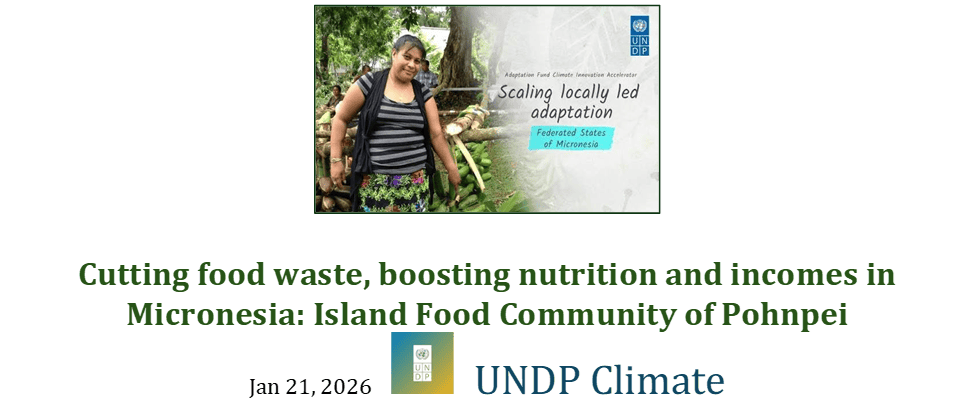
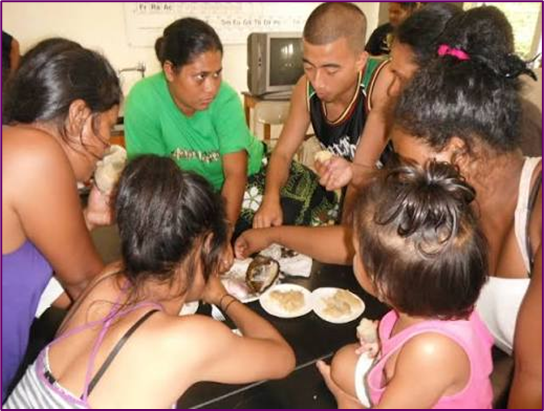
In the Federated States of Micronesia, heavy reliance on imported food is increasing carbon emissions and undermining food security. To reduce this dependence, the Island Food Community of Pohnpei (IFCP) is promoting durable food processing using indigenous crops such as banana, taro, breadfruit and tapioca. Supported by the UNDP-Adaptation Fund Climate Innovation Accelerator (AFCIA), the initiative equips women with milling technology to turn locally grown crops into nutritious flours with a longer shelf life. The project is strengthening local food systems and climate resilience across Micronesia by reducing food waste, improving nutrition, and creating new income opportunities.


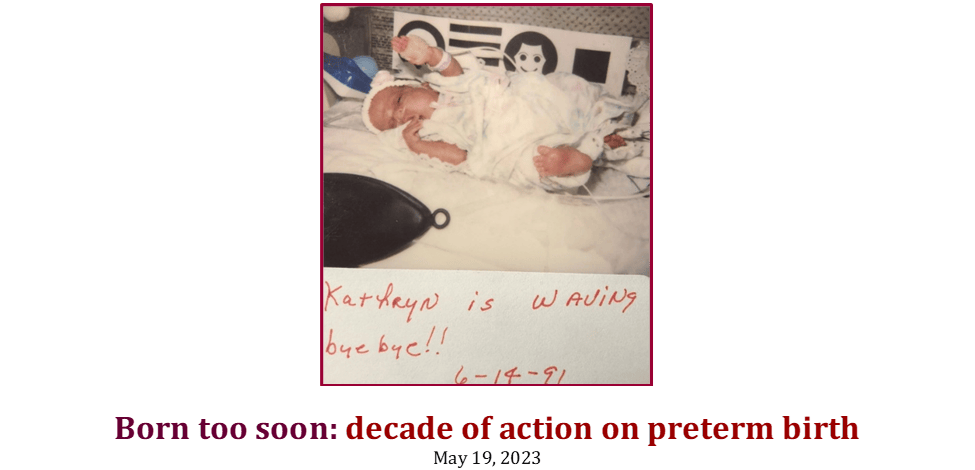
The world is facing a silent emergency with a staggering 152 million babies born preterm in the last decade. Shockingly, preterm birth rates have not improved across regions, making it the leading cause of child deaths. Urgent action is needed to prevent preterm births, improve care for affected infants, and address the escalating risks posed by conflicts, climate change, and the ongoing COVID-19 pandemic.

The Born Too Soon: Decade of Action on Preterm Birth report, jointly produced by the World Health Organization (WHO), the United Nations Children’s Fund (UNICEF), and the Partnership for Maternal, Newborn & Child Health (PMNCH), reveals the severity and scale of this crisis. Preterm survivors face lifelong health consequences, disabilities, and developmental delays. Disparities in survival rates persist, with only 1 in 10 extremely preterm babies surviving in low-income countries compared to over 9 in 10 in high-income countries. Southern Asia and sub-Saharan Africa bear the highest burden, accounting for more than 65% of global preterm births.

The report emphasizes the critical link between maternal health risks and preterm births, underscoring the need for comprehensive sexual and reproductive health services. WHO, UNICEF, UNFPA, and PMNCH call for immediate action, including increased investments in maternal and newborn health, accelerated implementation of national policies, integration of efforts across sectors, and investment in locally led innovation and research.

Link: https://data.unicef.org/resources/born-too-soon-decade-of-action-on-preterm-birth/

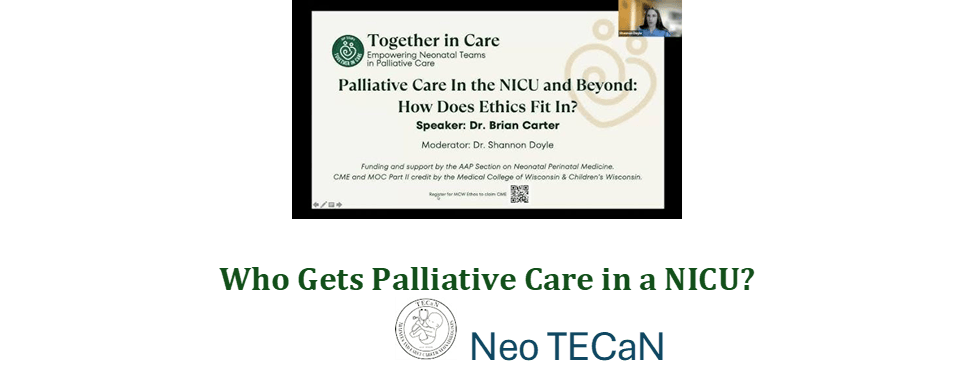
Webinar #5 of the Together in Care Series: “Who Gets Palliative Care in a NICU? Pearls from the Field” Dr. Jennifer Linebarger from Children’s Mercy discusses when to get specialty palliative care involved and how to develop parallel plans in the face of uncertainty.

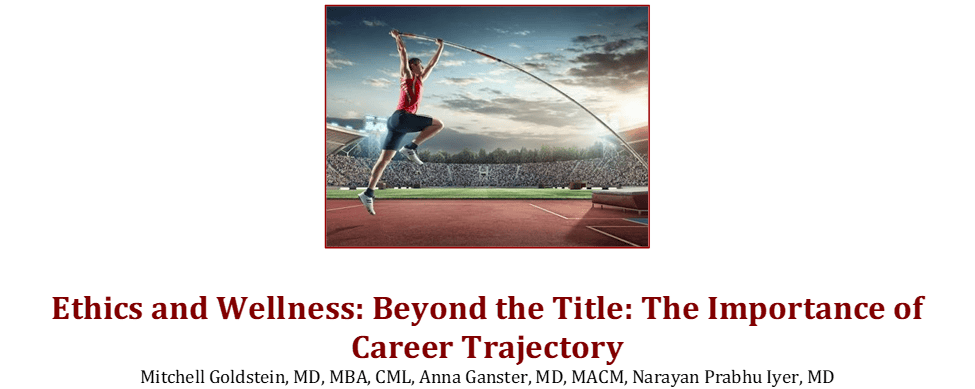
Career trajectory is extremely important. Ultimately, it is not simply where someone starts, but where they are going that matters most. A person 20 years into a career and someone 20 days out of fellowship may be at very different points professionally, but both should feel they are moving forward, developing, contributing, and working toward something meaningful. Career trajectory provides direction. It gives people a reason to invest in their work, develop new skills, take on greater responsibility, and believe their contributions will be recognized and valued over time.

This valuation does not mean that someone who has just started a career should immediately be placed in a directorship or given a position of substantial authority or responsibility.  Nor does it mean that someone who has reached a certain age or level of seniority should automatically retire, step aside, or surrender a position simply because someone else wants or needs that opportunity. Career development is not a zero-sum game in which one person’s advancement necessitates another person’s displacement. Rather, it is about establishing appropriate goals, setting reasonable expectations, and creating opportunities for people to grow as their experience, accomplishments, interests, and capabilities evolve.

View each individual’s path as a unique journey. People do not all move at the same pace, nor should they. A person’s trajectory is shaped by a variety of forces, some externally mediated and some rooted within the individual. Circumstances may accelerate progress along the path, or a person may bring inherent skills and abilities to the table. Development of expertise and leadership skills may lead to a more gradual pace. Some might grow when greater expectations and responsibilities are placed on them or when they finally determine where their careers take them. A person just beginning a career should understand that their trajectory is not fixed. It can accelerate, change direction, or evolve as their achievements and roles within an organization develop. Personal priorities too change with time and can significantly impact the perception of success (or failure) in their professional life.

What is particularly problematic is not having a lower position, but being denied a trajectory. Many may assume that having no role or a lesser role can be problematic for an academic career outlook. That may be true; however, being denied a trajectory can be even more detrimental to a person’s professional life. Someone who enters an organization at a junior level, hoping to grow and contribute but seeing no opportunity for advancement, may begin to feel marginalized and question their purpose. A mid-career individual who has worked diligently to build a path to professional fulfillment, who might have assumed meaningful responsibility or achieved results in their endeavors, may face a barrier to further advancement and equally question their purpose and contributions thus far. The problem becomes even more pronounced among senior professionals who find themselves increasingly siloed. They may be excluded from important decisions, or gradually relieved of responsibilities that they previously held, often without meaningful discussion or their assent. When responsibility is continually taken away without a clear explanation or alternative path, the message can be devastating: “your contributions are no longer valued, and there is no meaningful future for you here.”

Organizations should recognize that trajectory is not merely an individual concern. It is an important component of retention, engagement, morale, and institutional health. People are much more likely to remain committed to an organization when they understand what is expected of them, see how their contributions fit into the larger mission, and can envision what their future might look like. Conversely, when people believe that their careers have stalled or that decisions about their future are being made without them, disengagement is often inevitable. Committed and hardworking individuals may feel a deep sense of failure; a feeling that invariably impacts their professional and personal lives. Eventually, talented people begin looking elsewhere—not necessarily because they wanted to leave, but because they could no longer see a reason to stay.

There are clear ways to support individuals in their trajectory. Leaders and mentors need to take the lead and help individuals take the first steps toward setting expectations, establishing clear expectations, and communicating them openly. Another is to help individuals map a potential career course, recognizing that the map is not a contract or guarantee but a framework for development. Regular conversations about goals, responsibilities, accomplishments, and future opportunities can help ensure that both the individual and the organization understand where things are headed. These conversations should occur throughout a career, not only when someone is being considered for promotion or when a problem has already developed. If the accomplishment is acknowledged only behind closed doors between the boss and the individual, it is often less powerful. A leader must acknowledge similar accomplishments equally. If that does not happen, it can be very demoralizing.

Most importantly, trajectory should never be confused with title. Moving forward along the path can take many forms. It may come in the form of greater autonomy to work on new projects, taking on a leadership position, or simply having broader clinical responsibilities. Some may shine in program development or the administrative arena. Others may find their calling in mentorship and education. Recognition within the immediate work environment and the wider institution plays an important role in supporting people’s professional journey. Advancement in academia is often associated with something bestowed by an outside force, but this serendipity cannot be relied on to help someone on their path. A healthy organization creates multiple pathways for meaningful professional growth rather than defining success by a single hierarchy of titles.

The individual also plays an equally important role in their progression. Career trajectory requires self-reflection and active participation. People need to identify their goals, understand their strengths and limitations, seek feedback, develop new competencies, and demonstrate that they are prepared for greater responsibility. Organizations can create opportunities, but individuals must take advantage of them. A trajectory is therefore a shared task between the professional and the institution.

At every stage of a career, people need to believe that their best work may still be ahead of them. Someone early in a career should be able to look forward and see possibilities. Someone in midcareer should be able to identify the next challenge or opportunity. Someone who is highly experienced should continue to have meaningful ways to contribute, mentor, lead, innovate, and influence the future. Seniority should not be viewed as an expiration date, just as youth should not be viewed as an automatic qualification for advancement. The most damaging circumstance is when someone feels their trajectory has stagnated, been put on hold, or been denied altogether. That feeling can be more consequential than the absence of a particular title or promotion. People can tolerate not getting everything they want, particularly when they understand why and can see what they need to accomplish to move forward.  What is much harder to tolerate is uncertainty without communication, responsibility without recognition, or a future that appears to be disappearing without explanation.

Ultimately, good leadership requires leaders to think not only about what people are doing today, but about where those people can go tomorrow. The strongest organizations continually create pathways for people to grow while simultaneously creating opportunities for new leaders to emerge. They do not force an artificial choice between developing junior people and sustaining the contributions of senior people. Instead, they build an environment where experience can mentor ambition, emerging leaders can develop without displacing those who came before them, and everyone can understand how their individual path contributes to the organization’s trajectory.

A career does not have to move in a straight line. It may have detours, pauses, changes in direction, and unexpected opportunities. Nevertheless, it should have direction. People need to know they have somewhere to go, something to strive for, and a reason to believe their continued investment will matter. When that trajectory exists, individuals are more engaged, organizations are more resilient, and careers become not simply a succession of positions, but a continuing process of growth, contribution, and purpose.  With a purpose and direction, the passage of time makes one wise and not merely old.

Source: https://neonatologytoday.net/newsletters/nt-sep26.pdf
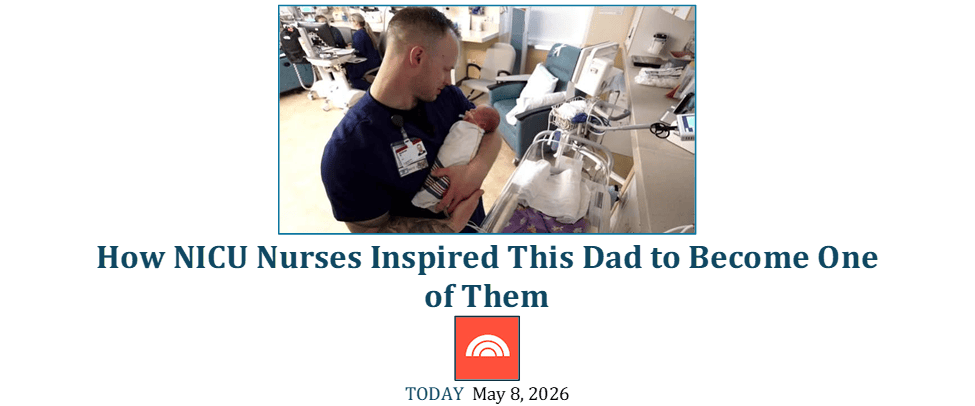
Nathan Schloegl, a former member of the U.S. military and Coast Guard, is now a NICU nurse who works in the neonatal intensive care unit at Corewell Health Helen DeVos Children’s Hospital in Grand Rapids, Michigan. He was inspired to become a nurse when his son was admitted to the NICU after he was born and he relied on the nurse’s support during the difficult time. He joins TODAY along with his son Luca to talk about making the career switch.

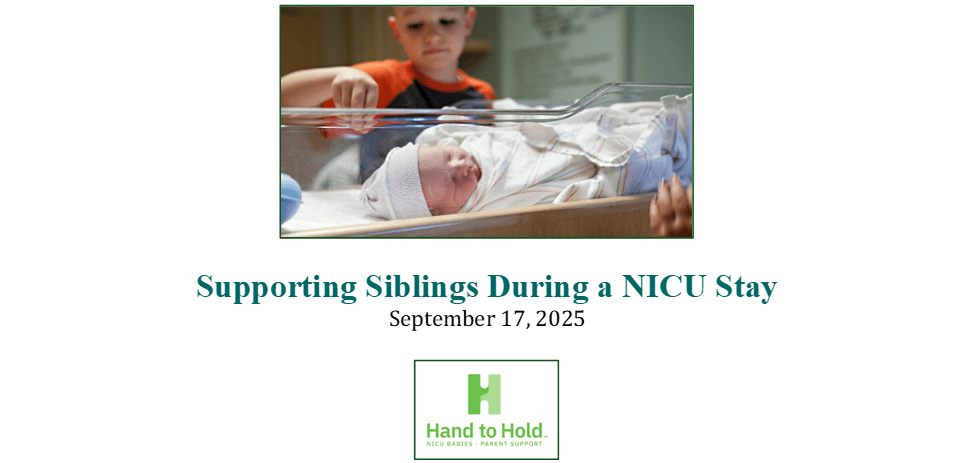
Navigating the world of the NICU while caring for other children is hard. A NICU stay impacts the entire family, especially the siblings waiting at home who need reassurance, information and routine to feel secure.

As the parent, there is grief in missing out on the sibling meeting you all had hoped and planned. You may feel split between your children at home and your baby in the NICU. Naming those feelings and acknowledging that it’s okay to have them can help you and your older children cope.

Your older children and your baby will have different needs throughout a NICU stay. It requires you to slow down, take a step back, focus on loving your children, and savor the moment with each of them. These small actions help siblings feel safe, seen, and loved, and help your family feel supported during your NICU journey.

Taking Care of Siblings

MANAGING SIBLING EMOTIONS

Emotional reactions from siblings are hard and complex. Children at home may withdraw, regress, or have more tantrums. They may feel jealous, angry, or confused. These are all normal reactions. Here are a few ways to help navigate these emotions:

  • Acknowledge your child’s feelings and let them know it’s okay to have them.
  • Inform childcare providers or schools about your NICU baby so they can offer extra support to your child.
  • Try to spend one-on-one time with each child. This could be something as simple as a walk around the neighborhood or snuggling together to read a book
  • Tell your child at home it is not their fault the baby is in the NICU. 
  • If home is in another city and you’re separated from your family while your baby is in the NICU, make time for video calls and trips home for special quality time with older children.

IF SIBLINGS CAN VISIT THE NICU

Sibling visitation policies vary per hospital. Here are a few helpful tips to prepare and make your child’s visit to the NICU go smoothly.

  • Talk to your child about what to expect. Show them pictures of where they will scrub in and tell them what they will have to do. Show them photos of your baby and the area or room around the bedside, explaining what they will see and how each machine is helping their baby.
  • Know that sibling visiting times may vary. Some siblings may want to stay for longer, others may want to leave after five minutes. If possible, coordinate sibling visits with your partner or other family members who can step out of the NICU with your child if they get restless.
  • Check in with yourself and your child. If you think they may get upset seeing your baby when they are getting lots of support, it may be better to wait until your baby is more stable. This will depend upon your child’s ages and personality. You know your child best.

Here are some questions you can ask your NICU team before your visit:

  1. Is there a minimum age requirement?
  2. Do we need to show immunizations?
  3. Do older children need to bring IDs?

HOW SIBLINGS CAN GET INVOLVED

  • Choose a favorite book for parents to take into the NICU to read to the baby.
  • Record themselves! Read a book that can be played at your baby’s bedside or leave a message for baby: “Good morning, little sister!” “I love you, little brother!”
  • Pick a favorite toy (NICU-approved) for you to take to the NICU for the day. You can take pictures with the toy around your baby’s space.
  • Once your baby can wear clothes, have siblings pick an outfit for the baby to wear and then take photos to show them.
  • Create an age-appropriate visual schedule together so siblings can see your daily routine and how this might impact their schedule: “Mom home for bedtime,” “family dinner night,” or “babysitter afternoon.”
  • As you get ready for your baby to come home, talk to your child and come up with age-appropriate ways they can engage with their new sibling: hold baby, help with diaper changes or feedings, pick out clothes, go for family walks. All of these can help you bond as a family when you get home.

Supporting siblings during a NICU stay is a series of small, steady steps: honest conversations, thoughtful preparation before a visit and meaningful jobs when they can’t go to the hospital. Keep routines where you can, celebrate tiny wins, and give yourself plenty of grace.

Source: https://handtohold.org/supporting-siblings-during-a-nicu-stay/
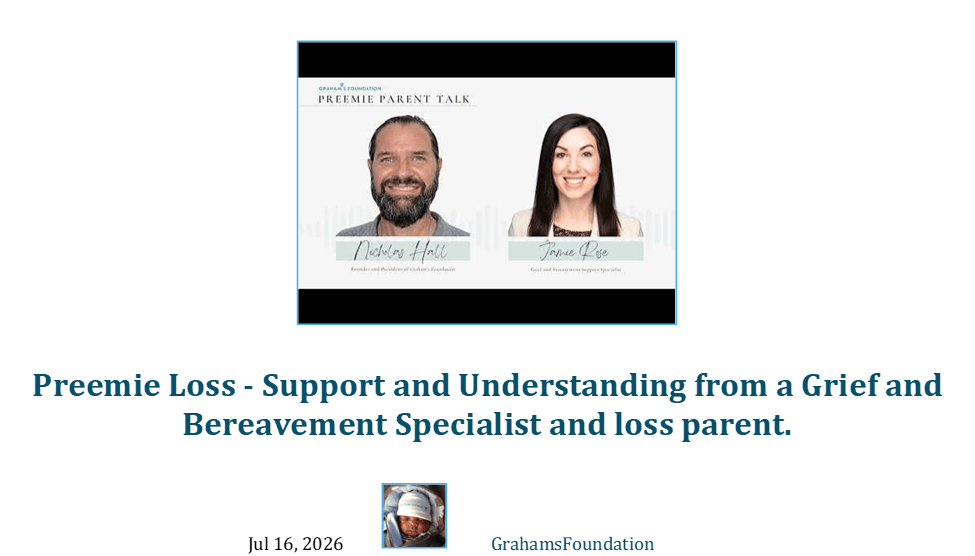
Nicholas Hall talks about loss and support with Grief and Bereavement Support Specialist Jamie Rose. Jamie founded Lambie’s Love, which is a non profit offering compassion, inclusive support and resources to bereaved families of child loss.


When Kat was born in 1991, there were NO resources available to parents and families that provided guidance and support towards the preterm birth experience. There were no books; only a pamphlet to provide resources for a family whose baby had died.  There are now abundant global agencies offering support to preterm birth family members. Please explore your local options. A supported journey, and educated parents and family, will enhance the preterm birth experience for all involved.

The Global Foundation for the Care of Newborn Infants (GFCNI) works to improve newborn health by advocating for high-quality, accessible, and equitable care, long-term follow-up, and continuing care for both mother and infant in each region of the world. Our particular focus is on infants born too soon, too small, or too sick – those who need special medical care and hospitalization after birth. We represent the patient and parent voice in the global arena, transcending country borders and continents. GFCNI is the first global organization and network to unite patients, families, healthcare professionals, medical staff, and scientists from different disciplines, fields, and countries – all with the joint goal of advancing the health and quality of care for newborns and their families across the globe. GFCNI is a non-profit organization.

https://www.gfcni.org/

Postpartum Support International (PSI)

Offers global and remote support, including specialized online loss and grief support groups, peer mentors, and a confidential PSI HelpLine at 1-800-944-4773 (text support available in English and Spanish). PSI headquarters is located in Portland, Oregon, and has members all over the world, including volunteer coordinators in every one of the United States and in more than 36 other countries. PSI disseminates information and resources through its volunteer coordinators, website and annual conference. Its goal is to provide current information, resources, education, and to advocate for further research and legislation to support perinatal mental health.

https://postpartum.net/get-help/locations/

March of Dimes is a nonprofit organization committed to ending preventable maternal health risks and death, ending preventable preterm birth and infant death and closing the health equity gap for all families.
https://www.marchofdimes.org

Hand to Hold     

A national and virtual nonprofit that provides comprehensive mental health support, licensed professional counseling, and peer-to-peer matching specifically tailored for families navigating NICU stays, complex outcomes, and infant loss. Hand to Hold® is a national nonprofit 501(c) 3 dedicated to providing early-intervention mental health support, educational resources and community before, during and after a NICU stay.

Hand to Hold — free NICU family support
Welcome to Graham’s Foundation, a nonprofit charity supporting families with premature babies. We provide essential resources and educational materials, free care packages, mentor support, and the MyPreemie app to empower those affected by prematurity. Together, we can navigate this challenging journey with compassion. The foundation specializes in micro-preemie and premature support, offering targeted preemie loss and remembrance resources alongside care packages and mentorship. Our mission is to inform and guide parents of preemies so that they may confidently navigate the journey of prematurity. 

https://www.grahamsfoundation.org/

Support for families of babies born preterm varies widely by country and community. Parents can ask their hospital, neonatal intensive care unit (NICU), pediatrician, community health center, or maternal-child health program about local parent groups, counseling, social services, financial assistance, home-visiting programs, and early developmental support. You can also search online using terms such as “premature baby support,” “NICU parent support,” “preterm birth organization,” or “early birth intervention services” together with the name of your city, region, or country. National ministries of health, hospitals, universities, nonprofit organizations, and parent-led groups may also provide free local or virtual support.
The NICU Space by Miracle Moon Podcast – Season 4, Episode 71 In this episode, I’m joined by Emily, mum to Max, who was born six weeks early and spent 16 days in neonatal care. Emily shares her experience of premature birth, navigating the uncertainty of NICU, and the overwhelming feeling of waiting for her baby to come home. We talk about the emotional impact of neonatal care, life after NICU, and how Emily turned her experience into a children’s book, Waiting for Max. Together, we explore how to support siblings during a NICU stay, why honesty and connection matter when talking to children about neonatal care, and how creativity can help families process difficult experiences. In this episode, we talk about: •Premature birth at 34 weeks and the emotional impact of NICU •The experience of waiting for your baby to come home from neonatal care •Life after NICU, including postpartum anxiety and processing trauma •How to support siblings when a baby is in neonatal care •Using books, creativity and storytelling to help children understand NICU Resources & links mentioned in this episode: ⁠⁠The NICU Space Community⁠⁠ An online support space for NICU parents at all stages of their journey. Inside you’ll find specialist resources, coping tools and connection with parents who understand what this experience can feel like.


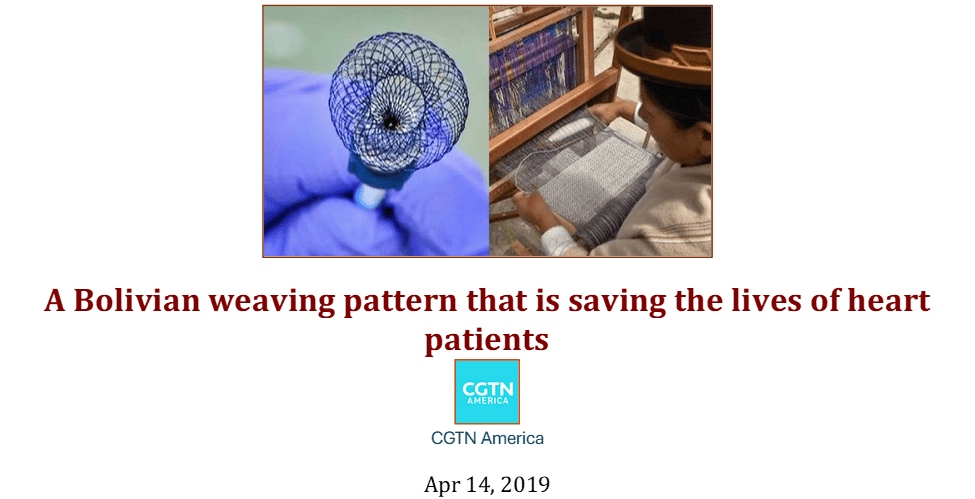
A cardiologist from Bolivia is creating devices to cure heart defects using an ancient weaving technique. Worldwide nearly one out of every hundred children are born with a congenital heart disease. They can vary from a defective vessel and leaky valves, to a hole in the heart. In Bolivia, ancient weaving traditions have come together with today’s technology to create a device that not only saves lives but also minimizes the post-operative recovery in children. Traditional Aymara weavers repeat an Andean Cross or “chakana” symbol up to 120 times to craft the device, called Nit-Occlud ASD-R. Our Game Changer came up with the idea for the device. Meet Dr. Franz Freudenthal. Dr. Freudenthal and his team perform around a hundred surgeries a year with a 99.8% success rate in children. The use of the device has been approved by regulatory agencies in Canada, South America and the European Union.

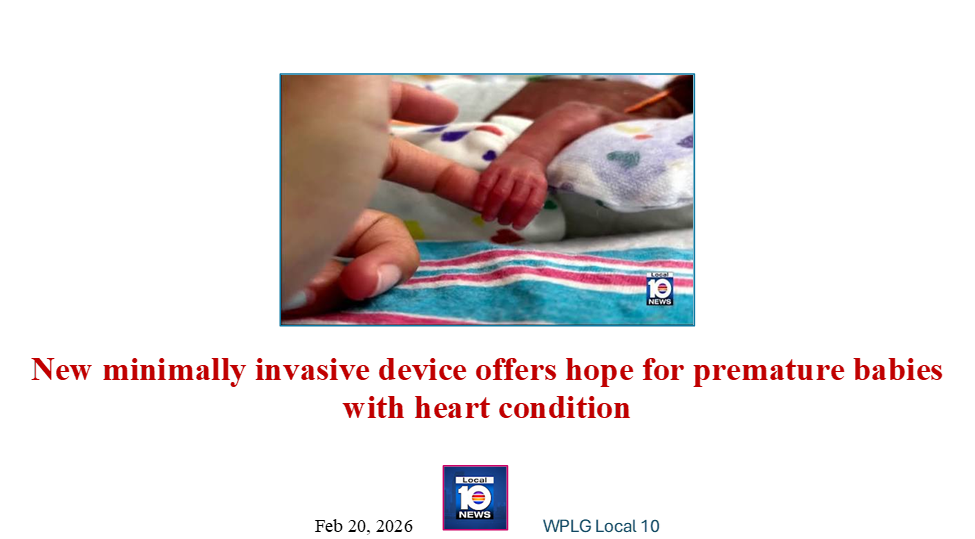
It’s so small, not even the size of a dime! But a teeny, tiny device is helping the hearts of some of the most vulnerable patients: preemies.

Abstract

The epidemiology of preterm birth among Pacific Islanders is minimally understood. The purpose of this study was to estimate pooled prevalence of preterm birth among Pacific Islanders and to estimate their risk of preterm birth compared to White/European women. We searched MEDLINE, EMBASE, Web of Science Core Collection, Cochrane Library, CINAHL, Global Health, and two regional journals in March 2023. Observational studies were included if they reported preterm birth-related outcomes among Pacific Islanders. Random-effects models were used to estimate the pooled prevalence of preterm birth with 95% confidence interval (CI). Bayes meta-analysis was conducted to estimate pooled odds ratios (OR) with 95% highest posterior density intervals (HPDI). The Joanna Briggs Institute checklists were used for risk of bias assessment. We estimated preterm birth prevalence among Pacific Islanders in the United States (US, 11.8%, sample size [SS] = 209,930, 95% CI 10.8%-12.8%), the US-Affiliated Pacific Islands (USAPI, SS = 29,036, 6.7%, 95% CI 4.9%-9.0%), New Zealand (SS = 252,162, 7.7%, 95% CI 7.1%-8.3%), Australia (SS = 20,225, 6.1%, 95% CI 4.2%-8.7%), and Papua New Guinea (SS = 2,647, 7.0%, 95% CI 5.6%-8.8%). Pacific Islanders resident in the US were more likely to experience preterm birth compared to White women (OR = 1.45, 95% HPDI 1.32–1.58), but in New Zealand their risk was similar (OR = 1.00, 95% HPDI 0.83–1.16) to European women. Existing literature indicates that Pacific Islanders in the US had a higher prevalence of preterm birth and experienced health inequities. Learning from New Zealand’s culturally-sensitive approach to health care provision may provide a starting point for addressing disparities. The limited number of studies identified may contribute to higher risk of bias and the heterogeneity in our estimates; more data is needed to understand the true burden of preterm birth in the Pacific region.

  Full Study: https://pmc.ncbi.nlm.nih.gov/articles/PMC10266634/

Fall Is Here, and So Are We!

Pumpkin spice, crunchy leaves, and sweater weather are back, Warriors! Fall has a way of reminding us how far we’ve come. Many of us started life in a NICU, wrapped in blankets and surrounded by the steady beeps of monitors. Now we get to spend October picking pumpkins, wandering through corn mazes, and arguing about whether apple cider or hot chocolate is the superior fall drink. We didn’t have a typical first chapter, but we’ve earned every cozy moment this season has to offer.

Here’s a fun thought: preemies and pumpkins have more in common than you’d think. Both started out small, both took a little extra time and care to grow, and both turned out to be mighty. Whether you’re a fellow survivor, a NICU parent, or a proud community member, we invite you to carve, paint, or decorate a pumpkin in honor of your own journey. Purple is our color, so a purple pumpkin is a great choice. Some Warriors might add a gestational age, a birthday, or a NICU nickname. Others might just draw a big goofy face. Anything goes!

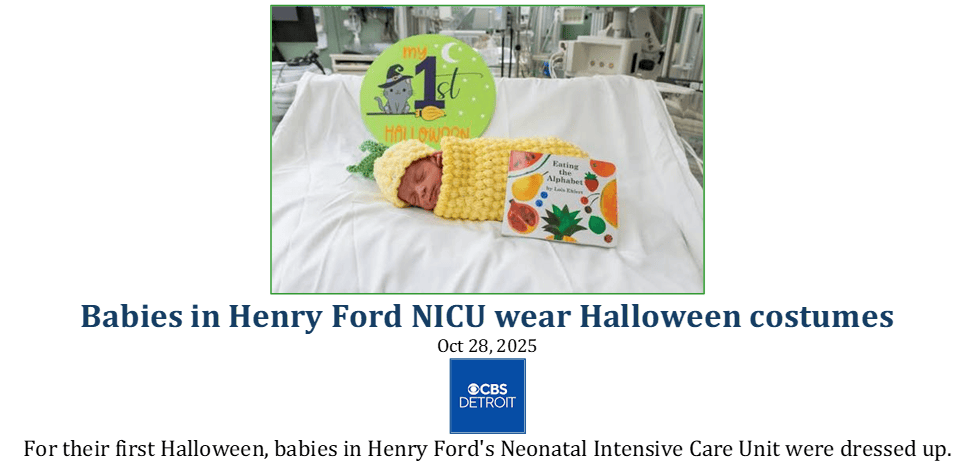
Looking for more ways to celebrate? Try a fall bucket list of your own: jump in a giant pile of leaves, visit an apple orchard, host a movie night with your favorite cozy films, bake something that fills the whole house with cinnamon, or wear the most ridiculous Halloween costume you can find. For our Warriors who love a tiny costume moment, a preemie-sized costume is one of the cutest traditions around. Whatever you choose, remember that fun looks different for everyone. Sensory-friendly and low-key celebrations count just as much as the big ones.

A gentle note as the weather cools: fall also marks the start of cold, flu, and RSV season, which can hit our community a little harder, especially those of us with lung or other long-term health needs. It’s a great time to check in with your care team about seasonal vaccines and protection, and to keep up the handwashing. Taking care of ourselves is part of the celebration, too.

So grab your warmest sweater, your favorite fall treat, and your people, and go make some memories. We’d love to see how you’re celebrating this season, so share your fall favorites with our community and let’s cheer each other on. Happy fall, Warriors. Go get ’em! 🍂🎃💜

Roles, Relational Trauma, A Poem

El Salvador, officially the Republic of El Salvador, is a country in Central America. It is bordered on the northeast by Honduras, on the northwest by Guatemala, and on the south by the Pacific Ocean. El Salvador’s capital and largest city is San Salvador. El Salvador’s population in 2024 was estimated to be 6 million.

The economy of El Salvador has historically been dominated by agriculture, beginning with the Spanish taking control of the indigenous cacao crop in the 16th century, with production centred in Izalco, along with balsam from the ranges of La Libertad and Ahuachapán. This was followed by a boom in use of the indigo plant in the 19th century, mainly for its use as a dye. Thereafter the focus shifted to coffee, which by the early 20th century accounted for 90% of export earnings. El Salvador has since reduced its dependence on coffee and embarked on diversifying its economy by opening up trade and financial links and expanding the manufacturing sector. The colón, the currency of El Salvador since 1892, was replaced by the United States dollar in 2001. As of 2019, Salvadoran economics gifted them the lowest level of income inequality out of nearby countries. Among 77 countries included in a 2021 study, El Salvador had one of the least complex economies for doing business.

The Human Rights Measurement Initiativefinds that El Salvador is fulfilling 89.6% of what it should be fulfilling for the right to health based on its level of income. When looking at the right to health with respect to children, El Salvador achieves 98.3% of what is expected based on its current income. In regards to the right to health amongst the adult population, the country achieves only 82.9% of what is expected based on the nation’s level of income.  El Salvador falls into the “fair” category when evaluating the right to reproductive health because the nation is fulfilling 87.6% of what the nation is expected to achieve based on the resources (income) it has available.

There are now 30 public hospitals in El Salvador, plus various primary care facilities and 27 basic health care systems. Before 2009 a “voluntary” donation was demanded to access a public hospital or clinic. Clinics staffed by Community Health Teams have been established in the rural areas. Although services are supposed to be a free, a shortage of funds means that people may have to pay for supplies Emergency services are very basic. The private health sector offers care in medical facilities concentrated in urban areas.

Source: https://en.wikipedia.org/wiki/El_Salvador

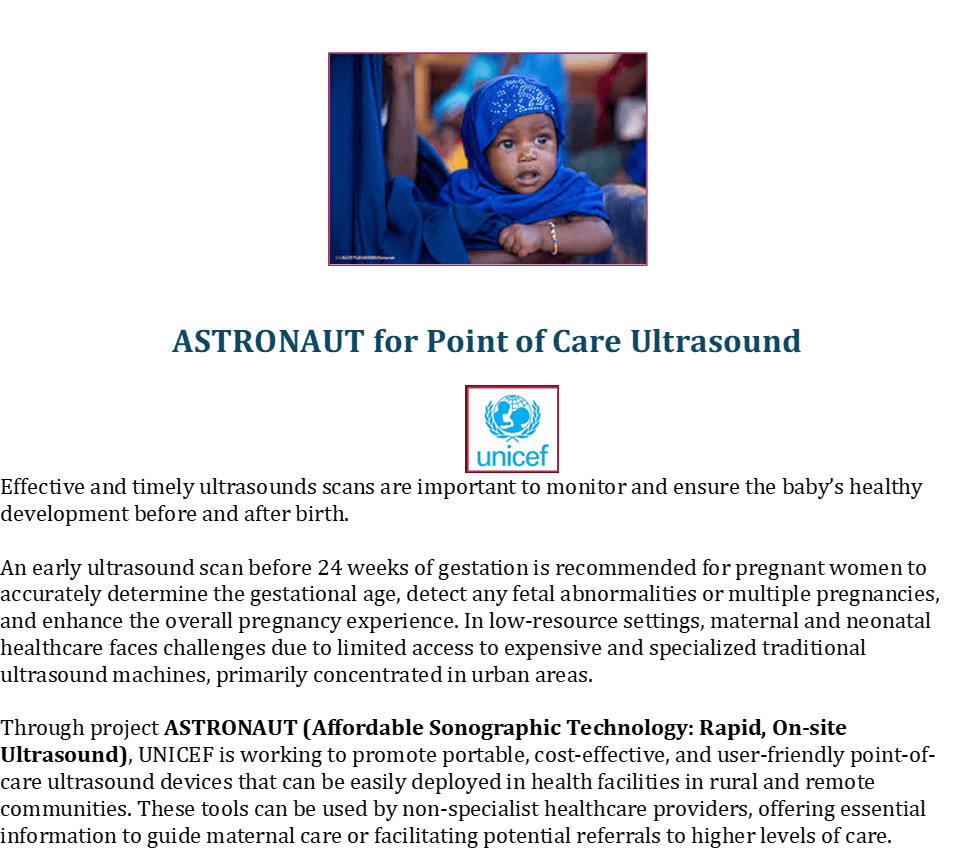
Source: https://www.unicef.org/innovation/newborn-health-innovations#:~:text=UNICEF%20is%20working%20to%20improve%20access%20to,management%20*%20**ASTRONAUT**%20Point%20of%20care%20ultrasound

Source:https://doi.org/10.63682/jns.v14i31S.8739

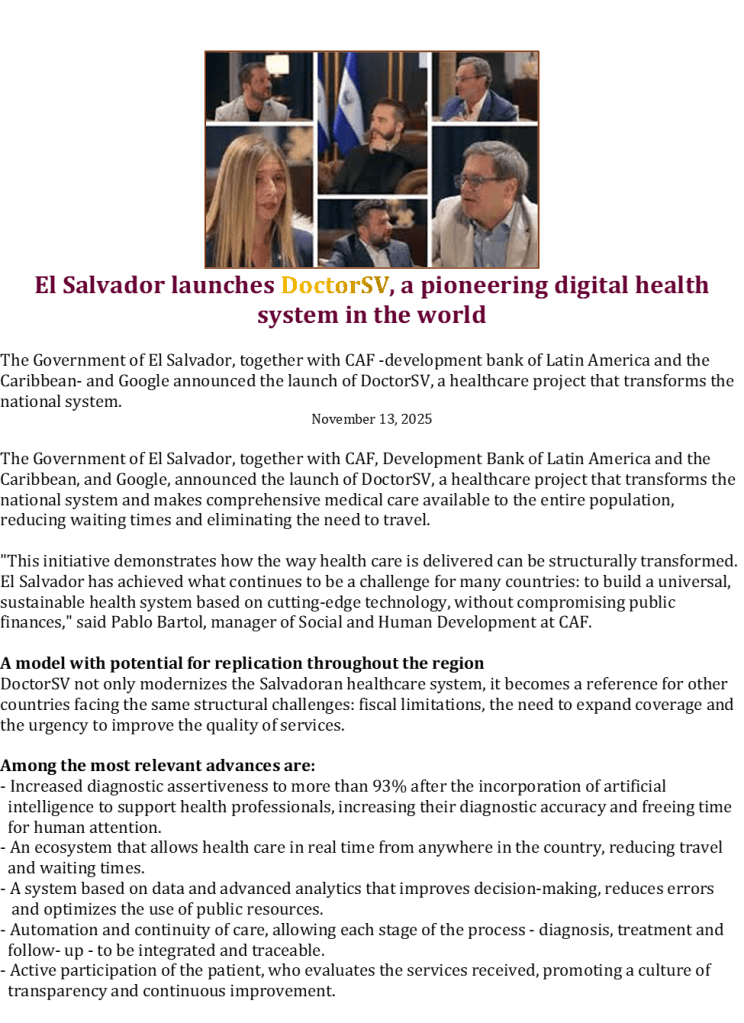
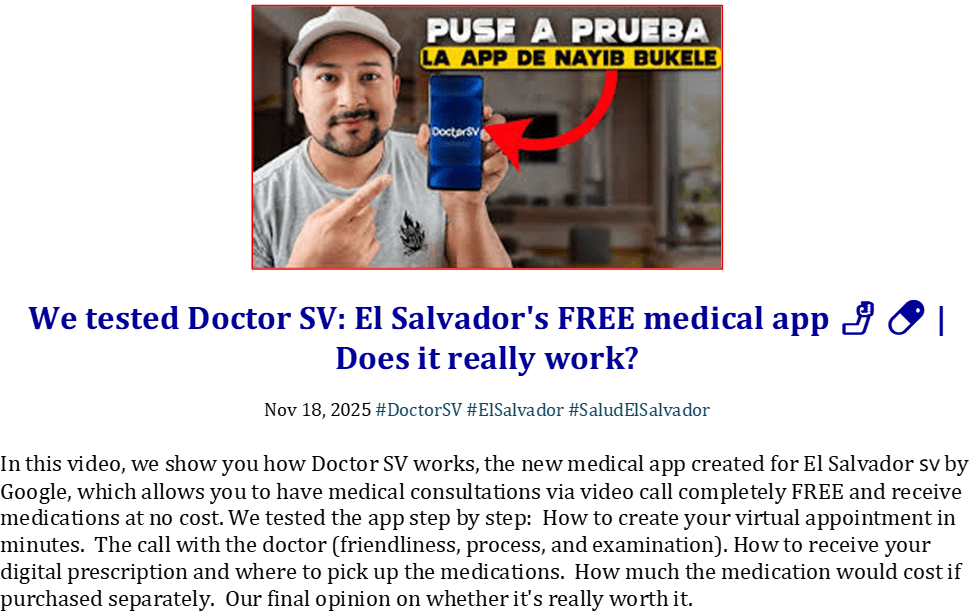
Source: https://www.caf.com/en/currently/news/el-salvador-launches-doctorsv-a-digital-health-system-pioneer-in-the-world/

Overview

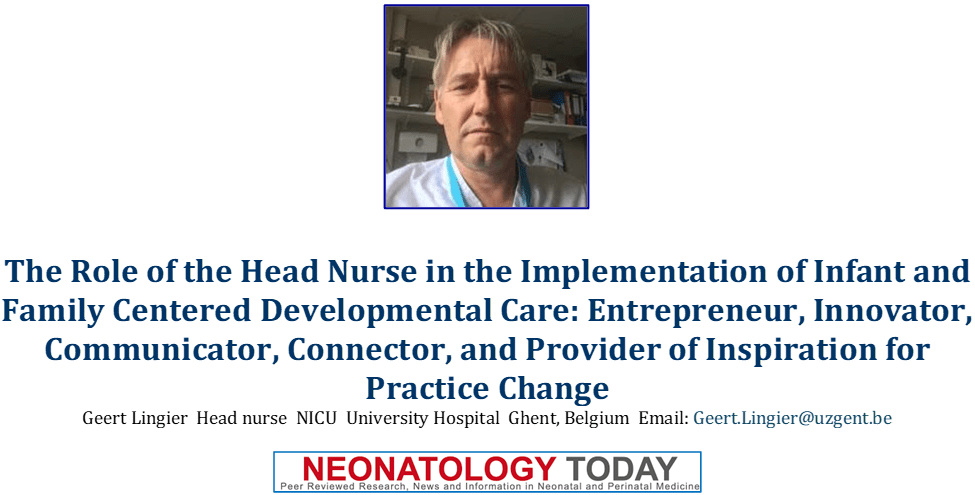
 Leadership by the head nurse/unit manager in facilitating the implementation of Infant and Family Centered Care (IFCDC) is often unrecognized. The key role of the head nurse/unit manager in promoting IFCDC and creating a NIDCAP Training Center within the neonatal intensive care unit at the University Hospital of Ghent, Belgium, serves as an example of significant practice change. Instead of taking a theoretical model of change as a starting point, concrete personal experiences and roles that are incorporated into daily practice are described. The aim is to provide insight into how leadership, entrepreneurship, and connection significantly contribute to successful implementation, and to inspire managers facing similar processes.

 A description of the evolution of the role of the head nurse from clinical expert to an inspiring, facilitating, and strategic manager includes grounding in clinical skills that lead to an understanding of the necessity of implementing IFCDC. Expansion of the leadership role includes believing in one’s own team, actively giving employees opportunities to build and share expertise, and developing a culture of shared leadership and evidence-based working. The use of care consultants, working groups, and internal study days strengthened both expertise and team solidarity.

 A focus on the importance of the head nurse’s entrepreneurial leadership complements clinical expertise and team leadership. Despite budgetary pressure, gaining insight into financial flows, using workload measurement tools, and developing an appropriate financing model enabled continued investment in training and innovation. Strategic alignment with the hospital’s mission, vision, and quality models increased support among senior management.

The head nurse’s role in connecting and communicating is highlighted as crucial for sustainable change management. Transparent communication, multidisciplinary involvement, and attention to pitfalls and concerns proved essential to embed IFCDC and NIDCAP principles into daily healthcare practice and create a shared sense of ownership and pride.

Background When preparing and developing a large project, such as a startup, any practice change involving developmentally supportive, family-centered care can be framed with objectives, project plans drawn, and theoretical frameworks developed from the literature. However, the role of the head nurse/unit manager does not include managing theoretical change processes; rather, it involves using concrete examples to demonstrate how implementation can work in a particular NICU. The theory can be used, often post hoc, to get insight into why a project is or is not implemented in practice.

The intent of the description of the head nurse’s/unit manager’s development and resulting role is to provide a narrative of what worked. The descriptions and strategies included are intended as inspiration for those facing similar implementation projects.

Knowledge background of the nurse manager

 In the past, the ‘better nurses’ often rose to managerial positions. The person who was the most handy and who had the most clinical knowledge was often appointed as head nurse. However, it has become increasingly clear that the role has expanded to include many other competencies.

Inspirational role of a nurse manager

As a head nurse, it is first and foremost important to believe in the strength of your own team. Your own employees should be given maximum opportunities to develop their expertise, and in turn, they should share it within the team. A manager primarily facilitates nurses’ growth, embraces the knowledge they develop, and ensures it is shared with colleagues.

In the Ghent NICU, work is conducted across many domains (ventilation, breastfeeding, pain, transport, skin and wound care, resuscitation, developmental care, vascular topics, etc.). The head nurse/unit manager, recognizing the importance of work groups that address clinical care, grants a part-time exemption for a nursing consultant in each care domain. Their role is to follow and document the work group processes and provide training to colleagues, intra- and extramural. The resulting work on the specific care domains is supported not only by the nursing consultant but also by several team ambassadors. In this way, multiple contact persons for various topics are created, and opportunities are offered to different team members. Recognition of evidence-based, high-performance care then spreads within the broader organization.

Every two years, a symposium for nurses and midwives is developed and offered with significant support from the head nurse/unit manager. These educational programs provide a connection and collaboration towards a common goal within the various care domains of neonatal care. It is a moment to ‘shine’ as a team and to share the evidence we have acquired with others. This ‘study day’ can be seen as an example of the department’s dynamic culture, which pursues clinical excellence.

As a unit manager, inspiring is essential to education. For example, looking for relevant topics together and cross-pollinating ideas with each work group is an example of how to provide inspiration. Additionally, providing inspiration is essential for stimulating employee growth on your team. It is an opportunity both to optimize care quality and for nurses individually to grow and rise above themselves. If a manager is not afraid to step outside of their comfort zone, it can lower the threshold for employees to do the same.

 Entrepreneurial and innovative role of the nurse manager

 Inspiring and facilitating staff are important, but achieving financial freedom and earning the trust of senior management are necessary. In a context where resources are increasingly scarce and priorities are increasingly focused on direct business results, the role of a head nurse/unit manager as an entrepreneur and innovator is not an obvious choice. However, it is essential to the success of any initiative.

 Financing as an entrepreneurial skill.

Financial autonomy to generate and control income is a key component of the entrepreneurial role of the head nurse/unit manager. To realize this new cultural shift in how a head nurse/unit manager’s role is perceived, an individualized, well-thought-out financial plan that generates income (e.g., by organizing symposia and offering training to external partners) is essential. In turn, generating income makes it possible, for example, to send colleagues to international conferences and training courses. It is therefore also the task of a head nurse, as the department’s budget holder, to identify, see, and take advantage of financial opportunities.

It is important to have insight into the NICU’s financial flows relative to the entire organization. Very often, people complain about deficiencies, which is nothing new and is probably a sore point in every organization. A head nurse/unit manager should try to get a handle on the income and expenses of their department. Demonstrating financial control often ensures that senior management has the confidence to start working with the NICU entrepreneurially. For example, the Ghent NICU, together with the other Flemish NICUs, successfully validated a neonatal measurement instrument and used it to document nurses’ workload on a daily basis (WANNNT). The outcome data, along with income from fees and historical hospitalization data for our service, enabled us to predict our unit’s budget. Working solely with post-factum data means the head nurse/unit manager is less able to respond quickly to a rapidly evolving context.

Innovation as an entrepreneurial skill.

An important aspect of the entrepreneurial role is innovation. Head nurses are expected to actively explore innovative solutions and consider opportunities to optimize patient care. Undoubtedly, these opportunities present themselves in every organization.

Neonatal care has undergone many developments in recent decades. NIDCAP and IFCDC are receiving increasing attention. It leads, among other things, to better neonatal outcomes, shorter length of stay, fewer complications, and less stress for parents. Sharing the most recent literature on this subject with the hospital’s management and higher management while also emphasizing the financial benefits to the hospital can help free up budgets more easily.

 Implementing NIDCAP and IFCDC comes with a significant price tag. When hospitals are under financial pressure, they often quickly reduce non-primary assignments, including training. It is important to demonstrate that the investment in developmental care is profitable in the long term, not only through patient and family outcomes but also by showing the sustainability of quality of care and staff retention. In addition to having self-acquired resources to continue investing in your team’s education and training, it ensures a successful start to greater innovation in implementing NIDCAP training and IFCDC standards of care.

Policy implementation role of the nurse manager

Within the hospital, the mission and vision are periodically adjusted. The individual units and services are asked to align their departmental objectives with the hospital’s policy. Keywords of the Ghent University Hospital policy are excellent—daring, people oriented, and efficient. It does not take much imagination to see that the core IFCDC and NIDCAP values are reflected in these key words in hospital policies. The head nurse/unit manager of the NICU must translate the link between the hospital and the developmental care values using concrete examples from clinical practice and present it to the hospital’s higher management.

Each hospital also works around and with an international quality model. The NICU at University Hospital Ghent also strives to meet, as far as possible, the highest standards set by the European Standards of Neonatal Care. Working with 2 different models is not always efficient. As a service, embedding the Neonatal Standards of Care is done as much as possible within the various care domains with the hospital’s quality model as the goal. On the one hand, this ensures working on quality in a broad sense, as expected by the hospital, and avoiding ‘quality fatigue’ by working with parallel models. It is also an opportunity to demonstrate in practice how to translate the hospital’s keywords and the organization’s central vision into our daily policies.

Connecting the role of the nurse manager

The head nurse serves as a connector within change management, linking vision and practice. In a care context that is constantly evolving, the head nurse helps translate changes into reality for the nursing team. This translation is best made in collaboration with stakeholders from the developmental care team, in concrete terms. The multidisciplinary working group on development-oriented care includes NIDCAP professionals who serve as guides. In this way, a bottom-up culture of co-ownership for important projects is cultivated.

Clear and empathetic communication is essential here. A space for dialogue is created; active listening to questions and concerns is employed; and assurance is provided that employees feel heard and involved.

In this way, a team-oriented culture, in which cooperation and interprofessional respect are central, is promoted. In the past, NIDCAP and a developmental care emphasis were often seen as the work of a small number of passionate nurses. A multidisciplinary approach, in which doctors, psychologists and, for example, care consultants are closely involved, provides much more support for this process and increases the likelihood of success.

Finally, the head nurse/unit manager acts as a role model in the change process. By showing a willingness to change, flexibility, and a constructive attitude, you give the team direction and trust. In this way, the head nurse not only becomes an initiator of change but also a catalyst that connects and strengthens people to achieve these sustainable improvements together.

Communicative role of the nurse manager

 The head nurse also plays a central role in communicating key changes. This role goes beyond merely passing on information; it includes actively connecting people, their expectations, and their goals. A head nurse is at the crossroads between the nursing team, the medical staff, and senior management, ensuring that those three worlds are anchored together.

Within the team, creating clarity and trust is a priority, and open communication is crucial. In addition, a culture of dialogue is emphasized in which team members, together, are encouraged to help shape the policy on developmental care. Congruence in thinking and acting is essential here. The manager must ensure that the team’s vision translates into daily operations in direct patient care: in other words, “make sure that you DO what you SAY”.

At the same time, the head nurse is an important communication partner with senior management. Frequent, open, and honest feedback to management about the current state of the change process creates a long-term atmosphere of trust between management and the team. In doing so, the possibility of identifying any additional needs (e.g., additional staff needs) is embedded. SAYING what you DO is therefore not an empty illusion here.

 To achieve this, it is also an undeniable asset if senior management wants to delve into the content of the developmental and family centered care project to a certain extent. The presence of a board member during a feedback session with the Ghent NICU staff made it easier to continue the discussion. In this way, co-ownership of the change project is supported at the higher management level.

 As in any organization, organizational change sometimes occurs at the senior management level. Every change and new situation should be proactively used to invite new board members to share the unit’s vision and to explain projects within the long-term vision of both the organization and the unit. This approach can ensure that a lot of additional context information is less necessary for specific and/or new questions related to the project.

Pitfalls

Does everything always go perfectly? Not at all. Not everyone is immediately open to change: why would anyone suddenly change something that they have been doing in a certain way for 20 years? Familiar questions are  • “Is there sufficient evidence for changes to this protocol?” • “Do all those adjustments cost too much money?” • “Is that profitable?” communication is crucial. In addition, a culture of dialogue is emphasized in which team members, together, are encouraged to help shape the policy on developmental care. Congruence in thinking and acting is essential here. The manager must ensure that the team’s vision translates into daily operations in direct patient care: in other words, “make sure that you DO what you SAY”. At the same time, the head nurse is an important communication partner with senior management. Frequent, open, and honest feedback to management about the current state of the change process creates a long-term atmosphere of trust between management and the team. In doing so, the possibility of identifying any additional needs (e.g., additional staff needs) is embedded. SAYING what you DO is therefore not an empty illusion here. To achieve this, it is also an undeniable asset if senior management wants to delve into the content of the developmental and family centered care project to a certain extent. The presence of a board member during a feedback session with the Ghent NICU staff made it easier to continue the discussion. In this way, co-ownership of the change project is supported at the higher management level. As in any organization, organizational change sometimes occurs at the senior management level. Every change and new situation should be proactively used to invite new board members to share the unit’s vision and to explain projects within the long-term vision of both the organization and the unit. This approach can ensure that a lot of additional context information is less necessary for specific and/or new questions related to the project. Pitfalls Does everything always go perfectly? Not at all. Not everyone is immediately open to change: why would anyone suddenly change something that they have been doing in a certain way for 20 years? Familiar questions are • “Is there sufficient evidence for changes to this protocol?” • “Do all those adjustments cost too much money?” • “Is that profitable?” • “Is that really a priority now?” • “Are we not shifting the focus too much to education and training, to project work, which jeopardizes our clinical work in direct patient care?” • “As a care provider, will I still be able to take my holidays with all those different assignments?”

Thus, we can continue with similar questions for a while.

These are all recognizable concerns in departmental change processes—concerns that can and will come from both the team and senior management and concerns to which head nurses cannot always give an immediate, satisfactory answer. Nevertheless, it is important to stick to basic ideas and evidence, asking the question: “Why and for whom are we doing all this?” which will often help with forward movement. It will be important to stay transparent with the team—even during personal uncertainties— show vulnerability, and, above all, continue to ensure a safe climate in which employees can share their concerns. Working step by step so that the effort remains manageable for everyone and not forgetting to celebrate the team’s successes when reaching milestones are essential to avoiding missteps. In this way, it creates a joint sense of pride with the developmental and family-centered care implementation story, in which even the care for each other as care providers within the team must continue to receive necessary attention.

Summary

 Successful implementation of a complex and intensive change process, such as the start-up of a NICU-wide infant- and family centered developmental care program and a NIDCAP Training Center, is not merely the result of a theoretically based project plan but above all of thoughtful and committed leadership in practice.  The role of a head nurse/unit manager in this effort is multifaceted: entrepreneurial, innovative, inspiring, facilitating, strategic, connecting, and communicative.

 By starting with trust in the team’s expertise and growth opportunities, a culture is created that centralizes shared leadership, multidisciplinary collaboration, and evidence-based care. Consciously investing in training, stimulating internal nursing consultancy, and making expertise visible within and outside the department not only strengthens the quality of care but also increases employee involvement and pride. Entrepreneurial leadership within a healthcare context that is increasingly under financial pressure appears to work. Insight into budgets, the use of financial opportunities, and the substantiation of investments with both clinical and economic arguments have proven necessary to make such a change process possible.

 Sustainable change can only succeed if it is strategically embedded in the broader mission, vision, and quality structures of the organization. Alignment with hospital-wide policy objectives increased support and prevented fragmentation or ‘quality fatigue.’ Crucial here is the head nurse’s role as a link between the unit and the hospital’s management, where transparent communication strengthens trust on both sides.

Finally, the change process is inevitably accompanied by uncertainties, resistance, and pitfalls. By leaving room for concerns, working step by step, and celebrating successes, a safe learning climate can be created in which change is not experienced as a threat but, hopefully, as joint growth. In this way, the head nurse not only becomes a manager of change but also a driving force behind sustainable, people-oriented care.

Source:https://neonatologytoday.net/newsletters/nt-feb26.pdf

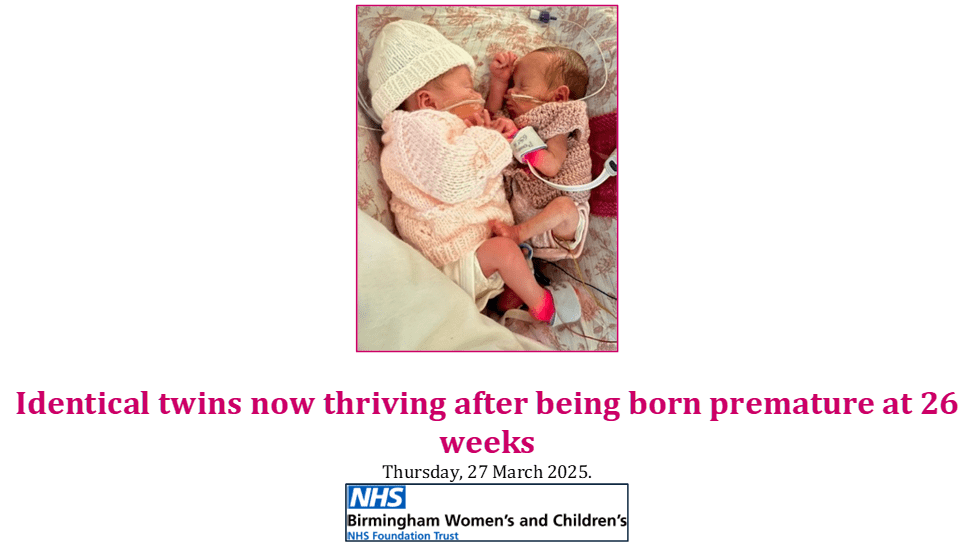
New parents Nicole and Joe welcomed identical twins Ava and  Amelie, who were born premature at just 26 weeks at Birmingham Women’s Hospital, and were cared for on the Neonatal Intensive Care Unit (NICU) for over 11 weeks before they were well enough to go home.

Nicole, who lived in Lichfield at the time, was seen at the hospital’s Fetal Medicine Department when they noticed at her 16-week scan one of the twins was growing significantly smaller than the other.

She recalled: “It was my first pregnancy, and we found out we were having twins at six weeks and the pregnancy was going smoothly.

“They noticed at a scan one of the twins was growing significantly smaller, so we were referred to the Fetal Medicine team.”

The Fetal Medicine department discovered the twins had Selective Intrauterine Growth Restriction ( sIUGR ), a condition that can occur in identical twin pregnancies where one twin is growth restricted due to an absent or reversed flow from the umbilical cord.

Nicole added: “We’d never heard of the condition before, and it was really scary knowing something was potentially wrong.

“It was all due to where they’d ended up connecting to the placenta. The bigger twin was plugged in at a larger part so was getting plenty of nutrition, but the smaller twin was plugged into the tail end of the placenta, meaning she wasn’t getting enough nutrition and was so much smaller.

“We didn’t know what this would mean for them, but everyone was so kind and reassuring and explained things in a way we could understand.”

Nicole was scanned twice a week to closely monitor the smaller twin’s growth, until Nicole was 26 weeks pregnant and was admitted overnight for daily monitoring.

She said: “Her heart rate kept dropping low on the monitor, and we were starting to get concerned and thinking about having to deliver them early.

“It kept dropping and taking longer to come back up, and one of the consultants who looked after us said that it was time for them to come out now.

Ava and Amelie arrived prematurely at 26 weeks and 4 days, weighing just 2.2 and 1.9 pounds.

Nicole said: “I was able to see both girls after they were born before they went straight down to the NICU, where they were both intubated for 24 hours before progressing onto oxygen.

“Joe went down with them, and once I’d recovered, they took me to see them, and they looked so tiny and fragile.

“Amelie, the smaller twin, kept getting blood in her feeding tube, so had to be nil by mouth due to the risk of infection. She had a much harder ride to start with, but she kept fighting.”

Both twins started to get stronger with the help of oxygen and feeding tubes, however, when Ava was six weeks old, she developed Necrotising Enterocolitis (NEC) which, an infection which can affect premature babies and is a condition where the bowel becomes inflamed and damaged.

Nicole recalled: “Something hadn’t been quite right with her tummy the day before, but then we got a phone call at home to say she’d taken a turn for the worse.

“It was horrible hearing the phone ring in the middle of the night knowing it was probably about the girls, but knowing we weren’t with them.

“They were both so strong and were real fighters all the way throughout.”

During their stay at the NICU, Nicole and Joe visited every day, arriving first thing in the morning and staying until last thing at night. They also received counselling on the unit and were part of the family group that had been set up for parents to share their journey.

Nicole commented: “Nothing can prepare you for a stay on the NICU.

“While we were there, we lived in our own little bubble and we didn’t talk to family or friends much because it was hard to explain how it feels, and you don’t know what’s going to happen next.

“The team were really supportive, and they helped us be as hands-on as possible with their care, and the family group was really helpful too. It was nice to be able to talk to other parents who knew how it felt and were going through the exact same thing too.

 “Walking away from your babies every night was just horrible, so to finally leave with them was a huge relief.

“When we went home, they both still had a feeding tube, but the team were brilliant in giving us training so we could do it ourselves at home. Both tubes ended up being removed the next day as they were doing so well breastfeeding.”

The twins are now over two years old and are thriving at home after their difficult start to life.

Nicole added: “They’ve got such different personalities now, but they’re both very cheeky little girls.

“Ava especially loves animals and trips to the farm, and they both love singing and dancing around the house.

“They both absolutely adore their younger sister and they’re so gentle and kind with her.

“We’re so thankful for everyone at the Women’s Hospital for looking after our girls, they’re both so strong and such fighters and we couldn’t be prouder of how far they’ve come already.

“Shireen Meher looked after us from our time in fetal medicine all the way to the delivery, and she was had such a positive impact on our journey.”

Source:https://bwc.nhs.uk/news/identical-twins-now-thriving-after-being-born-premature-at-26-weeks-14305/

Background: 

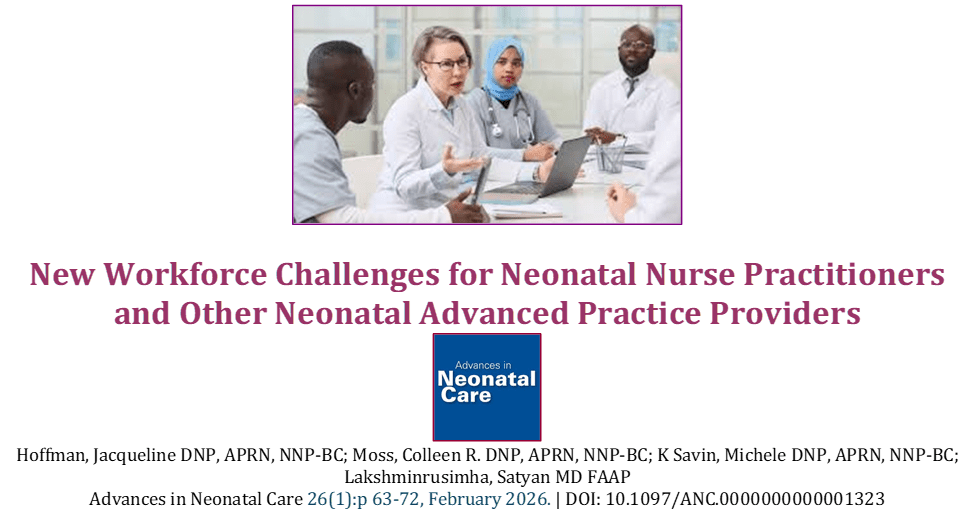
The neonatal intensive care unit (NICU) relies on a multidisciplinary team of advanced practice providers (APPs), including neonatal nurse practitioners (NNPs) and physician assistants. With the Accreditation Council for Graduate Medical Education residency rotation reductions taking effect in July 2025, the demand for NNPs to fill clinical coverage gaps will increase. Anticipated changes in federal reimbursement and Medicaid services and National Institutes of Health pose financial challenges for Children’s Hospitals.

Evidence Acquisition: 

This review examines the current state of the NICU APP workforce with special emphasis on NNPs, including historical trends, educational requirements, and the impact of regulatory changes. Data were gathered from surveys completed by national professional organizations, published literature in PubMed, and expert communication.

Results: 

Despite their critical role and increased demand, APPs including NNPs face challenges, such as burnout, staffing deficits, reimbursement, and a decline in the number of NNP graduates by 20% since 2022. Neonatal nurse practitioner recruitment is hindered by the lengthy onboarding process and high costs. The integration of physician assistants, hospitalists, and non-NNPs as possible solutions to fill the NNP shortage gap presents challenges, such as lack of training opportunities and managing patients outside their scope of practice.

Implications for Practice and Research: 

Addressing workforce shortage requires strategies, including tuition-supported programs, recruiting registered nurses to become NNPs, developing mentorship programs, and increasing NNP preceptors. Further research is needed to evaluate the effectiveness of these strategies and to explore additional solutions for sustaining the NNP workforce.

Source:https://journals.lww.com/advancesinneonatalcare/abstract/2026/02000/new_workforce_challenges_for_neonatal_nurse.9.aspx?context=featuredarticles&collectionid=3

Introducing Preemies Hub: A New Global Resource for Preemie Families, Built with You in Mind

For every preemie warrior and every parent who has stood beside an incubator, the journey into the NICU often begins without warning. It can feel overwhelming—filled with medical language, uncertainty, and the urgent need to make sense of what is happening to your baby. In those moments, access to clear, trustworthy, and relatable information is not just helpful—it is essential. That is why we are so excited to introduce Preemies Hub, an innovative new platform developed in partnership with Our Kids Health, designed to support families navigating the realities of premature birth.

Preemies Hub was created with a deep understanding that not all families experience the NICU in the same way. For many, challenges are compounded by language barriers, cultural differences, and limited access to reliable, evidence-based information. This platform addresses those gaps by providing translated, adapted, and culturally responsive health information specifically designed for parents across equity-deserving communities. Every piece of content has been developed with respect for different values, beliefs, and ways of communicating—ensuring that families can not only access information, but truly connect with it.

So why does this matter? Because caring for a premature baby is already one of the most emotionally and physically demanding experiences a family can face. Misconceptions about prematurity, lack of preparation for an unexpected early delivery, and difficulty navigating medical information can make that journey even harder. Preemies Hub helps change that. It empowers parents with knowledge they can trust, presented in a way that is clear, compassionate, and accessible—so families can feel more confident, informed, and supported in advocating for their child.

The platform offers a wide range of topics relevant to the NICU journey and beyond, along with resources available in multiple languages including Punjabi, Ukrainian, Tamil, Spanish, Mandarin, Inuktitut, Cantonese, Filipino, Arabic, and more. It also intentionally centers diverse communities, including Black families, ensuring that representation and inclusivity are not afterthoughts—but foundational to the resource itself. For providers, this means having a trusted tool to share with families. For parents, it means finally seeing information that reflects your language, your culture, and your experience.

At Neonatal Womb Warriors, we believe that every family deserves access to information that meets them where they are. Preemies Hub is more than just a resource—it is a step toward equity in neonatal care, a bridge between knowledge and community, and a reminder that no preemie journey should be navigated alone. 💙

Preemies Hub: https://www.cpbf-fbpc.org/preemie-hub

Read Aloud: Ways to Make Friends by Jairo Buitrago | Stories with Star

Do you have any ideas for ways to make friends? Read along with Star as we learn some new and interesting ways to connect with others and yourself!

Enlighten  Presence  mHealth

Uruguay, officially the Oriental Republic of Uruguay, is a country in South America. It shares borders with Argentina to its west and southwest and Brazil to its north and northeast, while bordering the Río de la Plata to the south and the Atlantic Ocean to the southeast. It is part of the Southern Cone region of South America. Uruguay covers an area of approximately 176,215 square kilometers (68,037 sq mi). It has a population of almost 3.5 million people, of whom nearly 2 million live in the metropolitan area of its capital and largest city, Montevideo.

Uruguay is highly ranked in international measurements of democracy, government transparency, economic freedom, social progress, income equality, per capita income, innovation, and infrastructure.  It is classified as a high-income economy and has fully legalized cannabis—the first country in the world to do so—as well as same-sex  marriage, abortion and euthanasia. Uruguay is also a founding member of the United Nations, the OAS, and Mercosur.

The current Uruguayan healthcare system is the State Health Services Administration (ASSE) created in 1987. The National Healthcare Fund (FONASA) is the financial entity responsible for collecting, managing and distributing the money that the state has destined for health in the country. It was created in 2007 to entitle all employees and pensioners to health care outside of the public health system. Latest government figures state that there are 2.5 million people registered with Fonasa – out of a total population of just over 3 million. This would mean that 500,000 Uruguayans are left choosing between the public system or having to pay the full amount for private health care.

Source: https://en.wikipedia.org/wiki/Uruguay

Much has been written about medical errors that reach patients.  Almost without exception, these accounts focus on tragic outcomes, cases in which patients suffer harm or die as a result of mistakes in diagnosis, treatment, or communication. Entire fields of research, safety initiatives, reporting systems, and regulatory frameworks have been developed in response. By framing medical error as a systems problem rather than an individual failing, health care has sought to encourage transparency, promote reporting, and ultimately reduce preventable harm. This approach is necessary, ethical, and long overdue.

Nevertheless, another category of medical error receives little attention in the literature or in public discourse. It is an uncomfortable and largely unspoken phenomenon: errors that reach patients and, paradoxically, improve their clinical course.

These events are rarely documented, formally reported, or analyzed. They tend to live in the realm of anecdote, shared quietly in hallways or over coffee, often accompanied by discomfort or nervous humor. A test ordered on the wrong patient reveals a life-threatening condition that would otherwise have gone undetected. An unintended medication change exposes a diagnosis sooner than expected. A deviation from standard practice uncovers a better therapeutic pathway. There is no research into these “random” improvements. These occurrences are typically dismissed as luck, coincidence, or, for some, providence.

Occasionally, they are more than that. Medical history itself is replete with discoveries born of accident. Penicillin was not discovered through a carefully designed protocol but through contamination. Countless diagnostic insights have emerged from unexpected findings. While these events do not excuse error, they complicate the narrative that all deviations from protocol are uniformly harmful.

This raises an unsettling question: Is all medical error inherently detrimental to patient care?

From the standpoint of risk management and patient safety, the answer must be yes. No health care institution would, or should, endorse error as a tool for discovery. Indeed, no clinician has ever been sued for failing to make a mistake, although many have been sued for making one. The legal, ethical, and professional imperatives are clear. Errors must be minimized, reported, and prevented.

However, the practice of medicine is not merely the execution of flawless protocols. It is a human endeavor, characterized by uncertainty, variation, and judgment, which some would call the “practice” of medicine. If medical care were delivered without any deviation, without experimentation, adaptation, or learning from the unexpected, would we consider that the “perfection” of medicine, or its stagnation?

Consider the randomized clinical trial, the “gold” standard of medical evidence. By design, half of the participants receive a therapy that ultimately proves inferior. When the superior arm emerges, we do not label the inferior treatment a medical error, nor do we report it to risk management. Instead, we publish the findings, celebrate the advance, and change practice accordingly. Progress is achieved precisely because uncertainty was permitted within ethical boundaries.

Honestly, though, the best path may not be through completing the trial but through interim analysis or using alternative research strategies such as “play the winner.” In seeking strategies that optimize good science rather than patient outcomes, we may find ourselves stuck promulgating only treatment modalities that have been completed and accepted for publication. Moreover, negative studies are usually not accepted for publication. In this context, error and expertise begin to blur. What is considered a mistake today may, in retrospect, be recognized as the first step toward tomorrow’s innovation. This does not absolve clinicians or systems of responsibility, nor does it diminish the real harm caused by preventable errors. (1, 2) Instead, it challenges us to acknowledge that medicine advances not only through precision but also through humility, recognizing that our current standards are provisional and that learning often emerges from imperfection.

The task, then, is not to romanticize error, but to understand it more honestly. Error, like medical expertise, may ultimately lie in the eye of the beholder. What is labeled a mistake in one era may later be understood as the necessary precursor to discovery, refinement, or progress. This reality does not weaken the moral obligation to protect patients from harm, nor does it excuse preventable failures in care. Instead, it underscores the complexity of practicing medicine in a world of uncertainty, evolving evidence, and imperfect knowledge.

The challenge for modern medicine is to uphold the highest standards of safety and accountability while preserving the intellectual flexibility that allows clinicians and scientists to question assumptions, recognize unexpected patterns, and learn from outcomes that diverge from expectations. Only by balancing vigilance with curiosity can the field continue to evolve in ways that serve both current patients and future generations.

Source: https://www.neonatologytoday.net/newsletters/nt-dec25.pdf

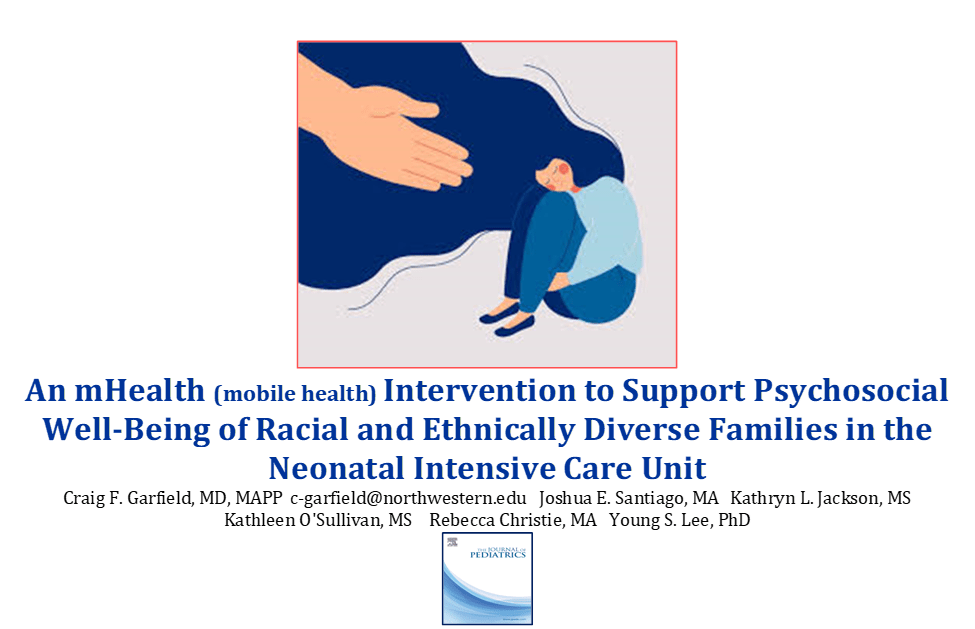
Abstract

Objective

To assess the effectiveness of an mHealth neonatal intensive care unit (NICU) parent support smartphone application to improve psychosocial well-being, specifically reduced stress and anxiety, increased parenting competence, and improved social support among a diverse group of parents with infants born preterm in 3 Chicago-area NICUs.

Study design

A time-lapsed, quasiexperimental design in which control participants were enrolled and then intervention participants enrolled. Data collection occurred at 3 timepoints: NICU admission (AD), discharge (DC), and 30 days post-DC (DC+30). Validated outcome measures included parenting sense of competence, stress, anxiety, and social support.

Results

Intention-to-treat analyses included 400 participants (156 intervention; 244 control). After covariate adjustment, a significant increase in parenting sense of competence (AD–DC, DC+30), decrease in stress (AD–DC+30), decrease in anxiety (AD–DC, DC+30), and increase in social support (AD–DC) were noted but did not differ by study arm. However, secondary analysis of parents with infants born at <32 weeks of gestational age (156 participants) showed decrease in stress (AD–DC+30) that was greater in intervention vs control group (P = .03). Among intervention participants who were Black, a significant increase in social support (AD–DC) total score (P = .01), and 2 subscales of emotional/informational support (P = .02) and positive social interaction (P = .02) were found.

Conclusions

This novel mHealth intervention shows evidence of reduced stress and anxiety while increasing social support among some subsets of parents at high risk of negative psychosocial experiences in the NICU, potentially enhancing outcomes for infants born preterm by ensuring that parents are less stressed and better supported.

Source:https://pubmed.ncbi.nlm.nih.gov/39880156/

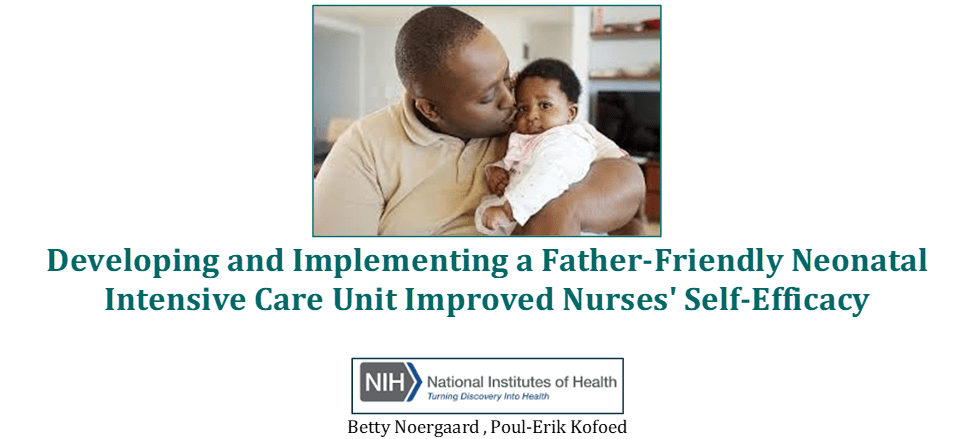
Background: The need for paternal support is rarely addressed in neonatal intensive care units (NICUs). Neonatal nurses often primarily focus on the needs of the mother and infant and may not be trained in support of fathers.

Purpose: To investigate nurses’ self-efficacy (SE) in guiding and supporting fathers after implementing a father-friendly NICU.

Methods: Nurses from the intervention NICU and 13 control NICUs were included in a before-and-after intervention study. Questionnaires measuring nurses’ SE regarding support of fathers and mothers were obtained when starting the development process, before and 18 months after the implementation. The primary outcome was the difference between nurses’ SE scores for father and mother questions in the intervention group compared with the control group.

Results: In total, 294, 330, and 288 nurses responded to the first, second, and third questionnaires, respectively. From the first to third questionnaires, the intervention group showed a significantly higher increase in SE scores for father questions compared with the control group (0.53 vs 0.20, P = .005) and a nonsignificantly higher increase for mother questions (0.30 vs 0.09, P = .13). In the third questionnaire, the intervention group showed a higher SE score for father questions compared with the control group (9.02 vs 8.45, P = .002) and the first questionnaire (9.02 vs 8.49, P = .02).

Implications for practice and research: By implementing a father-friendly NICU, nurses’ SE for providing support to fathers increased significantly. Training in a father-friendly approach increases nurses’ ability to support both parents. Copyright © 2023 The Authors. Published by Wolters Kluwer Health, Inc. on behalf of the National Association of Neonatal Nurses.

Source: https://pubmed.ncbi.nlm.nih.gov/37463518/

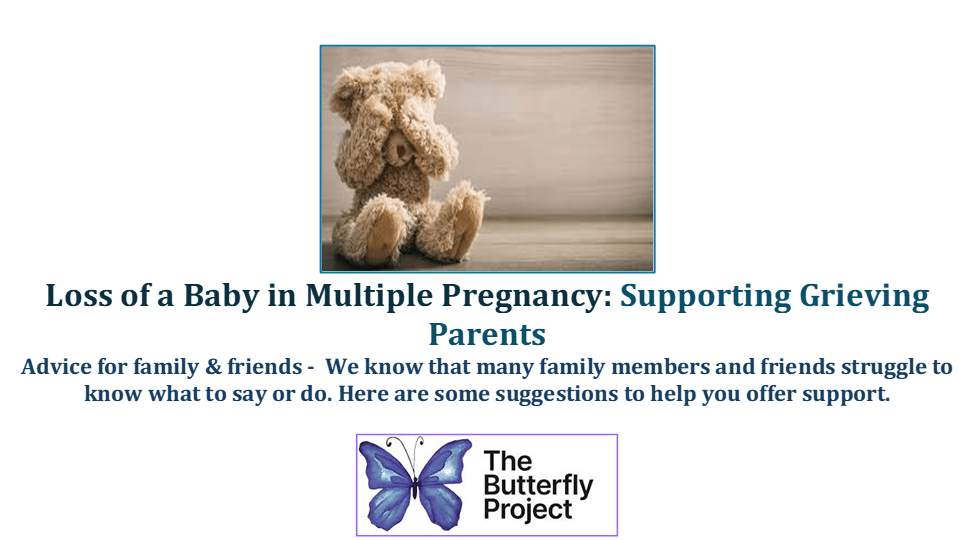
Every situation is different, every mother and every family are different, and what ‘works’ for some parents may not work for others. Don’t pre-judge or assume. No one can be prescriptive about what to say or do, but here were some phrases and behaviors we heard about that were typically either helpful or not helpful.

Phrases that were un-helpful

  • At least you still have one
  • You can try again (for another pregnancy)
  • It wasn’t meant to be
  • Maybe you weren’t ready; maybe [twin’s name] wasn’t ready
  • Why don’t you stop thinking about or forget about [twin’s name] and just focus on the other twin?
  • You’ll get over it
  • You’ll soon get over it
  • I know what you going through (unless of course, you have been in a very similar situation)
  • You need to talk about it (this is very different to saying ‘would you like to talk about it’ or ‘do you want to tell me when it would help to talk’)

Behaviors that weren’t helpful

  • Not talking about the twin because you are worried about upsetting the parents
  • Not calling the twin by their name (if they had one) or forgetting their name
  • Not recognizing the twin identity (trying to behave as if it was a singleton pregnancy)
  • Staying away, not ringing or messaging, because you felt uncomfortable (any discomfort you feel is insignificant compared to the parents’ grief)
  • Trying to focus on, or just talk about, the surviving baby or babies
  • Where a triplet dies, suggesting that the two surviving babies are ‘only twins’ (although some parents told us they wanted to think of the surviving babies as twins, typically where the triplet loss was quite early in pregnancy). If you are not sure, ask the parents.
  • Not saying anything because you don’t know what to say (sometimes saying ‘I am really sorry, I don’t know what to say’ is enough)
  • Discarding any mementos from the baby who died – photos, cot cards, name tags, blankets & clothes (however dirty, do NOT wash them without asking parents), items bought for the baby before they were born e.g. clothes

Phrases that were often helpful

  • I’m really sorry, do you want to talk about it?
  • I’m sorry
  • Do you want to tell me when it would help you to talk about her or him? (even better to use the baby’s name)
  • Is there anything I can do to help?

Behaviors that were often helpful

  • Talking about the twin by name
  • Asking if you can say hello and goodbye to the baby who died
  • Helping make memories, collect mementos
  • Taking and keeping photos (with parents permission)
  • Offering to help with ‘household’ chores – parents of babies on NICU struggle to do routine tasks – walk the dog, go shopping etc. However, be careful not to ‘smother’ families or remove their family identity/role
  • Offering to help with other siblings
  • Offering to tell other family members or friends what has happened. However, always ask parents first what they would like.

The grief and sadness that parents feel will stay with them for months and years, often their whole life. Offering to talk months or years later about their grief, or talking about the baby who died by name is appreciated by most parents. If they are a close friend, or family, and you do not know what they would like, ask them!

Source: https://www.neonatalbutterflyproject.org/resources/

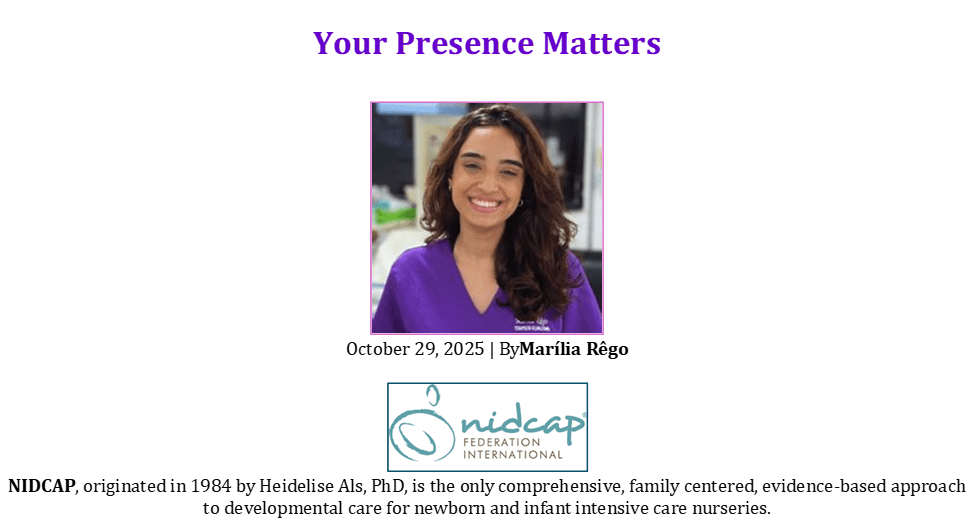
My name is Marília Rêgo, and I’m an occupational therapist working in the neonatal intensive care unit (NICU) of a public hospital in Recife, Brazil. Every day, I have the privilege—and the responsibility—of accompanying premature babies and their families through some of the most fragile and formative moments of their lives.

Among all the babies I’ve cared for, there is one who left a lasting mark on me. She was born with a rare syndrome, incredibly delicate, and spent two months in the NICU. During that time, our bond was built not through dramatic interventions, but through the quiet power of presence. I would often go to her bedside just to change her diaper slowly, calmly—so that she could have a positive experience of touch and human connection, even in the middle of so many wires and monitors.

There were days when there was no specific therapeutic plan for her. And still, I showed up. Because sometimes the most powerful thing we can offer is our presence, our gentleness, our intention.

And then, one day, she passed away.

Even though she had received every professional care possible—medical support, therapies, loving attention—that loss hurt deeply. But it also revealed something profound to me: that our work in neonatal care is not only about helping babies recover or thrive. It’s also about loving them fully, even when there are no guarantees. It’s about being a bridge, even when the road is short.

Her story changed me. It reminded me that care isn’t measured only in days of life, but in the love and intention that fill those days. That sometimes, a baby’s mission is brief—but never meaningless. And that if there is love, there is purpose.

I’m sharing this not to romanticize pain, but to honor the truth that sometimes, it teaches us the most. If you are a parent, a caregiver, or a healthcare professional reading this—what you do matters. Even when it feels small. Even when it ends sooner than you hoped.

Your presence matters. And that, in itself, is a form of healing.–Marília Rêgo

Source: https://nidcap.org/

THE BASICS

Key points

  • Brief interactions in the NICU can have an impact on caregivers’ self-efficacy and bonding with their newborn.
  • It’s important to train healthcare professionals to actively listen, use nonverbal gestures, and empathize.
  • Comforting and compassionate patient-provider interactions may be the most healing interventions for family.

For parents and family caregivers, navigating a child’s medical condition can be the most stressful of life experiences. When a child begins their life in the Neonatal Intensive Care Unit (NICU), caregivers are often catapulted into feelings of uncertainty, fear, and powerlessness. No one anticipates that having a new baby will involve being in a hospital indefinitely relying on physicians and nurses for lifesaving care. Sensitive and compassionate parent-provider interactions are critical for parents to develop feelings of safety, trust, and hope during this overwhelming period.

Even brief interactions at the NICU bedside may make or break a caregiver’s sense of self-efficacy and confidence in caring for their babies (Labrie et al., 2021). A 2021 meta-analysis by Labrie and colleagues revealed that these frequent moments with providers have far-reaching impacts on parents’ coping ability, their understanding of their baby’s condition, their participation and satisfaction with care, and their ability to attach to and bond with their newborn. Most importantly, these effects were often related to routine bedside interactions – not solely to structured conversations at family conferences.

Personal experiences

The authors are both psychologists who have worked in medically complex settings with patients across the lifespan. The perspectives and tips are based on working with patients experiencing unexpected medical adversity as well as personal experience.

Joanna: Six years ago, my son spent the first month of his life in the NICU following an unexpected birth trauma, leading to a sudden loss of blood and oxygen. Waiting for medical updates felt unbearable. It was as though the MRI machine and medical team held the key to our family’s future. Emotions fluctuated like a rollercoaster from shock and numbness, to anxiety, anger, grief, and – eventually – hope.

Occasionally, in an effort to manage our expectations, health care team members reminded my husband and me of how “medically fragile” our son was at birth. These “warnings” tended to overshadow positive news and made me question my gut sense that our baby would get well. I preferred updates on even the smallest steps our son made: hearing that he moved his tongue slightly when given a drop of breastmilk felt uplifting.

Simple, previously taken-for-granted events were deeply felt on a visceral level. When the elevator was out of order and the physician walked me up the stairs from the NICU to my own hospital floor, his support and kindness deepened the level of trust in the entire treatment team. My obstetrician standing patiently and quietly beside me at our son’s NICU crib provided immense comfort. Oftentimes, silence, presence, and accompaniment are the most healing interventions.

No matter how much time has passed, these patient-provider verbal and nonverbal communications remain imprinted in the memories of NICU parents and caregivers.

Bedside manner

“Bedside manner” has long been held as an important virtue of effective medical care. Ancient Greek writing urged providers to be “sober, not a winebibber” and to act “not with head thrown back (arrogantly).”

Teachings have evolved over time and have been incorporated into medical school education. Despite this development, issues of time, financial pressures, and the complexity and urgency of medical needs due to advances in technology may interfere with effective patient-provider communication.

Current healthcare education highlights the importance of listening to the entire message or question from the patient or family caregiver without interruption, showing genuine interest through nonverbal gestures including tone of voice, using understandable, non-jargon language, providing comfort, and putting oneself in the patient’s shoes to cultivate empathy (Deepak, 2024).

Examples of unhelpful vs. helpful communication

Unhelpful

  • Opening with, “I have some bad news,” which can lead to catastrophic thinking
  • Using jargon such as “We need to do a needle stick,” which can evoke an upsetting image
  • Describing the situation as “very severe,” even if true

Helpful

If appropriate, starting with, “Your baby is okay, but I wanted to share that…”

Using accurate language such as “We need to draw some blood.”

Using specifics like, “The blood transfusion is helping your baby with the blood loss,” provides a degree of hope, even in dire times

Tips for fostering effective communication in the NICU

These tips apply to communication with mothers, fathers, other caregivers, and integral supports. Including all caregivers in communications can help ensure the whole family feels seen and acknowledged as important to the baby’s care.

Medical professionals can optimize communication and bedside manner by:

  • Validating that what caregivers are experiencing is scary and difficult.
  • Using comforting nonverbal communication: sitting down, giving full attention and listening deeply to the family’s concerns and questions, and using a calming, reassuring touch when appropriate.
  • Letting family members know that providers are available and how to reach them.
  • Acknowledging that uncertainty exists while also expressing specific efforts to make things better.

Family and friends can further enhance a sense of support by:

  • Listening without offering advice. It is natural to want to lighten the mood or “fix” a problem. However, active listening and acknowledging how things are may be what the caregiver needs.
  • Checking in after the baby leaves the hospital. Support may be strong at the beginning but tends to taper. However, parents may struggle with the adjustment to life after the NICU.

Psychology providers working with caregivers in the NICU can help by:

  • Collaborating to make a list of questions or script in advance of medical appointments to ensure that concerns are addressed.

In navigating these challenging encounters with the medical team, caregivers can utilize the following communication strategies:

  • Taking initiative in asking specific questions to convey self-efficacy and active hope.
  • Making time to interact with their partner or other supports outside the hospital setting. Separation from the NICU and having conversations about other topics is a healthy way to cope.
  •  

Lessons learned

Just as parents/caregivers need to be highly attuned to subtle cues to develop secure attachments to their babies, the suggested communication tips highlight the importance of nonverbal communication. Voice tone, posture, eye contact, deep listening, and presence foster feelings of security and agency in the receiver.

As a psychologist who ended up on the receiving end of care, my own patients’ stories now resonate more deeply. Beyond what I could possibly learn in graduate school, the personal experience has informed the clinical wisdom of sitting calmly, presently, holding space for patients to discover their unformulated feelings, and being human to whatever emerges. I choose my words carefully – for they may never be forgotten.

Source: https://www.psychologytoday.com/us/blog/psychological-trauma-coping-and-resilience/202409/creating-effective-parent-provider

Abstract:

The environment in the neonatal intensive care unit (NICU) is often unpredictable and loud, leading to overstimulation and stress. A variety of negative auditory input, including alarms, respiratory support machines, speech, and other environmental sounds, occurs daily. When sound policies are implemented, they may help mitigate infants’ negative auditory experiences. The purpose of this paper is to provide an overview of the auditory development of the fetus and NICU infant and the role that music might play in ameliorating the adverse effects of life outside of the protective womb. Of particular importance is the family’s role in using music to provide developmental care that supports auditory development while still meeting the infant’s medical needs, such as physiological parameters, weight gain, and reduced hospitalization length. Utilizing the mother’s singing has positive ramifications as an ideal source of auditory input, given the continuity and predictability of music’s acoustic properties, along with careful consideration of the infant’s auditory development across gestational age and the medical and developmental needs at that moment. In addition, when mothers sing to their infants in the NICU, it can have a significant impact on maternal mental health. Music therapy researchers have examined the use of the maternal voice for preterm and term infants; music therapists taught mothers to sing and use their voices to support their infants, resulting in increased singing at home and improved mother-infant bonding. This paper will discuss recommendations for auditory stimulation, based on years of music therapy research in the neonatal intensive care unit, to promote healthy neurologic development.

Introduction to Music Therapy:

Before discussing fetal and infant auditory development and the role of music and sound for preterm infants in the neonatal intensive care unit (NICU), we would like to provide an overview of music therapy. While it might be considered a new field, the profession has existed as an organized entity in the United States since the 1950s. Music therapy is a healthcare profession in which evidence-based music interventions are used to address non-musical goals within a therapeutic relationship. Entry into the profession requires a Bachelor’s degree or completion of an Equivalency Program in music therapy. Eligibility to sit for the board exam depends on completing academic coursework and 1200 clinical training hours. Credentialed professionals use the term music therapist-board certified, “MT-BC,” which is provided through the Certification Board for Music Therapists (www.cbmt. org); music therapists must recertify every 5 years, and some states have licensure. The current professional organization is the American Music Therapy Association (www.musictherapy. org), which oversees student training .

Music therapists are trained to use music to address sensory, physical, cognitive, communication, social, emotional, and spiritual needs. We address these needs through evidence based interventions, often involving live, client-preferred music across multiple settings. Music therapists commonly work within the following settings:

• Medical hospitals/outpatient clinics

 • Neurorehabilitation facilities

• Hospice/palliative care

 • Psychiatric hospitals/community mental health centers

*Early intervention and day care treatment centers

• Public school systems

• Correctional facilities

• Private practice

This paper is based on the approach of the Institute for Infant & Child Medical Music Therapy. created by Dr. Jayne Standley at Florida State University in 2003. Standley established this approach by drawing on medical and developmental models, endorsing and teaching music therapy based on empirical evidence. There are other models of music therapy in the NICU, such as psychodynamic approaches, but we prefer to use this model since it closely aligns with the medical profession and developmental care of the preterm infant.

Auditory Development of the Fetus/Infant and Impact on Neurological Development

 The NICU environment can increase preterm infants’ risk of long-term hearing impairment; however, it is essential first to understand how auditory development occurs in the womb. This is a highly intricate process that begins early within fetal development. At 23–25 gestational weeks, all major structures of the ear, including the cochlea, are in place, allowing the fetus to hear and process sounds in utero, with a consistent response to sound by 29 weeks of gestation. Beginning at 25 weeks, thousands of fine hair cells known as sensory receptors in the cochlea begin to respond to specific frequencies of sound.  These hair cells are arranged tonotopically throughout the cochlea. As the fetus develops, it becomes finely tuned to various sound frequencies transmitted through amniotic fluid and skull bone vibrations. Starting at 28 weeks and throughout the third trimester of pregnancy, the auditory system is maturing as myelination of the auditory nerve enables auditory responses and processing between the cochlea and the brainstem . As the walls of the uterus thin towards the end of pregnancy, sounds of higher frequency (>500 Hz) gradually pass through the womb (13), preparing the fetus for language development after birth. During fetal development, the womb acts as a low-pass filter, promoting the healthy development of the cochlea by limiting exposure to higher-frequency sounds . Fetuses can safely process low-frequency sounds (250–500 Hz) between 25–27 weeks and high-frequency sounds (1000–3000 Hz) by 29–31 weeks . However, most sounds in the NICU environment exceed 3000 Hz or exceed the recommended maximum sound level of 45 decibels (dB) set by the American Academy of Pediatrics, making it difficult for proper cochlear development to occur and creating an acoustic gap between the NICU and the womb. Exposure to high-frequency sounds in the NICU can not only cause stress but also lead to apnea, hypoxemia, and inadequate oxygen saturation levels that can affect growth, neurodevelopment, and hearing impairment . To better support auditory and overall sensory development, there is currently a need to identify developmental care interventions, based on gestational age and medical status, that are embedded in a family-centered care model and support optimal neural network development. The clinical use of music in the NICU can reflect the predictable, rhythmic, and organized environment of the womb, supporting positive auditory development while yielding consistent, positive outcomes such as stabilization of physiologic parameters, increased weight gain, and shortened length of stay as well as a decrease in maternal stress, making it an optimal developmental intervention throughout an infant’s stay until discharge.

Clinical Use of Music by Gestational Age:

25–28 Weeks: The cochlea and auditory cortex begin to process sound at 25 weeks and are critical to the development of the auditory system; however, they are easily affected by sounds and care practices in the NICU environment . Starting at 26 weeks, the process of tonotopic tuning begins, in which hair cells in the cochlea are finetuned to specific frequencies of sound, which are then processed into electrical signals sent to the brainstem and auditory cortex . As stated earlier, infants between 25–27 weeks can efficiently process sounds between 250–500 Hz ; however, frequencies above 1000 Hz can adversely affect autonomic functions. A stimulus considered critical, especially for infants in the NICU, is the maternal voice, which typically resonates between 200– 300 Hz, making it optimal for auditory processing and early language development.

According to the literature, the maternal voice is the strongest acoustical signal for the developing fetus and has yielded positive effects not only on auditory system development but also on autonomic functioning and behavioral responses. Similar results have been reported for preterm infants born between 25 and 32 weeks of gestation: the maternal voice significantly decreased heart rate, suggesting possible improvements in autonomic stability and neurobehavioral development  In addition, mothers of preterm infants often use “baby talk” when speaking to their infants, which has a regulatory effect on their behavior and lays the foundation for early language development.

The presence of meaningful sounds, such as the mother’s voice, is pertinent to the appropriate development of the auditory system, and music has been considered an impactful stimulus for infant development in the NICU when provided in a meaningful way. Lullabies have long been considered the most effective type of music for mitigating overstimulation in preterm infants, due to their simple, repetitive, and predictable structure. When using music for infants 25–28 gestation weeks, it is recommended to use live lullaby singing that includes a single female voice without additional instruments, slow tempo, little to no dynamic changes with limited pitch range, and repetitive play of each lullaby with a high degree of continuity among the lullaby music that is used. The recommended duration of music at this age is no more than 30 minutes based on infant response. Since the mother’s voice is preferred, live lullaby singing by the mother or caregiver is best to promote family-centered care. Maternal singing during kangaroo care is highly recommended and has a significant impact on both the infant and the mother, reducing infant distress and maternal anxiety. If recorded music is to be used, it is recommended to present it binaurally, following the same parameters as previously mentioned, while closely observing the infant to adjust the music/turning it off based on infant responses. If possible, a recording of the maternal voice is recommended. Classical music, nature sounds, musical toys, and white noise machines are not recommended, as they could be overstimulating due to their unpredictable or unorganized structure and do not provide the meaningful auditory input needed to support auditory development at this gestational age.

29–32 Weeks:

During this time period, tonotopic tuning of hair cells in the cochlea continues, and it is recommended that sounds/music remain between 250–500 Hz until 33 weeks, when the auditory system can safely process sounds at higher frequencies of 1000–3000 Hz . Lullaby music remains preferred for auditory development, and the aforementioned protocol should be used when providing either live lullaby singing or recorded lullaby music. The maternal voice is highly recommended at this time as it supports the auditory skills needed to process basic human speech sounds.

Preterm infants are considered to be at a high risk for developing language delays and impairments due to the lack of exposure to the maternal voice while in the NICU. Lullabies share characteristics with “baby talk” provided by the mother, such as simple prosodic contours, higher pitches, and short lyrical phrases that convey emotions necessary for promoting early language development and communication in preterm infants. Infants at this age can also discriminate between different phonemes, indicating the beginnings of language and speech development. Regarding music processing, it has been found that preterm infants at this age can detect differences in simple and complex beats/meters in auditory recordings, indicating early neural auditory discrimination .

33–36 Weeks: From 33 to 37 weeks, the fetus changes to process complex sounds, with differences apparent in the older fetus: a gradual increase in heart rate that did not change with sound levels. The authors stated that the older fetus might attend to the music. In contrast, the younger fetus might respond to the acoustic properties of the sound, such as pitch, loudness/intensity, and timbre. At this time, infants process higher frequencies of 1000– 3000 Hz.

Based on this information, it is crucial to continue to provide positive auditory input to infants in the NICU, including singing, reading, and speaking. If the infant is medically stable and responds positively to simple songs over several days, it is appropriate to progress to more complex songs. Thus, shifting from songs that have a simple melody, such as “Mary Had a Little Lamb,” which consists of 4 notes within a narrow range of a perfect fifth and contains two chords if an accompaniment is provided, to more complex songs, such as “Twinkle, Twinkle Little Star. Twinkle, Twinkle Little Star” consists of 6 notes within a range of a major sixth interval and has three chords if an accompaniment is provided. After an infant shows positive responses to music, such as cooing, smiling, turning towards the sound source, and maintaining heart rate and oxygen saturation within baseline levels before music listening, it may be appropriate to gradually introduce more complex and new songs into the routine.

Eventually, more complex songs might be beneficial, including songs with three chords and eventually four chords, longer song duration, and a chorus and verse. The overall goal is to provide auditory input to the infant systematically to prepare them for the home environment, including the car ride home from the NICU, during which the radio might be playing. It is important to start with simple, repetitive songs first to determine how the infant is handling sensory input, since what is appropriate one day might not be another due to new experiences (a first bath) or medical procedures (an eye exam). Also, infants who were born extremely low birthweight (ELBW) and/or have experienced significant amounts of respiratory assistance across time as well as those with major complex medical needs might not be ready for complex presentation of music at 36 weeks postmenstrual age (PMA), while an infant born at 32 weeks might be ready for more complex songs at 35 weeks PMA. The presentation of music must be carefully considered by the families and medical team. The IRainbow

 provides guidelines for the use of music and auditory input based on the infant’s medical stability and physiological maturity.

By 35 weeks, the fetus’s learning includes memory formation  Thus, caretakers will want to continue to utilize songs and rhythmic books that have already been presented to the infant at an earlier age, but it is important to integrate new information through new songs. Infants habituate to repeated presentations of the same information, and auditory stimuli become less relevant; hence, musical mobiles and sound devices that loop the same song are still not advised for the NICU or even the home environment. Parents need to be involved in their infant’s care, including providing auditory input.  Having lists of songs appropriate to musical complexity and medical and developmental needs (abilities) might be one way to involve parents in providing their infant with appropriate auditory experiences. Providing song lyrics will also help parents to remember and recall songs.

Parents need to be involved in their infant’s care, including providing auditory input . Having lists of songs appropriate to musical complexity and medical and developmental needs (abilities) might be one way to involve parents in providing their infant with appropriate auditory experiences. Providing song lyrics will also help parents to remember and recall songs.

When parents cannot visit the NICU, it would be beneficial to record the mother’s voice reading and singing to her infant to be played at the bedside. If recorded music is used, only music that has a single accompanying instrument, such as a guitar or piano, should be used. Researchers have found positive effects of singing combined with guitar accompaniment on both male and female infants’ physiological outcomes and length of hospitalization . Regarding the duration of musical and auditory stimulation, a longer duration would yield greater benefits, but there is potential harm when providing auditory input without research supporting the protocol. Eight hours of music per day, 4 hours during the day shift and 4 hours during the night shift, resulted in infants being hospitalized longer than the control group; hence, recorded music or other auditory stimulation should not be played continuously. Protected sleep, especially REM sleep, is pertinent and necessary for learning . Meaningful auditory input is necessary for infant development; thus, providing live singing or recorded music might be best during clustered care when infants are awake or in quiet sleep. For example, when infants are awakened for diaper changes and vitals prior to feeding, the time frame before feeding might help the infant achieve an alert, awake state. Similarly, singing soothing lullabies after feeding might help infants fall asleep. Of particular importance is providing auditory stimulation in a quiet environment, as preterm and term infants cannot discern meaningful auditory input if the noise exceeds 60 decibels.

36 Weeks and Older:

Auditory processing skills continue to develop and refine from 36 weeks PMA through term. By term, the fetus adjusts to specific elements of music, such as sound intensity (loudness) and frequency (high versus low notes), among others. In an fMRI study, infants were aware of previously heard musical elements, such as tempo, which led to positive connections in the auditory cortex . Consequently, families should continue using past songs and books, and introduce new stimuli if the infant shows positive responses to auditory stimulation to decrease habituation. Mothers should use their voice  and be encouraged to sing. Medical staff should continue to control the amount and quality of auditory stimulation in the NICU environment to reduce adverse developmental outcomes.

As infants evince positive responses to music and are medically stable and thriving, they might be ready for movement to music that involves midline orientation and hand-to-hand play (such as a modified “Patty Cake” or “Itsy Bitsy Spider”) (53). Since newborns discriminate between speech and other sounds, indicating a sensitivity to the frequencies and timbres of speech (49, 53), infants should be encouraged to engage in cooing and babbling. Songs such as “Little Green Frog” and “If All the Raindrops” involve distinct lip and tongue movements that might help prompt infants to respond with vocalizations or facial movements.

Summary:

Using music to support auditory development can be highly effective, particularly given the infant’s gestational age and medical stability. The above recommendations are based on evidence-based research and should be followed to reduce the risk of harm. Music can also be used in the NICU to encourage parent involvement in their infant’s care and development. Many neurosensory programs, such as SENSE and iRainbow©, advise parents to sing and/or talk to their infants to enhance auditory development. The above recommendations provide clear guidance on how best to use music within these programs and may increase parent involvement, as music is an easy way to bond with and care for an infant in the NICU. Clinical and developmental care staff should adhere to the above guidelines to best support auditory development while promoting family-centered care for preterm infants and their families.

Source:https://www.neonatologytoday.net/newsletters/nt-dec25.pdf

Spilling the Tea is an educational series for new preemie moms and dads brought to you by TEACUP Preemie Program®. These brief but in-depth videos will explore aspects of prematurity including emotional and mental effects, the NICU environment, breastfeeding & pumping, reclaiming attachment & bonding, and others. Preemie parents share their experiences through intimate video journals, and experts in infant development and prematurity offer guidance and information. In this second episode of Spilling the Tea, two preemie moms share about the effects of the premature birth on their own mental health. Licensed Mental Health Counselor Jenny Estrada offers insights and information about PPD, Anxiety, and PTSD to help preemie moms know when and how to find help.

This review explores methodological considerations in estimating racial disparities in mortality among very preterm infants (VPIs). Significant methodological variations are evident across studies, potentially affecting the estimated mortality rates of VPIs across

racial groups and influencing the perceived direction and magnitude of racial disparities. Key methodological approaches include the birth-based approach versus the fetuses-at-risk approach, with each offering distinct insights depending on the specific research questions posed. Cohort selection and the decision for crude versus adjusted comparison are also critical elements that

shape the outcomes and interpretations of these studies. This review underscores the importance of careful methodological planning and highlights that no single approach is definitively superior; rather, each has its strengths and limitations depending on the research objectives. The findings suggest that adjusting the methodological approach to align with specific research questions

and contexts is essential for accurately assessing and addressing racial disparities in neonatal mortality

IMPACT:

● Elucidates the impact of methodological choices on perceived racial disparities in neonatal mortality.

● Offers a comprehensive comparison of birth-based vs. fetuses-at-risk approaches in the context of racial disparity research.

● Provides guidance on the cohort selection and adjustment criteria critical for interpreting studies on racial disparities in very preterm infant mortality.

Source: https://www.nature.com/articles/s41390-024-03485-w

ABSTRACT

Aim

Extremely preterm infants (born before 28 weeks of gestation) face substantial risks of mortality and severe morbidity. This study aimed to identify early clinical predictors of survival and major complications in this vulnerable population in order to guide individualized neonatal care strategies.

Materials and Methods

A retrospective cohort analysis was conducted on 102 infants born between 22+0 and 27+6 weeks of gestation and admitted to a tertiary neonatal intensive care unit from 2017 to 2020. Demographic, perinatal, and clinical variables were extracted from their medical records. Survival and morbidity outcomes were compared across gestational subgroups. Statistical analyses included chi-square, t-tests, and receiver operating characteristic (ROC) curve analysis.

Results

The overall survival rate was significantly influenced by gestational age, birth weight, and the type of respiratory support received. Infants born at 22-25 weeks exhibited lower survival rates and higher incidences of respiratory distress syndrome, invasive ventilation, and patent ductus arteriosus (PDA). Mortality was independently associated with lower birth weight (p<0.0001), invasive ventilation (p=0.0014), and the presence of hemodynamically significant PDA (p=0.0243). In contrast, longer durations of non-invasive ventilation correlated with improved survival (p<0.0001). ROC analysis demonstrated high predictive performance for birth weight [area under the curve (AUC)=0.82] and non-invasive ventilation duration (AUC=0.96).

Conclusion

Early postnatal respiratory parameters, birth weight, and cardiovascular status are critical determinants of survival in extremely preterm infants. Optimizing non-invasive ventilation strategies and timely PDA management may enhance outcomes. Notably, the rate of antenatal corticosteroid administration was markedly low in our cohort, which may have contributed to adverse respiratory and survival outcomes, underscoring the need for improved perinatal care strategies in extremely preterm births.

Source: https://jpedres.org/articles/survival-predictors-and-morbidity-risk-factors-in-extremely-preterm-infants-a-clinical-cohort-study/doi/jpr.galenos.2025.33427

Babies born prematurely can have a number of complications at birth, simply because they are brought into the world before their organs are fully developed. One complication is called patent ductus arteriosus (PDA).

PDA occurs when a small fetal blood vessel in the heart remains open after birth. Much like trying to drink through a straw with a hole in it, the condition can cause unnecessary stress on the heart and lungs, as they have to work harder to push blood throughout the body.

However, treatment for the condition remains controversial among neonatologists, cardiologists, and pediatricians alike. Results from a clinical trial published in the Journal of the American Medical Association, or JAMA, brings physicians one step closer to an answer.

Led by neonatologist Matthew Laughon, MD, MPH, the study found that using medication to treat patent ductus arteriosus was associated with higher mortality compared with an expectant, or “watchful waiting,” approach.

“There is wide variation in treatment of PDA in preterm infants,” said Laughon, who is a professor of perinatal-neonatal medicine at the UNC School of Medicine and lead author on the paper. “Some clinicians always treat, and some clinicians never treat. We need to know which one is better for babies”

A total of 482 extremely pre-term infants (born between 22 weeks and 28 weeks of gestation) with PDAs were enrolled in the clinical trial. All of the infants were born within affiliated hospitals of the NICHD Neonatal Research Network, a collaborative network of neonatal intensive care units across the United States.

Participants were randomized into two treatment groups: those to receive pharmacologic treatments (either acetaminophen, indomethacin, or ibuprofen) and those to receive expectant management, or a “wait and see” approach.

Researchers wanted to know which intervention would decrease the risk of death or bronchopulmonary dysplasia (BPD), a serious lung condition caused by life-saving efforts to ventilate and oxygenate into the lungs, by the time the infants reach 36 weeks adjusted age.

Through statistical analysis, researchers found that infants given expectant management had treatment had nearly double the chance of survival before 36 weeks.

“This trial showed no benefit of active treatment of the PDA in extremely preterm infants,” wrote Laughon. “In fact, it identified a higher chance of survival for expectant management, consistent with

emerging data on the effects of early (i.e., prior to one or two weeks after birth) pharmacologic PDA treatment.”

The medications themselves, which are all commonly used to treat the PDA, can also alter the immune system, reduce blood flow to the intestine, or cause gastrointestinal mucosal injury. These effects may lead to serious conditions like sepsis or the death of intestinal tissue, called necrotizing enterocolitis.

Results from this trial will help inform new treatment strategies for preterm infants with patent ductus arteriosus, saving more lives and putting families on a path towards growth and healing.

This work was supported by The National Institutes of Health and the Eunice Kennedy Shriver National Institute of Child Health and Human Development (NICHD).

Source: https://news.unchealthcare.org/2025/12/unc-study-confirms-early-use-of-medications-may-lead-to-life-threatening-conditions-in-preterm-infants-with-heart-defect/

The three Betos of Zumba—creator Alberto Perez and partners Alberto Aghion and Alberto Perlman—are not often fully recognized for the powerful global impact their vision has inspired. Zumba has become one of the most effective, joyful, and widely embraced exercise programs in the world, blending cardiovascular training, strength-building, and flexibility through energetic, Latin- and globally inspired music and dance. Workouts feel less like exercise and more like a celebration, leaving participants feeling uplifted, embraced, confident, and connected. Today, more than 15 million people take part in Zumba classes each week across roughly 200,000 locations in about 180 countries, a testament to its extraordinary reach and influence on global physical activity, community health,  and engagement. This sense of unity comes alive each year at the international Zumba Convention, where instructors from around the world gather and the shared humanity of the global community is visible—our oneness acknowledged, individuality celebrated, and human creativity welcomed with open arms. Every Zumba class has the power to create a space of acceptance, belonging, and shared joy. A great Zumba class reminds us to celebrate the uniqueness and precious presence of ourselves and others. Zumba is, at its core, a love dance—and there is no power greater than love.