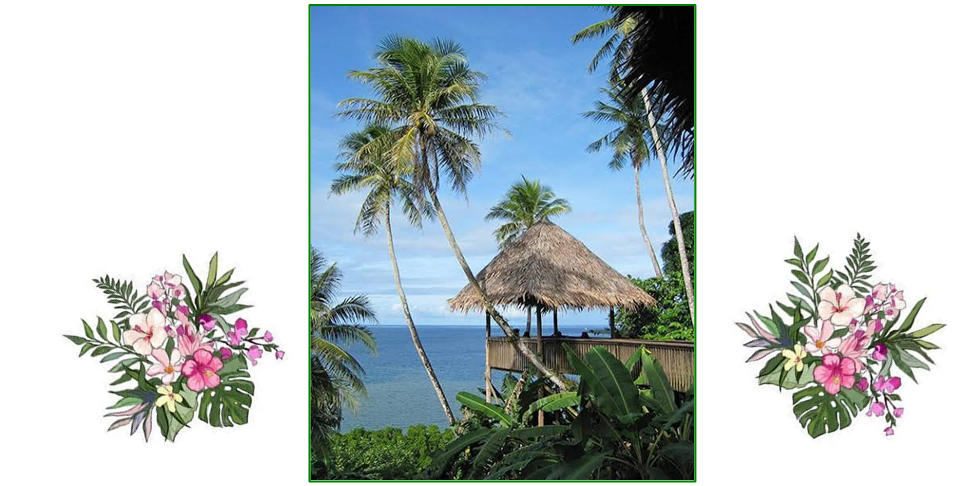


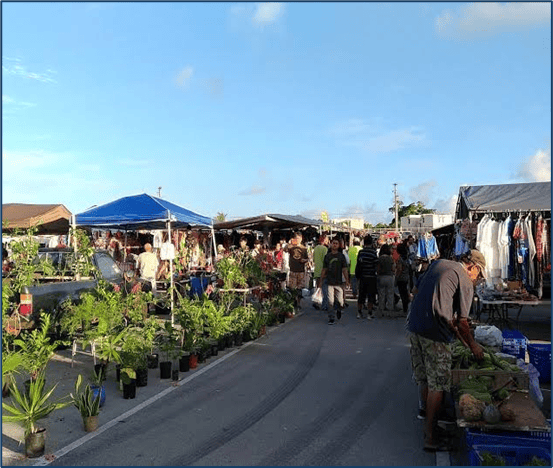
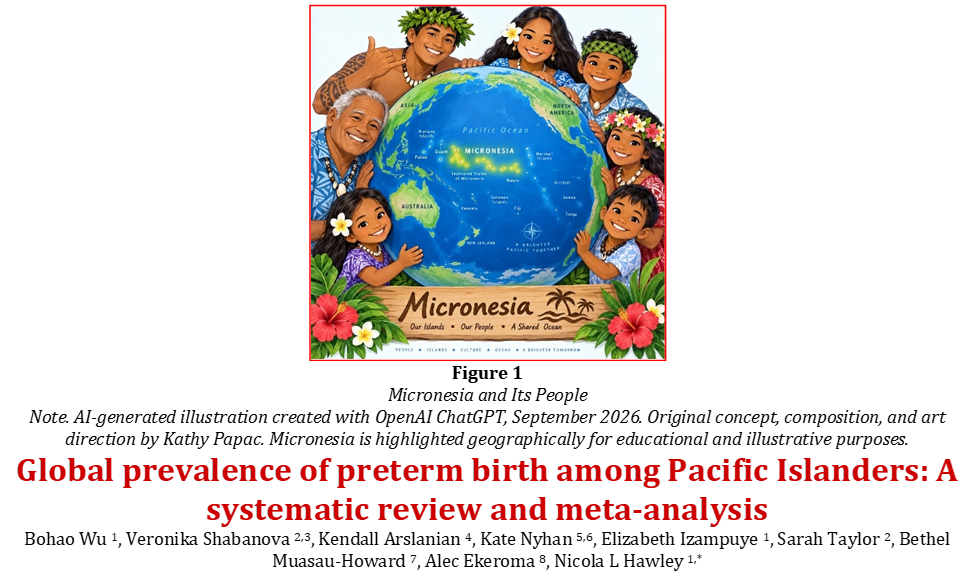
Micronesia is a subregion of Oceania, consisting of approximately 2,000 small islands in the Northwestern Pacific Ocean. It has a close shared cultural history with three other island regions: Maritime Southeast Asia to the west, Polynesia to the east, and Melanesia to the south—as well as with the wider community of Austronesian peoples.
The region has a tropical marine climate and is part of the Oceanian realm. It includes four main archipelagos—the Caroline Islands, the Gilbert Islands, the Mariana Islands, and the Marshall Islands — as well as numerous islands that are not part of any archipelago.
Political control of areas within Micronesia varies depending on the island, and is distributed among six sovereign nations.
Source: https://en.wikipedia.org/wiki/Micronesia
STATS
- GLOBAL PRETERM BIRTH RATES: Micronesia
- Estimated # of preterm births: 11 per 100 live births
- (Global Average: 10.6)
- Source- https://worldpopulationreview.com/country-rankings/preterm-birth-rates-by-country
COMMUNITY

Every year, World Prematurity Day brings people around the world together to raise awareness of preterm birth – to stand up for babies born too soon and their families. From hospitals and parent organizations to healthcare professionals, advocates, researchers, policymakers, and individuals, this day is a shared moment to speak with one voice for better care, stronger support, and healthier futures.
First initiated in 2008 by EFCNI (now GFCNI) together with European parent organizations, World Prematurity Day has grown into a truly global movement. Today, people and organizations in more than 100 countries mark the day through events, campaigns, advocacy, and acts of solidarity – all united by one goal: improving outcomes for preterm babies and ensuring that no family feels alone on this journey.
World Prematurity Day is represented by two powerful symbols: the color purple, symbolizing sensitivity and uniqueness, and the iconic socks line – a small pair of purple baby socks surrounded by nine full-sized socks, reflecting the fact that 1 in 10 babies worldwide is born preterm.
Link-https://www.gfcni.org/campaigns/world-prematurity-day
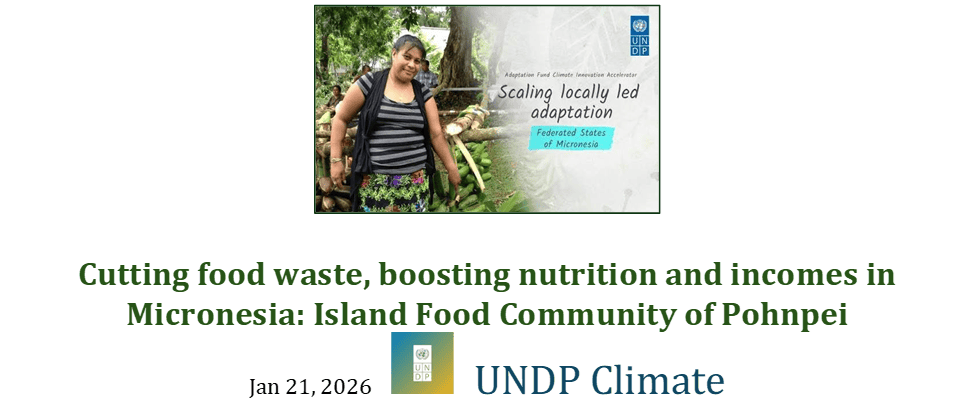
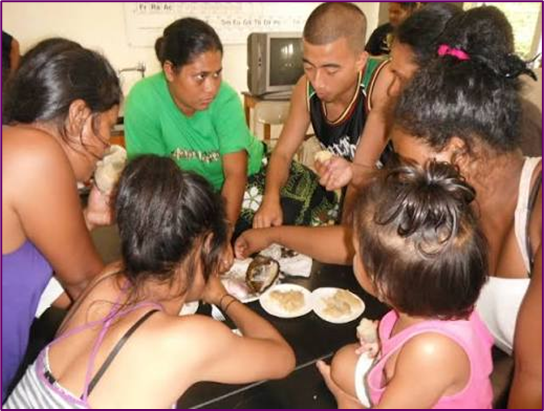
In the Federated States of Micronesia, heavy reliance on imported food is increasing carbon emissions and undermining food security. To reduce this dependence, the Island Food Community of Pohnpei (IFCP) is promoting durable food processing using indigenous crops such as banana, taro, breadfruit and tapioca. Supported by the UNDP-Adaptation Fund Climate Innovation Accelerator (AFCIA), the initiative equips women with milling technology to turn locally grown crops into nutritious flours with a longer shelf life. The project is strengthening local food systems and climate resilience across Micronesia by reducing food waste, improving nutrition, and creating new income opportunities.



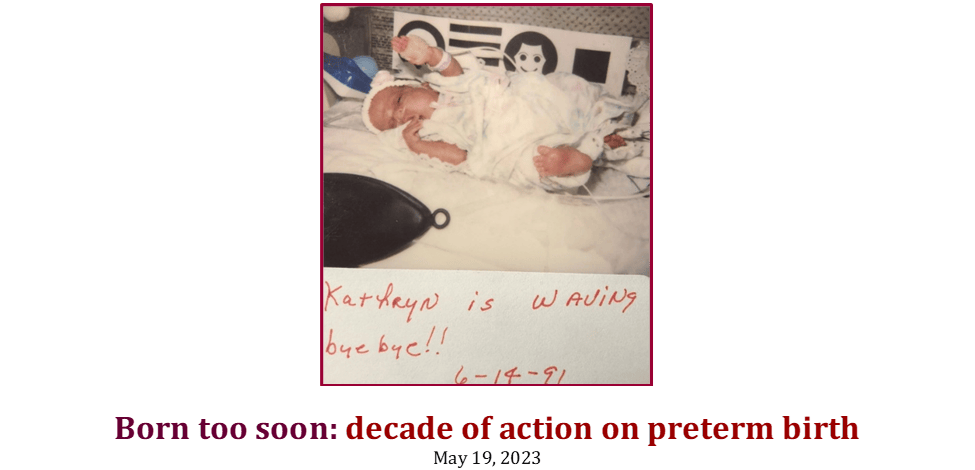
The world is facing a silent emergency with a staggering 152 million babies born preterm in the last decade. Shockingly, preterm birth rates have not improved across regions, making it the leading cause of child deaths. Urgent action is needed to prevent preterm births, improve care for affected infants, and address the escalating risks posed by conflicts, climate change, and the ongoing COVID-19 pandemic.
The Born Too Soon: Decade of Action on Preterm Birth report, jointly produced by the World Health Organization (WHO), the United Nations Children’s Fund (UNICEF), and the Partnership for Maternal, Newborn & Child Health (PMNCH), reveals the severity and scale of this crisis. Preterm survivors face lifelong health consequences, disabilities, and developmental delays. Disparities in survival rates persist, with only 1 in 10 extremely preterm babies surviving in low-income countries compared to over 9 in 10 in high-income countries. Southern Asia and sub-Saharan Africa bear the highest burden, accounting for more than 65% of global preterm births.
The report emphasizes the critical link between maternal health risks and preterm births, underscoring the need for comprehensive sexual and reproductive health services. WHO, UNICEF, UNFPA, and PMNCH call for immediate action, including increased investments in maternal and newborn health, accelerated implementation of national policies, integration of efforts across sectors, and investment in locally led innovation and research.

Link: https://data.unicef.org/resources/born-too-soon-decade-of-action-on-preterm-birth/

HEALTHCARE PARTNERS
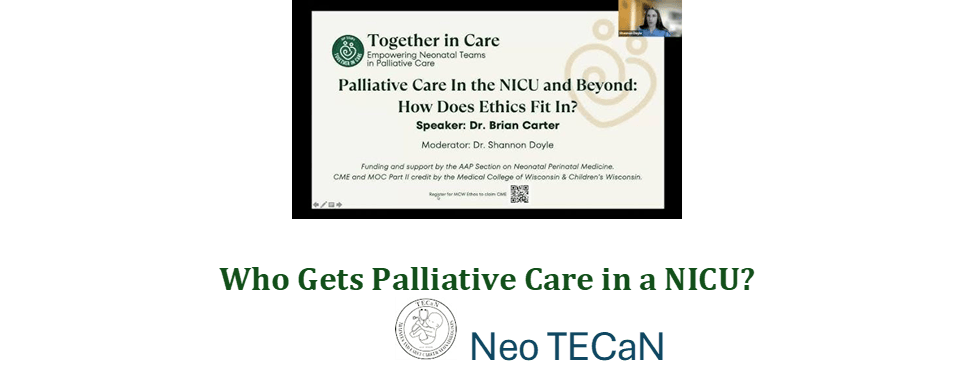
Webinar #5 of the Together in Care Series: “Who Gets Palliative Care in a NICU? Pearls from the Field” Dr. Jennifer Linebarger from Children’s Mercy discusses when to get specialty palliative care involved and how to develop parallel plans in the face of uncertainty.

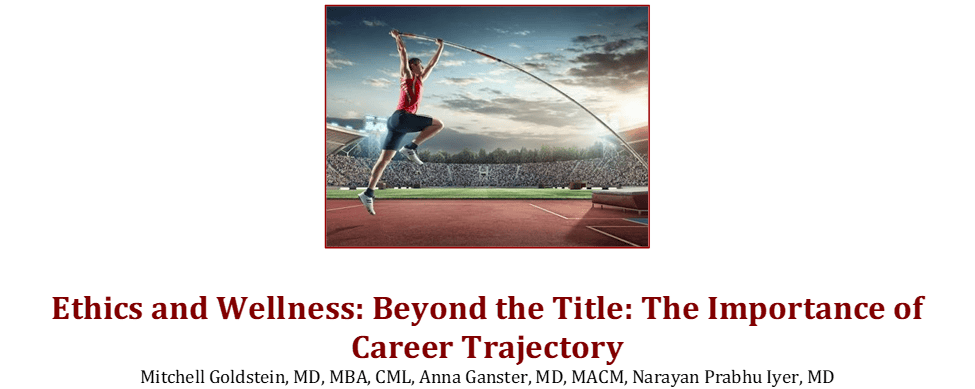
Career trajectory is extremely important. Ultimately, it is not simply where someone starts, but where they are going that matters most. A person 20 years into a career and someone 20 days out of fellowship may be at very different points professionally, but both should feel they are moving forward, developing, contributing, and working toward something meaningful. Career trajectory provides direction. It gives people a reason to invest in their work, develop new skills, take on greater responsibility, and believe their contributions will be recognized and valued over time.
This valuation does not mean that someone who has just started a career should immediately be placed in a directorship or given a position of substantial authority or responsibility. Nor does it mean that someone who has reached a certain age or level of seniority should automatically retire, step aside, or surrender a position simply because someone else wants or needs that opportunity. Career development is not a zero-sum game in which one person’s advancement necessitates another person’s displacement. Rather, it is about establishing appropriate goals, setting reasonable expectations, and creating opportunities for people to grow as their experience, accomplishments, interests, and capabilities evolve.
View each individual’s path as a unique journey. People do not all move at the same pace, nor should they. A person’s trajectory is shaped by a variety of forces, some externally mediated and some rooted within the individual. Circumstances may accelerate progress along the path, or a person may bring inherent skills and abilities to the table. Development of expertise and leadership skills may lead to a more gradual pace. Some might grow when greater expectations and responsibilities are placed on them or when they finally determine where their careers take them. A person just beginning a career should understand that their trajectory is not fixed. It can accelerate, change direction, or evolve as their achievements and roles within an organization develop. Personal priorities too change with time and can significantly impact the perception of success (or failure) in their professional life.
What is particularly problematic is not having a lower position, but being denied a trajectory. Many may assume that having no role or a lesser role can be problematic for an academic career outlook. That may be true; however, being denied a trajectory can be even more detrimental to a person’s professional life. Someone who enters an organization at a junior level, hoping to grow and contribute but seeing no opportunity for advancement, may begin to feel marginalized and question their purpose. A mid-career individual who has worked diligently to build a path to professional fulfillment, who might have assumed meaningful responsibility or achieved results in their endeavors, may face a barrier to further advancement and equally question their purpose and contributions thus far. The problem becomes even more pronounced among senior professionals who find themselves increasingly siloed. They may be excluded from important decisions, or gradually relieved of responsibilities that they previously held, often without meaningful discussion or their assent. When responsibility is continually taken away without a clear explanation or alternative path, the message can be devastating: “your contributions are no longer valued, and there is no meaningful future for you here.”
Organizations should recognize that trajectory is not merely an individual concern. It is an important component of retention, engagement, morale, and institutional health. People are much more likely to remain committed to an organization when they understand what is expected of them, see how their contributions fit into the larger mission, and can envision what their future might look like. Conversely, when people believe that their careers have stalled or that decisions about their future are being made without them, disengagement is often inevitable. Committed and hardworking individuals may feel a deep sense of failure; a feeling that invariably impacts their professional and personal lives. Eventually, talented people begin looking elsewhere—not necessarily because they wanted to leave, but because they could no longer see a reason to stay.
There are clear ways to support individuals in their trajectory. Leaders and mentors need to take the lead and help individuals take the first steps toward setting expectations, establishing clear expectations, and communicating them openly. Another is to help individuals map a potential career course, recognizing that the map is not a contract or guarantee but a framework for development. Regular conversations about goals, responsibilities, accomplishments, and future opportunities can help ensure that both the individual and the organization understand where things are headed. These conversations should occur throughout a career, not only when someone is being considered for promotion or when a problem has already developed. If the accomplishment is acknowledged only behind closed doors between the boss and the individual, it is often less powerful. A leader must acknowledge similar accomplishments equally. If that does not happen, it can be very demoralizing.
Most importantly, trajectory should never be confused with title. Moving forward along the path can take many forms. It may come in the form of greater autonomy to work on new projects, taking on a leadership position, or simply having broader clinical responsibilities. Some may shine in program development or the administrative arena. Others may find their calling in mentorship and education. Recognition within the immediate work environment and the wider institution plays an important role in supporting people’s professional journey. Advancement in academia is often associated with something bestowed by an outside force, but this serendipity cannot be relied on to help someone on their path. A healthy organization creates multiple pathways for meaningful professional growth rather than defining success by a single hierarchy of titles.
The individual also plays an equally important role in their progression. Career trajectory requires self-reflection and active participation. People need to identify their goals, understand their strengths and limitations, seek feedback, develop new competencies, and demonstrate that they are prepared for greater responsibility. Organizations can create opportunities, but individuals must take advantage of them. A trajectory is therefore a shared task between the professional and the institution.
At every stage of a career, people need to believe that their best work may still be ahead of them. Someone early in a career should be able to look forward and see possibilities. Someone in midcareer should be able to identify the next challenge or opportunity. Someone who is highly experienced should continue to have meaningful ways to contribute, mentor, lead, innovate, and influence the future. Seniority should not be viewed as an expiration date, just as youth should not be viewed as an automatic qualification for advancement. The most damaging circumstance is when someone feels their trajectory has stagnated, been put on hold, or been denied altogether. That feeling can be more consequential than the absence of a particular title or promotion. People can tolerate not getting everything they want, particularly when they understand why and can see what they need to accomplish to move forward. What is much harder to tolerate is uncertainty without communication, responsibility without recognition, or a future that appears to be disappearing without explanation.
Ultimately, good leadership requires leaders to think not only about what people are doing today, but about where those people can go tomorrow. The strongest organizations continually create pathways for people to grow while simultaneously creating opportunities for new leaders to emerge. They do not force an artificial choice between developing junior people and sustaining the contributions of senior people. Instead, they build an environment where experience can mentor ambition, emerging leaders can develop without displacing those who came before them, and everyone can understand how their individual path contributes to the organization’s trajectory.
A career does not have to move in a straight line. It may have detours, pauses, changes in direction, and unexpected opportunities. Nevertheless, it should have direction. People need to know they have somewhere to go, something to strive for, and a reason to believe their continued investment will matter. When that trajectory exists, individuals are more engaged, organizations are more resilient, and careers become not simply a succession of positions, but a continuing process of growth, contribution, and purpose. With a purpose and direction, the passage of time makes one wise and not merely old.
Source: https://neonatologytoday.net/newsletters/nt-sep26.pdf
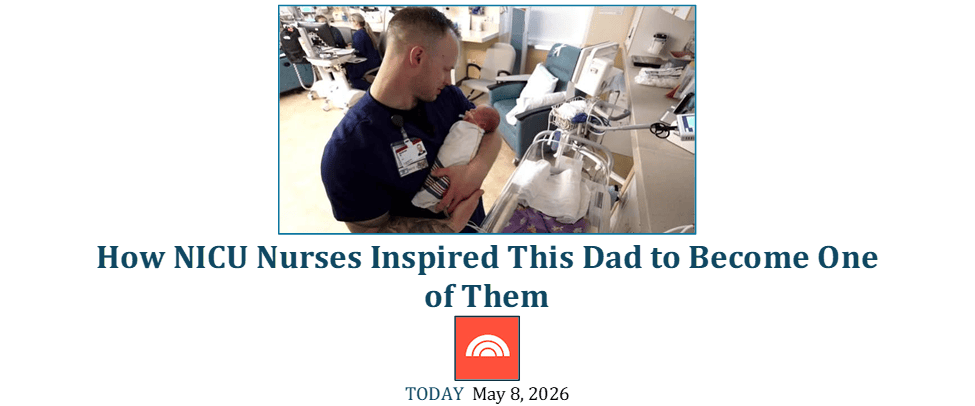
Nathan Schloegl, a former member of the U.S. military and Coast Guard, is now a NICU nurse who works in the neonatal intensive care unit at Corewell Health Helen DeVos Children’s Hospital in Grand Rapids, Michigan. He was inspired to become a nurse when his son was admitted to the NICU after he was born and he relied on the nurse’s support during the difficult time. He joins TODAY along with his son Luca to talk about making the career switch.

PREEMIE FAMILY PARTNERS
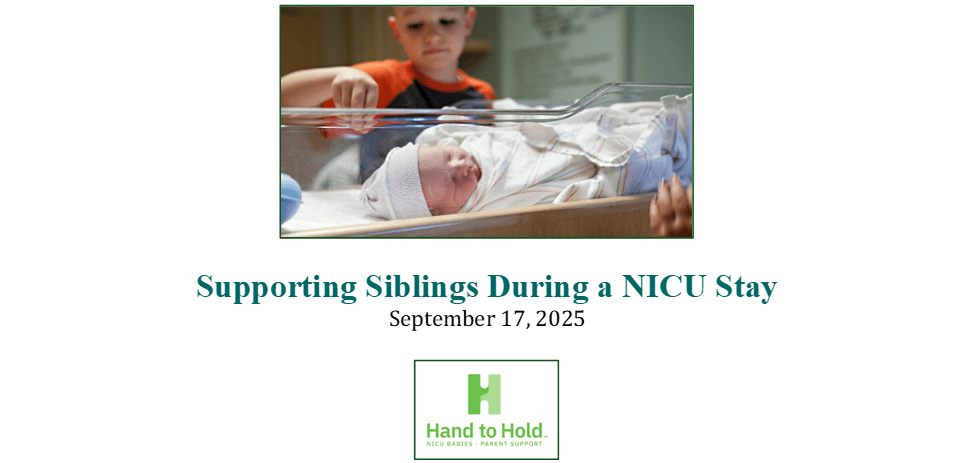
Navigating the world of the NICU while caring for other children is hard. A NICU stay impacts the entire family, especially the siblings waiting at home who need reassurance, information and routine to feel secure.
As the parent, there is grief in missing out on the sibling meeting you all had hoped and planned. You may feel split between your children at home and your baby in the NICU. Naming those feelings and acknowledging that it’s okay to have them can help you and your older children cope.
Your older children and your baby will have different needs throughout a NICU stay. It requires you to slow down, take a step back, focus on loving your children, and savor the moment with each of them. These small actions help siblings feel safe, seen, and loved, and help your family feel supported during your NICU journey.
Taking Care of Siblings
MANAGING SIBLING EMOTIONS
Emotional reactions from siblings are hard and complex. Children at home may withdraw, regress, or have more tantrums. They may feel jealous, angry, or confused. These are all normal reactions. Here are a few ways to help navigate these emotions:
- Acknowledge your child’s feelings and let them know it’s okay to have them.
- Inform childcare providers or schools about your NICU baby so they can offer extra support to your child.
- Try to spend one-on-one time with each child. This could be something as simple as a walk around the neighborhood or snuggling together to read a book
- Tell your child at home it is not their fault the baby is in the NICU.
- If home is in another city and you’re separated from your family while your baby is in the NICU, make time for video calls and trips home for special quality time with older children.
IF SIBLINGS CAN VISIT THE NICU
Sibling visitation policies vary per hospital. Here are a few helpful tips to prepare and make your child’s visit to the NICU go smoothly.
- Talk to your child about what to expect. Show them pictures of where they will scrub in and tell them what they will have to do. Show them photos of your baby and the area or room around the bedside, explaining what they will see and how each machine is helping their baby.
- Know that sibling visiting times may vary. Some siblings may want to stay for longer, others may want to leave after five minutes. If possible, coordinate sibling visits with your partner or other family members who can step out of the NICU with your child if they get restless.
- Check in with yourself and your child. If you think they may get upset seeing your baby when they are getting lots of support, it may be better to wait until your baby is more stable. This will depend upon your child’s ages and personality. You know your child best.
Here are some questions you can ask your NICU team before your visit:
- Is there a minimum age requirement?
- Do we need to show immunizations?
- Do older children need to bring IDs?
HOW SIBLINGS CAN GET INVOLVED
- Choose a favorite book for parents to take into the NICU to read to the baby.
- Record themselves! Read a book that can be played at your baby’s bedside or leave a message for baby: “Good morning, little sister!” “I love you, little brother!”
- Pick a favorite toy (NICU-approved) for you to take to the NICU for the day. You can take pictures with the toy around your baby’s space.
- Once your baby can wear clothes, have siblings pick an outfit for the baby to wear and then take photos to show them.
- Create an age-appropriate visual schedule together so siblings can see your daily routine and how this might impact their schedule: “Mom home for bedtime,” “family dinner night,” or “babysitter afternoon.”
- As you get ready for your baby to come home, talk to your child and come up with age-appropriate ways they can engage with their new sibling: hold baby, help with diaper changes or feedings, pick out clothes, go for family walks. All of these can help you bond as a family when you get home.
Supporting siblings during a NICU stay is a series of small, steady steps: honest conversations, thoughtful preparation before a visit and meaningful jobs when they can’t go to the hospital. Keep routines where you can, celebrate tiny wins, and give yourself plenty of grace.
Source: https://handtohold.org/supporting-siblings-during-a-nicu-stay/
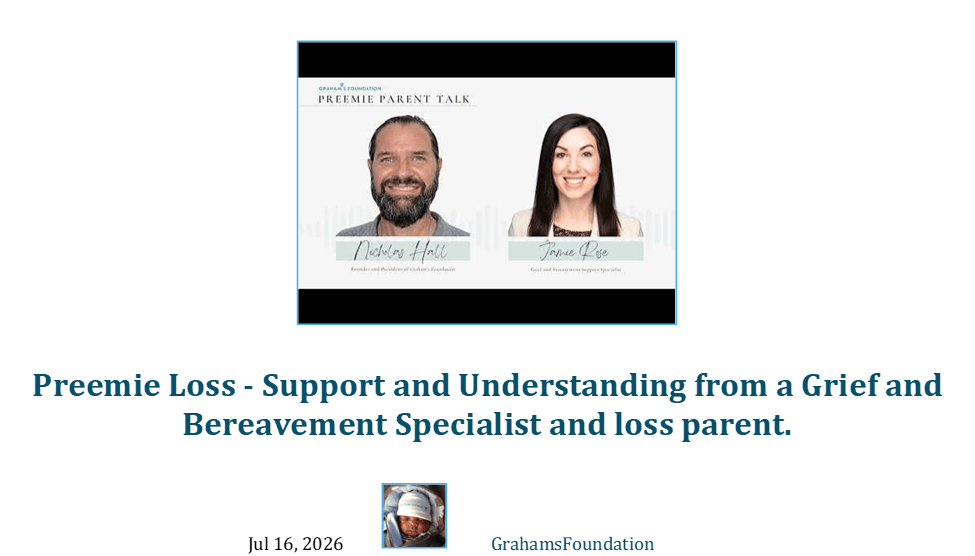
Nicholas Hall talks about loss and support with Grief and Bereavement Support Specialist Jamie Rose. Jamie founded Lambie’s Love, which is a non profit offering compassion, inclusive support and resources to bereaved families of child loss.
RESOURCES FOR PARENTS
Global & National Support Organizations
When Kat was born in 1991, there were NO resources available to parents and families that provided guidance and support towards the preterm birth experience. There were no books; only a pamphlet to provide resources for a family whose baby had died. There are now abundant global agencies offering support to preterm birth family members. Please explore your local options. A supported journey, and educated parents and family, will enhance the preterm birth experience for all involved.
Global Foundation for the Care of Newborn Infants (GFCNI):
The Global Foundation for the Care of Newborn Infants (GFCNI) works to improve newborn health by advocating for high-quality, accessible, and equitable care, long-term follow-up, and continuing care for both mother and infant in each region of the world. Our particular focus is on infants born too soon, too small, or too sick – those who need special medical care and hospitalization after birth. We represent the patient and parent voice in the global arena, transcending country borders and continents. GFCNI is the first global organization and network to unite patients, families, healthcare professionals, medical staff, and scientists from different disciplines, fields, and countries – all with the joint goal of advancing the health and quality of care for newborns and their families across the globe. GFCNI is a non-profit organization.
Postpartum Support International (PSI)

Offers global and remote support, including specialized online loss and grief support groups, peer mentors, and a confidential PSI HelpLine at 1-800-944-4773 (text support available in English and Spanish). PSI headquarters is located in Portland, Oregon, and has members all over the world, including volunteer coordinators in every one of the United States and in more than 36 other countries. PSI disseminates information and resources through its volunteer coordinators, website and annual conference. Its goal is to provide current information, resources, education, and to advocate for further research and legislation to support perinatal mental health.
https://postpartum.net/get-help/locations/
March Of Dimes

March of Dimes is a nonprofit organization committed to ending preventable maternal health risks and death, ending preventable preterm birth and infant death and closing the health equity gap for all families.
A national and virtual nonprofit that provides comprehensive mental health support, licensed professional counseling, and peer-to-peer matching specifically tailored for families navigating NICU stays, complex outcomes, and infant loss. Hand to Hold® is a national nonprofit 501(c) 3 dedicated to providing early-intervention mental health support, educational resources and community before, during and after a NICU stay.
Hand to Hold — free NICU family support
Welcome to Graham’s Foundation, a nonprofit charity supporting families with premature babies. We provide essential resources and educational materials, free care packages, mentor support, and the MyPreemie app to empower those affected by prematurity. Together, we can navigate this challenging journey with compassion. The foundation specializes in micro-preemie and premature support, offering targeted preemie loss and remembrance resources alongside care packages and mentorship. Our mission is to inform and guide parents of preemies so that they may confidently navigate the journey of prematurity.
https://www.grahamsfoundation.org/
Global Community
Support for families of babies born preterm varies widely by country and community. Parents can ask their hospital, neonatal intensive care unit (NICU), pediatrician, community health center, or maternal-child health program about local parent groups, counseling, social services, financial assistance, home-visiting programs, and early developmental support. You can also search online using terms such as “premature baby support,” “NICU parent support,” “preterm birth organization,” or “early birth intervention services” together with the name of your city, region, or country. National ministries of health, hospitals, universities, nonprofit organizations, and parent-led groups may also provide free local or virtual support.
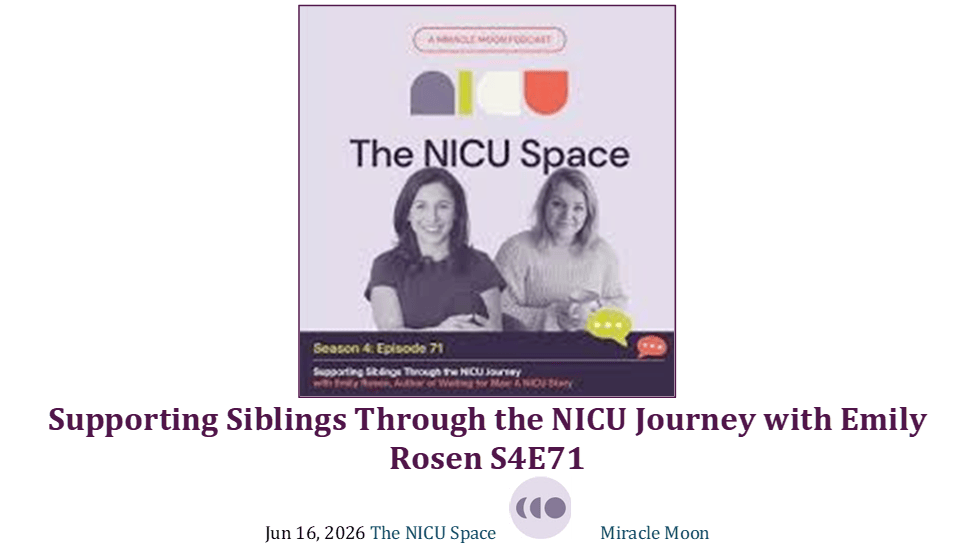
The NICU Space by Miracle Moon Podcast – Season 4, Episode 71 In this episode, I’m joined by Emily, mum to Max, who was born six weeks early and spent 16 days in neonatal care. Emily shares her experience of premature birth, navigating the uncertainty of NICU, and the overwhelming feeling of waiting for her baby to come home. We talk about the emotional impact of neonatal care, life after NICU, and how Emily turned her experience into a children’s book, Waiting for Max. Together, we explore how to support siblings during a NICU stay, why honesty and connection matter when talking to children about neonatal care, and how creativity can help families process difficult experiences. In this episode, we talk about: •Premature birth at 34 weeks and the emotional impact of NICU •The experience of waiting for your baby to come home from neonatal care •Life after NICU, including postpartum anxiety and processing trauma •How to support siblings when a baby is in neonatal care •Using books, creativity and storytelling to help children understand NICU Resources & links mentioned in this episode: The NICU Space Community An online support space for NICU parents at all stages of their journey. Inside you’ll find specialist resources, coping tools and connection with parents who understand what this experience can feel like.

INNOVATIONS
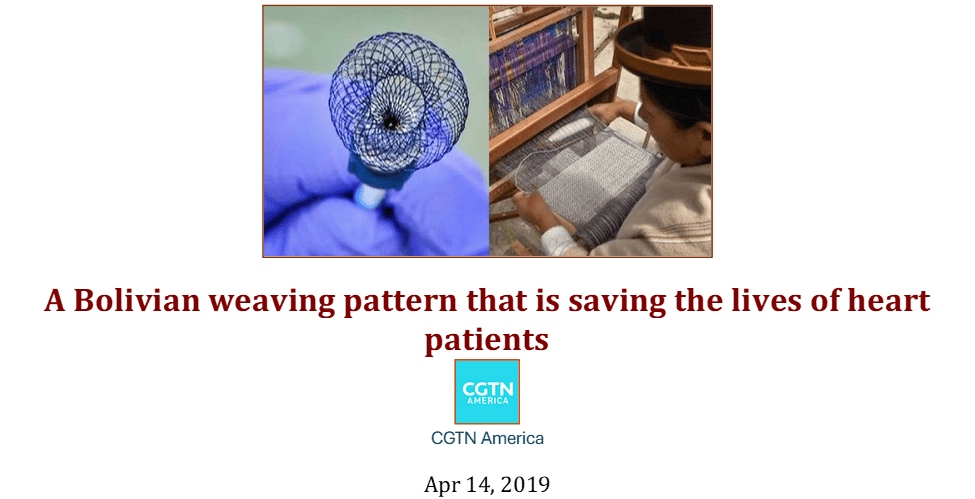
A cardiologist from Bolivia is creating devices to cure heart defects using an ancient weaving technique. Worldwide nearly one out of every hundred children are born with a congenital heart disease. They can vary from a defective vessel and leaky valves, to a hole in the heart. In Bolivia, ancient weaving traditions have come together with today’s technology to create a device that not only saves lives but also minimizes the post-operative recovery in children. Traditional Aymara weavers repeat an Andean Cross or “chakana” symbol up to 120 times to craft the device, called Nit-Occlud ASD-R. Our Game Changer came up with the idea for the device. Meet Dr. Franz Freudenthal. Dr. Freudenthal and his team perform around a hundred surgeries a year with a 99.8% success rate in children. The use of the device has been approved by regulatory agencies in Canada, South America and the European Union.
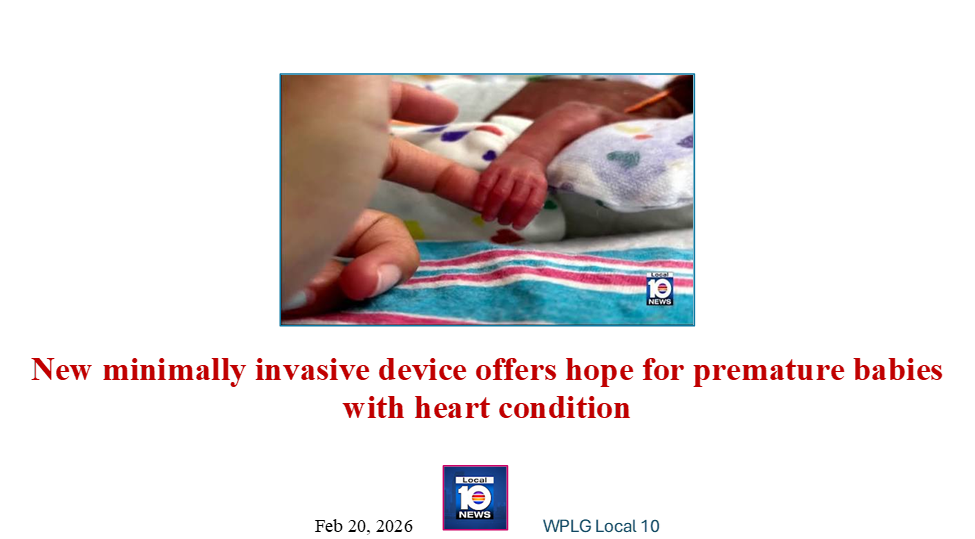
It’s so small, not even the size of a dime! But a teeny, tiny device is helping the hearts of some of the most vulnerable patients: preemies.
Abstract
The epidemiology of preterm birth among Pacific Islanders is minimally understood. The purpose of this study was to estimate pooled prevalence of preterm birth among Pacific Islanders and to estimate their risk of preterm birth compared to White/European women. We searched MEDLINE, EMBASE, Web of Science Core Collection, Cochrane Library, CINAHL, Global Health, and two regional journals in March 2023. Observational studies were included if they reported preterm birth-related outcomes among Pacific Islanders. Random-effects models were used to estimate the pooled prevalence of preterm birth with 95% confidence interval (CI). Bayes meta-analysis was conducted to estimate pooled odds ratios (OR) with 95% highest posterior density intervals (HPDI). The Joanna Briggs Institute checklists were used for risk of bias assessment. We estimated preterm birth prevalence among Pacific Islanders in the United States (US, 11.8%, sample size [SS] = 209,930, 95% CI 10.8%-12.8%), the US-Affiliated Pacific Islands (USAPI, SS = 29,036, 6.7%, 95% CI 4.9%-9.0%), New Zealand (SS = 252,162, 7.7%, 95% CI 7.1%-8.3%), Australia (SS = 20,225, 6.1%, 95% CI 4.2%-8.7%), and Papua New Guinea (SS = 2,647, 7.0%, 95% CI 5.6%-8.8%). Pacific Islanders resident in the US were more likely to experience preterm birth compared to White women (OR = 1.45, 95% HPDI 1.32–1.58), but in New Zealand their risk was similar (OR = 1.00, 95% HPDI 0.83–1.16) to European women. Existing literature indicates that Pacific Islanders in the US had a higher prevalence of preterm birth and experienced health inequities. Learning from New Zealand’s culturally-sensitive approach to health care provision may provide a starting point for addressing disparities. The limited number of studies identified may contribute to higher risk of bias and the heterogeneity in our estimates; more data is needed to understand the true burden of preterm birth in the Pacific region.
Full Study: https://pmc.ncbi.nlm.nih.gov/articles/PMC10266634/
Fall Is Here, and So Are We!
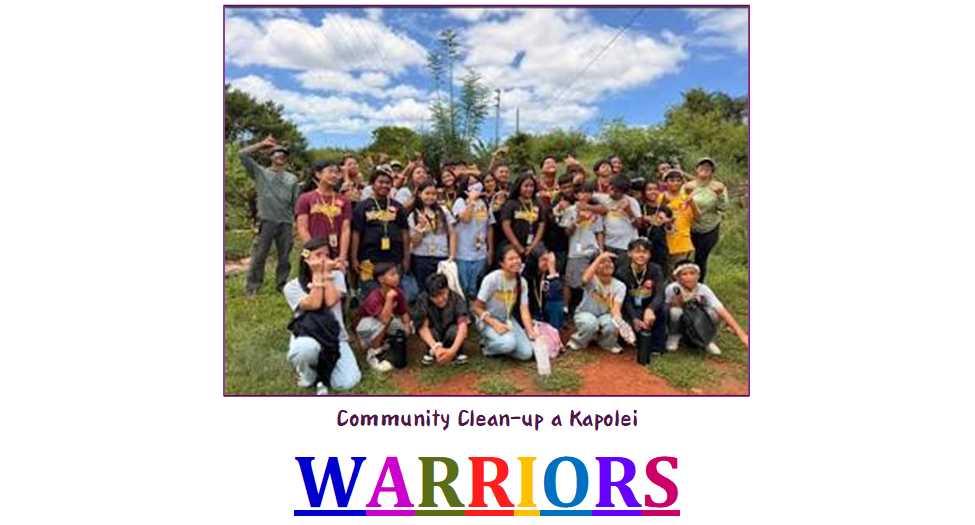
Pumpkin spice, crunchy leaves, and sweater weather are back, Warriors! Fall has a way of reminding us how far we’ve come. Many of us started life in a NICU, wrapped in blankets and surrounded by the steady beeps of monitors. Now we get to spend October picking pumpkins, wandering through corn mazes, and arguing about whether apple cider or hot chocolate is the superior fall drink. We didn’t have a typical first chapter, but we’ve earned every cozy moment this season has to offer.
Here’s a fun thought: preemies and pumpkins have more in common than you’d think. Both started out small, both took a little extra time and care to grow, and both turned out to be mighty. Whether you’re a fellow survivor, a NICU parent, or a proud community member, we invite you to carve, paint, or decorate a pumpkin in honor of your own journey. Purple is our color, so a purple pumpkin is a great choice. Some Warriors might add a gestational age, a birthday, or a NICU nickname. Others might just draw a big goofy face. Anything goes!
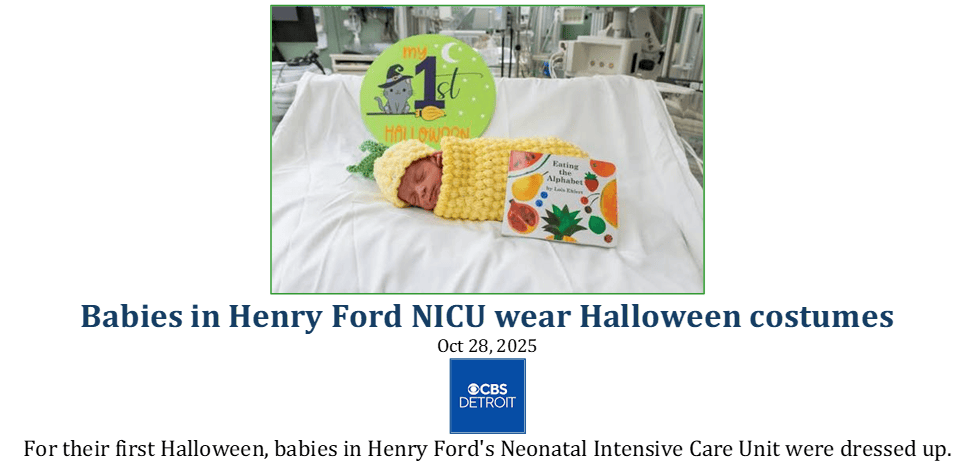
Looking for more ways to celebrate? Try a fall bucket list of your own: jump in a giant pile of leaves, visit an apple orchard, host a movie night with your favorite cozy films, bake something that fills the whole house with cinnamon, or wear the most ridiculous Halloween costume you can find. For our Warriors who love a tiny costume moment, a preemie-sized costume is one of the cutest traditions around. Whatever you choose, remember that fun looks different for everyone. Sensory-friendly and low-key celebrations count just as much as the big ones.
A gentle note as the weather cools: fall also marks the start of cold, flu, and RSV season, which can hit our community a little harder, especially those of us with lung or other long-term health needs. It’s a great time to check in with your care team about seasonal vaccines and protection, and to keep up the handwashing. Taking care of ourselves is part of the celebration, too.
So grab your warmest sweater, your favorite fall treat, and your people, and go make some memories. We’d love to see how you’re celebrating this season, so share your fall favorites with our community and let’s cheer each other on. Happy fall, Warriors. Go get ’em! 🍂🎃💜