
Voices, Targeting Healthcare, Breaking Bread

Lebanon, officially the Republic of Lebanon, is a country in the Levant region of West Asia. Situated at the crossroads of the Mediterranean Basin and the Arabian Peninsula, it is bordered by Syria to the north and east, Israel to the south, and the Mediterranean Sea to the west; Cyprus lies a short distance from the coastline. Lebanon has a population of more than five million and an area of 10,452 square kilometres (4,036 sq mi). Beirut is the country’s capital and largest city.

Lebanon is a parliamentary democracy that includes confessionalism. The National Pact, erected in 1943, laid out a governing arrangement intended to harmonize the interests of the country’s major religious groups. The President has to be a Maronite Christian, the Prime Minister a Sunni Muslim, the Speaker of the Parliament a Shi’a Muslim, the Deputy Prime Minister and the Deputy Speaker of Parliament Eastern Orthodox. This system is intended to deter sectarian conflict and to represent fairly the demographic distribution of the 18 recognized religious groups in government.

Source: https://en.wikipedia.org/wiki/Lebanon

Background

Most of the Infant and Family Centered Developmental Care (IFCDC) Standards focus on evidence-based approaches to care of the baby and family while in intensive care. An ever expanding literature provides rationale for promoting the best care environments for the baby’s developing brain, as well as for parents’ physical and emotional adjustment as they transition to parenthood. As babies may spend days, weeks, and sometimes months during a critical time for brain and behavioral organization, an emphasis has been placed on neuroprotective caregiving strategies and environmental protection to enhance medical, developmental, and psychosocial outcomes.

Both neurodevelopmental and physiological research focus primarily on the age range of babies from birth to discharge, typically ending at 40 weeks post-conceptional age, or when the baby goes home. As babies may be discharged at earlier ages than in previous years—when medically stable, but before many neurodevelopmental tasks have been firmly established (e.g., coordinated eating, sleeping, and regulation)– it is important to extend the focus to the weeks and months after discharge when the baby is still in a developmental fast track.

Babies deemed medically stable enough to transition home need appropriate supports for discharge and preparation for life after hospitalization. A growing literature documents best practices for that preparation, assuring a smooth and uncomplicated transition to community services.

Post-discharge visits to the baby’s pediatrician typically focus on medical stability, as is appropriate. However, most follow-up clinic visits, which include developmental assessment and monitoring, may not occur until the baby is 3-6 months of age. Early intervention services in the United States provide developmental assessment and intervention, if appropriate, for those babies who are “categorically eligible” through Part C of the Individuals with Disabilities Education Act (IDEA). https://www.ed.gov/laws-andpolicy/individuals-disabilities/idea.

Each state determines the qualifications for eligibility, often including diagnoses of established conditions that demonstrate evidence of significant developmental delay (e.g., Down syndrome, chromosomal abnormalities, deafblind conditions, etc.). Often, low birthweight is either not included or restricted to birthweight under 1200 grams, which excludes those babies who have been identified as likely to have lingering developmental deficits (e.g., late preterm babies 34-36 weeks post-conceptual age). Part C assessment and follow-up are mandated to occur within a 45-day timeframe. However, many babies are not identified while they are in the hospital and may not be deemed eligible until obvious developmental concerns surface.

Rationale for assuring continuity of developmental and psychosocial supports from hospital to home.

Support for early brain organization during the neonatal period and throughout the first years of a baby’s life is critical for later development. The literature is replete with evidence regarding neurophysiological and behavioral development, as well as an emphasis on the need for appropriate relationship environments to promote optimal outcomes. Emerging evidence of specific brain development during the first few months of a baby’s life (often referred to as “the fourth trimester”) lends emphasis to the importance of not only understanding the enormity of brain development during this period, but also the potential opportunities for creating appropriate environments and caregiving.

The impact of early birth, medical complexities, and associated hospitalizations on brain development and organization indicates that short and long-term neurophysiologic, behavioral, and mental health outcomes are affected. These and many other outcome studies emphasize the need for early, appropriate environmental and developmental protections, as well as individualized care. Given the recent findings regarding the significant brain development and organization during the first three to six months (in addition to development during the last trimester), it becomes apparent that a significant focus should be on effective interventions both before and after discharge.

Brain and behavior development in parents

Brain changes also occur as parents are transitioning to becoming primary caregivers of their new baby. Emerging evidence of neuroendocrine, neurophysiologic, and behavioral changes during pregnancy, delivery, and postpartum indicates that the experience of becoming parents—for both mothers and fathers — has significant implications for later physical and mental health. Fewer studies indicative of brain changes in parents of early born and medically fragile babies are available; however, there are clear associations with parental mental and physical health challenges.

 Punctuated events and recalibration

As babies transition from being fetuses to newborns, there is a significant impact on their brain and behavioral organization. The environment is significantly different, necessitating adaptation from uterine to a maternal caregiving environment. This dramatic change has been referred to as a “punctuated event,” which signifies a significant change in both physiology and behavior, resulting in a period of adaptation and recalibration of behavior.

As previously proposed, a similar punctuated event occurs when the baby transitions from the familiar hospital caregiving environment to the novel home/community environment. (39, 40) It is no wonder that the babies who transition home experience changes in physiology and behavior as a result. Often, medical issues arise, sleep states are disorganized, feeding challenges occur, and previously effective calming strategies seem to be ineffective.  If the parent and baby have not had a chance to experience intimate and consistent caregiving in the hospital, which provides the continuity of a trusting relationship, there can be challenges in the process of recalibration.

Parents also experience significant life-changing events to which they must adapt and recalibrate. Pregnancy to delivery and delivery to parenting represent significant punctuated events that may cause other physiologic and/or mental health concerns to emerge. Most parents of term and medically stable babies have had opportunities to adapt to this change cognitively and psychologically. For parents who have a challenging pregnancy, a difficult delivery, and/or a baby at risk for medical challenges, these punctuated events can raise physiological and psychological challenges to which recalibration is complicated.

As with the transition home for babies, the transition home for parents can be disorganizing and difficult. Parents may not only be dealing with their own physical and/or mental health issues as a result of pregnancy, delivery, and hospitalization of their baby, but with the full-time care and adjustment to care in their own home environment. (48-50) Often, the demands of baby care and selfcare are discrepant, resulting in poor sleeping and eating, lack of exercise and social interactions, and other mental health concerns becoming issues that need to be addressed. Unfortunately, these issues may not be addressed quickly and may persist for the first 3-6 months of the family’s life together at home.

Relationship environments are essential for optimal development.

 One of the most significant influences on babies’ outcomes is the relationship environment with their primary caregiver. Given the significant neurophysiological and behavioral changes that occur in both newborns and their parents during the first few months after delivery, the development of robust and mutually supportive interactions is fraught with a variety of challenges and successes. These are particularly challenging for parents who come to parenting with significant mental health issues, economic and/or cognitive challenges, few social supports, and/or limited educational backgrounds.  Effective interventions have been developed to enhance the parent/baby relationships applied in community settings.

Although effective interventions in communities to promote relationships between parents and their babies have been developed, the application of these programs for parents of medically fragile or early born babies and related research is limited.  Having a hospitalized baby presents challenges to early relationship development. A multitude of medical, psychosocial, environmental, cultural, and systems events can challenge early relationship development. Early separation of baby and parent, postpartum medical issues in the postpartum period, family and job responsibilities, grief reactions and fear, poor communication with professionals, as well as restrictive policies and procedures, are but a few of the interfering variables that can affect robust relationship development. 

The Infant and Family Centered Developmental Care (IFCDC) Standards address continuity from the hospital to the community.

The IFCDC standards emphasize the importance of collaboration with parents to ensure they are well-prepared to support their baby’s development both in the hospital and after discharge. Each NICU system should engage in collaborative efforts among team members, including parents and caregivers.

The focus should promote and ensure parents’ preparation for transition to community resources, which can be accomplished by providing competent and relevant physical, developmental, and psychosocial services throughout the hospital stay and into the community.

The IFCDC standards also emphasize the need for collaboration with follow-up and community providers who will support their families in the weeks and months after hospitalization.

Conclusion:

Continuity during the transition from intensive care to the family’s home and community presents neurophysiological, psychosocial, and behavioral challenges for both babies and their parents. These occur during a particularly vulnerable time, as the last trimester and the first 3-6 months represent a sensitive period of brain, behavior, and relationship development. Interventions in the hospital should focus not only on neurodevelopmental support and environmental protection but should also emphasize parental involvement in preparation for supporting their baby’s development after discharge. As delineated in the IFCDC standards, it is essential for the intensive care community to not only engage parents as team members and prepare them during hospitalization for post-discharge care, but also to ensure continuity of well-prepared community support and medical follow-up. Currently, the kind of intervention that addresses the specific needs of babies and their parents — early and often, during the first 3-6 months —is not consistently practiced in the United States. There is a need for appropriately trained providers who can sensitively and knowledgably address health, development, relationship, and mental health, development, relationship, and mental health issues for vulnerable families during this vulnerable period.                    

 View additional graphs and info

Source: https://www.marchofdimes.org/ways-to-give/donate?utm_campaign=2021advocacy&utm_content=footer&utm_medium=email&utm_source=advocacy

Since 7 October 2023, 47% of attacks on health care – 65 out of 137 – have proven fatal to at least one health worker or patient in Lebanon, as of 21 November 2024.

This is a higher percentage than in any active conflict today across the globe – with nearly half of all attacks on health causing the death of a health worker.

In comparison, the global average is 13.3%, based on the SSA’s figures from 13 countries or territories that reported attacks in the same period, 7 October 2023–18 November 2024 – among them Ukraine, Sudan and the occupied Palestinian territory (oPt). In the case of oPt, 9.6% of the total number of incidents has resulted in the death of at least one medical professional or patient.

According to the SSA, 226 health workers and patients were killed in Lebanon and 199 injured between 7 October 2023 and 18 November 2024.

In the same period, the SSA registered a combined total of 1401 attacks on health in oPt, Lebanon and Israel – 1196 in oPt, 137 in Lebanon and 68 in Israel.

Civilian health care has special protection

“These figures reveal yet again an extremely worrying pattern. It’s unequivocal – depriving civilians of access to lifesaving care and targeting health providers is a breach of international humanitarian law. The law prohibits the use of health facilities for military purposes – and even if that is the case, stringent conditions to taking action against them apply, including a duty to warn and to wait after warning,” said WHO Representative in Lebanon Dr Abdinasir Abubakar.

International humanitarian law states that health workers and facilities should always be protected in armed conflicts and never attacked. Health facilities must not be used for military purposes, and there should be accountability for the misuse of health facilities.

“There need to be consequences for not abiding by international law, and the principles of precaution, distinction and proportionality should always be adhered to. It’s been said before, indiscriminate attacks on health care are a violation of human rights and international law that cannot become the new normal, not in Gaza, not in Lebanon, nowhere,” said WHO Regional Director for the Eastern Mediterranean Dr Hanan Balkhy.

The majority of incidents in Lebanon impact health workers

The majority (68%) of incidents in Lebanon registered by the SSA impacted health personnel, a pattern seen repeatedly in the last few years, including in Gaza in the past year. In Lebanon, roughly 63% affected health transport and 26% affected health facilities.

Attacks on health care hit twice. First, when health workers lose their lives or when a health centre is obliterated, and again in the following weeks and months when the injured can’t be treated, those who are dependent on regular care don’t receive it and when children can’t be immunized. 

“Casualty numbers among health workers of this scope would debilitate any country, not just Lebanon. But what the numbers alone cannot convey is the long-term impact, the treatments for health conditions missed, women and girls prevented from accessing maternal, sexual and reproductive health services, undiagnosed treatable diseases and, ultimately, the lives lost because of the absence of health care. That is the impact that’s hard to quantify,” said Dr Abubakar.

1 in 10 hospitals in Lebanon directly impacted

The greater the blow to the health workforce, the weaker the longer-term ability of a country to recover from a crisis and deliver health care in a post-conflict setting.

Lebanon is a lower middle-income country with a fairly advanced health system that’s been hit hard by multiple crises in recent years. After hostilities in Lebanon escalated in September 2024, the growing number of attacks on health have caused further strain on an already over-burdened system.

Today, the country’s health system is under extreme duress, with 15 out of 153 hospitals having ceased to operate, or only partially functioning. Nabatieh, as an example, one of Lebanon’s 8 governorates, has lost 40% of its hospital bed capacity.

“Attacks on health care of this scale cripple a health system when those whose lives depend on it need it the most. Beyond the loss of life, the death of health workers is a loss of years of investment and a crucial resource to a fragile country going forward,” Dr Balkhy concluded.

So far this year, between 1 January 2024 and 18 November 2024, a total of 1246 attacks on health care were registered globally, in 13 countries or territories, killing 730 health workers and patients and injuring 1255.

Note to editors

The Surveillance System for Attacks on Health Care (SSA), established in 2017 by the World Health Organization, is an independent global monitoring mechanism whose goal is to collect reliable data on attacks on health care and to then identify patterns of violence that inform risk reduction and resilience measures so that health care is protected. The SSA also provides an evidence base for advocacy against attacks on health care.

Source: https://www.who.int/news/item/22-11-2024-lebanon–a-conflict-particularly-destructive-to-health-care

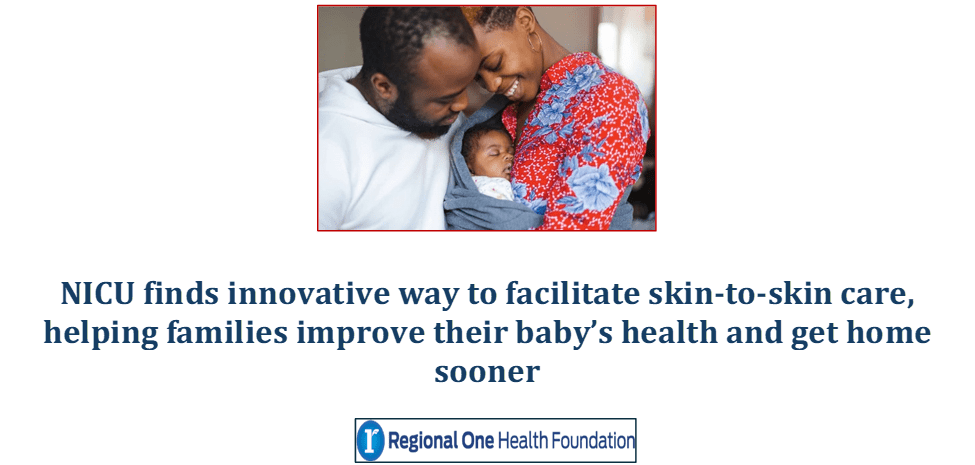
Skin-to-skin care helps newborn babies in many ways – brain development, regulating heart rate and body temperature, and bonding with their caregivers.

When a baby needs to be in the NICU, skin-to-skin care is especially important, but there can be challenges.

The team at Regional One Health’s Sheldon B. Korones Newborn Center is helping address that through an innovative use of existing equipment that helps facilitate skin-to-skin care.

After a baby is born, skin-to-skin contact is a powerful tool to bond with your baby, improve their brain development, and help them regulate their heart rate and body temperature. But when a baby needs to be in the NICU, skin-to-skin care can be more challenging.

“After a routine delivery, moms are encouraged to have skin-to-skin care right away,” said Ajay Talati, MD, medical director at Regional One Health’s Sheldon B. Korones Newborn Center. “If the baby has to go straight to the NICU for treatment, that can’t happen.”

Challenges can remain once a baby is in the NICU, said Kelley Smith, NICU Nursing Manager. If a baby is on an oscillator, a mechanical ventilation device used to help premature or ill infants breathe, they are connected to tubing that has to stay at the same level as their incubator.

“With an oscillator, the tubing is very stiff – it can’t be bent,” Smith explained. “That makes it hard to move the baby into the parents’ arms for skin-to-skin care.”

The NICU team started looking for a solution and found it in an innovative new use for a piece of equipment that is commonly found in other parts of the hospital.

Cardiac chairs are typically used to help cardiac and stroke patients rest in an optimal position. Because the chairs can go up and down, recline, and even lay flat, Smith and Assistant Nursing Manager Heather Burgess saw an opening to use them in the NICU for skin-to-skin care.

“With this chair, we can have the mom or dad sit in the chair and raise the chair to the level of the oscillator’s tubing,” Smith said. “It makes it easier to get the baby out of the incubator.”

Skin-to-skin care helps babies in a number of ways. “After a routine delivery, moms are encouraged to have skin-to-skin care right away,” said Ajay Talati, MD, medical director at Regional One Health’s Sheldon B. Korones Newborn Center

A generous Regional One Health Foundation supporter stepped up to donate a cardiac chair to the NICU, and the nursing team is now educating patients about its use and making it available to all families that can benefit. Along with families whose baby is on an oscillator, moms who have had a C-section are finding the chair useful.

“Many moms can’t sit upright for 12 to 24 hours after a C-section, and it can be uncomfortable trying to get in and out of a chair,” Dr. Talati said. “We use it whenever a mom or baby needs it. It’s great for when a baby is too sick to be lowered or when a mom has pain after a C-section.”

Burgess said finding a solution was important to the NICU team because skin-to-skin care has many proven medical benefits for babies and moms.

For the baby, skin-to-skin care helps regulate body temperature, breathing and heart rate and improves brain development, Burgess said. For moms, skin-to-skin can help improve breastmilk production, regulate postpartum hormone balance, and reduce anxiety and stress.

There’s also the matter of bonding, which applies not only to new moms, but to all caregivers.

“We encourage parents to do skin-to-skin care in the first week of their baby’s life, especially for very small, very sick babies,” Smith said. “When you have a baby in the NICU, you’re anxious and afraid, so sometimes parents wait until they go home. That can be a missed opportunity for bonding. The sooner we start skin-to-skin, the better off the family unit will be.”

Dr. Talati, Smith and Burgess have seen the value of skin-to-skin care on multiple occasions.

Moms, dads and other caregivers can all take part in skin-to-skin care. “We encourage parents to do skin-to-skin care in the first week of their baby’s life, especially for very small, very sick babies,” NICU Nursing Manager Kelley Smith said. 

The first mom to use the chair had impressive results. “Her baby came off the oscillator the next day!” Smith said. “It’s amazing to see. We’ll have babies on an oscillator with an oxygen saturation in the low 90s…then they do skin-to-skin and it shoots up to 100!”

Burgess said another mom provided skin-to-skin care in the NICU every day, and it contributed to her baby getting healthy enough to go home much sooner than originally expected.

Dr. Talati said there is plenty of evidence behind those individual experiences. Factors like better milk production and better feeding, the ability to regulate body temperature and heart rate, and increased oxygen saturation can all help a baby get stronger.

“It’s a lot of little things that can add up to the baby making faster progress toward going home,” he said. “We hope it can speed that up and we can help more babies go home sooner.”
Source: https://www.regionalonehealth.org/blog/2025/01/22/nicu-finds-innovative-way-to-facilitate-skin-to-skin-care-helping-families-improve-their-babys-health-and-get-home-sooner/

Have you ever wondered how the Neonatal Resuscitation Program (NRP) guidelines are created—and more importantly, who decides what changes and why? In this episode, we take you behind the scenes of the science and collaboration that shape NRP. From the rigorous evidence review conducted by the International Liaison Committee on Resuscitation (ILCOR) to how these findings are translated into bedside practice, you will learn exactly how research becomes reality. 

Together, Dr. Gary Weiner and Amanda Williams break down the multi-layered process of evidence evaluation, guideline development, and educational translation, while highlighting the critical role nurses play in shaping the NRP used daily. Whether you are new to NRP or a seasoned instructor, this episode will inspire you to see the program through a whole new lens and recognize the power of your voice in shaping neonatal care. 

Discover why NRP is more than a textbook—it is a living, breathing, global collaboration grounded in science and strengthened by the people who use it. 

For the past 10 years, I have worked as a pediatrician and neonatal hospitalist in multiple Level 2 NICUs across Georgia and other states. Over time, I have come to a realization that I cannot ignore: there is a significant public health imperative—and a gap in equitable access—when it comes to developmental and family support services in Level 2 NICUs.

Level 3 and 4 NICUs often have consistent access to lactation consultation, feeding therapy, physical and occupational therapy, and even music therapy. In Level 2 settings, those services are less consistently available—sometimes absent altogether. This discrepancy has a lasting impact on infants and families.

The common perception is that if a baby is born at or after 32 weeks and weighs ≥ 1500 grams—the typical admission criteria for Level 2—that they have “made it.” But research tells a different story. Moderately and late-preterm infants, even those who meet Level 2 thresholds, remain at high risk for readmission, feeding difficulties, developmental delays, and long-term neurodevelopmental challenges (1-4). Prematurity in any form is not a short-term hurdle—it is a lifelong risk factor that requires intentional support from the start.

So, why are we not introducing key developmental concepts, early intervention techniques, and consistent family education into Level 2 NICUs? Why are we not equipping nurses and families with the same foundational knowledge and access to services that higher-level NICUs utilize?

The NICU is not only a place for acute medical stabilization—it is a unique window of opportunity to shape lifelong outcomes. Families in Level 2 units should see themselves as vital participants in their baby’s success and be empowered with the tools to support feeding, bonding, sensory development, and early learning before discharge. Nurses should have access to training that enables them to integrate trauma-informed, developmental care principles into their daily practice, even when an entire therapy team is not available on the unit.

I believe it is time to establish a Task Force on Level 2NICU Care, bringing together neonatologists, neonatal hospitalists, nurses, therapists, public health professionals, and parents, to examine the current state of developmental and family support services in these units, identify barriers, and develop scalable strategies for improvement.

Potential strategies include: • Standardized education for nursing staff on early-intervention techniques, family engagement, and trauma-informed developmental care.

 • Telehealth access to lactation consultants, feeding/ occupational/physical therapists, and other specialists when on-site resources are limited.

• Parent-education toolkits that cover feeding, developmental milestones, safe sleep, and the importance of follow-up and early-intervention services.

• Structured discharge planning that includes referrals to early-intervention programs and developmental follow-up clinics for all eligible infants.

The public-health impact of closing these gaps is profound. If we can equip Level 2 NICUs with consistent developmental care education and tools, we can reduce readmissions, improve neurodevelopmental outcomes, and strengthen families’ ability to support their child’s growth and resilience.

The babies in Level 2 NICUs deserve the same intentional approach to developmental care as those in higher-level units. They may have “made it” past the highest-risk thresholds, but they have not yet crossed the finish line. We can—and must—do better.

Now is the time to act. Clinicians, hospital leaders, and policymakers must collaborate to prioritize Level 2 NICUs in state and national maternal-child health agendas. By identifying service gaps, piloting telehealth and staff-training models, and measuring family-centered outcomes, we can transform Level 2 NICUs from sites of short-term stabilization into launchpads for lifelong development, resilience, and equity.

Source: https://neonatologytoday.net/newsletters/nt-oct25.pdf

Introduction: The huge prevalence of neurodevelopmental disorders underscores the necessity for novel, comprehensive prevention strategies for neuroprotective intervention, particularly in preterm infants. The COVID-19 pandemic has accelerated the transformation of healthcare services, emphasizing the use of digital resources. Given the rapid brain development in infants in the first 1,000 days of life and the demonstrated impact of adaptive neuroplasticity, the implementation of early and ecological interventions are essential for supporting optimal neurodevelopment in this vulnerable population. Aim of this project is to develop a digital tool for parent-led parent-based intervention and assess its feasibility and accessibility.

Materials and methods: We collected evidence on early intervention strategies for preterm infants through a non-systematic review of current literature to develop the platform and created an ad-hoc questionnaire to evaluate the tool’s feasibility and acceptability in our neurological follow-up.

Results: “NE@R” is a digital platform designed to support neurodevelopment through parents-delivered play. The platform offers evidence-based information, videos, and practical activities to enhance motor, cognitive, social, and language development at each developmental phase. We introduce the resource in our clinical setting and collect 100 preterm infants’ families feedback. The majority of parents reported finding the resource beneficial, with many expressing increased confidence in supporting their child’s development.

Discussion: Preterm babies families’ support represents a precious field of intervention both for parents and infants at risk. “NE@R” has proven to be an effective, low-cost tool within our follow-up program, aligning with the principles of family-centered care.

Patricia Odero is an innovation facilitator extraordinaire based in Nairobi, Kenya, working for The Duke Global Health Institute. Patricia is trained in Medicine, Business and Social innovation and uses her skills and experience to help entrepreneurs in West Africa and beyond with funding and growth. She talks about the importance of networks, particularly in health entrepreneurship – long-term relationships and support programmes for organisations of different sizes and stages. Patricia has great advice for entrepreneurs and really interesting stories from the field. You can follow Patricia on Twitter @TrishOdero, BMJ Innovations @bmjinnovations and podcast host Helen Surana @hjsurana.

BMJ innovations is grateful to the World Innovation Summit for Health WISH for making this podcast series possible.

Takeaways

  • Children born preterm were significantly less likely to complete high school or university compared with full-term peers, according to a large Quebec-based study.
  • Non-graduation rates were highest among those born extremely preterm (40.2%) and lowest among full-term births (27.1%).
  • Low maternal education, male sex, unmarried parents, and low neighborhood socioeconomic status were major predictors of poorer academic performance.
  •  The odds of completing high school are reduced among children born preterm vs full-term, according to a recent study published in JAMA Network Open.

Approximately 10% of infants are born preterm, which may cause early exposure to noxious factors and influence brain development, challenging neurodevelopment and mental well-being. Additionally, socioeconomic factors often prevent children from accessing support systems that can mitigate disabilities.

“Few researchers have conducted studies on long-term educational outcomes across the full spectrum of preterm birth using large population-based cohorts that account for other health-related determinants and socioeconomic factors,” wrote investigators.

Assessing preterm birth and education

The birth cohort case-control study was conducted to assess the impacts of preterm birth and sociodemographic factors on educational outcomes. Live preterm births in Quebec, Canada, between January 1, 1976, and December 31, 1995, were included in the analysis.

Each preterm individual was matched with 2 full-term patients, defined as 37- to 42-weeks gestation. Exclusion criteria included multiple pregnancies, triplet births, and death between 1976 and 2019 without Quebec Ministry of Education records.

Extremely preterm birth was defined as under 28 weeks, very preterm as 28 to under 32 weeks, and moderate-to-late preterm as 32 to 37 weeks. Forty-three years of follow-up data was obtained from administrative databases.

High school performance was measured using the final high school average recorded in the Quebec Ministry of Education database, using marks obtained in grades 10 and 11. Covariates included year of birth, birth order, sex, stillbirth history, primary language, matrimonial status at birth, maternal education, and neighborhood socioeconomic status.

Participant characteristics and academic performance

There were 297,820 participants included in the final analysis, 0.6% of whom were born extremely preterm, 4.4% very preterm, 27.9% moderate-to-late preterm, and 67% full-term. Under 11 years of maternal school were reported in 20.6%, 24%, 23%, and 20.3%, respectively.

Preterm birth groups also more often reported primary languages other than French or English, and more recent birth years were reported in those born extremely preterm. Overall, the rate of preterm births in Quebec rose from 4.6% between 1976 and 1980 to 6.1% between 1991 and 1995.

Significant differences were not reported in high school performance based on preterm birth, with final mean scores of 69.4, 70.2, 70.7, and 71 for extremely preterm, very preterm, moderately preterm, and term births, respectively. However, rates of not graduating from high school were 40.2%, 34.4%, 31.1%, and 27.1%, respectively.

This data indicated significantly reduced odds of high school graduation from preterm birth. These patients were also more likely not to graduate from university. Rates included:

  • 83.3% for extremely preterm
  • 80.2% for very preterm
  • 78.2% for moderately preterm
  • 75.8% for full-term

Socioeconomic and demographic influences

In regression analyses, a B coefficient range of 0.15 to 1.45 was reported for the link between preterm status and final high school average. Low maternal education, male sex, low neighborhood socioeconomic status, not being first-born, and mother not married had the most significant B coefficients for low average marks of 4.43, 2.84, 2.30, 2.30, and 1.98, respectively.

These results indicated reduced odds of graduating from high school or university among children born preterm vs their full-term counterparts. Investigators concluded long-term follow-up is needed in both health care and education among individuals born preterm.

This data highlights the importance of preterm birth prediction. Identifying individuals at an increased risk of preterm birth may be more accurate through the use of neighborhood-level indices, according to Daniel L. Kuhr, MD, third-year fellow in maternal fetal medicine at the Icahn School of Medicine at Mount Sinai.

According to Kuhr, an increase in prediction was only noticeable when including individual patient characteristics. This highlights a need to evaluate other social determinants of health that may influence preterm birth risk.

“The best thing that you can do is take a really good history when you meet a patient at the beginning of pregnancy, and really make sure you can get accurate gestational ages of delivery when possible, because we do know that history of a prior spontaneous preterm birth is also a risk factor,” said Kuhr.
Source: https://www.contemporarypediatrics.com/view/preterm-birth-linked-to-reduced-odds-of-high-school-graduation

One of the first things that comes to mind when I think about the holidays is…food. Whether I’m crowded around a dinner table with family and friends or pulling my favorite cranberry and pear pie out of the oven to take to a holiday gathering, there’s something special about breaking bread with the ones you love.

Food, it seems, has a language of its own. In communities across the globe, food has a unique way of bringing people together. And this holiday season, we wanted to help you connect with your friends, family and with the World Relief community by sharing a few recipes from around the world in our new ebook — Breaking Bread Across Borders: Global Recipes from Refugee Kitchens.

https://worldrelief.org/blog-breaking-bread-recipes-around-the-world/DOWNLOAD THE RECIPES!

This ebook is filled with stories and recipes from immigrants who are part of  World Relief Western Washington’s Commercial and Teaching Kitchen — an innovative program that connects members of the community with their immigrant neighbors through workshops and events led by immigrant chefs while providing low-cost commercial kitchen space for immigrant caterers to rent and run their businesses. 

For women like Katya, who owned a bakery when she lived in Ukraine, the commercial and teaching kitchen is a way to bring people joy while pursuing her passion here in the U.S.
“​​I love to bring joy to people with my baking,” Katya said. “You become a piece of people’s special events [when you bake for them]. You become a piece of the joy.”

Source: https://worldrelief.org/blog-breaking-bread-recipes-around-the-world/

ABSTRACT

Background: 

The formation of the family is interrupted following a Neonatal Intensive Care Unit (NICU) admission, and fathers report experiencing delayed infant bonding due to unit barriers and separation. Fathers state comfort with early infant bonding through language, fearing physical contact with the sick newborn. During hospitalization, active engagement supports ongoing infant/parent vocalization and infant stabilization.

Purpose: 

This prospective descriptive pilot study explored the infant’s physiological response to the father’s voice during a live reading activity.

Methods: 

After Institutional Review Board approval and consent, 27 infant/father dyads were observed pre/post and during a live reading activity. All infants were in private rooms and positioned supine in open cribs, adjusted to 36 weeks or greater postmenstrual age, in a 34-bed Level III NICU in the Midwest. Outcome measures included cerebral oxygenation, oxygen saturation, heart rate (HR), and respiratory rate. Infants were monitored for 30 minutes prior to father reading, 10 minutes during and 30 minutes post reading.

Results: 

A clinically significant increase in cerebral oxygenation was noted, based on near-infrared spectroscopy readings in response to the father’s voice. Most infants had HR stabilization during the father’s active reading time frame.

Implications for Practice and Research: 

NICU nurses and staff can encourage a father’s engagement through speaking or reading to their infant. Nursing staff can promote verbal engagement between father–infant dyads by role modeling this behavior at the bedside. NICUs can provide books for families to further encourage exposure to father’s voices. Further study of premature infants at earlier chronological and adjusted ages is needed.
Source:https://journals.lww.com/advancesinneonatalcare/abstract/9900/the_response_of_the_infant_to_the_father_s_voice.231.aspx

About the Study

Anxiety disorders are defined and classified in diagnostic systems like the Diagnostic and Statistical Manual of Mental Disorders (DSM, currently version IV-TR, American Psychiatric Association) and the International Classification of Diseases (ICDS) (ICD, currently version 10, World Health Organization). Many anxiety disorders have clinical aspects across multiple systems, such as high levels of anxiety, physiological anxiety symptoms, and behavioural problems such as severe avoidance of fearful situations, and related discomfort or impairment. However, there are distinctions, and it’s worth noting that narrowly classified anxiety disorders like panic disorder, agoraphobia, and subtypes of certain phobias have a lot of phenotypic variety or heterogeneity.

From time to time, all children have worries and fears. However, anxiety in children can sometimes cross the line to a disorder that prevents them from normal everyday concerns doing the things they need to do. It may even prevent them from properly understanding life.

How do we determine whether the child’s worries and fears are more than just passing thoughts?

Here are a few questions to ponder:

• Do they express fear or anxiety on a regular basis, for weeks at a time?

• Is it difficult for them to sleep at night? Do they seem abnormally drowsy or exhausted during the day?

• Is it difficult for them to concentrate?

• Do they seem angry or easily irritated?

Anxiety disorders can manifest itself in a variety of ways in children. Some of the most common are:

Generalized Anxiety Disorder (GAD)

GAD children are overly concerned about a variety of things, including school, their own safety and health, the health of family members and friends, money, and the security of their families. The list could go on indefinitely. A child suffering from GAD may constantly imagine the worst-case circumstance. These anxieties may induce physical symptoms in children with GAD, such as headaches and stomach-aches. Because they are so burdened by their fears, your child may isolate themselves, avoiding school and friends.

Panic disorder

A panic attack is a sudden, acute experience of worry that occurs for no particular reason. The child’s heart may race, and he or she may be out of breath. The child may have tremors, dizziness, or numbness. (If the child is hyperventilating, encourage them to breathe gently and deeply.) Breathing through a brown paper bag can be beneficial.) Panic disorder is diagnosed when the child has experienced two or more of these episodes and is preoccupied with fears of them happening again.

Separation Anxiety Disorder (SAD)

Separation anxiety affects all children to some extent. It’s a normal developmental stage for babies and toddlers. Even older children, especially in new situations, may become clingy with their parents or caretakers. Separation anxiety disorder may affect older children who become especially upset when leaving a parent or another close relative, who have difficulty calming down after saying goodbye, or who become highly homesick and disturbed when away from home at school, camp.

Social phobia

In typical, everyday social circumstances, a child with social phobia experiences extreme anxiety and self-consciousness. This isn’t just a case of timidity. When talking with classmates, answering a question in class, or doing other common activities that require interacting with people, the socially anxious child is afraid of embarrassing themselves. This fear may prevent your child from attending school and participating in extracurricular activities. In severe instances, young children may even be unable to speak.

These are the type of anxiety disorders and their assessments on the children, to be considered by the parents, and treat their children accordingly.

Source: https://www.omicsonline.org/open-access/the-assessment-of-anxiety-in-children-and-the-types-of-anxiety-disorders-118047.html


✨ December Kindness for Neonatal Womb Warriors ✨

As December arrives—a month shaped by reflection, generosity, and deeper emotions—the Neonatal Womb Warriors community is reminded that kindness is one of the most powerful tools we have for calming fear and nurturing resilience. Many of us began life in fragile circumstances, where uncertainty, hope, and anxiety coexisted side-by-side. Because of that beginning, we understand how small comforts can soothe big worries. The neonatal world teaches us that healing happens moment by moment, and that gentleness, patience, and compassion are essential for helping families and children navigate anxious seasons.

For families with babies in the NICU, the holidays can intensify feelings of overwhelm, isolation, or emotional strain. Parents may carry silent anxiety about outcomes, siblings may sense stress without understanding it, and clinicians may feel the weight of supporting so many families at once. A simple act—sharing a grounding story of your own journey, sending a message of reassurance, offering a listening ear, or just showing presence without expectation—can ease the mental load for someone facing long days beside an incubator. These gestures remind families that they are not alone in managing the fear that often accompanies the NICU experience.

This month, we invite every Womb Warrior to choose a way—large or small—to give back emotionally or practically. Create a comfort bag for parents spending the holidays in the NICU. Donate time to a local children’s charity, NICU support network, or preemie nonprofit. Offer to read aloud or do a calming activity with siblings who may be feeling anxious. Volunteer at a community event that supports vulnerable families, or simply check in on someone who has been quiet. These actions not only lift others but also model for children that kindness is a powerful antidote to anxiety.

The strength of our community lies in its shared empathy—preemie survivors who have lived through uncertainty, NICU families who have learned courage through adversity, and clinicians who bring dedication and steadiness to every fragile moment. When we turn these lived experiences into acts of compassion, we help others feel grounded, less overwhelmed, and more hopeful. Kindness becomes the bridge between anxiety and reassurance, especially during a season that invites us to slow down and connect.

As we move through December, we encourage each of you to commit to one intentional act of kindness each week. Whether it’s offering comfort to a NICU family, expressing gratitude to a clinician, volunteering in your community, or choosing patience with yourself or your child during moments of stress—every act matters. Together, we carry forward the heart of Neonatal Womb Warriors: grounded in hope, strengthened by compassion, and united in helping families and children navigate anxiety with courage and care.


The whatifs/ A book to help kids overcome anxiety/bedtime story

Fun Story Time Kids Mar 30, 2022

What if my dog run away? what if I forget my homework? what if the sun stops shining? What if my crayon breaks? Will Cora be able to change her worry-filled thoughts into hopeful ones? Find out in this timely picture book about overcoming anxiety.


AsianNeo, Mentors, SOS Préma

Malaysia is a country in Southeast Asia. A federal constitutional monarchy, it consists of 13 states and three federal territories, separated by the South China Sea into two regions: Peninsular Malaysia and Borneo‘s East Malaysia. Peninsular Malaysia shares a land and maritime border with Thailand and maritime borders with SingaporeVietnam, and Indonesia. East Malaysia shares land borders with Brunei and Indonesia, as well as a maritime border with the Philippines and Vietnam. Kuala Lumpur is the national capital, the country’s largest city, and the seat of the legislative branch of the federal governmentPutrajaya is the administrative centre, which represents the seat of both the executive branch (the Cabinetfederal ministries, and federal agencies) and the judicial branch of the federal government. With a population of over 34 million, the country is the world’s 43rd-most populous country. Malaysia is tropical and is one of 17 megadiverse countries; it is home to numerous endemic speciesTanjung Piai in the Malaysian state of Johor is the southernmost point of continental Eurasia.

Healthcare in Malaysia is under the purview of the Ministry of Health of the Government of MalaysiaMalaysia generally has an efficient and widespread system of health care, operating a two-tier health care system consisting of both a government-run public universal healthcare system along with private healthcare providers. Within the public universal healthcare system, specialist services are either free or have low user fees for procedures (however, appliances are fully self-funded out of pocket by the patient, even within the public healthcare system); as such the public healthcare system suffers from high demand, routine congestion, long wait lists, chronic widespread delays along with persistent shortages in healthcare personnelmedical equipment and healthcare supplies.

Therefore, private healthcare providers play a pivotal role in providing specialist consultants and general practitioner (GP) services to the Malaysian population; the private healthcare providers complements or supplants the public healthcare system in terms of availability, types of treatments provided and types of materials used.

Source: https://en.wikipedia.org/wiki/Malaysia

Introduction

Reducing neonatal deaths in premature infants in low- and middle-income countries is key to reducing global neonatal mortality. International neonatal networks, along with patient registries of premature infants, have contributed to improving the quality of neonatal care; however, the involvement of low-to-middle-income countries was limited. This project aims to form an international collaboration among neonatal networks in Asia (AsianNeo), including low-, middle- and high-income countries (or regions). Specifically, it aims to determine outcomes in sick newborn infants, especially very low birth weight (VLBW) infants or very preterm infants, with a view to improving the quality of care for such infants. Methods and analysis Currently, AsianNeo comprises nine neonatal networks from Indonesia, Japan, Malaysia, Philippines, Singapore, South Korea, Sri Lanka, Taiwan and Thailand. AsianNeo will undertake the following four studies: (1) institutional questionnaire surveys investigating neonatal intensive care unit resources and the clinical management of sick newborn infants, with a focus on VLBW infants (nine countries/regions); (2) a retrospective cohort study to describe and compare the outcomes of VLBW infants among Asian countries and regions (four countries/regions); (3) a prospective cohort study to develop the AsianNeo registry of VLBW infants (six countries/regions); and (4) implementation and evaluation of educational and quality improvement projects in AsianNeo countries and regions (nine countries/regions). Ethics and dissemination The study protocol was approved by the Research Ethics Board of the National Center for Child Health and Development, Tokyo, Japan (reference number 2020–244, 2022–156). The study findings will be disseminated through educational programmes, quality improvement activities, conference presentations and medical journal publications.

ABSTRACT

Introduction  Reducing neonatal deaths in premature infants in low- and middle- income countries is key to reducing global neonatal mortality. International neonatal networks, along with patient registries of premature infants, have contributed to improving the quality of neonatal care; however, the involvement of low- to- middle- income countries was limited. This project aims to form an international collaboration among neonatal networks in Asia (AsianNeo), including low-, middle- and high- income countries (or regions). Specically, it aims to determine outcomes in sick newborn infants, especially very low birth weight (VLBW) infants or very preterm infants, with a view to improving the quality of care for such infants. Methods and analysis  Currently, AsianNeo comprises nine neonatal networks from Indonesia, Japan, Malaysia, Philippines, Singapore, South Korea, Sri Lanka, Taiwan and Thailand. AsianNeo will undertake the following four studies: (1) institutional questionnaire surveys investigating neonatal intensive care unit resources and the clinical management of sick newborn infants, with a focus on VLBW infants (nine countries/regions); (2) a retrospective cohort study to describe and compare the outcomes of VLBW infants among Asian countries and regions (four countries/regions); (3) a prospective cohort study to develop the AsianNeo registry of VLBW infants (six countries/regions); and (4) implementation and evaluation of educational and quality improvement projects in AsianNeo  countries and regions (nine countries/regions).Ethics and dissemination  The study protocol was

approved by the Research Ethics Board of the National Center for Child Health and Development, Tokyo, Japan (reference number 2020–244, 2022–156). The study findings will be disseminated through educational programmes, quality improvement activities, conference presentations and medical journal publications.

Full (compelling!) publication: https://www.researchgate.net/publication/382243432_Asian_Neonatal_Network_Collaboration_AsianNeo_a_study_protocol_for_international_collaborative_comparisons_of_health_services_and_outcomes_to_improve_quality_of_care_for_sick_newborn_infants_in_Asia_-

Authors: Wan Mazwati Wan Yusoff,  International Islamic University Malaysia Mashitah Zainol Abidin

Abstract

Premature babies are very vulnerable and exposed to various life-threatening diseases. World Health Organization reported that many premature babies were saved from morbidity and mortality when they were fed with breastmilk starting from within the first hour after their birth. The rate of premature birth in Malaysia has increased exponentially since 2018—more than 20 percent premature births. Therefore, hospitals should have enough supplies of breastmilk to save the lives of the precious premature babies. However, only one hospital in Malaysia provides supplies of breastmilk on demand. This study employed philosophical method to argue for the establishment of breastmilk collection centre. It examined the concept of maqāṣid al-sharīʿah to justify the proposal of the establishment of breastmilk collection centres in hospitals throughout Malaysia to save the lives, intellects, and progenies of the at-risk premature babies. The primary issues resulting from breastmilk sharing according to Islamic perspective were examined and practical steps were proposed to rectify them. The steps involved obtaining signed consent from wet nurse and her husband; screening of wet nurse’s health and personality characteristics; screening of the breastmilk by the milk collection centre; obtaining signed consent from the premature baby’s parents; feeding breastmilk to the premature baby with the consent of witnesses; meeting between wet nurse and her family and the baby’s parents and family; and completing wet nursing document to be given to the newly formed milk kinship family. 

Source:https://doi.org/10.31436/alburhn.v7i2.310

Rody Azar, MHA, RRT-NPS

Introduction:

Trust is an essential element of effective teamwork. It fosters an environment where team members feel safe communicating openly, sharing ideas, and collaborating towards common goals. Without trust, relationships become strained, communication breaks down, and organizational performance suffers. According to a study by Gallup, organizations with high employee engagement, which is closely related to trust, report 21% higher profitability (Gallup, 2020). This paper explores trust in teams, examining how it can be fostered and its profound impact on organizational success.

The Importance of Trust in Teams:

1. Enhanced Communication: Trust creates a safe space where team members can share their thoughts and feelings without fear of judgment. This openness leads to improved communication, enabling teams to function more effectively. When team members trust each other, they are more likely to engage in candid discussions, ask for feedback, and share constructive criticism. This process encourages continuous improvement and innovation.

2. Improved Collaboration: Teams characterized by trust collaborate more seamlessly. Trust encourages team members to share resources, support one another, and seek each other’s abilities. This collaborative spirit leads to better problem-solving and decision-making, as individuals are more willing to listen to diverse perspectives.

3. Increased Engagement: Trust enhances commitment and engagement within teams. Employees who feel trusted and valued are more likely to invest their time, energy, and creativity into their work. This higher level of engagement results in better performance and productivity, as engaged employees are motivated to achieve team goals.

4. Effective Conflict Resolution: Conflict is a natural occurrence in any team dynamic. However, team members are more likely to address conflicts directly and constructively in a trusting environment, allowing them to express their disagreements without fear of damaging relationships. This approach leads to more effective and quicker resolutions, which helps support a positive team atmosphere.

5. Greater Accountability: When trust exists within teams, members are more likely to hold themselves and each other accountable for their roles and responsibilities. Trusting teams create a culture of accountability where individuals take ownership of their work, leading to higher standards and better performance.

Characteristics of Trusting Teams:

  1. Open Communication: Team members communicate transparently and honestly, fostering a culture of openness and inclusivity.
  2. Mutual Respect: Trusting teams recognize and appreciate each other’s strengths, value  

 diversity, and promote an inclusive environment.

  • Shared Goals: All team members are aligned with common goals, reinforcing collaboration

        and commitment.

  • Empathy and Support: Team members show care and understanding for one another,   

 creating a supportive atmosphere that encourages sharing and vulnerability.

  • Reliability: Trusting teams foster a sense of reliability, where members can depend on each

other to fulfill commitments and responsibilities.

Strategies for Building Trusting Teams:

Building trust is an ongoing process requiring intentional effort from leaders and team members. Below are strategies to cultivate trust in teams:

1. Lead by Example: Leaders play a crucial role in shaping team dynamics. By showing trustworthy behaviors, such as honesty, integrity, and accountability, leaders set the standard for others to follow. Vulnerability in leadership (e.g., admitting mistakes and seeking feedback) can also strengthen trust within the team.

2. Foster Open Communication: Encourage team members to openly share their thoughts, ideas, and feedback. Create an environment where communication is valued, and actively listen to team members. Regular check-ins, team meetings, and one-on-one discussions can help open dialogue and build trust.

3. Encourage Collaboration: Design opportunities for team collaboration across various projects. Creating diverse project teams allows members to collaborate, share knowledge, and build relationships. Activities such as brainstorming sessions or team-building exercises can strengthen interpersonal connections.

4. Recognition and Appreciation: Regularly acknowledge and celebrate the contributions of team members. Recognition fosters an environment of appreciation, reinforcing the value of individual efforts. Simple gestures such as expressing gratitude during meetings or highlighting achievements can significantly boost trust within the team.

5. Create a Safe Environment for Risk-Taking: Encourage team members to take thoughtful risks and innovate without fear of negative consequences. Providing autonomy and support for innovative ideas helps build trust, as team members feel empowered and valued for their contributions.

6. Establish Clear Roles and Expectations: Clarify the roles and responsibilities of each team member. When individuals understand their specific roles and expectations, it fosters accountability and reduces uncertainty. Clear roles create a sense of security, allowing team members to trust that everyone is working towards the same goals and can depend on one another to fulfill their responsibilities.

7. Promote Team-building Activities: Engaging in in-person or virtual team-building activities can significantly strengthen team members’ interpersonal relationships. These activities should encourage collaboration, promote understanding, and foster positive interactions outside of day-to-day work. Such experiences can help individuals develop personal connections, creating a more profound sense of trust.

8. Provide Opportunities for Professional Development: Encouraging continuous learning and professional growth shows team members that the organization values their development. Offering training, workshops, and mentorship opportunities improves individual skills and reinforces trust, as team members see that their organization is invested in their success.

9. Practice Transparency: Transparency is a key part of trust. Leaders should share relevant information about the organization’s goals, decision-making processes, and performance metrics with their teams. When team members are informed about what is happening within the organization, they feel more involved and valued, strengthening trust.

10. Encourage Feedback: Creating a culture where feedback is valued encourages trust among team members. Implementing regular feedback mechanisms—such as one-on-one check-ins and anonymous surveys—allows team members to express their thoughts and concerns. Moreover, showing that feedback is taken seriously and leads to action, reinforcing the notion that everyone’s input is valuable.

The Impact of Trusting Teams on Organizational Success:

The presence of trusting teams can lead to transformative outcomes in an organization:

1. Higher Performance and Productivity: Organizations with trusting teams have been shown to achieve higher performance levels. Trust enhances collaboration and reduces time spent on conflicts, resulting in teams completing projects more efficiently and effectively.

2. Improved Employee Well-being: A trusting environment improves employee morale and job satisfaction. Employees who feel trusted are less likely to experience stress and burnout, resulting in a healthier workforce with higher retention rates.

3. Greater Innovation: Trust allows teams to embrace creative solutions and explore innovative ideas without fear of failure. This environment fosters innovation as team members confidently share their insights and experiment with novel approaches to work.

4. Stronger Organizational Culture: A trust-based culture promotes a sense of belonging and shared purpose. Employees are more likely to feel aligned with the organization’s mission and values, which enhances overall engagement and loyalty.

5. Resilience to Change: Organizations characterized by trust navigate change effectively. Trusting teams adapt more readily to new initiatives and challenges as members communicate openly and support one another during transitions.

Conclusion:

Building trusting teams is not just a desirable outcome but essential for organizational success. Trust enhances communication, collaboration, and accountability while fostering a positive work environment. Organizations can cultivate a culture where teams thrive by implementing strategies that promote trust-building, such as leading by example, fostering open communication, and providing opportunities for development.

Leaders must recognize that trust is a pivotal part of team dynamics and should actively work to nurture it. The benefits of trusting teams extend beyond individual relationships; they affect organizational performance, employee satisfaction, and innovation. As organizations navigate complexities in the modern workplace, prioritizing trust will be paramount for achieving sustainable success.

By building trust within teams, organizations can strengthen their foundation and position themselves for future success. As shown throughout this paper, trusting teams are the cornerstone of an effective and resilient organizational culture.

Posted on 13 November 2024

10-11 October saw 340 healthcare professionals gather in France for SOS Préma’s 15th annual training days, a pivotal event offering an empathetic view into the realities faced by families of preterm infants.

Each year, “SOS Préma”, our valued partner in France, hosts training sessions to deepen the understanding of healthcare providers around the unique challenges encountered by preterm infants and their families. Established in 2011, these events now bring together hundreds of healthcare professionals, all committed to improving neonatal care. The 15th edition, held on 10 and 11 October, attracted over 340 participants, all united in their commitment to advancing care for these vulnerable newborns.

The event revolved around four main themes, each addressing key aspects of neonatal care:

  1. Zero Separation: Couplet care from birth
    Promoting uninterrupted contact between newborns and parents from birth through hospitalisation, ensuring that critical family bonds are supported from the earliest moments.
  1. Supporting late preterm babies
    Exploring breastfeeding and Kangaroo Mother Care as essential practices to help these infants grow and thrive, reinforcing the importance of holistic approaches.
  1. Navigating difficult moments with Zero Separation
    Addressing challenging periods during hospitalisation and equipping professionals with strategies to provide consistent infant- and family-centred support.
  1. Observing newborns with family involvement
    Encouraging healthcare providers to incorporate parents as essential members of the caregiving team, fostering a collaborative environment for a more comprehensive understanding of each infant’s needs.

SOS Préma’s Charter for the Hospitalised Newborn, a cornerstone of these discussions, continues to influence practices by promoting humane and inclusive neonatal care. Parental testimonials were central to the event, with families sharing their firsthand experiences, followed by scientific insights, ensuring that every healthcare professional gains practical tools and empathetic perspectives.

Source:https://www.efcni.org/news/sos-prema-15th-annual-training-days/

Before you complete your family medicine residency or even finish medical school, there are ways that you can begin to nurture your interest in global health and prepare for service you may want to provide in the future. Here’s how to get started.

Integrating Global Health into Your Medical Education

Seeking out as many global health-related opportunities as possible during your time in medical school can help you clarify your vision for working and serving globally, and cultivate relationships through which you may contribute and be mentored.

Opportunities you should consider include the following:

  • Develop knowledge, skills, and understanding that will prepare you to work effectively in a global context. 
  • Participate in your medical school’s global health track (if available). Getting involved in a global health track during medical school is strongly recommended. A well-designed global health track provides necessary background information and skills. It can also facilitate networking, which is key to short-term international rotations, and help you find individual mentors who can help guide your decisions.
  • Participate in activities that focus on local underserved populations and/or global health (e.g., journal clubs, courses, electives, service projects, service-oriented student groups, research)
  • Volunteer for a not-for-credit experience serving an underserved population during your M1-M2 summer, or during a fall, spring, or holiday break
  • Do a research project or a scholarly/capstone project focused on a population outside of the United States or an underserved population in the United States
  • Advocate for the value and relevance of global health curriculum and experiences to your medical school. For example, you could provide the dean and the family medicine chair with information about the value of global health experiences and curriculum for your development as a physician and the school’s achievement of its mission.
  • Get involved in your medical school’s global health-related student interest group (if available)
  • Lead your Family Medicine Interest Group (FMIG) in serving a local underserved population; you might want to partner with other student groups to develop a sustainable program.
  • Engage with your medical school’s office/center/institute for global health (if available)
  • Build a foundation for long-term collaboration by developing relationships with people and organizations involved in global health; tap into your medical school’s existing partnerships and relationships, if available.
  • Aim for a longitudinal experience throughout medical school
  • Use the AAFP global health resources and network
  • Cultivate relationships with mentors who can guide your development of abilities and attributes you will need to pursue your interest in global health

Finding a Family Medicine Mentor in Global Health

Finding a mentor can be a huge help in navigating the many questions you’ll have as you become more aware of global health needs and opportunities. Here are some suggestions on finding a mentor for yourself.

  • Attend the American Academy of Family Physicians’ (AAFP’s) annual Global Health Summit. This conference is specifically designed to facilitate networking and is attended by experienced global health workers who have long-term involvement in specific cultures and countries.
  • Try personal networking. Ask colleagues, friends, and family members whether they know anyone who works in global health, and contact potential leads with emails and phone calls. The more connections you make, the greater your chances of identifying one or more physicians who would be an appropriate mentor.
  • Look for someone who is doing the type of global health work you would like to do or working in a region that interests you. Contact that person to share your background and aspirations.
  • Reach out to presenters at meetings or to authors of articles/books of interest. Ask for advice or offer to help someone with a project. People working in global health often find it rewarding to advise and work with those who are exploring an interest in global health.

For Residents

Preparing for Global Health During Family Medicine Residency

An accredited family medicine residency program provides ideal preparation for short- and long-term global health work. Family physicians are specifically trained to provide the care that is most needed in the developing world—care for patients of all ages that is comprehensive, continuous, integrated, community oriented, and team based. If you are seriously considering global health work, you should select a residency program that offers:

  • Support and guidance for interest in global health
  • A patient population that includes a variety of ethnicities, cultures, and languages so that you can become proficient in the use of translators and cultural interpreters
  • A robust global health track that provides additional training in tropical and poverty-related diseases, advanced procedural skills, and cultural competence; the opportunity to participate in global rotations; and a network of international contacts. Getting involved in a global health track during residency is strongly recommended.

Once you have started your family medicine residency, the following steps can help you prepare for global health work:

  • Develop competence in a team-based approach to medical care; attention to the whole family; preventive and community-oriented care; and provision of continuous care to a defined population
  • Develop specific interventional skills (e.g., procedures that are commonly performed at the primary care level in developing countries, such as repair of complex lacerations and interpretation of diagnostic ultrasound examination)
  • Find a faculty mentor or advisor who is involved in global health work and can help you prepare yourself and your family. A faculty mentor might also be able to help you use your global health experience to develop a scholarly presentation or paper.
  • Complete additional (e.g., fellowship-based) training in advanced obstetrics and gynecology (including c-section) or disaster relief. Although a fellowship is not essential for an effective contribution to global health, it can be helpful.

Family Medicine Residency Programs with International Rotations

The AAFP Center for Global Health Initiatives has compiled a director of family medicine residency programs that include international rotations. Search our free database to explore these programs.

INTERNATIONAL ROTATIONS DIRECTORY

Ways to Integrate Global Health into Your Residency Experience

Find your passion within global health.

If you want to make a lasting impact in a global health setting, it is important to find your niche within the vast array of family medicine global health opportunities. It may take time and several different experiences to discover and develop your passion. You may find that you are drawn to a certain country, culture, language area, or area of need (e.g., maternal and child health, social determinants of health, disaster relief, policy, noncommunicable diseases). Be open to the many types of experiences that are available. If possible, explore them before you are committed to long-term employment.

There may be faculty mentors in your residency program who have experience in certain areas of global health. The AAFP offers a directory of global health opportunities.

Attending conferences such as the AAFP Global Health Summit also will expose you to many different areas of interest within global health.

Form partnerships. 

Once you find your passion, partnering with individuals and organizations that share your enthusiasm will further your interest and help you have a lasting, sustainable impact. Cultivate relationships by staying connected with particular organizations or international communities. If you travel, try to return to the same area so you can deepen your commitment to that population. Partnerships and connections will help you integrate global health fully into your career, and expand your capabilities in sustainable global health efforts.

Connect with others. 

There is significant interest in global health among family medicine residents in the United States and abroad. The World Organization of Family Doctors (Wonca) Young Doctors’ Movements (YDMs) around the world connect passionate residents and young physicians in conversations about family medicine in global health.

  • The Polaris Movement for New and Future Family Physicians in North America is a YDM launced in 2014 that provides an international platform for medical students, residents, and new family physicians. Connect on their Facebook page
  • Another initiative of the Wonca YDMs is Family Medicine 360°an exchange program for family medicine residents during their elective months. These four-week exchanges allow participants to travel to a country of interest and experience primary health care delivery in that setting.
  •  

Consider completing a Master of Public Health (MPH) degree. 

Proficiency in public health is becoming increasingly important in the global health arena, especially if you want to make lasting impact on prevention and social determinants of health. Some residency programs and fellowship programs pay for pursuit of an MPH while in training. Find out if your residency program is among them.

Explore fellowships in global health.

It is becoming easier to find residency programs that offer a family medicine global health fellowship; however, there are currently more global health fellowships in emergency medicine (EM) and internal medicine (IM) than in family medicine. If this is the case at your residency program, talk with the fellowship program to find out whether these fellowships can be adapted to family medicine.

Explore electives in global health. 

Many residencies already have global health electives or tracks in place. If your residency does not offer these, consider creating your own global health elective in your area of interest. Most residency programs will accept your ideas for an elective, especially if you already have a relationship with the organization with which you will be working.

If you are unable to travel due to time or financial constraints, pursue or create electives locally that encompass global health ideals. Working with underserved or marginalized populations in your own community can create lasting positive changes. Remember, global health is not just international health; it includes efforts in your own backyard as well!

Source: https://www.aafp.org/family-physician/patient-care/global-health/education.html

Kristen Leeman, MD

Posted on March 21, 2023 by Nancy Fliesler | Our CommunityPeople

While the majority of neonatologists are women, women make up a far smaller proportion of neonatologists in leadership positions. A recent national survey led by Kristen Leeman, MD, in the Division of Newborn Medicine at Boston Children’s and Lindsay Johnston, MD, at Yale, finds that many female neonatologists face roadblocks to career development. They often miss out on speaking engagements, career guidance, additional training, networking opportunities, and above all, mentors.

To learn more about their needs, Leeman and her colleagues contacted nearly 4,000 female neonatologists from the AAP-affiliated Women in Neonatology group and a Facebook group for female neonatologists. They received 451 survey responses, revealing several additional challenges:

  • gender-based salary discrepancies, reported by 49 percent of respondents
  • delayed promotion (37 percent)
  • harassment by colleagues (31 percent), trainees (8 percent), staff (24 percent), and patient families (32 percent)
  • lack of an established mentor (61 percent).

Female neonatologists also tend to struggle more than their male counterparts with work/life balance issues, Leeman notes, making it hard to advance. “Women commented on child care stress and burnout,” she says. “The supports are not there at vulnerable times in their careers. It’s a leaky pipeline.”

Building a mentoring program for female neonatologists

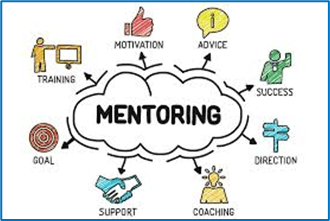
Leeman and Johnston decided to address what they see as the key missing ingredient — mentors.

“Both of us have had the benefit of superb mentorship, which has been integral to our careers,” says Leeman. “We wanted to offer an opportunity for all women across the U.S. to have access to female role models to help mentor them through different elements of their careers.”

With colleagues across the country, they created the National Women in Neonatology Mentorship Program. Bringing together senior, mid-career, and junior neonatologists, the year-long pilot program, which concludes in August, has three goals:

  • to provide resources to facilitate career advancement and professional and personal satisfaction
  • to identify strategies to help female neonatologists gain appropriate compensation, promotions, and professional recognition
  • to foster a feeling of community.

In virtual and in-person meetings, the program’s 250-plus participants read and discuss materials, hear speakers, share their thoughts and experiences, network, offer mutual encouragement, and consult with mentors. The program has various subgroups, including groups for women practicing in community NICUs, groups for specific interests like global health or lab research, and groups for women from backgrounds that tend to be underrepresented in medicine.

Neonatology mentorship at Boston Children’s: Balancing medicine, research, and family

Patricia Davenport, MD, and Martha Sola-Visner, MD, neonatologists at Boston Children’s, illustrate the value of mentorship. As a junior faculty member, Davenport found herself juggling her clinical, research, and family responsibilities. In addition to caring for patients in the NICU, she joined Sola-Visner’s lab to conduct research on neonatal platelet transfusions. Sola-Visner quickly became a mentor.

“Martha’s mentorship has been crucial to me,” Davenport says. “She values her patients, her research, and her family. Holding those three things equally in your hands is really important. I had never done basic science before and needed a lot of mentoring, not just at the bench but also writing and presenting.”

Whether it’s an unfortunate patient outcome, an experiment that didn’t work, or a family emergency, Sola-Visner has been a vital support and sounding board. And the benefits of mentorship flow in both directions.

“I’m established now, and at this stage in my career, seeing other people progress and move forward is the most rewarding part of what I do,” says Sola-Visner. “Making sure that the people who I’ve mentored are succeeding becomes more and more important over time. I get great joy to see that.”

Davenport is also an enthusiastic participant in the national pilot mentorship program, where she is part of a subgroup on basic science.

“We talk about funding difficulties, how to organize a lab, wellness, how to care for yourself,” she says. “There’s a real sense of community across the nation. You’re always asking, ‘am I good enough?’ and it’s nice to hear other women having the same thoughts and feelings of ‘imposter syndrome.’ But we’re all doing good work.”

Source: https://answers.childrenshospital.org/mentorship-neonatology/

Wanglong Gou, PhD1,2,3Congmei Xiao, PhD1,2Xinxiu Liang, PhD1,2; et alZelei Miao, PhD1,2,3Meiqi Shi, MS4Yingying Wu, MS4Sha Lu, PhD4Xuhong Wang, MS4Yuanqing Fu, PhD1,2Wensheng Hu, PhD5,6Ju-Sheng Zheng, PhD1,2,3,7

Key Points Original Investigation Public Health December 19, 2024

Question  Is physical activity during pregnancy associated with preterm birth among women with gestational diabetes (GD)?

Findings  In this cohort study of 1427 pregnant women with GD, accelerometer-derived moderate-to-vigorous intensity physical activity (MVPA) demonstrated an inverse association with preterm birth. The dose-response curve for MVPA in relation to the risk of preterm birth exhibited an L-shaped pattern, with a steady decline in preterm birth rate up to approximately 74 minutes per day.

Meaning  These findings provide key evidence for the health benefits of MVPA during pregnancy and lay the foundation for establishing physical activity guidelines for pregnant women with GD.

Abstract

Importance  Physical activity, as a modifiable factor, emerges as a primary intervention strategy for the prevention and management of gestational diabetes (GD). Among women with GD, the association of physical activity during pregnancy with preterm birth remains unclear.

Objective  To examine the association of accelerometer-derived physical activity metrics and patterns with preterm birth among women with GD.

Design, Setting, and Participants  This prospective cohort study recruited pregnant women with GD in Hangzhou, China, from August 2019 to August 2023 as part of the Westlake Precision Birth Cohort study. Statistical analysis was performed between August and November 2023.

Exposures  Wearable accelerometer–derived physical activity metrics and patterns. Measurements of physical activity via wearable accelerometer were performed at a median (IQR) of 25.4 (24.6-26.6) weeks’ gestation.

Main Outcomes and Measures  Preterm birth was determined through the examination of delivery records. Incident preterm birth was defined as the delivery of infants before completing 37 weeks of gestation.

Results  Among the 1427 women meeting the inclusion criteria, the mean (SD) age was 31.3 (3.8) years, and there were 80 cases of preterm birth. An increase in moderate-to-vigorous intensity physical activity (MVPA) and the fraction of physical activity energy expenditure derived from MVPA exhibited an inverse association with preterm birth, with an odds ratio per 30 minutes of 0.64 (95% CI, 0.42-0.98) and an odds ratio per SD of 0.69 (95% CI, 0.55-0.88). In the dose-response analysis, there was a progressive decrease in the odds of preterm birth with increasing duration of MVPA per day, reaching a plateau at approximately 74 minutes per day. Furthermore, the findings indicated that active MVPA (MVPA ≥30 minutes per day), whether it was concentrated into a few days or followed a more regular pattern, had similar beneficial association with preterm birth.

Conclusions and Relevance  In this prospective cohort study, MVPA during pregnancy exhibited an inverse association with preterm birth among women with GD. Concentrated physical activity was associated with similar benefits in reducing preterm birth risk as regular physical activity.

Source: https://jamanetwork.com/journals/jamanetworkopen/fullarticle/2828262

Mount Sinai Hospital   Sinai Health  March 21, 2024

Two years ago, Adiah and Adrial Nadarajah defied the odds when they were born at just 22 weeks at Mount Sinai Hospital.

The twins, who share the Guinness World Records for the youngest and lightest premature babies born, recently celebrated their second birthday, and we caught up with the family to find out how they’re doing.

Things certainly are much different in the Nadarajah household these days. “The first year of their lives was spent constantly tending to their medical needs,” reflects Shakina. And today, as the twins’ mother puts it, the family is now in the phase of “full throttle toddler parenting.”

“In the first year, the twins didn’t have much recognition of each other, so it’s beautiful to see how close they are becoming,” says Shakina. “Adrial is very affectionate and is always trying to hug his sister. He has started saying a few words too.” Some of which include: banana, potato, purple, car and of course – mama and papa.

Adiah is “the bossy one,” calling all of the shots when it comes to play time. She loves reading books, and given that both of her parents play the piano, Adiah has been naturally drawn to it.

“She is mesmerized by the piano and enjoys watching us play on it, or playing it herself,” says Shakina. “That is how she spends quality time with her dad, Kevin.”

The younger twin, Adrial was on oxygen for a period of time following a re-hospitalization after their discharge from the NICU, but went off it shortly after the twins’ first birthday. And while checking oxygen tanks and figuring out wiring across the house were not what they envisioned for their first year of parenthood, these add to their unique story of parenthood and to the twins’ story of resilience.

The twins continue to attend standard follow up appointments at Mount Sinai Hospital’s neonatal follow-up clinic, which provides families with developmental assessments for their infant(s) who received care in the NICU, and also counselling for early intervention, depending on the needs of children. The detailed assessment of a baby’s growth, feeding and development includes movement patterns, speech, play skills and problem-solving abilities, and guides families in supporting activities to enhance their development to the full potential.

“Infants who spend an extended period of time in the NICU can face long-term challenges, which is why it is important to continuously monitor these children to identify any challenges they may face as early as possible,” says Dr. Prakesh Shah, Paediatrician-in-Chief at Sinai Health. “This allows us to proactively provide optimal support, planning and timely therapy referrals for families.”

The twins were referred to different specialists, including a speech therapist, physiotherapist and an occupational therapist, and continue to get support on an ongoing basis.

“This family is a living example of what hope can do,” says Dr. Shah. “The family continuously advocated for their babies and persevered and now the twins are two years old, defying many odds.”

Although so much has changed for the Nadarajah family over the past two years, Shakina shares that “not a single day goes by” that they don’t think about the Mount Sinai Hospital NICU.

“It holds such a special place in our hearts, and was where we spent the first half year of our babies’ lives. It was our everything – our whole world. And it was amazing to have the support we received from the hospital, especially in the first year.”

Source:https://www.sinaihealth.ca/news/the-worlds-most-premature-twins-turn-two

The first app of its kind to offer information SPECIFIC to the weekly growth and development of the premature baby.”

“A comprehensive guide for parents of premature babies that helps to reshape the NICU experience. Providing and educational and empowering platform to document, record, and celebrate their preemie’s story.”

“The Peekaboo ICU PREEMIE App is inspiring parents and making an impactful difference for NICU families.”

Jun 29, 2024

The realm of neonatal care has always been a critical aspect of medical science. The delicate nature of newborns, especially preterm infants, necessitates constant innovation and improvement in technology. 

As we advance through 2024, several groundbreaking developments are revolutionizing neonatal care, ensuring better survival rates and improved health outcomes for infants. In this blog, we will delve deeper into the significant advancements in neonatal technology that are shaping the landscape this year. 

  1. Neonatal Intensive Care Units (NICUs): Modern NICUs are increasingly integrating smart technology and artificial intelligence (AI) to enhance care delivery. In 2024, many hospitals have adopted AI-driven monitoring systems that continuously analyze vital signs and predict potential complications before they become critical.

The modern NICUs use machine learning algorithms to identify patterns that may be missed by human observation, providing early warnings for serious medical conditions. In fact, more seizures are recorded in real-time when the AI algorithms are applied.

Additionally, NICUs are now equipped with advanced incubators that offer more than just a controlled environment. These incubators come with integrated sensors that monitor temperature, humidity, oxygen levels, and even the infant’s movements. Real-time data from these sensors helps healthcare providers make immediate adjustments to optimize the infant’s environment, significantly reducing the risk of complications.

  • Telemedicine and Remote Monitoring: Telemedicine has become a crucial tool in neonatal care, particularly in remote or underserved areas. In 2024, advancements in telehealth technology allow for real-time video consultations between neonatologists and local healthcare providers. 

Remote monitoring technology has also made significant strides. Wearable devices designed for neonates can now continuously track vital signs and other health metrics, transmitting data to healthcare providers instantly. These devices are minimally invasive, ensuring that they do not interfere with the infant’s comfort while providing critical health information. 

  • Respiratory Support: Respiratory support is a cornerstone of neonatal care, especially for preterm infants whose lungs are not fully developed. In 2024, advancements in this area are particularly noteworthy. 

The high-frequency ventilation and non-invasive procedures are two examples of innovations in the respiratory support systems that have been able to improve the prognosis for neonates suffering from respiratory distress syndrome. These developments also lower the likelihood of long-term problems by offering mild and efficient breathing assistance.

Furthermore, innovations in surfactant therapy, which helps to reduce the surface tension in the lungs and keep the airways open, are enhancing the survival rates and respiratory outcomes for preterm infants. 

  • Personalized Medicine and Genomics: Personalized medicine is transforming neonatal care by customising treatments to the individual needs of each infant. Advances in genomic sequencing allow for the early identification of genetic disorders enabling targeted interventions.

In 2024, whole-genome sequencing is becoming more accessible and faster, allowing for timely diagnosis and treatment of congenital conditions. Pharmacogenomics, which studies how genes affect a person’s response to drugs, is also making its way into neonatal care. 

  • Advanced Imaging Techniques: Imaging technology has seen remarkable improvements, providing clearer and more detailed views of neonatal anatomy and physiology. High-resolution screening devices such as CFM Olympic Brain Monitor specifically designed for neonates are now available, offering non-invasive ways to screen brain conditions. 

In addition, there are other advanced imaging techniques help in early detection of issues such as brain injuries, congenital heart defects, and other critical conditions, allowing for prompt and appropriate interventions.

  • Parental Involvement and Support Technologies: A number of technologies have been introduced in 2024 to encourage parental involvement in neonatal care, in recognition of the vital role that parents play in this process. 

Throughout their child’s time in the NICU, parents are offered resources to remain informed, involved, and supported. Furthermore, specially made wraps and clothes are making skin-to-skin contact—also referred to as Kangaroo care. These items enable parents to comfortably hold their infants while providing the essential medical supervision and assistance.

Summing It Up:

The advancements in neonatal technology in 2024 are profoundly transforming the care and outcomes for newborns, especially those born prematurely or with critical conditions. 

As technology continues to evolve, the hope is that these advancements will become accessible to all, ensuring that every newborn receives the highest standard of care, regardless of their circumstances.

Source: https://www.genworkshealth.com/blog/advancements-in-neonatal-technology-whats-new-in 2024#:~:text=In%202024%2C%20whole%2Dgenome%20sequencing,its%20way%20into%20neonatal%20care.

Abstract

Background

Despite healthcare improvements in Rwanda, newborn mortality remains high. This study assesses the impact of neonatal mentorship on enhancing nurses’ competencies within neonatal units, aiming to address this mortality concern and strengthen healthcare providers’ abilities.

Methods

The prospective cohort study included 25 health facilities supported by Ingobyi Activity in Rwanda, which were beneficiaries of a monthly mentorship program focusing on five critical neonatal competencies. These included adopt manipulation of neonatal equipment, effective management of small and sick newborns, stringent infection prevention and control (IPC), kangaroo mother care (KMC) implementation, and family-centered care provision. We employed an observation checklist to measure neonatal practice competencies, comparing practices at the time point of the baseline, at the 6th mentorship session, and finally at the 12th mentorship session.

Results

The program engaged 188 neonatal nurse mentees. Data analysis highlighted a substantial increase in overall neonatal practice competencies from a baseline of 42.7%–75.4% after 12 mentorship sessions. Specific competency enhancements included family-centered care (40.3%–70.3%), IPC (43.2%–84.2%), KMC (56.9%–73.3%), management of small and sick newborns (38.5%–77.6%), and manipulation of neonatal equipment (42.7%–75.4%).

Conclusions

This neonatal mentorship program was effective in enhancing nursing competencies, leading to significant improvements in neonatal care practices. Future work should evaluate the program’s cost-effectiveness and explore its potential to positively impact neonatal health outcomes, thus ensuring sustainable healthcare advancements.

Source:https://onlinelibrary.wiley.com/doi/full/10.1002/puh2.141#:~:text=Neonatal%20nurse%20mentorship%20intervention,by%20the%20project%20throughout%20Rwanda.

We are delighted to present an editorial for the Special Issue ‘Advances in Healthcare for Neonates’. This Special Issue is a testament to the excellent quality of the eleven articles submitted in the short span of just one year, far exceeding our expectations. We are humbled by the commitment of the scientific community to pursue neonatal research across the globe, which bodes well for improvements in quality of life as newborns grow into children and adults.

The survival of extremely preterm infants in the past few decades is closely linked to the discovery of surfactants in the early 1990s. Advances in neonatal care, including parenteral nutrition, gentle ventilation, and infection control practices, have further contributed to the increasing survival of extremely low birth weight (ELBW) infants. The extensive use of continuous positive airway pressure (CPAP) and non-invasive ventilation (NIV) techniques is essential for the close monitoring of infants on NIV to ensure appropriate clinical decision-making. One such method is standardizing the weaning process when using non-invasive ventilatory support. Nussbaum et al. attempted to standardize the weaning of NIV using the Silverman–Andersen score (SAS). The study did not find any differences among the groups, highlighting the fact that various factors, including interrater reliability, influence weaning from NIV, thereby limiting the predictive value of the SAS. However, the study addresses an important knowledge gap in weaning infants on NIV off respiratory support.

Neonatal units have traditionally used chest X-ray for the diagnosis of respiratory disorders in neonates. However, more recently, lung ultrasound has emerged as a useful clinical tool at the bedside. Ismail et al. have demonstrated that imaging using lung ultrasound can not only be used as an alternative to chest X-ray, but also as a high-precision tool for diagnosing various respiratory diseases in neonates, such as respiratory distress syndrome, pneumonia, transient tachypnea of the newborn, meconium aspiration syndrome, pneumothorax, and atelectasis. Incorporating point-of care-ultrasound scanning in scientific studies and training programs would certainly enhance the existing clinical applications of ultrasound, thus helping to advance the care of neonates.

Despite advances in neonatal care leading to the increased survival of ELBW infants, premature infants are at an increased risk of adverse long-term neurodevelopmental outcomes, including cerebral palsy. Assessment of motor movements based on heart rate is a novel way of detecting abnormal pathologies that could help in earlier detection of cerebral palsy. In this Special Issue, Maeda et al., from Japan, present an algorithm to extract the movement patterns of premature neonates, as assessed through a combination of heart rate and video recordings of general movements. The authors demonstrated that it is possible to use an algorithm-based approach to assess general movements using instantaneous heart rate monitoring; however, they caution that it is essential to distinguish artifacts, such as a care intervention, using a supplemental video recording . Nevertheless, as fetal movements indicate fetal wellbeing, movement pattern assessment using algorithmic tools could be valuable for assessing motor and cognitive functions in premature infants after birth.

Early diagnosis and appropriate intervention can minimize the risk of developmental delays sometimes seen in premature neonates. A randomized controlled study comparing standardized early physical therapy versus no intervention in preterm infants from 32 weeks of gestation to 2 months corrected age demonstrated no differences between the group. However, factors such as the dose, intensity of intervention, parental compliance, and the shorter duration of intervention might have contributed to an absence of difference between the groups. The authors also highlight that engaging with and educating parents demonstrating poor compliance with therapy techniques for prolonged periods is essential to derive benefits .

Implementation of neuroprotective care in the neonatal intensive care unit is essential for optimal neurodevelopmental outcomes in premature neonates. Therefore, reducing pain is critical for neuroprotective care in premature infants. Dusek et al. studied the possibilities of influencing the procedural pain associated with retinopathy of prematurity (ROP) screening using oral clonidine. The authors assessed the pain and vegetative scores of using oral clonidine versus standard care during routine ROP exams. Although they did not demonstrate any difference between the groups, the absence of severe complications with clonidine may make it a potential candidate in future studies addressing neonatal pain.

The clinical care of neonates is the focus of this Special Issue. Traumatic lumbar puncture (LP) has been a problem confounding the diagnostic evaluation of neonates, especially in extremely low birth weight infants. In addition to ensuring the proceduralist′s technique, skills, and experience, it is also essential to use the correct size of needle when performing a procedure. In a study in this Special Issue, a smaller gauge (25G) lumbar puncture needle not only resulted in a decreased incidence of traumatic LP, but also a reduction in desaturation episodes during the procedure. This study is a step in the right direction for providing neuroprotective care to these fragile infants. Future studies should address optimal positioning, non-invasive imaging techniques to facilitate easier insertion, and needle size stratification based on gestational age or birth weight in order to optimize the success of vital neonatal procedures.

Improving the outcomes of neonates is best accomplished by preventing hospital-acquired infections and ensuring the optimal screening of newborns in the intensive care unit. The World Health Organization has described antimicrobial resistance as a serious threat to public health; hence, screening fragile infants for multidrug-resistant microbes is essential. Out born infants admitted to neonatal units in Turkey were meticulously screened using perirectal swab cultures and were found to have a 27.2% and 4.8% positive screening rate for carbapenem-resistant Enterobacterales (CRE) and vancomycin-resistant Enterococci (VRE), among the 125 referrals from the outside hospitals. This result reinforces the need for antibiotic stewardship to prevent multidrug resistance, and high vigilance and attention to screening when these vulnerable neonatal patients are referred from centers in which antibiotic policies are unclear.

Next-generation sequencing (NGS) and exome and genome sequencing using targeted panel molecular genetic analysis have contributed significantly to advances in newborn care. In this issue of Advances in Newborn Care, Zaza et al. describe a neonate with a cleft palate and an aortic root aneurysm, with a pathogenic mutation of exon 8 of TGFBR2 confirming a diagnosis of Loeys–Dietz syndrome. Advances in molecular genetics will help better diagnose rare conditions using genetic mutations, thus contributing to earlier detection of conditions and better management of these infants. Neonates with special conditions and genetic syndromes require a higher level of care and treatment strategies, and standardized tools to enhance their recovery. Vogt et al. propose an enhanced recovery protocol for patients undergoing the Kasai procedure for biliary atresia. The checklist includes, among other elements, parental education, preoperative dextrose-containing fluids, maintaining normothermia, adequate analgesia, and initiation of early feeds. The checklists almost always provide a framework for clinicians to optimize outcomes in complex patients such as those requiring the Kasai procedure.

With the increasing survival of premature infants, many patients go home with an accompanying increase in respiratory morbidities post-discharge. The widespread use of palivizumab helps to reduce re-admission rates and complications from infection with respiratory syncytial virus. The feasibility of home immunization with palivizumab without any serious adverse events is reported in this Special Issue . The advantages of home immunizations include higher parental satisfaction and well-being for the whole family. This study is a step towards personalized medicine within a unique population, which may help them to avoid visiting the hospital or clinic and potentially being exposed to children with other droplet infections. On the note of personalized medicine, there is an increase in the growing adult population who were born prematurely and are thus at extremely high risk of developing various comorbidities such as systemic hypertension, metabolic syndrome, reduced exercise tolerance, pulmonary hypertension, chronic obstructive pulmonary disease, and cardiac failure. Holistically addressing the problems of adults born preterm will help promote cardiovascular health, wellness, and quality of life over their lifetime. Despite the large number of resources invested in the survival and care of extremely premature infants, it is surprising that minimal resources are available regarding commitment to wellness as infants grow into children and adults. Vital screening programs, effective communication, targeted counseling and therapeutic interventions, and a seamless transition of care from a pediatric clinician to an adult health care provider would improve the quality and longevity of life of those born extremely preterm.

Source:https://pmc.ncbi.nlm.nih.gov/articles/PMC10297648/#:~:text=Advances%20in%20neonatal%20care%2C%20including,birth%20weight%20(ELBW)%20infants.

Unsafe sleep practices may be a more common cause of sudden unexpected infant death cases where children are born exposed to drugs, according to a new study. The article, “Sleep-Related Sudden Unexpected Infant Death Among Infants Prenatally Substance Exposed,” published in the December edition of Pediatrics, looked at data from the Centers for Disease Control and Prevention SUID and Sudden Death in the Young Case Registry. Data showed that of 2,010 infants with sleep related deaths, 14% had been born drug exposed with nearly a third of all infants dying from suffocation. Among the sleep-related deaths, about half happened in an adult bed with infants sharing the space with a sleeping adult. Overall, 1 in 4 deaths of prenatally exposed infants involved supervisors who were both impaired and bedsharing. Non-Hispanic white infants were disproportionately impacted, making up nearly half of those prenatally exposed who died in their sleep. These infants were also more likely to be exposed to social drivers of poor health and family vulnerability such as poverty and barrier to prenatal care. Study authors advocated for expanded prevention efforts such as safe sleep messaging while arguing more needs to be done to address the social needs of these families.  

The American Academy of Pediatrics is an organization of 67,000 primary care pediatricians, pediatric medical subspecialists and pediatric surgical specialists dedicated to the health, safety and well-being of infants, children, adolescents and young adults.

Source:https://www.aap.org/en/news-room/news-releases/pediatrics2/2024/infants-exposed-to-substances-prenatally-also-have-increased-exposure-to-unsafe-sleep-practices/

The study, led by UBC and SFU researchers in collaboration with the Medical Research Council (MRC) Unit The Gambia, has the potential to help healthcare workers diagnose babies earlier, including in lower- and middle-income countries (LMICs) where neonatal sepsis is of particular concern. The researchpublished today in eBiomedicineis funded by the National Institutes of Health and the Canadian Institutes of Health Research.

“Neonatal sepsis is caused by the body’s irregular response to a severe infection that occurs within the first 28 days of life. Globally, it affects around 1.3 million babies annually, and unfortunately, in LMICs, those rates are higher,” said first author Andy An, a UBC MD/PhD student who completed the research as a doctoral student in the department of microbiology and immunology. “Even when treatment is successful, sepsis can have lifelong effects because it can lead to developmental delay in children, imposing cognitive deficits and long-term health issues. By recognizing it as early as possible, we can treat infants promptly and ideally, head off these harms.”

Neonatal sepsis causes an estimated 200,000 deaths worldwide each year, with the highest rates in LMICs. In Canada, the risk is lower at about one in 200 live births, but higher in prematurely born babies.

Rolling the dice on health

Diagnosing sepsis is challenging for doctors and families. The symptoms can look like many other illnesses, and tests to check if sepsis is present can take several days, aren’t always accurate, and are largely only available in hospitals. The uncertainty can delay urgent treatment with antibiotics.

“Knowing that sepsis is impending would also allow physicians more time to determine the appropriate treatment to use,” said co-senior author Dr. Bob Hancock, professor in the UBC department of microbiology and immunology. “The consequences of neonatal sepsis are so severe in the most vulnerable individuals that providing an early diagnosis to assist and guide physicians could save lives.”

Equitable access to healthcare

The researchers participated in a large study in The Gambia where blood samples were taken from 720 infants at birth. Out of this cohort, 15 babies developed early-onset sepsis.

The researchers used machine learning to map the expression of genes active at birth, in search of biological markers that could predict sepsis.

“We found four genes that, when combined in a ‘signature’, could accurately predict sepsis in newborns nine times out of 10,” said co-senior author Dr. Amy Lee, assistant professor in the SFU department of molecular biology and biochemistry. “This was a unique opportunity where samples were available from all babies in this cohort on the day of birth, meaning we could study the genes expressed in the sepsis babies before they got sick. Most other studies have only published markers that were present when the babies were already ill, and this would therefore not be a predictive signature.”

“The early recognition of sepsis is vital for infants’ survival, and identifying markers that might allow us to ‘predict’ babies at particular risk would be an enormous advantage, since we could then target specific surveillance and treatment of such infants,” said Dr. Beate Kampmann, who led the clinical component of the study at the MRC Unit in The Gambia.

The researchers hope the signature will one day be incorporated not only into PCR tests in hospitals, but also in portable, point-of-care devices.

“There are point-of-care devices available that can test for gene expression, for instance, COVID-19 and influenza, with a single drop of blood. They can operate anywhere with a power source including batteries and can be used by anyone, not just trained healthcare providers,” Dr. Hancock. “These portable devices could be retooled to recognize this ‘signature’ relatively easily and inexpensively.”

The next step for the research would involve a large prospective study to show the signature is successful at predicting sepsis in other populations and prove its methodology, and then the development of point-of-care tools for approval by relevant government bodies.

Source:https://www.sciencedaily.com/releases/2024/10/241028211504.htm

Ready to kick off the new year with fresh goals and BIG dreams? This fun and interactive video is perfect for kids, parents, and educators! We’ll share simple and achievable New Year’s resolution ideas for kids to help them learn goal-setting in a positive and exciting way.

Welcoming the New Year with Hope and Resilience

As preemie warriors, we step into 2025 with gratitude and pride, not just for how far we’ve come but for the people who made our journey possible. This new year is a moment to reflect on the strength and resilience that define us—and to honor the families, parents, caregivers, and healthcare providers who stood by us every step of the way.

Our journey has been shaped by many. For some, families and communities stood as steadfast advocates, offering love and support through difficult decisions and uncertain times. For others, healthcare providers brought their expertise and compassion to the forefront, working tirelessly to help achieve the best possible outcomes. Together, these connections have been a source of strength, ensuring care and hope in moments that mattered most.

2025 is a celebration of this community of support. Together, we’ve proven that resilience is a collective effort. Every milestone we’ve reached—every breath, every step, every moment of growth—is a shared triumph, a testament to the power of unity and the impact of care.

This year, let’s continue to inspire and uplift one another. Our stories remind the world that we as preemie warriors have so much to offer, and that progress in neonatal care depends on the passion and dedication of our neonatal womb community, preemie warriors, families, and professionals alike. By sharing our journeys, we create a ripple effect—sparking change, advancing care, and building a future where every preemie has the best chance to thrive.

Here’s to 2025: a year to honor the bonds that sustain us, the progress we’ve made, and the hope we carry forward. Together, we rise, stronger and more united than ever.

CGI Animated Short Film: “Miles to Fly” by Stream Star Studio | CGMeetup

Follow your Dreams – Miles to Fly is a graduation short made by 4 students from Multimedia University, Malaysia released in 2020. The story is about an ambitious boy who dreams of becoming a pilot but is torn between helping his mother’s bakery to survive, or pursuing his dream.

Mar 12, 2018  Kembara Xscapes

EXCEPTIONAL ACTS, PERSPECTIVES, TRANSFORMING HEALTHCARE

Honduras, officially the Republic of Honduras, is a country in Central America. It is bordered to the west by Guatemala, to the southwest by El Salvador, to the southeast by Nicaragua, to the south by the Pacific Ocean at the Gulf of Fonseca, and to the north by the Gulf of Honduras, a large inlet of the Caribbean Sea. Its capital and largest city is Tegucigalpa.

The nation’s economy is primarily agricultural, making it especially vulnerable to natural disasters such as Hurricane Mitch in 1998. The lower class is primarily agriculturally based while wealth is concentrated in the country’s urban centers. Honduras has a Human Development Index of 0.625, classifying it as a nation with medium development. When adjusted for income inequality, its Inequality-adjusted Human Development Index is 0.443.

The health system consists of a public and a private sector. The former includes the Ministry of Health and the Honduras Social Security Institute . The Ministry serves the entire population in its own facilities staffed by its own physicians and nurses, but it is estimated that only 50%-60% of Hondurans regularly use these services. The Institute covers 40% of employed economically active individuals and their dependents, using its own and contracted facilities. The private sector serves some 10%-15% of the population: those who can afford to pay or are covered by private insurance. An estimated 17% of Hondurans do not have regular access to health services. 

Source:https://en.wikipedia.org/wiki/Honduras

Evelyn Lee, PhD1,2Deborah Schofield, PhD2Mithilesh Dronavalli, MPhil3Kate Lawler, BSc(Med)Hons4Hannah Uebel, MD4,5Lucinda Burns, PhD7Barbara Bajuk, MPH8Andrew Page, PhD3Yuanyuan Gu, PhD6John Eastwood, MBChB, PhD9,10,11,12,13,14Michelle Dickson, PhD15Charles Green, PhD16Lauren Dicair, MSW17Ju Lee Oei, MD4,18,19

JAMA Pediatr. Published online July 22, 2024. doi:10.1001/jamapediatrics.2024.2281

Key Points

Question  Does the increase in health care needs among children exposed to substance use during pregnancy vary by engagement in out-of-home care?

Findings  In this cohort study, children exposed to substance use during pregnancy with or without neonatal abstinence syndrome were at higher risk of adverse birth outcomes and long-term costs than children who were not exposed but a reduction in cost was associated with any out-of-home care contact.

Meaning  Increased support and timely access to services could mitigate the higher readmission risk and cost associated with substance use during pregnancy.

Abstract

Importance  

Children exposed to substance use during pregnancy have increased health needs but whether these are influenced by engagement in out-of-home care is uncertain.

Objective  

To evaluate the association between substance use during pregnancy, out-of-home care and hospitalization utilization, and costs from birth up to age 20 years.

Design, Setting, and Participants  

This was a retrospective cohort study using individual-linked population birth, hospital, and out-of-home care information of all liveborn infants from New South Wales, Australia, between 2001 and 2020 using longitudinal population-based linkage records from administrative databases. Substance use during pregnancy included newborns with neonatal abstinence syndrome (n = 5946) and intrauterine exposure to drugs of addiction (n = 1260) and other substances (eg, tobacco, alcohol, and illicit drugs or misused prescription drugs; n = 202 098). Children not exposed to substance use during pregnancy were those without known exposure to substance use during pregnancy (n = 1 611 351). Data were analyzed from July 2001 to December 2021.

Main Outcomes  

Main outcomes were hospital readmission, length of stay, and cost burden associated with substance use during pregnancy from birth up to age 20 years. Outcomes were investigated using 2-part and Poisson regression models adjusted for sociodemographic characteristics. Mediation analysis was used to evaluate whether the association of substance use during pregnancy with risk of readmission was mediated through engagement with out-of-home care.

Results  

Of the 1 820 655 live births, 935 807 (51.4%) were male. The mean (SD) age of mothers was 30.8 (5.5) years. Compared with children who were not exposed to substance use during pregnancy, those who were exposed incurred significantly higher birth hospital costs (adjusted mean difference, A$1585 per child [US$1 = A$1.51]; 95% CI, 1585-1586). If discharged alive, more children with exposure to substance use during pregnancy had at least 1 readmission (90 433/209 304 [43.4%] vs 616 425/1 611 351[38.3%]; adjusted relative risk [RR], 1.06; 95% CI, 1.06-1.07), most commonly for respiratory conditions (RR, 1.11; 95% CI, 1.09-1.12) and mental health/behavioral disorders (RR, 1.36; 95% CI, 1.33-1.41). Excess hospital costs associated with substance use during pregnancy were A$129.0 million in 2019 to 2020. Mediation analyses showed that any out-of-home care contact mediated the association between substance use during pregnancy and risk of inpatient readmission and lower health care cost (decreased by A$25.4 million). For children with neonatal abstinence syndrome, any out-of-home care contact mediated readmission risk by approximately 30%, from adjusted RR, 1.28; 95% CI, 1.19-1.35, to RR, 1.01; 95% CI, 0.98-1.02.

Conclusion and Relevance

Children who were exposed to substance use during pregnancy incurred more hospital costs than children who were not exposed up to 20 years of age, but this was reduced in association with any contact with out-of-home care. This provides insights into possible strategies for reducing health and financial burdens associated with exposure to substance use during pregnancy for children.

Source:https://jamanetwork.com/journals/jamapediatrics/fullarticle/2821473

Ashley D. Osborne, MD; Diana Worsley, MPH; Catherine Cullen, MD; Ashley Martin, MPH; Lori Christ, MD

May 08 2024

BACKGROUND

Moderately preterm infants (MPTI) comprise a large proportion of NICU admissions and are an understudied population. The unique experience of families with MPTIs has yet to be examined in the literature. Describing MPTI parent needs and preferences may inform interventions to improve care and outcomes for this population.

METHODS

Semi-structured qualitative interviews were performed with English-speaking birth parents of infants born between 32 and 34 weeks gestation to describe their NICU experience and identify areas for improvement specifically surrounding care team inclusion, education, discharge, and communication. Interviews were recorded, transcribed, and analyzed using directed content analysis. Enrollment ceased when the data reached thematic saturation.

RESULTS

Sixteen birth parents participated. Four themes emerged around parent-medical team connectedness, parental confusion, discharge readiness, and the desire for a use of a mix of in-person and electronic communication methods (e-mail, texting, apps, etc.) for communication. MPTI parents valued a strong connection with the medical team; however, they described a lack of knowledge regarding the reasons for admission and ongoing management. Near discharge, parents desired more information regarding feeding, reflux, and breathing patterns. Parents preferred in-person discussions but described a role for electronic methods to improve their understanding of their infant and discharge readiness.

CONCLUSIONS

From the MPTI parent perspective, clinicians can focus improvement efforts on communication, specifically around reasons for admission, discharge planning, and anticipatory guidance. These results may serve as a foundation for initiatives to improve the MPTI parent experience and potentially parent and MPTI outcomes.

Source: https://publications.aap.org/pediatrics/article-abstract/153/6/e2023064419/197249/Enhancing-NICU-Care-and-Communication-Perspectives?redirectedFrom=fulltext

Apr 28, 2023 #NFL #AmericanFootball #Football

Auburn’s Derick Hall survives the near-death experience of being born four months premature, rising to become one of the best defensive ends in the nation – and making a transformational impact on his Gulf Coast community.

Nicolle Fernández Dyess, MD, MEd; Perspectives| September 01 2024

Shetal Shah, MD  Neoreviews (2024) 25 (9): e531–e536.https://doi.org/10.1542/neo.25-9-e531

The modern neonate differs greatly from newborns cared for a half-century ago, when the neonatal-perinatal medicine certification examination was first offered by the American Board of Pediatrics. Delivery room resuscitation and neonatal care are constantly evolving, as is the neonatal workforce. Similarly, the Accreditation Council for Graduate Medical Education review committees revise the requirements for graduate medical education programs every 10 years, and the modern pediatric medical trainee is also constantly evolving. Delivery room resuscitation, neonatal care, and pediatric residency training are codependent; changes in one affect the other and subsequently influence neonatal outcomes. In this educational perspective, we explore this relationship and outline strategies to mitigate the impact of decreased residency training in neonatal-perinatal medicine.

Source:https://publications.aap.org/neoreviews/article-abstract/25/9/e531/199058/The-Relationship-between-Pediatric-Medical?redirectedFrom=fulltext

Dudding, Katherine M. PhD, RN, RNC-NIC, CNE; Assistant Professor

Advances in Neonatal Care 24(5):p 389-390, October 2024.

A couple of months ago, I had a conversation with a Director of Nursing Professional Development from a potential hospital site which to conduct my research. I was asked if I would consider having a couple of nurses help with my study. Without hesitation, I replied “yes, I would be happy to mentor a couple of nurses to assist me with my study.” Initially, I thought this was an odd request because I feel like that is one of my professional responsibilities as a nurse. Upon further thinking, I realized maybe others do not share the same opinion and how unfortunate this would be for our future neonatal nurses, practitioners, educators, and researchers.

According to the American Nurses Association (ANA), 18% of nurses are leaving the profession after 1 year though other sources reported even higher rates of attrition. The nursing workforce dilemma continues to be problematic with nurse turnovers and an alarming rate of nurses leaving the profession after 1 year. While other sourcesreported rates as high as 30%, education and the healthcare systems are establishing strategic interventions to retain nurses. One of these interventions is mentoring. Specifically, peer nurse to nurse mentoring is beneficial when matched into a positive mentored relationship.

MENTORING

Nurses experiencing positive mentorships are associated with intent to remain at their current positions. There is nothing like the support of a mentor when you begin your nursing career. It was the kindness of mentors that taught us and encouraged us to become the best possible nurses and achieve our dreams. The knowledge we gained from our mentors are incorporated into our everyday professional lives. There is not one of us who was not impacted by a mentor and their influence (see Supplemental Figure 1, available at https://links.lww.com/ANC/A292). Many of us will have several distinct types of mentors throughout our nursing careers.

Each mentor serves a purpose and may be time limited. There may be mentors that are experts in clinical practice, education, research, or leadership. You might even have a mentor, whose sole purpose, is your sounding board for difficult decisions. However, there will be a handful of phenomenal nurses who will become lifetime mentors. Those are the special ones that we strive to emulate.

NURSING

When nurses feel supported by administration and mentors, they remain in their jobs. Being mentored gives us the opportunity to grow our skill sets or learn new processes under the guidance of our mentor. The mentor provides the safety net when learning and a resource to ask our never-ending questions without judgment.

We all can remember the hesitation we felt the first time we attempted our first IV. Moreover, we remember the happiness we felt when we successfully started our first IV. This was, in part, due to our mentor’s willingness to mentor us and invest their time and talent into our success. Our mentors believed in us.

It does not take long before these skills in essence become second nature. Our confidence level begins to increase with more successes than failures. We are becoming competent and independent nurses. These achievements cannot help but to spill over into our own interactions with patients, our students with teaching, and our participants in research. Good mentorship also benefits those we serve whether it be our patients, our students we teach or participants in research. Why would we not pay this forward when mentoring results in the best possible outcomes for all?

As our skills are honed, this cultivates our confidence, not only as a competent nurse, but as a valuable team member. Lyu et al states that competence and being integrated into a team is correlated with retention. As a supported team member, we are unstoppable to what we can accomplish in nursing. Eventually, this often leads the nurse mentee to now becoming the mentor.

GROWING THROUGH MENTORSHIP

Being a mentor is frequently the catalyst for endless opportunities for growth and the development of a leader. This may be a leadership opportunity within your respective work environment such as a charge nurse, manager, and director. Your sphere of influence, as a leader, has the ability change practice within the nursing. Moreover, this may motivate a broader impact by earning an advanced degree to become nurse practitioners, educators, and researchers.

What a privilege it is to mentor nurses and leave a lasting impact on the nursing profession. Today’s nursing graduates are tomorrow’s nursing leaders. We have a responsibility to present and future nurses to mentor them. I, personally, will forever be grateful to all my mentors. I am truly standing on the shoulders of giants by kindness that has and continues to be given to me. This act of kindness and giving of oneself through mentoring is invaluable.

In conclusion, there is only one question that remains, “will you step up to mentor the next generation of nurses?”

—Katherine M. Dudding, PhD, RN, RNC-NIC, CNE Assistant Professor The University of Alabama kmdudding@ua.edu

Source:https://journals.lww.com/advancesinneonatalcare/fulltext/2024/10000/peer_nurse_to_nurse_mentoring__an_exceptional_act.1.aspx

July 19, 2023     Sathvik Namburar

In a May 6, 2016 photo, medical residents Dr. Wes Penn, right, and Dr. Cameron Collier, center, walk with medical students down a hallway during their daily rounding at Our Lady of the Lake Regional Medical Center in Baton Rouge, Louisiana. (Gerald Herbert/AP)This article is more than 1 year old.

July marks a time of change in hospitals across the country. It marks the beginning of the academic year for medical residents and fellows, with new physicians starting their training. As I begin the second year of my medical residency this month, I have been thinking about Libby Zion and Nakita Mortimer.

The former was briefly a household name in the 1980s. Libby Zion was a college student who sought care at New York Hospital (now New York-Presbyterian) with a fever in March 1984, only to pass away after her doctors missed a crucial medication interaction. Her distraught parents believed that overworked resident physicians were to blame and drove efforts to institute work-hour caps for residents.

The latter is tragically less known. Dr. Nakita Mortimer was a resident physician at Montefiore Medical Center, and she died by suicide in May 2023. My colleagues and I became aware of her untimely passing almost immediately, as this news spread rapidly through the medical world. (As with all suicides, it will remain unclear specifically why Dr. Mortimer took her own life.)

My colleagues and I reacted to Dr. Mortimer’s death with shock but not surprise. As one of the senior resident physicians in my program put it, “Residency can unmoor even the best of us.”

All of us in the medical profession know classmates or colleagues who were unable to complete their training, overburdened by the demands of the profession. Studies show that upwards of 50% of physicians report feeling burnout.

Residency is a key contributor to these issues. Usually lasting between three and seven years depending on subspecialty, resident physicians have completed medical school but are still undergoing training and cannot independently practice medicine.

Being a resident means working long hours for little pay (the average first-year resident makes about $60,000 a year). Many residency programs continue to require residents to work 28-hour shifts out of a belief that these long hours enhance continuity of care and resident learning.

But by the end of 28-hour shifts, residents are so sleep-deprived that they have the equivalent of blood alcohol contents of 0.1%, above the threshold for being legally drunk. The resident physicians who were taking care of Libby Zion were in the midst of a 28-hour-plus shift and were also responsible for 40 other patients on the night she died.

Often forgotten in the Libby Zion case is that her death led her parents to push not only for reforms in the medical residency system, but also the consideration of legal charges against the resident physicians and the threat of revocation of their licenses to practice medicine. Therefore, to my co-residents and me, her passing is both a clarion call and a warning, that even if we are tired, we must be perfect or else lose our livelihoods. Of course, with the desire for perfection comes incredible mental stress.

With the desire for perfection comes incredible mental stress.

We resident physicians recognize that our profession has societal responsibilities. It is our duty to learn and take care of patients, and we do not and should not expect to work regular 9 a.m. to 5 p.m. hours during our training. My goal is to maximize my learning opportunities so that when I complete residency, I can practice medicine independently and competently.

Physicians take an oath to “Do no harm” and try to live up to this credo. But no one can always be perfect.

Some residency programs have been implementing further reforms to protect resident physicians and patients. Over the past year, I have only had to complete one 28-hour shift, compared to my friends in other residency programs who have had to do dozens of such shifts. My residency also has a dedicated wellness curriculum, peer listening programs and access to mental health professionals.

Still, there is more to do. Residents in programs around the country are forming unions and demanding better working conditions and more pay. After 26 years of stagnation, in 2022, Congress finally approved an increase in the number of residency spots, which would decrease the work burden on residents. Our patients should support these efforts and push for further changes because well-rested, better-paid residents are more likely to provide adequate health care.

Few other jobs place physical and mental demands on employees like residency does, and few other jobs come with the awesome responsibility that being a physician has. Continuing reforms will help prevent deaths like those of Libby Zion and Dr. Mortimer. We owe it to all resident physicians and our patients to ensure that such reforms are enacted.

Editor’s note: You can reach the National Suicide Prevention Lifeline at 1-800-273-TALK (8255) and the Samaritans Statewide Hotline (call or text) at 1-877-870-HOPE (4673). Call2Talk can be accessed by calling Massachusetts 211 or 508-532-2255 (or text c2t to 741741).

Source:https://www.wbur.org/cognoscenti/2023/07/19/medical-residency-long-shifts-libby-zion-nakita-mortimer-sathvik-namburar

A Million Little Miracles       Premiered May 22, 2024

Feeling lost on how to advocate for your preemie in the hospital? NICU grad mom Alexis shares practical tips to help you become your baby’s champion!

Shalece was 30 weeks pregnant when she went to UPMC Magee-Womens Hospital for a follow-up sonogram. At a routine prenatal appointment the week before, doctors felt the baby was smaller than he should be, so they asked her to come back for a second look.

She told her husband, Dion, not to bother calling off work; convinced that there was no danger, she brought her aunt instead, and the two women made plans to go for lunch after the appointment.

“When I got down there, they did the first sonogram. I could tell by their reaction that something was wrong, but they didn’t want to alarm me,” she recalled. “They said, ‘We’re going to send you upstairs for a uterine sonogram and a monitor.’”

Her older son, Dion 2nd, was born at full term 11 years earlier with no complications. So while her aunt panicked, Shalece — a former nursing assistant — remained calm: “I’m not a person who panics a whole lot,” she said, adding that throughout the process, she was thinking, “It’s only 30 weeks. I’m not having this baby today.”

And then the doctor on duty came in and said that, in fact, she was. The blood in the umbilical cord was flowing backward, preventing the baby from getting vital nutrients. She would have to undergo an emergency Cesarian section.

According to Dr. Yoel Sadovsky, MD, executive director of Magee-Womens Research Institute, the reversal of blood flow in the umbilical cord is usually caused by a dysfunction in the placenta — a complication Dr. Sadovsky and other researchers at the institute study.

In such cases, delivery is induced in an effort to save the baby’s life, he noted: “If you don’t deliver someone who has these kinds of findings, some babies don’t even make it.”

But at that moment, Shalece was in denial, even though the staff advised her to call her husband and get him to the hospital.

“I was absolutely not going for it,” she recalled. “In my mind, it wasn’t happening to me; it was happening around me.”

Finally, her aunt called her husband, who arrived in time for the emergency delivery. Their son was born at 1:33 p.m., but Shalece’s blood pressure skyrocketed, so she only glimpsed him before he went to the neonatal intensive care unit (NICU).

Once she stabilized, the staff wheeled her, still in her hospital bed, to meet her tiny son.

“There were more cords and plugs than baby,” she said. “I was able to see him, really see him. From there, it was me and him.”

Little Shea spent two months and three days in the NICU. After seeing her older son on the school bus in the morning, Shalece traveled back to the hospital, where she would sing to Shea, read to him from the Game of Thrones series, and talk.

“I told him, ‘You’re a squatter in this NICU. You’re coming home,’” she said. “I willed this baby into coming home.”

Of the 380,000 babies born prematurely in the United States each year, rates are up to 50 percent higher among women of color, according to the March of Dimes. Black children face an infant mortality rate that is more than twice as high as other infants, according to the U.S. Centers for Disease Control, making prematurity the largest contributor to infant mortality disparities.

Shea spent the first few hours of his life on oxygen and was treated with bilirubin lights for jaundice. He went through several blood transfusions and experienced a brain bleed, but no surgery was required. He also had retinopathy of prematurity, an eye disorder caused by abnormal blood vessel growth in the retina of premature infants, and wears glasses now. He also undergoes physical therapy for mild cerebral palsy.

About a quarter to a third of preterm births are medically induced, Dr. Sadovsky said. Less than 5 percent of all babies need to have a medically-induced preterm delivery for growth restriction, and in the majority of these cases, the placenta is the cause.

“This is a typical case of what we’re studying in our lab,” Dr. Sadovsky said. “One of the major goals of our research is better diagnosis, and importantly, prevention of these kinds of stories.”

Despite the long odds, Shea is now in preschool, and most people don’t realize he has had difficulty walking or climbing steps in the past. He adores sports and superheroes, and he looks up to his big brother.

“He’s your average 4-year-old boy. He is loud. He is fast,” said Shalece.

She knows his premature birth will always influence other parts of his life; she’ll have to be careful about his participation in sports because of his early brain bleeds, and she pays attention to how he learns things, or even how he holds a pencil.

“Once a preemie, always a preemie. You are always on high alert,” she said. She belongs to a support group for mothers of premature infants, where she both draws and offers encouragement.

Asked what advice she would offer to a new mother of a preemie, Shalece said: “Take it one day at a time. Don’t hesitate to cry; crying is good. Don’t feel bad, and reach out for help.”

She remembers how worried she was, and looks at her 4-year-old son riding a bike and realizes how far he has come.

“You have to try a little harder as a parent,” she said, but added, “Being born premature doesn’t mean they aren’t going to be the kid you thought they were going to be.”

Jul 9, 2024 #swaddling #babytips #preemiebaby

Was your baby born more than 3 weeks early? Premature development differs from full-term, but there’s no need to worry! Let’s explore effective ways to understand and support your baby’s growth and milestones. Premature babies are often born with more extended (straight) positions, while full-term babies get a curled up (flexed) feeling from being in the womb longer. Babies need both flexion and extension to help their motor skill development. Try these activities to aid your preemie’s physical growth and work on their flexion. Always consult your healthcare provider for personalized advice.

Medically Reviewed by Amita Shroff, MD on July 30, 2023 Written by R. Morgan Griffin

By the time they’re 2, your preemie has come a long way. It may be hard to believe that your child — maybe a noisy, strong-willed toddler already — is the same person as that tiny, fragile baby you anxiously watched over in the hospital.

What comes next? As they grow, most preemies become healthy children. But some continue to have health issues. And even kids that do well generally may have lasting health effects years and even decades later.

There’s no way to know exactly how your child will grow and develop. In general, the earlier your child was born, the more likely they are to have lasting health issues. Watch out for signs of problems so you can get your child the care and treatment they need.

Your Preemie’s Long-Term Health

If your child was born prematurely, they have a higher chance of some of these health concerns:

Growth problem: Kids who were born at less than 32 weeks of pregnancy — what doctors call “very premature” — are likely to be shorter and weigh less than other kids.

Learning disabilities.Some preemies have lasting problems with how they think and learn. About 1 in 3 kids born prematurely need special school services at some point.

Behavior problems: As they grow up, preemies may be more likely to have attention deficit hyperactivity disorder (ADHD) than full-term babies. They’re also more likely to be shy or anxious.

Breathing problems and asthma:.Lots of preemies need help breathing when they’re born, since their lungs aren’t ready yet. While these issues often go away, some babies born prematurely have lasting asthma or similar problems.

Other health conditions:Some preemies have more serious long-term complications. One example is cerebral palsy, which causes problems with movement and balance. There’s no cure, but it can be managed with treatment. Other kids may have lasting problems with their vision, hearing, and digestive system.

Remember, your child may not develop any of these problems or may outgrow them. But being aware that they have a higher chance of having them is important. If you notice signs, you can get help from your child’s doctor. The faster your child gets treatment for any problems, the better.

Your Preemie in Early Childhood

While your child might have been treated for lots of health problems in the hospital when they were born — like apnea, reflux, and jaundice — most if not all of those should be gone by now. Experts say that in terms of growth, most preemies are more or less caught up to full-term babies by age 3.

When your child is still young you can:

Keep track of your baby’s developmental milestones. Milestones are skills your child will learn, like riding a tricycle or walking up the stairs on their own. They’re often linked with the average age kids are able to do them. When preemies are young, doctors use their “corrected age” — based on their original due date — instead of their birthdate when checking milestones. But by age 2, most preemies have caught up enough that you can start using their actual age.

Remember that milestones are just rough averages. All kids develop differently, whether they’re full-term or premature. It’s not a big deal if your child doesn’t meet a milestone exactly on schedule.

Get help if you need it. If you do notice your child seems to be lagging behind, talk to their doctor. Make sure to ask about a state program called Early Intervention. It offers special services to help babies up to age 3 who have higher odds of developmental delays or disabilities. Some of these services are free. Other options include referral to private therapies such as physical therapy, occupational therapy, feeding therapy, and speech therapy.

Getting Your Child Ready for School

Watching your child go off to school is exciting — and stressful, too. To help make the transition smoother and give your child support, you can:

Get in touch with the school early. Before your child starts school, talk to the staff — like their teacher or the principal — about their health issues and concerns you have. Ask questions about the school’s special education programs. If your child’s teachers understand their needs, they’ll be better able to help them succeed.

Be alert for any new problems. Sometimes, learning disabilities or behavior problems only show up once a child starts school. If your child seems to be struggling, work with their teacher — and make sure your youngster gets special services if they need them.

Gradually give your child more independence. After you spend so much time caring for your child, it can be hard to let them go off on their own. But you have to find a balance between protecting them when they need it and giving them the freedom they need to grow.

As Your Preemie Grows Up

Will the effects of being born premature last into your child’s adulthood? It’s possible. Some studies have linked being a preemie with a higher chance of getting conditions like diabeteshigh blood pressure, and lung and vision problems in adults.

But again, remember that your child only has a higher risk of these problems. They may not develop any of them. You can look at being born premature as another factor that may raise your risk of developing health issues, like a person’s genes, habits, home life and environment. After all, plenty of adults who weren’t born prematurely develop the same health conditions.

The most important need for a child who was born prematurely is to get good, consistent care — both as a child and an adult. Being a preemie can create barriers to your child’s development. But with the help of the right experts — doctors, specialists, therapists, and others — you can often find ways to work around them.

Source: https://www.webmd.com/children/preemies-growth-development-age-two-up

University of Colorado Anschutz Medical Campus    Apr 9, 2024

While a recent explosion in AI technology has exposed its possibilities to the public with online systems such as ChatGPT and Dall·E, researchers at the University of Colorado Anschutz Medical Campus have been exploring the rapidly evolving technology for years and are beginning to harness its problem-solving powers to change healthcare.

Interprofessional Education (IPE) is more than sitting passively in a classroom together. It is integrative, experiential, and about learning and practicing the skills needed to function effectively as a highly collaborative team. Interprofessional collaborative practice makes care safer, more patient-centered, and it leads to lower burnout and higher job satisfaction amongst health professionals. Explore below to learn more about the opportunities to grow your skills in collaboration.

Interprofessional Education (IPE) is an approach to teaching and learning that brings together students from two or more professions to learn about, from, and with each other in service of enabling effective collaboration. The goal of IPE is to improve health outcomes through the education of a practice-ready health care team that is prepared to respond to local health needs (WHO, 2010).

Interprofessional Collaborative Practice (IPCP), or “Practice Transformation,” in health care occurs when multiple health workers from different professional backgrounds provide comprehensive services by working with patients, their families, carers and communities to deliver the highest quality of care across setting (WHO, 2010). The Interprofessional Education Collaborative (IPEC) states that, “interprofessional collaborative practice drives safe, high-quality, accessible, person-centered care and improved health outcomes” (2019).

Source:https://collaborate.uw.edu/about-us/defining-ipe-and-ipcp/

Anna Baranowska-Rataj, Kieron Barclay, Joan Costa-Font,Mikko Myrskylä, Berkay Özcan

Population Studies/ Research Article

A Journal of Demography – Volume 77, 2023 – Issue 3

Abstract

Although preterm birth is the leading cause of perinatal morbidity and mortality in advanced economies, evidence about the consequences of prematurity in later life is limited. Using Swedish registers for cohorts born 1982–94 (N  =  1,087,750), we examine the effects of preterm birth on school grades at age 16 using sibling fixed effects models. We further examine how school grades are affected by degree of prematurity and the compensating roles of family socio-economic resources and characteristics of school districts. Our results show that the negative effects of preterm birth are observed mostly among children born extremely preterm (<28 weeks); children born moderately preterm (32–<37 weeks) suffer no ill effects. We do not find any evidence for a moderating effect of parental socio-economic resources. Children born extremely preterm and in the top decile of school districts achieve as good grades as children born at full term in an average school district.                                   

Supplementary material for this article is available at: http://dx.doi.org/10.1080/00324728.2022.2080247.

As a micro-preemie, my early days were filled with challenges, but the encouragement from my mother to engage in sports became a pivotal part of my development. Growing up, I was introduced to various physical activities, from swimming to basketball, which not only helped me build strength but also instilled a sense of confidence that was essential for my growth. Research has shown that early engagement in sports can significantly benefit the physical and emotional development of children, particularly those with a history of premature birth. According to a study published in the Journal of Pediatrics, participation in physical activities helps improve motor skills and overall health, which are critical areas of development for preemies.

The benefits of sports extend beyond physical health; they also foster social skills and emotional resilience. Engaging in team sports allowed me to develop friendships and learn the value of teamwork. These experiences helped me navigate social dynamics and build a support network that would prove invaluable throughout my life. A report by the American Academy of Pediatrics emphasizes that participation in sports can promote social interactions and enhance communication skills, which are crucial for preemie survivors as they transition into adulthood. My mother’s encouragement to embrace sports created opportunities for me to thrive socially, fostering connections with peers who understood my unique journey.

Moreover, sports provided an essential outlet for stress relief and emotional expression. As I faced the lingering effects of my premature birth, participating in physical activities became a healthy way to cope with anxiety and build self-esteem. Studies have indicated that regular physical activity can reduce symptoms of anxiety and depression, particularly in children who may feel different or face health-related challenges. This therapeutic aspect of sports not only aided in my emotional well-being but also reinforced my belief in the importance of maintaining a healthy lifestyle, which I carry into adulthood.

Reflecting on my journey, I am grateful for my mother’s unwavering support and encouragement to engage in sports. The lessons I learned and the resilience I built through these experiences have shaped who I am today. For other preemie families, I encourage you to explore the world of sports and other physical activities you and they may prefer. The benefits are profound and can lead to a brighter, healthier future for your little ones.

Mid-Atlantic ADA Center 453 views May 30, 2023

Dr. Anjali Forber-Pratt, Director of the National Institute on Disability, Independent Living, and Rehabilitation Research (NIDILRR) and two-time Paralympian, talks about the importance of adaptive and inclusive sports and recreation for people with disabilities.

5,773 views Nov 14, 2017

David Kyle explains in his talk about his journey from discovering his disabilities and being depressed to a life full of challenges, mobility and opportunity for success as an athlete. David is the director of the UAH Ability Sport Network, which is a program that encourages participation among people with physical disabilities in adapted physical activity. In addition, he is a lecturer in the Department of Kinesiology of UAH’s College of Education. David holds a master’s degree in Health and Physical Education and will complete his doctoral degree in Kinesiology in 2019. He is also a Certified Exercise Physiologist and Disability Sport Specialist. David is a member of the USA Triathlon National Paratriathlon Committee, and competed internationally for 10 years with the USA Elite Paratriathlon Team in triathlon, duathlon, and XTERRA off-road events winning multiple world and national titles in each discipline.

Miss Rosie’s Storytime   Jun 15, 2019

Froggy Plays Soccer By: Jonathan London & Frank Remkiewicz It’s the day of the big game, and Froggy is ready. His soccer team is playing the Wild Things for the City Cup. All Froggy has to do is remember the rule: “Head it! Boot it! Knee it! Shoot it! BUT DON’T USE YOUR HANDS!” But Froggy’s busy doing cartwheels and picking daisies. Uh oh, Froggy! Here comes the ball! Budding soccer players and Froggy’s many fans will welcome Froggy’s latest hilarious adventure.

2020 started off as a big kiting year. About a week after I got back from the Grenadines as buddy called saying he’d organized a trip to a little known kite spot in Honduras called Roatan. Everyone scrambled to move things around, and at the last minute it all came together.