
EXCEPTIONAL ACTS, PERSPECTIVES, TRANSFORMING HEALTHCARE

Honduras, officially the Republic of Honduras, is a country in Central America. It is bordered to the west by Guatemala, to the southwest by El Salvador, to the southeast by Nicaragua, to the south by the Pacific Ocean at the Gulf of Fonseca, and to the north by the Gulf of Honduras, a large inlet of the Caribbean Sea. Its capital and largest city is Tegucigalpa.

The nation’s economy is primarily agricultural, making it especially vulnerable to natural disasters such as Hurricane Mitch in 1998. The lower class is primarily agriculturally based while wealth is concentrated in the country’s urban centers. Honduras has a Human Development Index of 0.625, classifying it as a nation with medium development. When adjusted for income inequality, its Inequality-adjusted Human Development Index is 0.443.

The health system consists of a public and a private sector. The former includes the Ministry of Health and the Honduras Social Security Institute . The Ministry serves the entire population in its own facilities staffed by its own physicians and nurses, but it is estimated that only 50%-60% of Hondurans regularly use these services. The Institute covers 40% of employed economically active individuals and their dependents, using its own and contracted facilities. The private sector serves some 10%-15% of the population: those who can afford to pay or are covered by private insurance. An estimated 17% of Hondurans do not have regular access to health services. 

Source:https://en.wikipedia.org/wiki/Honduras

Evelyn Lee, PhD1,2Deborah Schofield, PhD2Mithilesh Dronavalli, MPhil3Kate Lawler, BSc(Med)Hons4Hannah Uebel, MD4,5Lucinda Burns, PhD7Barbara Bajuk, MPH8Andrew Page, PhD3Yuanyuan Gu, PhD6John Eastwood, MBChB, PhD9,10,11,12,13,14Michelle Dickson, PhD15Charles Green, PhD16Lauren Dicair, MSW17Ju Lee Oei, MD4,18,19

JAMA Pediatr. Published online July 22, 2024. doi:10.1001/jamapediatrics.2024.2281

Key Points

Question  Does the increase in health care needs among children exposed to substance use during pregnancy vary by engagement in out-of-home care?

Findings  In this cohort study, children exposed to substance use during pregnancy with or without neonatal abstinence syndrome were at higher risk of adverse birth outcomes and long-term costs than children who were not exposed but a reduction in cost was associated with any out-of-home care contact.

Meaning  Increased support and timely access to services could mitigate the higher readmission risk and cost associated with substance use during pregnancy.

Abstract

Importance  

Children exposed to substance use during pregnancy have increased health needs but whether these are influenced by engagement in out-of-home care is uncertain.

Objective  

To evaluate the association between substance use during pregnancy, out-of-home care and hospitalization utilization, and costs from birth up to age 20 years.

Design, Setting, and Participants  

This was a retrospective cohort study using individual-linked population birth, hospital, and out-of-home care information of all liveborn infants from New South Wales, Australia, between 2001 and 2020 using longitudinal population-based linkage records from administrative databases. Substance use during pregnancy included newborns with neonatal abstinence syndrome (n = 5946) and intrauterine exposure to drugs of addiction (n = 1260) and other substances (eg, tobacco, alcohol, and illicit drugs or misused prescription drugs; n = 202 098). Children not exposed to substance use during pregnancy were those without known exposure to substance use during pregnancy (n = 1 611 351). Data were analyzed from July 2001 to December 2021.

Main Outcomes  

Main outcomes were hospital readmission, length of stay, and cost burden associated with substance use during pregnancy from birth up to age 20 years. Outcomes were investigated using 2-part and Poisson regression models adjusted for sociodemographic characteristics. Mediation analysis was used to evaluate whether the association of substance use during pregnancy with risk of readmission was mediated through engagement with out-of-home care.

Results  

Of the 1 820 655 live births, 935 807 (51.4%) were male. The mean (SD) age of mothers was 30.8 (5.5) years. Compared with children who were not exposed to substance use during pregnancy, those who were exposed incurred significantly higher birth hospital costs (adjusted mean difference, A$1585 per child [US$1 = A$1.51]; 95% CI, 1585-1586). If discharged alive, more children with exposure to substance use during pregnancy had at least 1 readmission (90 433/209 304 [43.4%] vs 616 425/1 611 351[38.3%]; adjusted relative risk [RR], 1.06; 95% CI, 1.06-1.07), most commonly for respiratory conditions (RR, 1.11; 95% CI, 1.09-1.12) and mental health/behavioral disorders (RR, 1.36; 95% CI, 1.33-1.41). Excess hospital costs associated with substance use during pregnancy were A$129.0 million in 2019 to 2020. Mediation analyses showed that any out-of-home care contact mediated the association between substance use during pregnancy and risk of inpatient readmission and lower health care cost (decreased by A$25.4 million). For children with neonatal abstinence syndrome, any out-of-home care contact mediated readmission risk by approximately 30%, from adjusted RR, 1.28; 95% CI, 1.19-1.35, to RR, 1.01; 95% CI, 0.98-1.02.

Conclusion and Relevance

Children who were exposed to substance use during pregnancy incurred more hospital costs than children who were not exposed up to 20 years of age, but this was reduced in association with any contact with out-of-home care. This provides insights into possible strategies for reducing health and financial burdens associated with exposure to substance use during pregnancy for children.

Source:https://jamanetwork.com/journals/jamapediatrics/fullarticle/2821473

Ashley D. Osborne, MD; Diana Worsley, MPH; Catherine Cullen, MD; Ashley Martin, MPH; Lori Christ, MD

May 08 2024

BACKGROUND

Moderately preterm infants (MPTI) comprise a large proportion of NICU admissions and are an understudied population. The unique experience of families with MPTIs has yet to be examined in the literature. Describing MPTI parent needs and preferences may inform interventions to improve care and outcomes for this population.

METHODS

Semi-structured qualitative interviews were performed with English-speaking birth parents of infants born between 32 and 34 weeks gestation to describe their NICU experience and identify areas for improvement specifically surrounding care team inclusion, education, discharge, and communication. Interviews were recorded, transcribed, and analyzed using directed content analysis. Enrollment ceased when the data reached thematic saturation.

RESULTS

Sixteen birth parents participated. Four themes emerged around parent-medical team connectedness, parental confusion, discharge readiness, and the desire for a use of a mix of in-person and electronic communication methods (e-mail, texting, apps, etc.) for communication. MPTI parents valued a strong connection with the medical team; however, they described a lack of knowledge regarding the reasons for admission and ongoing management. Near discharge, parents desired more information regarding feeding, reflux, and breathing patterns. Parents preferred in-person discussions but described a role for electronic methods to improve their understanding of their infant and discharge readiness.

CONCLUSIONS

From the MPTI parent perspective, clinicians can focus improvement efforts on communication, specifically around reasons for admission, discharge planning, and anticipatory guidance. These results may serve as a foundation for initiatives to improve the MPTI parent experience and potentially parent and MPTI outcomes.

Source: https://publications.aap.org/pediatrics/article-abstract/153/6/e2023064419/197249/Enhancing-NICU-Care-and-Communication-Perspectives?redirectedFrom=fulltext

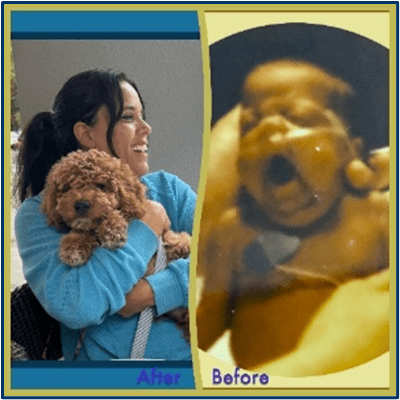
Apr 28, 2023 #NFL #AmericanFootball #Football

Auburn’s Derick Hall survives the near-death experience of being born four months premature, rising to become one of the best defensive ends in the nation – and making a transformational impact on his Gulf Coast community.

Nicolle Fernández Dyess, MD, MEd; Perspectives| September 01 2024

Shetal Shah, MD  Neoreviews (2024) 25 (9): e531–e536.https://doi.org/10.1542/neo.25-9-e531

The modern neonate differs greatly from newborns cared for a half-century ago, when the neonatal-perinatal medicine certification examination was first offered by the American Board of Pediatrics. Delivery room resuscitation and neonatal care are constantly evolving, as is the neonatal workforce. Similarly, the Accreditation Council for Graduate Medical Education review committees revise the requirements for graduate medical education programs every 10 years, and the modern pediatric medical trainee is also constantly evolving. Delivery room resuscitation, neonatal care, and pediatric residency training are codependent; changes in one affect the other and subsequently influence neonatal outcomes. In this educational perspective, we explore this relationship and outline strategies to mitigate the impact of decreased residency training in neonatal-perinatal medicine.

Source:https://publications.aap.org/neoreviews/article-abstract/25/9/e531/199058/The-Relationship-between-Pediatric-Medical?redirectedFrom=fulltext

Dudding, Katherine M. PhD, RN, RNC-NIC, CNE; Assistant Professor

Advances in Neonatal Care 24(5):p 389-390, October 2024.

A couple of months ago, I had a conversation with a Director of Nursing Professional Development from a potential hospital site which to conduct my research. I was asked if I would consider having a couple of nurses help with my study. Without hesitation, I replied “yes, I would be happy to mentor a couple of nurses to assist me with my study.” Initially, I thought this was an odd request because I feel like that is one of my professional responsibilities as a nurse. Upon further thinking, I realized maybe others do not share the same opinion and how unfortunate this would be for our future neonatal nurses, practitioners, educators, and researchers.

According to the American Nurses Association (ANA), 18% of nurses are leaving the profession after 1 year though other sources reported even higher rates of attrition. The nursing workforce dilemma continues to be problematic with nurse turnovers and an alarming rate of nurses leaving the profession after 1 year. While other sourcesreported rates as high as 30%, education and the healthcare systems are establishing strategic interventions to retain nurses. One of these interventions is mentoring. Specifically, peer nurse to nurse mentoring is beneficial when matched into a positive mentored relationship.

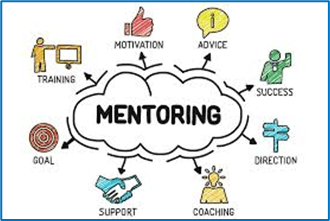
MENTORING

Nurses experiencing positive mentorships are associated with intent to remain at their current positions. There is nothing like the support of a mentor when you begin your nursing career. It was the kindness of mentors that taught us and encouraged us to become the best possible nurses and achieve our dreams. The knowledge we gained from our mentors are incorporated into our everyday professional lives. There is not one of us who was not impacted by a mentor and their influence (see Supplemental Figure 1, available at https://links.lww.com/ANC/A292). Many of us will have several distinct types of mentors throughout our nursing careers.

Each mentor serves a purpose and may be time limited. There may be mentors that are experts in clinical practice, education, research, or leadership. You might even have a mentor, whose sole purpose, is your sounding board for difficult decisions. However, there will be a handful of phenomenal nurses who will become lifetime mentors. Those are the special ones that we strive to emulate.

NURSING

When nurses feel supported by administration and mentors, they remain in their jobs. Being mentored gives us the opportunity to grow our skill sets or learn new processes under the guidance of our mentor. The mentor provides the safety net when learning and a resource to ask our never-ending questions without judgment.

We all can remember the hesitation we felt the first time we attempted our first IV. Moreover, we remember the happiness we felt when we successfully started our first IV. This was, in part, due to our mentor’s willingness to mentor us and invest their time and talent into our success. Our mentors believed in us.

It does not take long before these skills in essence become second nature. Our confidence level begins to increase with more successes than failures. We are becoming competent and independent nurses. These achievements cannot help but to spill over into our own interactions with patients, our students with teaching, and our participants in research. Good mentorship also benefits those we serve whether it be our patients, our students we teach or participants in research. Why would we not pay this forward when mentoring results in the best possible outcomes for all?

As our skills are honed, this cultivates our confidence, not only as a competent nurse, but as a valuable team member. Lyu et al states that competence and being integrated into a team is correlated with retention. As a supported team member, we are unstoppable to what we can accomplish in nursing. Eventually, this often leads the nurse mentee to now becoming the mentor.

GROWING THROUGH MENTORSHIP

Being a mentor is frequently the catalyst for endless opportunities for growth and the development of a leader. This may be a leadership opportunity within your respective work environment such as a charge nurse, manager, and director. Your sphere of influence, as a leader, has the ability change practice within the nursing. Moreover, this may motivate a broader impact by earning an advanced degree to become nurse practitioners, educators, and researchers.

What a privilege it is to mentor nurses and leave a lasting impact on the nursing profession. Today’s nursing graduates are tomorrow’s nursing leaders. We have a responsibility to present and future nurses to mentor them. I, personally, will forever be grateful to all my mentors. I am truly standing on the shoulders of giants by kindness that has and continues to be given to me. This act of kindness and giving of oneself through mentoring is invaluable.

In conclusion, there is only one question that remains, “will you step up to mentor the next generation of nurses?”

—Katherine M. Dudding, PhD, RN, RNC-NIC, CNE Assistant Professor The University of Alabama kmdudding@ua.edu

Source:https://journals.lww.com/advancesinneonatalcare/fulltext/2024/10000/peer_nurse_to_nurse_mentoring__an_exceptional_act.1.aspx

July 19, 2023     Sathvik Namburar

In a May 6, 2016 photo, medical residents Dr. Wes Penn, right, and Dr. Cameron Collier, center, walk with medical students down a hallway during their daily rounding at Our Lady of the Lake Regional Medical Center in Baton Rouge, Louisiana. (Gerald Herbert/AP)This article is more than 1 year old.

July marks a time of change in hospitals across the country. It marks the beginning of the academic year for medical residents and fellows, with new physicians starting their training. As I begin the second year of my medical residency this month, I have been thinking about Libby Zion and Nakita Mortimer.

The former was briefly a household name in the 1980s. Libby Zion was a college student who sought care at New York Hospital (now New York-Presbyterian) with a fever in March 1984, only to pass away after her doctors missed a crucial medication interaction. Her distraught parents believed that overworked resident physicians were to blame and drove efforts to institute work-hour caps for residents.

The latter is tragically less known. Dr. Nakita Mortimer was a resident physician at Montefiore Medical Center, and she died by suicide in May 2023. My colleagues and I became aware of her untimely passing almost immediately, as this news spread rapidly through the medical world. (As with all suicides, it will remain unclear specifically why Dr. Mortimer took her own life.)

My colleagues and I reacted to Dr. Mortimer’s death with shock but not surprise. As one of the senior resident physicians in my program put it, “Residency can unmoor even the best of us.”

All of us in the medical profession know classmates or colleagues who were unable to complete their training, overburdened by the demands of the profession. Studies show that upwards of 50% of physicians report feeling burnout.

Residency is a key contributor to these issues. Usually lasting between three and seven years depending on subspecialty, resident physicians have completed medical school but are still undergoing training and cannot independently practice medicine.

Being a resident means working long hours for little pay (the average first-year resident makes about $60,000 a year). Many residency programs continue to require residents to work 28-hour shifts out of a belief that these long hours enhance continuity of care and resident learning.

But by the end of 28-hour shifts, residents are so sleep-deprived that they have the equivalent of blood alcohol contents of 0.1%, above the threshold for being legally drunk. The resident physicians who were taking care of Libby Zion were in the midst of a 28-hour-plus shift and were also responsible for 40 other patients on the night she died.

Often forgotten in the Libby Zion case is that her death led her parents to push not only for reforms in the medical residency system, but also the consideration of legal charges against the resident physicians and the threat of revocation of their licenses to practice medicine. Therefore, to my co-residents and me, her passing is both a clarion call and a warning, that even if we are tired, we must be perfect or else lose our livelihoods. Of course, with the desire for perfection comes incredible mental stress.

With the desire for perfection comes incredible mental stress.

We resident physicians recognize that our profession has societal responsibilities. It is our duty to learn and take care of patients, and we do not and should not expect to work regular 9 a.m. to 5 p.m. hours during our training. My goal is to maximize my learning opportunities so that when I complete residency, I can practice medicine independently and competently.

Physicians take an oath to “Do no harm” and try to live up to this credo. But no one can always be perfect.

Some residency programs have been implementing further reforms to protect resident physicians and patients. Over the past year, I have only had to complete one 28-hour shift, compared to my friends in other residency programs who have had to do dozens of such shifts. My residency also has a dedicated wellness curriculum, peer listening programs and access to mental health professionals.

Still, there is more to do. Residents in programs around the country are forming unions and demanding better working conditions and more pay. After 26 years of stagnation, in 2022, Congress finally approved an increase in the number of residency spots, which would decrease the work burden on residents. Our patients should support these efforts and push for further changes because well-rested, better-paid residents are more likely to provide adequate health care.

Few other jobs place physical and mental demands on employees like residency does, and few other jobs come with the awesome responsibility that being a physician has. Continuing reforms will help prevent deaths like those of Libby Zion and Dr. Mortimer. We owe it to all resident physicians and our patients to ensure that such reforms are enacted.

Editor’s note: You can reach the National Suicide Prevention Lifeline at 1-800-273-TALK (8255) and the Samaritans Statewide Hotline (call or text) at 1-877-870-HOPE (4673). Call2Talk can be accessed by calling Massachusetts 211 or 508-532-2255 (or text c2t to 741741).

Source:https://www.wbur.org/cognoscenti/2023/07/19/medical-residency-long-shifts-libby-zion-nakita-mortimer-sathvik-namburar

A Million Little Miracles       Premiered May 22, 2024

Feeling lost on how to advocate for your preemie in the hospital? NICU grad mom Alexis shares practical tips to help you become your baby’s champion!

Shalece was 30 weeks pregnant when she went to UPMC Magee-Womens Hospital for a follow-up sonogram. At a routine prenatal appointment the week before, doctors felt the baby was smaller than he should be, so they asked her to come back for a second look.

She told her husband, Dion, not to bother calling off work; convinced that there was no danger, she brought her aunt instead, and the two women made plans to go for lunch after the appointment.

“When I got down there, they did the first sonogram. I could tell by their reaction that something was wrong, but they didn’t want to alarm me,” she recalled. “They said, ‘We’re going to send you upstairs for a uterine sonogram and a monitor.’”

Her older son, Dion 2nd, was born at full term 11 years earlier with no complications. So while her aunt panicked, Shalece — a former nursing assistant — remained calm: “I’m not a person who panics a whole lot,” she said, adding that throughout the process, she was thinking, “It’s only 30 weeks. I’m not having this baby today.”

And then the doctor on duty came in and said that, in fact, she was. The blood in the umbilical cord was flowing backward, preventing the baby from getting vital nutrients. She would have to undergo an emergency Cesarian section.

According to Dr. Yoel Sadovsky, MD, executive director of Magee-Womens Research Institute, the reversal of blood flow in the umbilical cord is usually caused by a dysfunction in the placenta — a complication Dr. Sadovsky and other researchers at the institute study.

In such cases, delivery is induced in an effort to save the baby’s life, he noted: “If you don’t deliver someone who has these kinds of findings, some babies don’t even make it.”

But at that moment, Shalece was in denial, even though the staff advised her to call her husband and get him to the hospital.

“I was absolutely not going for it,” she recalled. “In my mind, it wasn’t happening to me; it was happening around me.”

Finally, her aunt called her husband, who arrived in time for the emergency delivery. Their son was born at 1:33 p.m., but Shalece’s blood pressure skyrocketed, so she only glimpsed him before he went to the neonatal intensive care unit (NICU).

Once she stabilized, the staff wheeled her, still in her hospital bed, to meet her tiny son.

“There were more cords and plugs than baby,” she said. “I was able to see him, really see him. From there, it was me and him.”

Little Shea spent two months and three days in the NICU. After seeing her older son on the school bus in the morning, Shalece traveled back to the hospital, where she would sing to Shea, read to him from the Game of Thrones series, and talk.

“I told him, ‘You’re a squatter in this NICU. You’re coming home,’” she said. “I willed this baby into coming home.”

Of the 380,000 babies born prematurely in the United States each year, rates are up to 50 percent higher among women of color, according to the March of Dimes. Black children face an infant mortality rate that is more than twice as high as other infants, according to the U.S. Centers for Disease Control, making prematurity the largest contributor to infant mortality disparities.

Shea spent the first few hours of his life on oxygen and was treated with bilirubin lights for jaundice. He went through several blood transfusions and experienced a brain bleed, but no surgery was required. He also had retinopathy of prematurity, an eye disorder caused by abnormal blood vessel growth in the retina of premature infants, and wears glasses now. He also undergoes physical therapy for mild cerebral palsy.

About a quarter to a third of preterm births are medically induced, Dr. Sadovsky said. Less than 5 percent of all babies need to have a medically-induced preterm delivery for growth restriction, and in the majority of these cases, the placenta is the cause.

“This is a typical case of what we’re studying in our lab,” Dr. Sadovsky said. “One of the major goals of our research is better diagnosis, and importantly, prevention of these kinds of stories.”

Despite the long odds, Shea is now in preschool, and most people don’t realize he has had difficulty walking or climbing steps in the past. He adores sports and superheroes, and he looks up to his big brother.

“He’s your average 4-year-old boy. He is loud. He is fast,” said Shalece.

She knows his premature birth will always influence other parts of his life; she’ll have to be careful about his participation in sports because of his early brain bleeds, and she pays attention to how he learns things, or even how he holds a pencil.

“Once a preemie, always a preemie. You are always on high alert,” she said. She belongs to a support group for mothers of premature infants, where she both draws and offers encouragement.

Asked what advice she would offer to a new mother of a preemie, Shalece said: “Take it one day at a time. Don’t hesitate to cry; crying is good. Don’t feel bad, and reach out for help.”

She remembers how worried she was, and looks at her 4-year-old son riding a bike and realizes how far he has come.

“You have to try a little harder as a parent,” she said, but added, “Being born premature doesn’t mean they aren’t going to be the kid you thought they were going to be.”

Jul 9, 2024 #swaddling #babytips #preemiebaby

Was your baby born more than 3 weeks early? Premature development differs from full-term, but there’s no need to worry! Let’s explore effective ways to understand and support your baby’s growth and milestones. Premature babies are often born with more extended (straight) positions, while full-term babies get a curled up (flexed) feeling from being in the womb longer. Babies need both flexion and extension to help their motor skill development. Try these activities to aid your preemie’s physical growth and work on their flexion. Always consult your healthcare provider for personalized advice.

Medically Reviewed by Amita Shroff, MD on July 30, 2023 Written by R. Morgan Griffin

By the time they’re 2, your preemie has come a long way. It may be hard to believe that your child — maybe a noisy, strong-willed toddler already — is the same person as that tiny, fragile baby you anxiously watched over in the hospital.

What comes next? As they grow, most preemies become healthy children. But some continue to have health issues. And even kids that do well generally may have lasting health effects years and even decades later.

There’s no way to know exactly how your child will grow and develop. In general, the earlier your child was born, the more likely they are to have lasting health issues. Watch out for signs of problems so you can get your child the care and treatment they need.

Your Preemie’s Long-Term Health

If your child was born prematurely, they have a higher chance of some of these health concerns:

Growth problem: Kids who were born at less than 32 weeks of pregnancy — what doctors call “very premature” — are likely to be shorter and weigh less than other kids.

Learning disabilities.Some preemies have lasting problems with how they think and learn. About 1 in 3 kids born prematurely need special school services at some point.

Behavior problems: As they grow up, preemies may be more likely to have attention deficit hyperactivity disorder (ADHD) than full-term babies. They’re also more likely to be shy or anxious.

Breathing problems and asthma:.Lots of preemies need help breathing when they’re born, since their lungs aren’t ready yet. While these issues often go away, some babies born prematurely have lasting asthma or similar problems.

Other health conditions:Some preemies have more serious long-term complications. One example is cerebral palsy, which causes problems with movement and balance. There’s no cure, but it can be managed with treatment. Other kids may have lasting problems with their vision, hearing, and digestive system.

Remember, your child may not develop any of these problems or may outgrow them. But being aware that they have a higher chance of having them is important. If you notice signs, you can get help from your child’s doctor. The faster your child gets treatment for any problems, the better.

Your Preemie in Early Childhood

While your child might have been treated for lots of health problems in the hospital when they were born — like apnea, reflux, and jaundice — most if not all of those should be gone by now. Experts say that in terms of growth, most preemies are more or less caught up to full-term babies by age 3.

When your child is still young you can:

Keep track of your baby’s developmental milestones. Milestones are skills your child will learn, like riding a tricycle or walking up the stairs on their own. They’re often linked with the average age kids are able to do them. When preemies are young, doctors use their “corrected age” — based on their original due date — instead of their birthdate when checking milestones. But by age 2, most preemies have caught up enough that you can start using their actual age.

Remember that milestones are just rough averages. All kids develop differently, whether they’re full-term or premature. It’s not a big deal if your child doesn’t meet a milestone exactly on schedule.

Get help if you need it. If you do notice your child seems to be lagging behind, talk to their doctor. Make sure to ask about a state program called Early Intervention. It offers special services to help babies up to age 3 who have higher odds of developmental delays or disabilities. Some of these services are free. Other options include referral to private therapies such as physical therapy, occupational therapy, feeding therapy, and speech therapy.

Getting Your Child Ready for School

Watching your child go off to school is exciting — and stressful, too. To help make the transition smoother and give your child support, you can:

Get in touch with the school early. Before your child starts school, talk to the staff — like their teacher or the principal — about their health issues and concerns you have. Ask questions about the school’s special education programs. If your child’s teachers understand their needs, they’ll be better able to help them succeed.

Be alert for any new problems. Sometimes, learning disabilities or behavior problems only show up once a child starts school. If your child seems to be struggling, work with their teacher — and make sure your youngster gets special services if they need them.

Gradually give your child more independence. After you spend so much time caring for your child, it can be hard to let them go off on their own. But you have to find a balance between protecting them when they need it and giving them the freedom they need to grow.

As Your Preemie Grows Up

Will the effects of being born premature last into your child’s adulthood? It’s possible. Some studies have linked being a preemie with a higher chance of getting conditions like diabeteshigh blood pressure, and lung and vision problems in adults.

But again, remember that your child only has a higher risk of these problems. They may not develop any of them. You can look at being born premature as another factor that may raise your risk of developing health issues, like a person’s genes, habits, home life and environment. After all, plenty of adults who weren’t born prematurely develop the same health conditions.

The most important need for a child who was born prematurely is to get good, consistent care — both as a child and an adult. Being a preemie can create barriers to your child’s development. But with the help of the right experts — doctors, specialists, therapists, and others — you can often find ways to work around them.

Source: https://www.webmd.com/children/preemies-growth-development-age-two-up

University of Colorado Anschutz Medical Campus    Apr 9, 2024

While a recent explosion in AI technology has exposed its possibilities to the public with online systems such as ChatGPT and Dall·E, researchers at the University of Colorado Anschutz Medical Campus have been exploring the rapidly evolving technology for years and are beginning to harness its problem-solving powers to change healthcare.

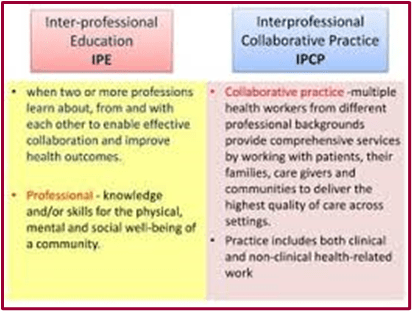
Interprofessional Education (IPE) is more than sitting passively in a classroom together. It is integrative, experiential, and about learning and practicing the skills needed to function effectively as a highly collaborative team. Interprofessional collaborative practice makes care safer, more patient-centered, and it leads to lower burnout and higher job satisfaction amongst health professionals. Explore below to learn more about the opportunities to grow your skills in collaboration.

Interprofessional Education (IPE) is an approach to teaching and learning that brings together students from two or more professions to learn about, from, and with each other in service of enabling effective collaboration. The goal of IPE is to improve health outcomes through the education of a practice-ready health care team that is prepared to respond to local health needs (WHO, 2010).

Interprofessional Collaborative Practice (IPCP), or “Practice Transformation,” in health care occurs when multiple health workers from different professional backgrounds provide comprehensive services by working with patients, their families, carers and communities to deliver the highest quality of care across setting (WHO, 2010). The Interprofessional Education Collaborative (IPEC) states that, “interprofessional collaborative practice drives safe, high-quality, accessible, person-centered care and improved health outcomes” (2019).

Source:https://collaborate.uw.edu/about-us/defining-ipe-and-ipcp/

Anna Baranowska-Rataj, Kieron Barclay, Joan Costa-Font,Mikko Myrskylä, Berkay Özcan

Population Studies/ Research Article

A Journal of Demography – Volume 77, 2023 – Issue 3

Abstract

Although preterm birth is the leading cause of perinatal morbidity and mortality in advanced economies, evidence about the consequences of prematurity in later life is limited. Using Swedish registers for cohorts born 1982–94 (N  =  1,087,750), we examine the effects of preterm birth on school grades at age 16 using sibling fixed effects models. We further examine how school grades are affected by degree of prematurity and the compensating roles of family socio-economic resources and characteristics of school districts. Our results show that the negative effects of preterm birth are observed mostly among children born extremely preterm (<28 weeks); children born moderately preterm (32–<37 weeks) suffer no ill effects. We do not find any evidence for a moderating effect of parental socio-economic resources. Children born extremely preterm and in the top decile of school districts achieve as good grades as children born at full term in an average school district.                                   

Supplementary material for this article is available at: http://dx.doi.org/10.1080/00324728.2022.2080247.

As a micro-preemie, my early days were filled with challenges, but the encouragement from my mother to engage in sports became a pivotal part of my development. Growing up, I was introduced to various physical activities, from swimming to basketball, which not only helped me build strength but also instilled a sense of confidence that was essential for my growth. Research has shown that early engagement in sports can significantly benefit the physical and emotional development of children, particularly those with a history of premature birth. According to a study published in the Journal of Pediatrics, participation in physical activities helps improve motor skills and overall health, which are critical areas of development for preemies.

The benefits of sports extend beyond physical health; they also foster social skills and emotional resilience. Engaging in team sports allowed me to develop friendships and learn the value of teamwork. These experiences helped me navigate social dynamics and build a support network that would prove invaluable throughout my life. A report by the American Academy of Pediatrics emphasizes that participation in sports can promote social interactions and enhance communication skills, which are crucial for preemie survivors as they transition into adulthood. My mother’s encouragement to embrace sports created opportunities for me to thrive socially, fostering connections with peers who understood my unique journey.

Moreover, sports provided an essential outlet for stress relief and emotional expression. As I faced the lingering effects of my premature birth, participating in physical activities became a healthy way to cope with anxiety and build self-esteem. Studies have indicated that regular physical activity can reduce symptoms of anxiety and depression, particularly in children who may feel different or face health-related challenges. This therapeutic aspect of sports not only aided in my emotional well-being but also reinforced my belief in the importance of maintaining a healthy lifestyle, which I carry into adulthood.

Reflecting on my journey, I am grateful for my mother’s unwavering support and encouragement to engage in sports. The lessons I learned and the resilience I built through these experiences have shaped who I am today. For other preemie families, I encourage you to explore the world of sports and other physical activities you and they may prefer. The benefits are profound and can lead to a brighter, healthier future for your little ones.

Mid-Atlantic ADA Center 453 views May 30, 2023

Dr. Anjali Forber-Pratt, Director of the National Institute on Disability, Independent Living, and Rehabilitation Research (NIDILRR) and two-time Paralympian, talks about the importance of adaptive and inclusive sports and recreation for people with disabilities.

5,773 views Nov 14, 2017

David Kyle explains in his talk about his journey from discovering his disabilities and being depressed to a life full of challenges, mobility and opportunity for success as an athlete. David is the director of the UAH Ability Sport Network, which is a program that encourages participation among people with physical disabilities in adapted physical activity. In addition, he is a lecturer in the Department of Kinesiology of UAH’s College of Education. David holds a master’s degree in Health and Physical Education and will complete his doctoral degree in Kinesiology in 2019. He is also a Certified Exercise Physiologist and Disability Sport Specialist. David is a member of the USA Triathlon National Paratriathlon Committee, and competed internationally for 10 years with the USA Elite Paratriathlon Team in triathlon, duathlon, and XTERRA off-road events winning multiple world and national titles in each discipline.

Miss Rosie’s Storytime   Jun 15, 2019

Froggy Plays Soccer By: Jonathan London & Frank Remkiewicz It’s the day of the big game, and Froggy is ready. His soccer team is playing the Wild Things for the City Cup. All Froggy has to do is remember the rule: “Head it! Boot it! Knee it! Shoot it! BUT DON’T USE YOUR HANDS!” But Froggy’s busy doing cartwheels and picking daisies. Uh oh, Froggy! Here comes the ball! Budding soccer players and Froggy’s many fans will welcome Froggy’s latest hilarious adventure.

2020 started off as a big kiting year. About a week after I got back from the Grenadines as buddy called saying he’d organized a trip to a little known kite spot in Honduras called Roatan. Everyone scrambled to move things around, and at the last minute it all came together.

Guides, Patterns, Stewardship

Scotland is a country that is part of the United Kingdom. It contains nearly one-third of the United Kingdom’s land area, consisting of the northern part of the island of Great Britain and more than 790 adjacent islands, principally in the archipelagos of the Hebrides and the Northern Isles. To the south-east, Scotland has its only land border, which is 96 miles (154 km) long and shared with England; the country is surrounded by the Atlantic Ocean to the north and west, the North Sea to the north-east and east, and the Irish Sea to the south. The population in 2022 was 5,439,842 and accounts for 8% of the population of the UK. Edinburgh is the capital and Glasgow is the largest of the cities of Scotland.

NHS Scotland sometimes styled NHSScotland, is the publicly–funded healthcare system in Scotland and one of the four systems that make up the National Health Service in the United Kingdom. It operates 14 territorial NHS boards across Scotland, supported by seven special non-geographic health boards, and Public Health Scotland.

At the founding of the National Health Service in the United Kingdom, three separate institutions were created in Scotland, England and Wales and Northern Ireland.

https://en.wikipedia.org/wiki/Scotland#

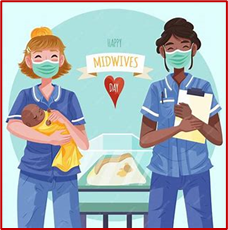
  • There are an estimated 29 million nurses worldwide and 2.2 million midwives. WHO estimates a shortage of 4.5 million nurses and 0.31 million midwives by the year 2030.
  • That will bring the a global shortage of health workers estimated for 2030 to 4.8 million nurses and midwives, with the greatest gaps found in countries in Africa, South-East Asia and the WHO Eastern Mediterranean Region, as well as some parts of Latin America. 
  • Nurses and midwives play a pivotal role in improving health and contributing to the wider economy. Investing in them is imperative to achieve efficient, effective, resilient and sustainable health systems. They not only provide essential care but also play a critical role in shaping health policies and driving primary health care. Nurses and midwives deliver care in emergency settings and safeguard the sustainability of health systems globally.
  • Globally, 67% of the health and social workforce are women compared to 41% in all employment sectors. Nursing and midwifery occupations represent a significant share of the female workforce.
  • More than 80% of the world’s nurses work in countries that are home to half of the world’s population. And one in every eight nurses practices in a country other than the one where they were born or trained.
  • Higher levels of female nurses are positively correlated with health service coverage, and life expectancy and negatively correlated with infant mortality.

Overview

Nurses and midwives are central to Primary Health Care and are often the first and sometimes the only health professional that people see and the quality of their initial assessment, care and treatment is vital. They are also part of their local community – sharing its culture, strengths and vulnerabilities – and can shape and deliver effective interventions to meet the needs of patients, families and communities.


WHO response

WHO’s work relating to nursing and midwifery is currently directed by World Health Assembly resolution WHA74.15 (2021) which calls on WHO Member States and WHO to strengthen nursing and midwifery through the Global Strategic Directions for Nursing and Midwifery (SDNM) 2021–2025. The SDNM is an interrelated set of policy priorities  that can help countries to ensure that midwives and nurses optimally contribute to achieving universal health coverage (UHC) and other population health goals .

The SDNM comprises four policy focus areas: education, jobs, leadership, and service delivery Each area has a “strategic direction” articulating a goal for the five-year period, and includes between two and four policy priorities If enacted and sustained, these policy priorities can support advancement along the four strategic directions: 1) educating enough midwives and nurses with competencies to meet population health needs; 2) creating jobs, managing migration, and recruiting and retaining midwives and nurses where they are most needed; 3) strengthening nursing and midwifery leadership throughout health and academic systems; and 4) ensuring midwives and nurses are supported, respected, protected, motivated and equipped to safely and optimally contribute in their service delivery settings.

WHO engages ministries of health, the Government Chief Nurses and Midwives (GCNMOs) and other relevant stakeholders to enable effective planning, coordination and management of nursing and midwifery programmes in countries. The Global Forum for the Government Chief Nurses and Midwives, established in 2004, is organized by WHO and meets every two years. It is a Forum for senior nursing and midwifery officials to develop and inform areas of shared interest. WHO also engages with academic institutions specialised in nursing and midwifery. Forty-seven academic centres are designated as Collaborating Centres for Nursing and Midwifery with WHO. The academic centres are affiliated to the Global Network of WHO Collaborating Centres for Nursing and Midwifery.

WHO has established a Nursing and Midwifery Global Community of Practice (NMGCoP). This is  a virtual network created to provide a forum for nurses and midwives around the world to collaborate and network with each other, with WHO and with other key stakeholders (e.g WHO collaborating centres for nursing and midwifery, WHO Academy, Nursing and Midwifery Associations and Institutions.) The network will provide discussion forums, a live lecture programme, opportunities to develop and share policies, WHO documents and tools, and facilitated innovation workshops, masterclasses and webinars.

The Nursing and Midwifery Global Community of Practice is free to join and available to nurses and midwives everywhere.

From May 2022 it will be possible to access the virtual community via a smartphone, by downloading the Nursing and Midwifery Global Community of Practice App Nurses Beyond the Bedside_WHO_CSW66 Side Event available for Android and IOS system via the APP store.

A 2017 Report on the history of nursing and midwifery in the World Health Organization 1948 –2017, demonstrates how WHO, since its inception, has given this workforce a voice, and highlights the critical role nurses and midwives play in improving health outcomes across the world.

Feb 8, 2024

Watch this amazing Scottish artist sing Yellow by Coldplay with me! @AndrewDuncan

Mary A. Short MSN, RN – Volumn19/Issue 5 May 24

Critical Path Institute (C-Path) announces the launch of Bridging the GAP: Empowering Neonatal Nurses in Drug Development for Neonates, a comprehensive series covering the history of neonatal drug development, approaches to promote drug development for neonates, pharmaceutical industry decision-making processes, and strategies for advocating neonatal needs. Developed in collaboration between its International Neonatal Consortium (INC) and the National Association of Neonatal Nurses (NANN), this series aims to empower neonatal nurses and interested neonatal health care professionals with the knowledge needed to actively participate in research and ensure better outcomes for our tiniest patients.

“As an organization committed to advancing neonatal research and care, we recognize the vital role nurses and clinicians play in the hospital setting,” said INC Executive Director Kanwaljit Singh, MD, MPH. “This collaboration with NANN represents a pivotal step forward in our mission to support and empower neonatal nurses and clinicians. By engaging them in developing these educational modules, we aim to enhance their understanding and involvement in neonatal clinical trials and drug development.”

The modules aim to provide foundational knowledge on innovative, regulated medicines development for neonates, including pipeline decision-making factors and addressing neonatal needs within the current environment. Upon completion of the presentations and activity evaluations, participants can earn up to 4.5 FREE CE credits and 2.56 FREE pharmacology credits. NANN is an accredited provider of nursing continuing professional development recognized by the American Nurses Credentialing Center’s Commission on Accreditation. The content is appropriate for AMA PRA Category 2 Credit. The presenters reflect the diversity of neonatal stakeholders, as illustrated in Figure 1, which outlines the module titles and the presenters involved.

Background:

Neonates are therapeutic orphans, underserved by the drug development community, and lag in the development of new, safe, and effective therapies. Most NICU drugs are off-label, impacting their safety and efficacy evaluation.  Nurses play a vital role in administering medications and monitoring their effects but often lack a comprehensive understanding of clinical trials and drug development processes in the NICU. Critical Path Institute (C-Path) is an independent nonprofit established in 2005 as a public-private partnership in response to the FDA’s Critical Path Initiative. C-Path’s mission is to lead collaborations that advance better treatments for people worldwide. Globally recognized as a pioneer in accelerating drug development, C-Path has established numerous international consortia, programs, and initiatives that currently include more than 1,600 scientists and representatives from government and regulatory agencies, academia, patient organizations, including parent/family advocates, nursing organizations, disease foundations, and pharmaceutical and biotech companies. INC, established in 2015 as a public-private partnership within the construct of C-Path, advances the unmet drug development needs in the neonatal population.

INC conducted a multistakeholder (neonatologists, neonatal nurses, parents) survey to explore communication practices and stakeholders’ perceptions and knowledge regarding the conduct of clinical trials in the NICU. Survey results indicated that most neonatologists (82%) responded that medications are insufficient to meet the needs of critically ill neonates and identified a knowledge gap for nurses regarding drug development. Degl et al. conclude that the engagement of nurses at all stages of neonatal research is suboptimal and indicates a need for nurses to be educated about research. Beauman et al. report additional findings specific to nurse respondents from the multistakeholder survey. Nurses expressed a learning need because they historically lacked effective education to prepare them for competent participation in neonatal research, especially in informing study design. The authors recommend leveraging neonatal nurses’ unique and essential role as key stakeholders from the onset of the study design to enhance the conduct of neonatal clinical research and improve care for premature and sick neonates.

To address the survey findings, industry representatives held an education workshop on Pharmaceutical Drug Development for Neonates at the 2019 INC Annual meeting intended for all neonatal stakeholders, including academics, clinicians, and regulators. The INC Communication Workgroup updated the content for the recently launched education modules, emphasizing the significance of the information for nurses, but the content remains relevant to other neonatal healthcare professionals.

Product Description:

“Consistent with our mission to elevate and transform neonatal care, NANN is grateful to bring forth this important collaboration with INC and give all neonatal nurses access to these outcome improving modules,” said NANN Executive Director Molly Anderson. “We know neonatal nurses have the expertise and knowledge to play an essential role in drug development that benefits their patients. NANN seeks out partnerships with organizations like INC that allow us to empower deepened nurse involvement with all aspects of care throughout their careers.”

The series includes access to seven on-demand video modules related to nurse-informed neonatal study design for drug development to provide context for the importance and implications for neonatal nurses. The NANN iLEARN site provides a platform for open access. Share the product flyer with colleagues to provide the QR code for access.

Jan 31, 2021       Kay Lloyd

Free patterns. Great for a beginner or just someone who wants to make for local maternity/neo natal hospital.

A Call to Action

Zukowsky, Ksenia PhD, CRNP, NNP-BC; Editorial Board Member; Savin, Michele Kacmarcik DNP, APRN, NNP-BC, CNE, FAWHONN; Assistant Professor Director; Manning, Mary Lou PhD, CRNP, CIC, FAPIC, FSHEA, FAAN; Professor Director

Advances in Neonatal Care 24(3):p 209-211, June 2024. | DOI: 10.1097/ANC.0000000000001168

Metrics

Antibiotics are life-saving drugs and essential for the treatment of many serious infections, but widespread inappropriate use is now common and has become a major contributor to the development of antibiotic resistance (ABR). ABR is an urgent global public health and socio-economic threat, generating calls for actions from the World Health Organization and the US Centers for Disease Control and Prevention (CDC). Left unchecked, ABR is poised to reverse a century of medical progress, rendering antibiotics ineffective in treating even the most common infectious diseases. Infants admitted to neonatal intensive care units (NICUs) are at high risk for the development and transmission of multidrug-resistant pathogens, particularly where hospital stays are prolonged because of prematurity or congenital anomalies.3 Worldwide, sepsis is the third leading cause of neonatal mortality, with antibiotic resistant pathogens responsible for approximately 30% of deaths.

Antibiotics are the most common medication prescribed in NICUs, with wide variability in use, regardless of the level of care or complexity of patients.5 On any given day, 40% of infants admitted to a NICU are prescribed antibiotics, with an estimated 90% exposed to antibiotics over the duration of their NICU stay. A recent study published in The Lancet Regional Health-Southeast Asia found that the most commonly prescribed antibiotics in Southeast Asia are now only 50% effective at treating sepsis and meningitis in newborns. Furthermore, there is increasing evidence that preterm infant antibiotic exposure is associated adverse outcomes including alteration in the intestinal microbiome, necrotizing enterocolitis, invasive fungal infections, retinopathy, and late-onset sepsis.5 Early life antibiotic exposure is also associated with future health problems including childhood obesity, asthma, allergic disorders, and inflammatory bowel disease. Therefore, it is important to find strategies to reduce antibiotic use in the NICU patient population.

ANTIBIOTIC STEWARDSHIP

According to the Society for Healthcare Epidemiology of America, the Infectious Diseases Society of America, and the Pediatric Infectious Diseases Society, the major objective of antibiotic stewardship (AS) is to achieve the best clinical outcomes related to antibiotic use while minimizing toxicity and other adverse events, thereby limiting the emergence of ABR bacterial strains. AS – a core strategy to combat ABR – is intended to ensure patient safety through the implementation of combined, coordinated interprofessional interventions to optimize how antibiotics are used. Studies indicate that the implementation of AS initiatives in NICUs is associated with a significant decrease in the overall days of therapy and reduction in use of broad-spectrum antibiotics, such as cephalosporins, without adverse issues. However, significant gaps exist between CDC recommendations to improve antibiotic use and antibiotic practices during the neonatal and newborn period. Until recently, AS interventions focused primarily on improving clinician antibiotic prescribing practices through formulary restriction and prospective audit with feedback. However, with more nurses in the frontline of healthcare than any other healthcare profession, the CDC, the American Nurses Association (ANA), the International Council of Nurses and The Joint Commission, have endorsed nurses’ active participation in AS activities to expand the reach and impact of stewardship programs. A recent survey of NICU nurses found that most were familiar with the term AS, yet over half reported administering an antibiotic to a patient who they thought was an inappropriate choice and most reported not questioning the treating provider about antibiotic choice, dose or route of administration.

THE ROLE OF NEONATAL NURSES AND NEONATAL NURSE PRACTITIONER IN ANTIBIOTIC STEWARDSHIP

As trusted professionals, expert clinicians, and advocates for their patient’s health, neonatal nurses and neonatal NPs are well qualified to make significant contributions to the reduction of ABR through active engagement in AS. There are multiple AS activities to consider now.

  • Advance your knowledge. Read the articles cited in this editorial. Participate in educational opportunities (eg, grand rounds, seminars, webinars) to advance your antibiotic, ABR and AS knowledge. Learn with and from others by starting an interprofessional AS journal club or lunch-and-learn at your practice setting. Contact the National Association of Neonatal Nurses and encourage them to provide state-of-the-science ABR and AS educational sessions specific to neonatal care and evidence-based antibiotic prescribing.
  • Advocate for the adoption and evaluation of at least one nurse driven AS recommended action in your practice setting. Many preterm infants who do not have infections receive antibiotic treatment in the setting of negative cultures. Consider implementing daily antibiotic timeouts.
  •  Antibiotic time-outs involve a daily formal antibiotic review, often conducted during clinical rounds, to determine if a modification or discontinuation of a patient’s antibiotic therapy is warranted. The time-out approach is in keeping with nurse engagement in prevention of central line-associated bloodstream infections, which includes a daily formal review of central line necessity. Bedside neonatal nurses are well positioned to lead reassessment of antibiotic treatment for they know how long a patient has been receiving antibiotic(s) and when diagnostic test results become available. For additional examples of nursing interventions that may have an important impact on promoting nurse engagement, read the recommendations from the ANA/CDC Workgroup and an article providing a framework to guide AS nursing practice.
  • Become an antibiotic stewardship champion. Neonates are entitled to receive antibiotic therapy that is based on evidence and best practice, but might be overlooked in hospital AS programs. Build and strengthen partnerships and facilitate communication between the NICU clinical staff and your organization’s AS team (physicians, clinical pharmacists, clinical laboratory personnel). Reach out to the AS team to learn about the overall AS program and specific AS NICU strategies. Engage and educate NICU staff about AS to increase their buy-in and awareness of nursing-related AS practices. Consider AS within the tenets of patient safety, and promote local-level “stewarding” behaviors that tap into the interprofessional NICU team’s collective knowledge, expertise, relationships and wisdom.15 NICU AS nursing practices should be intentionally selected, and strategically align with the organization’s AS program, giving ample consideration to the local context and tailored to the needs and resources of the NICU patients and clinical setting.
  • Monitor your antibiotic prescribing practices. A core AS strategy is tracking and reporting of provider antibiotic prescribing. Audit and feedback, includes analyzing antibiotic prescribing data and providing feedback to clinicians aimed at helping them understand their antibiotic prescribing habits. These data are most effective when individual results are compared to other clinicians in the clinician’s area and/or specialty (e.g., NNP peer comparisons). If you are a prescriber and are not receiving peer comparison audit and feedback data, work closely with your practice colleagues to develop a process to audit patterns of antibiotic prescribing to gauge appropriateness.
  • Use evidence-based clinical decision support systems. Clinical decision support systems are electronic tools or software that provide guidance to providers in making both diagnostic and therapeutic choices for patients.16 Applications range from pop-up reminders during a patient encounter, to automated order entry, to electronic guides, including dynamic interactive programs that tailor guidelines to specific patients. Such systems can be particularly useful when applied to antibiotic prescribing. Engage and partner with the NICU clinical team to identify the most useful systems to enhance clinical guideline adherence, decrease antibiotic consumption, or narrow the spectrum of antibiotic usage.

ABR has been aptly described as a subtle, slow moving catastrophe. AS programs aim to optimize antibiotic use to prevent the emergence of resistant pathogens and protect patients from the adverse effects of unnecessary antibiotics. We posit that all NICU nurses have a central role to play in the safe and responsible use of antibiotics and suggest several strategies for NICU nurses to engage in preventing unnecessary antibiotic exposure in this highly vulnerable population. We encourage you to seize the moment and become active, engaged stewards!

https://journals.lww.com/advancesinneonatalcare/fulltext/2024/06000/neonatal_nurse_and_nurse_practitioner_engagement.1.aspx

First Day of Neonatology

Dr. Glaucomflecken

Jennifer Degl, MS, Deb Discenza, MA, Mitchell Goldstein, MD, MBA, CML

In contemporary healthcare settings, the role of a Neonatal Intensive Care Unit (NICU) Volunteer Coordinator is indispensable, as it embodies the essence of compassionate care and community support for families navigating the challenges of premature births and neonatal health complications. While volunteer coordinators are often relied upon to fulfill this critical role, it is imperative to recognize the value they bring to the table and advocate for establishing a paid position dedicated to this noble cause.

Parents experience trauma regardless of what level NICU their baby is in and no matter the length of their NICU stay, and so it is vital that we push for a national campaign to address the inequity in order to help families bond and start the healing process before discharge. Not doing so can lead to trauma-related family issues at home. Currently, we largely focus on preparing parents for discharge across all things involving care of the infant. Why would we leave out the important topic of mental health Not addressing this important issue is tantamount to failure for that infant’s long term outcome, not to mention the outcome of the family unit as well. A NICU Volunteer Services Coordinator can alter that trajectory.

The NICU Volunteer Services Coordinator serves as a beacon of hope and support for families enduring the emotional rollercoaster of having their newborn hospitalized. This position encompasses a myriad of responsibilities aimed at fostering a nurturing environment within the NICU, where families feel empowered and supported throughout their journey. From recruiting additional NICU graduate parents to serve as volunteers to organizing crucial training sessions on mental health first aid and active listening, the coordinator plays a pivotal role in equipping volunteers with the necessary skills to provide invaluable support to NICU families.

 Furthermore, the coordinator is a liaison between volunteers, nursing staff, and physicians, ensuring seamless communication and collaboration for improving patient care. Facilitating regular meetings and educational events creates opportunities for peer to-peer support among parents and disseminates vital information on neonatal care practices, empowering families to make informed decisions regarding their child’s healthcare journey.

The significance of celebrating milestones and raising awareness cannot be overstated in the NICU setting. The coordinator spearheads initiatives such as NICU Awareness Month/Day and World Prematurity Month/Day, fostering community and solidarity among NICU families and staff. Moreover, their involvement n fundraising activities and grant writing endeavors ensures continued access to resources and services that benefit NICU babies and their families, underscoring their dedication to enhancing the quality of care provided.

Regarding qualifications and working conditions, the NICU Volunteer Services Coordinator must possess a unique blend of empathy, organizational acumen, and leadership skills. While a post-secondary education degree serves as a foundation, firsthand experience as a parent of a NICU graduate and previous involvement in peer mentoring or emotional support roles are invaluable assets. The flexible nature of the position, with a combination of on-site and remote work, accommodates the dynamic needs of NICU families while ensuring that the coordinator remains accessible and responsive to their concerns.

Crucially, advocating for a paid position for the NICU Volunteer Services Coordinator acknowledges the intrinsic value of their role and underscores the commitment of healthcare institutions to prioritize patient-centered care and community engagement. By investing in this position, hospitals enhance the support provided to NICU families and cultivate a culture of compassion and collaboration that is essential for fostering positive health outcomes.

In conclusion, establishing a paid position for the NICU Volunteer Services Coordinator is not merely a bureaucratic formality but a testament to the unwavering commitment of healthcare institutions to uphold the highest standards of patient care and support. By recognizing the invaluable contributions of these dedicated individuals, we affirm our collective responsibility to ensure that every NICU family receives the compassion, guidance, and support they deserve during their journey toward healing and hope. And in the end, the hospital, as a whole, wins substantially through quality improvement scores and community appreciation. It is worth the investment because the benefits are tenfold.

August 15, 2023 – by Robert Forman

Midwife care can improve pregnancy outcomes for mothers and babies, says new “Expert Review” from Yale faculty

The practice of midwifery is less common in the United States than in other countries and other cultures, which is a shame because adding care by midwives generally improves childbirth outcomes, according to two Yale faculty members who have published an “Expert Review” in the American Journal of Obstetrics & Gynecology. Holly Powell Kennedy PhD, MSN,CNM, the Helen Varney Professor of Midwifery, and  Joan Combellick, PhD, MPH,CNM, assistant professor of nursing, along with their colleagues, examined the scientific literature related to midwifery and childbirth, and conclude that many measures of successful pregnancy are elevated when midwives play a central role.

They cite the approach to midwifery that is standard in other countries, especially in wealthy European nations, where women have as much as seven times the access to midwives that they do in the United States. They report that midwifery care has improved outcomes by 56 different measures—including lower morbidity and mortality among mothers and newborns, fewer preterm births and low birthweight infants, and reduced interventions in labor.

The authors acknowledge that differences in those countries’ overall health systems make a substantial contribution to good outcomes, but say it’s the integral role of midwives that matters most. “In other countries, midwives make up the basic maternity care provider workforce, and then, obstetricians are used as the specialists that they are, surgeons who are there to handle complications,” says Combellick. “[Midwives] are the experts in normal childbirth, which happens the majority of the time.” Combellick adds that midwives also extend their care beyond pregnancy. “We also do well-person preventive care, across the lifespan from teenagers through postmenopausal people, so it isn’t only pregnancy-related.”

The Value of Midwives at the Baby’s Arrival

But the continuum of pregnancy, birth, and postnatal care is what midwives are best known for, and where the contribution of midwives can differ sharply from what is often considered standard care. Kennedy says a very basic way that outcomes can improve is because prenatal care by midwives is not squeezed into appointments of a set duration, where the provider may not have the time to fully answer the patient’s questions. Kennedy notes that in some settings, midwives caring for a woman throughout the pregnancy bring continuity and can structure longer appointments. Having more time permits building better rapport with a mother-to-be and helps her feel more respected, which often translates into a smoother pregnancy.

“In our paper, we discuss some of the research done about respect. It’s true for any kind of health care, but particularly in prenatal care,” says Kennedy. “It can amount to being highly disrespected and simply having to wait two hours for a very short prenatal visit. If people aren’t feeling respected or safe, they’re less likely to keep coming in for prenatal care.” Combellick adds that this can be especially true for women of color, for whom the cumulative race-based disrespect they endure in their daily lives can make the pressures of pregnancy more intense.

When the time for delivery arrives, a few statistics are especially striking. First-time mothers giving birth at medical centers where midwives were on their care team were 74% less likely to have their labor induced, 75% less likely to receive oxytocin augmentation, and 12% less likely to deliver by cesarean than their counterparts at medical centers without midwives in attendance.

Midwives and Ob/gyns Collaborate During Childbirth

Combellick says that on a collaborative team, the pregnant person is at the center of care, with everyone contributing their particular expertise. Whether to wait and allow labor to continue at its own pace, to induce, or to perform a cesarean can generally be a shared decision that involves patient understanding and consent. “We are collaborators,” says Combellick. “We work in conjunction with physicians. To have two viewpoints thinking about one person is a really strong style of care.”

At Yale, Kennedy and Combellick contribute to the midwifery faculty practice supporting student midwives as they learn. Faculty practice midwives are also active with obstetricians-in-training. “We contribute to the resident training program,” Combellick says. “So the residents, when they first come, are assigned to follow a midwife. Around the country, midwives often play a role in demonstrating ‘here’s what normal physiologic birth looks like,’ and that occurs at Yale.”

Hugh S. Taylor, MD, chair and Anita O’Keeffe Young Professor of Obstetrics, Gynecology & Reproductive Sciences at Yale School of Medicine, says this collaboration has been good for all involved. “It’s important that all of our practitioners get exposure and training on the collaborative practice model. The trainees participate in these teams and get a living example of how collaboration results in outstanding care. It was very important to establish that program—not only for patient care but for our residents and students.”

Taylor says that both for prenatal care and during deliveries, the presence of midwives on the care team can be invaluable. “Most of the prenatal care in our collaborative practice is delivered by midwives, with appropriate escalation and/or referral when things get complicated. If somebody develops diabetes or high blood pressure in pregnancy, we get the physician involved. However, for routine prenatal care or uncomplicated deliveries, we try to keep the physician in the background.”

Kennedy and Combellick both hope that the profile of midwifery in this country will rise, both through growing what Combellick now calls a “relatively small midwifery workforce” that attends only 10 to 12% of births in the United States, and by reforming practices related to health care delivery at large. “It’s not a simple, magical thing about the midwife,” Kennedy concludes, “but really about the model of care: that it’s accessible, it’s available, it’s respectful.” Those changes for the better, they say, would be nothing short of radical, and they are doing their part to gather the available evidence and advocate for change to happen.

https://medicine.yale.edu/news-article/the-value-of-midwives-during-prenatal-care-and-birth/

 UpToDate – Free

Find clinical answers at the point of care or anywhere you need them! Now you can access UpToDate’s current, synthesized clinical information — including evidence-based recommendations — quickly and easily on your iPad, iPhone, or iPod touch.

Notes: To use the mobile app you must first create an UpToDate account. Use this link on the WCMC-Q network to create an account.

 First Consult – FREE

Do you need evidence-based answers to clinical questions at the point of care? The First Consult iPhone/iPad app is your solution. The app allows First Consult’s trusted answers to be stored on your iPhone, iPad, or iPod touch. A data connection is required for the initial content download and content updates, but is not required to use the app itself.

Notes: Log in with your ClinicalKey account created from a WCMC-networked computer.

               DynaMed Plus – Free

DynaMed Plus™ is the clinical reference tool that physicians go to for answers to clinical questions. Content is written by a world-class team of physicians and researchers who synthesize the evidence and provide objective analysis. DynaMed Plus topics are always based on clinical evidence and the content is updated multiple times each day to ensure physicians have the information they need to make decisions at the point of care.


Note: To use this app begin by clicking on the “Get the DynaMed Plus Mobile App” link on the DynaMed Plus homepage. See this link for more information.

Touch Surgery, Surgical Simulator – Free

Touch Surgery is an interactive mobile surgical simulator that guides you step-by-step through every part of an operation, and every decision that’s made along the way. It’s the OR in your pocket.

Preop Eval – Free

Preop Eval organizes and presents much of the guidance that one needs in order to evaluate and prepare adult patients for non-cardiac surgery. It is based upon the guidelines on this topic from the American College of Cardiology of 2014, the European Society of Anaesthesiology of 2011, , and more. The app contains 1 algorithm and 3 resources: the cardiac evaluation algorithm, guidance on starting and stopping key medications in the perioperative period, guidance on timing of surgery after cardiac events, and guidance on preoperative testing. It also contains a review of preoperative evaluation mainly for students and residents.

AO Surgery Reference – Free

AO Surgery Reference is an online repository for surgical knowledge. It describes the complete surgical management process from diagnosis to aftercare for all fractures of a given anatomical region, and also assembles relevant material that the AO has published before.

drawMD General Surgery – Free

drawMD General Surgery’s content was developed by physicians and clinical practitioners to facilitate discussion of the most common conditions and procedures. The drawMD platform allows you to easily annotate any condition on our pertinent medical illustration or you can easily upload your own images.

*** This site also has All-Purpose Clinical APPs:

https://hslib-guides.qatar-weill.cornell.edu/c.php?g=364087&p=4181702

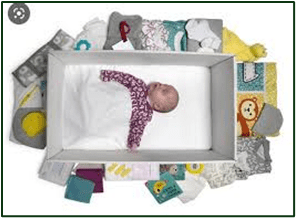
In Scotland, we believe that parenting is one of the most important jobs in the world. The work we do preparing our children for the future will ultimately shape our world in the years to come. With that in mind, we want to make sure that Scotland was the best place in the world to grow up in. That’s why, in 2017, we launched the Baby Box initiative, which is designed to give every single baby in Scotland an equal start in life.

Scottish Government   Jun 29, 2022

New babies need a surprising amount of stuff! Scotland’s Baby Box is packed full of clothes, bedding and lots of other useful things to help give your baby the best possible start in life

https://www.scotland.org/live-in-scotland/progressive-scotland/baby-box

by Eduardo Gonzalez-Moreira, Thalía Harmony, Manuel Hinojosa-Rodríguez, Cristina Carrillo-Prado,María Elena Juárez-Colín,Claudia Calipso Gutiérrez-Hernández, María Elizabeth Mónica Carlier, Lourdes Cubero-Rego, Susana A. Castro-Chavira, and Thalía Fernández / Published: 2 May 2023

Abstract

Background: Preterm birth is one of the world’s critical health problems, with an incidence of 5% to 18% of living newborns according to various countries. White matter injuries due to preoligodendrocytes deficits cause hypomyelination in children born preterm. Preterm infants also have multiple neurodevelopmental sequelae due to prenatal and perinatal risk factors for brain damage. The purpose of this work was to explore the effects of the brain risk factors and MRI volumes and abnormalities on the posterior motor and cognitive development at 3 years of age. Methods: A total of 166 preterm infants were examined before 4 months and clinical and MRI evaluations were performed. MRI showed abnormal findings in 89% of the infants. Parents of all infants were invited to receive the Katona neurohabilitation treatment. The parents of 128 infants accepted and received Katona’s neurohabilitation treatment. The remaining 38 infants did not receive treatment for a variety of reasons. At the three-year follow-up, Bayley’s II Mental Developmental Index (MDI) and the Psychomotor Developmental Index (PDI) were compared between treated and untreated subjects. Results: The treated children had higher values of both indices than the untreated. Linear regression showed that the antecedents of placenta disorders and sepsis as well as volumes of the corpus callosum and of the left lateral ventricle significantly predicted both MDI and PDI, while Apgar < 7 and volume of the right lateral ventricle predicted the PDI. Conclusions:  The results indicate that preterm infants who received Katona’s neurohabilitation procedure exhibited significantly better outcomes at 3 years of age compared to those who did not receive the treatment.  The presence of sepsis and the volumes of the corpus callosum and lateral ventricles at 3–4 months were significant predictors of the outcome at 3 years of age.

OPEN ACCESS ARTICLE HERE: Brain Sci. 2023, 13(5), 753; https://doi.org/10.3390/brainsci13050753 ; https://www.mdpi.com/2076-3425/13/5/753

Ryan Jaslow – Program Director, External Communications – Research, Mass General Brigham- rjaslow@mgb.org

06/05/24

Key Takeaways

  • A new clinical trial in Shanghai, China, in partnership with Mass Eye and Ear researchers, demonstrated the restoration of hearing in both ears in five children born with autosomal deafness caused by mutations in the OTOF gene.
  • All children gained ability to determine locations that sounds came from and improved speech perception in noisy environments.
  • The trial is the first to provide gene therapy for this form of inherited deafness to children in both ears, and the researchers hope to expand this work internationally.

Boston, Mass. — A novel gene therapy designed to target a form of inherited deafness restored hearing function in five children who were treated in both ears. The children also experienced better speech perception and gained the ability to localize and determine the position of sound. The study, the world’s first clinical trial to administer a gene therapy to both ears (bilaterally), demonstrates additional benefits than what were observed in the first phase of this trial, published earlier this year, when children were treated in one ear. The research was led by investigators from Mass Eye and Ear (a member of the Mass General Brigham healthcare system) and Eye & ENT Hospital of Fudan University in Shanghai, and findings were published June 5th in Nature Medicine.

“The results from these studies are astounding,” said study co-senior author Zheng-Yi Chen, DPhil, an associate scientist in the Eaton-Peabody Laboratories at Mass Eye and Ear. “We continue to see the hearing ability of treated children dramatically progress and the new study shows added benefits of the gene therapy when administrated to both ears, including the ability for sound source localization and improvements in speech recognition in noisy environments.”

The researchers noted their team’s goal was always to treat children in both ears to achieve the ability to hear sound in three dimensions, a capability important for communication and common daily tasks such as driving.

“Restoring hearing in both ears of children who are born deaf can maximize the benefits of hearing recovery,” said lead study author Yilai Shu MD, PhD, professor, director of Diagnosis and Treatment Center of Genetic Hearing Loss affiliated with the Eye & ENT Hospital of Fudan University in Shanghai, “These new results show this approach holds great promise and warrant larger international trials.

Over 430 million people around the world are affected by disabling hearing loss, of which congenital deafness constitutes about 26 million of them. Up to 60 percent of childhood deafness is caused by genetic factors. Children with DFNB9 are born with mutations in the OTOF gene that prevent the production of functioning otoferlin protein, which is necessary for the auditory and neural mechanisms underlying hearing.

This new study is the first clinical trial to use bilateral ear gene therapy for treating DFNB9. The new research presents an interim analysis of a single-arm trial of five children with DFNB9 who were observed over either a 13-week or 26-week period at the Eye & ENT Hospital of Fudan University in Shanghai, China. Shu injected functioning copies of the human OTOF transgene carried by adeno-associated virus (AAV) into the inner ears of patients through a specialized, minimally invasive surgery. The first case of bilateral treatment was conducted in July 2023. During follow-up, 36 adverse events were observed, but no dose-limiting toxicity or serious events occurred. All five children showed hearing recovery in both ears, with dramatic improvements in speech perception and sound localization. Two of the children gained an ability to appreciate music, a more complex auditory signal, and were observed dancing to music in videos captured for the study. The trial remains ongoing with participants continuing to be monitored.

In 2022, this research team delivered the first gene therapy in the world for DFNB9 as part of a trial of six patients in China treated in one ear. That trial, which had results published in The Lancet in January 2024, showed five of six children gained improvements in hearing and speech. Shu initially presented the data at the 30th annual congress of European Society of Gene and Cell Therapy (ESGCT) in Brussels, Belgium in October 2023, becoming the first in the world to report clinical data on using gene therapy to restore hearing.

“These results confirm the efficacy of the treatment that we previously reported on and represent a major step in gene therapy for genetic hearing loss,” said Shu. Shu trained under Chen for four years as a postdoctoral fellow at Mass Eye and Ear, with their collaboration continuing for more than a decade since he returned to Shanghai.

“Our study strongly supports treating children with DFNB9 in both ears, and our hope is this trial can expand and this approach can also be looked at for deafness caused by other genes or non-genetic causes,” added Chen, who is also an associate professor of Otolaryngology–Head and Neck Surgery at Harvard Medical School. “Our ultimate goal is to help people regain hearing no matter how their hearing loss was caused.”

Currently, there are no drugs available to treat hereditary deafness, which has made room for novel interventions like gene therapies.

Mass General Brigham’s Gene and Cell Therapy Institute is helping to translate scientific discoveries made by researchers into first-in-human clinical trials. Chen and his colleagues are working with the Institute to develop platforms and vectors with good manufacturing practice standards that would enable his team to more easily test this therapeutic approach with other genes in the future.

The authors note that more work is needed to further study and refine the therapy. The bilateral study requires more consideration compared to the unilateral (one-ear) study as operations in both ears, in the course of one surgery, doubles the surgical time. Furthermore, by injecting double doses of AAVs into the body, the immune response is likely to be stronger and the potential for adverse effects could be greater. Looking ahead, more patients as well as a longer follow-up duration are necessary, and continued analysis of gene therapies and cochlear implants in larger randomized trials will be valuable.

Paper cited: Wang, H et al. “Bilateral gene therapy in children with autosomal recessive

HEALTHMEDICAL SCIENCES 11 MAR 2024

The Neuroimaging Group, at the Department of Paediatrics, in collaboration with Bliss, the charity for babies born premature or sick, has launched a new suite of information resources for parents of neonates, designed to make them feel more confident about being involved in the care of their babies.

While evidence demonstrates that parents can play a positive role in comforting their baby during painful procedures, practice in the UK lags far behind. However new research by the Neuroimaging Group, published in the Lancet Child & Adolescent Health and Pain has brought further proof of the positive impact that being involved in their baby’s care has on parents.

The Parental touch trial (Petal) aimed to assess whether parental touch at a speed of approximately 3 cm/s to optimally activate C-tactile nerve fibres, provides effective pain relief during a heel-prick procedure. While there was no difference in the babies’ brain, behavioural or heart rate response to pain regardless of whether the parent touched their baby before or after the painful procedure, the findings did demonstrate that the majority of parents had positive emotions when involved in their child’s care – such as feeling useful and reassured – and an overall decrease in parental anxiety after their participation.

These new resources, a combination of beautifully curated and informative videos, FAQs and online information content, have been developed in light of the collaboration with parents and healthcare professionals. They are free to access online and set out in detail the many ways that parents can touch and comfort babies of all gestations during painful procedures on the neonatal unit, including skin-to-skin care.

Commenting on the research in an accompanying Lancet Child and Adolescent Health editorial, Ruth Guinsburg, said: ‘This study is an example of excellence in research. The trial was carefully designed with a clear question, strict inclusion and exclusion criteria, a well-designed and reproducible intervention based on biological plausibility, and defined outcomes, with the strength of using an objective rather than a subjective measure of pain. Only with trials like this might we transform faith in scienceand test the efficacy of traditional aspects of parental care in order to incorporate them, or not, in bundles to alleviate the pain in neonates.’

Dr. Rebeccah Slater, Professor of Paediatric Neuroscience and Senior Wellcome Fellow at the Neuroimaging Group, said: ‘Working with parents, babies and healthcare professionals to better understand how we can support premature and sick babies during painful procedures has been a highlight of my career. Developing these resources with Bliss has placed families at the heart of all the research we do, and has directly improved our engagement with families and the quality of our research. We will continue to find new ways to support parents and their babies when painful procedures form an essential component of neonatal care.’

Dr. Roshni Mansfield, a Paediatrics trainee and NIHR Academic Clinical Fellow in the Paediatric Neuroimaging Group said: ‘The Petal trial has highlighted the importance of involving parents in the provision of care and comfort for relieving their child’s pain. Future studies can build upon the insights gained from this trial including the positive parental experiences observed in this study. Prospective research might, for example, exercise a more spontaneous approach to delivering the gentle touch, such as allowing parents to stroke their child at their own pace, for as long as they need to calm and comfort their child, rather than a more mechanical and precise application.’

Dr. Maria Cobo, a postdoctoral researcher who managed the trial, added: ‘Another positive aspect of the study was the high degree of involvement by both fathers (35%) and mothers (65%) in delivering the parental touch to their babies. This contrasts with many studies, where only mothers’ opinions and involvement have been sought.’

 Caroline Lee-Davey, Chief Executive of Bliss, said: ‘We are thrilled to have worked alongside the amazing team of researchers at the University of Oxford to further our understanding on the importance of parental involvement in their babies’ neonatal care. We know that babies have the best chance of survival and quality of life when their parents are empowered to be partners in their care but, sadly, we hear all too often that parents are not informed about their babies’ procedures or the role that they can have in comforting their baby. The outcomes of this research have directly shaped a new suite of Bliss information for parents and healthcare professionals which will help to validate what families often instinctively know to be true – that no matter how unexpected or strange the neonatal environment can feel, they are still their baby’s parent and they have a vital role to play in their comfort and care.’ 

Additional funding from the Wellcome Trust enabled Bliss to develop these valuable resources for families, including new information, video content filmed at John Radcliffe Hospital’s neonatal unit giving precious insight into neonatal care, as well as translated flyers for neonatal units and a webinar for healthcare professionals on how to support parents to be involved in their babies’ procedures. These resources were created in collaboration with parents and healthcare professionals, and included a listening event with the Raham Project, a CIC supporting ethnic minority families, where four mothers shared their neonatal stories.

  https://www.ox.ac.uk/news/2024-03-11-research-shows-comforting-babies-eases-parental-stress-painful-procedures

Empowering the Unsung Heroes: Siblings of NICU Warriors

When a baby is born prematurely or with critical health needs, the entire family is thrust into a world of uncertainty and emotional upheaval. While much attention is rightfully focused on the newborn and parents, siblings often navigate this journey with a unique blend of resilience and vulnerability. These brave siblings of preemie babies deserve recognition and support for the vital role they play in the family’s NICU journey.

Siblings of NICU babies often experience a whirlwind of emotions, from fear and confusion to jealousy and isolation. It’s essential to create an environment where their feelings are acknowledged, and their contributions celebrated. Simple actions, like involving them in care routines or creating special sibling-only times, can foster a sense of inclusion and importance. Encouraging open conversations about their fears and questions can also help them feel more connected and less isolated.

Educational resources tailored to siblings can also be beneficial. Books, videos, and activities that explain the NICU environment in age-appropriate terms can demystify the experience and reduce anxiety. These resources help siblings understand the medical aspects of their baby brother or sister’s care, making the hospital environment less intimidating. Providing clear and accessible information empowers siblings by giving them a sense of control and understanding in an otherwise overwhelming situation. Resources such as Hand to Hold, Bliss, Miracle Babies Foundation, and Canadian Premature Babies Foundation, offer valuable insights and practical tips for supporting siblings during this challenging time.

Recognizing the importance of supporting siblings of NICU babies is essential for fostering a positive family dynamic and ensuring the emotional health of all children involved. By acknowledging their unique experiences and providing targeted support, parents and caregivers can help these strong siblings navigate the complex emotions and challenges they face, contributing to the overall resilience and well-being of the entire family navigating the NICU journey.

These resources provide valuable insights and practical tips to help siblings navigate the complex emotions and experiences associated with having a brother or sister in the NICU:

Hand to Hold: Sibling Support

Hand to Hold provides comprehensive resources to support siblings of NICU babies, including tips for preparing siblings for NICU visits and strategies for making them feel included in their baby brother or sister’s care.

https://handtohold.org/resources/siblings

Bliss (UK): Support for Siblings

Bliss is a UK-based charity that provides comprehensive support for families of premature and sick babies. They offer resources and guidance specifically designed for siblings, including advice on how to involve them in the care process and ways to help them understand and cope with the NICU environment.

https://www.bliss.org.uk/parents/support/siblings

Miracle Babies Foundation (Australia): Sibling Support

Miracle Babies Foundation is an Australian organization dedicated to supporting premature and sick newborns, their families, and the hospitals that care for them. They provide resources tailored for siblings, helping them navigate the emotional and practical challenges of having a brother or sister in the NICU.

https://www.miraclebabies.org.au/parents-and-families/sibling-support/

Canadian Premature Babies Foundation Sibling Support

The Canadian Premature Babies Foundation (CPBF) offers a range of resources to support families of premature babies across Canada. They provide specific guidance and materials for siblings, including educational resources and support groups to help them cope with their sibling’s NICU stay.

https://www.cpbf-fbpc.org/sibling-support

Boy’s Heart Melts As He Meets Baby Sister After NICU Stay

Sep 11, 2023

 A three-year-old boy who could not meet “his” baby sister while she spent her first days in the NICU lit up when he was finally able to hold her for the first time. Dominic “Dommy” Voso, from Rome, Georgia, told his parents the newborn would be “his” baby, having asked mom and dad for a sibling for a long time, proudly telling others when his mom was pregnant. But unfortunately for Dommy, mom Chrissy, 30, had preeclampsia during her pregnancy, which meant that Mia had be delivered at 35 weeks and four days. Mia then had trouble breathing, which caused her to spend her first 12 days in the NICU. This period was extremely tough for Dommy, as he had been desperate to meet his newborn sister, but only adults and siblings over 13 years of age could enter the NICU. Added to this difficulty, Chrissy had to spend an extra eight days in hospital, too, so Dommy couldn’t understand why he could see his mom but not his little sister. But that all changed on July 4 when Dommy sat in his family’s home and Chrissy came in holding Mia. When Dommy was then presented with his little sister, he immediately beamed with joy, holding her before bringing toys and books to share with her.

This inspiring video  highlights the experiences and resilience of siblings of Preemie Warriors:

                                 Let’s Travel!      #scotland #travelchannel #scotlandtravel

Surfing Scotland, Thurso, surf trip UK, Surfing scotland West Coast, Surfing Scotland East Coast, Surfing Dunbar, Moray firth, December surf!

Lifelines, Redirection, Neurocritical Care

Yemen, officially the Republic of Yemen, is a country in West Asia. It is located in the southern end of the Arabian Peninsula, bordering Saudi Arabia to the north and Oman to the northeast. It shares maritime borders with EritreaDjibouti and Somalia. Covering 530,000 square kilometres (204,634 square miles) and having a coastline of approximately 2,000 kilometres (1,200 miles), Yemen is the second-largest Arab sovereign state on the Arabian Peninsula.Sanaa is its constitutionally stated capital and largest city. The country’s population is estimated to be 34.7 million as of 2023. Yemen is a member of the Arab League, the United Nations, the Non-Aligned Movement and the Organisation of Islamic Cooperation.

Since 2011, Yemen has been facing a political crisis, marked by street protests against poverty, unemployment, corruption, and President Saleh’s plan to amend Yemen’s constitution and eliminate the presidential term limit. Subsequently, the country has been engulfed in a civil war with multiple entities vying for governance, including the government of President Hadi (later the Presidential Leadership Council), the Houthi movement‘s Supreme Political Council, and the separatist Southern Movement’s Southern Transitional Council. This ongoing conflict has led to a severe humanitarian crisis and received widespread criticism for its devastating impact on Yemen’s people.

The ongoing humanitarian crisis and conflict has received widespread criticism for having a dramatic worsening effect on Yemen’s humanitarian situation, that some say has reached the level of a “humanitarian disaster”. Yemen is one of the least developed countries in the world, facing significant obstacles to sustainable development and is one of the poorest countries in the Middle East and North Africa region. The United Nations reported in 2019 that Yemen had the highest number of people in need of humanitarian aid, amounting to about 24 million individuals, which is nearly 75% of its population.

Source:https://en.wikipedia.org/wiki/Yemen

  • GLOBAL PRETERM BIRTH RATES YEMEN
  • Estimated # of preterm births: UNKNOWN per 100 live births
  • (Global Average: 10.6)
  • Source- WHO Yemen – Healthy Newborn Network 6.8% preterm birth rate, 39% of infant mortality

Highlights

  • Despite expert knowledge and expertise, nurses often do not write for publication.
  • Barriers to writing for publication are commonly reported by nurses.
  • A virtual, Writing for Publication Program was convened to overcome these barriers.
  • The group of clinical and academic nurses successfully published a manuscript.
  • Recommendations for overcoming writing for publication barriers provided.

Abstract

Nurses have valuable knowledge and expertise to share. Yet, for a variety of reasons, many nurses do not write for publication. Members in one Sigma Theta Tau International chapter requested information about publishing so a writing for publication program (WPP) was convened. Ten nurses from diverse clinical and academic backgrounds participated. The goal of the WPP was to support a small group of nurses to advance knowledge and develop practical skills through the development of a manuscript with mentorship from doctorally-prepared nurses with publishing experience. The anticipated effect was that participants would share what they learned with colleagues or mentor others to publish in the future. Beginning with informational sessions to lay the foundation for writing and publishing, the WPP included biweekly, two-hour online sessions over a seven-month period whereby individual and group writing with embedded peer and WPP leader feedback occurred. WPP participants gained proficiency in searching online databases, synthesizing published literature, and working as a member of a writing team. The group successfully published a manuscript based on a topic of interest. This current article describes the structured support and mentorship provided during the WPP with recommendations for overcoming publication barriers commonly described in the literature.

Background

Barriers to writing for publication are widely reported in nursing literature. Writing barriers are described as situational or personal (Tivis & Meyer, 2018) and internal or external (Oman et al., 2016). Situational and external barriers to writing for publication include a lack of time, family commitments, lack of resources, inadequate access to technology, insufficient organizational support, or a workplace culture that does not value writing and dissemination (Ansryan et al., 2019; Oman et

Forming the group

In August 2021, the annual general membership meeting for one chapter of Sigma Theta Tau International (Sigma) was held. Based on member requests, the educational focus of the general membership meeting, held online via the chapter’s discussion board, was writing for publication. Over the three-day meeting, those with publication experience were encouraged to share insights related to publishing. Members without publication experience reflected on publishing myths and barriers to writing for

Developing the manuscript

The goal of the WPP was to train a small cohort of nurses on how to write a single manuscript on a topic of interest and submit it to a peer-reviewed nursing journal. Wood (2018) and Bourgault (2023) note that some of the earliest decisions should be selecting the topic of the manuscript, identifying the intended audience, and selecting the journal the manuscript should be submitted. Oman et al. (2016) concur that successfully writing a manuscript is enhanced when the topic relates to lived

Reflections from group members

Two months after the second manuscript was accepted for publication, participants were asked to complete an anonymous survey to ascertain perspectives about the WPP. All ten members completed the survey. Resoundingly participants believed the WPP was a ‘well run,’ ‘helpful,’ and a ‘worthwhile’ experience. WPP leaders were ‘well prepared’ and ‘professional and skilled in guiding the process.’

The topics that members were already familiar with before participating in the WPP were writing

Lessoned learned with recommendations

Reflection by WPP leaders yielded several lessons learned with recommendations for overcoming known barriers to writing for publication. Insufficient time is frequently cited as a barrier to writing for publication (Ansryan et al., 2019). The structure of the WPP program was feasible to accomplish personal and collective goals. Two-hour, bimonthly meetings allowed sufficient time to complete the session agenda without burdening participants who may have competing work and family demands.

Conclusion

Writing for publication is an expectation of all nurses because it improves the quality of patient care to achieve optimal outcomes while also advancing the nursing profession. An innovative, virtual WPP successfully guided 10 academic and clinical nurses to publish a manuscript in a respected, peer-reviewed journal (Chargualaf et al., 2023). Participants largely reported feeling more confident in their own ability to publish in the future. Thus, the goal of the WPP was met. 

Source:https://www.sciencedirect.com/science/article/abs/pii/S8755722324000267

FROM THE AMERICAN ACADEMY OF PEDIATRICS| FEBRUARY 26 2024

American Academy of Pediatrics https://doi.org/10.1542/peds.2023-065582Board of Directors  Pediatrics (2024) 153 (3): e2023065582.

The violence, suffering, and death from the terrorist attack on Israel and the Israel-Hamas War weigh on us all. Pediatricians—who are called to care for children and keep them safe and healthy—have been reaching out to the American Academy of Pediatrics expressing anguish, outrage, and a deep desire to help stop the killing, ease the suffering, and protect all children from harm.

We are shaken and pained by what is happening in Israel and Gaza, and we are also alarmed by the increasing acts of violence and intimidation we’ve been witnessing in this country toward Jews, Muslims, and those with ties to Israel or Palestine. Many pediatricians and the families they care for have experienced such incidents.

As antisemitic and anti-Palestinian hate speech have been surging on social media, acts of hate have also been increasing in the United States and around the world. There has been an unprecedented rise in incidents of antisemitism, Islamophobia, and anti-Palestinian racism in this country according to data from the Anti-Defamation League and the Council on American-Islamic Relations. And reports of violent hate crimes targeting Jews, Muslims, and Arabs have risen steeply across the United States.

As people at home and abroad confront these issues and as world leaders debate how to move forward, one thing is certain: all children affected deserve our unconditional support.

It will always be the mission of the American Academy of Pediatrics (AAP) to advocate for children’s protection, health, and safety, no matter what, no matter where—be it in the United States, Israel, Gaza, the West Bank, Ukraine, South Sudan, Armenia, Syria, Yemen, Myanmar, Ethiopia, Democratic Republic Congo, or other conflict-torn areas that receive less media attention.

As pediatricians, pediatric medical subspecialists, and pediatric surgical specialists, we understand that the profound cost of any war is measured in children’s lives—those lost to violence and those forever changed by it. We know that what happens to these children today and what we do for them will help determine what becomes of this generation tomorrow.

In 2018, the Academy published a policy statement and accompanying technical report, “The Effects of Armed Conflict on Children,” which began with the following statistic: 1 in 10 children are affected by armed conflict. By 2021, 1 in 6—or about 449 million children worldwide—were living in a conflict zone. Africa had the highest overall number of children impacted by conflict (180 million), followed by Asia (152 million), and the Americas (64 million). Today, that figure is tragically even higher.

Our policy details both the acute and long-term effects of armed conflict on child health and well-being and uses a children’s rights-based approach as a framework for the AAP, child health professionals, and national and international partners to respond in the domains of clinical care, systems development, and policy formulation.

Our policy calls on governments to safeguard children and for pediatricians and health organizations to be involved both in preventing and responding to armed conflict. It advocates for integrating core human rights principles set forth in the United Nations Convention on the Rights of the Child (UNCRC) treaty into US policy.

To fulfill these rights, the policy lays out a number of detailed recommendations for mitigating the harms of child conflict both in clinical practice and in social systems serving children. This includes ensuring child health professionals who care for children affected by armed conflict have access to training in trauma-informed care, which involves recognizing and mitigating the harmful effects of these experiences. And it highlights opportunities for public policy advocacy, which include:

  • Ending the participation of children younger than 18 years of age in armed conflict and ensuring all children are protected from torture and deprivation of liberty, including extended or arbitrary detention;
  • Upholding the Geneva Conventions with respect to maintaining the sanctity of safe places for children, ensuring medical and educational neutrality, and allowing children fleeing armed conflict to petition for asylum and be screened for evidence of human trafficking;
  • Ensuring that children are not separated from their families during displacement and resettlement, and in the event of separation, prioritizing family reunification;
  • Protecting children from landmines, unexploded ordnances, small arms, and light weapons through effective clearing efforts and strict control on their sale, ownership, and safe storage;
  • Affording children a voice in creating policy and programs that prevent and mitigate harmful effects of armed conflict; and
  • Providing children affected by armed conflict access to educational opportunities as part of an environment conducive to their reintegration into society.
2023 AAP Board of Directors2024 AAP Board of Directors
Sandy L. Chung, MD, FAAP Benjamin D. Hoffman, MD, FAAP 
Benjamin D. Hoffman, MD, FAAP Susan J. Kressly, MD, FAAP 
Moira A. Szilagyi, MD, FAAP Sandy L. Chung, MD, FAAP 
Dennis M. Cooley MD, FAAP Margaret C. Fisher, MD, FAAP 
Patricia Flanagan, MD, FAAP Patricia Flanagan, MD, FAAP 
Warren M. Seigel, MD, FAAP Jeffrey Kaczorowski, MD, FAAP 
Margaret C. Fisher, MD, FAAP Patricia Purcell, MD, MBA, FAAP 
Michelle D. Fiscus, MD, FAAP Jeannette “Lia” Gaggino, MD, FAAP 
Jeannette “Lia” Gaggino, MD, FAAP Dennis M. Cooley, MD, FAAP 
Gary W. Floyd, MD, FAAP Susan Buttross, MD, FAAP 
Martha C. Middlemist, MD, FAAP Greg Blaschke, MD, MPH, FAAP 
Yasuko Fukuda, MD, FAAP Yasuko Fukuda, MD, FAAP 
Madeline M. Joseph, MD, FAAP Madeline M. Joseph, MD, FAAP 
Charles G. Macias, MD, FAAP Angela M. Ellison, MD, MSc, FAAP 
Constance S. Houck, MD, FAAP Kristina W. Rosbe, MD, FAAP 
Joelle N. Simpson, MD, FAAP Joelle N. Simpson, MD, FAAP 

In examining the entire policy in light of the Israel-Hamas War, we determined it was missing important elements to emphasize the protection of children during war and the Academy’s opposition to religious persecution of any kind. We voted unanimously to add the following to the policy statement:

  • Children should never be harmed because of the religious, cultural, and other beliefs and values of the child and/or their family;
  • Harm to children should never be used as a tool or tactic of war or conflict; and
  • Children should be protected from the direct effects of armed conflicts and their food, housing, health, and other basic needs safeguarded.

With the magnitude of the suffering and so many children hurting at home and abroad, this is a distressing time to work in pediatrics. The pain of our members is palpable; both the urgent desire to do all we can to protect children in Israel and Gaza and the fear and concern we are experiencing as acts of hate proliferate in the United States. Yet our common mission and the outpouring of support and solidarity among our member pediatricians reminds us there is light in the darkness.

We use our platform as the world’s largest pediatric organization to speak out against violence, hate, antisemitism, Islamophobia, and enmity toward Jews, Muslims, Israelis, and Palestinians and to speak up on behalf of all children suffering in armed conflict. We stand with everyone in the pediatric profession in these times of tragedy as we continue our work of healing, protecting, and caring for the world’s children.

Source:https://publications.aap.org/pediatrics/article/153/3/e2023065582/196273/Protecting-Children-and-Condemning-Hate-During-a?autologincheck=redirected

Jane E. Brumbaugh, MD1Carla M. Bann, PhD2Edward F. Bell, MD3; et alColm P. Travers, MD4Betty R. Vohr, MD5Elisabeth C. McGowan, MD5Heidi M. Harmon, MD, MS3Waldemar A. Carlo, MD4Susan R. Hintz, MD, MS Epi6Andrea F. Duncan, MD, MS7; for the Eunice Kennedy Shriver National Institute of Child Health and Human Development Neonatal Research Network- 03/11/24

Key Points

Question  How are maternal social determinants of health associated with discussions and decisions surrounding redirection of care for infants born extremely preterm?

Findings  In this cohort study of 15 629 infants born extremely preterm, Black mother-infant dyads were significantly less likely to have redirection of care discussions than White mother-infant dyads, and Hispanic mother-infant dyads were significantly less likely to have redirection of care discussions than non-Hispanic mother-infant dyads.

Meaning  Research is needed to understand the possible reasons and solutions for differences in redirection of care discussions for critically ill infants by race and ethnicity.

Abstract

Importance  Redirection of care refers to withdrawal, withholding, or limiting escalation of treatment. Whether maternal social determinants of health are associated with redirection of care discussions merits understanding.

Objective  To examine associations between maternal social determinants of health and redirection of care discussions for infants born extremely preterm.

Design, Setting, and Participants  This is a retrospective analysis of a prospective cohort of infants born at less than 29 weeks’ gestation between April 2011 and December 2020 at 19 National Institute of Child Health and Human Development Neonatal Research Network centers in the US. Follow-up occurred between January 2013 and October 2023. Included infants received active treatment at birth and had mothers who identified as Black or White. Race was limited to Black and White based on service disparities between these groups and limited sample size for other races. Maternal social determinant of health exposures were education level (high school nongraduate or graduate), insurance type (public/none or private), race (Black or White), and ethnicity (Hispanic or non-Hispanic).

Main Outcomes and Measures  The primary outcome was documented discussion about redirection of infant care. Secondary outcomes included subsequent redirection of care occurrence and, for those born at less than 27 weeks’ gestation, death and neurodevelopmental impairment at 22 to 26 months’ corrected age.

Results  Of the 15 629 infants (mean [SD] gestational age, 26 [2] weeks; 7961 [51%] male) from 13 643 mothers, 2324 (15%) had documented redirection of care discussions. In unadjusted comparisons, there was no significant difference in the percentage of infants with redirection of care discussions by race (Black, 1004/6793 [15%]; White, 1320/8836 [15%]) or ethnicity (Hispanic, 291/2105 [14%]; non-Hispanic, 2020/13 408 [15%]). However, after controlling for maternal and neonatal factors, infants whose mothers identified as Black or as Hispanic were less likely to have documented redirection of care discussions than infants whose mothers identified as White (Black vs White adjusted odds ratio [aOR], 0.84; 95% CI, 0.75-0.96) or as non-Hispanic (Hispanic vs non-Hispanic aOR, 0.72; 95% CI, 0.60-0.87). Redirection of care discussion occurrence did not differ by maternal education level or insurance type.

Conclusions and Relevance  For infants born extremely preterm, redirection of care discussions occurred less often for Black and Hispanic infants than for White and non-Hispanic infants. It is important to explore the possible reasons underlying these differences.

Rotana   2,117,326 views Premiered Dec 6, 2023 #FouadAbdulwahed #Rotana2023 #Rotana

#FouadAbdulwahed #Rotana2023 #Rotana Fouad Abdulwahed – Habibi | Official Music Video 2023 | فؤاد عبدالواحد – حبيبي

Credit…Ruth Fremson/The New York Times

By Alisha Haridasani Gupta     Published Feb. 8, 2024Updated Feb. 14, 2024

Premature births, after years of steady decline, rose sharply in the U.S. between 2014 and 2022, according to recently published data from the Centers for Disease Control and Prevention. Experts said the shift might be partly the result of a growing prevalence of health complications among mothers.

“I’m not too surprised that these are the changes we’re seeing,” said Dr. Nahida Chakhtoura, chief of the pregnancy and perinatology department at the Eunice Kennedy Shriver National Institute of Child Health and Human Development. “We know that maternal complications have been on the rise for the same time period.”

Births before 37 weeks of gestation increased by 12 percent, though there were fluctuations during the pandemic years, with slight decreases in 2020 and 2022. Deliveries at or after week 40 declined during the study period. Increases in premature birth rates were similar across races and age groups, but the largest jump was among mothers aged 30 and above.

It is a reversal of promising trends before 2014, when premature births had been steadily declining and full-term deliveries were on the rise. Though the latest report doesn’t delve into the causes, it is “concerning,” Dr. Chakhtoura said, particularly because premature babies generally face increased risks for health complications.

One of the reasons for the rise might be that women are having babies later in life, said Dr. Vanessa Torbenson, an obstetrician and gynecologist at the Mayo Clinic in Minnesota. Older maternal age, she added, presents an increased risk of health complications that may require an early induction. Overall rates of high blood pressure in particular have been on the rise in recent years. According to the C.D.C., almost 16 percent of women who delivered in hospitals had some kind of hypertensive disorder in 2019, and those issues were most common among women 35 and older. Rates of gestational diabetes have also grown, especially among older mothers.

Generally, “the further along you go in pregnancy, the higher the chance of survival” for the baby, said Dr. Dawnette Lewis, director of Northwell Health’s Center for Maternal Health and a maternal fetal medicine specialist. Studies have found that a baby delivered at 23 weeks, for example, has a roughly 55 percent chance of survival, with chances increasing each week after that, Dr. Lewis said. The American College of Obstetricians and Gynecologists recommends inducing labor at or before 37 weeks when medically necessary.

The latest C.D.C. data is “skimming the surface,” Dr. Lewis said. One of the many unanswered questions is why there were few differences in premature birthrates across races, given that research consistently shows that rates of pre-eclampsia and hypertension are disproportionately higher among Black women. Understanding who was induced and why might shed some light on that question, she added.

Despite the concerns around later maternal age, many of the health risks can be managed, Dr. Lewis said. “Anyone who’s considering a pregnancy, regardless of their age, should see a health care practitioner so that they can be evaluated and, in case that they do have any medical conditions, that they can get those under control before attempting a pregnancy.”

Source:https://www.nytimes.com/2024/02/08/well/family/premature-births-maternal-age.html

By  Cathy Cassata  Published on May 03, 2022   Medically reviewed by Steven Gans, MD

There’s no doubt early in the pandemic, healthcare workers were pushed to their limits. Crowded hospitals required doctors and nurses to work long hours caring for patients suffering from an unprecedented and unpredictable COVID-19 virus. The pressure and demands of the situation put a physical and mental strain on those seeing patients.

According to a 2021 survey published in the Journal of General Internal Medicine of more than 500 healthcare workers and first responders, a substantial majority of respondents reported experiencing clinically significant psychiatric symptoms, including:1

  • anxiety (75%)
  • depression (74%)
  • post-traumatic stress disorder (38%)
  • recent thoughts of suicide or self-harm (15%) 

To support healthcare workers’ mental health during the pandemic, many people were inspired to establish organizations. Below are three that sprung up over the past few years and continue to make a difference in the lives of doctors, nurses, and other frontline workers bearing the brunt of caring for the public during the ebb and flow of the pandemic. 

Dr. Lorna Breen Heroes Foundation

Lorna Breen, MD, was a seasoned emergency room physician at New York Presbyterian Hospital in Manhattan when the COVID-19 crisis hit. In a period of three weeks, Breen treated COVID patients, contracted COVID herself, and returned to an overwhelming number of critically sick patients. At the peak of COVID, she worked 15 to 18-hour shifts with limited PPE, insufficient supplies, and not enough equipment to care for patients; some of who were dying in the hallways. 

When Breen called her sister Jennifer to share that she was overwhelmed and exhausted to the point that she couldn’t get out of her chair, Jennifer and her husband Corey Feist went to Manhattan and took Breen to a mental health hospital, where she stayed for 10 days, receiving the first mental health treatment of her lifetime. A few days into her stay, Breen called her sister to express concern that her career as a physician was ruined because she was receiving mental health treatment. 

When Breen returned to work on April 1, 2020, her fear continued, as she worried her colleagues would notice she couldn’t keep up. Breen died by suicide on April 26, 2020. 

What Lorna was feeling is felt by doctors and nurses across the country today. The average person can ask for help, but not healthcare workers; in [several] states, they can lose their license for seeking [treatment for mental health]. That’s unacceptable.

According to a 2022 Medscape report, when physicians were asked why they have not sought help for burnout or depression, their top reasons were:2

  • I can deal with this without help from a professional (49%)
  • Don’t want to risk disclosure to medical board (43%)
  • Concerned about it being on my insurance record (32%)
  • Concerned about my colleagues finding out (22%) 

After Breen’s death, the Feists went on the “Today” show to spread awareness about the mental health strain healthcare workers faced during the pandemic. After the show, they received an outpouring of support from the healthcare workforce, thanking them for sharing Breen’s story. One sentiment they heard often was the need for change when it comes to questions on licensure applications and hospital credentialing applications that ask about a person’s prior mental health
history. 

The responses moved them to establish the Dr. Lorna Breen Heroes Foundation, which aims to reduce burnout of healthcare professionals and safeguard their well-being and job satisfaction by: 

  1. Advising the health care industry to implement well-being initiatives
  2. Building awareness of these issues to reduce the stigma; and
  3. Funding research and programs that will reduce health care professional burnout and improve provider well-being. 

“While Lorna is our beacon and inspiration, we started the organization because we heard from the
healthcare force (hundreds) after she died that something needed to change,” said Feist. “Now, what we have is a huge subsection of our healthcare workforce who has experienced repetitive trauma for two years. For some of them, this has been 9/11 every day for two years, and because of their fear of repercussions to continue working, they are going to suffer in silence.”

On March 18, 2022, the foundation’s work helped pass the Dr. Lorna Breen Health Care Provider Protection Act, which establishes grants and requires other activities to improve mental and behavioral health among healthcare providers.

The more we talk about mental health, the more we normalize it and give others permission to speak. Lorna was the toughest person I knew in the world and she was a seasoned physician in New York. She worked through Ebola in New York and other crises. This wasn’t about being tough.

He added that many solutions to the problem are complex, but that small actions can help. 

“[Like] someone being vulnerable and recognizing the need for self-care, and peer support (recognizing a colleague who needs support) that don’t cost money. We need to make it clear that you care for yourself and colleagues just as you would your patients,” he said. 

The foundation’s next mission is to raise awareness among medical licensing boards, nursing boards, and hospital systems about the impact of including mental health questions on applications. They hope licensing boards will change questions to reflect current mental health impairment and exclude past ones. 

“We are asking all hospitals in this country to simply publish to their workforce that they can
get mental health support without repercussions, which can be a life-saving opportunity for all of the healthcare community,” said Feist. 

The Emotional PPE Project

In March 2020, Ariel Brown, PhD, neuroscientist, was talking to her neighbor and friend Daniel Saddawi-Konefka, MD, critical care physician and anesthesiologist at Massachusetts General Hospital, when she was moved to help with the COVID crisis. 

“Dr. Dan…is responsible for directing [about] 100 anesthesiology residents and was struggling with the best way to support them during the onslaught of COVID,” said Brown. “I wanted to help and so I put out a call on social media to see if any of the therapists in my network wanted to volunteer some of their time to help these folks who were fighting on the frontline of the pandemic.” 

The therapists raised their hands in droves to offer free therapy to healthcare workers. When
Brown passed on their contact information to the residents, many reached out to therapists for help
at a no-cost, no-insurance, streamlined option for healthcare workers to seek mental health care. 

Because of the goodwill of the mental health provider community and because of the great need in the healthcare worker community, things grew very quickly. I put together a team, which I led to set up to be able to scale. Two years later, we are a national nonprofit organization that has over 700 volunteer therapists and has served over 2,000 healthcare workers across the nation.

Over the course of the pandemic, she has learned that healthcare workers face significant barriers to getting support for their mental health. The Emotional PPE Project is designed to streamline mental health service by lifting barriers, including: 

  • Financial: Facilitating services at no cost and with no insurance.
  • Access: A streamlined process to connect with therapists
  • Stigma: Remaining 100 percent confidential and unaffiliated with any organization that employs healthcare workers

“Overall, we seek to take away every barrier that we can so that the folks experiencing unprecedented stress and trauma can have a streamlined connection with someone that can help,” said Brown. 

The Emotional PPE Project is also involved in research and advocacy work similar to that of the Dr. Lorna Breen Heroes Foundation, including working to reform licensing practices to protect the mental health of physicians

  • Healthcare workers, find a therapist in The Emotional PPE Project directory
  • Licensed therapists, sign up to volunteer your time
  • Anyone, support the organization by making a tax-deductible donation

Therapy Aid Coalition

As the world started to shut down due to COVID-19 in March of 2020, Jennifer Silacci, LCSW, psychotherapist, felt grateful she could work from home and shelter in place although anxious about the virus. 

I wondered, if those of us at home felt so overwhelmed, how were those on the frontlines coping? How were they processing the anxiety around constant exposure to a potentially deadly virus? And what could I do to help them?

She decided to offer free and low-cost therapy sessions to healthcare workers and asked her colleagues if they would join her. Word spread, and before she knew it, thousands of volunteer therapists from across the country joined Silacci. 

“Quite honestly, I had no idea how to manage this new, growing network of volunteers, or the thousands of emails pouring into my inbox, so I asked everyone I could think of for help. Childhood friends and even some kids I babysat (now adults) stepped up. A friend connected us with her law firm, and soon we were a fully formed 501(c)(3) public charity,” she said. 

Within months of putting out the initial call, Silacci established the Therapy Aid Coalition,
now made up of over 3,000 licensed therapists, who offered free and low-cost online therapy to essential workers in the United States. 

Because confidentiality is a concern for many healthcare professionals, and many do not want to utilize employee assistance programs (EAPs), health insurance, or support and resources from their hospitals and clinics, Silacci said her service offers them the opportunity to connect with a therapist anonymously. Over the past two years, the program has served thousands of essential workers throughout the country. 

“I think the pandemic and the amazing work of so many nonprofits…have shed light on the need for mental health support, destigmatization, and advocacy for mental wellness within the healthcare professions,” she said. 

Because the Therapy Aid Coalition continues to receive hundreds of requests monthly, Silacci said, normalizing the fact that healthcare professionals “while perhaps heroic in their actions—are still painfully and beautifully human” needs to become more understood. 

“We all have a breaking point. It is my belief that individuals that have been on the frontlines may not even fully realize the impact of their experience just yet. Some are still running on adrenaline. Some are still numb and just trying to make it through another shift,” she said. “I believe we will see a greater need for mental health support among frontline workers in the next year or two, as they finally come up for air, and have the time and space to unthaw, and digest all that has unfolded.”

Those affected also include mental health professionals, Silacci added, and taking care of therapists is also one of her objectives. While the Therapy Aid Coalition currently offers free and low-cost services, it plans to pay therapists via stipends as it accumulates grants. 

Those affected also include mental health professionals, Silacci added, and taking care of therapists is also one of her objectives. While the Therapy Aid Coalition currently offers free and low-cost services, it plans to pay therapists via stipends as it accumulates grants. 

“We want services to be free to essential workers, but we also believe it is absolutely not fair to ask therapists to continue to offer pro-bono sessions two years into the pandemic,” she said. “[Therapists] are essential workers, and also qualify for free short-term sessions with us!” 

Source:https://www.verywellmind.com/3-organizations-providing-a-free-lifeline-for-healthcare-workers-5222435

Bernard Marr/Contributor

The roles of professionals in society are shifting thanks to the development of truly useful and powerful generative artificial intelligence. Every industry will be impacted, but we have already seen that healthcare, with its heavy use of data and technology, will be disrupted more than most.

Generative AI has the potential to revolutionize the way we treat disease, develop new medicines and personalize treatments to fit individual patients. It will also fundamentally change both the day-to-day working lives of doctors, nurses and other clinical health professionals and even the way they are seen by society. As a result, they will find they are more reliant than ever on the human qualities like compassion, communication and the instinct that many who fill these jobs have for providing care.

So here’s my overview of some of the most dramatic and meaningful transformations we can expect to see in the near future, as well as some of the practical and ethical challenges that will have to be overcome.

AI As A Diagnostic Assistant

Generative AI helps with diagnosing conditions by interpreting data and providing clear, in-depth insights into what is known about the patient. It can be used to examine hundreds of X-ray, MRI and CT scans and quickly give a statistical summary of its findings. This will lead to more accurate, data-driven diagnosis of many common or not-so-common conditions.

This communication can then be fine-tuned depending on the role of the healthcare professional who is using it, whether a doctor, nurse, consultant or specialist. Communicating only the insights relevant to them means there will be less noise between the professional and the specific information they need.

The World Economic Forum has also predicted that generative AI will lead to improved outcomes as it becomes able to efficiently extract data from the many disparate and siloed sources that have traditionally existed across healthcare.

It will also increasingly be used to create synthetic data, which is artificially generated to resemble real-world information. This is particularly useful for situations with limited training data, such as with rare conditions and diseases. It can also reduce the security and data protection measures that healthcare professionals must take when working with real patients’ personal data. Synthetic data can also be used to simulate healthcare scenarios like pandemics or the emergence of antibiotic-resistant organisms that could cause a global healthcare crisis.

Automating Routine And Administrative Tasks

It will become increasingly common for medical professionals to use generative AI to automate many of the repetitive and routine administrative tasks they carry out every day. This will free up their time to focus on directly providing care, as well as continuing their training and learning.

From managing and updating patient records to scheduling appointments, healthcare professionals engage in many time-consuming tasks that can be streamlined or even entirely taken over by AI. According to one study, doctors spend half of their working day on tasks involving maintaining electronic health records.

Generative AI can drive more efficient EHR management by intelligently organizing doctors’ notes, test results and medical imaging. It can then provide quick summaries of individual patients, highlighting aspects of their health that are a concern and generating reports for other professionals. Automating many of these tasks is likely to also have the effect of reducing errors that could impact quality of care and patient outcomes.

Generative AI In Drug Discovery

The same capabilities that allow generative AI to create text and writing can also be used to develop new candidate medicines and vaccines for clinical trials. This means that researchers can speed up the lengthy process of shortlisting potential candidates.

Last year, Oxford-based biotech firm Etcembly produced the first immunotherapy drug created with the help of generative AI.

The process promises to speed the transition of potentially lifesaving new treatments from lab to patient, ultimately leading to better patient outcomes. This indicates that just like doctors and nurses, healthcare researchers and scientists will also have powerful generative AI tools to enable them to work more quickly and efficiently.

Ethical Consideration: The Human Touch

Clearly, however, integrating generative AI into healthcare in this way creates a long list of ethical challenges that can’t be ignored. This is because most use cases revolve around the use of personal data. This means that safeguarding against data leaks, losses and breaches is of paramount importance.

It’s also essential that AI algorithms make decisions that are transparent and explainable—this will be crucial for building the public trust essential for these systems’ potential to be realized.

The damage that can be caused by bias in data is also more pronounced than in nearly any other field. Its been shown that generative AI models can amplify bias present in training data. We know that women and people from minority ethnic backgrounds are more frequently diagnosed due to their underrepresentation in medical studies, and this issue could scale as AI becomes more widely used.

Data, models and outcomes must all be continually monitored and updated in order to mitigate these biases, which could otherwise further perpetuate inequalities.

Like many other professionals, those in healthcare will find themselves required to learn the skillset of the AI ethicist. This means developing the capability to evaluate potential use cases in order to determine whether applying AI is likely to cause damage, risk or danger, and ensuring adequate guardrails are in place at all times.

The Future Of Doctors And Healthcare Workers

Doctors, nurses and other clinical healthcare professionals are probably more insulated than many from the risks of being replaced by AI. Their jobs require them to function at an advanced level across many human skills that machines will not replicate any time soon. Intuition and experience all play a role, and that isn’t going to change.

AI does, however, offer the opportunity for these professionals to redefine the way they work and even their role in wider society. Shifting to models of work that allow them to spend more time with patients will also mean more time to continue their ongoing education and develop their own medical expertise.

This is likely to lead to new specializations as the need grows for clinical staff focused on AI-enhanced diagnoses, data-driven medicine and ethical AI, as well as helping patients navigate the range of new AI-assisted treatment options that will become available.

With AI handling routine analysis, record keeping and interpretation of scans, imaging and other data, doctors and nurses will spend more time getting to the bottom of more complex and nuanced patient issues.

Ultimately, the essence of providing healthcare will continue to revolve around empathy, compassion and the human touch. Generative AI creates the opportunity to augment these qualities in ways that will make professionals in this field even more essential to society. Those who are able to embrace this paradigm shift will find they are able to use their skills and training to cure sickness and improve patient lives in ever more rewarding ways.

Source:https://www.forbes.com/sites/bernardmarr/2024/03/13/how-generative-ai-will-change-the-jobs-of-doctors-and-healthcare-professionals/?sh=58f34eef974a

Dec 15, 2023

Title: Neonatal Neurocritical Care: Past, Present and Future Speaker: Fernando Gonzalez, MD Co-Director, UCSF Neuro-Intensive Care Nursery Director, Residency Molecular Medicine Track Co-Leader, SPR Pediatrician-Scientist Development Professor of Pediatrics, University of California, San Francisco Presented by leading researchers from UCSF Pediatrics, from other departments at UCSF and outside institutions, Frontiers in Child Health Research is an interactive series meant to facilitate scientific exchange and stimulate new ideas.

Front. Pediatr., 20 March 2024 Meline M’Rini* Loïc De Doncker Emilie Huet Céline Rochez Dorottya Kele Neonatal Department, Hôpital Universitaire de Bruxelles, Hôpital Erasme, Université Libre de Bruxelles, Brussels, Belgium

Objective: Immediate skin-to-skin contact (SSC) is already standard care for healthy term newborns, but its use for term or preterm newborns requiring admission to neonatal intensive care unit (NICU) with or without respiratory support is challenging. This study aimed to assess the safety and feasibility of SSC during the transfer of newborn infants, using a new purpose-built mobile shuttle care-station, called “Tandem”.

Material and methods: A monocentric prospective observational study was conducted at the tertiary referral center of the Université libre de Bruxelles in Brussels, Belgium after ethical approval by Hopital Erasme’s Ethics Committee (ClinicalTrials.gov ID: NCT06198478). Infants born with a birth weight above 1,500 g were included. Following initial stabilization, infants were placed in SSC with one of their parents and transferred to the NICU using the Tandem.

Results: Out of 65 infants initially included, 64 (98.5%) were successfully transported via SSC using the Tandem. One transfer was not successful due to last minute parental consent withdrawal. The median (range) duration of continuous skin-to-skin contact after birth was 120 min (10–360). SSC transfers were associated with gradually decreasing heart rate (HR) values, stable oxygen saturation levels (SpO2), and no increase in median fraction of inspired oxygen (FiO2). Heatloss was predominantly observed during initial setup of SSC. There was no significant difference in the occurrence of tachycardia, desaturation or hypothermia between preterm and term neonates. No equipment failures compromising the transfer were recorded.

Conclusion: Skin-to-skin transfer of infants with a birthweight of equal or above 1,500 g using the Tandem shuttle is feasible and associated with stable physiological parameters. This method facilitates early bonding and satisfies parents.

Clinical Trial Registration: ClinicalTrials.gov (NCT06198478).https://www.frontiersin.org/articles/10.3389/fped.2024.1379763/full

© Pexels/Hussein Altameemi

POSTED ON 18 MARCH 2024

Fasting during Ramadan is a valuable experience for Muslims all over the world. Even though it is not compulsory for pregnant women to participate in fasting, many choose to do so. However, the question arises as to whether abstaining from food and water throughout the day could have an impact on the well-being of the unborn child. To answer this question, fourteen studies from seven countries were reviewed, involving more than 2,800 expectant mothers. The results show that Ramadan fasting influences neonatal weight and other parameters of foetal health. However, most of the effects, including the risk for preterm birth, were found to be non-significant. This indicates that fasting during Ramadan is not harmful for the baby overall, and that the decision to participate in Ramadan fasting should therefore be left to the mother.

Ramadan is a month focusing on prayer, community, and reflection for all Muslims around the world. Central to this is the Ramadan fasting (RF), which is a form of intermittent fasting in which no food or water is consumed from sunrise to sunset. The abstinence from water during the fasting period makes RF more intense compared to other forms of intermittent fasting. While RF is obligatory for healthy Muslims, breastfeeding mothers and pregnant women are exempt from fasting and can decide for themselves whether they feel fit enough to participate or not. The Muslim population makes about ¼ of the world’s population, and accordingly many pregnant women face the question if they can participate in RF without harming the foetus. This concern arises from the fact that an adequate supply of nutrients is important to meet the needs of both mother and foetus, and neonatal weight is a direct indicator of the foetus’ wellbeing.

A total of 14 studies from seven countries examined the topic and the results were analysed in an overall review. The 2,889 participating mothers lived in Turkey, Iran, Lebanon, Pakistan, the UK, the Netherlands, and Saudi Arabia.

Ramadan fasting has a significant influence on birth weight

Several different measurements indicate foetal health and can be used to analyse the effects of RF on the unborn child. One indicator is neonatal weight. The findings varied in the different studies examined, but the overall effect showed a significantly lower birth weight in fasting mothers. The amniotic fluid index (AFI), a standardised indicator of foetal well-being, also showed a significant effect. The combination of dehydration during RF, longer daytimes, and temperatures above 36°C led to a reduction of the AFI in fasting mothers. Further significant correlations were found between RF and foetal femur length and RF and lower biparietal diameter assessing foetal size in fasting mothers.

The results on gestational age at delivery were contradictory but insignificant altogether. When analysing the impact on preterm birth (PTB), only one study showed a slightly increased incidence of PTB when the mother was fasting. The increase was not statistically significant and all other studies that examined PTB reported no association, leading to the redeeming conclusion that RF has no effect on the likelihood of PTB.

Various other measures showed no significant impact of RF on foetal health, including foetal body weight, length, head circumference, and abdominal circumference of the infant. The biophysical profile also did not change for fasting mothers, nor did the foetal movements, breathing movements, tone, amniotic fluid volume or the Apgar Score.

 Fasting for expectant mothers is not harmful to neonatal health overall

Although RF affects foetal growth, it is not associated with poorer neonatal health. The negative associations between fasting and foetal well-being were stronger when the mother fasted during the second or third trimester of her pregnancy. Furthermore, all associations between RF and reduced health were predominantly found in lower quality studies, which supports the evidence that fasting is safe for pregnant women. Thereafter, current scientific evidence shows that fasting during Ramadan is not harmful to the foetus and can be practiced by pregnant women. The decision to fast should therefore be made by the pregnant woman herself, in consultation with her doctor, who will take her individual health status into account. The wellbeing of the foetus depends more on the type of food the mother eats during the fast-breaking period of Ramadan.

Source:https://www.efcni.org/news/does-ramadan-fasting-influence-risk-for-ptb/

In adulthood, these children “are more vulnerable to stress-related health outcomes, like diabetes, and mental health issues, addiction and obesity,” one expert says

By Katie C. Reilly – March 20, 2022

Are infants too young to experience and remember painful emotions or traumatic events? A growing body of research suggests no, and researchers believe that if left untreated, trauma experienced in infancy can sometimes result in lifelong health consequences.

Beyond such obvious triggers as war and terrorism, exposure to domestic violence, natural disasters such as a house fire, physical abuse and community violence are examples of experienced events that can be traumatic for infants, experts say.

Experts in infant mental health, which goes from the prenatal period up to age 3, say that babies and very young children who experience such things have higher incidences of anxiety disorders or depression that can persist into adulthood if left untreated.

“It is easy to assume that babies don’t remember trauma because they express their experiences differently,” Tessa Chesher, an clinical assistant professor of psychiatry and behavioral sciences at Oklahoma State University who specializes in infant and early childhood mental health, says in an email. “At [8 to 12] weeks of age, babies have stored enough memories that [the babies] start to anticipate their caregiver’s behavior based on previous behaviors. They start to respond based on the experiences they have had.”

‘Vulnerable to stress-related illnesses’

Evelyn Wotherspoon, a social worker specializing in infant mental health, said that as they reach adulthood “infants and very young children who have had early exposure to trauma and chronic stress … are more vulnerable to stress-related health outcomes, like diabetes, and mental health issues, addiction and obesity. These children are much more vulnerable to all of these stress-related illnesses, and their brain may not develop the way it should.”

Although infants and young children are just developing, experts in infant mental health say they can experience a wide range of feelings that includes negative emotions, sadness or anxiety. A report by the American Academy of Pediatrics found that, by age 16, more than 2 in 3 children had said they had experienced a traumatic event.

According to a Report of the Task Force of the World Association for Infant Mental Health, rates of mental health disorders in infancy (which generally includes birth to age 3) are comparable to that of older children and adolescents. And one small study of 1-year-olds found that 44 percent of those who had witnessed severe violence against their mother by an intimate partner showed symptoms of trauma afterward, such as increased arousal, increased aggression or an interference with normal infant development. Infants and young children (under age 4) can develop post-traumatic stress disorders after events, according to a study in the Journal of the American Academy of Child & Adolescent Psychiatry.

Kathleen Mulrooney, a counselor who is also program director for the Infant and Early Childhood Mental Health Program for Zero to Three, a nonprofit organization dedicated to improving the lives of babies and toddlers, said it’s important to note that not every infant who experiences a trauma will be traumatized. As with adults, it depends on the infant, “because what is traumatic for one person is not for someone else,” Mulrooney says.

“To be traumatized, one must be severely frightened,” says Charles Zeanah, a psychiatrist and the executive director of the Institute of Infant and Early Childhood Mental Health at Tulane University School of Medicine. Infants under 12 months may not always be aware that a particular situation is actually dangerous, which can potentially protect them from trauma, he says.

Caregivers can be key

In this context, caregivers can be key in buffering small children from the effects of trauma by how they react. “The ability of parents or key caregivers to provide protection, to have a co-regulating role when it comes to the stress response is critical,” Mulrooney said in an email.

If a child has a significant trauma before age 2 but following the trauma “the baby has the powerful protective factors of consistent safety, love and security; there is a decreased likelihood of having mental health problems,” Chesher says in an email. “That doesn’t mean the baby didn’t suffer or that their body doesn’t remember that trauma, it means that there were protective factors around to mitigate the effects of the trauma.”

Regina Sullivan, a developmental behavioral neuroscientist and professor of psychiatry at NYU Grossman School of Medicine, says that while a primary caregiver cannot “buffer a small child from trauma in the environment — it’s called social buffering because the child’s fear response and stress hormone response is reduced — more recently, we have shown that the caregiver is actually blocking neural activity in the amygdala, the brain area responsible for fear.”

Trauma in infancy can physically alter the developing architecture of the brain, according to the American Academy of Pediatrics. Toxic stress — strong, frequent or prolonged adversity — has been shown in various studies to harm learning capabilities, memory and executive functioning.

“Many brain areas in infants and small children are physically altered and the ability of those brain areas to talk to one another is also modified by trauma,” said Sullivan.

Trauma can be difficult to recognize

Yet trauma in infancy can be difficult to recognize given that infants are not yet verbal and rely on their caregivers to respond to their needs, which means a caregiver would have to be attuned to symptoms and seek help.

“A baby can’t just go up to you and say, ‘Hey this happened yesterday, I’m scared,’ Chesher says. “And so really learning the language of the babies is important and then educating people on how to read that language. And so, if we don’t know the red flags, then we are not identifying trauma and we can have longer term effects on the brain.”

Experts say some red flags of trauma for babies younger than 12 months are: feeding or sleep problems and not being able to be comforted by their caregiver. A toddler (between ages 1 and 3) can express themselves more verbally and physically than a baby. Some red flags of trauma in that age group can involve repeating traumatic events in their play or becoming aggressive, Chesher says.

“One of the issues is how that child expresses trauma might be through disruptive sleep or being a bit fussier,” Sullivan says, “things that occur in normal children for a host of many reasons, which makes it difficult to identify which child is going to respond to the trauma in a way that will be long lasting and damaging.”

If a parent or other caregiver is concerned, based on a child’s behavior and experiences, they should “ask to be referred to an infant and early childhood mental health specialist,” Chesher says.

Experts will look at a variety of factors, with the most critical being the relationship between the baby and their primary caregiver. In addition to observing that interaction, mental health experts may also look at “pregnancy history, birth history, medical history, development history, safety screeners, perinatal depression screener [for both parents], how the infant eats and how the infant sleeps,” Chesher says.

Different interventions

Depending on a child’s age, different interventions are available, including child-parent psychotherapy.

“It is essential that the parents or … their caregivers … are involved in a major way in the treatment because it is really through relationships with caregiving adults that infants thrive and do well,” Zeanah says.

To recover, an infant needs a caregiver in their life who can accurately read their cues and respond in a nurturing, patient manner, Wotherspoon says. “One of the most powerful therapeutic tools that we have is the relationship a child has with a nurturing caregiver and they only need one and it doesn’t have to be perfect. … An infant who gets that fairly early on can recover beautifully from trauma,” Wotherspoon says.

Increasing awareness about infant and early childhood mental health among both parents and medical practitioners is critical, experts say. But it’s also important for parents to understand what trauma is — and is not. A child “getting distressed is different than being traumatized,” Zeanah says.

“It’s important to distinguish from everyday events that might scare the child and are important in the child learning how to regulate their emotions and physiology versus trauma from horrible events such as a tornado or a parent who is repeatedly traumatizing the child unnecessarily through verbal or physical assaults,” Sullivan says.

“We want parents to enjoy this time in their life and not be fearful that they are going to traumatize their child by making them eat vegetables or get vaccinated,” she adds. “Those are normal experiences in life that the child needs to experience as part of [the] current world.”

Source:https://www.washingtonpost.com/health/2022/03/20/infant-trauma-stress-mental-health/

August 28, 2023 

DeKalb, IL – Technology developed by NIU Electrical Engineering Professor Lichuan Liu and designed to prevent hearing loss in the most vulnerable of newborns could soon find its way into hospital neonatal intensive care units, or NICUs

NICUs can be noisy. The care units are louder than most home or office environments and have sound levels that often exceed the maximum levels recommended by the American Academy of Pediatrics. Hearing impairment is diagnosed in 2% to 10% of preterm infants, versus 0.1% of the general pediatric population.

Aiming to put her electrical engineering expertise to use to benefit others, Professor Liu invented an apparatus, system and method to significantly reduce harmful noises while maintaining communication between the newborns and their parents or caregivers.

In 2014, NIU began a partnership with Invictus Medical, a Texas-based medical device company, to commercialize the technology. NIU licensed its related patents to Invictus, while the company has continued to refine the incubator-based active noise control (ANC) device, now known as the Neoasis®.

In July, Invictus announced that the company had received a U.S. Food and Drug Administration (FDA) clearance-for-use declaration for the device.

The control unit front face and home screen on the Invictus Medical Neoasis® incubator-based active noise control (ANC) device. Photo courtesy of Invictus Medical

“With this clearance for use, Invictus has made a huge step towards deploying the Neoasis® ANC device in neonatal intensive care units,” said George Hutchinson, Ph.D., Invictus Medical’s chief executive officer. “It is well documented that a quieter environment has a positive impact, including improved sleep hygiene and weight gain in infants where both are critical for development.

“The NIU team has been a pleasure to work with,” Dr. Hutchinson added. “The Office of Innovation has been a great teammate throughout the entire process.”

The Neoasis® ANC device utilizes a proprietary, innovative active noise control (ANC) system to attenuate noise with canceling sound wave technology. At the same time, it allows a parent’s voice to be directed to the infant, which can also be beneficial for cognitive development. Invictus is currently exploring relationships with strategic partners to get the Neoasis® ANC device into NICUs—now possible with the FDA clearance.

While universities and researchers can realize typically modest financial benefits from technology transfer, the primary intent is to broaden the potential impact of research through the creation of innovative products and services for public benefit, said Karinne Bredberg, director of NIU’s Office of Innovation. The office has guided Liu through the partnership, patent processes and licensing.

“This is a big deal for Dr. Liu and for NIU,” Bredberg said.

“NIU research has produced other patents and licenses, but we believe this is the first NIU-licensed technology to be incorporated into a device that has an FDA clearance-for-use declaration,” Bredberg said.

Mark Hankins, NIU’s assistant director for technology transfer, credited the ingenuity of Professor Liu, as well as a great working relationship with Invictus Medical.

“Dr. Hutchinson in particular was very diligent in trying to move this technology forward and persevered through a number of roadblocks,” Hankins said.

Professor Liu said it was about a decade ago when President Lisa C. Freeman, then serving as NIU’s vice president for Research and Innovation Partnerships, brought Liu together with Invictus Medical. While Liu developed an initial prototype, the company refined the device, making the it more commercially accommodating for NICU environments.

“It’s a little different working with industry, as opposed to academia,” Professor Liu said. “It was a learning curve for me, but Invictus Medial has been very professional and easy to work with.”

NIU Professor Lichuan Liu is now conducting research on an artificial-intelligence algorithm that can detect the meaning behind babies’ cries.

Over the years, the commercialization process received funding support from the NIU Foundation and a National Science Foundation’s (NSF) Small Business Technology Transfer grant. Liu, herself a mother of two, is excited at the prospect of hospitals using the Neoasis® ANC device.

“I think this is fantastic,” Liu said. “I kept working on this project and thought someday there would be payback.

“I have a passion or motivation to work to benefit others,” Liu added. “As a mom, I think this device is really something important. As an engineer, I’m happy to make an impact.”

Liu said her current research includes other ways to use noise cancellation. She is working on a pillow that would cancel out the racket of snoring, and she and NIU Nursing Professor Jie Chen are working on a system for adult intensive care units.

Additionally, Liu is working on an artificial intelligence algorithm that can listen to infant cries and determine whether they are normal or abnormal to potentially indicate a severe or chronic illness. Invictus might incorporate the technology into future versions of its Neoasis® ANC device.

Source:https://newsroom.niu.edu/niu-researchers-innovation-helps-lead-to-device-to-prevent-hearing-loss-in-nicu-infants/

Carla Madeleine Cuya1* Carlos Barriga2 Maria del Carmen Graf3 Mirta Cardeña1 María del Pilar Borja1 Richard Condori4 Moises Azocar5 Carlos Cuya4

Introduction: In a significant number of NICUs, mothers are unable to provide enough maternal milk to feed their premature babies, so healthcare workers rely on human milk banks. Unfortunately, this service is not available in many countries, such as Peru, where premature infants receive formula. The aim of this study was to determine the effectiveness of multisensory stimulation on mother’s own milk production.

Methods: Participants in this study were postpartum mothers of preterm infants 27–37 weeks gestational age. The participants were assigned to three groups: (1) audiovisual stimulation (SAV) (n = 17), (2) audiovisual and olfactory stimulation (SAVO) (n = 17), and (3) control (n = 16). A questionnaire was used to collect demographic and obstetric data, including a record of mother’s own milk volume.

Results: There was no significant difference between the SAV, SAVO and control groups regarding age, marital status, education level, occupation, number of children, mode of delivery, Apgar and birth weight. On the other hand, a significant difference was observed between the SAV and SAVO groups regarding the amount of milk produced, with higher production between the fourth and seventh day (Tukey p < 0.05). Similarly, milk volume was significantly greater in the SAVO group compared to the SAV and control groups (OR = 1.032, 95% CI = 1.0036–1.062, p < 0.027).

Conclusion: Multisensory stimulation in postpartum mothers of preterm infants caused an increase in the volume of mother’s own milk production. However, more research is needed to explain the findings presented in this study.

Front. Pediatr., 14 March 2024
Volume 12 – 2024 | https://doi.org/10.3389/fped.2024.1331310

Jennifer Arnold, Niranjan Vijayakumar, Philip Levy

Abstract

Advances in modeling and imaging have resulted in realistic tools that can be applied to education and training, and even direct patient care. These include point-of-care ultrasound (POCUS), 3-dimensional and digital anatomic modeling, and extended reality. These technologies have been used for the preparation of complex patient care through simulation-based clinical rehearsals, direct patient care such as the creation of patient devices and implants, and for simulation-based education and training for health professionals, patients and families. In this section, we discuss these emerging technologies and describe how they can be utilized to improve patient care.

Introduction

Simulation is a powerful tool for improving education, patient safety, and innovation in any field of medicine.1 In neonatology, the opportunity to create realistic simulations to help prepare clinicians for high risk care of vulnerable patients is paramount.2 As the field of healthcare simulation advances, technologies for simulation are diversifying. With advances in modeling and imaging, broader and more realistic tools for education and training, and even opportunities to improve direct patient care are emerging. These include realistic models for preprocedural planning and clinical rehearsals, and innovative, bespoke patient specific devices and healthcare tools to use in clinical care. Current advances in specific technologies have allowed for this expansion, including point-of-care-ultrasound (POCUS), three dimensional (3D) and digital anatomic modeling, and extended reality technologies that are immersive digital recreations of reality, such as virtual reality (VR), augmented reality (AR), and mixed reality (beyond the scope of this article). In this article we review the types of imaging and modeling technologies available and how they can be applied to improve neonatal patient care and outcomes through healthcare simulation-based education (SbE), clinical rehearsals(SbCR), and more.

Section snippets:

Point-of-care ultrasound (POCUS)

POCUS, which is ultrasound performed and interpreted in real time by bedside clinicians, has been used by adult and pediatric specialties for many decades, with recognition that this technology may enhance quality of care and improve patient outcomes.3 Pediatric anesthesiology and adult emergency medicine were early adopters of POCUS, and pediatric critical care has increasingly utilized POCUS for central line placement and diagnostic imaging.4 POCUS has more recently been utilized in

Applications of imaging and modeling

The types of imaging and modeling described above are emerging tools now available in healthcare that can be applied in three specific ways: preparation for complex patient care through SbCRs, direct application for patient care, and simulation-based education and training.

Patient specific simulation-based clinical rehearsal (SbCR)

Simulation-based Clinical Rehearsal (SbCR) refers to the practice and rehearsal by clinicians to prepare for a patient-specific procedure or complex care process before providing direct patient care. These are typically rehearsed using physical 3DP or virtual models. SbCRs can be patient-specific (utilizing the patient’s exact anatomical data to create a model for rehearsal, such as practicing a specific congenital heart disease [CHD] repair on a 3DAM before operating on the patient) or

Imaging and modeling in direct patient care

While using immersive technologies as a part of the preparation for patient care is exceedingly valuable, there are additional applications as part of healthcare services provided directly to patients. In the next section we describe how 3DP, POCUS, and virtual modeling improve care delivery in neonatology and other fields of medicine.

Imaging and modeling in simulation-based education and training

Imaging, modeling and other emerging technologies are used in the education of healthcare professionals and patients, families, and other home caregivers. 3DAMs have been shown to improve performance and promote competency-based education. The benefits of 3DP in education include on demand reproducibility, the possibility to model different physiologic and pathologic anatomy from an endless dataset of images, and the possibility to share 3D models among different institutions.56 3DP has

Conclusion

In conclusion, imaging and modeling technologies have significantly advanced healthcare, including neonatal care. These technologies have enhanced education and training for all levels and types of learners, enabled better preparation and rehearsal for complex care, augmented diagnosis and applications of personalized treatment plans, and improved patient outcomes. From ultrasound to physical models to sophisticated virtual models, these tools provide invaluable insights into the delicate care.

Source:https://www.sciencedirect.com/science/article/abs/pii/S0146000523001283?via%3Dihub

Casey Insights

Mar 7, 2023 VIENNA

MRI can be a powerful tool for diagnosing problems in newborns, but transferring infants to the radiology department for scanning creates a number of issues. Aspect Imaging has developed Embrace, a 1-telsa MRI scanner that can be installed in the neonatal intensive care unit (NICU) to enable MRI to be used at the bedside. Aspect Imaging demonstrated the Embrace scanner at the 2023 European Congress of Radiology (ECR) meeting.

Innovation and Comfort in the NICU: Enhancing the Neonatal Experience:

In the fast-paced world of neonatal care, where infants face immense challenges from their earliest moments, a wave of innovation is transforming the NICU into a place of both healing and joy. Amidst the beeping monitors and hushed whispers, new technologies and thoughtful touches are bringing smiles to the faces of families and healthcare professionals alike.

Imagine, for a moment, the introduction of point-of-care MRI machines, compact enough to fit beside a newborn’s crib yet powerful enough to provide detailed images without the need for transport. Picture tiny headphones delicately placed on the ears of our smallest patients, playing gentle melodies to soothe and comfort them during procedures. In these small yet significant advancements, the NICU transcends its clinical setting, becoming a sanctuary of warmth and reassurance.

But the innovation doesn’t end there. Enter virtual reality (VR), once reserved for gaming enthusiasts, now offering parents a momentary escape to tranquil beaches or serene forests, providing a much-needed respite from the sterile surroundings. Meanwhile, specialized mobile apps empower parents to track their baby’s progress, celebrate milestones, and inject a touch of whimsy into their daily routines with photo filters that adorn their infants with superhero capes or astronaut helmets.

This harmonious blend of technology and compassionate care paints a future where laughter and joy are as integral to the NICU experience as medical treatment. It’s a future where parents find solace and moments of levity amidst the uncertainty, and where our smallest patients are given every opportunity not just to survive, but to thrive.

As we embrace these innovations, we usher in a new era of neonatal care—one filled with hope, imagination, and the promise of brighter beginnings for our tiniest heroes and their families.

By Yi-Jin Yu – February 19, 2024

An Indiana mother was inspired to change careers after her second child was diagnosed with congenital heart defects and spent nearly two months in a neonatal intensive care unit.

With February being Heart Month, Calley Burnett is sharing her personal story to raise awareness about congenital heart defects, something she had no idea her son Spencer would have when he was born on July 26, 2016.

Burnett, who previously worked for a family business, is now a NICU nurse at Riley Hospital for Children in Indianapolis, the same hospital where Spencer was sent for further care days after his birth.

Calley Burnett was inspired to become a nurse after her second son, Spencer, was born with congenital heart defects.

Burnett’s positive experience with the Riley nurses and doctors who cared for Spencer left an indelible mark on her and in 2019, the mom of two decided to go back to nursing school and become a registered nurse.

“Spencer was born with congenital heart defects and that led my way into the nursing program after just being bedside for several weeks with Spencer at Riley,” the 39-year-old told “Good Morning America.”

Recent Stories from GMA

Burnett said even though it was a “very scary” time for her while Spencer was in the NICU, she and her family had a team of caring health providers who were dedicated to helping Spencer through his many treatments and hurdles.

Spencer had to spend nearly two months in the neonatal intensive care unit at Riley Hospital for Children in Indiananpolis, Indiana.

Spencer had to be treated for multiple heart defects, including coarctation of the aorta, ventricular septal defect, and patent ductus arteriosus. This meant a part of Spencer’s aorta was narrower than usual, he had an unclosed hole in his aorta and he also had a hole in the wall separating the two ventricles of his heart.

According to Burnett, Spencer needed to have a closed-heart surgery in August 2016 before he was discharged. Nearly a year later, the boy also had an open-heart surgery in July 2017, all to treat the various heart issues he was born with.

“We had just phenomenal nurses there that I still talk to today … Their bedside manner and how they made me feel and the trust that I had and the bond that we had, it just opened my eyes to say, ‘You know what, I think that this is something that I would love to do,'” Burnett explained.

It took Burnett, who had to take prerequisite classes, about two years to complete nursing school. The working mom said although it was “tough,” the sacrifices and the hard work were “very well worth it.”

After graduating, Burnett first took a job at another hospital but she knew she wanted to return to Riley, where the staff meant so much to her and Spencer.

“I knew immediately that I wanted to be with the babies. There’s just something about being at Riley and being with kids and tiny little infants that I just knew that’s where my heart was going to be as soon as I hit nursing school,” Burnett said.

Today, Spencer is an active second grader who plays basketball and soccer.

“He is a very spunky 7-year-old. He’s very athletic. He’s always on the go, always making me laugh. He is just loving life,” his mother told “GMA.”

Burnett says she’s staying on her toes as a NICU nurse at Riley, which she said “feels like home.”

“It’s a phenomenal feeling to be able to help the parents because I feel like I’ve been there. I can tell these moms and dads, ‘Hey, I’ve been where you are and I understand.’ And I just love it,” she said.

For others inspired to take a turn in their own careers or to go into nursing themselves, Burnett said she encourages them to take the leap.

“If that is your passion. I would 100% follow [it]. It’s worth it,” she said. ‘The journey is worth it. It’s tough. But what you get back from it is a hundred times better.”

Source: https://www.goodmorningamerica.com/living/story/mom-inspired-become-nurse-after-sons-diagnosis-heart-107269214

Mama Sing My Song  715 views Jan 19, 2024

“My Little Fighter – NICU Baby Song” by @mamasingmysong AS SEEN ON SHARK TANK! https://www.mamasingmysong.com

🦸‍♂️💜Children’s Book Read Aloud: SUPREEMIE: KYLO’S JOURNEY THROUGH THE NICU by Nico Avery + Shanel

nightyniteswithneli

On this episode of Nighty Nights with Miss Neli, we join our friend Kylo on his journey to grow big and strong so that he can go home with his family from the NICU. Book Description: This book takes readers on a journey with a micro premature baby named Kylo. Born weighing just 1 pound 3 ounces, Kylo may be small but that doesn’t stop him from being super. He’ll have to stay in the NICU (Neonatal Intensive Care Unit), which is way different from mommy’s belly until he’s big and strong enough to go home. But adventure and growth await him during his hospital stay. This story follows Kylo on his journey to grow stronger and bigger. SUPREEMIE KYLO’S JOURNEY THROUGH THE NICU
NOVA | Performance Paragliders Oct 28, 2014 #FLYnova #parapente #paragliding

A group of professional test pilots explore the remote and rarely visited Island of Socotra off the coast of Yemen in the heart of the Middle East. Join them as they thermal up to 1000m over the Indian Ocean, battle 40 km/h winds, and fly from the longest caves in the orient. A 37 minute documentary including spectacular aerial footage from one of the few remaining flying secrets left on earth. #NOVAparagliders #NOVAwings #FLYnova #Gleitschirm #paragliding #parapente #parapendio #paragleiter #ForgottenIsland

MATE, TRAUMA, WAR, CALMER

Syria.1


SYRIA

Rate: 10.9%      Rank: 76

         (US Rate: USA – 12% Rank: 54)  

Source: https://www.marchofdimes.org/mission/global-preterm.aspx#tabs-3

We will not turn our eyes or hearts away from any part of our Community. The burden of suffering for our family members in countries involved in conflict/war increases the hardship to families, providers, and community members as a whole. Significant evidence has shown that armed conflict and political turmoil directly affects the likelihood of increased rates of low birth weight and prematurity birth rates. The refugee crisis, including the Syrian conflict, and other forms of harm onto humanity occurring around the world affects our preterm birth community at all levels. Our blog embraces inclusivity with the intent of connecting the Community as a whole in order to create and empower our pathways to health and wellbeing.

health.syriaImpacts of attacks on healthcare in Syria

Report from Syrian American Medical Society Foundation – Published on 19 Oct 2018

Attacks on medical facilities are a violation of international humanitarian law. Unfortunately, that has not deterred armed forces from systematically and deliberately attacking health centers in Syria.

Between 2011 and 2017, there were 492 attacks on healthcare in Syria, killing 847 medical personnel. From January to July, 2018, another 119 attacks were recorded, mostly affecting East Ghouta, eastern Aleppo, Dara’a, and Idlib.

According to the WHO, 70% of total worldwide attacks on health care facilities, ambulances, services and personnel have occurred within Syria. Many facilities are targeted multiple times; SAMS-supported Kafr Zita Specialty Hospital in Hama was bombed five times in 2017 alone.

These hospitals are not collateral damage from the conflict. Bombardments specifically target health facilities according to experts in Syria, despite efforts to ensure hospital coordinates are known.

On May 3, 2016, the UN Security Council officially condemned attacks on medical facilities and personnel in armed conflict in Resolution 2286, while the WHO created a Surveillance System of Attacks on Healthcare (SSA) in January 2018. Despite these international efforts, the UN reports that attacks on health facilities have actually increased in 2018.

In the first eight months of this year, SSA recorded 97 deaths and another 165 injured healthcare staff and their patients due to attacks on their medical facilities.

Without a safe place to work and often directly targeted in systematic attacks, very few healthcare workers remain to care for their patients. Those who are left are trying to make up for the enormous gap in manpower.

Through 2017, 107 doctors remained to treat the people of East Ghouta – the then-besieged enclave with a population of nearly 400,000. One in six surgeons in Syria works 80-hour weeks. Currently, 38% of health workers have received no formal training at all.

Those remaining still face danger. More than one in 10 health workers report receiving personal threats because of their occupation. In 2017, SAMS lost six dedicated colleagues to aerial attacks. A total of 36 SAMS staff members were killed from 2015 through March of 2018.Patients now fear hospitals and other health facilities as they are a bombing risk. This leaves many Syrians with untreated conditions. Almost half of Syrians would only go to a hospital if their life depended on treatment.

The symbolic Red Cross or Red Crescent markings have been removed from most hospitals in Syria as they are now a literal target. Medical facilities have also moved underground or into caves. This attempt to protect medical workers and their patients didn’t deter attacks on healthcare as a tactic of war in Syria.

Bunker buster bombs have been used to cut through concrete and decimate basement and underground hospitals, which are also vulnerable to chemical attacks. The chemical agents used are heavier than air, sinking to the basements that patients and doctors use for shelter. In March of 2017, SAMS lost one of its own doctors, Dr. Ali Darwish, in a chemical attack targeting his hospital in rural Hama. Dr. Darwish was in the operating room and refused to leave his patient when barrel bombs containing chemical agents were dropped on the entrance of the underground hospital. The gas quickly spread throughout the facility. Dr. Darwish was evacuated to another hospital but could not be saved.

These attacks force hospitals to close down temporarily while they rebuild. Eight facilities have closed permanently because of immense damage. One in four Syrians say that specialized care is not available in their area, a problem SAMS works to fix through the development of special care facilities.

Further, medical aid convoys are forced to endure a long bureaucratic process before shipping and were regularly stripped of certain medical supplies by armed forces while in transit in the early years of the conflict.

Attacking health workers and their treatment centers cripples a health system already in crisis. In February, 2018, attacks on medical facilities disrupted 15,000 medical consultations and 1,500 surgeries.

SAMS currently operates across northern Syria, supporting over 35 medical facilities. Through financial support of facilities and staff, medical education, and procurement and logistics management, SAMS works to ensure quality and dignified care is accessible. SAMS focuses on providing specialty care that is difficult to afford, such as an oncology center, radiology departments, blood banks, psychosocial services, free of charge to patients.

Despite recent challenges and shifting dynamics in the conflict, SAMS has continued to provide lifesaving care in northern Syria, providing nearly 1.5 million medical services from January to September 2018. In response to the potential humanitarian crisis in Idlib, SAMS has procured and distributed over $2.7 million in medications, medical supplies, and equipment to our healthcare facilities across northern Syria, working with implementing partners to conduct cross-border operations.

Source-https://reliefweb.int/report/syrian-arab-republic/impacts-attacks-healthcare-syria
Ref.camp

COMMUNITY

NIH

NIH study suggests higher air pollution exposure during second pregnancy may increase preterm birth risk

Thursday, September 12, 2019

Pregnant women who are exposed to higher air pollution levels during their second pregnancy, compared to their first one, may be at greater risk of preterm birth, according to researchers at the National Institutes of Health. Their study appears in the International Journal of Environmental Research and Public Health.

Preterm birth, or the birth of a baby before 37 weeks, is one of the leading causes of infant mortality in the United States, according to the Centers for Disease Control and Prevention. Although previous studies have found an association between air pollution exposure and preterm birth risk, the authors believe their study is the first to link this risk to changes in exposure levels between a first and second pregnancy.

“What surprised us was that among low-risk women, including women who had not delivered preterm before, the risk during the second pregnancy increased significantly when air pollution stayed high or increased,” said Pauline Mendola, Ph.D., the study’s lead author and a senior investigator in the Epidemiology Branch at the Eunice Kennedy Shriver National Institute of Child Health and Human Development.

Researchers used data from the NICHD Consecutive Pregnancy Study to examine the risk of preterm birth. They matched electronic medical records of more than 50,000 women who gave birth in 20 Utah hospitals between 2002 and 2010 to data derived from Community Multiscale Air Quality Models, modified based on a model by the Environmental Protection Agency, which estimate pollution concentrations.

Researchers examined exposure to sulfur dioxide, ozone, nitrogen oxides, nitrogen dioxide, carbon monoxide and particles. For nearly all pollutants, exposure was more likely to decrease over time, but 7 to 12% of women in the study experienced a higher exposure to air pollution during their second pregnancy. The highest risks were with increasing exposure to carbon monoxide (51%) and nitrogen dioxide (45%), typically from emissions from motor vehicles and power plants; ozone (48%), a secondary pollutant created by combustion products and sunlight; and sulfur dioxide (41%), mainly from the burning of fossil fuels that contain sulfur, such as coal or diesel fuel.

More research is needed to confirm this association, but improvements in air quality may help mitigate preterm birth risk among pregnant women, Dr. Mendola said.

About the Eunice Kennedy Shriver National Institute of Child Health and Human Development (NICHD): NICHD leads research and training to understand human development, improve reproductive health, enhance the lives of children and adolescents, and optimize abilities for all. For more information, visit https://www.nichd.nih.gov.

About the National Institutes of Health (NIH): NIH, the nation’s medical research agency, includes 27 Institutes and Centers and is a component of the U.S. Department of Health and Human Services. NIH is the primary federal agency conducting and supporting basic, clinical, and translational medical research, and is investigating the causes, treatments, and cures for both common and rare diseases. For more information about NIH and its programs, visit www.nih.gov.

NIH…Turning Discovery Into Health®

Reference-Mendola, P. et al. Air pollution and preterm birth: Do air pollution changes over time influence risk in consecutive pregnancies among low-risk women? International Journal of Environmental Research and Public Health, 2019.

Source-https://www.nih.gov/news-events/news-releases/nih-study-suggests-higher-air-pollution-exposure-during-second-pregnancy-may-increase-preterm-birth-risk

warzone.jpg 

Living in a ‘war zone’ linked to delivery of low birth-weight babies.

Evidence for impact on other complications of pregnancy less clear – Nov. 28, 2017     Moms-to-be living in war zones/areas of armed conflict are at heightened risk of giving birth to low birth-weight babies, finds a review of the available evidence published in the online journal BMJ Global Health.

People living in war zones are under constant threat of attack, which has a detrimental effect on their mental and physical health. Their food and water supplies are often disrupted, and healthcare provision restricted, all of which can take a toll on the health of expectant mothers, say the researchers.

To explore this further, the research team looked for studies on the impact of war on pregnancy and found 13 relevant studies, dating back to 1990. These involved more than 1 million women from 12 countries that had experienced armed conflict, including Bosnia, Israel, Libya, and Iraq.

Analysis of the data showed that moms-to-be living in war zones/areas of armed conflict were at heightened risk of giving birth to underweight babies.

But there was less evidence suggesting any impact on rates of miscarriage, stillbirth and premature birth, and few studies looked at other outcomes, such as birth defects.

The researchers point to some caveats. All nine of the studies which looked at the potential impact of war on birthweight had some design flaws.

And five failed to account for potentially influential factors, or provided only limited data on exposure to conflict, although this may reflect the difficulties of collecting data in war-torn areas, suggest the researchers.

None of the studies defined the meaning of war or armed conflict, so making it hard to differentiate between the short and long term impact of various aspects of warfare, they add.

Nevertheless, the most convincing evidence suggests that rates of low birthweight rise among women living in war zones/areas of conflict, they conclude. And this matters, they say.

“The long term health implications of low birthweight are significant, because individuals are at increased risk of [ill health] and [death], and will require increased medical care throughout their lives,” they emphasise.

In light of their findings, they call on healthcare professionals to monitor pregnant women living in war zones more carefully, although they acknowledge the difficulties of doing this in war zones.

But they say: “This will only be possible if warring parties are committed to following the Geneva Convention, refrain from attacking healthcare facilities and workers, and are adequately resourced.

“Until this happens, women and their infants will be at continued risk of adverse outcomes in pregnancy.”

And it is just as important for clinicians in countries not affected by armed conflict to carefully monitor pregnant women who have been displaced by war, they say.

Journal Reference:James Keasley, Jessica Blickwedel, Siobhan Quenby. Adverse effects of exposure to armed conflict on pregnancy: a systematic review. BMJ Global Health, 2017; 2 (4): e000377 DOI: 10.1136/bmjgh-2017-000377

Source-https://www.sciencedaily.com/releases/2017/11/171128190042.htm


HEALTH CARE PARTNERS

SD

New model mimics persistent interneuron loss seen in prematurity

Date: February 19, 2019  Source: Children’s National Health System

Research-clinicians at Children’s National Health System have created a novel preclinical model that mimics the persistent interneuron loss seen in preterm human infants, identifying interneuron subtypes that could become future therapeutic targets to prevent or lessen neurodevelopmental risks, the team reports Jan. 31, 2019, in eNeuro.

In the prefrontal cortex (PFC) of infants born preterm, there are decreased somatostatin and calbindin interneurons seen in upper cortical layers in infants who survived for a few months after preterm birth. This neuronal damage was mimicked in an experimental model of preterm brain injury in the PFC, but only when the newborn experimental models had first experienced a combination of prenatal maternal immune activation and postnatal chronic sublethal hypoxia. Neither neuronal insult on its own produced the pattern of interneuron loss in the upper cortical layers observed in humans, the research team finds.

“These combined insults lead to long-term neurobehavioral deficits that mimic what we see in human infants who are born extremely preterm,” says Anna Penn, M.D., Ph.D., a neonatologist in the divisions of Neonatology and Fetal Medicine and a developmental neuroscientist at Children’s National Health System, and senior study author. “Future success in preventing neuronal damage in newborns relies on having accurate experimental models of preterm brain injury and well-defined outcome measures that can be examined in young infants and experimental models of the same developmental stage.”

According to the Centers for Disease Control and Prevention 1 in 10 infants is born preterm, before the 37th week of pregnancy. Many of these preterm births result from infection or inflammation in utero. After delivery, many infants experience other health challenges, like respiratory failure. These multi-hits can exacerbate brain damage.

Prematurity is associated with significantly increased risk of neurobehavioral pathologies, including autism spectrum disorder and schizophrenia. In both psychiatric disorders, the prefrontal cortex inhibitory circuit is disrupted due to alterations of gamma-aminobutyric acid (GABA) interneurons in a brain region involved in working memory and social cognition.

Cortical interneurons are created and migrate late in pregnancy and early infancy. That timing leaves them particularly vulnerable to insults, such as preterm birth.

In order to investigate the effects of perinatal insults on GABAergic interneuron development, the Children’s research team, led by Helene Lacaille, Ph.D., in Dr. Penn’s laboratory, subjected the new preterm encephalopathy experimental model to a battery of neurobehavioral tests, including working memory, cognitive flexibility and social cognition.

“This translational study, which examined the prefrontal cortex in age-matched term and preterm babies supports our hypothesis that specific cellular alterations seen in preterm encephalopathy can be linked with a heightened risk of children experiencing neuropsychiatric disorders later in life,” Dr. Penn adds. “Specific interneuron subtypes may provide specific therapeutic targets for medicines that hold the promise of preventing or lessening these neurodevelopmental risks.”

Children’s National Health System. “New model mimics persistent interneuron loss seen in prematurity.” ScienceDaily. http://www.sciencedaily.com/releases/2019/02/190219131727.htm (accessed September 26, 2019).

Source-https://www.sciencedaily.com/releases/2019/02/190219131727.html


med

Dr. Weinstein. A surgeon’s struggle with mental health.

dis.jpgPublished on Jan 31, 2019         Physician Mental Health & Suicide

Doctors, physicians, medics, surgeons are not supposed to get sick. But what if they do? Watch this revealing film and read the back story over on https://oc87recoverydiaries.org/physi…


sync.jpg

UWMed GME Wellness Service (SEATTLE)

While this is a UW Medicine specific resource we felt that the resources included and information may be helpful for those working within our healthcare community.

Resources for residents and fellow wellness.

Resident and fellow wellness is an institutional priority in graduate medical education. The GME Wellness Service helps trainees and their significant others/spouses cope with common stressors of training. Our goal is to promote work-life balance and overall wellness by advocating for you and providing you with tools to reduce burnout, depression, relationship stress, and other problems.

We offer FREE and CONFIDENTIAL counseling services and FREE psychiatric consultation for individuals and couples. We help you manage crises, provide new perspectives for handling stress, renew existing scripts, and assess the need for new prescriptions.

To help you make the most of your precious time off, we produce a weekly electronic newsletter called The Wellness Corner, where we share information about GME Wellness activities and other free, fun, and low-cost events around town. To build community across all of our programs, we sponsor evening and weekend events targeted to everyone, and to special interest groups including LGBTs, singles, international trainees, and parents. Popular activities include chocolate factory tours, food events, museum and library tours, kayaking, art walks, movie nights and our annual Peeps Contest. Family-friendly events include a Halloween party, gingerbread-house decorating and an indoor children’s gym. Self-care is encouraged with discounts for massages, facials, sports events and theater tickets.

We also offer deeply discounted classes on Mindfulness Based Stress Reduction (MBSR) and Compassion Cultivation training for trainees and their significant others/spouses, and we provide customized seminars, workshops and support groups upon request.

Daytime and evening counseling is available Monday through Thursday and can be scheduled online at any time. No medical record or bill is generated. Don’t wait for a crisis! Book an appointment if you or your partner is experiencing any of the following:

  • Depression, anxiety, or other mental health concerns
  • Love loss and other relationship problems
  • Career doubts, job stress, burnout
  • Sleep disturbance
  • Perfectionism
  • Adverse event (needle stick, traumatic patient outcome, illness in your family, etc.)
  • Harassment by a partner or a work colleague
  • Conflicts with faculty, attendings, hospital staff or others

Easy online scheduling

We have made it super easy to book counseling appointments.

  • Go to schedulicity.com
  • Enter Seattle, WA in the search box
  • Enter GME to bring up the UW GME Wellness Service.
  • Enter Schedule Now to see upcoming appointment options, and choose a time that works for you.

If you are a first-time counseling client, return a completed Wellness Service Intake Form to the counselor you booked an appointment with: mindywho@uw.edu, pjwood@uw.edu., or jkocian@uw.edu. They will provide directions to their office location.

Referrals

To help you function at your very best, we can refer you for:

Psychiatric consultation

The GME Wellness counselors can refer you or your spouse/significant other to our community psychiatrist for a confidential assessment and 3 follow-up appointments, all for FREE. You can renew existing scripts, assess the need for new prescriptions, and get help during a mental health crisis. Our psychiatrist is not part of UW Medicine, and is generally available within 48 hours of referral, however you must see one of the wellness counselors first.

Learning consultation

If you or your life partner struggle with test taking, time management and other academic challenges, our learning specialist can help. FREE for GME trainees and their spouses/significant others. Meet with one of the wellness counselors to determine this need.

Community providers

We can identify other community providers including PCPs, dentists, victim advocates, and more. In cases of impairment due to mental illness or substance abuse, we work closely with the Washington Physicians Health Program (WPHP). We advocate for our trainees to get necessary treatment without losing their medical license or jeopardizing their training status.

Other wellness services and resources

Mindfulness-Based Stress Reduction (MBSR) and Compassion Cultivation: Throughout the year, the GME Wellness Service proudly offers deeply-discounted, Sunday evening, Introductory and Advanced 5-week series on Mindfulness-Based Stress Reduction (MBSR) and Compassion Cultivation. Each of these practices has been shown to reduce anxiety, depression and stress, and to increase empathy towards one’s self, patients, and others. Trainees and their significant others/spouses are eligible to enroll. The Wellness Corner includes information and registration links.

Listservs: To build community and share resources, we have created three listservs: GMEParents, LGBTwellness and GMEInternational. To join, email the GME Office.

Lending Library: Residents and fellows may borrow useful books and other materials on a variety of topics including couples’ communication, time management, grief, perfectionism, mindfulness, managing depression and anxiety, relaxing into restful sleep, etc.

Self-Screening Tools

The following mental health self-screening tools are offered for personal exploration, but they should not be considered an adequate substitute for mental health evaluation. If you would like to discuss your concerns or results further, please schedule an appointment with the GME Wellness Service.

SELF-SCREENING TOOLS: 

Source-https://www.uwmedicine.org/school-of-medicine/gme/wellness-service


Forward Motion Mindfulness in the Medical Community

UWMaduwmadison –https://centerhealthyminds.org/The Center for Healthy Minds works to cultivate well-being and relieve suffering through a scientific understanding of the mind. Applying its teachings helps this doctor better cope with the stresses of his profession.


INNOVATIONS

people.jpg

Scientists designed a robot to reduce pain for premature babies

Posted April 2, 2019  tech                                                         

Skin to skin contact is very important for newborns, but is it not always available, especially for premature babies. That is why scientists from British Columbia, Canada, have designed a special robot, which mimics human skin-to-skin contact, helping reduce pain for babies.

Premature babies are very fragile and often have some serious conditions. They have to undergo various medical procedures, many of which are quite uncomfortable and painful. Human skin-to-skin contact is a very effective way to mitigate that and alleviate at least part of that pain. Nurses are trying to provide that, but they are not always available and sometimes baby’s immune system is not strong enough to be held for a longer time. And that’s where this robot comes in.

This robot is a moving sleeping surface, which can be installed in incubators or used separately. It mimics the parent’s heartbeat sounds, breathing motion and the feel of human skin. Scientists compared the effectiveness of this machine to hand hugging and found no difference in reduction of pain-related indicators. Hand hugging is typically used as a method to calm down the baby during blood collection or other similar painful procedures. This study showed that this robot can provide a similar result when parents are not available.

The robot, called Calmer, is covered with a skin-like surface, which moves up and down simulating the breathing of a parent. Its movements can be adjusted and it can mimic individual parent’s heart rate. Calmer fits in an incubator, replacing the normal mattress. It gently rocks the baby, reducing pain and helping it to fall sleep. Scientists tested the device in a study involving 49 premature infants and it seems to be very effective. Scientists say that the Calmer is very important, because previous studies have shown that an early exposure to pain has a negative effect on premature babies’ brain development.

Scientists hope that in the future devices like this will come integrated into incubators. This would reduce the cost and increase availability. Liisa Holsti, lead author of the study, said: “While there is no replacement for a parent holding their infant, our findings are exciting in that they open up the possibility of an additional tool for managing pain in preterm infants”.

Premature babies are very fragile and need continuous care. Effective pain management is very important, because no one wants them to suffer and it is crucial to give their brains a chance of normal development. Calmer could be the device that takes care of the baby, soothes it and helps it sleep when parents are not around.

Source-https://www.technology.org/2019/04/02/scientists-designed-a-robot-to-reduce-pain-for-premature-babies/

robo.jpg

Source: UBC – Video –  A Robot called Calmer


prego


Bedrest for high-risk pregnancies may be linked to premature birth

Posted September 9, 2019

Newborns whose mothers spent more than one week on bedrest had poorer health outcomes, according to a new study out of the University of Alberta that further challenges beliefs about pregnancy and activity levels.

A team led by cardiovascular health researcher Margie Davenport conducted a review of every available randomized controlled trial of prenatal bedrest lasting more than one week and beginning after the 20th week of gestation.

The researchers found that infants whose mothers had bedrest in developed countries were born 0.77 weeks sooner and had slightly more than double the risk of being born very premature, which is before 35 weeks’ gestation.

“Babies born to mothers with preeclampsia, early labour or twins/triplets are more likely to be delivered preterm or before 37 weeks. In these cases, being delivered five days earlier because of bedrest—that is actually quite a bit of time,” said Davenport. “If babies are delivered before 37 weeks, they’re not fully developed—especially their lungs. They’re more likely to have health issues, both at birth and over the longer term.”

She explained that 20 per cent of pregnant women are prescribed bedrest or are advised to restrict their level of activity during their pregnancy despite previous studies demonstrating that bedrest is associated with adverse outcomes for the mother, including increased rates of depression, thrombosis, blood clots, muscle loss and bone loss.

Davenport noted that much less is known about the impact bedrest has on the baby, so it “continues to be prescribed in hopes that we can improve the health of the baby.”

Brittany Matenchuk, a research assistant with Davenport’s Program for Pregnancy and Postpartum Health, explained that previous studies looking at randomized controlled trials comparing bedrest to no bedrest in high-risk pregnancies showed no positive or negative impacts of bedrest, due to small numbers.

However, the team realized previous results combined a number of studies conducted in Zimbabwe in the 1980s and ‘90s with more current studies conducted in developed countries. Matenchuk said when the researchers separated out the Zimbabwe results were separated out, they noticed a divergent impact.

In the studies conducted in Zimbabwe, bedrest did not affect delivery date, but birth weight was 100 grams heavier in newborns whose mothers had been put on bedrest.

“What’s striking is that the outcomes from Zimbabwe are significantly different,” said Matenchuk. “It’s such a different scenario that they probably shouldn’t have been put together and analyzed together in the first place.”

Rshmi Khurana, a U of A obstetric medicine specialist, said the reasons for the divergent results between regions could range from differences in activity levels and nutrition to exposure to a host of environmental factors.

“All of the women put on bedrest in the Zimbabwe studies were hospitalized, while the studies in the developed countries had a mix of hospitalization and home bedrest,” she said. “Those were also older studies, whereas some of the studies from developed nations were more recent and health care has changed a lot.”

Khurana, who along with Davenport is a member of the Women and Children’s Health Research Institute, said despite the mounting evidence against bedrest and the lack of indication for the measure in any current guidelines, it keeps being prescribed.

“Of course, individual women need to pay attention to their health-care providers’ advice as each situation might be different, but as health providers we really need to think that we might be doing harm to pregnancy by prescribing bedrest,” said Khurana.

She added that being told you should not exercise is not the same as lying in bed.

“Women sometimes think that doing nothing and putting themselves in their little cocoon might be the best thing, but it’s important for expectant mothers to realize there’s potential harm that can happen with that as well,” said Khurana.

Davenport, a Faculty of Kinesiology, Sport, and Recreation researcher, helped develop the 2019 Canadian Guidelines for Physical Activity Throughout Pregnancy, the first fully evidence-based recommendations on physical activity specifically designed to promote fetal and maternal health. The guidelines state that 150 minutes of exercise per week during pregnancy cuts the odds of health complications by a quarter.

While the guidelines outline medical reasons women should not be active during their pregnancy—including having ruptured membranes, persistent vaginal bleeding, a growth-restricted pregnancy, premature labour, pre-eclampsia and uncontrolled thyroid disease—Davenport said women with complicated pregnancies are still encouraged to continue their daily activities as directed by their doctor.

“Activities of daily living include grocery shopping, going to get the mail, gardening, cooking—anything you do in your regular life that is not so intense it would be considered exercising,” she said.

Source: University of Alberta-https://www.technology.org/2019/09/09/bedrest-for-high-risk-pregnancies-may-be-linked-to-premature-birth/


fam

PREEMIE FAMILY PARTNERS

SD

Stable home lives improve prospects for preemies

Medical challenges at birth less important than stressful home life in predicting future         psychiatric  health

As they grow and develop, children who were born at least 10 weeks before their due dates are at risk for attention-deficit/hyperactivity disorder (ADHD), autism spectrum disorder and anxiety disorders. They also have a higher risk than children who were full-term babies for other neurodevelopmental issues, including cognitive problems, language difficulties and motor delays.

Researchers at Washington University School of Medicine in St. Louis who have been trying to determine what puts such children at risk for these problems have found that their mental health may be related less to medical challenges they face after birth than to the environment the babies enter once they leave the newborn intensive care unit (NICU).

In a new study, the children who were most likely to have overcome the complications of being born so early and who showed normal psychiatric and neurodevelopmental outcomes also were those with healthier, more nurturing mothers and more stable home lives.

The findings are published Aug. 26 in The Journal of Child Psychology and Psychiatry.

“Home environment is what really differentiated these kids,” said first author Rachel E. Lean, PhD, a postdoctoral research associate in child psychiatry. “Preterm children who did the best had mothers who reported lower levels of depression and parenting stress. These children received more cognitive stimulation in the home, with parents who read to them and did other learning-type activities with their children. There also tended to be more stability in their families. That suggests to us that modifiable factors in the home life of a child could lead to positive outcomes for these very preterm infants.”

The researchers evaluated 125 5-year-old children. Of them, 85 had been born at least 10 weeks before their due dates. The other 40 children in the study were born full-term, at 40 weeks’ gestation.

The children completed standardized tests to assess their cognitive, language and motor skills. Parents and teachers also were asked to complete checklists to help determine whether a child might have issues indicative of ADHD or autism spectrum disorder, as well as social or emotional problems or behavioral issues.

It turned out the children who had been born at 30 weeks of gestation or sooner tended to fit into one of four groups. One group, representing 27% of the very preterm children, was found to be particularly resilient.

“They had cognitive, language and motor skills in the normal range, the range we would expect for children their age, and they tended not to have psychiatric issues,” Lean said. “About 45% of the very preterm children, although within the normal range, tended to be at the low end of normal. They were healthy, but they weren’t doing quite as well as the more resilient kids in the first group.”

The other two groups had clear psychiatric issues such as ADHD, autism spectrum disorder or anxiety. A group of about 13% of the very preterm kids had moderate to severe psychiatric problems. The other 15% of children, identified via surveys from teachers, displayed a combination of problems with inattention and with hyperactive and impulsive behavior.

The children in those last two groups weren’t markedly different from other kids in the study in terms of cognitive, language and motor skills, but they had higher rates of ADHD, autism spectrum disorder and other problems.

“The children with psychiatric problems also came from homes with mothers who experienced more ADHD symptoms, higher levels of psychosocial stress, high parenting stress, just more family dysfunction in general,” said senior investigator Cynthia E. Rogers, MD, an associate professor of child psychiatry. “The mothers’ issues and the characteristics of the family environment were likely to be factors for children in these groups with significant impairment. In our clinical programs, we screen mothers for depression and other mental health issues while their babies still are patients in the NICU.”

Rogers and Lean believe the findings may indicate good news because maternal psychiatric health and family environment are modifiable factors that can be targeted with interventions that have the potential to improve long-term outcomes for children who are born prematurely.

“Our results show that it wasn’t necessarily the clinical characteristics infants faced in the NICU that put them at risk for problems later on,” Rogers said. “It was what happened after a baby went home from the NICU. Many people have thought that babies who are born extremely preterm will be the most impaired, but we really didn’t see that in our data. What that means is in addition to focusing on babies’ health in the NICU, we need also to focus on maternal and family functioning if we want to promote optimal development.”

The researchers are continuing to follow the children from the study.

This work was supported by the Eunice Kennedy Shriver National Institute of Child Health and Human Development, the National Institute of Neurological Disorders and Stroke and the National Institute of Mental Health of the National Institutes of Health (NIH). Grant numbers R01 HD057098, R01 MH113570, K02 NS089852, UL1 TR000448, K23-MH105179 and U54-HD087011. Additional funding was provided by the Cerebral Palsy International Research Foundation, the Dana Foundation, the Child Neurology Foundation and the Doris Duke Charitable Foundation.

Story Source: Materials provided by Washington University School of Medicine. Original written by Jim Dryden.

Source-www.sciencedaily.com/releases/2019/08/190826104830.html

music.jpg

Barbara Melotto – “I JUST WAIT FOR YOUR LIFE”

music.sym.jpgVivere Onlus – Coordinamento Nazionale delle Associazioni per la Neonatologia-Published on Feb 22, 2019


Parenteral nutrition for ill and preterm infants – meeting nutritional needs in the NICU

Posted on 13 August 2019  – Interview with Professor Nadja Haiden, Medical University of Vienna, Austria

Babies with a healthy digestive tract usually get their nutrition by drinking breastmilk and digesting. This provides the body with the nutrients necessary for growth and development. However, babies who are born very preterm or have certain illnesses often cannot be fed by mouth or by a feeding tube. In this case, they require so-called parenteral nutrition, which means that nutrients are provided directly into a blood vessel. We spoke with Professor Nadja Haiden from the Medical University of Vienna about the process of parenteral feeding, its benefits and possible challenges.

Question: Professor Haiden, for many people it is hard to imagine receiving nutrients directly into the bloodstream. How do such parenteral mixtures of nutrients for the preterm born babies look like and what kind of nutrients do they contain?

Professor Haiden: Parenteral nutrition is provided as clear or opaque solutions filled in syringes or bags. In some units ready- to- use multi-chamber bags are used.  To protect nutrients from destruction via sunlight these bags, syringes and lines are often coloured (e.g. orange). The solutions contain all essential nutrients such as carbohydrates, amino acids, fat, salts and vitamins. The nutrients are mixed in optimal concentrations according to the infant’s needs and are compounded under sterile conditions.

Q: How do you decide if a baby needs parenteral nutrition and when to stop? Are other people involved in the decision?

Professor Haiden: There are various reasons why parenteral nutrition is applied. In premature babies, the most frequent cause is the immaturity of the gut. The gut isn’t ready to tolerate large quantities of food immediately after birth and has to get accustomed to it slowly. But there are other conditions when the digestive tract has to bypassed for a certain period of time such as malformations need to be fixed via surgery, heart defects or other causes of severe illness. Usually, parenteral nutrition is prescribed by a neonatologist during the daily round after discussion with the attending nurse of the infant. The nurse provides valuable information on the infant’s tolerance against enteral feedings and together they schedule the feeding plan for the next day. In addition, laboratory values help the physician to prescribe the optimal mixture of nutrients for the infant. In some units also dieticians and pharmacists are involved in the prescription process.

Q: Does receiving PN mean that the baby is not getting mother’s milk or formula, during that time?

Professor Haiden: No, the aim is to establish enteral nutrition as soon as possible after birth. Therefore, the infant receives so-called “minimal enteral feedings” in parallel to parenteral nutrition. Minimal enteral feedings are small amounts of mother’s own milk, donor milk or formula which are given every 2-3 hours. Mother’s own milk is the best and optimal nutrition for all babies even the most immature ones. Therefore, we strongly encourage the mother to provide breastmilk and we are happy with each millilitre the mother pumps. Initially, small meals of 0,5-1 ml should get the gut accustomed to enteral feedings and facilitate advancement of enteral nutrition. If these small amounts are well tolerated, the volume of the meals is increased every day and in parallel, the volume of the parenteral nutrition is reduced. The next goal is to achieve full enteral feedings as soon as possible and to end parenteral nutrition. Depending on the immaturity of the baby this period lasts 7 to 21 days.

Q: What difficulties can occur when applying parenteral nutrition to a preterm born baby?

Professor Haiden: Parenteral nutrition might be associated with certain side effects such as infection-related sepsis, thrombosis, parenteral nutrition-related liver disease and failure to thrive.

Q: How can these difficulties be avoided?

Professor Haiden: Hygienic measures such as strict hand hygiene or wearing surgical masks in case anyone is suffering from a cold are important to avoid infections and infection-related sepsis. Failure to thrive can be avoided by reassessment and optimizing the parenteral and enteral nutritional intake. In general, parenteral nutrition should be given as short as possible but as long as necessary- this approach avoids side effects and parenteral nutrition-associated problems.

Q: Is there anything, in particular, you would like the parents to know?

Professor Haiden: The parents are the most important persons for our little patients- it is essential for us to include them in all processes and to provide accurate and reliable information for them. If parents have any questions concerning the local process of parenteral and enteral nutrition please do not hesitate to ask us, physicians or nurses.

Special thanks to Assoc. Prof. Dr Nadja Haiden, MD. MSc. is head of the Neonatal Nutrition Research Team of the Medical University of Vienna

Source-https://www.efcni.org/news/parenteral-nutrition-for-sick-and-preterm-infants-meeting-nutritional-needs-in-the-nicu/


WARRIORS:   

Pre-verbal trauma will affect many in our global Warrior community during our youth and as we age. Despite the fact that lifesaving efforts were lovingly and expertly provided to support our survival, many of us will experience to varying degrees the effects of preverbal trauma. In our search for healing modalities, many practices such as yoga, mindfulness, meditation, forest bathing, EMDR, talking with a friend who may experience similar trauma, engaging with family (those willing to do so) regarding our birth and early life experiences may support our health and wholeness. We have found that finding an expert to provide therapy (hypnotherapy, shamanism, rolfing, body work, etc.) is challenging. In her search to enhance her wellbeing Kat has found that many conscientious providers do not feel they have the skills needed to safely enter the realm of trauma experienced by individuals like her who were  born early and required intensive and prolonged life-saving care in order to survive. As a Community we will benefit from research, the identification of existing and the creation of new modalities of effective treatment for pre-verbal trauma survivors. In the meantime, let’s take time to listen to our bodies and our personal language of feelings our bodies express. We can choose to move forward in this regard with loving self-awareness, step by step, with an intention of self-acceptance, vitality and wholeness. We can do this!

gabor.jpg


Gabor Maté – Physician- Gabor Maté is a Hungarian-born Canadian physician. He has a background in family practice and a special interest in childhood development and trauma, and in their potential lifelong impacts on physical and mental health, including on autoimmune disease, cancer, ADHD, addictions, and a wide range of other conditions.

Self-Healing and Trauma– listen to Dr. Gabor address participant questions and share with us various pathways to wholeness. Dr. Gabor lists many examples of treatment, practices, and resources to consider as we explore our individual healing choices. This YouTube video is a short presentation from an acclaimed expert in the field of trauma that may make you laugh and think a bit!

ACEs to Assets 2019 – An audience discussion on trauma with                  Dr. Gabor Maté

scotACE-Aware Scotland- Published on Jul 18, 2019
Scotland is in the midst of a growing grassroots movement aimed at increasing public awareness of Adverse Childhood Experiences (ACEs). We now have glaring scientific evidence that childhood adversity can create harmful levels of stress, especially if a child is left to manage their responses to that adversity without emotionally reliable relationships. The vision for ACE Aware Nation is that all 5 million citizens of Scotland should have access to this information. The ‘ACEs to Assets Conference’ was held on 11 June 2019 in Glasgow, drawing an audience of nearly 2000 members of the public keen to explore actions that can be taken to prevent and heal the impacts of childhood trauma.

In this film, we hear thoughts and questions from members of the audience in response to Dr. Mate’s presentation. Those include questions like: ‘What else can I do to make myself a better version of me?’ and ‘How do you see the ACEs Movement intersecting with the consequences of climate change?’


Kat’s Corner- 

thumbnail_IMG_0060

For those of you who may have followed our #neonatalwombwarriors instagram @katkcampos fashion series. Listed is a list of the hidden items that were in each photo representing each country that we have featured in our blog. It’s been a fun adventure!  Wishing you all great love, health and joyful living! 💕💗

70274805_121864062195349_8775266791328905523_n

How Syrian Refugee Ali Kassem Found Solace Through Surfing

SI•Published on Jun 28, 2017 – Sports Illustrated-

Ali Kassem shares how he got into surfing after fleeing Aleppo, Syria and not knowing how to swim.


Scars…what do they mean?

12671821_10203944447410071_4706550818843291451_o

SCAR=Strength Courageous Actualized Resilience-Kat Campos

Born four months early my heart wasn’t fully developed. Weighing one pound 3 ounces at 3 ½ weeks old I underwent open heart surgery with no anesthesia. The surgical scars along my rib cage and across my upper back to my chest mark my beginnings and chart my growth. I cherish the artfully crafted scars (best tattoo ever) my surgeon, a medical pioneer and beautiful woman, adorned me with. To this day I am grateful for my surgical and neonatal team who were willing to take a leap of faith in providing me with the life-saving surgery.

I didn’t think much about my scars until I began surfing in Hawaii at age 11. People began to randomly ask me if I had been bitten by a shark? I would laugh and simply reply “I had heart surgery when I was a baby”. It was then I began to recognize the significance of my scars and how I cherished the story of survival they represented. I knew that for some removing the scars would have value, but my scars represented to me abiding love and immense beauty.

Over the years my wise and loving surfing teacher and spiritual guide Virgil advised me to respect and feel the water, do not hesitate to get up, hold my space, be one with the wave” and so much more. Riding out the heart surgery and choosing to stay here may have been one of the biggest waves I have surfed to date.

My scars are a story of STRENGTH and COURAGE held by my mom, my family, and my medical team. They are the ACTUALIZATION of hope and represent the RESILIANCE of all who believed.

Take a moment to breathe….. You are strong, courageous and full of actualized resilience! WE are here!

A Shout-Out this February to heart surgery Survivors, Caregivers and the Cardiac Support Resource community at large!

Do you ever think about your scars seen and unseen and what meaning those scars hold for you?