

Algorithms, GP Grief, Workforce Crisis

Ireland is an island in the North Atlantic. It is separated from Great Britain to its east by the North Channel, the Irish Sea, and St George’s Channel. Ireland is the second-largest island of the British Isles, the third-largest in Europe, and the twentieth-largest on Earth.

Geopolitically, Ireland is divided between the Republic of Ireland (officially named Ireland), which covers five-sixths of the island, and Northern Ireland, which is part of the United Kingdom. In 2011, the population of Ireland was about 6.6 million, ranking it the second-most populous island in Europe after Great Britain. As of 2016, 4.8 million lived in the Republic of Ireland, and 1.8 million in Northern Ireland.

Health care in Ireland is delivered through public and private healthcare. The public health care system is governed by the Health Act 2004, which established a new body to be responsible for providing health and personal social services to everyone living in Ireland – the Health Service Executive. The new national health service came into being officially on 1 January 2005; however the new structures are currently in the process of being established as the reform programme continues. In addition to the public-sector, there is also a large private healthcare market.

Source:https://en.wikipedia.org/wiki/Ireland

PRETERM BIRTH RATES – Ireland

Rank: 170  –Rate: 6.4   Estimated # of preterm births per 100 live births 

(USA – 12 %, Global Average: 11.1%)

COMMUNITY

We applaud the collaborative work INHA shares with our global preterm birth community. Numerous resources of significant value are provided through the INHA website. An important example we are sharing below targets the journey of loss of a preemie infant/infants.

The INHA is Ireland’s first collaborative platform and network to represent the interests of preterm infants, ill infants in the Neonatal Intensive Care Units (NICU) and their families. It comprises of families affected by a preterm birth, multi-disciplinary healthcare experts, educators, researchers, political decision makers and industry partners who share the common goal of reducing the incidence of preterm birth in Ireland, supporting families with infants in the NICU and  improving the long-term health of preterm infants by ensuring the optimum prevention, treatment, care and support.

Our vision is to support and empower families affected by prematurity by advocating increased awareness, improved pre-conceptual, ante-natal and post natal education, equitable and standardized neonatal care and improved long-term care for both the premature baby and the family.

Resources for Bereaved Parents

If your baby has died, this is a devastating loss for you and your family. We are working hard to develop bereavement supports and resources for families whose baby has died some of which are outlined below.

We have produced a suite of information booklets on baby loss. Two of these booklets aim to offer support and guidance to you as bereaved parents who have experienced loss of your baby (babies). You can download them below:

We have also developed two booklets which contain a collection of 20 short stories written by bereaved parents about life after loss of their baby or babies.

In addition, we have developed a guide for bereaved parents, which offers guidance about parenting your surviving twin or triplet (s).

Recommended books

Books for children about loss of a baby brother or sister

Source:https://www.inha.ie/resources-bereaved-parents/

Prof John Murphy: ‘The modern intensive care unit is a quiet place.’ Photograph: Dara Mac Dónaill

‘A lot of people don’t know neonatology exists – until they get a small baby who is sick’

Over the decades, Prof John Murphy has seen many advances in the care of newborns

Tue, Oct 26, 2021 – Sheila Wayman

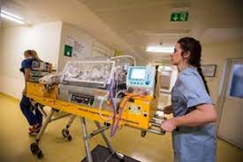
On the pavement outside the front door of the National Maternity Hospital on Holles Street, a neonatal nurse and neonatal doctor are preparing to clamber into a waiting ambulance that is adapted for the transport of critically ill newborn babies.

As consultant neonatologist Prof John Murphy walks by, he stops to have a quick word about what has been a busy week for this transport team, which can be mobilised within 20 minutes of a call. The three Dublin maternity hospitals take turns to supply specialist staff for the National Neonatal Transport Programme and this is the NMH’s week on, with the crew about to depart for Cork, having been to Sligo the day before.

It’s now a 24/7 transport service, in no small part thanks to Murphy who, as clinical lead for the National Clinical Programme for Paediatrics and Neonatology, oversaw its expansion from a 9am-5pm operation. This speedy, specialised transfer of infants to the Republic’s four tertiary neonatal intensive care units (NICUs) – three in Dublin, one in Cork – is one of many innovations in the care of newborns over recent decades that have all played a part in the saving of thousands of fragile lives.

Back in 1970, for every 1,000 live births in Ireland, 13 babies would die within the first month. By 2019, that rate had dropped to two per 1,000 live births.

“For every 1,000 births, an additional 11 babies now go home alive,” says Murphy, whose 35 years as a neonatologist in the NMH and Temple Street hospital have spanned many advances in the care of newborns. For instance, he can still remember, in 1992, giving the first dose of surfactant, which “looks like skim milk” and helps babies with immature lungs to breathe.

“I couldn’t believe it. A baby that was very blue and unwell suddenly going very pink; the change was so dramatic. That was a key, life-saving event, one of the keys that unlocked the door to survival of small babies. You could put a tube into their windpipe and give it to them and that made their lungs very flexible and that had a huge impact on mortality.”

Tiny babies of just 23 weeks’ gestation now have a fighting chance of life, while the survival rate for those who reach 26 weeks before birth is close on 80 per cent.

Murphy was “surprised and flattered” to be this year’s recipient of the Kathleen Lynn Medal, awarded by the Royal College of Physicians of Ireland (RCPI) for “exceptional service on behalf of children.” Nevertheless, in this interview to mark the occasion, he is quick to deflect any reflection of personal achievement and instead welcomes it as “very good recognition of neonatology, which is not necessarily the most widely known speciality. I think a lot of people don’t know it exists – until they get a small baby who is sick,” he says, sitting in a boardroom at the top of NMH offices on Mount Street.

Neonatology is a speciality in medical and nursing care that only began to emerge in the 1960s. Other professionals, including dietitians, pharmacists, psychologists and clinical engineers who maintain NICUs’ complex equipment, now have vital roles in the field too.

Covering the care of all babies from birth until one month of age, he describes neonatology as “the ‘human turnstile’ through which everyone passes,” as we adapt to life outside the womb. About 10 per cent of babies require admission to a special care baby unit, although the time spent there may range from hours to several months.

The death of baby Patrick Bouvier Kennedy in August 1963, just three months before his father, US president John F Kennedy, was assassinated, kickstarted huge investment into research around prematurity. Jacqueline Kennedy, who missed her husband’s trip to Ireland earlier that summer due to the pregnancy, had to have a Caesarean section to deliver their infant son 5½ weeks early. Suffering from respiratory distress syndrome, he lived only 39 hours, despite access to the best medical care the US could offer at the time.

Today, he would be a very routine case in any neonatal unit. Although 7 per cent of babies born in Ireland are premature, defined as less than 37 weeks’ gestation, “only about 1-2 per cent of those are really immature and going to cause all the problems”, says Murphy. Initially, neonatology was all about saving lives but its focus has broadened to trying to minimise lifelong effects of a baby’s early departure from its mothership. The brain is the new frontier in the constant quest for improved neonatal care.

“Once you meet a level of survival and your specialty matures, you begin to look at the quality of survival, that is what you are really after.”

Low birthweight, sometimes no more than half a standard bag of sugar, is not the principal problem in itself. Rather, it is the immaturity of their organs. Also, their skin is thin, resulting in a “lobster red” appearance and making them liable to rapid loss of heat and water, as well as open to infections.

Murphy, described as “a true prince of neonatology and paediatrics in Ireland” in the award citation delivered by Royal College of Surgeons in Ireland -Bahrain vice-president and fellow paediatrician Prof Alf Nicholson, traces his choice of career back to childhood. At home in Cork city he used to watch Dr Finlay’s Casebook, a 1960s TV series about a doctor working in the fictional Scottish town of Tannochbrae. “I saw him one day going into a house and seeing a child who was sick and making a diagnosis of meningitis. Then doing a lumbar puncture and the child got better; I thought, ‘I’m going to do that’.” He successfully applied to study medicine at University College Cork.

During medical training, the sight of a baby with apnoea breathing irregularly, made a big impression on him. There was no treatment for it at the time and it made him think if only there was something that could be done. That was before the administration of caffeine was discovered to be really effective for treating this condition, by improving the contracting of the diaphragm.

After several years of further training in the UK, Murphy was the first consultant neonatologist appointed in Wales, before returning to Ireland in 1986 to become one of three at the NMH. Since then, big changes he has worked through include the handling of sensory issues in neonatal care. “There was a time when people were probably less aware of pain in babies. My rule of thumb is that if I find something painful, the baby is jolly well going to find it painful too.”

Loud noises can be very upsetting for these babies who cannot yet filter stimuli. “The modern intensive care unit is a quiet place. No hoovers are allowed in, the floor must be brushed; phones are put on a light system so less noisy.

“Then we have these quiet hours where all the lights go out in the unit and everybody speaks in a whisper and activity goes right down so the babies can rest.” Things that have to be done for a baby, such as taking a blood sample, a swab, changing a nappy, are planned, to reduce the number of disturbances.

“It’s all an attempt to replicate what goes on in the womb, which is really protective, but also to recognise that over-stimulation of these babies may have consequences on their development.”

Another simple intervention has been the placement of preterm babies in a plastic bag immediately after birth to keep them warm before transfer to an incubator. They can lose up to 1 degree Celsius a minute and when once, he recalls, theatre and corridor windows were hastily closed in an effort to alleviate heat loss, this “phenomenal technique” now does a very effective job.

He’s also seen the introduction of nitric oxide gas for the treatment of respiratory distress syndrome and improvements in minimising brain injuries in preterms through the giving of steroids to mothers at risk of premature delivery.

Tracking how these babies fare after they are discharged is vital. At the NMH, the neonatal department’s clinical development psychologist Marie Slevin sees all premature babies back at two years of age for what is known as the Bayley assessment, looking at cognitive skills and speech and language development.

Prof John Murphy is this year’s recipient of the Kathleen Lynn Medal, awarded by the Royal College of Physicians of Ireland for ‘exceptional service on behalf of children.’

“It is very helpful to be constantly getting the feedback,” says Murphy, who sees upcoming World Prematurity Day on November 17th as a way to mark the impact prematurity has on society. “There are very few families, either parents or grandparents, uncles or aunts, who won’t have come across, or had, a baby that was preterm.”

Incidence of prematurity has gone up, mainly because multiple births are a big factor and the rate of twinning has increased significantly, due to more widespread use of assisted reproduction. The Economic and Social Research Institute reported a twinning rate of 18.8 per 1,000 maternities for 2016, an increase of 22.1 per cent over the previous decade.

At the NMH on November 17th, as at other maternity hospitals, some “preemies” and their parents are invited in to celebrate what is achieved within the walls of their NICU. But these are not the only cohort of former patients that Murphy is always delighted to see come bouncing back.

There are also full-term babies for whom the treatment of therapeutic hypothermia (TH), introduced in Ireland in 2009, has proven to be “one of the most amazing changes” in the prevention of disability resulting from oxygen deprivation during birth. Such babies are at high risk of cerebral palsy.

With TH, a cooling jacket is used to lower a baby’s body temperature to 33.5 degrees Celsius, about four degrees lower than normal, within six hours of birth and until it’s 72 hours old. Nobody yet knows precisely how it works, he explains, “but if we learn more about that, we may be able to use some pharmacological methods as well as this physical method of cooling. It seems to act by slowing down, or cooling, the brain activity – and that way the brain cells get a chance to recover.”

About 70 babies are cooled in Ireland every year, giving good results in the term of outcomes. For every case, antenatal, labour and neonatal data is collected and analysed to help increase knowledge in maternity hospitals about oxygen deprivation and see if and where it might have been preventable.

“It has been very rewarding to me to see children who obviously have got a problem at birth and then they have been cooled – and then see them running into you at a clinic, when I would have seen the opposite. As the cooling has gone on, it’s got better and the equipment has got better. And we have got better at managing it.”

Murphy acknowledges the “dichotomy” in keeping preterm babies warm to save life and then cooling some full-term babies to do likewise. “A lot of medicine is counter-intuitive – it doesn’t work out the way you think it’s going to work out,” he says.

Hundreds of trainee paediatricians have benefited from his experience and inspiring passion for the care of the youngest possible members of our population. The training programme set up by the RCPI’s faculty of paediatrics, established in 1992, is, he asserts, “second to none”. About 40 doctors come into it annually after completing their intern year and do an initial two years. They can progress to higher specialist training, which takes another five years.

“They come out at the end of that with their certificate of full training, which is recognised very well internationally. All our young consultants who have been appointed in recent years have all come through our training system, which is very flattering in a way that all these bright young doctors have chosen to stay in Ireland.”

He believes the clinical nature of paediatrics appeals to student doctors. “You have to work out what’s wrong with the child from observation. It’s not as much about tests, as it is with an adult; tests are painful and difficult to do, so you have to go a lot on your clinical skills.”

As for himself, it’s the opportunity to be working with long-term survivors of medical care that he relishes. With a sick, premature baby, there is the satisfaction of setting them up for a lifetime of maybe 80 or 90 years.

He has always found writing up individual cases very stimulating. His father, who used to do a lot of writing advised him that “writing gives an existence to what you do, gives us some meaning.” In his “spare” time, Murphy has, since 1989, edited the Irish Medical Journal, now published only online, and plays golf. He’s married to a doctor and two of their three adult children have followed in their footsteps, while the third is a solicitor.

It’s said that the age of viability for preterm babies is lowered by a week for about every decade of improved neonatal care. Last December, the RCPI recommended 23 weeks’ gestation as the threshold for viability, the previous bar of 24 weeks having been set in 2006. “Anecdotally, we were beginning to resuscitate 23 weeks’ gestation babies so we decided we would lower the limit in recognition of that.”

How much lower does Murphy think it can go? “We haven’t had survivors of 22 weeks, we don’t see that,” he says, while acknowledging that they do in Japan. He reckons it would need another fairly significant innovation before the threshold drops again.

Active management of extremely premature babies is ethically complex and when a baby is born at 23 weeks, important conversations have to be held with the parents about the merits and demerits of intensive care. “You may institute intensive care and then a few days into the intensive care sequence, you find the baby has a major complication, say a brain bleed, and then you reconsider.” There are frank discussions when complications arise, in some “very challenging human scenarios.” Maybe a couple has been through three or four rounds of IVF before achieving a pregnancy that has resulted in an extremely premature delivery.

Constant interaction with colleagues and a sense of camaraderie is what he finds “destressing” in the job. “With our team, the junior hospital doctors are teaching every morning and we all go for tea. You’re meeting every day and discussing things every morning, that takes the stress out of situations because you discuss and unburden your concerns and get the best opinions on how to do X, Y and Z. The hospital has that tradition of being a good place to work.”

Will he ever retire?
“I will eventually,” he smiles.

But he’s certainly showing no sign of it yet.

Source: https://www.irishtimes.com/life-and-style/health-family/parenting/a-lot-of-people-don-t-know-neonatology-exists-until-they-get-a-small-baby-who-is-sick-1.4706642

Westlife perform Starlight in the Ballroom ✨ BBC Strictly 2021

Oct 17, 2021            BBC Strictly Come Dancing

PREEMIE FAMILY PARTNERS

#3 James Boardman: Growing up following premature birth

July 24, 2018

Professor James Boardman, Professor of Neonatal Medicine at the University of Edinburgh, describes his work on the brain development of premature babies, as part of Their world Edinburgh Birth cohort (http://www.tebc.ed.ac.uk/). This presentation was part of a public engagement event called ‘Celebrating your contribution to Scottish Cohort Studies’, which took place in The Assembly Hall on the Mound, on 10th June 2018.

Pregnant Women Urged to Get COVID-19 Vaccine

Michelle Winokur, DrPH, and the AfPA Governmental Affairs Team, Alliance for Patient Access (AfPA)

Public health officials are urging pregnant and breastfeeding moms to get the COVID-19 vaccine – and soon. A federal health advisory from the Centers for Disease Control and Prevention follows the release of new data showing a 70% increased risk of death from COVID-19 during pregnancy. Unvaccinated pregnant women also have a higher risk of early delivery or stillbirth.

Pregnancy and Vaccine Safety

As part of their campaign to encourage pregnant women to get inoculated, Federal health officials are highlighting the safety and efficacy of the vaccine. As the health advisory notes, the vaccine does not increase the risk of miscarriage or birth defects or affect fertility. The COVID-19 vaccine is recommended for pregnant women, recently pregnant, breastfeeding, or trying to get pregnant. Professional medical organizations have endorsed these recommendations, including the American College of Obstetricians and Gynecologists and the Society for Maternal-Fetal Medicine. COVID-19 Among Pregnant Women Despite the benefits to mothers and their unborn babies, only 31% of pregnant women are vaccinated against COVID-19. Being unvaccinated leaves expectant moms vulnerable to contracting COVID-19, while pregnancy makes them more likely to experience severe symptoms and require intensive-level care.

As part of their campaign to encourage pregnant women to get inoculated, Federal health officials are highlighting the safety and efficacy of the vaccine. As the health advisory notes, the vaccine does not increase the risk of miscarriage or birth defects or affect fertility. The COVID-19 vaccine is recommended for pregnant women, recently pregnant, breastfeeding, or trying to get pregnant. Professional medical organizations have endorsed these recommendations, including the American College of Obstetricians and Gynecologists and the Society for Maternal-Fetal Medicine.

COVID-19 Among Pregnant Women

Despite the benefits to mothers and their unborn babies, only 31% of pregnant women are vaccinated against COVID-19. Being unvaccinated leaves expectant moms vulnerable to contracting COVID-19, while pregnancy makes them more likely to experience severe symptoms and require intensive-level care.

Thus far, approximately 97% of pregnant women hospitalized with COVID-19 were unvaccinated. Moreover, in August, 22 pregnant women died of COVID-19, making it the single highest month for COVID-related pregnancy deaths since the pandemic began. In contrast, getting vaccinated protects both expectant moms and her baby. Getting vaccinated is the single most effective way to prevent serious illnesses, death, and adverse pregnancy outcomes from the coronavirus.

A Precaution Not to be Overlooked

Women who are planning to get pregnant take many steps to prepare. Likewise, expectant moms pay extra attention to their health and safety for the sake of their babies. Getting vaccinated against COVID-19 is one precaution they should not overlook. The sooner, the better, say the experts.

References: https://emergency.cdc.gov/han/2021/han00453.asphttp://neonatologytoday.net/newsletters/nt-nov21.pdf

Pregnancy and infancy loss – Grandparents grief

Nov 9, 2020    Pascale Vermont

Pascale Vermont, PhD – Grief counselor Author of Surviving the Unimaginable -Grandparents’ grief after a baby loss Most grandparents feel devastated and very lonely when their son or daughter loses a baby during pregnancy or infancy. In this video I share some suggestions other grandparents have found to be very helpful.

INNOVATIONS

What Happened With Preterm Birth During the Pandemic?

Some mothers — and their babies — may have fared better than others

by Amanda D’Ambrosio, Enterprise & Investigative Writer, MedPage Today – April 8, 2021

While pregnant women have been warned about their potential for more severe COVID-19 illness, a few early reports have suggested one positive finding for this population — that pandemic lockdown restrictions may have coincided with a decrease in preterm births.

Early studies have observed a decline in preterm birth rates during the lockdowns, highlighting a potential “silver lining” of the pandemic. But while these findings are encouraging, experts say there is still not enough data to know whether the reduction in preterm births was widespread, or what factors may have caused this outcome to drop in the first place.

“The jury is out, in terms of what’s the overall impact [of the pandemic] on preterm birth,” said Rahul Gupta, MD, MPH, chief medical and health officer at March of Dimes. While early data may provide some insight into lifestyle changes such as working from home and remote access to healthcare, Gupta said more information is needed before drawing conclusions about preterm birth reductions — and which populations were most affected.

Globally, preterm birth is the leading cause of death in children under 5 years old, according to the WHO. In the U.S., the preterm birth rate has been on a consistent upward trajectory, with 2019 being the fifth straight year in a row that the rate increased. Between 2018 and 2019, the preterm birth rate rose by 2%, according to the CDC.

Clinicians from Denmark and Ireland first began to notice a decline in preterm births last spring — specifically, those that were earliest and most critical. A preprint study from Denmark, which included more than 31,000 infants born between 2015 and 2020, showed around a 90% decrease in extremely preterm births (those born before 32 weeks’ gestation) during the lockdown period. In Ireland, another study published in BMJ Global Health observed a 73% reduction in extremely low birthweight deliveries, from January to April of last year.

Other studies have found that rates decrease for specific populations. A recent systematic review and meta-analysis in The Lancet Global Health found that while the overall preterm birth rate was not significantly different before and during the pandemic, the rate in high-income countries declined by 9%. Spontaneous preterm births in high-income countries saw an even greater reduction, falling by almost 20%.

“Interestingly, there are happy numbers mainly from high-income countries,” said the study’s lead author, Asma Khalil, MD, of St. George’s University Hospitals NHS Foundation Trust in London.

Some reports from the U.S. also reflected a decline, albeit a smaller one. Last April, Stephen Patrick, MD, MPH, of Vanderbilt University, wrote on Twitter that he noticed a lower number of infants in the neonatal intensive care unit (NICU) at his institution.

Last month, Patrick and colleagues published a study in JAMA Pediatrics showing the relationship between preterm birth and stay-at-home orders in Tennessee. Patrick’s team found that the risk of preterm birth fell nearly 15% during the lockdown period, after controlling for maternal age, race, education level, hypertension, and diabetes.

Naima Joseph, MD, MPH, a maternal-fetal medicine fellow at Emory University School of Medicine, said it could be that the decline is related to the environmental and lifestyle changes that occurred during the early months of the pandemic.

Alison Gemmill, PhD, of Johns Hopkins University, said that a number of changes during lockdown may have been associated with drops in the preterm birth rate. When most cars were off the roads, there may have been a decline in the number of preterm births associated with air pollution. Additionally, as pregnant people shifted to remote work and found themselves at home and off their feet, Gemmill said there may have been a decline in physical stress.

Another hypothesis, Gemmill added, is that the decrease in preterm births may have occurred simultaneously with an increase in stillbirths. Some reports have shown an increase in stillbirths during the pandemic (including Khalil’s analysis), but U.S. data has yet to confirm this increase.

Gemmill and colleagues published a study last week (which has not yet been peer-reviewed) showing that the preterm birth rate in the U.S. was one of several birth outcomes that was lower than expected in March and April of last year. But the group also observed that the rate dipped significantly again in November and December — coinciding with the months when infection rates climbed.

“Something is definitely going on,” Gemmill said in an interview. She added that the rates her group observed are crude, and do not describe how different demographic groups in the U.S. were affected. However, she said her research is “detecting a really important signal that doesn’t occur in birth outcomes research.”

Not all U.S. data confirm this pattern. A JAMA study of nearly 9,000 infants at the University of Pennsylvania showed that mothers in 2020 were at the same risk of preterm birth than they had been in years prior.

Gupta, of March of Dimes, stated that the U.S. is not a homogenous society, and preterm birth rates will look different across different populations. Black parents, for example, have a 50% higher chance of having a premature infant than white or Hispanic parents. And while preterm births may have coincided with remote work, that would not apply for the essential workers who continued their employment throughout lockdowns.

Regarding preterm birth outcomes during the pandemic, Gupta said that once scientists break down data by demographics, social determinants of health, and medical comorbidities, he expects there will be a “variety of outcomes.” There is no real-time, national birth surveillance data in the U.S. — so it will take time to understand these outcomes fully.

As far as the theories about which factors may have impacted preterm birth, Joseph said that “mostly, these data have led to more hypothesis generation than anything else more conclusive.”

Gupta agreed, adding that there is more research to be done about both the impacts of COVID-19 infection, as well as the indirect effects of the pandemic.

“I think we really have to better understand what factors during COVID — including lockdowns, unemployment, social interactions, mental health, adherence to medications, job loss — all played a role,” he said. “I think we should not take any of these one factors for granted.”

Source: https://www.medpagetoday.com/special-reports/exclusives/92000

INFANT Led European Network to Advance Development of Algorithms that Detect Brain Injuries in Infants

By Alan Drumm|October 27th, 2021

Working alongside a team of scientists, clinicians and technical experts from 14 different European countries, Dr John O’Toole aims to build capacity and strengthen cooperation among international research groups, with the goal of developing algorithms that will minimise the risk of babies developing catastrophic life-long neonatal brain injuries.

Insufficient oxygen around the time of birth can cause brain injury. For babies born prematurely, the heart and lungs may struggle to adapt to the new environment which can lead to brain injury too. Brain monitoring of a tiny infant in an intensive care unit is challenging.

It can be difficult and slow to interpret the complex brain-wave patterns.  AI systems are a perfect fit to this problem, as they can be designed to automatically recognise signs of brain injury.

Funded by the European Cooperation in Science and Technology, the researchers involved in the AI-4-NICU project plan to build on existing cot-side technologies, such as devices that measure brain waves, by including AI algorithms to detect markers of brain injury.

This, Dr O’Toole anticipates, will lead to the development of decision-support tools that will help clinicians in neonatal intensive care units to quickly identify potential brain injuries that can result in death, cerebral palsy, or delayed development.

Reading and interpreting the brain-wave signals is a notoriously difficult task which requires highly specialised expertise. AI systems can be designed to mimic the human expert, by shifting through enormous amounts of data to automatically find signs of brain injury.

These AI systems, unlike the human expert, can then run around the clock for all at-risk infants to provide a continuous assessment of brain health.

To develop the device, Dr O’Toole and his team will first develop the tools necessary to acquire, pool, share, and manage neuro-physiological data sets.

They will then create a framework to develop, test, and compare algorithms that they hope will act as decision-support tools in neonatal intensive care units.

Source:https://www.infantcentre.ie/2021/10/27/infant-led-european-network-to-advance-development-of-algorithms-that-detect-brain-injuries-in-infants/

In prematurity, twins can have developmental advantages over singletons

November 2, 2021   Marian FreedmanJon Matthew Farber, MD

A recent study indicates that when born prematurely, twins may have some gains over singleton babies.

A milestone-related assessment of early psychomotor development of preterm (PT) twins compared with PT singletons found that twins born between 32 and 33 weeks’ gestational age (GA) have an early neuro- development advantage over their singleton peers. Italian investigators conducted developmental assessments in 73 PT twins and 207 PT singletons throughout the first 18 months of life. Assessments, using standardized tests and parental observation, included primary gross motor milestones, beginning of babbling, early visual fixation, and being able to follow a moving object. Investigators divided participants into 3 groups according to GA: 17 born at less than 31 weeks (group 1), 30 born between 32 and 33 weeks (group 2), and 26 born between 34 and 36 weeks (group 3). Twins in group 1 not only spoke their first single word significantly earlier than singletons in the group did but also demonstrated persistent superior language skill achievement at long-term follow-up together with better oculomanual abilities. Compared with singletons, group 2 twins also spoke their first single words at a younger age and achieved standing, walking, and pointing earlier. No significant differences emerged between group 3 twins and singletons except that twins demonstrated worse personal and social skills than singletons at long-term follow-up. Overall, investigators concluded that the differences in twins compared with singletons in the 3 groups were independently related to their gemellarity (“twinness”).

Thoughts from Dr. Farber

This is an interesting finding. An earlier study showed that firstborn twins above 28 weeks’ gestation were less likely to have respiratory distress syndrome than singletons. I wonder whether better lungs account for some of the difference. Unfortunately, many of the children, twins or not, had developmental delays at 25 to 36 months of corrected age.

Source:https://www.contemporarypediatrics.com/view/in-prematurity-twins-can-have-developmental-advantages-over-singletons

Child Development: How to Improve Educational Outcomes of Children Born Preterm

Education and Training Foundation

Posted on January 4th, 2021 – In a guest blog, Dr Joanna Goodman, an independent education consultant and expert panel member for developing T Levels, writes why the new Education and Childcare T Level must signpost to evidence-based educational resources for children born prematurely.

In the UK, in an average sized classroom, two to three children are likely to have been born preterm (before 37 weeks of pregnancy). Whilst the numbers of children born preterm are rising, there has been very little training available to education professionals – teachers, educational psychologists, nursery nurses or teaching assistants– with regard to the potential learning difficulties that these children can encounter in early years settings or schools.

It is, therefore, particularly important that the new ‘gold standard’ T Level qualification in Education and Childcare signposts to the evidence-based educational resources for children born prematurely: PRISM resources. These free resources, aimed at education professionals, not only raise the awareness of the impact of prematurity on learning, but also highlight a range of strategies that can be used to improve the educational experiences of these children, ultimately leading to improving their life chances. 

As part of the panel of experts who worked on developing the curriculum for the Education and Childcare T Level, I am now keen to raise awareness and understanding of the potential needs of these children – to bridge the gap between healthcare and education.  Additionally, learning from my experience developing NICE guidelines for the follow-up of children born preterm and subsequently making a contribution to the development of PRISM resources, I feel that I am well placed to raise awareness among education professionals of the potential risk factors and learning needs of this cohort. Moreover, it is critical that any new quality training for education professionals – for example the T Level Professional Development (TLPD) offer – should include evidence-based information that is relevant to particular workplaces. This is particularly imperative when information applies to 8% of the school population, and when education professionals have received very little training in this area to date.

Research asserts that:

…education professionals receive very little training about the impact of preterm birth on children’s development and learning and have poor knowledge of how to support preterm-born children in the classroom. In a recent national survey, only 16% of teachers had received any training about preterm birth and over 90% expressed the need for training. As teachers have primary responsibility for supporting the learning and development of preterm born children in the long term, this represents a significant public health concern. (Johnson, S. et al., 2019).

To address this gap in knowledge and training, it is crucial that any new training or qualification for professionals working with children in education or early years settings, includes high quality evidence-based resources on how to improve the outcomes of children born preterm. 

For those undertaking training within the TLPD offer, the Education and Childcare courses will signpost practitioners to the PRISM resources, which serve to raise awareness and understanding of the different learning techniques when teaching preterm children.

Furthermore, as “preterm birth places children at an increased risk for a range of developmental problems and disorders later in life” and “this disadvantage persists throughout the lifespan with fewer preterm-born adults having completed high school and undertaken higher education” (Johnson, S. et al., 2019), this issue is not only of concern to professionals working in primary school or early years settings. Clearly, awareness of prematurity and potential learning difficulties is applicable to all educational settings, so appropriate teaching and learning strategies can be used for improved outcomes. 

As an experienced educator and an expert on learning, I cannot emphasise enough how fundamental it is for all staff working with children to have the right level of knowledge with regard to child development, including the impact of birth problems on subsequent cognitive, sensory or physical development. Free access PRISM e-resources provide valuable information for adults working with children on risk factors for child development and expected milestones. Despite significant improvements in neonatal care, to date there is no evidence of improved long-term outcomes for these young people. The experts highlight that:

The continued increase in preterm birth rates for extremely preterm babies [born <27 weeks gestation] means that there are increasing numbers of preterm survivors entering societies year on year. This results in greater demands being placed on education systems and their professionals to identify difficulties and provide support for these children in the long term.(Johnson, S. et al., 2019).

According to evidence, these particular areas may require additional support:

  • difficulties with mathematics
  • inattention
  • working memory difficulties
  • slow processing speed
  • poor hand-eye co-ordination
  • social and emotional problems
  • sensory impairments
  • poor fine and gross motor skills.

However, as these children’s development is different to children born full term, it is important to understand that preterm children have different developmental mechanisms behind their difficulties than term-born children. For example, inattention can be linked to poor working memory or visual impairment, rather than attention-deficit-hyperactivity disorder, as known in term-born children. It is also worth noting that the attainment of these children is often lower by comparison with peers and some may never attain at the same level as their peers born at term.

For these reasons, and to minimise external interventions, it is important for any professionals working with children to engage with these interactive free e-learning resources, which are the only kind of resources available worldwide. An early evaluation of these resources indicates they have “substantially improved teachers’ knowledge of preterm birth and their confidence in supporting preterm children in the classroom.” (Johnson, S. et al., 2019). This is why the access to these resources provides another important dimension to the study of child development as part of T Level training in Education and Childcare, through the TLPD offer.

Source:https://www.et-foundation.co.uk/t-level-professional-development-tlpd/child-development-how-to-improve-educational-outcomes-of-children-born-preterm/

HEALTH CARE PARTNERS

The U.S. needs more nurses, but nursing schools don’t have enough slots

October 25, 20215:00 AM ET YUKI NOGUCHI  HEALTH INC

Struggle is nothing new to Foxx Whitford.

He grew up desperately poor in Fairfield, Calif., losing a beloved brother to epilepsy and getting evicted from his home as a child. As a teenager, he joined the Marines to help put himself through college and he completed a harrowing tour in Afghanistan. All of that hardship, he says, prepared him for one of his biggest life challenges: getting into and through nursing school during a pandemic.

“Every time things get hard, I always think about all those losses and hard times,” says Whitford, a nursing student at California State University, East Bay.

And everything about his nurse training has been hard. Whitford, a C-average student in high school, says he spent sleepless nights in community college, studying and teaching himself to learn. After nearly failing an anatomy course, he eventually made the dean’s list and won student-athlete awards. Still, when he tried to transfer to a four-year bachelor of science in nursing program, he lost out. There were some 800 others applying for 64 slots.

He waited a year to reapply and finally got in. Then the pandemic hit — making it even more difficult to get the clinical experience he needs to graduate.

Across the country, hospitals desperate for nurses — especially in acute care —are trying to address intense burnout among health care workers and accelerated nurse retirements by hiring new graduates. They’re offering jobs to students even before they graduate, and in many cases offering bonuses and loan repayment as financial incentives. And the interest is there; enrollments and applications in baccalaureate and advanced nursing degree programs increased last year. Leaders in nursing say the trends — which predate the pandemic — are the same for certificate programs in licensed practical nursing, licensed vocational nursing and certified nursing assistants programs.

Yet — paradoxically — becoming a nurse has become more difficult, narrowing the pipeline for new nurses coming through the system.

A lack of instructors is part of the problem

One of the biggest bottlenecks in the system is long-standing: There are not enough people who teach nursing. Educators in the field are required to have advanced degrees yet typically earn about half that of a nurse working the floor of a hospital.

Health workers know what good care is. Pandemic burnout is getting in the way

The pandemic worsened those financial strains, forcing many educators to look for more lucrative work, says Sharon Goldfarb, who has advanced degrees in nursing care, has worked as an RN and family nurse practitioner and teaches nursing at several schools near San Francisco. Her spouse lost his job during the pandemic and that is one of the most common reasons educators are leaving, she says. She surveyed 91 community colleges in California and found nursing faculty declined 30% since the pandemic began.

“To lose an additional 30% has been devastating,” she says. “There is not a school I know of that isn’t desperately looking for nursing faculty.”

That desperation is compounded by an aging demographic. With so many in their late 50s and 60s, the country’s nursing faculty is continuing to decline, to about two-thirds what it was in 2015.

Taken together, those factors are severely limiting the number of students that schools can accept, and in some cases it disrupts classes themselves.

“Some schools went on hiatus; some schools reduced their enrollment, so they took even fewer students; some schools … scrambled so much, they actually have to extend semesters,” Goldfarb says.

The pandemic curtailed training programs

In addition, since the beginning of the pandemic, nursing students have had a harder time getting the clinical or hands-on training required to graduate, because hospitals curtailed their training programs to control the risk of infection.

“Faculties and schools have found ways to innovate, to educate students by the use of the internet, distance learning, and simulation labs,” says Peter Buerhaus, a professor and health economist at Montana State University’s College of Nursing who studies the nursing workforce. Those innovations have helped mitigate the impact of the pandemic on education, he says, but schools aren’t like factories that can ramp up their production.

The nursing shortage, he says, was more acute in the 1990s, when hospitals drastically cut back on staff to cut costs. But with the retirement of baby boomers, the influx of new nurses needs to keep up.

Last year, enrollment in baccalaureate and higher-level nursing degree programs increased, but colleges and universities (not including community college nursing programs) still turned away more than 80,000 qualified applicants due to shortages of faculty, clinical sites and other resources, according to the American Association of Colleges of Nursing.

How one applicant persevered

Whitford, the nursing student aiming to become an RN, is getting even more specialized training as an ER nurse. He says many people ask him how he has persevered through the gantlet of nursing school. “Everything I have, I’ve always had to work extremely hard for,” he tells them.

At age 10, shortly after his brother — whom he describes as his “best friend” and idol — died of epilepsy, Whitford started working at a bowling alley to supplement his father’s truck-driving income. “We had to struggle a lot when I was growing up, in terms of getting food on the table.”

His early childhood tested him, he says, and ultimately deepened his resolve.

“Pursuing nursing,” he says, “was my ticket to doing everything that I wanted.” And that meant getting out of poverty and into meaningful work he loved.

His childhood experiences also made him feel comfortable in chaos. So when the pandemic hit, Whitford became even more eager to join the front lines: “I like being in tents outside in [expletive] conditions — terrible stuff that people don’t want to do,” he says. “I’m not always the strongest in those conditions, but I like working through them, so that way I can learn how to be strong in those situations. Because I feel like, a lot of times when things go wrong, people would look to me for answers.”

For many others, though, the path to nursing is too steep.

Financial strain often gets in the way

Over the past 15 years, Nathan Ballenger, 46, has tried three separate times to enroll in nursing school. He’s harbored lifelong dreams of a career in medicine, which the Colorado native considers heroic work. During the pandemic, he even got certified as an emergency medical technician, hoping that would give him a foot in the door and an advantage over his fellow nursing school applicants.

But the cost and difficulties of a nursing degree program and training — and the pay cut he would have had to take compared to what he earns his current salesman’s job — meant he simply couldn’t afford to go in that direction.

“It’s hard for me to say that I see a path toward that,” he says, “regardless of the fact that I hold it in my mind and in my heart as something that I sure wish I could have done in this lifetime.”

Hospitals recognize the need to lower some of the barriers to becoming a nurse, while maintaining high standards of education, training and patient care.

Hospitals are not only offering full scholarships and loan repayment to recruit registered nurses these days, many are also offering to put new graduates through intensive training to acquire special skills, says Robin Begley, CEO of the American Organization for Nursing Leadership and chief nursing officer and senior vice president of workforce for the American Hospital Association. Many hospitals are also partnering with nursing schools to do what they can to widen the pipeline by allowing hospital nurses to take time off to teach, for example.

“We really have to put a real emphasis on the pipeline and making sure that everybody who wants to become a nurse has the opportunity to be able to secure a position in a nursing program,” Begley says.

Source:https://www.npr.org/sections/health-shots/2021/10/25/1047290034/the-u-s-needs-more-nurses-but-nursing-schools-have-too-few-slots

Losing Touch

Perspective -Ken Wu, M.B., B.S.

We called it the “cold light.” It looked like a small blue button with a power cord attached to the end of it. At its center was a single round eye that emitted a light, crimson in color and piercing in power. In the neonatal intensive care unit (NICU), we used the cold light to find our patients’ veins, but in the baby in front of us, we found nothing.

My attending physician switched off the cold light. I looked at my patient, pondering this tiny embodiment of life writhing inside an incubator. She had been born at 24 weeks of gestation, weighing just over one pound. She was so small that I could see all of her in a single gaze. Her body was smaller than my hand, her hand smaller than my finger. I had looked after her for 3 weeks, but I’d never seen her face — it was always obscured by equipment that was helping her breathe. Yet her vigor far exceeded her size; she had already survived two different infections and now needed a blood transfusion. To give her the transfusion, we needed access to her veins.

We switched the light on again and placed it under one of her arms for another look. The anemic limb transformed into a translucent pearl surrounded by a red halo. Inside the pearl were black lines, some of which were veins. We moved the light up and down the limb, tracking each black line to see if it might be a vein long and straight enough to accommodate an intravenous cannula.

For a moment, I looked at my own arm, its veins bulging from the heat of the incubator. Fortunate to have veins that can easily be seen and felt, I often use my own limbs as an anatomy reference when inserting an intravenous line. I sometimes feel guilty for relying on this guide, especially when I notice a parent’s envious gaze at my arm as I make my nth attempt to find a vein in their child. “I am sorry this is difficult. I hated needles as a child,” I always say, adding, “I still hate getting my flu vaccine every year.”

Although in the NICU most procedures are not done under the watchful eye of worried parents, I still felt the guilt and shared the parents’ pain. My patient’s limbs were dotted with puncture marks and bruises. Practically, I used them as a record of previous attempts and a road map for potential entry points. Viscerally, I could not help but feel the twitch of a limb withdrawing from pain every time a needle went through the baby’s skin. “I’m sorry, baby,” I murmured. But who I was talking to — the still-nameless baby, who lacked the awareness to accept apologies? The parents, absent in body but present in mind?

Or was I really apologizing to myself for physicians’ facile recourse to medical necessity as justification for inflicting physical pain? From the moment this baby was born, we had intubated her, fed her using an orogastric tube, and repeatedly inserted intravenous lines to give her medications. Although I knew these invasions of her organs were necessary in order to replace the lifeline from which she’d been prematurely separated, their importance did not diminish their noxiousness. In my mind, I could still see the imprint of a laryngoscope blade in the baby’s neck as she was intubated and feel the silent gags of a voiceless newborn as the orogastric tube passed through her mouth. The knowledge that these procedures were lifesaving dampened but did not eliminate my empathetic discomfort.

After every blood test I’d had as a child, I’d run into the arms of my parents. But here in the NICU, there were no comforting hugs, no whispers of “It’s OK, it’s all over,” no rewards of lollipops or bravery stickers. When we finished inserting the cannula, I cleaned the area, checked the insertion site for bleeding and leaks, and closed the doors of the incubator. The sterility was as necessary as it was jarring. I glanced back as I walked away and saw one tiny arm outstretched, while the other was weighed down by the cannula. Although we’d obtained the access we needed, the baby seemed to be reaching out for the parental touch she missed.

But the only people she could touch worked in the NICU, living and thriving in an intimidating environment defined by a hawkish hygiene policy, the complex fragility of the newborns, and the minutiae of the care we provided. When new parents first enter the NICU, I can always see the subdued heartache reflected in their crestfallen faces. For them, the NICU is a place of hope, of patience, but also of submission. For the first weeks or months of their child’s life, it is up to the NICU team to feed and diaper their baby. Procedures are carried out, investigations done, and treatments started with emergency consent only, in the absence of parents. The complexities of neonatal medicine, the difficulties of neonatal procedures, and the absurdities of minute size all overwhelm parents who are newly flooded with the emotions of parenthood and protection. The parents’ role is reduced to receiving daily updates from a team that has usurped their position as the protectors and nurturers of their baby. Every time I see parents looking at their baby in an incubator, I imagine them struggling to reconcile the joyful anticipation of pregnancy with the frustrating reality of a baby whose skin they cannot touch, whose cries they cannot hear, but whose pain they always feel.

I am conscious that in providing surrogate incubators for babies who were born too soon, we in the NICU place painful restrictions on the most basic of human relationships, the one between parents and their child. Although the team always tries to involve parents in as much of the care and decisions as possible, part of the NICU experience requires parents and baby to lose touch with one another. The touch that is lost by parents is gained by physicians, and we know that our touch can hurt as well as heal.

Taking on some of parents’ responsibilities also means adopting their instinctive burdens. Though I fully grasp the medical necessity of our interventions, I sometimes find carrying them out and justifying them as difficult as parental bystanders find caring for their newborn from afar, especially when it involves so much discomfort for someone so small. Not only am I the one doing the procedures, I am also the one who can and must touch, viscerally connected and thus feeling the immediate effects of causing pain.

As I prepare to insert an intravenous cannula in my next patient, his mother stands up and leaves. “I can’t watch,” she says. “It’s just too much.” Sometimes I wish the parents could stay, or the baby could understand me when I apologize before inflicting more suffering in the name of healing. I stay, the baby’s foot in one hand, cannula in the other, bracing myself for the reflexive kick as the needle pierces the skin.

Source:https://www.nejm.org/doi/full/10.1056/NEJMp2033590

Implementation and Outcomes of a Telehealth Neonatology Program in a Single Healthcare System

Front. Pediatr., 23 April 2021 | https://doi.org/10.3389/fped.2021.648536Lory J. MaddoxJordan Albritton, Janice Morse, Gwen Latendresse, Paula Meek and Stephen Minton

Background: Intermountain Healthcare, an early adopter and champion for newborn video-assisted resuscitation (VAR), identified a reduction in facility-level transfers and an estimated savings of $1. 2 million in potentially avoided transfers in a 2018 study. This study was conducted to increase understanding of VAR at the individual, newborn level.

Study Aim: To compare transfers to a newborn intensive care unit (NICU), length of stay (LOS), and days of life on oxygen between newborns managed by neonatal VAR and those receiving standard care (SC).

Methods: This retrospective, nonequivalent group study includes infants born in an Intermountain hospital between 2013 and 2017, 34 weeks gestation or greater, and requiring oxygen support in the first 15 minutes of life. Data came from billing and clinical records from Intermountain’s enterprise data warehouse and chart reviews. We used logistic regression to estimate neonatal VAR’s impact on transfers. Negative binomial regression estimated the impact on LOS and days of life on supplemental oxygen.

Results: The VAR intervention was used in 46.2 percent of post-implementation cases and is associated with (1) a 12 percentage points reduction in the transfer rate, p = 0.02, (2) a reduction in spoke hospital (SH) LOS of 8.33 h (p < 0.01) for all transfers; (3) a reduction in SH LOS of 2.21 h (p < 0.01) for newborns transferred within 24 h; (4) a reduction in SH LOS of 17.85 h (p = 0.06) among non-transferred newborns; (5) a reduction in days of life on supplemental oxygen of 1.4 days (p = 0.08) among all transferred newborns, and (6) a reduction in days of life on supplemental oxygen of 0.41 days (p = 0.04) among non-transferred newborns.

Conclusion: This study provides evidence that neonatal VAR improves care quality and increases local hospitals’ capabilities to keep patients close to home. There is an ongoing demand for support to rural and community hospitals for urgent newborn resuscitations, and complex, mandatory NICU transfers. Efforts may be necessary to encourage neonatal VAR since the intervention was only used in 46.2 percent of this study’s potential cases. Additional work is needed to understand the short- and long-term impacts of Neonatal VAR on health outcomes.

Full Article: https://www.frontiersin.org/articles/10.3389/fped.2021.648536/full

WHY HEALTH-CARE WORKERS ARE QUITTING IN DROVES

About one in five health-care workers has left their job since the pandemic started. This is their story—and the story of those left behind.

By Ed Yong   NOVEMBER 16, 2021

The moment that broke Cassie Alexander came nine months into the pandemic. As an intensive-care-unit nurse of 14 years, Alexander had seen plenty of “Hellraiser stuff,” she told me. But when COVID-19 hit her Bay Area hospital, she witnessed “death on a scale I had never seen before.”

Last December, at the height of the winter surge, she cared for a patient who had caught the coronavirus after being pressured into a Thanksgiving dinner. Their lungs were so ruined that only a hand-pumped ventilation bag could supply enough oxygen. Alexander squeezed the bag every two seconds for 40 minutes straight to give the family time to say goodbye. Her hands cramped and blistered as the family screamed and prayed. When one of them said that a miracle might happen, Alexander found herself thinking, I am the miracleI’m the only person keeping your loved one alive. (Cassie Alexander is a pseudonym that she has used when writing a book about these experiences. I agreed to use that pseudonym here.)

The senselessness of the death, and her guilt over her own resentment, messed her up. Weeks later, when the same family called to ask if the staff had really done everything they could, “it was like being punched in the gut,” she told me. She had given everything—to that patient, and to the stream of others who had died in the same room. She felt like a stranger to herself, a commodity to her hospital, and an outsider to her own relatives, who downplayed the pandemic despite everything she told them. In April, she texted her friends: “Nothing like feeling strongly suicidal at a job where you’re supposed to be keeping people alive.” Shortly after, she was diagnosed with post-traumatic stress disorder, and she left her job.

Since COVID-19 first pummeled the U.S., Americans have been told to flatten the curve lest hospitals be overwhelmed. But hospitals have been overwhelmed. The nation has avoided the most apocalyptic scenarios, such as ventilators running out by the thousands, but it’s still sleepwalked into repeated surges that have overrun the capacity of many hospitals, killed more than 762,000 people, and traumatized countless health-care workers. “It’s like it takes a piece of you every time you walk in,” says Ashley Harlow, a Virginia-based nurse practitioner who left her ICU after watching her grandmother Nellie die there in December. She and others have gotten through the surges on adrenaline and camaraderie, only to realize, once the ICUs are empty, that so too are they.

Some health-care workers have lost their jobs during the pandemic, while others have been forced to leave because they’ve contracted long COVID and can no longer work. But many choose to leave, including “people whom I thought would nurse patients until the day they died,” Amanda Bettencourt, the president-elect of the American Association of Critical-Care Nurses, told me. The U.S. Bureau of Labor Statistics estimates that the health-care sector has lost nearly half a million workers since February 2020. Morning Consult, a survey research company, says that 18 percent of health-care workers have quit since the pandemic began, while 12 percent have been laid off.

Stories about these departures have been trickling out, but they might portend a bigger exodus. Morning Consult, in the same survey, found that 31 percent of the remaining health-care workers have considered leaving their employer, while the American Association of Critical-Care Nurses found that 66 percent of acute and critical-care nurses have thought about quitting nursing entirely.

“We’ve never seen numbers like that before,” Bettencourt told me. Normally, she said, only 20 percent would even consider leaving their institution, let alone the entire profession. Esther Choo, an emergency physician at Oregon Health and Science University, told me that she now cringes when a colleague approaches her at the end of a shift, because she fears that they’ll quietly announce their resignation too. Vineet Arora, who is dean for medical education at University of Chicago Medicine, says that “in meetings with other health-care leaders, when we go around the room, everyone says, ‘We’re struggling to retain our workforce.’ Nobody says, ‘We’re fine.’”

When national COVID hospitalizations fell in September and October, it was possible to hope that the health-care system had already endured the worst of the pandemic. But that decline is now starting to plateau, and in 17 states hospitalizations are rising. And even if the country dodges another surge over the winter, the health-care system is hemorrhaging from the untreated wounds of the past two years. “In my experience, physicians are some of the most resilient people out there,” Sheetal Rao, a primary-care physician who left her job last October, told me. “When this group of people starts leaving en masse, something is very wrong.”


Health-care workers, under any circumstances, live in the thick of death, stress, and trauma. “You go in knowing those are the things you’ll see,” Cassandra Werry, an ICU nurse currently working in Idaho, told me. “Not everyone pulls through, but at the end of the day, the point is to get people better. You strive for those wins.” COVID-19 has upset that balance, confronting even experienced people with the worst conditions they have ever faced and turning difficult jobs into unbearable ones.

In the spring of 2020, “I’d walk past an ice truck of dead bodies, and pictures on the wall of cleaning staff and nurses who’d died, into a room with more dead bodies,” Lindsay Fox, a former emergency-medicine doctor from Newark, New Jersey, told me. At the same time, Artec Durham, an ICU nurse from Flagstaff, Arizona, was watching his hospital fill with patients from the Navajo Nation. “Nearly every one of them died, and there was nothing we could do,” he said. “We ran out of body bags.”

Most drugs for COVID-19 are either useless, incrementally beneficial, or—as with the new, promising antivirals—mostly effective in the disease’s early stages. And because people who are hospitalized with COVID-19 tend to be much sicker than average patients, they are also very hard to save—especially when hospitals overflow. Many health-care workers imagined that such traumas were behind them once the vaccines arrived. But plateauing vaccination rates, premature lifts on masking, and the ascendant Delta variant undid those hopes. This summer, many hospitals clogged up again. As patients waited to be admitted into ICUs, they filled emergency rooms, and then waiting rooms and hallways. That unrealized promise of “some sort of normalcy has made the feelings of exhaustion and frustration worse,” Bettencourt told me.

Health-care workers want to help their patients, and their inability to do so properly is hollowing them out. “Especially now, with Delta, not many people get better and go home,” Werry told me. People have asked her if she would have gone to nursing school had she known the circumstances she would encounter, and for her, “it’s a resounding no,” she said. (Werry quit her job in an Arizona hospital last December and plans on leaving medicine once she pays off her student debts.)

COVID patients are also becoming harder to deal with. Most now are unvaccinated, and while some didn’t have a choice in the matter, those who did are often belligerent and vocal. Even after they’re hospitalized, some resist basic medical procedures like proning or oxygenation, thinking themselves to be fighters, only to become delirious, anxious, and impulsive when their lungs struggle for oxygen. Others have assaulted nurses, thrown trash around their rooms, and yelled for hydroxychloroquine or ivermectin, neither of which has any proven benefit for COVID-19. Once, Americans clapped for health-care heroes; now “we’re at war with a virus and its hosts are at war with us,” Werry told me.

Beyond making workdays wretched, these experiences are inflicting deep psychological scars. “We want to be rooting for our patients,” Durham told me, “but anyone I know who’s working in COVID has zero compassion remaining, especially for people who chose not to get the vaccine.” That’s why he has opted to do travel-nursing stints, which are time-limited and more lucrative than staff jobs: “It just isn’t worth it to do the job for less than the most I can get paid,” he said. He’s still providing care, but he finds himself emotionally detached, and unsettled by his own numbness. For a health-care worker, being shaken by a patient’s death comes with the job. Finding yourself unmoved is almost worse.

Many have told me that they’re bone-weary, depressed, irritable, and (unusually for them) unable to hide any of that. Nurses excel at “feeling their feelings in a supply closet or bathroom, and then putting their game face back on and jumping into the ring,” Werry said. But she and others are now constantly on the verge of tears, or prone to snapping at colleagues and patients. Some call this burnout, but Gerard Brogan, the director of nursing practice at National Nurses United, dislikes the term because “it implies a lack of character,” he told me. He prefers moral distress—the anguish of being unable to take the course of action that you know is right.

Health-care workers aren’t quitting because they can’t handle their jobs. They’re quitting because they can’t handle being unable to do their jobs. Even before COVID-19, many of them struggled to bridge the gap between the noble ideals of their profession and the realities of its business. The pandemic simply pushed them past the limits of that compromise.

The United States uses the rod of Asclepius—a snake entwined around a staff—as a symbol of medicine. But the pandemic suggests that the more fitting symbol might be the Ouroboros, a snake devouring its own tail.

Several health-care workers told me that, amid the most grueling working conditions of their careers, their hospitals cut salaries, reduced benefits, and canceled raises; forced staff to work more shifts with longer hours; offered trite wellness tips, such as keeping gratitude journals, while denying paid time off or reduced hours; failed to provide adequate personal protective equipment; and downplayed the severity of their experiences.

The American Hospital Association, which represents hospital administrators, turned down my interview request; instead, it sent me links to a letter that criticized anticompetitive pricing from travel-nursing agencies and to a report showing that staff shortages have cost hospitals $24 billion over the course of the pandemic. But from the perspective of health-care workers, those financial problems look at least partly self-inflicted: Many workers left because they were poorly treated or compensated, forcing hospitals to hire travel nurses at greater cost. Those nurses then stoke resentment among full-time staff who are paid substantially less but are often asked to care for the sickest patients. And in some farcical situations, “hospitals hired their own staff back as travel nurses and paid them higher rates,” Bettencourt said.

Whatever the intentions behind these decisions, they were the final straw for the many health-care workers who told me that they left medicine less because of COVID-19 itself and more because of how their institutions acted. “I’ve been a nurse 45 years and I’ve never seen this level of disaffection between clinicians and their employers,” Brogan told me. The same is true across almost every sector of the U.S. Record-breaking numbers of Americans left their jobs this April—and then again in July and August. This “Great Resignation,” as my colleague Derek Thompson wrote, “is really an expression of optimism that says, We can do better.”

The culture of medicine makes it hard for health-care workers to realize that. Most enter medicine “as a calling,” Vineet Arora told me, which can push them to sacrifice ever more of their time, energy, and self. But that attitude, combined with taboos around complaining or seeking mental-health help, can make them vulnerable to exploitation, blurring the line between service and servitude. Between 35 and 54 percent of American nurses and physicians were already feeling burned out before the pandemic. During it, many have taken stock of their difficult working conditions and inadequate pay and decided that, instead of being resigned, they will simply resign.

Molly Phelps, an emergency doctor of 18 years, considered herself a lifer. Her medical career had cost her time with her family, wrecked her circadian rhythms, and taxed her mental health, but it offered so much meaning that “I was willing to stay and be miserable,” she told me. But after the horrific winter surge, Phelps was shocked that her hospital’s administrators “never acknowledged what we went through,” while many of her patients “seemed to forget their humanity.” Medicine’s personal cost seemed greater than ever, but the fulfillment that had previously tempered it was missing. On July 21, during an uneventful evening spent scrolling through news of the Delta surge, Phelps had a sudden epiphany. “Oh my God, I think I’m done,” she realized. “And I think it’s okay to walk away and be happy.”

America’s medical exodus is especially tragic because of how little it might have taken to stop it. Phelps told me that if her workplace “had thrown a little more of a bone, that would have been enough to keep me miserable for 13 more years.” Some health systems are starting to offer retention bonuses, long-overdue raises, or hazard pay. And the next generation of health-care workers doesn’t seem to be deterred. Applications to medical and nursing schools have risen during the pandemic. “That workforce is apparently seeing the best of us, and maybe their vision and energy is what we need to make us whole again,” Esther Choo told me.

But today’s students will take years to graduate, and the onus is on the current establishment to reshape an environment that won’t immediately break them, Choo said. “We need to say, ‘We got this wrong, and despite that, you’re willing to invest your lives in this career? What an incredible gift. We can’t look at that and change nothing.’”

The health-care workers who have stayed in their jobs now face a “crushing downward spiral,” Choo told me. Each resignation saddles the remaining staff with more work, increasing the odds that they too might quit. They don’t resent their former colleagues, but some feel that medicine’s social contract, wherein health-care workers show up for one another through tragedy, is fraying. Before the pandemic, “I knew exactly who I would be working with in every single role,” Choo said.

“There was a lot of unspoken communication, and my shifts were so smooth.” But with so many people having left, the momentum that comes from trust and familiarity is gone.

Expertise is also hemorrhaging. Many older nurses and doctors have retired early—people who “know that one thing that happened 10 years ago that saved someone’s life in a clutch situation,” Cassie Alexander said. And because of their missing experience, “things are being missed,” Artec Durham added. “The care feels frantic and sloppy even though we’re not overrun with COVID right now.” Future patients may also suffer because the next generation of health-care workers won’t inherit the knowledge and wisdom of their predecessors. “I foresee at least three or four years post-COVID where health-care outcomes are dismal,” Cassandra Werry told me. That problem might be especially stark for rural hospitals, which are struggling more with staff shortages and unvaccinated populations.

This decline in the quality of health care will likely occur as demand increases. Even in the unlikely event that no further COVID-19 infections occur, the past months have left millions with long COVID and other severe, chronic problems. “I’m seeing a lot of younger people with end-stage cardiac or neurological disease—people in their 30s and 40s who look like they’re in their 60s and 70s,” Vineet Arora told me. “I don’t think people understand the disability wave that’s coming.”

Hospitals are also being flooded by people who don’t have COVID but who delayed care for other conditions and are now in terrible shape. “People are coming in with liver failure, renal failure, and heart attacks they sat on for weeks,” Durham told me. “Even if you take COVID out of the equation, the place is a mess with sick patients.” This pattern has persisted throughout the pandemic, trapping health-care workers in a continuous, nearly two-year-long peak of either COVID or catch-up care. “It doesn’t feel great between surges,” Choo told me. “Something always replaces COVID.”

Throughout the pandemic, commentators have looked to COVID-hospitalization numbers as an indicator of the health-care system’s state. But those numbers say nothing about the dwindling workforce, the mounting exhaustion of those left behind, the expertise now missing from hospitals, or the waves of post-COVID or non-COVID patients. Focusing on COVID numbers belies how much harder getting good medical care for anything is now—and how long that trend could potentially continue. Several health-care workers told me that they are now more concerned about their own loved ones being admitted to the hospital. “I’m worried about the future of medicine,” Sheetal Rao said. “And I think we all should be.”

A life outside medicine can be hard for people who have built their identities within it. For some, it’s like returning from war and mingling with civilians who don’t understand what you went through. “I met up with some friends who are really bright people but who said, ‘Wait, the winter was traumatizing?’” Molly Phelps told me. She thinks that “health-care workers are either preparing for work, at work, or recovering from work,” which leaves little time for talking about their experiences. And those who do talk can hit a brick wall of pandemic denial.

Cassie Alexander also struggled with the fact that she was struggling. “I built my whole identity around being the toughest person I knew, and it was shattering to admit that I was broken and needed help,” she said. She returned to work last week, partly for financial reasons and partly to prove to herself that she can still do it. Others have peeled off to less intense medical roles. And some have no plans to return at all—but feel guilty about abandoning their colleagues and patients. “People going into medicine want to be of service in moments of crisis, so it was hard to watch [further surges] and feel like I was on the sidelines,” Lindsay Fox told me.

Some former health-care workers have found new purpose in tackling health problems at a different scale. Sheetal Rao has helped launch an environmental nonprofit that plants trees in Chicago, especially in poorer neighborhoods that lack them. “In primary care, we focus on prevention, but that’s also about advocating for cleaner air so I’m not just sending my patients home with an inhaler,” she told me.

Dona Kim Murphey, a former physician who now has long COVID, started a political action committee to get doctors into office as part of a plan to reform medicine. “I was growing increasingly concerned about how inhumane our profession is,” she told me. “There’s no culture of physicians organizing and fighting for their rights, but that’s something we should think about to leverage the outrage and frustration that people have.” For the same reason, Nerissa Black, a nurse in Valencia, California, is staying in medicine. She was so disillusioned by her hospital’s handling of the pandemic that she almost left nursing entirely. But she changed her mind to continue being part of the National Nurses United union and advocating for better working conditions. For example, California is the only state that caps the ratio of patients to nurses, and she wants to see similar limits nationwide. “I feel more resolute,” she told me.

Phelps, meanwhile, found the last thing she expected—a sense of peace. She used to scoff when she heard people say that you’re more than your job. “I thought, That may be true for all you nonmedical laypeople, but I am a doctor and it’s who I am,” she told me. And yet, she has experienced no identity crisis. After her last shift this September, she was on a random weekend trip with her children when, in the middle of a pumpkin patch, she started sobbing. “I realized that I was happy, and I hadn’t experienced that in almost two years,” she told me. “I’m not sure I can ever see myself going into an ER again.”

Source:https://www.theatlantic.com/health/archive/2021/11/the-mass-exodus-of-americas-health-care-workers/620713/

Nov 19, 2021      nightyniteswithneli
 
Hi Friends! Welcome back to my channel! I’ve missed you guys so much! November is Prematurity Awareness Month so all month long we will be reading books by Preemie Authors, Parents, Siblings, and Healthcare workers who work with Preemies!
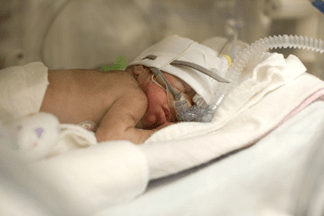
As we transition from a month-long celebration of Premature Awareness in November, I encourage our community to continue the momentum of raising advocacy for our global healthcare/medical community.    

It is troubling that our pre-term birth/Neonatal Womb Warrior community is losing some of its most essential members and that a severely reduced access to trained providers lies ahead. There is a critical shortage globally of access to healthcare providers who are more challenged now than ever to keep all of our hearts beating.   

In the specialty of neonatology clinicians are essential to saving lives and to guiding/empowering parents/caregivers and families in some of their most life-changing and challenging life chapters.   

Throughout the past almost 5 years within this blog we have shared articles calling attention to the critical global Healthcare Workforce shortages. Recently, the loss of many members of our vital global healthcare/medical community has been and is becoming better understood, more clearly documented, and shared to some extent with the Public at large. It is a quickly evolving and sometimes complex situation that demands intelligent and expedited attention in order to mitigate the damaged caused so far. Solutions for developing and rebuilding/expanding the healthcare/medical workforce require the collaborative efforts of actual healthcare/medical provider-directed solutions and a clear patient population needs assessment generated by the patient population itself.   

The loss of clinicians has a staggering impact on the overall functionality and progress of positive health outcomes in every community. Just as we are all touched by preterm birth and preterm birth loss, we are all directly and indirectly impacted by the loss of our clinical workforce at large.    

I encourage us all to do what we can to promote awareness and support for our local and global medical/healthcare community at this time. We all need safe, equitable, timely and sustainable access to preterm birth care, maternal care, general medical and surgical healthcare and ancillary services. We require more than pharmaceuticals thrown our way; we need trained providers to provide us with optimal care that is curative when possible and personalized to meet our unique individual needs.   

With great appreciation and love for our preterm birth/Neonatal Womb Warrior Community, we Thank You. 

Kat, Kathy, and Gannon (our beloved cat). 

These Are The Burly Souls Who Brave Ireland’s Biggest Waves

Nov 7, 2020Red Bull Surfing

The start of the 2020–21 big wave season has been nothing if not historic. Especially in Ireland, where Conor Maguire nabbed what many are calling the biggest wave ever surfed at Ireland’s premiere – and most terrifying – wave, Mullaghmore. Here’s a look back at filmmaker Mikey Corker’s award-winning 2018 docu-series Made In Ireland, which traces surfing’s roots in what was once considered the unlikeliest of surf destinations.

E HEATH, GAPS & BABY BRAIN

Somaliland, officially the Republic of is an unrecognised sovereign state in the Horn of Africa, internationally considered to be part of Somalia. Somaliland lies in the Horn of Africa, on the southern coast of the Gulf of Aden. It is bordered by Djibouti to the northwest, Ethiopia to the south and west, and Somalia to the east. Its claimed territory has an area of 176,120 square kilometres (68,000 sq mi), with approximately 5.7 million residents as of 2021. The capital and largest city is Hargeisa. The government of Somaliland regards itself as the successor state to British Somaliland, which, as the briefly independent State of Somaliland, united in 1960 with the Trust Territory of Somaliland (the former Italian Somaliland) to form the Somali Republic.

Since 1991, the territory has been governed by democratically elected governments that seek international recognition as the government of the Republic of Somaliland. The central government maintains informal ties with some foreign governments, who have sent delegations to Hargeisa. Ethiopia also maintains a trade office in the region. However, Somaliland’s self-proclaimed independence has not been officially recognised by any country or international organisation. It is a member of the Unrepresented Nations and Peoples Organization, an advocacy group whose members consist of indigenous peoples, minorities and unrecognised or occupied territories.

Source:https://en.wikipedia.org/wiki/Somaliland

Healthcare in Somaliland, as with other Somalia ‘zones’, is largely in the private sector, regulated by the Ministry of Health of the Federal Government of Somalia. The system is largely staffed by undertrained, under-supervised and -paid staff, dependent upon donations from international agencies.

Source: https://bmchealthservres.biomedcentral.com/articles/10.1186/s12913-020-5049-2

PRETERM BIRTH RATES – Somaliland

The self-declared country of Somaliland remains largely unrecognized by the rest of the world. We were not able to gain preterm birth rates for Somaliland.  

We “recognize” Somaliland as a respected member of our global Neonatal Womb Warrior/preterm birth community.

Rank: unknown –Rate: unknown  Estimated # of preterm births per 100 live births 

  (USA – 12 %, Global Average: 11.1%)

COMMUNITY

These Female Doctors Are Changing the Lives of Fistula Survivors In Somaliland

MEGAN IACOBINI DE FAZIO   3 May 2018

On one day in March dozens of people gathered in a hospital in Hargeisa, Somaliland. The bright room was decorated with flowers and banners in red, green and white, the colours of Somaliland’s flag. Doctors –foreign and Somali – ministers, medical students, former patients and journalists filed in, greeting each other, standing in little groups and talking animatedly. A man walked to the front, bowed his head, and intoned a prayer over the crackly microphone, and the murmur turned to silence as people took to their seats.

Minutes later, a woman dressed in an elegant blue gown took to the podium. Edna Adan, the face of Somaliland’s healthcare and founder of the hospital where this event took place, is in her 80s, but the passion in her voice and her strong demeanour make her seem decades younger.

We were all gathered to celebrate the 16th anniversary of the Edna Adan Hospital, which has been a shining example of healthcare and education since its inception.

“I always felt there was a need to provide Somalilanders with better healthcare,” says Edna, whose doctor father she credits with inspiring her to pursue medicine. “And that’s why, as a child, I decided I would build a hospital.”

Before she retired in 2002, Edna — who worked with the World Health Organization in the region after a working as a nurse — founded the hospital with the view of drastically reducing child and maternal mortality in the country.

“Women in Somaliland have the world’s highest mortality rates because there are no health facilities and few health professionals,” she says. “Seeing the magnitude of the problem and knowing the limited resources, I decided to put everything I could into reproductive health, and it’s the most rewarding thing that we’ve done.”

Since opening its doors, the hospital has delivered thousands of healthy babies, and its maternal mortality rate is a tiny fraction of the national average. The hospital has also become a centre for the treatment of obstetric fistula, one of the most devastating conditions faced by women in developing countries.

“Fistula can happen when women go through a long labour, and especially when they deliver at home, far from hospitals, in rural areas with no facilities or doctors,” explains 32-year-old Dr. Shukri Mohamed Dahir, Somaliland’s first female fistula surgeon.

“Pressure between the pelvic bone and fetal head kills the tissue of the bladder and rectum, and a small hole develops,” says Dr. Dahir. This hole – the fistula – can cause the woman to uncontrollably leak bodily waste, with shattering health and social consequences.

Shukri studied midwifery and nursing at Edna Adan Hospital, which later sponsored her through medical school. After she graduated in 2011, Dr. Dahir returned to Edna Adan’s hospital to learn about surgery.

“I always wanted to solve women’s problems myself, rather than hand them off to a male doctor to solve,” says Dr. Dahir. “And I also realized how important it was to have woman surgeons so women can feel free.”

Unfortunately, getting her degree wasn’t always enough to convince patients of her expertise: “People were not used to seeing women doctors, and wouldn’t trust us to do the operations. Once, during a consultation with a woman suffering with fistula, I had to pretend to be a student, while my male student posed as the surgeon. After the surgery, I told her I was the one who had cured her, so she let me take over.”

Because of the hospital’s great results, patients are now used to seeing female surgeons, and many of those suffering from obstetric fistula even request to be seen by other women. And, thanks to the Edna Adan University, which was formally established in 2009, it is not only women in the capital who are now receiving world-class healthcare. Graduate doctors from all Somaliland are coming here for training, and returning to their rural clinics with newfound life-saving skills.

“I am glad we are turning 16,” says Dr. Dahir of the hospital. “We have made a huge change in this country.”

Source:https://www.mhtf.org/geography/somaliland/

Learn how to boost your baby’s brain from a Harvard Professor

Feb 25, 2019    From an international health authority  Learn how experts define health sources in a journal of the National Academy of Medicine 

Dr. Jack Shonkoff, Professor of Child Health and Development at Harvard University, shares his important play tips to boost your child’s brain. In the first 1,000 days of life, a baby’s brain forms 1,000 new connections every second. Just 15 minutes of play can spark thousands of brain connections. Learn more: https://uni.cf/2Sk1yEn

Preterm births cost Australian Government $1.4 billion Annually

Monday, 19 July 2021

A new study has shown that the annual cost of preterm birth to the Australian Government is approximately $1.4 billion with one quarter of this arising from the need for educational assistance for those born too soon.

Conducted by the Women & Infants Research Foundation (WIRF) and the Australian Preterm Birth Prevention Alliance, the study was developed to estimate the costs of preterm birth in the first 18 years of life for a hypothetical cohort of 314,814 children – the number of live births in 2016.

Being born too early is the single greatest cause of death in young children in Australia and all similar societies. It is also one of the major causes of disability, both in childhood and adulthood. These disabilities include cerebral palsy, deafness, blindness and learning and behavioural problems.

Recently published in the Australian and New Zealand Journal of Obstetrics and Gynaecology (ANZJOG), the study revealed two thirds of the costs were borne by health care services with costs of preterm birth inversely related to gestational age at birth. Extremely preterm births were most expensive at $236,036 each, very preterm birth at $89,709, and late preterm birth at $25,417.

Chair of the Australian Preterm Birth Prevention Alliance and WIRF’s Chief Scientific Director, Professor John Newnham AM said assessments of economic costs were critical to inform evaluations of interventions aimed at the prevention or treatment of preterm birth.

“Discovering how to safely lower the rate of preterm birth and then evaluating the impact of that effectiveness needs to be one of our highest priorities in contemporary healthcare,” Professor Newnham said.

“The consequences of preterm birth for individuals, families and societies are considerable, both in terms of human suffering and economic consequences.”

Whilst previous international studies had quantified direct medical expenditure, this latest analysis also sought to measure the significant costs to educational services.

“The benefits of preterm birth prevention include fewer children with behavioural and learning problems, including the need for special education assistance,” Professor Newnham said.

 “In our study, additional costs at school were calculated to contribute 25% of the cost of preterm birth. Promotion of programs to safely prevent preterm birth needs to include the educational advantages at school, as well as the profound benefits for families that arise from avoidance of behavioural problems.”

Professor Newnham, the 2020 Senior Australian of the Year, explained that it should no longer be assumed that the high costs of preterm birth are an inevitable consequence of our reproduction.

 “The rate of preterm birth has been rising dramatically in Australia and elsewhere over the last two decades. There are many pathways to untimely early birth, each requiring a different clinical approach, and we have discovered some are now amenable to prevention.” Media Release

In 2014, WIRF launched the WA Preterm Birth Prevention Initiative was launched – the world’s first whole-of-state and whole-of-population program to prevent preterm birth.

Results from the first year of this program revealed a reduction in the rate of preterm birth across WA by 8% and by 20 per cent at the major tertiary level centre – King Edward Memorial Hospital.

The success of the WA program, which has also extended to the ACT as part of their reported 10% reduction of preterm birth rates in 2020, have been underpinned by the development of key interventions to safely lower the rate of early birth.

“When we apply these interventions as part of a multifaceted program across an entire population the rate of preterm birth can be reduced, at least by about 8%. Further advances in potential interventions can be expected to make prevention even more effective,” Professor Newnham said.

“Investing in the prevention of preterm birth is a social and economic investment in our community’s future.”

As accurate data is only available to estimate the costs to 18 years of age, it is reasonable to conclude that the costs to government estimated in the current study represent only a fraction of the eventual overall burden to individuals, families and the nation.

In May 2021, the Australian Government announced $13.7 million in federal funding to bolster the Alliance’s ongoing efforts to lower the rate of preterm birth across Australia.

The funding will support the expansion of a national education and outreach program to safely lower rates of preterm birth in each Australian state and territory.

The study, ‘The health and educational costs of preterm birth to 18 years of age in Australia’, has been published online in the Australian and New Zealand Journal of Obstetrics and Gynaecology.

Authors for the original ANZJOG article are: John Newnham, Chris Schilling, Stavros Petrou, Jonathan Morris, Euan Wallace, Kiarna Brown, Lindsay Edwards, Monika Skubisz, Scott White, Brendan Rynne, Catherine Arrese, and Dorota

Joyful voices to savor from our Somaliland family

Xidigana Geeska Wadani Dhaba Maaha Hargeeisa Book Fair Music Video 2021Jul 29, 2021

Xidigaha Geeska,Najax Nalka,Mubarak October,Suldaan Seeraar, Xariir Axmed, Mursal Muuse, Hodan Abdirahman, Kiin Jamac, Waqal Studio

Breastfeeding status and duration significantly impact postpartum depression risk

Study first to explore current breastfeeding status in association with postpartum depression risk in large national dataset

Date:  September 30, 2021   Source: Florida Atlantic University

According to the United States Centers for Disease Control and Prevention, between 11 and 20 percent of women who give birth each year in the U.S. have postpartum depression symptoms, which is the greatest risk factor for maternal suicide and infanticide. Given that there are 4 million births annually, this equates to almost 800,000 women with postpartum depression each year.

Current biological and psychosocial models of breastfeeding suggest that breastfeeding could possibly reduce a woman’s risk for postpartum depression. However, prior studies only have looked at the initiation of breastfeeding and breastfeeding length. In addition, small and often homogenous samples have yielded ungeneralizable results lacking in statistical power with biased results due to higher levels of education, income, and proportions of white participants compared to the general population of the sampled country.

Researchers from Florida Atlantic University’s Christine E. Lynn College of Nursing and collaborators are the first to examine current breastfeeding status in association with postpartum depression risk using a large, national population-based dataset of 29,685 women living in 26 states

Results of the study, published in the journal Public Health Nursing, demonstrate that postpartum depression is a significant health issue among American women with nearly 13 percent of the sample being at risk. Findings showed that women who were currently breastfeeding at the time of data collection had statistically significant lower risk of postpartum depression than women who were not breastfeeding. In addition, there is a statistically significant inverse relationship between breastfeeding length and risk of postpartum depression. As the number of weeks that women breastfed increased, their postpartum depression decreased. An unexpected finding was that there was no significant difference in postpartum depression risk among women with varying breastfeeding intent (yes, no, unsure).

“Women suffering from postpartum depression, which occurs within four weeks and up to 12 months after childbirth, endure feelings of sadness, anxiety and extreme fatigue that makes it difficult for them to function,” said Christine Toledo, Ph.D., senior author and an assistant professor in FAU’s Christine E. Lynn College of Nursing. “Women with postpartum depression who are not treated also may have negative outcomes, including difficulty bonding with and caring for their children, thoughts of harming themselves or their infant, and also are at an increased risk of substance misuse.”

Woman who have experienced postpartum depression have a 50 percent increased risk of suffering further episodes of postpartum depression in subsequent deliveries. In addition, they have a 25 percent increased risk of suffering further depressive disorders unrelated to childbirth up to 11 years later. Postpartum depression increases maternal morbidity and is associated with increased risks for cardiovascular disease, stroke and type-2 diabetes.

For the study, Toledo and collaborators from the University of Miami School of Nursing and Health Studies, University of North Carolina School of Nursing, Chapel Hill, Seattle University of Nursing, and The University of British Columbia School of Nursing, analyzed dataset from the 2016 Pregnancy Risk Assessment Monitoring System (PRAMS) questionnaire to investigate the association of breastfeeding practices taking into consideration significant covariates such as age, race, marital status, education, abuse before and during pregnancy, cigarette smoking, among others.

“Findings from this important study suggest that breastfeeding is a cost efficient and healthy behavior that can decrease a woman’s risk for postpartum depression,” said Safiya George, Ph.D., dean, FAU Christine E. Lynn College of Nursing. “Nurses in particular play an important role in educating and promoting both the maternal health benefits of breastfeeding and infant benefits such as providing necessary nutrients and protecting them against allergies, diseases and infections.”

Florida Atlantic University. “Breastfeeding status and duration significantly impact postpartum depression risk: Study first to explore current breastfeeding status in association with postpartum depression risk in large national dataset.” ScienceDaily. ScienceDaily, 30 September 2021.

Source:https://www.sciencedaily.com/releases/2021/09/210930101408.htm

Dr. Gabor Mate, philosopher, doctor and  powerful resource, is accessible to those who seek to explore our inner selves, identify avenues to healing,  and gain  a broader perspective of emotional support and healing pathways.  Not always an easy “listen” and therefore a thought provoking experience, Gabor, as he also travels through his life, shares his insights and  perspectives. Dr. Mate invites contemplation as he suggests that a key component of understanding the effects of trauma is not how it affects what we do so much as how it impacts what we do not do. Definitely food for thought…..

Dr Gabor Maté’s Life Advice Will Change Your Future (MUST WATCH)

                                    Jul 12, 2021  #GaborMaté #MotivationThrive

Dr Gabor Maté’s Life Advice Will Change Your Future (MUST WATCH). Who is Gabor Maté? A renowned speaker, and bestselling author, Dr. Gabor Maté is highly sought after for his expertise on a range of topics including addiction, stress and childhood development.

PREEMIE FAMILY PARTNERS

Videos | LIVE series | Preemie Chats

CPBF – Canadian Premature Babies Foundation

Below you can find our virtual educational sessions tailored to NICU parents and healthcare professionals. The sessions are interactive; you can join LIVE every Friday at 1pm EST either on our Facebook or YouTube pages. This is a great opportunity to chat with experts, researchers, and parents from all over the world. There is an abundant collection of interesting videos, and here are  a few examples:

Prematurity and Autism Spectrum Disorder -Vision Development from Infancy to Childhood -LGBTQ+ in the NICU -Preterm Birth and Adult Health

Source:https://www.cpbf-fbpc.org/videos

Below is a great example of a virtual session CPBF provides weekly to educate Preemie Parents and Healthcare Professionals.

An Adult Preemie Tells Her Story

February 2021

Pediatric and Fetal Surgeon, Dr. Timothy Crombleholme Explains Open Fetal Surgery

 Jun 25, 2018Fetal Care Center Dallas

Dr. Timothy M. Crombleholme is a pediatric and fetal surgeon recognized worldwide for his experience in fetoscopic surgery, open fetal surgery, image-guided fetal intervention and EXIT procedures. Dr. Crombleholme emphasizes educating his families about what to expect for the surgical procedure and throughout the pregnancy. “Our families are some of the most relaxed families in the newborn nursery because they have processed everything and have been prepared for the delivery and the challenges the baby faces, and nothing is intimidating to them.”

Fortifying Family Foundations

Assistant Professor Ashley Weber’s intervention empowers parents to care for their premature infants

By Evelyn Fleider –  July 20, 2021

Imagine you are a new mom or dad whose baby was recently born at fewer than 32 weeks old. Your infant needs weeks-long, round-the-clock support in the hospital, but you do not have the job flexibility that allows you to spend time there, a trusted sitter to care for your other child/children or reliable transportation to get you there. You are overwhelmed, emotional and missing out on critical moments at the hospital, when you could get to know your baby and learn to manage their complex care and needs.

Each year, about 100,000 U.S. women give birth to babies considered very or extremely premature who require long-term stays in a neonatal intensive care unit (NICU) and who are at a high risk of developing chronic conditions. But not all parents get the formal training they need to keep their child healthy, which can cause mental health issues for parents. To address the critical need for an effective, streamlined model of parent-driven care, Ashley Weber, PhD, RN, a practicing NICU nurse and assistant professor at the College, is piloting PREEMIE PROGRESS, a video-based intervention that helps parents understand, monitor and manage their infant’s care while in the NICU.

With the financial backing of a National Institutes of Health (NIH) grant, Weber and the College’s Center for Academic Technologies and Educational Resources (CATER) team designed and built the intervention to deliver education to overwhelmed, high-risk parents with low literacy and education through accessible, platformagnostic videos and optional worksheets. Parents can learn by watching the videos or completing worksheets
while doing laundry or caring for other family members at home. Specifically, PREEMIE PROGRESS provides family management skills including negotiated collaboration, care systems navigation, emotion control, outcome expectancy and more.

“Our mortality rates have significantly gone down over the decades, but long-term complications from prematurity have not changed,” Weber says. “We need to decrease the stress and sensory stimulation that babies experience throughout their NICU stay. Also, research shows that babies do best when they’re with their parents.”

Although parent education interventions exist, socioeconomic barriers, such as the lack of mandated paid family leave in the U.S., often prevent parents from participating in these opportunities and learning about their baby’s complex care during their NICU stay. The need to return to work shortly after birth or lack of transportation to the NICU are some of the various obstacles that prevent parents from being able to focus on their baby’s health and deliver the majority of care in the NICU.

“If you can spend large amounts of time in the NICU, you get to learn; nurses educate you on the plan of care and you participate in rounds, getting to know your baby,” Weber says.

“I wanted to build an intervention that could help disadvantaged families learn outside of the NICU, so that when they are able to be in the NICU, they maximize that time and spend it caring for their baby as opposed to playing catch-up.”

Currently, Weber and her team are refining PREEMIE PROGRESS through iterative usability and acceptability testing. In October, they will start testing feasibility and acceptability of the refined intervention and study procedures in a pilot randomized controlled trial with 60 families over the course of two years. They anticipate the intervention will decrease parent depression and anxiety, increase infant weight gain and receipt of mother’s milk and reduce neonatal health care utilization. Weber then plans to submit a competitive R01 for additional funding to conduct an even larger trial.

PREEEMIE PROGRESS has been years in the making for Weber, who in 2018 worked with the College of Nursing’s instructional designers, technology specialists, videographers and graphic designers to create the first prototype. She hopes the project will eventually evolve into a collaborative partnership among NICUs in Cincinnati, Columbus and Cleveland to conduct research trials centered on improving family care.

Weber’s long-term goal is to become a leader in designing, disseminating and implementing sustainable family management programs to improve health outcomes in the NICU. Regardless of her success, she recognizes that the best thing she can do for her patients is to advocate for universal paid family leave, better childcare and transportation infrastructures.

“We can come up with all sorts of interventions for reducing parent and infant stress and changing the way providers deliver care in the NICU, but if a mom doesn’t have the money to pay for a babysitter so she can get to the NICU or doesn’t have paid leave and has to go back to work a week or two after birth, the chances of parent engagement in care are extremely low,” Weber says. “I hope that PREEMIE PROGRESS empowers families who are at a disadvantage through no fault of their own. We want to give NICU families skills they can use for a lifetime, but these broader public health policies to support the social determinants of family success are really needed in order to move family research forward in the NICU.”

Source:https://www.uc.edu/news/articles/2021/07/fortifying-family-foundations.html

A Day in the Life of the NICU

Apr 25, 2017         Medtronic Minimally Invasive Therapies Group

Watch how staff at Rush University Medical Center combats neonatal stress. (14-RE-0016)

HEALTHCARE PARTNERS

Gaps in Palliative Care Education among Neonatology Fellowship Trainees

Catherine Lydia Wraight   Jens C. Eickhoff   Ryan M. McAdams

Published Online:27 Jul 2021https://doi.org/10.1089/pmr.2021.0011

Abstract

Background: To provide proper care for infants at risk for death, neonatologists need expertise in many areas of palliative care. Although neonatology training programs have implemented a wide variety of palliative care educational programs, the impact of these programs on trainees’ skills and effective communication regarding end-of-life issues remains unclear.

Objective: To determine whether neonatology fellowship programs are providing formal palliative care education and assess whether this education is effective at increasing fellows’ self-reported comfort with these important skills.

Methods: An anonymous survey was sent to program directors (PDs) and fellows of ACGME accredited neonatology fellowship programs in the United States. Using a 5-point Likert scale, participants were asked about the palliative care education they received, and their comfort level with several key aspects of palliative care.

Results: Twenty-four (26%) PDs and 66 (33%) fellows completed the survey. Fourteen PDs (58%) reported including palliative care education in their formal fellowship curriculum, whereas only 20 (30%) responding fellows reported receiving palliative care education. Of the responding fellows, most (80%) reported being uncomfortable or only somewhat comfortable with all assessed areas of palliative care. Fellows who received formal education were more comfortable than those without it in leading goals of care conversations (p = 0.001), breaking bad news (p = 0.048), discussing change in code status (p = 0.029), and grief and bereavement (p = 0.031).

Conclusions: Most fellows report being uncomfortable or only somewhat comfortable with essential areas of palliative care. Formal palliative care education improves fellows’ self-reported comfort with important aspects of end-of-life care. To promote a well-rounded neonatology fellowship curriculum, inclusion of formal palliative care education is recommended.

Source:https://www.liebertpub.com/doi/10.1089/pmr.2021.0011

STRESS IN THE NICU

Stressful events – a byproduct of life for babies in the NICU – may increase their heart rate and blood pressure, while decreasing their oxygen levels.  Even sensory and environmental stimuli we take for granted, such as a simple touch and noise and bright lights, can affect physiologic responses such as heart rate, respiration, and oxygen saturation.

The additive impact of multiple stressors over time may have profound long-term consequences on the lives of NICU babies.  In the rapidly developing perinatal brain, repeated neonatal stress may have long-term effects on the central nervous system,  including effects on neural structure, function, and development.

Doctor and Two Nurses Drive 2 Miles In Texas Snowstorm To Deliver Premature Baby

Mar 4, 2021     Uplifting Stories in a Minute

Despite being only 24 weeks pregnant, Kimberley Arias went into labor in the middle of the Texas snowstorm. Thanks to the help of Dr. John Loyd and nurses Kelly Clause and Nicole Padden who traveled 2 hours in the blizzard, her baby was delivered safely.

The New Graduate Neonatal Nurse Practitioner’s Transition from Bedside to Head-of-the-Bed

By Chandler Williams, DNP NNP-BC

The Neonatal Nurse Practitioner (NNP) role in the neonatal intensive care unit (NICU) is about to mark its 50th birthday. 

According to the Accreditation Council for Graduate Medical Education, there has been an estimated 33% reduction in resident physician NICU rotations (Jnah & Robinson, 2015). This will only increase the need for NNPs in NICUs across the country. A 2020 survey reported that the average NNP is 51 years old, and there are 40 accredited NNP programs in the US with new NNPs entering the workforce every year (Snapp et al., 2021). One thing all these NNPs have in common is the journey of navigating the transition that is from the bedside RN role to the head-of-the-bed NNP role. New graduate NNPs have feelings of anxiety, insecurity, exhaustion, and lack of confidence in decision making.

The transition period can be looked at in terms of the first year of starting as a new graduate NNP; that’s because most NNPs report feelings of competence and viewing themselves as a member of the NICU team at the end of year 1 (Cusson & Strange, 2008). To ease this transition, novice NNPs should seek out mentors, be aware of areas of weakness or fears, seek out strategies to ease the transition, and consider the familiarity of the unit. NNPs are an important part of a neonate’s care team, and easing this transition is important for the future of NNPs’ careers.

There are many strengths and weaknesses of being a new graduate NNP, and it is important to be aware of these strengths to gain confidence through the transition process, as well as the weaknesses to know there is room for growth and to feel not alone. These strengths include strong assessment skills, hard-working, professionalism, previous neonatal nursing experience, compassion, calculations, and internal motivation to learn and excel. Perceived weaknesses include procedural experience, pharmacologic knowledge, limited experience, nervousness about role transition, doubting oneself, and emotional attachments to patients and families (Jnah & Robinson, 2015).

One way that novice NNPs can ease the transition to the workforce is through mentorship. There is an ease in the transition from RN to NNP in those who seek out mentors. A study on mentoring and self-efficacy in the NNP workforce revealed that mentorship facilitates positive self-efficacy for the novice NNP (Jnah & Robinson, 2015). Novice NNPs enter this new world with a passion for neonatal care and a desire to make a difference in the lives of neonates and their families; however, the fear of the unknown can be daunting. Mentorship is a collaborative relationship that is beneficial to both the mentor and the mentee by encouraging the development of long-term relationships between novice NNPs and experienced NNPs. During the orientation period, the novice NNP is generally placed under the guidance of a preceptor assigned to provide direct supervision and teach the novice NNP in their new clinical setting (Jnah & Robinson, 2015). A preceptor differs from a mentor in that a preceptor is time-limited; mentorship has no time limitations. Less experienced NNPs report longing for mentorship and support from other NNPs after their orientation is complete (Beal et al., 1997). Mentorship has reported increased job satisfaction, productivity, and quality of care (Jnah & Robinson, 2015). New graduate NNPs who seek out mentors and invest in these relationships can anticipate an ease in the role transition process.

There are a lot of opinions on whether it is a more difficult transition for a new graduate NNP in the facility or unit where they were an RN versus a new unit. An experienced NNP recruiter once described this phenomenon via a metaphor between ketchup and mustard bottles; stating that a novice NNP on the unit where that person was an RN is like a ketchup bottle that has been emptied and filled  with mustard. Even though this person is now filled with different substance (NNP knowledge), others will continue to look at them as ketchup (or their previous role).

However, there is evidence to suggest that RNs returning to their previous unit as an NNP has an easier transition and were benefited by their previous knowledge of the unit. It is also reported that those who accept jobs on units where they completed clinical practicum had a less difficult transition. These NNPs report a sense of familiarity with the hospital, unit, and staff. Challenges in these instances include initially being less accepted by nurses on the unit and, often, being questioned by staff nurses who expect them to prove themselves in their new role. There is evidence to suggest that NNPs who transition to their new role in a completely different unit from training or previous employment are more readily accepted by the staff but face a learning curve with regard to organizational culture and practice styles and routines (Cusson & Strange, 2008).

Strategies to enhance the role transition include developing good relationships with all staff, finding a mentor, becoming an active member of a professional nursing organization, sharing needs and accepting guidance, developing strategies to decrease stress, staying up-to-date in current evidence, and realizing that feelings of inadequacy are normal and will dissipate throughout the transition. Although each person develops in their identity of their new role, overall being open to support and guidance and being an active part of your new role as an NNP can increase confidence in the development of a role identity. A strong nursing identity is vital because it is associated with a successful NNP practice (Cusson & Viggiano, 2002).

The NNP is an important part of the neonatal care team. The average age of an NNP is decreasing as the NNP workload in the NICU is increasing across the country. New graduate NNPs will continue to transition in the role from bedside to head-of-the-bed, and can find support in this transition through mentors, self-evaluation, and careful examination of areas of strength and weakness. This transition period is just that, a transition, and there are ups and downs throughout this process. It is important to recognize that the progression of graduating from school, seeking employment, studying and obtaining licensure, and credentialling does not happen overnight. There are a lot of feelings of anxiety and worry, because it seems as if we have little control over the timeframe or outcome.

As the NNP progresses through orientation, and even in the first months of being “on their own,” they may feel anxious and inadequate and experience self-doubt, manifested primarily through questioning their knowledge and skills, wondering if they can handle a crisis or worse, and fearing making a fatal mistake or missing an important diagnoses (Cusson & Strange, 2008). As new graduate NNPs enter the workforce, it is important to provide support them throughout this process.

Source:http://nann.org/publications/e-news/september2021/special-interest-section

INNOVATIONS

Developing eHealth in neonatal care to enhance parents’ self-management

Annica Sjöström Strand1Björn Johnsson2Momota Hena1Boris Magnusson2Inger Kristensson Hallström1

Abstract

Background: Discharge from a neonatal care unit is often experienced as a vulnerable time for parents. By communicating through digital technology, it may be possible to improve the support for parents and thereby make the transition from hospital to home less stressful.

Aim: To develop an eHealth device supporting the transition from hospital to home for parents with a preterm-born child in Sweden using participatory design.

Method: Employing a framework of complex interventions in health care using participatory design. Parents of preterm-born infants and professionals at a neonatal department identified specific technical requirements for an eHealth device to be developed in the context of neonatal care and neonatal home care. The prospective end-users – parents and professionals – were continuously involved in the process of designing solution prototypes through meetings, verbal and written feedback, and interviews. The interviews were analysed using thematic analysis.

Results: Technical development was carried out with the perspectives of professionals and parents in mind, resulting in an eHealth application for computer tablets. The findings from the interviews with the parents and professionals revealed three categories: The tablets felt secure, easy to use and sometimes replaced visits to hospital and at home.

Conclusion: The use of participatory design to develop an eHealth device to support a safe transition from hospital to home can benefit parents, the child, the family, and professionals in neonatal care.

Source:https://pubmed.ncbi.nlm.nih.gov/33950534/

“In a Way We Took the Hospital Home”-A Descriptive Mixed-Methods Study of Parents’ Usage and Experiences of eHealth for Self-Management after Hospital Discharge Due to Pediatric Surgery or Preterm Birth

Rose-Marie Lindkvist1Annica Sjöström-Strand1Kajsa Landgren1Björn A Johnsson2Pernilla Stenström34Inger Kristensson Hallström1

Abstract

The costly and complex needs for children with long-term illness are challenging. Safe eHealth communication is warranted to facilitate health improvement and care services. This mixed-methods study aimed to describe parents’ usage and experiences of communicating with professionals during hospital-to-home-transition after their child’s preterm birth or surgery for colorectal malformations, using an eHealth device, specifically designed for communication and support via nurses at the hospital. The eHealth devices included the possibility for daily reports, video calls, text messaging, and sending images. Interviews with 25 parents were analyzed with qualitative content analysis. Usage data from eHealth devices were compiled from database entries and analyzed statistically. Parents using the eHealth device expressed reduced worry and stress during the initial period at home through effective and safe communication. Benefits described included keeping track of their child’s progress and having easy access to support whenever needed. This was corroborated by usage data indicating that contact was made throughout the day, and more among families living far away from hospital. The eHealth device potentially replaced phone calls and prevented unnecessary visits. The eHealth technique can aid safe self-treatment within child- and family-centered care in neonatal and pediatric surgery treatment. Future research may consider organization perspectives and health economics.

Source:https://pubmed.ncbi.nlm.nih.gov/34203985/

Engaging Frontline Providers Prevents Hypothermia and Improves Communication in the Postoperative Neonate

Guidash, Judith C. BSN, RN, CPHQ; Berman, Loren MD, MHS; Panagos, Patoula G. MD; Sullivan, Kevin M. MD, MBA, FAAP

Advances in Neonatal Care: October 2021 – Volume 21 – Issue 5 – p 379-386 doi: 10.1097/ANC.0000000000000839

Abstract

Background: 

Neonates undergoing surgery are at high risk for perioperative hypothermia. Hypothermia has been associated with increased adverse events. Transfer of care from the operating room (OR) to the neonatal intensive care unit (NICU) adds another layer of risk for this population introducing the potential for miscommunication leading to preventable adverse events.

Purpose: 

The aim of this quality improvement initiative is to decrease mean postoperative hypothermia rate and achieve compliance with use of a standardized postoperative hand-off in neonates transferred to the NICU from the OR.

Methods: 

An interdisciplinary team identified opportunities for heat loss during the perioperative period. The lack of standardized perioperative communication between the NICU and the OR and postoperative communication between neonatology, anesthesiology, surgery, and nursing were noted. Guidelines for maintaining euthermia in the perioperative period and a standardized interdisciplinary postoperative hand-off communication tool were created.

Findings/Results: 

Mean rate for participation in the hand-off process increased from 78.8% to 98.4% during the study period. The mean hypothermia rate improved from 28.6% to 6.3% (P < .0001) and was sustained.

Implications for Practice: 

Creating a hypothermia guideline and standardizing temperature monitoring can significantly decrease the rate of postoperative hypothermia in neonates. Standardization of transfer of care from OR to NICU increases consistent communication between the services.

Implications for Research: 

Future research and improvement efforts are needed to optimize the management of surgical neonates through their transfers of care.

Source:https://journals.lww.com/advancesinneonatalcare/Abstract/2021/10000/Engaging_Frontline_Providers_Prevents_Hypothermia.9.aspx

Nursing Students Create Wearable Night Light

Feb 11, 2021      CBS Pittsburgh

The founders of Lumify Care, Anthony Scarpone-Lambert and Jennifferre Mancillas, have more on the new tool for nurses.

Family-centered music therapy—Empowering premature infants and their primary caregivers through music: Results of a pilot study

Barbara M. Menke, Joachim Hass, Carsten Diener, Johannes Pöschl

Published: May 14, 2021   https://doi.org/10.1371/journal.pone.0250071

Abstract

Background

In Neonatal Intensive Care Units (NICUs) premature infants are exposed to various acoustic, environmental and emotional stressors which have a negative impact on their development and the mental health of their parents. Family-centred music therapy bears the potential to positively influence these stressors. The few existing studies indicate that interactive live-improvised music therapy interventions both reduce parental stress factors and support preterm infants’ development.

Methods

The present randomized controlled longitudinal study (RCT) with very low and extremely low birth weight infants (born <30+0 weeks of gestation) and their parents analyzed the influence of music therapy on both the physiological development of premature infants and parental stress factors. In addition, possible interrelations between infant development and parental stress were explored. 65 parent-infant-pairs were enrolled in the study. The treatment group received music therapy twice a week from the 21st day of life till discharge from hospital. The control group received treatment as usual.

Results

Compared to the control group, infants in the treatment group showed a 11.1 days shortening of caffeine therapy, 12.1 days shortening of nasogastric/ orogastric tube feed and 15.5 days shortening of hospitalization, on average. While these differences were not statistically significant, a factor-analytical compound measure of all three therapy durations was. From pre-to-post-intervention, parents showed a significant reduction in stress factors. However, there were no differences between control and treatment group. A regression analysis showed links between parental stress factors and physiological development of the infants.

Conclusion

This pilot study suggests that a live-improvised interactive music therapy intervention for extremely and very preterm infants and their parents may have a beneficial effect on the therapy duration needed for premature infants before discharge from hospital is possible. The study identified components of the original physiological variables of the infants as appropriate endpoints and suggested a slight change in study design to capture possible effects of music therapy on infants’ development as well. Further studies should assess both short-term and long-term effects on premature infants as well as on maternal and paternal health outcomes, to determine whether a family-centered music therapy, actually experienced as an added value to developmental care, should be part of routine care at the NICU.

Source:https://journals.plos.org/plosone/article/comments?id=10.1371/journal.pone.0250071

Keep Your Brain Young with Music

Health

If you want to firm up your body, head to the gym. If you want to exercise your brain, listen to music.

“There are few things that stimulate the brain the way music does,” says one Johns Hopkins otolaryngologist. “If you want to keep your brain engaged throughout the aging process, listening to or playing music is a great tool. It provides a total brain workout.”

Research has shown that listening to music can reduce anxiety, blood pressure, and pain as well as improve sleep quality, mood, mental alertness, and memory.

The Brain-Music Connection

Experts are trying to understand how our brains can hear and play music. A stereo system puts out vibrations that travel through the air and somehow get inside the ear canal. These vibrations tickle the eardrum and are transmitted into an electrical signal that travels through the auditory nerve to the brain stem, where it is reassembled into something we perceive as music.

Johns Hopkins researchers have had dozens of jazz performers and rappers improvise music while lying down inside an fMRI (functional magnetic resonance imaging) machine to watch and see which areas of their brains light up.

“Music is structural, mathematical and architectural. It’s based on relationships between one note and the next. You may not be aware of it, but your brain has to do a lot of computing to make sense of it,” notes one otolaryngologist.

Everyday Brain Boosts from Music

The power of music isn’t limited to interesting research. Try these methods of bringing more music—and brain benefits—into your life.

Jump-start your creativity

Listen to what your kids or grandkids listen to, experts suggest. Often we continue to listen to the same songs and genre of music that we did during our teens and 20s, and we generally avoid hearing anything that’s not from that era.

New music challenges the brain in a way that old music doesn’t. It might not feel pleasurable at first, but that unfamiliarity forces the brain to struggle to understand the new sound.

Recall a memory from long ago

Reach for familiar music, especially if it stems from the same time period that you are trying to recall. Listening to the Beatles might bring you back to the first moment you laid eyes on your spouse, for instance.

Listen to your body

Pay attention to how you react to different forms of music and pick the kind that works for you. What helps one person concentrate might be distracting to someone else, and what helps one person unwind might make another person jumpy.

Source:https://www.hopkinsmedicine.org/health/wellness-and-prevention/keep-your-brain-young-with-music

Wherever the Art of Medicine is Loved there is also Love of Humanity-Hippocrates

Reflecting on the impact of music therapy on preemie infant survivors and parents highlighted above brings me great joy both as a fellow survivor and a Zumba Instructor. For me music has been a vessel where I am able to tune into feeling emotions internally without the need to express them outwardly or verbally. Learning about the ways in which music therapy may influence the reduction of stressor and physiological development of the parents and preemies is an exciting development.  

The benefits of having therapies like music therapies that allow both the preemies and parents to engage in activities together is empowering. In the many years working as a Zumba fitness instructor, I have witnessed the impact music can have on others. I know for myself it has greatly contributed to my own development as a young child learning to play guitar, and as a teen and adult participating in and teaching Zumba where a variety of international beats is discovered in each class. Likewise, when I have felt uneasy in times of stress and anxiety music has helped me recenter and ground myself in my body. I am thrilled to learn researchers may now have the ability overtime to scientifically measure its tangible impact on the tiny members and parents in our community today.  

My go to music when I am working out and studying is EDM, and for emotional release I may listen to Latin vibes or Alternative pop. What type of music has helped you navigate the waves of your life? Are there songs that aided you along your neonatal community journey? If you are a preemie survivor, I encourage you to consider talking about music with your caregivers/parents. Some interesting stories may be yet to be discovered. 

No surfing in Somaliland but definitely the WAVES to do so.

SWIMMING WITH FISHES

11/3/2020 by RiyoTv

Hargeisa to berbera somaliland 2020!! beach vlog. 4k drone and GoPro

CARERS, DONOR SEX, I-HEROS

Peru is a country in western South America. It is bordered in the north by Ecuador and Colombia, in the east by Brazil, in the southeast by Bolivia, in the south by Chile, and in the south and west by the Pacific Ocean. Peru is a megadiverse country with habitats ranging from the arid plains of the Pacific coastal region in the west to the peaks of the Andes mountains extending from the north to the southeast of the country to the tropical Amazon Basin rainforest in the east with the Amazon river.[9] Peru has a population of 33 million, and its capital and largest city is Lima. At 1.28 million km2 (0.5 million mi2), Peru is the 19th largest country in the world, and the third largest in South America.

The sovereign state of Peru is a representative democratic republic divided into 25 regions. Peru is a developing country, ranking 82nd on the Human Development Index, with a high level of human development with an upper middle income level and a poverty rate around 19 percent. It is one of the region’s most prosperous economies with an average growth rate of 5.9% and it has one of the world’s fastest industrial growth rates at an average of 9.6%. Its main economic activities include mining, manufacturing, agriculture and fishing; along with other growing sectors such as telecommunications and biotechnology. Peru ranks high in social freedom; it is an active member of the Asia-Pacific Economic Cooperation, the Pacific Alliance, the Trans-Pacific Partnership and the World Trade Organization; and is considered as a middle power.

Peru has a decentralized healthcare system that consists of a combination of governmental and non-governmental coverage. Five sectors administer healthcare in Peru today: the Ministry of Health (60% of population), EsSalud (30% of population), and the Armed Forces (FFAA), National Police (PNP), and the private sector (10% of population).

In 2009, the Peruvian Ministry of Health (MINSA) passed a Universal Health Insurance Law in an effort to achieve universal health coverage. The law introduces a mandatory health insurance system as well, automatically registering everyone, regardless of age, who living in extreme poverty under Integral Health Insurance (Seguro Integral de Salud, SIS). As a result, coverage has increased to over 80% of the Peruvian population having some form of health insurance. Health workers and access to healthcare continue to be concentrated in cities and coastal regions, with many areas of the country having few to no medical resources. However, the country has seen success in distributing and keeping health workers in more rural and remote regions through a decentralized human resources for health (HRH) retention plan. This plan, also known as SERUMS, involves having every Peruvian medical graduate spend a year as a primary care physician in a region or pueblo lacking medical providers, after which they go on to specialize in their own profession.

Source:https://en.wikipedia.org/wiki/Peru

PRETERM BIRTH RATES –PERU

Rank: 148 –Rate: 7.3%  Estimated # of preterm births per 100 live births 

  (USA – 12 %, Global Average: 11.1%)

COMMUNITY

Newborn babies, whose mothers are infected with coronavirus, at the National Perinatal and Maternal Institute. Photograph: Rodrigo Abd/AP

Hidden pandemic’: Peruvian children in crisis as carers die

Mon 16 Aug 2021

With 93,000 children in Peru losing a parent to Covid, many face depression, anxiety and poverty.

When Covid-19 began shutting down Nilda López’s vital organs, doctors decided that the best chance of saving her and her unborn baby was to put her into a coma.

Six months pregnant, López feared she would not wake up, or that if she did, her baby would not be there.

Her partner had already died of the virus, and doctors predicted that López would too.

But whether due to the expertise of the intensive-care unit’s medical team, López’s will to cling to life for her children – or, as she sees it, divine intervention – doctors were able to save the mother and the baby, María Belén, who was three months premature, with an emergency caesarean.

“It really is a miracle of God,” says López, who lives in a settlement of ramshackle wooden and concrete-block houses in the dusty mountains skirting the northern edge of Lima. “Maybe he didn’t want me to die for my kids, so I could continue fighting for them. They are the ones that really need me.”

Mental health in the life of this population is likely to be marked by various breakdowns

The scars remain for López. She has not yet processed the loss of her partner and has to provide for her three children – including 12-year-old twins from a previous marriage – while Covid-19 has impaired her ability to walk.

María Belén, now six months old, is one of an estimated 99,000 children in Peru and 1.6 million globally who have lost a caregiver to Covid-19, according to a study published in the Lancet in July.

Covid-19 orphanhood is a “hidden pandemic”, say researchers. Obscured by the more visible tumult of the pandemic, it is damaging the mental and physical health and economic future of the next generation.

Peru faces a particularly severe crisis. High levels of informal labour, intergenerational housing and poverty have made it fertile ground for the coronavirus. It has recorded 197,000 Covid-19 deaths – the highest number in the world per capita.

By the end of April this year, almost 93,000 Peruvian children – more than one in 100 – had lost a parent, according to the Lancet study.

Experts believe the impact of the pandemic on children has been overlooked as they are usually less badly affected than adults by the illness itself, even though more than 1,000 Peruvian children have died from Covid-19.

Yuri Cutipé, executive director of mental health at Peru’s ministry of health, says: “If we add the loss of a parent or caregiver to the mental health impact of the pandemic in the context of weakening family and community networks and economic shortcomings, mental health throughout the life of this population is likely to be marked by various breakdowns and some complex difficulties.”

Lengthy lockdowns have caused a sharp increase in domestic violence as well as anxiety and depression in children. A third of children in Lima “show a high burden of mental health risk”, according to a study by Peru’s health ministry and Unicef.

Roxana Pingo, coordinator of Save the Children Peru’s (SCP) Covid response programme, says: “Even before you take into account that more than 1,000 children have died from Covid-19 in Peru, they have been extremely affected by depression and anxiety.”

Latin America and the Caribbean had the largest number of children missing school in the world, according to Unicef’s estimates in March. The educational hiatus is accentuating existing chasms in inequality and setting back life prospects for a generation, the UN agency says.

Children try to get a mobile signal during virtual classes in the Puente Piedra shantytown outside Lima. Latin America and the Caribbean have the world’s highest number of children missing lessons. Photograph: Martín Mejía/AP

The pandemic has plunged families who have lost a breadwinner into deeper poverty. López’s partner, a taxi driver, brought in the main wage and she cannot continue her job cleaning at a local college due to her difficulties walking. “We don’t know what to do,” she says. “I don’t see any economic opportunities.”

So many Peruvian families have lost a caregiver that the government approved an “orphan pension” in March. It pays caregivers of children who have lost one or both parents 200 Peruvian soles (£35) a month until the child is 18 years old. “It’s a lifeline,” says López.

But the delivery of pension payments has been slow. For now, López is relying solely on the goodwill of strangers and donations from SCP for food, milk and nappies.

It could take up to six months for a child who has lost a parent to start receiving payments and longer for those who have lost both parents, says Pingo. There are also insufficient funds to cover the programme, so children under five are prioritised.

The sluggish, fragmented response is typical of Peru, says Nelly Claux, SCP’s director of programme impact. The country became a model for child rights in Latin America during the 1990s, thanks to its progressive legislation. But the government often struggles to bring ideas conceived in Lima into reality in the sprawling slums on its periphery or the towns and villages dotted across the Andes.

“We have no lack of legal framework. It’s world-leading,” Claux says. “What we don’t have is cooperation, officials who know what they are doing, and funds.”

An official at a Child Defence Centre (Defensoría Municipal del Niño y el Adolescente or Demuna) told López that many parents and caregivers did not know that they were entitled to the pension. Demuna, a state-funded office that supports children’s rights at a local level, has been distributing flyers at its centres, posting notices on Facebook and going from door to door to raise awareness.

By the end of July, more than 11,000 families were receiving the payment, according to Peru’s ministry for women.

The government estimates that 35,000 children are eligible, which is below the Lancet study’s findings of 99,000. Terre des Hommes, a child development agency, puts that number at 70,000.

Children who lose a caregiver are more likely to be institutionalised in an orphanage or care home, and experience broader short- and long-term adverse effects on their health, safety and wellbeing, say experts.

Girls become more vulnerable to sexual exploitation and boys to illegal mine work. “The Peruvian response must be comprehensive, protecting against damage to mental health, education, exploitation and crime,” says Pingo.

“We know that they are out there and that the quicker we get to them, the more we can help. But we just don’t know where they are. We’ve got to find them.”

Early intervention minimises the impact. But first, they have to find the children. All the while, the list keeps growing. In the week to 10 August, more than 500 Covid deaths were recorded, meaning hundreds more children have likely lost a parent or caregiver.

Source:https://www.theguardian.com/global-development/2021/aug/16/hidden-pandemic-peruvian-children-in-crisis-as-carers-die

Respectful Maternity Care and Maternal Mental Health are Inextricably Linked

September 15, 2021 By Sara Matthews

A positive birth experience is not a luxury, but a necessity, said Hedieh Mehrtash, consultant for the Department of Sexual and Reproductive Health and Research at the World Health Organization (WHO), at a panel during the Maternal Mental Health Technical Consultation hosted by the United States Agency for International Development’s (USAID) MOMENTUM Country and Global Leadership, in collaboration with WHO and the United Nations Population Fund

Much is still unknown about the connections between respectful maternity care and maternal mental health outcomes, said Patience Afulani, Assistant Professor at the University of California, San Francisco. Nevertheless, existing research indicates that women who have negative birth experiences are at higher risk of developing post-traumatic stress disorder, postpartum depression, and other perinatal mental health issues. “When women are treated in a way that is responsive to their needs, their preferences, and values; when providers are compassionate and respectful and supportive, a woman feels engaged in their care,” she said. “They feel satisfied. They feel valued. They feel empowered, which promotes positive emotional health.”

There is a complex “cyclic relationship” between respectful maternity care and maternal mental health, said Afulani. For example, due to provider discrimination, women with pre-existing mental health issues may be more likely to have negative birth experiences. Negative birth experiences may also deter women from seeking care in the future, making it less likely that mental health issues will be properly identified and addressed, she said.

Although supporting mothers and parents is incredibly important, “caring for the carers” is also essential, said Mary Ellen Stanton, Senior Maternal Newborn Health Advisor at USAID. Partially due to provider burnout, health care workers often lack the role models, skills, and resources needed to provide the highest standard of respectful care, said Charity Ndwiga, Program Officer III in the Reproductive and Maternal Health Program at the Population Council. When providers are burnt out, they are less able to communicate with and listen to patients. This damages the patient-provider relationship and can worsen health outcomes. In light of this reality, interventions need to target both mothers and providers, said Ndwiga. 

Although supporting mothers and parents is incredibly important, “caring for the carers” is also essential.

Developing measurement tools is a crucial next step, said the panelists. Concerns about the impact of respectful maternity care on maternal mental health outcomes are widespread but evidence remains fairly anecdotal, said Dr. Mary Sando, Chief Executive Officer of the Africa Academy of Public Health. More research will help stakeholders “name and frame” the problem and determine its extent. This knowledge can then be used to develop solutions and inform implementation strategies, she said. For this to happen, research tools need to be consolidated, validated, and standardized, said Mehrtash. Tools must also be critically examined based on the context in which they are being employed, especially given that most mental health instruments were developed in high-income countries and are now being imported to low- and middle-income settings, said Afulani.

Nevertheless, this pursuit of further evidence does not preclude present action, said Afulani. We cannot wait until we have perfect measurement tools in place before beginning to think about the mechanisms driving provider stress and poor maternal outcomes, she said. Instead, stakeholders must recognize the ways in which research and advocacy can support each other and pursue the two in tandem, said Stanton. “Women will tell their stories, while the research provides a growing body of evidence about what works in different environments. That will encourage policymakers and healthcare providers and society at large to tackle these problems with skill, compassion, and respect.”

Learn more about perinatal mental health at the Wilson Center’s Maternal Health Initiative’s upcoming event: Maternal Mental Health: Providing Care and Support in the Perinatal Period

Source-https://www.newsecuritybeat.org/2021/09/respectful-maternity-care-maternal-mental-health-inextricably-linked/

Gravens By Design: Standards, Competencies and Best Practices for Infant and Family Developmental Care in Intensive Care: The Time Has Come

Joy Browne, Ph.D., PCNS, IMH-E(IV)

As evidence mounts to ensure the quality of care for hospitalized infants, and as families become more central to their baby’s caregiving, the time has come for assuring that such data are identified, examined, and standards set for family integration into all aspects of care. Neurodevelopmental and family-centered care now have a scientific base, practical application, and, most importantly, humane caregiving approaches that provide a basis for the development and implementation of neuroprotective standards to intensive care.

Excellence in neonatal care has produced remarkable outcomes in both mortality and morbidity, but optimal neurodevelopmental and social and emotional outcomes for the most vulnerable babies remain elusive. We have learned from basic and developmental science that early nurturing and caregiving impact neurophysiologic and epigenetic outcomes; however, these important findings are only beginning to be fully understood by medical professionals and applied to fragile newborns.

Recent advances in neuroprotection and developmental caregiving have provided significant opportunities to enhance early brain development and subsequent neurodevelopmental outcomes, yet applying those findings in intensive care is inconsistent and spotty at best. Without recognizing the available evidence, application to clinical care, and integration into all aspects of medical and nursing policies and procedures, the potential benefits will be lost. Global recognition of the need for guidelines and standards for developmental care has resulted in the publication of the European Foundation for the Care of Newborn Infants (EFCNI) Standards of Care for Newborn Health

(https://www.efcni.org/health-topics/ in-hospital/developmental-care/) and the Canadian Guidelines for Developmental Care (https://extranet.ahsnet.ca/teams/policydocuments/1/clp-neonatology-devcare-developmental-care-hcs-203-01.pdf). Until recently, the United States has not established standards or guidelines for developmental, family-centered care. Instead, various disciplines and organizations have developed their own expectancies and competencies for intensive care developmental care and family-centered care practices (for example, from NIDCAP, OT, PT, Speech and Parent groups).

In recognizing the need for evidence-based standards, competencies, and practice guidelines for infant and family-centered developmental care, an interprofessional group including representatives from all intensive care practice leading organizations and parents came together in 2015 to begin to determine if evidence for a variety of aspects of developmental care, neuroprotection, and family-centered care warranted identification, development, and publication of standards of care. After review of over 1000 publications, classification of quality of studies, and review by national and international professionals, the Standards, Competencies and Best Practice Guidelines for Infant and Family-Centered Developmental Care (IFCDC) process and articulation were published (1) and made readily available on the web (https://nicudesign.nd.edu/nicu-care-standards/).

Development of the Standards was based on the scientific principles that 1. Baby is an active participant and the primary focus of caregiving, 2. Family as integral and inseparable from the baby, 3. Neuroprotection of the developing brain; 4. Environmental impact, 5. Infant mental health; and 6. Individualized care. These principles can be demonstrated in intensive care only with appreciation for the change process and application to the system in which it is integrated.

The panel additionally identified six content areas that exemplified the aforementioned principles and for which IFCDC is well represented in the literature. The six areas that have ample evidence for the development of standards and competencies for practice include:

• Systems Thinking; • Positioning and Touch; • Sleep and Arousal; • Skin-to-Skin Contact with Intimate Family Members; • Reducing and Managing Pain and Stress in Newborns and Families; and • Feeding, Eating, and Nutrition Delivery.

IFCDC Standards in each content area include measurable competencies, appropriate references, and instruments by which an intensive care professional, administrator, or manager can assess current practice. Additionally, it includes reflective opportunities for improvement of practices, including policy change toward integration into all aspects of intensive caregiving. The evidence is now beyond hearsay and is based on stringent scientific review, so it cannot be relegated to an “add-on practice when the situation is right.”

The panel of professionals agrees that the time has come to become serious about the opportunities that IFCDC affords for optimizing the outcomes of babies and families who experience intensive care at birth, so they not only will survive but thrive. The evidence is based on stringent scientific review, so it cannot be considered “nice but not essential” or an “add-on practice when the situation is right.” The IFCDC standards and competencies are readily accessible and should raise a call to action for intensive care professionals, managers, quality assurance administrators, and families alike.

More information and resources can be found at the website: (https://nicudesign.nd.edu/nicu-care-standards/).

 Reference 1. Browne JV, Jaeger CB, Kenner C. Executive summary: standards, competencies, and recommended best practices for infant- and family-centered developmental care in the intensive care unit. Journal of perinatology : official journal of the California Perinatal Association. 2020;40(Suppl 1):5-10.

Source-http://neonatologytoday.net/newsletters/nt-aug21.pdf

Arriba Perú – Daniela Darcourt, Eva Ayllón, Renata Flores, Tony Succar

Premiered Jul 26, 2021   Daniela Darcourt

I really wanted to make a union song, and with that idea in mind, “Arriba Peru” was born. Music is the best language of union. Proof of this is that to my admired Eva Ayllón, as soon as I commented on the idea of ​​the song, she agreed to accompany me on this path and when Renata Flores is added, the sweetness of Quechua and Renata’s enormous interpretive capacity, round off a song of the nos we are all very proud. With the musical direction of Tony Succar, Oscar Cavero and Mudo Venegas, we believe that Arriba Peru manages to express itself in a way that is very exciting for us. A special recognition to the maestro Oscar Cavero, for teaching us so much about our rhythms from the coast and giving this song his unique stamp. I love you dani

Reverting five years of progress: Impact of COVID-19 on maternal mortality in Peru

Camila Gianella, Jorge Ruiz-Cabrejos, Pamela Villacorta, Andrea Castro, Gabriel Carrasco-Escobar (2021)

Bergen: Chr. Michelsen Institute (CMI Brief no. 2021:1) 4 p.

Peru has moved back at least five years on its road to reducing maternal mortality, due to the profound impact COVID-19 has had on the capacity of health services. Our research shows that the health system needs urgent reengineering. Among other things, we recommend including pregnant woman in the COVID-19 risk groups.

Since the early 1990s, Peru has seen a major decline in the maternal mortality ratio. In fact, the country was well on its way to achieving Sustainable Development Goal 3 (SDG3) target 3.1, which aims to reduce the global maternal mortality ratio to less than 70 per 100,000 live births by 2030. But the COVID-19 pandemic has led to dramatic setbacks. Peru swiftly implemented strict measures to control the spread of the virus, such as closing borders, restricting freedom of movement nationwide, banning crowds, and closing schools, universities, and churches. It also restricted all non-essential activities or services, including non-emergency primary health services. Despite these actions, it is among the countries with the highest COVID-19 incidence and mortality rates in Latin America and the Caribbean, as well as globally (Johns Hopkins University Coronavirus Resource Center 2020, The Economist 2020). This Brief aims to show the impact that the COVID-19 pandemic has had on the maternal mortality trajectory in Peru.

Maternal health not considered core in COVID response

This analysis contributes to the COVID-19 debate by analysing the pandemic’s direct and indirect impact on maternal mortality in Peru. There are a number of reasons why we focus on maternal mortality. First, in an emergency context where health systems have been put under pressure, it is important to understand what has been prioritised, as well as the different ways in which shutting down essential health services affect different population groups disproportionally. There is an emerging body of literature describing the impact on emergency services, including antenatal and neonatal services (Garrafa, Levaggi et al. 2020, Reinders, Alva et al. 2020). The effect that this has had on health outcomes needs to be understood more thoroughly. Second, the literature describes how maternal mortality indicators are sensitive to the health system’s capacity to provide quality health services, at the primary level, as well as its capacity to refer to complex care. What is more, maternal mortality is sensitive to social inequity and socioeconomic marginalisation. 

Maternal mortality focuses on a group in the population, women, of reproductive age, that in the context of the pandemic has not been identified as a high-risk group by most health authorities, in Peru or worldwide. At the beginning of the pandemic, the main concern around pregnant women was to prevent the exposure of the foetus to the disease. Health agencies did not consider maternal health or mortality risk to be a core issue. Early evidence showed a lower risk for women (grouping all of them and neglecting particular vulnerable groups). Meanwhile, the data collected, mainly from China, and Europe, did not indicate that pregnant women were at higher risk to develop severe symptoms due to SARS-CoV-2. There were almost no reported maternal deaths (Takemoto et al. 2020). Importantly, researchers excluded pregnant women from COVID-19 treatment trials, even when the treatment being evaluated had no or low safety concerns during pregnancy (Taylor, Kobeissi et al. 2020).

Increased risk of maternal deaths

By the end of 2020, evidence was showing that pregnant women were potentially more likely to need intensive care treatment for COVID-19 (Allotey et al. 2020). In addition, conditions related to high-risk pregnancies (such as pre-existing comorbidities, high maternal age, and high body mass index) now seemed to be risk factors for severe COVID-19 (Allotey, Stallings et al. 2020, Zambrano, Ellington et al. 2020). Evidence from low- and middle-income countries that are highly affected by the pandemic, like Iran or Brazil, indicates that there is a possibility of increased risk of maternal deaths due to COVID-19 (Takemoto, Menezes et al. 2020). However, there is still limited information on the effect of the pandemic response on maternal services and maternal health. This is within a context where across the globe, many countries, including middle- and low-income countries, are facing second waves of COVID-19 outbreaks. Therefore, it is important that studies generate evidence to correct COVID-19 responses and protect vulnerable groups of the population. 

As with other health conditions, including COVID-19, maternal mortality is unevenly distributed across Peru. Reports from 2019 show that the Amazon regions of Ucayali, Amazonas, Madre de Dios, and Loreto reported maternal mortality ratios (MMR) that are far above the national indicators (Gil 2018).

The main causes of maternal deaths in Peru are haemorrhage, hypertension (related to eclampsia and pre-eclampsia), and abortion complications. In the case of pregnancy-related death, the causes are suicide, cancer, and respiratory tract infections (Gil 2018, Centro Nacional de Epidemiología Prevención y Control de Enfermedades 2020). In Peru, three out of five maternal deaths occur in the puerperium period (42 days after delivery) (UNFPA 2020). 

Restrictions on preventive and emergency services

Formally, all pregnant women residing in the country have the right to access to antenatal and postnatal health care. In April 2020, Peru’s Ministry of Health (MoH), issued an order to guarantee access to antenatal, perinatal, and postpartum care during the COVID-19 emergency. Yet preventive services, as part of primary health care, were suspended for around two and a half months(Mesa de Consertación de Lucha Contra la Pobreza 2020). Despite the MoH plans, across the country obstetric outpatient services also remained restricted up until the end of 2020(Reinders, Alva et al. 2020, UNFPA 2020). Within the context of COVID-19 second wave, it is still uncertain when the services will be reopened. At the same time, access to emergency health care was also limited for many months due to the absence of health personnel. It has been reported that intensive care units for pregnant women have been reallocated to COVID-19 patients (UNFPA 2020). 

The Ministry of Health has reported an increase in maternal deaths (see Figure 1). However, it is not yet clear how many of these were directly linked to COVID-19 infection and/or as a consequence of lack of timely access to health care. 

Study method and findings

We used the data from the national death registry information system (SINADEF is the Spanish acronym) from 2017 to the 28 November 2020. SINADEF contains individual data on gender, age, district of residence, civil status, insurance, and education at the moment of death, along with the causes of death (direct, underlying, or associated) in ICD-10 codes (World Health Organization 2019). However, 22.72% of registered deaths did not have any cause of death reported. For our analysis, the inclusion criteria for a record to be classified as a ‘maternal death’ was any woman, between the age of 12 and 57 (the oldest reported maternal age by the MoH)(Ministerio de Salud and Centro Nacional de Epidemiología Prevención y Control de Enfermedades 2020), that had at least one cause of death labelled as ‘pregnancy, childbirth and postnatal’, which includes all ICD-10 codes in the range O00–O99. Additionally, a registered death was categorised as a ‘COVID-19 related death’ if at least one of the six causes of death was coded under chapter U07 (ICD-10 code for SARS-CoV-2). After including those that fulfilled these criteria, we selected a total of 442 registered deaths for further analysis. 

Our analysis shows an increase in maternal deaths, from 83 deaths in 2019, up to 146 during 2020 (to November). This is a 75% increase. When adjusted for live births, the increase in maternal mortality ratio (MMR) goes from 17 maternal deaths per 100,000 live births in 2019 to 34 maternal deaths per 100,000 live births. This shows a 102% increase in the data collected by SINADEF. The MMR increased from 62 to 92 when calculated from the MoH totals. This increase represents a major disruption given that maternal mortality in the country had previously reduced two years in a row. 

COVID not the main cause of increase in maternal deaths

Out of the 146 maternal deaths reported in the period included in this analysis, 35 (23.97%) were categorised as COVID-19 cases. The mean age for both groups at the moment of death was similar, with a mean of 31 for COVID-19 cases and a mean of 30 for those for whom COVID-19 was not recorded. The age ranges went form 15 – 45 for COVID cases and 16 – 48 for non COVID cases. 

The data on cause of death indicate that COVID-19 infection was not the main reason behind the increase in maternal deaths. Without the COVID-19 cases, there was an increase of 33% in the number of maternal deaths between 2019 and 2020. Our analysis of causes of death shows that women lacked timely health care. Figure 3 (graph A corresponds to the years 2017–19 while graph B corresponds to 2020), shows an increase on the proportion of cases where preeclampsia/eclampsia appeared as the main, or principal, underlying cause of deaths in 2020. It should be noted that the principal risk factors for death in women with preeclampsia/eclampsia are a lack of prenatal care, associated with chronic hypertension (Amorim, Santos et al. 2001). Lack of antenatal care does not allow timely diagnosis of high-risk pregnancies due to for example preeclampsia. The rise in childbirth complications (including preterm delivery, intrauterine growth restriction, abnormal placenta, detection of congenital malformations, and haemorrhage, among others) also indicates lack of antenatal control for timely diagnosis of some conditions, as well as a lack of access to emergency obstetric care. During the COVID-19 pandemic, health services have been saturated and intensive care units for pregnant women have decreased (UNFPA 2020).

Conclusion and policy recommendations

COVID-19, as a health condition, contributes to maternal mortality. Peru has moved back at least five years on its path to reducing maternal mortality (see Figure 1). Although pre-pandemic trajectories could be recovered once extensive vaccinations have been undertaken, this Brief highlights the weakness of a health system that needs urgent re-engineering to guarantee access to health services to those that require care. 

Recommendations

Following on from this study, the authors make the following recommendations:

  • The need to re-examine COVID-19 risk groups to include pregnant women, and to call governments to develop and implement measures to protect this group of the population from COVID-19 infections. This is especially given that there are valid safety concerns to include pregnant women as priority group for COVID-19 vaccines.
  • That truly comprehensive approaches to pregnant women should be developed. Diseases, such as malaria, have already show the risks that pregnancy creates for women. The health of pregnant women should receive the same level of interest as vertical transmission from the medical community. 
  • In the context of calls for new lockdown measures as a means to control second waves of COVID-19, there is a need to guarantee the provision of essential services such as antenatal care. 
  • It is also important that open data sources inform decisions. SINADEF is a positive example; however, the superposition of different records of death limits the capacity to perform comprehensive analyses. National registers such as SINADEF must include all deaths, including maternal deaths. Some of the weakness of this analysis – for example, the differences between the gross data reported on maternal deaths by the MoH and the data from SINADEF – are rooted in the lack of clarity or omission in the initial reports, and the presence of different overlapping systems. Accurate information on maternal deaths is registered as part of the Surveillance System of the National Center for Epidemiology and Disease Control (CDC-Peru). This information is not open access and is under control of Peru’s Ministry of Health (the team in charge of this study formally asked for access to the information, but the request was not answered). However, as mentioned above, when compared annually, both sources follow a consistent trend. 
  • It is important to assess the impact of COVID-19 pandemic, beyond the number of COVID related deaths. The devastating effects of COVID-19 on health systems are contributing to excess mortality. It is important to understand how this is distributed among the population, which groups are more vulnerable. 

Source:https://www.cmi.no/publications/7445-reverting-five-years-of-progress-impact-of-covid-19-on-maternal-mortality-in-peru

PREEMIE FAMILY PARTNERS

This positive support resource for Preterm Birth Families provides a variety of NICU and Bereavement resources and services. Check them out!

Welcome to Project Sweet Peas

CHANCES ARE YOU ARE VISITING US BECAUSE YOU OR SOMEONE YOU KNOW IS EXPERIENCING A STAY IN THE NICU OR THE LOSS OF A BABY. WE ARE HERE TO HELP.
PLEASE EXPLORE OUR WEBSITE AND LEARN MORE ABOUT OUR EFFORTS.

About Us

Project Sweet Peas is a 501(c)3 national non-profit organization coordinated by volunteers, who through personal experience have become passionate about providing support to families of premature or sick infants and to those who have been affected by pregnancy and infant loss.

Project Sweet Peas acknowledges the importance of parental involvement in caregiving and decision-making in the neonatal intensive care unit (NICU), and seeks to promote family-centered care (FCC) competencies in hospitals nationwide. Care packages, hospital events, peer-to-peer support, financial aid, educational materials, and other Project Sweet Peas services, support the cultural, spiritual, emotional, and financial needs of families as they endure life in the NICU.

Project Sweet Peas makes a lifelong commitment to support families experiencing pregnancy and infant loss. In a baby’s last moments, families are encouraged to make cherished memories with custom Project Sweet Peas keepsake items. Healing and remembrance continue to be fostered through programming such as peer-to-peer support, and our annual candlelight vigil.

Through our services, we give from our hearts, to inspire families with the hope of tomorrow.

Source: https://www.projectsweetpeas.com/

Mom’s pandemic pivot helps babies in the NICU

Good Morning America – Jan 13, 2021

After her child underwent heart surgery at 4 months old, Kate Bowen decided to create a line of comfortable clothes for struggling newborns.

Benefits of healthy lifestyle interventions in improving maternal and infant health outcomes

POSTED ON 02 AUGUST 2021

The review reports evidence from meta-analyses on smoking cessation, alcohol reduction, diet and physical activity at reducing the risk of adverse health outcomes. The outcomes vary, yet diet and physical activity appear to be the variables with the most significant impact on maternal and infant health.

Fetal and infant health is related to maternal behaviours during pregnancy. Some adverse pregnancy outcomes such as maternal and perinatal mortality, low birthweight, and preterm birth share common risk factors associated with an unhealthy lifestyle. International guidelines for pregnancy behaviour recommendations exist but need some clarification in some cases like alcohol consumption.

Furthermore, there is a lack of data on recognising similarities or differences between interventions for specific behaviours, which motivated a systematic review of 602 English language meta-analyses published since 2011. The review was set to examine the effectiveness of interventions on improving health-related outcomes for women and infants and explore shared behavioural techniques of those interventions. Pregnant women were the target population for the reviewed papers’ inclusion criteria. As for the intervention, the included papers needed to relate to maternal smoking, alcohol, diet or physical activity behaviours.

At the end of the selection, 332 meta-analyses of maternal health outcomes related to maternal weight, gestational diabetes (GDM), hypertensive disorders, mode of delivery and “others” were analysed. The other 270 meta-analyses presented the infant health outcomes and included fetal growth, gestational age at delivery, mortality and admission to the neonatal intensive care unit (NICU). Moreover, most of the evidence identified with this review was related to diet and physical activity intervention. Unfortunately, there were only two systematic reviews on evidence for smoking interventions and health outcomes, and no reviews on health outcomes from alcohol interventions.

Regarding the outcome itself, physical-activity-only interventions had the most effective impact on maternal health outcomes, reducing GDM. Within the infants’ outcomes, fetal growth and gestational age at delivery were highly impacted. By comparing the behaviours and population subgroups, evidence suggests particular effectiveness of smoking cessation for increasing birthweight. In contrast, diet-only interventions appear most effective at reducing weekly gestational weight gain (GWG). Concerning preterm deliveries, meta-analyses of the effectiveness of diet and physical activity interventions showed a significantly reduced risk of preterm delivery. Other interventions like counselling, feedback, or incentives had no significant effect. Interventions on women with a Body Mass Index (BMI) in the overweight or obese categories had the most considerable GWG and GDM reductions.

Previous reports have shown promising effects of smoking and alcohol interventions at changing maternal health outcomes. This systematic review reports the opposite trend and sets physical activity and diet to be the docking point for improvement. Explanations for the conflicting findings in the meta-analyses might be related to unmeasured factors. It is also worth mentioning that the review’s data gap from lower-middle-income and low-income countries compromises the validity and effectiveness of the interventions strategies globally.

One of the aims of a systematic review of systematic reviews is to describe the current evidence’s extent and gaps to inform future research. There is a clear necessity to conduct further analyses on the benefits of a healthy lifestyle for maternal and infant health outcomes.

Paper available at: MDPI, Journal Nutrients

Full list of authors: Louise Hayes, Catherine McParlin, Liane B Azevedo, Dan Jones, James Newham, Joan Olajide, Louise McCleman and Nicola Heslehurst

DIO: 10.3390/nu13031036

Mom, baby doing great after giving birth on Delta flight to Honolulu with help of doctor, three NICU

May 3, 2021   KHON2 News

It could’ve been a worse case scenario: a woman giving birth to a baby, who arrived early, on an airplane. But a physician and three nurses trained to care for premature babies were on board that same flight — and they did an amazing job to keep mom and baby safe.

HEALTH CARE PARTNERS

COVID-19 Gave Birth to Changes in Neonatal Intensive Care Units

August 20, 2021

Jenny Hayes, MSN, RN, CICMichelle Ferrant, DNP, CNS, RN, RNC-NIC

Testing of the infant of the COVID-19–positive mother requires 2 negative COVID-19 tests 2 days apart. This time delay adds to the challenge of ensuring available isolation beds.

The emergence of the SARS-CoV-2 virus swiftly effected change in every facet of society, with health care delivery being the frontline to the COVID-19 pandemic. This agent of change spared no population. Rapid process changes infiltrated neonatal intensive care units (NICUs) to protect the most vulnerable newborn babies who made their entry into the world during a global pandemic. Just as the virus has adapted to its global host with variant strains, health care delivery in the NICU has adapted with evolving and sustainable practices.

The NICU at the Hospital of the University of Pennsylvania provides care to a level 3 NICU patient population. The American Academy of Pediatrics defines a level 3 NICU as a hospital setting that offers expertise of care providers and specialized equipment needed to provide “comprehensive care for infants born <32 weeks gestation and weighing <1500 g and infants born at all gestational ages and birth weights with critical illness.” Four open bays comprise the 38-bed unit with only 2 negative pressure capable isolation rooms located in 1 of the bays. The NICU includes a separate resuscitation space adjacent to the labor and delivery (L&D) unit with 3 available bed spaces. To adapt to potential census fluctuations, many bed spaces are capable of accommodating overflow and multiple gestation infants in a single-bed space footprint.

Crisis Operations

Operational challenges in the NICU were quickly unveiled with the emergence of COVID-19. Staff illness or exposures to COVID-19 from community and workplace venues resulted in prolonged furlough periods.Severe supply chain shortages in personal protective equipment (PPE) and disinfectant products compounded these operational challenges, prompting conservation and reuse. The NICU was thrust into a crisis capacity mode from a baseline of conventional capacity operations. Unlike other areas of the hospital, the NICU could not reduce admissions or defer scheduled procedures. This prompted emergent planning for contingency operations.

Contingency Operations

To continue safe delivery of care, immediate process changes were developed by a collaborative multidisciplinary team. Expert guidance was enlisted from the NICU and L&D nursing leadership and physician provider teams along with hospital partners from infection prevention and control, lab and pathology services, perioperative services, environmental services (EVS), facilities, and materials management (MM). Internal and external supply chain shortages of disinfectant products prompted EVS and MM to forge a plan to make and distribute disinfectant wipes.

Infection prevention in the NICU begins in the L&D setting. Prior to the availability of universal COVID-19 testing for the antepartum population upon admission, the patient history and physical (H&P) included screening for community exposure to COVID-19 and presence of signs or symptoms of COVID-19 infection. Any positive findings on the H&P resulted in a person under investigation (PUI) for COVID-19 status with laboratory testing to confirm diagnosis.6

Three negative pressure L&D rooms were designated for PUIs or COVID-19–positive patients. An operating room (OR) for cesarean-section deliveries was also designated for this patient population, with terminal cleaning commencing at the end of the case or upon discharge of the patient from the L&D room. A hospital nursing team of subject-matter experts (SMEs) was deployed to enhance PPE training with donning and doffing procedures as well as safe handling of N95 masks that were reused.

An infant who was born to a mother who was a PUI required airborne and contact isolation pending the maternal COVID-19 result. This challenged the limitation of 2 NICU isolation rooms, prompting the conversion of the adjacent open bay to a negative pressure airflow to accommodate a third infant who would require isolation. Precipitous deliveries leave little time for the NICU to prepare for an admission, requiring airborne isolation resources to be in a state of readiness.

The admission of a third patient to the negative pressure bay requires imminent transfer of up to 4 other patients to other locations in the NICU. For this reason, the goal is to preserve this open bay for the most stable patients. Testing of the infant of the COVID-19–positive mother requires 2 negative COVID-19 tests 2 days apart. This time delay adds to the challenge of ensuring available isolation beds.

How to COPE

Because of the highly specialized nature of the neonatal population, the NICU adapted the hospital nursing SME model and implemented a unit specific team of SMEs. This core group of RNs served as trained observers for appropriate donning and doffing of PPE in the delivery room and during the admission and stabilization of the infant in the isolation bed space. This role quickly evolved into a dedicated resource for the interprofessional staff of the NICU. The acronym COPE was coined by a team member,Jennifer Roman, BSN, RN, CBC, to describe the team of COVID-19 operations and patient-care experts. In this role, nurses served as communication liaisons for unit leadership to disseminate the rapid evolution of guidance in the initial wave of the pandemic, which led to rapid process changes.

The COPE team was tasked with remaining knowledgeable on current processes, readily guiding the interprofessional team to unit resources and protocols and providing direct and indirect support to staff. In order to sustain preparedness, the COPE team created specific checklists and supply par levels that are utilized by all staff members to ensure isolation admission spaces are always at the ready. Identifying appropriate supply par levels and paring down admission supplies to the necessities also aided preserving supplies and minimizing waste during the terminal cleaning process of isolation spaces.

This population based SME team allowed for streamlined and systematic information communication to the unit staff members. The COPE team members were able to filter out the overwhelming volume of information being shared hospital-wide, much of which did not pertain to the specialized neonatal patient population, and provide concise, timely, and pertinent information to the neonatal team.

Ongoing assessments of patient and staff safety prevailed as more information about the transmission of SARS-CoV-2 virus and supply chain challenges became available.The interdepartmental collaboration and frequent virtual communications sustained the contingency plans and required resources through the peak of the pandemic, providing a pathway to a new conventional capacity operations model. Increased testing capacity and widespread vaccination for the SARS-Cov-2 virus has alleviated the contingency capacity operations with improved supply chain and decreased staffing burdens.

New Model

Sustained changes in the delivery of care in the NICU have forged new conventional capacity operations in the setting of the COVID-19 pandemic. Negative pressure in L&D rooms is no longer a requirement because updated information became available. A designated OR remains in use for COVID-19 positive patients as intubation may take place. Terminal cleaning procedures follow use of the L&D room or designated OR used for a COVID-19–positive patient. Infant resuscitation continues to be performed in the delivery room or in the OR. Delivery teams for COVID-19–positive patients continue to be limited to essential personnel with N95 masks used in aerosolizing procedures. The responding neonatal team has expanded to include pre-pandemic staff level participation.

Due to the increased potential for a neonate to require an aerosolizing procedure including initial resuscitation steps, neonatal responders continue to utilize N95 masks and viral filters for all neonatal respiratory equipment in L&D. Clean supply carts are maintained outside the room with a “clean” team member to hand off the supplies as needed to the delivery team.A daily checklist for supplies in each NICU isolation room is utilized to ensure capacity for airborne and contact isolation. Universal testing for hospital admissions continues. Visitors and employees are screened for symptoms of COVID-19 infection or exposure to sick contacts upon entry to the facility.

COPE team members continue to provide the necessary emotional support for the interprofessional staff during times of extraordinary stress and anxiety.The team serves as a sounding board for the other staff members and were able to bring forth staff concerns to unit based leadership for discussion and potential solution creation. Having dedicated “experts” who were specific to the unique population and space constrains of the NICU alleviated much of the staff worry, anxiety, and concern related to providing safe patient care. The COPE team continues to support the NICU interprofessional staff and has helped sustain unit readiness throughout several waves of COVID-19.

Other Successes

Surveillance for all hospital acquired infections as required by the state of Pennsylvania continued throughout the pandemic. No central line associated bloodstream infections (CLABSIs) were identified in over 400 days, nor were any other device-associated infections identified. There was no increase in non-device–associated infections. Recent hand hygiene observations conducted by college co-op/volunteer students on all shifts revealed 95% compliance in 175 observations for 1 month.

This infection surveillance data indicates proven success in both contingency and new capacity models, with COVID-19 serving as an agent of change to facilitate improvement in infection prevention.A recently published study demonstrates the increased risk of maternal complications and preterm birth when Covid-19 infection occurs in pregnancy. This is a critical reminder that contingency planning and sustained operations are essential to the needs of our maternal and NICU population. 

Source:https://www.infectioncontroltoday.com/view/covid-19-gave-birth-to-changes-in-neonatal-intensive-care-units

Intro to abdominal ultrasound for necrotizing enterocolitis

Video Author: Belinda Chan
Published on: 09.06.2021
Associated with: Advances in Neonatal Care. 21(5):365-370, October 2021

Necrotizing enterocolitis (NEC) can be life threatening and x-ray may miss up to 50% of the early signs of NEC. The use of ultrasound can expedite diagnosis and improve clinical management. This video abstract provides a brief introduction to the use of ultrasound for diagnosis and management of necrotizing enterocolitis.

Source:https://journals.lww.com/advancesinneonatalcare/Pages/videogallery.aspx

Being a gift- Multilingual healthcare professionals in neonatal care


Journal of Neonatal Nursing

23 April 2021     KatarinaPatrikssonabStefanNilssondHelenaWigertce

Abstract

Background

Parents said that they sometimes wished they had a multilingual physician as an interpreter, because the physician would understand the child’s care and treatment and share a language with the parents.

Aim

To understand and describe the lived experience of multilingual neonatal healthcare professionals dealing with interpreting in their workplace, performing as interpreters in addition to their regular work.

Methods

Interviews with multilingual neonatal healthcare professionals and analysed using a phenomenological reflective lifeworld approach.

Results

Multilingual healthcare professionals understood the interpreting experience as being a gift, comprising three themes: feeling satisfaction – happiness from helping workplace colleagues; identifying with families – empathy from having been in the same situation; and expected to be available – colleagues expected them to provide interpreting services.

Conclusion

This study found that it is common in neonatal care to use multilingual healthcare professionals to interpret communication with parents when language barriers exist.

Source:https://www.sciencedirect.com/science/article/pii/S1355184121000399

Stressed Healthcare Workers Face Another Threat: Harassment

by Sophie Putka, Enterprise & Investigative Writer, MedPage Today

September 15, 2021

Healthcare workers across the country, already strained by the demands of caring for COVID-19 patients, face another threat in the workplace: medical conspiracy theorists harassing them with phone calls, and even showing up at their hospitals.

Last week, a Chicago hospital treating known anti-vaxxer and QAnon supporter Veronica Wolski for COVID became the target of such threats.

AMITA Health Resurrection Medical Center reportedly received hundreds of phone calls from Wolski’s followers, demanding she receive alternative medical care, including the antiparasitic ivermectin.

The hospital declined to comment to MedPage Today, but in a statement released to Chicago TV station NBC5, AMITA said it’s following CDC and FDA guidelines in the treatment of COVID-19, and also confirmed earlier this month that it wasn’t administering ivermectin for COVID-19.

Wolski died Monday morning from pneumonia from “novel corona (COVID-19) viral infection” with hypothyroidism, according to a report from the Cook County Medical Examiner’s office.

Fueling the flood of calls to the hospital was a right-wing lawyer, Lin Wood, who harnessed his more than 800,000 Telegram followers with a call to “go to war” against what he called “medical tyranny in our country and around the world,” although he said on his Telegram channel he did not mention ivermectin in connection to Wolski’s treatment. Wood’s message called her death a “medical murder.”

Wolski’s supporters began calling the hospital to complain about her medical care, according to the NBC5 report and Wolski’s Telegram channel.

According to a Freedom of Information officer for Chicago’s Office of Emergency Management and Communications (OEMC), at least nine 911 calls were made related to the incident.

At least one of those calls was from hospital staff on Sunday, who were concerned about an “irate” person who wouldn’t leave the hospital, the officer said.

“Security’s trying to remove them from the location, the person was screaming, people are showing up to the hospital,” the officer said, reading from the call report. “There was a lot going on that day, I guess.”

According to one Telegram user, 20 to 30 cars showed up at Resurrection Hospital.

Other calls, the officer said, were from people calling on Wolski’s behalf, telling dispatchers that the patient was “being held against her will” and that they “wanted to make sure she’s being treated fairly. … There were a bunch of calls about her.”

Though a reporter for the Daily Beast tweeted about police being called “amid bomb threats,” the officer said she didn’t see a record of bomb threats related to the incident. No police reports were filed, according to a representative from the Chicago Police Department.

One of Wolski’s supporters on Telegram wrote in her channel, “The receptionist hung up on me … as soon as I said Veronica Wolski’s name. How freakin rude. We need to start a campaign THAT NO ONE . IF THEY CAN at all HELP it BE ADMITTED TO THAT HOSPITAL.”

Another wrote on September 12, “Resurrection has horrible reception, likely on purpose. Cannot understand menu. CALL POLICE INSTEAD!!!!!!”

Other commenters shared the physical address of the hospital.

With healthcare workers increasingly targeted as misinformation about treatments for COVID-19 swirls, incidents like this one are a cause for concern, experts said.

“We did see a rise in cases of violence and harassment when the COVID-19 pandemic broke out, and such cases continue to this day,” Jason Straziuso, a media representative for the International Committee of the Red Cross, which collected data on violent incidents against healthcare workers related to COVID-19 last year, wrote in an email. “This puts healthcare workers in harm’s way and under increased stress at a time when they are sorely needed, in particular in COVID-19 hotspots.”

Source:https://www.medpagetoday.com/special-reports/exclusives/94532

INNOVATIONS

Can EEG accurately predict 2-year neurodevelopmental outcome for preterm infants?

Rhodri O Lloyd1,2, John M O’Toole1,2, Vicki Livingstone1,2, Peter M Filan1,2,3, Geraldine B Boylan1,2

Correspondence to Professor Geraldine B Boylan, Department of Paediatrics and Child Health, INFANT Research Centre, University College Cork, Cork T12 DFK4, Ireland; g.boylan@ucc.ie

Abstract

Objective 

Establish if serial, multichannel video electroencephalography (EEG) in preterm infants can accurately predict 2-year neurodevelopmental outcome.

Design and patients 

EEGs were recorded at three time points over the neonatal course for infants <32 weeks’ gestational age (GA). Monitoring commenced soon after birth and continued over the first 3 days. EEGs were repeated at approximately 32 and 35 weeks’ postmenstrual age (PMA). EEG scores were based on an age-specific grading scheme. Clinical score of neonatal morbidity risk and cranial ultrasound imaging were completed.

Setting

 Neonatal intensive care unit at Cork University Maternity Hospital, Ireland.

Main outcome measures

 Bayley Scales of Infant Development III at 2 years’ corrected age.

Results 

Sixty-seven infants were prospectively enrolled in the study and 57 had follow-up available (median GA 28.9 weeks (IQR 26.5–30.4)). Forty had normal outcome, 17 had abnormal outcome/died. All EEG time points were individually predictive of abnormal outcome; however, the 35-week EEG performed best. The area under the receiver operating characteristic curve (AUC) for this time point was 0.91 (95% CI 0.83 to 1), p<0.001. Comparatively, the clinical course AUC was 0.68 (95% CI 0.54 to 0.80, p=0.015), while abnormal cranial ultrasound was 0.58 (95% CI 0.41 to 0.75, p=0.342).

Conclusion

 Multichannel EEG is a strong predictor of 2-year outcome in preterm infants particularly when recorded around 35 weeks’ PMA. Infants at high risk of brain injury may benefit from early postnatal EEG recording which, if normal, is reassuring. Postnatal clinical complications can contribute to poor outcome; therefore, we state that a later EEG around 35 weeks has a role to play in prognostication.

Source:https://fn.bmj.com/content/106/5/535

Association of Blood Donor Sex and Age With Outcomes in Very Low-Birth-Weight Infants Receiving Blood Transfusion

Ravi M. Patel, MD, MSc1Joshua Lukemire, PhD2Neeta Shenvi, MS2; et alConnie Arthur, PhD3,4Sean R. Stowell, MD, PhD3,4,5Martha Sola-Visner, MD6Kirk Easley, MApStat2John D. Roback, MD, PhD3,4Ying Guo, PhD2Cassandra D. Josephson, MD3,4

Original Investigation  Pediatrics  September 3, 2021

JAMA Netw Open. 2021;4(9):e2123942. doi:10.1001/jamanetworkopen.2021.23942

Key Points

Question 

 Is the sex or age of a blood donor associated with morbidity or mortality in very low-birth-weight infants receiving blood transfusion?

Findings  

In this cohort study of 181 very low-birth-weight infants at 3 centers, infants receiving red blood cell transfusion from female donors had a lower risk of death or serious morbidity compared with those who received transfusion from male donors. The protective association between female donor and adverse outcomes increased with increasing donor age, but diminished with increasing number of blood transfusions.

Meaning  

These findings suggest that characteristics of blood donors, such as sex and age, may be associated with recipient outcomes in very-low-birth weight infants receiving blood transfusions.

Abstract

Importance

  There are conflicting data on the association between blood donor characteristics and outcomes among patients receiving transfusions.

Objective 

 To evaluate the association of blood donor sex and age with mortality or serious morbidity in very low-birth-weight (VLBW) infants receiving blood transfusions.

Design, Setting, and Participants  

This is a cohort study using data collected from 3 hospitals in Atlanta, Georgia. VLBW infants (≤1500 g) who received red blood cell (RBC) transfusion from exclusively male or female donors were enrolled from January 2010 to February 2014. Infants received follow-up until 90 days, hospital discharge, transfer to a non–study-affiliated hospital, or death. Data analysis was performed from July 2019 to December 2020.

Exposures  

Donor sex and mean donor age.

Main Outcomes and Measures 

 The primary outcome was a composite outcome of death, necrotizing enterocolitis (Bell stage II or higher), retinopathy of prematurity (stage III or higher), or moderate-to-severe bronchopulmonary dysplasia. Modified Poisson regression, with consideration of covariate interactions, was used to estimate the association between donor sex and age with the primary outcome, with adjustment for the total number of transfusions and birth weight.

Results  

In total, 181 infants were evaluated, with a mean (SD) birth weight of 919 (253) g and mean (SD) gestational age of 27.0 (2.2) weeks; 56 infants (31%) received RBC transfusion from exclusively female donors. The mean (SD) donor age was 46.6 (13.7) years. The primary outcome incidence was 21% (12 of 56 infants) among infants receiving RBCs from exclusively female donors, compared with 45% (56 of 125 infants) among those receiving RBCs from exclusively male donors. Significant interactions were detected between female donor and donor age (P for interaction = .005) and between female donor and number of transfusions (P for interaction < .001). For the typical infant, who received a median (interquartile range) of 2 (1-3) transfusions, RBC transfusion from exclusively female donors, compared with male donors, was associated with a lower risk of the primary outcome (relative risk, 0.29; 95% CI, 0.16-0.54). The protective association between RBC transfusions from female donors, compared with male donors, and the primary outcome increased as the donor age increased, but decreased as the number of transfusions increased.

Conclusions and Relevance

 These findings suggest that RBC transfusion from female donors, particularly older female donors, is associated with a lower risk of death or serious morbidity in VLBW infants receiving transfusion. Larger studies confirming these findings and examining potential mechanisms are warranted.

Source:https://jamanetwork.com/journals/jamanetworkopen/fullarticle/2783715

New research on preventing infant deaths due to neonatal sepsis

  Aug 10, 2021

Information about the most effective antibiotics to use in low and middle income countries (LMICs) for neonatal sepsis has been discovered uniquely combining epidemiological, genomic and pharmacodynamic data. The research could be applied to potentially save many lives globally by increasing the effective treatment – currently neonatal sepsis causes an estimated 2.5 million infant deaths annually. This research also highlights economic issues, specifically regarding treatment costs and other barriers to treatment.

The research published today in The Lancet Infectious Diseases, combined microbiology, genomic, epidemiological, pharmacodynamic and economic data for the first time to study the efficacy of various antibiotic treatments for neonatal sepsis in seven Low- and Middle- Income Countries (LMICs) across Africa and South Asia. This research was done by an international network led by the microbiologists at the Division of Infection and Immunity, Cardiff, in collaboration with researchers at the University of Oxford, the paper proposes alternative antibiotics for septic neonates which could drastically decrease new-born mortality. 

This research, funded by the Bill and Melinda Gates Foundation, studied over 36,000 infants over seven countries, making it the largest study of its kind. Data was procured by Burden of Antibiotic Resistance in Neonates from Developing Societies (BARNARDS), a project run by Professor Tim Walsh, which collected data across seven countries between April 2015 and March 2018. Prof. Walsh joined the University of Oxford in 2021 to help established the Ineos Oxford Institute of Antimicrobial Research. BARNARDS collected data from Nigeria, Pakistan, Bangladesh, Rwanda, South Africa, Ethiopia, and India, allowing researchers to have a vast amount of data to analyse. 

Neonatal sepsis causes an estimated 2.5 million infant deaths annually, with LMICs in sub-Saharan Africa and Asia having the highest mortality rates. These countries often have reduced access to resources such as laboratory facilities to assess what sepsis-causing pathogens are present, and to discover more about associated antimicrobial resistance. 

The World Health Organisation recommends the use of ampicillin and gentamicin for the empirical treatment of neonatal sepsis. Whilst these may be effective in Higher Income Countries (HICs), there has long been speculation that they were less effective in LMICs due to different levels of antibiotic resistance and variation in common pathogens. 

Researchers discovered that some sites are already using different antibiotics to those endorsed by the WHO, due to high resistance against these antibiotics. Those prescribed the recommended combination of ampicillin and gentamicin had a survival rate of 75% over 60 days. Conversely, where those prescribed ceftazidime and amikacin had a survival rate of over 90% over the same time period.

Previous research found that globally an estimated 214,000 neonatal sepsis deaths are attributable to resistant pathogens each year, so changing the recommendations to ceftazidime and amikacin could drastically reduce this number.

These findings will lead to additional follow-up studies; not least, intervention studies related to treatment and ensure that sepsis is treated with appropriate antibiotics and Infection Prevention and Control practices. 

The study also investigated the frequency of resistance to various antibiotics, which shows how frequently resistance may arise in susceptible bacteria against different antibiotics. Whilst varied antibiotics have been suggested for neonatal sepsis, this is the first study that has incorporated frequency of resistance data, allowing insight into how quickly a certain antibiotic could become redundant following extensive use, if selected as an alternative, allowing for more accurate recommendations on which antibiotics to be used.

Lead author Kathryn Thomson says, ‘Extremely high resistance (>97%) was found against ampicillin in Gram-negative sepsis causing isolates analysed from BARNARDS sites. Furthermore, only 28.5% of Gram-negative isolates were susceptible to at least one of the combined antibiotic therapy of ampicillin and gentamicin. While this may be a suitable empirical treatment for neonatal sepsis in high income countries, this data showcases that it is not an effective option for LMICs, who have different common pathogens and vastly increased resistance against these antibiotics. Many LMIC sites depend on recommended therapies, due to a lack of microbiology facilities to detect common species or resistance profiles. Therefore, further work is urgently needed to improve the sparsity of data in LMICs regarding prevalence and AMR in neonatal sepsis, a major contributor to neonatal mortality and to determine more effective alternative empirical treatments, taking affordability into account.’

The other factor investigated in this study is economic impact on antibiotic use. The study examined the average earnings of people in LMICs. This was used to contextualise the impact of antibiotic costs on the average person, by comparing average wages with the vast discrepancies in costs of certain antibiotics in different countries. For example, piperacillin-tazobactam costs $2.60 per day in India, which is a massive 76% of the average daily wage. By contrast, it costs $20 a day in Nigeria, representing between 219% and 741% of the average daily wage depending on the area of the country.

The economic data raises questions about who should be responsible for costs of antibiotic treatment, given that more effective alternative antibiotic treatments are often inaccessible in LMICs due to lack of universal healthcare. When asked, six of the seven countries studied stated that the cost of antibiotics influenced which are prescribed. This is shown by the continued wide use of ampicillin and gentamicin, as they are consistently the most affordable antibiotics, despite being considered less effective than other antibiotic regimes for some time now. 

Professor Tim Walsh says, ‘Whilst this study uniquely combined sets of data to help address critical issues around the treatment of neonatal sepsis in LMICs, this study also highlighted gaps and the need for further critical data; not least, how the accessibility and cost of antibiotics impacts on therapeutic treatments and outcomes. The newly established IOI is committed to undertake such studies and establish new and dynamic international networks to provide the rigor of data that will hopefully further our understanding and address one of the most pressing issues in a critical patient population across LMICs.’ 

This raises the ethical dilemma of how to maximise the number of lives saved whilst minimising the economic burden on both the patient and the state.

Follow-up studies will be undertaken by the newly formed Ineos Oxford Institute at the University of Oxford, which will focus on new drug development for both human health and replacement of clinically relevant antibiotic use in agriculture, in addition to studying antibiotic resistance and ways of promoting more responsible and effective uses of antibiotics. 

Source:https://www.ox.ac.uk/news/2021-08-10-new-research-preventing-infant-deaths-due-neonatal-sepsis

This month’s recommended resource for personal awareness (a look inside):

Guided Sleep Meditation, Manifest In Your Sleep Spoken Meditation with Sleep Music and Affirmations

Aug 22, 2021                Jason Stephenson – Sleep Meditation Music

A guided sleep meditation to help you manifest your dreams in your sleep. Includes affirmations and sleep music. For a comforting sleep, download your FREE guided sleep meditation!

Trucking Through 2021 – Hello Heroes! 

As nature moves into the Fall season, I am reminded of the importance of finding balance within the transitions life brings our way.   

Immersed in a world experiencing long, ongoing, and unpredictable pandemic challenges I seek to increase my engagement in learning ways to better support the health and wellness of myself and others.   

Many preemies, I included, have a history of being taken care of.  We may feel challenged at times to trust our own intuition, experience, and education to secure our individual and unique self-care capacities and confidence. Awareness and effort are required in order to build and sustain a dynamic foundation of self-care. In other words, let’s take it on!  

My challenges towards managing my own health and well-being include my tendencies to detach from how I am feeling, and “freezing” when I feel I am over-stimulated. This makes sense considering the types of touching and often a lack of positive touch a preterm baby may experience. We had/have no control over our environment and were/are not able to “defend” ourselves from painful physical encounters. The stress/anxiety reactions of detachment and “freeze” are developmental. In order to transition these reactions, we have the responsibility and opportunity to choose to do the work required to gain conscious control. Because there are not strong protocols or treatment resources developed specifically for our community at this time, we need to and can explore, identify,  and engage in positive behavioral and personal development activities.   Be your own sleuth in this regard.

The sun rising over London at 6 AM  beckons  a new day. My morning sanctuary, the Thames River, is a runner’s paradise. Here, I experience my strength and fragilities, the beauty and wonder of an everchanging horizon, and the complexities, creativities, and unpredictable characteristics of mankind.   When I run, I experience me.  As I meditate, I see deeper aspects of  myself and create broader capacities for change. When do you most feel present with yourself?

The Hero within us lies in the small actions we take each day to be authentically present within ourselves and the world around us. We are Warriors.

Surfing Ancient-Style Surfboards In Peru w/Red Bull team


Red Bull Surfing
– Jun 1, 2010

Originally used by fishermen, the caballitos de Totora original surfboards are a versatile tool to navigate the waters of Peru. Sofia Mulanovich together with world-class surfer Sally Fitzgobbons and junior Nadja de Col exchanged their boards for the ancient type to test the surfing quality of these Peruvian boats that have thousands of years of history.

Preterm Birth: A Marathon Community

Croatia, officially the Republic of Croatia, is a country at the crossroads of Central and Southeast Europe on the Adriatic Sea. It borders Slovenia to the northwest, Hungary to the northeast, Serbia to the east, Bosnia and Herzegovina and Montenegro to the southeast, and shares a maritime border with Italy to the west and southwest. Its capital and largest city, Zagreb, forms one of the country’s primary subdivisions, with twenty counties. Croatia has 56,594 square kilometres (21,851 square miles) and a population of 4.07 million.

sovereign state, Croatia is a republic governed under a parliamentary system. It is a member of the European Union, the United Nations, the Council of EuropeNATO, the World Trade Organization, and a founding member of the Union for the Mediterranean. An active participant in United Nations peacekeeping, Croatia has contributed troops to the International Security Assistance Force and took a nonpermanent seat on the United Nations Security Council for the 2008–2009 term. Since 2000, the Croatian government has invested in infrastructure, especially transport routes and facilities along the Pan-European corridors.

Croatia is classified by the World Bank as a high-income economy and ranks very high on the Human Development IndexServiceindustrial sectors, and agriculture dominate the economy, respectively. Tourism is a significant source of revenue, with Croatia ranked among the 20 most popular tourist destinations. The state controls a part of the economy, with substantial government expenditure. The European Union is Croatia’s most important trading partner. Croatia provides social securityuniversal health care, and tuition-free primary and secondary education while supporting culture through public institutions and corporate investments in media and publishing.

Source:https://en.wikipedia.org/wiki/Croatia

PRETERM BIRTH RATES –Croatia

Rank:180 –Rate: 5.5% Estimated # of preterm births per 100 live births 

  (USA – 12 %, Global Average: 11.1%)

COMMUNITY

Marathon Swimmer Dina Levačić Planning Humanitarian Swim for KBC Department of Neonatolog

By Daniela Rogulj  –  6 August 2021

While the COVID-19 situation has made things a bit more difficult, marathon swimmer Dina Levačić has not taken time to rest. In ten days, on August 13 or 14, Dina will swim a humanitarian marathon from the island of Vir to Ist – a 27-kilometer stretch. In cooperation with the Split Fire Brigade, the action ‘Heart for Little Heroes’ was launched to help the Split Clinical Hospital Center’s Department of Neonatology purchase a special device, reports Dalmatinski Portal

“For me, this season is marked by the coronavirus, just like it is for most athletes. Poljud has always been open to me. I trained without major problems. I had planned to swim across the Strait of Gibraltar, but Spain and Morocco are not in the best situation. I hope that the possibility for that will open by October,” said Levačić, and then revealed her latest goal.

“Next weekend I will swim from Vir to Ist. My late grandfather Stipe is from the island of Ist. It is a place where I learned to swim, fell in love with the sea, jumped into the depths for the first time without fear. It is an island that deserves to swim in the world’s oceans without fear.”

She also revealed plans for the future.

“I hope to swim Gibraltar, even if they let me know two days before. New Zealand, one of the big seven, is also planned. I’ve been waiting for years for my turn. I don’t know what it will be because New Zealand is closed to everyone except Australia, and it won’t open until the New Year. So I should be swimming in February or March of next year when it is summer there. I hope that their authorities will give in and that I will be able to get there.”

She follows the Olympic Games in great detail.

“It’s the only opportunity to see some sports that I don’t have a chance to watch. I know Tonči Stipanović personally. I know how humble he is and how much he lives for sailing. I am thrilled for him, but also all the other athletes. When I watch videos on Facebook, I cry. When you are an athlete, you know how much effort has been put in and how heavy that medal is. Sandra Perković was fourth. Many ‘couch experts’ will say it is a failure, but many would give a hand for such a result. I am glad to see the success of any Croatian athlete.”

On behalf of the Split Fire Brigade, Mateo Štrljić revealed how the idea for this humanitarian action was born.

“We came up with the idea to organize a humanitarian action at the fire station. A lot of us went through that department with our kids, and so the idea came to life. We got in touch with Dr. Marija Bucat and found that they need a device for nitric oxide therapy, which makes breathing easier for newborns. Such a device exists in pediatrics, but it is needed immediately after childbirth. The device costs 250,000, and we achieved two-thirds of that amount through various donations. We are grateful that Dina also got involved in the action. We hope to collect the requested amount.”

Source: https://www.total-croatia-news.com/lifestyle/55109-marathon-swimmer-dina-levacic

The beauty and emotion of music does not require verbal translation…….

LORENA – TVOJA I GOTOVO (OFFICIAL VIDEO 2021) HD

Jul 26, 2021 Tonika Records

Lorena – Tvoja i gotovo (Splitski festival 2021, Srebrni val – druga nagrada žiri

The effect of parity on obstetric and perinatal outcomes in pregnancies at the age of 40 and above: a retrospective study

Croat Med J. 2021;62:130-6 https://doi.org/10.3325/cmj.2021.62.130

University of Health Science, Okmeydani Training and Research Hospital, Obstetrics and Gynecology Department, Istanbul, Turkey

Aim

 To examine the characteristics of pregnancies at a very advanced maternal age and the effect of parity on adverse obstetric outcomes.

Methods

We retrospectively reviewed the records of women who gave birth at the Obstetrics and Gynecology Department of Okmeydanı Training and Research Hospital between January 2012 and December 2019. Overall, 22 448 of women were younger than 40 and 593 were aged 40 and older. Women aged 40 and older were divided into the primiparous (52 or 8.77%) and multiparous group (541 or 91.23%).

Results

Significantly more women aged 40 and older had a cesarean section. The most common indications for a secondary cesarean delivery in both age groups were a previous cesarean procedure or uterine operation. The most frequent indication for primary cesarean section in both groups was fetal distress. Cesarean section rates due to non-progressive labor, fetal distress, and preeclampsia were significantly more frequent in primiparous women compared with multiparous women aged 40 and older. In primiparous women, fetal birth weight was lower and preeclampsia/gestational hypertension frequency were higher

Conclusion

Since primiparity was a risk factor for lower fetal birth weight and preeclampsia/gestational hypertension in the age group of 40 years and above, more attention should be paid to the follow-up and treatment of these patients.

Source:http://www.cmj.hr/2021/62/2/33938652.htm

PTSD in the NICU and Psychological Distress in Parents of Premature Infants/APA Publishing

Mar 10, 2021

Treatment of Psychological Distress in Parents of Premature Infants: PTSD in the NICU Edited by Richard J. Shaw, M.D., and Sarah Horwitz, Ph.D. At the outset of pregnancy, most parents expect a roughly 40-week journey punctuated by the birth of a healthy baby. When a preterm birth upends these expectations, the effects extend beyond the infant; there are real psychological consequences for the parents themselves. Treatment of Psychological Distress in Parents of Premature Infants tackles these issues, shedding light on the high prevalence of symptoms of posttraumatic stress disorder (PTSD) in parents following a premature birth. More than a dozen experts lend their expertise as they examine not only the medical and neurological consequences of premature birth on infants but also recent findings on the psychological effects of premature birth on parents—including the particular issues that fathers experience, which receive their own chapter.                             

BOOK:  https://www.appi.org/PTSD-in-NICU

Neonatal care during the COVID-19 pandemic – a global survey of parents’ experiences regarding infant and family-centred developmental care

Johanna KostenzerJulia HoffmannCharlotte von Rosenstiel-PulverAisling WalshLuc J.I. Zimmermann – Silke Mader et al.

Abstract

Background

The COVID-19 pandemic restrictions affect provision and quality of neonatal care. This global study explores parents’ experiences regarding the impact of the restrictions on key characteristics of infant and family-centred developmental care (IFCDC) during the first year of the pandemic.

Methods

For this cross-sectional study, a pre-tested online survey with 52 questions and translated into 23 languages was used to collect data between August and November 2020. Parents of sick or preterm infants born during the pandemic and receiving special/intensive care were eligible for participation. Data analysis included descriptive statistics and statistical testing based on different levels of restrictive measures.

Findings

In total, 2103 participants from 56 countries provided interpretable data. Fifty-two percent of respondents were not allowed to have another person present during birth. Percentages increased with the extent of restrictions in the respondents’ country of residence (p = 0·002). Twenty-one percent of total respondents indicated that no-one was allowed to be present with the infant receiving special/intensive care. The frequency (p < 0·001) and duration (p = 0·001) of permitted presence largely depended on the extent of restrictions. The more restrictive the policy measures were, the more the respondents worried about the pandemic situation during pregnancy and after birth.

Interpretation

COVID-19 related restrictions severely challenged evidence-based cornerstones of IFCDC, such as separating parents/ legal guardians and their newborns. Our findings must therefore be considered by public health experts and policy makers alike to reduce unnecessary suffering, calling for a zero separation policy.

Funding

EFCNI received an earmarked donation by Novartis Pharma AG in support of this study.

<a href=”http://Abstract Background The COVID-19 pandemic restrictions affect provision and quality of neonatal care. This global study explores parents’ experiences regarding the impact of the restrictions on key characteristics of infant and family-centred developmental care (IFCDC) during the first year of the pandemic. Methods For this cross-sectional study, a pre-tested online survey with 52 questions and translated into 23 languages was used to collect data between August and November 2020. Parents of sick or preterm infants born during the pandemic and receiving special/intensive care were eligible for participation. Data analysis included descriptive statistics and statistical testing based on different levels of restrictive measures. Findings In total, 2103 participants from 56 countries provided interpretable data. Fifty-two percent of respondents were not allowed to have another person present during birth. Percentages increased with the extent of restrictions in the respondents’ country of residence (p = 0·002). Twenty-one percent of total respondents indicated that no-one was allowed to be present with the infant receiving special/intensive care. The frequency (p Source: https://www.thelancet.com/journals/eclinm/article/PIIS2589-5370(21)00336-9/fulltext

PREEMIE FAMILY PARTNERS

Mental Health Care is Important

If you are struggling right now, we want you to know that this is normal. It is temporary. And you can feel better.

Having a baby in the NICU can be a profoundly traumatic experience for both your baby and YOU.  It may leave you feeling sad, guilty, overwhelmed, irritable, or unable to relax and enjoy your developing relationship with your new baby.  You may feel more tired than usual yet unable to get a good night’s sleep, you may be uninterested in eating, or you may have trouble thinking clearly and making decisions. You may even experience flashbacks or nightmares about some of the more unsettling experiences you had, or find your heart racing with anxiety for reasons you don’t completely understand.

We have partnered with Mental Health America to bring you their useful, quick and easy screening tools, which are short, confidential questionnaires, to determine whether you are might be experiencing a mental health condition like depression, anxiety disorder, or post-traumatic stress disorder (PTSD).  A positive score on a screening questionnaire does not mean you have a specific diagnosis.  It just gives an idea of whether you have any of the feelings associated with the various conditions.

Having a baby in the NICU can be a profoundly traumatic experience for both your baby and YOU.  It may leave you feeling sad, guilty, overwhelmed, irritable, or unable to relax and enjoy your developing relationship with your new baby.  You may feel more tired than usual yet unable to get a good night’s sleep, you may be uninterested in eating, or you may have trouble thinking clearly and making decisions. You may even experience flashbacks or nightmares about some of the more unsettling experiences you had, or find your heart racing with anxiety for reasons you don’t completely understand.

We have partnered with Mental Health America to bring you their useful, quick and easy screening tools, which are short, confidential questionnaires, to determine whether you are might be experiencing a mental health condition like depression, anxiety disorder, or post-traumatic stress disorder (PTSD).  A positive score on a screening questionnaire does not mean you have a specific diagnosis.  It just gives an idea of whether you have any of the feelings associated with the various conditions.

Once you have taken the screening, return here for more resources.

Resources:

  • If your baby is still in the NICU, we recommend discussing results of your screening test with the NICU social worker or psychologist, or even the neonatologist or chaplain. Any of these professionals should be able to help you and direct you to further resources in your baby’s hospital or in your community.
  • If your baby is already at home, you can contact your OB/Gyn provider, your family doctor, or your child’s pediatrician. Again, they can refer you to local resources.
  • Return to our page on Mental Health resources on this site for handouts you can read and download about depression and PTSD, and other links to helpful organizations.

Source:http://support4nicuparents.org/mental_health/

Social Security Benefits for Your Premature Baby

By Cheryl Bird, RN, BSN      Medically reviewed by Lyndsey Garbi, MD     Updated on May 07, 2021

If your baby was born premature, they might be eligible to receive social security benefits. Though it’s usually modest, this monthly stipend may help defray the added costs of having a preemie, including your baby’s hospital stay, other medical bills, and child care once home.

The type of social security benefits that premature babies can receive is called supplemental security income, or SSI. The Social Security Administration provides SSI benefits for any disabled child, and some preemies with low birth weight or developmental delays are eligible.

SSI Eligibility for Preemies

Simply being born prematurely doesn’t qualify your child for social security benefits. To be eligible for SSI, a baby must have one of the following conditions:

  • Low weight at birth: Any baby who weighs less than 2 pounds, 10 ounces at birth qualifies for SSI.
  • Low birth weight for their gestational age: Babies who are very small for their gestational age—what age they are from conception, not birth—can qualify for SSI. For example, a full-term baby, born between 37 and 40 weeks, still qualifies for SSI if they weigh less than 4 pounds, 6 ounces at birth.
 Gestational AgeBirth Weight for SSI Eligibility
37–40 weeks< 4 pounds, 6 ounces
36 weeks< 4 pounds, 2 ounces
35 weeks< 3 pounds, 11 ounces
34 weeks< 3 pounds, 4 ounces
33 weeks< 2 pounds, 14 ounces
32 weeks< 2 pounds 12 ounces
Any age< 2 pounds, 10 ounces
  • Growth failure combined with a developmental delay between birth and age 3: Some preemies exhibit a “failure to thrive,” meaning they are not gaining as much weight as expected during the newborn period and infancy. If your baby’s weight or body mass index (BMI) is below the third percentile for other babies at the same height between birth and age 3, they may be able to receive SSI.

Benefit Amount for Preemies

Payments for SSI are sent monthly. While your baby is in the hospital, the maximum social security SSI benefit you can receive is $30 per month. The benefit amount may change when your baby is healthy enough to go home.

After your baby is discharged, the amount of benefit you receive will depend on your family income and how many other children you have. It will also vary by state as some states supplement SSI with additional payments. Recent data show that the average SSI monthly payment that the federal government provides to families of children with any disability is around $690.

It’s important to know that your baby is not likely to be eligible for SSI if your family earns a substantial combined income. Children receiving SSI are usually from families with a total income below or near the poverty level.

How to Apply for Social Security Benefits

If you think your baby may qualify for SSI benefits, you should apply as soon as you are able. Although it can take up to three to five months for the Social Security Administration to decide eligibility for most children with disabilities, it will grant SSI immediately to families of babies who weigh less than 2 lbs 10 oz at birth.4 However, other preemies with low birth weight or babies with growth failure after birth won’t receive SSI payments until the application and review processes are complete.

Your infant’s birth weight must be documented by an original or certified copy of the birth certificate or in a medical record signed by a physician. If your child fails to grow as expected and has developmental delays, it’s important to collect and submit regular doctor’s records with your application.

To apply for SSI benefits, you can visit your local social security office or call the Social Security Administration at 1-800-772-1213. Also, don’t hesitate to check if the hospital where you delivered your baby can help; many neonatal intensive care units (NICUs) have representatives who are pros at guiding parents through the SSI application process.

If you have applied for and received immediate SSI relief for your baby with low birth weight and it’s determined that your baby doesn’t meet all the requirements for disability benefits, after all, you won’t have to pay back any payments you received to that point.

Expiration of SSI Benefits for Preemies

Parents should know that SSI payments are intended to expire when a child is on an age-appropriate weight and development track. As welcome as a little monthly financial boost is when you’re caring for a baby with medical issues, the Social Security Administration’s decision to discontinue payments is likely recognition of something positive: Your child’s attainment of or return to good health.

If your baby receives SSI for low weight at birth, the government will review their health status and eligibility again around their first birthday. If your child isn’t gaining weight or developing as expected, benefits will continue until the next review cycle.

For children who qualify for SSI later due to growth failure and associated developmental delays, benefits personnel will review their health progress and medical records at least every three years to determine eligibility.

If your child receives SSI, you are required to report to the Social Security Administration if you or your co-parent has a change in income. If you start earning more money, your child’s benefit payments could be reduced or end altogether.5

Be sure to keep track of how you spend your child’s SSI payments since the Social Security Administration requires you to submit a form detailing these expenses every year. You must spend the SSI money in ways that specifically benefit your child, such as:5

  • Food, shelter, and safety needs (including child care)
  • Medical and dental care not covered by insurance
  • Personal needs, like clothing and enrichment programs.

Other Financial Assistance Programs

If you have a preemie or baby with weight and growth problems and lack private insurance, there are other ways to get some financial relief to help curb costs for their care. These programs include:

  • Medicaid: Depending on the state, a family who qualifies for SSI on behalf of a child may also qualify for Medicaid, a healthcare program for low-income people. Even if your child doesn’t qualify for SSI, they might be eligible for Medicaid and other state and local programs. Check with your state Medicaid office and your state or county social services.
  • CHIP: The Children’s Health Insurance Program (CHIP) covers medical and dental costs for millions of kids whose families aren’t insured otherwise. You can apply for coverage and find participating doctors on the federal Insure Kids Now website.
  • WIC: Managed by the United States Department of Agriculture (USDA), the Supplemental Nutrition Program for Women, Infants, and Children (WIC) is designed to promote the health of expecting parents along with children up to age 5. To meet WIC eligibility for these monthly food vouchers, families must have an income at or below the poverty line and have demonstrated nutritional needs or deficiencies.
  • Reference:
  • https://www.ssa.gov/disability/professionals/bluebook/100.00-GrowthImpairment-Childhood.htm

Source:https://www.verywellfamily.com/social-security-benefits-for-your-premature-baby-2748695

A Sunny Day Reveals the Dirty Windows | Everyday Health

There is value in this father’s sharing related to the loss of his child and how he was able to share this loss and grow his relationship with his wife through and following the loss. So often the experience of losing a child, and even the impact of having a child with significant medical needs, tends to divide families. Building relationships while moving through the loss of a loved one can be a difficult yet rewarding endeavor.

Father Gives Tips On How To Survive Child Loss

Parents for Window Blind Safety

It is hard to find videos of a father’s perspective on child loss. We felt it was important to film a father’s loss and give the public tips on how he coped, what helped him, what he went through the first year and what thoughts and actions helped him move through the grieving process. We hope you find this video helpful to you whether you are on your own road of grief or you’re trying to relate to a friend in need.

HEALTH CARE PARTNERS

Journal of Gynecology and Womens Health

Incidence of Cervical Cerclage and Preterm Birth Rates: A Retrospective Analysis of Data from Two Centers in Croatia

Planinic Rados G, Haller H, Zegarac Z, Duic Z, Stasenko S. Incidence of Cervical Cerclage and Preterm Birth Rates: A Retrospective Analysis of Data from Two Centers in Croatia. J Gynecol Women’s Health. 2020: 19(2): 556009. DOI: 10.19080/JGWH.2020.19.556009

Abstract

Aim of the study: In recent period significant changes in the indications for cerclage procedure have emerged. Published trials caused shift in clinical practice with the reduction in the number of procedures worldwide. Analysis was undertaken to evaluate how did the more selective approach to patients who were candidates for cervical cerclage affect the preterm birth rates.

Methods: We conducted a retrospective analysis of women who underwent cerclage for prevention of preterm birth in two Croatia’s hospitals, University hospital Merkur (Zagreb) and University hospital Rijeka (Rijeka) over a 16-year period, from 1994 to 2009. Data from medical records were used to determine the total number of cervical cerclage procedures performed on singleton pregnancies and to calculate incidence rates. Annual hospital reports were used to calculate preterm birth rates in the same period.

Results: From 1994 to 2009 in both centers there were 81800 singleton deliveries including 3847 preterm births (4.7%). Of all deliveries 977 women (1.19%) received cerclage and were included in the analysis. A significant linear decrease of cervical cerclage rate across the whole time from 1994 to 2009 was observed. Over the 16 year period there was no statistically significant change in the percentage of preterm births.

Conclusion: More appropriate selection of patients who are candidates for cervical cerclage reduced the number of unnecessary procedures from 2.71% in 1994 to 0.69% in 2009 without significant increase in preterm birth rates.

FULL STUDY:   https://juniperpublishers.com/jgwh/JGWH.MS.ID.556009.php

Burnout, Exhaustion, and … It Is Not Just COVID

Kelly Welton, RRT-NPS

I’d been waiting for the Email for days…. And there it was: The subject line, “ IT would like your feedback on your recent interaction with tech support.” My chance to be heard! There better not be any character limits on this one! My IT guy was a dream. [He} had me back in the system in no time. It’s just that….. every other day I came to work, I had to call IT to sort out some new befuddlement with my access. Whether access to log on to the computer, the blood gas machine, or access to a patient’s chart so I could document or Pyxis, this was taking time away from patient care every time I had to sit on hold while IT was experiencing higher-than-normal-call-volume. In the comments section, I wrote:

“Once, just once, I would like to come to work, log in to my computer, and get on with my day. As it is, I spend my first one to 2 hours each shift on the phone with someone to get me logged in. I find this an insane waste of time”. I sent a copy to administration with a gentle explainer that I am still expected to perform patient care whether on hold with or interacting with IT those first 2 hours.

CoVid has done a number on all of us in healthcare, no matter what our specialty. But the insidious increase in time stolen by our computers in the name of patient care has been going on for years. And we are not equipped to fight it. Or are we? As bedside patient care clinicians, can we fight back or otherwise revolt against this system and put things back the way they ought to be: Patients come first, with thorough documentation of only pertinent information. What is the correct protocol for the rebellion?

 For example, if I make a ventilator change, I should also know what other parameters need to be accounted for as a professional. If I change the PIP, I should also document returned tidal volume, any change in O2 saturations or ETCO2 , and chest rise or breath sounds. The system often requires that I document the entire ventilator check and allows a very dangerous practice of copying and pasting the last entry. Can we band together and let Clinical Informatics know this is not working for us? Several articles have shown that even ‘mature’ EHR’s require that we spend approximately 1.5-time units documenting for every 1.0 time unit in actual patient care. But no one is factoring this into our workloads.

I read accounts by my fellow CoVid RT’s in adult capacities of crazy workloads, constant codes being called, non-stop intubations, and HFNC and BiPap setups. When do they chart all of this? Did someone perhaps ingeniously develop a minimum documentation protocol for when things get crazy? Think 24-week triplets, and you are the only MD or RT on the unit. Or, a baby crumps requiring an oscillator, which needs to be found, set up, calibrated, and vents moved around. Then we must titrate to optimal settings and wait 20 min to draw the ABG. If I get called to a crash C-section in the middle of this, that will surely take priority over finishing documenting every change we made on the “crumping” baby.

Patient care always comes first, but staying late every shift to complete documentation on every last detail of every baby in the unit does not allow us the time off we need to reset and regroup.

I am reminded of my last hospital, where a critical result on a CBG required 65 ( yes, that is sixty-five) clicks of the mouse to enter a result per The Joint Commission (TJC) and College of American Pathologist (CAP) standards. I could have run to the MD and showed him the slip of paper and run back ten times by the time I met the requirement — Not to mention the delay in care. This delay was not TJC or CAP’s fault; this situation occurred because the modern ABG machine could not make a way to interface with our old, pieced-together, and patched-up EHR. How can we get back to patient care truly being our focus? Can we talk IT into giving us a SOAP button for those days when we need to focus on what the baby is doing or not doing and lose extraneous charting parameters that, although they may be related, are not affected by the changes we made?

Many healthcare personnel left the field in the Spring when the pandemic calmed down, understandably so. Nevertheless, the undercurrent of a different pandemic – the need for more information and to cover us and our health systems in case of lawsuits presents a different level of exhaustion and burnout. Instead of just allowing MDs, RNs, and RTs to leave in droves, why not start a conversation about building a better (more straightforward) system. We built it; we can un-build it. Moreover, we MUST convince administration, IT, and insurance carriers that clicking boxes is not patient care.

Source: http://neonatologytoday.net/newsletters/nt-aug21.pdf

Diversity, Inclusion and Cultural Competency in Pediatric Hospital Medicine Fellowship Programs

Gabrina Dixon, Fatuma Barqadle, Edward Gill, Whitney Okoroafor, Barrett Fromme and Jorge Ganem

Hospital Pediatrics August 2021, 11 (8) 779-785;  https://doi.org/10.1542/hpeds.2020-004515

Abstract

OBJECTIVES 

The objectives with this study were to describe the current state of Pediatric Hospital Medicine (PHM) fellowship programs with regards to (1) diversity of fellows and programs’ leadership, (2) current diversity and inclusion (D&I) programs and measures of their success, and (3) the state of cultural competency training.

METHODS

 In 2018, fellowship directors of the 35 active PHM fellowship programs were invited to participate in a survey of diversity, inclusion, and cultural competency at PHM fellowship programs. Participants were invited via in-person invitations at the annual PHM fellowship directors meeting and through e-mail invitations from July to September to complete an online survey.

RESULTS 

There was an 89% response rate of the survey. Most fellows, faculty, and program directors in PHM were female (74%, 70%, and 70%, respectively) and white (53%, 67%, and 60%, respectively). There were no African American, American Indian or Alaskan Native, or Native Hawaiian or other Pacific Islander program directors. Forty-five percent of programs reported that neither the fellowship program nor their hospital had a strategic plan that addresses D&I. Approximately 61% of programs had cultural competency training for fellows.

CONCLUSIONS 

This is the first survey to report on the state of D&I in PHM fellowship programs. There is lack of racial and ethnic diversity in programs fellows, faculty, and directors. Although most programs have cultural competency training, strategic planning to promote D&I is not widely implemented among PHM fellowship programs.

Source: https://hosppeds.aappublications.org/content/11/8/779

Optimal Crash Cart Configuration for a Surgical NICU Utilizing Human Factors Principles

Abstract

Background: 

Neonates admitted to cardiac and surgical neonatal intensive care units (NICUs) are at an increased risk of requiring emergency lifesaving interventions that require the use of both Neonatal Resuscitation Program (NRP) and Pediatric Advanced Life Support (PALS) algorithms. Clinicians working within the surgical NICU must be able to access emergency equipment and medications quickly in order to respond to critical situations. A crash cart that integrates human factors principles and supports both the NRP and PALS algorithms is necessary to promote patient safety for this high-risk population.

Purpose: 

A multidisciplinary quality improvement project constructed an optimal crash cart configuration that embedded human factors principles and supported clinical workflow by reflecting both the NRP and the PALS algorithms in an NICU that cares for cardiac and surgical patients.

Methods: 

A crash cart working group including frontline NICU staff, simulation experts, and a human factors specialist was formed within a surgical NICU. Human factors principles were utilized to align the organization of the cart with the NRP and PALS algorithms to increase the efficiency and intuitiveness of the cart. The new crash cart configuration was usability tested through simulation, revised on the basis of clinical feedback, and then implemented in a clinical setting. Data were collected following implementation of the new crash cart to validate that the new configuration was viewed as a significant improvement. The Plan-Do-Study-Act cycle was used to make improvements and capture outcome indicators.

Results: 

Evaluation data collected both during usability simulation testing and in situ within the NICU clinical environment indicated that the revised crash cart scored higher on Likert scale response questions than the previous crash cart.

Implications for Practice: 

Human factors science, in combination with frontline user engagement, should be utilized to create intuitive crash cart configurations, which are then tested in a simulation environment and evaluated in situ in the NICU.

Implications for Research: 

Further research around crash cart design within NICUs that use multiple lifesaving algorithms would add to the paucity of research around the impact of human factors theory in the utilization of lifesaving equipment and medications within this specific population.

Source:https://journals.lww.com/advancesinneonatalcare/Fulltext/2021/08000/Optimal_Crash_Cart_Configuration_for_a_Surgical.9.aspx

Changes in thresholds for treatment of extremely preterm infants – a study among neonatal experts in the UK

POSTED ON 06 JULY 2021

Through an online survey among UK neonatal staff, the thresholds and viability for treatment of extremely preterm infants (EPIs) were evaluated. Respondents reported a median grey zone for neonatal resuscitation between 22 and 24 weeks’ gestation. Compared with previous studies, the survey showed a shift in the threshold for resuscitation, with greater acceptance of active treatment for infants also below 23 weeks’ gestation.

Infants born before 28 weeks of pregnancy are considered EPIs, and earlier gestations are associated with worse health outcomes. However, advances in perinatal care and other circumstantial factors could impact the preterm’s prognosis. An ethical dilemma is presented in some cases, where the EPI has a very high risk of longer-term neuro-disability. An active stabilisation attempt and survival-focused care (active treatment) may not always be appropriate. New technologies and statistical improvements in EPI outcomes challenge the survival grey zone boundaries and influence decision making.

Through an anonymous online survey, researchers captured views of UK-based neonatal clinicians (consultants, neonatal registrars or fellows, and advanced neonatal nurse practitioners) on decision-making around active treatment/palliative care for EPIs. The 336 participants were asked to select the lowest gestation at which they would offer active treatment at parental request and to answer questions about the conceptual understanding of the term ‘viability’.

The majority of respondents (60%) stated a lower limit between 22 weeks and 22 weeks plus six days for engaging in active treatment. Physicians and NICU personnel chose the lowest end of the threshold, at 22 weeks. The results of the upper threshold show that more than half of those surveyed would set a limit at 24 weeks to offer palliative care at parental request, deciding to actively treat the infant past this mark. The pattern of upper limits was similar regardless of the professional group. Almost two-thirds of respondents understood the concept of “viability” to reflect possibility of survival after birth and indicated that the risk of disability was irrelevant to viability. However, the remaining 34% suggested viability should reflect survival without severe disability.

Interestingly, the vast majority of respondents (91%) agreed that the gestation at which an infant is considered viable has changed in the last decade. Before this survey, in 2008 and 2016, only the minority of UK neonatologists would resuscitate prior to 23 weeks. Participants attribute their shifted views regarding resuscitation to improvements in neonatal intensive care. Furthermore, international guidelines might have influenced their opinion as well. Changed opinions create new ethical discussions. Nevertheless, further research would help establish standards and understand the optimal way perinatal clinicians could incorporate risk factors and parental views into difficult decisions such as treatment for EPIs.

Full list of authors: Lydia Mietta Di Stefano, Katherine Wood, Helen Mactier, Sarah Elizabeth Bates, Dominic Wilkinson

Paper available at: BMJ Archives of Disease in Childhood – Fetal and Neonatal Edition

INNOVATIONS

Emerging biosensing technologies could revolutionize the diagnosis of neonatal sepsis

Reviewed by Emily Henderson, B.Sc – August 11, 2021

Source: Shoolini University

Sepsis in newborn infants can be fatal. Early diagnosis is thus key to effectively manage the infection. Conventional diagnostic methods are, however, time-consuming. Now researchers from Shoolini University, in collaboration with IIT Hyderabad and Amity University, Rajasthan, describe the current point-of-care methods for improved diagnosis of neonatal sepsis and their limitations. Their review sheds light on emerging biosensing technologies that can revolutionize diagnostics in the future and help decrease mortality associated with neonatal sepsis.

Sepsis refers to a systemic (body-wide) infection accompanied by inflammation. Newborn infants are particularly susceptible to developing sepsis, given their naïve and under-developed immune system. Their immune system reacts to the acquired pathogen by releasing inflammatory factors such as cytokines and free radicals. The heightened immune response mounted against the pathogen, if uncontrolled, can cause severe damage to other organs, which can be fatal for the newborn. The prevalence of neonatal sepsis and associated mortality rates are especially high in developing countries, owing to poor sanitation and the dearth of healthcare resources.

Early diagnosis is thus cardinal for effective management of the infection and decreasing neonatal mortality. Current point-of-care (POC) methods rely on conventional blood culture and molecular techniques that may be time-consuming and often detect a single parameter or biomarker. Hence, development of rapid, sensitive, and integrated diagnostic strategies is crucial to enhance detection and improve the standard of care.

In a new Clinica Chimica Acta article, researchers from Shoolini University, in collaboration with researchers from IIT Hyderabad and Amity University, Rajasthan, India, have reviewed the latest advancements in analytical devices that enable multi-analyte detection with high sensitivity and accuracy. They also describe the limitations of currently used methods and why a combinatorial approach may be better. Speaking of why this caught their attention, lead author of the study, Dr. Anupam Jyoti, says, “Developing countries like India report an increased incidence of neonatal sepsis (50–70/1000 live births) as compared to developed countries (1–5/1000 live births), with a substantial mortality rate of 11-19%. We were thus motivated to review the field of neonatal sepsis detection and propose new directions towards effective diagnosis.”

Routinely used blood culture techniques often require two to five days to yield results. Meanwhile, the infection escalates, and the newborn is often pumped with unnecessary antibiotics that can lead to anti-microbial resistance. Techniques such as the polymerase chain reaction, which detects the genetic material of the pathogen, and mass spectrometry, which detects pathogen specific proteins, are more sensitive and require less time. However, they can yield false positive results and do not differentiate between viable and non-viable pathogens in the sample. While tests that detect serum biomarkers and immune factors, expressed in response to infection, may give a broad idea about the presence of sepsis, they cannot differentiate between specific pathogens. Together, the methods may however complement each other for robust diagnosis of sepsis.

Biosensing analytical technologies have emerged as a powerful tool in biomedical devices. Advanced biosensors that promise multi-analyte detection in a single platform are now being increasingly developed for rapid and sensitive diagnosis. Electrochemical sensors can detect various electrolytes and biomarkers based on their specific electrical properties. “Aptamers” or single stranded nucleic acid probes, given their minute size, stability, and high binding affinity, are useful for detecting bacterial traces in the blood. Next, sensors based on the surface plasmon resonance technique can detect changes in the optical properties of the sample. They are highly sensitive with low limits of detection, thus enabling the detection of small concentrations of pathogens. Finally, microfluidic devices and chip-based sensors analyze samples based on their flow or size and can thus detect bacterial and blood cells in the samples of patients with sepsis.

In addition to the above methods, integrated approaches that combine the principles of multiple techniques on a single platform are gaining popularity. Such hybrid biosensors will be capable of detecting multiple parameters in a short time from considerably small samples; all this at the bedside of the patient! Moreover, their wide applicability, cost-effectiveness, small size, and need for limited resources make them a practical and valuable tool for the diagnosis of neonatal sepsis.

Overall, the review sheds light on modern technologies that can help strengthen, and possibly replace conventional POC approaches in the future.

This is indeed a ray of hope for protecting neonatal health.

Source:https://www.news-medical.net/news/20210811/Emerging-biosensing-technologies-could-revolutionize-the-diagnosis-of-neonatal-sepsis.aspx

Plastic Drapes Reduce Hypothermia in Premature Babies

Study: Plastic Better Than Cloth for Low Birth-Weight Newborns

By Laurie Fickman  July 1, 2021

Most babies born prematurely or with health problems are quickly whisked away to the Neonatal Intensive Care Unit (NICU) where they might require assisted heating devices to regulate their temperature. A University of Houston College of Nursing researcher is reporting that the traditional use of cloth blankets and towels during peripherally inserted central catheter (PICC) placement may hinder heat transfer from the assisted heating mechanisms, increasing the risk for neonatal hypothermia. In Advances in Neonatal Care, Huong (Kelle) Phan, clinical assistant professor, reports that a plastic drape lowers the incidence of hypothermia.  

“The use of the plastic drape is a quality improvement to reduce the hypothermia rate in very low birth-weight (VLBW) neonates by replacing cloth blanket/towels with a plastic drape during PICC placement,” said Phan. “A plastic drape shows promise in improving nursing practice by providing improved thermoregulation for premature neonates during PICC placement.” 

When a premature baby’s body temperature drops below 36.5°C, the baby may experience cold stress, which is a cause for concern. The recommended temperature range for postnatal stabilization is between 36.5° and 37.5°C. 

Phan’s research project included implementing plastic drapes over three months, during 58 PICC procedures in a Level-3 NICU. A pre-/posttest was used to evaluate the impact of the intervention on hypothermia rates compared with a baseline cloth group and a concurrent cloth cohort.  

“After the 3-month implementation period, the hypothermia rate for the intervention group was lower than that for the baseline cloth group (5.2% and 11.3%, respectively). Post-PICC hypothermia rates were significantly lower for the intervention group than for the concurrent cloth cohort,” said Phan.  

This evidence demonstrated plastic drapes reduced the hypothermia rate in the NICU for VLBW neonates during PICC placement compared with cloth blankets or towels.  

“Phan’s innovative nursing intervention of using the plastic drape during a PICC insertion helps some of our most vulnerable patients, those infants that must be treated in neonatal intensive care units,” said Kathryn Tart, founding dean and Humana Endowed Dean’s Chair in Nursing, UH College of Nursing. 

Phan recommends further research to replicate findings with larger samples of PICC insertions, using a plastic drape in the operating room and other NICU procedures. 

Teresa M. McIntyre, UH College of Nursing research professor, was co-author on the paper.

Source:https://uh.edu/news-events/stories/july-2021/07012021-huong-phan-nursing-plastic-drape-hypothermia-newborns.php

Parental Stress and Mental Health Symptoms in the NICU: Recognition and Interventions

Janine Bernardo, Sharla Rent, AnnaMarie Arias-Shah, Margaret K. Hoge and Richard J. Shaw

NeoReviews August 2021, 22 (8) e496-e505;DOI: https://doi.org/10.1542/neo.22-8-e496

Abstract

Parental experiences in the NICU are often characterized by psychological stress and anxiety following the birth of a critically ill or premature infant. Such stress can have a negative impact on parents and their vulnerable infants during NICU hospitalization as well as after discharge. These infants are also at increased risk for adverse developmental, cognitive, academic, and mental health outcomes. Identifying parents at risk for psychological distress is important and feasible with the use of well-validated screening instruments. Screening for psychological distress is essential for identifying families in need of referral for psychological support and resources. Numerous interventions have been implemented in the NICU to support parents. These include staff-based support such as wellness rounds and education in developmental care as well as parental-based support that includes cognitive behavioral therapy and home visitation programs. Comprehensive interventions should use a multidisciplinary approach that involves not only NICU staff but also key stakeholders such as social workers, spiritual/religious representatives, specialists in developmental care, and psychiatrists/psychologists to help support families and facilitate the transition to the home. Future efforts should include raising awareness of the psychological stresses of NICU parents and encouraging the development of programs to provide parents with psychological support.

Source: https://neoreviews.aappublications.org/content/22/8/e496

ADC Fetal and Neonatal’s Fantoms. Highlights from the May 2021 issue – ADC Podcast

ADC Fetal and Neonatal’s Associate Editor, Jonathan Davis, and the Edition Editor of the journal, Ben Stenson, discuss the highlights from the May issue.
Read the Fantoms here: fn.bmj.com/content/106/3/229 – release date: 9 June 2021

ADC Fetal and Neonatal’s Fantoms. Highlights from the May 2021 issue By BMJ talk medicine is licensed under a  Creative Commons License.

Birthweight and patterns of postnatal weight gain in very and extremely preterm babies in England and Wales 2008-2019: A cohort study

2-year outcomes of Prof Neil Marlow, DM  Prof Andreas Stahl, MD Prof Domenico Lepore, MD Prof Alistair Fielder, FRCP Prof James D Reynolds, MD Qi Zhu, PhD l.Show all authors ,:https://doi.org/10.1016/S2352-4642(21)00195-4

Summary

Background

Intrauterine and postnatal weight are widely regarded as biomarkers of fetal and neonatal wellbeing, but optimal weight gain following preterm birth is unknown. We aimed to describe changes over time in birthweight and postnatal weight gain in very and extremely preterm babies, in relation to major morbidity and healthy survival.

Methods

In this cohort study, we used whole-population data from the UK National Neonatal Research Database for infants below 32 weeks gestation admitted to neonatal units in England and Wales between Jan 1, 2008, and Dec 31, 2019. We used non-linear Gaussian process to estimate monthly trends, and Bayesian multilevel regression to estimate unadjusted and adjusted coefficients. We evaluated birthweight; weight change from birth to 14 days; weight at 36 weeks postmenstrual age; associated Z scores; and longitudinal weights for babies surviving to 36 weeks postmenstrual age with and without major morbidities. We adjusted birthweight for antenatal, perinatal, and demographic variables. We additionally adjusted change in weight at 14 days and weight at 36 weeks postmenstrual age, and their Z scores, for postnatal variables.

Findings

The cohort comprised 90 817 infants. Over the 12-year period, mean differences adjusted for antenatal, perinatal, demographic, and postnatal variables were 0 g (95% compatibility interval −7 to 7) for birthweight (−0·01 [–0·05 to 0·03] for change in associated Z score); 39 g (26 to 51) for change in weight from birth to 14 days (0·14 [0·08 to 0·19] for change in associated Z score); and 105 g (81 to 128) for weight at 36 weeks postmenstrual age (0·27 [0·21 to 0·33] for change in associated Z score). Greater weight at 36 weeks postmenstrual age was robust to additional adjustment for enteral nutritional intake. In babies surviving without major morbidity, weight velocity in all gestational age groups stabilised at around 34 weeks postmenstrual age at 16–25 g per day along parallel percentile lines.

Interpretation

The birthweight of very and extremely preterm babies has remained stable over 12 years. Early postnatal weight loss has decreased, and subsequent weight gain has increased, but weight at 36 weeks postmenstrual age is consistently below birth percentile. In babies without major morbidity, weight velocity follows a consistent trajectory, offering opportunity to construct novel preterm growth curves despite lack of knowledge of optimal postnatal weight gain.

Funding

UK Medical Research Council.

Source:https://www.thelancet.com/journals/lanchi/article/PIIS2352-4642(21)00232-7/fulltext

Eleanor Roosevelt Wisdom…

Image.jpeg

In a few weeks I will be stepping off the plane in London. As I immerse myself in a new country across the “pond”, I am reminded that 10-12% of those I may come across may be fellow preemie survivors like myself.  

As medical research and innovation within the field of neonatology progresses, I believe that it is important that we are seen and embraced as the unique population we are; a global community deserving of targeted research and treatment solutions based not only on symptoms, but on preterm birth specific dynamics that focus  on symptom etiologies, and preemie development (cognitive, mental health, emotional, physical, behavioral, social development). We need and warrant evolving health care assessment and understanding, and deserve preterm birth specific treatments, and  solutions to address our neonatal needs. Representing more than 10% of the Global population we require recognition, investment, support of, and empowered awareness and response that includes progressive research, technologies, medical and educational specialty development. 

I encourage those of us born premature, preemie parents, family members,  healthcare professionals, health related industries, associated educators and technologists, logistics/supply chain related workforce partners, and all of our community members to engage in advocacy towards advancements in neonatal research and the promotion of new research activities in order to address our healthcare needs and wellbeing.  Big and small, all efforts to create awareness and action will make a difference.  

SUP-y z Padlle Surf Croatia na Baćinskich Jeziorach
Aug 20, 2019   Wakestok Wasilków

Od teraz zwiedzanie rzeki Supraśl może być jeszcze bardziej interesujące, a to wszystko za sprawą SUP-ów, które dostępne są do wypożyczenia w naszej bazie

From now on, visiting the Supraśl river can be even more interesting, thanks to SUPs that are available for rent in our database.

HEROS,PEARLS, & MED-SAFETY

Zambia,which is officially the Republic of Zambia , is a landlocked country at the crossroads of CentralSouthern and East Africa. Its neighbors are the Democratic Republic of the Congo to the north, Tanzania to the north-east, Malawi to the east, Mozambique to the Southeast, Zimbabwe and Botswana to the south, Namibia to the southwest, and Angola to the west. The capital city of Zambia is Lusaka, located in the south-central part of Zambia. The population is concentrated mainly around Lusaka in the south and the Copperbelt Province to the north, the core

Zambia contains abundant natural resources, including minerals, wildlife, forestry, freshwater and arable land.[13] In 2010, the World Bank named Zambia one of the world’s fastest economically reformed countries.[14] The Common Market for Eastern and Southern Africa (COMESA) is headquartered in Lusaka.

Source: https://en.wikipedia.org/wiki/Zambia

Healthcare: Zambia’s healthcare system is decentralized, therefore it is broken up into three different levels: hospitals, health centers and health posts. Hospitals are separated into primary (district), secondary (provincial) and tertiary (central). It offers universal healthcare for its citizens, yet the health care system in Zambia remains one of the most inadequate in the world.

Universal Health Care

Zambia is working on implementing universal health care coverage for its citizens to diminish the burden of accessing life-saving treatments. At the moment, Zambia’s government-run health facilities offer basic healthcare packages at the primary (district)level free-of-charge. Their services are under the National Health Care Package (NHCP). With this being said, due to “capacity constraints” and limited funding, the services sometimes do not reach those who need it most. Luckily, the Ministry of Health (MoH) of Zambia and Japan International Cooperation Agency (JICA) have come together in order to help restore the health care system in Zambia. They are investigating ways to effectively set priorities so that processes in health facilities can run faster and smoother.

Source: https://borgenproject.org/health-care-system-in-zambia/

PRETERM BIRTH RATES –Zambia

Rank:37 –Rate: 12.9% Estimated # of preterm births per 100 live births   (USA – 12 %, Global Average: 11.1%)

COMMUNITY

Determinants of Preterm Births at a National Hospital in Zambia: Application of Partial Proportional Odds Model

Received: 27 March 2021; Accepted: 06 April 2021; Published: 11 June 2021 Obstet Gynecol Res 2021; 4 (2): 117-130 Citation: Moses Mukosha, Choolwe Jacobs, Patrick Musonda, John Mathias Zulu, Sheila Masaku, Chipo Nkwemu, Bellington Vwalika, Kunda Mutesu Kapembwa, Patrick Kaonga. Determinants of Preterm Births at a National Hospital in Zambia: Application of Partial Proportional Odds Model. Obstetrics and Gynecology Research 4 (2021)

Abstract

Background: Preterm birth (PTB), the delivery of a baby before 37 completed weeks of gestation, is responsible for increased childhood morbidity and mortality globally. However, in most developing countries, the determinats of PTB are usually underestimated and content-specific. Therefore, we assessed the determinants of ordered preterm birth levels at the Women and Newborn Teaching Hospital, Lusaka, Zambia.

Results: The study included a total of 3243 case records of women with a median age of 26 years (IQR, 22-33), of whom 399 (12.3%) delivered very preterm infants, 914 (28.18%) delivered moderate-term infants, 957 (29.51%) delivered late-term infants and 973 (30%) delivered term infants. There were disparities across infants born to HIV uninfected and HIV infected women, with the latter being more likely to be on the lower levels of preterm birth. However, attending antenatal clinic and a unit increase in maternal age were more likely to be on the higher levels of preterm birth. Pre-eclampsia’s effect was not constant across the binary logistic regression models but generally showed a reduced odds of being in higher preterm birth levels for women with the condition.

Conclusion: HIV infection and pre-eclampsia predict lower preterm birth levels while attending antenatal care (ANC), and increased maternal age is protective. Pregnant women presenting with pre-eclampsia and HIV infection should receive special considerations. Our findings support interventions aimed at increasing ANC uptake in the Zambian and other sub-Saharan Africa settings.         

Source:  https://www.fortunejournals.com/articles/determinants-of-preterm-births-at-a-national-hospital-in-zambia-application-of-partial-proportional-odds-model.pdf

Charmaine Sipatonyana a nurse midwife at Kaoma District Hospital in Western Province attending to a client during COVID-19 pandemic Photo credit ©UNFPA Zambia 2020

How midwives are contributing to averting maternal and newborn deaths amid COVID-19

23 June 2021

As the COVID-19 pandemic continues to rage, the role of skilled midwives towards averting maternal and newborn deaths continues to be key. Unfortunately, in most underserved communities with high maternal and neonatal deaths, significant gaps in availability of well-trained health care workers remains.

Charmaine Sipatonyana is a midwife placed at Kaoma District Hospital in the Western Zambia, with support from UNFPA and funding from the United Kingdom’s Foreign, Commonwealth and Development Office (FCDO). Prior to her arrival, the hospital was experiencing significant gaps in providing quality maternal health services due to limited availability of skilled staff.

“From the time I arrived, we have not recorded any maternal deaths, and we only had a few neonatal deaths for which we are working hard to close that gap as a matter of urgency. The Hospital is engaging with the community to continuously sensitize expectant mothers on the importance of antenatal visits and close monitoring during pregnancy and postpartum period.” says Charmaine because of the training and support she has received as part of UNFPA support to the Province, Charmaine further narrates how this has given her confidence to execute her very sensitive role of facilitating safe deliveries and saving lives.

In 2020, through the Government of Zambia/FCDO/UN Joint Programme on Health Systems Strengthening, a total of 69 midwives were mobilised and deployed to primary healthcare facilities in Western, Luapula and Central Provinces to help reduce key gaps in health workforce shortages and ensure continuity of essential service during COVID-19 pandemic. This contributed to 14,900 health facility deliveries between October and December 2020.

The role of a midwife goes beyond facilitating safe deliveries. When adequately skilled, midwives also play a critical role in delivering all other essential sexual, reproductive, maternal, and new-born health services including providing family planning and counselling services.

UNFPA Zambia | How midwives are contributing to averting maternal and newborn deaths amid COVID-19

Judy Yo – Always On My Mind

Premiered Apr 24, 2021

Judy Yo performing Always On My Mind produced by Shenky Sugah For Kalandanya Music promotions Official Video Shot By Bang Bang Media Download Always on my mind

Focus on Fathers for Promoting Safe Sleep and Breastfeeding

Alison Jacobson, Corresponding Author

In 2020 First Candle hosted a series of focus groups in Georgia, Michigan, and Connecticut to understand the impact of implicit bias, cultural norms, and socio-economic issues on individuals’ access to information about the American Academy of Pediatrics’ infant safe sleep guidelines and the choice to adopt them. We had five groups in each state: moms, breastfeeding moms, dads, grandparents, and in-home care providers.

 It was among the dads where we discovered the greatest opportunities to increase behavior change regarding safe sleep. Here are some highlights of the insights we gleaned from our focus groups:

Dads are more engaged than ever. Each of the dads spoke passionately about caring for his baby and equally sharing responsibility with mom. They shared stories with each other about how they care for their baby and want to be involved in parenting.

Dads feel marginalized by health care providers. Many dads spoke about how they felt ignored by in-home care providers and medical staff both during the birth and at the pediatrician’s office. Because of COVID-19 restrictions, most dads could not even attend prenatal and well-baby visits, but when they did, they felt the conversation and questions were directed towards mom. There was very little acknowledgment of their presence.

Dads do not have enough information. Whether it was due to COVID-19 or the inability to be present during in-home or office visits, dads do not feel they receive much information about safe sleep and breastfeeding. What they learn about safe sleep usually is what they hear from mom second-hand. Because of this, they are unsure about how to support mom in breastfeeding and how to create a safe sleep environment. One dad, an emergency medical technician who had been present at a Sudden Unexplained Infant Death (SUID) event, felt that the safe sleep guidelines are “mere opinions,” not facts, and therefore do not necessarily need to be adopted.

Dads always defer to mom. Dads have strong opinions, especially around bed-sharing, but they generally do not share this with mom. Many dads expressed that they “freak out” having a baby in bed with them, and it makes them nervous. But, they believe that “mom knows best” and that their opinions will always be second to mom. Dads want to receive information in different ways. Dads are less likely to read brochures about safe sleep or breastfeeding, as they feel the information is directed towards mom. It is generally images of mom and baby on brochures, and there is no specific information geared towards dad. They do not see themselves reflected in the materials. Dads also prefer to learn information from other dads. They are less inclined to read materials or listen to a care provider but would be open to listening to recommendations in a group setting of other men in places they frequent, such as gyms, barbershops, and men’s organizations.

PLEASE ALSO References: 1. https://firstcandle.org/straight-talk-for-infant-safe-sleep/ 2.https://neonatologytoday.net/newsletters/nt-jul21.pdf

BORN TO SOON- PREMATURE BABIES

Nov 18, 2020 ZNBC Today

At least 60 percent of babies admitted to the Neonatal Unit at the University Teaching Hospital -UTH- are premature.

HEALTH CARE PARTNERS

Neonatal Airway Monitoring System

Jun 10, 2021   Purdue Engineering

After 30 years of development, a medical device designed to continuously monitor the airways of the tiniest ventilated patients could become the standard of care for babies worldwide. Since 2016, five neonatal intensive care units in the U.S. have been using what George Wodicka and his students later invented as a solution: the first and only FDA-approved medical device that alerts nurses when a baby’s breathing tube is in the wrong position or obstructed. To make the device available to babies in every NICU, one of the world’s largest medical technology companies, Medtronic, recently added the Purdue invention to its product line as the SonarMedTM Airway Monitoring System. The company adopted the technology through its acquisition of SonarMed Inc. in December 2020, a startup Wodicka co-founded to bring the device to market.

NANN has provided a comprehensive Medication Position Statement addressing medication safety in the NICU. We strongly recommend this article for review by our esteemed healthcare provider community serving our preterm birth babies.

Medication Safety in the NICU Position Statement #3073 NANN Board of Directors June 2021 As the professional voice of neonatal nurses, the National Association of Neonatal Nurses (NANN) recommends a comprehensive approach to medication safety in the NICU that integrates available technology, focused healthcare provider medication safety education, standardized medication processes, and robust medication error reporting and prevention efforts. NICU patients are uniquely vulnerable to medication errors and require additional safeguards embedded within the medication-use process to reduce medication errors and mitigate harm. NICU healthcare providers should be proactive in evaluation and implementation of safe medication practices.

Please review full statement

http://nann.org/uploads/About/PositionPDFS/Final_MedicationInfo.pdf

Transition to a Safe Home Sleep Environment for the NICU Patient

Michael H. Goodstein, Dan L. Stewart, Erin L. Keels and Rachel Y. Moon; COMMITTEE ON FETUS AND NEWBORN, TASK FORCE ON SUDDEN INFANT DEATH SYNDROME Pediatrics July 2021, 148 (1) e2021052045; DOI: https://doi.org/10.1542/peds.2021-052045

Abstract

Of the nearly 3.8 million infants born in the United States in 2018, 8.3% had low birth weight (ie, weight <2500 g) and 10% were born preterm (ie, gestational age of <37 weeks). Ten to fifteen percent of infants (approximately 500 000 annually), including low birth weight and preterm infants and others with congenital anomalies, perinatally acquired infections, and other diseases, require admission to a NICU. Every year, approximately 3600 infants in the United States die of sudden unexpected infant death (SUID), including sudden infant death syndrome (SIDS), unknown and undetermined causes, and accidental suffocation and strangulation in an unsafe sleep environment. Preterm and low birth weight infants are 2 to 3 times more likely than healthy term infants to die suddenly and unexpectedly. Thus, it is important that health care professionals prepare families to maintain their infant in a safe home sleep environment as per recommendations of the American Academy of Pediatrics. Medical needs of the NICU infant often require practices such as nonsupine positioning, which should be transitioned as soon as medically possible and well before hospital discharge to sleep practices that are safe and appropriate for the home environment. This clinical report outlines the establishment of appropriate NICU protocols for the timely transition of these infants to a safe home sleep environment. The rationale for these recommendations is discussed in the accompanying technical report “Transition to a Safe Home Sleep Environment for the NICU Patient,” included in this issue of Pediatrics.

COMMITTEE ON FETUS AND NEWBORN, TASK FORCE ON SUDDEN INFANT DEATH SYNDROME

Source: https://pediatrics.aappublications.org/content/148/1/e2021052045

Hero Nurse Who Saved Preemie Babies After Beirut Blast Speaks Out | TODAY

TODAY Aug 13, 2020

More than a week after a deadly explosion shook Beirut, Pamela Zaynoun, a NICU nurse, describes how she saved three babies from the rubble of a hospital and ran three miles with them in her arms. Her heroic act was captured in images that have gone viral. NBC’s Molly Hunter reports for TODAY.

PREEMIE FAMILY PARTNERS

Love is not Enough

Jun 1, 2013   Child Health BC

Your Own Happiness is a Gift to Your Child. Parents may need to put their life goals on hold and look after their own emotional needs so that they can create an environment where their child is connected and secure. Babies are not blank slates but rather, born with tremendous potential for self-realization. Or self-negation. Parents may need to deal with their own stress and seek support as needed. Attachment Patterns have a Multigenerational Aspect When parents focus on the comfort, security and happiness of their young child, the child benefits and so do future generations. The human brain develops, not only according to genetics, but largely in response to input from the environment. In other words, a baby’s capacity for intimate relationships, connection, self-regulation, attention and stress regulation are directly shaped by the emotional availability of the parents. During the critical first three months the right conditions need to be met for healthy brain development. Babies need caregivers who are non-stressed, non-depressed, emotionally available and consistently available. Babies and toddlers need a safe and low-stress environment. Featuring: Dr. Gabor Maté

When Extreme Preemies Get to School, Check Their Screen Time

Study suggests extra cognitive and behavioral risk for those with heavy device use by John Gever, Contributing Writer, MedPage Today July 12, 2021

Young schoolchildren who had been born very early and who logged “screen time” in excess of 2 hours daily were more likely also to show neurobehavioral problems than similar children spending less time with electronic devices, researchers found.

In a follow-up study conducted with a cohort of extremely premature infants, those with high screen time showed significant deficits in IQ, executive function, inhibition, and attention relative to the low screen-time children, according to Betty R. Vohr, MD, of Women & Infants Hospital of Rhode Island in Providence, and colleagues.

Having a television or computer in the bedroom was also associated with certain problems, the researchers reported in JAMA Pediatrics.

The 414 children in the study were about 6 to 7 years old at evaluation; all were born at less than 28 weeks gestation with a mean of 26 weeks. Just under 240 of the children logged screen time of at least 2 hours daily, and 266 had a TV or computer in the bedroom. Some 55% of the cohort were boys.

Overall, according to Vohr and colleagues, the results add to the already substantial literature connecting electronic device use to a variety of adverse outcomes. How a history of prematurity might play into this, however, is less clear. The researchers cited another study published in 2019 that linked high levels of screen time to abnormal “microstructural integrity” in white matter in preschool-age children.

Vohr and colleagues noted that several other groups have found a variety of structural brain defects in children born at extreme prematurity, and these in turn are “associated with cognitive, behavior, and language outcomes.” Thus, it’s not a great stretch to see a causal chain between birth prior to 28 weeks and neurobehavioral deficits associated with screen time, such that the risk with device use is “amplified,” the researchers suggested.

Study Details

Participants had been enrolled from 2005 to 2009 in an NIH study called SUPPORT NEURO, itself a secondary analysis of another cohort study called NEURO designed to evaluate short-term management strategies for extreme preemies. In the NEURO substudy, participants underwent cranial ultrasonography up to first or second grade, with clinical parameters evaluated as well.

Numerically, deficits in the high screen time group reached 3.92 points for full-scale IQ (SE 1.64, P=0.02) and 0.79 points for inhibition as assessed with the Developmental Neuropsychological Assessment (SE 0.38, P=0.03). Scores for inattention on the Conners 3rd Edition Parent Short Form were 3.32 points greater (SE 1.67, P<0.05).

Executive function was measured for different domains with the Behavior Rating Inventory of Executive Function. Scores for metacognition and global executive function were significantly lower among children with more than 2 hours/day of screen time, at 8.81 and 7.49 points, respectively (both P=0.01).

These figures included adjustments for a host of covariates, including sex, gestational age, and social determinants of health. Among the latter were maternal age and education, race, and public insurance; kids who were Black, on Medicare or Medicaid, or with mothers younger than age 20 when delivering — all were more likely to have high screen time and to have a TV or computer in the bedroom. Children whose mothers hadn’t completed high school were also more likely to have these devices in the bedroom, but not to have more screen time than those with more educated mothers.

Postpartum Depression… in Dads! – PediaCast 493

Posted by Dr. Mike on June 16, 2021

Parents have questions. PediaCast has answers.

Each episode of our award-winning audio program provides trustworthy, detailed and up-to-date answers to your questions. How do we do it? We start by searching the latest peer-reviewed journals. We find current evidence-based answers. Then we work a little translation magic, turning scientist-talk into parent-talk. The result is an entertaining listen that’s not elementary.

Of course, your child’s doctor is the best source of information for specific questions regarding your child’s health. We believe in keeping the practice of medicine in the examination room. But we also know parents have many questions that don’t get answered. Why do kids get so many ear infections? Is a fever dangerous? When should tonsils come out? Many parents think about these questions AFTER leaving the doctor’s office. Others remember to ask, but get the short answer instead of details.

Enter PediaCast–a supplemental source of educational information you can trust. We also provide a healthy dose of news parents can use and lively interviews with pediatric and parenting experts.

Please enjoy the example podcast below and note the abundance of Pod Casts available for your review and for future interactive participation.

Topic: Depression and Anxiety in Fathers after the Birth of a Baby Guest: Dr David Levin Pediatrician, Atlantic Medical Group Director of Professional Outreach Postpartum Support International Links to Empowering Resources are listed on website

Please enjoy the example podcast below and note the abundance of Pod Casts available for your review and for future interactive participation.

Source:https://www.pediacast.org/

INNOVATIONS

Preemies’ Blood Type Tied to Risk for Serious Intestinal Infections

AB blood group associated with risk of necrotizing enterocolitis and focal intestinal perforation-by Zaina Hamza, Staff Writer, MedPage Today July 7, 2021

AB blood type was associated with a higher risk for necrotizing enterocolitis (NEC) and focal intestinal perforation (FIP) in preterm infants, as compared with other blood types, a German population-based study found.

Among very low birth weight infants enrolled in a prospective study, surgery for NEC/FIP was more likely to be performed in those with blood group AB versus all other blood groups in both univariate (OR 1.51, 95% CI 1.07-2.13, P=0.017) and multivariate analyses (OR 1.58, 95% CI 1.10-2.26, P=0.013), reported Illya Martynov, MD, of the University of Leipzig in Germany, and colleagues.

AB blood type was associated with a higher risk for necrotizing enterocolitis (NEC) and focal intestinal perforation (FIP) in preterm infants, as compared with other blood types, a German population-based study found.

Among very low birth weight infants enrolled in a prospective study, surgery for NEC/FIP was more likely to be performed in those with blood group AB versus all other blood groups in both univariate (OR 1.51, 95% CI 1.07-2.13, P=0.017) and multivariate analyses (OR 1.58, 95% CI 1.10-2.26, P=0.013), reported Illya Martynov, MD, of the University of Leipzig in Germany, and colleagues.

“Blood group AB may be considered as a novel risk factor for developing NEC/FIP in very low birth weight infants besides the well-known factors including gestational age, hemodynamically relevant PDA [patent ductus arteriosus], and male gender,” wrote Martynov and co-authors in Nature Scientific Reports.

Factors that proved protective against NEC/FIP needing surgery included greater gestational age (OR 0.73, 95% CI 0.68-0.78), female sex (OR 0.68, 95% CI 0.55-0.83), and higher birth weight (OR 0.89, 95% CI 0.83-0.94; P<0.0001 for all), according to their findings. While use of ibuprofen or indomethacin for PDA showed a higher risk for NEC/FIP requiring surgery (OR 1.50, 95% CI 1.21-1.85, P<0.0001).

For their study, the researchers aimed to identify the associated risk factors of NEC/FIP in preterm infants with birth weights less than 1,500 grams (3.3 lb), where early diagnosis and intervention could be initiated. The two conditions typically affect infants born at 22 to 28 weeks of gestation and present within the first few weeks after birth. NEC/FIP can cause necrosis in the intestinal mucosa, leading to bowel perforation.

“Although FIP and NEC have been recognized as distinct entities, the clinical features and timing of presentation are frequently overlapping, making both diseases clinically indistinguishable in many cases,” the authors wrote.

In cases requiring surgery, neonatal mortality is higher in premature infants with NEC compared to those with FIP (35% vs 21%, respectively). A prior retrospective study had found a higher mortality risk for premature infants with NEC and type AB blood.

NEC risk factors can include formula feeding (after exposure to cow’s milk), immune system dysregulation, or any change to the microbiota.

“Blood group antigens are not only on the surface of red blood cells but also occur in other tissues, including the intestinal surface,” explained Martynov and coauthors, adding that these antigens are released into the lumen of the intestines and can serve as receptors for toxins or bacteria.

In the current study, data on the premature infants came from the German Neonatal Network, and included 10,257 infants with very low birth weight, 441 of whom required surgery for NEC/FIP. Most infants had type A blood (46.5%), followed by type O (34.5%), type B (13%), and type AB (6%). In regards to birth weight, mode of delivery, gestational age, gender, and corticosteroid exposure, no differences were reported according to blood type.

Most infants had an average gestational age of 28.5 weeks, and the average birth weight was 1,051 grams (2.3 lb) for the AB blood group and 1,037 grams (2.3 lb) for the non-AB group (P=0.26).

NEC/FIP requiring surgery was observed in 6.2% of infants with AB blood versus 4.2% of those with non-AB blood and 4.4% of those with type O blood. Mortality from NEC/FIP was 7.7% for the AB blood type group and 6.8% for the non-AB blood groups (P=0.385).

Multivariate analyses included gestational age, multiple birth, sex, and PDA medical/surgical treatments as covariates.

Limitations of the study included the small number of patients in the cohort who required surgery for FIP/NEC, as well as the low prevalence of AB blood type in infants with NEC/FIP (5.9%). Variability also may have existed among unrecognized confounders, such as donor milk availability and center protocols for feeding advancement.

Source:https://www.medpagetoday.com/gastroenterology/generalgastroenterology/93461

Gestational Weight Gain and Its Effects on Maternal and Neonatal Outcome in Women With Twin Pregnancies: A Systematic Review and Meta-Analysis

Front. Pediatr. | https://doi.org/10.3389/fped.2021.674414

Wei Zhong1†, Xiaojiao Fan2†, Fang Hu1, Meiqin Chen1 and Fanshu Zeng3*

Background: The incidence of twin pregnancies has risen recently. Such pregnancies are associated with an increased risk for poor maternal and infant outcomes. Gestational weight gain, particularly in singleton pregnancies, has been well-linked with maternal and infant outcomes. The aim of the current meta-analysis was to evaluate the effects of gestational weight gain on maternal and fetal outcomes in women with twin pregnancies.

Methods: A systematic search was conducted using the PubMed, Scopus, and Google Scholar databases. Studies, either retrospective or prospective in design, evaluating the effects of gestational weight gain (defined using Institute of Medicine (IOM) guidelines) maternal and/or fetal/neonatal outcomes in women with twin pregnancies were included. Statistical analysis was performed using STATA software.

Results: Eleven studies were included in the meta-analysis. Mothers with inadequate weight gain had increased risk for gestational diabetes mellitus (OR 1.19; 95% CI: 1.01, 1.40) and decreased risk for gestational hypertension (OR 0.58; 95% CI: 0.49, 0.68) and cesarean section (OR 0.94; 95% CI: 0.93, 0.96). Neonates born to mothers with inadequate weight gain were susceptible to increased risk for preterm delivery (OR 1.17; 95% CI: 1.03, 1.34), very preterm delivery (gestational age <32 weeks) (OR 1.84; 95% CI: 1.36, 2.48), small for gestational age status (OR 1.41; 95% CI: 1.15, 1.72), low birth weight status (<2,500 g) (OR 1.27; 95% CI: 1.17, 1.38), and neonatal intensive care unit (NICU) admission (OR 1.16; 95% CI: 1.08, 1.24). The pooled findings indicate an increased risk for gestational hypertension (OR 1.82; 95% CI: 1.60, 2.06) and cesarean section (OR 1.07; 95% CI: 1.05, 1.08) among mothers with excessive weight gain. Neonates born to mothers with excessive weight gain were susceptible to increased risk for preterm delivery and very preterm delivery but were associated with a decreased risk for low birth weight status and small for gestational age status.

Conclusions: Gestational weight gain in twin pregnancy, either lower or higher than IOM recommended guidelines, is associated with poor maternal and neonatal outcomes. Our findings call for incorporating counseling on optimal weight gain during pregnancy as part of routine antenatal visits.

https://www.frontiersin.org/articles/10.3389/fped.2021.674414/full

Clinical Pearl: Age is just a number: Evidence of Accelerated Biological Aging in Adults Born Extremely Low Birthweight (ELBW)

Melanie Wielicka, MD, PhD, Joseph R Hageman, MD

With the increasing rates of preterm birth and survival worldwide, a number of studies have started to focus not only on the immediate consequences of prematurity seen in the neonatal intensive care units but also on its long-term effects on adult health. There is now evidence that individuals with a history of preterm birth are at a greater risk of developing hypertension, strokes as well as type 1 and type 2 diabetes (1, 2). These chronic medical conditions have been classically associated with increasing age, raising whether ex-preemies are at risk for accelerated aging.

The extent of DNA methylation increases with chronological age. Various “epigenetic clocks” are available to quantify the relationship between methylation and chronological age to determine an individual’s “epigenetic” or “biological” age. Increased biological age has been linked to a greater risk of age-related morbidities (3). In their study, Van Lieshout and colleagues collected buccal cells from 45 extremely low birth weight (ELBW) survivors and 49 normal birthweight controls at 30-35 years of age. Epigenetic age was calculated from the weighted average of DNA methylation at 353 cytosine-phosphate-guanine sequences within the DNA methylation sites. The technique used is called the Illumina Infinium Human Methylation EPIC 850k BeadChip array devised by Horvath. They found that men born at ELBW demonstrated accelerated biological aging when compared to age-matched adults born at normal birth weight. The authors suggest that these findings could potentially be related to the increased psychological and physiologic stress premature infants endure (4, 5).

At this time, further studies are still needed to establish the link between accelerated cellular aging in individuals with a history of prematurity and specific outcomes, as well as to identify which subgroups are at the highest risk. Van Lieshout and colleagues point out that male preterm infants are susceptible to worse outcomes, and thus, are at risk for increased stress, which could potentially explain why the differences were only found in males (4, 5). Their findings appear to be supported by Parkinson et al., who used a different molecular marker, telomere length, to study cellular aging in patients with a history of prematurity. They have demonstrated a greater proportion of shorter telomeres in preterm men when compared to term men but were unable to find similar differences in women (6). Interestingly, in a recent study by Raffington et al., the authors analyzed DNA methylation to determine a methylation-based “pace of aging” in children. They have found that a greater socioeconomic disadvantage among white and Hispanic children was associated with a significantly faster pace of aging. This topic should be explored further. It would be imperative to determine if racial and socioeconomic disparities enhance the risk of accelerated aging in individuals with a history of prematurity (7).

All the emerging evidence has important implications for clinicians, researchers, and policymakers. At the policy level, more data is still needed to establish appropriate screening and preventative guidelines. However, when caring for children, adolescents, and adults with a history of prematurity, physicians should closely monitor blood pressure and weight and encourage appropriate nutrition and physical activity. They should also be reminded of the importance of inquiring about preterm birth when obtaining routine medical history, even when encountering patients later in life. Lastly, family members of children born preterm should be counseled on the risk for accelerated aging and increased risk of cardiovascular and metabolic disorders.

Source:https://neonatologytoday.net/newsletters/nt-jul21.pdf

Have neurodevelopmental outcomes improved in extremely preterm children?

July 21, 2021 Miranda Hester

As more extremely preterm infants survive delivery, a study examines whether the advances that allowed for that survival also improve neurodevelopmental outcomes.

Medical advancements in perinatal and neonatal care have led to greater survival for extremely preterm infants. A report in JAMA Pediatrics examined whether these advances had also led improvements in the neurodevelopmental outcomes in children who were born <28 weeks’ gestation.1

The investigators used 4 prospective longitudinal cohort studies that included all live extremely preterm births 22 to 27 weeks’ gestation in the state of Victoria, Australia in 1991-1992, 1997, 2005, and 2016-2017. The main outcomes looked at were survival, blindness, cerebral palsy, developmental delay, deafness, and neurodevelopmental disability at 2 years’ corrected age. Delays in development included a developmental quotient that was less than -1 SD relative to the control group averages on the Bayley Scales. A major neurodevelopmental disability involved moderate to severe cerebral palsy, blindness, deafness, or a developmental quotient less than −2 SDs.

Data were available for 1152 children across the 4 studies. The investigators found that survival to 2 years of age was highest in the 2016-2017 cohort (73% [215 of 293]) in comparison with the other cohorts: 1991-1992: 53% (225 of 428); 1997: 70% (151 of 217); 2005: 63% (170 of 270). Additionally, cerebral palsy was not as common in 2016-2017 (6%) than the other 3 time periods (1991-1992: 11%; 1997: 12%; 2005: 10%). No notable changes in the rates of developmental quotient less than -2 SDs (1991-1992: 18%; 1997: 22%; 2005: 7%; 2016-2017: 15%) or rates of major neurodevelopmental disability (1991-1992: 20%; 1997: 26%; 2005: 15%; 2016-2017: 15%) were found across the eras. Across all 4 cohorts, both blindness and deafness were not common. Furthermore, the rate of survival that was also free from major neurodevelopmental disability went up steadily over time 42% (1991-1992), 51% (1997), 53% (2005), and 62% (2016-2017) (odds ratio, 1.30; 95% CI, 1.15-1.48 per decade; P < .001).

The investigators concluded that children who are born extremely preterm are increasingly surviving to age 2 years without a major disability. Furthermore, this increased rate of survival was not linked to an increase in neurodevelopmental disability.

Reference

  1. Cheong J, Olsen J, Lee K, et al. Temporal trends in neurodevelopmental outcomes to 2 years after extremely preterm birth. JAMA Pediatr. July 19, 2021. Epub ahead of print. doi:10.1001/jamapediatrics.2021.2052

Source: https://www.contemporarypediatrics.com/view/have-neurodevelopmental-outcomes-improved-in-extremely-preterm-children

Rates of Neuropsychiatric Disorders and Gestational Age at Birth in a Danish Population

Yuntian Xia, MPH1Jingyuan Xiao, MPH1,2Yongfu Yu, PhD3,4; et alWan-Ling Tseng, PhD5Eli Lebowitz, PhD5Andrew Thomas DeWan, PhD1,6Lars Henning Pedersen, MD, PhD7,8,9Jørn Olsen, MD, PhD3Jiong Li, MD, PhD3Zeyan Liew, PhD, MPH1,2 Obstetrics and Gynecology-June 29, 2021: JAMA Netw Open. 2021;4(6):e2114913. doi:10.1001/jamanetworkopen.2021.14913

Key Points

Question  Are there associations between gestational age, analyzed in 6 subgroups covering the full range of gestational duration, and the rate of neuropsychiatric diagnoses?

Findings  In this Danish, nationwide, registry-based cohort study, shortened gestational duration was associated with the rate of both child-onset and adult-onset neuropsychiatric diseases. Beyond the traditional threshold of fetal maturity (≥37 weeks), the early term group (37-38 weeks) had a slightly elevated rate of multiple neuropsychiatric disorders compared with the full-term group, whereas the late-term and postterm groups had the lowest rates for most disorders except pervasive developmental disorders.

Meaning  These findings suggest that neuropsychiatric disorders might be associated with factors related to early development and that interventions focusing on perinatal risk factors and obstetric practices might lower the risk for neuropsychiatric disorders in the population.

Abstract

Importance  Nonoptimal gestational durations could be associated with neurodevelopmental disabilities, yet evidence regarding finer classification of gestational age and rates of multiple major neuropsychiatric disorders beyond childhood is limited.

Objective  To comprehensively evaluate associations between 6 gestational age groups and rates of 9 major types and 8 subtypes of childhood and adult-onset neuropsychiatric disorders.

Design, Setting, and Participants  This cohort study evaluated data from a nationwide register of singleton births in Denmark from January 1, 1978, to December 31, 2016. Data analyses were conducted from October 1, 2019, through November 15, 2020.

Exposures  Gestational age subgroups were classified according to data from the Danish Medical Birth Register: very preterm (20-31 completed weeks), moderately preterm (32-33 completed weeks), late preterm (34-36 completed weeks), early term (37-38 completed weeks), term (39-40 completed weeks, reference), and late or postterm (41-45 completed weeks).

Main Outcomes and Measures  Neuropsychiatric diagnostic records (International Statistical Classification of Diseases and Related Health Problems, Tenth Revision codes F00-F99) were ascertained from the Danish Psychiatric Central Register up to August 10, 2017. Poisson regression was used to estimate the incidence rate ratio (IRR) and 95% CI for neuropsychiatric disorders, adjusting for selected sociodemographic factors.

Results  Of all 2 327 639 singleton births studied (1 194 925 male newborns [51.3%]), 22 647 (1.0%) were born very preterm, 19 801 (0.9%) were born moderately preterm, 99 488 (4.3%) were born late preterm, 388 416 (16.7%) were born early term, 1 198 605 (51.5%) were born at term, and 598 682 (25.7%) were born late or postterm. A gradient of decreasing IRRs was found from very preterm to late preterm for having any or each of the 9 neuropsychiatric disorders (eg, very preterm: IRR, 1.49 [95% CI, 1.43-1.55]; moderately preterm: IRR, 1.23 [95% CI, 1.18-1.28]; late preterm: IRR, 1.17 [95% CI, 1.14-1.19] for any disorders) compared with term births. Individuals born early term had 7% higher rates (IRR, 1.07 [95% CI, 1.06-1.08]) for any neuropsychiatric diagnosis and a 31% higher rate for intellectual disability (IRR, 1.31 [95% CI, 1.25-1.37]) compared with those born at term. The late or postterm group had lower IRRs for most disorders, except pervasive developmental disorders, for which the rate was higher for postterm births compared with term births (IRR, 1.06 [95% CI, 1.03-1.09]).

Conclusions and Relevance  Higher incidences of all major neuropsychiatric disorders were observed across the spectrum of preterm births. Early term and late or postterm births might not share a homogeneous low risk with individuals born at term. These findings suggest that interventions that address perinatal factors associated with nonoptimal gestation might reduce long-term neuropsychiatric risks in the population.

Source:https://jamanetwork.com/journals/jamanetworkopen/fullarticle/2781499

“From fear and freezing to trust and letting go”– an interview with Ingeborg Anna Martens on preterm birth and the consequences of separation policies

Ingeborg Anna Martens was born in gestational week 30/31 in the 1970s. As was the common practice back then, she was separated from her parents who could only “visit” their daughter at the ward and look at her from a distance, for about two months. Over the years, Ingeborg has reflected a lot on the long-term influence her preterm birth had had on herself and on her relationship with herself and to those close to her. With GLANCE, she shared how she emerged stronger from the past and looks into the future with courage and self-acceptance.

GLANCE:
Since the outbreak of the pandemic, many hospitals and neonatal intensive care units
(NICUs) have introduced the practice of separating preterm babies and otherwise sick
newborns from their parents, allowing only very limited contact or none at all.
When you as an adult who was born preterm and separated from your parents, hear or read about this practice, does it trigger anything in you?

Ingeborg:
Absolutely this triggers something in me. I understand that in a pandemic choices have to be made and safety comes before anything else. But separating parents from their child also results in insecurity, in the sense of feeling unsafe. In a child, this can leave lifelong marks.
Knowing this fills me with sadness, heartache.

G: You were separated from your parents for 2 months after your birth. Looking back, do you have the impression that this had lasting consequences? For example, on your (emotional) development or on interpersonal relationships like the one you had with your parents?

Ingeborg:

In life, we all take our own journey, with our own desires, needs and ideals.
A common thread in my life is my health. As young as I was, I often expressed ‘ how wonderful it would be if my body could be baked over again’. From an early age on, I have had a strong drive to get things done, a hard worker, wanting to do well, to prove to myself that I can do it. The urge to prove? I think so. But also the need to feel to be seen heard and understood. To know that I am loved, although I do not always believe it myself deep inside.

I found out pretty quickly that body and mind are connected. My willpower is enormous I am blessed with a strong positive mindset. And yet? Why has my body overpowered my mind several times in the past? After all these years I realise that my premature birth and my time in the incubator had a lot of impact on my life. For a long time, I didn’t want to face that.
Emotional connection and unconditional love are at the core of our basic trust and right to exist.

During the incubator period, my parents were allowed to admire me only from a distance and so they did. There was no touch, let alone skin-to-skin contact. (Except the physical contact during medical procedures, of course). So emotional nourishment was out of the question basically. Fortunately, this was later rectified and some holes in my (attachment) web were repaired.

Despite a safe home, I think that, in retrospect, I have ‘survived’ most of my life; full in my survival mode.


In the meantime, I have taken a lot of steps in this and gathered knowledge to get out of this survival mode. By immersing myself in the workings of our stress system, I have become aware of several things and have set to work. Mostly by myself, but I also called for help. After all, we don’t have to do everything on our own. I have mapped out my birth and unmet needs, tapped into my body memory, felt things through and had several conversations. Thankfully.

I became aware of various triggers, which still occasionally set my survival mechanism into motion. I then go into a kind of ‘rigidity’, in my head. With bodywork and meditation, I manage to find the connection with my heart, soul and body again and how to relax. That is very nice.

From fear and freezing to trust and letting go. Because of this, I am also able to guard my own boundaries better and I don’t let others cross them so quickly anymore. I have learned to take up my own space, without feeling guilty. I do matter as a person and I am safe because, in the end, it is all about feeling safe and comfortable with and within yourself. The result is that I feel the love in myself again, the love of others, and I feel welcome. Sometimes not yet, but every day we learn, by trial and error. For a lifetime.

G: You were born preterm in the 70s when it was very common to restrict the parents’ access to their baby. Now we observe that in many hospitals practices like this are still or again in use as they were 40 years ago. What lessons do you think neonatal units and hospitals should learn from the pandemic?

Ingeborg:

I think it’s important to think in terms of possibilities and solutions. Even in these times, full of challenges. The first 1000 days of a child’s life are decisive for the rest of their lives. A good attachment, feeling seen, heard, loved and understood. These are incredibly important building blocks for a strong bond between an infant and parent.

No matter how small you are, all the early experiences and impressions are saved in your brain. You can’t put words to it yet, but the body saves all this information. This creates stress and has an influence on your emotional and physical development.

I always say: ‘You always take yourself with you’. As a child, a parent, but also for example in your role as a professional. Be aware of your own emotions and stress.


Individual developmental care should really be key in the care of the sick and/or premature baby. It takes into account the needs of each individual baby and the relationship with his parents. (So, no separation!)

With an optimal start, you can prevent much suffering later. Not only in the period in the hospital, but also in the period when the baby comes home. Give everyone a ‘soft landing’ in this respect.

Connected, no matter what or how your start has been.

“From fear and freezing to trust and letting go” – An interview with Ingeborg Anna Martens – GLANCE (glance-network.org)

Source:https://213734.seu2.cleverreach.com/m/12911096/581525-d9357d61ab7bd9c03865e90c887f7967cb10abad39a402a74df69484caad58bd7c0e965119d2915dee877d5337d20fd9

Reflecting on the article interviewing Ingeborg Anna Martens, I felt a significant connection to the insight she shared. As a fellow preemie survivor I too have experienced challenges in interpersonal relationships in setting my boundaries, getting in touch with my emotions, and feeling safe. Always keeping myself at arm’s length to maintain control has become second nature. This is a response I am working to change as an adult empowered with access to information, an informed community, and a sense of curiosity like that of which Ingeborg has courageously shared.  

Preemie’s are impacted by the circumstances we face in our fight to survive. Survival mode as expressed by Ingeborg at such a visceral, sub-conscious level was validating for me, and empowering towards my journey.

I, too, feel a sense of sadness knowing worldwide many preemies born today and their families are experiencing an increased period of separation. While much of the knowledge Ingeborg has shared in my opinion has traditionally been met with hesitation from the medical and research community, my hope is that increased engagement with fellow preemie survivors and NICU community members may advance discussion, research, and outlets of information sharing. I hope such dialogue will support parents and families of young preemies in their awareness and ability  to positively impact their child’s long-term health and wellness. Healthcare providers and facilities have the opportunity to make this information accessible and attractive to our preemie parents, families, and survivors.

Microlight flight over Victoria Falls (Livingstone, Zambia)

Jan 11, 2018

Flying over the 7th Natural Wonder of the World : Victoria Falls (Zambia & Zimbabwe, Africa) !

Follow, Get Physical, NTs

Turkey, officially the Republic of Turkey, is a country straddling Western Asia and Southeast Europe. It shares borders with Greece and Bulgaria to the northwest; the Black Sea to the north; Georgia to the northeast; ArmeniaAzerbaijan, and Iran to the east; Iraq to the southeast; Syria and the Mediterranean Sea to the south; and the Aegean Sea to the west. Istanbul, the largest city, is the financial centre, and Ankara is the capital. Turks form the vast majority of the nation’s population, and Kurds are the largest minority.

Turkey is a regional power and a newly industrialized country, with a geopolitically strategic location. Its economy, which is classified among the emerging and growth-leading economies, is the twentieth-largest in the world by nominal GDP, and the eleventh-largest by PPP. It is a charter member of the United Nations, an early member of NATO, the IMF, and the World Bank, and a founding member of the OECDOSCEBSECOIC, and G20. After becoming one of the early members of the Council of Europe in 1950, Turkey became an associate member of the EEC in 1963, joined the EU Customs Union in 1995, and started accession negotiations with the European Union in 2005.

Healthcare in Turkey consists of a mix of public and private health services. Turkey introduced universal health care in 2003. Known as Universal Health Insurance Genel Sağlık Sigortası, it is funded by a tax surcharge on employers, currently at 5%. Public-sector funding covers approximately 75.2% of health expenditures. Despite the universal health care, total expenditure on health as a share of GDP is the lowest among OECD countries at 6.3% of GDP, much lower than the OECD average of 9.3%. Average life expectancy is 78.6 years, compared with the EU average of 81 years. Turkey has one of the highest rates of obesity in the world, with nearly one third (29.5%) of its adult population obese.

Source: https://en.wikipedia.org/wiki/Turkey

PRETERM BIRTH RATES –TURKEY

Rank: 56 –Rate: 12% Estimated # of preterm births per 100 live births  (USA – 12 %, Global Average: 11.1%)

COMMUNITY

Effects of a home follow-up program in Turkey for urban mothers of premature babies

Nebahat Bora Güneş MSc, PhDHicran Çavuşoğlu MSc, PhD

First published: 23 October 2019https://doi.org/10.1111/phn.12671

Abstract

Objective

To examine the effects of a home follow-up program in Turkey on care problems, anxiety, and depression levels of mothers after the birth of a premature baby.

Methods

A semi-experimental study with a pretest–posttest control group design. Eighty premature newborns and their mothers were included in the study. Nursing care was given to mothers and babies in the study group through a total of four home visits on weeks 1, 2, 3, and days 40–42 in Kırıkkale, Turkey guided by the Nursing Diagnosis System and Nursing Interventions Classification (NIC) system of the North American Nursing Diagnosis Association (NANDA). Data were collected from a sociodemographics form, home care needs evaluation form, Edinburgh Postpartum Depression Scale, and State Anxiety Inventory.

Results

There were no significant differences between groups for nursing diagnoses at baseline, while the study group resulted in significantly fewer problems on days 40–42, compared to the control group. Mothers had a comparatively lower depression and state anxiety risk in the study group compared to the control group.

Conclusions

Providing home-based nursing care for preterm mothers and babies during the first 40–42 days has the potential to decrease postnatal care problems, including maternal depression and state anxiety levels.

FULL TEXT –> https://onlinelibrary.wiley.com/doi/abs/10.1111/phn.12671

We appreciate both the simplicity and comprehensive picture of a neonatal therapist scope of practice this article provides for parents/families and healthcare providers/organizations. Please review the full article (links below) for access to the complete study, valuable charts and reference information.

Risk-adjusted/neuroprotective care services in the NICU: the elemental role of the neonatal therapist (OT, PT, SLP)

Jenene W. Craig & Catherine R. Smith Journal of Perinatology volume 40, pages549–559 (2020)

Abstract

Infants admitted to neonatal intensive care units (NICU) require carefully designed risk-adjusted management encompassing a broad spectrum of neonatal subgroups. Key components of an optimal neuroprotective healing NICU environment are presented to support consistent quality of care delivery across NICU settings and levels of care. This article presents a perspective on the role of neonatal therapists—occupational therapists, physical therapists, and speech–language pathologists—in the provision of elemental risk-adjusted neuroprotective care services. In alignment with professional organization competency recommendations from these disciplines, a broad overview of neonatal therapy services is described. Recognizing the staffing budget as one of the more difficult challenges hospital department leaders face, the authors present a formula-based approach to address staff allocations for neonatal therapists working in NICU settings. The article has been reviewed and endorsed by the National Association of Neonatal Therapists, National Association of Neonatal Nurses, and the National Perinatal Association.

Introduction

Infants requiring neonatal intensive care are a particularly vulnerable population secondary to prematurity and/or significant medical conditions. Risk-adjusted care considers the broad spectrum of medical, neurologic, developmental, and psychosocial outcomes experienced by neonatal subgroups [1]. The effectiveness of providing the highest level of care to support family-centered, holistic developmental care services to improve short- and long-term outcomes for preterm and medically fragile neonates is well documented in the literature [2,3,4,5,6,7,8,9]. This has resulted in a standard of care for implementation of developmental care procedures in patient management practices in many neonatal intensive care units (NICUs) in the United States and around the world. However, the elemental components needed to create an optimal neuroprotective healing environment for infants in the NICU lack the requisite standardization recommendations to ensure consistent quality of care delivery across NICU settings and NICU levels of care. A 2017 joint position statement from the Canadian Association of Neonatal Nurses, Canadian Association of Perinatal and Women’s Health Nurses, National Association of Neonatal Nurses (NANN), and Council of International Neonatal Nurses addressed this concern by detailing guidelines for the institutional implementation of developmental neuroprotective care in the NICU [1011]. Inclusion of neonatal therapists (NTs) as essential components of a comprehensive preventive model of developmental care in the joint position statement acknowledged the critical contribution of the therapy disciplines to developmental care service design and delivery in the NICU [11, p. 65]. Relatedly, the current article presents a perspective on the role of NTs—occupational therapists (OT), physical therapists (PT), and speech–language pathologists (SLP)—in the provision of elemental risk-adjusted, neuroprotective care services in the NICU.

Background

Neonatal therapy encompasses the art and science of integrating typical development of the infant and family into the environment of the NICU [12,13,14,15,16]. Incorporating theories and scopes of practice from the respective disciplines of occupational therapy, physical therapy, and speech-language pathology, neonatal therapy requires advanced knowledge of the diagnoses and medical interventions inherent to the NICU setting in order to provide safe and effective assessment, planning, and treatment [17]. While the provision of developmental neuroprotective care is a fundamental neonatal nursing responsibility, the five core measures included in the 2011 NANN guidelines serve as imperatives that an optimal neuroprotective environment requires the coordination of care with disciplines of medicine and nursing, including the scope of practice of NTs [18,19,20,21,22,23]. Skilled neonatal therapy competencies support preventative intervention from birth to enhance physiologic function and neurostructural development of the infant with benefits extending to all stakeholders including the infant, family, healthcare community, and provider networks [1124,25,26,27,28,29,30,31,32,33,34,35,36].

The Universe of Developmental Care (UDC) Model provides a useful framework to underscore the value of including neonatal therapy as an elemental component of quality service delivery in the NICU [37]. Recognizing the foundational interdependence of a shared surface interface when defining developmental care, the UDC model represents the impact of all body systems and the environment on brain development. Serving as an extension of the Synactive Theory proposed originally by Dr Heidelise Als, UDC purports that “all interactions begin at the organism–environment interface,” with the interface between the infant’s body and the environment serving as the tangible link between the person and all elements of the micro- and macroenvironment [3839, p. 146]. Accurate identification of both antecedents and consequences of consistent neuroprotective care formulates the basis to better understand the impact of the organism–environment interface as crucial to the delivery of quality care in the NICU. NTs are integral to the creation of a sensitive transactional interface through their understanding of sensory and environmental factors impacting critical elements of development.

Elemental roles of the neonatal therapist

Defining the necessary components required to provide risk-adjusted age-appropriate neonatal care for complex and critically ill infants will facilitate implementation of standardized care practices consistent with the central tenets of developmental care philosophy and the demonstrable effect on perinatal outcomes. The American Occupational Therapy Association (AOTA), American Physical Therapy Association (APTA), American Speech–Language–Hearing Association (ASHA) define the NICU as a specialized practice setting due to the medical and developmental fragility of the infants, the vulnerable emotional status of the families, and the intricacy of medical, cultural, and social factors that impact the family-infant unit [20,21,22,2340]. NTs apply knowledge of neonatal medical conditions, intensive care equipment, preterm infant development and necessary handling precautions, and family system dynamics to contribute to the development of a collaborative management plan that promotes age-appropriate infant neurobehavioral organization and interactions. Interventions provided by NTs optimize long-term development, prevent adverse sequelae, nurture the infant-family dyad, and support education needs of the family and NICU team [12].

Summary/conclusions

A rapidly expanding body of evidence supports the improved scope of outcomes for all involved stakeholders when a comprehensive neuroprotective developmental care model is applied in the NICU setting. Recommendations include neonatal therapy expertize as essential for optimal delivery of an integrated family-centered neuroprotective care model. Provision of therapy services in the NICU is an advanced area of practice for OT, PT, and SLP that requires specialized knowledge and experience to function independently as an expert NT in the NICU. Recommended preparation resources are available to assist licensed professionals to acquire the discipline-specific expertize needed to meet practice standards in this acute medical practice setting. It is incumbent on the individual therapist to work collaboratively within a transdisciplinary service delivery model to maximize the effectiveness of services of all care providers while simultaneously working to gain the requisite discipline-specific advanced training needed to fulfill the unique contributions the respective disciplines offer in this complex acute care setting.

FULL ARTICLE AND CHARTS:

https://rdcu.be/cmqHw

https://www.nature.com/articles/s41372-020-0597-1

Immediate “Kangaroo Mother Care” and Survival of Infants with Low Birth Weight

May 27, 2021WHO Immediate KMC Study Group

N Engl J Med 2021; 384:2028-2038
DOI: 10.1056/NEJMoa2026486

BACKGROUND

“Kangaroo mother care,” a type of newborn care involving skin-to-skin contact with the mother or other caregiver, reduces mortality in infants with low birth weight (<2.0 kg) when initiated after stabilization, but the majority of deaths occur before stabilization. The safety and efficacy of kangaroo mother care initiated soon after birth among infants with low birth weight are uncertain.

METHODS

We conducted a randomized, controlled trial in five hospitals in Ghana, India, Malawi, Nigeria, and Tanzania involving infants with a birth weight between 1.0 and 1.799 kg who were assigned to receive immediate kangaroo mother care (intervention) or conventional care in an incubator or a radiant warmer until their condition stabilized and kangaroo mother care thereafter (control). The primary outcomes were death in the neonatal period (the first 28 days of life) and in the first 72 hours of life.

RESULTS

A total of 3211 infants and their mothers were randomly assigned to the intervention group (1609 infants with their mothers) or the control group (1602 infants with their mothers). The median daily duration of skin-to-skin contact in the neonatal intensive care unit was 16.9 hours (interquartile range, 13.0 to 19.7) in the intervention group and 1.5 hours (interquartile range, 0.3 to 3.3) in the control group. Neonatal death occurred in the first 28 days in 191 infants in the intervention group (12.0%) and in 249 infants in the control group (15.7%) (relative risk of death, 0.75; 95% confidence interval [CI], 0.64 to 0.89; P=0.001); neonatal death in the first 72 hours of life occurred in 74 infants in the intervention group (4.6%) and in 92 infants in the control group (5.8%) (relative risk of death, 0.77; 95% CI, 0.58 to 1.04; P=0.09). The trial was stopped early on the recommendation of the data and safety monitoring board owing to the finding of reduced mortality among infants receiving immediate kangaroo mother care.

CONCLUSIONS

Among infants with a birth weight between 1.0 and 1.799 kg, those who received immediate kangaroo mother care had lower mortality at 28 days than those who received conventional care with kangaroo mother care initiated after stabilization; the between-group difference favoring immediate kangaroo mother care at 72 hours was not significant. 

<a href=”http://BACKGROUND “Kangaroo mother care,” a type of newborn care involving skin-to-skin contact with the mother or other caregiver, reduces mortality in infants with low birth weight (Source:https://www.nejm.org/doi/full/10.1056/NEJMoa2026486

AAMC estimates 124K more physicians will be needed by 2034, with the largest gap among specialists

by Jacqueline Renfrow – Jun 15, 2021

The U.S. is going to have a massive shortage of physicians in primary and specialty care by 2034, according to new estimates.

The Association of American Medical Colleges (AAMC) projects a shortage between 37,800 and 124,000 physicians, with the largest disparities being in the area of specialty doctors.

The seventh annual study by the life science division of IHS Markit was conducted in 2019, prior to the start of the COVID-19 pandemic, and looked at data such as physician work hours, retirement and other trends in the healthcare workforce.

“The COVID-19 pandemic has highlighted many of the deepest disparities in health and access to health care services and exposed vulnerabilities in the health care system,” AAMC President and CEO David Skorton, M.D., said in a statement. “The pandemic also has underscored the vital role that physicians and other healthcare providers play in our nation’s healthcare infrastructure and the need to ensure we have enough physicians to meet America’s needs.” One of the biggest concerns for the future of physicians is the rise in clinician burnout, which—intensified by the pandemic—has led workers to cut hours or accelerate retirement. Before the pandemic, in 2019, 40% of U.S. physicians felt burned out at least once a week. And according to the survey, more than two out of every five active physicians in the U.S. will reach the age of 65 or older within 10 years.

“We are taking a closer look at the well-being of healthcare workers,” Janis Orlowski, M.D., chief healthcare officer for the AAMC, told Fierce Healthcare. “We had a summit right before COVID with CEOs to discuss what we could do nationally to standardize metrics for credentials and licensing to take the burden of paperwork and overhead from physicians.”

Simultaneously, she said the industry needs to make sure teams are working together locally to improve well-being for all healthcare staff, and ultimately, patients.

Shortage or not, factors within the U.S. population are speeding up the need for more healthcare workers. For example, from 2019 to 2031, the population is projected to grow by 10.6%, with an increase of 42.4% of those aged 65 and above.

Looking at the data specifically, primary care shortages will range between 17,800 and 48,000 physicians. And within specialties, surgical shortages will be one of the highest, between 15,800 and 30,200 physicians.

Orlowski notes the number of medical schools and medical education enrollment are up, which is a positive step toward increasing the number of physicians in the U.S.

And at the end of 2020, Congress added 1,000 new Medicare-supported graduate medical education positions—200 per year for five years—targeted at underserved rural and urban communities. New bipartisan legislation called The Doctors of Community (DOC) Act, introduced in the House of Representatives Tuesday and expected to be released in the Senate next week, would permanently authorize the Teaching Health Center Graduate Medical Education program that aims to train primary care medical and dental doctors. The legislation would increase annual funding by more than $500 million per year from 2024 through 2033.

Finally, the pandemic has put a spotlight on disparities in health and access to care among underserved populations in the U.S. The estimates in the survey do not include the additional 180,400 physicians AAMC believes the country would need if there were fewer barriers to access for minority populations as well as if people living in rural communities and people without health insurance were included.

“The issue that I’m probably most worried about is equity,” said Orlowski. “As we take a look at equity throughout the U.S. and how different populations are affected by COVID, it strikingly points out the differences of access and utilization. If everyone had the same access to physicians as those who are living in an urban center, white, not low-income, we would still need more than 180,000 physicians to build equity. And that’s not 15 years from now, that’s today.”

Source:https://www.fiercehealthcare.com/practices/physician-shortage-continues-to-widen-now-estimated-at-124-000-by-2034

HEALTH CARE PARTNERS

Neonatal Intensive Care Unit Admission Temperatures of Infants 1500 g or More -The Cold Truth

ORIGINAL RESEARCH: Apanovitch, Audrey R. BS, RN; McGrath, Jacqueline M. PhD, RN, FNAP, FAAN; McGlothen-Bell, Kelly PhD, RN, IBCLC; Briere, Carrie-Ellen PhD, RN, CLC     Advances in Neonatal Care: June 2021 – Volume 21 – Issue 3 – p 214-221 doi: 10.1097/ANC.0000000000000787

Abstract

Background:  

Smaller preterm infants often receive extra attention with implementation of additional thermoregulation interventions in the delivery room. Yet, these bundles of interventions have largely remained understudied in larger infants.

Purpose: 

The purpose of this study was to evaluate initial (or admission) temperatures of infants born weighing 1500 g or more with diagnoses requiring admission to the neonatal intensive care unit (NICU).

Methods: 

Retrospective medical record review of 388 infants weighing 1500 g or more admitted to the NICU between January 2016 and June 2017.

Result: 

In total, 42.5% of infants weighing 1500 g or more were admitted hypothermic (<36.5°C), 54.4% with a normothermic temperature, and 2.8% were hyperthermic. Of those infants admitted hypothermic, 30.4% had an admission temperature ranging from 36°C to 36.4°C and 12.1% had an admission temperature of less than 36°C. When compared with infants weighing less than 1500 g, who were born at the same institution and received extra thermal support interventions, there was a statistically significant difference (P < .001) between admission temperatures where infants less than 1500 g were slightly warmer (36.8°C vs 36.5°C).

Implications for Practice: 

Ongoing admission temperature monitoring of all infants requiring NICU admission regardless of birth weight or admission diagnosis is important if we are going to provide the best support to decrease mortality and morbidity for this high-risk population.

Implications for Research: 

While this study examined short-term outcomes, effects on long-term outcomes were not addressed. Findings could be used to design targeted interventions to support thermal regulation for all high-risk infants.

Conclusion: 

Neonates admitted to the NICU weighing 1500 g or more are at high risk for developing hypothermia, similar to smaller preterm infants.

Source:https://journals.lww.com/advancesinneonatalcare/Abstract/2021/06000/Neonatal_Intensive_Care_Unit_Admission.9.aspx

What Did Pre-COVID PTSD Look Like for Interns?

— Life-related risk factors played a key role, study found by Kara Grant, Enterprise & Investigative Writer, MedPage Today June 8, 2021

Symptoms of work-related post-traumatic stress disorder (PTSD) were three times higher for interns than the general population, according to a 2018 study.

There were 10.8% of intern physicians who screened positive for PTSD at the end of their first internship year compared with a 12-month prevalence of 3.6% in the general population, reported Mary Vance, MD, of the Uniformed Services University’s Center for the Study of Traumatic Stress in Bethesda, Maryland, and colleagues.

Among 1,134 resident physicians surveyed, 56.4% reported exposure to trauma in the workplace, and 19% of that group screened positive for PTSD by the end of their residency, the authors wrote in JAMA Network Open.

“Doctors with PTSD … in addition to being unwell, don’t necessarily function at the top of their ability,” commented Albert Wu, MD, of Johns Hopkins Bloomberg School of Public Health in Baltimore, who was not involved with the study. “This can diminish their ability to deliver the best quality care, and may increase incidents of medical errors,” he told MedPage Today.

Wu coined the term “second victim” over 2 decades ago to highlight the need for mental health services for doctors who were involved in a medical error. He explained that physicians-in-training are particularly susceptible to trauma exposure, as they are just beginning to adjust to the onslaught of new stressors from residency.

For the study, Vance and colleagues contacted interns from participating institutions across a wide array of specialties 2 months before the start of participants’ training. After this baseline assessment, there were four follow-up surveys sent via email at months 3, 6, and 12 of internship. The authors used the Primary Care PTSD Screen for DSM-5 to assess trauma exposure and PTSD symptoms.

The mean age of those surveyed was about 28; 58.6% were women and 61.6% were non-Hispanic white.

Multivariable logistic regression analyses found, not surprisingly, that those who reported working longer hours experienced higher rates of exposure to work-related trauma (OR 1.01, 95% CI 1.00-1.03, P=o.03). Early family environment and the presence of stressful life events at baseline were also significant risk factors (OR 1.03, 95% CI 1.01-1.05, P<0.001; OR 1.46, 95% CI 1.06-2.0, P=0.02, respectively) for trauma exposure, the researchers found.

There were associations between screening positive for PTSD and certain risk factors, such as being unmarried (OR 2.00, 95% CI 1.07-3.73, P=0.03) or experiencing stressful life events during internship (OR 1.43, 95% CI 1.14-1.81, P=0.002).

While there was no association between specialty and trauma exposure overall, the authors found surgery and psychiatry were “less associated” with PTSD following work exposure (OR 0.26, 95% CI 0.09-0.81, OR 0.15, 95% CI 0.03-0.77, respectively), but Vance’s group urged caution when interpreting these findings as they were only compared to internal medicine.

For interns and residents who reported depression during their last month of training, there was a significant association between depression and PTSD (OR 2.52, 95% CI 1.36-4.65, P=0.003). PTSD and reports of anxiety during the last month of residency were also significant (OR 2.14, 95% CI 1.13-4.04, P=0.02), the team reported.

Study limitations included the relatively low response rate to the survey (26% overall).

“More research is needed to determine the prevalence of trauma exposure and PTSD at different stages of a physician’s career,” the researchers concluded.

Wu agreed, noting that the interns who made it through the survey process may have wanted a platform to air out frustrations and grievances; he suggested that, as a result, the study’s rates of PTSD symptoms might be an overestimation.

He said that considering the physicians who started their journey into residency during a pandemic, COVID-19, and the high rates of work-related trauma that emerging doctors have experienced this year have made medicine more receptive to conversations around PTSD and funding future research.

“Interns experience tremendous stress during training,” he said. “I’d like to see every training program … take steps to make sure they have adequate support systems in place for … their most valuable asset — their health workers.”

JAMA Network Open

Source Reference: Vance MC, et al “Exposure to workplace trauma and posttraumatic stress disorder among intern physicians” JAMA Netw Open 2021; DOI: 10.1001/jamanetworkopen.2021.12837.

Source: https://www.medpagetoday.com/psychiatry/anxietystress/92994?vpass=1

Barriers to Kangaroo Care in the NICU A Qualitative Study Analyzing Parent Survey Responses

Saltzmann, April M. RN, MSN, NNP-BC; Sigurdson, Krista PhD; Scala, Melissa MD Editor(s): Dowling, Donna PhD, RN; ; Schierholz, Elizabeth PhD, MSN, NNP-BC; ; Parker, Leslie PhD, APRN, FAAN; Advances in Neonatal Care: May 27, 2021 – Volume Publish Ahead of Print – Issue – doi: 10.1097/ANC.0000000000000907

Abstract

Background: 

Despite its benefits, parents in the neonatal intensive care unit (NICU) face significant barriers to kangaroo care (KC). Clinician-reported barriers to KC include staff education, environment, and equipment among others; however, parent-perceived barriers are underexplored.

Purpose: 

To examine parental understanding of KC, parental perception of experiences with KC, and parental views on the key factors that help or hinder KC.

Methods: 

This is an observational, mixed-methods study that used an author-developed survey to assess parental feelings, perceived importance, and barriers to KC. Likert scale responses were analyzed using descriptive statistics. Free-text responses were analyzed using thematic analysis. A comparison of results was made between parents receiving and not receiving infant mental health services.

Results: 

Fifty (N = 50) parents completed surveys. Eighty percent of parents stated they wanted more information on KC. Common barriers to KC were reported by parents, such as issues with space/environment. The most frequently reported barrier when asked openly was fear of hurting their infant. Ninety-six percent of parents believed that KC helped their emotional well-being. Parents receiving mental health services reported more fear but results did not reach significance.

Implications for Practice and Research: 

The frequency with which factors are reported as important to parents may allow a prioritization of barriers to KC, which may help focus quality improvement initiatives. The results of this study underscore the vital role nurses play in supporting KC. Additional attention needs to be given to the mental health of NICU parents and its impact on care practices.

© 2021 by The National Association of Neonatal Nurses

Source:https://journals.lww.com/advancesinneonatalcare/Abstract/9000/Barriers_to_Kangaroo_Care_in_the_NICU__A.99574.aspx

INNOVATIONS

Gravens by Design: Should Nurturing Stimuli be Limited to Times When a Preterm Baby is Awake?

For many years, the NICU was an undesirable place for a baby’s brain to develop. Lights were bright, the noise was pervasive, painful procedures plentiful, sleep disturbed frequently, and parental access severely restricted. There has been a gradual awakening to the adverse effects this can have on a premature infant who is in the “synaptic explosion” stage of brain growth and development, which, coupled with technological changes that allow us to monitor babies better and less invasively, has enabled us to minimize these noxious stimuli. The importance of infant sleep to brain development has also gained greater recognition so that timing necessary interventions to protect sleep is happening more often.

Concurrently, there has also been a move to introduce nurturing stimuli into the baby’s experience. Skin-to-skin care (1), music (2), reading (3,4), and circadian lighting (5) are examples of such stimuli that are much more commonly offered today than they were in the earlier days of NICU care.

Unfortunately, in many NICUs, the effort to reduce overstimulation and protect infant sleep has come into conflict with the desire to provide nurturing stimuli. It is hypothesized by some practitioners that there is danger in providing these stimuli when an infant is asleep on the grounds that it may cause overstimulation or interfere with the important sleep cycle itself. Thus, nurses and parents are often admonished to stop reading and providing music once their baby falls asleep and to keep the lights dim. Some also prescribe a maximum amount of time these stimuli should be provided in the course of a day, suggesting again that there is a risk of overstimulation. In fact, there is no data to support these beliefs; it is more likely an overly enthusiastic acceptance of the desire to protect babies that has led to this practice – good intentions can have unintended consequences. William Fifer demonstrated that newborns, unlike any other age group, learn while they are asleep (6,7). In utero, we know that infants learn to recognize their mother’s voice (8) and smell; we also know that the fetus sleeps most of the time, so these stimuli are likely presented and learned for many hours every day, much of that time while the fetus is asleep.

Unless new data demonstrate that presenting these nurturing stimuli to babies is harmful or that limits are necessary, then we should no longer proscribe their use once an infant falls asleep. Babies are likely to benefit and, in all likelihood, will not be harmed by continuing to provide them with auditory, vestibular, and circadian stimuli throughout the sleep cycle. Of course, these stimuli should be removed if the baby appears to react adversely, but it is much more common to see that babies continue to sleep peacefully even when the nurturing stimuli are continued. Incubators and private rooms are important tools for protecting babies from overstimulation, but they can also become isolation chambers if parents are absent and we do not enrich their sensory environment or do so only in small doses. The best environment for neurosensory development in the NICU is in the arms of a caregiver or when that is not feasible in the presence of nurturing stimuli. Certainly, we need more data to determine what that should look like exactly, but our default should not limit sensory input altogether in a well-meaning effort to protect infant sleep.

Source:https://www.neonatologytoday.net/newsletters/nt-may21.pdf

Fetal Surgery Boosts Survival for Babies With Severe Birth Defect

— Randomized trial confirms benefit of complex fetal procedure

by Amanda D’Ambrosio, Enterprise & Investigative Writer, MedPage Today June 8, 2021

Fetoscopic endoluminal tracheal occlusion (FETO) resulted in higher survival rates among babies with severe diaphragmatic hernia on the left side, according to a randomized trial.

Fetuses with severe left diaphragmatic hernia, a condition that disrupts normal airway and pulmonary vascular development, had more than double the chances of surviving to discharge from the NICU after they underwent FETO between 27 and 29 weeks’ gestation, compared to fetuses that received expectant care (RR 2.67, 95% CI 1.22-6.11), reported Jan Deprest, MD, PhD, of University Hospitals Leuven in Belgium, and colleagues.

Fetoscopic endoluminal tracheal occlusion (FETO) resulted in higher survival rates among babies with severe diaphragmatic hernia on the left side, according to a randomized trial.

Fetuses with severe left diaphragmatic hernia, a condition that disrupts normal airway and pulmonary vascular development, had more than double the chances of surviving to discharge from the NICU after they underwent FETO between 27 and 29 weeks’ gestation, compared to fetuses that received expectant care (RR 2.67, 95% CI 1.22-6.11), reported Jan Deprest, MD, PhD, of University Hospitals Leuven in Belgium, and colleagues.

Infant survival rates in the FETO group were identical up to 6 months after the procedure, the researchers wrote in an early edition of the New England Journal of Medicine.

The prevalence of severe diaphragmatic hernia is 1 in 4,000 infants, with around 85% of the defects occurring on the left side. Deprest and colleagues stated that the condition is associated with high rates of neonatal death from respiratory failure or pulmonary hypertension, as the hernia blocks a fetus’s airway and can disrupt lung growth.

Fetal lung growth can be stimulated by tracheal obstruction, the researchers noted. During FETO, clinicians prenatally insert a small, inflatable balloon into a fetus’s trachea, which can be done while the mother is under local anesthesia. A few weeks after insertion, the balloon is removed.

Deprest said that observational data previously indicated that FETO may increase survival rates among fetuses with congenital diaphragmatic hernia, but this randomized trial was able to confirm that benefit. Now, he said, researchers are looking into ways to optimize timing of diagnosis.

“To have choices, parents need to have a prenatal diagnosis, and it is better to have that by end of the second or beginning of the third trimester,” he told MedPage Today.

Deprest’s group did find some adverse effects. FETO was associated with a higher risk of preterm, pre-labor rupture of membranes (RR 4.51, 95% CI 1.83-11.9), and preterm birth (RR 2.59, 95% CI 1.59-4.52).

Additionally, the researchers conducted another study published in the New England Journal of Medicine evaluating the effect of the procedure on fetuses with moderate congenital diaphragmatic hernia on the left side. The group found no benefit of FETO when performed between 30 and 32 weeks (RR 1.27, 95% CI 0.99-1.63, P=0.06).

“To me, it was surprising that there was a difference in the effect,” Deprest said. “But in retrospect, this probably has to do with the fact that we did the operation later,” he added, noting that in fetuses with a severe condition, the procedure was likely to be performed at least a week earlier than those with moderate illness.

In an accompanying editorial, Francis Sessions Cole, MD, of the Washington University School of Medicine in St. Louis, said that the data from this trial increase our understanding of FETO and may help inform counseling for parents. However, Cole stated that this trial is limited in that it only followed infants 6 months after the procedure, and did not perform prospective genetic screening.

Cole added that the trial raises technical questions about the procedure, including the frequency of spontaneous balloon deflation prior to removal, as well as the increased risk of pre-labor rupture of membranes and preterm birth.

“The current reports serve as a critical basis for future studies to improve outcomes in pregnancies complicated by fetal congenital diaphragmatic hernia and in infants,” Cole wrote.

Study Details

Deprest and colleagues designed the Tracheal Occlusion to Accelerate Lung Growth (TOTAL) trial, to assess postnatal survival rates after FETO in infants with severe pulmonary hypoplasia from a diaphragmatic hernia on the left side. They conducted the open-label, randomized trial in 10 FETO centers and 26 neonatal care centers in several countries, including Belgium, Japan, the U.S., and others.

Women were included in the study if they were older than age 18, had a singleton pregnancy, were at a gestational age less than 30 weeks, had congenital diaphragmatic hernia on the left side and severe pulmonary hypoplasia. Mothers were excluded if they had conditions that would make fetal surgery risky or an elevated risk of preterm birth.

Starting in February 2011, researchers conducted preliminary assessments on more than 1,300 mothers carrying fetuses with congenital diaphragmatic hernia. The trial was stopped in March 2020 for efficacy at the third interim analysis, and 80 women were ultimately included. Of these, 40 were randomized to FETO surgery and 40 to expectant care. There were no differences in baseline characteristics between groups.

A total of 40% of infants in the FETO group and 15% in the expectant care group survived to discharge from the NICU. Survival at 6 months was identical to survival at discharge from the NICU.

In 38% of patients, delivery occurred within 24 hours after balloon removal. Preterm, pre-labor rupture of membranes occurred in 47% of mothers in the FETO group, while it occurred in only 11% in the expectant care group. Preterm birth was observed in 75% of women in the FETO cohort, compared to 29% in the expectant care group.

Among the FETO procedures, there were five spontaneous balloon deflations. Additionally, there was one case of placental laceration from fetoscopic balloon removal that led to neonatal death, and another neonatal death from failed balloon removal.

Deprest and colleagues noted that their results were limited by the long duration of the trial, as protocols for postnatal care of congenital diaphragmatic hernia may have changed. The group also acknowledged that this study only provides information on short-term outcomes, and that future studies are needed to assess the long-term effects of FETO. Finally, as the trial involved experienced fetal surgery units, the researchers said that results should not be generalized to centers that do not have experience in fetoscopy or FETO.

Deprest stated that future research will evaluate optimal timing of diagnosis, and medications that could improve the success of the procedure. “But there is hope now, for these patients,” he said.

Source:https://www.medpagetoday.com/obgyn/pregnancy/92984

This subject is very close to my heart and intellect. I also want to shout out to Bruce Lipton PhD, a global leader in the science of epigenetics, whose work I have followed for decades. Treatment for preverbal PTSD, which many preemies may experience, is critically lacking.  Expertise towards developing therapies to treat preterm birth survivors who experience preverbal PTSD is not developed or available. A key component in the neonate development to consider beyond unique NICU stimulus is the lack of human touch. I believe that an essential component in developing treatment for the effects (physical, cognitive, neurological, psychological, developmental) of preterm birth experience is to avoid assuming that symptom-similar psychological/cognitive behaviors imply similar interventions are effective and adequate. It is critical to look at the preterm birth development process as a unique human developmental experience that justifies focused research and specifically related medical, physical, behavioral, educational, cognitive and psychological treatment options.

Epigenetics Explains the Imperative for Extended, Intimate Human Contact in Every Newborn, Especially Those at the Highest Risk

“Developmental Care,” a term often used to encompass both sensory protection and targeted sensory stimulation in high-risk newborns, has faced two serious challenges since its inception:

• It has been difficult to prove its value.

• It has not been easy to incorporate into a NICU culture.

The primary tenets of developmental care – that newborns should be protected from noxious stimuli and provided with age-appropriate nurturing stimuli by their parents whenever possible – were established in extensive studies decades ago. In the 1950s, John Bowlby (in humans) and Harry Harlow (in monkeys) showed that separating newborns from their mothers led to immediate and lasting psychological changes. Even so, this separation continued to be practiced in newborn nurseries until it was successfully challenged by Marshall Klaus and John Kennell in the 1970s. Their work led to a radical change in maternity services in the newborn nursery but a much lesser degree in the NICU.

As parents continued to be excluded from the NICU or, at best, allowed to “visit” their infants, efforts to enrich the sensory environment in the absence of parental caregiving were introduced, of which the Newborn Individualized Developmental Care and Assessment Program (NIDCAP) is the most notable example. A highly structured, labor-intensive, specialist-based program, NIDCAP became well-established in some NICUs, supported by several trials that suggested efficacy (1), but has not been adopted by a large majority of NICUs because of its cost, complexity, and absence of evidence of a compelling benefit(2). However, several other developmental care-based programs have been introduced, some of which, such as the SENSE program, are actively being studied (3).

Concurrent with these efforts, families have been granted increased access to their infants as both structural and operational barriers are removed. The importance of family participation is emphasized in NIDCAP, SENSE, and similar programs, but the value of simple skin-to-skin care, even without a structured developmental care program, has also been demonstrated. While numerous trials suggest efficacy, meta-analysis has yet to confirm the benefit of skin-to-skin care in high-risk premature infants except in resource-limited settings (4).

Perhaps the chief challenge with these efforts has been that neuronal development in the premature infant is still largely a “black box.” The impact of a ventilator change, a dose of surfactant, or most other NICU interventions can be easily demonstrated – if not immediately, then at least within a short time and almost always by the time an infant is discharged. However, there is no such obvious positive response to developmental care that a clinician can appreciate by making rounds. A NIDCAP therapist can detect responses to interventions, as can a nurse when an infant is being held skin-to-skin, but these do not show up on the datasheets or outcome measures that drive decision-making in the NICU. It may well be that more long-term brain deficits are secondary to inadequate developmental care in the NICU than to intraventricular hemorrhage, but we have no real-time markers available to us to study this.

Developmental Care Has Not Been Easy to Incorporate into a NICU’s Culture:

Providing the optimal sensory environment for high-risk newborns throughout their NICU stay is challenging for multiple reasons:

• Parental interaction is often restricted by operational rules or by parental absence.

• Nursing provision of developmental support is seen as secondary and optional in many NICUs. Nurses obtain vital signs, provide feedings, and change diapers in even the most stable infants; they understand there will be consequences if they do not do this. But all these tasks can be accomplished without providing any nurturing stimuli and neglecting this aspect of care rarely brings any consequences to the provider.

• Developmental specialists are costly in that their services generally do not generate revenue

If developmental care provided immediate evidence of its value or generated revenue, it would be much easier to incorporate into the fabric of NICU care.

Is There a Way Forward?

It is unlikely that strong data to support developmental care or skin-to-skin care in high-risk infants will appear in the near future, given that large, multi-center trials are not currently in progress and are unlikely to be launched due to their cost and complexity.

Fortunately, in an ironic twist that Harry Harlow would best appreciate, we have been able to return to studies in primates to find compelling evidence of the lifelong impact of sensory deprivation caused by the separation of babies from their mothers at birth, expressed in a language that modern-day scientists understand: DNA methylation. In a fascinating TED talk (5), Moshe Szyf describes how early life experience, especially maternal-infant interaction, influences the long-term expression of many genes. Monkey newborns who are separated from their mothers appear healthy, but an examination of DNA methylation of their genome reveals dramatic differences from siblings who remained with the mother. As in Harlow’s studies, the monkeys who provided surrogate care suffered long-term psychological and physical differences that could not be explained by genetic differences or health in infancy. Instead, the lack of normal sensory input early in life led to a permanent change in gene expression that persisted into adulthood. These trials provide evidence that cannot ethically be obtained in humans but is certainly relevant to the NICU environment of care. It requires little imagination to draw a line connecting these findings to the continued high burden of neuropsychological disability seen in NICU graduates.

Epigenetics, then, explains how early life experiences influence the expression of the genetic code, even for neurons yet to form. Changes in DNA methylation that occur early in infancy can have a lifelong impact on health and behavior. Neuronal growth, synaptic formation, and DNA methylation are not put “on hold” while the infant is in the NICU; therefore, developmentally supportive care, centered around parents whenever possible, is an essential component of state-of-the-art NICU care.

Source:http://www.neonatologytoday.net/newsletters/nt-jun21.pdf

How  Early Life Experience is Written into DNA

Moshe Szyf is a pioneer in the field of epigenetics, the study of how living things reprogram their genome in response to social factors like stress and lack of food. His research suggests that biochemical signals passed from mothers to offspring tell the child what kind of world they’re going to live in, changing the expression of genes. “DNA isn’t just a sequence of letters; it’s not just a script.” Szyf says. “DNA is a dynamic movie in which our experiences are being written.”

This talk was presented to a local audience at TEDxBratislava, an independent event. TED’s editors chose to feature it for you.

PREEMIE FAMILY PARTNERS

Miracle baby clutches onto life in central Turkey

KONYA, Turkey

Zehra Melek Cat   |08.01.2021

Baby girl born 520 grams in 23rd week of pregnancy discharges from hospital following 142 days of treatment.

A miracle baby girl born 520 grams (1.1 pounds) in the 23rd week of pregnancy in central Turkey clutched onto the life following the 142 days of treatment.

Dilber Nisa Varis, the third child in the family, was born early by cesarean section in the central Konya province.

Emete Varis, 30, the mother of the miracle baby, who gave birth at the Selcuk University Faculty of Medicine Hospital, experienced the happiness of holding her baby in her arms after five months of treatment in an incubator.

The baby, who reached a weight of 1,800 grams (nearly 4 pounds), was discharged with the applause of the hospital staff, and reunited with her two elder sisters and parents at home.

“My other kids were [born] normal. My pregnancy [this time] was problematic. We filled 23 weeks with treatment under constant doctor control,” Varis told Anadolu Agency.

Noting that doctors warned her during the pregnancy about the possible outcomes, Varis said she is very happy that her baby overcame the difficulties.

“Thank God we reached these days. We have been in a mother-baby adaptation program for three weeks. Before I was coming occasionally [to the hospital] and leaving breast milk for the baby,” the mother said, adding that she had some worries because the baby is still very small.

Hanifi Soylu, a pediatrics professor and head of the neonatal division at Selcuk University, emphasized that there are generally some health problems observed in premature babies, adding that the miracle baby also had problems related to nutrition and breathing.

“We are sending the baby home healthily without any bleeding in her head and without being dependent on oxygen [machine],” he said.

Soylu underlined that “saving a life of a baby is like saving the whole mankind.”

*Writing by Jeyhun Aliyev from Ankara

Source:https://www.aa.com.tr/en/life/miracle-baby-clutches-onto-life-in-central-turkey/2103040

Prevalences and predictive factors of maternal trauma through 18 months after premature birth: A longitudinal, observational and descriptive study

Citation: Brunson E, Thierry A, Ligier F, Vulliez-Coady L, Novo A, Rolland A-C, et al. (2021) Prevalences and predictive factors of maternal trauma through 18 months after premature birth: A longitudinal, observational and descriptive study. PLoS ONE 16(2): e0246758. https://doi.org/10.1371/journal.pone.0246758

Abstract

Posttraumatic reactions are common among mothers of preterm infants and can have a negative influence on their quality of life and lead to interactional difficulties with their baby. Given the possible trajectories of posttraumatic reactions, we hypothesized that prevalences of postpartum posttraumatic reactions at given times underestimate the real amount of mothers experiencing these symptoms within 18 months following delivery. Additionally, we examined whether sociodemographic and clinical characteristics of dyads influence the expression of posttraumatic symptoms among these mothers. A sample of 100 dyads was included in this longitudinal study led by 3 french university hospitals. Preterm infants born before 32 weeks of gestation and their mothers were followed-up over 18 months and attended 5 visits assessing the infants’ health conditions and the mothers’ psychological state with validated scales. Fifty dyads were retained through the 18 months of the study. The period prevalence of posttraumatic reactions was calculated and a group comparison was conducted to determine their predictive factors. Thirty-six percent of the mothers currently suffered from posttraumatic symptoms 18 months after their preterm delivery. The 18 months period prevalence was 60.4% among all the mothers who participated until the end of the follow-up. There was a statistical link between posttraumatic symptoms and a shorter gestational age at delivery, C-section, and the mother’s psychological state of mind at every assessment time. Only a small proportion of mothers were receiving psychological support at 18 months. Preterm mothers are a population at risk of developing a long-lasting postpartum posttraumatic disorder, therefore immediate and delayed systematic screenings for posttraumatic symptoms are strongly recommended to guide at-risk mothers towards appropriate psychological support.

Full Article –> https://journals.plos.org/plosone/article?id=10.1371/journal.pone.0246758

Understanding Paternal Grief at the Loss of a Child

Barb Himes, IBCLC, Kelly D. Farley

June brings us Father’s Day, which can be a difficult time for fathers who have lost a child. First Candle’s bereavement support services have been there for fathers as well as mothers and other family members, and we have come to know Kelly D. Farley, the author of Grieving Dads: To the Brink and Back. Kelly and his wife Christine lost their daughter Katie in 2004 and their son Noah in 2006, both stillborn. It changed his life, leading him to seek help for his grief and become involved in helping other grieving fathers.

Today he provides individual and group counseling for fathers and continues to write extensively on facing and living with paternal grief. In honor of Father’s Day, we share some of his work, which may offer health care providers insights into this side of bereavement when an infant is lost to Sudden Unexpected Infant Death (SUID) or a child is lost due to other causes.

Father’s Day Void

 I spent two years interviewing men that have experienced the death of a child. As you can imagine, I heard a lot of heartbreaking stories. All were different, and all were bad. I also learned a lot about my own pain and suffering caused by the aftermath of burying two children. Those interviews, and my own hard lessons, are captured in my book Grieving Dads: To the Brink and Back.   

I have tried to become an advocate of sorts for grieving dads. My goal is to make sure these men feel like they have the permission to grieve, to feel the impact, and express their pain without society trying to hush them because the topic of a child’s death is uncomfortable for those who have not experienced it.

Because of my book and my advocacy, I receive a lot of requests to write Father’s Day articles about the dark side of the day from the perspective of the guys who have had to bury a child. Is the day harder than most? Yes, but to us grieving dads, it is not much different from the holidays, birthdays, and death anniversaries. They are all difficult to navigate, and each one stirs similar but different emotions.

There is not a day that goes by that we do not think about our absent child. Regardless of the circumstance of their deaths, we miss them deeply. However, there are days where we feel this pain more acutely than other days. Days like Father’s Day remind us that they are not here. We are keenly aware of their absence every single day, and on days like Father’s Day, the hole they left grows a little bigger.

We feel a sense of emptiness on Father’s Day because there is an obvious void that tends to suck the air out of the day, creating a difficult space that we do not know how to navigate. We try our best, but it is hard to explain our feelings to those that haven’t lost a child. It is not fair for us to expect you to understand; you’re one of the lucky ones that have never had to walk in these shoes.

Most of us will try to keep our minds occupied with other living children or by filling the day with busy, mindless tasks. It’s a defense mechanism that helps us to hide from the harsh reality that lurks in the darkness, seeking our whereabouts. It’s a constant battle that we often lose in the early years. Yes, I said years.

This isn’t something that goes away after a year. It’s a burden that weighs heavy on our souls for the rest of our lives. However, the weight lightens dramatically as time moves forward, and we continue to process our loss. The death of a child becomes who we are. It does not define us, but it certainly changes the course of our lives and destroys the naivety we once had.

Regardless of the day, most people will not bring up the fact that your child died because it is too awkward for them. They are not sure if they should acknowledge this day. Let me resolve this confusion: you should acknowledge Father’s Day.

It certainly isn’t a “Happy” Father’s Day. So, what should people say or do?

Try saying something like, “I know this must be a difficult day, but know I am thinking about you.” This statement, or a variation of it, goes a long way with the men that are on the receiving end of it. It might trigger a visible emotion, but know the emotion constantly lurks just below the surface regardless. Though you just don’t see it, it’s just waiting for an opportunity to escape. I wish all fellow grieving dads a peaceful Father’s Day. If you know a grieving dad, pay them a visit, or make that phone call to tell them that you are thinking about them and their child. – KDF

Source: https://firstcandle.org/

Let’s Get Physical! 20 Easy Exercise Ideas for Parents and Kids

Thursday, July 23, 2020

“Don’t look at it as exercise — instead, play games and have a ton of fun! The main thing is just to get outside every day and do something you think is fun. You can play sports like soccer, basketball, or badminton. You can play games like freeze tag or ride a bike or do running races with your friends or family. You can go on hikes with your family or go swimming or paddling. Do lots of different things, and again, focus on having fun, and doing it often.” – Leo Babauta

You’re a parent, so you don’t have time to exercise, right? I can relate. But moving our bodies is a basic part of self-care.  We can’t nurture our kids with emotional generosity unless we nurture ourselves at the same time. And we aren’t fully nurturing ourselves unless we figure out a way to get physical. 

We all feel a lot more energetic when we move and stretch. It actually changes the chemistry of our bodies so we’re happier, more relaxed, and our bodies are healthier. We not only look better, we feel better — and so we “act” better as parents. Exercise is the one of the most effective “treatments” for tendencies to anxiety and depression, after deep breathing and getting enough sleep. What more incentive do you need?

If you can motivate yourself to go out running, or do a yoga class online, and you can leave your kids with your partner, you’ve got it covered. But if you’re like the rest of us, you need to find fun ways to be active while you’re WITH your children. Luckily, you have children to be active with, so you have a head start!

Kids love it when you play physically with them. It’s a terrific way to add some connection and fun back into a relationship that too often deteriorates into constant correction and conflict. You don’t need to tell your kids this exercising is for you — they’ll assume it’s special family time! And if your child is spending too much time staring at screens, this is the best way to get her up and moving.

The secret is setting aside the time. Even ten minutes a day outside together is a great start during the week. On the weekend, you can plan an outing. Before you know it, you’ll have worked up to 20 minutes daily, with an hour on weekend days. Sure, you’ll skip some days. But if that’s more exercise than you’re getting now, read on.

  • For Instance:
  • Put on music and have a family dance party.
  • Use your little one as a football; run her around the rest of the family into the end zone. Your will love it.
  • Take a soccer ball outside and take turns chasing each other as you dribble the ball. Kids love the soccer practice.
  • Play tag or frisbee with your children.
  • Bring your wipes and hand sanitizer and join your kids on the monkey bars. Great upper body workout! Who cares what the other parents think?
  • Roughhouse! Play “Take off each others’ socks,” wrestling, or chase games. Anything that gets your kids laughing. That’s a huge bonus, because you’re helping them evaporate any anxieties they’re carrying around.
  • Let each person in the family take turns being the leader while the rest of the family follows,doing jumping jacks, sun salutations, sit-ups, or invented moves.
  • Keep any bubble wrap that comes your way in a bag at the back of your closet. On a rainy day, pull it out for a Bubble-Wrap dance party!
  • Find good work-out classes for kids online, and exercise with your kids.
  • For outings:
  • Load the kids and their bikes or scooters into the car and drive to the track at your local high school when it’s empty.  Let the kids ride their trikes or bikes around the track, while you walk or jog.
  • Online “Baby & Me” yoga classes will help you keep good form while you get your stretch on.
  • Listen to your favorite podcasts while you walk briskly with your little one in a carrier or  stroller.
  • Take family pride in how far you can park from your destination and walk. (“Is this a two \block day? Let’s go for it!”)
  • Let your exercise time double as social time by distance-walking with a friend and her child; the kids will entertain each other.
  • Chasing your toddler all over the park? Instead of resenting it, get a pedometer, and work up to 10,000 steps a day.
  • If your child is old enough, bike or roller blade together. One dad I know took up skate boarding with his 11 year old. Great for his body, great for their relationship as his son headed into the teen years.
  • Want to get an older child or teen moving? Do a charity run together.
  • When you’re working:
  • Work standing whenever possible.
  • Walk around while you’re on the phone. Use a pedometer and keep trying to increase your  daily steps.

You won’t believe how much ten minutes of movement daily will lift your mood. And when we feel good, it has an almost magical effect on our children. We have a lighter touch, and a sense of humor. We don’t get triggered as easily. All of which makes our kids happier and more cooperative. So think of this as “we” time– bonding time with your family that gives you huge collateral benefits.

You’re also getting your child hooked on an active lifestyle, which is a great counter-balance to all that screen-time in our lives. Kids who are physically active into the preteen and teen years are 75% less likely to be overweight or feel they aren’t fit as adults.

If you do this every single day, you’ll all start looking forward to it. Way to nurture yourself and your child at the same time! 

Source:https://www.ahaparenting.com/blog/15_Easy_Exercise_Ideas_Parents_Babies_Kids_Children#

Zumba Kids Class What Does the Fox Say Dance / Zumba® Fitness Choreography

Apr 11, 2014 
Michelle Smith
  Apr 11, 2014 

Zumba Kids Class What Does the Fox Say. We had a great time dressing up and doing this song. Please give us a like because the kids worked very hard practicing this routine to bring to you. I hope you enjoy.

Image preview

The Hero In All of US 

Gannon is our PTSD rescue cat. He has been healing our PTSD wounds for the past 4 ½ years, and it has been a mutual exchange.  

A few weeks ago, when going out to grab some ice cream, Gannon, in his carrier, was stolen from my car. I was only gone for 7 minutes and parked directly outside of a local ice cream parlor. Following a frozen moment of gut-wrenching terror,  I jumped into action, checking the surrounding area in hopes the culprit threw Gannon out of his carrier.    

After a phone call to my mom and reporting the incident to local police, I asked some of the local community members in the Lake City homeless encampment across from the ice cream parlor if they had seen anyone in the area with a red carrier and a cat. They were fast to respond, exclaiming they had seen a man with Gannon and that they were already working together to try to get some of their friends to stop the man from attempting to sell Gannon to someone residing in a trailer park down the street. Within the span of 2 minutes, they located where Gannon was going, and two young men took off to bring Gannon back. Within 10 minutes they texted me photos of their rescue (shown above) and shortly thereafter they arrived safely back to the encampment with Gannon in his carrier.   

My mom and I felt so devasted by the temporary loss and so overwhelmingly blessed by the actions of good people. 

We often villainize, misunderstand, judge, misrepresent the homeless. The community of the Lake City homeless encampment represented to us a true “community” and characterized the Hero in all of us. At its best, community represents caring for and doing right with/beside others. Even in the face of great adversity the community members of the Lake City encampment demonstrated solid citizenship, neighborly love, good will, integrity and grit. The community went out of their way to help a stranger and rescue a precious life.   

As a global neonatal community, we have all faced the challenge of adversity in times of uncertainty and we share a common thread that connects us all as a part of humanity. There is a Hero within each and all of us. I encourage us to reflect on community, compassion, love, and action employed from a sense of deep integrity and humanity.  Together, through action,  we can positively impact our own lives and the lives of others.   

Sending a big shout out and endless gratitude to the Lake City homeless encampment!   

To support this amazing Lake City (Seattle) community, check out the link below: https://lakecitypartners.org/  

Thank you. Kat, Kathy and Gannon

Alanya Dalga Sörfü Eğitim Merkezi

Aug 8, 2016

Partera, Disparities, Clinical Pearl

PRETERM BIRTH RATES –BOLIVIA

Rank: 111 –Rate: 9%  Estimated # of preterm births per 100 live births (USA – 12 %, Global Average: 11.1%)

Bolivia, officially the Plurinational State of Bolivia, is a landlocked country located in western-central South America. The constitutional capital is Sucre, while the seat of government and executive capital is La Paz. The largest city and principal industrial center is Santa Cruz de la Sierra, located on the Llanos Orientales (tropical lowlands), a mostly flat region in the east of the country.

The country’s population, estimated at 11 million, is multiethnic, including AmerindiansMestizosEuropeansAsians, and AfricansSpanish is the official and predominant language, although 36 indigenous languages also have official status, of which the most commonly spoken are GuaraniAymara, and Quechua languages.

Modern Bolivia is a charter member of the UNIMFNAMOASACTOBank of the SouthALBA, and USAN. Bolivia remains the second poorest country in South America, though it has slashed poverty rates and has the fastest growing economy in South America (in terms of GDP). It is a developing country, with a high ranking in the Human Development Index. Its main economic activities include agricultureforestryfishingmining, and manufacturing goods such as textilesclothing, refined metals, and refined petroleum. Bolivia is very rich in minerals, including tinsilverlithium, and copper.

Health

Between 2006 and 2016, extreme poverty in Bolivia fell from 38.2% to 16.8%. Chronic malnutrition in children under five years of age also went down by 14% and the child mortality rate was reduced by more than 50%, according to World Health Organization. In 2019 the Bolivian government created a universal healthcare system which has been cited as a model for all by the World Health Organization.

Source: https://en.wikipedia.org/wiki/Bolivia

COMMUNITY

Wishing the very best to our Global Neonatal Womb Community from our home in Seattle, WA. USA.  In many ways the pandemic has provided and even demanded expansion of and collaboration towards our increased potential to access healthcare. At the same time, the gaps that exist in our global access to healthcare became more visible to the masses.  Our hope is that the exposure to broadened community perspectives will continue to promote collaborative efforts to create, sustain and grow universal healthcare access, replenish/build a supported, vibrant, and empowered healthcare provider community, and decrease preterm birth and maternal and child mortality worldwide.  We have a lot of work to do with pandemics, increasing climate change challenges and serious socio-economic barriers to address. Our preterm birth survivors need research, diagnostic/treatment options and provider development to address survivor needs. So, let’s get to it. We have what it takes.

This revolutionary Bolivian hospital is changing how women give birth


Javier Sauras/Narratively

July 14, 2016 – Michele Felix Javier and Bertelli Lill Sauras

Under the dim hospital light, a midwife, a doctor, a pregnant woman, and her mother silently ponder what they should do with a baby that fiercely resists coming out of the womb. The longer the labor, the more dangerous it gets, and it has been almost a full day since the woman arrived here at the hospital. In Bolivia, which has the second-highest maternal mortality rate in South America, such a delay is a mortal threat. But here, in the high Andean plateau, hours from any major hospital, the mother is in very good hands.

The pregnant woman never wanted to go to the hospital. The night before, her mother called Doña Leonarda, the midwife, or partera, to attend the delivery according to traditional Aymara customs. Doña Leonarda was working at the hospital today, so the woman reluctantly came here. Lying on her back, eyes wide open, the mother looks terrified. A young nurse turns to the physician, Dr. Henry Flores, and asks whether she should call the ambulance and take the woman to La Paz for a C-section.

“That would be unwise,” Flores answers in a smooth, low-pitch tone.

It would take more than two hours to get to the capital city and that could be too risky, too late for her. Her pain is increasing and she is already dilated. The doctor measures her contractions and tells the nurse to give the woman an IV solution. “It’s only vitamins,” Doña Leonarda says. But she knows better: they are dripping a painkiller into a plastic bag hanging from a pole — one of the few traces of modernity in this small chamber of the rural hospital. Three deep breaths later Dr. Flores makes a decision.

“Should we try the traditional way?” he asks the partera. “She is weak but she can do it,” Doña Leonarda answers.

Mother, partera, doctor, and nurse place a green mat on the floor of the hospital and gently move the woman over it. She is on her knees, her head on her mother’s hands; Doña Leonarda rolls up the woman’s skirt. It’s going to be a vertical delivery, virtually unheard of in Bolivian hospitals but the traditional method in the Andean region. It’s the way this pregnant woman was born herself, thirty years ago, just like her mother before her, and her grandmother, and so on. Dr. Flores learned the delivery method from the indigenous healers of El Altiplano — Bolivia’s Andean plateau — and he is one of the few doctors in the country who is confident enough to try it.

Here on the Bolivian side of El Altiplano, a vast plateau 13,000 feet above sea level, the difference between life and death wears a bowler hat and a rainbow skirt. Far from medical facilities, lacking academic training and marginalized by the public healthcare system, parteras provide the only help that most women get during childbirth. But their efforts are not enough. Hundreds of people die every year during labor, a curse that haunts one of the most vulnerable groups on Earth: rural, poor, indigenous women. Bolivia trails behind almost every other place in the Americas with 206 deaths per 100,000 live births. (The rate in the United States is just 14 deaths per 100,000.) This revolutionary hospital might be showing the way to put an end to this ongoing tragedy.

Dr. Flores, who runs the local hospital in Patacamaya, approached Leonarda Quispe 10 years ago to recruit her for the outpost, even though she had never set foot in medical school and she barely speaks Spanish. Born in a small indigenous Aymara community, Doña Leonarda, as people know her, has been delivering babies since she was 12. Nobody has ever died under her care, she says “neither a woman nor a newborn,” which might be a record for someone who has attended more than 10,000 childbirths. Seven years ago, Dr. Flores realized the partera was getting more calls than any of his obstetricians and came up with a surprisingly straightforward and inexpensive idea. His plan was to develop a new healthcare system that would attract the local population to the hospital by combining traditional indigenous practices and modern academic knowledge. Should it prove to be successful, it might be adapted and applied everywhere — not just in Bolivia, but around the globe.

In Dr. Flores’ hospital, parteras are welcomed and traditional indigenous doctors have their own offices, alongside skilled surgeons and trained specialists. Doña Leonarda and her husband, Don Vitaliano, are part of the staff; medical doctors like Flores often consult with them. Delivery rooms in Patacamaya’s hospital look like little rural houses: There are kitchens, windows with thick curtains, walls painted in warm colors, wooden furniture, and flurry blankets. Nothing is white or shiny. By the pale red cribs, a banner reads “Ususiñ Uta” (birthing chamber), although in the hospital everybody knows these spaces as “intercultural delivery rooms.”

Nearby, in the two-story brick house where Leonarda and Vitaliano live and run their own private practice, there are two bedrooms, plus an examination room filled with jars, syrups, ointments, a couple of tables, some notebooks, and a stretcher. As modest as the facility might look, Doña Leonarda and Don Vitaliano attract patients from as far as Chile, Brazil, Argentina, Peru, and even Spain.

Hidden in Leonarda’s pollera, a large cotton skirt typical of the Altiplano, a small cellphone insistently buzzes. “Another patient,” she says in Spanish while excusing herself with a gentle gesture of her hand before leaving the room. Wearing a pink sweater and a colorful skirt under a blue apron, she takes her bowler hat off for a second, revealing all of her braided black hair, almost three feet long. Don Vitaliano, a large man with gelled hair, the arms of a builder, and the smile of a high school student, stays behind. Ten years younger than his wife, he is her voice, her aide, and her driver. A Honda off-road motorcycle, the engine still warm, waits outside the house. They have just returned from the hospital, where they attended a delivery in the middle of the night.

It’s now seven in the morning. The previous night a woman called from La Paz to ask Doña Leonarda to attend her delivery. Leonarda told her to come here, to her private office in Patacamaya. But when the woman and her mother arrived in the early hours, Don Vitaliano had to convince them to meet his wife at the hospital, where she was still working, rather than at their place. It was a difficult task: They traveled three hours at night to give birth in a traditional environment, with a partera, far from medical doctors and their scary bright-white delivery rooms.

Convincing an indigenous woman to set foot in a hospital is like inviting her to take her life into her hands. “There are some diseases here, in the Altiplano, that urban doctors don’t want to treat,” Don Vitaliano says. Projecting his voice like a Roman orator, he explains the condition of sobreparto, a commonly reported postpartum condition among the Aymaras. Everybody in the rural area has heard about sobreparto and can describe its symptoms: headaches, swelling, fever, fatigue, and inability to perform complex tasks. But this malady is not recognized by modern medicine.

Therefore, it has no treatment. Indigenous women, however, are extremely scared of it. It attacks them when the rooms are frigid with tiles and metals and when nurses wash them with cold water. “Some mothers prefer to stay at home because they are afraid of getting cold,” Vitaliano says.

“When they go to hospitals they are not taken care of properly and, then, they get sick. Sometimes they don’t even speak the same language and doctors yell at them; they cannot talk to anyone and they are terrified.”

Narratively is a digital publication and creative studio focused on ordinary people with extraordinary stories.

Source: https://theweek.com/articles/634626/revolutionary-bolivian-hospital-changing-how-women-give-birth

Fatal police violence may be linked to preterm births in neighborhoods nearby

April 16, 2021  Author Dana Goin Postdoctoral Scholar, University of California, San Francisco

Building on generations of work by activists and organizers, there is currently a national reckoning with the impacts of police violence on Black communities underway in the United States. It’s well established that killings, injuries and intense surveillance by police can traumatize not only the direct victims, but their communities. But little research has been done to assess whether police violence has spillover effects on other facets of human health.

I am an epidemiologist who studies how the social and physical environment shapes maternal and infant health, and my research team and I wanted to investigate whether witnessing the police killing someone – or even living nearby or hearing about it afterward – could affect the outcome of a healthy pregnancy. Our latest research suggests the answer is yes.

Our new study, published in March in the journal Paediatric and Perinatal Epidemiology, found that Californians who were pregnant when fatal police violence occurred in their neighborhoods saw increases in preterm birth. For Black mothers, the associations were particularly high: When police killed a Black person in the neighborhood, the hazard of delivering early increased by 35% or 81%, depending on the data source.

Previous studies show stressful or traumatic events of any kind during pregnancy can be linked to increased risk for preterm birth. Because Black people are disproportionately victimized by police violence, and because there are stark racial and ethnic inequities in preterm births, we anticipated that exposure to fatal police violence during pregnancy might also influence preterm birth risk.

Examining the data

Our study used California birth records to estimate pregnancy duration for the almost 4 million births statewide from 2007 to 2015. We then looked at anyone who was pregnant when a police killing occurred in their neighborhood, and compared them to their neighbors who were not exposed during their pregnancies. There is no single comprehensive source of data on police killings. We therefore used two sources of information about fatal police violence: California death records and the Fatal Encounters database, a compilation of Americans killed during police interactions.

We observed that when people were exposed to fatal police violence sometime during their pregnancies, there was a small increase in the hazard of delivering prematurely. Using the California death records,  there was a 5% increased hazard of the baby being born between 34 and 36 weeks of gestation. There was a 3% increased hazard using the Fatal Encounters database. We didn’t observe associations between exposures to police violence and delivery even earlier, between 20 and 33 weeks of gestation.

Among Black women, we found that exposure to fatal police violence, especially when the victim was also Black, had an even stronger impact. When police killed a Black person in her own neighborhood, a Black mother’s hazard of delivering her child between weeks 32 and 33 increased 81% with the California death records. With the Fatal Encounters data, the hazard increased by 35%.

These findings are critical for a number of reasons. Preterm birth is the leading cause of infant death and may also carry implications for a child’s short- and long-term health. Mothers of preterm children may experience adverse mental health outcomes like increased anxiety and fatigue and use postnatal services less.

The cost of preterm birth is staggering, an estimated US$25.2 billion per year – about $65,000 per birth – with a substantial portion of that paid by Medicaid. For families, preterm birth can present additional financial hardships, including increased transportation costs for additional medical appointments and delayed return to work or missed work for employed parents.

The American Public Health Association provides detailed guidance on addressing police violence to improve health and health equity. This policy statement from public health researchers builds on work from community organizers and indicates what’s needed most is a shift in how government resources are allocated. It suggests that moving those resources away from criminalizing and policing marginalized communities to investing in their health, safety and well-being – through housing, food security, and quality health care and education systems – is the route to real change.

Source: https://theconversation.com/fatal-police-violence-may-be-linked-to-preterm-births-in-neighborhoods-nearby-153858

A little LOVE from Bolivian artist Bonny Lovy and Serkiel (Argentina)

Bonny Lovy Feat. Serkiel Amor Amor • 613,037 views • Bolivia & Argentina

Scope | Stanford Medicine's blog - Scope

Culture & Healthcare

Assault during pregnancy boosts risk of poor infant health

Author Beth Duff-Brown Published on September 17, 2020

Babies born to women who experienced an assault in their homes during pregnancy are more likely to be born prematurely and have a very low birth weight — which could lead to a lifetime of poor health and economic well-being, Stanford Health Policy research has found.

Health economist Maya Rossin-Slater, PhD, examined the effects of prenatal exposure to violent crime on infant health, using New York City crime records that are linked to birth records data. She and her colleagues found that in-utero assault significantly increases the incidence of adverse birth outcomes.

The findings were released in a NBER working paper last year; an updated version has since been accepted by the Review of Economics and Statistics.

In their analysis, the researchers found that assault during pregnancy leads to increases in the rates of very low birth weight (less than 3.3 lbs.) and low Apgar scores, a widely used metric for evaluating newborn health.

“Our results imply that interventions that reduce violence against pregnant women can have meaningful consequences not just for the women — and their partners — but also for the next generation and society as a whole,” Rossin-Slater said.

Findings timely due to COVID-19-related jump in domestic violence

Their research was conducted before the COVID-19 pandemic disrupted virtually every American household in a myriad of ways, including through an increase in domestic abuse. Rossin-Slater notes several studies  have identified an association between stay-at-home orders and an increase in 911 domestic-violence calls and incidents in which police have been called to the scene. And there are likely many more cases that are not captured in the data.

That makes understanding the ramifications of domestic violence even more important, researchers believe.

“Lower-income pregnant women are more likely to be domestic violence victims than their more advantaged counterparts, and COVID-19 likely amplifies this disparity through the shelter-in-place orders,” said Rossin-Slater. “And then, the children of women who experience this violence are as a result also at a disadvantage — and this disadvantage may affect them throughout their life and even into their own children’s life.”

The research team also calculated the collateral economic damage of assaults on pregnant women.

They estimated that the annual social cost of violence during pregnancy in the United States is $3.8 billion to $8.8 billion. Those costs result from the increased rate of adverse birth outcomes, which in turn lead to a higher rate of infant mortality, increased medical costs at and immediately following birth, increased costs associated with childhood and adult disability, decreases in adult income, and reductions in life expectancy.

“Measuring the social cost of crime — and especially violent crime — is crucial for policy debates about the judicial system and programs that impact criminal behavior more broadly,” the authors concluded.

Source: https://www.sciencedaily.com/releases/2021/04/210428192712.htm

Risk of developmental difficulties remains high among children born early

Preterm birth continues to pose a large burden for families, healthcare, and educational systems, say researchers

Date: April 28, 2021   Source: BMJ

Children born preterm (before 37 weeks of pregnancy) remain at high risk of developmental difficulties that can affect their behaviour and ability to learn, finds a study published by The BMJ today.

These difficulties were found not only in children born extremely preterm (22-26 weeks) but also in those born very and moderately preterm (between 27 and 34 weeks), say researchers.

Survival of preterm babies has increased worldwide. Children born early often have developmental issues, but studies have mainly focused on those born extremely preterm (22-26 weeks’ gestation) and less is known about children born very and moderately preterm (27-34 weeks’ gestation).

Given how important it is to identify children most at risk of developmental difficulties, researchers in France set out to describe neurodevelopment among children born before 35 weeks compared with children born at full term.

Their findings are based on 3,083 French children aged 5½ born after 24-26, 27-31, and 32-34 weeks gestation who were taking part in the EPIPAGE-2 study (designed to investigate outcomes of preterm children over the past 15 years) and a comparison group of 600 children born at full term.

Neurodevelopmental outcomes such as cerebral palsy, sensory impairments (blindness and deafness), and brain function (cognition), as well as behavioural difficulties and movement disorders, were assessed using recognised tests.

To further assess the family and social burden of prematurity, measures such as the need for extra support at school, visits to a psychiatrist, speech therapist or physiotherapist, and parental concerns about development, were also recorded.

After adjusting for other potentially influential factors, the researchers found that rates of neurodevelopmental disabilities increased as gestational age decreased.

For example, among the 3,083 children assessed, rates of severe to moderate neurodevelopmental disabilities were 28%, 19% and 12% and rates of mild disabilities were 39%, 36%, and 34% among children born at 24-26, 27-31 and 32-34 weeks, respectively.

Assistance at school was used by 27%, 14% and 7% of children born at 24-26, 27-31, and 32-34 weeks, respectively. And about half of children born at 24-26 weeks received at least one developmental intervention which fell to 26% for those born at 32-34 weeks.

Behaviour was the concern most commonly reported by parents.

Rates of neurodevelopmental disabilities were also higher in families with low socioeconomic status.

This is an observational study, so can’t establish cause, and the researchers point to some limitations that may have affected their results. However, by assessing a wide range of developmental and behavioural issues, they were better able to reflect the complexity of difficulties faced by these children and their families.

As such, they say their findings indicate that preterm birth “continues to pose a large burden for families, healthcare, and educational systems.”

Although rates of severe to moderate neurodevelopmental disabilities decreased with increasing gestational age, they point out that around 35% of the moderately to extremely preterm born children had mild disabilities requiring special care or educational services.

And a considerable proportion of parents had concerns about their child’s development, particularly about behaviour, which warrant attention, they add.

“Difficulties faced by these groups of children and their families should not be underestimated,” they conclude.

Source: https://www.sciencedaily.com/releases/2021/04/210428192712.htm

PREEMIE FAMILY PARTNERS

Exercise aids the cognitive development of children born preterm

Date: May 6, 2021    Source: University of Basel

Summary: A premature start in life can cause problems even into teenage years. A study indicates that training motor skills in these children helps even when they are older.

A premature start in life can cause problems even into teenage years. A study by the University of Basel and the University Children’s Hospital Basel (UKBB) indicates that training motor skills in these children helps even when they are older.

Children that are born before the 37th week of pregnancy remain under close medical supervision while they are young. Any cognitive limitations often disappear after a few years. However, children who come into the world even before the 32nd week of gestation still exhibit differences even into their teenage years. In a new study, researchers led by Dr. Sebastian Ludyga and Professor Uwe Pühse have demonstrated that these children have weaker impulse control compared with children born at term (after the 37th week of pregnancy). This can, for example, have disadvantages in school performance and is linked to behavioral problems and a higher susceptibility to addiction.

As the research team reports in the journal Developmental Cognitive Neuroscience, these differences in impulse control can be fully explained by the children’s motor skills. “In other words, premature children who had very well-developed motor skills were practically equal to children born at term when it came to impulse control,” explains Ludyga.

In their study, the researchers compared a group of 54 very preterm children aged 9 to 13 years with a control group of children of the same age who had been born at term. To test impulse control, the sports scientists conducted a “go/no go” test with the children. When given a signal, the young study participants had to push a button as quickly as possible. When given a different signal, they were not allowed to push the button — in other words, they had to suppress their impulse to move.

During the experiment, the researchers monitored certain brain activity parameters using an EEG (electroencephalogram) to determine how the children processed the stimulus. A comparison of the two groups showed that on average, the premature children found it more difficult to suppress the impulse to move due to impaired attention processes.

In further experiments, the researchers tested gross and fine motor skills, as well as ball handling. They found that the greater the deficit in motor skills, the more limited the impulse control in the children born very preterm.

“We conclude from these findings that targeted motor skills training could also reduce cognitive limitations,” explains Ludyga. The researchers now want to test this in a follow-up study.

Ludyga says that there are few support options for very premature children as they grow into teenagers unless they come under scrutiny for a different reason, such as ADHD or another illness: “Limited impulse control at this age, even if it sorts itself out later, can have negative consequences and restrict these children’s educational opportunities.”

In younger children in particular, the development of motor and cognitive skills are closely linked. The time window from 9 to 13 years is therefore a promising period in which to reduce cognitive deficits in children born very preterm.

University of Basel. “Exercise aids the cognitive development of children born preterm.” ScienceDaily. ScienceDaily, 6 May 2021. <www.sciencedaily.com/releases/2021/05/210506105422.htm>.

Source: https://www.sciencedaily.com/releases/2021/05/210506105422.htm

What Parents Want to Know after Preterm Birth

EDITORIALS| VOLUME 200, P10-11, SEPTEMBER 01, 2018 Edward F. Bell, MD Matthew A. Rysavy, MD, PhD Published: May 08, 2018

When faced with the birth of a child born very preterm, most parents’ first question is, “Will our baby live?” Then, “If so, how will she be?” or “What will his life be like?” And finally, “What will our lives look like now?” Generally, parents do not ask, “Will our child have neurodevelopmental impairment?” or “Will our child have a Bayley cognitive composite score less than 85?”

So why has “neurodevelopmental impairment” become the standard measure for neonatal studies? Why has it become central to the way we counsel patients’ families and discuss prognoses with them? Do our answers address the real concerns and needs of parents of infants born preterm?

The focus on certain aspects of neurological development as the primary outcome after preterm birth may be, in part, an accident of history. The largest and most rigorous study of infant outcomes in the 1960s, the same decade that the term neonatologist first came into use, was the Collaborative Perinatal Study, organized by the then National Institute of Neurological Diseases and Blindness. This study informed the methods for conducting follow-up assessments and provided a benchmark for subsequent outcome studies.

The term neurodevelopmental impairment, now in common use, came to incorporate the outcomes of such studies, including motor and sensory development, cerebral palsy, deafness, and blindness.

Is it possible that we present parents with information about neurodevelopmental impairment because it is what we measure? What outcomes are actually most important to parents?

In this volume of The Journal, Jaworski et al report the results of an analysis comparing parents’ reports of their prematurely born children’s well-being at 18- to 22-month follow-up with the categorization of neurodevelopmental impairment based on research definitions of the Canadian Neonatal Follow-Up Network.

The investigators evaluated 190 children born very preterm. They also asked the children’s parents an open-ended question, “What concerns you most about your child?” and asked the parents to “Please describe the best things about your child.”

The main result was that there was no association between the themes used by the parents in describing their children, which were predominantly positive, and the presence or degree of neurodevelopmental impairment. The rates of positive aspects and physical health concerns were similar among all groups, but the reporting of developmental concerns was most frequent among parents of children with mild or moderate impairment; two-thirds of parents of children in this group reported concerns about their children’s development. Parents of children with no impairment or severe impairment were less likely to report concerns—approximately one-half in each group. The result for the severely impaired children must be viewed with caution, as there were only 15 children in this group. Other limitations include the lack of data from the parents of 41% of the survivors eligible for follow-up and the absence of information about how parents of healthy children born at term would respond to the same questions.

The authors observed that parents’ concerns often were not included in the standard definition of neurodevelopmental impairment. Although development was of concern to many parents, many also worried about behavior, such as hyperactivity and aggression. Parents also worried about feeding issues and growth.

The overwhelming message is that many parents of infants born very preterm view their children as having a good personality, being happy, and making developmental progress. Nevertheless, one-half or more of parents in all groups were concerned about their child’s health and development. And, perhaps most important, there was no correlation between the parents’ perception of their child’s status and the degree of neurodevelopmental impairment as graded by standard testing.

This leads to the questions, “What is a satisfactory outcome?” and “Who should decide?” To answer the second question first, it seems that only the individual born prematurely can determine whether her outcome is satisfactory, and until she is old enough to express this for herself, her parents must speak for her. We have heard repeatedly that children and adults born prematurely and their parents are, as a rule, happy with their lives, at least as happy as their counterparts born at term.

 As healthcare providers, we should give up the idea that we are trying to protect families and children from unspeakable horrors when we warn them of the daunting risks of very preterm birth. This is not what they want to hear, and these dire forecasts do not give the whole picture.

 We should state the risks compassionately and accurately  and temper this worrisome news with the possibility of good outcomes as well as bad ones.

The study of Jaworski et al also raises questions about which long-term outcomes we should assess in neonatal studies. How can we conduct better research that addresses what parents and survivors of preterm birth find most important? Moreover, what is the best way to use this research to relay the results to those who can use them?

It is time to include in our research outcomes that are most important to parents. We have the rudiments of guidance in this task, but we could use more input from parents in defining outcomes that are of practical importance to them and their children. This may require developing new measurement tools.

This effort is not entirely new. A few of our pioneer follow-up investigators recognized this need and have addressed it well; yet, the opportunity remains for most of us to do much better. Jaworski et al contribute to a growing body of evidence that challenges the way we think about prognosis for infants born preterm. They remind us that we must ask parents, and whenever possible former patients, what outcomes are most important to them, and we must listen to their answers.

Source: https://www.jpeds.com/article/S0022-3476(18)30526-2/fulltext

When the Stress of the NICU Goes Away, Trauma May Last

April 13, 2021

Newborn babies who need intensive or specialized medical attention are often admitted to the Neonatal Intensive Care Unit until they’re healthy enough to go home, but research has found that even after a baby comes home from the NICU, many parents find themselves dealing with their own long-lasting effects.

According to statistics kept by the March of Dimes, in 2019 there were 3,744 preterm births in Dallas County — or 10 percent of all live births. In Tarrant County, there were 2,874 preterm births, or 10.6 percent of all live births. About one in 10 babies is born prematurely each year in the United States, the March of Dimes says.

A preterm birth is a birth that occurs prior to 37 weeks of gestation. While preterm and premature are often used interchangeably, the World Health Organization says there are three levels of premature births—late preterm, or born after 32 weeks but before 37 weeks; very preterm, or born between 28 weeks and 32 weeks; and extremely preterm, or born before 28 weeks.

Even if their baby spends little time in the NICU, a parent can find themselves reacting to similar situations, smells or even sounds months after. Studies have found that post-traumatic stress disorder (PTSD) and/or acute stress disorder are not uncommon among parents of children who spent time in the NICU.

In a study published in Europe’s Journal of Psychology, researchers surveyed 21 Italian parent couples of preterm infants and 29 couples of full-term babies. All parents filled out the same questionnaires designed to measure how they were reacting to the stressors they were experiencing.

The study found that mothers and fathers of preterm infants reported more tension, depression, anger and fatigue than parents with full-term babies.

“Our findings suggest that parents of premature babies, in particular mothers, since the birth of their babies, are at risk of developing higher levels of anxiety, depression, anger and stress,” the article says. “Furthermore, the preterm infants’ external characteristics and signals associated with immaturity and severity of medical status could be a further stressor especially for mothers.”

similar study in Poland also found that parents of premature babies were at higher risk for PTSD.

Everything that can happen in a NICU—the health of the tiny infants, the noises, the uncertainty—can certainly provide the circumstances for developing PTSD, says Donald Hafer Jr., Ph.D., director of the Texas Health Behavioral Health Service Line, especially when you also consider the potential traumatic surroundings of the birth that brought the baby to the NICU to begin with.

PTSD, Hafer explains, is diagnosed after someone has been having symptoms for more than 30 days. “Acute Stress Disorder can be diagnosed from day one to day 30, and the criteria are pretty much the same,” he says.

“It always has to be tied to some event; it could be something that actually occurred to you, that you saw happen, or even that you heard about,” Hafer says. “You can develop this vicariously.

“And PTSD can show up later—it doesn’t always, but it could come even years later.”

There are four main ways PTSD symptoms may manifest:

  1. Reliving the event (nightmares, flashbacks or something that triggers a memory of a traumatic time);
  2. Avoiding situations that trigger memories of the traumatic event, or even avoiding discussing the event;
  3. Negative beliefs and feelings (anxiety about the future, difficulty in having positive or loving feelings toward people);
  4. Hyperarousal (feeling like you must be on the lookout for danger, trouble sleeping, trouble concentrating)But not everyone who spends time watching over their infant in the NICU will experience PTSD, Hafer says.

But not everyone who spends time watching over their infant in the NICU will experience PTSD, Hafer says.

“You can be there, seeing this traumatic experience, and for some people there’s trauma, and for some people there’s not,” he explains. “If you’re there and there’s a big code on a baby, whether it’s yours or not, that can be a traumatic experience.

“It really all depends,” he continues. “Not everyone with a NICU stay has the same experience. For some, it is a relatively short stay with minimal medical complications and for others, it turns into months of one crisis followed by another.”

Whether that trauma continues to affect someone can often depend on what a parent has dealt with in the past.

“Trauma for one person is not the same as for another, based on their past life experiences,” Hafer explains. “Seeing your child in NICU, or vicariously seeing another child go through a code may become a trauma trigger.”

Hafer says that treatment for PTSD can take many forms. For some, knowing their triggers and avoiding the ones they can is helpful. “You may or may not be able to avoid them,” he says.

Sometimes medication is helpful, especially if there is underlying depression or anxiety tied to the PTSD, Hafer says. Others find a more psychoanalytical route helpful.

“There are also effective strategies that are symptom-based—things like breathing training, cognitive therapy, and relaxation training—that help you cope with the symptoms,” he says. “Sometimes it’s a matter of self-talk, asking if you’re saying things to yourself that could be exacerbating your anxiety.”

And sometimes seeking out people that have been in the same boat is helpful, too. One study published in the Canadian Medical Association Journal found that 16 weeks after preterm birth, mothers who were matched with parents who had lived through the NICU experience already had less anxiety and depression and felt they had more social support.

But if a parent does feel that they are experiencing PTSD, help is available.

“You need to visit with a mental health professional who is familiar with treating PTSD,” Hafer says. “You can start by talking to your MD about a referral, or you can call Texas Health Behavioral Health and schedule a free hour-long screening at any of our 20 locations within 24 hours.”

Source: https://areyouawellbeing.texashealth.org/stress-nicu-goes-away-trauma-may-last/

Other Resources: MARCH OF DIMES: https://www.marchofdimes.org/nicufamilysupport/index.aspx

INNOVATIONS

TACKLING HEART DISEASE IN BOLIVIA WITH THE NIT OCCLUD DEVICE

September 03, 2020– Natalie Clark   Photo: Flickr

Bolivia is the second poorest country in South America, performing poorly in education, life expectancy, economic strength and overall development. Most alarmingly, it lacks sufficient medical care due to a limited supply of adequate resources. Bolivia’s unique geography advances its tremendous healthcare challenges, causing children to be 10 times more likely to be born with congenital heart defects. These conditions are nearly impossible to treat without trained cardiologists and updated facilities, two things often inaccessible to most Bolivians. Thus, addressing heart disease in Bolivia is quite challenging as a result of these factors. However, Franz Freudenthal, inventor and cardiologist, is improving medical care with a simple technique that utilizes an indigenous hobby to heal holes in hearts.

What is PDA?

Patent Ductus Arteriosus (PDA) is a common congenital heart defect, particularly prevalent in certain parts of Bolivia. The defect is caused by an opening between two major blood vessels traveling away from the heart. The opening is crucial to a baby’s circulatory system before birth, but it should close almost immediately upon exiting the womb. PDA cases, however, present holes in the heart that remain open. Although the exact cause of congenital heart defects like PDA is typically unclear, decreased oxygen levels have a direct impact on fetal heart health. Because La Paz, Bolivia sits at 3,600 meters above sea level, where the atmosphere has lower oxygen levels than most parts of the world. Therefore, Bolivia’s altitude is the likely cause of irregular blood. Also, the mother’s inability to provide appropriate oxygen levels to her child can result in severe complications.

Breathlessness and failure to thrive are the most common symptoms in mild cases, but fatigue and failure to gain weight can also occur because harmed hearts must work three times harder to pump blood than healthy hearts. Children with severe cases of PDA are at a higher risk for pulmonary hypertension, arrhythmias, infective endocarditis, anticoagulation and congestive heart failure. However, each of these symptoms can be relieved by skilled women in the Andes Mountains’ high plains.

Ingenuity to Fight Heart Disease in Bolivia

Aymara women have been knitting clothes and blankets for centuries, but with help from Franz Freudenthal, they are now knitting heart-closure devices to mend PDA. The Nit Occlud is a hi-tech medical advancement modeled after an occluder, an industrially-produced device intended to block holes in babies’ hearts. Unlike a normal occluder, the Nit Occlud’s design cannot be mass-produced due to its intricate design. Therefore, Freudenthal had to search for an alternative production plan. The perfect method, he soon found, was the wonderful weaving skills of the Aymara women.

The Nit Occlud is composed of a super-elastic metal known as nitinol, a nickel-titanium alloy capable of memorizing its own shape. After a doctor inserts the device through the body’s natural channels, it travels through blood vessels, expands to its original shape, plugs the heart’s hole and permanently restores basic cardiac functionality.

Typical treatments for PDA include surgical procedures, cardiac catheterizations, or heart transplants, but these are not available Bolivia and are not welcomed by the Aymara people. Even though the Aymara people have recently adopted Catholicism, they still believe in the power of the Andes Mountains spirits and their effects on human souls. Keeping in mind that manipulating a heart – performing open-heart surgery or a transplant – is considered desecration according to the spirits, Freudenthal created a minimally invasive innovation to respect patient beliefs and to “make sure that no child is left behind.”

Making Impact

Although congenital heart defects remain the fourth leading cause of premature deaths in Bolivia, the rate has dropped 36% since 2007. Freudenthal’s Nit Occlud has saved more than 2,500 children in nearly 60 countries after experiencing immense success in Bolivia. The country is also succeeding in its fight against poverty. The number of Bolivians living on less than $3.20 a day is projected to decrease by 35% in the next 10 years. Additionally, more children are being vaccinated and more prenatal care opportunities are becoming available to mothers. With these advancements in healthcare and poverty reduction, the economy will soon flourish and rates of heart disease in Bolivia are sure to drop.

Source: https://borgenproject.org/heart-disease-in-bolivia/

Higher levels of nitrate in drinking water linked to preterm birth, Stanford study finds

Women exposed to higher levels of nitrate in drinking water were more likely to deliver very early, according to a study of 1.4 million California births

Pregnant women exposed to too much nitrate in their drinking water are at greater risk of giving birth prematurely, according to a Stanford University study of more than 1.4 million California births.

Agricultural runoff containing fertilizer and animal waste can greatly increase the nitrate level in groundwater, which naturally contains a low level of the chemical.

“We found that higher concentrations of nitrate in drinking water during pregnancy were associated with an increased risk of spontaneous preterm birth, even at nitrate concentrations below the federal regulatory limit,” said Allison Sherris, a graduate student in the Emmett Interdisciplinary Program in Environment and Resources at Stanford. “That was surprising.”

The study, which published online May 5 in Environmental Health Perspectives, is the largest ever to connect nitrate exposure and premature birth. Sherris is the lead author. The senior author is Gary Shaw, DrPH, professor of pediatrics.

The research found that the risk of early preterm birth, in which an infant is born at least nine weeks early, more than doubled among women whose tap water had nitrate levels that exceeded the federal limit of 10 milligrams per liter compared with those whose tap water nitrate levels were less than 5 milligrams per liter. The risk was elevated by about half among women exposed to a moderate level of 5-10 milligrams per liter of nitrate in their water. Later preterm births, in which an infant arrives three to eight weeks early, were also associated with elevated nitrate, but the connection was less pronounced.

Early preterm births are fairly rare, composing less than 1% of all births, but are medically severe for affected infants. These preemies typically require long hospitalizations and can experience short- and long-term complications with vision, hearing, digestive function and neurological development.

“If we can prevent even a fraction of these births, that would be enormously beneficial,” Sherris said.

The federal safety limit of nitrate in drinking water was set after it was discovered that newborns drinking formula mixed with high-nitrate water can develop “blue baby” syndrome, in which infants’ blood carries too little oxygen. Both fetuses and young infants have a special oxygen-carrying protein in their blood called fetal hemoglobin, which is especially susceptible to damage by nitrate. 

“Our drinking water matters,” Shaw said. “Water is a very complicated thing to study, but it’s important to know if there are risks associated with what’s in our water.”

Analysis of sibling births

The study drew on records of more than 1.4 million births of sibling pairs who were born to about 650,000 women in California between 2000 and 2011. The siblings in the study were not twins or other multiples but had the same mother. Comparing siblings helped the researchers control for factors that might influence preterm birth independently of nitrate exposure, such as the mothers’ genetics, socioeconomic status and dietary habits.

“The within-mother approach gives us confidence in our findings,” Sherris said.

The researchers used public data on nitrate levels in local drinking water systems at the mothers’ homes to estimate their nitrate exposures during each pregnancy. Some women in the study had the same exposures for multiple pregnancies, whereas other women were exposed to different nitrate levels, either because the amount in their local drinking water changed, or because they moved between pregnancies.

Compared with women exposed to the lowest nitrate level of less than 5 milligrams per liter, the odds of spontaneous preterm birth occurring nine or more weeks early  was 47% higher in women exposed to 5-10 milligrams per liter, and 252% higher in women exposed to more than 10 milligrams per liter in drinking water.

The link between preterm births that happen four to eight weeks early and nitrate exposure was not as strong. This was not surprising, as other research has suggested that early and later preterm births may be biologically distinct phenomena with different causes.

The strongest effects of nitrate on prematurity risk were seen in California’s agricultural regions, including the San Joaquin Valley and the Inland Empire, the study noted.

A higher proportion of births in these areas are to Hispanic women than in other regions of the state, said Sherris, adding, “This is one of many environmental justice issues facing women in rural California.”

Further research may help inform whether stricter regulations are needed for nitrate levels in drinking water, the researchers concluded.

Source: https://med.stanford.edu/news/all-news/2021/05/too-much-nitrate-in-drinking-water-linked-to-preterm-birth.html

Telehealth for Prenatal Care Gets Seal of Approval From Patients, Providers

Majority say that telemedicine should continue post-pandemic by Amanda D’Ambrosio, Enterprise & Investigative Writer, MedPage Today  May 4, 2021

Patients and providers felt that prenatal care via telemedicine was safer, more accessible, and cost-effective during the COVID-19 pandemic, a survey found.

Three-quarters of patients stated that they felt safer using telehealth for their obstetrics care during the pandemic, with 18% responding that they would have forgone care if telehealth wasn’t available, reported Karampreet Kaur, a medical student at Vanderbilt University School of Medicine in Nashville.

More than 95% of healthcare providers also felt that providing prenatal care via telemedicine was safer than in-clinic for themselves, their patients, and their peers, she noted during a presentation at the American College of Obstetricians and Gynecologists (ACOG) virtual meeting.

“From our survey study, we found that overall both obstetrical patients and providers believe telehealth was a safe modality that improved access to obstetrics care during the COVID-19 pandemic,” Kaur said. “A majority believe that telehealth options should be considered for delivery of prenatal care independent of COVID-19.”

The survey results showed that telemedicine allowed patients to save money on transit and childcare, as well as reduce their missed wages. Future studies should include a more comprehensive cost analysis, to further understand savings associated with telehealth for both obstetrics patients and hospitals, she added.

Kaur’s group collected self-administered survey data from obstetrics patients and providers at Vanderbilt University Medical Center. They included clinicians, advanced practice providers, genetic counselors, social workers, and registered dietitians. The researchers received responses from patients from June 2020 to April 2021, but only collected answers from providers during the summer of 2020. All patients included in the survey had at least one prenatal appointment via telehealth.

The researchers obtained survey data from 167 patients, more than half of whom were ages 25 to 34. Around 70 providers responded to the survey, the majority being MDs or DOs.

Of all patients who responded to the survey, 44% last saw a generalist, 28% saw a maternal-fetal medicine specialist, 26% saw a genetics counselor, and just 1% saw a social worker. Approximately 84% of all telemedicine visits were conducted at home, while the remaining 16% were conducted at a clinic, most frequently after an in-person ultrasound appointment.

Around 75% of patients agreed that telehealth reduced their travel time, and almost half saved at least $35 in transportation, childcare, and missed wages. The researchers found that 95% of patients were satisfied with their telehealth obstetrics care, and 96% thought that the state of Tennessee should develop a permanent telehealth obstetrics program.

In their analysis of provider responses, Kaur’s group concluded that 94% of providers thought telehealth was an acceptable way to provide obstetrics services, 85% said that telehealth allowed for high-quality communication with their patients, and 96% agreed that telehealth improved patients’ access to obstetrics healthcare.

Nearly all providers who responded to the survey said that they’d be willing to use telehealth for obstetrics care outside of the pandemic, and that the Vanderbilt telehealth system was positive for the state of Tennessee.

Kaur acknowledged that this study was limited by both non-response bias and sampling bias. As the survey was administered electronically to patients on smartphones or computers, patients without access to these technologies may not have been able to respond.

Source: https://www.medpagetoday.com/meetingcoverage/acog/92409

Disparities in the follow-up of very preterm born children in Europe

Posted on 01 April 2021

With a letter issued in February 2021, a group of researchers presented an analysis of the cross-European disparities of routine follow-up services of children who were born very preterm (<32 weeks of gestational age (GA)). It was found that the mother’s sociodemographic characteristics and her perinatal situation were among the main factors regarding these disparities.

Aiming to describe the use of follow-up services in Europe, the research team collected data from obstetric and neonatal records from 19 regions across 11 European countries. A population-based analysis was conducted using standardised parental questionnaires. The goal was to evaluate the use of routine follow-up services on 3635 children born before 32 weeks of gestation and until their fifth birthday.

Despite the limitations concerning parental recall, the study presented interesting results, stating that 90.3% of the children had used follow-up services, and 27.3% continued with these until the age of five. A family’s lower socioeconomic status was associated with use of follow-up services. Mothers younger than 24 years and mothers born outside of Europe were two groups associated with never having used follow-up services. This underuse is concerning, as their children already belong to a vulnerable minority. Infants with perinatal risk factors such as low GA, small for GA or bronchopulmonary dysplasia (BPD), were among the group to continue follow-up services at older age. Interestingly, the group of male preterm babies used more follow-up services than the female group.

Given the importance of follow-up appointments in children born very preterm, and considering that the most affected groups shown in the study are already in a challenging life situation, the study highlights the need for standardisation in follow-up protocols and calls for action in this regard.

EFCNI was part of the SHIPS Research Group – one of the main data contributors and collaborators of this study.

Paper available to view at: British Medical Journal

Source: https://www.efcni.org/news/disparities-in-the-follow-up-of-very-preterm-born-children-in-europe/

HEALTHCARE PARTNERS

New device uses harmless light particles for real-time monitoring of newborn babies’ brains

April 30,2021

An estimated 500,000 babies born around the world each year develop unnecessary brain damage that could be treated if caught in time – but monitoring these infants’ delicate brains is extremely difficult. However, spotting these underlying causes at a critical, early stage, a new photonics device currently in development aims to reduce unnecessary disabilities by improving the instant, real-time monitoring of newborn babies with harmless light particles.

No medical tools currently exist to create a harmless, real-time, continuously moving image inside newborn babies’ delicate brains.

MRI scans can provide an accurate picture inside adults but are highly unsuitable for newborn babies, given they require a patient to sit still while giving out harmful radiation.

Neurodevelopment disabilities like cognition or motor skill impairments that affect half a million infants globally every year – resulting from defective heart vessels – can be treated but are difficult to monitor and catch in time.

However, the ‘TinyBrains’ health consortium run in conjunction with ICFO – The Institute of Photonic Sciences in Barcelona is developing a new wearable device to help doctors see what is going on inside infants’ minds quicker than ever.

Putting near-infrared lasers and LEDs into a small, wearable cap that are combined with EEG electrodes, the scientists send harmless signals into the infant’s brain – working almost like an ultrasound scan, but using photonics (or light) to give much more information, a more detailed picture and an image of the underlying brain activity rather than the anatomy.

The signals can measure the cause of so many unnecessary neurodevelopment disabilities by keeping a close eye on any slight drops in critical oxygen levels to and from the brain instantaneously in real-time.

Heart defects and neurological complications

TinyBrains project coordinator, Professor Turgut Durduran, said: “A staggering 500,000 people suffer unnecessary disabilities that result from congenital heart defects (CHD) and other structural defects in the heart across the world, drastically affecting the life of the patient if they are not picked up soon after birth.

“At present, it is tough to monitor these at-risk populations both technically, because of the lack of appropriate tools, and also ethically because consent and risks have to be taken into consideration.”

Each year 3.4 million babies worldwide are born with a congenital disability, and of these, congenital heart defects (CHD) are the most frequent. About 40% of these infants need a cardiac surgical intervention during their first year of life with a subsequent stay in the intensive care unit.

Most of these babies survive to adulthood but risk suffering from deficits in their neurological development due to brain blood flow and perfusion alterations happening during the intervention. These alterations often result in learning disabilities, leading to low quality of life for these patients and their families, constituting a significant challenge to public health.

Scanning with light

The cap’s sensors connect to a portable unit and measure the cerebral metabolic rate of oxygen – or the oxygen saturation in the blood and the concentrations of oxy- and deoxy-hemoglobin – and build up a 3D color image in real-time.

“We are using high-density near-infrared spectroscopy (fNIRS) and diffuse correlation spectroscopy (DCS) to measure the oxygen saturation levels in the blood. By integrating both of them with an imaging device as the electroencephalography (EEG), the resulting 3D images have higher resolution, increase the brain specificity and penetration and for the first time, a spatial resolution to this class of measurements.” Turgut Durduran, Professor and Project coordinator, TinyBrains

By identifying brain function alterations during surgery and stays in intensive care units will allow doctors to analyze why brain disorders frequently occur in the postnatal period and to pinpoint the types of clinical interventions that can improve the neurological outcome of these infants and, ultimately, their quality of life, as infants, young persons and adults.

Calling themselves TinyBrains, the consortium took their inspiration from similar scope and technologies: a national project called PhotoDementia, a twenty-year collaboration with the Children’s Hospital of Philadelphia, and projects from the European Commission – BabyLux (which monitored cerebral oxygen metabolism and blood flow for Neonatology), and LUCA, a similar light-based technology to monitor thyroid nodule screening to improve thyroid cancer screening.

Although each technology is different, the underlying principles are the same: using photons, or harmless light, to make an instant, non-invasive scan deep within the body.

Concluding in 2024, the TinyBrains project will conduct future trials at the Children’s Hospital Sant Joan de Déu in Barcelona.

Source: https://www.news-medical.net/news/20210430/New-device-uses-harmless-light-particles-for-real-time-monitoring-of-newborn-babies-brains.aspx

Follow-up after very preterm birth in Europe

Follow-up programmes aim to detect neurodevelopmental and health problems and enable early interventions for children born very preterm (<32 weeks of gestational age (GA)). Although the importance of post discharge follow-up is widely acknowledged, recommendations differ regarding eligibility criteria, frequency, duration and content, especially for follow-up beyond early childhood. We used data from a European cohort of children born very preterm to describe the use of routine follow-up services until 5 years of age.

The data were collected for the Effective Perinatal Intensive care in Europe and Screening to Improve Health in Very Preterm Infants studies, which constituted and followed up an area-based cohort of children born very preterm in 2011/2012 in 19 regions across 11 European countries. Perinatal data were collected from obstetric and neonatal records, and parents completed questionnaires at 2 and 5 years of age. Out of 7900 live births, 6792 were discharged from neonatal care, of whom 6759 were alive at 5 years and 3635 (53.8%) participated in the study.

Based on a question on the use of routine follow-up services for children born very preterm in the 5-year parental questionnaire, we classified children as having never used follow-up, no longer using follow-up or still using follow-up services. We described associations with family sociodemographic characteristics and perinatal risks and estimated adjusted risks using multinomial regression models with robust variance estimators for clustered samples and inverse probability weights using baseline characteristics to account for study attrition bias.

Of all children, 90.3% had used follow-up services, and 27.3% (10.9 to 58.4% by country) were still doing so at 5 years of age. Never using follow-up services was associated with maternal sociodemographic characteristics (younger age, low educational level and being born outside Europe) and lower perinatal risk. Continued follow-up at 5 years of age was related to perinatal risk factors (low GA, small for GA, bronchopulmonary dysplasia and male sex). Children with mothers born outside of Europe were less likely to continue follow-up. Adjustments for social and perinatal characteristics failed to explain differences between countries.

This study provides novel data on use of routine follow-up services after preterm birth based on a population-based design and standardised questions on follow-up from diverse European regions. Limits are reliance on parental recall and study attrition.

Children from socially disadvantaged families were more likely to never use follow-up services, corroborating previous studies. This is concerning, as these children are more vulnerable to the adverse neurodevelopmental consequences of preterm birth, and may benefit most from interventions. Variation between European countries in the percentage of children continuing follow-up at five persisted after accounting for perinatal risk factors, such as lower GA and neonatal morbidities. While differences are expected, given the heterogeneity in follow-up policies and programmes, the magnitude of these cross-country disparities, in tandem with marked social inequalities at follow-up entry, underscore the need for better evidence on optimal follow-up organisation and duration.

Source: https://fn.bmj.com/content/early/2021/02/09/archdischild-2020-320823

Clinical Pearl: A Day in the Life: A Preemie Experience

Catherine Ney, MS, CCLS, Joseph R. Hageman, MD/ NEONATOLOGY TODAY Peer Reviewed Research, News and Information

Have you, as a clinician, wondered what it is really like to be a premature infant being admitted to the Neonatal Intensive Care Unit? Even after spending time as a patient in the intensive care unit after a cardiac arrest, intubated, then post-operatively following a four-vessel bypass as I did in 2013, I do not think I really know what it is like for a preemie.

Catherine Ney, my co-author, and colleagues in the Developmental Care Committee have organized an excellent simulation for NICU nurses, neonatal and pediatric nurse practitioners, residents, fellows, and faculty with help from the experts in our Simulation Unit at the University of Chicago. The simulation explores aspects of an admission experience includes admission procedures highlighting the effects of the sensory experience (i.e., sound, noise, taste, smell, light, and positioning). Additional components to effectively simulate the neonate’s experience included the sensation of a weighted positioner on your chest and movement restrictions due to an overly tight swaddle and poor positioning. One of the adults assumes the role of the patient as the providers complete admission tasks with a follow-up discussion regarding the effects on development, potential pathological effects, and how it must feel for the baby.

A comprehensive introduction, led by our Neonatal Nurse Practitioner Chris Elsen, highlights premature development through a developmental care lens that helps focus our participants before their breakout simulation sessions.

Pat Byrnes-Bowen, our physical therapist, explains the stages of development in utero and, as a consequence of preterm birth, what that infant will no longer have an opportunity to experience. As providers in this space, she discusses how we can use various tools and techniques to make the infant’s extrauterine life as physically supportive as possible. Pat explains how positioning needs change and how important proper positioning can be to aiding in a successful life as a young child and adult.

Moving through our additional stations, participants discuss taste and smell with Julie Sadowski, Speech-Language Pathologist, and myself (Dr. H). In this session, participants learn about the aspects of development in utero that prepare infants for feeding later and how exposure to noxious smells can interfere with bonding and deter patient’s from positive oral experiences. This simulation allows participants to smell common items used on or near these patients at a high concentration. They are encouraged to smell various containers and identify alcohol wipes, adhesive remover, and perfume. Even in the age of mask-wearing, these smells permeate without losing their potency.

As participants enter the sound and vision station, they often notice an iPad set up with a decibel reader that is left on throughout the discussion. Catherine walks them through the developmental components of life in utero and the fascinating way the evolution of pregnancy prepares infants for the outside world. For most of our patient population, this natural experience is stripped away as they are thrust into a space that assaults their immature sensory systems. As the discussion moves toward sound, graphs are highlighted with decibel level readings of physical spaces on our unit compared to the recommended level of 45dB’s. The discussion in the room spikes to the mid 70dB range with just one person talking . As the participants digest these thoughts, the lights are dimmed, and they are encouraged to get comfortable in their chairs with eyes closed as they are about to enter the world of a preemie for a few moments. Recorded sounds are played, starting with a heartbeat track that is layered with common noises on the unit. Participants appear visibly shocked as these noises begin and have thoughtful comments during our discussion.

Prior to the final discussion, all participants are gathered for a presentation on mindfulness. Working in the health care field and in an intensive care unit demands more than clinical competence. Compassionate care supports a family-centered model but can be hard to sustain amid the daily challenges on our unit, not to mention the global pandemic. Participants are encouraged to explore the use of G.R.A.C.E. to help support their cultivation of compassionate care toward their patients and families and find ways to support their capacity to do so. We also discuss what the clinicians can do to be more sensitive to the infant’s senses and developmental needs, optimize their NICU experience, and minimize the negative effects of this experience.

We have had several nurses, NNPs, fellows, and attending neonatologists experience this simulation, and the feedback has been really positive thus far. We have a debrief and ask them what can be done to improve the experience and have received a lot of helpful feedback to refine the simulation.

This is by no means a unique simulation as other NICUs have been doing this for a number of years (Phillips https://www.learningconnection.philips.com/en/course/preemie-day), and Catherine has spoken with clinicians from other units about their programs.

We will continue to refine this Day in the Life simulation and plan to do some follow-up surveys for those clinicians who have been through this to see if it has affected their practice in the NICU. An educational handout with summaries of development and the senses is also provided for the attendees.

A Day in the Life: A Preemie Experience Educational Handout is available through the link below

http://neonatologytoday.net/newsletters/nt-may21.pdf

Mop Rides the Waves of Life

Gotham Reads

Gotham Reads presents Jaimal Yogis, acclaimed writer, reading “Mop Rides the Waves of Life”. Going to school and navigating classmates can be hard—but all that goes away when little surfer Mop paddles out in the waves. With a few tips from his clever mom, Mop studies the wisdom of the water and learns to bring it into his life on land: taking deep breaths, letting the tough waves pass, and riding the good ones all the way. With newfound awareness and courage, Mop heads back to land—and school—to surf the waves of life. #GothamReads #JaimalYogis #MopRidesTheWavesOfLife

Kat’s Corner

How to Live Life to the Fullest and Enjoy Each Day

Anna Chui

Have you ever felt like others don’t understand your pain when they seem to be living a happy life? You’re not alone in feeling this way, but the truth is that happiness takes work, and learning how to live life to the fullest takes dedication and practice.

People who smile in public have been through every bit as much as people who cry, frown, and scream. They just simply found the courage and strength to smile through it and enjoy life in the best way possible.

Life is short, and we only live once. Learning to live life to the fullest is an important step in making the most of every day. Here are 9 ways you can try.

1. Decide What’s Important to You

Whether it’s taking care of your children, working hard on your career, writing a new blog post each day, or baking up fabulous creations, you get to decide how you enjoy spending your time. Your parents, friends, community, and society in general all have their opinions, but at the end of the day, you’re the only person who will be around for every moment of your life.

Do what makes you happy, and everything else will fall into place. This may not mean finding your perfect job if you’re limited by education, location, or job openings. However, you can still do what you love by engaging in hobbies, volunteer work, or mentoring. 

Want to discover what’s important for you? I recommend you make use of this 3-Step Guide To Break Free And Design the Life You Want. It’s a free guide to help you figure out what truly matters to you so you can align your everyday life with it and start to live the life you want. Grab your free guidebook here.

2. Take More Risks

Sometimes there’s danger involved in life, but every reward carries risk with it. If you never take risks, you’ll never get anywhere in life, and you certainly won’t learn how to live life to the fullest.

Staying in your comfort zone is the fastest way to become discontent[1]. Without stepping outside what you’re already comfortable with, you will cease to learn and stagnate in both your personal and professional life.

How Fulfilled Are You In Your Life?

While it may feel uncomfortable, taking a risk can be as simple as saying yes next time your friends want to go out instead of staying at home alone. It can mean going out on a blind date, buying plane tickets to a new city, or dragging out those paints that have been stuffed away for years. 

When people look back on their lives, they regret the chances they didn’t take more than the ones they did, so find something new to try today and set goals beyond what you currently believe possible.

3. Show Your Love to People You Care About

Family and friends will always appreciate hearing that you love and appreciate them in everyday life. It will brighten a stranger’s day to hear a random compliment. If you like someone’s shirt, tell them. If you notice that they’re doing a great job not losing their temper while their kid screams in the supermarket, let them know. 

If you have a romantic interest in someone, just go for it. There are a lot of ways it may end, and only one of them keeps them in your life forever. In the end, you may look back and wish you had asked them out. 

4. Live in the Present Moment

Your past is important to learn from. Your future is important to work towards. At the end of the day, though, the only thing that exists outside of your head is the present.

In order to ground yourself in the now, you can practice mindfulness, which involves learning to live in the moment by noticing what’s around you, how you’re feeling, why you’re feeling that way, etc. Meditation can also help with this as it helps you get in touch with your thoughts and feelings. 

Gratitude is another amazing tool for living in the present[2]. Each day, practice gratitude by writing down three to five things you’re grateful for. You’ll be amazed and how quickly this helps place you in the moment and start to live life to the fullest. 

5. Ignore the Haters

No matter what you decide to do with your life, there will always be someone around to point out the many ways you’ll fail or what you’re doing wrong with each step you take. 

Know that every winner loses, but not every loser wins. Successful people don’t start out successful. What makes them successful is that they keep pushing through failure.

Next time you run into a hater, work on placing boundaries and practice self-love to build your self confidence and make it impenetrable to the outside forces trying to break it down. 

Take a look at these 10 Famous Failures to Success Stories That Will Inspire You to Carry On.

6. Don’t Compromise Your Values

If something doesn’t feel right, don’t do it. Don’t compromise on your internal code of ethics, as this will leave you feeling empty and full of regret. 

Life doesn’t work like a movie. It’s filled with gray areas. Trust your instincts, and do whatever you want so long as you can look yourself in the mirror with appreciation and love. 

7. Be Kind to Others

Every day, you’ll see someone who could use help. While you may not be at a place to help them financially, offering a smile or a kind word can do wonders to help someone feel better about where they’re at in life[3]. When others see you practicing kindness, they’ll also be more likely to do so, which can help everyone learn how to live life to the fullest. 

You can also try these 29 Ways to Carry Out Random Acts of Kindness Every Day in order to live life to the fullest.

8. Keep Your Mind Open

Having an open mind is important for your growth. Just because you’re right about something doesn’t mean there aren’t other ways to look at it.

Listening to ideas you don’t agree with or understand keeps your brain active and healthy. You’ll continue to learn as long as you stay open to difficult conversations. Don’t assume you know everything about another person, as they always have more to teach you. 

Here’re 5 Ways to Cultivate a Growth Mindset for Self Improvement.

9. Take Action for What Matters to You

You’ll hear people say, “I had that idea,” every time you see someone create something great. Everyone had the idea for Facebook first. The reason Mark Zuckerberg got rich off of it is because he went out and did it while everyone else was talking about it.

Ideas are useless if you don’t act on them. Less thinking, more doing

The Bottom Line

Learning to live life to the fullest is a big step in discovering a path that will lead you to your greatest sense of happiness and accomplishment. We all need moments to rest and relish in a sense of contentment, but staying in one place too long will leave you feeling a lack in life. Discover what makes your life feel meaningful and go after it.

Source: https://www.lifehack.org/articles/communication/how-live-life-the-fullest.html

Jan 13,2018  Roman Bader

— THE ALTIPLANO PROJECT — Country: Bolivia Location: Uyuni, Potosi (The world´s largest salt flat located in the Altiplano region at a height of 3653 m with a surface of 10.582 km² Because we couldn´t find any information that somebody has ever tried to fly there with a paraglider without a motor, we started the Altiplano project. We developed a system to safely tow a paraglider behind a car into the air. The project started already in Germany where we did some tests. We used a 250 meter-long rope with a special strain. We had a breaking point on the paraglider and wipple trees on the car. The only problem was the big height. The Paraglider is really fast because of the thin air. After a few tests it was finally working. 🙂

REPRODUCTION, WORKFORCE DEVELOPMENT & RITUALS

PRETERM BIRTH RATES –India

Rank: 36  –Rate 13%   Estimated # of preterm births per 100 live births  (USA – 12 %, Global Average: 11.1%)

India: officially the Republic of India is a country in South Asia. It is the second-most populous country, the seventh-largest country by land area, and the most populous democracy in the world. Bounded by the Indian Ocean on the south, the Arabian Sea on the southwest, and the Bay of Bengal on the southeast, it shares land borders with Pakistan to the west; ChinaNepal, and Bhutan to the north; and Bangladesh and Myanmar to the east. In the Indian Ocean, India is in the vicinity of Sri Lanka and the Maldives; its Andaman and Nicobar Islands share a maritime border with ThailandMyanmar and Indonesia.

India has been a federal republic since 1950, governed in a democratic parliamentary system. It is a pluralistic, multilingual and multi-ethnic society. India’s population grew from 361 million in 1951 to 1.211 billion in 2011. During the same time, its nominal per capita income increased from US$64 annually to US$1,498, and its literacy rate from 16.6% to 74%. From being a comparatively destitute country in 1951, India has become a fast-growing major economy and a hub for information technology services, with an expanding middle class. It has a space programme which includes several planned or completed extraterrestrial missions. Indian movies, music, and spiritual teachings play an increasing role in global culture. India has substantially reduced its rate of poverty, though at the cost of increasing economic inequality. India is a nuclear-weapon state, which ranks high in military expenditure. It has disputes over Kashmir with its neighbours, Pakistan and China, unresolved since the mid-20th century. Among the socio-economic challenges India faces are gender inequalitychild malnutrition, and rising levels of air pollution. India’s land is megadiverse, with four biodiversity hotspots. Its forest cover comprises 21.4% of its area. India’s wildlife, which has traditionally been viewed with tolerance in India’s culture, is supported among these forests, and elsewhere, in protected habitats.

India has a universal multi-payer health care model that is paid for by a combination of public and private health insurances along with the element of almost entirely tax-funded public hospitals. The public hospital system is essentially free for all Indian residents except for small, often symbolic co-payments in some services. At the federal level, a national health insurance program was launched in 2018 by the Government of India, called Ayushman Bharat. This aimed to cover the bottom 50% (500 million people) of the country’s population working in the unorganized sector (enterprises having less than 10 employees) and offers them free treatment even at private hospitals. For people working in the organized sector (enterprises with more than 10 employees) and earning a monthly salary of up to Rs 21000 are covered by the social insurance scheme of Employees’ State Insurance which entirely funds their healthcare (along with pension and unemployment benefits), both in public and private hospitals. People earning more than that amount are provided health insurance coverage by their employers through the many public or private insurance companies. As of 2020, 300 million Indians are covered by insurance bought from one of the public or private insurance companies by their employers as group or individual plans. Unemployed people without coverage are covered by the various state funding schemes for emergency hospitalization if they do not have the means to pay for it. In 2019, the total net government spending on healthcare was $ 36 billion or 1.23 % of its GDP. Since the country’s independence, the public hospital system has been entirely funded through general taxation.

Source: https://en.wikipedia.org/wiki/India

COMMUNITY

What Happened With Preterm Birth During the Pandemic?

Some mothers — and their babies — may have fared better than others

Email article by Amanda D’Ambrosio, Enterprise & Investigative Writer, MedPage  April 8, 2021

While pregnant women have been warned about their potential for more severe COVID-19 illness, a few early reports have suggested one positive finding for this population — that pandemic lockdown restrictions may have coincided with a decrease in preterm births.

Early studies have observed a decline in preterm birth rates during the lockdowns, highlighting a potential “silver lining” of the pandemic. But while these findings are encouraging, experts say there is still not enough data to know whether the reduction in preterm births was widespread, or what factors may have caused this outcome to drop in the first place.

“The jury is out, in terms of what’s the overall impact [of the pandemic] on preterm birth,” said Rahul Gupta, MD, MPH, chief medical and health officer at March of Dimes. While early data may provide some insight into lifestyle changes such as working from home and remote access to healthcare, Gupta said more information is needed before drawing conclusions about preterm birth reductions — and which populations were most affected.

Globally, preterm birth is the leading cause of death in children under 5 years old, according to the WHO. In the U.S., the preterm birth rate has been on a consistent upward trajectory, with 2019 being the fifth straight year in a row that the rate increased. Between 2018 and 2019, the preterm birth rate rose by 2%, according to the CDC.

Clinicians from Denmark and Ireland first began to notice a decline in preterm births last spring — specifically, those that were earliest and most critical. A preprint study from Denmark, which included more than 31,000 infants born between 2015 and 2020, showed around a 90% decrease in extremely preterm births (those born before 32 weeks’ gestation) during the lockdown period. In Ireland, another study published in BMJ Global Health observed a 73% reduction in extremely low birthweight deliveries, from January to April of last year.

Other studies have found that rates decrease for specific populations. A recent systematic review and meta-analysis in The Lancet Global Health found that while the overall preterm birth rate was not significantly different before and during the pandemic, the rate in high-income countries declined by 9%. Spontaneous preterm births in high-income countries saw an even greater reduction, falling by almost 20%.

“Interestingly, there are happy numbers mainly from high-income countries,” said the study’s lead author, Asma Khalil, MD, of St. George’s University Hospitals NHS Foundation Trust in London.

Some reports from the U.S. also reflected a decline, albeit a smaller one. Last April, Stephen Patrick, MD, MPH, of Vanderbilt University, wrote on Twitter that he noticed a lower number of infants in the neonatal intensive care unit (NICU) at his institution.

Last month, Patrick and colleagues published a study in JAMA Pediatrics showing the relationship between preterm birth and stay-at-home orders in Tennessee. Patrick’s team found that the risk of preterm birth fell nearly 15% during the lockdown period, after controlling for maternal age, race, education level, hypertension, and diabetes.

Naima Joseph, MD, MPH, a maternal-fetal medicine fellow at Emory University School of Medicine, said it could be that the decline is related to the environmental and lifestyle changes that occurred during the early months of the pandemic.

Alison Gemmill, PhD, of Johns Hopkins University, said that a number of changes during lockdown may have been associated with drops in the preterm birth rate. When most cars were off the roads, there may have been a decline in the number of preterm births associated with air pollution. Additionally, as pregnant people shifted to remote work and found themselves at home and off their feet, Gemmill said there may have been a decline in physical stress.

Another hypothesis, Gemmill added, is that the decrease in preterm births may have occurred simultaneously with an increase in stillbirths. Some reports have shown an increase in stillbirths during the pandemic (including Khalil’s analysis), but U.S. data has yet to confirm this increase.

Gemmill and colleagues published a study last week (which has not yet been peer-reviewed) showing that the preterm birth rate in the U.S. was one of several birth outcomes that was lower than expected in March and April of last year. But the group also observed that the rate dipped significantly again in November and December — coinciding with the months when infection rates climbed.

“Something is definitely going on,” Gemmill said in an interview. She added that the rates her group observed are crude, and do not describe how different demographic groups in the U.S. were affected. However, she said her research is “detecting a really important signal that doesn’t occur in birth outcomes research.”

Not all U.S. data confirm this pattern. A JAMA study of nearly 9,000 infants at the University of Pennsylvania showed that mothers in 2020 were at the same risk of preterm birth than they had been in years prior.

Gupta, of March of Dimes, stated that the U.S. is not a homogenous society, and preterm birth rates will look different across different populations. Black parents, for example, have a 50% higher chance of having a premature infant than white or Hispanic parents. And while preterm births may have coincided with remote work, that would not apply for the essential workers who continued their employment throughout lockdowns.

Regarding preterm birth outcomes during the pandemic, Gupta said that once scientists break down data by demographics, social determinants of health, and medical comorbidities, he expects there will be a “variety of outcomes.” There is no real-time, national birth surveillance data in the U.S. — so it will take time to understand these outcomes fully.

As far as the theories about which factors may have impacted preterm birth, Joseph said that “mostly, these data have led to more hypothesis generation than anything else more conclusive.”

Gupta agreed, adding that there is more research to be done about both the impacts of COVID-19 infection, as well as the indirect effects of the pandemic.

“I think we really have to better understand what factors during COVID — including lockdowns, unemployment, social interactions, mental health, adherence to medications, job loss — all played a role,” he said. “I think we should not take any of these one factors for granted.”

Source: https://www.medpagetoday.com/special-reports/exclusives/92000

Rituals

Our favorite rituals have stories to tell.

Strengthening personal rituals that we experience as grounding, foundational, and self-affirmative may help us navigate through these challenging times.

Rituals are a feature of all known human societies. They include not only the worship rites and sacraments of organized religions and cults, but also rites of passage, atonement and purification rites, oaths of allegiance, dedication ceremonies, coronations and presidential inaugurations, marriages, funerals and more.

Source: https://en.wikipedia.org/wiki/Ritual

Healthy rituals provide comfort, stability, connection and empower our personal and collective presence in the world. We all have rituals, although we may not see them as such. A child is born and with it are born many and diverse rituals of interaction between the child and those who care for it. When a loved one dies, time stops as we pick up the phone to check in or share a story with the deceased and suddenly remember that the ritual and rhythm of connecting with our loved one has also transpired, at least in that form.

Communities and cultures share rituals and in sharing may strengthen the ability of the community to heal, grow, and experience prosperity and wellness.  Rituals have the capacity to build resilience. Connecting with the self within the Source empowers our capacities to survive and thrive. It is a process of plugging in, recharging, transmitting and receiving.

 I like to pick up a local coffee early in the morning. I do not especially like coffee but I love the aroma of coffee beans that have ventured to my neighborhood from so many places in the world. My hands cherish the warmth of the cup they enfold. That  first sip of coffee in the morning is my Namaste, my deep breath, my bow to the Divine that connects All.  And then …. on with the day.

Your favorite ritual?

Joseph Campbell:

The function of ritual, as I understand it, is to give form to human life, not in the way of a mere surface arrangement, but in depth.

Mundan Ceremony

Approved by the BabyCenter India Medical Advisory Board

A mundan or tonsuring is an important ceremony for Hindus. It is also known as chaula or choodakarana. Mundan is shaving off baby’s first hair or the birth hair.

Muslims too shave or trim the baby’s hair and some Sikhs perform the kesi dahi ceremony. This is done by putting curd in the hair of the newborn baby boy.

Among Hindus, the mundan is performed during the first or third year of a child’s life. In some regions, the mundan is done only for the male child. However, in most families girls have a mundan too.

Why is a mundan performed?

In most communities a mundan or first haircut is done in the belief that it purifies the child. Many also believe that a mundan:

  • rids the baby of his past life’s negativity
  • bestows a long life and a good future
  • protects the child from the evil eye
  • cleanses the child’s body and soul
  • helps to keep the baby’s head cool, especially in hot summer months
  • helps relieve headache and pains caused by teething
  • improves the growth of the baby’s hair

Source:https://www.babycenter.in/a1015415/imundani-ceremony

Countries that are predominantly composed of nuclear family (father, mother and the children) units represent a limited portion of our global family. In most cultures extended families (grandparents, father, mother, children, aunts, uncles, cousins, other kin and even neighbors are considered to be “family”  and hold significant responsibility in supporting the care and development of the child. This joyous ceremony sweetly highlights the extended family engagement in a child’s life journey.

Ronav’s Mundan Ceremony

Jan 20, 2019

PREEMIE FAMILY PARTNERS

The Surgeon and the Mother

Heather Carmichael, M.D

This article was published on January 23, 2021, at NEJM.org

“Just that,” said the fox. “To me you are still nothing more than a little boy who is just like a hundred thousand other little boys. And I have no need of you. And you, on your part, have no need of me. To you, I am nothing more than a fox like a hundred thousand other foxes. But if you tame me, then we shall need each other. To me, you will be unique in all the world. To you, I shall be unique in all the world.”                                                              — Antoine de Saint-Exupéry

I did not get to hold you for the first 3 weeks of your life.

I knew this would happen. I was the surgeon, and I was prepared. You were born under the bright fluorescent lights of an operating room, delivered onto a sterile blanket on my belly. There, the intensivist began to work on you before you had taken your first breath. Before you had been separated from me, a tube was placed down your tiny throat. Before I had a chance to cry, you were whisked away to the adjacent room, where all the others — surgeons, intensivists, nurses, fellows, residents, respiratory therapists, students, your father — crowded around. And I was left alone, with the obstetrician and a nurse, waiting under the cold lights to deliver the placenta.

I was prepared. I was a surgeon, or at least a surgeon in training, and I knew this room. My hospital ID was tucked into the pocket of my bathrobe. I knew the timing of morning rounds, the hierarchy, the jargon. I had done this before. I knew how to neatly package my emotions in the glove compartment until the end of the day, avoiding any clutter that might get in the way of sound clinical judgment.

I knew, for example, that I shouldn’t cry in the exam room at my 20-week ultrasound when I heard that you had a congenital diaphragmatic hernia, that your stomach, intestines, spleen, and liver were all up in your chest. I bit back my tears until I reached the safety of my own car on the roof of the parking garage. I had done this before.

Sometime after the delivery, I was taken back to a recovery room. The nurse brought me a breast pump; a lactation consultant walked me through the pages of a pamphlet. I sat in the quiet dark, listening to the tick-tick-tick-tick of the machine counting out the requisite time. I thought about you, but I was the surgeon, and to me you were some other mother’s baby, one of many fighting for your life down that long, narrow hallway of the NICU. The nurse praised me for those few drops of colostrum, filling up the tiny syringe.

You needed to be put on ECMO, a machine to take over for your heart and lungs, sucking all the blood out of your miniature vessels and pumping it back in again. As a surgeon, I knew what this meant. I knew what would happen, the steps of the operation, the risks, the potential benefits, the alternatives, the lack of alternatives. I watched it happen through the glass door, across the hall by the nurses’ station, some strange dream. You under a sea of blue, the surgeon and the fellow with their heads bowed together over your tiny face. When it was over, I was instructed that I could touch your hands, your feet, gently cup the top of your head, but that I should not stroke your dark curls, or kiss your cheek, or squeeze your small fingers. I looked at your body, your eyes closed in a sedated sleep, but I did not experience those instant warm feelings of a mother gazing on her child.

Every 3 hours, I took out the pump and sat on the couch, tucked away in the back of your room, hidden by all the machines but with no true privacy. A steady stream of specialists, nurses, residents came through the glass doors, peering at your quiet form through the mass of wires, tubes, lines, and drains. The soft tick-tick-tick-tick of the pump was drowned out by the engine roar of the ventilator, like steady gunfire. There was no joy in this task, but there was some small comfort in its perfunctory nature, some sense of achievement from the steadily growing volumes collected with small syringes, containers, bottles that I could label and deposit neatly in plastic bags. It had the same routine, familiar steps, boxes to be checked. An echo of the way I kept my life organized at work.

When we were alone, I read to you. Here, there was some hesitation, some fear. I did not know if I wanted you to become a child, my child, whom I could love and therefore lose. It was easier to see you as a patient, to imagine that you were that other baby, the one I cared for in the same room just a few years earlier, when I was an intern diligently holding a retractor for the same operation you had at just 2 days old.

But slowly, over those first weeks, my surgical armor shifted, slipped, cracked. As you gradually opened your eyes and looked into mine, as I felt your tiny but firm hand clasp around my finger, you slowly claimed me as your own. Machines left the room, revealing the soft tick-tick-tick-tick of the breast pump, and the milk that I produced was drawn up neatly into syringes and slowly drained into the tube snaked across your face. Eventually, I could hold you, and bury my face in your hair, and smell your soft-sour scent.

And suddenly you were a child, my son. And I could love and therefore lose you.

Source: https://www.nejm.org/doi/full/10.1056/NEJMp2029239

Parents Are “Essential” Caregivers

Around the world, neonatal intensive care units (NICUs) had to adjust many of their routine practices due to coronavirus disease-2019 (COVID-19) while trying to continue to provide excellent care for newborns and their families. Prior to COVID-19, most NICUs used family-centered care as the framework to engage parents in infant caregiving. However, due to the need for urgent implementation of COVID-19 crisis management procedures in early 2020, family-centered policies regarding parental presence in the NICU were quickly modified to restrict parents’ presence at the bedside. New policies varied from unit to unit and even changed over time, as we learned more about how the virus spreads. Yet, as 2020 turned into 2021, many of the restrictive parent presence policies have been slow to return to prepandemic standards despite an increased understanding of the virus spread, implementing safety protocols for healthcare workers that could have been adapted for parents, and knowing that parents as caregivers are essential to excellent neonatal care. Infants develop best when they are emotionally and physically attached to their parents. Parent presence and participation in care results in improved outcomes for both newborns and parents. Randomized controlled trials that employed family-centered care interventions resulted in increased newborn weight gain, decreased readmissions, and decreased parental anxiety, depression, and stress.

During the pandemic, some of the reported restricted parental presence policies included: allowing only one parent to visit at a time; decreased mothers’ presence to 2 hours per day; and, limiting fathers’ presence to 1 hour per week. In one cross sectional survey of 277 NICUs, parental presence 24 hours per day 7 days per week decreased from 83% to 53%. These strict restrictions have led to parents requesting to be allowed back into NICUs.For example, after an informal survey of parents revealed concerns about family restrictions during the pandemic, the Vermont Oxford Family Faculty spoke out and stated that parents should be allowed back in the NICU to participate in care. Jennifer Canvasser, a former NICU parent who lost her son to necrotizing enterocolitis in 2012 and founder and director of The NEC Society, wrote about the importance of parental presence in the NICU to ensure shared decision-making at the bedside. Both the Vermont Oxford Family Faculty and Canvasser asked that partnerships with parents to be recognized during these complicated times. As NICUs grappled with these decisions, NICUs could have looked to use guidance from experts, such as the Institute for Patient and Family-Centered Care (IPFCC), to help make sure that parents were included in decisions at both the bedside and at the hospital level through the use of the IPFCC’s pandemic planning resources.

As in most pandemic work environments, extended use of technology is already in place in the NICU and new online platforms played a major role in connecting with families due to limited parental presence. Technology may have been an appropriate early solution to parent engagement as units learned about the pandemic, yet it was never meant to replace in-person visits. Seeing their newborn during physical separation may have been helpful to parents; however, it was insufficient. Parental presence as an active caregiver fosters infants’ security and parent–infant attachment.

As neonatal nurses we must continue to advocate for parents to be fully involved in their newborn’s care and ensure that parents feel supported throughout the NICU stay. That is why NANN has joined with the National Perinatal Association and the Association of Women’s Health Obstetric and Neonatal Nurses Association in the Consensus Statement on Family Presence in Neonatal Intensive Care Units.11 During the pandemic, the parent/caregiver role has not been seen as “essential” and parental presence in the NICU was not as hardwired into our culture as many would have liked to believe. We must now fully embrace parents as “essential caregivers” to the care of their infants in the NICU and avoid slipping back into the habit of labeling parents as visitors. Parents need supported in their need to be able to routinely participate in their newborn’s NICU care. We need to advocate for the holistic care of newborns, parents, and families to support our family-centered decisions at the unit, local, and national levels. Parents are essential; they must become the “constant” and not the “visitor.” It is now time for all neonatal clinicians to partner with parents so that infants and families can fully benefit from family-centered care.

Behr, Jodi Herron PhD, APRN, RNC-NIC, ACCNS-P; Brandon, Debra PhD, RN, CCNS, FAAN; Co-Editor; McGrath, Jacqueline M. PhD, RN, FNAP, FAAN; Co-Editor Parents Are “Essential” Caregivers, Advances in Neonatal Care: April 2021 – Volume 21 – Issue 2 – p 93-94 doi: 10.1097/ANC.0000000000000861

Source:https://journals.lww.com/advancesinneonatalcare/Fulltext/2021/04000/Parents_Are__Essential__Caregivers.1.aspx

7 precautions to be taken by a high-risk pregnancy patient

By Dr Gandhali Deorukhkar –Wednesday, April 21, 2021

Accepting your condition is the first step to dealing with a high-risk pregnancy.

Given the current lifestyle and work culture, many women are undergoing high-risk pregnancies. If you are someone with a high-risk pregnancy, the emotional roller-coaster is a part of the package. Although anxiety and stress are inevitable, there is really no dire need to get too worked up about your high-risk pregnancy. With the development of amazing medical facilities and regular prenatal care, you can have a healthy baby with a safe outcome despite your high risk.

Here are 7 precautions you need to follow to have a healthy baby.

Acceptance

Accepting your condition is the first step to dealing with a high-risk pregnancy. Knowing that you have to handle a high-risk pregnancy makes you well aware and better prepared. You know what you are getting into. You understand all the essential complications well. If you remain in denial, then you cannot judge the red flags and you will miss out on essential treatment.

Trust

The key to handling a high-risk pregnancy is to trust your doctor. Have faith in your physician that they want the best for you and will advise the same. Reading articles on the internet or listening to other family and friends providing their unsolicited advice will only make things worse. You need to listen only to the expert. Avoid reading unnecessary information online and stop confusing your mind. Better option is to get all your queries solved by the gynaecologist herself.

Consistency

Be consistent with your management plan. Take your medicines on time. Do not miss out on any of the supplements. All are essential and critical for the growth of your healthy baby. In case of any adverse side-effects, inform your physician right away. Do not hesitate to consult your physician for any complaint. Give a detailed history of all the issues that you are facing in your high-risk pregnancy.

Strict control

Diet is an essential part of a healthy lifestyle. Given your high-risk pregnancy, it is even more necessary to follow a healthy diet. Do not give in to all your cravings. Moderation is key. Control your portion size and limit your intake of fatty and sugar-filled foods. Junk food is completely off the table. In case you have conditions like gestational diabetes, you may have to go off of sugar entirely. Women with hypertension during pregnancy, which is known as eclampsia and pre-eclampsia, need to be careful about their salt intake. You may also be advised for complete bed rest owing to the severity of your condition. Hence, it is better to follow a strict diet plan to avoid all such added flavours of salt and sugar.

Exercise regime

Exercise helps your body stay fit mentally and physically. But if you have been diagnosed with a high-risk pregnancy and are suffering from a low-lying placenta, it is advised not to carry out yoga and antenatal exercises. Consult your gynaecologist about the exercises that are allowed for your case and follow them to the T.

Vigilance

Know your symptoms well. Understand the side-effects and symptoms of any complications that may arise, so that you are better prepared to inform your physician right away. If there is any kind of spotting or bleeding or any sudden pain with decreased baby movement, report to your gynaecologist right away. This way, you can avoid all complications at an earlier stage itself.

Readiness

Be prepared with all the necessary essential items you require post-delivery. Pack your hospital bag well in advance as you never know when you may deliver with a high-risk pregnancy. Most cases have a proactive birth plan ready. But in case of an emergency, you are ready and good to go without the hassle of packing at the last minute.

Most importantly, have a strong support system with you. You need someone you can communicate with and share all your worries with. They just need to be there listening to you and helping you stay calm and relaxed. Listen to your body and your baby. They will guide you in the right direction. Maintain your regular visits to the gynaecologist and get all your doubts solved. Stay happy and keep smiling for a healthy pregnancy and complication-free delivery. Remember, a stress-free pregnancy is a happy pregnancy.

(The writer is Gynecologist, Wockhardt Hospital, Mumbai Central)

Source: https://indianexpress.com/article/parenting/health-fitness/7-precautions-to-be-taken-by-a-high-risk-pregnancy-patient-7273431/

INNOVATIONS

Two Indias: The structure of primary health care markets in rural Indian villages with implications for policy

Social Science & Medicine

Available online 15 June 2020, 112799

Abstract

We visited 1519 villages across 19 Indian states in 2009 to (a) count all health care providers and (b) elicit their quality as measured through tests of medical knowledge. We document three main findings. First, 75% of villages have at least one health care provider and 64% of care is sought in villages with 3 or more providers. Most providers are in the private sector (86%) and, within the private sector, the majority are ‘informal providers’ without any formal medical training. Our estimates suggest that such informal providers account for 68% of the total provider population in rural India. Second, there is considerable variation in quality across states and formal qualifications are a poor predictor of quality. For instance, the medical knowledge of informal providers in Tamil Nadu and Karnataka is higher than that of fully trained doctors in Bihar and Uttar Pradesh. Surprisingly, the share of informal providers does not decline with socioeconomic status. Instead, their quality, along with the quality of doctors in the private and public sector, increases sharply. Third, India is divided into two nations not just by quality of health care providers, but also by costs: Better performing states provide higher quality at lower per-visit costs, suggesting that they are on a different production possibility frontier. These patterns are consistent with significant variation across states in the availability and quality of medical education. Our results highlight the complex structure of health care markets, the large share of private informal providers, and the substantial variation in the quality and cost of care across and within markets in rural India. Measuring and accounting for this complexity is essential for health care policy in India.

Full Article: https://reader.elsevier.com/reader/sd/pii/S0277953620300186?token=27711FA2A07B31376788081442124E5EDF1715E73EC210E1A4BEAC932B6479A7B19C35DD855683C32718E29EC05E2598&originRegion=us-east-1&originCreation=20210406052925

Source:https://www.sciencedirect.com/science/article/pii/S0277953620300186

Reproductive risks in 35-year-old adults born very preterm and/or with very low birth weight: an observational study

Van der Pal, S.M., van der Meulen, S.A., Welters, S.M. et al. Reproductive risks in 35-year-old adults born very preterm and/or with very low birth weight: an observational study. Eur J Pediatr 180, 1219–1228 (2021).

Abstract

Evidence suggests that increased survival over the last decades of very preterm (VPT; gestational age < 32 weeks)– and very low birth weight (VLBW; birth weight < 1500 g)–born infants is not matched by improved outcomes. The objective of our study was to evaluate the reproductive rate, fertility, and pregnancy complications in 35-year-old VPT/VLBW subjects. All Dutch VPT/VLBW infants born alive in 1983 and surviving until age 35 (n = 955) were eligible for a POPS-35 study. A total of 370 (39%) subjects completed a survey on reproductive rate, fertility problems, pregnancy complications, and perinatal outcomes of their offspring. We tested differences in these parameters between the VPT/VLBW subjects and their peers from Dutch national registries. POPS-35 participants had less children than their peers in the CBS registry. They reported more problems in conception and pregnancy complications, including a three times increased risk of hypertension during pregnancy.

Conclusion: Reproduction is more problematic in 35-year olds born VPT/VLBW than in the general population, possibly mediated by an increased risk for hypertension, but their offspring have no elevated risk for preterm birth.

What is known:
At age 28, the Dutch national POPS cohort, born very preterm or with a very low birth in 1983, had lower reproductive rates than the general Dutch population (female 23% versus 32% and male 7% versus 22%).
What is new:
At age 35, the Dutch POPS cohort still had fewer children than the general Dutch population (female 56% versus 74% and male 40% versus 56%). Females in the POPS cohort had a higher risk of fertility problems and pregnancy complications than their peers in the Dutch national registries, but their offspring had no elevated risk for preterm birth.

Source: https://link.springer.com/article/10.1007/s00431-020-03864-5#citeas

Improving thermoregulation in transported preterm infants

POSTED ON 08 MARCH 2021

Infants born preterm (<37 weeks of gestation) or with a low birthweight (<2.5 kg) are at high risk for decreasing body temperature during transportation to the hospital. Hypothermia in preterm infants is a risk factor for increased mortality and morbidity (e.g. respiratory distress syndrome). Therefore, effective thermoregulation during transport is of outmost importance.

In the study by Glenn et al., interventions were developed to increase the efficacy of thermoregulation in transported newborn infants. Close collaboration with the transportation teams at the University Hospitals Rainbow Babies and Children’s Hospital in Cleveland, USA, was key, which lasted from January 2016 to December 2019. A total of 380 infants were included in the study, with a range in gestational age of 22 to 40 weeks and a weight range of 420g to 4220g. 229 of the infants were born preterm or with low birthweight.

The first 17 months of the study were used to gather baseline data, revealing an average of only 60% of preterm or low birthweight infants, who were admitted to the NICU with normal temperature (36.5°C – 37.5°C). Afterwards, together with a multidisciplinary team consisting of neonatologists, transport staff and paediatricians, Glenn et al. reviewed the transport protocols and chose a new set of interventions. These included controlling the heat of the transport incubator, using plastic wrap, exothermic warming mattresses, and temperature monitoring. For the intervention, the team used the Voyager Airborne Transport Incubator and Velcro closure wrap.

Furthermore, interventions included a check of temperature before the start of transport, and checking it continuously if it was outside the acceptable range. Feedback of the transport team indicated that most infants who arrive hypothermic at the NICU were already in this state at the beginning of transport. Staff members had difficulties normalising the temperature during transportation. Therefore, a supply checklist, increase of temperature in the operating room and immediate notification of the transport team of an upcoming delivery were implemented to address these difficulties. Additionally, and in response to the feedback, the heat of the transport incubator was made adjustable from 32-37°C depending on the infant’s weight and age (<1 day or >1 day) to meet their individual needs.

Overall, the interventions resulted in an increase by 36% (from 60% to 96%) of infants admitted within normal temperature range This could be achieved through educating staff on the importance of temperature control and by making only minor changes to thermoregulation. Especially when resources are low, interventions like using the plastic wrap are an effective way to prevent hypothermia in neonates during transport.

One of the limitations of this study is its dependency on the documentation of the transport staff. Thus, in some cases, performed interventions may not have been recorded. Nevertheless, the great increase in newborns who were admitted to the NICU within the goal temperature of 36.5°C to 37.5°C shows that the interventions were successful.

Paper available at: Journal of Perinatology

Full list of authors: Tara Glenn, Rhonda Price, Lauren Culbertson, Gulgun Yalcinkaya

DIO: 10.1038/s41372-020-0732-z

Source: https://www.efcni.org/news/improving-thermoregulation-in-transported-preterm-infants

Scientific Duo Gets Back To Basics To Make Childbirth Safer

February 18, 2019

Their research is still in early stages, but Kristin Myers (left), a mechanical engineer, and Dr. Joy Vink, an OB-GYN, both at Columbia University, have already learned that cervical tissue is a more complicated mix of material than doctors ever realized. –Adrienne Grunwald for NPR

Brittney Crystal was just over 25 weeks pregnant when her water broke.

It was her second pregnancy — the first had been rough, and the baby came early.

To try to avoid a second premature birth, Dr. Joy-Sarah Vink, an obstetrician and co-director of the Preterm Birth Prevention Center at Columbia University Medical Center, arranged for Crystal to be transported by ambulance from her local Connecticut hospital to New York City, where Vink could direct her care.

Two weeks later Crystal started having contractions. She was given magnesium sulfate to stop them, and made it through the night. Crystal believed there was a future for her coming baby, whom she had named Iris.

“I went to the mirror and I talked to Iris,” Crystal says. “I said, ‘you know, this was a rough day. … You’re going to have them. But then the next day comes and the sun comes up and we move forward.’ “

That evening, however, the contractions started again. Crystal was whisked to an operating room for a Cesarean section. She was a little under 28 weeks pregnant.

“I think I knew before I opened my eyes that she had died,” Crystal says, her voice cracking as she reaches for a tissue.

Afterward, as she was recovering in the hospital and mourning the loss of Iris, Crystal and her family asked a lot of questions. Why can’t you seal up the amniotic sac if your water breaks early? Why can’t you reliably stop preterm labor?

“And that’s when Dr. Vink told us that, you know, rare diseases are being cured in this day and age, but we don’t know what triggers full-term labor,” Crystal recalls. “That just collectively blew away everyone in the room.”

It was surprising but true. When it comes to pregnancy, research on some basic questions stalled decades ago, Vink says. If a pregnancy is normal, that doesn’t matter much. But when things go wrong, those gaps in knowledge become issues of life and death.

“It’s mind-boggling that in this day and age, we still don’t understand [even] in a normal pregnancy how women go into labor — what triggers labor,” Vink says. “Because we don’t understand the normal fundamental mechanisms, we can’t identify how things go bad — and then how we fix it when things go bad.”

Crystal, for example, had undergone a procedure called cervical cerclage: Vink had stitched Crystal’s cervix closed in hopes of preventing it from opening too soon. The technique has been around for more than 40 years, and it’s about the only treatment available for what doctors call “an incompetent cervix.” But much of the time, it’s not enough to stop a premature birth.

Most basic knowledge about pregnancy comes from research performed in the 1940s, Vink says, and she’s working hard to update that information.

She’s focused first on the cervix, she says, because if doctors can get the cervix to stay closed in those final, crucial weeks of gestation, the baby won’t be born too soon, even if the amniotic sac breaks.

“So, what is the cervix made out of? What proteins are there, what cells are there? How are all these things interacting? How do they change in pregnancy?” she asks, laying out some of the unknowns. By the end of pregnancy, a woman’s cervix goes from being stiff, like the tip of a nose, to very soft. But how?

To help answer those questions, Vink and her graduate researchers are taking, for analysis, cervical tissue samples from women in her medical practice who are at different stages of pregnancy.

One of her first findings, she says, is that the cervix is not made mostly of collagen, as doctors long thought. It also has a lot of muscle, especially near the very top.

While Vink studies what the cervix is made of, one of her university colleagues, mechanical engineer Kristin Myers, is trying to determine how it works.

“I’m kind of an oddball in the department of obstetrics and gynecology,” Myers says. “I teach mechanics classes and design classes here at Columbia.”

Myers got her start as an undergraduate, doing materials research in the automobile industry. Back then she tested how tires respond to heat.

“So if you take rubber and you heat it up and you pull on it, it gets really, really soft — and then it breaks,” Myers says.

That reaction reminded her adviser of how a bulging aneurysm bursts. He suggested she focus her curiosity on the mechanics of the human body. When she arrived at MIT for her graduate studies, Myers worked with researchers who were interested in the mechanics of pregnancy.

“It’s an important area — an understudied area — and a basic part of pregnancy physiology,” says Dr. Michael House, an OB-GYN at Tufts Medical Center who also has a background in engineering. “There is just lots to learn.”

House has been a mentor to Myers and continues to collaborate with her. He says the focus on the cervix is particularly important, “because a cervix problem can affect the pregnancy very early.”

About 1 in 10 babies are born prematurely in the U.S. each year. If those babies are born close to term — after around 35 weeks — they can do quite well. But a woman with a problematic cervix can go into labor much sooner, which can lead to miscarriage or a baby born so early that the child may die or face lifelong health problems.

Myers is investigating several aspects of the biomechanics of pregnancy — from how much the uterus can stretch, to how much pressure pregnancy exerts on the cervix, to how much force a baby’s kick puts on the whole system.

“We’re building computational models of female pregnancy to answer those questions,” Myers says.

She has two labs at Columbia — one at the hospital and one in the engineering school. In the lab at the engineering school there are a variety of microscopes and scalpels and slides. There’s one machine that can inflate the uterine membranes like a balloon, and another, about the size of a microwave, that stretches uterine tissue between two grips.

“These [are] types of machines you’ll see in all different kinds of material testing labs,” Myers explains. “In civil engineering you can have one of these machines that is like two or three stories high and they’re testing the mechanical strength of, [say], railroad ties.”

She is measuring just how much the cervical tissue changes during pregnancy — starting out with the capability and consistency of a tendon, and becoming something more like a loose rubber band.

“We’ve mechanically tested various pregnant tissues and nonpregnant tissues of the cervix,” Myers says, “and its stiffness changes by three orders of magnitude.”

All those measurements go into a databank. And when women in Vink’s practice get an ultrasound, the technicians spend an extra few minutes measuring the mother’s anatomy, as well as the baby’s, and send that information to Myers, too.

Then the team uses their computer models to look at how the various factors — shape, stretch, pressure and tissue strength — interact as a woman moves toward labor and childbirth.

Their goal is to be able to examine a pregnant woman early on, and accurately predict whether she will go into labor too soon. It’s a first step, Vink hopes, toward better interventions to stop that labor.

That’s what Brittney Crystal is aiming for as well. After baby Iris died, Crystal started a foundation called The Iris Fund, which has raised more than $150,000 for Vink’s and Myers’ research.

“She didn’t get to have a life,” Crystal says. “But we really want her to have a very strong legacy.”

Source: https://www.npr.org/sections/health-shots/2019/02/18/693635055/scientific-duo-gets-back-to-basics-to-make-childbirth-safer

LuSi Video Brochure

Apr 16, 2021                          LuSi neosim

LuSi is a Lung simulator to train clinicians in the assessment of lung function and the application of respiratory therapy without risk to patients. LuSi responds to treatment without operator intervention and can simulate pathologies like RDS, lung collapse, weak muscular activity, pneumothorax, airway obstruction, etc. The vital signs parameters are calculated based on actually measured values such as pressure, flow and volume plus case-specific pathology like dead space, CO2 production and lung compliance. LuSi reacts to therapy without need for an operator – no technician is needed in the background to change oxygen saturation or arterial PCO2 – because LuSi is autonomous. The embedded real-time artificial intelligence makes her the only autonomous lung simulator in the world. LuSi can be used in the hospital setting or out of hospital in any training facility because it does not need CO2 gas nor actual monitoring equipment.

HEALTHCARE PARTNERS

Who’s on First? Split and Shared Services in the NICU

Scott D. Duncan, MD, MHA Professor and Chief Division of Neonatal Medicine University of Louisville

The baseball analogy is appropriate in neonatology, as the provision of neonatal care is a team sport, including, but not limited to, physicians, advanced practice providers, nursing, nutritionists, pharmacists, respiratory therapists, speech therapists, physical therapists, and social workers. In many instances, the neonatologist’s role has undergone significant modifications, with an increasing role of advanced practice providers, as well as a reduction in trainee rotations and restrictions on work hours.

Scenario

In the batter’s box, the delivery team attends the delivery of a 32- week gestation infant due to maternal gestational diabetes and pre-eclampsia. The delivery team includes two nurses, a respiratory therapist, and a neonatal nurse practitioner (NNP) as the team leader. In the delivery room, the infant requires intubation and positive pressure ventilation. The infant is admitted to the NICU on a ventilator. By 30 minutes of age, the infant demonstrates increasing respiratory distress, hypercarbia, and the CXR reveals severe RDS. The NNP orders surfactant therapy.

While making rounds with the fellow and resident team, the neonatologist asks the NNP about the patient. The NNP gives the neonatologist a verbal report and completes the electronic medical record’s history and physical (EMR). Following rounds, the neonatologist examines the infant and places a macro-based attestation used for resident documentation on the H&P, co-signs the note, and uses the charge capture feature on the EMR to place a 99468 code for the date of admission.

A Strikeout

Strike One – The neonatologist provided limited services in the assessment and care plan.

Strike Two – A NNP is not a trainee, and Physician at Teaching Hospital (PATH) guidelines do not apply for documentation and attestations.

Strike Three – The service for the day is an initial critical care charge, and split/shared services are prohibited with critical care delivery.

Discussion

 In this Scenario, the neonatologist made multiple errors as related to split/shared services and supervision. A split/shared service is an encounter where a physician and the NNP from the same group and same specialty each personally perform a portion of an Evaluation and Management (E/M) visit. As applied to in-patient neonatology, the split/shared E/M rule applies only to selected E/M visits such as these in the hospital settings:

• hospital admissions (CPT® codes 99221-99223)

• subsequent hospital visits (CPT® Codes 99231-99233)

• discharge management (CPT® Codes 99238-99239).

In the case of critical care, split/shared services are not allowed. The guidance provided by the US Department of Health and Human Services states, “Critical care services are reflective of the care and management of a critically ill or critically injured patient by an individual physician or qualified non-physician practitioner for the specified reportable period of time. Unlike other E/M services where a split/shared service is allowed, the critical care service reported shall reflect the evaluation, treatment, and management of a patient by an individual physician or qualified non-physician practitioner [NPP] and shall not be representative of combined service between a physician and a qualified NPP.” (1)

Appropriate documentation must substantiate the nature of the admission. Per the recommendations of the AAP Committee on Coding and Nomenclature, (2) the medical record documentation should include:

• Documentation of the critical status of the infant

• Documentation of the bedside direction and supervision of all aspects of care

• Review of pertinent historical information and verification of significant physical findings through a medically indicated, focused patient examination

• Documentation of all services provided by members of the care team and discussion and direction of the ongoing therapy and plan of care for the patient

• Additional documentation of any major change in a patient course requiring significant hands-on intervention by the reporting provider

Split/shared services may be utilized for E/M services, hospital admissions, subsequent hospital visits, and discharge, as noted above. In these instances, the providers should each document their portion of the service provided. Charges may be placed using the following rules:

• When the physician provides any face-to-face portion of the encounter, use either provider’s NPI

• When the physician does not provide a face-to-face encounter, use the NNP’s NPI

Revised Scenario – a pinch hitter At the plate, the delivery team attends the delivery of an infant of 32-week gestation due to maternal gestational diabetes and preeclampsia. The delivery team includes two nurses, a respiratory therapist, and a neonatal nurse practitioner (NNP) as the team leader. In the DR, the infant requires PPV and intubation. The infant is brought to the NICU on assisted ventilation. By 30 minutes of age, the infant demonstrates increasing respiratory distress, hypercarbia, and the CXR reveals severe RDS.

While making rounds with the fellow and resident team, the neonatologist asks the NNP about the patient. The NNP gives the neonatologist a verbal report, and the neonatologist leads the rounding team to the patient’s bedside, where a complete examination is performed. The neonatologist orders surfactant replacement, and following rounds completes a history and physical, including the assessment and plan, in the EMR, independent of documentation by the NNP. The neonatologist uses the charge capture feature on the EMR to place a 99468 charge for the date of admission. A Home Run!

Source: http://neonatologytoday.net/newsletters/nt-apr21.pdf

Preterm birth, neonatal therapies and the risk of childhood cancer

Laura K Seppälä1Kim Vettenranta2Maarit K Leinonen3Viena Tommiska4Laura-Maria Madanat-Harjuoja5doi: 10.1002/ijc.33376. Epub 2020 Nov 11.

Abstract

Our aim was to study the impact of preterm birth and neonatal therapies on the risk of childhood cancer using a nationwide, registry-based, case-control design. Combining population-based data from Finnish Medical Birth Registry (MBR) and Finnish Cancer Registry, we identified a total of 2029 patients diagnosed with cancer under the age of 20 years and 10 103 age- and sex-matched controls over the years 1996 to 2014. Information on the prenatal and perinatal conditions was obtained from the MBR. Gestational age was categorized into early (<32) and late preterm (32-36) and term (≥37 weeks). Cancer risk among the preterm compared to term neonates was evaluated using conditional logistic regression. We identified 141 cancers among the preterm (20.8% of 678) vs 1888 cancers in the term children (16.5% of 11 454). The risk of any cancer was increased for the preterm (odds ratio [OR] 1.28, 95% confidence interval [CI] 1.06-1.57), especially for the early preterm (OR 1.84, 95% CI 1.16-2.92). The risk of acute myeloid leukemia (AML; OR 2.33, 95% CI 1.25-4.37), retinoblastoma (OR 3.21, 95% CI 1.22-8.41) and germ cell tumors (OR 5.89, 95% CI 2.29-15.18) was increased among the preterm compared to term. Germ cell tumors were diagnosed at a significantly younger age among the preterm. Neonatal therapies, for example, mechanical ventilation, were associated with an increased risk of childhood cancer independent of gestational age. Preterm, especially early preterm birth, is associated with an increased risk of childhood cancer, especially germ cell tumors and AML. Respiratory distress requiring neonatal intervention also appears to be associated with an increased risk.

Source: https://pubmed.ncbi.nlm.nih.gov/33128776/

Preterm Birth and the Development of Visual Attention During the First 2 Years of Life

A Systematic Review and Meta-analysis

Or Burstein, MA1Zipi Zevin, BA1Ronny Geva, PhD1,2

JAMA Netw Open. 2021;4(3):e213687. doi:10.1001/jamanetworkopen.2021.3687 – March 30, 2021

Key Points

Question  Is preterm birth associated with visual attention impairments in early life, and if so, in which attention functions?

Findings  This systematic review and meta-analysis of 53 studies including 2047 preterm-born and 1951 full-term–born neonates and infants found that preterm birth was significantly associated with impairments in visual attention functioning. Despite a short-term advantage in visual-following in preterm infants, deficits cascaded from basic orienting responses to focused attention during the first 2 years of life.

Meaning  The findings suggest that preterm birth is associated with challenges in the development of visual attention beginning in the early stages of life.

Abstract

Importance  Preterm birth is associated with an increased risk for long-lasting attention deficits. Early-life markers of attention abnormalities have not been established to date but could provide insights into the pathogenesis of attention abnormalities and could help identify susceptible individuals.

Objective  To examine whether preterm birth is associated with visual attention impairments in early life, and if so, in which attention functions and at which developmental period during the first 2 years of life.

Data Sources  PubMed and PsycINFO were searched on November 17, 2019, to identify studies involving visual attention outcomes in infants born preterm vs full term.

Study Selection  Peer-reviewed studies from the past 50 years met the eligibility criteria if they directly assessed visual attention outcomes until the age of 2 years in generally healthy infants born preterm or full term. The selection process was conducted by 2 independent reviewers.

Data Extraction and Synthesis  The Meta-analysis of Observational Studies in Epidemiology (MOOSE) reporting guideline was followed. Random-effects models were used to determine standardized mean differences. The risk of bias was assessed both within and between studies.

Main Outcomes and Measures  Five nascent indices of visual attention were analyzed, including very basic functions—namely, the abilities to follow and fixate on visual targets—and more complex functions, such as visual processing (ie, habituation), recognition memory (ie, novelty preference), and the ability to effortfully focus attention for learning.

Results  A total of 53 studies were included, with 69 effect sizes and assessing a total of 3998 infants (2047 born preterm and 1951 born full term; of the 3376 for whom sex was reported, 1693 [50.1%] were girls). Preterm birth was associated with impairments in various attention indices, including visual-following in infancy (Cohen d, −0.77; 95% CI, −1.23 to −0.31), latency to fixate (Cohen d, −0.18; 95% CI, −0.33 to −0.02), novelty preference (Cohen d, −0.20; 95% CI, −0.32 to −0.08), and focused attention (Cohen d, −0.28; 95% CI, −0.45 to −0.11). In the neonatal period, preterm birth was associated with superior visualfollowing (Cohen d, 0.22; 95% CI, 0.03 to 0.40), possibly owing to the additional extrauterine exposure to sensory stimulation. However, this early association waned rapidly in infancy (Cohen d, –0.77; 95% CI, –1.23 to –0.31).

Conclusions and Relevance  The findings suggest that preterm birth is associated with impingements to visual attention development in early life, as manifested in basic and then complex forms of attention. Advancements in neonatal care may underlie improvements found in the current era and accentuate several early protective factors.

Building capacities of Auxiliary Nurse Midwives (ANMs) through a complementary mix of directed and self-directed skill-based learning—A case study in Pune District, Western India

Shilpa KarvandeVidula PurohitSomasundari Somla GopalakrishnanB. Subha SriMatthews Mathai & Nerges Mistry Human Resources for Health volume 18, Article number: 45 (2020)

Abstract

Auxiliary nurse midwives (ANMs) play a pivotal role in provision of maternal and newborn health at primary level in India. Effective in-service training is crucial for upgrading their knowledge and skills for providing appropriate healthcare services. This paper aims at assessing the effectiveness of a complementary mix of directed and self-directed learning approaches for building essential maternal and newborn health-related skills of ANMs in rural Pune District, India.

Methods

During directed learning, the master trainers trained ANMs through interactive lectures and skill demonstrations. Improvement and retention of knowledge and skills and feedback were assessed quantitatively using descriptive statistics. Significant differences at the 0.05 level using the Kruskal-Wallis test were analysed to compare improvement across age, years of experience, and previous training received. The self-directed learning approach fulfilled their learning needs through skills mall, exposure visits, newsletter, and participation in conference. Qualitative data were analysed thematically for perspectives and experiences of stakeholders. The Kirkpatrick model was used for evaluating the results.

Results

Directed and self-directed learning was availed by 348 and 125 rural ANMs, respectively. Through the directed learning, ANMs improved their clinical skills like maternal and newborn resuscitation and eclampsia management. Less work experience showed relatively higher improvement in skills, but not in knowledge. 56.6% ANMs either improved or retained their immediate post-training scores after 3 months.

Self-directed learning helped them for experience sharing, problem-solving, active engagement through skill demonstrations, and formal presentations. The conducive learning environment helped in reinforcement of knowledge and skills and in building confidence. This intervention could evaluate application of skills into practice to a limited extent.

Conclusions

In India, there are some ongoing initiatives for building skills of the ANMs like skilled birth attendance and training in skills lab. However, such a complementary mix of skill-based ‘directed’ and ‘self-directed’ learning approaches could be a plausible model for building capacities of health workforce. In view of the transforming healthcare delivery system in India and the significant responsibility that rests on the shoulder of ANMs, a transponder mechanism to implement skill building exercises at regular intervals through such innovative approaches should be a priority.

Source: https://human-resources-health.biomedcentral.com/articles/10.1186/s12960-020-00485-9

Get easily out of breath? It may be because you were small at birth, study finds

January 31, 2020 Karolinska Institutet
FULL STORY:

Babies born with low birth weights are more likely to have poor cardiorespiratory fitness later in life than their normal-weight peers. That is according to a study by researchers at Karolinska Institutet in Sweden published in the journal JAHA. The findings underscore the importance of prevention strategies to reduce low birth weights even among those carried to at term delivery.

Having a good cardiorespiratory fitness — that is ability of the body to supply oxygen to the muscles during sustained physical activity — is important for staying healthy and can reduce the risk of numerous diseases and premature death. Alarmingly, cardiorespiratory fitness is declining globally, both for youths and adults. A recent study showed that the proportion of Swedish adults with low cardiorespiratory fitness almost doubled from 27 percent in 1995 to 46 percent in 2017.

Given its implications for public health, there has been a growing interest in understanding the underlying causes of poor cardiorespiratory fitness. Researchers have identified both physical inactivity and genetic factors as important determinants. Preterm delivery, and the low birth weight associated with it, has also been linked to low cardiorespiratory fitness later in life. In this study, the researchers wanted to examine if low birth weights played a role for cardiorespiratory fitness in individuals born after pregnancy of 37-41 weeks.

They followed more than 280,000 males from birth to military conscription at age 17-24 using Swedish population-based registers. At conscription, the men underwent a physical examination that included an evaluation of their maximal aerobic performance on a bicycle ergometer. The researchers found that those born with higher birth weights performed significantly better on the cardiorespiratory fitness test. For every 450 grams of extra weight at birth, in a baby born at 40 weeks, the maximum work capacity on the bicycle increased by an average of 7.9 watts.

The association was stable across all categories of body mass index (BMI) in young adulthood and was largely similar in a subset analysis of more than 52,000 siblings, suggesting that BMI and shared genetic and environmental factors alone cannot explain the link between birth weight and cardiorespiratory fitness.

“The magnitude of the difference we observed is alarming,” says Daniel Berglind, researcher at the Department of Global Public Health at Karolinska Institutet and corresponding author. “The observed 7.9 watts increase for each 450 grams of extra weight at birth, in a baby born at 40 weeks, translates into approximately 1.34 increase in metabolic equivalent (MET) which has been associated with a 13 percent difference in the risk of premature death and a 15 percent difference in the risk of developing cardiovascular disease. Such differences in mortality are similar to the effect of a 7-centimeter reduction in waist circumference.”

The researchers believe the findings are of significance to public health, seeing as about 15 percent of babies born globally weigh less than 2.5 kilos at birth and as cardiorespiratory fitness have important implications for adult health.

“Providing adequate prenatal care may be an effective means of improving adult health not only through prevention of established harms associated with low birth weight but also via improved cardiorespiratory fitness,” says Viktor H. Ahlqvist, researcher at the Department of Global Public Health and another of the study’s authors.

Source: https://www.sciencedaily.com/releases/2020/01/200131074207.htm

Pets have been shown to ease stress, anxiety, and provide emotional support to their owners/families.  Like many, as I have adjusted to the new normal of being at home 24/7. On days when the isolation of being separated from friends, mentors, colleagues, peers, and family has felt endless, our PTSD survivor cat Gannon has reminded me to be grateful for the little moments in time that bring joy into mundane daily tasks. While vaccination rollouts have ignited our hope for progressing towards increased in-person gathering,  we still have a way to go. When working out seems like a drag I nab Gannon, put him in his big outdoor see-through tent,  and enjoy his companionship and entertaining, hilarious behaviors. We are buddies.  Following our recent move to Seattle, Gannon (a house cat) has managed to make countless neighborhood friends with other cats without leaving the home. Throughout the day and especially at night, he entertains and socializes with frequent “visitors” through our various small and large windows. He prefers we leave the living room and adjoining office area by 11:30 PM so he can  enjoy his social time with his new friends who gather on the front porch. Observing him forming these mysterious connections fascinates me.  As we progress towards increased in-person socialization Gannon continues to inspire me to be open to forming  new and exciting friendships and reminds me that some barriers we anticipate are actually doors and windows we can open.

Adopting a pet may seem like a selfless act, but there are plenty of selfish reasons to embrace pet ownership. Research has shown that caring for a pet may provide numerous health benefits. An article by  John Hopkins Medical Director  Jeremy Barron, M.D reveals the positive effects a pet can have towards reducing stress, lowering blood pressure, increasing activity, and easing loneliness and depression.

Enjoy Dr. Barron’s pet suggestions

https://www.hopkinsmedicine.org/health/wellness-and-prevention/the-friend-who-keeps-you-young

Meet Ishita Malaviya, India’s first woman surfer | Her Game

Mar 25, 2021 

When Ishita started surfing, there were no other known women surfers in India. Now, every boy and girl in her village has access to free surfing lessons. Watch her inspiring story.

SAFETY, QC, AND GRANDMA

PRETERM BIRTH RATES – RWANDA

Rank: 101  –Rate: 9.5%   Estimated # of preterm births per 100 live births (USA – 12 %, Global Average: 11.1%)

Rwanda, officially the Republic of Rwanda, is a landlocked country in the Great Rift Valley, where the African Great Lakes region and East Africa converge. One of the smallest countries on the African mainland, its capital city is Kigali. Located a few degrees south of the Equator, Rwanda is bordered by UgandaTanzaniaBurundi, and the Democratic Republic of the Congo. It is highly elevated, giving it the soubriquet “land of thousand hills”, with its geography dominated by mountains in the west and savanna to the east, with numerous lakes throughout the country. The climate is temperate to subtropical, with two rainy seasons and two dry seasons each year. Rwanda has a population of over 12.6 million[8] living on 26,338 km2 (10,169 mi) of land, and is the most densely populated mainland African country.

The population is young and predominantly rural. Rwandans are drawn from just one cultural and linguistic group, the Banyarwanda. However, within this group there are three subgroups. Christianity is the largest religion in the country; the principal language is Kinyarwanda, spoken by most Rwandans, with English and French serving as additional official languages. The sovereign state of Rwanda has a presidential system of government. Rwanda is one of only three countries in the world with a female majority in the national parliament, the two other countries being Bolivia and Cuba.

The quality of healthcare in Rwanda has historically been very low, both before and immediately after the 1994 genocide. In 1998, more than one in five children died before their fifth birthday, often from malaria.

President Kagame made healthcare one of the priorities for the Vision 2020 development programme, boosting spending on health care to 6.5% of the country’s gross domestic product in 2013, compared with 1.9% in 1996.

In recent years Rwanda has seen improvement on a number of key health indicators. Between 2005 and 2013, life expectancy increased from 55.2 to 64.0, under-5 mortality decreased from 106.4 to 52.0 per 1,000 live births, and incidence of tuberculosis has dropped from 101 to 69 per 100,000 people. The country’s progress in healthcare has been cited by the international media and charities. The Atlantic devoted an article to “Rwanda’s Historic Health Recovery”. Partners In Health described the health gains “among the most dramatic the world has seen in the last 50 years”.

Rwanda also has a shortage of medical professionals, with only 0.84 physicians, nurses, and midwives per 1,000 residents. The United Nations Development Programme (UNDP) is monitoring the country’s health progress towards Millennium Development Goals 4–6, which relate to healthcare.

Source:https://en.wikipedia.org/wiki/Rwanda

UNICEF/UN0321627/Kanobana Jemimah, right, sits with two other mothers in the Kangaroo Care room. Gahini Hospital did not always have the best care, but with more medical equipment and better trained doctors through the clinical mentorship programme, mothers like Jemimah feel safer and happier giving birth here.

Born too early: Rwanda’s smallest babies/UNICEF Rwanda

In Gahini Hospital, two paediatric mentor-trainers from the United Kingdom are training Rwandan doctors and nurses to better care for newborn babies who are born premature. The Rwandan health professionals then pass this knowledge to their peers and to the mothers and fathers of these babies.

COMMUNITY

Sweet, powerful, inspirational, chart topper Rwandan gospel music 2021. Enjoy!

Aline Gahongayire – Izindi Mbaraga featuring Niyo Bosco (Official Video 2021)

•Premiered Mar 5, 2021  #NiyoBosco​ #AlineGahongayire​ #newmusic​

Commentary: Residency programs must address new interns’ divergent skills, experience

Jennifer R. Di Rocco, D.O., M.Ed., FAAP and Marissa H. Fakaosita, M.D., FAAP

March 17, 2021

We all have felt the strain of adapting to an ever-changing world of medical education during the COVID-19 pandemic.

Medical students and residents have been pulled from rotations, with some unable to experience core rotations in person or have experienced them much later in their clinical training, often at diminished capacity.

Standardized tests have been postponed or canceled, making it problematic for residency programs to evaluate candidates equally. Most visiting rotations were not possible, and interviews and hospital tours have been conducted exclusively on a virtual platform. This has made it exceedingly difficult to assess a candidate’s interpersonal skills and body language, which offer valuable, distinguishing information (Hammoud MM, et al. JAMA. 2020;324:29-30).

Residency programs and applicants alike have gone to great lengths to bolster their online presence. Yet, it feels like both sides are wearing blinders when making match lists outside of home institutions, as they base choices on virtual versions of people and places.

On Match Day 2021, filling an intern class and matching into an accredited residency program still will be the benchmark of a successful match. But where will we go from there?

Despite the numerous challenges and limitations that a virtual residency recruitment season brings, there are some benefits that could permanently transform what residency recruitment and the “interview trail” look like. Virtual recruitment naturally expands and diversifies a residency program’s applicant pool and allows for increased convenience in scheduling interviews. Further, the cost savings of forgoing travel allows for a more equal and consistent process for all applicants. Ultimately, remotely conducted meetings and interviews are not only modern, they have become the new normal. Programs that revert to a recruitment strategy that lacks any virtual component likely will be outliers.

Whatever results Match Day brings on March 19, each program will need to scrutinize its recruitment processes and strategies, looking forward to new national recommendations to shape the next match season.

Programs also will have to prepare for their new intern class. Students and residents in pediatrics have had much less clinical exposure in the inpatient and outpatient settings, with national volumes of pediatric patients being significantly lower during quarantine and school closure periods. Residency programs will need to accept that their intern class will have had widely variable clinical exposure and experience. Programs should look closely at transcripts and have discussions with incoming interns early in the academic year to appreciate their clinical exposure. Simulation-based learning exercises during intern orientation may help identify areas that need strengthening prior to the busy fall and winter seasons. Programs then should design individualized educational units to strengthen experiential learning and create tailored plans for resident success. Faculty also will need to adjust their expectations as we all strive to comprehend the practice gaps that may exist for our new interns and rising supervisory residents.

Competency-based assessment will be of the utmost importance as we won’t be able to measure time-based training in the same fashion, with interns starting the year with widely divergent skills and expertise. The Accreditation Council for Graduate Medical Education Pediatrics 2.0 Milestones are being finalized and hopefully will offer programs and residents a more streamlined, practical tool to assess these competencies.

This year’s match has presented many challenges, but some surprising benefits may change the way we interact with resident candidates moving forward. As we weather this storm in pediatric medical education, let us share ideas to prepare the next cohort of residents to become pediatricians during this uncertain time.

Dr. Di Rocco is an associate program director of the University of Hawaii Pediatric Residency Program and a pediatric hospitalist. Dr. Fakaosita is co-chair of the Recruitment and Selection Committee and directs the Individualized Educational Unit curriculum at University of Hawaii Pediatric Residency Program and is a pediatric hospitalist.

Copyright © 2021 American Academy of Pediatrics

Source: https://www.aappublications.org/news/2021/03/17/match-day-commentary-031721

Incivility and Bullying in the NICU

March 13, 2021

Nurses are known to be compassionate, caring, and committed to their patients. These same nurses can sometimes be harsh and uncaring toward their colleagues. In this episode, Jill and Beth Bolick address incivility and bullying in the NICU. Beth, Professor at Rush University Medical Center College of Nursing, is a national speaker on the topic of bullying and incivility. There are a variety of ways incivility and bullying seep into the NICU – from gossip, teasing, eye-rolling, withholding business information, to even physical altercations. Beth and Jill dive into how bullying goes beyond the dyad of just two colleagues and impacts your entire unit and even direct patient care. Listen in to learn more about how to create a unit that is more civil and welcoming to colleagues and patient families alike. 

Visit http://stopbullyingtoolkit.org/ for some of the free resources Beth discusses.

Source: https://www.podbean.com/site/EpisodeDownload/PBFD7814UFFWJ

Physician Support Line – 1 (888) 409-0141

Our mission at Physician Support Lifeline is to offer free and confidential peer support to American physicians and medical students by creating a safe space to discuss immediate life stressors with volunteer psychiatrist colleagues who are uniquely trained in mental wellness and also have similar shared experiences of the profession.

Our Vision

We hope ultimately to build a sustainable community of peer support and wellness for physicians and medical students across the United States.

Our Goals

  • To normalize pursuit of mental wellness by physicians and medical students
  • To encourage unity and empathy among physician colleagues
  • To provide a resource for physician and medical student emotional wellness to healthcare organizations and institutions

RESOURCES

Welcome! We are here for you! Please see below for resources that you may find helpful. If you have called PSL and been referred to this page, thank you for reaching out! If you are just visiting and decide you need more support than what is below, please call 1-888-409-0141.

Coping with the Pandemic

Coping with Boredom

Feel Better Right Now

Sleep and Insomnia

Thoughtful Words

Anxiety

Medical Practice-Related

Need Ongoing Care?

Supporting Your Children

Supporting Your Community

COVID19 For Providers and Community Leaders https://www.doctorlifeline.org/

PREEMIE FAMILY PARTNERS

Grandmothers -A Neglected Family Resource For Saving Newborn Lives

Across the globe, the well-being of newborns is significantly influenced by the knowledge and practices of family members, yet global health policies and interventions primarily focus on strengthening health services to save newborn lives. Predominant approaches to promote newborn survival in non-western cultures across the Global South are based on a western, nuclear family model and ignore the roles of caregivers within wider family systems, whose attitudes and practices are determined by culturally prescribed strategies. In this paper, [the author reviews] evidence of a neglected facet of newborn care, the role and influence of senior women or grandmothers.

Summary

  • Interventions to promote newborn health and survival in the Global South primarily focus   

on young mothers based on a Eurocentric view of nuclear family structure.

  • Evidences from studies in numerous cultural contexts across Africa, Asia and Latin America reveal the significant role and influence of experienced older women, or grandmothers, on newborn care within multi-generational family systems.
  • Research reviewed from non-western collectivist cultures across the Global South suggests that grandmothers play similar core roles with newborns through advising and direct caregiving while their culturally specific practices vary greatly.
  • Future newborn policies and research should be grounded in a family systems frame that reflects the structure and dynamics of families in non-western collectivist cultures.
  • Grandmothers’ knowledge is sometimes out of date, but given their proximity, authority and commitment to newborn survival they should be explicitly involved in newborn interventions in order to optimise this abundant local resource for newborn health and survival.

Full Article: https://gh.bmj.com/content/bmjgh/6/2/e003808.full.pdf

NICU nurses help dad pop the question | Humankind

Mar 26, 2021

The look on mom’s face when she walked in the room was one of absolute shock.

Yale study finds link between autism in children, premature birth of their parents

Researchers at the Yale School of Public Health conducted the first study revealing that the preterm birth and low birth weight of parents could mean a higher risk of their children being diagnosed with autism.

Sydney Gray – FEB 08, 2021

Autism spectrum disorder, or ASD, in children may be linked to the premature birth of their parents, according to a Yale School of Public Health study.

Assistant Professor of Epidemiology Zeyan Liew and graduate student Jingyuan Xiao GRD ’26 examined the medical records of nearly 400,000 mother-child and father-child pairs. The researchers found that children had nearly double the risk of ASD if their mothers and fathers were born at earlier than 32 gestational weeks compared to children whose parents were born at term. The study was published in the International Journal of Epidemiology on Jan. 7.

“The worldwide prevalence of autism spectrum disorder (ASD) is increasing, but scientific understandings regarding the etiology of this multifactorial and complex neurodevelopmental conditions are still limited,” Liew and Xiao wrote in an email to the News. “We conducted this study to evaluate whether adverse birth characteristics of the parents … could influence ASD risk in their offspring.”

The researchers analyzed data from a cohort of 230,174 mother-child and 157,926 father-child pairs in Denmark to examine the multigenerational risk factors that might contribute to the prevalence of ASD.

The scientists also collected data on the grandparents’ and parents’ sociodemographic factors, age when pregnant, geographical location and mental health to include in their statistical models. They said that Denmark’s national health care and centralized medical records system helped make this type of longitudinal family linkage research possible.

The researchers used a pregnancy term of 37 weeks and a birth weight of 2,500 grams as a baseline reference. They found that mothers and fathers who were born prematurely — at fewer than 37 weeks of gestation — or with a low birthweight had a 30 to 40 percent higher risk of having children with ASD. Meanwhile, parents born at fewer than 32 gestational weeks had nearly double the risk of later having children with ASD, compared to parents born at term.

In the past, many studies on ASD have focused on environmental risk factors such as prenatal exposure to air pollution. Additionally, studies of family members of children living with ASD have largely centered on siblings instead of multigenerational data, the scientists said.

“It is known that certain genetics and fetal exposure to environmental risk factors contribute to the risk of ASD, but these known factors don’t fully explain the occurrence of all ASD cases in populations,” wrote Xiao and Liew. “Recently, new hypotheses regarding multigenerational risk for ASD have been proposed in animal models, but epidemiological evidence is still lacking.”

The Autism Center for Excellence Program at Yale, or ACE, led by professor Katarzyna Chawarska, currently has ongoing projects examining the brain connectivity of school-age siblings of children with autism to better comprehend how this relates to the severity of autism symptoms. Another ACE project aims to identify genetic markers linked to autism by studying the biological differences during early development of the brain in sibling pairs where one or both siblings are diagnosed with ASD.

Chawarska said she was “peripherally” involved in contributing to Liew and Xiao’s study but declined to comment further.

Xiao and Liew noted that additional studies are required to elucidate how ASD is transmitted across generations.

“It might be important to study specific grandparental and environmental factors that can directly impact on parental in-utero development,” Xiao and Liew wrote.

The scientists explained that prior research on multigenerational factors and ASD suggests that grandmaternal smoking and the use of diethylstilbestrol — a compound given to pregnant women between 1938 to 1971 to prevent pregnancy complications — potentially hinder neurodevelopmental health in grandchildren.

Xiao and Liew said that future studies should follow the development of parents born with adverse birth characteristics, such as low birthweight or preterm birth, to identify other postnatal factors that may have contributed to ASD in their children. The researchers hope these paths for future investigation could be a means to mitigate ASD transmission pathways within families.

The Centers for Disease Control and Prevention estimates that 1 in 54 children has been diagnosed with ASD in the United States.

Sydney Gray | sydney.gray@yale.edu

Source: https://yaledailynews.com/blog/2021/02/08/yale-study-finds-link-between-autism-in-children-premature-birth-of-their-parents

Extreme Preemies Grow Up: Against the Odds

Mar 19, 2021          

    WGEM – Tri States News Leader

INNOVATIONS

Quality Improvement Approach to Reducing Admission Hypothermia Among Preterm and Term Infants

Alicia Sprecher, Kathryn Malin, Deanna Finley, Paula Lembke, Sally Keller, Ann Grippe, Genesee Hornung, Nicholas Antos and Michael Uhing   Hospital Pediatrics March 2021, 11 (3) 270-276; DOI: https://doi.org/10.1542/hpeds.2020-003269

Abstract

BACKGROUND: Newborns, particularly premature newborns, are susceptible to hypothermia when transitioning from birth to admission to the NICU, potentially leading to increased mortality and morbidity. Despite attention to this issue, our rate of admission hypothermia was 39.8%.

METHODS: We aimed to reduce the rate of admission hypothermia for all inborn infants admitted to our institution to <10%. We undertook a quality improvement effort that spanned from 2013 through 2019 in our level IV NICU. Current state analysis involved investigating patient risk factors for hypothermia and staff understanding of hypothermia prevention. Improvement cycles included auditing processes, an in-hospital relocation of our NICU, expanded use of chemical heat mattresses and polyethylene bags, and staff education. Improvement was evaluated by using Shewhart control charts.

RESULTS: We demonstrated a reduction in admission hypothermia from 39.8% to 9.9%, which was temporally related to educational efforts and expanded use of chemical heat mattresses and polyethylene bags. There was not an increase in admission hyperthermia over this time period. We found that our group at highest risk of admission hypothermia was not our most premature cohort but those infants born between 33 and 36 6/7 weeks’ gestation and those infants prenatally diagnosed with congenital anomalies.

CONCLUSIONS: Expanded use of polyethylene bags and chemical heat mattresses can improve thermoregulation particularly when combined with staff education. Although premature infants have been the focus of many hypothermia prevention efforts, our data suggest that older infants, and those infants born with congenital anomalies, require additional attention.

  • Copyright © 2021 by the American Academy of Pediatrics

Source: https://hosppeds.aappublications.org/content/11/3/270

A National Survey on Physician Trainee Participation in Pediatric Interfacility Transport

Pediatr Crit Care Med  – 2020 Mar;21

Elizabeth A Herrup Bruce L Klein Jennifer Schuette Philomena M Costabile Corina Noje

Abstract

Objectives: To ascertain the national experience regarding which physician trainees are allowed to participate in pediatric interfacility transports and what is considered adequate education and training for physician trainees prior to participating in the transport of children.

Design: Self-administered electronic survey.

Setting: Pediatric transport teams listed with the American Academy of Pediatrics Section on Transport Medicine.

Subjects: Leaders of U.S. pediatric transport teams.

Interventions: None.

Measurements and main results: Forty-four of the 90 U.S. teams surveyed (49%) responded. Thirty-nine (89%) were university hospital-affiliated. Most programs (26/43, 60%) allowed trainees to participate in pediatric transport in some capacity. Mandatory transport rotations were reported for pediatric critical care (PICU) fellows (9/42, 21%), neonatology (neonatal ICU) fellows (6/42, 14%), pediatric emergency medicine fellows (4/41, 10%), emergency medicine residents (3/43, 7%), and pediatric residents (2/43, 5%). Fellow participation was reported by 19 of 28 programs (68%) with PICU fellowships, 12 of 25 programs (48%) with pediatric emergency medicine fellowships, and 10 of 34 programs (29%) with neonatal ICU fellowships. Transport programs with greater than or equal to 1,000 annual incoming transports were more likely to include PICU and pediatric emergency medicine fellows as providers (p = 0.04; 95% CI, 1.04-25.71 and p = 0.02; 95% CI, 1.31-53.75). Most commonly, trainees functioned as medical control physicians (86%), provided minute-to-minute medical direction for critically ill patients (62%), performed intubations (52%), and were code leaders for patients undergoing cardiopulmonary resuscitation during transport (52%). Most transport programs required pediatric residents, PICU, and pediatric emergency medicine fellows to complete a PICU rotation prior to participating in pediatric transports. The majority of transport programs did not use any metrics to determine airway proficiency of physician trainees.

Conclusions: There is heterogeneity with regard to the types of physician trainees allowed to participate in pediatric interfacility transports, the roles played by physician trainees during pediatric transport, and the training (or lack thereof) provided to physician trainees prior to their participating in pediatric transports.

Source: https://pubmed.ncbi.nlm.nih.gov/32142489/

Maternal participation on preterm infants care reduces the cost of delivery of preterm neonatal healthcare services


Background

Thailand, with an annual incidence rate of 12% ranks high in incidence of preterm birth. Preterm infants require specialized care which can be lengthy and costly both in terms of psychological and emotional stress and healthcare services. The rapid rise of cost of healthcare services is a major concern for Thai government and public.

Purpose

To assess and compare the growth patterns and cost of delivery of healthcare services of 50 preterm infants who were randomly assigned to either the control arm or the Maternal Participation Program (MPP) arm of the study.

Methods

25 infants in the control arm and 25 infants in the MPP arm were followed up from the day of transfer to the neonatal ward until they were discharged from the hospital. Data on clinical parameters and cost of healthcare delivery were collected by reviewing medical charts and from institutional financial databases. The principle of intention-to-treat analysis was used to analyze the data using the SPSS package (Version 23).

Results

The average hospital stay (53 days vs. 60, P = .427) and days of oxygen delivery (21 days vs. 45, P = .047) for infants in the MPP arm were shorter than the control. At discharge from hospital, growth velocity of infants in the control arm had caught up with the MPP arm. Overall costs of healthcare delivery services for the preterm infants in control arm were 1.75 times higher than those in the MPP arm, with the procedural services as the costliest. Costs of drugs and the other ancillary services for the control arm was about 3-fold higher than for the MPP arm.

Conclusion

There were similar growth patterns and weight gain between the preterm infants in the control arm and the intervention arm. However, health care cost in preterm infants in the control arm was no statistically significant higher than those of the MPP arm. The difference of health care cost may arise from healthcare services and clinical interventions. Innovative and simple alternative strategy such as MPP can be an effective approach to curb the escalating cost of healthcare services.

Source:https://www.sciencedirect.com/science/article/abs/pii/S1355184120300454#abs0010

Parents’ experiences of emotional closeness to their infants in the neonatal unit: A meta-ethnography

GillThomsonabRenéeFlackingbKendallGeorgecNancyFeeleydHelleHaslund-ThomseneKrisDe CoenfVirginiaSchmiedgLivioProvenzihJenRowei1

Abstract

Background

Physical and emotional parent-infant closeness activate important neurobiological mechanisms involved in parenting. In a neonatal care context, most research focuses on physical (parental presence, skin-to-skin contact) aspects; insights into emotional closeness can be masked by findings that overemphasise the barriers or challenges to parenting an infant during neonatal care.

Aim

To explore existing qualitative research to identify what facilitates and enables parents’ experiences of emotional closeness to their infants while cared for in a neonatal unit.

Study design

A systematic review using meta-ethnographic methods. Search strategy involved searches on six databases, author runs, and backward and forward chaining. Reciprocal translation was used to identify and compare key concepts of parent-infant emotional closeness.

Results

Searches identified 6992 hits, and 34 studies from 17 countries that involved 670 parents were included. Three overarching themes and associated sub-themes were developed. ‘Embodied connections’ describes how emotional closeness was facilitated by reciprocal parent-infant interactions, spending time as a family, and methods for parents to feel connected while physically separated. ‘Inner knowing’ concerns how knowledge about infant and maternal health and understanding the norms of neonatal care facilitated emotional closeness. ‘Evolving parental role’ relates to how emotional closeness was intertwined with parental identities of contributing to infant health, providing direct care, and being acknowledged as a parent.

Conclusion

Parent-infant closeness evolves and is facilitated by multifaceted biopsychosocial factors. Practice implications include creating private and uninterrupted family time, strategies for parents to maintain an emotional connection to their infant when separated, and neurobiology education for staff.

Source:https://www.sciencedirect.com/science/article/abs/pii/S0378378220305144?dgcid=raven_sd_recommender_email

HEALTH CARE PARTNERS

The Next Generation of NICU Staff

Kelly Welton, RRT-NPS

2020 wreaked havoc on all of us. Life’s rhythm as we knew it in 2019 got transformed as we learned a new way to do almost everything in 2020. Although Zoom and Amazon saved many people from unnecessary trips to the office and the store, one thing remained unchangeable: healthcare, specifically patient care, is a hands-on business. Since patient care is a hands-on profession, training requires a mentor to show us the how-tos. It is one thing to learn how to set up a ventilator or an IV pump; another thing entirely to troubleshoot one that’s not doing what you set it to do. Thanks to SARS-Covid-19 [CoVid], many respiratory therapy and nursing school programs closed. First, clinical sites closed their doors so as not to expose students to this new virus that was spreading fast. Then schools closed their doors to in-person instruction. Forced to learn online, recent graduating classes will only get their ‘hands-on ‘experience once hired.

In the hospitals, current staff who want to be trained to work in NICU often need approval from their manager. In Southern California, there were two programs available that provided in-depth NICU classes and clinical training. Both programs have subsequently closed, leaving nowhere for therapists to get basic NICU training. Managers are also tasked with being chronically short staffed, unable to let a staff member shadow a NICU RT for a day because they are desperately needed in the other hospital areas. This situation has been true for decades; however, CoVid demanded all-hands-on-deck, and there was no time for any RT not to carry a workload.

As an RT Educator, my role has been to find the areas in which staff need additional training. Whether it is low-use equipment or training in a new area, competency in not just knowledge. Critical thinking and troubleshooting are also ‘musts.’ Although the NICU was not left untouched by Covid, when the CoVid dust settles, many RT’s and RN’s will either leave the field or seek solace in a place that is not calling a code every hour and losing 3-4 patients per shift. When these seasoned therapists retire, who will be left to care for patients? For these reasons, the Academy of Neonatal Care was formed. Initially, AoNC was designed to be a hands-on workshop. Participants learn the foundation of neonatal respiratory care and participate in workshops practicing correct fitting of nasal prongs, changing Oscillator circuits, surfactant instillation, and more. Covid has now challenged AoNC as well to translate learning to an online format. Clinical competency software and the ability to present live online courses where students can ask questions in real-time help AoNC fill the void.

As a non-profit 501 (c) 3, the Academy of Neonatal Care’s goal is to teach the highest level of care to beginners in NICU and seasoned therapists. RN’s are welcome to join, as are physicians.

Our secondary goal is to reach out to NICU babies’ parents and family to support them while their baby is in our care. Lastly, as a non-profit, we will give back by contributing to community outreach and support healthy pregnancy and healthy baby efforts across the world.

With the release of a CoVid vaccine, we look forward to presenting live and in -person. AoNC’s platform continues to change with the times, but our ‘base camp’ remains the same. We built day one for beginner RT’s and RN’s who have wanted to learn NICU but have never been given a chance to get into a NICU with a preceptor.

Day 2 is designed for the RT that floats to NICU occasionally and wants a refresher to reinforce skills and knowledge.

Day 3 is designed for current NICU staff who want to expand their knowledge on subjects such as Jet ventilation, iNO, Transports, and more. The way we are going, we may soon have a full 5-day course!

Academy of Neonatal Care’s vision is that when the first three days are completed, the RT has a certificate from AoNC that says, “I finished the entire AoNC course, and am now ready to work with a preceptor.” That certificate carries significant weight with the participant’s employer or director, enough so that the manager would feel confidant pairing the RT with a mentor to help them assimilate into NICU.

Kelly Welton, RRT-NPS President, Academy of Neonatal Care @ www.AcademyofNeonatalCare.org

Source: http://www.neonatologytoday.net/newsletters/nt-mar21.pdf

HEALTHCARE WORKERS

Healthcare is the fastest-growing sector of the U.S. economy, employing over 18 million workers. Women represent nearly 80% of the healthcare work force. Healthcare workers face a wide range of hazards on the job, including sharps injuries, harmful exposures to chemicals and hazardous drugs, back injuries, latex allergy, violence, and stress. Although it is possible to prevent or reduce healthcare worker exposure to these hazards, healthcare workers continue to experience injuries and illnesses in the workplace. Cases of nonfatal occupational injury and illness with healthcare workers are among the highest of any industry sector.

Source: https://www.cdc.gov/niosh/topics/healthcare/default.html

The Persistent Pandemic of Violence Against Health Care Workers

December 11, 2020   Ashleigh Watson, MD , Mohammad Jafari, HBSc , Ali Seifi, MD

The American Journal of Managed Care, December 2020, Volume 26, Issue 12

The problem of violence against health care workers has escalated across the world, and tackling this issue requires the support of administrators.

ABSTRACT

Violence against health care workers is an ever-present threat that has been increasing over the past several years. The majority of physicians and nurses report that they have been victims of workplace violence at least once throughout their careers. Such violent attacks negatively affect the delivery, quality, and accessibility of health care. Certain factors such as substance abuse and intense emotions increase an individual’s risk of committing an act of workplace violence against a health care worker. Encountering violent individuals has legal implications and can compromise the moral framework of physicians. With action from institution administrations, advocates, leaders, and government, this issue that detrimentally affects health care can be combatted and reduced. By implementing required staff training, increasing security, strengthening the doctor-patient relationship, using medical chaperones, and reforming policy, positive changes can be made to protect health care workers and the health care system.

Takeaway Points

  • The support of health care administrators, leaders, and national advocates is essential and necessary for tackling health care workplace violence and protecting health care workers.
  • Hospitals need to implement required staff training, increase security, strengthen the doctor-patient relationship, use medical chaperones, and reform policy, among many constructive steps necessary to decrease the incidence of violence against health care workers.

The Occupational Safety and Health Administration defines workplace violence (WPV) as “any act or threat of physical violence, harassment, intimidation, or other threatening disruptive behavior that occurs at the work site. It ranges from threats and verbal abuse to physical assaults and even homicide.” In 2014, it was reported that workers in the medical field encounter more nonfatal incidents of WPV than workers in any other profession. The risk of health care workers encountering violence in the hospital is ever present, and it appears that this violence is actually increasing. In this article, we will discuss the pandemic of violence and strategies that a physician can use to control explosive situations.

Violence against health care workers, especially in the hospital setting, is a global issue that affects both developed and developing countries. A comprehensive literature review shows that research studies have been conducted in the United States, United Kingdom, China, Iraq, Germany, Ethiopia, Jordan, Palestine, Nigeria, and many more nations, all indicating that the majority of physicians and health care workers have experienced some form of WPV. In fall 2014, a poll found that 71% of physicians in the United States had experienced at least 1 incident of violence at some point during their careers. Of the physicians in Michigan surveyed in 2002, 75% were victims of at least 1 incident of verbal threatening during a 12-month period, whereas 28.1% of respondents experienced physical assault. Nurses typically sustain the most WPV compared with other health care workers. A study in 2000 found that 82% of US nurses had been assaulted at least once during their careers, and 73% believed that assault was just part of their job. For physicians, the rate of violence is highest in the emergency department and among less-experienced physicians. Studies have shown that the most common acts of violence against nurses were shouting or yelling (60.0% by patients, 35.8% by visitors), swearing (53.5% by patients, 24.9% by visitors), and grabbing (37.8% by patients, 1.1% by visitors).

In 2016, 16,890 workers in the private industry experienced WPV that required days away from work. Of those victims, 70% worked in the health care and social assistance industry, according to the CDC.

The implications of WPV against health care workers are detrimental to not only the victimized individual but also the entire health care system. From physical injuries to psychological trauma, violence can lead to demotivation, poor job satisfaction, and early physician burnout. Overall, WPV affects the delivery of health care, decreasing quality and accessibility.

Numerous factors contribute to the escalating levels of violence against health care workers in the hospital setting. The majority of attacks come from patients or family members who have problems with substance abuse, a mental illness, or drug-seeking habits. Furthermore, the generalized fear, helplessness, and stress felt by individuals seeking medical attention and by their loved ones, especially when the patient is critically ill and there is frustration with the health care system, lead to increased risk of WPV in hospitals.2 These strong emotions and anger that individuals may harbor can emerge and be inappropriately directed toward health care workers. Additionally, a history of violence increases the risk that an individual will commit an act of WPV.

Currently, only 26 of 50 US states have any law to protect health care workers from assault, and the laws in the majority of these states protect only a small sector of the health care field. For example, penalties in Louisiana apply only to emergency department workers and those in Kansas apply only to mental health employees. In many states, the right to refuse treatment of abusive patients is allowed by law; however, under the Emergency Medical Treatment and Labor Act of 1986, emergency departments must treat all patients who present for care, regardless of abusive actions.

Encountering violent patients has serious ethical implications for physicians, potentially compromising the moral framework on which the practice of medicine was founded. The Hippocratic Oath clearly delineates that a physician should treat every patient, and no patient should go without the care they need. Physicians have an ethical obligation to practice nonmaleficence and beneficence regardless of minimal personal risk. However, if a patient or their family member is acting violently or aggressively at the hospital and abusing the physician, nurses, or other staff members, a personal decision can be made to refuse treatment during their violent episode. When contemplating refusing treatment, the welfare of the physician and staff must outweigh the responsibility to care for the patient. Complete termination of the patient-doctor relationship should be executed only in extreme circumstances, as abandonment of a patient is not ethically or legally permitted.

Physicians are also ethically obligated to respect patients as individuals and to exercise compassion and empathy in their interactions. When working with an abusive patient, physicians must block their personal emotions and assess some ethical challenges: Is the behavior voluntary? Does failure to assign responsibility to the patient undervalue them as an individual? Should they be held responsible for their actions or are they victims of their environment? The answers to these questions may differ with each incident, but they should be used to evaluate behavior and to judge the necessary steps for advancing with care.

Violence against health care workers at hospitals is a preventable problem, and the incidence rate can be diminished with collaboration, change, and reform. Required training that focuses on recognizing and responding to abusive patients and family members would better prepare health care workers to respond to violent individuals and mitigate escalation. Some hospitals use flagging systems that alert medical staff about patients’ histories of violence. This way, clinicians can be better prepared to defuse difficult situations. At the Portland Veterans Affairs Medical Center, for instance, the staff was alerted about patients with a history of violence; this resulted in reducing the number of violent attacks by 91.6%.

Increased security has also been proposed as a way to decrease WPV in health care environments. Henry Ford Hospital in Detroit, Michigan, recently installed metal detectors, and a New York City hospital also increased its security by effectuating an identification badge system, limiting patients and visitors to specific floors of the hospital. This effort reduced violent crimes by 65% over 18 months.

In addition, making subtle changes to the doctor-patient relationship may be advantageous in decreasing WPV. For instance, practicing increased empathy, shared understanding, and cooperation may help decrease patient and guest frustration, stress, and other potentially volatile emotions. This is evident from the results of a 2012 study concluding that nurse-patient relations have a significant impact on WPV and that empathic communication with patients can significantly reduce the chances of violent behavior. The use of a medical chaperone may also decrease the risk of WPV, potentially protecting the physician from abuse and violence. From personal experience, patients and families can experience less anger and frustration when health care professionals take some time to sit with them, show sympathy, listen, and potentially involve the palliative care team.

Motivating the leaders of health care institutions is instrumental in enacting positive change to combat the increasing levels of violence. If hospitals enforced a mandatory reporting policy in which the administration would fully support staff, WPV in the health care setting would be better documented and the necessary actions against offenders would be taken more effectively. Post event counseling should also be mandated, given the high percentage of health care workers who suffer from psychological trauma and decreased job satisfaction after experiencing WPV; efforts need to be taken to focus on the mental health and wellness of employees. In addition, the attitudes of both staff and society regarding WPV in health care settings need to be addressed. Violence should not be considered just “part of the job” from the perspective of health care workers, and society needs to know that it is unacceptable to treat health care workers in a violent or abusive manner.

The National Health Service of the United Kingdom launched its Zero Tolerance Policy in 1999 in hopes of protecting its employees and eliminating the “fear of violence, abuse, and harassment from patients or their relatives.” The Zero Tolerance Policy allows health care facilities to freely seek police assistance, remove violent patients from their practice if necessary, and encourage and enforce reporting of WPV.

The problem of violence against health care workers, especially in critical care units, prevails and escalates across the world. It has been confirmed time and again that the vast majority of physicians, nurses, and supporting staff fall victim to WPV during their careers. Patients, family members, and visitors commit these violent and abusive attacks due to substance abuse, mental illness, and/or powerful emotions that manifest themselves in destructive ways. Violence challenges the moral and ethical obligations of physicians, leading to difficult decisions that may need to be made to protect others. The power and support of administrators, leaders, and national advocates are essential and necessary for tackling this issue and protecting health care workers. Implementing required staff training, increasing security, strengthening the doctor-patient relationship, using medical chaperones, and reforming policy are constructive steps that will decrease the incidence of violence against health care workers.

Source: https://www.ajmc.com/view/the-persistent-pandemic-of-violence-against-health-care-workers

Safe Health Workers, Safe Patients

The COVID-19 pandemic has unveiled the huge challenges and risks health workers are facing globally. Working in stressful environments makes health workers more prone to errors which can lead to patient harm. Health worker safety is a priority for patient safety. Speak up for health worker safety!

Social media & COVID-19: A global study of digital crisis interaction among Gen Z and Millennials

26 March 2021

WHO, Wunderman Thompson, the University of Melbourne and Pollfish share the outcomes of a global study investigating how Gen Z and Millennials get information on the COVID pandemic

The unfolding of the COVID-19 pandemic has demonstrated how the spread of misinformation, amplified on social media and other digital platforms, is proving to be as much a threat to global public health as the virus itself. Technology advancements and social media create opportunities to keep people safe, informed and connected. However, the same tools also enable and amplify the current infodemic that continues to undermine the global response and jeopardizes measures to control the pandemic.

Although young people are less at risk of severe disease from COVID-19, they are a key group in the context of this pandemic and share in the collective responsibility to help us stop transmission. They are also the most active online, interacting with an average number of 5 digital platforms (such as, Twitter, TikTok, WeChat and Instagram) daily.

To better understand how young adults are engaging with technology during this global communication crisis, an international study was conducted, covering approximately 23,500 respondents, aged 18-40 years, in 24 countries across five continents. This project was a collaboration between the World Health Organization (WHO), Wunderman Thompson, the University of Melbourne and Pollfish. With data collected from late October 2020 to early January 2021, the outcomes provide key insights on where Gen Z and Millennials seek COVID-19 information, who they trust as credible sources, their awareness and actions around false news, and what their concerns are. Some key insights uncovered include: Science content is seen as shareworthy

When asked what COVID-19 information (if any) they would likely post on social media, 43.9% of respondents, both male and female, reported they would likely share “scientific” content on their social media. This finding appears to buck the general trend on social media where funny, entertaining and emotional content spread fastest.

Awareness of false news is high but so is apathy

More than half (59.1%) of Gen Z and Millennials surveyed are “very aware” of “fake news” surrounding COVID-19 and can often spot it. However, the challenge is in recruiting them to actively counter it, rather than letting it slide, with many (35.1%) just ignoring.

Gen Z and Millennials have multiple worries beyond getting sick

While it is often suggested that young adults are ‘too relaxed’ and do not care about the crisis, this notion is not reflected in the data, with over 90% of respondents were very concerned or somewhat concerned about the risk of infection. Beyond getting sick themselves, the top concerns of respondents (55.5%) was the risk of friends and family members contracting COVID-19, closely followed by the economy crashing (53.8%).

WHO wants young people to be informed about COVID-19 information, navigate their digital world safely, and make choices to not only protect their health but also the health of their families and communities. These insights can help health organizations, governments, media, businesses, educational institutions and others sharpen their health communication strategies. Ensuring policy and recommendations are relevant to young people in a climate of misinformation, skepticism and fear. 

All key insights can be downloaded here and an Interactive Dashboard with a breakdown of all data has been developed. A detailed report and analysis will be published in April by the University of Melbourne.

Source: https://www.who.int/news-room/feature-stories/detail/social-media-covid-19-a-global-study-of-digital-crisis-interaction-among-gen-z-and-millennials

Those of us who partake in utilizing social media are constantly being bombarded by a vast array of information. In reference to the WHO partnered Covid-19 social media study it was encouraging to learn that many of us who are Gen-Z and Millennials are interested, invested, and actively engaged in wanting up-to-date access to scientific information on our social media platforms. Knowing that many of us have expressed concern about the potential risk of Covid-19 negatively affecting the health, safety and well-being of us, our family, friends, loved ones and community is reassuring. Being able to actively engage in helping to educate each other, learn the facts and care for each other through social media sharing has helped many of us keep connected to the world around us, check in on friends and maintain relationships in a time where many of us may experience feeling isolation. Together, we can all do our part to better the health and safety of our community and world. Sending a big shout out to the researchers, social media services and advocates sharing credible resources and support services on their services to keep us educated and safe!

No surfing in Rwanda. Witness the beauty and joy expressed in the faces of our Rwandan family as they enjoy land-based action, moving like the ocean surf……

Sports and Culture Week / Kigali / Rwanda / One Team

Feb 19, 2020 – KIGALIAnton Sahler

ONE TEAM. We provide children and youths all over the world with access to sports. Through sports, we promote education, health and equality. We team up with our supporters, sports clubs, associations and enterprises as well as our local partners in the project countries. ONE TEAM

CHAOS, RISK REDUCING, EYES

JORDAN

PRETERM BIRTH RATES – JORDAN

Rank: 16  –Rate: 14.4%   Estimated # of preterm births per 100 live births 

(USA – 12 %, Global Average: 11.1%)

Jordan: officially the Hashemite Kingdom of Jordan, is an Arab country in the Levant region of Western Asia, on the East Bank of the Jordan River. Jordan is bordered by Saudi ArabiaIraqSyriaIsrael and Palestine (West Bank). The Dead Sea is located along its western borders and the country has a 26-kilometre (16 mi) coastline on the Red Sea in its extreme south-west. Jordan is strategically located at the crossroads of Asia, Africa and Europe.  The capitalAmman, is Jordan’s most populous city as well as the country’s economic, political and cultural centre.

Jordan is classified as a country of “high human development” with an “upper middle income” economy. The Jordanian economy, one of the smallest economies in the region, is attractive to foreign investors based upon a skilled workforce. The country is a major tourist destination, also attracting medical tourism due to its well developed health sector. Nonetheless, a lack of natural resources, large flow of refugees and regional turmoil have hampered economic growth.

Health:

Life expectancy in Jordan was around 74.8 years in 2017. The leading cause of death is cardiovascular diseases, followed by cancer. Childhood immunization rates have increased steadily over the past 15 years; by 2002 immunisations and vaccines reached more than 95% of children under five. In 1950, water and sanitation was available to only 10% of the population; in 2015 it reached 98% of Jordanians.

Jordan prides itself on its health services, some of the best in the region. Qualified medics, a favourable investment climate and Jordan’s stability has contributed to the success of this sector. The country’s health care system is divided between public and private institutions. On 1 June 2007, Jordan Hospital (as the biggest private hospital) was the first general specialty hospital to gain the international accreditation JCAHO. The King Hussein Cancer Center is a leading cancer treatment centre. 66% of Jordanians have medical insurance.

Source: https://en.wikipedia.org/wiki/Jordan

Please join us in a Musical Moment….

Adham Nabulsi – Han AlAn (Official Music Video)

| أدهم نابلسي – حان الآن

Nov 20, 2020         Adham Nabulsi

COMMUNITY

Kat is a surviving twin, born at 24 weeks gestation. Her brother, my son, Cruz died at or shortly after birth. I was very surprised to learn that the tiny baby making a very big sound was a girl. Research related to neonatal outcomes for preemie twins is interesting. Further research into this fascinating subject will provide a foundation for both prevention and treatments supporting preemie survival and wellness.

Neonatal outcomes of extremely preterm twins by sex pairing: an international cohort study

Original research (11/12/20)  January 2021 – Volume 106 – 1

Abstract

Objective Infant boys have worse outcomes than girls. In twins, the ‘male disadvantage’ has been reported to extend to female co-twins via a ‘masculinising’ effect. We studied the association between sex pairing and neonatal outcomes in extremely preterm twins.

Design Retrospective cohort study

Setting Eleven countries participating in the International Network for Evaluating Outcomes of Neonates.

Patients Liveborn twins admitted at 23–29 weeks’ gestation in 2007–2015.

Main outcome measures We examined in-hospital mortality, grades 3/4 intraventricular haemorrhage or cystic periventricular leukomalacia (IVH/PVL), bronchopulmonary dysplasia (BPD), retinopathy of prematurity requiring treatment and a composite outcome (mortality or any of the outcomes above).

Results Among 20 924 twins, 38% were from male-male pairs, 32% were from female-female pairs and 30% were sex discordant. We had no information on chorionicity. Girls with a male co-twin had lower odds of mortality, IVH/PVL and the composite outcome than girl-girl pairs (reference group): adjusted OR (aOR) (95% CI) 0.79 (0.68 to 0.92), 0.83 (0.72 to 0.96) and 0.88 (0.79 to 0.98), respectively. Boys with a female co-twin also had lower odds of mortality: aOR 0.86 (0.74 to 0.99). Boys from male-male pairs had highest odds of BPD and composite outcome: aOR 1.38 (1.24 to 1.52) and 1.27 (1.16 to 1.39), respectively.

Conclusions Sex-related disparities in outcomes exist in extremely preterm twins, with girls having lower risks than boys and opposite-sex pairs having lower risks than same-sex pairs. Our results may help clinicians in assessing risk in this large segment of extremely preterm infants.

Source: http://dx.doi.org/10.1136/archdischild-2020-318832

Where Life Begins: Reducing Risky Births in a Refugee Camp

March 6, 2019 By Elizabeth Wang

Zaatari camp, the largest Syrian refugee camp in the world, sits less than 12 kilometers away from the border between Syria and northern Jordan. Rows of houses disappear into the desert, making it hard to tell where the camp begins and ends. Metal containers pieced together like patchwork are home to around 80,000 refugees. The remnants of tattered UNHCR tents cover holes in the walls. Almost seven years after the camp opened, this dusty sea of tin roofs has evolved into a permanent settlement.

When I entered Zaatari camp to begin my internship with the Women and Girls Comprehensive Center, I saw signs of resilience and humanity everywhere—colorful murals of smiling children, barefoot boys playing soccer, a wedding dress shop. Perhaps the greatest proof that life goes on can be found in the camp’s maternity wards, which see an average of 80 births per week, along with 14,000 consultations per week for expecting mothers. About 1 in 4 of the Syrian refugees living in Zaatari are women of reproductive age. According to UNFPA, 2,300 women and girls in Zaatari are pregnant at any one time. The extremely high fertility rate demonstrates how vital it is to facilitate access to quality reproductive and maternal health services during complex emergencies.

At the Women and Girls Comprehensive Center in Zaatari camp, which is run by the Jordan Health Aid Society and supported by UNFPA, refugee women of all ages receive services such as family planning, pre- and post-natal care, vaccinations, gynecological check-ups, and culturally sensitive information sessions. Every day, the clinic delivers five to seven babies. As of September 27, 2018, the clinic has had 10,089 safe deliveries and zero maternal mortalities, a stunning achievement that remains posted on a scoreboard outside the clinic’s gates.

Risky Pregnancies, Dangerous Deliveries

Despite this success, giving birth in Zaatari is not without dangers. The high prevalence of non-communicable diseases (such as anemia, diabetes, and hypertension) among Syrian refugees—and especially the inadequate management of these chronic conditions when they are fleeing conflict—increase health risks during and after pregnancy. Domestic and gender-based violence, which spike during complex emergencies, also cause extreme harm to women and girls. 

One of the greatest challenges facing the Women and Girls Comprehensive Center involves caring for pregnant adolescent girls and young women under 20 years old. Due to instability, displacement, and poverty, the rate of child marriage among Syrian refugees  is more than four times what it was in pre-crisis Syria. For Syrian refugees in Jordan specifically, the rate has doubled in the last four years. Consequently, many of these girls have multiple children before they even reach adulthood.

Seeing girls 16 years old and younger, in pain and alone in the delivery room, was one of the most difficult experiences of my time in Zaatari. As adolescents, they are much more likely to experience risky pregnancies, as well as premature birth and children with low birth weight, than women over the age of 20. Most of these girls are not aware of the risks of early marriage and pregnancy, and often do not feel safe during delivery.

At the center, refugees can access various forms of family planning, including birth control pills or IUDs. The midwives and doctors also host informational sessions on reproductive health topics, such as healthy prenatal behaviors and the risks of child marriage. The center’s oldest midwife, who everyone fondly refers to as “Mama,” makes home visits around the camp to discuss family planning and women’s health with families.

Despite the clinic’s efforts to encourage postponing and spacing pregnancies, the family planning services offered are not always used. Some women and girls are pressured by their husbands and families to avoid contraceptives and continue producing children without adequate time for recovery in between births. One patient I met at the clinic was famous in Zaatari, the midwife told me in a hushed voice, for having 12 children, all by cesarean section, over the course of 12 years. Women and girls who had IUDs placed often came back soon after to get them removed, per their husbands’ demands. Many Syrians feel obligated to have a lot of children to compensate for the family and friends killed in the war or to increase the likelihood that their children will survive.

Cultural Sensitivity Saves Lives

To save lives, we need to not only offer reproductive health services, but ensure they are culturally sensitive as well. Unlike other host countries, Jordan does not face large language or cultural barriers when providing care to Syrian refugees. Jordanians and Syrians speak similar Arabic and come from predominantly Muslim societies with shared values. This is an advantage for healthcare providers in Zaatari because they already have a good understanding of their patient population, which facilitates patient-provider trust and overall better quality care.

For example, when treating a woman who insisted on fasting for the religious holiday of Ramadan while pregnant, the Jordanian midwives were the best people for the job. As Muslim women themselves, they had a deep understanding of the woman’s motivations and could explain the serious health consequences of her decisions while still respecting the significance of the religious practice. By practicing empathy and non-judgment, they were able to help this woman find a balance between health and faith without alienating the patient and discouraging her from seeking care in the future.

New Beginnings

Early in my internship, we transported a woman in premature labor to a bigger hospital in Mafraq, the next closest city. As we all tried to maintain our balance in the back of the bumpy ambulance, the baby’s head began crowning. We pulled over to the side of the road and safely delivered her baby right there.

This is where life begins in Zaatari: in the back of dusty ambulances with missing windows, in delivery rooms with flies buzzing, in clinics where Jordanians and Syrians work together to protect women and children. Despite the enormous challenges facing these refugees and the healthcare workers seeking to help them, every day is the first day for another new life.

Elizabeth Wang is an intern with the Maternal Health Initiative. In 2018, she spent six months in Jordan studying humanitarian action, during which she interned at the Jordan Health Aid Society in both Amman and Zaatari camp. 

Sources: Al Jazeera, Conflict and Health, European Civil Protection and Humanitarian Aid Operations, National Public Radio, PRI, Save the Children, United Nations Population Fund, United Nations High Commissioner for Refugees, World Health Organization.

Countries prepared for the climate emergency have had fewer COVID deaths

Countries where individuals look after each other and the environment are better able to cope with climate and public health emergencies, research by King’s Business School has found.

The paper published in World Development explores the role of climate risk, preparedness and culture in explaining the cross-country variation in the Covid-19 mortality rates. The research highlights the crucial need for investment in both climate action and public health infrastructure as key lessons from the Covid-19 crisis, so countries can be better prepared for similar disasters in future.

The researchers used data from 110 countries empirically linking the Covid-19 mortality rates and a set of country-specific factors, consisting of pre-Covid-19 characteristics and a set of social, economic and health responses to the outbreak of the virus. Key findings include:

  • Individualistic societies fared significantly worse than collectivist ones in coping with Covid-19, resulting in much higher mortality rates. In the context of Covid-19, individualistic societies are known to be less engaged with social distancing and other measures as they are likely to be less concerned about the favourable impacts of such actions on others.
  • The greater the climate risk and the lower the readiness to climate change, the higher the risk of mortality from Covid-19.
  • Countries that were better prepared for the climate emergency were also better placed to fight the pandemic. The data showed that these had consistently lower fatality rates.
  • Public health capacity in terms of both health expenditures and number of hospital beds; the share of the elderly population; and economic resilience are important factors in fighting a pandemic

Gulcin Ozkan, Vice Dean (Staffing) and Professor of Finance at King’s Business School who is one of the authors of the research said: “Scientists have long established links between climate change and pandemics. Climate change is known to drive wild-life closer to people, which in turn, paves the way for viruses that are harmless in wild animals to be transmitted to humans with deadly consequences.

“In addition, the role of both extreme hot and cold weather in increasing mortality and of warmer climates in spreading diseases have been widely recognised. Given such significant role of climate change in health outcomes, and particularly in mortality, our research clearly establishes this link between climate risk, culture and the Covid-19 mortality rate.

“It’s time more countries take the climate emergency seriously and governments should invest in the infrastructure that could have prevented further deaths”.

Source: https://www.kcl.ac.uk/news/countries-prepared-for-the-climate-emergency-have-had-fewer-covid-deaths

Complications of premature birth decline in California

June 17, 2020

More of the youngest and smallest California preemies are going home from the hospital without any major complications, a Stanford study has found.

California’s most vulnerable premature babies are now healthier on average when they go home from the hospital, according to a new study led by researchers at the Stanford University School of Medicine and the California Perinatal Quality Care Collaborative.

Between 2008 and 2017, the proportion of the smallest and most premature California infants who survived until hospital discharge without major complications of their early birth increased from roughly 62% to 67%, and those with major complications had fewer of them.

The study was published online June 18  in Pediatrics.

“When a family takes their baby home from the hospital, we want them to have an infant that’s as healthy as possible,” said the study’s lead author, Henry Lee, MD, associate professor of pediatrics at Stanford. “Survival without major complications is one way we take into account that survival alone isn’t our only goal.”

The senior author is Jeffrey Gould, MD, professor of pediatrics and the Robert L Hess Endowed Professor.

About 1 in 12 California babies are born prematurely, arriving at least three weeks early, and about 1 in 100 are born 10 or more weeks before their due date. In the last 50 years, survival rates for very premature babies have greatly improved, Lee said, but some preemies continue to experience severe complications after birth, such as lung problems, infections, digestive disease, brain injury, brain hemorrhage and vision loss. Although prior studies had examined changes in the rates of individual complications of prematurity, none had addressed whether complications as a whole were declining among a large population of preemies in California.

Hospitals working together

California hospitals have been working together since 2007 to help neonatal intensive care units improve outcomes for babies. To promote this goal, they formed the California Perinatal Quality Care Collaborative. Headquartered at Stanford, the collaborative has conducted many projects to improve preemies’ health, such as studying best practices for resuscitating preemies in the delivery room and figuring out how to support breast-milk expression for mothers who deliver prematurely.

The new study focused on the smallest and most premature babies, those born 11 to 18 weeks early or who weighed 0.88 to 3.3 pounds at birth. It included 49,333 infants who were in the NICUs of 143 California hospitals between 2008 and 2017. The study did not include infants who died at birth or who had severe congenital abnormalities.

The researchers analyzed the infants’ medical records to look for the presence of major complications of premature birth. Between 2008 and 2017, the percentage of very premature or very small infants in California who survived without major complications improved from 62.2% to 66.9%. There was a significant decline in mortality of these infants over the same period. The complications whose incidence decreased most were necrotizing enterocolitis, a disease in which intestinal tissue dies, which declined 45.6%; and infections, which declined 44.7%.

Fewer complications per infant

Among preemies who did have complications, they had fewer of them. The number of infants in the study with four or more separate complications declined 40.2% between 2008 and 2017, the number with three complications declined 40.0% and the number with two complications declined 18.7%.

“It was really encouraging to me that we found that babies were less likely to have multiple morbidities,” Lee said, adding that this means care is improving across the board, even for the sickest preemies.

The performance of California’s neonatal intensive care units became more uniform for most complications of prematurity, with less variation between hospitals. However, there is still room for improvement; the study estimates that if all hospitals matched the performance of the top 25% of the state’s NICUs, an additional 621 California preemies would go home from the hospital without major complications each year.

The California Perinatal Quality Care Collaborative is helping health care providers at all NICUs learn from each other, Lee said. “We’ve started trying to see which hospitals are having very good outcomes, or have perhaps improved significantly over the last few years, so that we can disseminate the knowledge they have gained from their experience,” he said.

For families of premature babies, the new findings have a hopeful message. “It’s a hard situation when a family suddenly faces premature birth,” Lee said. “But we can tell them that we have taken care of many babies born at this age, and we’ve gotten better. That would hopefully be something of a reassurance.”

Other Stanford co-authors on the study are biostatistician Jessica Liu, PhD; Jochen Profit, MD, associate professor of pediatrics; and Susan Hintz, MD, professor of pediatrics and the Robert L. Hess Family Professor. Lee, Profit, Hintz and Gould are members of the Stanford Maternal & Child Health Research Institute. Lee is a member of Stanford Bio-X.

The study was funded by the Eunice Kennedy Shriver National Institute of Child Health and Human Development (grant R01 HD087425).

Source: https://med.stanford.edu/news/all-news/2020/06/complications-of-premature-birth-decline-in-california.html#:~:text=There%20was%20a%20significant%20decline,infections%2C%20which%20declined%2044.7%25.

HEALTH CARE PARTNERS

Prevalence of and Factors Associated With Nurse Burnout in the US

Megha K. Shah, MD, MSc1Nikhila Gandrakota, MBBS, MPH1Jeannie P. Cimiotti, PhD, RN2; et alNeena Ghose, MD, MS1Miranda Moore, PhD1Mohammed K. Ali, MBChB, MSc, MBA3

Author Affiliations Article Information February 4, 2021

JAMA Netw Open. 2021;4(2):e2036469. doi:10.1001/jamanetworkopen.2020.36469

Key Points

Question  What were the most recent US national estimates of nurse burnout and associated factors that may put nurses at risk for burnout?

Findings  This secondary analysis of cross-sectional survey data from more than 3.9 million US registered nurses found that among nurses who reported leaving their current employment (9.5% of sample), 31.5% reported leaving because of burnout in 2018. The hospital setting and working more than 20 hours per week were associated with greater odds of burnout.

Meaning  With increasing demands placed on frontline nurses during the coronavirus disease 2019 pandemic, these findings suggest an urgent need for solutions to address burnout among nurses.

Abstract

Importance  Clinician burnout is a major risk to the health of the US. Nurses make up most of the health care workforce, and estimating nursing burnout and associated factors is vital for addressing the causes of burnout.

Objective  To measure rates of nurse burnout and examine factors associated with leaving or considering leaving employment owing to burnout.

Design, Setting, and Participants  This secondary analysis used cross-sectional survey data collected from April 30 to October 12, 2018, in the National Sample Survey of Registered Nurses in the US. All nurses who responded were included (N = 3 957 661). Data were analyzed from June 5 to October 1, 2020.

Exposures  Age, sex, race and ethnicity categorized by self-reported survey question, household income, and geographic region. Data were stratified by workplace setting, hours worked, and dominant function (direct patient care, other function, no dominant function) at work.

Main Outcomes and Measures  The primary outcomes were the likelihood of leaving employment in the last year owing to burnout or considering leaving employment owing to burnout.

Results  The 3 957 661 responding nurses were predominantly female (90.4%) and White (80.7%); the mean (weighted SD) age was 48.7 (0.04) years. Among nurses who reported leaving their job in 2017 (n = 418 769), 31.5% reported burnout as a reason, with lower proportions of nurses reporting burnout in the West (16.6%) and higher proportions in the Southeast (30.0%). Compared with working less than 20 h/wk, nurses who worked more than 40 h/wk had a higher likelihood identifying burnout as a reason they left their job (odds ratio, 3.28; 95% CI, 1.61-6.67). Respondents who reported leaving or considering leaving their job owing to burnout reported a stressful work environment (68.6% and 59.5%, respectively) and inadequate staffing (63.0% and 60.9%, respectively).

Conclusions and Relevance  These findings suggest that burnout is a significant problem among US nurses who leave their job or consider leaving their job. Health systems should focus on implementing known strategies to alleviate burnout, including adequate nurse staffing and limiting the number of hours worked per shift.

Introduction

Clinician burnout is a threat to US health and health care. At more than 6 million in 2019,2 nurses are the largest segment of our health care workforce, making up nearly 30% of hospital employment nationwide.3 Nurses are a critical group of clinicians with diverse skills, such as health promotion, disease prevention, and direct treatment. As the workloads on health care systems and clinicians have grown, so have the demands placed on nurses, negatively affecting the nursing work environment. When combined with the ever-growing stress associated with the coronavirus disease 2019 (COVID-19) pandemic, this situation could leave the US with an unstable nurse workforce for years to come. Given their far-ranging skill set, importance in the care team, and proportion of the health care workforce, it is imperative that we better understand job-related outcomes and the factors that contribute to burnout in nurses nationwide.

Demanding workloads and aspects of the work environment, such as poor staffing ratios, lack of communication between physicians and nurses, and lack of organizational leadership within working environments for nurses, are known to be associated with burnout in nurses. However, few, if any, recent national estimates of nurse burnout and contributing factors exist. We used the most recent nationally representative nurse survey data to characterize burnout in the nurse workforce before COVID-19. Specifically, we examined to what extent aspects of the work environment resulted in nurses leaving the workforce and the factors associated with nurses’ intention to leave their jobs and the nursing profession.

Methods

Data Source

We used data from the 2018 US Department of Health and Human Services’ Health Resources and Service Administration National Sample Survey of Registered Nurses (NSSRN), a nationally representative anonymous sample of registered nurses in the US. The weighted response rate for the 2018 NNRSN is estimated at 49.0%.6 Details on sampling frame, selection, and noninterview adjustments are described elsewhere.7 Weighted estimates generalize to state and national nursing populations.6 The American Association for Public Opinion Research Response Rate 3 method was used to calculate the NSSRN response rate.6 This study of deidentified publicly available data was determined to be exempt from approval and informed consent by the institutional review board of Emory University. This study followed the Strengthening the Reporting of Observational Studies in Epidemiology (STROBE) reporting guideline for cross-sectional studies

Variables and Definitions

Data were collected from April 30 to October 12, 2018. We generated demographic characteristics from questions about years worked in the profession, primary and secondary nursing positions, and work environment. We included the work environment variables of primary employment setting and full-time or part-time status. We grouped responses to a question on dominant nursing tasks as direct patient care, other, and no dominant task. We included 3 categories of educational attainment (diploma/ADN, BSN, or MSN/PhD/DNP degrees) and whether the respondent was internationally educated. Other variables included change in employment setting in the last year, hours worked per week, and reasons for employment change.

We categorized employment setting as (1) hospital (not mental health), (2) other inpatient setting, (3) clinic or ambulatory care, and (4) other types of setting. Workforce stability was defined as the percentage of nurses with less than 5 years of experience in the nursing profession.

We used 2 questions to assess burnout and other reasons for leaving or planning to leave a nursing position. Nurses who had left the position they held on December 31, 2017, were asked to identify the reasons contributing to their decision to leave their prior position. Nurses who were still employed in the position they held on December 31, 2017, and answered yes to the question “Have you ever considered leaving the primary nursing position you held on December 31, 2017?” were asked “Which of the following reasons would contribute to your decision to leave your primary nursing position?”

Statistical Analysis

Data were analyzed from June 5 to October 1, 2020. We used descriptive statistics to characterize nurse survey responses. For continuous variables, we reported means and SDs and for categorical variables, frequencies (number [percentage]). Further, we examined the overlap of the proportions who reported leaving or considered leaving their job owing to burnout and other factors. We then fit 2 separate logistic regression models to estimate the odds that aspects of the work environment, hours, and tasks were associated with the following outcomes related to burnout: (1) left job owing to burnout and (2) considered leaving their job owing to burnout. We controlled for nurse demographic characteristics of age, sex, race, household income, and geographic region and reported odds ratios (ORs) and 95% CIs. Two separate sensitivity analyses were performed: (1) we used a broader theme of burnout defined as a response of burnout, inadequate staffing, or stressful work environment for the regression models; and (2) we stratified the regression models by respondents younger than 45 years and 45 years or older to examine difference by age.

We used SAS, version 9.4 (SAS Institute, Inc), with statistical significance set at 2-sided α = .05. We used sample weights to account for the differential selection probabilities and nonresponse bias.

Results

The 3 957 661 nurse respondents in 2018 were mostly female (90.4%) and White (80.7%). The mean (weighted SD) age of nurse respondents was 48.7 (0.04) years, and 95.3% were US graduates. The percentage of nurses with a BSN degree was 45.8%; with an MSN, PhD, or DNP degree, 16.3%; and 49.5% of nurses reported that they worked in a hospital. The mean (weighted SD) age of nurses who left their job due to burnout was 42.0 (0.6) years; for those considering leaving their job due to burnout, 43.7 (0.3) years (Table 1).

Of the total sample of nurses (N = 3 957 661), 9.5% reported leaving their most recent position (n = 418 769), and of those, 31.5% reported burnout as a reason contributing to their decision to leave their job (3.3% of the total sample) (eTable in the Supplement). For nurses who had considered leaving their position (n = 676 122), 43.4% identified burnout as a reason that would contribute to their decision to leave their current job. Additional factors in these decisions were a stressful work environment (34.4% as the reason for leaving and 41.6% as the reason for considering leaving), inadequate staffing (30.0% as the reason for leaving and 42.6% as the reason for considering leaving), lack of good management or leadership (33.9% as the reason for leaving and 39.6% as the reason for considering leaving), and better pay and/or benefits (26.5% as the reason for leaving and 50.4% as the reason for considering leaving). By geographic regions of the US, lower proportions of nurses reported burnout in the West (16.6%), and higher proportions reported burnout in the Southeast (30.0%) (Figure 1 and Figure 2). Figure 3 shows the overlap between leaving or considering leaving their position owing to burnout and other reasons. For both outcomes, the highest overlap response with burnout was for stressful work environment (68.6% of those who left their job and 63.0% of those who considered leaving their job due to burnout).

The adjusted regression models estimating the odds of nurses indicating burnout as a reason for leaving their positions or considering leaving their position revealed statistically significant associations between workplace settings and hours worked per week, but not for tasks performed, and burnout (Table 2). For nurses who had left their jobs, compared with nurses working in a clinic setting, nurses working in a hospital setting had more than twice higher odds of identifying burnout as a reason for leaving their position (OR, 2.10; 95% CI, 1.41-3.13); nurses working in other inpatient settings had an OR of 2.26 (95% CI, 1.39-3.68). Compared with working less than 20 h/wk, nurses who worked more than 40 h/wk had an OR of 3.28 (95% CI, 1.61-6.67) for identifying burnout as a reason they left their position.

For nurses who reported ever considering leaving their job, working in a hospital setting was associated with 80% higher odds of burnout as the reason than for nurses working in a clinic setting (OR, 1.80; 95% CI, 1.55-2.08), whereas among nurses who worked in other inpatient settings, burnout was associated with a 35% higher odds that nurses intended to leave their job (OR, 1.35; 95% CI, 1.05-1.73). Compared with working less than 20 h/wk, the odds of identifying burnout as a reason for considering leaving their position increased with working 20 to 30 h/wk (OR, 2.56; 95% CI, 1.85-3.55), 31 to 40 h/wk, (OR, 2.98; 95% CI, 2.24-3.98), and more than 40 h/wk, (OR, 3.64; 95% CI, 2.73-4.85).

The sensitivity analysis results in which a broader classification of burnout was used showed a similar relationship between odds of burnout and working more than 40 h/wk (OR, 3.86; 95% CI, 2.27-6.59) for those who left their job (OR, 2.66; 95% CI, 2.13-3.31). Stratification by those younger than 45 years and 45 years or older did not significantly change the findings. Figure 3 shows the overlap in nurses who reported burnout and other reasons for leaving their current position or considering leaving their current positions. The greatest overlap occurred in responses of burnout and stressful work environment (68.6% of those who reported leaving and 59.5% of those who considered leaving) and inadequate staffing (63.0% of those who reported leaving and 60.9% of those who considered leaving).

Discussion

Our findings from the 2018 NSSRN show that among those nurses who reported leaving their jobs in 2017, high proportions of US nurses reported leaving owing to burnout. Hospital setting was associated with greater odds of identifying burnout in decisions to leave or to consider leaving a nursing position, and there was no difference by dominant work function.

Health care professionals are generally considered to be in one of the highest-risk groups for experience of burnout, given the emotional strain and stressful work environment of providing care to sick or dying patients.8,9 Previous studies demonstrate that 35% to 54% of clinicians in the US experience burnout symptoms.1013 The recent National Academy of Medicine report, “Taking Action Against Clinician Burnout: A Systems Approach to Professional Well-Being,” recommended health care organizations routinely measure and monitor clinician burnout and hold leaders accountable for the health of their organization’s work environment in an effort to reduce burnout and promote well-being.1

Moreover, it appears the numbers have increased over time. Data from the 2008 NSSRN showed that approximately 17% of nurses who left their position in 2007 cited burnout as the reason for leaving, and our data show that 31.5% of nurses cited burnout as the reason for leaving their job in the last year (2017-2018). Despite this evidence, little has changed in health care delivery and the role of registered nurses. The COVID-19 pandemic has further complicated matters; for example, understaffing of nurses in New York and Illinois was associated with increased odds of burnout amidst high patient volumes and pandemic-related anxiety.

Our findings show that among nurses who reported leaving their job owning to burnout, a high proportion reported a stressful work environment. Substantial evidence documents that aspects of the work environment are associated with nurse burnout. Increased workloads, lack of support from leadership, and lack of collaboration among nurses and physicians have been cited as factors that contribute to nurse burnout. Magnet hospitals and other hospitals with a reputation for high-quality nursing care have shown that transforming features of the work environment, including support for education, positive physician-nurse relationships, nurse autonomy, and nurse manager support, outside of increasing the number of nurses, can lead to improvements in job satisfaction and lower burnout among nurses. The qualities of Magnet hospitals not only attract and retain nurses and result in better nurse outcomes, based on features of the work environment, but also improvements in the overall quality of patient care.

Self-reported regional variation in burnout deserves attention. The lower reported rates of nurse burnout in California and Massachusetts could be attributed to legislation in these states regulating nurse staffing ratios; California has the most extensive nurse staffing legislation in the US.20 The high rates of reported burnout in the Southeast and the overlap of burnout and inadequate staffing in our findings could be driven by shortages of nurses in the states in this area, particularly South Carolina and Georgia. Geographic distribution, nurse staffing, and its association with self-reported burnout warrant further exploration.

Our data show that the number of hours worked per week by nurses, but not the dominant function at work, was positively associated with identifying burnout as a reason for leaving their position or considering leaving their position. Research suggests nurses who work longer shifts and who experience sleep deprivation are likely to develop burnout. Others have reported a strong correlation between sleep deprivation and errors in the delivery of patient care.22,24 Emotional exhaustion has been identified as a major component of burnout; such exhaustion is likely exacerbated by excessive work hours and inadequate sleep.

The nurse workforce represents most current frontline workers providing care during the COVID-19 pandemic. Literature from past epidemics (eg, H1N1 influenza, severe acute respiratory syndrome, Ebola) suggest that nurses experience significant stress, anxiety, and physical effects related to their work.27 These factors will most certainly be amplified during the current pandemic, placing the nurse workforce at risk of increased strain. Recent reports suggest that nurses are leaving the bedside owing to COVID-19 at a time when multiple states are reporting a severe nursing shortage.2831 Furthermore, given that the nurse workforce is predominantly female and married, the child rearing and domestic responsibilities of current lockdowns and quarantines can only increase their burden and risk of burnout. Our results demonstrate that the mean age at which nurses who have left or considered leaving their current jobs is younger than 45 years. In the present context, our results forewarn of major effects to the frontline nurse workforce. Further studies are needed to elucidate the effect of the current pandemic on the nurse workforce, particularly among younger nurses of color, who are underrepresented in these data. Policy makers and health systems should also focus on aspects of the work environment known to improve job satisfaction, including staffing ratios, continued nursing education, and support for interdisciplinary teamwork.

Limitations

Our study has some limitations. First, our findings are from cross-sectional data and limit causal inference; however, these data represent the most recent and, to our knowledge, the only national survey with data on nurse burnout. Second, our burnout measure is crude, and more extensive measures of burnout are needed. Third, 4 states did not have enough respondents to release data (Montana, Wyoming, North Dakota, and South Dakota). However, these data were weighted, and they represent the most comprehensive data available on the registered nurse workforce. Fourth, nonresponse analyses of these data reveal underestimation of certain races/ethnicities, specifically Hispanic nurses, and small sample sizes limited analyses of burnout by race/ethnicity. Fifth, the public use file of the NSSRN does not disaggregate the MSN, PhD, and DNP degrees in nursing practice categories. Given that these job tasks can vary, we addressed this limitation by examining dominant function at work. Last, the response rate was modest at 49.0% (weighted). Despite these limitations, this analysis is most likely the first to provide an updated overview of registered nurse burnout across the US.

Conclusions

Burnout continues to be reported by registered nurses across a variety of practice settings nationwide. How the COVID-19 pandemic will affect burnout rates owing to unprecedented demands on the workforce is yet to be determined. Legislation that supports adequate staffing ratios is a key part of a multitiered solution. Solutions must come through system-level efforts in which we reimagine and innovate workflow, human resources, and workplace wellness to reduce or eliminate burnout among frontline nurses and work toward healthier clinicians, better health, better care, and lower costs.

Source:https://jamanetwork.com/journals/jamanetworkopen/fullarticle/2775923

Babywearing” in the NICU

An Intervention for Infants With Neonatal Abstinence Syndrome

Williams, Lela Rankin PhD; Gebler-Wolfe, Molly LMSW; Grisham, Lisa M. NNP-BC; Bader, M. Y. MD

Editor(s): Cleveland, Lisa M. PhD, Section Editor Author Information Advances in Neonatal Care: December 2020 – Volume 20 – Issue 6 – p 440-449

Abstract

Background: 

The US opioid epidemic has resulted in an increase of infants at risk for developing neonatal abstinence syndrome (NAS). Traditionally, treatment has consisted of pharmacological interventions to reduce symptoms of withdrawal. However, nonpharmacological interventions (eg, skin-to-skin contact, holding) can also be effective in managing the distress associated with NAS.

Purpose: 

The purpose of this study was to examine whether infant carrying or “babywearing” (ie, holding an infant on one’s body using cloth) can reduce distress associated with NAS among infants and caregivers.

Methods: 

Heart rate was measured in infants and adults (parents vs other adults) in a neonatal intensive care unit (NICU) pre- (no touching), mid- (20 minutes into being worn in a carrier), and post-babywearing (5 minutes later).

Results: 

Using a 3-level hierarchical linear model at 3 time points (pre, mid, and post), we found that babywearing decreased infant and caregiver heart rates. Across a 30-minute period, heart rates of infants worn by parents decreased by 15 beats per minute (bpm) compared with 5.5 bpm for infants worn by an unfamiliar adult, and those of adults decreased by 7 bpm (parents) and nearly 3 bpm (unfamiliar adult).

Implications for Practice: 

Results from this study suggest that babywearing is a noninvasive and accessible intervention that can provide comfort for infants diagnosed with NAS. Babywearing can be inexpensive, support parenting, and be done by nonparent caregivers (eg, nurses, volunteers).

Implications for Research: 

Close physical contact, by way of babywearing, may improve outcomes in infants with NAS in NICUs and possibly reduce the need for pharmacological treatment.

***** See the video abstract BELOW for a digital summary of the study.

Source:https://journals.lww.com/advancesinneonatalcare/Abstract/2020/12000/_Babywearing__in_the_NICU__An_Intervention_for.6.aspx

ROP: EARLY DIAGNOSIS TO AVOID BLINDNESS FOR BABIES

Dec 27, 2017   Ivanhoe Web

It’s a blinding eye disorder that affects as many as 16,000 preemies in the United States every year. See how a doctor in Oregon is pioneering ways to keep these babies from going blind.

***UPDATE: Michael F. Chiang, M.D., is now the Director of the National Eye Institute at the National Institutes of Health. A Very Interesting Interview can be found here: https://www.youtube.com/watch?v=8AqvQae3sJY

Evaluation of the Neonatal Sequential Organ Failure Assessment and Mortality Risk in Preterm Infants With Late-Onset Infection

Noa Fleiss, MD1Sarah A. Coggins, MD2Angela N. Lewis, MD3; et alAngela Zeigler, MD4Krista E. Cooksey, BA3L. Anne Walker, BA5Ameena N. Husain, DO3Brenda S. de Jong, BSc6Aaron Wallman-Stokes, MD1Mhd Wael Alrifai, MD5Douwe H. Visser, MD, PhD6Misty Good, MD3Brynne Sullivan, MD4Richard A. Polin, MD1Camilia R. Martin, MD7James L. Wynn, MD8 Author Affiliations Article Information  Original Investigation Pediatrics  February 4, 2021. JAMA Netw Open. 2021;4(2):e2036518. doi:10.1001/jamanetworkopen.2020.36518

Key Points

Question  How useful is the neonatal Sequential Organ Failure Assessment for identification of preterm infants at high risk for late-onset, infection-associated mortality?

Findings  In this multicenter cohort study of 653 preterm infants with late-onset infection, the neonatal Sequential Organ Failure Assessment score was associated with infection-attributable mortality. Analyses stratified by sex or Gram stain of pathogen class or restricted to less than 25 weeks’ completed gestation did not reduce the association of the neonatal Sequential Organ Failure Assessment score with infection-related mortality.

Meaning  In a large, multicenter cohort, the single-center–validated neonatal Sequential Organ Failure Assessment score was associated with mortality risk with late-onset infection in preterm infants, implying generalizability.

Abstract

Importance  Infection in neonates remains a substantial problem. Advances for this population are hindered by the absence of a consensus definition for sepsis. In adults, the Sequential Organ Failure Assessment (SOFA) operationalizes mortality risk with infection and defines sepsis. The generalizability of the neonatal SOFA (nSOFA) for neonatal late-onset infection-related mortality remains unknown.

Objective  To determine the generalizability of the nSOFA for neonatal late-onset infection-related mortality across multiple sites.

Design, Setting, and Participants  A multicenter retrospective cohort study was conducted at 7 academic neonatal intensive care units between January 1, 2010, and December 31, 2019. Participants included 653 preterm (<33 weeks) very low-birth-weight infants.

Exposures  Late-onset (>72 hours of life) infection including bacteremia, fungemia, or surgical peritonitis.

Main Outcomes and Measures  The primary outcome was late-onset infection episode mortality. The nSOFA scores from survivors and nonsurvivors with confirmed late-onset infection were compared at 9 time points (T) preceding and following event onset.

Results  In the 653 infants who met inclusion criteria, median gestational age was 25.5 weeks (interquartile range, 24-27 weeks) and median birth weight was 780 g (interquartile range, 638-960 g). A total of 366 infants (56%) were male. Late-onset infection episode mortality occurred in 97 infants (15%). Area under the receiver operating characteristic curves for mortality in the total cohort ranged across study centers from 0.71 to 0.95 (T0 hours), 0.77 to 0.96 (T6 hours), and 0.78 to 0.96 (T12 hours), with utility noted at all centers and in aggregate. Using the maximum nSOFA score at T0 or T6, the area under the receiver operating characteristic curve for mortality was 0.88 (95% CI, 0.84-0.91). Analyses stratified by sex or Gram-stain identification of pathogen class or restricted to infants born at less than 25 weeks’ completed gestation did not reduce the association of the nSOFA score with infection-related mortality.

Conclusions and Relevance  The nSOFA score was associated with late-onset infection mortality in preterm infants at the time of evaluation both in aggregate and in each center. These findings suggest that the nSOFA may serve as the foundation for a consensus definition of sepsis in this population.

Source:https://jamanetwork.com/journals/jamanetworkopen/fullarticle/2775925

PREEMIE FAMILY PARTNERS

Safe Rides Home for Smaller Babies

Special Interest Group Update

Heidi Heflin, MN RN CNS CPSTI     Laura Siemion, RNC-NIC BSN CPST

Helping caregivers select and properly use an appropriate child safety seat should be a part of every neonatal program (Bull & Chappelow, 2014; O’Neil et al., 2019). Child safety seats are highly effective in reducing the likelihood of death and injury in motor vehicle crashes, and for children less than 1 year old, a child safety seat can reduce the risk of fatality by 71% (Hertz, 1996).

Unfortunately, many babies may be poorly protected during their first car rides. One research study showed 93% of newborns left a university hospital inadequately buckled up (Hoffman et al., 2014). Although some nurses may feel uncomfortable addressing car seat safety, an unpublished 2020 national survey from NANN found that 112 of 113 nurse respondents said they had “addressed child passenger safety (CPS) for parents/caregivers during newborn hospitalization” within the past 6 months (Chappelow et al., 2020).

When it comes to preterm and low-birth-weight infants, special consideration must be given to transportation safety. In particular, the physiologic immaturity and low weight of these infants must be considered when selecting an appropriate type and model of child safety seat.

Motor vehicle injuries are a leading cause of death among children in the United States (National Center for Injury Prevention and Control, n.d.). Every day in 2018, three children were killed and an estimated 520 were injured in U.S. traffic crashes (National Center for Statistics and Analysis, 2020). Many deaths and injuries could be prevented with proper use of a child safety seat, which includes choosing a seat appropriate for the child.

To understand how child safety seats help prevent death, one must understand crash dynamics. The National Child Passenger Safety Certification Training (2020) describes that every vehicle crash is really three “crashes”. The first crash involves sudden deceleration of the vehicle, including hard braking, evasive maneuvers, and/or colliding with an external object. The second occurs as the occupant strikes something in the vehicle (in this case, a child hits the car safety seat shell and/or harness). The third crash involves the child’s internal organs continuing to move until they strike other organs or bones. A child safety seat decreases the severity of the second and third collisions by directing much of the crash energy into the child safety seat and away from the child.

A child safety seat is designed to protect a child in a crash or sudden stop in more than one way. It spreads crash forces across the strongest parts of the child’s body. For infants and young children, that means the seat must be placed with the child rear-facing so that, in a frontal collision, the force is dispersed over a wide area of the child’s back. The unproportionally large head, immature neck, and spine are protected by being encased in the child safety seat shell and by a snug-fitting harness securing the child at the shoulders and hips. A child safety seat helps the child’s body slow down more gradually than ‘the sudden stop,’ and prevents ejection from the car. Even at 30 mph, crash forces are severe. For instance, an unrestrained 10-lb baby in a 30-mph crash is thrown with 300 lbs of force.

The American Academy of Pediatrics (AAP) Policy Statement “Transporting Children with Special Health Care Needs” provides guidance for selecting child safety seats for infants with special healthcare needs and asserts that a conventional rear-facing child safety seat, which allows for proper positioning of the preterm infant, should be used if the infant can maintain healthy vital signs while seated in a semi-upright position (O’Neil et al. 2019).

Selecting the appropriate child safety seat can be daunting, especially since there are almost 350 models of child safety seats currently offered for sale in the United States (J. J. Stubbs, personal communication, October 1, 2020). Each offers slightly different features. An “appropriate” seat is one that properly fits the newborn, fits the vehicle, and is convenient to use on every ride (National Highway Traffic Safety Administration, 2020). The newborn’s weight, length, maturation, and associated medical conditions should all be considered when selecting a seat (Bull et al., 2009; reaffirmed 2018).

All child safety seats legally sold in the United States must meet Federal Motor Vehicle Safety Standard (FMVSS) No. 213, which establishes many child restraint system requirements, including those related to crash performance, flammability, and labeling. Child safety seat labeling can help determine if the seat is compliant and how to use it properly (National Highway Traffic Safety Administration, 2020). Requirements include a label on the plastic shell stating that the seat meets federal standards and a label with the date of manufacture. Model/manufacturer/”birthdate” labels should be used as a reference for investigating recalls.

Because child safety seat manufacturers generally set a specified lifespan (from 6 to 11 years) for their products, most models indicate an expiration date on labels or in the owner’s manual. Expired child safety seats should be destroyed or recycled, not used to transport a child.

The 2018 revised AAP policy statement, “Child Passenger Safety,” recommends that children ride rear-facing as long as possible, limited by the maximum weight and length allowed for use by their child safety seat instructions (Durbin et al., 2018).

Determining which seat fits by weight is a good first step to narrow selection. Most rear-facing-only (RFO) safety seats allow use by infants beginning at 4 lbs. At the time this article was written, three RFO seats allow use beginning at 3 lbs, and one may be used “from birth.” Larger convertible or all-in-one seats typically allow rear-facing use starting at 5 lbs, though several are available that start at 4 lbs and one allows use beginning at 3 lbs. After disqualifying seats based on weight, minimum height requirements can be used to immediately narrow options. See Table 1 to learn more about child safety seats for small babies.

A close-to-comprehensive product list of all seats on the market, including their weight minimum and maximum, can be found on AAP’s Healthy Children website. The list is updated annually but is not revised between updates, so some new models may not be reflected. A current list of all child safety seats that are rated for infants under 4 lbs can be found in the free handout #173 Automobile Restraints for Children with Special Needs: Quick Reference List found on the SafetyBeltSafe U.S.A. website. This list is updated as products are introduced or discontinued.

When choosing between an RFO or convertible child safety seat, note that either can provide optimum comfort, fit, and positioning for the preterm or low-birth-weight infant (Bull et al., 2009; reaffirmed 2018) if carefully selected. RFO seats are lighter weight, have a handle for carrying, and usually can be snapped in and out of a base that remains installed in the vehicle. Convertible seats are larger, heavier, and meant to stay in the car. Despite their larger overall size, some convertible models may be an option for preterm infants if the harness system fits properly. Models that allow use by 4-lb children tend to be adjustable for use by very small infants. Convertible seats have a longer period of usefulness, allowing forward-facing use by children weighing up to 40–85 lbs, depending on the seat. They are often a good choice for lower-income families and hospital distribution programs.

However, child safety seat fit is more complicated than just considering the allowable weight and height requirements of a product. Several features contribute to how well a seat fits a tiny baby. One thing to consider is where the shoulder harness goes through the seat relative to the child’s shoulders. When any infant is riding rear-facing, the harness straps must go through slots that are at or below the infant’s shoulders. Therefore, for a preterm infant, a seat with very low shoulder strap slots (roughly 5–6 in. up from the seat cushion), is essential (Safe Ride News Publications, 2020).

Some seats come with crash-tested and approved adjustment methods specifically for tiny babies, such as boosting inserts and alternative harness threading methods. A harness must be able to be tightened snugly over the child’s body, judged by ensuring the webbing cannot be pinched between thumb and forefinger. In addition, the buckle strap (or “crotch strap”) may have an adjustment to place it closer and/or make it shorter, preventing an infant from sliding down or slumping into an unsafe position (Bull et al., 2009; reaffirmed 2018).

In general, child safety seat instructions direct the user to which approved and recommended adjustments are necessary for a safe, snug harness fit. (Note: While adjustability may greatly enhance the performance of a child safety seat for a small infant, making the necessary adjustments can be complicated and overwhelming.) A child passenger safety technician (CPST), a nationally certified educator in the field of occupant protection, is a resource that can help train the neonatal team, keep them up to date (AAP et al., 2014), and assist with solving complex child safety seat problems.

Used seats are acceptable only if the parent or caregiver knows the seat’s history and that it has all pieces, including instructions. They must be certain that the seat has never been in a crash, is not expired, and has no unresolved recalls. Reused seats are often missing pieces, especially the inserts for newborns. Refer to the child safety seat instructions to account for every piece (National Highway Traffic Safety Administration, 2020).

Be aware that counterfeit seats are appearing with greater frequency at child safety seat installation stations, and they may be making their way to hospitals. These are often bought online at a “value” price and provide little or no protection in a crash. Sometimes it is difficult to identify a fake seat. Counterfeit child safety seats do not meet federal safety standards, often lack required labels on the seat shell and are made of inferior materials. Ask a CPST for help if you have doubts about whether a seat complies with federal safety standards.

Infants with certain temporary or permanent physical conditions may be at risk when placed in the semi-reclined position of a conventional seat and may travel more safely in a car bed certified to FMVSS 213 standards (Bull et al., 2009; reaffirmed 2018). To screen for tolerance in the semi-upright seating position, an infant should be observed in an appropriate child safety seat for valid results. To learn more about Car Seat Tolerance Screening (CSTS), refer to the AAP’s clinical report, Safe Transportation of Preterm and Low Birth Weight Infants at Hospital Discharge.

While some CPSTs are nurses, a nurse does not need to be a CPST to help protect infants in cars. To manage risk, a working group of experts convened by the National Highway Traffic Safety Administration (NHTSA) recommends that hospitals employ a CPST to train staff, assist in annual competency checks, and provide hands-on advice and guidance to families when questions arise beyond the nurse’s skill level (AAP et al., 2014). A CPST with additional certification through Safe Travel for All Children: Transporting Children with Special Health Care Needs would be an especially valuable resource.

One way to find CPSTs is to visit http://cert.safekids.org. CPSTs can assist in the development of policies, procedures, and guidelines, train neonatal nurses on how to better protect their patients, and ensure that practices/institutions stay abreast of new products and updates to best practice recommendations. Additional sources for education, training, and resources for neonatal professionals and parents of preterm infants are listed at the end of this article. Neonatal nurses play a critical role in promoting CPS. They are a trusted source of information and have an established relationship with families in their communities. In an NHTSA motor vehicle occupant survey (2020), caregivers self-reported their behaviors, attitudes, and knowledge related to auto occupant safety, including the transport of children specifically. Of the responding caregivers, 48% indicated they received child restraint information and advice from a nurse or doctor.

The CPS field needs neonatal nurses as a vital link to caregivers. Ensuring that nurses know the basic criteria for child safety seat selection and use helps them to accurately educate parents, document child safety seat use upon discharge, and conduct car seat tolerance screenings. CPSTs welcome a nursing partnership to keep kids safe in cars.

Neonatal Passenger Safety Resources:

  • American Academy of Pediatrics (AAP) Healthy Children site: www.HealthyChildren.org 
  • Automotive Safety Program: www.preventinjury.org, information about transporting children who have certain medical conditions or have undergone procedures.
  • National Center for Safe Transportation of Children with Special Health Care Needs: https://preventinjury.pediatrics.iu.edu/special-needs/national-center/ 
  • Child Safety Seat Manufacturers’ sites: search by manufacturer name on search engine
  • National Child Passenger Safety Board: www.cpsboard.org, the Safe Transportation of Children: Checklist for Hospital Discharge includes guidelines specific to neonates.
  • National Highway Traffic Safety Administration (NHTSA): www.nhtsa.gov 
  • Safe Kids Worldwide: www.safekids.org, find a CPST with training in special transportation needs
  • Safe Ride News: www.saferidenews.com, Selecting an Appropriate Child Safety Seat for a Tiny Baby fact sheet.
  • Safety Belt Safe U.S.A.: www.carseat.org, offers caregiver and professional child passenger safety technician assistance call Safe Ride Helpline 800.745.SAFE (English), 800.747.SANO (Spanish).

Source: http://nann.org/publications/e-news/january2021/special-interest-group

What pregnant women should know about climate change

From low birthweight to preterm birth, pregnant women should know the potential health impacts of climate change. Learn how to keep yourself and your child healthy in a changing climate. This guide will explain how air pollution and heat matters to preterm birth and how you can keep you and your child healthy in a changing climate.

A Parents Guide to their Premature Babies Eyes

What is ROP? Retinopathy of prematurity (ROP) is a potentially blinding disease, which in the United States affects several thousand premature infants every year. It was unknown prior to 1942 because premature infants did not survive long enough to show the effects of ROP. With improvements in the medical care of the smallest premature infants, the rate and severity of ROP has increased. The diagnosis of ROP is made by an ophthalmologist who examines the inside of the eye. Premature infants qualify for eye examinations based on several factors, including the birth weight. Although, a high percentage of examined babies will show some degree of ROP, most will not require surgery. Nevertheless, premature babies require lifelong follow-up by an ophthalmologist because of their increased risk for eye misalignment, amblyopia, and the need for glasses to develop normal vision. Interested in learning more?

Please access the Parent Guide Below:

INNOVATIONS

Video Abstract: “Babywearing” in the NICU: An Intervention for Infants with Neonatal Abstinence Syndrome

Video Author: Lisa M. Grisham   Published on: 07.28.2020

We describe the impact of infant carrying or “babywearing” on reducing distress associated with Neonatal Abstinence Syndrome among infants and caregivers. Heart rate was measured in a neonatal intensive care unit pre- (no touching), mid- (20 minutes into babywearing), and post-babywearing (5 minutes later). Across a 30-minute period, infants worn by parents decreased 15 beats per minute (bpm) compared to 5.5 bpm for infants worn by an unfamiliar adult, and adults decreased by 7 bpm (parents) and nearly 3 bpm (unfamiliar adult). Babywearing is a non-invasive and accessible intervention that can provide comfort for infants diagnosed with NAS.

Source:https://journals.lww.com/advancesinneonatalcare/Pages/videogallery.aspx?autoPlay=false&videoId=38

Both preterm and post-term birth increases risk of Autism Spectrum Disorder

Posted ON 04 FEBRUARY 2021

The causes of autism spectrum disorder (ASD) are complex and remain unclear. A recent study, involving more than 3.5 million children, now shows that the risk of ASD may slightly increase for each week a baby is born before or after 40 weeks of gestation.

Autism spectrum disorder (ASD) is a neurodevelopmental disorder, affecting 1% to 2% of children worldwide. Children with this disease cannot initialize or take part in social communication and have repetitive behaviours. The reasons may be genetic and related to environmental factors, and there are still a lot of unsolved puzzles in this field.

A group of scientists analysed data of 3.5 million children born in Sweden, Finland or Norway between 1995 and 2015. The goal of the study was to explore a potential correlation between gestational age (at which week a child is born) and the risk of Autism Spectrum Disorder. The results show that the children born at term (in weeks 37-42) had the lowest risk rate of 0.83. This risk rate represents the percentage of babies with ASD in the specific group: a risk rate of 0.83 means that less than one baby born at term had ASD in the study population. For the babies born preterm in weeks 22-31, the risk rate for ASD was about 1.67, while for the babies born preterm in weeks 32-36 the risk rate was 1.08. Finally, post-term birth, in weeks 43-44, was associated with the highest risk rate observed (1.74).

The results suggest that preterm and post-term birth can be related to ASD. However, the main limitation of the study is the lack of information on the potential causes for either pre- or post-term birth. More research is required to clarify the link between pre- and post-term birth and ASD.

The study is based on nationwide data from Sweden, Finland, and Norway, made available from the European Union’s Horizon 2020 research and innovation program “RECAP preterm” (Research on European Children and Adults born preterm, www.recap-preterm.eu). Please see the following link for more information regarding the RECAP preterm project and EFCNI’s involvement: www.efcni.org/activities/projects-2/recap

Premature babies have a higher risk of dying from chronic disease as adults

NTB   THE NORWEGIAN NEWS AGENCY – 28 January 2021

Those that were born prematurely had a 40 percent higher risk of dying from chronic disease than the rest of the population, according to a new study.

A new study shows that people born prematurely have double the risk of dying from heart disease, chronic lung disease and diabetes as adults, compared to the rest of the population. The study includes 6.3 million people from Norway, Sweden, Finland and Danmark. It was led by professor Kari Risnes at the Norwegian University of Science and Technology, NTNU.

A full term pregnancy lasts 40 weeks. If a child is born before week 37, it’s considered premature.

The study shows that the general risk of death among people below the age of 50 is 2 in every 1000. For those born prematurely, this risk is 40 per cent higher.

Around 6 per cent of children in Norway are born before their full term.

“We already know that those who are born prematurely have a higher risk of dying as children and as young adults. Now we’ve shown the risk of death from chronic diseases before the age of 50,” Risnes says to NRK (link in Norwegian).

Doctors should now take into consideration whether someone was born prematurely when working with patients, according to Risnes.

“We already know that those who are born prematurely have a higher risk of dying as children and as young adults. Now we’ve shown the risk of death from chronic diseases before the age of 50,” Risnes says to NRK (link in Norwegian).

Doctors should now take into consideration whether someone was born prematurely when working with patients, according to Risnes.

Source: https://sciencenorway.no/babies-chronic-illnesses-ntb-english/premature-babies-have-a-higher-risk-of-dying-from-chronic-disease-as-adults/1804931

Health Professional News

An inside look at the Children’s Minnesota neonatal transport program

For neonates, time is precious. Our neonatal transport team is able to transport newborns in need from any distance in the Upper Midwest. They receive specialized training to provide the safest transfer of patients, which can be done by ambulance, helicopter, fixed-wing plane or our critical care rigs. Transport service is available around the clock, seven days a week — the neonatal team is equipped to implement treatments such as nitric oxide and active cooling therapies immediately upon arrival at the hospital and during the transport.

“As medical director for the Children’s Minnesota neonatal transport team, I am extremely proud of the care our highly skilled team provides. Each year our team partners with referring hospitals around the Upper Midwest to transport hundreds of neonates to our Children’s Minnesota NICUs,” said Heidi Kamrath, DO, neonatal transport medical director and neonatologist. “We know that while most babies are born healthy, emergencies happen. Our neonatologists are accessible 24/7 by phone and virtual care where available for consultation. When transport is needed, our team is dedicated to providing high quality compassionate care to the families we serve.”

Meet two valuable members of the Children’s Minnesota neonatal transport team: Andy Rowe, RRT and Alison Olson, APRN, CNP. Andy is a respiratory therapist and critical care transport coordinator, and Alison is a neonatal nurse practitioner and transport team lead.

Read on as they provide information about their role and the highly complex, important program that they help lead to improve outcomes for newborns.

Q. What’s your background and what do you do on the team?

Andy: My training is in respiratory therapy and I’ve been with Children’s Minnesota for 11 years. For the past 5 years, I’ve been on the neonatal transport team and have managed the day to day operations since 2018. I love working on this well bonded team as we go into outlying communities with the opportunity to make a difference for neonatal patients, families and our referral hospitals.


Alison: I have worked in NICU for the past 10 years and have been a Neonatal Nurse Practitioner at Children’s Minnesota since 2017. I now serve as the NNP transport lead to guide policy and practice for the team as well as the care of neonatal patients requiring transfer from a community hospital to Children’s Minnesota when they require a higher level of care. My work helps assure quality and best outcomes for all newborns that come to the NICU at Children’s Minnesota.

Q. Can you tell me about the capabilities you carry with you when you transport a newborn?

Andy: We are prepared with all the capabilities of our Level IV NICU including high frequency ventilation, nitric oxide and active body cooling. Many preterm infants transported need high frequency ventilation (HFV). HFV can be very beneficial in reducing the risk for chronic lung disease for these fragile infants, by providing them with protective lung ventilation. For infants with respiratory failure such as severe hypoxia, respiratory distress syndrome, ELBW babies (23-26 weeks), persistent pulmonary hypertension of the newborn (PPHN), pneumothorax, meconium aspiration syndrome, we also carry inhaled nitric oxide (INO) on our transport incubators. The benefits of INO is that when inhaled, it relaxes and dilates the pulmonary vasculature allowing for improved oxygenation.

The sooner we can institute these techniques, the better the outcomes because it can prevent long term lung damage. Our goal is “out the door in 30 minutes of a call” and helps assure these care interventions can be applied as soon as possible!

Q. In addition to advanced respiratory care capability, you mentioned that you have “active” body cooling available on transport. For babies that have suffered hypoxic ischemic encephalopathy, is there criteria for when you may choose “passive” versus “active” body cooling?

Alison: When babies experience a hypoxic event or require resuscitation at delivery, community hospitals may start “passive” body cooling before we arrive. They may also be on the phone with Children’s Minnesota Physician Access or Neonatal Virtual Care for consult and continuing care guidance prior to our team arriving. Once we arrive, our transport team determines whether to use passive or active body cooling during transport.

Some of the decision making is based on proximity of the referring hospital because it takes some time to get the cooling machine set up and ready for cooling. If it is appropriate to initiate active body cooling, we use the Tecotherm Neo which is a blanket that is made up of tubes of water. The machine uses a thermometer to monitor the baby’s temp and sends that information to the blanket, adjusting the water temp as needed. It allows us to consistently cool the baby at a temperature of 33-34 degree Celsius quickly and safely. The treatment is continued once we reach Children’s Minnesota for 72 hours at which time we slowly bring their temperature back to normal as the treatment is completed. Total body cooling helps reduce secondary injury of the hypoxic insult and quick initiation is critical for best outcomes.

Source: https://www.childrensmn.org/2021/01/29/an-inside-look-at-the-childrens-minnesota-neonatal-transport-program/

“The Future of Science is Appreciation of Disorder”- James Gleick

WARRIORS:

Over time, the science of Chaos has integrated into diverse sciences, providing broadened views, enhanced perspectives.

James Gleick on Chaos: Making a New Science

Mar 30, 2011

“Chaos is a kind of science that deals with the parts of the world that are unpredictable, apparently random . . . disorderly, erratic, irregular, unruly—misbehaved,” explains James Gleick, author of Chaos: Making a New Science. Gleick, one of the nation’s preeminent science writers, became an international sensation with Chaos, in which he explained how, in the 1960s, a small group of radical thinkers upset the rigid foundation of modern scientific thinking by placing new importance on the tiny experimental irregularities that scientists had long learned to ignore. Two decades later, Gleick’s blockbuster modern science classic is available in ebook form—now updated with video and modern graphics.

KAT’S CORNER

Over the past 5 months we have been living in chaos as we have experienced moving during the pandemic. In the process of selling our previous home we lived in an apartment for four months before settling into our new house.  As shown in the photo above moving into an old house built in 1918 has come with its bundle of chaos. From getting the entire house re-plumbed to considering new electricity and heat we are navigating new beginnings in a time of chaos.  One thing that has kept us centered is our  love and concern for our PTSD cat, Gannon.  Our efforts to provide him with familiar things and routines on a daily basis has calmed his fears and helped him to  experience a sense of normalcy, which has helped us to experience a sense of normalcy.  If we conscientiously choose to experience periods of peace and familiarity within this chaotic journey we are all on, we will always navigate home.

Foiling the Dead Sea

•Jul 19, 2018          Di Tunnington

The Dead Sea is the lowest place on earth, and 9 times saltier than the ocean. Taking the Hydrofoil out was a lot harder than I expected as the Salt caused drag for the foil! Check it out.