BLANKETS, AKI, the EXODUS

Venezuela is a country on the northern coast of South America, consisting of  continental landmass and many islands and islets in the Caribbean Sea. It has a territorial extension of 16,445 km (353,841 sq mi), and its population was estimated at 29 million in 2022. The capital and largest urban agglomeration is the city of Caracas.

The continental territory is bordered on the north by the Caribbean Sea and the Atlantic Ocean, on the west by ColombiaBrazil on the south, Trinidad and Tobago to the north-east and on the east by Guyana. The Venezuelan government maintains a claim against Guyana to Guayana Esequiba. Venezuela is a federal presidential republic consisting of 23 states, the Capital District and federal dependencies covering Venezuela’s offshore islands. Venezuela is among the most urbanized countries in Latin America; he vast majority of Venezuelans live in the cities of the north and in the capital.

Venezuela has a national universal health care system. The current government has created a program to expand access to health care known as Misión Barrio Adentro, although its efficiency and work conditions have been criticized. It has been reported that many Misión Barrio Adentro clinics have been closed, and (as of December 2014) it is estimated that 80% of Barrio Adentro establishments in Venezuela are abandoned.

Infant mortality in Venezuela was 19 deaths per 1,000 births for 2014 which was lower than the South American average. Child malnutrition (defined as stunting or wasting in children under the age of five) was 17%. Delta Amacuro and Amazonas had the nation’s highest rates. According to the United Nations, 32% of Venezuelans lacked adequate sanitation, primarily those living in rural areas. Diseases ranging from diphtheriaplaguemalaria, typhoid fever, yellow fevercholerahepatitis Ahepatitis B, and hepatitis D were present in the country. Obesity was prevalent in approximately 30% of the adult population in Venezuela.

Source:https://en.wikipedia.org/wiki/Venezuela

GLOBAL PRETERM BIRTH RATES – Venezuela

Estimated # of preterm births: 9.73 per 100 live births

(USA 9.56-Global Average: 10.6)

Source- WHO 2014- https://ptb.srhr.org/

COMMUNITY

  We appreciate March of Dimes and the excellent and progressive work the March of Dimes performs locally and globally. The positive effects resulting from the March of Dimes intent and action, shared so generously with global Maternal and Child healthcare communities, and the continuous and positive impact the March of Dimes provides to educate and inspire individuals and organizations worldwide while generating increased support, education, and empowerment for women, children and families is simply…immeasurable and beautifully present. I share with heart-felt respect and gratitude the email we received (below) with our Neonatal Womb Warrior/Preterm Birth community.  Please enjoy the email and consider clicking on the link that follows in order to share your voice towards inspiring supportive action for the health and well-being of Moms, Children, and Families everywhere.  

  Add your voice today to the thousands of advocates calling for improved outcomes for moms, babies and families across the nation.    

March of Dimes Email to Kathy:

Dear Kathy,

Today, the Centers for Disease Control (CDC) and Prevention National Center for Health Statistics released the annual Maternal Mortality Rates in the United States Report and the data are alarming.   Since 2018, the maternal mortality rate increased nearly 89%. 

The maternal mortality rate for 2021 was 32.9 deaths per 100,000 live births compared to a rate of 23.8 in 2020. 

This is a 38% increase which is more than 2x the increase observed between 2019 and 2020. While rates of maternal mortality significantly increased between 2020 and 2021 for all race and Hispanic origin groups, the data show that significant racial and ethnic disparities in maternal mortality persist.

Maternal mortality rates for Black and Hispanic women significantly increased. In 2021, Black women were more than 2.5 times more likely to die than White and Hispanic women.  

 Since 2018, the maternal mortality rate increased nearly 89%. 

The maternal mortality rate for 2021 was 32.9 deaths per 100,000 live births compared to a rate of 23.8 in 2020. 

This is a 38% increase which is more than 2x the increase observed between 2019 and 2020. While rates of maternal mortality significantly increased between 2020 and 2021 for all race and Hispanic origin groups, the data show that significant racial and ethnic disparities in maternal mortality persist.

Maternal mortality rates for Black and Hispanic women significantly increased. In 2021, Black women were more than 2.5 times more likely to die than White and Hispanic women.  

Kathy, our nation is facing a maternal and infant health crisis. The U.S. remains among the worst developed nations for childbirth. The report released today only emphasizes that and is critical in raising awareness of the most pressing maternal and infant health issues families experience.

From helping to provide access to quality and equitable health care across the country to mobilizing our community to create lasting change for moms and babies through research and advocacy, March of Dimes is working to ensure all families can get the best possible start. 

Thank you for everything you do to fight for the health of all moms and babies.

Sincerely,  Dr. Elizabeth Cherot
                    Chief Medical & Health Officer
                    March of Dimes

P.S. Kathy, we’re calling for #BlanketChange to improve the health of all moms and babies.  Families in the U.S. need #BlanketChange. Help us achieve equity, access, and prevention for all moms and babies. Every family deserves to be healthy and receive the best possible start, regardless of income, race, gender or geography. But for too many in the United States, that isn’t the case. The U.S. is among the most dangerous developed nations for childbirth, and preterm birth–one of the leading causes of infant death–is at a 15-year high. The U.S. earned a D+ grade for preterm birth with the preterm birth rate increasing to 10.5%– the worst rate March of Dimes has ever reported. Maternal mortality has increased by 89% since 2018. While maternal mortality rates significantly increased for all races, clear and substantial racial and ethnic disparities continue to persist across key maternal health measures. Black women are 2.6 times more likely to die than White women and 2.5 times more likely to die than Hispanic women. The maternal and infant health crisis is worsening. March of Dimes is calling for #BlanketChange to improve the health of all moms and babies. Our agenda includes three key pillars: Equity: Eliminating racial and ethnic health disparities by focusing on prevention, treatment and social determinants of health to improve birth outcomes. Access: Improving unequal access to health care which contributes to the maternal and infant health crisis. Prevention: Expanding research and data collection on maternal mortality and morbidity to address preventable health conditions. Join us and tell your legislators we need #BlanketChange NOW.  Add your voice to the thousands of advocates calling for improved outcomes for moms, babies and families across the nation.

Add your voice today to the thousands of advocates calling for improved outcomes for moms, babies and families across the nation.  

At NICU Discharge, Considering Social Determinants of Health

A successful transition to home requires addressing a family’s environmental, financial, literacy, transportation, and social challenges.

Stefanie LaManna  September 10, 2022

  • Emma was born three months prematurely, with a variety of medical complications. After a long neonatal intensive care unit (NICU) stay, she is finally ready to go home—to a rural town more than an hour from the hospital.
  • Emma will need follow-up with multiple medical specialists, as well as physical therapy and speech-language treatment. She also needs her parents to manage her feeding tube, as she is unable to eat fully by mouth. Emma’s mother, Denise, quit her cashier job to care for her; her father, Tim, works long hours as a mechanic. Denise faces long hours caring for Emma alone, which feels overwhelming. The family is enrolled in Medicaid and the Special Supplemental Nutrition Program (WIC) in their state.

Nearly 50% of extremely preterm infants (those born at less than 28 weeks gestational age) who require prolonged NICU stays are re-hospitalized within the first two years of life (see sources). These medically complex infants need care from a variety of specialists to reduce the risk of re-hospitalization.

This interprofessional team is aware of the family’s socioeconomic and logistical barriers that may increase Emma’s risk—and they know how to incorporate these factors into discharge planning to ensure the family is prepared and well-supported for home.

Social determinants of health

A family’s socioeconomic status is one of the social determinants of health (SDOH)—the conditions in the family’s environment that affect a wide range of health, functioning, and quality-of-life outcomes and risks. Per the U.S. Department of Health and Human Services, SDOH can be grouped into five domains: economic stability; education access and quality; health care access and quality; neighborhood and built environment; and social and community context.

SDOH affect people’s health and quality of life and may also lead to disparities and inequities in access to food, education, and health care (see last issue’s Leader article “Why Social Determinants of Health Matter So Much to Care.”

Emma and her family face barriers in each domain that may affect the transition to home.

Economic stability

Economic stability can influence a family’s ability to obtain specialty feeding supplies for their infant after NICU discharge, such as hypoallergenic formulas or specialty bottle systems. Even if one parent is steadily employed, frequent follow-up appointments and unanticipated medical expenses can strain family finances. Or perhaps a family member can no longer work because the family lacks access to medical daycare.

  • Denise is concerned that they cannot afford the bottle and nipple system that Emma has been using. The speech-language pathologist gives her extra nipples and bottles, as well as a gift card from the hospital’s charitable foundation to purchase extra supplies. The neonatologist and social worker collaborate to ensure that Emma’s specialty formula is available in her town and the physician writes a prescription for the formula so it will be covered by their medical assistance.

Education access and quality

A family’s access to education can affect their health literacy—the ability to understand basic health information needed to make appropriate health decisions. For example, almost half of adults who did not graduate from high school have low health literacy (see sources). People with low health literacy may have difficulty reading medication labels and dosages and formula-mixing instructions, or may find it challenging to report specifics such as their infant’s medications and feeding regimen to specialists and other medical staff.

  • Denise and Tim have learned to feed Emma using a feeding tube. Tim often gets frustrated figuring out how much formula to feed Emma and how to program the pump. The dietitian and NICU nurse collaborate to provide easy-to-follow, written instructions Tim can keep and easily access on his phone. 

Health care access and quality

Infants born extremely preterm or critically ill may require immediate transfer to a facility capable of handling their unique needs—which may be far from home or across state lines. After discharge, they usually have a variety of follow-up specialist appointments. Lack of transportation or inadequate insurance coverage may result in transferring care to specialists closer to home, though families may face long wait lists or delays in care.

It will be challenging for Denise and Tim to attend weekly appointments at the hospital, so the team transfers some of Emma’s care closer to her home—to a local pediatrician they provide with a comprehensive transition plan. The SLP connects Emma’s parents with a colleague who can provide feeding and swallowing treatment in their town, and refers the family to the state’s early intervention program so they can receive services in their home. The neonatologist schedules initial follow-ups with medical specialists on the same day so the family has only one trip to the hospital.

Neighborhood and built environment

Location, race, ethnicity, and socioeconomic status can affect environmental exposures, and poor communities are disproportionately affected by environmental conditions such as polluted air and water (see sources). A family living in a community with pollution may not have access to clean water to mix with formula or to wash feeding supplies, such as breast pump parts or bottles.

  • The dietitian and NICU nurse discuss formula-mixing instructions with Emma’s parents. They explain the importance of using sterile water (purchased from the store or boiled tap water) to decrease risk of infection. The social worker helps Denise apply for the supplemental nutrition assistance program (SNAP) to help pay for sterile water.

Social and community context

Parents of extremely preterm infants report higher levels of anxiety, depression, and parenting stress than parents of infants born at term, and a lengthy NICU stay can result in isolation from family and friends (see sources). Loved ones may not understand the implications of preterm birth and required medical supports on an infant’s development, or they may put well-intentioned pressure on an infant’s family to hasten discharge from the hospital, which may make for uncomfortable interactions.

  • Denise and Tim have no local family. Denise’s best friend has been supportive, but the friend’s son was born full-term, and Denise feels like she doesn’t understand the NICU experience. The patient advocate connects Denise with a virtual support group for NICU parents, in the hospital and after discharge. The social worker collaborates with their insurance company to secure nursing care for Emma so Denise has assistance while Tim is at work.

Discharge from the NICU is a significant milestone for an infant and family—but it can be a complex process with hurdles that make going home seem overwhelming. Considering a family’s unique SDOH during discharge planning can reduce health inequities and disparities, support a smooth transition to home, and ensure families have access to the resources to help them thrive.

Source:https://leader.pubs.asha.org/do/10.1044/leader.OTP.27092022.ipp-nicu-slp.38/full/

Estoy Vivo Feat Chino y Nacho

Daniel elbittar

UNICEF supports the growth and development of babies born prematurely or underweight

28 June 2022

To contribute to the decrease in neonatal and infant morbidity and mortality and to promote breastfeeding, UNICEF supports the Kangaroo Method and its three fundamental pillars: kangaroo position, breastfeeding and outpatient follow-up

Children that are born before the 37 weeks or underweight face a risk such as mild alterations in their cognitive functions, delayed psychomotor development, vision loss, deafness, and even autism.

To mitigate these risks, UNICEF supports the early care of premature infants, and their families, through skin-to-skin contact from the moment of birth and according to the degree of prematurity or affectation, such practice is known as Kangaroo Mother Care Method. Thus, UNICEF, alongside health authorities, and multidisciplinary and family medical teams, work so every child enjoys their right to the highest possible level of health and quality services for the treatment of diseases, as it is established by the Convention on the Rights of the Child.

In the lactation center, mothers are assisted by a team of doctors, promoters, and nurses who guide and teach them the proper techniques for successful breastfeeding and how to preserve their breast milk. “Several promoters assist mothers from the moment they arrive at the emergency room. These new spaces reduce work for us since we now count on a mechanical device that helps women to prevent mastitis, hardening of their breasts, and those who have difficulty breastfeeding their baby. In this location, we set up the device (manual breast pump) and she feels relieved”, Indicates Elba Melchor, who is a promoter of humanized birth in the hospital.

In the outpatient consult, we offer medical assistance to monitor the growth and development of children until they are two years old,  and to continue educating family members on the care of their children. Likewise, medical advice on breastfeeding and complementary feeding, and immunizations, among other key aspects for the health of these children is provided to the mothers. This consult is of vital importance since it allows timely diagnosis and treatment of some pathologies that occur in these children, such as metabolic or gastrointestinal disorders, sensorineural disorders such as cerebral paralysis, blindness, deafness; language problems, among others.

This care design allows the inclusion of both parents, as well as the whole family together with a group of professionals from different disciplines such as doctors, nurses, physiotherapists, speech therapists, and social workers, among others, all integrated into an environment aimed at the care and stimulation of these children. 

In this consult, parents are reinforced with the importance of early attachment, through the kangaroo mother care method, and this way they are actively involved in the development of their baby.

Suarnny is 7 months old.  She was born at 35 weeks weighing 2.4 kilograms and then gradually lost weight. Today she has an expected development thanks to the accompaniment of the multidisciplinary team that has been with her watching over her development and growth process.

“The first days were tough, she had to be in an incubator for a month. In the hospital they encouraged me, they explained to me how to breastfeed her at the clinic and that I should talk to her and stimulate her. Little by little I was getting ahead, my girl was gradually gaining weight. I bring her monthly to her consultation”, indicates her mom Neyra.

Through their nutrition programme, in coordination with the health authorities and thanks to the contribution of international donors, UNICEF contributes to the reduction of infant mortality by improving the care of children born prematurely and underweight.

Source:https://www.unicef.org/venezuela/en/stories/unicef-supports-growth-and-development-babies-born-prematurely-or-underweight

HEALTHCARE PARTNERS

Clinical Pearl: Understanding the Impact of Neonatal Acute Kidney Injury

Kellie Barsotti, MD; Melanie Wielicka, MD  PhD

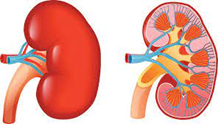
In recent years, we have significantly advanced our understanding of acute kidney injury (AKI) within the neonatal population. At birth, only about 4% of cardiac output reaches the kidneys; this is reflected in infants’ low glomerular filtration rate, especially those born prematurely. Any additional stressors such as hypoxia, hemodynamic instability, or infection, all of which we frequently encounter in preemies, have the potential to impact renal perfusion further and induce AKI. The incidence of AKI in infants born before 29 weeks gestation has been reported to be as high as 43%. Thus, significant efforts have been made to define neonatal AKI better and identify the risk factors and the related short and long-term outcomes.

Over the past ten years, the neonatal modified Kidney Disease: Improving Global Outcomes (KDIGO) criteria have become the gold standard definition for neonatal AKI. It determines the severity of AKI based on the magnitude of the rise in serum creatinine from prior values and the decrease in urine output and may be used in patients <120 days of age. This definition, as many other ones used in pediatrics, was adapted mainly from an adult patient-driven one. For instance, it fails to account for the physiologic changes in neonatal creatinine, which initially reflects maternal creatinine. If maternal serum creatinine is low, it would be expected that in an extremely premature infant, their creatinine would increase over the first several days of life, which would not necessarily be representative of AKI.

Additionally, serum creatinine (SCr) is a marker of renal function, not injury. The initial insult must cause a significant decline in renal function in order to result in an increase in SCr, which can sometimes take several days. This issue leads to a delay in SCr increase in relation to the timing of the injury. Furthermore, the KDIGO criteria fail to account for the neonate’s chronological and post-menstrual age. Despite its flaws, this definition has provided a certain degree of standardization and has allowed us to describe neonatal AKI’s epidemiology and outcomes better.

The Assessment of Worldwide Acute Kidney Epidemiology in Neonates (AWAKEN) study included 24 centers and collected data from almost one thousand neonates admitted to neonatal intensive care units. It has demonstrated that the risk of AKI increases significantly with decreasing gestational age and that neonates with AKI have higher odds of death and prolonged hospitalization. It has also expanded upon the neonatal-modified KDIGO definition to address neonatal physiology and redefine absolute serum creatinine thresholds based on gestational age. Using mortality as a meaningful clinical outcome, they tested the hypothesis that ideal cutoffs for serum creatinine levels within the first week of life will differ by gestational age. Their data shows that absolute and percent serum creatinine cutoffs are higher in those neonates born at less than 29 weeks gestation, suggesting that the neonatal modified KDIGO definition does not adequately account for physiologic differences seen within the first week of life and also between neonates of different gestational ages. This project marks an important milestone in AKI research in that previously, we relied on retrospective, single-center studies and lacked meaningful data on AKI incidence and risk factors in patients categorized by gestational age and time point in their hospital course.

Last year, Aziz et al.’s smaller, single-center study provided supportive evidence for AKI being inversely proportional to both gestational age and birth weight and for an association between AKI and increased mortality in extremely low-birth-weight neonates. Interestingly, they suggested that while mortality is strongly associated with neonatal AKI, it does not directly result from it, and its amelioration does not reduce the risk of death in this population. In response to these findings, Askenazi et al. discussed in a commentary piece why this is less likely to be true. The authors note that there is a possibility of bias within the statistical approach of the initial study with the use of Shapley Additive Explanations Analysis (a structural model that shows the relative association of each measured variable with a given outcome) to determine the association between each variable and their relationship to mortality. Another reason this paper cites is the limitations of using the neonatal-modified KDIGO criteria in this patient population, especially in the first several days of life, some of which we have already discussed. Because of the potential for this miscalculation bias, many studies do not include serum creatinine from the first 48 hours of life, unlike Aziz et al. Since serum creatinine often does not increase for up to 48 hours following a renal insult, it becomes challenging to assess AKI›s relationship with mortality in this population when elevation in serum creatinine has been proven to lag behind the injury. As there seems to be a widespread consensus that serum creatinine is a suboptimal marker for monitoring neonatal renal function, identifying novel biomarkers that would allow for earlier identification and better classification of AKI continues to generate interest. Some of the ones that have been suggested thus far include urine neutrophil gelatinase-associated lipocalin, cystatin-c, and kidney injury molecule-1, although further work is needed before we will be able to use them in our clinical practice .

Source:http://neonatologytoday.net/newsletters/nt-feb23.pdf

Venezuelan medical professionals step in to fill healthcare gaps in Peru

Among the 1.5 million Venezuelan refugees and migrants in Peru are doctors and nurses who want nothing more than the chance to serve.

By Jenny Barchfield in Lima, Peru  |  15 February 2023

There were times, during the darkest days of the pandemic, when the Venezuelan nurse started vaccinating at 7am and finished, many hundreds of patients later, only at midnight. 

“We didn’t get tired,” Edixioney recalled. “What we wanted was for people to be able to get vaccinated so that they wouldn’t have to go home, unvaccinated, after having wasted their time in line.”

For 39-year-old Edixioney, who left Venezuela to seek life-saving heart surgery for her daughter and spent her first months in Peru working in a restaurant, the chance to serve in her chosen profession feels like nothing short of a miracle.  

“Our thing is vaccinating,” said Edixioney, adding that she and the other Venezuelan nurses she works with at the Los Libertadores public health clinic in Lima’s San Martín de Porres neighbourhood will be eternally grateful for “the opportunity to earn a living doing what we love.”  

Peru is home to the second-largest population of Venezuelan refugees and migrants in the region, playing host to nearly 1.5 million of the total 7.1 million Venezuelan nationals who have left their country in recent years amid the ongoing social and economic crisis there. Many of them are educated professionals, including nurses, physical therapists, and physicians who, despite having skills that are highly sought after in their adopted country, have sometimes faced administrative hurdles that have make it difficult for them to practice in their adopted country.

That was initially the case for Néstor Márquez, a 53-year-old physician who settled in Lima in 2018. When he first arrived, Néstor was in no position to revalidate his medical licenses – a long and expensive process that can take upwards of a year and a half. His first priority was to save up enough money to be able to bring his wife and three young children to Peru. 

To do so, he traded the scrubs that had been his daily uniform during his decades-long medical career in Venezuela for a pair of comfortable shoes.

“I worked selling books at sidewalk stands…. I was a travelling book salesman,” said Néstor, a smile just visible from behind his surgical mask. “It helped me so much. With what I made selling books, I was able to bring my family.”

Now, thanks, in part, to an agreement between UNHCR, the UN Refugee Agency, and Peru’s Health Ministry, Néstor is working in physical therapy – the specialty he trained for back in Venezuela – at a new public clinic in North Lima. Under the deal, UNHCR funds the salary of the staff, nearly all of whom are Venezuelan nationals, for an initial three months while they are onboarded. 

Since it opened last year, residents from across the Peruvian capital have been flocking to the Los Olivos de Pro Rehabilitation Centre, seeking relief for ailments such as back pain, nerve damage, and long-lasting respiratory problems resulting from COVID-19. The team has also seen a surge in parents seeking speech therapy for young children who, kept inside during the pandemic at crucial stages in their development, are having a hard time communicating. 

Ironically, Néstor says that it was the coronavirus pandemic that helped Venezuelan health professionals in Peru, like him, get back to work.

In 2020, Peru’s healthcare workers were among the hardest hit by the coronavirus, which further depleted an already overburdened workforce. The pandemic created a dire need for qualified and experienced medical professionals, which prompted Peruvian authorities to fast-track medical licenses for qualified staff hailing from other countries who were already living in Peru. It was then that Néstor applied for and was granted the right to practice in Peru.

“For me, it’s like a dream come true to be here, in this place where there is so much need,” he said, gesturing toward the waiting area, where a little boy in a wheelchair and leg braces was awaiting his appointment. “Working here in this clinic allows me to carry out what I’ve spent my whole life thinking about and doing, surrounded by a group of extraordinary Venezuelan professionals.”

Asked whether any of the patients have balked at being cared for by the clinic’s near all-Venezuelan staff, Néstor said that, on the contrary “they are happy and grateful.”

Yesenia Ramos Sandóval, the mother of the little boy in the wheelchair, 7-year-old Jeremy, echoed that sentiment.

“We’re just so happy to be able to get Jeremy the therapy he needs,” said Yesenia, a 30-year-old native of the Peruvian capital, with a broad smile.

Source:https://www.unhcr.org/en-us/news/stories/2023/2/63eb94254/venezuelan-medical-professionals-step-fill-healthcare-gaps-peru.html

Moms’ and babies’ medical data predicts prematurity complications, Stanford Medicine-led study shows

Stanford Medicine scientists and their colleagues have shown they can tap mothers’ and babies’ medical records to better predict newborn health risks.

February 15, 2023 – By Erin Digitale

By sifting through electronic health records of moms and babies using a machine-learning algorithm, scientists can predict how at-risk newborns will fare in their first two months of life. The new method allows physicians to classify, at or before birth, which infants are likely to develop complications of prematurity.

A study describing the method, developed at the Stanford School of Medicine, was published online Feb. 15 in Science Translational Medicine.

“This is a new way of thinking about preterm birth, placing the focus on individual health factors of the newborns rather than looking only at how early they are born,” said senior study author Nima Aghaeepour, PhD, an associate professor of anesthesiology, perioperative and pain medicine and of pediatrics. The study’s lead authors are postdoctoral scholar Davide De Francesco, PhD, and Jonathan Reiss, MD, an instructor in pediatrics.

Traditionally defined as birth occurring at least three weeks early, premature birth is linked to complications in babies’ lungs, brains, vision, hearing and digestive system. Although earlier births generally carry higher risks, the timing of birth predicts only approximately how a specific infant will fare. Some infants who are born quite early develop no complications, while others born at the same stage of pregnancy become very ill or die.

“Preterm birth is the single largest cause of death in children under age 5 worldwide, and we haven’t had good solutions,” Aghaeepour said. “By focusing our research on predicting the health of these babies, we can optimize their care.”

Many complications of prematurity take days or weeks after birth to emerge, causing substantial damage to newborns’ health in the meantime. Knowing which infants are at risk could enable preventive measures.

“We look mainly at the baby to make treatment decisions in neonatology, but we are finding that we can get valuable information from the maternal health record, really homing in on how individual babies’ trajectories have been shaped by exposure to their specific maternal environment,” said study coauthor David Stevenson, MD, a neonatologist at Lucile Packard Children’s Hospital Stanford, professor of pediatrics and director of the March of Dimes Prematurity Research Center at the Stanford School of Medicine.

“This is a move toward precision medicine for babies,” he added.

The researchers linked electronic medical records for mothers at Stanford Health Care and for their babies at Stanford Medicine Children’s Health, covering 32,354 live births that occurred between 2014 and 2020. The mothers’ medical records included information from the pregnancy and, for those who had been patients at Stanford Medicine prior to pregnancy, health data from before they became pregnant. The infants’ records started with information recorded at birth, including weight; blood tests; and Apgar score, which is assessed in the delivery room one and five minutes after birth. The Apgar score incorporates factors such as the infant’s pulse, breathing and muscle tone.

Using a machine learning algorithm called a long short-term memory neural network, the researchers built a mathematical model from the medical records and tested whether it could predict 24 possible health outcomes for infants up to two months after birth.

“There is a computational challenge in using electronic health records because they are longitudinal and contain a large amount of data from each patient,” Aghaeepour said. “A long short-term memory neural network operates similarly to a person reading a book. When we’re reading, we don’t remember every word, but we remember the key concepts, read the next part, add more key concepts and carry that forward. The algorithm doesn’t memorize the entire electronic health record of every patient, but it can remember key concepts and carry those forward to the point where we make a prediction.”

At the time of birth, the machine learning model provided strong predictions for which infants would develop various conditions including bronchopulmonary dysplasia, a type of chronic lung disease; retinopathy of prematurity, a problem with the retina that can cause vision loss or blindness; anemia of prematurity; and necrotizing enterocolitis, a severe gastrointestinal complication often not diagnosed until weeks after birth, by which time interventions are complex and associated with poor outcomes.

The model also gave strong predictions a week before birth for multiple outcomes including mortality and retinopathy of prematurity, which can cause vision loss or blindness, as well as moderately strong predictions for 11 other conditions.

“I was surprised by how much predictive power we have before the baby is even born, and right at birth,” Aghaeepour said. “I did not expect to see that. I had thought accuracy would come several days after birth, once we had collected data from the baby.”

Some complications were not reliably predicted by the model, such as which infants would develop candidiasis, or yeast infections; polycythemia, a high concentration of red cells in the blood; or meconium aspiration syndrome, in which the infant inhales meconium, a sticky substance expelled from the fetal bowel, during birth.

The researchers validated that the strength of the predictions did not change over the years (comparing births from 2014 to 2018 with those from 2019 to 2020); they also validated some of the findings using an independent group of 12,258 mother-baby pairs from UC San Francisco.

The model’s predictions at birth provided more accurate information than currently used risk assessment tools such as Apgar scores and the National Institute of Child Health and Human Development risk score. These scores consider only the condition of the baby at birth and do not incorporate any information from the mother’s medical history, the researchers noted. However, additional studies in more diverse populations are needed before this machine-learning tool is ready to replace existing risk calculators at the bedside, the researchers said.

Mother’s health matters

The model revealed unexpected connections between certain health or social conditions in mothers and the health of their infants, according to the researchers.

For instance, mothers with anemia — a common pregnancy complication — were more likely to have newborns with anemia. These infants were also more likely to develop the bowel complication necrotizing enterocolitis, the study found.

“We need to explore what linkages explain these relationships at a biological level, as these might offer clues to how certain conditions occur,” Stevenson said. “That will allow us to intervene better to help those kids.”

The new algorithm was also able to link specific types of socioeconomic disadvantage in mothers with certain prematurity complications in their babies.

“If a mother was homeless, we found that the health impact on the baby would be different from the impact of incarceration, whereas under traditional paradigms both of these socioeconomic factors might be thought to have similar effects on prematurity risk,” Aghaeepour said.

Predictions from the model could help neonatologists better identify which patients will benefit from existing protocols to prevent birth complications, Stevenson said. For example, newborns who experience lack of oxygen during birth can now receive cooling protocols in early life, which lower their body temperature for a few days to prevent brain injury. Predictive scores may help identify additional infants who could be helped by cooling, he said.

The work needs to be replicated in larger, more diverse patient populations and folded together with other Stanford Medicine research that characterizes pregnancies according to thousands of biomarkers that change during gestation, the scientists said.

Source:https://med.stanford.edu/news/all-news/2023/02/prematurity-complications.html

       An exodus of primary care doctors has officials re-imagining healthcare in South County

By Bill Seymour Special to the Independent    Feb 17, 2023

Dr. Sal Abbruzzese recently opened his internal medicine practice in South Kingstown, where he works with his wife, Sarah. Abbruzzese, who was the president of South County Hospital medical staff until he resigned in December, is the first doctor to open a solo practice in the area in several years and says Southern Rhode Island’s lack of primary care doctors is a problem that is only going to get worse. “It’s like watching a train crash,” he said this week.

Stephanie Nowell of Charlestown got very sick on January 6 with various symptoms, visited a walk-in clinic and received antibiotics that didn’t work for her.

She returned to the walk-in once more and was given additional antibiotics that helped. Her primary care doctor had left the practice to which Nowell belonged and she was having difficulty finding a new doctor.

“If I had a primary care doctor I could have consulted with, I think I could have gotten better faster,” she said.

It is tough to get an appointment with an internal medicine doctor in South County today. Waiting times could be long and a walk-in medical treatment center, pharmacy clinic or hospital emergency room — when it’s not really needed — may be the only place to go.

The difficulty of finding a primary care physician stems from an exodus of them from the practice of medicine. Many doctors point to a variety of reasons for leaving and less interest in young medical students wanting to pursue general medicine.

Among the reasons are too much stress, onerous requirements by medical systems seeking to cut costs, insurance companies wanting detailed records to qualify for payment, low pay and overall changes in the practice of internal medicine that make it less fulfilling as a career.

In their place are an increase of mid-level medical professionals — often called advanced practice providers — like nurse practitioners and physician assistants.

Now these professionals are getting their day in the sun with a rise in demand for their needed skills that also come with less cost in billing to insurance companies and less training for patients.

In several interviews with physicians about the shortage of primary care doctors, all are pointing to more demands in their jobs that take away from patient care as frustrations and stress build. Most would only speak anonymously because of fear of repercussions from hospital systems.

“It’s like watching a train crash. I know what’s coming and it’s going to be a worse crash,” said Dr. Sal Abbruzzese, former president of the South County Hospital medical staff who departed in December to open up a practice in Wakefield. It is the first time in many years that a doctor has opened a solo practice in the area, he said.

“I have people calling me, leaving wine on my doorstep with a note asking to be taken on, referrals from many other doctors who just can’t take on any more patients. It’s incredible, I’ve never seen such a thing,” said Abbruzzese who started work as a doctor more than 20 years ago.

Other doctors in the area interviewed echoed similar statements about the administrative headaches now forcing them to leave practice or open up “concierge” services where a patient pays a multi-thousand-dollar fee — sometimes upwards of $3,000 or more.

The high out-of-pocket cost brings for the few that can afford this convenience round-the-clock access and the kind of personal attention often missing now from many busy practices focusing on patient volume or through-put.

“Yes, I would say that people could soon be up the creek without a paddle if this continues,” said Dr. Gloria Sun, another physician who shelved her general practice career because of excessive demands and is now in a job at the University of Rhode Island student health services.

However, leaving was not easy, she said.

“It was very difficult for me. I feel like I’ve given up,” she added in a voice that slowly and softly let out the words. Her youthful brimming enthusiasm and idealism have faded to later-in-life resignation to dealing with the current medical industrial complex.

A spokesman for South County Health pointed to the mid-level professionals stepping in as an inevitability in the industry as more doctors leave both on the local and national scenes.

“In a primary care setting, advanced practice providers will fill an increasingly important role as the physician workforce ages into retirement and fewer new physicians choose to establish practices in Rhode Island,” explained Matt Moeller, SCH spokesman.

These mid-level APPs are licensed nurse practitioners, physician assistants, advanced practice registered nurses and others. To help ease the transition of doctor-only visits for patients, health systems are lumping the term “advanced practice provider” to mean both the doctor and the mid-levels together in a “team” approach.

Gone from reference often these days is your “personal physician” or your “primary care physician” known colloquially as your “PCP.”

Fewer Internists

Local doctors, who did not want their names used, said that the practice of medicine in profit-centered medical systems has beaten down many general medicine doctors.

They feel beleaguered by too much medical records paperwork, low pay, and hard-driving measures putting performance — the volume of patients seen — over patient care to make up for reduced insurance payments.

Alarm bells were sounded in the state more than two years ago, according to state Department of Public Health officials, as evidence mounted that thousands of doctors could potentially leave primary care practice by 2030.

The shortage of primary care doctors is also a national problem, too. Many want out because retirement looks far better than dealing with defeating requirements for endless after-hours of filling out patients’ detailed electronic medical records (EMR), they say.

Sun was one of them.

“I was spending up to three hours every night on paperwork. It’s just so all-consuming, even for a short and simple visit. EMR is what is killing medicine,” she said about records needing to be filled out in exacting detail so that insurance companies don’t lowball reimbursements already low on a profit scale for operations of medical practices and hospitals, say health care business managers.

Abbruzzese, 50, who last month opened his private practice, said that health systems are “running doctors out of town. They are not providing us with the tools we need. They want more and more and give less and less.”

For example, he referenced that various tests are available only on certain days, needed scans cannot be done on weekends, picc lines are inserted only on particular days and “even the cafeteria staff wasn’t around on weekends.”

Making matters worse, he and others added, is that the COVID pandemic has pushed doctors to the brink of sacrificing their own health and many died across the country in that service. It brought about a new reality of their limitations in today’s world of medicine.

“When we older doctors went into practice, we were told by our older doctors that this is a lifestyle — not a job — and this is your life now. Your job is to take care of your patients. That is slipping away from many of my colleagues’ abilities to do,” he said.

For instance, 57-year-old Sun’s colleagues and patients call her a devoted doctor. One patient who had cancer and lost her husband after an accident in which he was paralyzed from the neck down found a trusted medical advisor and friend in Sun.

“I just love her. Please tell her to take me. I can’t find anyone in the area,” the former patient said. It’s a sentiment that plies on Sun and other doctors interviewed who also have changed their medical career paths.

Sun, like many doctors her age, entered medicine to help people overcome or cope with diseases and be compassionate as much as possible in times of real need.

For those in medical school today that mission in primary care is an unappealing career. It’s akin to a caged mouse on a wheel being electronically stimulated to go faster and faster, some medical students have said.

Burnout comes quickly. This upcoming generation of doctors values the work-life balance, so the cage is out of the question for many, say young doctors preferring specialties that have a less hectic pace.

Who’s left to help?

More and more health systems are putting a stronger focus on mid-level advanced practice providers to step in as South County Health is doing. Thundermist Health Center reported it started with mid-levels before the primary care doctor shortage became the current topic of public and media attention.

In federally reported training standards, the National Institute of Health said physicians, physician assistants (PAs), nurse practitioners (NPs) and advanced practice registered nurses (APRNs) have vastly different requirements for admission to graduate programs, clinical exposure, and postgraduate training.

The National Institute of Health reported that nurse practitioners on average have about 500 clinical contact hours in training compared to 2,000 for a physician’s assistant and 5,000 or more for a doctor. Neither the NP nor the PA has a residency requirement in training as does the medical doctor, NIH said.

For specialty areas, the PA or NP also has no further training, but the doctor has three- and four-year programs with 13,500 to 18,000 clinical hours.

According to the Bureau of Labor Statistics Occupational Outlook, growth projections for advanced practice providers are much faster than the average for other professions.

The projected growth for advanced practice registered nurses over the ten-year period 2019-2029 is 45%. Over the same period, physician assistant jobs are projected to grow by 31%.

Thundermist has had a nurse practitioner fellowship for over five years for training in community health and integrates them into its healthcare teams, said Amanda Barney, spokeswoman for Thundermist, which has offices in Wakefield.

She said that at Thundermist there is roughly a 50-50 split in the number of doctors compared to other primary care specialists and APPs.

Moeller of South County Health did not give a ratio, but said that in 2022 SCH hired six new primary care providers, defined as either APPs or doctors. Barney did not have any immediate figures on her organization’s hiring numbers last year.

With retirements and turnover, he said, “we are net positive two primary care providers during that same time.” Nonetheless, there remains a need for local primary care services.

“South County Health estimates there is demand for 6-12 additional primary care providers in Washington County,” he added.

“We are in the final stages of rolling out a formal program for on-boarding and mentoring nurse practitioners early in their career that have an interest in primary care,” Moeller said.

Like Thundermist, SCH’s primary care nurse practitioners and other APPs work in teams that include physicians, pharmacists, nurses and possibly social workers as needed.  As with Thundermist, SCH also refers patients to specialists when needed.

More and increased training is underway as the need for them becomes more apparent.

“The mentorship program that South County Health is developing focuses on pairing new nurse practitioners with senior-level providers who have extensive experience navigating the healthcare landscape,” said Ian Clark, SCH vice president.

“It’s our hope this partnership will facilitate orienting those who are new to practice in Rhode Island to the intangibles, like working with our electronic health record, networking with other medical staff, and building a durable practice for long-term sustainability in the community,” he said.

“This program, we are confident, will allow us to increase the number of primary care nurse practitioners in our area and better meet the needs of the community,” Moeller added.

While APPs across the country are in many different medical services — oncology, orthopedics, surgery and neonatal — their use in primary care is also a boon for insurance and managed-care companies who may pay fees lower than they might for a medical doctor.

The State of Rhode Island licenses some advanced practice providers, like nurse practitioners, to also practice autonomously.

Increase Use of APPs

Last July a new survey of more than 60 organizations representing over 3,000 APPs nationwide found that three-fourths of diverse health systems have a strategy in place to increase the use of their APPs.

One of the largest studies focusing specifically on these roles, the 2022 Advanced Practice Provider Strategy & Oversight Survey provided key data points to help hospitals and medical groups.

These focus on better use of APPs while also spotlighting key areas for leaders to be aware of when pursuing an APP strategy, said the research firm the Coker Group.

This national healthcare advisory firm based in Alpharetta, Ga., found that organizations who said they are increasing APP involvement were responding to several market drivers, including the need to improve access to care including a shortage in primary care doctors, adapt to organizational growth, and improve the efficiency and quality of care.

These needs have been magnified nationally across healthcare following the COVID-19 pandemic and a growing labor shortage, it said.

“Our goal in creating this survey was to fill some of the gaps in data-driven information available and to better understand industry best practices,” said Matt Jensen, senior manager at the Coker Group.

“When organizations utilize APPs in the right way, they’re able to expand patient access, increase quality and drive performance. Across healthcare, however, hiring experienced APPs is extremely difficult, and the survey reflects that by showing just how many organizations are investing the time and resources required to onboard and train new APPs.”

It also pointed to challenges ahead, especially with resistant medical doctors who have concerns about APP training that is not as in-depth as full-scale medical school, internship, residency and fellowship that all bring over a decade of learning.

Roughly 67% of those polled said they allow their physicians to choose if they work with APPs for coverage of certain responsibilities. But about half of those physicians are hesitant to work with others, citing a heavy time commitment and a lack of incentive.

The experience of an APP also makes a difference in physicians’ use, with respondents indicating they spend more than 2.5 times the amount of time supervising APPs with less than two years of experience.

When asked about the barriers physicians have in a willingness to oversee APPs, the majority cited the time commitment and a lack of monetary incentive. While 46% of those overseeing APPs receive a fixed stipend for their supervision, 36% said there was no additional compensation.

Several local doctors did not want their names used when discussing the greater use of APPs. They acknowledged, however, that these advanced provider practitioners serve a vital role in handling minor issues.

“They are useful to support the practice and handle sinus infections, urinary tract infections and colds, but they need to know their limits,” one doctor said.

“You need to give new ones a lot of time — that you don’t have — to train them and this comes on top of all the other things, and a larger volume of patients that health systems want you to see. There aren’t the resources to help them,” a South Kingstown doctor added.

Abbruzzese was blunter.

“You get what you pay for, you get what you are trained in and it’s going to be a problem,” he said noting that doctors go through at least eight years of post-university training while for APPs it’s it far fewer.

“We’ll see what happens,” he said, while healthcare systems say they are putting bets on additional training and mentoring will add to the value of these professionals.

Source:https://www.independentri.com/news/article_e2a57180-ad84-11ed-ab0c-5b3ac57c8917.html

PREEMIE FAMILY PARTNERS

Courtesy Shakina Rajendram

Canadian siblings born four months early set record as the world’s most premature twins

By Paula Newton, CNN – March 9, 2023

CNN — 

For expectant parents Shakina Rajendram and Kevin Nadarajah, the doctor’s words were both definitive and devastating: Their twins were not “viable.”

“Even in that moment, as I was hearing those words come out of the doctor’s mouth, I could still feel the babies very much alive within me. And so for me, I just wasn’t able to comprehend how babies who felt very much alive within me could not be viable,” Rajendram recalled.

Still, she knew that there was no way she would be able to carry to term. She had begun bleeding, and the doctor said she would give birth soon. The parents-to-be were told that they would be able to hold their babies but that they would not be resuscitated, as they were too premature.

Rajendram, 35, and Nadarajah, 37, had married and settled in Ajax, Ontario, about 35 miles east of Toronto, to start a family. They had conceived once before, but the pregnancy was ectopic – outside the uterus – and ended after a few months.

As crushing as the doctor’s news was, Nadarajah said, they both refused to believe their babies would not make it. And so they scoured the Internet, finding information that both alarmed and encouraged them. The babies were at just 21 weeks and five days gestation; to have a chance, they would need to stay in the womb a day and a half longer, and Rajendram would have to go to a specialized hospital that could treat “micropreemies.”

The earlier a baby is born, the higher the risk of death or serious disability, the US Centers for Disease Control and Prevention says. Babies born preterm, before 37 weeks gestation, can have breathing issues, digestive problems and brain bleeds. Development challenges and delays can also last a lifetime.

The problems can be especially severe for micropreemies, those born before 26 weeks gestation who weigh less than 26 ounces.

Research has found that infants born at 22 weeks who get active medical treatment have survival rates of 25% to 50%, according to a 2019 study.

Rajendram and Nadarajah requested a transfer to Mount Sinai Hospital in Toronto, one of a limited number of medical centers in North America that provides resuscitation and active care at 22 weeks gestation.

Then, they say, they “prayed hard,” with Rajendram determined to keep the babies inside her just a few hours longer.

Just one hour after midnight on March 4, 2022, at 22 weeks gestation, Adiah Laelynn Nadarajah was born weighing under 12 ounces. Her brother, Adrial Luka Nadarajah, joined her 23 minutes later, weighing not quite 15 ounces.

According to Guinness World Records, the pair are both the most premature and lightest twins ever born. The previous record holders for premature twins were the Ewoldt twins, born in Iowa at the gestational age of 22 weeks, 1 day.

It is a record these parents say they want broken as soon as possible so more babies are given the opportunity to survive.

“They were perfect in every sense to us,” Rajendram said. “They were born smaller than the palm of our hands. People still don’t believe us when we tell them.”

‘They’re definitely miracles’

The babies were born at just the right time to be eligible to receive proactive care, resuscitation, nutrition and vital organ support, according to Mount Sinai Hospital. Even an hour earlier, the care team may not have been able to intervene medically.

“We just didn’t really understand why that strict cut off at 22, but we know that the hospital had their reasons. They were in uncharted territory, and I know that they had to possibly create some parameters around what they could do,” Rajendram said.

“They’re definitely miracles,” Nadarajah said as he described seeing the twins in the neonatal intensive care unit for the first time and trying to come to terms with what they would go through in their fight to survive.

“I had challenging feelings, conflicting feelings, seeing how tiny they were on one hand, feeling the joy of seeing two babies on the second hand. I was thinking, ‘how much pain they are in?’ It was so conflicting. They were so tiny,” he said.

These risks and setbacks are common in the lives of micropreemies.

Dr. Prakesh Shah, the pediatrician-in-chief at Mount Sinai Hospital, said he was straightforward with the couple about the challenges ahead for their twins.

He warned of a struggle just to keep Adiah and Adrial breathing, let alone feed them.

The babies weighed little more than a can of soda, with their organs visible through translucent skin. The needle used to give them nutrition was less than 2 millimeters in diameter, about the size of a thin knitting needle.

“At some stage, many of us would have felt that, ‘is this the right thing to do for these babies?’ These babies were in significant pain, distress, and their skin was peeling off. Even removing surgical tape would mean that their skin would peel off,” Shah told CNN.

But what their parents saw gave them hope.

“We could see through their skin. We could see their hearts beating,” Rajendram said.

They had to weigh all the risks of going forward and agreeing to more and more medical intervention. There could be months or even years of painful, difficult treatment ahead, along with the long-term risks of things like muscle development problems, cerebral palsy, language delays, cognitive delays, blindness and deafness.

Rajendram and Nadarajah did not dare hope for another miracle, but they say they knew their babies were fighters, and they resolved to give them a chance at life.

“The strength that Kevin and I had as parents, we had to believe that our babies had that same strength, that they have that same resilience. And so yes, they would have to go through pain, and they’re going to continue going through difficult moments, even through their adult life, not only as premature babies. But we believed that they would have a stronger resolve, a resilience that would enable them to get through those painful moments in the NICU,” Rajendram said.

There were painful setbacks over nearly half a year of treatment in the hospital, especially in the first few weeks.

“There were several instances in the early days where we were asked about withdrawing care, that’s just a fact, and so those were the moments where we just rallied in prayer, and we saw a turnaround,” Nadarajah said.

Adiah spent 161 days in the hospital and went home on August 11, six days before her brother, Adrial, joined her there.

Adrial’s road has been a bit more difficult. He has been hospitalized three more times with various infections, sometimes spending weeks in the hospital.

Both siblings continue with specialist checkups and various types of therapy several times a month.

But the new parents are finally more at ease, celebrating their babies’ homecoming and learning all they can about their personalities.

The twins are now meeting many of the milestones of babies for their “corrected age,” where they would be if they were born at full-term.

“The one thing that really surprised me, when both of them were ready to go home, both of them went home without oxygen, no feeding tube, nothing, they just went home. They were feeding on their own and maintaining their oxygen,” Shah said.

Adiah is now very social and has long conversations with everyone she meets. Their parents describe Adrial as wise for his years, curious and intelligent, with a love of music.

“We feel it’s very important to highlight that contrary to what was expected of them, our babies are happy, healthy, active babies who are breathing and feeding on their own, rolling over, babbling all the time, growing well, playing, and enjoying life as babies,” Rajendram said.

These parents hope their story will inspire other families and health professionals to reassess the issue of viability before 22 weeks gestation, even when confronted with sobering survival rates and risks of long-term disability.

“Even five years ago, we would not have gone for it, if it was not for the better help we can now provide,” Shah said, adding that medical teams are using life-sustaining technology in a better way than in previous years. “It’s allowing us to sustain these babies, helping keep oxygen in their bodies, the role of carbon dioxide, without causing lung injury.”

Adiah and Adrial’s parents say they’re not expecting perfect children with perfect health but are striving to provide the best possible life for them.

“This journey has empowered us to advocate for the lives of other preterm infants like Adiah and Adrial, who would not be alive today if the boundaries of viability had not been challenged by their health care team,” Rajendram said.

Source:https://www.cnn.com/2023/03/09/health/earliest-premature-babies-canada/index.html

A NICU Baby Gives Hope to a Waiting Family

How a NICU team joined forces with social workers and an adoption agency to introduce a baby to her new family on Mother’s Day:

In April 2021, the sickest newborn in the neonatal intensive care unit (NICU) at Atrium Health Levine Children’s Hospital was born awaiting a family. She didn’t have a revolving door of visitors itching at the chance to hold her or anyone to make medical decisions for her. Her doctors didn’t know if the baby would survive her first week. 

Just two months later, that baby girl – Evelyn – was healthy, happy and at home with a new family. The NICU team joined forces with an adoption agency, a caring birth mom, and an adoptive family to help this baby heal in the hospital and to create a happily-ever-after for her beyond it.

This is a story about one of the happiest moms celebrating Mother’s Day this year, Laura Cobb, and the team who connected her to her daughter, Evelyn.

A Heartbreaking First Week

With no family available to make decisions for the sick newborn, the NICU doctors cared for baby Evelyn like they would any other, and charted the medical course for her based on the standard of care and best practices.

“We think about each baby in terms of, ‘If this was my child, what would I want this team to do?’” says Jessica Clarke-Pounder, M.D., a neonatologist at Levine Children’s Hospital. “We treat each baby how we would want our family members treated, with the same gravity to decision making that we would have with our own children.”

Evelyn faced multiple life-threatening challenges during her first few days. For one, she was born with an infection and was delivered by emergency C-section due to fetal distress which led to required resuscitation by the NICU team in the delivery room.  She was placed on therapeutic hypothermia protocol after delivery due to concern for brain injury.  The baby also had meconium aspiration, in which feces enters the lungs. Then, Evelyn developed pulmonary hypertension. Then, kidney failure. Evelyn’s body was essentially shutting down, and she required a heart/lung bypass machine – called ECMO, or extracorporeal membrane oxygenation – to keep her alive. Evelyn was so fragile that the pediatric surgical team performed the surgery to place her on the ECMO pump inside the NICU.

“Levine Children’s Hospital is the only center in this area that offers ECMO. If she was born anywhere else, she would’ve had to be transferred,” says Dr. Clarke-Pounder. “The pump saved her life.”

The NICU team offered the little girl more than decision making. The NICU team offered her love. Doctors and nurses, full of all faith backgrounds, prayed over this little girl to heal. They cuddled the baby every chance they could.

By the end of that first week, Evelyn stabilized and was healthy enough to come off the ECMO machine. Her birth mom chose to pursue adoption, and social workers and an adoption agency helped her find a forever family for her baby.

The Worst Day Becomes the Best Day

Mother’s Day used to be Laura Cobb’s most dreaded day of the year.

For seven years, Laura and her husband James tried to have a baby. They learned they couldn’t have biological children, and the adoption process was slow. Mother’s Day weekends were so painful that the couple turned off their phones and went on off-grid getaways to be alone. The Friday before Mother’s Day of 2021, however, Laura’s phone rang as she drove home from work. She decided to answer one last call before turning it off.

It was the adoption agency, who told Laura about a very sick baby in the NICU who needed a family. The baby was stable, but she could face developmental hurdles and possibly brain damage. The agency told Laura that she and her husband should talk and pray about it.

“My husband and I were like, ‘No, we’ve prayed enough! This is what we’ve been praying for! This is our daughter!’” Laura says, smiling and wiping tears at the memory. “We are her parents, that is it. And so, we met her the very next day.”

On the day before Mother’s Day, they met the 10-day-old baby. Evelyn wore the cutest pink outfit to meet her new parents. Laura later learned the outfit was a personal gift from someone who loved Evelyn, too: Dr. Clarke-Pounder.

“There are there lots of families that, for one reason or another, can’t be in the NICU. Families can feel a lot of guilt over that, but there are moms and dads who have limited time off from work, or babies who get transferred here from far away,” Dr. Clarke-Pounder says.  “Every baby who’s there, especially ones who don’t have families, we really take care of them as if they’re our family.”

A Big Team Supports a Little Baby

Laura and James joined an already large group of people who were part of Team Evelyn. There were NICU doctors, nurse practitioners, pediatric surgeons, respiratory therapists, ECMO therapists, gastrointestinal specialists, speech therapists, social workers, and an adoption agency.

People across many disciplines collaborated to create a seamless care plan to support this little girl.

While James needed to return to work, Laura came to the NICU daily to hold Evelyn, to sing to her, and to work with the therapists as they taught the little girl to take a bottle. 

“At first, I didn’t want to leave Evelyn because I didn’t want her to feel alone, but she wasn’t alone. She was so loved by the nurses and doctors, who were amazing. They were her family before we were,” Laura says. “And I felt taken care of by them just as much.”

About a month later, Evelyn learned how to take a bottle and she became strong enough to go home with the Cobbs. Before the family left the hospital together, the NICU team helped them make follow-up appointments with specialists and a pediatrician to help them transition to the next stage of their daughter’s care.

A Healthy Little Girl, a Grateful New Mom

Evelyn just celebrated her first birthday. She returns for developmental appointments at a neonatal follow up office, which works with her pediatrician to make sure she’s developing appropriately. All signs point to a healthy little girl, developing on schedule.

Laura says that the past year has shown her a capacity to love beyond what she’s ever known: for Evelyn, for Evelyn’s birth mother who continues to be a loving presence in her daughter’s life and for the NICU doctors and nurses.

Now, Laura’s preparing to celebrate her second happy Mother’s Day. 

“Because Mother’s Day weekend is the weekend we met Evelyn, it’s our family weekend,” Laura says. “It’s not about me. It’s about Evelyn, and it’s about honoring her birth mom. I’ve never met someone as strong and courageous and faith-filled as her birth mom – she’s amazing.”

The Cobbs remain in touch with Dr. Clarke-Pounder, sending her photos and updates of the baby she guided through those first few scary weeks.

“It was really special to me to see Evelyn progress from being the sickest baby in the NICU to becoming a baby who went home with a loving family,” Dr. Clarke-Pounder says. “It is really special when families are so impacted that they choose to stay in contact with us, and it’s really nice to see that our hard work has paid off.”

Laura kept the pink outfit that Dr. Clarke-Pounder gave Evelyn on the day the family met.

“One day I’m going to show Evelyn this outfit,” Laura says. “And I’m going to tell her, ‘This was from your doctor – she loved you before I even met you.’”

Source:https://atriumhealth.org/dailydose/2022/04/28/a-nicu-baby-gives-hope-to-a-waiting-family

A NICU Baby Gives Hope to a Waiting Family – YOUTUBE

INNOVATIONS

Norwegian paediatric residents surveyed on whether they would want life support for their own extremely preterm infant

Janicke SylternTrond Markestad 18 January 2023

Advances in perinatal and neonatal medicine have made it possible for preterm infants to survive at earlier ages. However, survival rates vary substantially between high-income countries and perinatal centres, suggesting that attitudes on providing life support differs. Survival rates for live-born infants vary, particularly at 22–23 weeks of gestation, but differences extend to 27 weeks when stillbirths are included. This suggests that proactive, life-saving prenatal care vary across a wider range of gestational ages. Differences may be due to variations in legislation or values, national or local consensuses by involved health professionals and how parents are included in decision making. Although there are multiple prognostic factors, the vulnerability of extremely preterm infants increases profoundly with decreasing gestational age in terms of survival, neonatal morbidity, burden of treatment and subsequent physical and mental health. Some European guidelines on resuscitating premature newborns have been developed by just perinatologists and neonatologists and they particularly vary on how active interventions should be at 22–25 weeks.

In Norway, guidelines based on the 1998 national consensus state that life support is standard care from 25 weeks. Infants born at 23–24 weeks should be individually assessed by neonatologists and consider the parents’ opinions. Life support at 22 weeks should be regarded as experimental. In practice, the so-called grey zone of 23–24 weeks has been narrowed down to 23 weeks, based on 2009–2014 data. This showed that 97% of infants born at 24 weeks were transferred to a neonatal intensive care unit, as were 74% born at 23 weeks and 19% born at 22 weeks. We have no data on how parents were involved in the decision-making process.

This study explored whether Norwegian paediatric residents would want life support to be provided if their own hypothetical preterm infant was born at 22–26 week of gestation. Short questionnaires, which were distributed after one-week compulsory national training courses in neonatology, were completed anonymously by 80/96 (83%) of participants, on paper in 2017 and 2019 and as an online Mentimeter survey (Mentimeter AB) in 2020. Most participants were in their thirties, with a median paediatric residency of 36 (range 3–84) months. The majority (94%) would not have wanted life support at 22 weeks, 73% at 23 weeks, 36% at 24 weeks and 8% at 25 weeks. One wanted life support before 24 weeks, 14% at 24 weeks, 59% at 25 weeks and 79% at 26 weeks. A particularly large percentage (50%) were unsure at 24 weeks (Table 1).

TABLE 1. How 80 Norwegian paediatric residents responded to whether they would want their hypothetical child to receive life support at 22–26 weeks of gestational age.

YesNot sureNo
22 weeks, n (%)1 (1)4 (5)75 (94)
23 weeks, n (%)0 (0)22 (28)58 (73)
24 weeks, n (%)11 (14)40 (50)29 (36)
25 weeks, n (%)47 (59)27 (34)6 (8)
26 weeks, n (%)63 (79)12 (15)5 (6)

The residents’ opinions were even more restrictive than the 1998 guidelines and deviated markedly from current Norwegian practice. This could challenge the golden rule of treating others as we would want to be treated. Although we cannot assume that others share our preferences, it seems unethical to impose what we would not want ourselves on them, without providing real choice. Most importantly, this hypothetical question may not predict what would happen in real life. However, the residents were at a common age for parenthood, knew the risks and burdens of treatment and had already had time to reflect on the issue during their clinical training and the newly completed course. In contrast, parents are generally unprepared and at the mercy of neonatal intensive care practices and how physicians provide information and frame alternatives.

Our findings agreed with other studies on whether informed healthcare personnel would want life support for their own infant. One found that only 54% of Norwegian paediatricians would want this at 24 weeks and another reported that 23/24 Australian neonatal nurses would not want this before 25 weeks. It seems unlikely that discrepancies between the attitudes of healthcare personnel and neonatal intensive care practices reflect different moral values of healthcare personnel and potential parents. It points towards different experiences and the burden and urgency when healthcare personnel and parents make difficult decisions. Although some parents of premature babies accept disabilities more than healthcare personnel, parents also worry about the short-term and long-term suffering of their baby and family and want to be involved in decision making.

Improved survival rates may encourage neonatologists to resuscitate ever more immature infants, but their decisions need to reflect society’s moral norms. We believe that national guidelines on challenging ethical medical dilemmas like this should not just be left to involved healthcare personnel. Relevant stakeholders should include professionals with experience from long-term follow-up, educators, ethicists, lawmakers and public representatives. Parents should be involved if decisions about providing life support fall within an agreed grey zone, where the child’s best interests are not clear. We believe that guidelines based on broad social support will increase social awareness about the ethical dilemmas of periviability and promote transparency. These are prerequisites for parents to become competent decision-making partners. We need to speak about values as well as medical facts and statistics. In our experience, parents need a trusting and open atmosphere to voice their doubts. Many of the paediatric residents we surveyed would have preferred a palliative approach for their own vulnerable infant and knowing this may encourage open dialogues about complex decisions at the margin of viability.

Source:https://onlinelibrary.wiley.com/doi/full/10.1111/apa.16631

Strengthening neonatal and obstetric healthcare in the war-affected regions of Ukraine

9 Mar 2023 by Milena Chodoła and Dorota Zadroga

At the end of February, the Polish Medical Mission completed the first six months of the one-year project titled “Strengthening neonatal and obstetric healthcare in the war-affected regions of Ukraine”. Activities are being implemented in 10 neonatology hospitals in Ukraine, located in the cities of Kyiv, Dnipro, Chernihiv, Kharkiv, Chernivtsi, Zaporizhzhia, Poltava and Lviv. Cooperation with Ukrainian neonatologists in supporting this branch of medicine is a continuation of one of the leading projects of the Polish Medical Mission’s portfolio worldwide. The Polish association is carrying out similar activities in Colombia, Venezuela and Tanzania. The organization became involved in activities to help Ukraine’s healthcare system after the conflict began, providing specialized assistance to hospitals across the country.

In the first quarter of the project, starting September 1st 2022, a needs assessment on medical training for Neonatology and Neonatal Intensive Care Units (NICUs) was conducted in 10 hospitals. Based on it, a training plan (including the approach, methodology, scheme and work plan of trainers) was prepared, taking into account the current needs of each hospital. The process of purchasing specialized equipment has also begun — an advanced and high-quality neonatal resuscitation station, as well as a neonatal patient monitor (for measuring and analyzing vital signs) and a neonatal infusion pump were on the list for each institution. In accordance with the schedule, a complete plan of activities for the next second quarter of the project was developed by the end of November. Cooperation agreements with hospitals were signed and a project team of 27 staff members was recruited in Ukraine, including medical training coordinators, medical trainers, patient rights training coordinators, patient rights educators and administrative representatives of hospitals.

As part of the support for pregnant and postpartum patients, a series of onsite sessions raising awareness of patients’ rights, pregnancy and newborn care, will be held up monthly at each of the hospitals included in the project. Of the planned 80 trainings, 10 have already taken place, one at each facility. A total of 102 patients have taken part in them. There have also been two complementary online sessions (out of a planned 8) raising awareness about patients’ rights, pregnancy and newborn care for women who are patients or whose newborns are patients. A total of 42 female patients attended.

The second quarter was devoted to equipping hospitals and launching medical and patient rights trainings for health workers and awareness-raising sessions for patients. In each of the 10 hospitals, also stationary training sessions were being held for medical personnel in the use of neonatal resuscitation stations and neonatal patient monitors.

In December 2022, stationary medical training for staff of the neonatology and obstetrics departments began, ending in early February 2023. The project held one 4-day medical training in each of the 10 hospitals. A total of 346 doctors from Ukraine participated in all 10 medical trainings (the project’s indicators planned for a minimum of 100 doctors from 10 hospitals to participate in in-person medical trainings, more than tripling the expected result).

Prior to attending the in-person medical trainings for health workers in 10 hospitals, trainees filled out an anonymous knowledge test, which was repeated upon its completion. By compiling the results from the test before the training, as well as after the training, it was verified to what extent the trainees raised their level of knowledge. Approximately 95% of the participating doctors increased their level of knowledge in the topics that were covered in the training. They also filled out an anonymous questionnaire surveying their level of satisfaction with the training. Some 93% of the doctors gave the maximum score for the training, or 5 points; the remaining 7% of doctors rated the training on a scale of 4 to 4.9 points.

In the second half of January 2023, two online events were also organized on the Ukrainian medical platform Medvoice, streaming from January 17-19, while recordings of them are now available online. One, titled “Becoming a mom during wartime: important things to know”, is prepared for patients across Ukraine. The webinar has been replayed 780 times so far (February 28, 2023). The second is aimed at medical professionals, also across Ukraine, and was titled “Doctor-patient communication: foreign practices and Ukrainian realities”. So far, 1,607 doctors from Ukraine have registered, of which 995 doctors took the online course, passed the test and received a certificate. The events were held under the auspices of the National Health Service of Ukraine. In addition, the online course for doctors has been registered with the Ministry of Health of Ukraine, so doctors who participated and passed the online test received a certificate and official credits from the Ministry, which doctors collect to confirm the continuous development of their professional qualifications.

On February 16, 2023 the second online training on patient rights was held for the medical staff of the 10 neonatology hospitals participating in the project (a total of 8 such online trainings conducted at regular intervals are planned). A total of 50 doctors from 10 hospitals have already participated in these trainings. The purpose of the meetings run on the Zoom platform is to raise awareness among medical professionals about patient rights, legal liability of hospitals and doctors, communication with patients, and counteracting professional burnout and taking care of doctors’ well-being. It also demonstrates good practices used by Polish and EU doctors in the field of patient rights. Small groups allow participants to exchange insights and experiences, and to a greater extent assimilate the knowledge from the training.

Total numbers:

  • 10 NICUs in project
  • 995 trained medical staff representatives in online course on patient rights on Medvoice
  • 346 trained medical staff representatives in stationary medical training
  • 50 trained medical staff representatives in online trainings on patient rights
  • 780 patients in webinar on Medvoice
  • 144 patients in online and stationary awareness-raising sessions

Source:https://reliefweb.int/report/ukraine/strengthening-neonatal-and-obstetric-healthcare-war-affected-regions-ukraine

Improvement of Maternal Morbidity and Mortality: Maternal Level of Care, Maternal Transport, and Regionalization

Mary Fang, BS M.D. Candidate

In my mind’s eye, I painted a picture of her experience flying here. She lay down to get her routine ultrasound done and watch the grayscale frames of the twins headknocking inside her uterus, eager to share some polaroids of her growing babes with her husband that evening, suddenly gazing back to the screen, which showed red and blue lines over her cervix she did not remember seeing or being told about previously. She was not going to go home that evening; she was going to the hospital via airlift from an island to the mainland major hospital. Mrs. Smith was tearful and expressed difficulty understanding why doctors recommended she stay in-patient in a hospital far from home for the remainder of her pregnancy, which she had just learned would end four weeks earlier than initially planned. She felt no change compared to before that ultrasound visit, where type I vasa previa and absent end diastolic flow of growth-restricted twin A were newly diagnosed. With the constellation of mo-di twins, vasa previa, and AEDF (absent end-diastolic flow), the possibility of her needing to be transported urgently or emergently was significant. However, with her now at a high-level care center, the transport would be up the elevator, not in an ambulance or aircraft, when life or death could be a matter of milliliters of fetal blood within minutes.

Perinatal care, comprised of the maternal-fetal/neonatal triad, has improved throughout the decades. However, the improvement is predominantly based on improved neonatal outcomes.  Implementing risk-appropriate neonatal care in the 1970s has significantly reduced neonatal and infant morbidity and mortality, especially among very low birthweight infants that receive appropriate care in at least a level III NICU.  However, the other side of the perinatal triad, the maternal side, continues to face rises in maternal mortality and morbidity in the U.S., especially among women of color. The longstanding neonatal model of levels of care has more recently inspired similar maternal levels of care models, whereby each level has a minimum ability related to staffing and resources. Appropriate level of maternal care spans the antenatal, perinatal, and postpartum periods. Efforts for assigning levels of maternal care at the national level are at their early stages, with mandatory versus voluntary efforts by the state. Efforts were piloted in 14 hospitals in 3 states in 2017. In Texas, the first iteration of maternity designation was codified in 2018, and all facilities in Texas were designated a level by September 2021 by the Department of State Health Services. Level 1 centers provide basic care to low to moderate-risk pregnant patients and detect, stabilize, and initiate management until the patient is transferred. Level 2 facilities provide specialty care, and level 3 facilities provide subspecialty care and are equipped to manage complex maternal and obstetric complications. Level 4 facilities are regional perinatal health care centers that are equipped to manage the most complex conditions and critically ill pregnant patients. There are challenges with adoption and acceptance in other states due to concern primarily for lower level hospitals and the process of applying, preparing prior to site review, the site review, and post-site report.

Despite the aforementioned concerns, regionalization through identifying high-level facilities and maternal transport is necessary to improve outcomes based on assigned risk. Maternal transport is one of the keystones for improving mortality or major morbidity through transferring care from a low-acuity to a high-acuity facility. These improved outcomes relate to preventing near-miss events, adverse outcomes that may have occurred in the absence of transport. However, maternal transport accessibility is not equal or equitable due to differences in time and distance from the nearest high-acuity center, inefficient identification of the nearest center, and/or lack of clear hospital protocols to appropriately transfer patients who require it. Improving equitable access to transfer to appropriate levels of care, especially highlighted in rural facilities, demands hospital-level quality improvement initiatives, including identifying patients who need transport and clear plans on the method of transport and distance. Reasons for maternal transfer fall into maternal and/or fetal/neonatal indications. While the most common reason is the lack of availability of appropriate-level neonatal care, maternal medical or surgical conditions or emergency care at a facility without obstetric services also require transfer. Improved maternal regionalization is another effort to facilitate the transfer of care via defining relationships between different level facilities and labeling the capabilities of a facility. Some instances may necessitate the identification of multiple higher-level facilities, depending on the facility’s capacity to accept new transfers. Mode-of-transport (i.e., ambulance versus airlift) is also an important consideration, reliant on distance, urgency, and availability of the transport means.

Fragmentation of perinatal care also contributes to increased morbidity and mortality. This discordance is multi-fold, with some facilities with appropriate high-level care for the maternal side but not the neonatal side, or vice versa, and hospitals without MFMs or neonatologists within a 10-mile radius.  This incongruity between appropriate maternal and neonatal care availability significantly affects outcomes for high-risk pregnancies. Studies have demonstrated improved outcomes for maternal transfer for neonatal indications prenatally versus postnatally. Improved regionalization can help increase the number of high-risk births occurring at the appropriate-level facility, avoiding separation of the mother and newborn after birth. This is achieved by better defining the scope of maternal and neonatal care concurrently to plan for delivery at a center that provides appropriate care for both the mother and the newborn.

Risk stratification and planning for delivery for high-risk pregnancies in advance require longitudinal care by a multidisciplinary team, including a maternal-fetal medicine specialist. Adequate prenatal care aids in the delivery plan by identifying and monitoring high-risk conditions. Unfortunately, there also exist disparities in the adequacy of prenatal care and, subsequently, differences in access to management by MFM. Co-morbidities that are unidentified or not adequately managed during pregnancy, including interval ultrasounds and antenatal testing, increase morbidity and mortality. In such cases, without access to routine prenatal care, presentations to care are often only to the emergency room, which might not be able to take care of the obstetric emergency, especially if it was undiagnosed beforehand due to lack of longitudinal obstetric care. An undiagnosed obstetric condition presenting for the first time in an emergent setting without appropriate resources and personnel can further delay transfer due to the stabilization requirement before transfer.  Perinatal health includes consideration of the maternal and fetal/neonatal perspectives. Conditions associated with maternal morbidity and mortality can directly impact fetal/neonatal outcomes and thus warrant high-level care antenatally with an MFM to make decisions about antenatal surveillance and include other specialists during the pregnancy.

Accurate risk stratification depends on identifying and controlling co-morbidities identified antenatally and informs management during the antenatal, perinatal, and postnatal/postpartum period, including assigning the appropriate level of care. As high-risk maternal patients are often associated with high-risk fetal/neonatal counterparts, planning care at a facility with level-appropriate care for both the mother and newborn improves outcomes. Maternal transport and regionalization, in addition to risk stratification, improve maternal morbidity and mortality with care at a facility equipped with resources and personnel to adequately and promptly respond appropriately. Lack of access to prenatal or MFM care and, thus, inappropriate diagnosis and management of maternal and/or fetal conditions underlie disparities in outcomes despite these improvements. Fortunately, identifying the barriers and inequities in accessing appropriate levels of care is ongoing, leading to the development of quality, evidence-based tools to lessen these gaps.

Source:chrome-extension://efaidnbmnnnibpcajpcglclefindmkaj/http://neonatologytoday.net/newsletters/nt-feb23.pdf

The connecting power of shared laughter | Karen Eddington | TEDxIdahoFalls

Shared laughter reverses the belief that we are alone. The most dangerous emotion we face is mental isolation. How would your life be different IF you felt connected? We can solve the struggle of when you are surrounded by people yet still feel alone. Karen Eddington is the author of Understanding Self-Worth and she uses her experience in stand-up comedy and improv to teach laughter as a form of self-care. This talk was given at a TEDx event using the TED conference format but independently organized by a local community. Learn more at http://ted.com/tedx

In times of stress and vulnerability practicing humor can be instrumental in helping us move through life’s challenges. Humor can help us connect with ourselves and others on a more intimate level. Being met with some challenges in my personal life recently, it’s the simple moments with close friends that have helped me see the humor within certain circumstances I am navigating. Finding ways to laugh about ourselves, the things we tend to take at times too seriously, and engaging with humor in our seemingly mundane moments can help us find the positive momentum we need to keep moving forward in a positive direction.  

Finding comfort in bringing laughter to those we hold close and appreciating the funny moments we share with ourselves and others is food for our souls. Who are some of the people and things in your life that bring you laughter? How does humor empower your relationship with yourself and others, and enhance your life journey?  

I believe by choosing joy, laughter, and engaging in some light-hearted fun through humor we can learn to embrace our grace. With April Fools around the corner my hope is that together we can bring a little more light into our world through the laughter we spark in each other.  

Surfing in Venezuela

Mark Angelo

FOLLOW-UP, BUNDLES, PUPPY LOVE

GLOBAL PRETERM BIRTH RATES – Hungary

Estimated # of preterm births: 8.84 per 100 live births (USA 9.56-Global Average: 10.6)

Source- WHO 2014- https://ptb.srhr.org/

Hungary is a landlocked country in Central Europe. Spanning 93,030 square kilometres (35,920 sq mi) of the Carpathian Basin, it is bordered by Slovakia to the north, Ukraine to the northeast, Romania to the east and southeast, Serbia to the south, Croatia and Slovenia to the southwest, and Austria to the west. Hungary has a population of 9.7 million, mostly ethnic Hungarians and a significant Romani minorityHungarian, the official language, is the world’s most widely spoken Uralic language and among the few non-Indo-European languages widely spoken in Europe. Budapest is the country’s capital and largest city; other major urban areas include DebrecenSzegedMiskolcPécs, and Győr.

Hungary is a middle power in international affairs, owing mostly to its cultural and economic influence. It is a high-income economy with a very high human development index, where citizens enjoy universal health care and tuition-free secondary education. Hungary has a long history of significant contributions to artsmusicliteraturesportsscience and technology. It is a popular tourist destination in Europe, drawing 24.5 million international tourists in 2019. It is a member of numerous international organisations, including the Council of EuropeNATOUnited NationsWorld Health OrganizationWorld Trade OrganizationWorld BankInternational Investment BankAsian Infrastructure Investment Bank, and the Visegrád Group.

Hungary maintains a universal health care system largely financed by government national health insurance. According to the OECD, 100% of the population is covered by universal health insurance, which is free for children, students, pensioners, people with low income, handicapped people, and church employees. Hungary spends 7.2% of GDP on healthcare, spending $2,045 per capita, of which $1,365 is provided by the government.

Hungary is one of the main destinations of medical tourism in Europe, particularly for dentistry, in which its share is 42% in Europe and 21% worldwide. Plastic surgery is also a key sector, with 30% of the clients coming from abroad. Hungary is well known for its spa culture and is home to numerous medicinal spas, which attract “spa tourism”.

Source: https://en.wikipedia.org/wiki/Hungary

COMMUNITY

Exposure to Air Pollution and Emergency Department Visits During the First Year of Life Among Preterm and Full-term Infants

Original Investigation  Environmental Health  February 22, 2023 Anaïs Teyton, MPH1,2,3Rebecca J. Baer, MPH4,5Tarik Benmarhnia, PhD3; et alGretchen Bandoli, PhD1,5 JAMA Netw Open.2023;6(2):e230262. doi:10.1001/jamanetworkopen.2023.0262

Key Points

Question  What is the association between fine particulate matter (PM2.5) exposure and emergency department (ED) visits during the first year of life, and are preterm infants more susceptible to PM2.5 exposure than full-term infants?

Findings  In this cohort study of 1 983 700 infants, a positive association was observed between PM2.5 exposure and all-cause, infection-related, and respiratory-related visits. Preterm and full-term infants were most susceptible to having an all-cause ED visit during their fourth and fifth months of life.

Meaning  These findings suggest that increased PM2.5 exposure was associated with an increased ED visit risk; thus, strategies aimed at reducing PM2.5 exposure for infants may be warranted.

Abstract

Importance  Previous studies have focused on exposure to fine particulate matter 2.5 μm or less in diameter (PM2.5) and on birth outcome risks; however, few studies have evaluated the health consequences of PM2.5 exposure on infants during their first year of life and whether prematurity could exacerbate such risks.

Objective  To assess the association of PM2.5 exposure with emergency department (ED) visits during the first year of life and determine whether preterm birth status modifies the association.

Design, Setting, and Participants  This individual-level cohort study used data from the Study of Outcomes in Mothers and Infants cohort, which includes all live-born, singleton deliveries in California. Data from infants’ health records through their first birthday were included. Participants included 2 175 180 infants born between 2014 and 2018, and complete data were included for an analytic sample of 1 983 700 (91.2%). Analysis was conducted from October 2021 to September 2022.

Exposures  Weekly PM2.5 exposure at the residential ZIP code at birth was estimated from an ensemble model combining multiple machine learning algorithms and several potentially associated variables.

Main Outcomes and Measures  Main outcomes included the first all-cause ED visit and the first infection- and respiratory-related visits separately. Hypotheses were generated after data collection and prior to analysis. Pooled logistic regression models with a discrete time approach assessed PM2.5 exposure and time to ED visits during each week of the first year of life and across the entire year. Preterm birth status, sex, and payment type for delivery were assessed as effect modifiers.

Results  Of the 1 983 700 infants, 979 038 (49.4%) were female, 966 349 (48.7%) were Hispanic, and 142 081 (7.2%) were preterm. Across the first year of life, the odds of an ED visit for any cause were greater among both preterm (AOR, 1.056; 95% CI, 1.048-1.064) and full-term (AOR, 1.051; 95% CI, 1.049-1.053) infants for each 5-μg/m3 increase in exposure to PM2.5. Elevated odds were also observed for infection-related ED visit (preterm: AOR, 1.035; 95% CI, 1.001-1.069; full-term: AOR, 1.053; 95% CI, 1.044-1.062) and first respiratory-related ED visit (preterm: AOR, 1.080; 95% CI, 1.067-1.093; full-term: AOR,1.065; 95% CI, 1.061-1.069). For both preterm and full-term infants, ages 18 to 23 weeks were associated with the greatest odds of all-cause ED visits (AORs ranged from 1.034; 95% CI, 0.976-1.094 to 1.077; 95% CI, 1.022-1.135).

Conclusions and Relevance  Increasing PM2.5 exposure was associated with an increased ED visit risk for both preterm and full-term infants during the first year of life, which may have implications for interventions aimed at minimizing air pollution.

Source:https://jamanetwork.com/journals/jamanetworkopen/fullarticle/2801735

Considerations for Reducing Maternal Mortality

Elizabeth Filipovich, MPH

Maternal mortality in the United States is on the rise and has been for the past several decades. This trend stands out as other high-income countries, like the United Kingdom and Canada, have lower maternal mortality rates. Birthing people in the United States now experience worse mortality rates than the prior two generations. Maternal mortality ratios, or deaths per 100,00 live births, are used to illustrate the massive racial disparities among birthing people. Non-Hispanic Black birthing people have pregnancy-related mortality rates nearly 3x that of their white counterparts.

The Centers for Disease Control defines maternal mortality as “the death of a woman during pregnancy, at delivery, or soon after delivery.” Maternal deaths are further divided into two categories: pregnancy-related and pregnancy-associated deaths. Pregnancy-related deaths are defined as “the death of a woman while pregnant or within one year of the end of pregnancy, regardless of the outcome, duration, or site of pregnancy, from any cause related to or aggravated by the pregnancy or its management but not from accidental or incidental causes.”

Pregnancy-associated but not related deaths are “the death of a woman while pregnant or within one year of pregnancy from a cause or cause unrelated to pregnancy. Often, when maternal mortality is researched and discussed, the body of work emphasizes pregnancy-related deaths. For example, the statistics used in the above paragraph reference pregnancy-related deaths exclusively. However, a better understanding of factors contributing to many accidental, pregnancy-associated but not related deaths is essential for effective methods to reduce the number of maternal deaths in the United States, regardless of cause or manner of death.

Well-documented maternal death causes include hemorrhage, cardiomyopathy, or other cardiac causes, and worsening underlying conditions or other medical causes often deemed pregnancy-related. Equally important are other causes of death, including accidental poisonings or overdoses, maternal suicides, or homicides. These are pregnancy-associated, not related, or not directly caused or exacerbated by pregnancy. The many touchpoints of care in the perinatal period provide opportunities for intervention and opportunities for improved perinatal care, particularly for birthing people who have a history of substance use disorder (SUD), history of anxiety, depression, or other mood disorders, or families who may be at risk for violence, instability, or other significant hardship.

Statewide and local Maternal Mortality Review Committees (MMRC) are convened to examine maternal death trends by comprehensively reviewing deaths that occur during or within one year of pregnancy. MMRCs are multidisciplinary and include representatives from a spectrum of perinatal care providers, including public health, obstetrics, maternal-fetal medicine, pediatrics, nursing, midwifery, community health organizations, mental and behavioral health, and patient/family advocacy groups. MMRCs meet to discuss cases and collaboratively create evidence-based recommendations to prevent future deaths. MMRCs provide critical evidence for legislatures, health systems, and public health leaders to endorse safety bundles and new laws to prevent future deaths.

While MMRCs retrospectively review maternal deaths to understand preventable causes of these deaths further, providers and clinicians across all disciplines, as well as the public, can proactively impact the alarming rate of maternal deaths in this country. Neonatal care providers have a critical role. Despite becoming increasingly standard practice to have postpartum follow-up visits before four weeks postpartum, this is not universally implemented. Even if a postpartum follow-up is scheduled, not all birthing people attend a follow-up visit, as evidenced by several studies documenting that 11-46% do not attend a postpartum visit. However, well-child visits are very well attended by postpartum people. By capitalizing on the touchpoint of the well-child visits, providers capture an opportunity for assessment and potential referral or intervention.

 Neonatal providers can contribute to reducing maternal mortality in several ways. Pediatric and family providers are often left out of the conversation, but the reality is that many providers for infants have more touchpoints with birthing people in the postpartum period than their prenatal providers. Pediatric visits for neonates and infants provide the opportunity for intervention that begins with a thorough assessment of the birthing person and include awareness of resources available to provide to patients, as well as understanding that wellness is facilitated by a host of factors extend beyond the physical health of the patient.

The scope of this newsletter article is not broad enough for the depth of discussion,  but rather draws attention to how social determinants of health contribute to maternal deaths and how providers can continue to care for their patients by addressing them. Providers should attempt to understand the environment of each family. By exploring significant relationships, one can understand the birthing person’s support systems, the likelihood of experiencing violence, housing circumstances, income stability, etc. By connecting identified birthing persons to support services and resources and following up on successive pediatric visits, perinatal providers can reduce maternal mortality. For more information on perinatal mood disorders, perinatal substance use, and many other resources for providers and families, please visit NationalPerinatal.org.

 Source:http://neonatologytoday.net/newsletters/nt-jan23.pdf

Want to grab a little sunshine! Take a listen to this fun song!

VALMAR ft. Szikora Robi – Úristen

Valmar is a popular Hungarian artist/band. Szikora Róbert – Hungarian singer and songwriter.

Optimizing Temperature of Preterm Infants in the Delivery Room

Preventing heat loss in infants less than 1500 grams and/or less than 30 weeks’ gestational age.

Bundle care approach

                                                                 Preterm Baby Package    Jan 22, 2023

HEALTHCARE PARTNERS

Recognizing Our Biases, Understanding the Evidence, and Responding Equitably

Application of the Socioecological Model to Reduce Racial Disparities in the NICU-McCarty, Dana B. DPT, PT Editor(s): Christine A., Fortney PhD, RN, Section Editor-Advances in Neonatal Care 23(1):p 31-39, February 2023.

Abstract

Background: 

Implicit bias permeates beliefs and actions both personally and professionally and results in negative health outcomes for people of color—even in the neonatal intensive care unit (NICU). NICU clinicians may naïvely and incorrectly assume that NICU families receive unbiased care. Existing evidence establishing associations between sex, race, and neonatal outcomes may perpetuate the tendency to deny racial bias in NICU practice.

Evidence Acquisition: 

Using the socioecological model as a framework, this article outlines evidence for racial health disparities in the NICU on multiple levels—societal, community, institutional, interpersonal, and individual. Using current evidence and recommendations from the National Association of Neonatal Nurses Position Statement on “Racial Bias in the NICU,” appropriate interventions and equitable responses of the NICU clinician are explored.

Results: 

Based on current evidence, clinicians should reject the notion that the social construct of race is the root cause for certain neonatal morbidities. Instead, clinicians should focus on the confluence of medical and social factors contributing to each individual infant’s progress. This critical distinction is not only important for clinicians employing life-saving interventions, but also for those who provide routine care, developmental care, and family education—as these biases can and do shape clinical interactions.

TABLE 1. – NANN’s Racial Disparity in the NICU Position Statement Recommendations

Elevate awareness of racial disparities, inclusion, and cultural sensitivity by providing education in cultural competence, presenting published research on the issues, and having open discussions about the topics.
Encourage diversity in the workforce.
Examine personal bias and beliefs, some of which may be unconscious. Be self-aware and open to feedback and observations from others.
Examine individual NICU statistics to evaluate significant trends in gestational age, race, and patient outcomes.
Invite families to participate in the culture of the NICU by involving a diverse team of parents on committees, such as a quality improvement committee.
Regularly use interpreters when caring for families who do not speak English. Relying on other family members to interpret for parents may contribute to misinformation and a lack of appropriate education.
Provide written and electronic information in multiple languages whenever possible.
Consider all discharge requirements and available resources to transition families to the home environment.
Advocate for racial awareness and equality in your hospital and community. Connect with hospital administrators, community leaders, and elected officials to discuss health outcomes of racial disparities, and advocate for resources that positively impact the social determinants of health affecting maternal and infant health.

FULL ARTICLE:

Source:https://journals.lww.com/advancesinneonatalcare/Fulltext/2023/02000/Recognizing_Our_Biases,_Understanding_the.6.aspx

A hidden epidemic of fetal alcohol syndrome

New legislation could help bring awareness and resources to prevention, diagnosis, and treatment of fetal alcohol spectrum disorders-By Kirsten Weir Date created: July 1, 2022

Stress and alcohol use often go hand in hand, a concerning pattern on the heels of the COVID-19 pandemic. Researchers have found that alcohol use increased sharply during the pandemic, and there is some evidence that those patterns were present among pregnant women as well, said Ira Chasnoff, MD, a pediatrician and fetal alcohol spectrum disorder (FASD) researcher at the University of Illinois College of Medicine in Chicago. Experts worry that the trend could result in more babies being born with damage from prenatal alcohol exposure.

Even before the pandemic, FASD was a significant problem. Experts estimate that 2% to 5% of U.S. schoolchildren—as many as 1 in 20—may be affected by prenatal alcohol exposure, which can cause complications with growth, behavior, and learning. The effects on individuals and families, as well as the economic costs, are substantial.

Yet support for FASD research and services is limited. The National Institute on Alcohol Abuse and Alcoholism funds innovative research on FASD, said Christie Petrenko, PhD, a clinical psychologist and research associate professor at Mt. Hope Family Center, University of Rochester, and codirector of the FASD Diagnostic and Evaluation Clinic there. But a Substance Abuse and Mental Health Services Administration (SAMHSA)–funded FASD Center for Excellence program was shuttered in 2016, leaving a big gap between the research being done and practical solutions for children and families affected by FASD, she said. Now, there’s a bipartisan bill before Congress, the FASD Respect Act, which would support FASD research, surveillance, and activities related to diagnosis, prevention, and treatment. (APA has endorsed this bill.)

Such attention is sorely needed, and psychologists have a significant role to play in diagnosis, prevention, and treatment, Petrenko said. “Families are desperate for support.” Yet many people with FASD haven’t even received an accurate diagnosis, let alone appropriate treatments.

Clinicians should be aware that FASD often overlaps with mental health symptoms. These problems begin in early childhood and exist through adulthood, as described by Mary O’Connor, PhD, ABPP, founder of the UCLA Fetal Alcohol Spectrum Disorders Clinic (Current Developmental Disorders Reports, Vol. 1, No. 1, 2014). Her research has also found a higher incidence of suicidal ideation and behavior in adolescents with FASD (Birth Defects Research, Vol. 111, No. 12, 2019). And many adults with FASD who have mental health disorders aren’t getting treatment, said Susan Stoner, PhD, a research associate professor at the University of Washington School of Medicine and director of the Washington State Parent-Child Assistance Program, a program for pregnant and parenting women with substance use disorders (Alcoholism: Clinical and Experimental Research, Vol. 46, No. 2, 2022). “We found those with less severe FASD tend to have worse mental health than those with more severe FASD, which might be because those with more severe FASD are more likely to have a diagnosis and more likely to get support,” she said.

Understanding FASD

Many variables determine whether an infant will be born with FASD and how severe the disorder will be. Such factors include how much a pregnant person drinks, the rate at which they metabolize alcohol, and the stage of fetal development during alcohol exposure. “There are too many variables at play to estimate a safe level of drinking during pregnancy,” Stoner said. “The safest amount of alcohol during pregnancy is zero.”

Prenatal alcohol exposure can result in several conditions that fall under the FASD umbrella. These include fetal alcohol syndrome (FAS) and partial FAS, both of which can cause growth problems, central nervous system problems, and characteristic facial features (including small eye openings, flattening of the ridge between the nose and lip, and a thin upper lip), in addition to problems with learning and behavior. People with alcohol-related neurodevelopmental disorder (ARND) don’t have the characteristic facial features or growth deficiency of FAS, but they may have wide-ranging neurocognitive disabilities and problems with behavior and learning. These diagnoses overlap with a newer term—neurobehavioral disorder associated with prenatal alcohol exposure (ND-PAE)—a classification first included in the Diagnostic and Statistical Manual of Mental Disorders (Fifth Edition) as a condition requiring further study (Kable, J. A., et al., Child Psychiatry & Human Development, Vol. 47, No. 2, 2016).

Each of the disorders in the fetal alcohol spectrum can cause problems with self-regulation, executive functioning, social skills, and math skills. These deficits often interfere with children’s performance in school and their ability to make friends. Yet while FASD often causes learning difficulties, the symptoms can be unpredictable. “FASD is the most common preventable cause of intellectual disability in the world. But the majority of alcohol-exposed children have a normal IQ,” Chasnoff said. One notable feature of FASD is a gap between intelligence and adaptive functioning, he added. One of his teen patients, for example, has above average intelligence but is unable to read clocks or count money. “In children affected by alcohol exposure, adaptive functioning is significantly lower than IQ,” he said.

Behavioral problems associated with FASD are common, and often misunderstood, said Petrenko. “So many of the symptoms of FASD can look like intentionally willful or oppositional behavior, when really there are underlying neurodevelopmental explanations,” she said. An accurate diagnosis is the first step toward putting supports in place to address those neurodevelopmental challenges and help people with FASD thrive.

Diagnosis and treatment of FASD

The gold standard for FASD diagnosis is a multidisciplinary evaluation looking at physical features, neurobehavioral impairments, and any known history of prenatal alcohol exposure. The assessment typically involves a variety of specialists such as physicians, speech/language pathologists, psychologists, and geneticists. But those comprehensive evaluations are hard to come by. “There are very few FASD clinics that provide full-service diagnosis,” O’Connor said. “It’s estimated that about only 1% of people with prenatal alcohol exposure can get a diagnosis in that type of situation.”

As a result, many children with FASD are falling through the cracks. Chasnoff and colleagues collected data from 547 foster and adopted children and found that within this group 86.5% of youth with FASD had never been diagnosed or had been misdiagnosed (Pediatrics, Vol. 135, No. 2, 2015). “The great majority of children that are affected by alcohol are misdiagnosed and taking inappropriate medications or receiving ineffective therapy,” Chasnoff said. “FASD should be in the differential diagnosis for any child who presents with behavior problems. And while no single discipline can diagnose FASD, psychologists have a major role to play in the diagnosis.”

Psychologists are also instrumental in designing treatments for children with FASD. To date, only a handful of evidence-based interventions have been developed, each targeting different aspects of FASD. Parents and Children Together (PACT), developed by Chasnoff and colleagues, is a 12-week family intervention that works with children ages 6 to 12 years old and their parents or caregivers to improve self-regulation and executive function. PACT builds on techniques learned from treating traumatic brain injury and sensory processing disorders. The research has found that the intervention improves executive functioning and emotional problem-solving in children with FAS and ARND (Wells, A. M., et al., American Journal of Occupational Therapy, Vol. 66, No. 1, 2012).

The Math Interactive Learning Experience (MILE) program, developed by clinical psychologist Claire Coles, PhD, at Emory University, is a tutoring intervention designed to improve math knowledge and skills, a common area of struggle for children with FASD. A study showed that the 6-week intervention improved both math skills and behavior in alcohol-affected children ages 3 to 10 (Journal of Developmental & Behavioral Pediatrics, Vol. 30, No. 1, 2009).

Children with FASD often have trouble learning social skills as well. The Good Buddies program, developed by O’Connor and colleagues, is designed to teach those skills in a group format over 12 weeks to children ages 6 to 12. The program is derived from an evidence-based treatment for improving children’s friendships, adapted for the specific behavioral and cognitive deficits common in children with FASD (Laugeson, E. A., et al., Child and Family Behavior Therapy, Vol. 29, No. 3, 2007).

The Families Moving Forward Program, created by Heather Carmichael Olson, PhD, and colleagues at Seattle Children’s Research Institute, provides support for families of children with FASD and significant behavioral challenges. The program targets caregivers rather than children themselves and typically lasts about 9 months, in person or by telehealth. Studies have shown the efficacy of the program (Bertrand, J., Research in Developmental Disabilities, Vol. 30, No. 5, 2009), which is now used in multiple states and Canada. Petrenko is collaborating with Olson and colleagues to develop a mobile app, Families Moving Forward (FMF) Connect, to help more families access resources and support (JMIR Formative Research, Vol. 5, No. 12, 2021). The researchers are also adapting the program for children from birth to age 3.

With the right tools, children and adults with FASD can lead successful lives. “The biggest thing we’ve learned is the idea of reframing—looking at behavioral symptoms in a new way,” Petrenko said. Instead of treating a child as oppositional, for instance, reframing helps providers and parents understand that the child may be unable to do what they’re asked because of working memory deficits or other cognitive impairments. “By reframing these interpretations, you can put supports in place to help people be more successful,” she said.

Preventing FASD, attacking stigma

Efforts are also underway to prevent babies from being born with FASD. The Centers for Disease Control and Prevention promotes two strategies to reduce alcohol-exposed pregnancies. CHOICES is an evidence-based program that helps women make decisions around drinking and contraception (Floyd, R. L., et al., American Journal of Preventive Medicine, Vol. 32, No. 1, 2007). The other strategy, alcohol screening and brief intervention (SBI), is a preventive service that involves screening questions about drinking patterns, a short conversation with patients who drink more than recommended amounts, and referral to treatment when appropriate (Planning and Implementing Screening and Brief Intervention for Risky Alcohol Use [PDF, 2.11MB], Centers for Disease Control and Prevention, 2014). “These interventions could easily be incorporated as part of a psychologist’s practice,” O’Connor said. (See more on brief screening interventions.)

Other efforts are underway to reduce the number of children born with FASD. Stoner directs the Washington State Parent-Child Assistance Program (PCAP), a 3-year intensive case management program for mothers who have used alcohol or drugs during pregnancy. PCAP works with pregnant women to stop drinking and also continues to provide support after they give birth. The program connects mothers to social and health services to reduce the likelihood that their future children will be exposed to alcohol or drugs prenatally by reducing substance use or deferring pregnancy. PCAP has 15 sites in Washington covering 19 counties and 90% of the state population, Stoner said. While the program has had success, it was developed several decades ago, and its wide dissemination across the state makes it difficult to do a modern trial to evaluate its effectiveness. To develop that evidence base, Stoner and colleagues have launched a randomized controlled trial in Oklahoma, where they will compare outcomes for women in PCAP with those who receive services as usual.

While education and awareness of FASD have increased among physicians and mental health providers, many are still reluctant to speak with pregnant women about substance use, O’Connor said. Clinical psychologists can and should raise the topic with women in their care who are or might become pregnant. “Prevention can begin in the therapy room,” Stoner said. But it’s important to ask a woman about pregnancy and substance use in ways that encourage honesty and reduce stigma, O’Connor added. “So, for example, instead of asking, ‘Did you drink during pregnancy?’, it’s better to ask, ‘How often did you drink before you found out you were pregnant? And how much did you drink after?’” she said.

While careful conversation can help, stigma continues to be a challenge. Discomfort around the subject often prevents medical providers from asking women about alcohol use during pregnancy at all. Stigma also prevents women from seeking help for alcohol dependence and may prevent them from pursuing a FASD diagnosis for their child. Addressing negative perceptions about alcohol use during pregnancy is an important step toward reducing rates of FASD and improving lives for people with these conditions, Petrenko said. “People with FASD and their families are capable. They can thrive if we recognize their strengths and provide appropriate services and supports.

Source:https://www.apa.org/monitor/2022/07/news-fetal-alcohol-syndrome

3 big factors that drive resident physician burnout

MEDICAL RESIDENT WELLNESS

Jennifer Lubell Contributing News Writer-After surveying more than 20,000 physicians and other health professionals across the country, Mark Linzer, MD, has learned a great deal about the drivers of burnout—and possible remedies.

Physician burnout demands urgent action

The AMA is leading the national effort to solve the growing physician burnout crisis. We’re working to eliminate the dysfunction in health care by removing the obstacles and burdens that interfere with patient care.

“Feeling valued was a big mitigator, with burnout rates 30% lower if present. Teamwork was also a big mitigator, while work overload and fast-paced environments were key aggravators,” said Dr. Linzer. He was lead author of the study reporting on these findings that was published in JAMA Health Forum™.

Burnout is real. Rates skyrocketed at the end of 2021 to over 60%, noted Dr. Linzer, who is vice-chief of medicine at Hennepin Healthcare in Minneapolis and also directs the Institute for Professional Worklife there. Making changes at the residency training level is an important strategy for tackling burnout, he advised.

Research by Dr. Linzer and colleagues has revealed “several strong correlates of work conditions with resident burnout, which means there are many ways that programs can address this,” he said. Work-life factors such as teamwork, control of workload, fast-paced, chaotic environments, and time pressure can all affect burnout.

Researchers also identified three resident-specific items contributing to burnout:

  • Sleep impairment.
  • Program recognition of the resident.
  • Interruptions.

“One of our key findings is that work overload and sleep matter, even in the era of duty-hour restrictions,” noted Dr. Linzer.

Residency programs that take physicians’ well-being seriously are more attractive to residency applicants, he stressed. In an episode of “AMA Update,” Dr. Linzer discussed the innovative tool he uses to analyze resident burnout and specific actions residency program and health system leaders can take to increase well-being.

Mini Z research

Dr. Linzer developed the Mini Z measurement instrument, a tool that efficiently measures burnout. It takes two minutes to complete, reducing a six-page survey to a single page.

“Recent studies show it performs very well in measuring in terms of reliability and validity,” said Dr. Linzer. Mini Z versions exist for physicians, residents, nurses, leaders and other clinical staff.

Mini Z core items include three outcomes—satisfaction, stress and burnout, and seven predictors, including the main burnout causes of time pressure. There’s also the three C’s—control, chaos and culture—such as values alignment with leaders.

Translated into several languages, it’s used throughout the world.

Reducing physician burnout is a critical component of the AMA Recovery Plan for America’s Physicians.

Far too many American physicians experience burnout. That’s why the AMA develops resources that prioritize well-being and highlight workflow changes so physicians can focus on what matters—patient care.

Innovations to promote well-being

Evidence-based program interventions usually work best at mitigating and prevent resident physician burnout, advised Dr. Linzer. These may include jeopardy coverage for essential life events, a newsletter celebrating resident achievements, removal of after-hours consult pager call, an extra day off for senior residents on the wards, and care packages distributed through night teams.

“Faculty being on the alert for adverse work environments, such as excess admissions and inability for residents to unplug from the work environment and head home, or in people being distanced on rounds—so they’re not really connecting—might prompt faculty to go deeper and discuss with the resident or program director if they can help,” Dr. Linzer said.

Residency program leaders should also involve residents in data review and interventions. “This is a team effort,” he said. “Let the team guide what needs to be changed and where to go and then let you know if you got there.”

Learn more with the AMA STEPS Forward® toolkit, “Resident and Fellow Burnout: Create a Holistic, Supportive Culture of Well-Being.”

Experts weigh in on the joys and woes of virtual nursing

PULSE  By Hunter Boyce, The Atlanta Journal-Constitution Feb 22, 2023

Telehealth has reached new heights in popularity following a workforce-crippling pandemic. That being said, not all healthcare heroes are behind the concept of virtual nursing.

According to a survey by NSI Nursing Solutions, registered nurse turnover stood at roughly 27% in 2022. Meanwhile, RN vacancy rates were at 17.1%. According to Medpage Today, all of those nursing vacancies have hit the healthcare industry with a growing knowledge gap. Virtual nursing is partially designed to close that gap.

New nurses are “scared to death” of making a mistake when they first come onto the floor, Wendy Deibert, MBA, BSN, senior vice president of clinical solutions for Caregility, told Medpage Today.

“They’re thrown into a world… with not a lot of experience behind them,” she said. “So having a button on the wall where you can push… at a moment’s notice and get a nurse in that room to assist (is a huge help).

“I can zoom in to [see] exactly what they’re doing and give direction and support, so that they don’t feel like they’re out there on a limb by themselves. Not only does that boost their confidence, but it also really stops that turnover, because if they get too scared and do not feel supported, they’re not going to stay there.”

Steve Polega, BSN, RN, chief nursing officer of University of Michigan Health-West, however, believes utilizing virtual nursing is a lost cause.

“As a nurse of 25 years, I believe that nursing is a calling and a gift,” he told Becker’s Hospital Review. “It is a huge responsibility to be trusted by our patients and families to be the eyes, ears and caring hands at the bedside. Nursing is all about connecting with people. To earn that trust, I believe that you need to be at the bedside. Nursing is about that kind touch, that smile, those reassuring things that we can do for patients and families.

“It is very challenging to have that real human connection through virtual care. I think we all lose if this trend continues. We have to optimize our technologies to make our nurses more efficient and effective, but at the end of the day, nurses put the humanity into care and need to be present and at the bedside.”

It’s a point that perhaps needs to be put to the test.

Saint Luke’s Health System of Kansas City took advantage of an opportunity to significantly implement virtual nursing in 2019, before the pandemic. The hospital constructed a 33 bed nursing unit at one of its four facilities, utilizing a new care model and workflow.

“It was important that the model had an impact for both the nursing staff and the patient experience,” Jennifer Ball, RN, BSN, MBA, director of virtual care at Saint Luke’s Health System, told the American Nurses Association. “We looked at what could be taken off the plate of the bedside RN and completed by a nurse on camera in the patient room. We included tasks such as admission database, discharge teaching, medication reconciliation, completing procedure checklists, second nurse sign off for meds/skin checks, general education/teaching for the patients, contacting families, answering questions, and the list goes on.

“When these items are completed by the virtual RN, that frees up the time of the bedside RN to have more time to manage physical needs of the patents, answer call lights sooner, and generally have more time with the patients.”

The unit opened in Feb. 2021 and has since experienced several workflow changes. According to Ball, the unit’s operation since its opening has allowed for a few lessons.

“You can never have too much education, training, and information shared,” she said. “Staff have to be flexible, like change, and be willing to try new things. Start your planning early, be wiling to adjust things, and figure out your technology early on. Get everyone involved from the beginning: other disciplines and staff that will be interacting with the new care model.”

Source:https://www.ajc.com/pulse/what-is-virtual-nursing-here-is-what-experts-said/KOC4G247G5EF5JIVCTVQHSJELQ/

PREEMIE FAMILY PARTNERS

A day in the neonatal follow-up clinic

Nov 23, 2022 CanadianPreemies

What to expect and how to prepare for a neonatal follow-up appointment with your baby born preterm.

FOLLOW-UP

All babies, whether born preterm or term, need to have regular visits with a paediatrician for check-ups and immunisations. Preterm babies will probably need to have more regular and thorough follow-up visits beyond what is usually recommended for babies. The purpose of follow-up visits lies in the surveillance of the baby’s progress in growth and development and looking out for potential problems as early as possible.

In general, follow-up visits are scheduled at 4, 8, 12, 18, 24 and 36 weeks corrected age in the baby’s first year, meaning the age if the baby had been born at the expected time.

Usually these visits are there for assessing and tracking the baby’s growth and discussing feedings and sleeping patterns. The developmental level of the baby regarding sensors and the baby’s physical state is evaluated, as well as checks for jaundice are performed. The doctor will also provide the recommended immunisations for the baby. Any questions parents may have about the baby’s health are discussed.

Some countries offer structured preventive early intervention programmes for very preterm infants such as the ToP programme in the Netherlands. It is funded by the Dutch health insurance, consequently every very preterm infant and parent can get this support after discharge. Parents should always take the chance to consult the health care team before going home about specialised care programmes.

Last but not least follow-up practices or clinics are also forums for exchange with doctors and other parents on their baby’s behavior and on recommendations what to do about it.

Parents are often faced with an ‘information flood’ which can be challenging for them to absorb. Information is often new and specific, and parents – commonly worried about their preterm baby – may be overwhelmed.

Tips to help get the most out of follow-up appointments

Starting a file

It can be very helpful to write down the advice given in a file. This will support parents to run a commentary on the baby’s progress which they ca refer to later. In connection with immunisations and vaccinations the GP or paediatrician will record all vaccinations given to the baby in an international immunisation card. It is important and helpful to keep the record for future medical treatment of the baby to track the vaccination history.
 

Asking questions

Even if parents may suspect their questions to be amateurish, no health care professional will expect parents to understand the various possible health conditions entirely. It is better to ask twice than to leave a visit with uncertainties.
 

Managing appointments continuously but not too tightly

Sometimes, follow-up appointments for preterm babies can mount up and families may have more than one fixed date in a week. They can take up a lot of time and be very tiring, especially if families have to travel long distances. If it becomes difficult to manage the number of appointments, asking the health visitor to re-organise some of them, if possible, is a reasonable move in order to keep everyday life manageable.

*** The European Foundation for the Care of Newborn Infants (EFCNI) is the first pan-European organisation and network to represent the interests of preterm and newborn infants and their families.

Source:https://www.efcni.org/health-topics/going-home/follow-up/

NICU Follow-up Program – Brigham and Women’s Hospital

May 18, 2022   Brigham And Women’s Hospital

The Neonatal Intensive Care Unit (NICU) Follow-up Program at Brigham and Women’s Hospital provides close, frequent monitoring for babies who spent time in the NICU. Care is provided from discharge until kindergarten using a comprehensive, team-based approach to ensure the child is meeting all developmental milestones.

Premature twin separated from his sibling, has only lived in hospital for first three years of life

 KMOV St. Louis     Mar 26, 2019

March of Dimes 2022 Report Card Shows US Preterm Birth Rate Hits 15-year High Rates Increase for Women of All Races, Earning D+Grade

     November 15, 2022

March of Dimes, the nation’s leader in mom and baby health, released its 2022 Report Card today, revealing that the U.S. preterm birth rate increased to 10.5% in 2021 – a significant 4% increase in just one year and the highest recorded rate since 2007.1 Despite reporting a slight decline last year, the preterm birth rate has steadily increased since 2014, earning the country a D+ grade in the Report Card.  The data also shows persistent racial disparities across maternal and infant health measures that were compounded by the COVID-19 pandemic, making the U.S. among the most dangerous developed nations for childbirth.

The report shows that the number of preterm births increased from 364,487 to 383,082 for women of all races. Black and Native American women are 62% more likely to have a preterm birth and their babies are twice as likely to die as compared to White women. In 2021, preterm birth rates for Black mothers increased from 14.4% to 14.7% and increased from 11.6% to 12.3% for Native American/Alaskan Native mothers.  What’s more, while Asian women saw a 3% decline in births, they had the largest increase (8%) in preterm births compared to all other women.

Several factors may contribute to the high rate of preterm births, including inadequate prenatal care and preexisting maternal health conditions such as hypertension and diabetes.  Over 21.1% of Black women and 26.8% of American Indian/Alaskan Native women in the U.S. do not receive adequate prenatal care. The pandemic has further exacerbated the struggle for parents to access maternal care from hospitals and other prenatal providers.

“This year’s report sheds new light on the devastating consequences of the pandemic for moms and babies in our country,” said Stacey D. Stewart, President and CEO of March of Dimes. “While fewer babies are dying, more of them are being born too sick and too soon which can lead to lifelong health problems. Pregnant women with COVID have a 40% higher risk of preterm birth and we know more women are starting their pregnancies with chronic health conditions which can further increase their risk of complications.  It’s clear that we’re at a critical moment in our country and that’s why we’re urging policymakers to act now to advance legislation that will measurably improve the health of moms and babies.” 

The report also reveals that low-risk Cesarean births remain alarmingly high, with the highest rates among Black mothers (31.2%). Overall Cesarean delivery rates increased from 31.8% to 32.1% in 2021 and represent nearly one third of all births. While Cesarean birth is lifesaving in medically necessary situations, this form of delivery is a major surgery and does have immediate and long-term risks.  With about eight in 10 maternal deaths now preventable according to the CDC, reducing rates of Cesarean births may reduce adverse maternal health outcomes associated with medically unnecessary Cesarean birth.

“We know that the pandemic impacted the way that providers delivered care. Low staffing, resource issues, and fears around COVID-19 transmission put added pressure on providers to get patients delivered and out of maternity units in a timely fashion, and may have also contributed to increases in use of obstetric interventions such as inductions and Cesareans,” said Dr. Zsakeba Henderson, Senior Vice President and Interim Chief Medical and Health Officer at March of Dimes. “These interventions have also been shown to contribute to the rise in preterm births, especially late preterm births.”

For this reason, March of Dimes is working to reduce adverse outcomes driven by non-medically indicated inductions and Cesareans.

March of Dimes recognizes that the maternal and infant health crisis does not have one root cause or a singular solution. Present day structures and systems rooted in racist, biased and unfair policies and practices over centuries contribute to and magnify racial differences in access to resources, social conditions and opportunities.

To better understand and address the social drivers to healthcare, this year’s report includes the Maternal Vulnerability Index (MVI) – a new measure of the contextual, clinical, and social determinants of health that impact pregnant people and their babies. Developed by Surgo Ventures, the MVI is the first county-level, national-scale, open-source tool to identify where and why moms in the U.S. are vulnerable to poor health outcomes. It explores 43 indicators across six themes, including reproductive health care, physical health, mental health and substance use, general health care, socioeconomic determinants, and environmental factors. The MVI shows that while some parts of the country are more vulnerable, 4 out of 5 counties have some aspect of maternal health that can be improved. Black women in the lowest vulnerability counties are still at higher risk of death and poor outcomes than White women living in the highest vulnerability counties.

Supplemental Report Cards also provide an in-depth analysis of the national and state maternal and infant health data found in the report. New this year, the reports include a summary of March of Dimes programmatic initiatives and legislative advocacy efforts in each state.

2022 March of Dimes Preterm Birth Grades

Each year, the March of Dimes releases its Report Card with grades for individual states, Washington, D.C., Puerto Rico and the 100 cities with the greatest number of births. Between 2020 and 2021, 45 states, Washington D.C. and Puerto Rico experienced an increase in preterm birth rates.

  • 9 states and Puerto Rico earned an “F” (Alabama, Arkansas, Georgia, Kentucky, Louisiana, Mississippi, Oklahoma, South Carolina, West Virginia)  
  • 4 states earned a “D-” (Missouri, Nevada, Tennessee, Texas) 
  • 6 states earned a “D” (North Carolina, Nebraska, Florida, Indiana, Delaware, Wyoming)  
  • 5 states earned a “D+” (Ohio, Illinois, Michigan, Maryland, South Dakota)  
  • 2 states and Washington D.C. earned a “C-“(Hawaii, Alaska) 
  • 11 states earned a “C” (Arizona, Colorado, Iowa, Kansas, Montana, New Mexico, New York, Pennsylvania, Utah, Virginia, Wisconsin)  
  • 5 states earned a “C+” (North Dakota, Connecticut, Maine, Minnesota, Rhode Island) 
  • 4 states earned a “B-” (New Jersey, Massachusetts, California, Idaho,) 
  • 2 states earned a “B” (Washington, Oregon) 
  • 1 state earned a “B+” (New Hampshire) 
  • 1 state earned an “A-” (Vermont) 

Actions to Address the Crisis

Alongside the release of the report, March of Dimes is delivering the Mamagenda for #BlanketChange, an emergency call-to-action to Congress to improve the health of moms and babies. The Mamagenda calls for immediate action to advance policies that support equity, access and prevention, advocating for the enactment of the Black Maternal Health Act of 2021 (H.R. 959/S. 346) and the Pregnant Workers Fairness Act (H.R. 1065/S.1486) to help prevent racial and ethnic discrimination in maternity care, expand access to midwifery care, provide reimbursements for doula support, and more.  It calls for adopting Medicaid expansion and permanently extending Medicaid postpartum coverage to 12 months as authorized under the American Rescue Plan Act. Additionally, the Mamagenda calls for funding for Maternal Mortality Review Committees and Perinatal Quality Collaboratives that work to improve data collection for maternal deaths and make improvements in quality of care and maternal and infant health outcomes.

Visit BlanketChange.org to learn more and join the growing number of partners committed to improving maternity care for all.

Source:https://www.marchofdimes.org/about/news/march-dimes-2022-report-card-shows-us-preterm-birth-rate-hits-15-year-high-rates

INNOVATIONS

Babies born in rural settings are more likely to experience trauma during birth, and one way Mayo Clinic is addressing this

By Elizabeth Zimmermann – January 25, 2022

Birth trauma rates are one of the measures of hospital quality used by the Joint Commission. Recent Mayo Clinic-led research, published in the Maternal and Child Health Journal, shows that babies born at rural hospitals are more likely to experience a birth-related injury than those born in urban hospitals.

This disparity is of concern to researchers and clinicians.

To address gaps and disparities in care, the Mayo Clinic Robert D. and Patricia E. Kern Center for the Science of Health Care Delivery works with the medical practice to investigate factors that contribute to high quality, high value care.

“In order to provide care that meets the needs of patients and the overall population, there is a need to understand current outcomes, in the context of current care settings and processes,” says Aaron Spaulding, Ph.D., a health services researcher at Mayo Clinic in Jacksonville, Florida, and the study’s senior author.

This is not Dr. Spaulding’s first study into the disparities of care and outcomes that are multi-faceted and not easily assessed. Within the Mayo Clinic Robert D. and Patricia E. Kern Center for the Science of Health Care Delivery, he has led several multiinstitutional collaborations investigating differences in hospital quality outcomes between geographical settings, including the current study.

“Our work in this area seeks to understand better how communities in which hospitals reside influence hospital outcomes and vice versa,” he says. “We are led by the belief that many policies attempt to use a one-size-fits-all mentality which may be inappropriate and may punish or reward hospitals based on aspects they have little control over.”

Dr. Spaulding and his team hope that as they gain a better understanding of the association between communities and their hospitals, they will find better opportunities for policy or practice interventions that can make a difference. 

Babies in distress

In the current study, Dr. Spaulding, along with Hanadi Hamadi, Ph.D.; Jing Xu, Ph.D.; and Farouk Smith all of the University of North Florida, Jacksonville; and Aurora Tafili, University of Alabama at Birmingham; used Florida hospitals’ inpatient data from 2013 to 2018. Originally collected by the Florida Agency for Health Care Administration, the study data included information from 125 inpatient hospitals across the state. It included information for 1,192,336 singleton births and noted up to 31 diagnoses present on admission, as well as up to 31 injury-related diagnoses for the births.

“The most notable finding of the study is that no matter your race, a rural location was associated with an increased odds of birth trauma compared to an urban location,” says Dr. Spaulding.

His team is especially concerned about people of Hispanic ethnicity receiving care at a rural location, he continues, since the greatest birth trauma risk was among rural Hispanic or Latino babies.

The dataset they used only included Florida, however many states make this type of data available, which could be used for a similar analysis. It would not be unreasonable to assume that many states would show disparities between urban and rural outcomes much like those the researchers found in Florida, he says.

Teleneonatology consult allows specialist to see what the local care team is seeing, and to direct lifesaving care for infants in distress.

A possible solution to rural health care disparities at birth

Telemedicine has taken hold as a viable means by which people can access care not available in their geographic area. Mayo Clinic has been steadily implementing and evaluating a wide range of solutions to connect with patients wherever they are, and whenever they need that connection.

For babies born in rural settings or even urban hospitals with no access to neonatologists — pediatricians specializing in medical care for newborns (neonates) — Mayo’s Teleneonatology Program may bridge an essential gap, leading to better outcomes following birth-related traumas like those noted in Dr. Spaulding’s study.

“With this technology, we can be at the bedside of any newborn in need of critical care,” says Jennifer Fang, M.D., medical director of Mayo Clinic’s Teleneonatology Program.

In another recent publication, Dr. Fang describes how she and her colleagues are able to use telemedicine to remotely respond to newborn emergencies. In the paper, she notes the significant improvements in outcomes since teleneonatology consultations were integrated into the family birth centers and emergency departments of nineteen participating community hospitals. These include advancements in quality, safety and provider experience.

During a teleneonatology consult, a neonatologist at Mayo Clinic in Rochester, Minnesota, connects with the local care team in real time, via a telemedicine platform incorporating high resolution, secure audio and video capabilities.

“We are able to see and assess the infant, and guide the local doctors and nurses through resuscitation, including positive pressure ventilation, advanced airway placement and umbilical catheter placement, when needed” says Dr. Fang.

“As one of the acute care telemedicine services developed at Mayo Clinic, we were looking for a way to help more babies – even before they arrive to the neonatal ICU,” she says.

“Before our teleneonatology program we would try to help via a phone call with the care team during a particularly complex delivery. But nothing compares to being able to visualize the baby, to see what the local team is seeing, and how the newborn responds in the minutes after birth and following interventions.” Says Dr. Fang.

Other research has shown that approximately 10% of newborns require breathing assistance after delivery, and one in 1,000 require extensive resuscitation. These babies are much more likely to die in when delivered in hospitals with lower levels of neonatal care. Mayo’s Teleneonatology Program aims to reduce that risk.

In Dr. Fang’s paper, she reviews some of Mayo’s program results, including:

  • Substantially higher quality resuscitation for infants whose care team used the service.
  • Safer care — as demonstrated by significant reduction in birth injury cases.
  • Willingness to use the capability is good. In fact, 99% of providers would use teleneonatology support again — and recommend it to their colleagues.

Mayo’s various telemedicine capabilities are enabled by Mayo Clinic’s Center for Digital Health. Much of the research validating and evaluating new telemedicine and remote care capabilities is done in collaboration with the Mayo Clinic Kern Center for the Science of Health Care Delivery.

Next steps for researchers

Dr. Spaulding’s team continues to work on topics assessing disparities, geographic location and care outcomes. Also in an effort to understand factors that contribute to healthier infants, they are assessing the value of designation under the Baby-Friendly Hospital Initiative. They hope to determine which hospital and community characteristics are associated with hospital attainment of the designation.

On a broader scope, he and his colleagues seek to better understand the effect of community characteristics and health care outcomes. For example, his team is evaluating the presence of Magnet-designated hospitals and differences in associated health care outcomes between Magnet and non-Magnet-designated hospitals. (Read a related publication, “The influence of community health on hospitals attainment of Magnet designation: Implications for policy and practice.”)

“We hope to develop further our understandings of how community characteristics influence health outcomes and how hospital characteristics affect community health,” says Dr. Spaulding. 

Dr. Fang agrees that more research will be helpful for her program in particular.

“If we could get this program into every rural setting, I am confident we would see positive health outcomes for babies,” she says. “Research can help us determine costs and savings (a cost analysis of teleneonatology performed by the Division of Neonatal Medicine and the Kern Center is currently under review for publication), as well as quantifiable public health outcomes that can help shift perceptions among the people and agencies who oversee policies, payment, and care offerings at local, regional, state and national levels.”

In general Drs. Fang and Spaulding both agree that it is high time the health care community pays attention to diversity and inclusion research and the associated attempts to improve care for all. This research sheds light on the importance of the community in which one lives, which impacts health from the cradle to the grave.

“We hope that our research can help further clarify areas of needed policy and practice intervention,” concludes Dr. Spaulding. “Improved measurement of disparities and comparisons between communities and geographic locations will provide us with better tools to fight unequal access to quality care.”

Source:https://advancingthescience.mayo.edu/2022/01/25/babies-born-in-rural-settings-are-more-likely-to-experience-trauma-during-birth-and-one-way-mayo-clinic-is-addressing-this/

Implementation of A Neurodevelopmental Care Bundle to Promote Optimal Brain Development in the Premature Infant

Author: Pamela S Hackman, MSN, RNC-NIC, C_ELBW Registered Nurse Hershey Medical Center Children’s Hospital, Hershey PA 629 Thoreau Drive 7173301589 phackma@hotmail.com

Background and Purpose: When an infant is born prematurely, the external environment, routine or emergent nursing care actions performed on the infant can be detrimental. Neonatal nurses are keenly aware the premature infant is at risk for developing behavioral, cognitive, and physical impairments which can be short term or last a lifetime.  The purpose of a neuroprotective care bundle is two-fold:  First, for nurses, the bundle optimizes the health and well-being of the infant by incorporating seven core measures:   healing environment, partnering with families, positioning, and handling, safeguarding sleep, minimizing stress and pain, protecting skin, and optimizing nutrition. Second, for families, therapeutic touch, and skin-to-skin contact cultivates positive neurodevelopmental outcomes, nurturing and health for the infant as well as enhances the bonding experience for the family. Comprehensive, evidence-based research was conducted looking at the role of developmental care and prematurity and how it can correlate to a healthy environment for the premature infant. Result of that research indicates that decreasing negative effects of extrauterine life, decreasing touch times, and implementing a Neuroprotective care bundle in the neonatal intensive care unit can be modified to simulate an intrauterine environment, thereby promoting optimal brain development and outcomes for that infant.

Materials and Methodology: A quantitative research study was conducted in a level 4 neonatal intensive care unit with an average admission rate between 350-400 infants per year, with approximately 120 of those infants are born prematurely. Research was conducted over a twelve-week period. Eighteen premature infants 23-32 weeks gestation were tracked for the first 7 days of life. 

A Pareto chart was developed. Information on the chart included: birthweight, and gestational age. The chart was divided into 4-hour increments for a 24-hour (1day total). A list of variables disturbances to the infant included such interventions as opening the top of the isolette for CXR, or other medical test, opening the port holes to the isolette for attaining vital signs including blood pressure, diaper change, repositioning, suctioning, heel stick for blood, parental interaction with infant, answering an apnea, bradycardia, or desaturation alarm, consoling a crying infant, and assessment by medical team. The goal of the project was for the nurse to check off each intervention during an identified time slot. Data was collected for 7 days.

At the end of twelve weeks, each variable in the time interval and tic mark for that time was tabulated. Then all interventions were added together for each day.  To find out the average number of times an infant was disturbed, the total number of disturbances per day divided by 7 for the total study period was identified. This information indicated the number of times in a day that an infant was disturbed. Further calculation was done to figure out the number of times per day the infant was disturbed by dividing total number of interventions per day by 24 (hours in a day).

Results: Main outcome results indicated an infant was disturbed between 89 to 242 times during the first week of like. Further breakdown indicated that infants were disturbed 3.7 to 10.1 times per hour.  Barriers recognized when research study complete included: staff unaware of study so did not complete project, despite education and communication to all staff members. Multiple shifts did not have documentation complete. Documentation of tic mark for variable but no tic mark for opening port holes (assumption made here). No report of position change. No documentation noted on one patient for one shift. One patient did not have documentation for 2.5 days. Not all activities/interventions were captured. Too busy/ high acuity/ did not understand project request. Multiple pts/activities due at the same time. Totally dependent on RN to document data. Some variables were documented but no documentation for opening the port holes or popping the top of isolette that needed to happen first before taking care of the infant (assumption made here when looking at the intervention completed). Despite interventions being missed in the total tabulation of disturbances to the infant, the study was an eye-opening experience for the nurse to see the total number of times an infant is disturbed per day and per hour. The number of disturbances to the premature infant is detrimental to their health and something that is not often thought about when caring for the infant. Based on the limited results of this study, the intensive care unit in which this study was conducted is currently looking at interventions that promote the developing behavioral, cognitive, and physical needs of the premature infant by instituting specific touch times with infant that correlate with the infant’s wake cycle, implementation of a neurodevelopmental care bundle and promoting a family centered approach to care. To assimilate the intrauterine environment a neurodevelopmental care bundle ought to be utilized.  

Conclusion: A family- care, neuroprotective and developmentally supportive care approach, in conjunction with standard of care practices, promote brain development and a healthy environment.   The implementation of a neurodevelopmental care bundle provides an opportunity to promote optimal brain development as the infant grows in the intensive care, thereby, fostering a positive experience for the family, decreasing length of stay, decreasing hospital cost, and improving medical outcomes.

 Learning Objectives: At the end of this presentation the learner will be able to:

1. Identify the how the implementation of a neurodevelopmental care bundle promotes the developing behavioral, cognitive, and physical aspects of the premature infant.

2. Identify external environmental factors that are detrimental to the premature infant and how the intrauterine environment can be assimilated in the external environment.

3. Identify the positive outcomes of promoting a neurodevelopmental care bundle. 

Source:http://neonatologytoday.net/newsletters/nt-jan23.pdf

Mayo Clinic Teleneonatology Program: Simulated Teleneonatology Consult

Mayo Clinic Jun 14, 2017    Mayo Clinic

The Power of Pets Health Benefits of Human-Animal Interactions

Nothing compares to the joy of coming home to a loyal companion. The unconditional love of a pet can do more than keep you company. Pets may also decrease stress, improve heart health, and even help children with their emotional and social skills.

An estimated 68% of U.S. households have a pet. But who benefits from an animal? And which type of pet brings health benefits?

Over the past 10 years, NIH has partnered with the Mars Corporation’s WALTHAM Centre for Pet Nutrition to answer questions like these by funding research studies.

Scientists are looking at what the potential physical and mental health benefits are for different animals—from fish to guinea pigs to dogs and cats.

Possible Health Effects

Research on human-animal interactions is still relatively new. Some studies have shown positive health effects, but the results have been mixed.

Interacting with animals has been shown to decrease levels of cortisol (a stress-related hormone) and lower blood pressure. Other studies have found that animals can reduce loneliness, increase feelings of social support, and boost your mood.

The NIH/Mars Partnership is funding a range of studies focused on the relationships we have with animals. For example, researchers are looking into how animals might influence child development. They’re studying animal interactions with kids who have autismattention deficit hyperactivity disorder (ADHD), and other conditions.

“There’s not one answer about how a pet can help somebody with a specific condition,” explains Dr. Layla Esposito, who oversees NIH’s Human-Animal Interaction Research Program. “Is your goal to increase physical activity? Then you might benefit from owning a dog. You have to walk a dog several times a day and you’re going to increase physical activity. If your goal is reducing stress, sometimes watching fish swim can result in a feeling of calmness. So there’s no one type fits all.”

NIH is funding large-scale surveys to find out the range of pets people live with and how their relationships with their pets relate to health.

“We’re trying to tap into the subjective quality of the relationship with the animal—that part of the bond that people feel with animals—and how that translates into some of the health benefits,” explains Dr. James Griffin, a child development expert at NIH.

Animals Helping People

Animals can serve as a source of comfort and support. Therapy dogs are especially good at this. They’re sometimes brought into hospitals or nursing homes to help reduce patients’ stress and anxiety.

“Dogs are very present. If someone is struggling with something, they know how to sit there and be loving,” says Dr. Ann Berger, a physician and researcher at the NIH Clinical Center in Bethesda, Maryland. “Their attention is focused on the person all the time.”

Berger works with people who have cancer and terminal illnesses. She teaches them about mindfulness to help decrease stress and manage pain.

“The foundations of mindfulness include attention, intention, compassion, and awareness,” Berger says. “All of those things are things that animals bring to the table. People kind of have to learn it. Animals do this innately.”

Researchers are studying the safety of bringing animals into hospital settings because animals may expose people to more germs. A current study is looking at the safety of bringing dogs to visit children with cancer, Esposito says. Scientists will be testing the children’s hands to see if there are dangerous levels of germs transferred from the dog after the visit.

Dogs may also aid in the classroom. One study found that dogs can help children with ADHD focus their attention. Researchers enrolled two groups of children diagnosed with ADHD into 12-week group therapy sessions. The first group of kids read to a therapy dog once a week for 30 minutes. The second group read to puppets that looked like dogs.

Kids who read to the real animals showed better social skills and more sharing, cooperation, and volunteering. They also had fewer behavioral problems.

Another study found that children with autism spectrum disorder were calmer while playing with guinea pigs in the classroom. When the children spent 10 minutes in a supervised group playtime with guinea pigs, their anxiety levels dropped. The children also had better social interactions and were more engaged with their peers. The researchers suggest that the animals offered unconditional acceptance, making them a calm comfort to the children.

“Animals can become a way of building a bridge for those social interactions,” Griffin says. He adds that researchers are trying to better understand these effects and who they might help.

Animals may help you in other unexpected ways. A recent study showed that caring for fish helped teens with diabetes better manage their disease. Researchers had a group of teens with type 1 diabetes care for a pet fish twice a day by feeding and checking water levels. The caretaking routine also included changing the tank water each week. This was paired with the children reviewing their blood glucose (blood sugar) logs with parents.

Researchers tracked how consistently these teens checked their blood glucose. Compared with teens who weren’t given a fish to care for, fish-keeping teens were more disciplined about checking their own blood glucose levels, which is essential for maintaining their health.

While pets may bring a wide range of health benefits, an animal may not work for everyone. Recent studies suggest that early exposure to pets may help protect young children from developing allergies and asthma. But for people who are allergic to certain animals, having pets in the home can do more harm than good.

Helping Each Other

Pets also bring new responsibilities. Knowing how to care for and feed an animal is part of owning a pet. NIH/Mars funds studies looking into the effects of human-animal interactions for both the pet and the person.

Remember that animals can feel stressed and fatigued, too. It’s important for kids to be able to recognize signs of stress in their pet and know when not to approach. Animal bites can cause serious harm.

“Dog bite prevention is certainly an issue parents need to consider, especially for young children who don’t always know the boundaries of what’s appropriate to do with a dog,” Esposito explains.

Researchers will continue to explore the many health effects of having a pet. “We’re trying to find out what’s working, what’s not working, and what’s safe—for both the humans and the animals,” Esposito says.

The Power of Pets | NIH News in Health

Dogs or cats with SUPERPOWER?!

Dec 5, 2018     CurioSips

Dogs or cats with SUPERPOWER?! We all have had that one time at least that our pet goes crazy and scratches us for no reason! Or when your cat starts staring at the window but there is nothing there? That is what happens at my house every single day! No matter how exaggerated these things seem, if this happens in your house as well, it might be that your pet is truly haunted, didn’t you think?


Kat’s Update:

When the pandemic hit, I was in the second year towards pursuing my medical education. Due to the impact of the pandemic on medical education and clinical surgery education in particular, I chose to defer and postpone my medical studies. 

In order to progress my knowledge, engagement, and expertise in global surgery and the medical community I have continued to participate in ongoing academic and independent research. Over the past two years, I have had the privilege and pleasure of presenting my research at 8 conferences in over 3 countries, expanding my professional network and growing my passion for advocacy and promotion of surgical care globally.

During the past year, I chose to pursue my MSc in London with a focus on global surgery and research pertaining to surgical system strengthening in austere environments. The opportunity to learn from and study alongside my fellow global surgery pathway cohort members and our respective global health cohort has allowed me to build strong relationships and gain close colleagues from over 15 nations.  

Perhaps the most impactful aspect of my program was the gift of gaining unimaginably strong friendships with four of my colleagues, each of whom are physicians from different countries (England, Ireland, Colombia, Ethiopia), all of whom embrace career aspirations in various areas of global surgery/medicine including obstetrics, neurosurgery, otolaryngology, and anesthesia. Each of these individuals has inspired me to become more present, gracious, composed, and joyous in my life and interaction with others. 

To my brilliant, compassionate, strong, and resilient friends Oscar, Martina, Heaven, and Tina THANK YOU for sharing your wisdom, hopes, dreams, and kind hearts! Your support and friendship have strengthened my ongoing intention towards completing my medical education. I look forward to the day I can join you all in service as a physician.

To my amazing cohort, I am GRATEFUL for the various perspectives, intellect, care, love, joy, passion, fire,  fun, and the positive challenges you have each provided us as a whole in order for us all to grow, develop, and strive to become better global citizens.

Beloved Neonatal Womb Warrior Brothers and Sisters! Your unique and personal journeys will create joyful and meaningful opportunities for magnificent manifestations and personal growth. Please take a moment or two to breath, relax, acknowledge, and experience the gratitude you feel towards those in your lives who gift you with their presence and spectacular beingness……

In 2023, I look forward to continued engagement in professional research with the goal of strongly contributing to the mission of those I have the pleasure of working alongside and towards creating a tangible impact in the communities and lives we seek to serve.

Kathy and Kat: Our precious and powerful Neonatal Womb Warrior/Preterm Birth Family! Our hearts are continually vitalized by your powerful presence. Every month you educate, challenge us towards change, surprise, and enchant us through your intellect, humanity, and courage. As we voyage forward into this next year, the seventh year of our Neonatal Womb Warrior collaboration; let us live wholeheartedly, let us remember the moments in life which empower our presence, the people in our lives who light up our world, that we are capable of living our dreams, and that with open hearts we belong to each other!

Let us go forward fully and fiercely, immersed within the journeys of our destinies…….

Pets! They are just full of surprises! The highlighted  video shows us a primary example of the kind of lighthearted fun and joy pets bring us each day! 

In my experience with our cat, Gannon, he has often taken us off-guard by scattering his numerous toys in odd places and through occasionally pouncing on our feet from underneath a bed as we pass. Perhaps the most fulfilling surprise he has graced us with is his requirement that when we show him affection, we must allow him to give it back (licking/cleaning and gripping our hands, snuggling).

Throughout the years each of our pets has brought us great joy and a sense of belonging in our lives. Pets are not just family; for me they are guardian angels who help me navigate the world and provide opportunities to learn more about myself and my relationships with others. The countless pets in our neighborhood have certainly helped me develop newfound friendships and participate in important, unexpected, and depth-filled conversations with others. There have been a scattering of belly laughs and a few occasional tears, focused on owner love for their pet!

 It’s never a dull moment when the pets are front and center. My hope is the comfort, love, and even those pesky and annoying challenges they bring about in our daily lives may help encourage us to send out unconditional love into the world in the ways in which they do every day.  

Do you have a pet? What do the pets in your life inspire?

Surf Team Hungary – 1. Rész

Peiman Lotfi       Sep 30, 2013

We have chosen a serious challenge for the 2013 surfing season, because this year the first Hungarian surfing team was assembled, which for the first time in history will compete in the European Championship (Eurosurf 2013) held this year in the Azores Islands. Unfortunately, the team was not able to enter the originally planned full team, as some key surfers could not come, especially Miki Rigler, but we still have 4 competitors in the “Open Men” category. By name, András Ajtai, Lotfi Peiman, Dávid Liptay and Krisztián Kövesdán. In the first part, we introduce our players and learn about the history of participation in the European Championship.

Fostering, Follow-up, Mortality

GLOBAL PRETERM BIRTH RATES – ETHIOPIA

Estimated Number Of Preterm Birth Rates –  11.97 per 100 live births

(Global Average: 10.6, USA: 9.56)

Ethiopia, officially the Federal Democratic Republic of Ethiopia, is a landlocked country in the Horn of Africa. It shares borders with Eritrea to the northDjibouti to the northeastSomalia to the east and northeastKenya to the southSouth Sudan to the west, and Sudan to the northwest. Ethiopia has a total area of 1,100,000 square kilometres (420,000 square miles). As of 2022, it is home to around 113.5 million inhabitants, making it the 13th-most populous country in the world and the 2nd-most populous in Africa after Nigeria. The national capital and largest city, Addis Ababa, lies several kilometres west of the East African Rift that splits the country into the African and Somali tectonic plates.

The World Health Organization‘s 2006 World Health Report gives a figure of 1,936 physicians (for 2003), which comes to about 2.6 per 100,000. A brain drain associated with globalization is said to affect the country, with many educated professionals leaving Ethiopia for better economic opportunities in the West.

Ethiopia’s main health problems are said to be communicable (contagious) diseases worsened by poor sanitation and malnutrition. Over 44 million people (nearly half the population) do not have access to clean water. These problems are exacerbated by the shortage of trained doctors and nurses and health facilities.

The state of public health is considerably better in the cities. Birth ratesinfant mortality rates, and death rates are lower in cities than in rural areas due to better access to education, medicines, and hospitals. Life expectancy is better in cities compared to rural areas, but there have been significant improvements witnessed throughout the country in recent years, the average Ethiopian living to be 62.2 years old, according to a UNDP report. Despite sanitation being a problem, use of improved water sources is also on the rise; 81% in cities compared to 11% in rural areas. As in other parts of Africa, there has been a steady migration of people towards the cities in hopes of better living conditions.

Source- WHO 2014- https://ptb.srhr.org/

COMMUNITY

Neonatal mortality in neonatal intensive care unit hospitals in Ethiopia remains unacceptably high: a systematic review and meta-analysis: Magnitude and determinants of neonatal mortality in NICU

Gizachew Tadele Tiruneh , Tesega Mengistu Birhanu, Abdurahaman Seid, Mahteme Haile Workneh, Dareskedar GetieTenagnework Antefe Abebe, Ambanesh Necho Mulat, Taye Zeru Tadege, Kassahun Alemu Gelaye, Tadesse Awoke Ayele

Abstract

Background: In Ethiopia, the neonatal mortality rate has not shown significant changes over time and is among the highest in the world. This review aimed to explore the pooled magnitude and determinates of neonatal mortality in the neonatal intensive care unit hospitals in Ethiopia.

Methods: The research team retrieved global peer-reviewed journal articles available as electronic databases including PubMed, Popline, and Scopus databases. Random-effects meta-analysis model was used to pool the estimates of the magnitude of mortality among studies. The results were presented as the pooled estimates (odds ratio and proportion) with 95% confidence intervals, at less than 0.05 significant levels. 

Results: In this review, 10 studies were included with a total of 8,729 neonates. Of these, 1,779 (20.4%) neonates died in the neonatal intensive care unit. The pooled neonatal mortality rate was 19.0% (95% CI: 14.0-25.0).  The neonatal mortality is three times higher among early age (OR: 2.80; 95% CI: 1.45-5.40) and preterm newborns (OR: 3.27; 95% CI: 2.12-5.07) than their counterparts. Early age of the newborn, prematurity, low birth weight, perinatal asphyxia, mode of delivery, hypothermia, late initiation of breastfeeding, and having antenatal care visits were the main determinants for neonatal mortality. 

Conclusion: Neonatal mortality in the intensive care unit is high. It is unacceptably high amongst early and preterm neonates. Special care for preterm and early age newborns, timely initiation of breastfeeding, exclusive breastfeeding, and appropriate mode of delivery, essential obstetric and newborn care, and promoting antenatal visits are recommended to reduce neonatal mortality.

Source:https://emjema.org/index.php/EMJ/article/view/1588

Saving babies’ lives in Ethiopia

Paul Driscoll  Aug 5, 2021

It was Rahel Beyan’s lifelong ambition to nurse people back to health. In Tigray, Ethiopia, where she lives, she’s been working as a nurse alongside VSO volunteer Miriam Etter to improve conditions at Suhul Hospital – making her dream a reality.

Maternova Enters Distribution Agreement for Preemie-Test, the First Medical Device Capable of Accurately Assessing a Newborn’s Gestational Age

Hand-held, noninvasive device uses light to identify preterm newborns by analyzing the photobiological properties of the baby’s skin

July 27, 2022

PROVIDENCE, R.I.–(BUSINESS WIRE)–​Maternova Inc., empowering global health through innovative solutions, today announced that they have signed an agreement with BirthTech Lda, Portugal, to distribute its Preemie-Test in multiple geographies around the world. The Preemie-Test is the first medical device clinically proven to accurately assess the gestational age of a newborn, which is the major marker of neonatal survival. Maternova has an exclusive distribution agreement across Africa, Asia (except India) and Latin America (except Brazil) and non-exclusive rights in Brazil, India, the United States and Europe. Initial areas of regulatory approval and marketing focus for the Preemie-Test are Peru, Colombia, Philippines, Bangladesh and specific states in India.

Immediately after childbirth, a newborn with unknown or unreliable gestational age often requires resuscitation and hospitalization. Without this critical care, preterm newborns are at risk of mortality or serious, life-long health problems. According to the WHO, every year around 15 million babies are born too early and one million die due to prematurity complications. While most of these lives could be saved with prompt prematurity identification, in the absence of a prenatal ultrasound (often too expensive and not accessible), there has been no reliable method for pregnancy dating.

“The commercial launch of the Preemie-Test is a significant milestone in providing a new way of measuring gestational age and addressing a crucial need in low-resource settings,” said Rodney Guimarães, PhD, BirthTech CEO and the inventor of the device. “With a shared commitment to maternal and infant healthcare, we are proud to work with Maternova and believe its unique distribution network will help us quickly place this cost-effective solution into the hands of healthcare professionals from midwives to obstetricians.”

“I am delighted we were selected to commercialize and distribute the Preemie-Test,” said Meg Wirth, founder and president of Maternova. “Demand for effective and affordable maternal, newborn and child health innovations continues to grow across the globe. The Preemie-Test answers the call for a highly accurate solution that can be used in time-sensitive situations where self-sufficiency and portability are essential to newborn lives.”

Maternova is an exhibitor at the Florida International Medical Expo (FIME 2022) being held at the Miami Beach Convention Center from July 27-29. Representatives, including the inventor of the device, will be at booth V64 to demonstrate the Preemie-Test.

About the Preemie-Test

  • Portable, hand-held device
  • Rapid, accurate results
  • Easy to use
  • Noninvasive
  • Affordable

The Preemie-Test is the first medical device capable of accurately assessing gestational age within +/- 4 days immediately after an infant is born. The hand-held device features a probe containing light emitters and receivers that is applied against the newborn’s foot and, using mathematical algorithms, can estimate dating in a matter of seconds. This noninvasive optoelectronic device measures the thickness of the skin through backscattering of light using a light-emitting diode, and the battery lasts up to three years allowing hundreds to thousands of measurements. Support is available through a mobile app.

Multiple clinical trials to date have validated the effectiveness and 96% accuracy of the Preemie-Test in Brazil, Portugal, Mozambique, India and Malawi. According to ANVISA, the Brazilian regulatory health agency, this medical device is categorized as Class II Safety: Noninvasive and Medium Risk.

***WE really appreciated access to this Associated Video:

Source:https://maternova.net/pages/maternova-enters-distribution-agreement-for-preemie-test-the-first-medical-device-capable-of-accurately-assessing-a-newborn-s-gestational-age

SOL ABA – Yene Nesh – የኔ ነሽ – ملكتي – New Ethiopian music 2022 – (Official video)

#Ethiopianmusic #Sol_Aba #eritreanmusic 1,611,376 views Dec 9, 2022 BAHGNA TV Ethiopian amharic music /Yene Nesh/ 2022/2023 bahgnatv production – Yene Nesh – amharicmusic

HEALTHCARE PARTNERS

National Prevalence of Social Determinants of Health Screening Among US Neonatal Care Units

NOVEMBER 01 2022 

Erika G. Cordova-Ramos, MD; Stephen Kerr, MPH; Timothy Heeren, PhD; Mari-Lynn Drainoni, PhD; Arvin Garg, MD, MPH; Margaret G. Parker, MD, MPH

OBJECTIVES

The extent that universal social determinants of health (SDH) screening in clinical encounters, as recommended by the American Academy of Pediatrics, has been implemented in inpatient pediatric settings is unknown. We aimed to determine the national prevalence and predictors of standardized SDH screening in US level 2 to 4 neonatal care units (NICUs), describe characteristics of SDH screening programs, and ascertain beliefs of clinical leaders about this practice in the NICU setting.

METHODS

We randomly selected 100 hospitals with level 2 to 4 NICUs among each of 5 US regions (n = 500) and surveyed clinical leaders from January to November 2021 regarding standardized SDH screening. Responses were weighted for number of level 2 to 4 NICUs in each region and nonresponse.

RESULTS

Overall response rate was 34% (28%–40% by region). Twenty-three percent of US level 2 to 4 NICUs reported standardized SDH screening. We found no associations of hospital characteristics, such as region, size, or safety-net status, with implementation of this practice. Existing programs conducted systematic screening early in the hospitalization (84%), primarily led by social workers (92%). We identified practice variation regarding the type of screening tool, but there was substantial overlap among domains incorporated in the screening. Reported barriers to implementation included perceived lack of resources, inadequate referrals, and lack of an inpatient screening tool.

CONCLUSIONS

The prolonged neonatal hospitalization provides opportunities to systematically address SDH. Yet, only 23% of US level 2 to 4 NICUs have implemented this practice. To scale-up implementation, quality improvement may support adaptation of screening and referral processes to the NICU context.

Source:https://publications.aap.org/hospitalpediatrics/article-abstract/12/12/1040/189808/National-Prevalence-of-Social-Determinants-of?autologincheck=redirected

Fostering Resilience to Very Preterm Birth Through the Caregiving Environment

Trecia A. Wouldes, BA, MA, PhD1 – October 21, 2022 JAMA Netw Open. 2022;5(10):e2238095. doi:10.1001/jamanetworkopen.2022.38095

Preterm birth remains an important public health challenge for improving the quality of immediate and long-term care of the child and their family. Nearly 1 in 10 live births worldwide are preterm, with higher rates in marginalized populations and developing countries.1 Advances in medical intensive care of these infants mean more infants born very preterm and extremely preterm are surviving. The preponderance of research on children born very preterm has revealed the linkages between numerous risks and acute and long-term adverse health and developmental outcomes for the children, and social and psychological challenges for the families.2 Although children born earlier in gestation are at increased risk for poor outcomes, there is wide variability, with many children doing well. Therefore, research that can identify the protective factors or identify who, when, or under what circumstance some preterm children thrive is essential for informing interventions to assist those preterm children who are at risk of ongoing emotional problems. Very preterm (<32 weeks’ gestational age) and very low birth weight (<1500 g) children are more at risk than their full-term peers for developing internalizing symptoms (eg, anxiety and/or depression). Emerging evidence suggests that maternal sensitivity is a long-term resilience factor in the development of internalizing problems in early adolescence in very preterm children.

McLean et al provide further evidence that supportive parenting of infants born very preterm is associated with more optimal emotional outcomes across early and middle childhood. They report the findings from a prospective, longitudinal cohort study of 186 very preterm neonates (24-32 weeks’ gestational age) recruited from the level III neonatal intensive care unit (NICU) at BC Women’s Hospital in Vancouver, Canada. This report aimed to investigate whether neonatal pain-related stress experienced by neonates in the NICU was associated with trajectories of internalizing behaviors at ages 1.5 (159 children), 3.0 (169 children), 4.5 (162 children), and 8.0 (153 children) years and whether supportive parenting behaviors and lower self-reported parental stress at ages 1.5 and 3 years attenuated this association. Cumulative pain and stress was defined as the number of invasive procedures performed in the NICU. The main outcome was parent reports of child internalizing behaviors measured with the Child Behavior Checklist at every follow-up. At ages 1.5 and 3 years, parental stress was obtained from the Parenting Stress Index, and parent-child interactions were obtained from videotapes of a 5-minute teaching task coded by independent examiners using the Emotional Availability Scale–IV. After accounting for gestational age at birth and neonatal clinical factors, greater exposure to neonatal pain-related stress, related to invasive procedures from birth to NICU discharge, was associated with increased internalizing symptoms across follow-up. At 1.5 years, internalizing behaviors were within the normative range; however, by age 8 years, parent reports indicated that 24 of 153 children (16%) had symptoms that put them in the clinical range for internalizing behaviors. Latent profile analyses of parenting behaviors observed in parent-child interactions at ages 1.5 and 3 years and parenting stress at 3 years identified 3 profiles: average support with average stress, high support with low stress, and low support with high stress. Higher parenting stress at 1.5 years contributed to parent reports of greater internalizing problems across development to age 8 years. At age 3 years, the profile of high support and lower stress was associated with a reduction in the development of parent reports of internalizing behavior across development to age 8 years. Parents in this group demonstrated more behaviors that were characterized as sensitive, nonhostile, and nonintrusive and provided more structure in parent-child interactions.

The Bidirectional Nature of Parenting

Although sensitive supportive parenting in the general population is important for a child’s development, it is even more critical for preterm-born children. However, the communication abilities, atypical behavior, and regulation systems of very preterm-born children can affect the quality of these interactions. McLean et al found at 3 years, but not 1.5 years, children exhibited lower parent-reported internalizing behaviors related to supportive parenting interactions, even after accounting for child behavior in parent-child interactions in a teaching task.

Supportive parenting interactions rely on several social and psychological determinants of the mother-infant dyad, including maternal culture, depression, socioeconomic status, substance use disorders, the home environment, and whether the child was unplanned or unwanted.5 The prevalence rates of posttraumatic stress or acute stress disorders in mothers of preterm infants in the NICU range from 23% to 28%. Several factors contribute to the traumatic stress experienced by parents of preterm infants in the NICU; however, the most stressful aspects of the NICU experience reported by parents were the physical separation from their infant and their feelings of a loss of control and helplessness in their inability to shield their infant from the numerous painful procedures.7 The findings of McLean et al4 show that reduced parental stress and sensitive supportive parenting may temper the association between the effects of neonatal pain-related stressors in the NICU and internalizing behaviors throughout early and middle childhood. Therefore, interventions that help reduce stress should be part of postnatal care for mothers of very preterm children.

Where to Now?

Many of the stressors experienced by neonates and parents in the NICU and after discharge from the hospital have been addressed by interventions in the NICU, such as the Newborn Individualized Developmental Care and Assessment Program. This intervention is designed to identify both what is supportive and regulating, and what is disruptive to infant neurodevelopment. Further approaches include the redesign and reorganization of the NICU environment from large, open bays with multiple babies close to each other, to single-family rooms combined with neuroprotective approaches that emphasize developmentally appropriate care. The transition to single-family rooms aims to protect the infant from intrusive environmental stimuli of open bay NICUs while facilitating parental care and around-the-clock family presence.

Notwithstanding the advances made in caring for these vulnerable infants in the NICU, there are important questions left to answer. Preterm birth is increasing worldwide,1 but most studies on very preterm infants have involved White Western populations. The cohort in the study by McLean et al was predominantly a more mature, well-educated sample of parents (60% White and 84% with partial or complete university degree or postgraduate degree) with universal access to health care. Culture, poverty, and maternal mental well-being strongly influence parenting; therefore, more research is needed to determine who and under what social and psychological circumstances parents of children born very preterm require parenting support.

In addition, parental perceptions and attitudes toward the child born very preterm may be distorted and impact the developing parent-child relationship, particularly in circumstances where the pregnancy was unintended or unwanted. With the recent legal constraints to obtaining terminations for unintended or unwanted pregnancies, maternal mental health, stress, and the financial burden of very preterm birth is likely to escalate, particularly in already marginalized populations. Therefore, research is needed to understand what the potential impact of the lack of access to termination of an unwanted pregnancy will have on parenting very preterm infants.

Source:https://jamanetwork.com/journals/jamanetworkopen/fullarticle/2797555?resultClick=1

Futility and Withdrawal of Intensive Care in Term Infants with Brain Injury

Ciara Terry, MRCPI , Breda C Hayes MD, FRCPI

Neonatal brain injury is a major challenge in modern perinatal care, including obstetric and neonatal care. Advances in the care of the newborn, including resuscitation improvements and the introduction of therapeutic hypothermia (TH) for the management of neonatal encephalopathy, have allowed us to sustain and improve life for babies that previously may have been deemed too unwell to continue life-sustaining treatments. From an obstetric perspective, there has been an increase in the detection of serious fetal anomalies with better antenatal scanning regimes and the use of MR imaging in fetal medicine to detect congenital brain malformations.

The decision to redirect the focus of care to comfort-only measures usually follows a detailed neurological examination of the baby in conjunction with neuroimaging (typically MR imaging) aided by EEG monitoring when available. Congenital causes of severe brain dysfunction, such as severe congenital brain malformations (e.g., giant encephalocele, lobar holoprosencephaly) leading to a plan for palliative care following delivery, are encountered. However, most term babies where palliative care is initiated do so following acquired perinatal brain injury. Major conditions that lead to the development of perinatal brain injury include hypoxic ischaemic encephalopathy (HIE), perinatal stroke, perinatal central nervous system infection, and intracranial haemorrhage. Hypoglycaemia can result in brain injury or potentiate injury due to other causes, e.g., HIE.

 HIE is one of the commonest reasons for acquired brain injury in the normally formed term newborn. The incidence of HIE is approximately 1.5 per 1000 births, and globally there are 700,000 cases of death or disability from birth asphyxia annually. Therapeutic hypothermia (TH) has resulted in significant improvements in the outcomes of neonates with HIE. However, greater than 40% of neonates who undergo TH will still have impaired neurological outcomes at school-going age. TH does not improve outcomes in babies with severe HIE.

A perinatal stroke is a cerebrovascular event occurring between 20 weeks gestation and up to 28 days after birth. Prevalence has been estimated at 1/1600 to 1/5000 live births and is recognised as the second most common cause of neonatal seizures after neonatal encephalopathy accounting for up to 20% of neonatal seizures . Presentation is usually in the first three days after birth. The outcome of neonates with perinatal stroke is difficult to predict.

Intracranial haemorrhage in term infants is rare but can result in significant neuro disability. Intracranial haemorrhage can be epidural, subdural, subarachnoid haemorrhage, or intracerebral.

Central nervous system infections, including meningitis and encephalitis, can be bacterial, viral, or fungal in aetiology. The incidence of early-onset meningitis is approximately 0.39 per 1000 live births. Herpes virus infection is the most common non-bacterial cause of central nervous system infection, with an estimated incidence of 1 in 50,000 live births, and can lead to severe neurodevelopmental delay.

Being told that their newborn has a brain injury is amongst the most devastating news that parents can receive. Existing data suggests that parents of encephalopathic neonates experience predictable communication difficulties. Medical information is complex and uncertain prognosis is challenging. It is well-accepted that parents value participation in medical decision-making. Parent-centered decision-making is preferred in the NICU when discussing longer term goals and potential harm. The fundamental goal of shared decision-making is to open the process to benefit from both the physician’s and the parent’s respective experiences, knowledge, and beliefs. This does not imply a value-neutral role for clinicians but instead requires a more delicate balancing as an advocate for the baby while respecting parental views. Parents who perceive a shared role in end-of-life decision-making may experience less long-term grief than parents who perceive either making the decision on their own or having no involvement. Palliative care teams are an important source of added support to all caregivers. Attempting prognostication in neonatal encephalopathy is essential to help parents formulate their concept of best interest for their newborn. However, estimating prognosis is complicated by the wide range of potential neurodevelopmental outcomes, evolving course, and role of extrinsic factors like access to rehabilitation. Even in cases of anticipated death, infants may unexpectedly survive. In the face of uncertainty, describing the best case, worst case, and most likely outcome is an effective strategy to characterize the potential range of outcomes.

Clinical history, neurologic examination, serum biomarkers, neurophysiology [amplitude-integrated electroencephalography (aEEG) or EEG], near-infrared spectroscopy, and magnetic resonance imaging have all been studied as predictors of severe neurologic injury and poor outcome, although none is 100% predictive. Serial evaluation over time facilitates discussion regarding anticipated poor prognosis and decision-making for transition to comfort care. Serial assessments with a particular test are more predictive than a single observation. The time over which a test remains abnormal together with the trend over time yields the best information(9). Thus far, brain monitoring in the form of aEEG and conventional EEG seems to be the best objective tools to identify the highest-risk patients. Specifically, a severe depression or burst suppression pattern which persists is suggestive of poor outcome. Magnetic resonance imaging (MRI) is known to retain its predictive abilities when performed in the window of 5-10 days after birth. Where MRI is performed, the pattern and extent of injury remain important predictors of outcome even after TH. However, MRI is sometimes not possible due to clinical instability or accessibility. In these cases, cranial ultrasound is important and predictive if it shows hyperechogenic subcortical grey matter structures (basal ganglia and thalamus) and/or focal parenchymal lesions. The presence of cystic lesions early in the neonatal course is also predictive of poor outcome and helps to identify prenatal injury. Many scoring systems are available and can be applied to help predict outcomes, including the Barkovich and the Rutherford scoring system. The Weeke scoring system is a comprehensive scoring system that assesses several different functional areas of the brain, including motor, visual, and memory. Complete and careful neurological examination remains of critical importance. In predictive models, time to improvement in stage and time to reach no or mild HIE were important predictors of death/disability. The advent of bedside aEEG allows neonatologists to continuously trend the background pattern and hence the degree of recovery alongside serial clinical examination during TH. In cases where clinical examination and EEG are in keeping with profound injury, and there is no sign of improvement over 24-48 hours, MRI brain does not add greatly to prognostication. However, MRI should be considered in this setting if the baby has received anti-epileptic medications, which may affect the reliability of both clinical examination and EEG findings.

The term life-limiting condition refers to any illness for which there is no reasonable hope of cure and where the child is unlikely to survive beyond early adulthood. Many of these conditions cause a progressive deterioration leaving the child increasingly dependent on their family or carers. Such illnesses have been categorised into four categories . The fourth category includes conditions leading to severe disability and the likelihood of premature death, such as severe cerebral palsy and multiple disabilities following brain injury.

Decisions that involve the withdrawal or withholding of life-sustaining treatment should have the child’s best interest as the central focus(7). A futile intervention is different from an intervention that is not pursued because it is not perceived to be in the overall best interests of the child.  With shared decision-making, medical facts must be reflected alongside the family’s preferences, values, and goals. Even when care is not futile, care may be against the child’s best interests when the likely harms outweigh possible benefits (6). Perinatal palliative care input is paramount in the care of the term neonate with significant brain injury. Palliative care stages have been defined in the British Association of Perinatal Medicine Framework for Clinical Practice in Palliative Care. This describes a transition period from routine or intensive care to palliative care. Supportive care includes considerations for oral nutrition, hydration, and analgesia. The overall goal of palliative care is to achieve the best quality of life for patients and their families.

In conclusion, decisions around the futility of care and redirection to comfort measures for newborns with brain injury is a complex decision that should only occur following a process of shared decision-making involving all caregivers for the baby. Certainty about prognosis is not possible despite advances in medical care, but clear and honest discussions with parents are paramount to the decision-making process. The involvement of palliative care physicians is recommended in patients with severe brain injury leading to a life-limiting condition.

Source:http://neonatologytoday.net/newsletters/nt-dec22.pdf

More male midwifes in Ethiopia | METROPOLIS

 Metropolis  Jan 31, 20

In Ethiopia, a large proportion of midwives are men. Like Gashaw, who lost a beloved neighbor during childbirth. Metropolis is a video project by Dutch broadcast organizations HUMAN and VPRO, that started in 2008. Metropolis is made by a global collective of young filmmakers and TV producers, reporting on remarkable stories from their own country or city. More videos and full episodes on http://www.human.nl/metropolis

PREEMIE FAMILY PARTNERS

Without additional support, families of preemies can fall through the cracks

Families of prematurely born babies are calling for increased paid leave, insurance, and mental health support to manage the emotional and economic impacts.

Pamela Appea – March 30th, 2022

Brooke Jones was in her late 20s when she became pregnant with her first child. Employed full-time as a medical assistant in Connecticut, Jones fully expected to work right up until her due date. Jones described her pregnancy as “normal” and didn’t believe she had any symptoms that were significantly worrisome. But that changed when a routine ultrasound at 25 weeks revealed that her amniotic fluid levels were dangerously low. Shortly after, medical professionals realized Jones’ blood pressure had spiked “through the roof,” she told Prism. She was diagnosed with preeclampsia and was admitted to the closest hospital for immediate treatment. 

“They told me I might give birth that day,” Jones said. She was subsequently transferred to Yale New Haven Children’s Hospital, where she was treated for a host of other complications, including fluid buildup in her lungs, which meant Jones had to go on medical leave immediately. “I was on autopilot,” she said.  

After two weeks of strict hospital bedrest, Jones gave birth to her baby boy at 27 weeks via an emergency C-section. A micro preemie, he weighed only 1 pound, 8 ounces at birth. Earlier in her pregnancy, Jones had carefully thought about her maternity-leave schedule, finances, childcare logistics, and more, but suddenly she needed a whole new plan. 

But as Jones discovered, balancing medical care, a lack of work leave and the need for aftercare support and mental health counseling as a caregiver often proves challenging for families with preemies. Jones’ son spent four months in the neonatal intensive care unit (NICU), where doctors treat sick and premature newborns, but her maternity leave only lasted six weeks after he was born, so she had to go back to work long before he was released from the hospital.  

In search of emotional and mental health support

Women of color like Jones, who is Black, compose a significant number of parents who give birth prematurely. According to the March of Dimes, over 380,000 babies are born preterm every year in the U.S. about 1 in 10 of every live birth. Black and Indigenous women are 60% more likely to give birth preterm than white women.

For the families of preemies, the whole birth experience can be fraught. Often, preemie caregivers aren’t given a lot of time to process that their baby may have short- and long-term medical, developmental, and other complications that require a NICU stay, high-risk surgeries, and other medical procedures. 

Additionally, caregivers can feel overwhelmed and experience a wide range of postnatal mental health issues, including depression, anxiety, guilt, and NICU-specific PTSD. 

“The caregivers’ primary need is emotional support. Prematurity is something that is a surprise, and it has a very traumatic effect on the family,” said Tina Tison, executive director of the Tiny Miracles Foundation. The Connecticut-based nonprofit partners with several hospital NICUs in the area to provide counseling, mentoring, and socio-emotional support to preemie caregivers. Jones received peer mentor support and financial assistance from The Tiny Miracles Foundation after the birth of her son, including during his lengthy four-month hospitalization in the NICU.

“Any caregiver takes comfort in knowing that they are not alone,” said Tison. 

Aftershocks of the pandemic continue to impact caregivers well after their baby has been discharged from the NICU, according to Dr. Angelica Moreyra, an expert in perinatal mental health at the Children’s Hospital in Los Angeles. 

“There is currently an enhanced need for advocacy for our families that we serve due to environmental stressors that create barriers for caregiver presence in the unit such as public transit … changes in school and child care options, increased financial, occupational, and housing instability, and more,” Moreya told Prism. “When caregivers encounter barriers in being able to present in the unit, it impacts the nature of our services, as we are focused on supporting bonding/attachment between caregivers.” 

Balancing work and care

Apart from the mental and emotional strain, the economic impact of having a preemie can also be significant. According to the March of Dimes, the average NICU bill starts at $65,000. But depending on surgeries, medical procedures, and other complications, many families are expected to pay hospital bills that are hundreds of thousands of dollars or higher. For many, access to health insurance or emergency state health insurance for preemies is crucial. However, more than 2.2 million women in the U.S. live in “maternity care deserts” where families often lack access to necessary prenatal care or don’t have health insurance to cover the costs. 

Prematurely born babies are eligible to receive Medicaid and Supplemental Security Income through Social Security. Regardless of a parent’s income level, state insurance typically covers nearly all of the child’s NICU hospital bills, surgeries, post-discharge medical treatment, and other medical and mental health services for both the caregiver and the baby during their first year.  Speech, occupational therapy, physical therapy, and other rehabilitative services are typically covered either through insurance, early intervention, and occasionally through Department of Education public education services after the age of 3-5, depending on the state. However, the process for access to these services is fraught with governmental red tape, making it difficult for caregivers to access.

Even as families face mounting expenses, without extra paid leave caregivers of preemies can find it difficult to hold onto a full-time job given the need for medical appointments, early intervention services, special education services, evaluations, operations, and other treatments for medical issues preemies may struggle with even after “graduating” from the NICU. While Jones’ son’s medical bills and her mental health care were covered by state insurance, her husband ultimately left his job to manage their son’s care and medical appointments.

Working toward policy shifts

As Jones and her husband have looked toward the future and considered having another baby, they’ve become doubtful about the financial feasibility. Without the same state Medicaid services, more paid family leave, and the ability to take time off work for medical appointments, Jones said she was unsure they could afford another child. Her family is far from alone, and advocates for families of preemies argue that a number of policy changes need to be put in place to provide caregivers the support they need, including ensuring universal access to public health insurance programs and a minimum of 12 weeks of paid family leave, with more for families of babies with more significant health and developmental needs. March of Dimes is also pushing for the elimination of racial and geographic disparities in prenatal care and expanded access to coverage for doula and midwifery support to offer caregivers more options both during and after birth. 

If she could wave a magic wand around government policy changes for family caregivers, Jones told Prism: “Let us have our time as caregivers with our children. For me, I only got six weeks. Some people are allowed more time. But as a law, I wish it was implemented to give mothers and fathers the [paid] time we need with our kids.”

Source:https://prismreports.org/2022/03/30/additional-support-families-preemies/

Common NICU Discharge Tests

While you’re learning all you can about your baby’s care, the discharge coordinator or case manager is planning your baby’s final tests and making preparations for discharge. Common discharge tests are explained here, but not all NICU babies require all of the tests discussed. Ask your baby’s nurse what to expect as discharge draws near.

Eye exam

If your baby was 30 weeks’ gestation or less or weighed less than 1,500 grams (3 pounds, 5 ounces) at birth, they will have an eye examination at between 4 and 7 weeks of age. Babies born after 30 weeks’ gestation and weighing between 1,500 and 2,000 grams may also have this type of eye examination if they had an especially difficult NICU course. Follow-up exams will be scheduled if the findings of the first exam warrant them. The exam is to identify any changes in the eye tissue caused by retinopathy of prematurity.

Hearing test

Hearing tests—also called audiology screenings—are done in most nurseries before discharge. Electronic sound and response monitoring determine if your baby can hear. Environmental conditions, such as surrounding noise or a crying baby, can cause inconclusive results, however. If this happens, a retest should be scheduled in a more controlled environment. If your baby responds to your voice or to noise-making toys held where they can’t see them, there is usually no reason for concern.

After discharge, your child’s hearing should be monitored by your health care provider at periodic health exams. If you are concerned about your baby’s hearing, never hesitate to insist on a more extensive hearing exam. These are available at a pediatric audiologist’s office or in pediatric outpatient rehabilitation centers.

Newborn metabolic screening

Every baby is tested soon after birth to identify some rare but potentially serious or life-threatening conditions. The number of tests varies by state. Newborn metabolic testing can yield inconclusive results if the baby is very premature, is critically ill or needed a blood transfusion prior to metabolic testing. If the screening test suggests a problem, your baby’s doctor will speak directly with you and will order follow-up testing. Become aware of the screening test results prior to discharge from the NICU and communicate the findings with your community pediatrician.

Blood count

A final hematocrit or hemoglobin and reticulocyte level are usually done the week of discharge. Although it’s unlikely, your baby might be anemic and either need a blood transfusion or iron medication to help their bones make new red blood cells. If so, follow-up lab tests will usually be done in the pediatrician’s office or an outpatient clinic.

Sleep study (pneumogram)

Infants with continuing apnea and bradycardia may have a special test to help determine the cause of these episodes. Depending on your region of the country, the test is called a sleep study, a pneumocardiogram, or a pneumogramPhilosophies vary regarding the use of pneumograms, and not all NICUs use them. A pneumogram does not answer every question about the baby’s apnea and bradycardia, and interpretations of the test vary regionally. The American Academy of Pediatrics (AAP) states that “pneumograms are of no value in predicting sudden infant death syndrome (SIDS) and are not helpful in identifying patients who should be discharged with home monitors.”

Cranial ultrasound

If your baby was born younger than 30 weeks’ gestation, she has probably had several ultrasounds of her head to detect intraventricular hemorrhage. Some NICUs will perform a cranial ultrasound or other brain imaging study near the time of hospital discharge for babies weighing less than 1,000 grams at birth. Your neonatologist may also suggest magnetic resonance imaging near your baby’s original due date to help predict the need for early intervention services and ensure the best possible developmental outcome. Sometimes a different brain imaging technique may show abnormalities that a screening ultrasound will not. This does not mean that the initial ultrasounds were misinterpreted, but merely that each test has limitations.
 Last Updated 1/24/2023: https://www.healthychildren.org/English/ages-stages/baby/preemie/Pages/Getting-Ready-to-Leave-the-NICU.aspx

Father’s Perspective on Breast Feeding: A Cross-Sectional Questionnaire Based Study

Aparna VelmuruganPrahankumar RajendranManaikandan Mani

Abstract

Introduction

Despite global efforts to promote exclusive breastfeeding, the rates in India have been in the sub-optimal range. Higher levels of paternal support and encouragement are linked to better maternal confidence in breastfeeding. This study was aimed to assess the knowledge, attitude, and practice of fathers of infants towards the importance of breastfeeding practices.

Method

Fathers of infants visiting the Pediatric OPD, were interviewed with a structured, pre-tested questionnaire after obtaining written informed consent. This is a cross-sectional study where 158 fathers were given the questionnaire on knowledge, attitude, and practice about breastfeeding along with the sociodemographic details. The sections of the questionnaire were scored using the five-point Likert scale.

Results

Among the 158 fathers who participated in the study, majority (51%) had moderate scores in knowledge, attitude, and practice about breastfeeding. Around 131 fathers (83%) have not received any counseling about support and their role in breastfeeding and majority (58%) fathers felt the need to get education and training regarding parenting skills. Around 66% of the fathers were aware of the ideal duration of exclusive breastfeeding. About 35% of the fathers were not comfortable letting their wives breastfeed the child in public places. Around 25% of the participants had the idea that breastmilk production is reduced after child delivery through Cesarean section.

Conclusion

Fathers should have active participation during maternal check-ups, delivery, and antenatal counselling. This will help a better bonding and may lead to successful and prolonged breastfeeding. Educating fathers may help in increasing breastfeeding rates and duration.

Source:https://journals.sagepub.com/doi/abs/10.1177/09732179221130670

Eleni Gebremedihin

INNOVATIONS

Variation in NICU Head CT Utilization Among U.S. Children’s Hospitals

RESEARCH ARTICLE| JANUARY 09 2023 Megan M. Shannon, MDHeather H. Burris, MD, MPHDionne A. Graham, PhD https://doi.org/10.1542/hpeds.2021-006322

OBJECTIVES:

Evaluate nationwide 12-year trend and hospital-level variation in head computed tomography (CT) utilization among infants admitted to pediatric hospital NICUs. We hypothesized there was significant variation in utilization.

METHODS:

We conducted a retrospective cohort study examining head CT utilization for infants admitted to the NICU within 31 United States children’s hospitals within the Pediatric Health Information System database between 2010 and 2021. Mixed effects logistic regression was used to estimate head CT, head MRI, and head ultrasound utilization (% of admissions) by year. Risk-adjusted hospital head CT rates were examined within the 2021 cohort.

RESULTS:

Between 2010 and 2021, there were 338 644 NICU admissions, of which 10 052 included head CT (3.0%). Overall, head CT utilization decreased (4.9% in 2010 to 2.6% in 2021, P < .0001), with a concomitant increase in head MRI (12.1% to 18.7%, P < .0001) and head ultrasound (41.3% to 43.4%, P < .0001) utilization. In 2021, significant variation in risk-adjusted head CT utilization was noted across centers, with hospital head CT rates ranging from 0% to 10% of admissions. Greatest hospital-level variation was noted for patients with codes for seizure or encephalopathy (hospital head CT rate interquartile range [IQR] = 11.6%; 50th percentile = 12.0%), ventriculoperitoneal shunt (IQR = 10.8%; 50th percentile = 15.4%), and infection (IQR = 10.1%; 50th percentile = 7.5%).

CONCLUSIONS:

Head CT utilization within pediatric hospital NICUs has declined over the past 12-years, but substantial hospital-level variation remains. Development of CT stewardship guidelines may help decrease variation and reduce infant radiation exposure.

Source:Variation in NICU Head CT Utilization Among U.S. Children’s Hospitals – PubMed (nih.gov)

Keypoints in movement analysis graphically displayed

Artificial intelligence and video as a resource to timely discover anomalies in premature babies

               Published November 15, 2022

Due to an increased risk of various problems concerning growth, movement and development, premature babies are in need of special care. According neonatologist and professor of Pediatrics at the UMC Groningen, Arie Bos, it is important for early detection to discover possible anomalies on time in these premature babies, to minimize the consequences at a later age. In a movement analysis based on video images, such anomalies could be better assessed with the assistance of artificial intelligence.

At the University Medical Center Groningen (UMCG) 80 to 120 premature babies are admitted anually to the hospital from the provinces Groningen, Friesland, Overijssel and Drenthe. The babies end up on the Intensive Care Neonatology, which is the only intensive care unit for neonates out of eight hospitals in the Northern Netherlands. Due to a premature birth of ten weeks or more before the due date, these babies need special care. When the neonates are no longer in need of intensive care, they are transferred to one of the eight regional hospitals. There, the care is taken over by a pediatrician and the child is closer to the parents.

Periodic check

Periodic checks are of great importance in the case of an extreme preterm. Parent and child will visit the outpatient neonatology clinic of the UMCG during prebooked appointments to discover potential areas of concern in the development at an early stage. This consists of five moments in total, the first of which takes place when the baby is six months old and the last taking place when the child is eight years old.

The NeoLifeS cohort

To learn more about the development and most sufficient treatment of premature babies, the need arose for a central database of all the hospitals. In 2016, Bos together with his colleagues started NeoLifeS, a cohort with the purpose to identify problems and risk factors, and to improve the care for prematures. Premature babies are more at risk of various issues with growth, movement and development – including spasticity.

Within this cohort, data is collected on health and development issues of premature babies. The database contains information on the brain, lungs, eyes, respiration, the gastrointestinal system, infections, the placenta and on the start and course of the pregnancy of mother and child. Bos: “By systematically collecting and assessing clinical data of all the hospitals, of completed questionnaires by parents, and of movement patterns of the baby at three months past the calculated age, we can improve our intensive care for premature babies even further. After all, we want a bright and healthy future for these vulnerable kids.”

Since the start in 2016, after receiving permission from the parents, all clinical data of prematures has been collected from the moment of birth and stored in one databank. At present, the databank contains the data on 340 babies that were born before 30 weeks and/or weighed less than 1000 grams.

Movement analysis with own smartphone

Babies are often allowed to go home with the new parents if they are as old as they would originally be on the mother’s due date. This almost always occurs from one of the regional hospitals. Afterwards, it is essential that measurements are put in place to record the movements of the baby. Throug these measurement moments the baby is monitored for, amongst other things, spasticity. Spasticity occurs regularly and is often caused by a brain haemorrhage as a complication of preterm birth.

At the moment, spasticity is often only discovered after eighteen months. In the past this occured under the watchful eye of the specialist at the hospital, however, now, it can take place in a home environment, as the baby’s movements can be viewed with a smartphone. This new situation results in less stress for both parent and child, which ultimately provides a more reliable image.

Based on the video images, it is possible to determine whether there is a normal development or a potential anomaly as soon as three motngs. In this case, a rehabilitation specialist can be quickly called in for issues regarding arm and hand functions as a consequence of spasticity and these effects can be minimized when the child is older.

Timely recognition of certain patterns

The recorded video images are subsequently sent to the UMCG, where the NeoLifeS-team starts an analysis. The researchers watch approximately six to eight videos an hour, whereby it only takes 5 to 10 minutes of video to determine whether there is a case of normal or abnormal movement patterns and whether there is a need for closer examination. If it is suspected that there is a higher risk of a deviation in the motor development (especially spasticity), a consultation with the parents and the regional pediatrician is advised to refer to a rehabilitation center.

Bos explains: “The movement patterns at the age of three months is extremely important. With children that develop normally, you will see small, moderate speed, dancelike movements of the entire body, so in the shoulders, arms, hips, legs, torso and neck; then here, then there. Children who have a spastic movement disorder later on, do not display these movements at all. This knowledge has existed for a while, but only in the last few years we have discovered that by starting targeted therapy early, we can greatly improve the future results of children with spasticity.”

Technology as an essential factor

Neolook Solutions supports NeoLifeS with the development and expansion of the used movement analysis, which is internationally known as the General Movement Assessment (GMA). Marco D’Agata, Managing Director at Neolook Solutions: “UMCG is the national academic expertise center for the General Movement Assessment. If we want the GMA to be accessible for those thousands of children who are at risk every year in the Netherlands, just like in other countries, than we better work together with existing parties such as NeoLifeS.”

Neolook thinks ahead: where previously the specialist received the parents in the hospital or the nurse came by the house to record the video, it is now possible to virtually visit the parents. A livestream provides the nurse or the specialist with a direct view of the child. This takes less time and causes less stress for both the parent and the child. The video is then safely stored at the UMCG for the team of NeoLifeS to watch and analyse the video at a suitable moment.

Innovation with Artificial Intelligence

The next step in the process is to apply artificial intelligence. By visualizing the movements in the video with so-called ‘key points’ (key points which together form a wire figure of the child), potential deviations can be recognized by artificial intelligence software. Artificial intelligence makes it possible to automatically detect certain patterns in the movement of new-born babies. The application of the abovementioned form of artificial intelligence in the movement analysis of NeoLifeS can enable the specialists whom assess the movements to be more efficient and better supported in the assessment process.

The results from the recording are graphically displayed for the specialist, with any peculiarities being highlighted. Thus, the specialist can immediately investigate possible anomalies. The application of artificial intelligence in the movement analysis therefore supports the specialists in their tasks and speeds up the assessment process.

 D’Agata: “You cannot use just any livestream. Parents need to be coached live, because the quality has to be good. Then, we can overlay the 23 key points on the small body, mapping simple and complex movements for the specialist.”

At the moment, NeoLifeS works on the direct application of AI on livestream videos in an international consortium. It is therefore possible to act more rapidly, leading to earlier detection of potential anomalies in premature babies.

More about cohorts and biobanks

Currently, there are 175 cohorts and biobanks at the UMCG. These cohorts and biobanks collect data over extended periods, as well as body materials for future medical scientific research. The Cohort and Biobank Coordination Hub (CBCH) unites all these cohorts and biobanks, supports researchers and stimulates new research and cooperations.

Source:https://umcgresearch.org/w/artificial-intelligence-and-video-as-a-resource-to-timely-discover-anomalies-in-premature-babies

Telemedicine Improves Rate of Successful First Visit to NICU Follow-up Clinic

January 2023 Lilly Watson, BAChristopher W. Woods, MSN, RN, NNP-BCAnya Cutler, MS, MPHJohn DiPalazzo, MPH, MSAlexa K. Craig, MD, MS, MSc

ABSTRACT

OBJECTIVES:

NICU graduates require ongoing surveillance in follow-up clinics because of the risk of lower cognitive, motor, and academic performance. We hypothesized that multiple programmatic changes, including availability of telemedicine consultation before hospital discharge, would improve NICU follow-up clinic attendance rates.

METHODS:

In this retrospective study, we included infants who survived and were premature (≤29 6/7 weeks/<1500 g) or had brain injury (grade III/IV intraventricular hemorrhage, stroke or seizure, hypoxic ischemic encephalopathy). We compared rates of follow-up for the early cohort (January 2018-June 2019; no telemedicine) with the late cohort (May 2020-May 2021; telemedicine available); and performed a mediation analysis to assess other programmatic changes for the late cohort including improved documentation to parents and primary care provider regarding NICU follow-up.

RESULTS:

The rate of successful 12-month follow-up improved from 26% (early cohort) to 61% (late cohort) (P < .001). After controlling for maternal insurance, the odds of attending a 12-month follow-up visit were 3.7 times higher for infants in the late cohort, for whom telemedicine was available (confidence interval, 1.8-7.9). Approximately 37% of this effect was mediated by including information for NICU follow-up in the discharge documentation for parents (P < .001).

CONCLUSIONS:

Telemedicine consultation before NICU discharge, in addition to improving communication regarding the timing and importance of NICU follow-up, was effective at improving the rate of attendance to NICU follow-up clinics.

Source:https://publications.aap.org/hospitalpediatrics/article-abstract/13/1/3/190260/Telemedicine-Improves-Rate-of-Successful-First?redirectedFrom=fulltext

 Surakshit Sagar India undertakes a massive 75-day campaign to clean up 75 beaches

As highlighted in the video above, I believe that learning how to hold our ground and maintain a positive perspective when difficult and unexpected situations arise in life may allow us to learn new ways to overcome difficult situations, cope with our emotions, and build our resilience.  

Recently, I was met with an unexpected and very challenging situation in my personal life that has required an internal response of focus on building my personal resilience in order to best move forward with the task at hand.  

As preemie survivors and global neonatal community members we are innately resilient, learning to overcome the challenges in life we have been dealt. As we know, it isn’t about what happens to us in life, it is about how we respond.  

As surfers are pushed to be present in the moment in order to ride the waves they chase, we too learn to surf the waves of life.  

What have the challenges in your life taught you to overcome and revealed to you about yourself? How have such experiences helped you develop your character, integrity, and sense of self so that you may rise on the other side as a stronger, more composed, and introspective individual?  

Moving into 2023 my hope is that the collective challenges we have experienced as a global community over the past few years and the challenges we face as individuals may compel us to stand grounded and even more composed as we work to pursue excellence in our lives and strive to give the best of ourselves to ourselves, to our family, to our friends, to our mentors, to our communities and to our world.  

Wishing you and our global neonatal community fruitful abundance and enhanced resilience for 2023! 

I did Paragliding in Ethiopia….**Just Awesome**

Ferils Mad World  Apr 5, 2022  #addisababa #ferilsmadworld

Hey, Ferfam I had a wonderful experience doing the paragliding activity organized by #greathikers in Ethiopia. We traveled to Sandafa city which is on the outskirts of #addisababa. It was such a beautiful experience, gliding in the air like a bird, It is a once-in-a-lifetime experience. The activity is done by a professional from Bulgaria, and it’s such a smooth ride. Watch the vlog on #ferilsmadworld and don’t forget to shower your love

RSV, COHORTS, DIVERSITY

Saudi Arabia

GLOBAL PRETERM BIRTH RATES – Saudi Arabia

Estimated Number Of Preterm Birth Rates –  3.96per 100 live births

(Global Average: 10.6, USA: 9.56)

Source- WHO 2014- https://ptb.srhr.org/

Saudi Arabia, officially the Kingdom of Saudi Arabia (KSA), is a country in Western Asia. It covers the bulk of the Arabian Peninsula, and has a land area of about 150,000 km2 (830,000 sq mi), making it the fifth-largest country in Asia, the second-largest in the Arab world, and the largest in Western Asia and the Middle East. It is bordered by the Red Sea to the west; JordanIraq, and Kuwait to the north; the Persian GulfQatar and the United Arab Emirates to the east; Oman to the southeast; and Yemen to the south. Bahrain is an island country off the east coast. The Gulf of Aqaba in the northwest separates Saudi Arabia from Egypt. Saudi Arabia is the only country with a coastline along both the Red Sea and the Persian Gulf, and most of its terrain consists of arid desert, lowland, steppe, and mountains. Its capital and largest city is Riyadh. The country is home to Mecca and Medina, the two holiest cities in Islam.

Saudi Arabia is considered both a regional and middle power.[35][36] The Saudi economy is the largest in the Middle East; the world’s eighteenth-largest economy by nominal GDP and the seventeenth-largest by PPP. As a country ranks 35th, very high, in the Human Development Index, it offers a tuition-free university education, no personal income tax, and a free universal health care system. Saudi Arabia is home to the world’s third-largest immigrant population. It also has one of the world’s youngest populations, with approximately 50 per cent of its population of 34.2 million being under 25 years old.[ In addition to being a member of the Gulf Cooperation Council, Saudi Arabia is an active and founding member of the United NationsOrganisation of Islamic CooperationArab LeagueArab Air Carriers Organization and OPEC.

Health care in Saudi Arabia is a national health care system in which the government provides free health care services through a number of government agencies. Saudi Arabia has been ranked among the 26 best countries in providing high quality healthcare.

Source:https://en.wikipedia.org/wiki/Saudi_Arabia

Meaningful Manifestations for 2023

As we celebrate the year of 2022 and TRANSITION into the New Year, we would like to share a few of our aspirations for advancements within our global neonatal community for 2023.  Feeling passion, we desire:

  • Enhanced efforts to drive strong and focused innovation in preterm birth technology, preterm birth research and  prevention, targeted diagnostic and treatment options, and effective healthcare  workforce development.
  • Collaborative global engagement focused towards provider/patient education and support, preemie-focused developmental and time sensitive interventional care, the development of  Preterm Birth Community lifespan wellness,  and focused health care/resource  access for our global pre-term birth survivor community (10-12% of our total global population). 
  • Comprehensive research and associated development of effective diagnostics and impactful treatment for preterm birth related preverbal PTSD effecting  preterm birth survivors of all ages.
  • Longitudinal research targeted towards investigation of the gestational neurological development of the preterm birth population, with increased identification of gestational development and advanced cohort/diagnostic classifications in order to improve diagnostics, treatment planning, and best practices supporting neonatal health outcomes. 
  • Expansion of healthcare provider specialization in medical and mental health care targeting pediatric and adult preterm birth survivor needs and resources.  
  • Advancements towards holistic, comprehensive, and accurate diagnostic care management of preemie neurological development, health and wellness conditions free from potentially harmful bias and assumptions that similar symptom presentation in preterm neonates vs. non equates  to similar  diagnoses, etiology, treatment and time sensitive interventions.  

Furthermore:

We stand firmly in the expectation that as innovation, technology, diagnostics, research, integrated care management, and global collaboration expands within the preterm birth community we will witness improvements in the quality of life for all members of our global preterm birth family.

Kathy, Kat, and our cat Gannon anticipate that 2023 will lead to the joyful amplification and manifestation of our shared hopes, wishes, dreams and more within the Global Neonatal Womb/Preterm Birth Community! Wishing us all a Joyful, Love-filled, Healthy, Satisfying,  and Adventurous 2023!  

COMMUNITY

Lack of innovation in neonatal respiratory care is the biggest problem for both preterm and term neonates: to be remembered on World Prematurity Day

Daniele De Luca   09 NOV 2022   https://doi.org/10.1152/ajplung.00323.2022

This is an editorial commissioned to the President of the European Society for Pediatric and Neonatal Intensive Care, on the occasion of World Prematurity Day 2022. It celebrates this important event by summarizing how the most crucial (and forgotten) problem in neonatal respiratory care is the lack of active translational research. Translational research is pivotal in this context, as it allows to understand the diseases, diagnose them, and imagine new strategic pathways. The lack of translational research means no innovation, and this is jeopardizing the possibility to improve healthcare for both preterm and term critically ill neonates. Historical and more recent examples of the problem are given, together with some basic suggestions to move forward.

On November 17 every year, many countries celebrate World Prematurity Day. Purple is the color of the initiative; thus, hospitals and monuments are highlighted, whereas gadgets and people show something with this color. Since 2011, this fruitful initiative succeeded in raising the attention on the problems related to prematurity, particularly on the care of preterm babies and the important role of parents. This is a commendable and needed initiative. In fact, neonatal care risks being perceived as something taken for granted in the Western world, where birth rates and infant mortality are low and the main current health problems, particularly in the COVID-19 era, are those of the adult age and elderly.

However, we cannot forget that preterm neonates are not the only ones at risk, and, as a matter of fact, the most crucial issue for neonatal medicine has been forgotten. In fact, although many focus on preterm developmental care and parental role, we must admit that neonatology has not meaningfully improved its global clinical results, as there have not been many relevant innovations in the last two decades.

This is particularly true for neonatal respiratory critical care which is, together with hemodynamics, the core problem to be addressed for most patients in life-threatening situations. After the introduction of prenatal steroids and surfactants, we have seen no other game changers for preemies. The situation is even worse for term neonates since the last improvement has been represented only by the introduction of whole body hypothermia for perinatal asphyxia. Thus, we still lack effective drugs and clear diagnostic-therapeutic strategies for bronchopulmonary dysplasia as well as for other disorders more typical of term neonates, such as refractory pulmonary hypertension or congenital diaphragmatic hernia and other congenital lung disorders.

The reasons behind this lack of innovation are many. The regulatory procedures are too strict, time-consuming, and do not consider the peculiarities of the newborn patient and the rarity of his diseases. They are supposed to protect the patient from “wrong” innovations, but they forgot to protect him from the lack of innovation, i.e., the unavailability of drugs or medical devices. Surfactant was intensively studied in the 1980s, following animal and bench experiments performed by Mary Allen Avery and Bengt Robertson. Most likely, this would be extremely difficult, if not impossible, with current regulations, and, if these basic experiments would have been needed today, no surfactant would be available.

The neonatal market is smaller than that represented by several adult medicine specialties, and the relatively low neonatal mortality has decreased the interest of many public grant programs; as a combination of these two factors, neonatal research often lacks specific funding and this is particularly true for respiratory research. Most of the neonatal ventilation research is done without public or industry fundings ; in other words, without the charities and the dedication of researchers, we would not have several respiratory support techniques such as the newest noninvasive ventilation modalities. Other cases are less lucky: some respiratory drugs [including potentially life-saving pulmonary vasodilators do not achieve enough clinical evidence, because they are not suitable from a marketing point of view (i.e., low price, rare use) despite strong translational and clinical data supporting them.

Nonetheless, we shall admit that, besides these problems, the difficulties in finding new solutions for neonatal respiratory care are also due to our own carelessness about what has been learned in close fields, such as anesthesiology, intensive care medicine, regenerative medicine, transplantation surgery, and other fields of adult healthcare. Neonatal respiratory care, and neonatology in general, has suffered a lack of cross-disciplinary awareness that has prevented or delayed important advancements. The reason behind this was the supposition that the neonate was completely distinct from all other patients; newborn physiology may be different in some aspects, but this cannot prevent to recognize similitudes and take advantage from experience accumulated in other fields. In 1964, Gilbert Hualt provided mechanical ventilation for the first time to a newborn infant with congenital tetanus. Without his vision, the introduction of neonatal ventilation would have been delayed; ironically, this technique is now considered the basis of intensive care. How many of us have the same vision regarding strategies, tools, and research lines investigated in adult respiratory care? I still remember a professor stating, no more than 15 years ago, that applying ECMO to neonates was technically impossible. Lung transplantation in neonates and infants is still regarded as an extreme procedure, but some centers practice it with satisfactory results. Are we enough interested in artificial organs and regenerative medicine applied to neonatal respiratory disorders?

The examples are countless and the combination of all these factors leaves many neonatal disorders without a full understanding of their pathobiology and orphan of diagnostic-therapeutic tools; this creates relevant clinical unmet needs. 

Despite all of these problems, some innovations have been achieved, such as the recognition of neonatal acute respiratory distress syndrome (an entity that was forgotten for several decades;  and the implementation of point-of-care lung ultrasound, following the adult intensive care experience (although its diffusion is still variable among countries. Nonetheless, translational research is essential if we really want to fill the many clinical unmet needs. Translational projects are important to understand the mechanisms of disease, how to “intercept” them with diagnostic tools, how to personalize the treatment as much as possible and to discover new therapeutic possibilities. Thus, neonatal translational research, particularly in the respiratory field, must receive greater attention, be facilitated in the regulatory process, and take advantage from quicker industry-academy and cross-disciplinary collaborations. The work might not be exclusively unidirectional. As neonates today are the patients of tomorrow, good results achieved by neonatal research can impact on patient health for several decades ahead. Although we celebrate World Prematurity Day, we shall remember that the actual main problem, both for preterm and for full-term neonates, is that there is no future without active research.

Source:https://journals.physiology.org/doi/full/10.1152/ajplung.00323.2022

US gets D+ grade for rising preterm birth rates, new report finds

By Jacqueline Howard, CNN   Published 8:00 AM EST, Tue November 15, 2022

The US preterm birth rate peaked in 2006 at 12.8%, according to data from the National Center for Health Statistics.

Since then, some March of Dimes reports have found US preterm birth rates much higher than 10.5%, but those rates were based on calculations that have since been updated, according to March of Dimes.

“There are too many babies being born too soon: 1 in 10. If you were to have 10 babies in front of you and one of them is having to face the complications that comes with prematurity, that’s unacceptable, and we need to do better,” Henderson said, adding that those 1 in 10 are more likely to be Black, American Indian or Alaska Native.

March of Dimes data in the new report shows that infants born to Black and Native American mothers are 62% more likely to be born preterm than those born to White women.

States with the highest and lowest rates

The new March of Dimes report also highlighted state-by-state differences in the rate of babies born prematurely across the country.

The report grades a preterm birth rate less than or equal to 7.7% as an A and a preterm birth rate greater than or equal to 11.5% as an F.

The national preterm birth rate of 10.5% is graded as a D+.

No state has achieved an A rate, and only one has a state-level preterm birth rate that would be graded as an A-: Vermont, which has the lowest preterm birth rate in the US at 8%.

Meanwhile, nine states and one territory have preterm birth rates that received an F grade: Georgia and Oklahoma with 11.9%; Arkansas, Kentucky and Puerto Rico with 12%; South Carolina with 12.1%; West Virginia with 12.8%; Alabama with 13.1%; Louisiana with 13.5%; and Mississippi with the highest preterm birth rate of all states at 15%.

“The areas that have the worst grades are the same areas we’ve been seeing consistently for a long time, and it’s past time for us to do what we need to do to make health better and make our country a better place to give birth and be born,” Henderson said. “It’s unfortunate that we don’t have policies in place to protect the most vulnerable in our country, and without protecting our moms and babies, we can’t secure the health of everyone else.”

To address these state-by-state disparities in preterm births and help improve the national preterm birth rate as a whole, March of Dimes has been advocating for certain policies, Henderson said, including the Black Maternal Health “Momnibus” Act of 2021, a sweeping bipartisan package of bills to provide pre- and postnatal support for Black mothers – but most of the bills in the package are still making their way through Congress.

March of Dimes also has been urging more states to adopt legislation expanding access to doulas and midwives, among other maternal health care services, and reduce the prevalence of maternity care deserts across the country.

How Covid-19 plays a role

There are many potential factors contributing to the nation’s rising preterm birth rate, and Henderson said the Covid-19 pandemic remains one of the biggest.

“We cannot forget about the impact of the Covid-19 pandemic and recognize that there is likely a huge contribution of that, knowing that Covid-19 infection increases the risk of preterm birth,” she said. “But we also know that this pandemic brought many other issues to the forefront, knowing that issues around structural racism and barriers to adequate prenatal care, issues around access, were brought to the forefront during this pandemic as well.”

She added that many mothers in the United States are starting pregnancies later in life, and there has been an increase in mothers with chronic health conditions, who are at higher risk of having to give birth early due to pregnancy complications.

Pregnant women with Covid-19 may be at increased risk of preterm delivery, CDC study suggests

Henderson also said that preterm birth is one of the top causes of infant deaths and disproportionately affects babies born to women of color.

“The United States is one of the worst places to give birth and be born among industrialized countries, unfortunately. When we look at maternal deaths and infant deaths, we’re at the bottom of the pack among countries with similar profiles in terms of gross domestic product,” Henderson said. “It’s because of our disproportionate numbers of preterm births –particularly for populations that are disproportionately impacted, such as Black families and American Indian and Alaskan Native families – that our rates are so much higher than other countries.”

An ‘urgent public health issue’

Globally, about 10% of births are preterm worldwide – similar to the US preterm birth rate.

About 15 million babies are born preterm each year, amounting to more than 1 in 10 of all births around the world, according to the World Health Organization, which has called prematurity an “urgent public health issue” and “the leading cause of death of children under 5.”

Separate from the March of Dimes report, WHO released new guidelines Tuesday on how nations can improve survival and health outcomes for babies born too early, at 37 weeks of pregnancy or less, or too small, at 5½ pounds or less.

These WHO recommendations advise that skin-to-skin contact, also known as kangaroo mother care, be provided to a preterm infant immediately after birth, without any initial time spent in an incubator.

“Previously, we recommended that kangaroo mother care to only be for babies that were completely stable,” said pediatrician Dr. Karen Edmond, medical officer for newborn health at WHO, who was the lead on the new guidelines.

“But now we know that if we put babies in skin-to-skin contact, unless they are really critically ill, that this will vastly increase their chances of surviving,” she said. “So what’s new is that we now know that we should provide kangaroo mother care immediately after birth, rather than waiting until the baby’s stable.”

Edmond added that immediate kangaroo mother care can help infants better regulate their body temperature and help protect against infections, and she said that these guidelines are for on-the-ground health care providers as well as families.

The new WHO guidelines also recommend that emotional, financial and workplace support be provided for families of babies born too early or at low birth weights.

“Preterm babies can survive, thrive, and change the world – but each baby must be given that chance,” WHO Director-General Tedros Adhanom Ghebreyesus said in a news release.

“These guidelines show that improving outcomes for these tiny babies is not always about providing the most high-tech solutions,” he said, “but rather ensuring access to essential healthcare that is centered around the needs of families.”

Source:https://www.cnn.com/2022/11/15/health/preterm-birth-rate-march-ofdimeswho#:~:text=About%2015%20million%20babies%20are,death%20of%20children%20under%205.%E2%80%9D

RedOne ft. Enrique Iglesias, Aseel and Shaggy | Don’t You Need Somebody

platinumrecordsmusic  236,826,729 views Jul 27, 2016

* Aseel Omran (Arabicأسيل عمران) is a Saudi Arabian singer

Consider What Happens When We Don’t Care for NICU Parents

Here’s how hospitals can support parental mental health

by Alexa Grooms, BSN, RN December 23, 2022

Evidence shows opens in a new tab or window it is the emotional opens in a new tab or window, rather than the medical, complications of pregnancy that are most impactful on the long-term well-being of the parent and child. These emotional complications, known as perinatal mood and anxiety disorders (PMADs), may occur during pregnancy until the first few years after giving birth. PMADs include the most widely known postpartum depression, as well as the lesser-known postpartum anxiety, panic disorder, postpartum obsessive-compulsive disorder, post-traumatic stress disorder, and postpartum psychosis.

Neonatal intensive care unit (NICU) parents are particularly vulnerable to PMADs. Parents rarely expect their child to require intensive care, and the journey is emotional and unpredictable. Studies most often focus on mothers, or the birthing parent, rather than fathers or the supporting parent. However, we know that NICU parents have 28-70% higher opens in a new tab or window incidences of depression. At a minimum, being separated from your child can cause distress and impaired bonding.

As a NICU nurse, I can testify that staff know parent mental health is pervasive. So why aren’t we addressing it? Unfortunately, few of us have the tools, resources, and confidence to intervene. After all we were hired to take care of babies, and adults can be intimidating, especially on such a stigmatizing topic. However, hospitals and healthcare professionals must ask ourselves: What are we missing if we do not also care for the family? Parents are the key to their child’s emotional and cognitive wellness and the effects last a lifetime, for the positive or negative. Mood disorders can be debilitating both for the individual and the family.

This year, a cross-sectional study opens in a new tab or window by Cooper Bloyd, MD, MS, and fellow researchers surveyed which NICUs were incorporating mental health screening and treatment following the 2015 release of the National Perinatal Association guidelines. Among respondents, 44% routinely screened parents for disorders, most often depression. They also found that 47% offered mental health education to families, and between 3-11% employed some type of mental health specialist in their unit. The figures, they acknowledged, were likely high because of low study participation and the respondents wanting to advertise their practices.

As the National Perinatal Association outlines opens in a new tab or window, mental health initiatives can be implemented with families via universal distress screening; “layered levels of support” through education, especially peer support groups; and employment of mental health professionals. Here are my recommendations for how these may be best incorporated into standard care.

Incorporate Universal Screening

Screening can be integrated by making it part of the admission and discharge educational packages. For example, when parents are filling out initial admission forms or upon discharge when families either transfer to another facility or go home with their follow-up pediatrician appointments. There are also opportunities to screen families during infant care milestones, such as 100 days in the NICU. Whenever possible, screening can be placed alongside standard information such as safe sleep and feeding education to minimize stigma. The Edinburgh Postnatal Depression Scale is a validated screening tool specific to postpartum depression. Other useful screening tools may include the PHQ-2 for depression or PTSD-5 for trauma. Positive results should trigger follow up with a unit-based mental health provider such as a social worker, psychologist, psychiatrist, psychiatric nurse practitioner, or nurse with extensive perinatal mental health training.

This year, a cross-sectional study opens in a new tab or window by Cooper Bloyd, MD, MS, and fellow researchers surveyed which NICUs were incorporating mental health screening and treatment following the 2015 release of the National Perinatal Association guidelines. Among respondents, 44% routinely screened parents for disorders, most often depression. They also found that 47% offered mental health education to families, and between 3-11% employed some type of mental health specialist in their unit. The figures, they acknowledged, were likely high because of low study participation and the respondents wanting to advertise their practices.

As the National Perinatal Association outlines opens in a new tab or window, mental health initiatives can be implemented with families via universal distress screening; “layered levels of support” through education, especially peer support groups; and employment of mental health professionals. Here are my recommendations for how these may be best incorporated into standard care.

Incorporate Universal Screening

Screening can be integrated by making it part of the admission and discharge educational packages. For example, when parents are filling out initial admission forms or upon discharge when families either transfer to another facility or go home with their follow-up pediatrician appointments. There are also opportunities to screen families during infant care milestones, such as 100 days in the NICU. Whenever possible, screening can be placed alongside standard information such as safe sleep and feeding education to minimize stigma. The Edinburgh Postnatal Depression Scale is a validated screening tool specific to postpartum depression. Other useful screening tools may include the PHQ-2 for depression or PTSD-5 for trauma. Positive results should trigger follow up with a unit-based mental health provider such as a social worker, psychologist, psychiatrist, psychiatric nurse practitioner, or nurse with extensive perinatal mental health training.

Additional follow up could also take the form of obstetricians reaching out to patients prior to the 6-week postpartum follow up. Screening and support should also include pediatrics, as pediatricians are in a unique position to continuing assessing the child’s development and parent-child relationship.

Education for Parents and Staff

There are many opportunities to enhance parent and staff education. Parent support groups are especially therapeutic. Parents should be welcomed in by other parents as they go through this unexpected journey together. Veteran NICU families often play an important role in facilitating and leading these groups. Parents who pump also find exceptional reward and meaning in donating breast milk back to other NICU infants.

In terms of staff, mental health education should be ongoing, as going into pediatrics means partnering with families. Patient psychosocial history and discussion about how to support families should be incorporated into daily provider rounds.

Seeing It Through With Usable Referrals

Parents who want or require psychiatric care after discharge must be referred. Most importantly, these referrals must be usable. I will argue that hospitals must guarantee NICU parents’ appointments or spots in follow up care. We cannot build the trust of these families only to refer them to help that is a dead end. Hospitals will argue it is impossible to guarantee appointments, as demand for psychiatric care is high. However, hospitals must recognize the risk of both child and parent hospital readmission if they aren’t connected to care. There is also the added benefit of building patient loyalty. Labor and delivery are where most families first interact with medical care, and a good experience can lead them to return for future care.

Of course, adding mental health staff and resources will come at a cost. As cost is an understandable concern, the value of these services can be demonstrated first in low- to zero-cost quality improvement or nurse residency projects before investing dollars. Once value is demonstrated, hospitals can leverage funding from Magnet or Baby Friendly Hospital designation budgets. Applications for these hospital designations are lengthy but worth pursing as funds are allocated for pilot projects such as these.

Final Thoughts

It is clear NICU parents need our help. My recommendations are clear and feasible, and unit staff can help integrate them into standard care practices. Hospitals have a responsibility to be part of the solution and allocate funding from existing initiatives to offset costs. Staff must be educated to support parents, and hospitals must create systems within existing infrastructure to address mental health concerns. We can no longer omit parents’ health when we care for their child.

Source:https://www.medpagetoday.com/opinion/second-opinions/102346

PREEMIE FAMILY PARTNERS

The NICU: The palliative care team would ask us, “How do you feel about what you just heard?”

Courageous Parents Network Nov 6, 2019

The palliative care team would ask us, “How do you feel about what you just heard?” Parents of a baby son who was born with Arteriovenous Malformation (AVM) and died at age 3 months, talk about how the palliative care team interacted with and supported them, and helped manage their son’s pain and consider the future. “They really saw us as people and as parents. It was an awesome help to have them there.”

Holding Your Baby in Intensive Care

Published on Jun 19, 2022

“Yes, your baby can be held today!”

Hearing these words can trigger strong emotions. Every parent is eager to hold their baby. But holding a baby who is very small or on a breathing machine with lots of tubes and wires can be scary (even for experienced parents). Below are some common questions parents have about holding their baby in intensive care and our recommendations.

“I know I will want to hold my baby, but isn’t it better to just let my baby rest in bed?”

Babies are born needing your touch. Your touch is very different than touch from the hospital sta­ff.

When you hold your baby, you help your baby:

  • Get to know you and develop an attachment
  • Maintain body temperature
  • Develop and grow brain connections
  • Learn language
  • Develop muscles and strength
  • Gain weight
  • Feel less pain
  • Cry less
  • Stabilize breathing and heart rate
  • Sleep better
  • Reduce stress
  • Feel safe and protected

Holding your baby also helps you:

  • Feel more confident as a parent
  • Feel connected to your baby
  • Reduce stress
  • Produce milk for your baby, if you pump

“Holding my baby for the first time feels like a big deal. How can I prepare when it is time to hold my baby?”

  • Request a comfortable chair with arms and a footrest.
  • Choose a time when you can take your time and are not rushed.
  • Go to the restroom, and make sure you eat beforehand.
  • For moms who pump, pump before holding your baby.
  • Have a water bottle nearby in case you become thirsty.

“I want to hold my baby, but I don’t know whether it is safe, and I feel nervous. What are some tips?”

  • It’s never too early to start a conversation with your nurse about when your baby will be ready to be held. If your baby is not yet ready, ask your nurse, “What are some signs that tell me my baby is ready to be held?”
  • Talk to your baby’s therapists (e.g., occupational therapists, physical therapists) about suggestions for how to hold your baby.
  • Ask your baby’s nurse for ideas about how to make your baby comfortable.
  • Remember that sometimes babies have a little stress while being moved out of bed but then become very comfortable in your arms.
  • All babies (not just premature babies) benefit from skin to skin holding, which is called kangaroo care. Kangaroo care has amazing benefits for children and parents and is encouraged whenever possible. To learn more about kangaroo care, please see the Skin to Skin Care (Kangaroo Care) handout in the patient family education manual (13:B:08).
  • Before holding your baby, take some calming deep breaths.
  • Ask the social worker or psychologist for tips on how to feel more comfortable holding your baby.
  • Remember that the more you hold your baby, the easier and more comfortable it will become!

My baby’s team says my baby is not yet ready to be held. What else can I do?”

If your baby is not ready to be held, your touch is still important!

  • “Hand hugs” are a great option when your baby is not yet ready to get out of bed. This will also support your baby’s growth and your relationship.
  • Gentle, constant touch to your baby’s head, chest or feet can have a calming effect.
  • If your baby is in a warmer bed or isolette, ask for a taller chair so you can sit comfortably next to your baby and be together.

Source:https://www.chop.edu/health-resources/holding-your-baby-intensive-care

Mom shares story of premature baby now hospitalized with RSV

CBS 8 San Diego

Nov 17, 2022 – Nov 17, 2022

On World Prematurity Day, a Southern California mom is sharing her story about having a premature baby who is now hospitalized with RSV. The three-month-old has been at Children’s Health of Orange County for more than three weeks, but his story is similar to other families whose children are being treated right here in San Diego.

Respiratory syncytial virus (RSV

Respiratory syncytial virus (RSV) What is RSV Respiratory syncytial virus (abbreviated as RSV) is a virus that can cause cold-like symptoms but can also lead to severe breathing difficulties or even a severe infection of the lung. Almost all children have already once been infected with RSV by their second birthday. Since there are a lot of different forms of RSV, one can be infected several times in life.1 At risk for an RSV infection Everybody can be infected by RSV. Usually people don’t really note this, but have a cold or sniffle and recover within a few days. But the virus can also cause a very severe infection. Certain people are at risk for a more severe infection and may require hospitalisation, need of oxygen therapy and long-term damages like asthma.

Symptoms of an infection with RSV:

 The symptoms of an infection with RSV are similar to common cold symptoms, like runny nose, coughing or wheezing (a whistling sound during breathing) and a decreased appetite. An adult infected with RSV can show symptoms, but does not have to, while children usually do show symptoms. Especially in very young children the symptoms might consist of irritability and decreased activity and appetite. Also breaks in breathing (apnoea) might occur. Fever can be a symptom, but is not always present. At the beginning, the symptoms might be relatively low pronounced, but especially in people at risk for a more severe infection it can lead to hospitalisation and severe inflammation of the small airways in the lung (bronchiolitis) and infection of the lungs (pneumonia).1 Ways of transmission of the virus The virus is mainly spread by droplets from a person who is infectious to another person. This means by sneezing or coughing of an infected person into the air. When a person inhales these droplets or when they touch the mouth, nose or eye, this can lead to an infection. Also a direct or indirect contact with nasal or oral secretions from a contagious person can lead to an infection. Be aware that also kissing can lead to a transmission of the virus. Another possible form of being infected with RSV is by touching something (surfaces, toys, doorknobs, gloves,…) that an infectious person had touched before and then rubbing eyes or nose. People who are infected with the virus, but do not show symptoms or only light symptoms can still be contagious for others.

At Risk for Severe Infection:

– preterm babies young children (particularly up to 6 months)

– children with heart or lung disease (especially up to 2 years)

– certain congenital anomalies (for example trisomy 21)

 – children with a neuromuscular disease (for example children who cannot swallow easily or have – – problems clearing mucus secretions)

– elderly people who have a weak immune system

Additional Risk Factors for the babies:

– multiple birth

– male siblings in early childhood

–  passive smoking close domestic conditions

– malnutrition

– lack of breastfeeding

– family history of allergic diseases or asthma

You can help protect your baby by taking some precautions:

 The virus is able to survive quite a long time on hands (about half an hour), tissues (up to an hour) and toys/surfaces (several hours).

 Therefore the following precautions and recommendations are very important to be followed:

 Don’t share your mug, plate or cutlery with others Avoid rubbing your nose or eyes If possible, avoid interaction with high-risk children if you have cold-like symptoms When coughing or sneezing cover your mouth and nose with a tissue and throw it away afterwards Stay at home when you have cold-like symptoms Don’t kiss high-risk children while you or they show cold-like symptoms High-risk children should spend little time in potentially infectious places (for example child-care centres) Don’t smoke near your child. Wash your hands after smoking Breastfeeding reduces the risk for an infection with RSV Wash your hands frequently and wipe hard surfaces with soap and water (15-20 seconds!) or disinfectant.

Treatment of RSV Most people who are infected with RSV only show a mild form of infection and usually do not need treatment at all. For the ones suffering from a more severe form of the disease, there is no causal therapy and only the symptoms can be treated by for example lowering fever and drinking enough. Some children may even require hospitalisation and need help with breathing.4 Vaccination against RSV At the moment there is no vaccine that can help prevent RSV infection.3 Nevertheless, there may be options to prevent contracting the virus. And of course, you can help avoid RSV infection by following the already mentioned tips for hygiene! For further questions please ask your paediatrician.

A Stay in Neonatal Care – Preparing to Take Your Baby Home

The NICU Foundation Oct 14, 2021

Funded by The NICU Foundation and created in partnership with The South West Neonatal Network, this animation was created to support parents, as they navigate their journey home following a stay in neonatal care with a premature or sick baby.

*** Ask your healthcare provider what community resources are available to support you, your family, and your baby. Knowing resources in advance will empower your ability to be proactive and prepared!

INNOVATIONS

Stanford Fetal Therapy VR: An inside look at complex fetal conditions

Stanford Medicine Children’s Health Apr 29, 2022

Stanford Fetal Therapy VR gives patients and doctors an unprecedented view of two complex fetal conditions—spina bifida and twin-to-twin transfusion syndrome—and how we can treat them using cutting-edge surgical techniques.

Clinical outcomes for babies born between 27 31 weeks of gestation: Should they be regarded as a single cohort?

Abdul Qader Tahir Ismail a,b,*, Elaine M. Boyle a, Thillagavathie Pillay a,c, For the OptiPrem Study Team

Journal of Neonatal Nursing 29 (2023) 27–32

  1. Introduction

 Within the UK, babies born below 27 weeks of gestation are recommended to be born in maternity services attached to neonatal intensive care units (NICU). For those babies born between 27 and 31 weeks of gestation, care can be delivered in maternity services attached to either a NICU or a local neonatal unit (LNU). While the first recommendation is evidence based (Marlow et al., 2014; Watson et al., 2014), our systematic review found a paucity of evidence for optimal location of birth and care for babies born between 27 and 31 weeks (Ismail et al., 2020).

 This reflects a more general lack of research aimed at babies born between 27 and 31 weeks of gestation. During our systematic review we found that most of the data available for this population comes from subgroup analyses in studies of larger gestational age ranges (Ismail et al., 2020; Lasswell et al., 2010). Of these, most report outcomes for this group as a whole rather than by gestational week (Watson et al., 2014). Neonatal research is logistically difficult, especially in relation to very preterm babies, as the population size decreases with each extra gestational week of prematurity. Therefore, it is common practice to cohort babies. While not ideal, this makes more sense for certain gestational age ranges than others.

 Babies born between 27 and 31 weeks do not form a ‘natural’ cohort as do those born extremely preterm. There is a significant degree of heterogeneity in the clinical presentation between babies born at either end of this spectrum. Over this five-week period the foetus is undergoing significant growth and developmental changes in-utero. In this review we describe the limited available literature on the variation in clinical presentation and outcomes for babies born between 27 and 31 weeks of gestation in the context of fetal developmental biology and preterm birth. In doing so, we highlight the importance of future research reporting gestation specific outcomes for preterm babies in general, but especially this cohort.

  • Survival and key morbidities for babies born at 2731 weeks

Table 1 and Fig. 1 summarises outcomes for major neonatal morbidities by each week between 27 and 31 weeks of gestation. They include international mortality data from national statistical bodies. An identical trend is evident for all, demonstrating increasing incidence with decreasing gestational age and substantially different outcomes for the most preterm babies within this gestational age range compared to the most mature. There is, on average, a greater than 4-fold difference in mortality between babies born at 27 weeks of gestation compared to 31 weeks, and a 4-fold increase in rates of survival to discharge without morbidity for babies born at 30 weeks compared to 27 weeks.

  • Understanding postnatal outcomes through the lens of foetal development

 The medical and nursing care required for babies in this group is likely to be more intense for those at the lower than the higher end of the gestational age spectrum, based on their degree of immaturity, and existence of co-morbidities.

  • Respiratory system

Babies born at the lower end of this gestational age range are often first supported with non-invasive ventilation (NIV) if they display sufficient respiratory drive and have a good heart rate. Those that do not will be intubated and invasively ventilated within delivery suite, and a proportion of those who initially managed on NIV may require subsequent intubation and ventilation due to significant apnoea and/or respiratory failure. These babies may benefit from a dose of surfactant and regular caffeine, with the aim to extubate onto NIV as soon as appropriate, to minimise ventilator associated lung injury while still providing an adequate level of support, which may be required for several weeks. In contrast, the majority of babies born at the upper end of this gestational age range will only require a brief period of NIV, usually in the form of high flow nasal prong oxygen or continuous positive airway pressure (CPAP) support.

How can we understand this in the context of foetal development? In-utero breathing stimulates lung growth (Harding and Hooper, 1985). By 24–28 weeks, fetal breathing movements occur for 10–20% of the time, increasing to 30–40% by 30 weeks (Fraga and Guttentag, 2012). Correspondingly, during the saccular stage of fetal lung development (24–26 weeks to 36–38 weeks), surface area for gas exchange increases as does vascularisation and surfactant production. Following preterm birth, this immaturity of central respiratory drive manifests as periods of hypoventilation and apnoea, the incidence falling from 54% at 30–31 weeks to 7% at 34–35 weeks (Henderson-Smart, 1981). In those born at 24–27 weeks, apnoeic episodes are more likely to continue for longer compared to those born ≥28 weeks (Eichenwald et al., 1997). Therefore, respiratory compromise, the need for mechanical ventilation and intensive care support is more likely with increasing prematurity, with the incidence of RDS at 60–80% for babies born at 26–28 weeks, falling to 15–30% by 32–36 weeks [14]. The more immature the lung, the greater the risk of ventilator associated lung injury, abnormal development, and chronic lung disease (CLD) [15]. Its incidence is nine times greater in babies born at 27 weeks than at 31 weeks of gestation (Bolisetty et al., 2015; Egreteau et al., 2001).

  • Cardiovascular system

Babies born at 27 weeks of gestation who are difficult to successfully extubate will often be found to have a haemodynamically significant patent ductus arteriosus (PDA) on echocardiography (although clear evidence is lacking for a causal relationship – (El-Khuffash et al., 2019; Benitz et al., 2016)). Management protocols vary unit to unit, but many will commence pharmacological treatment with ibuprofen, or more recently paracetamol. If this is unsuccessful, and on serial echocardiograms there is evidence of developing heart failure, the baby will be referred for surgical ligation. While some babies born at 31 weeks may have clinical signs of a PDA (i.e., a murmur, easily palpable femoral pulses), it is unlikely to be haemodynamically significant and can be left to close on its own. If at the time of discharge these signs are still present, an echocardiogram can provide a definitive diagnosis to arrange appropriate follow-up.

Following preterm birth, constriction of the ductus arteriosus is less likely to occur because of reduced vessel tone and pulmonary clearance of prostaglandins, to which the ductus in preterm babies is more sensitive (Clyman, 2012). This explains the increase in incidence of patent ductus arteriosus (PDA) at day 7 of life with reducing gestation (68%, 33%, and 2% at 26–27 weeks, 28–29 weeks, and ≥30 weeks, respectively) (Clyman, 2012), and a 10-fold increase in the likelihood of requiring surgery for a clinically significant PDA in those born at 27 weeks gestation when compared to those at 31 weeks (Bolisetty et al., 2015).

  • Ocular system

 Babies born at the lower end of this gestational age range most often require supplemental oxygen as part of their respiratory support. This is recognition receptors (including toll like receptors) continue development until 33 weeks, however, for up to 28 days after preterm birth at <30 weeks, toll like receptor responses are significantly reduced (Marchant et al., 2015). Regarding the complement system, average levels of terminal pathway components, C5, C6, and C8 in preterm babies are at 60–73%, 36–39%, and 29%, respectively, compared to adult levels (McGreal et al., 2012). Considering overall functional capacity, CH50 assay results increase from 32 to 36% at 26–27 weeks, to 52–81% at term.

Physical and external contributing factors, such as skin barrier integrity, repeated invasive procedures and indwelling plastic catheters, are also related to degree of prematurity.

3.6. Renal system

 Babies born at the lower end of this gestational age range receive a significant proportion of their hydration/nutrition intravenously, while simultaneously exposed to nephrotoxic drugs, e.g., gentamicin for treatment of suspected EOS, ibuprofen for treatment of a haemodynamically significant PDA, and vancomycin for treatment of CLABSI, warranting close monitoring of their electrolytes, renal function, and fluid balance. In contrast, babies born at the upper end of this gestational age range relatively quickly establish enteral feeds and much less frequently require treatment with nephrotoxic drugs.

The incidence of renal failure is 2-fold higher for a baby born at 27 weeks compared with 30 weeks of gestation (Walker et al., 2011; Jetton et al., 2017). Two thirds of new nephrons form between 28 and 36 weeks, after which no new glomeruli develop (Stritzke et al., 2017; Hinchliffe et al., 1991). Following preterm birth, nephrogenesis can continue for up to 40 days (Rodriguez et al., 2004; Black et al., 2013), but a significant proportion of new glomeruli have cystic dilatation of the Bowman’s capsule (Sutherland et al., 2011).

3.7. Neurological system

 As routine, babies born at the lower end of this gestational age range will have a cranial ultrasound scan (CrUSS) within the first few days of life, which will be repeated two to three times within the first month. It is not uncommon to diagnose uni/bilateral grade I-II intraventricular haemorrhage (IVH) and increased echogenicity in the periventricular areas even in those babies without any discernible risk factors except prematurity. However, for the more unwell (who may have required a degree of resuscitation, intubation and invasive ventilation, periods of hypoxaemia, hyper/hypocapnia and acidosis, and hypotension requiring fluid expansion and inotropic support), more severe grades of IVH (III/IV) and cystic periventricular leukomalacia (PVL) are more common. This would necessitate increasing the frequency of scanning to monitor for complications (e.g., post-haemorrhagic hydrocephalus) and plan for longer term neurodevelopmental follow-up and support. Babies born at the upper end of this gestational age range are much less likely to experience this degree of homeostatic disturbances and so are routinely scanned once within the first week of life and may not have a second scan until term equivalent or ready for discharge.

This variation in scanning frequency is based on the inverse correlation gestational age at birth has with risk of IVH (Brouwer et al., 2008; Synnes et al., 2001). Babies born at 27–28 weeks have a 2-fold increased risk of developing intraventricular haemorrhage (IVH) of any grade, compared to those born at 31 weeks (Brouwer et al., 2008; Synnes et al., 2001). Severe IVH (stage III/IV) is three times more common in those born at 27 weeks than 31 weeks.

The germinal matrix has a dense supply of fragile blood vessels that are prone to rupture with fluctuations in cerebral blood flow, causing the bulk of what is described in the literature as IVH. The risk is increased due to immature cerebral autoregulation, in which hypoxaemia, hypercapnia, hypocapnia, and acidosis cause pressure passivity (Soul et al., 2007; Tsuji et al., 2000). This, combined with increasing severity of respiratory illness and homeostatic disturbances in the more preterm baby, may explain the inverse correlation of IVH with gestational age.

The trend is similar for periventricular leucomalacia (PVL) (Luan-ying, 2011). Non-cystic PVL is characterised by hypomyelination (Volpe, 2009). By 28–30 weeks, increasing differentiation of oligodendrocyte progenitors (pre-OL) coincides with the start of myelination (Jakovcevski et al., 2009; Tau and Peterson, 2010), stimulated by microglia that are also proliferating (Menassa and Gomez-Nicola, 2018; Gould and Howard, 1991; Billiards et al., 2006). Hypoxia, infection or inflammation cause pathogenic activation of microglia and death of pre-OL cells through release of reactive nitrogen and oxygen species (RNS/ROS) (Merrill et al., 1993; Haynes et al., 2003).

Preterm babies with severe IVH (grade III/IV) and cystic PVL are at increased risk of cerebral palsy (Himmelmann and Uvebrant, 2014). There is a nearly 2-fold increase in incidence of cerebral palsy for a baby born at 27 weeks compared with 31 weeks of gestation, but the absence of cranial ultrasound abnormalities does not always mean normal neurodevelopment for babies born preterm. In utero, cortical volume increases from 13% at 28 weeks to 53% at 34 weeks. Babies born preterm have reduced growth trajectories of their cerebrum, cerebellum, and brainstem compared to the foetus within the last trimester (Bouyssi-Kobar et al., 2016). Each extra week of maturity at birth between 27 and 32 weeks is associated with an increased IQ of 2.5 points (Johnson, 2007).

  • Implications for practice

The degree of clinical support that a preterm baby may receive is graded into intensive care, high dependency and special care (BAPM, 2011). Most babies born at the lower end of this gestational age spectrum require some degree of intensive care support, based on the clinical manifestations of their prematurity. In contrast, the majority of ‘well’ preterm babies at the upper end may never require intensive care support, but rather high dependency and special care support. This dichotomy in their clinical presentation means that grouping them into a single cohort may have the following consequences:

 a) Cohorting this group in terms of decision-making regarding place of birth and care may mean over utilisation of intensive care support for those babies at the upper end of the spectrum. This in turn may limit intensive care availability for those babies who need it, especially in resource and cost constrained environments.

 b) Grouping them as a single cohort in the literature makes it more likely significant outcomes for babies at the lower end of this spectrum will be obscured.

5. Conclusion

 This review highlights the variation and range of clinical profiles and associated outcomes for babies born between 27 and 31 weeks of gestation, and how these relate to key aspects of organ/system development occurring in-utero during this 5-week period. The data summarised in Table 1 and graphically represented in Fig. 1 consistently demonstrate a gradient of risk across multiple outcomes with rates of mortality and morbidity increasing from birth at 31 to 27 weeks. Outcomes at the two extremes of this range may differ significantly, yet babies born between 27 and 31 weeks of gestation are often regarded as a single entity with respect to place of birth and care, and for research purposes. In future studies relating to very preterm birth, understanding gestation specific morbidities and outcomes may be more informative, compared to outcomes as a single collective group. This may be a useful concept for policy makers involved in preterm health service delivery, and might allow more finely tuned, appropriate utilisation of resources for this group of babies.

Full Report, Data, Charts/References

https://www.sciencedirect.com/science/article/pii/S1355184122000588

HEALTHCARE PARTNERS

AAP Issues Reports on Point-of-care Ultrasonography Applications in the NICU

11/28/22

Point-of-Care Ultrasonography (POCUS) can be performed at the bedside of patients in neonatal intensive care units (NICU). If performed in a timely fashion, POCUS has the potential for enhancing quality of care and improving outcomes. The clinical report, “Use of Point-of-Care Ultrasonography in the NICU for Diagnostic and Procedural Purposes,” along with an accompanying technical report, are published in the December 2022 Pediatrics (published online Nov. 28). Although the performance and interpretation of ultrasonography have traditionally been limited to pediatric radiologists and pediatric cardiologists, POCUS refers to ultrasonography performed at the bedside by non-radiology and non-cardiology practitioners in the NICU for diagnostic, therapeutic, and procedural purposes. The reports, written by the Committee on Fetus and Newborn and the Section on Radiology, state that the technology is increasingly used worldwide. Yet, there are no published guidelines on implementation of point-of-care ultrasonography programs in U.S. neonatal intensive care units. The AAP suggests institutional guidelines for the use of point-of-care ultrasonography and other steps to help overcome barriers in use of the technology.

Source:https://www.aap.org/en/news-room/news-releases/aap/2022/aap-issues-reports-on-point-of-care-ultrasonography-applications-in-the-nicu/

RESPIRATORY SYNCYTIAL VIRUS INFECTION (RSV)For Healthcare Providers

Healthcare providers should consider RSV in patients with respiratory illness, particularly during the RSV season.

Respiratory syncytial virus (RSV) was discovered in 1956 and has since been recognized as one of the most common causes of childhood illness. It causes annual outbreaks of respiratory illnesses in all age groups. In most regions of the United States, RSV circulation starts in the fall and peaks in the winter, but the timing and severity of RSV season in a given community can vary from year to year. Scientists are developing several vaccines, monoclonal antibodies, and antiviral therapies to help protect infants and young children, pregnant people (to protect their unborn babies), and older adults from severe RSV infection.

Clinical Description and Diagnosis

In Infants and Young Children

RSV infection can cause a variety of respiratory illnesses in infants and young children. It most commonly causes a cold-like illness but can also cause lower respiratory infections like bronchiolitis and pneumonia. One to two percent of children younger than 6 months of age with RSV infection may need to be hospitalized. Severe disease most commonly occurs in very young infants. Additionally, children with any of the following underlying conditions are considered at high risk:

  • Premature infants
  • Infants, especially those 6 months and younger
  • Children younger than 2 years old with chronic lung disease or congenital heart disease
  • Children with suppressed immune systems
  • Children who have neuromuscular disorders, including those who have difficulty swallowing or clearing mucus secretions

Infants and young children with RSV infection may have rhinorrhea and a decrease in appetite before any other symptoms appear. Cough usually develops one to three days later. Soon after the cough develops, sneezing, fever, and wheezing may occur. In very young infants, irritability, decreased activity, and/or apnea may be the only symptoms of infection.

Most otherwise healthy infants and young children who are infected with RSV do not need hospitalization. Those who are hospitalized may require oxygen, intubation, and/or mechanical ventilation. Most improve with supportive care and are discharged in a few days.

In Older Adults and Adults with Chronic Medical Conditions

Adults who get infected with RSV usually have mild or no symptoms. Symptoms are usually consistent with an upper respiratory tract infection which can include rhinorrhea, pharyngitis, cough, headache, fatigue, and fever. Disease usually lasts less than five days.

Some adults, however, may have more severe symptoms consistent with a lower respiratory tract infection, such as pneumonia. Those at high risk for severe illness from RSV include:

  • Older adults, especially those 65 years and older
  • Adults with chronic lung or heart disease
  • Adults with weakened immune systems

RSV can sometimes also lead to exacerbation of serious conditions such as:

  • Asthma
  • Chronic obstructive pulmonary disease (COPD)
  • Congestive heart failure

Clinical Laboratory Testing

Clinical symptoms of RSV are nonspecific and can overlap with other viral respiratory infections, as well as some bacterial infections. Several types of laboratory tests are available for confirming RSV infection. These tests may be performed on upper and lower respiratory specimens.

The most commonly used types of RSV clinical laboratory tests are

  • Real-time reverse transcriptase-polymerase chain reaction (rRT-PCR), which is more sensitive than culture and antigen testing
  • Antigen testing, which is highly sensitive in children but not sensitive in adults

Less commonly used tests include:

  • Viral culture
  • Serology, which is usually only used for research and surveillance studies

Some tests can differentiate between RSV subtypes (A and B), but the clinical significance of these subtypes is unclear. Consult your laboratorian for information on what type of respiratory specimen is most appropriate to use.

For Infants and Young Children

Both rRT-PCR and antigen detection tests are effective methods for diagnosing RSV infection in infants and young children. The RSV sensitivity of antigen detection tests generally ranges from 80% to 90% in this age group. Healthcare providers should consult experienced laboratorians for more information on interpretation of results.

For Older Children, Adolescents, and Adults

Healthcare providers should use highly sensitive rRT-PCR assays when testing older children and adults for RSV. rRT-PCR assays are now commercially available for RSV. The sensitivity of these assays often exceeds the sensitivity of virus isolation and antigen detection methods. Antigen tests are not sensitive for older children and adults because they may have lower viral loads in their respiratory specimens. Healthcare providers should consult experienced laboratorians for more information on interpretation of results.

Prophylaxis and High-Risk Infants and Young Children

Palivizumab is a monoclonal antibody recommended by the American Academy of Pediatrics (AAP) to be administered to high-risk infants and young children likely to benefit from immunoprophylaxis based on gestational age and certain underlying medical conditions. It is given in monthly intramuscular injections during the RSV season, which generally starts in the fall and peaks in the winter in most locations in the United States.

Source:https://www.cdc.gov/rsv/clinical/index.html

Seattle Embraces 2018 Special Olympics USA Games With Joyous Opening Ceremony Celebrating 50 Years Of Inclusion Through Sports

“Diversity really means becoming complete as human beings – all of us. We learn from each other. If you’re missing on that stage, we learn less. We all need to be on that stage.”

Juan Felipe Herrera

Daniel Laurie from Call the Midwife | Our Voice Interviews

DownsSyndromeAssoUK

A Little Book About Bravery by Rick DeLucco

A Kids Co. Sep 20, 2021

A Little Book About Bravery

Kiteboarding with Jasmina: Saudi Arabia Special

Bo Van Wyk  Apr 14, 2016

Kiteboarding Saudi Arabia I had the chance to go kiting at two amazing spots in Saudi Arabia. Let me take you to this unusual place. Enjoy!

ABP, Protect, Act, Progress

GLOBAL PRETERM BIRTH RATES – Latvia

Estimated # of preterm births: 5.40 per 100 live births

(USA Global Average: 9.56)

Source- WHO 2014- https://ptb.srhr.org/

Latvia, officially the Republic of Latvia, is a country in the Baltic region of Northern Europe. It is one of the Baltic states; and is bordered by Estonia to the north, Lithuania to the south, Russia to the east, Belarus to the southeast, and shares a maritime border with Sweden to the west. Latvia covers an area of 64,589 km2 (24,938 sq mi), with a population of 1.9 million. The country has a temperate seasonal climate.  Its capital and largest city is RigaLatvians belong to the ethno-linguistic group of the Balts; and speak Latvian, one of the only two surviving Baltic languagesRussians are the most prominent minority in the country, at almost a quarter of the population.

Latvia is a developed country, with a high-income advanced economy; ranking very high in the Human Development Index. It performs favorably in measurements of civil libertiespress freedominternet freedomdemocratic governanceliving standards, and peacefulness. Latvia is a member of the European UnionEurozoneNATO, the Council of Europe, the United Nations, the Council of the Baltic Sea States, the International Monetary Fund, the Nordic-Baltic Eight, the Nordic Investment Bank, the Organisation for Economic Co-operation and Development, the Organization for Security and Co-operation in Europe, and the World Trade Organization.

The Latvian healthcare system is a universal programme, largely funded through government taxation. It is among the lowest-ranked healthcare systems in Europe, due to excessive waiting times for treatment, insufficient access to the latest medicines, and other factors. There were 59 hospitals in Latvia in 2009, down from 94 in 2007 and 121 in 2006.

Source:https://en.wikipedia.org/wiki/Latvia

COMMUNITY

How to Protect Staff and Patients From Violence in the Hospital

From detection tools to staff training, children’s hospitals are upping their security measures in response to growing violence across the country. By Megan McDonnell Busenbark – Published Oct. 21, 2022

Mark Moore has spent his life in the business of protection. Since serving in the United States Marine Corps for more than a decade, he has provided security services for business leaders and world events—from Bill Gates to the Olympic Games. His first foray into the health care industry came in 2018 when he joined Dayton Children’s Hospital in Ohio as corporate director of Protective and Support Services, where he’s charged with keeping 27 locations safe—from the main campus to clinics and all other locations dedicated to care.

His first order of business: approaching senior leaders about new ways of protecting staff, patients and families from violence in the hospital—specifically, shootings. He quickly gained approval from his leadership team to make a million-dollar investment in gunshot detection technology. Since that time, the need for such measures has only grown.

“The events of the world have created a sense of urgency,” says Moore. When COVID-19 turned the world on its head, the health care setting saw increased incidents of violence brought on primarily by higher levels of patient and family stress, frustrations due to mask and visitation policies, and staffing shortages. The vulnerability of health care facilities has been coming to new light over the last year, as staff have been injured or killed in shootings in the workplace across the country. On a single day back in June, four staff members were fatally shot in two different adult hospitals—one in Dayton, Ohio, and the other in Tulsa, Oklahoma, where the shooter blamed his surgeon for his back pain.

These and other shootings have raised concerns about the health care setting becoming more of a soft target, like schools—prompting new discussion and action on security approaches to keep patients, families and staff safe in both inpatient and outpatient settings. This is coming in many forms—from increased staff training and safety officer deployment to visitor management strategies and weapon detection systems. It’s placing children’s hospitals in a delicate balancing act: deploying the most effective safety and security measures without losing the warm, welcoming environment they’ve worked for years to create.

Detection tools

In the past year, the University of Vermont Children’s Hospital in Burlington has experienced an unprecedented surge in violence in its emergency department. “The number of assaults on staff members has increased significantly,” says Stephen Leffler, M.D., president and COO at Vermont Children’s. “The number of episodes where weapons are discovered on someone who’s made it into the ED or even an inpatient floor has gone from essentially zero to happening more than occasionally—and they are very scary.”

As part of a larger hospital system, the emergency department serves both adults and children. Adding metal detectors became a necessity for staff safety, even though Leffler and his team were concerned about the effect it would have on patients’ experience and perception. “Clearly, going through metal detectors is not what you’re hoping for in the entrance of your ED. It sets a certain potential tone,” he says. “But we decided that in the interest of the safety of everyone, this was the right thing to do. And it was a tough decision.”

Since installing the detectors a couple of months ago, violence has already decreased, Leffler says. And so far, patients are more accepting of them than he anticipated. “We haven’t had many complaints, and they’re grateful to know we’re thinking about their safety,” he says. This sentiment is in line with published research showing that most patients respond favorably to the presence of metal detectors in pediatric emergency departments, feeling safer.

Metal detectors come with other challenges, however. They require enough space to install and to allow for adequate traffic flow. They require capital to purchase and maintain, as well as cash flow to keep them staffed 24 hours a day by officers who are trained in using the equipment and in responding to visitors who refuse to give up their weapon. At Vermont Children’s, two security officers operate the detectors—a job which includes searching bags and escorting contraband to secure lockers before visitors are allowed into the ED.

One potential drawback of metal detectors in emergency departments is patients having to wait in long lines, Leffler says. Even if the weather isn’t an issue, someone waiting might have an urgent medical need. To solve that, Vermont Children’s has an EMT evaluating those in line to determine if someone needs triage or prioritization. “Although these drawbacks are not ideal, this is the best thing we can do to help keep our patients, families and staff as safe as we possibly can,” Leffler says.

Many of the drawbacks and limitations of metal detectors can be circumvented with newer detection technology. Children’s National in Washington, D.C., is piloting a touchless security screening system that combines metal detection and artificial intelligence to spot concealed weapons. Unlike traditional screening systems—like those in airports—a person can walk through this unobtrusive device without stopping, without removing anything from their pockets or bags, without taking off their jewelry or belts. “You’re looking to provide care to people quickly—so you want to get them into your building in the most convenient and safest way possible,” says Paul Quigley, executive director of security, parking and transportation at Children’s National.

The system will alarm when someone brings anything that is shaped like a weapon and will show the security team exactly where the potential weapon is located on that individual. “It shows a picture of the person and a region of the body or bag or cart they’re wheeling in,” he says. “But the alarm is not alerting on keys, cell phones or change in your pocket because of the advanced analytics. So, most people walking through it don’t get detected in any way.”

In addition to keeping all patients, families and staff—including security—safer, it keeps the line moving and the visitor experience positive. During a one-day demo in June, more than 1,000 people entered the hospital through this system, and 90% of them were never stopped. The security team was able to process the other 10% within five seconds each time, once the individual opened their jacket or bag, according to Quigley—and there was never a line of people waiting to enter the building.

“During our demo, it did what it was supposed to do,” Quigley says. “That is, making the staff feel comfortable because we’re screening everybody coming through—and the patients and families loved it too, because they were able to feel like the hospital was safe.” Additionally, the screening system can be branded, making the technology fit into the environment.

In the emergency department, Quigley’s team uses metal detection wands in behavioral health cases and “if there’s a fear that some harm is going to be done toward either a provider or the patient themselves,” he says, adding that families have always understood the need for the wands in such instances. “This is to keep your family member safe and our staff safe,” he says. “That’s the thing that ends up making people feel more comfortable being in our environment.”

In addition to x-ray machines and walk-through detection systems, other detection and prevention methods children’s hospitals have implemented include K-9 security dogs, video surveillance, and weapon detection systems that integrate with security cameras. Generally, detection tools are more common in emergency departments where violence most frequently occurs and traffic is high.

These tools focus on detecting guns and weapons before they enter the building, but Dayton Children’s has also installed technology that detects guns after they are fired inside the hospital. Originally developed by the U.S. Department of Energy, the technology reads the energy instead of the sound of the gunshot, which helps reduce false alarms. The system alerts first responders in seconds—and the sensors are so specific, they can detect what caliber gun was used in the shooting. And because they look like smoke detectors, they blend right in with the hospital environment.

Moore and his team collaborated with about 10 groups across the hospital to test and implement the technology—from senior leadership and facilities to IT and systems integration. “We ran the technology in a sandbox for 30 days,” he says. “We had to make sure it played nicely with our access control system, our video management system and our mass notification system before going live.” Along with this rollout came Crisis Prevention Institute (CPI) training for staff, including active shooter response classes.

Staff training

Nick Markham, assistant vice president of facilities, has been with Cook Children’s Health Care System in Fort Worth, Texas, for 19 years. While training staff to reduce risk in the case of a shooting or other act of violence has long been a priority, the team has upped its game in the face of the events of the past year.

“We can create videos, webinars and just-in-time training for any event that takes place,” Markham says, citing a 20-minute training video that was created for staff within one week of the Tulsa shooting. Ongoing safety and security training covers situational awareness, de-escalation strategies and active criminal event response. The training, while not required, is available to all staff—and features active shooter drills where the instructor wears a body camera to simulate a shooting.

“He’s in the active shooter role, and he shows people what happens should a person enter the building and how quickly the escalation takes place,” says Markham. “So, he shows how people gain access to the back of house or the back of a clinic; how they try to get through a locked door; how easy it is to jump a reception desk—those types of things.” Then, he teaches staff about Avoid, Deny and Defend, meaning how to run, how to barricade yourself or how to fight back when faced with an incident.

Public safety officers

Both Cook Children’s and Dayton Children’s employ uniformed, armed public safety officers. Neither sees them as the traditional “officer” but rather an integral part of the hospital family and patient care.

“The officer should not be an opposing figure. This should be someone who’s protective, nurturing and offering assistance,” says Markham. Public safety officers at Cook Children’s are licensed police officers in the state of Texas, with compassion as part of their training.

“You have no idea what a person is going through—families are in a very hard place when they’re here with a sick child,” Markham says. “Our officers understand that. There’s a huge compassion component when you’re an officer.”

Another huge component is the connection with patients. The personification of that is Officer Louis White. “Everybody knows Officer Louis,” says Markham. “He is everywhere. He’s at orientation, he interacts with patients on our rehab unit—he is part of the care team that goes to that unit and does music therapy with the kids. So, we have folks ingrained into the organization in ways that go far beyond the role of a security officer.”

At Dayton Children’s, special care is taken when it comes to the role of behavioral health officers. They wear a different uniform in behavioral health units and don’t look the usual part of a public safety officer, which can help keep situations from escalating, Moore says. “They are still very clearly Dayton Children’s public safety officers, but they have none of what you would consider the tools of policing,” he says. “No handcuffs, no baton, no Taser, no pepper spray—they even have cloth Velcro badges.”

Across the board, children’s hospitals are reevaluating their approach to public safety officers, asking how many to deploy, what level of weaponry to carry, and what kind of protection to wear. Some officers carry pepper spray, others firearms; some wear ballistic vests, others plain clothes. Many hospitals, including Children’s National, hire off-duty law enforcement, who are armed, in addition to staff security. These officers enforce compliance during high-threat situations, deal with weapon-related incidents, and aid in arrests when necessary, says Quigley.

Managing visitors

While much of the work being done is focused on those who may be entering a facility with bad intent, the pressures are higher than ever to manage those who are supposed to be there—including families and other visitors. At the same time, children’s hospitals have always been built to be accessible—where staff can move patients easily and families can visit their children quickly and conveniently.

To help satisfy the need for safety and mobility, Cook Children’s uses an extensive network of cameras throughout the hospital. The cameras monitor visitors and all other activity in the hospital—as well as panic buttons in strategic places, like nurse stations and areas with a psychiatric component, to help minimize risk around potential events involving visitors.

At Children’s National, the team at the welcome desk checks all visitors against a robust database, ensuring all personnel, vendors and patient visitors are authorized to be there and pose no known threat. They also work closely with the staff upstairs in the care units to help determine which visitors—and how many—should be in a patient’s room at any time.

Because of the pandemic, Vermont Children’s reduced its number of visitor entrances to three, including the emergency department, to screen for COVID-19, and they decided to keep the limited number of entry points to better monitor visitors. Most floor entrances are locked as well, including the pediatric and mother-babies areas. They would like to implement strict visitor policies and management tools, but as with other security initiatives, staffing remains an obstacle.

Social workers

The Social Work Interventions with Families and Teams (SWIFT) program at Children’s National is designed to protect the frontline care team from incidents with patients and families inside the hospital while also ensuring those patients and families feel heard and supported. Verbal escalation, threatening behavior, physical aggression or impeding care on the part of a parent or other visitor often stem from the stress of having a sick or injured child in the hospital and being unable to communicate properly, says Brenda Shepherd-Vernon, director of the Department of Family Services at Children’s National Hospital. With SWIFT, social workers help mitigate such incidents to make staff feel safe, make families feel heard, and, ultimately, keep those families at the child’s bedside when possible.

“As social workers, we’re going to be impartial and look at what happened during the encounter—and we’ll work with the family and the team to resolve it,” Shepherd-Vernon says.

“In the past, the model dictated that security would be called if a parent was upset. Now, we’re trying to hear more about the families’ concerns and deal with those concerns in real time.”

Still, security is a close partner in SWIFT, along with a committee that reviews all cases of individuals who are asked to leave the premises due to aggressive behavior. The team also shares the expectations of conduct with the families to build a shared understanding and help prevent further incidents. There is also a huddle with the care team after an incident to discuss the concerns of the family and how to best address them going forward, as well as the resolution shared with the family and the plan to keep the staff safe.

Like none other

Leffler is part of a multi-sector collaborative that is seeking broader solutions to target the root causes of violence before it ever makes it to the children’s hospital. “What we’re seeing is just a piece of what is happening everywhere right now,” he says. “We want to come up with some recommendations to try and think about this problem in a bigger way than only once they arrive at the door of the hospital.”

For Moore’s part, protecting people, property and assets from harm has been at his core for the better part of 35 years. But he’s found that the children’s hospital setting is a world unto itself—one where keeping everyone safe physically, mentally and emotionally is paramount and constant.

“When I was running a protection team in my previous life, there were ebbs and flows,” he says. “We would ramp up to go on round-the-world trips with our protectees, working 16 to 18 hours a day—then we’d come home, catch our breath and ramp up for the next big thing. Here, the pace of the hospital is relentless. It never stops, it never closes. And everybody here wants to make the place better.”

Source:How to Protect Staff and Patients From Violence in the Hospital (childrenshospitals.org)

Empowering Parent and Educator resource. See the essential components as identified by this innovative resource provider!

Preterm Birth Information for Education Professionals

These five learning resources have been developed to improve your knowledge and confidence in supporting prematurely born children in the classroom.

  • What is preterm birth?
  • Educational Outcomes following preterm birth
  • Cognitive and Motor Development following Preterm Birth
  • Behavioural, social, and emotional outcomes following preterm birth
  • How can education professionals support preterm children?

EXAMPLE:

Introduction

This section provides advice on how education professionals can support children born preterm. You may not know if a child was born preterm. Some parents are in favour of the school knowing their child’s birth history, but others prefer not to disclose this information. Don’t assume a child was born preterm just because they fit the profile described here. There are many reasons a child may have difficulties at school.

Regardless of whether you know a child’s birth history, the advice and strategies provided in this section are likely to be beneficial to any child with the difficulties described.

Children and young adults born preterm, and their parents, were asked what they wished their teachers had known about how they think and learn, and about how their preterm birth may have affected them later in life. Select the icons to hear some of their answers.

Source:https://www.nottingham.ac.uk/helm/dev/prism/rlo5/1.html#

Aminata – Maiga Vara (Acoustic video)

#Aminata

Ticking timebomb: Without immediate action, health and care workforce gaps in the European Region could spell disaster

40% of medical doctors are close to retirement age in one third of countries in Europe and central Asia, finds new WHO/Europe report

14 September 2022

All countries of the WHO European Region – encompassing 53 Member States across Europe and central Asia – currently face severe challenges related to the health and care workforce, according to a new report released today by WHO/Europe. An ageing workforce is chief among them. The analysis finds that 13 of the 44 countries that reported data on this issue have a workforce in which 40% of medical doctors are already aged 55 years or older. 

An ageing health and care workforce was a serious problem before the COVID-19 pandemic, but is even more concerning now, with severe burnout and demographic factors contributing to an ever-shrinking labour force. Adequately replacing retiring doctors and other health and care workers will be a significant policy concern for governments and health authorities in the coming years. WHO/Europe is urging countries to act now to train, recruit and retain the next generation of health and care workers. 

Another key finding of the report is the poor mental health of this workforce in the Region. Long working hours, inadequate professional support, serious staff shortages, and high COVID-19 infection and death rates among frontline workers – especially during the pandemic’s early stages – have left a mark. 

Health worker absences in the Region increased by 62% amid the first wave of the pandemic in March 2020, and mental health issues were reported in almost all countries in the Region. In some countries, over 80% of nurses reported some form of psychological distress caused by the pandemic. WHO/Europe received reports that as many as 9 out of 10 nurses had declared their intention to quit their jobs.  

“My own personal journey through this pandemic has been a rollercoaster,” said British nurse Ms Sarah Gazzard. “I was holding a phone next to a dying woman’s ear while her daughter said her final goodbyes. That was very, very difficult for me, so I sought out some support to help me cope.”

Mixed picture across the Region  

While the 53 countries of the Region have on average the highest availability of doctors, nurses and midwives compared to other WHO regions, European and central Asian countries still face substantial shortages and gaps, with significant subregional variations.  

Health worker availability varies 5-fold between countries. The aggregate density of doctors, nurses and midwifes ranges from 54.3 per 10 000 people in Türkiye to over 200 per 10 000 people in Iceland, Monaco, Norway and Switzerland. At the subregional level, central and western Asian countries have the lowest densities, and northern and western European countries have the highest.  

“Personnel shortages, insufficient recruitment and retention, migration of qualified workers, unattractive working conditions, and poor access to continuing professional development opportunities are blighting health systems,” said Dr Hans Henri P. Kluge, WHO Regional Director for Europe. 

“These are compounded by inadequate data and limited analytical capacity, poor governance and management, lack of strategic planning, and insufficient investment in developing the workforce. Furthermore, WHO estimates that roughly 50 000 health and care workers may have lost their lives due to COVID-19 in Europe alone.”  

Dr Kluge warned, “All of these threats represent a ticking time bomb which, if not addressed, is likely to lead to poor health outcomes across the board, long waiting times for treatment, many preventable deaths, and potentially even health system collapse. The time to act on health and care workforce shortages is now. Moreover, countries are responding to the challenges at a time of acute economic crisis, which demands effective, innovative and smart approaches.”

Ms Annika Schröder is a midwife from Germany who works in a hospital where around 950 births take place every year. There, the challenges mirror those seen across the Region. “I often work shifts without even the possibility to go to the toilet, without breaks or time to eat,” she told WHO/Europe. 

“The doorbell and the phones ring while we rush from one room to the other. On average, I take care of 2 women in labour at a time. This is not how I imagined my profession or my everyday working life to be. I am often exhausted and tired. The shortage of midwives makes births unsafe. And since the pandemic, things have got even worse. It is affecting the physical and mental health of us midwives, of mothers, women in labour and babies,” Ms Schröder explained.

Based on the latest data available for 2022, the Region has on average:  

  • 80 nurses per 10 000 people 
  • 37 doctors per 10 000 people  
  • 8 physiotherapists per 10 000 people 
  • 6.9 pharmacists per 10 000 people  
  • 6.7 dentists per 10 000 people 
  • 4.1 midwives per 10 000 people.
  •  

In WHO’s 2016 Global Strategy on Human Resources for Health, the threshold for aggregate health worker density was set at 44.5 doctors, nurses and midwives per 10 000 people. All countries in the Region are therefore currently above the threshold, but this does not mean they can afford to be complacent. There are serious gaps and shortages in the health and care workforce, which will only get worse with time without policies and practices to address them. 

Rising to the challenge: country examples 

“Countries will need to rethink how they support and manage their health workforce. They will need to design strategies that reflect their own contexts and needs, because there is no one-size-fits-all approach,” said Dr Natasha Azzopardi-Muscat, Director of the Division of Country Health Policies and Systems at WHO/Europe. 

“The Region is at a critical juncture: strategic planning and smart investment are crucial next steps to make sure our health workers have the tools and support they need to care for themselves and their patients. Society will pay a heavy price if we fail to rise to this challenge. This new report and the data it includes about each of our Member States offer solutions and opportunities we shouldn’t miss.”  

Many countries across the Region have already begun taking bold and innovative steps. In Ireland, where more people will be over the age of 65 than under the age of 14 by 2028, the Government has introduced the Enhanced Community Care programme to help the ageing population maintain independence. The programme releases pressure on the hospital system by bringing enhanced community care services to older people in towns and villages across the country. 

In Kyrgyzstan, the Government has introduced a pay-for-performance system in primary health care. The aim is to attract more doctors by increasing salaries for those who perform well in their duties. The system also includes an offer for specialists to retrain as family doctors, as 30% of family doctors were of retirement age in 2020.  

In the United Kingdom, the Government has been steadily recruiting foreign-trained nurses and midwives to replace those who are retiring or leaving the profession. At present, almost 114 000 foreign-trained nurses are registered there – a 66% increase since 2017/2018. Conversely, the number of nurses trained in the European Union (EU)/European Economic Area (EEA) dropped by nearly 18% over the same period. This is likely driven by the United Kingdom’s decision to leave the EU, and reflects a major shift from recruiting nurses from the EU/EEA to recruiting from other regions and countries, notably India, Nigeria and the Philippines.  

Despite progressive steps in many places, much more investment, innovation and partnership are needed to avert further health and care workforce shortages in the future. WHO/Europe is urging all Member States – even those that currently have above-average workforce densities – to waste no time by taking the following 10 actions to strengthen the health and care workforce:  

  1. align education with population needs and health service requirements
  2. strengthen professional development to equip the workforce with new knowledge and competencies
  3. expand the use of digital tools that support the workforce
  4. develop strategies that recruit and retain health workers in rural and remote areas
  5. create working conditions that promote a healthy work–life balance
  6. protect the health and mental well-being of the workforce  
  7. build leadership capacity for workforce governance and planning
  8. improve health information systems for better data collection and analysis
  9. increase public investment in workforce education, development and protection
  10. optimize the use of funds for innovative workforce policies.  

Source:https://www.who.int/europe/news/item/14-09-2022-ticking-timebomb–without-immediate-action–health-and-care-workforce-gaps-in-the-european-region-could-spell-disaster

HEALTHCARE PARTNERS

A new patient population for adult clinicians: Preterm born adults

Amy L. D’Agata  Carol E. Green  Mary C. Sullivan Open Access Published: January 28, 2022

What if a single event could sway health, exercise capacity, learning style, social interactions, and even personal identities–yet individuals had no memory of the event? Adults born preterm are an under-recognized and vulnerable population. Multiple studies of individuals born prematurely, including our 35-year longitudinal study, have found important health concerns that adult healthcare providers should consider in their assessments. Concerns include increased rates of cardiovascular disease, metabolic syndrome, depression, anxiety and attention problems, lower educational attainment and frequency of romantic relationships.

A Nordic study of over six million individuals found a linear relationship between gestational age and protection against early adult mortality, with preterm individuals showing 1⋅4 times increased likelihood of early mortality as full-term peers.

At the same time, surviving premature birth has become increasingly common. For the last several decades, nearly one in nine U.S. babies is born early, and now more than 95% survive.

Global prevalence and survival data indicate more than 15 million preterm birth survivors annually reach adulthood.

This suggests a new population of individuals with emerging healthcare needs for adult health providers.

Birth history should be part of every patients’ medical record.

Due to the varied risks and prevalence of premature birth, all healthcare practitioners should be aware of the potential for long-term effects. With one in ten 30-year-old patients born preterm, clinical specialists who treat long-term complications of prematurity (i.e., neurology, psychiatry, cardiology) may have more preterm-born patients. Recognizing preterm birth as a cumulative, lifelong risk factor is the first step.

As clinicians and researchers, we have observed the medical community, like society at-large, tends to view prematurity as a health event localized to infancy-something kids outgrow. Ironically, some pediatric providers report limited training and understanding of health complications for children born preterm, and little evidence exists regarding adult practitioners’ knowledge to care for these adults.

Preliminary adult primary care guidelines were recently created to screen and manage prematurity-related health complications.

Health risks from prematurity are also risks to equality and justice. Women who bear social risk factors are more likely to give birth early. This includes Black women, those living in socio-economically depressed areas, and women with two or more Adverse Childhood Experiences.

The many arms of racism and caste-based inequalities can complicate and worsen the health of people already at risk from preterm birth.

Attention also needs to be drawn to the prematurity research community. To date, research has focused on younger age groups and predominantly White populations. Future research needs to seek out ethnically diverse populations and comprehensively examine potential life course complications of early birth. This is especially important when considering how socioeconomic factors may influence the allostatic load of individuals.

For many born preterm, prematurity is not just a health concern, it’s a matter of who they are. Their perception of health over time, or health related quality of life (HRQL), is a critical outcome. To date, this evidence varies with age, degree of prematurity and reporter; clinicians and parents tend to rate HRQL more negatively than survivors.

Preterm-born individuals may not have event memories but, early birth repercussions can reverberate through family narratives and unique life experiences. Some identify as typically developed individuals who happen to have been born early, others as functional and well-adapted “preemies”, and others see prematurity as having colored their lives in negative ways.

As prematurity researchers, we aim to uncover and bring awareness to the health outcomes and risks from early birth. A critical need exists for more evidence about adult health following preterm birth and yet, how do we protect individuals with statistically increased risk without unnecessarily pathologizing them?

In clinical practice and research settings, we can take the opportunity to listen to people who were too young as patients to speak for themselves but have riveting and complex stories about preterm birth’s effects. We are aware of just one other published qualitative study about the experiences of adults born preterm.

 Because most adult healthcare providers have yet to acknowledge and factor this experience into patient care, individuals born preterm are finding alternative avenues to be seen. Adults born preterm report seeking online community and support, connecting globally with people over shared early life experiences, while simultaneously making their needs and identities known.

As a research team, we strive to avoid labels for people born early but have nonetheless found that they are, in often subtle ways, a special group. They beat the odds as infants. Their birth and subsequent survival affected their families and communities in unprecedented ways. As clinicians and researchers, we can attend to the health risks of those born premature while acknowledging and celebrating their unique strengths and perspectives, often resulting from their early life experiences.

Source: https://www.thelancet.com/journals/lanam/article/PIIS2667-193X(22)00005-9/fulltext
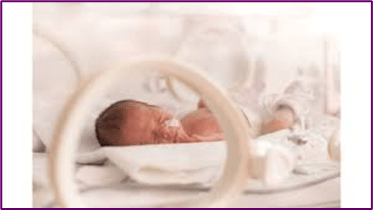
WHO advises immediate skin to skin care for survival of small and preterm babies

15 November 2022

WHO today launched new guidelines to improve survival and health outcomes for babies born early (before 37 weeks of pregnancy) or small (under 2.5kg at birth).

The guidelines advise that skin to skin contact with a caregiver – known as kangaroo mother care – should start immediately after birth, without any initial period in an incubator. This marks a significant change from earlier guidance and common clinical practice, reflecting the immense health benefits of ensuring caregivers and their preterm babies can stay close, without being separated, after birth.

The guidelines also provide recommendations to ensure emotional, financial and workplace support for families of very small and preterm babies, who can face extraordinary stress and hardship because of intensive caregiving demands and anxieties around their babies’ health.

“Preterm babies can survive, thrive, and change the world – but each baby must be given that chance,” said Dr Tedros Adhanom Ghebreyesus, WHO Director-General. “These guidelines show that improving outcomes for these tiny babies is not always about providing the most high-tech solutions, but rather ensuring access to essential healthcare that is centred around the needs of families.”

Prematurity is an urgent public health issue. Every year, an estimated 15 million babies are born preterm, amounting to more than 1 in 10 of all births globally, and an even higher number – over 20 million babies – have a low birthweight. This number is rising, and prematurity is now the leading cause of death of children under 5.

Depending on where they are born, there remain significant disparities in a preterm baby’s chances of surviving. While most born at or after 28 weeks in high-income countries go on to survive, in poorer countries survival rates can be as low as 10%.

Most preterm babies can be saved through feasible, cost-effective measures including quality care before, during and after childbirth, prevention and management of common infections, and kangaroo mother care – combining skin to skin contact in a special sling or wrap for as many hours as possible with a primary caregiver, usually the mother, and exclusive breastfeeding.

Because preterm babies lack body fat, many have problems regulating their own temperature when they are born, and they often require medical assistance with breathing. For these babies, previous recommendations were for an initial period of separation from their primary caregiver, with the baby first stabilized in an incubator or warmer. This would take on average, around 3-7 days.

However, research has now shown that starting kangaroo mother care immediately after birth saves many more lives, reduces infections and hypothermia, and improves feeding. 

“The first embrace with a parent is not only emotionally important, but also absolutely critical for improving chances of survival and health outcomes for small and premature babies,” said Dr Karen Edmond, Medical Officer for Newborn Health at WHO. “Through COVID-19 times, we know that many women were unnecessarily separated from their babies, which could be catastrophic for the health of babies born early or small. These new guidelines stress the need to provide care for families and preterm babies together as a unit, and ensure parents get the best possible support through what is often a uniquely stressful and anxious time.”

While these new recommendations have particular pertinence in poorer settings that may not have access to high-tech equipment, or even reliable electricity supply, they are also relevant for high-income contexts. This calls for a rethink of how neonatal intensive care is provided, the guidelines state, to ensure parents and newborns can be together at all times.

Throughout the guidelines, breastfeeding is strongly recommended to improve health outcomes for preterm and low birthweight babies, with evidence showing it reduces infection risks compared to infant formula. Where mother’s milk is not available, donor human milk is the best alternative, though fortified ‘preterm formula’ may be used if there are no donor milk banks.

Integrating feedback from families gathered through over 200 studies, the guidelines also advocate for increased emotional and financial support for caregivers. Parental leave is needed to help families care for the infant, the guidelines state, while government and regulatory policies and entitlements should ensure families of preterm and low birthweight babies receive sufficient financial and workplace support.

Earlier this year, WHO released related recommendations onantenatal treatments for women with a high likelihood of a preterm birth. These include antenatal corticosteroids, which can prevent breathing difficulties and reduce health risks for preterm babies, as well as tocolytic treatments to delay labour and allow time for a course of corticosteroids to be completed. Together, these are the first updates to WHO’s preterm and low birth weight guidelines since 2015.

NEW Guidelines: https://www.who.int/publications/i/item/9789240058262https://www.who.int/news/item/15-11-2022-who-advises-immediate-skin-to-skin-care-for-survival-of-small-and-preterm-babies

Neonatal Brain Protocol

Ultrasound Protocols Sonographic Tendencies  Mar 23, 2021

How I do it. Neonatal Brain Ultrasound Protocol As I’ve said before, every institution may do it a bit different but these are required views.

Blogpost: https://sonographictendencies.com/201… Medical Disclaimer: https://sonographictendencies.com/about/

Patent to be Issued to LSU Health New Orleans for Technology to Diagnose Life-Threatening Preemie Condition

November 7, 2022

US Patent 11,493,515 will be issued to LSU Health New Orleans on November 8, 2022, for a noninvasive test that more accurately diagnoses a potentially fatal condition in premature infants. Sunyoung Kim, PhD, Professor of Biochemistry and Molecular Biology at LSU Health New Orleans Schools of Medicine and Graduate Studies, led a research team that invented a diagnostic biomarker test for necrotizing enterocolitis (NEC) called NECDetect.

According to the National Institute of Child Health and Human Development, NEC is the most common, serious gastrointestinal disease affecting newborn infants. The tissue lining the intestine becomes inflamed, dies, and can slough off. Health care providers consider this disease as a medical and surgical emergency. X-rays are now used to diagnose advanced disease, but their sensitivity can be as low as 44%. Conversely, the noninvasive NECDetect biomarker panel performed on stool samples identifies 93% true positives and 95% true negatives in diagnosing the disease.

In 2017, Dr. Kim founded Chosen Diagnostics Inc, a spinout company, to develop and commercialize the technology. An Express License for Faculty Startups (ELFS) agreement executed by LSU Health and Chosen Diagnostics Inc in 2020 grants the company the exclusive license to this portfolio of patent and patent applications.

“This patent is an important milestone in protecting the commercial potential of molecular diagnostic tools in intensive care units,” notes Dr. Kim. “Necrotizing enterocolitis continues to be a devastating disease for preemie babies who require long hospital stays. This utility patent is attractive to diagnostic companies that already provide equipment to hospital pathology labs and for drug companies interested in tackling gut disease therapies.”



The National Institute of Child Health and Human Development estimates that NEC affects about 9,000 of the 480,000 infants born preterm each year in the United States. The population most at risk for NEC is increasing because the number of very low birth weight babies who survive continues to grow due to technological advances in care. The percentage of very low birth weight infants who develop NEC remains steady, however, at about 7%. NEC continues to be one of the leading causes of illness and death among preterm infants, although it can also affect full-term babies, usually those with another serious illness or risk factor. Fifteen to forty percent of infants with NEC die from the disease. Surgical survivors require lifelong care.

Rebecca Buckley, PhD, LSU Health New Orleans Research Assistant Professor of Biochemistry (and former postdoctoral research associate), is a co-inventor and Chosen Diagnostics’ Chief Operating Officer. LSU Health inventors also included two other females — Dr. Duna Penn, a member of the Neonatology faculty at the time, and Zeromeh Gerber MD, a former LSU Health neonatology fellow, along with Carl Sabottke, a medical student at the time of the initial application.

This patent is a rarity in that the majority of the team are women,” adds Dr. Kim. “In the 2020 United States Patent and Trademark Office database of all patents issued, only four women in Orleans Parish are inventor-patentees for the whole year. This number has not changed much since 1976.”

Chosen Diagnostics Inc has been awarded $3M in SBIR and STTR grants, and NECDetect’s development was fast-tracked with a Breakthrough Device Designation by the Food and Drug Administration (FDA).

“Intellectual property is the foundation upon which successful biotech businesses are built,” says Patrick Reed, RTTP, LSU Health New Orleans Assistant Vice Chancellor, Innovation & Partnerships. “Working with external counsel, the inventors, and Chosen Diagnostics, we have ensured that this important work is adequately protected, enabling Chosen to attract investment for further R&D and commercialization.”

In addition to this US patent, patent applications are pending in Canada, Europe, Hong Kong, Australia, New Zealand, and China.

Source:https://www.lsuhsc.edu/newsroom/Patent%20to%20be%20Issued%20to%20LSU%20Health%20New%20Orleans%20for%20Technology%20to%20Diagnose%20Life-Threatening%20Preemie%20Condition.html

PREEMIE FAMILY PARTNERS

Preterm Birth – What you need to know about babies born early and a NICU hospitalization

Week 24 of pregnancy is a HUGE milestone as it means the developing baby now has greater than 50% chance of survival with medical help if born today! This week we cover the big things to know about baby’s chances if born early, what some of the concerns are for babies born early, and some tips for new parents with a baby in the neonatal intensive care unit (NICU).

Lost in Transition: Health Care Experiences of Adults Born Very Preterm—A Qualitative Approach

Front. Public Health, 30 November 2020 Anna Perez1*†, Luise Thiede1†Daniel Lüdecke2Chinedu Ulrich Ebenebe1, Olaf von dem Knesebeck2 and Dominique Singer1 Section Neonatology and Pediatric Intensive Care Medicine, Center for Obstetrics and Pediatrics, University Medical Center Hamburg-Eppendorf, Hamburg, Germany – Center for Psychosocial Medicine, Institute of Medical Sociology, University Medical Center Hamburg-Eppendorf, Hamburg, Germany

Introduction: Adults Born Very Preterm (ABP) are an underperceived but steadily increasing patient population. It has been shown that they face multiple physical, mental and emotional health problems as they age. Very little is known about their specific health care needs beyond childhood and adolescence. This article focuses on their personal perspectives: it explores how they feel embedded in established health care structures and points to health care-related barriers they face.

Methods: We conducted 20 individual in-depth interviews with adults born preterm aged 20–54 years with a gestational age (GA) below 33 weeks at birth and birth weights ranging from 870–1,950 g. Qualitative content analysis of the narrative interview data was conducted to identify themes related to self-perceived health, health care satisfaction, and social well-being.

Results: The majority (85%) of the study participants reported that their former prematurity is still of concern in their everyday lives as adults. The prevalence of self-reported physical (65%) and mental (45%) long-term sequelae of prematurity was high. Most participants expressed dissatisfaction with health care services regarding their former prematurity. Lack of consideration for their prematurity status by adult health care providers and the invisibility of the often subtle impairments they face were named as main barriers to receiving adequate health care. Age and burden of disease were important factors influencing participants’ perception of their own health and their health care satisfaction. All participants expressed great interest in the provision of specialized, custom-tailored health-care services, taking the individual history of prematurity into account.

Discussion: Adults born preterm are a patient population underperceived by the health care system. Longterm effects of very preterm birth, affecting various domains of life, may become a substantial burden of disease in a subgroup of formerly preterm individuals and should therefore be taken into consideration by adult health care providers.

Source:https://www.frontiersin.org/articles/10.3389/fpubh.2020.605149/full#:~:text=Introduction%3A%20Adults%20Born%20Very%20Preterm,needs%20beyond%20childhood%20and%20adolescence.

Sensors are first to monitor babies in the NICU

An interdisciplinary Northwestern University team has developed a pair of soft, flexible wireless body sensors that replace the tangle of wire-based sensors that currently monitor premature babies in hospitals’ neonatal intensive care units (NICU) and pose a barrier to parent-baby cuddling and physical bonding. The team recently completed a series of first human studies on premature babies at Prentice Women’s Hospital and Ann & Robert H. Lurie Children’s Hospital of Chicago. The researchers concluded that the wireless sensors provided data as precise and accurate as that from traditional monitoring systems. The wireless patches also are gentler on a newborn’s fragile skin and allow for more skin-to-skin contact with the parent. Existing sensors must be attached with adhesives that can scar and blister premature infants’ skin.

After premature birth: your emotions

Key points

  • Mixed and powerful emotions are common after premature birth.
  • All emotions are OK. Accepting and talking about emotions can help you cope.
  • It can help to focus on your baby’s successes and milestones.
  • When you look after yourself, you’ll be in better shape to care for your baby.

Your emotions after premature birth: what to expect

It’s natural to have many mixed, powerful and conflicting emotions about premature birth.

There are positive emotions, of course, like joy and love for your newborn.

But it’s common to wonder about what happened and what caused the premature birth. You might feel helpless, sad, guilty, anxious or traumatised by the birth experience. There might also be concern, fear and confusion about seeing your premature baby in the neonatal intensive care unit (NICU) or special care nursery (SCN).

Some parents might feel angry at themselves or their doctors. Or they might feel angry at their premature baby for making them feel this bad or for being born early. This might mean they feel reluctant to hold their baby or visit the neonatal intensive care unit (NICU). This is OK too.

Many people feel like things aren’t quite real. And it’s easy to feel powerless or as if you have no control over the future. It’s common to feel lonely. Some people find it hard to see themselves as parents while their premature baby is in the NICU.

Many parents find it very hard to leave their premature baby at the hospital while they go home.

Over time, there are generally fewer challenges, and they get easier to cope with. And as your premature baby gets bigger and more medically stable, you’ll be able to hold and care for them more often. As you get to know the NICU, it will feel more comfortable too. The nursing staff and other members of your baby’s care team will help you as well as care for your baby.

All of this can help you to feel more confident, less anxious and better able to connect and bond with your premature baby.

Tips for managing emotions about premature birth

Here are some ideas that might help you manage your emotions.

Managing emotions

  • Accept your feelings, whatever they are – don’t push them away. Acknowledging and naming your emotions is a healthy thing to do.
  • Be kind to yourself, and remind yourself that you’re doing the best you can.
  • If you can, get to know other parents who are in a similar situation. It helps to hear how other parents are coping, but remember that there’s no one right way to feel or respond.
  • Accept your partner’s way of coping if it’s different from yours. Try to let your partner do things their own way, and find out how your partner is feeling by talking to each other and listening to each other.

Looking after yourself

  • Eat healthy food, do physical activity, and get as much rest as you can. It’s also a good idea to limit caffeine and alcohol and other drugs.
  • Surround yourself with people who help you to feel supported.
  • Avoid unnecessary stress, if you can. It’s OK to let some things go or not do things the way you usually do while you focus on your premature baby and your family for a while.
  • Take a day off from the NICU every now and then so you can do things for yourself as well.
  • Take time to relax and do things you enjoy each day, even for just a few minutes. For example, do breathing exercises, listen to your favourite music, or go for a walk around the block. You can also do breathing exercises or listen to music while sitting next to your baby in the hospital.

Being with your baby

  • Celebrate successes, positives and progress – yours and your premature baby’s. Your baby might be in the NICU, but they’ll be reaching their own goals and milestones.
  • Get involved in your premature baby’s day-to-day care. This can help you bond with your baby, which is good for your baby and good for you.
  • Find out how you can help your premature baby. For example, you might learn about one piece of technology or your baby’s stress signs, or about how to change a nappy gently. Just focus on one thing at a time.
  • Remember that there are things only you as a parent can do. Your touch, smell and voice are all very important for your premature baby. You’re also your baby’s most important advocate.

Seeking support

  • Talk with trusted family members or friends about your emotions. It’s OK to share negative feelings and to say what you need. This might be someone just to listen or someone who doesn’t mind if you cry.
  • Seek support only from people you feel comfortable with. It’s OK to not to seek support from people who cause you tension and stress.
  • Ask your nurse if you can speak with someone at the hospital who can help you manage your emotions.
  • Speak with your GP, who can guide you to an appropriate mental health professional.
  • Contact LifelineBeyond Blue or your state or territory parent helpline.

It’s important to look after yourself in these early days and weeks of your premature baby’s life. When you look after yourself, you’ll be in better shape to care for your baby.

More than baby blues: postnatal depression after premature birth

Mood changes are common after you’ve had a baby. They can vary from mild to severe.

Many birthing mothers experience the ‘baby blues’ – a mild depression in the days after childbirth. If it continues and becomes more severe, it could become postnatal depression (PND). Non-birthing parents can suffer from PND too.

Signs of PND include a persistent feeling of sadness, low mood, feelings of hopelessness, lack of energy, low self-esteem and sleep problems.

If you think you’re experiencing the signs of postnatal depression in birthing mothers or postnatal depression in non-birthing parents, it’s important to get professional help as soon as you can. Your GP is a good place to start. With proper diagnosis, treatment and support, you can make a full recovery.

Source:https://raisingchildren.net.au/newborns/premature-babies-sick-babies/premature-birth/premature-birth-feelings

INNOVATIONS

Late-Onset Sepsis Among Very Preterm Infants

Dustin D. Flannery, DO, MSCEErika M. Edwards, PhD, MPH; Sarah A. Coggins, MD; Jeffrey D. Horbar, MD;Karen M. Puopolo, MD, PhD

OBJECTIVES:

To determine the epidemiology, microbiology, and associated outcomes of late-onset sepsis among very preterm infants using a large and nationally representative cohort of NICUs across the United States.

METHODS:

Prospective observational study of very preterm infants born 401 to 1500 g and/or 22 to 29 weeks’ gestational age (GA) from January 1, 2018, to December 31, 2020, who survived >3 days in 774 participating Vermont Oxford Network centers. Late-onset sepsis was defined as isolation of a pathogenic bacteria from blood and/or cerebrospinal fluid, or fungi from blood, obtained >3 days after birth. Demographics, clinical characteristics, and outcomes were compared between infants with and without late-onset sepsis.

RESULTS:

Of 118 650 infants, 10 501 (8.9%) had late-onset sepsis for an incidence rate of 88.5 per 1000 (99% confidence interval [CI] [86.4–90.7]). Incidence was highest for infants born ≤23 weeks GA (322.0 per 1000, 99% CI [306.3–338.1]). The most common pathogens were coagulase negative staphylococci (29.3%) and Staphylococcus aureus (23.0%), but 34 different pathogens were identified. Infected infants had lower survival (adjusted risk ratio [aRR] 0.89, 95% CI [0.87–0.90]) and increased risks of home oxygen (aRR 1.32, 95% CI [1.26–1.38]), tracheostomy (aRR 2.88, 95% CI [2.47–3.37]), and gastrostomy (aRR 2.09, 95% CI [1.93–2.57]) among survivors.

CONCLUSIONS:

A substantial proportion of very preterm infants continue to suffer late-onset sepsis, particularly those born at the lowest GAs. Infected infants had higher mortality, and survivors had increased risks of technology-dependent chronic morbidities. The persistent burden and diverse microbiology of late-onset sepsis among very preterm infants underscore the need for innovative and potentially organism-specific prevention strategies.

Source:https://publications.aap.org/pediatrics/article-abstract/doi/10.1542/peds.2022-058813/189935/Late-Onset-Sepsis-Among-Very-Preterm-Infants?redirectedFrom=fulltext

New wireless monitors let premature babies have skin-to-skin contact even in the NICU

Premature and ill babies thrive with direct contact, but wires from traditional sensors get in the way

Parents may feel helpless when their children are in the neonatal intensive care unit (NICU), and they can develop anxiety, depression, and anger. Seeing their infants isolated and entangled in wires that tether them to massive medical devices for monitoring vital signs is gruesome and heart-wrenching.

Approximately 450,000 babies are born premature in the US every year, sometimes weighing as little as 500 grams. They need constant clinical monitoring in the NICU as they might develop complications by being born unusually early in development. An additional 480,000 children spend time in the NICU or pediatric intensive care unit annually because of a critical illness.

Biosensors indeed enhance the quality of neonatal and pediatric clinical care by allowing parents to hold their babies, feed them conveniently, and clean them in a timely manner.

Precise monitoring of NICU patients is essential but invasive, typically requiring specialized catheters inserted into the patient’s tiny veins. Wired monitoring can cause scarring and increase the risk of infections and complications, such as blood clots and blood vessel blockage. Wires also get in the way of feeding and cleaning. Above all, a major disadvantage of wired monitoring is that it impedes skin-to-skin contact between parent and newborn, which has been scientifically shown to have clinical advantages for the newborn.

New technology developed by a group of American, Chinese, and Korean researchers headed by Debra Weese-Mayer, John Yoon Lee, and John Rogers may solve many problems introduced by wired monitoring of NICU patients. The first of its kind, these non-invasive, wireless biosensors can continuously monitor vital parameters by merely attaching as a patch on a skin surface.

The wireless biosensor consists of two parts, a chest and a limb unit, both of which fit inside the palm of an adult hand. The chest unit can be gently mounted on to the infant’s chest or back, while the limb unit has can go around a foot, palm, or toe. This means that the biosensor covers a wide range of infant ages and anatomies, including interfaces such as wrist-to-hand and foot-to-toe sensing. Researchers have demonstrated its successful clinical use in extremely premature infants, as young as 27 weeks of gestational age but who have been out of the womb for 6 weeks. At that point, they are about the size of a head of lettuce.

The sensor can simultaneously monitor a range of health indicators, including breathing and blood oxygen levels, at a level that is comparable to standard FDA-approved monitoring systems. It harbors an accelerometer that measures chest vibrations to generate a seismocardiogram (SCG), which provides similar information as an electrocardiogram (EKG) that monitors cardiac muscle activity and valve motion, but is better suited for small infants because it provides a direct assessment of the mechanical activity of the heart. The device also records an infant’s cries, which can be used to analyze an infant’s pain and stress levels.

The previous prototype of biosensors created by the researchers worked wirelessly, although it lacked several features compared to the current design, such as relaying the recorded patient data to a computer system placed far from the sensor. Another challenge was fixing the fragile nature of the sensor without compensating its flexibility, which is key to recording on highly curved surfaces such as the chest, ankles, and toes.

A year later, the same researchers came up with a novel model with additional built-in features that solve many of the issues that the earlier version had. The electronic components of the device are sandwiched between waterproof silicone covers, so they sit comfortably on the sensitive skin of infants. The sensor can draw power from onboard batteries or from a nearby antenna placed 30-50 cm away from the biosensor, ensuring that it never lose’s track of it’s patient’s vital signs.

The device uses Bluetooth and can transmit data into a computer system 10 meters away, meaning they can take records within a standard-sized patient room. The sensors can be sterilized between patients, and they do not generate heat for up to 24 hours, making them reliable and safe to use.

Biosensors enhance the quality of neonatal and pediatric clinical care by allowing parents to hold their babies, feed them conveniently, and clean them in a timely manner. The design is also inexpensive, durable, cost-effective, and can even be used outside a hospital setting with the data being recorded on a tablet or a cell phone.

This simple technology can be expanded beyond infants and children. Patients who need outpatient monitoring, such as those sent home after a surgery, or those with chronic conditions, could also use the device. Sharing the monitoring data with a physician online could also cut down on non-emergency hospital visits.

Although this technology is wonderful, it will probably be some time before it can be used in hospitals. This is one of the first studies to record data in real NICU patients, so more confirmation is required to ensure the reliability of these biosensors.

A physician’s human touch gives an emotional connection, but if parents are comfortable, this biosensor technology can serve as a boon by monitoring infants continuously to watch out for anomalies.

Source:https://massivesci.com/articles/nicu-premature-baby-illness-medical-care-wireless-biosensor-monitor/

Role of Neurosonography in Critically Ill Neonates in NICU

Rupesh Rao, Amar Taksande, Sneh Kumar+2View all authors and affiliations Volume 36, Issue 3https://doi.org/10.1177/09732179221113674

Journal of Neonatology

Abstract

Background

Neurosonography has been commonly used for screening in neonatal intensive care unit (NICU), for early detection of defects in the central nervous system (CNS) which include findings like intracranial hemorrhage, hydrocephalus, cerebral edema, and other structural abnormalities.

Aim

To detect the CNS abnormality in critically ill neonates by neurosonography.

Materials and Methods

This was a cross-sectional study done in the NICU of AVBR Hospital, Sawangi Meghe, Wardha. Neonates were defined as “critically ill” after taking their detailed history and performing a complete physical examination. Following this, the newborns who fulfilled the studies’ inclusion criteria were subjected to neurosonogram. The following factors were considered: gestational age, clinical examination, investigations, neurosonography findings, and outcomes.

Results

A total of 150 critically ill newborns were subjected to neurosonography, 24 of them had abnormal findings. There was a significant correlation of gestational weeks, mode of delivery, and diagnosis of critically ill neonates with abnormal neurosonography (P = .000, P = .000, and P = .000). Prematurity was the most common diagnosis followed by meningitis. A total of 16% of the newborns had abnormal results in neurosonography. About 6.67% of these had hydrocephalus, 5.34% had an intraventricular hemorrhage (IVH), 1.34% had periventricular echogenicity, 0.66% had cerebral edema, 0.67% had germinal matrix hemorrhage, and 0.66% had brain abscess. A total of 109 (72.67%) participants in the study had a positive outcome at the time of discharge from NICU; whereas, 27 (18%) unfortunately did not survive.

Conclusion

Neurosonography is thus a valuable, safe, and effective diagnostic tool used for screening critically ill neonates for abnormalities of the brain.

Source:https://journals.sagepub.com/doi/abs/10.1177/09732179221113674

For our little family members! A fun story…

Joy by Corrinne Averiss

Why Happiness Matters

Think how wonderful the world would be if we all did what made us happy. Wouldn’t it be amazing to live in a world where we let go of the “should” and followed our hearts to what was truly important to us?

By Nathalie Thompson, Contributor Feb 1, 2016, 04:47 PM EST|Updated Dec 6, 2017

“Happiness is the meaning and the purpose of life, the whole aim and end of human existence.” – Aristotle

Happiness matters, more than you might realize. It’s important to your physical and mental health, your resiliency in the face of obstacles and crises, and believe it or not, your happiness is important to the happiness of the world at large.

Your Happiness Matters to the Whole World

Yes, you heard me — your personal happiness is important to the happy quotient of the entire world. But somewhere along the way, we’ve picked up this horribly damaging belief that wanting to be happy is selfish and arrogant. We’ve made ourselves believe that what we want most in life is not important, and that we don’t deserve it.

We’ve somehow managed to twist ourselves so out of alignment with Who We Really Are that we’ve come to believe that suffering is expected, and even virtuous! We’ve come to believe that in pursuing our own happiness, we will somehow destroy or negate the happiness of others. And so we give up on believing that our own happiness matters and we resign ourselves to a lifetime of misery because we don’t want to hurt anyone and we don’t want anyone to think badly of us.

But here’s the thing: Being happy yourself is one of the best things you can do to help other people be happy, too! We’ve all had the experience of knowing someone who seems to light up a whole room when they enter it — the kind of person who makes other people feel happy, just be being around them. Happiness has a ripple effect far beyond a single individual — when you are happy, other people (your partner, your kids, your friends, etc.) notice and are themselves influenced by your mood.

This is not just anecdotal, there’s scientific evidence: When you are happy, you boost the moods of everyone you encounter and (here’s where it gets really cool) those people whose moods you have affected will then affect the moods of everyone they encounter, too!

The Happiness Cascade Effect

This happiness “cascade effect” was documented in a study published in 2008 in the British Medical Journal. Researchers from Harvard and the University of California, San Diego discovered that “clusters of happiness result from the spread of happiness and not just a tendency for people to associate with similar individuals” and that the happiness of single individuals affects even those they don’t know… through three degrees of separation!

That means that if you are happy, not only does it make your friends happier, it also makes their friends happier and their friends’ friends happier, too!

If one person is happy, that increases the chances of happiness in a friend living within a mile by 25 percent. The “cascade” effect, as the researchers put it, continues: a friend of the friend has almost a 10 percent higher likelihood of being happy, and a friend of that friend has a 5.6 percent increased chance.

See? Happiness is contagious! So, far from being a selfish thing, the pursuit of your own happiness can be seen as a generous public service — and perhaps even a civic duty of sorts, to increase the happiness of society as a whole!

Think how wonderful the world would be if we all did what made us happy. Wouldn’t it be amazing to live in a world where we let go of the “shoulds” and followed our hearts to what was truly important to us?

Your happiness matters — to all of us. So figure out what makes your heart sing… and then go out there and do it.

Source:https://www.huffpost.com/entry/why-happiness-matters_b_9126862

Author Sheryl Sandberg said happiness is made up of numerous small moments of joy. The more you experience joyous emotions, the happier you are. Learning to shift our perspective to a positive one can greatly impact our outlook on navigating life. Through my life experience I have learned over time that choosing happiness is a skill. Thus, making the choice to become more aware of what brings us joy in life can help us cultivate our own happiness.

There is joy in the daily things we do if we just pay attention. Discovering what brings us joy through our passions, purpose, daily activities, interest, and close relationships can drive “the happiness cascade” in how we interact with the world and others around us.

What are the small moments in your life that bring you great joy?

For me, the simplicity of enjoying my daily workout, greeting my cat after the workday, catching up with internationally located friends, cooking with my mom and going on walks throughout the city with a coffee in hand brings snippets of joy into my daily life.

As we move into the holiday season, we wish you and yours great joy and happiness in the big and small moments in life.

#News #Reuters #adventuresports

Mar 28, 2021: A group of friends in Latvia have adapted their hobby to the harsh weather conditions to create a new sport they have dubbed ‘kiteskating.’

Strategies, Shifts, NICU Blues

PRETERM BIRTH RATES – ECUADOR

Rank: 183  –Rate: 5.1%   Estimated # of preterm births per 100 live births 

(USA – 12 %, Global Average: 11.1%)

Ecuador, officially the Republic of Ecuador, is a country in northwestern South America, is bordered by Colombia on the north, Peru on the east and south, and the Pacific Ocean on the west. Ecuador also includes the Galápagos Islands in the Pacific, about 1,000 kilometers (621 mi) west of the mainland. The country’s capital and largest city is Quito.

The sovereign state of Ecuador is a middle-income representative democratic republic and a developing country[19] that is highly dependent on commodities, namely petroleum and agricultural products. It is governed as a democratic presidential republic. The country is a founding member of the United NationsOrganization of American StatesMercosurPROSUR and the Non-Aligned Movement.

Ecuador currently ranks 20, in most efficient health care countries, compared to 111 back in the year 2000.  Ecuadorians have a life expectancy of 77.1 years. The infant mortality rate is 13 per 1,000 live births,  a major improvement from approximately 76 in the early 1980s and 140 in 1950. 23% of children under five are chronically malnourished. Population in some rural areas have no access to potable water, and its supply is provided by mean of water tankers. There are 686 malaria cases per 100,000 people. Basic health care, including doctor’s visits, basic surgeries, and basic medications, has been provided free since 2008. However, some public hospitals are in poor condition and often lack necessary supplies to attend the high demand of patients. Private hospitals and clinics are well equipped but still expensive for the majority of the population.

Between 2008 and 2016, new public hospitals have been built, the number of civil servants has increased significantly and salaries have been increased. In 2008, the government introduced universal and compulsory social security coverage. In 2015, corruption remains a problem. Overbilling is recorded in 20% of public establishments and in 80% of private establishments.

Source:Ecuador – Wikipedia

COMMUNITY

New recommendations from WHO to help improve the health of preterm infants

30 September 2022            


Preterm birth is the leading cause of death in newborns less than 28 days old with more than a million preterm infants dying each year. Those that do survive risk a range of disabilities throughout their lives. Alarmingly, in almost all countries with reliable data, preterm birth rates are increasing.

In order to improve the health outcomes for these newborn babies, the World Health Organization has issued updates for two interventions. One set of recommendations focuses on the use of antenatal corticosteroids. These drugs cross the placenta and enhance the structural maturity of the fetus’ developing lungs, helping to prevent respiratory-related morbidity and mortality in preterm newborns. 

Safe and effective for use in low-income countries

This recommendation (and its nine sub-recommendations) resolves previous confusion about evidence on their use in low-resource settings. Clinical trials in high-resource settings suggested that antenatal corticosteroids were safe and beneficial to newborn outcomes. The Antenatal Corticosteroids Trial in lower-income countries however found a significant increase in the number of perinatal deaths (5 excess deaths per 1000 women exposed to the treatment) and maternal infections. A subsequent trial (WHO ACTION-1) also in lower-income countries found that under the right conditions, antenatal corticosteroids were safe and effective.

New recommendation on tocolytic drugs

Another new WHO recommendation out today, is for the use of tocolytic treatments.  Tocolytic drugs inhibit contractions of the uterus and can be used to delay preterm labour and prolong pregnancy. This has multiple benefits; giving more time for fetal development, and for administering antenatal corticosteroids. It also creates a window of time for women to be transferred to a higher level of care, if necessary. 

“These recommendations provide clear guidance to health professionals on the management of preterm birth and have the potential to improve the health of newborn babies, even in low-resource settings.” Dr Doris Chou, Medical Officer, Department of Sexual and Reproductive Health and Research.

In the 2015 WHO recommendations on interventions to improve preterm birth outcomes, tocolytic treatments (acute and maintenance treatments) were not recommended for women at risk of imminent preterm as there was insufficient evidence demonstrating substantive benefits. A review of the evidence in 2022, however, has recommended in favour of nifedipine for acute and maintenance tocolytic therapy for women with a high likelihood of preterm birth, when certain conditions are met.

In formulating these recommendations, WHO, in addition to considering the clinical evidence also considered aspects of cost-effectiveness, feasibility and resources, equity and whether the intervention was valued by and acceptable to stakeholders including clinicians as well as women and their families.

Useful links- WHO recommendations

Global trends in preterm birth from 1990-2019

 POSTED ON 22 SEPTEMBER 2022

In a recent study from China, data from the 2019 Global Burden of Disease study have been analysed to show trends in preterm birth. Deaths and incident cases decreased globally, but on a regional and national level, preterm birth rates also increased.

Preterm birth is a global issue. Almost 15 million infants were born too soon (preterm) in 2014, with a global incidence rate of 10.6%. Despite improvements in medical care, increases in preterm births were also observed in high-income countries, as for example in the USA. Due to the higher risk of infections and other complications, preterm birth is still the leading cause of death in children under five years.

Cao et al. have analysed global trends from 1990 to 2019 regarding the occurrence and death rate in preterm born infants. For this purpose, the researchers used data from the 2019 Global Burden of Disease study. Amongst others, the yearly rate of preterm birth cases and deaths was analysed, together with age-standardised incidence rates (ASIRs: expected disease rate in a certain time period in a reference/standard population) as well as age-standardised mortality rated (ASMRs: weighted average of the age-specific mortality rates per 100 000 persons).

Globally, the good news is that the rate of preterm birth has declined by about five percent (16.06 million in 1990) to 15.22 million in 2019. Also, fewer deaths of preterm newborns could be noted; a reduction of even 48% from 1.27 million (1990) to 0.66 million in 2019.

Interestingly, the findings were also compared according to the socio-demographic index (SDI), which shows the development status of a region and is strongly related to health. It was found that regions with a high SDI show a decrease in incident cases of preterm births by about five percent. Also, the number of deaths of preterm born newborns halved in low-, middle-, middle-high-, and high-SDI regions.

Across all global burden of disease regions, the largest decrease in incident cases and deaths could be noted in East Asia. On a national level, one third of all global incident cases, in absolute numbers, accounted for India (3.10 million) and Pakistan (1.04) in 2019. The most striking increase in preterm birth rates, however, was noted in Niger (182.10%), together with the highest increase in preterm birth related deaths (105.52%). In Greece, the highest increase of age-standardised incident rates could be observed.

Finally, the overall decrease in global incidence and mortality of preterm born children can be explained by improvements in medical care and a better general health status. However, incidence of preterm birth has increased in some countries, also high-income ones. Possible explanations could be higher rates of multiple births, delayed parenthood and other changes in clinical practices. Further research is needed to find the underlying reasons and measures to prevent preterm birth worldwide. 

Paper available at:  https://jamanetwork.com/journals/jamapediatrics/article-abstract/2792732

Paulina Aguirre – La Tierra Llora

218,265 views  #latina #mujer #musica

Let Them Be Girls, and Not Mothers Before Time

27.3.2019

Jenny Benalcazar Mosquera, Coordinator of the delivery room of the Obstetric Gynecology Hospital Isidro Ayora de Loja (Ecuador)

The World Health Organization (WHO) defines adolescence as the period between the ages of 10 and 19 years, a time of life characterised by growth and development. In my country, Ecuador, 12% of girls in this age group have had a child or at least one pregnancy—the highest rate of adolescent pregnancy in South America. According to the statistics published by Ecuador’s National Institute of Statistics and Census (INEC), 49.3 of every 100 live births in the country involve adolescent mothers. These statistics are cause for concern.

Equally worrying is the fact that over the last decade we have seen a 78% increase in births among girls in the 10 to 14 year age group and an 11% increase in motherhood among girls aged between 15 and 19 years. According to the National Sexual and Reproductive Health Plan, Ecuador has the third highest rate of adolescent pregnancy in Latin America and the highest in the Andean region, surpassed only by Nicaragua and the Dominican Republic.

Over the last decade we have seen a 78% increase in births among girls in the 10 to 14 year age group and an 11% increase in motherhood among girls aged between 15 and 19 years.

Sexual and reproductive health rights imply guaranteeing girls and women safe and effective control of their own fertility, enabling them to decide how many children they want and when they have them, facilitating access to contraception and other family planning methods. Access to family planning has improved over the last two decades in Ecuador, but gaps still exist between different social, ethnic, and age groups.

According to research carried out for UNICEF by the Observatory for the Rights of Children, 50% of indigenous adolescents do not complete their basic education, and this figure is higher among girls who become pregnant. Consequently, these adolescent girls are less likely to be integrated into the educational system and improve their living conditions than their non-indigenous peers. From childhood, these children grow up in poverty and inequality and live in a culture of punishment, especially in the provinces of the Ecuadorian Highlands (Chimborazo, Cotopaxi and Imbabura).

Sexual and reproductive health rights imply guaranteeing girls and women safe and effective control of their own fertility, enabling them to decide how many children they want and when they have them, facilitating access to contraception and other family planning methods.

Even though they may know something about contraceptive methods, in most cases they do not use them. However, the main cause of adolescent pregnancy continues to be sexual abuse and violence, which affects 42.7% of adolescents. In more than half of all cases (55%) this sexual violence occurs within the family circle. The national survey of family relations and gender violence against women carried out by the INEC estimated that 60.6% of women in the country have experienced some kind of gender violence (physical, psychological and/or sexual).

Pregnancy in adolescence is associated with serious health effects as well as economic and social repercussions. For example, while the school dropout rate in Ecuador has fallen (and pregnancy is the cause in only 2.8% of cases), the number of pregnancy-related deaths has increased by 2.5% among adolescent girls (aged 10 to 19 years).

Pregnancy in adolescence is associated with serious health effects as well as economic and social repercussions.

The available data are essential to inform decisions on public policy relating to the present adolescent population. After two decades marked by an increase in adolescent fertility, during which profound gender gaps have persisted, the challenge for the state as well as for international and local organizations working in the field of reproductive health is to prioritise strategies aimed at avoiding or postponing motherhood in the adolescent population. Indispensable prerequisites to progress include strengthening the state and the role of public institutions, especially by way of the National Plan for the Eradication of Gender Violence Against Children, Adolescents and Women—a comprehensive plan that addresses the problem of violence—and by implementing the Global Strategy for Women’s, Children’s and Adolescents’ Health (2016-2030).

Among the interventions announced in July 2018, the Intersectoral Strategy for the Prevention of Pregnancy in Girls and Adolescents 2018-2025 is of particular interest. This strategy will involve the cooperation of four ministries: Health, Education, Justice, and Economic and Social Inclusion. The strategy will work towards ensuring universal access among adolescents to sexual and reproductive health information, education and services, with a view to giving young people the freedom to make their own decisions; facilitating access to contraception will also be a priority. The ultimate goal is to achieve the targets for adolescent health defined by the WHO’s Global Strategy.

To reduce adolescent pregnancy rates, Ecuador must successfully tackle major challenges. Early pregnancy is a problem with serious implications for the present and future of girls and adolescents. Beyond that, it is a problem that affects not only young mothers but also the country as a whole because it is a determining factor in the intergenerational cycle of poverty.

Source:https://www.isglobal.org/en/healthisglobal/-/custom-blog-portlet/ser-madre-adolescente-en-ecuador/5083982/9801

Hospital System Saw Fewer Attacks From Patients With New Crisis Strategies

Emergency response teams, de-escalation training likely contributed to dip in violence by Randy Dotinga, Contributing Writer, MedPage Today October 21, 2022

LONG BEACH, Calif. — A Pittsburgh-based hospital system has seen a rapid decrease in violent attacks by mental health patients against staff members, a psychiatric nurse told colleagues here.

From 2020 to 2021, reported violence at Allegheny Health Network facilities fell by 20%, and reported cases of staff being struck by combative patients dropped by 29%, reported Jamie Elyse Malone, MSN, RN, during a presentation at the American Psychiatric Nurses Association annual meeting.

These improvements are likely due to a series of strategies such as emergency response teams, the flagging of violent patients, and crisis intervention training, she noted.

“We’ve seen really positive results from all these different initiatives,” Malone said. “We can’t say there’s causation from the data, but it looks like they really work.”

Any reduction in workplace violence against healthcare workers would make Allegheny Health’s hospital system an outlier. According to a report from earlier this year by the Joint Commission, “U.S. healthcare workers in the private sector are 5 times more likely to experience nonfatal violence-related injury compared to workers in all other private industries combined.”

Violence rates at general hospitals have doubled since 2011, and “overall, nearly three-quarters of all violence-related nonfatal injuries and illnesses in 2018 were incurred by healthcare workers,” the report noted.

While data are sparse, surveys have also suggested that violence against healthcare workers has increased during the COVID-19 pandemic.

A 2018 survey of 990 Allegheny staff members found that only 24% said they reported cases of workplace violence, with 74% reporting that they were instructed to do so. Only 11% said they felt prepared to deal with aggressive/violent behavior. “We realized that we needed to change in order to better protect our team members, patients, and visitors,” Malone said.

Subsequently, the hospital system developed a centralized police force with sworn officers, and spent the next several years developing other strategies to address violence.

Crisis response teams are now in place and led by clinicians with de-escalation training. Depending on availability, the teams can include security/hospital police, behavioral health staff, physicians, and hospital managers. In addition, “crisis response bags” are available that include tools such as “hard” restraints with keys, bite sleeves, spit masks, and towels, Malone added.

However, the protocol only calls for crisis teams to respond in the most severe situations, she noted. “Sometimes somebody might be yelling, they might be acting up a little bit, so you call the whole team to help and it just escalates the situation more,” she explained. “So we have four levels in our crisis response, which helps us get the appropriate response.”

The full crisis teams only respond at the highest two of the four levels when patients actually become physical/violent. “If there’s a threatening act — somebody with an IV pole trying to break a window, somebody’s trying to strangle a nurse — our police and security are trained to get into that room as quickly as possible,” she said.

Debriefing and reporting are important parts of the protocol, Malone noted, and have led to administrative action. “Because you reported that incidences of delirium have gone up, and they’ve caused 50% of our violent offenses in the last month, we’ve set up this whole program to help prevent delirium. That is the way we get staff to actually report — by being transparent with the data and letting them know how that has driven our initiatives and our processes to make things better,” she said.

Over the last 4 years, Allegheny Health has also created councils and committees devoted to preventing workplace violence, added metal detectors to emergency department entrances, conducted simulations, and adopted a violence prediction tool that provides risk notifications.

Patients at risk of being violent are now flagged in the EPIC system, Malone noted. “We wanted to make sure we very clearly but subtly communicated with our staff when a person is likely to become violent.”

Personal panic alarms are now available for staff members, along with specially designed pens and toothbrushes that prevent injury when wielded by a violent patient.

Over 3 years, more than 3,000 staff members were trained in de-escalation techniques, Malone reported, and evidence suggests that “calls for a crisis response appeared to decrease incidents of reported injury from violence.”

What’s next? Malone said she’s working on ways to keep hospital leaders focused on preventing workplace violence instead of letting their attention wander to other projects. “I also would really like to see us do a little bit better with reporting and find out how we can do more projects to continue to prevent violence. One of the big specialty projects that we hope to work on next is alcohol withdrawal. It’s a struggle at our hospitals, and we can do a lot better.”

Source:https://www.medpagetoday.com/meetingcoverage/apna/101343

PREEMIE FAMILY PARTNERS

How the mother’s mood influences her baby’s ability to speak

OCTOBER 07, 2022

Communicating with babies in infant-directed-speech is considered an essential prerequisite for successful language development of the little ones. Researchers at the Max Planck Institute for Human Cognitive and Brain Sciences have now investigated how the mood of mothers in the postpartum period affects their child’s development. They found that even children whose mothers suffer from mild depressive mood that do not yet require medical treatment show early signs of delayed language development. The reason for this could be the way the women talk to the newborns. The findings could help prevent potential deficits early on.

Up to 70 percent of mothers develop postnatal depressive mood, also known as baby blues, after their baby is born. Analyses show that this can also affect the development of the children themselves and their speech. Until now, however, it was unclear exactly how this impairment manifests itself in early language development in infants.

In a study, scientists at the Max Planck Institute for Human Cognitive and Brain Sciences in Leipzig have now investigated how well babies can distinguish speech sounds from one another depending on their mother’s mood. This ability is considered an important prerequisite for the further steps towards a well-developed language. If sounds can be distinguished from one another, individual words can also be distinguished from one another. It became clear that if mothers indicate a more negative mood two months after birth, their children show on average a less mature processing of speech sounds at the age of six months. The infants found it particularly difficult to distinguish between syllable-pitches. Specifically, they showed that the development of their so-called Mismatch Response was delayed than in those whose mothers were in a more positive mood. This Mismatch Response in turn serves as a measure of how well someone can separate sounds from one another. If this development towards a pronounced mismatch reaction is delayed, this is considered an indication of an increased risk of suffering from a speech disorder later in life.

“We suspect that the affected mothers use less infant-directed-speech,” explains Gesa Schaadt, postdoc at MPI CBS, professor of development in childhood and adolescence at FU Berlin and first author of the study, which has now appeared in the journal JAMA Network Open. “They probably use less pitch variation when directing speech to their infants.” This also leads to a more limited perception of different pitches in the children, she said. This perception, in turn, is considered a prerequisite for further language development.

The results show how important it is that parents use infant-directed speech for the further language development of their children. Infant-directed speech that varies greatly in pitch, emphasizes certain parts of words more clearly – and thus focuses the little ones’ attention on what is being said – is considered appropriate for children. Mothers, in turn, who suffer from depressive mood, often use more monotonous, less infant-directed speech. “To ensure the proper development of young children, appropriate support is also needed for mothers who suffer from mild upsets that often do not yet require treatment,” Schaadt says. That doesn’t necessarily have to be organized intervention measures. “Sometimes it just takes the fathers to be more involved.”

The researchers investigated these relationships with the help of 46 mothers who reported different moods after giving birth. Their moods were measured using a standardized questionnaire typically used to diagnose postnatal upset. They also used electroencephalography (EEG), which helps to measure how well babies can distinguish speech sounds from one another. The so-called Mismatch Response is used for this purpose, in which a specific EEG signal shows how well the brain processes and distinguishes between different speech sounds. The researchers recorded this reaction in the babies at the ages of two and six months while they were presented with various syllables such as “ba,” “ga” and “bu.

How the mother’s mood influences her baby’s ability to speak | Max Planck Institute for Human Cognitive and Brain Sciences (mpg.de)

Fortifying Family Foundations:Assistant Professor Ashley Weber’s intervention empowers parents to care for their premature infants

By Evelyn Fleider – July 20, 2021

Imagine you are a new mom or dad whose baby was recently born at fewer than 32 weeks old. Your infant needs weeks-long, round-the-clock support in the hospital, but you do not have the job flexibility that allows you to spend time there, a trusted sitter to care for your other child/children or reliable transportation to get you there. You are overwhelmed, emotional and missing out on critical moments at the hospital, when you could get to know your baby and learn to manage their complex care and needs.

Each year, about 100,000 U.S. women give birth to babies considered very or extremely premature who require long-term stays in a neonatal intensive care unit (NICU) and who are at a high risk of developing chronic conditions. But not all parents get the formal training they need to keep their child healthy, which can cause mental health issues for parents. To address the critical need for an effective, streamlined model of parent-driven care, Ashley Weber, PhD, RN, a practicing NICU nurse and assistant professor at the College, is piloting PREEMIE PROGRESS, a video-based intervention that helps parents understand, monitor and manage their infant’s care while in the NICU.

With the financial backing of a National Institutes of Health (NIH) grant, Weber and the College’s Center for Academic Technologies and Educational Resources (CATER) team designed and built the intervention to deliver education to overwhelmed, high-risk parents with low literacy and education through accessible, platformagnostic videos and optional worksheets. Parents can learn by watching the videos or completing worksheets
while doing laundry or caring for other family members at home. Specifically, PREEMIE PROGRESS provides family management skills including negotiated collaboration, care systems navigation, emotion control, outcome expectancy and more.

“Our mortality rates have significantly gone down over the decades, but long-term complications from prematurity have not changed,” Weber says.
“We need to decrease the stress and sensory stimulation that babies experience throughout their NICU stay. Also, research shows that babies do best when they’re with their parents.”

Although parent education interventions exist, socioeconomic barriers, such as the lack of mandated paid family leave in the U.S., often prevent parents from participating in these opportunities and learning about their baby’s complex care during their NICU stay. The need to return to work shortly after birth or lack of transportation to the NICU are some of the various obstacles that prevent parents from being able to focus on their baby’s health and deliver the majority of care in the NICU.

“If you can spend large amounts of time in the NICU, you get to learn; nurses educate you on the plan of care and you participate in rounds, getting to know your baby,” Weber says.

“I wanted to build an intervention that could help disadvantaged families learn outside of the NICU, so that when they are able to be in the NICU, they maximize that time and spend it caring for their baby as opposed to playing catch-up.”

Currently, Weber and her team are refining PREEMIE PROGRESS through iterative usability and acceptability testing. In October, they will start testing feasibility and acceptability of the refined intervention and study procedures in a pilot randomized controlled trial with 60 families over the course of two years. They anticipate the intervention will decrease parent depression and anxiety, increase infant weight gain and receipt of mother’s milk and reduce neonatal health care utilization. Weber then plans to submit a competitive R01 for additional funding to conduct an even larger trial.

PREEEMIE PROGRESS has been years in the making for Weber, who in 2018 worked with the College of Nursing’s instructional designers, technology specialists, videographers and graphic designers to create the first prototype. She hopes the project will eventually evolve into a collaborative partnership among NICUs in Cincinnati, Columbus and Cleveland to conduct research trials centered on improving family care.

Weber’s long-term goal is to become a leader in designing, disseminating and implementing sustainable family management programs to improve health outcomes in the NICU. Regardless of her success, she recognizes that the best thing she can do for her patients is to advocate for universal paid family leave, better childcare and transportation infrastructures.

“We can come up with all sorts of interventions for reducing parent and infant stress and changing the way providers deliver care in the NICU, but if a mom doesn’t have the money to pay for a babysitter so she can get to the NICU or doesn’t have paid leave and has to go back to work a week or two after birth, the chances of parent engagement in care are extremely low,” Weber says. “I hope that PREEMIE PROGRESS empowers families who are at a disadvantage through no fault of their own. We want to give NICU families skills they can use for a lifetime, but these broader public health policies to support the social determinants of family success are really needed in order to move family research forward in the NICU.”

Source: https://www.uc.edu/news/articles/2021/07/fortifying-family-foundations.html

Late Preterm Infants in the NICU – Tala Talks NICU

NICU Tala Talks

Welcome to Tala Talks NICU! In this video, we talk about late preterm infants (those born between 34 and 37 weeks gestation) and the 8 main reasons a late preterm infant would need admission to the NICU.

Joe’s Legacy: The Family Making A Difference For NICU Babies

#TheProjectTV #NICU #Fundraising  The Project

Three years ago, we introduced you to baby Joe Blackwell. Now, Joe’s legacy lives on with an annual spinathon to raise money for the Royal Hospital For Women’s newborn intensive care unit.

HEALTHCARE PARTNERS

“NICU Blues”:A Novel Term for Common Parental Experiences

Beth Buckingham, Ph.D., HSPP, Grace LeMasters, Ph.D., MSN

Approximately one in ten babies will spend time in a newborn intensive care unit (NICU).  Studies indicate that preterm birth significantly contributes to infant morbidity and mortality. Though mortality rates have been declining for preterm infants, there remains a significant percentage of infants born at the earliest gestational age who die in the NICU. Regardless of gestational age or medical diagnosis, NICU parents often fear their baby’s neonatal death or severe morbidity. There commonly exists some level of acute disorienting parental distress.

A single definition of parental distress in the NICU does not exist.  A novel non-pathological term, “NICU blues,” is proposed to identify common parental experiences specific to the newborn intensive care unit. Giving a name to “NICU blues” for parents provides optimal understanding, relief, and meaning for parents and caregivers moving through a unique NICU journey. Over several years, confidential comments were collected by the principal author from parents with newborns in a Level III family-centered care NICU. These condensed comments, shown in quotes, are many shared voices of pain, including reflecting parental narratives used in developing the term “NICU blues” Parents in the NICU described numerous symptoms of psychological distress not fully meeting specific pathological psychiatric diagnoses in the Diagnostic and Statistical Manual of Mental Disorders-5 (DSM-5). However, the clinical reflection of these vulnerable expressions of NICU parental distress helped us formulate the proposed conceptualized term “NICU blues” to shape those collective narrative stories.

Parental “NICU blues” are defined by the intersection of four factors in figure 1: NICU trauma, baby blues, postpartum mood and anxiety disorders (5), and NICU grief. NICU blues may contain varying levels of these four factors. Both parents are included in this biopsychosocial, transitory, and non-pathological model of predicted cogent symptoms in the NICU. NICU blues normalize feelings of being out of control emotionally and behaviorally with responses and experiences for any parent in the NICU. The concept of NICU blues sets an initiative-taking stage for the healthcare professional to offer adaptive coping responses and interventions within the NICU setting. Parents were suffering from extreme emotional pain, a sense of hopelessness, and despair in response to a potential NICU death or long-term morbidity of their newborn we view as an expected and understandable transitory state of parental functioning. The proposed term “NICU blues” gives voice to the logical collective voices of “feeling like I am crazy and losing my mind.” Hence, we define “NICU blues” as a condition unique to the NICU setting that includes common emotional and behavioral responses to a succession of abnormal parenting events and experiences. These responses include parental guilt, specifically maternal guilt as it relates to pregnancy loss and the baby’s NICU admission, father’s guilt as it relates to not protecting his family from the NICU stay, negative cognition and mood, decreased interest, anger, concentration problems, sleep disturbances, and struggles to experience positive emotions.

NICU blues provides a paradigm for validating parental adaptation experiences within a NICU setting and is viewed similarly to the transitory phenomena of matrescence described by anthropologist Dana Raphael.  Maltrescence is a typical physical, emotional, hormonal, and social process of transitioning into motherhood. In this sense, NICU blues is a typical process of psychosocial adjustment into parenthood occurring within the NICU. The term NICU blues normalizes perceived “out of control and helplessness emotions,” but with awareness and interventions, these emotions can transition to periods of adaptation.

Parents in the NICU need a meaningful relationship with their baby to establish a sense of parenthood, and their baby needs parental contact for optimal physiologic and psychoemotional development. Parents in the NICU often feel an additional layer of angst and guilt with physical separation from their baby. Research documents the interrelationships between NICU parents’ mental health on the functioning of their infants’ physical and psychological development.

Postpartum mothers in the NICU may try to numb the intense emotional pain of “not wanting to deal with the possible mortality of their precious long, imagined baby.” Fathers in the NICU may experience a sense of panic and doom with potential mortality for their partner and his baby, “I’m going to lose my entire family.” Parents often spend infinite initial hours in the NICU without regard for their own needs, “wanting a parent to be with the baby if they die.” This perception, real or imagined, adds to the NICU blues. Often, the father may undertake to stay in the NICU as the mother cannot leave the postpartum floor until physically mobile. The father may or may not be able to express feeling alone and isolated without his partner.

Most research on NICU parents has focused on the high prevalence rates of postpartum mood and anxiety disorders (5) and post-traumatic stress disorder (PTSD). We strongly support the National Perinatal Association (NPA) 2015 recommendations for universal screening and treatment protocols for both parents in the NICU to identify mental health challenges. Studies reveal elevated levels of depression, anxiety, and trauma symptoms shortly after their baby’s birth. Without screening and identification of common parental distress, we will be unable to support the mental health needs of our parents in the NICU as partners in their newborn care. 

We propose a novel term, NICU blues, for consideration by the NICU team within an ongoing supportive relationship with our parents. Identifying and treating complex emotional and mental health needs, such as NICU blues, provides parents in the NICU with additional consideration for robust universal standards of family-centered care. Figure 1 captures the interrelationship of clinical factors, including NICU trauma, baby blues, postpartum mood and anxiety disorders , and NICU grief, to identify a theoretical construct of a transitional, typical, and expected “NICU blues” paradigm.

NICU Trauma:

Considerable evidence exists that both parents in the NICU are at risk for psychological symptoms from traumatic birth events, including acute stress disorder (ASD) and post-traumatic stress disorder (PTSD). We suggest that NICU psychological trauma symptoms may overlap with clinical symptoms in addition to and separate from NICU blues in Figure 1. There exists an intersection of NICU trauma symptoms, including actual or threatened mortality and morbidity for the baby or mother, with symptoms of NICU blues. Parents in the NICU may have the perception and experiences birth trauma events without meeting DSM-5 diagnostic criteria. In this sense, our psychological approach is expanded beyond the narrow psychiatric diagnosis focused solely on ASD or PTSD. In our clinical experience, NICU blues symptoms for parents include attributions of self-blame for their baby’s NICU admission, guilt, fear/horror, feeling detached from self and others, avoidance behaviors from the NICU, decreased parental involvement with their baby, struggles to focus while in the NICU and sleep disturbance.

A parent in the NICU needs a meaningful, loving, and nurturing relationship with their baby. In Ainsworth and colleagues’ classic maternal attachment studies,(10) maternal attachment involves physical and psychological accessibility. Parents of babies in the NICU are largely limited from these crucial parental attachment behaviors. Bonding may be at risk. As mothers may be recovering from a traumatic delivery, fathers may typically be the first visitor to the NICU.

Qualitative research identifies themes for fathers in the NICU. . Fathers may believe they need to be stoic for their family, often hiding feelings of anxiety, fear, helplessness, disconnection, powerlessness, and being out of control. They encompass charting unfamiliar waters, including being the backbone of the family, shouldering heavy responsibilities alone, being torn between his partner and baby in the NICU, and the unexpected journey as an active and possibly only participant.  Parents may question how their involvement and participation in the NICU is important in seeing nurses and others fulfill their caregiving roles.

Trauma during a newborn’s medical stay is now considered an adverse childhood experience (ACE). Toxic stresses or adverse childhood experiences are strongly linked to poor health outcomes. For optimal physiologic and psychoemotional development, a baby may need buffering protection from a lack of parentally connected caregiving. The dearth of physical and emotional closeness between infants and their parents and parental distress can negatively affect the relationship and the infant’s developmental outcomes. Research links possible long-term protective factors for parents who participate in NICU infant care.

Psychosocial education and intervention using the paradigm of the NICU blues are paramount at these initial stages for normalization and validation that these distressing thoughts and feelings are common for most parents in a NICU setting. Unique clinical themes and identification of NICU blues provide parents with alternative schemas for assimilation and adaptation.

Discussion of NICU blues normalizes parents’ turmoil as understandable and predictable within the NICU. Early attunement and co-regulatory caregiving are the foundation for attachment and bonding. We provide a new lens of parenting in the NICU with these caregiving-bonding discussions. In highlighting NICU blues, parents are more apt to discover “what’s lovely about their baby at this moment” apart from the barrage of NICU equipment and stressful environment. Normalization of NICU blues promotes parental discovery of their baby’s physical and emotional nuances.

Parents often need a pause for adaptation from the many successive invasive medical procedures with their babies. With this conversation of NICU blues, parents have reported a much greater understanding of commonly shared universal NICU trauma reactions. With ongoing discussions by the staff of NICU blues, parents gain some psychological distance from their trauma symptoms, reporting greater acceptance, psychological flexibility, and adaptation for continued engagement in the NICU. In our clinical experience, identification of NICU blues sets a family-centered stage for later engagement with parents for other bedside compassionate family-centered interventions and connection between staff and parents in the NICU.

Baby Blues and Postpartum Mood and Anxiety Disorders: Baby blues, also known in the literature as postpartum blues or postnatal blues (with these latter terms excluding the father), is a mild transient disruption of mood occurring several days following delivery. It is imperative for NICU psychologists and medical and nursing staff to help parents make sense and meaning of their initial distress specific to identifiable physical changes, situational stressors, and loss . Parents often express relief in knowing that predictable NICU blues may be additive to or better explained to both parents than the term baby blues in addition to hormonal changes.

Parents in the NCIU report that discussion of possible NICU blues around admission to the NICU gives them a sense of hope and being understood. Our clinical impression is that this initial connection with parents in the NICU gives clarity to an internal disruption not fully understood. Perhaps with this safe therapeutic, nourishing NICU staff-parent connection, parents may be better able to bond with their babies. In our discussion of NICU blues with parents, relationship building for parent-child bonding and meaningful parent-NICU staff communication begins another positive launch for family-centered care.

Baby blues is identified as one potential risk factor for postpartum depression. These authors posit that the risks of developing perinatal mood and anxiety disorder (PMAD) may be lessened or eliminated when identifying NICU blues or baby blues. Early parental psychological identification and intervention by the psychological, medical, and nursing staff is key. Research studies indicate that both parents of babies in the NICU are at risk for postpartum depression and anxiety. There currently does not exist a DSM-5 diagnosis specific to postpartum depression. There is a specifier of “with peripartum onset” with symptom onset during pregnancy or in the four weeks following delivery, with the focus generally on the mother.

PMAD symptoms fail to voice the entire story of NICU parents. Underlying parental NICU distress reveals clinical themes. Using a 4-stage model by Beck, research authors identify maternal loss of control as the underlying problem with a NICU postpartum depressive experience. Beck identified a 4-stage process termed “teetering on the edge” between sanity and insanity with stages of encountering terror, dying of self,  struggling to survive, and regaining control. The author described stages with four identifying themes: incongruity between expectations and the reality of new motherhood, a spiraling downward process, pervasive loss, and making gains. Like Beck’s proposed process of “teetering on the edge of insanity,” parents in the NICU express “a sigh of relief knowing sanity exits and feelings expected within the term NICU blues.” 

A Father’s expectations of ideal fatherhood may, too, be affected by the fears and challenges of parenting a medically fragile baby in the NICU and supporting a mother who is not coping well. (20) Themes of loss fill the NICU room with both parents experiencing the loss of the “perfect” birth to the shocking experiences of seeing their fragile baby for the first time, often with tubes that may affect parental identity and self-esteem. Paternal feelings of helplessness may be incredibly overwhelming.

Parental suffering is often silent. NICU parents may encounter various symptoms, including NICU blues, baby blues, or PMADs. In our clinical experience, parents present with some level of emotional and behavioral NICU distress. They commonly experience an intrusive cognitive disruption to their expected and perceived positive parental role. 

Parents often experience elevated levels of negative self-blaming and misattributions for the baby’s NICU admission exacerbating parental guilt. Dreams of completing a term pregnancy, of expecting a typical delivery complete with physically holding your baby in the delivery room, are abruptly crushed. Multiple losses for any NICU parent are monumental. Parents do not dream of finding themselves as a family in a NICU. As staff present to parents the clinical term NICU blues as a common reaction to their loss of anormal newborn experience, they often feel understood and comforted. In ruling out psychiatric pathology, NICU blues provides an intersecting paradigm of composite reactions, including baby blues and postpartum mood disorder, guilt, sadness, and feelings of parental worthlessness.

NICU Grief:

Parents in the NICU may experience an avalanche of immense losses accompanied by grief associated with those losses. Significant losses for parents may include sudden pregnancy termination, medical complications, loss of anticipated motherhood and fatherhood roles, and loss of hopes and dreams of a highly anticipated future with a healthy full-term baby coming home shortly after delivery.

Symptoms of NICU blues for parents may be further conceptualized within Kubler-Ross’s model of grief and loss. Those stages include shock/denial, anger, bargaining and self-blaming, depression, and acceptance with the recent inclusion of an additional newly defined stage, meaning. Overlap of NICU blues symptoms with stages of Kubler-Ross’s model of grief exists. As Kubler-Ross’s model reflects, these symptoms of grief are experienced in stages without the nuance of diagnostic pathology. Considerations for different cultural, ethnic, and races may also affect expressions of grief and stressors within the NICU setting.

These disorienting grief responses may disrupt parental NICU involvement in baby care bonding behaviors. Parents may further isolate themselves from family and peers, intensifying experiences of NICU blues. This withdrawal from meaningful social support fuels feelings of helplessness and shame with possible stigma adding to their secret “of being different” from other parents leaving the hospital with healthy newborn babies.

Discussion:

Life in the NICU does not make sense. Many parents express negative self-blaming attributions for “causing” their baby’s NICU admission and stay. These parental experiences seem to coincide with feelings and thoughts of NICU blues. We suggest that parental expressions of grief, loss, and shame are strong predictive variables contributing to NICU blues. There is no clear clinical definition for the array of parental psychological distress unique to the NICU. Identifying the NICU blues seeks to add to the understanding of psychological distress as a common contextual response. Thus, parental adaptation to the NICU is viewed as adaptive versus non-adaptive. Awareness of these parental responses by NICU staff and early intervention can ease the experience of NICU blues, foster increased bonding between parent and baby, increase interactions among NICU staff and between staff and parents, and promote an overall more positive parental NICU experience. However, this new paradigm and theoretical concept “NICU blues” for parental distress, needs further empirical qualitative and quantitative evaluation to determine its efficacy and effectiveness for NICU family-centered clinical standards of care.

Source:http://neonatologytoday.net/newsletters/nt-oct22.pdf

The Impact of Advanced Practice Registered Nurses’ Shift Length and Fatigue on Patient Safety

Position Statement #3076 – NANNP Council September 2022-  NANN Board of Directors September 2022

The National Association of Neonatal Nurse Practitioners (NANNP) and its members are committed to providing safe, ethical, and professionally accountable care. All healthcare professionals are affected by the challenges associated with role expectations and human performance factors. NANNP recognizes that fatigue, sleep deprivation, and the extended shift lengths or hours that neonatal nurse practitioners (NNPs) often work present potential safety risks for patients, providers, and employers.

As the professional voice of neonatal nurse practitioners, NANNP recommends that, regardless of work setting and patient acuity, NNPs’ maximum shift length in house be 24 hours, that a period of protected sleep time be provided following 16 consecutive hours of working, and that the maximum number of working hours per week be 60 hours. In addition, it is recommended that NNPs, their employers, and institutions collaborate to implement supportive risk-reduction strategies based on current evidence. This is in the best interest of patient safety and NNP health.

 Association Position:  Research addressing sleep deprivation, fatigue, and patient outcomes as related to nurses, and specifically NNPs, is limited. In addition, the uniqueness of the patient population and NNP responsibilities further complicate the delineation of strict scheduling limitations. Based on current evidence, regardless of work setting and patient acuity, (1) NNPs’ maximum in house shift length should be limited to 24 hours, (2) a period of protected sleep time should be provided to NNPs following 16 consecutive hours of working, and (3) the maximum number of working hours per week for NNPs should be 60 hours.

Furthermore, although healthcare providers are susceptible to the negative effects of fatigue and sleep deprivation, NNPs are professionally accountable and, as such, are responsible for minimizing any patient and personal safety risk.

Background and Significance: A number of healthcare organizations, both nursing and other disciplines, have adopted strategies to address concerns related to shift lengths and fatigue as well as the connection with risks to patients and care providers. Although no data exist to support an optimal shift length for the NNP, the safety of extended provider work hours for both the patient and the provider has been questioned in light of concerns raised by healthcare organizations and regulatory bodies (e.g., American Nurses Association [ANA], 2014; Texas Nurse Practitioners, n.d.; New York State Education Department Office of the Professions, 2021). NNPs have workflow patterns analogous to those of medical residents or fellows, flight nurses, and air medical staff (LoSasso, 2011). These healthcare providers are involved in direct patient care but not necessarily during their entire shift. Therefore, it is acceptable to examine published data from both nursing practice and other healthcare disciplines to provide a foundation upon which to form recommendations for shift length for NNPs.

In 2003, the Accreditation Council for Graduate Medical Education (ACGME) began limiting shift length and duty hours of residents and fellows, with revisions in 2011 and 2017. The most recent ACGME program revision took effect in 2017 and was based on stronger evidence than the earlier versions. The revision incorporated new language: “clinical and educational work hours” in place of “duty hours.” The limitation of no more than 80 hours per week, averaged over four weeks, was unchanged but clinical hour limits for first-year residents increased from 16 to 24 hours (ACGME, 2011 & 2017). The National Academy of Medicine (NAM), formerly known as the Institute of Medicine (IOM), has published guidelines and recommendations regarding nurses’ roles in the protection of patient safety and improved patient outcomes (IOM, 2004). The Agency for Healthcare Research and Quality (AHRQ) contracted with the IOM to study key aspects of the work environment of nurses as it relates to patient safety. Some of the pertinent issues that have risen to the federal and state policy arenas are extended work hours, fatigue, and mandatory overtime (Page, 2008).

The nursing practice of the certified registered nurse anesthetist (CRNA) has some general similarities to that of the NNP. Professionals in the two groups share the 3 hospital work setting, the need for immediate response time when on call, and long shift lengths. The American Association of Nurse Anesthesiology (AANA) is responsible for protecting and facilitating CRNA professional practice and patient safety. Anesthesia care requires continuous services and at times involves high acuity and intensity of care, which are known contributors to provider fatigue. AANA recommends shift-length guidelines based on variable settings, caseloads, and patient acuity (AANA, 2015). Included in a 2015 AANA document on the topic are considerations regarding minimum required sleep (7–9 hours), effect of circadian rhythm, scheduling in compliance with state and federal statutes and regulations, and the importance of monitoring safety recommendations from relevant organizations such as AANA, AHRQ, Institute for Healthcare Improvement, and NAM.

In the American College of Obstetricians and Gynecologists (ACOG) Committee Opinion “Fatigue and Patient Safety” (2018), a minimum of 5 hours of sleep per night was recommended to help physicians communicate effectively (e.g., during handoffs, to patients). Additional recommendations included training faculty and providers to recognize signs of fatigue and sleep deprivation and the importance of balancing continuity of care and the need for rest.

Another professional organization that has addressed the issues of fatigue and shift length is the American Nurses Association (ANA). In its 2014 position statement on the topic, ANA recommends that registered nurses in all care settings perform no more than 40 hours of professional nursing work (paid or unpaid) in a 7-day period. In addition, employers should limit shifts (including mandatory training and meetings) to a maximum of 12 hours in a 24-hour period, including both on-call hours worked and actual work hours. The ANA document was written for registered nurses and employers but states that it is relevant to other healthcare providers who collaborate to create and sustain a healthy interprofessional work environment. The American Academy of Nursing on Policy described health and safety risks related to shift work, long hours, and worker fatigue in a 2017 position statement.

NANNP conducted neonatal nurse practitioner workforce surveys in 2011, 2014, 2016, and 2020. The most recent data (2020) revealed that most NNPs still work either 24- hour shifts (41%) or 12-hour shifts with day-night rotation (37%), but these numbers decreased from the 2014 data: when 50% of NNPs worked 24-hour shifts and 46% worked 12-hours shifts with day-night rotation. Although the 2020 survey data reflected that NNPs prefer the 24-hour shift, 77% of those responding do not have protected downtime during those 24 hours. The average age of the NNP workforce is unchanged from 2014 data, with more than 50% older than 50 years of age.

The most recent NNP workforce survey also revealed that 63% of respondents worked more than their scheduled hours (up from 33% in the 2014 survey) and that most NNPs have other duties in addition to those related to patient load during their night shifts. These other duties include delivery-room coverage (77%), ER emergencies (47%), Level I consultations (37%), maternal health consultations (36%), and transports (26%). Few NNPs who work night shifts get guaranteed downtime. For those who do, the 4 downtime averaged 3 hours per shift in 2014 (Kaminski et al., 2015). Less downtime was reported in Level IV neonatal intensive care units (NICUs). Forty-seven percent of NNPs report that their practice does not have enough staff. Ninety percent of NNPs spend more than 75% of their clinical practice time in the NICU, and the average work week is 37 hours (this number is higher in Level IV practices) (Snapp et al., 2021).

 The NNP role is a mainstay staffing option for many NICUs. Shift lengths for NNPs vary and are uniquely related to the dynamics of each NICU. Actual time spent providing patient care during prolonged shifts may vary, as do anticipated periods of rest (Snapp & Reyna, 2019). In addition, NNPs may be directed to work beyond their scheduled shift lengths to meet unexpected patient care needs or to satisfy organizational or practice expectations. There is limited data examining mandatory overtime, but it is clear that mandatory overtime presents a higher risk for work-related injury (e.g., needlesticks), illness, and missed shifts (Caruso, 2014). Only 18 of 50 states have legislation against mandatory overtime for registered nurses (WorkforceHub, 2018).

In December 2011, The Joint Commission (TJC) published a Sentinel Event Alert on the connection between healthcare workers’ fatigue and patient safety. It acknowledged research linking extended-duration shifts, fatigue, and impaired performance and safety. TJC suggested evidence-based actions to help mitigate the risks of fatigue resulting from extended work hours (2011), including:

● assessing the organization for fatigue-related risks, especially during patient handoff

● inviting staff input into designing work schedules to minimize potential for fatigue

● implementing a fatigue management plan that includes scientific strategies for fighting fatigue.

● educating staff about sleep hygiene and the effects of fatigue on patient safety

● providing opportunities for staff members to express concern about fatigue and taking actions to   

     address those concerns

● encouraging teamwork as a strategy to support staff who work extended shifts or hours and to

     protect patients from potential harm

● considering fatigue as a potential contributing factor when reviewing adverse events

● assessing the environment provided for sleep breaks to ensure it fully protects sleep.

In 2018, TJC issued an addendum to the 2011 document that adds a new resource, Fatigue and Patient Safety from American College of Obstetricians and Gynecologists (ACOG), and the 2017 ACGME updated program requirements. Some of the updated TJC suggestion actions were assessment of off-shift hours, handoffs, and staffing (2018).

The IOM (now NAM) has published papers on patient and personal safety as they relate to resident duty hours. In Resident Duty Hours: Enhancing Sleep, Supervision, and Safety, the IOM cites prolonged wakefulness, shifts longer than 16 consecutive hours, the variability of shifts, and the volume and acuity of patient load as factors that increase 5 the risk of harm to patients (IOM, 2009). Additionally, prolonged work hours may result in harm to the provider and others. The risks of being involved in a motor vehicle accident after working more than 24 hours were explored by Johnson (2011). Residents who worked more than 24 hours had a 16% higher risk of having a motor vehicle accident post-call.

It is known that sleep deprivation slows reaction time and decreases the ability to concentrate, retain, and learn (Caruso, 2014). Another example is found in a New Jersey law that imposes penalties for reckless driving if the driver is experiencing sleep deprivation (LoSasso, 2011). The Centers for Disease Control and Prevention (CDC) reports that shift work is a cause of drowsy driving and that “being awake for at least 18 hours is the same as someone having a blood alcohol content (BAC) of 0.05%. Being awake for at least 24 hours is equal to having a BAC of 0.10%. This is higher than the legal limit (0.08% BAC) in all states” (CDC National Center for Chronic Disease Prevention and Health Promotion, Division of Population Health, 2017).

 Nursing research suggests that shift length affects vigilance and safety. Scott, Rogers, Hwang, & Zhang (2006) and Rogers, Hwang, Scott, Aiken, and Dinges (2004) conducted descriptive self-report studies and found statistically significant increases in errors and near errors when staff nurses worked shifts of 12.5 hours or longer. Caruso (2014) found that risks are 15% higher for evening shifts and 28% higher for night shifts when compared to day shifts. When compared with 8-hour shifts, 10-hour shifts increased the risk by 13% and 12-hour shifts increased the risk by 28%. Risk increased by 17% for the third consecutive night shift and 26% for the fourth. In 2011, Trinkoff et al. found a significant relationship between nurse work schedules and patient mortality. Scott et al. (2007) found a relationship between nurses’ work schedules, sleep duration, and drowsy driving that raised concerns for the safety of the nurses and the public.

Insufficient sleep is the critical link between work and fatigue (Akerstedt et al., 2004). Sleep deprivation, resultant fatigue, and interruptions in circadian rhythm are commonly experienced by nurses performing shift work (Peate, 2007); NNPs commonly do shift work (LoSasso, 2011). Variable working shift patterns have been suggested to affect performance, learning, and memory function (Peate, 2007). Fatigue can be predicted by several additional factors, including high work demands, female sex, the supervisor role, and advanced age (Akerstedt et al., 2004).

Circadian rhythm disruptions, fatigue, and sleep deprivation may affect the NNP’s clinical performance during night and extended shifts, with specific impact on levels of alertness (Lee et al., 2003). Additional fatigue factors include time awake, health factors (i.e., sleep disorders, medications), environmental issues (i.e., light, noise), and workload (Lerman et al., 2012). The potential consequences of altered alertness may include delayed identification or lack of identification of critical markers of clinical deterioration. Effects of fatigue on patient safety include delayed reaction time, delayed processing of information, diminished memory, failure to respond at the appropriate time, impaired efficiency, and inappropriate responses (Dingley, 1996; Caruso, 2014). These alterations in functioning have been summarized as “increased errors of 6 omission and commission” (Lim & Dinges, 2008). Patient safety is threatened when nurses work long and unpredictable hours, especially when the duration of prior awake time increases beyond 17 hours (Berger & Hobbs, 2006). Errors are increased with long shifts; in one study, the number of errors was three times higher with more than 12.5 consecutive hours of nursing practice, and the majority of errors were medication errors (Phillips & Moffett, 2013).

The relevance of these findings should be considered in relation to work hours and executive functioning necessary for the role and responsibilities of NNPs. Reduction in the occurrence of adverse events among patients requires NNPs to recognize important information from a variety of sources, to integrate complex processes and signs into a sensible thought and decision-making process, and to formulate an accurate, appropriate set of actions or reactions. Extended work shifts for nurses in critical-care settings have been associated with decreased levels of alertness and vigilance (Scott, et al., 2006).

In addition to compromising patient safety, sleep deprivation jeopardizes the well-being of providers who work extended hours. Extended workdays can have significant effects on homeostatic balance and circadian rhythm (Johnson, 2011). An increased prevalence of physical and psychiatric disorders—including but not limited to cardiovascular and gastrointestinal disturbances, diminished immunological response, infertility, spontaneous abortions, the birth of premature and low-birth-weight infants, sleep apnea, obesity, miscarriage, mood disorders, and depression—have been reported (Caruso, 2014; National Sleep Foundation, 2008; Peate, 2007). Cognitive difficulties have been cited, as well as long-term consequences of fatigue for nurses (Phillips & Moffett, 2013). Increasing age compounds the physiological and cognitive effects of fatigue (Dean, Scott, & Rogers, 2006). Older individuals are also more likely to experience sleep problems (33% of women aged 18-24 vs. 48% of women aged 55-64; Caruso, 2014).

Research specific to the NNP role in relation to fatigue and shift length is needed. However, a foundation for the following recommendations is provided by current knowledge of the science of sleep deprivation and fatigue, research from nursing and medicine, and outcome data related to shift length and patient safety. It is important to note the discrepancy in the literature regarding the definition of extended hours. The most common definitions of extended hours are shifts longer than 12, 16, or 24 hours.

Recommendations; Existing literature supports the concern that healthcare provider fatigue has a negative impact on both healthcare recipients and providers. NNPs are affected by fatigue the same way other healthcare providers are affected. Therefore, while acknowledging the lack of data clarifying the impact of fatigue on NNPs specifically and recognizing that these professionals are subject to some degree of fatigue-related sequelae, NANNP 7 provides the following recommendations in the areas of education, fatigue management, and system management.

Education

1. NNP program education should include the recognition and management of fatigue regardless of shift length (AANA, 2015). Study areas should include sleep physiology and sleep inertia (grogginess upon awakening), personal and professional performance limitations, and identification of fatigue and fatigue mitigating strategies.

2. NNP employer education should be aimed at recognition of the relationship between extended working hours and fatigue and burnout. The unique critical care working environment, workload, and scheduling of NNPs should be included in this discussion. Education of the entire healthcare team, hospital administration, and private employers is essential to fatigue management. Workload has been identified by NNPs as a key factor in fatigue on the job (Welch-Carre, 2018; Dye, 2017).

3. NNP self and continuing education should address the individual’s responsibility to be adequately rested and fit to deliver optimal patient care. Most employment contracts state that the NNP’s responsibility is to come to work “rested and ready for work.”

 Fatigue Management

4. Fatigue-related risks should be alleviated by research-based strategies. One important aspect of fatigue management is observance of good sleep habits and routines. Sleep-hygiene measures should include monitoring sleep hours on both working and nonworking days and nights (Dean et al., 2006). To avoid chronic sleep deprivation, healthy adults should obtain approximately 8 hours of sleep per day (Dean et al., 2006).

5. Disruption of the circadian rhythm should be reduced by providing the NNP with an opportunity or designated time to sleep in the afternoon before working overnight (Landrigan et al., 2004). Working long, irregular hours, particularly at night, can disrupt the circadian rhythm even when an individual is adequately rested (Rogers, 2019). Additional fatigue mitigation strategies include minimizing shift rotations and optimizing rest time between scheduled shifts.

6. NNPs who are older than 40 years of age should be aware that they are at increased risk of experiencing fatigue and related physiological and cognitive effects that may affect performance (Reid & Dawson, 2001). Because the average NNP age is reported as 51 years old (Snapp et al., 2021), this increased risk is highly relevant to NNPs. For NNPs older than 50, night-shift hours should be optional (NANN, 2018). NNPs who have worked extended shifts for more than 20 years have an increased risk of health problems and illness (Clendon & 8 Walker, 2013) and should have the opportunity to work 8-12-hour shifts at their current position and institution.

7. Opportunities for rest should be incorporated as required by the work environment. Tools for tracking and reporting rest should be utilized. Fatigue can occur anytime in a 24-hour period. Napping is an effective non-pharmacological technique for sustaining alertness (Caldwell, Caldwell, & Schmidt, 2008). Strategic naps of 10–60 minutes have been shown to decrease fatigue and sustain performance (Arora et al., 2006; Rosekind et al., 1995). To maximize the benefit of naps, it is important to provide protected, uninterrupted time so that naps are of adequate length (Caldwell, 2001). The environment must be quiet, secluded (away from the work area), and dimly lit (Phillips & Moffett, 2013). Any on-call communication device should be handed off with sign-out to a colleague during this protected rest time. Personal phones should be put in Do Not Disturb mode.

8. Individuals should be cautious about consuming caffeine, especially 4–7 hours prior to planned sleep time (AANA, 2015). The use of stimulants, most commonly caffeine, is a fatigue management strategy often used by clinicians to temporarily improve alertness. Its effectiveness as a stimulant to temporarily improve alertness varies according to individual tolerance (Dean et al., 2006). Increased consumption of caffeine can interrupt restorative sleep. Various pharmacologic stimulants are available, but information regarding long-term side effects, tolerance, and potential for abuse is very limited (Caldwell, 2001). Behavioral and system counter-fatigue strategies are preferred over drug-based measures.  

9. Education is essential and should cover the dangers of fatigue, the causes of drowsiness on the job, and the importance of sleep and proper sleep hygiene. NNPs should assume personal responsibility to avoid excessive fatigue and use fatigue-mitigating strategies whenever possible. NNPs have a responsibility to recognize and address their fatigue before it becomes a safety concern (Salmon, 2013). Moonlighting (i.e., working a second job) and overtime hours are the responsibility of the employer and employee and need to be tracked and reported. Primary and secondary employers should be informed of any moonlighting hours by the employee.

10. Nutrition and adequate meal breaks are needed, along with respite time, to reduce fatigue (AANA, 2015).

11. Sleep applications for smartphones should be considered to facilitate better sleep practices. Applications can assist with difficulty falling asleep or staying asleep, relaxation, and best awakening time based on sleep-wake cycles (Phillips & Moffett, 2013). However, electronic sleep-tracking tools rely on Internet data tracking, so security risks must be kept in mind. Screen time on electronic devices during rest times is discouraged and use prior to sleep likely decreases ability to fall asleep, further contributing to fatigue (AANA, 2015). 9

System Management

12. Systems or processes should be designed to prevent errors associated with fatigue in the clinical setting. Collaborative efforts should be made among NNPs, their employers (including hospital risk management departments), and institutions to enhance health, safety, and productivity through the development of a fatigue risk management system with periodic review (Lerman et al., 2012). Individual practices and settings should have a written, practice-specific guideline that includes maximum hours worked per week, maximum hours worked per month, maximum number of consecutive shifts, and guidelines and monitoring of moonlighting hours (Blum et al., 2011).

13. Scheduling is vitally important. Optimal scheduling patterns may vary depending on the setting; however, the following recommendations are offered with the goal of providing safe, effective patient care and protecting the wellbeing of NNPs: a. Maximum shift lengths should be 24 hours, in-house, regardless of work setting and patient acuity. b. A relief-call system should be developed to provide coverage for NNPs who feel impaired by fatigue. c. A period of protected sleep time following 16 consecutive hours of working should be provided. d. A work assignment that compromises the availability of sufficient time for sleep and recovery from work should be negotiated or rejected (ANA, 2014). NNPs must be vigilant in pacing their own schedules to avoid fatigue by overscheduling with overtime and moonlighting hours. NNPs must be aware of the consequences of overwork (work hours and patterns) and fatigue-related errors (AANA, 2015). Avoidance of day and night shift swings is important in scheduling of 8–16 hour shifts to avoid drastic changes to sleep patterns. If alternating day/night rotations, consider 1 month on days, then 1 month on nights.

14. Team-based care models (Van Eaton et al., 2005) should be used to manage fatigue. Key aspects of this model include timely and accurate communication of information among team members, appropriate workload distribution, and use of information and documentation systems. Rather than having a single NNP responsible for patient care, team-based models make patient care a shared responsibility. Checks of medications, doses, and procedures should be requested as necessary (ENA, 2013).

15. An inherent value of team-based care is greater conciseness and accuracy in communicating information from one clinician to another, thus ensuring safer hand-offs at the end of shifts. McAllister (2006) proposed that continuity of care is a “process that optimizes our use of people, information, and management strategies.”

16. Employers and institutions should prioritize the education of NNPs and all other caregivers to ensure their understanding of the responsibility to be adequately rested and fit to deliver optimal patient care; the effects of fatigue and sleep deprivation; and strategies to mitigate fatigue and maintain alertness. Employers should conduct regular audits to ensure that scheduling policies are maintained and that meal and rest breaks are taken during work shifts (ANA, 2014). They must promote a work culture that allows the employee to express concern of fatigue (TJC, 2018).

17. Employers should provide fair and sufficient compensation and appropriate staffing to foster a safe and healthful environment (Phillips & Moffett, 2013). Employers are responsible for using scheduling practices that align with research and evidence-based recommendations. Every nurse should be able to decline extra working hours or overtime without being penalized (ANA, 2014). Mandatory overtime or on-call time as a staffing strategy should be eliminated (ANA, 2014).

18. Extended commutes after long shifts should be discouraged or the NNP should be provided with an opportunity to rest prior to leaving the institution (ANA, 2012). Transportation should be offered to fatigued employees who have completed an extended work shift. Blum et al., (2011). recommend transportation after 24-hour shifts, but we suggest it after 16-hours or longer.

19. Employers must provide safe staffing patterns and patient loads consistently for safe patient care and to provide healthy work environments (Snapp et al., 2021; ANA, 2014).

 20. Recruitment and retention of NNPs is dependent on the promotion of healthy work-life balance and on safe staffing patterns and workload. Providing an environment that attracts and retains the NNP workforce is a responsibility of employers and reduces fatigue that is caused by overwork, frequent new hire orientations, and burnout by seasoned NNPs (NANN, 2018).

21. Provider-to-provider handoff is a critical time for error after a long shift. Employers should have standardized electronic health records (EMR) with integrated patient information for the handoff process (Blum et al., 2011).

22. “Home call” should be incorporated into the overall hours worked at each institution and established guidelines for maximum hours worked with a work relief system built in (Blum et al., 2011).

 Future Recommendations

 Future study and research areas identified in this position statement are directly related to NANNP’s mission to provide recommendations for patient safety and promote NNP health and wellness. There is a lack of evidence in the literature to answer critical questions about shift length for NNPs (i.e., 12- versus 24-hour schedules) and fatigue, burnout, and job satisfaction were identified as critical areas of question that were 11 lacking in evidence in the literature. Because the NICU is evolving with increased patient complexity, workload, and NNP responsibilities, research must be conducted to determine whether all healthcare organizations should consider limiting shift length to 12 hours in Level IV units or all practice level nurseries and NICUs by 2030. There is limited evidence regarding patient safety and overall NNP health, so it is recommended that future research grants or areas of study address these questions.

Conclusions

Workplace fatigue remains a critical issue in healthcare and patient safety. NNPs are professionally accountable for ensuring that they are fit to provide patient care, and they should be proactive in minimizing risks to patient and personal safety. NNPs are encouraged to collaborate with colleagues and employers to create responsible staffing patterns and work models that reduce the risk of threats to patient and personal safety caused by fatigue. Employers have a responsibility to limit NNP workloads and schedules to reasonable levels

Source:Impact_of_Advanced_Practice _Shift Length_and_Fatigue_2022.pdf (nann.org)

The Future Looks Bleak for Surgical Residents Like Me

Looming Medicare cuts will force surgeons to do more with less, undermining trainee succes

by Erfan Faridmoayer, MD September 28, 2022

“But you’re walking away from your dream!”

“Think about all of the years of hard work you have invested.”

“What will you do instead?”

These are common reactions people have when they hear about a surgeon walking away from medicine. It’s hard to imagine a surgeon would ever do such a thing. But the past few years may have changed that commitment to medicine for many.

My peers and I have invested nearly a decade to become surgeons. We’ve spent years in the classroom and hospital rotations, taking various standardized tests, and interviewing for competitive training positions around the country for the privilege of standing in the operating room — a humbling opportunity to serve patients from all walks of life. This is why it’s so disheartening to witness healthcare workers across the country, including residents, walk away from medicine. They are just too frustrated by the challenges of a healthcare system that is crippling surgeons and other doctors from providing effective care.

Now, a looming 8.5% cut in Medicare payments to surgical care threatens to make matters worse.

My Experience in Surgical Training

I went into medicine because I wanted to have a positive impact on people’s lives, and I chose to pursue a career in surgery because I loved the immediacy of improving patients’ health in critical situations.

These are common reactions people have when they hear about a surgeon walking away from medicine. It’s hard to imagine a surgeon would ever do such a thing. But the past few years may have changed that commitment to medicine for many.

My peers and I have invested nearly a decade to become surgeons. We’ve spent years in the classroom and hospital rotations, taking various standardized tests, and interviewing for competitive training positions around the country for the privilege of standing in the operating room — a humbling opportunity to serve patients from all walks of life. This is why it’s so disheartening to witness healthcare workers across the country, including residents, walk away from medicine. They are just too frustrated by the challenges of a healthcare system that is crippling surgeons and other doctors from providing effective care.

Now, a looming 8.5% cut in Medicare payments to surgical care threatens to make matters worse.

My Experience in Surgical Training

I went into medicine because I wanted to have a positive impact on people’s lives, and I chose to pursue a career in surgery because I loved the immediacy of improving patients’ health in critical situations.

I distinctly remember the first time I witnessed a patient wake up from a kidney transplant. The patient, a mother in her sixties, had been on dialysis for years. When I told her that her kidneys were functioning again — that she would no longer need to travel every other day to the hospital for dialysis — her expression was priceless. “I have my life back,” she said, with gratitude for the chance of an improved quality of life. That encounter, and many more, inspired me to become a surgeon.

Medicine is by no means a conventional field. While many of my college classmates are now 5 or 6 years into their careers, my decade-long training after school has just begun. Stepping foot into the hospital as newly minted physicians in 2020 was a rocky start. My co-residents and I began our program just months into the pandemic when elective surgical practice was nearly halted. The vast majority of admissions to the hospital were from complications of COVID-19, impacting our ability to gain the broad knowledge classically acquired in the junior years of surgical training.

On top of this, we’ve continuously faced staffing and equipment and drug shortages, along with pressures from the staggering rise in medical inflation.

The Impact of Looming Medicare Cuts

The challenges that impact patients and their care just keep coming. The latest? The impending sky-high Medicare cuts for the surgical field.

While I’m pleased to see that Congress recently passed legislation aimed at lowering the cost of prescription drugs for seniors, there is much more that needs to be done. It’s alarming to hear that CMS is planning to make significant cuts to Medicare payments for surgical care starting January 1, 2023.

These misguided cuts will force surgeons to do more with less, promising a bleaker future for myself and my peers.

With fewer resources, more senior surgeons will have less time to spend with residents like me. I’ve had amazing role models during my training so far. But these cuts threaten future surgeons’ access to the sound mentorship and necessary resources needed to adequately build the next generation of healthcare providers.

On top of this, these cuts will exacerbate the burnout that surgeons across the country already face, leading more surgeons to close their practices and walk away from medicine toward an early retirement. Put simply, there will be fewer surgeons to care for patients. We will be left with a vicious spiral that jeopardizes the stability of our healthcare system.

I am particularly concerned about the consequences of physician shortages on patients living in underserved areas, where there is already a scarcity of surgeons, anesthesiologists, and operating room staff. I can speak to that by the virtue of my training at the highest volume safety-net hospitals in Brooklyn. Additional cuts to the bedrock — Medicare — on which such systems rely will lead to delays in care, worsening patient outcomes, and eventually, increasing the cost of care with patients walking through our doors with more advanced disease down the road.

Year-after-year proposed cuts by CMS underscore the need for long-term reform to the broader Medicare payment system.

Without congressional action, the cuts to surgical budgets, staffing, and services will hit seniors in my area and many other regions harshly. Now, more than ever, we must support the type of thoughtful, responsible healthcare policies that ensure capable, wide-ranging surgical options for patients and their families across New York and the rest of the country.

Erfan Faridmoayer, MD, is a surgical resident at Downstate Health Sciences University in Brooklyn, New York. He is in his third year of a seven-year program.

Source:https://www.medpagetoday.com/opinion/second-opinions/100952

INNOVATIONS

Practice of Cuff Blood Pressure Measurements

Cistone, Nicole MSN, RN, RNC-NIC; Erlenwein, Danielle MSN, RN; Bapat, Roopali MD, FAAP; Ryshen, Greg MS, MBA, CSSGB, QIS; Thomas, Leslie MSN, APRN, NNP-BC; Haghnazari, Maria S. MSN, RN; Thomas, Roberta MPT, PT; Foor, Nicholas BS; Fathi, Omid MD Advances in Neonatal Care: August 2022 – Volume 22 – Issue 4 – p 291-299 doi: 10.1097/ANC.0000000000000947

Abstract

Background: 

Extreme preterm infants face lengthy hospitalizations and are often subjected to painful stimuli. These stimuli may be related to routine caregiving that may negatively impact long-term developmental outcomes. Frequently obtained cuff blood pressure (BP) measurements are an example of a potentially noxious stimulus to preterm infants that may have a cumulating impact on development.

Purpose: 

The primary aim was to explore the frequency of cuff BP measurements obtained in hemodynamically stable extreme preterm infants in the neonatal intensive care unit (NICU). Our secondary aim was to reduce the number of cuff BP measurements obtained in hemodynamically stable extreme preterm infants in the NICU.

Methods: 

Quality improvement methodologies per the Institute for Healthcare Improvement were used combined with a multidisciplinary approach. Participants were infants born less than 27 weeks of gestation and discharged home. The baseline period was 2015 through Q2-2018 and the intervention period was Q3-2018 through Q1-2020. The electronic medical record was used to collect data and Minitab Statistical Software was used for data analysis.

Findings/Results: 

A baseline of 5.0% of eligible patients received the desired number of cuff BP measurements and increased to 63.2% after the intervention period.

Implications for Practice: 

Findings demonstrate that using quality improvement methodology can improve clinical care. Findings suggest the feasibility and safety of reducing the number of cuff BP measurements obtained on hemodynamically stable infants in the NICU.

Implications for Research: 

Future endeavors should aim to reduce the quantity of painful stimuli in the NICU. Long-term developmental outcomes should be correlated in these patients.

Association of Neonatal Pain-Related Stress and Parent Interaction With Internalizing Behaviors Across 1.5, 3.0, 4.5, and 8.0 Years in Children Born Very Preterm

October 21, 2022

Mia A. McLean, PhD1,2Olivia C. Scoten, Bsc, Hons1Cecil M. Y. Chau, Msc1,2; et alAnne Synnes, MDCM, MHSc1,2,3Steven P. Miller, MDCM, MAS4,5Ruth E. Grunau, PhD1,2,3 JAMA Netw Open. 2022;5(10):e2238088. doi:10.1001/jamanetworkopen.2022.38088

Key Points:

Question  Does supportive parenting ameliorate the association between neonatal pain-related stress and child internalizing behaviors in children born very preterm?

Findings  In this cohort study of 186 children born very preterm, internalizing behaviors increased across ages 1.5, 3.0, 4.5, and 8.0 years, and more neonatal pain-related stress was associated with greater internalizing behaviors across ages. At 1.5 years, parenting stress was associated with more internalizing behaviors, whereas at age 3.0 years, a more supportive parenting environment was associated with fewer internalizing behaviors across development.

Meaning  These findings suggest that supportive parenting is associated with reduced child anxiety and depressive behaviors from toddlerhood through school-age in children born very preterm.

Abstract

Importance  Internalizing (anxiety and/or depressive) behaviors are prevalent in children born very preterm (24-32 weeks’ gestation). Procedural pain-related stress in the neonatal intensive care unit (NICU) is associated with long-term internalizing problems in this population; however, whether positive parenting during toddlerhood attenuates development of internalizing behaviors across childhood is unknown.

Objective  To investigate whether neonatal pain-related stress is associated with trajectories of internalizing behaviors across 1.5, 3.0, 4.5, and 8.0 years, and whether supportive parenting behaviors and lower parenting stress at 1.5 and 3.0 years attenuate this association.

Design, Setting, and Participants  In this prospective longitudinal cohort study, preterm neonates (born at 24-32 weeks’ gestation) were recruited from August 16, 2006, to September 9, 2013, with follow-up visits at ages 1.5, 3.0, 4.5, and 8.0 years. The study was conducted at BC Women’s Hospital, Vancouver, Canada, with recruitment from a level III neonatal intensive care unit and sequential developmental assessments performed in a Neonatal Follow-up Program. Data analysis was performed from August to December 2021.

Main Outcomes and Measures  Parental report of child internalizing behaviors on the Child Behavior Checklist at 1.5, 3.0, 4.5, and 8.0 years.

Results  A total of 234 neonates were recruited, and 186 children (101 boys [54%]) were included in the current study across ages 1.5 (159 children), 3.0 (169 children), 4.5 (162 children), and 8.0 (153 children) years. After accounting for clinical factors associated with prematurity, greater neonatal pain-related stress was associated with more internalizing behaviors across ages (B = 4.95; 95% CI, 0.76 to 9.14). Higher parenting stress at age 1.5 years (B = 0.17; 95% CI, 0.11 to 0.23) and a less supportive parent environment (less sensitivity, structure, nonintrusiveness, nonhostility, and higher parenting stress; B = −5.47; 95% CI, −9.44 to −1.51) at 3.0 years were associated with greater internalizing problems across development to age 8.0 years.

Conclusions and Relevance  In this cohort study of children born very preterm, exposure to repetitive neonatal pain-related stress was associated with persistent internalizing behavior problems across toddlerhood to age 8.0 years. Supportive parenting behaviors during early childhood were associated with better long-term behavioral outcomes, whereas elevated parenting stress was associated with more child anxiety and/or depressive behaviors in this population. These findings reinforce the need to prevent pain in preterm neonates and inform future development of targeted parent-led behavioral interventions.

Source:https://jamanetwork.com/journals/jamanetworkopen/fullarticle/2797545

Neonatal Docosahexaenoic Acid in Preterm Infants and Intelligence at 5 Years

List of authors: Jacqueline F. Gould, Ph.D., Maria Makrides, Ph.D., Robert A. Gibson, Ph.D., Thomas R. Sullivan, Ph.D., Andrew J. McPhee, M.B., B.S., Peter J. Anderson, Ph.D., Karen P. Best, Ph.D., Mary Sharp, M.B., B.S., Jeanie L.Y. Cheong, M.D., Gillian F. Opie, M.B., B.S., Javeed Travadi, D.M., Jana M. Bednarz, G.Dip

Abstract

Background

Docosahexaenoic acid (DHA) is a component of neural tissue. Because its accretion into the brain is greatest during the final trimester of pregnancy, infants born before 29 weeks’ gestation do not receive the normal supply of DHA. The effect of this deficiency on subsequent cognitive development is not well understood.

Methods

We assessed general intelligence at 5 years in children who had been enrolled in a trial of neonatal DHA supplementation to prevent bronchopulmonary dysplasia. In the previous trial, infants born before 29 weeks’ gestation had been randomly assigned in a 1:1 ratio to receive an enteral emulsion that provided 60 mg of DHA per kilogram of body weight per day or a control emulsion from the first 3 days of enteral feeds until 36 weeks of postmenstrual age or discharge home, whichever occurred first. Children from 5 of the 13 centers in the original trial were invited to undergo assessment with the Wechsler Preschool and Primary Scale of Intelligence (WPPSI) at 5 years of corrected age. The primary outcome was the full-scale intelligence quotient (FSIQ) score. Secondary outcomes included the components of WPPSI.

Results

A total of 1273 infants underwent randomization in the original trial; of the 656 surviving children who had undergone randomization at the centers included in this follow-up study, 480 (73%) had an FSIQ score available — 241 in the DHA group and 239 in the control group. After imputation of missing data, the mean (±SD) FSIQ scores were 95.4±17.3 in the DHA group and 91.9±19.1 in the control group (adjusted difference, 3.45; 95% confidence interval, 0.38 to 6.53; P=0.03). The results for secondary outcomes generally did not support that obtained for the primary outcome. Adverse events were similar in the two groups.

Conclusions

In infants born before 29 weeks’ gestation who had been enrolled in a trial to assess the effect of DHA supplementation on bronchopulmonary dysplasia, the use of an enteral DHA emulsion until 36 weeks of postmenstrual age was associated with modestly higher FSIQ scores at 5 years of age than control feeding.

Source:Neonatal Docosahexaenoic Acid in Preterm Infants and Intelligence at 5 Years | NEJM

Animated 🐾Where Does Kitty Go in the Rain?

133,247 views – Apr 7, 2022  #readaloud #storytime #kidsbooksonline

Toadstools and Fairy Dust

🍄We all want to know, where do the animals go…during the rain? 🌧️Do they even like the rain? Come find out and learn a few science facts along the way by joining us for a kid’s book read aloud, “Where does Kitty go in the rain” created by Vooks. Watch even more stories like this on the Vooks app today!

9 reasons why you shouldn’t let a rainy day derail your walk (or run)

No rain, no gain!

Shona Hendley  – MAY 25, 2022 9:30AM

Thanks to La Nina we’ve all be dealing with the effects of wet weather more than we’d like; umbrellas, sodden shoes, and probably cancelling more than a few of your regular ‘mental health walks’ or runs. Shona Hendley explains why the latter should never come at the expense of a bit of harmless precipitation.

For decades, musicians like Gene Kelly, the Ronettes and even Rihanna have been merrily singing and dancing in the rain; while over the past couple of months many Sydneysiders have probably inadvertently and maybe not so happily found themselves walking in it.

No, perhaps not ideal for the unprepared but for those who are equipped with an umbrella or raincoat, there are actually some pretty impressive benefits of walking or running in the rain which may have even the most reluctant soon singing along too.

Dr Vivienne Lewis, a clinical psychologist at the University of Canberra says walking in the rain is actually great for our mental health for “a range of reasons.”

1. It’s a sensory experience

“Human beings need touch. It is an essential need and rain can provide this,” she tells Body+Soul.

“When we walk (or run) in the rain it provides a sensory experience completely different to non-rain. We can feel it on our face and body and this sensory experience can feel lovely on our skin and fresh on our face.”

2. It is freeing and endorphin releasing!

“Have you ever run in the rain and just felt so free? It gets our adrenalin pumping, and this releases stress,” Lewis says.

She also says that when we walk endorphins, the feel-good chemicals are released, and this also makes us feel good.

“In the rain, the release of endorphins can be enhanced especially if we are raising our heart rate to get out of the rain!”

3. It gives us time to think

“A walk in the rain can give us time to think. To be alone with our thoughts. To feel connected to nature. It can clear our head,” explains Lewis.

4. The sound and smell are calming

Because rain is a type of white noise, it can be soothing, meaning you can get your steps up, while taking in natures calming soundtrack at the same time.

Sydneysider and regular rain walker, Leanne Lusher agrees and identifies this as one of her favourite things about walking in the rain.

“I find walking in the rain so refreshing! I love the sounds and smell it creates,” she says.

The distinctive smell that soothes your mind and body even has its own name– Petrichor which was coined in the 1960s by two Australian scientists.

5. There are less people

Lusher says another great benefit to walking in the rain, especially for those who don’t like crowds is that there are usually less people which can make it a more relaxing experience.

“I like that hardly anyone else is out walking as they are hiding from the rain,” she explains.

6. It metaphorically washes the day away

Rain can also be a metaphor for washing the day away or washing our troubles away says Lewis.

“Think of the rain running down your body as a way to release negative emotions. A bit like we might do in the shower after a hard day. It’s that sense of just letting go. Just enjoying what nature has provided. Letting go of all your cares. Allowing yourself to just be in the moment and get soaked.”

7. The air is cleaner

An MIT study published in the journal of Atmospheric Chemistry and Physics showed that the air is actually cleaner during and after heavy rainfall.

Dr Lewis adds that this freshness can make the “smell and touch of fresh water feel exhilarating.”

If the mental health benefits aren’t enough to sell the experience to you, there are also some pretty impressive physical health benefit that may just get it across the line.

8. It’s good for your skin and hair

A 2016 study found that the rain plays a pivotal role in skin health driving humidity which helps freshen and moisturise our skin and hair. Ah, yes please.

9. Walking or running in the cold can burn more fat

And if burning fat is your goal, walking or running in the rain maybe exactly what you need to do.

Japanese scientists have carried out research on the effects of rain on energy metabolism while running in cold weather which showed that “energy demand increases when running in cold conditions.”

In other words, you burn more calories walking or running in the wet and cold than in a dry and warm environment.

So, if you haven’t already, it’s time to invest in a good set of water-resistant shoes, quality raincoat and start walking around those muddy puddles.

Dr Vivienne Lewis is a clinical psychologist at the University of Canberra. She treats people with anxiety and depression.

Source:https://www.bodyandsoul.com.au/fitness/9-reasons-why-you-shouldnt-let-a-rainy-day-derail-your-walk-or-run/news-story/4defdb7243f69f13270a41de4af0760e

Taking advantage of the gifts that nature provides within our environment creates opportunities for us to connect, reflect, and reset ourselves in the midst of our daily lives. 

What gifts in nature bring you a sense of joy in life and help you feel present in the world? 

For me, walking in the rain is invigorating, providing a sense of calm tranquility. I love the fresh scent of the earth, the positive ion exchange within the air and calming sounds of the pitter-pattering rain drops. The rain is representative of a new beginning, a simple reset during the day. It reminds me of the joy of being alive and present with the world around me. This Fall season in Seattle, I look forward to basking in the seasonal downpour and crunching leaves as nature transitions into its winter hibernation before the spring re-awakening. 

Wishing you all joyful wonders and rejuvenating adventures in nature’s bounty this Fall season! 

        Dec 30, 2017     Wandering_higher

Coastal towns, national parks, chill vibes, and sick waves! Stayed in Montanita and Ayampe. The people are awesome, the parties are fun, and it’s not overrun with tourists or too Americanized. First time in South America but will be back!

Law, Virtual Health, History

PRETERM BIRTH RATES – GREECE

Rank: 162  –Rate: 6.6%   Estimated # of preterm births per 100 live births 

(USA – 12 %, Global Average: 11.1%)

Greece, officially the Hellenic Republic, is a country in Southeast Europe. It is situated on the southern tip of the Balkans, and is located at the crossroads of EuropeAsia, and Africa. Greece shares land borders with Albania to the northwest, North Macedonia and Bulgaria to the north, and Turkey to the northeast. The Aegean Sea lies to the east of the mainland, the Ionian Sea to the west, and the Sea of Crete and the Mediterranean Sea to the south. Greece has the longest coastline on the Mediterranean Basin, featuring thousands of islands. The country consists of nine traditional geographic regions, and has a population of approximately 10.4 million. Athens is the nation’s capital and largest city, followed by Thessaloniki and Patras.

Greece has universal health care. The system is mixed, combining a national health service with social health insurance (SHI). 2000 World Health Organization report, its health care system ranked 14th in overall performance of 191 countries surveyed.  In a 2013 Save the Children report, Greece was ranked the 19th out of 176 countries for the state of mothers and newborn babies. In 2010, there were 138 hospitals with 31,000 beds, but in 2011, the Ministry of Health announced plans to decrease the number to 77 hospitals with 36,035 beds to reduce expenses and further enhance healthcare standards. However, as of 2014, there were 124 public hospitals, of which 106 were general hospitals and 18 specialised hospitals, with a total capacity of about 30,000 beds

Source:https://en.wikipedia.org/wiki/Greece

COMMUNITY

Remembering Dr. Lorna Breen, an emergency room physician who died by suicide during COVID-19

Feb 28, 2022 

The following episode contains emotional content and a discussion about suicide. It’s intended for mature audiences. Viewer discretion is advised. If you or someone you know is in crisis, please call the National Suicide Prevention Hotline at 800-273-8255 or text ‘HELLO’ to 741741 to get 24/7 support. Corey Feist, co-founder of the Dr. Lorna Breen Heroes’ Foundation, remembers his late sister-in-law, Dr. Lorna Breen, who was a healthcare worker at the New York Presbyterian Hospital during the height of the pandemic. Dr. Lorna Breen died by suicide on April 26, 2020, and Corey shares her story in hopes to normalize conversations around mental health and prioritize the wellbeing of our healthcare workers. To learn more about how you can help support healthcare workers, please visit: participant.com/healthcareworkers.

NEONATAL INTENSIVE CARE UNIT NURSE TRAINING IN IDENTIFYING ULTRASOUND LANDMARKS IN THE NEONATAL MEDIASTINUM.

A training program for nurses in North-Eastern Greece

   Full length Article| Volume 66  | E22-E26| Sept 01, 2022

Highlights

  • Tutoring NICU nurses to recognise basic mesothoracic structures by ultrasound
  • Training improved the ability to accurately identify more lung structures
  • Collaboration of nurses and interdisciplinary teams can benefit high-risk infants

Abstract

Purpose

To demonstrate methods and landmarks for mediastinum ultrasound as part of ultrasound examination of the lung for nurses. This will be the first step in their education to detect finally the tubes and lines malpositioning in order to distinguish emergency conditions of the lungs in neonates hospitalized in neonatal intensive care units.

Design and methods

Theoretical and practical interventions were developed to create a 3-month training program based on similar medical courses. The study was approved by the hospital’s ethics committee. The program was performed in the neonatal intensive care unit of a single academic institution. Participating nurse was supervised by a paediatric surgeon and trained in lung ultrasound (a safe method without radiation) by a paediatric radiologist.

Results

During the practical period (2 months), the neonatal intensive care unit nurse examined 50 neonates (25 + 6–40 + 4 weeks gestational age; 21 males) separated into two subgroups of 25 neonates each for each training month. In the first month under supervision, the nurse was trained to recognise the aortic arch, the right pulmonary artery, the esophagus, the tracheal air, and the ‘sliding lung sign’ in the anterior, lateral, and posterolateral aspects of the thoracic cage. In the second month, the nurse recorded the ultrasound examinations. The identified structures were then assessed and graded by the supervising radiologist. The overall estimated success rate (5 landmarks × 25 neonates = 125) was 90.4%.

Conclusions

Although this is the first report of the design of a ‘hands-on,’ lung ultrasound training program for neonatal intensive care unit nurses, our findings demonstrate that it is a safe and useful program for all neonatal intensive care unit nurses because the overall success rate of the 3-month program was determined by accurate identification of basic anatomical structures (90.4%) by the nurse.

Practice implications

This study describes the first educational training program for NICU nurses designed to recognise basic structures in the neonatal mediastinum. If the program is effective, NICU nurses will be able to identify respiratory emergencies. NICU nurses can inform doctors about emergencies according to tubes and lines malpositioning in a timely manner to avoid negative consequences.

Source:https://www.pediatricnursing.org/article/S0882-5963(22)00161-0/fulltext

Expanding International Access to Children’s Mental Health Care

April 7, 2021

As families everywhere continue to cope with the extraordinary challenges of the coronavirus pandemic, the Child Mind Institute is proud to announce a new initiative to advance children’s mental health treatment.

Supported by a landmark grant from the Stavros Niarchos Foundation (SNF), we are launching an ambitious five-year project to bring our evidence-based clinical expertise to children’s mental health professionals across Greece. The initiative will develop a comprehensive care and referral system that will revolutionize Greek children’s access to the care, support and guidance they need to thrive.

In partnership with local providers, our work with SNF will build children’s mental health infrastructure in Greece through three main avenues:

•  Extensive training and clinical supervision of children’s mental health professionals

•  Development of a national referral center to give providers guidance on complex cases

•  Expansion of technological capacity for telehealth services and specialized online tools

“Every child deserves access to professional, compassionate and dignified health care — including for mental health — and this program represents a significant first step toward a new paradigm for children’s mental health in Greece,” said SNF Co-President Andreas Dracopoulos.

The new grant is part of SNF’s Health Initiative, which aims to ensure access to quality care for everyone in Greece by strengthening the country’s health system. SNF has been a steadfast supporter of the Child Mind Institute since its founding, partnering to address challenges to child mental health for over a decade.

“Building on our rich history and partnership, we have an unparalleled opportunity to transform children’s mental health care in Greece,” said Child Mind Institute Founding President and Medical Director Dr. Harold Koplewicz. “Bringing together the visionary leadership of the Stavros Niarchos Foundation and the proven experience of the Child Mind Institute, we can create an international model for mental health care that will change the trajectory for children and adolescents struggling with their mental health in Greece and beyond.”

For all the latest updates on the Child Mind Institute’s work supporting children and families dealing with mental health and learning challenges, sign up for our newsletters.

Source:https://childmind.org/blog/expanding-international-access-to-childrens-mental-health-care/

wrs x Andromache – If you were alone / Sta matia sou | official video

1,263,884 views     Jul 8, 2022     wrs

Maria Delivoria-Papadopoulos: the legendary pioneer in perinatology and mother of neonatology- Obituary

Pages 3631-3632 | Published online: 27 Sep 2020

Maria Delivoria-Papadopoulos was born in Athens, Greece. The hard times before, during and after World War 2, followed by the Greek civil war, severely affected her leftist family. However, hardships did not prevent her from receiving a scholarship and finishing with distinction her secondary education in the Greek-French School “Saint Josef;” from studying philosophy at the Greek section of the Sorbonne University; from occupying herself with literature, poetry, arts and theater, attending -despite her very limited resources- numerous theatrical performances; from receiving her medical degree from the National and Kapodistrian University of Athens, Medical School. Upon graduation Maria was trained in Pediatrics in “Aghia Sophia” Children’s University Hospital in Athens, where she gained great experience in using the iron lung in children with polio. Later, in Canada and the US, she will be the first clinician worldwide to apply mechanical respiratory support to another category of children: premature neonates.

A special feature of young Maria was her enthusiastic involvement with Girl Guiding, the principles of which, especially the offer to fellow human beings and society as a whole, Maria not only deeply embraced, but applied throughout her life. She quickly gained a high degree and educated a large number of children (me included) and adolescents, among them Princess Sophia, the later queen of Spain.

Her desire to participate to the latest developments in Pediatrics, urged her to move to the US. Nevertheless, the political history of her family was an insurmountable obstacle in getting a visa. Help will come from the highest possible level: the then Head of the body of Greek Girl Guides, Princess Sophia, signifying Maria’s incredible ability to unite opposite ends! Thus, with her husband, physician Christos Papadopoulos, Maria departs from Greece in 1959 to spend 61 years, the rest of her life, in the US, Canada and again the US, becoming a naturalized U.S. citizen in 1970, but always keeping with pride, deep in her heart, her beloved country of origin and her characteristic double Greek name. Extremely arduous, yet so productive years will follow, leading her soon to international recognition.

In the US and Canada, she completed residencies and fellowships in several state and University hospitals, training in Pediatrics, Neonatology, Obstetrics/Gynecology, Physiology and Embryology, thus, in all fields of Perinatal Medicine. She received a post-doctorate degree in Physiology from the University of Pennsylvania, where she spent the next 29 years as a faculty member. Further, she held numerous faculty and hospital appointments in the Philadelphia area. In 2006 she was awarded the Ralph W. Brenner Chair in Pediatrics at St. Christopher’s Foundation for Children.

Maria has given Grand Rounds several times per year at Universities and Medical Centers throughout the U.S, and functioned as Visiting Professor and keynote speaker in innumerous countries in South America, Europe and Asia for over 50 years. She has received a great number of prestigious awards, starting in 1961, e.g. “Teacher of the Year Award” for 1962, 1964, 1973, 1974, 1978, 1992, 1993, 1996, 2004, 2006, “NIH Special Research Fellowship Award 1966”, “NIH Young Investigator Award 1968”, “NIH Career Development Award 1968”, “American Academy of Pediatrics Lifetime Achievement Award”, “National Lifetime Achievement Award from Castle Connolly”, “Legends in Neonatology Award” (2007) together with Mildred Stahlman and Mary-Helen Avery. She was named “Top Doctor” by Philadelphia magazine (2012–2016). She had served several terms for the National Institutes of Health, as well as for many academic and hospital committees; she was a member of numerous scientific societies; had received honorary degrees from three universities (Nancy, Thessaloniki and Athens); was a reviewer for top scientific journals, including the New England Journal of Medicine. Her publications are over a thousand, mostly focusing on neonatal care, neonatal brain injury and neonatal physiology.

Maria’s clinical work was marked by two innovations. The implementation for the first-ever time of mechanical respiratory support to premature neonates in 1963, and a bit later of parenteral fluids to preterms, saving hundreds of thousands of lives. Her pioneering scientific work focused besides respiratory distress syndrome and physiology of pulmonary fluid, on oxygen-hemoglobin binding in adults and fetuses/newborns, cerebral blood flow, mechanisms of hypoxic/ischemic encephalopathy in the fetus and neonate, as well as the mechanisms of cerebral cells apoptosis.

Maria had generously mentored countless young doctors from countries all over the world, devoting them endless time, care and love. Despite her phantastic achievements, she remained a person of exemplary modesty, contemptuous for material goods, with huge charitable activity not only for children but also for any adult in need. She used to spend every summer a month in her favorite Greek island Ithaca, fishing, donating her “catch” to the poor and gratis examining each evening consecutively all children of the island.

This homage to Maria will close with spontaneous words by colleagues, when informed on her passing: “so impressed by her sweetness, smartness and profound culture, but also her firm capability to teach and to carry on research, she as a woman in times when the most was run by men!” (Gian Carlo Di Renzo), “a true trailblazer in our field, a kind, gentle care giver” (Helen Christou), “a unique, wonderful, exemplary, inspiring woman” (Umberto Simeoni), “Maria leaves a great legacy” (Neena Modi), “really impressed by her legacy” (Hugo Lagercrantz), “Maria is an example for all of us” (Vassilios Fanos), “we will strive to honour her” (Mark Hanson).

May she rest in peace!

Source:https://www.tandfonline.com/doi/full/10.1080/14767058.2020.1826134

Health-care workers reveal how pandemic affected their mental health, home lives

Apr 8, 2022    CBC News

Health-care workers say the emotional and physical toll of the COVID-19 pandemic has had an impact on them at work and at home.

Health-care workers reveal how pandemic affected their mental health, home lives – YouTube

PREEMIE FAMILY PARTNERS

New Guidance Encourages Moms to Nurse for Two Years

Michelle Winokur, DrPH    

According to the American Academy of Pediatrics new guidelines, mothers are now encouraged to nurse for two years – up from one year. A mother’s willingness or ability to initiate breastfeeding is dependent on many factors, including support from family, close friends, and the hospital or birth center where the child is born. However, many other barriers can potentially keep moms from exclusively nursing for even six months, long considered the benchmark before introducing “nutritious complementary foods.”

Barriers to Breastfeeding:In recognition of the challenge of a lengthened breastfeeding period, the AAP concurrently released a technical report (2) identifying hurdles and approaches to support nursing moms. Among the challenges moms face are:

Societal judgment: Upwards of 80% of women breastfeed initially, establishing the practice as a “cultural norm.” However, just one-third of infants are nursed beyond one year. (3) This sharp decline can lead to judgment and comments from well-intentioned yet misinformed relations – or strangers – who may not recognize the value of longer-term breastfeeding. Similarly, providers should support nursing beyond one year, though there is evidence that is not always the case.

Workplace barriers: The United States is one of only a handful of upper-income countries that does not guarantee paid maternity leave. Lack of income or loss of job protection forces some moms back to work sooner than they would like. Furthermore, few businesses provide on-site childcare, making it more convenient for moms to nurse during the workday. The country also lacks requirements for workplace breaks and the provision of a clean, private space to nurse or express milk.

Insurance coverage: In most cases, insurance will provide or reimburse for select breast pumps, but coverage varies by plan and is not guaranteed. Similarly, only some insurers cover lactation support. While most hospitals and birth centers provide an initial consultation, many moms require additional guidance and support to continue nursing.

Benefits of Breastfeeding:The benefits of breastfeeding for babies and moms are numerous. Babies who nurse receive immunities from their moms, making them less likely to develop ear infections and less susceptible to stomach bugs. They also experience sudden infant death syndrome at lower rates. Moreover, breastfed babies have a lower risk of developing certain conditions, including asthma, obesity, and type 1 diabetes, as they grow. Moms who nurse likewise reap long-term benefits, including reduced risk of breast and ovarian cancer, type 2 diabetes, and high blood pressure.

There is no better time than now, during National Breastfeeding Month, to reflect on the AAP’s updated guidance and recommit to reducing barriers that discourage moms from breastfeeding. Providers, policymakers, employers, insurers, and communities all have opportunities to support nursing moms and their babies

Source:nt-aug22.pdf (neonatologytoday.net)

TOP 5: Best Wearable Breast Pumps of 2022

May 7, 2021 Baby Care -Amazon Affiliate

Best Budget Wearable Breast Pump Comparison – Portable Breast Pump Review

 Premiered Sep 29, 2021      Akko and Tamo

You GUYS! Want to pump hands free? Want to be able to make dinner, carry your babies, or even do chores? Want to know which one is the best? Want to know if it’s affordable? Well look no further. This video compares two of the top rated wearable breast pumps on amazon. Join me, as I dive deep with all the details you need to know about these wearable breast pumps.

Managing relationships after premature birth

Having a premature baby can have a huge impact on the whole family. Here we talk about how you may all feel and what you can do to support each other.

How premature birth may affect the parents

Research has found that both parents of premature babies are more likely to experience extreme stress and mental health problems than parents whose babies arrived full term. 

A lot of parents have told us that they felt a lot of complex emotions after their baby was born, such as helplessness, fear and confusion. Some even feel guilty or wonder if they could have done something to prevent it. Feelings of failure are also common. Some parents feel like their body has failed them or that they have failed at parenthood before they have even started.

Dads and partners may also feel helpless or out of control. Some partners have told us that they felt alienated in the baby unit.

Depending on how long the baby is in hospital, partners may need to go back to work before your baby goes home. This may mean that they can’t spend as much time with the baby as the other parent. This may leave them feeling isolated, scared or stressed that they can’t do more. 

This can create anxiety and tension. Even the healthiest relationships can strain in stressful situations, so try not to let any worries about you as a couple overwhelm you. It’s really important that you stay open and honest with each other about how you feel. Talking to each other about your fears, worries and feelings can help you to support each other better and understand each other. Try to understand things from each other’s point of view and give each other space. 

How premature birth can affect siblings

If you have any older children, they may be affected by the experience of having a new baby brother or sister who is born prematurely. Children are very sensitive to what is going on, and if you are concerned about the baby – even if you don’t talk openly about it – they will probably be aware of this. They are also likely to be confused if the baby needs to stay in hospital for a while.

The way they react will depend on how old they are and their personality. Try to explain what’s happening in a way you think they’ll understand. Try to be as honest with them as you can and be prepared for the possibility that they may have some questions. Let them know that they can talk to you about what’s happening whenever they need to. 

Try to involve them as much as you can. Perhaps they could draw a picture for the new baby or you could take them to buy a present for them. If it’s possible for them to visit their new sibling, explaining what the hospital environment may be like before you go may help.

There are books available that are aimed at siblings of premature babies to help them understand what’s happening. Ask your local bookseller or go online to find recommended books about prematurity for children.

How premature birth can affect grandparents

Grandparents may be feeling anxious for all of you. Try to keep them in the loop about what’s happening. 

They may be keen to help but unsure of what they could do. You could suggest they could do some practical things like make some frozen meals for you, help to keep your house tidy or look after any older children if you have them. 

Managing competing demands after premature birth

Your family and friends will hopefully become a vital support for you during the early weeks and months of your baby’s life.

But because everyone has different needs, having lots of people to worry about can make it stressful too. For example, you may feel that you need to spend all your time at the baby unit, but perhaps you have older children who need your time too. Or perhaps one parent wants to talk about a traumatic birth, but the other is not ready. Or maybe family and friends want to check in and see how you are, but you are feeling too tired or stressed to call or message anyone. 

This can be stressful. You will also be trying to cope with your own feelings so it can be difficult when you feel you need to look after other people too. 

If tensions are rising, try to talk things through. If you can be honest and open about how you’re feeling, it can often help prevent misunderstandings, hurt or resentment later.

How others can help

Family and friends may be an essential support at this difficult time, but not everyone is good at dealing with this sort of situation. You may be surprised by the people who rally round, and disappointed that others offer less support than you hoped for. 

Don’t be afraid to ask for help or take it when it’s offered. They will probably be pleased to help by keeping you company, cooking meals or offering to help with your other children.

If people say unhelpful or insensitive things, try to ignore them. Most people will have no understanding of what you’re going through and would probably be horrified at their own insensitivity if they did.

Celebrating your premature baby’s breakthroughs

Many families find that they are so busy focusing on their baby’s health problems that there is little space to think about the good things. It is important to allow yourself to feel grief when you’re going through hard times. But when your baby has a breakthrough, such as coming off a particular treatment, or going home, it can be helpful to celebrate that too.

Sharing good news

Many parents like to mark these events in some small way and to share them with others. This might simply involve sending out a group text to loved ones telling them the news, sharing a glass of bubbly or having a meal with close friends or family. You might prefer to simply note them down in a journal if you keep one.

Try to hold on to that positive feeling for as long as you can and focus on how far your new family has come already. 

Tommys: Our Story

From a campaign that began in a spare cupboard in St Thomas’ Hospital, Tommy’s is now the largest UK charity researching the causes and prevention of pregnancy complications, miscarriage, stillbirth, premature birth and neonatal death.

Source:https://www.tommys.org/pregnancy-information/premature-birth/coping-with-premature-birth/managing-relationships-after-premature-birth

HEALTH CARE PARTNERS

Dr. Lorna Breen Health Care Provider Protection Act Signed Into Law

March 18, 2022

On March 18, President Biden signed the Dr. Lorna Breen Health Care Provider Protection Act, named for a Columbia emergency medicine physician, into law. The act will provide federal funding for mental health education and awareness campaigns aimed at protecting the well-being of health care workers. 

The new law—the first to provide such funding—is named for Lorna Breen, MD, an emergency medicine physician and faculty member at the Vagelos College of Physicians and Surgeons and NewYork-Presbyterian/Columbia University Irving Medical Center who died by suicide in April 2020 at the peak of the first COVID surge. 

“Health care professionals often forgo mental health treatment due to the significant stigma in both our society and the medical community, as well as due to the fear of professional repercussions,” says Angela Mills, MD, chair of emergency medicine at Columbia University Vagelos College of Physicians and Surgeons. “This law will provide much needed funding to help break down the stigma of mental health care, providing education and training to prevent suicide, address other behavioral health issues, and improve well-being.” 

Health care workers have always experienced extraordinarily high levels of stress. To protect their careers, however, most with mental health issues suffer in silence. The COVID pandemic has only intensified the stress and suffering.

Breen’s death highlighted the need to help front-line health care workers cope with the stress of their jobs. 

The goal of the Dr. Lorna Breen Health Care Provider Protection Act is to prevent suicide, alleviate mental health conditions and substance use disorders, and combat the stigma associated with seeking help. It provides up to $135 million over three years to improve mental health and resiliency and train medical students, residents, nurses, and other professionals in evidence-based mental and substance use disorders strategies. 

Grants will go to medical schools, academic health centers, state and local governments, Indian Tribes and Tribal organizations, and nonprofit organizations.

Health care worker stats 

  • One in five health care workers quit their job during the pandemic.  
  • 400 physicians in the United States die by suicide every year.   
  • 60% of emergency doctors feel burned out  

Source:https://www.cuimc.columbia.edu/news/lorna-breen-health-care-provider-act-signed-law

Virtual nursing programs help hospitals overcome staffing shortages and support onsite nurses in providing patient care.

    September 01, 2022

Healthcare organizations across the U.S. are under tremendous pressure as the growing need for nurses outpaces a shrinking workforce. There have been unprecedented challenges from the large, aging baby boomer population. Nurses are also getting older, with a median age of 52 — 4.7 million are projected to retire by 2030.

“None of us are going to have the complement of nurses that we would like to have moving forward, so we have to get creative with the way that we provide care,” says Jennifer Ball, director of virtual care at Saint Luke’s Health System in Kansas City, Mo.

Healthcare systems like Saint Luke’s are increasingly turning to virtual nursing to address the shortage. Virtual nurses work in remote centers with videoconferencing technology to observe and answer questions from patients, speak with family members and ease the burden on bedside nurses by performing tasks that don’t require physical proximity, such as conducting admissions interviews and providing discharge instructions.

“What better way to retain those experienced nurses who might be thinking of retiring or leaving the field early?” Ball says. “It’s a great way to allow them to continue their careers

There has been a 34 percent increase in the number of virtual nursing programs around the U.S. in the past year, says Laura DiDio, principal at research and consulting firm ITIC. The growth was spurred by the pandemic, “but it shows no signs of slowing down,” she adds.

Virtual nurses support bedside nurses in healthcare facilities, but they can also see patients at home using remote monitoring tools to collect clinical data, DiDio says. During the pandemic, virtual nurses used high-definition cameras and tablets to connect patients in isolation with their loved ones. Digital hospice and palliative care ­visits became commonplace.

“You will always have hands-on bedside care. That’s not going away,” Ball says. “But we must expand the types of caregivers that we have. I think virtual nursing is the wave of the future.”

The Technology Behind Virtual Nursing

Virtual nurses typically operate in remote centers manned with fully loaded workstations. At Saint Luke’s, each workstation uses a mix of multiple monitors, including HP monitors, the Epic Monitor dashboard feature and the Teladoc virtual healthcare platform, which includes a microphone, camera and videoconferencing software. Saint Luke’s also uses LogMeIn (now called GoTo) for remote desktop access so that virtual nurses can document as second nurse.

All the technologies used by Saint Luke’s virtual nurses were in use before the program launched. Even the workstations’ 5-foot adjustable desks were repurposed from an older project, Ball says. “We have been really lucky because we didn’t have to start from scratch with new technology,” she adds.

At Atrium Health in North Carolina, patient rooms use one of two setups to enable observation for its virtual nursing program to support newer nurses. New facilities are designed with audio and video capabilities, so the push of a button calls the virtual nurse, who appears on screen. Older facilities use wheeled poles with mounted cameras, speakers, microphones and monitors. Atrium Health uses the Caregility telehealth platformCerner cameras and software, and Microsoft Teams.

Vanderbilt University Medical Center in Nashville, Tenn., uses mobile devices with audio and video capabilities for its “virtual sitter” program, which allows nurses to monitor multiple patients at once. “They kind of look like a robot that you would see in a cartoon,” Karen Hughart, senior director of nursing informatics at VUMC, says of the devices.

VUMC’s virtual sitter program launched in 2019, when a dramatic increase in patients needing observation — those at risk of falls or other types of harm — coincided with Nashville’s booming economy, making it difficult to hire entry-level patient-care attendants.

“Sometimes, patients just need somebody to redirect them if they start to get out of bed because they’re confused,” Hughart says. “We’re not relying on patients to press their call bell. There’s somebody available to monitor them to determine if the patient needs immediate assistance, and they’re notifying the patient’s bedside nurse directly instead of waiting until the patient has had a bad outcome.”

Virtual sitters, who use 24-inch Dell monitors to observe patients centrally, can even use recorded messages from family members to reorient patients. “Sometimes a voice that they recognize is more effective with redirecting their behaviors,” Hughart adds.

The pandemic placed stressors not only on practicing nurses but also on those in training. “Nursing school students didn’t get the same experience that some of us more seasoned nurses have because their clinical rotations were cut short,” says Becky Fox, Atrium Health’s vice president and chief nursing informatics officer.

Health systems like Atrium and Saint Luke’s assigned experienced virtual nurses to mentor recent graduates. They can walk bedside nurses through procedures, interact with the care team on rounds and even listen in on a patient’s lungs via a remote stethoscope, Fox says.

“Imagine you’re a new graduate, and you’re concerned that your patient is taking a turn for the worse. It helps knowing that you’ve got someone on screen who has your back,” she adds.

Atrium Health has seen call bell volumes go down while patient satisfaction scores have risen, Fox says. It also saw a decrease in the number of rapid response team calls, in which the whole care team rushes to a patient’s bedside amid a crisis, because virtual nurses can spot problems before they escalate.

The organization was already using video capabilities in other areas, such as translators and disease education specialists, to help nurses manage patients’ care. Atrium Health expects the use of video capabilities to develop further.

At VUMC’s virtual sitter program, Hughart sees similar potential. It’s currently in use only in the adult hospital, but VUMC would like to expand virtual care capabilities. Some vendors provide not only the equipment to support such programs, but also the virtual nurses themselves, she adds.

“That’s very attractive to us right now,” Hughart says, “because like a lot of other facilities, we’re struggling to keep pace with the demand for nurses.”

Saint Luke’s has seen many benefits from its virtual nursing program. Patients always have immediate access to someone, and bedside nurses have help with time-consuming tasks, such as ordering meals for patients and completing quality checks.

“Care is delivered on time, and everything is double- and triple-checked,” Ball says. “It allows for a more efficient hospital stay.”

Other staff, such as pharmacists and social workers, have expressed interest in using the virtual center. The four smaller critical-access hospitals in the Saint Luke’s network have already installed virtual care equipment in their rooms to gain greater access to specialists throughout the system. For instance, a diabetes education specialist can now meet with a patient in one location through the videoconferencing tools, and then 30 minutes later, meet with another patient who’s two hours away.

“I think there will be a lot of ways to use this technology in the future, and we’re probably not even aware of everything we can do,” Ball says. “This is an opportunity for us to provide more holistic care to all patients.”

STEPS TO VIRTUAL NURSING SUCCESS

The purpose of the virtual nurse is to work alongside the bedside nurse, but that’s often easier said than done.

“Early on, nursing staff would get frustrated because they felt they either weren’t warned soon enough or they were being interrupted every five minutes to check on patients,” says Hughart. It took months of repeated education and meetings to work through ongoing problems.

Saint Luke’s holds joint training sessions with virtual and bedside nurses so they can learn to collaborate as a team, says Ball.

Here are a few lessons on how to build a successful virtual nursing program:

1. Involve everyone — from clinical staff to IT and quality assurance — from the start.

2. If possible, start in a new facility. “There are always challenges when you go into an existing unit and change the culture,” Ball says.

3. When hiring, look for experienced nurses with strong communication skills.
“You want knowledgeable staff because you’re looking to them to do the teaching and the education for the patients,” Ball adds.

4. Make sure buildings have adequate wireless bandwidth. “We have to continue expanding capacity and building in redundancy to keep up,” Hughart says.

5. Focus on the communication workflows between unit-based nursing staff and staff who monitor patients virtually, Hughart adds. For the technology to have maximum impact, those using it must understand its capabilities and limitations, and there must be collaboration between the onsite and virtual teams that centers patient care.

6. Build strong device support processes, with quick turnaround on repairs for critical equipment, says Becky Fox, vice president and chief nursing informatics officer for Atrium Health.

7. Don’t be afraid to change workflows when starting new programs. “The best ideas on paper don’t always work in real life,” Ball says.

Source:https://healthtechmagazine.net/article/2022/09/rise-virtual-nurse

How do children develop after being born very preterm? Four likely outcomes

Children born very preterm can be divided into different subgroups, each with a different profile of developmental outcomes.


   Washington, DC June 28, 2022

A study in the Journal of the American Academy of Child and Adolescent Psychiatry (JAACAP), published by Elsevier, reports that, among very preterm born children, subgroups can be distinguished with distinct outcome profiles that vary in severity, type, and combinations of deficits.

Children born very preterm, that is, after a pregnancy duration of less than 32 weeks, have a higher risk for difficulties during development than peers who are born after a normal pregnancy duration. What kind of difficulties and to what degree, however, varies strongly from child to child. Nevertheless, very preterm born children are usually considered as one group. According to new research, this assumption is unjustified.

Researchers from the Obstetrical, Perinatal and Pediatric Epidemiology Research Team at Inserm and the French National Institute for Health and Medical Research followed the development of 2,000 very preterm born children from all over France from birth until the age of 5.5 years. Their findings suggested that the population of very preterm born children could be divided into four subgroups, each with a different profile of developmental outcomes.

Almost half of the children (45%) belonged to a subgroup of children who had no difficulties and functioned at similar levels as their full-term born peers. However, 55% of the children belonged to one of three subgroups with suboptimal developmental outcomes. The first subgroup consisted of children who primarily had difficulties in motor and cognitive functioning, whereas a second group of children primarily had difficulties in behavior, emotions, and social relationships. A small subgroup of children had more severe impairments in all domains of development.

“Very little is known about the specific needs of subgroups of very preterm born children,” said lead author Sabrina Twilhaar, PhD. “Our study is the first large-scale study to distinguish very preterm born children based on their profile of outcomes across multiple important developmental domains. After all, how children function in everyday life is not determined only by their IQ or behavior. We now have a better understanding of which difficulties are prominent in different subgroups and which difficulties often occur together. This is important information for the development of targeted interventions.”

The researchers were also interested to know the predictors of these developmental outcomes. They found that children in the three subgroups with suboptimal outcome profiles were more often boys or had parents with a lower level of education or with a non-European migration background. Children who were diagnosed with prematurity-related lung disease (i.e., bronchopulmonary dysplasia) also had a higher risk for suboptimal developmental outcomes.

New insights are highly needed for very preterm born children. Preterm birth rates are increasing as are survival rates, especially among the most immature infants who have the highest risk for impairments. Thus, the number of very preterm born children with impairments growing up in our societies is rising. These impairments generally persist when children get older and there is currently little evidence in support of interventions that meaningfully improve long-term outcomes. These insights may be used to tailor support programs to the specific needs of subgroups of children to improve their effectiveness.

Dr. Twilhaar: “Instead of taking a one-size-fits-all approach, the findings emphasize the importance of taking individual differences much more into account. The average of the population is not representative of the individual children that it consists of. Moving forward, we should thus aim to understand how certain combinations of difficulties arise in specific groups of children, whereas others encounter no difficulties at all. This will aid the development of interventions that are tailored to the actual needs of individual children and target co-occurring problems, but also programs and policy to promote positive development in all children.”

Copies of this paper are available to credentialed journalists upon request; please contact the JAACAP Editorial Office at support@jaacap.org or +1 202 587 9674. Journalists wishing to interview the authors may contact E. Sabrina Twilhaar, PhD; e-mail: e.s.twilhaar@gmail.com

Source:https://www.elsevier.com/about/press-releases/research-and-journals/how-do-children-develop-after-being-born-very-preterm-four-likely-outcomes

Osteopathic Manipulative Treatment in Neonatal Intensive Care Units

Cicchitti, L.; Di Lelio, A.; Barlafante, G.; Cozzolino, V.; Di Valerio, S.; Fusilli, P.; Lucisano, G.; Renzetti, C.; Verzella, M.; Rossi, M.C. Osteopathic Manipulative Treatment in Neonatal Intensive Care Units. Med. Sci. 20208, 24. https://doi.org/10.3390/medsci8020024

Abstract

The aim of this study was to assess the impact of osteopathic manipulative treatment (OMT) on newborn babies admitted at a neonatal intensive care unit (NICU). This was an observational, longitudinal, retrospective study. All consecutive admitted babies were analyzed by treatment (OMT vs. usual care). Treatment group was randomly assigned. Between-group differences in weekly weight change and length of stay (LOS) were evaluated in the overall and preterm populations. Among 1249 babies (48.9% preterm) recorded, 652 received usual care and 597 received OMT. Weight increase was more marked in the OMT group than in the control group (weekly change: +83 g vs. +35 g; p < 0.001). Similar trends were found in the subgroup of preterm babies. A shorter LOS was found in the OMT group vs. the usual care group both in overall population (average mean difference: −7.9 days, p = 0.15) and in preterm babies (−12.3 days; p = 0.04). In severe preterm babies, mean LOS was more than halved as compared to the control group. OMT was associated with a more marked weekly weight increase and, especially in preterm babies, to a relevant LOS reduction: OMT may represent an efficient support to usual care in newborn babies admitted at a NICU.

Source:https://www.mdpi.com/2076-3271/8/2/24/htm

INNOVATIONS

Using AI to save the lives of mothers and Babies

Thought Leaders -Patricia Maguire-Professor of Biochemistry-University College Dublin As part of our SLAS Europe 2022 coverage, we speak to Professor Patricia Maguire from the University College Dublin about their AI_PREMie technology and how it can help to save mothers and babies lives.

Please could you introduce yourself and tell us what inspired your career in artificial intelligence (AI)?

My name is Patricia Maguire, and I am a professor of biochemistry at University College, Dublin (UCD). Four years ago, I was appointed director of the UCD Institute for Discovery, a major university research institute in UCD, and our focus is cultivating interdisciplinary research. In that role, I first became excited by the possibilities of integrating AI into my research.

AI has seen increased attention in recent years, especially concerning its adoption in healthcare settings. Despite this, obstacles still need to be overcome before it is commonplace within research. What do you believe to be some of the biggest challenges surrounding the adoption of AI in clinical settings?

I think there are two major obstacles to adopting AI in healthcare. The first is that when it comes to the actual deployment of that AI in a clinical setting in the real world, there is a significant gap from that lab-based tech development to getting it deployed in the clinic and operationalized there. The second is that once that AI is operationalized, the frontline staff may have difficulty adopting it. Staff are going to be really busy, and their time is valuable. We need to offer them practical solutions that give them reliable results that augments their clinical decision-making.

You are currently the director of the ConwaySPHERE research group at University College Dublin. Please could you tell us more about this research group and its missions?

I co-direct the UCD Conway SPHERE Research Group with my hematology colleagues, Professor Fionnuala Ní Áinle and Dr. Barry Kevane. Our mission is to understand and help diagnose inflammatory diseases, and we work together as a group of clinicians, academic staff, and scientists, collaborating both nationally and internationally. For AI-PREMie it is a truly transdisciplinary team that we have brought together– encompassing clinicians and frontline staff from the three Dublin maternity hospitals. In doing so, we have covered 50% of all births in Ireland. We have brought these hospitals together with a host of scientists from across University College Dublin and data scientists from industry, namely the SAS Institute and Microsoft. The whole AI-PREMie team’s mission is to get this prototype test to every woman who needs it worldwide because we believe we will save lives.

You are giving a talk at SLAS Europe 2022 titled ‘AI_PREMie: saving lives of mothers and babies using AI.’ What will you be discussing in this talk, and what can people expect?

I will discuss our project AI-PREMie, which brings together cutting-edge biochemical, clinical, and machine learning expertise. By bringing them together, we have developed a new prototype test for risk stratification in preeclampsia.

As demonstrated in your latest research, AI-PREMie can accurately help to diagnose preeclampsia, a serious complication affecting one in ten pregnancies. What are the benefits of accurately diagnosing preeclampsia not only for the women and their babies but also for healthcare settings?

Fifty thousand women and 500,000 babies are lost to preeclampsia every year, and an additional 5 million babies are born prematurely – sometimes very prematurely – because of preeclampsia. It is easy to see how devastating preeclampsia is as a disorder: it affects our most vulnerable in society, their whole families, and their whole communities. If we can diagnose preeclampsia in a much timelier manner, we can deliver efficient, effective healthcare that can have a massive impact on the societal good. Not only will this allow us to prevent premature births, but we can also save lives.

What are some of the benefits of using AI tools such as AI_PREMie in diagnosis compared to current diagnostic methods?

There have been no significant advances in preeclampsia diagnosis. We are still using screening tests that were introduced decades ago. We look at high blood pressure, and we look at protein in the urine when we are screening these women, and sometimes these metrics do not predict the outcome. There is simply no test available to tell a clinician that a woman has preeclampsia. There is also no test to predict how that preeclampsia will progress. This means there is no test to tell a clinician or a midwife when to deliver that baby. AI-PREMie, our prototype test, will hopefully be able to not only diagnose preeclampsia but also predict the future in a sense and tell the clinician the best time to deliver that baby – because every day in utero for that baby counts.

Are you hopeful that with continued innovation within the artificial intelligence space, we will see more clinical practices turning to this technology to help aid healthcare? What would this mean for global health?

The field of AI is moving so fast, and healthcare is trying to keep up with it. I do see a future where our healthcare information will be available to us much like our banking information is securely, maybe even on our mobile phones, and that way, we can move global health to treat disease to a status where we predict disease and prevent disease.

Do you believe that AI_PREMie could also be applied to other clinical diagnoses? What further research would need to be carried out before this could be possible?

The patented biomarkers underlying AI PREMie are derived from the information stored within the platelet of sick, pregnant women, and we have studied that information or that ‘cargo’ stored within the platelet. We know that this is a marker – a form of a barcode – of the health status of an individual. In our lab, we are currently looking at this cargo in other diseases involving inflammation and vascular dysfunction concerning the platelet. Right now, we have projects ongoing on multiple sclerosis, cancer-associated thrombosis, and also COVID-19 to look to see if we can find new biomarkers in the platelets for these diseases.

Are there any particular areas where you are excited to see AI incorporated within the life sciences sector?

We have shown in our project that incorporating AI into data-driven life sciences projects has the potential to be truly transformative. If you look at what is available now, eye diseases can be detected using neural networks of three-dimensional retinal scans, but also in critical care, there are now sepsis warnings based on AI, which has dramatically reduced the number of deaths from sepsis in these hospitals. The potential is just so exciting.

What’s next for you and the ConwaySPHERE research group?

Next year, excitingly, we are planning to take AI PREMie across Ireland – so we want to increase the recruitment and data collection across Ireland and grow the group even more.

Source:https://www.news-medical.net/news/20220624/Using-AI-to-save-the-lives-of-mothers-and-babies.aspx

Golden Hour Education, Standardization, and Team Dynamics: A Literature Review

Abstract

The “golden hour” is the critically important first 60 minutes in an extremely low birth weight neonate’s life that can impact both short- and long-term outcomes. The golden hour concept involves several competing stabilization priorities that should be conducted systematically by highly specialized health care providers in both the hospital and transport settings for improvement in patient outcomes. Current literature supports utilizing an experienced team in the golden hour process to improve patient outcomes through standardization, improved efficiency, and positive team dynamics. Although a variety of teaching methods exist to train individuals in the care of extremely low birth weight infants, the literature supports the incorporation of low- or high-fidelity simulation-based training. In addition, initial and ongoing educational requirements of individuals caring for a golden hour-eligible infant in the immediate post-delivery phase, as well as ongoing care in the days and weeks to follow, are justified. Instituting standard golden hour educational requirements on an ongoing basis provides improved efficiency in team function and patient outcomes. The goal of this literature review was to determine whether implementation of golden hour response teams in both the inpatient and transport setting has shown improved outcomes and should be considered for neonatal intensive care units admitting or transporting golden hour eligible infants.

Doak, Alyssa, BSN, RNC-NIC, C-NPT, C-ELBW | Waskosky, Aksana, DNP, APRN, NNP-BC

Source:https://connect.springerpub.com/content/sgrnn/41/5/281

Maternal, Infant, and Child Health Outcomes Associated with the Special Supplemental Nutrition Program for Women, Infants, and Children

A Systematic Review

Abstract:
Background:

The Special Supplemental Nutrition Program for Women, Infants, and Children (WIC) is intended to improve maternal and child health outcomes. In 2009, the WIC food package changed to better align with national nutrition recommendations.

Purpose:

To determine whether WIC participation was associated with improved maternal, neonatal–birth, and infant–child health outcomes or differences in outcomes by subgroups and WIC enrollment duration.

Data Sources:

Search (January 2009 to April 2022) included PubMed, Embase, CINAHL, ERIC, Scopus, PsycInfo, and the Cochrane Central Register of Controlled Trials.

Study Selection:

Included studies had a comparator of WIC-eligible nonparticipants or comparison before and after the 2009 food package change.

Data Extraction:

Paired team members independently screened articles for inclusion and evaluated risk of bias.

Data Synthesis:

We identified 20 observational studies. We found: moderate strength of evidence (SOE) that maternal WIC participation during pregnancy is likely associated with lower risk for preterm birth, low birthweight infants, and infant mortality; low SOE that maternal WIC participation may be associated with a lower likelihood of inadequate gestational weight gain, as well as increased well-child visits and childhood immunizations; and low SOE that child WIC participation may be associated with increased childhood immunizations. We found low SOE for differences in some outcomes by race and ethnicity but insufficient evidence for differences by WIC enrollment duration. We found insufficient evidence related to maternal morbidity and mortality outcomes.

Limitation:

Data are from observational studies with high potential for selection bias related to the choice to participate in WIC, and participation status was self-reported in most studies.

Conclusion:

Participation in WIC was likely associated with improved birth outcomes and lower infant mortality, and also may be associated with increased child preventive service receipt.

Source:https://www.acpjournals.org/doi/10.7326/M22-0604

On National Child Day, meet clean water activist Autumn Peltier | CBC Kids News

Nov 20, 2020      CBC Kids News#NationalChildDay#CleanWater#Indigenous

You know something’s wrong when a child speaks up. That’s how Autumn Peltier, a 16-year-old from Wiikwemkoong First Nation in Ontario, framed her fight for clean drinking water in Canada’s Indigenous communities. The teen, who’s originally from Manitoulin Island but currently living in Ottawa, told CBC Kids News she’d rather spend her free time doing normal kid stuff. Instead, she’s making speeches on the international stage about the fact that some Canadians don’t have access to clean water. “Water is a basic human right. Everyone deserves access to clean drinking water, no matter what our race or colour is or how rich or poor we are,” Autumn said. Autumn seized the opportunity to share that message with the world when she addressed the United Nations in 2018 and again in 2019. In 2019, she was also named chief water commissioner by the Anishinabek Nation, which means she speaks on behalf of 40 First Nations in Ontario. As of October, more than 40 Indigenous communities in Canada had boil water advisories in place, which means residents have to boil their water before it’s safe to drink. During the federal election campaign in 2015, Prime Minister Justin Trudeau promised to get rid of all boil water advisories in the country by March 2021. Now leaders in many of those communities are saying Trudeau’s government won’t meet that deadline. In October, the prime minister said more than 100 boil water advisories have been lifted since that promise was made, and his government continues to work “very hard” to reach its goal. As for Autumn, she said the idea that time is running out “keeps me up when I can’t sleep at night.” Click play to watch Autumn tell her story in her own words. CBC Kids News is a website for kids, covering the information you want to know. Real Kids. Real News. Check it out at CBCKidsNews.ca.

Cat Video! Here’s looking at you, kid!

Please celebrate #nicuawarenessmonth and #prematureawarenessmonth this Fall season with our beloved global neonatal community!

We will be highlighting our GRATITUDE towards each of the 12 nations we have explored this past year in our Annual Instagram Post. Each of the themed postings will showcase a homemade national dessert of the country celebrated paired with some fun Fall 2022 fashion.  

While exploring each country’s best desserts we sought to further connect with our Global Preterm Birth/Neonatal Womb Warrior community and  illustrate our GRATITUDE to every one of you! Each of you do/have empowered, educated, inspired and progressed the well-being of our Community in a dynamic myriad of ways. THANK YOU 😊

We invite you to explore our Instagram post @katkcampos to view our gratitude pics!

Country        Dessert            Fall 2022 Fashion                      

  • Morroco- Moroccan Orange Cake-Equestrian/full length body suit   
  • Costa Rica – Costa Rican Orange Pudding-Hot Pink
  • Sudan -Sudanese Peanut Macaroons-White Tee shirt/Tank Top/big clogs
  •  Nigeria – Shuku Shuku  Nigerian Coconut Macaroons-All Over Sheen 
  • Japan – matcha swiss roll-Sporty
  • Serbia -Fresh Fruit Cup-Basics
  •  Peru – Suspiro de limena-Leather on leather
  • Ireland – Chocolate Guinness Mousse-Boardroom minis 
  • Uzbekistan – Tajik Cookies-Maxi skirt
  • Philippines – Filipino Egg Pie-Bomber Jacket
  • Norway -Whipped Crème Krumkake-Oversized Sweater
  • Somalia- Queerbaad Cookies-Abstract 

Christmas surf with friends, last waves of 2019 Greece!

Dec 28, 2019         Αγγελος Περαθωρακης

happy times in the water ,surfing some swell in creta!

PREDICTIONS, PATTERNS , PT

PRETERM BIRTH RATES – SUDAN

Rank: 34  –Rate: 13.2%   Estimated # of preterm births per 100 live births 

(USA – 12 %, Global Average: 11.1%)

Sudan, officially the Republic of the Sudan is a country in Northeast Africa. It shares borders with the Central African Republic to the southwest, Chad to the west, Egypt to the north, Eritrea to the northeast, Ethiopia to the southeast, Libya to the northwest, South Sudan to the south and the Red Sea. It has a population of 45.70 million people as of 2022 and occupies 1,886,068 square kilometres (728,215 square miles), making it Africa’s third-largest country by area, and the third-largest by area in the Arab League. It was the largest country by area in Africa and the Arab League until the secession of South Sudan in 2011, since which both titles have been held by Algeria. Its capital is Khartoum and its most populated city is Omdurman (part of the metropolitan area of Khartoum).

Islam was Sudan’s state religion and Islamic laws were applied from 1983 until 2020 when the country became a secular state. The economy has been described as lower-middle income and largely relies on agriculture due to long-term international sanctions and isolation, as well as a long history of internal instabilities, to some extent on oil production in the oil fields of South Sudan, Sudan is a member of the United Nations, the Arab LeagueAfrican UnionCOMESANon-Aligned Movement and the Organisation of Islamic Cooperation.

Health services in Sudan are provided by the Federal and State Ministries of Heath, military medical services, police, universities, and private sector. The districts or localities which are the closest to people are mainly pro Policies and plans in Sudan are produced at three levels federal, state, and district (also called locality) providing primary health care, health promotion, and encouraging community participation in caring for their health and surrounding environment. They are responsible for water and sanitation services as well. This well-established district system is a key component of the decentralization approach pursued in Sudan which gives in turn a broader space for local management, administration and allow for overcoming the leadership and supervision efforts by superior bodies.

There is one Federal Ministry of Health (FMOH) and 18 State Ministries of Health (SMOH). The federal level is responsible for provision of nation-wide health policies, plans, strategies, overall monitoring and evaluation, coordination, training, and external relations. The state level is concerned with state’s plans, strategies, and based on federal guidelines funding and implementation of plans. While the localities are mainly concerned with implementation and service delivery.

Source:https://en.wikipedia.org/wiki/Sudan

Kat and I intend for our exploration within the preterm birth community to exist on a solid foundation that recognizes, promotes, and celebrates collaboration. This month’s blog highlights the impact, necessity, and joy engagement in collaborative interaction provides. Wishing you joyful collaboration!

  • I can do things you cannot, you can do things I cannot: together we can do great things.”- Mother Teresa
  • When “I” is replaced by  “we”  even “illness” becomes “wellness”.-Scharf
  • It is amazing what you can accomplish if you do not care who gets the credit.”- Harry Truman

COMMUNITY

Fragile Infant and Family-Centered Developmental Care Evidence-Based Standards: The Value of Systems Thinking

Carol Jaeger, DNP, RN, NNP-BC, Carole Kenner, PhD, RN, FAAN, FNAP, ANEF

Abstract: Infant and Family-Centered Developmental Care (IFCDC) requires systems thinking – a re-examination of all the factors that interact to create/support the implementation of these care practices. This article will explore what systems thinking means and how it must be considered a cornerstone for implementing IFCDC.

Background: Systems thinking is a way to make sense of an institution’s or unit’s component parts, their intra- and interrelationship, and their function over time.  It provides a process to explore those elements that contribute to an outcome.

In healthcare organizations, systems thinking is the big-picture view of the relationship between values, mission, infrastructure, education, practice, innovation, change, evaluation, and the sustainment of care over time.  Further, systems thinking shows the factors that influence culture –the attitudes, relationships, and behavior – of the interprofessional staff, parents, and families. Consequently, the articulated values, mission, evidence-based education, practice, and change process guide the culture and, ultimately, the organization’s or unit’s operational practice.

The Infant and Family Centered Developmental Care (IFCDC) Consensus Committee has been using systems thinking to guide the implementation of IFCDC within the Intensive Care Unit. Assimilating the principles in the mission, vision, values, professional performance, education, clinical practice, continuous improvement process, and sustainment over the continuum of care and time is challenging in intensive hospital settings, at best. Since the onset of the pandemic, systems and systems thinking were, by necessity, interrupted. Implementing strict infection control practices has put limitations on staff, parents, and families access to the intensive care unit (ICU) and the associated disruption of consistent system-wide care practices. Parent and family member presence was severely restricted, personal contact and voice recognition was inadequate, appropriate communication with families was intermittent, and education for continuing care was limited. Relationships between staff and among staff and parents/family members were affected. The “normal” flow of activity was altered, and healthcare team members became siloed in their respective specialty roles and functions. Their interactions with each other and families were done individually and not as a team approach to care. The result was fragmented, often disjointed care approaches, where disciplinary views took precedence over a “big picture” holistic care effort.

In many, if not most, ICUs, the workforce was evaluated and limited to “essential staff” and practice. Continuous improvement processes were focused on safety occurrences; thus, practice improvement was curtailed. Consequently, operational budgets were reduced. Medical, nursing, and interprofessional student access to clinical experiences was eliminated in exchange for a simulation experience, or if clinical rotations did occur, the hospital staff acted as a preceptor instead of the usual clinical faculty. Healthcare interprofessional students graduated with limited patient/family contact.

Why are these changes important to IFCDC implementation from a systems perspective? Because these factors impact the unit’s system and culture of how care is provided. The focal point for care decisions moved from family-centered or baby-focused to one of staff availability and infection thwarting. The worst of the pandemic is over, yet the ramifications from a systems’ thinking view are not.

As the restrictions of the pandemic are released, the unit operational budgets are not as quick to rebound to pre-pandemic levels, and staff shortages across all healthcare professions are common. As new hires enter the workforce, they begin to practice with limited specialized clinical skills and likely little knowledge of IFCDC. They may have never experienced the family as an essential caregiver since entering the workforce. So, their worldview of what is “usual practice” is altered. Care is probably focused more on physical needs and not developmental support. Igniting the excitement for IFCDC practice – often viewed as “fluff” or nice but not necessary to care – is like starting over with the reluctance that comes with fear, apathy, and inertia. With the development of evidence-based standards, IFCDC is essential to care for the baby and family in intensive care, yet with the impact of the pandemic, there have been policy and practice changes that have impeded progress in their implementation.

Regardless of the experience and sensitive approach to the baby’s needs, healthcare staff cannot provide the connection of a parent. The baby’s need for neurophysiological and psychosocial support in the nurturing care of his/her parents is still essential. However, most importantly, staff need to comprehend and demonstrate competence in the skill of connecting and supporting the baby, parents, and family members. This relationship is the sustaining factor throughout the lifespan, and the foundation is established in intensive care. Systems thinking is essential to a leader’s assessment, planning, implementation, improvement, and continual monitoring of the mission, values, practice, outcome, and sustainment of a healthcare organization, an ICU, and thus is instrumental in affecting clinical care for babies and their families. As the pandemic recedes to an endemic, the interprofessional team and parents need to use systems thinking and a trusting, collaborative relationship to re-invest in the essential practice of infant and family-centered developmental care.

Source:nt-jul22.pdf (neonatologytoday.net)

Roaa Muhammad Naim – Asyad Al-Lawari – New Sudanese 2021 clips

12,357,089 views – Nov 26, 2020

رؤى محمد نعيم – اسياد اللواري – جديد الكليبات السودانية

Patterns and outcome of neonatal surgery in Sudan

Enas IsmailA. ElnaeemaI. Salih   Published 2019

Background: Sudan is one of the largest countries with a high birth rate (33.1/1000); with 40% of the population being children. Like many low income countries (LIC) neonatal surgery is overlooked, and for surgically affected neonates the situation is well below optimal. This study was conducted to determine the burden of neonatal surgery in Sudan and to find our own figures regarding patterns of disease and outcome. Patient and methodology: This is a prospective descriptive cross sectional hospital based study conducted over a six months period from July-December 2017 from five pediatric surgery units. Results: A total of 202 patients were studied. Males were predominant (54.5%) with a male to female ratio of 1.2:1. Most patients were term babies (78.2%) with normal body weight (2500-3000 g). One hundred thirty patients (64.4%) presented within the first week of life (mean 7.8±7.2). Ninety two percent of the diagnoses were congenital in origin. The most affected system was gastrointestinal (47.7%), but the most striking result is the high incidence of neural tube defects (26.2%). The most common acquired condition is NEC (3.5%). One hundred twenty two patients underwent surgical intervention, 12 of them needed a second intervention during neonatal period. Fifty nine patients (29.2%) needed surgical intervention but surgery was delayed (neural tube defects, HSD, and omphalocele). Fourteen percent of the population needed ICU admission , 6.5 % needed mechanical ventilation, and 12.2% needed TPN, the percentage of patients who actually received these services were (11%), (5%) and (2.5%) respectively. One fifth of the patients (20.8%) died during the study period with sepsis as a major cause of death. Bowel atresia is the most common diagnosis associated with mortality

Source:https://www.semanticscholar.org/paper/Patterns-and-outcome-of-neonatal-surgery-in-Sudan-Ismail-Elnaeema/7cb8b50db5a3fcb04979523979a0a08caa3e2af8

Using technology to promote safe maternal health practices in Nigeria

Using technology to promote safe maternal health practices in Nigeria

Summary

In sub-Saharan Africa, especially Nigeria, maternal and infant mortality remains a persistent and serious health challenge. Information and Communication Technology (ICT) interventions offer an effective approach to alleviate this challenge and improve health outcomes. From the experiences of health workers, this study found that using ICT to care for women during and after pregnancy increased the demand for health services and had a positive effect on maternal-infant deaths. It reaffirms that ICT tools (mobile phones, the Internet, television/digital video disk (DVD) and radio) are important for appointment reminders, communication of health tips and referrals of emergencies. Findings indicate that it is imperative to subsidise the cost of access, repackage messages in a language and style to suit mothers, and harmonise and integrate existing ICT-based projects for nationwide implementation in order to expand access and improve the care of women during and after pregnancy.

Background

The United Nations’ Sustainable Development Goal 3 (SDG 3) specifies the need to ensure healthy lives and promote well-being for all ages. Target 3.1 of the SDG specifically underscores the need to reduce the global maternal mortality ratio to less than 70 per 100,000 live births by 2030 from the 533 deaths per 100000 live births currently experienced in Sub-Saharan Africa. To realize this target, both improving access to health care and the use of Information Communication Technology (ICT) to communicate maternal health information have been found to be vital to place health information within reach of this vulnerable group, and therefore save lives. ICT has already proven efficient and valuable for disseminating information and delivering care services to patients in underprivileged groups. To maximize the gains of ICT for maternal and child health care (MCH), an in-depth understanding of the value of ICT tools, especially mobile phones, is imperative to improve practicability, acceptability and evaluation of such interventions. 

Description of study

Having personally suffered a miscarriage and experienced complications at delivery, as well as watched mothers, gasp for breath in childbirth, the pain and misery of mother and infant death is deeply relatable and has inspired this field of inquiry.

The study identified and interviewed health care providers in nine clinics with ICT-based interventions for maternal and child health care in four Nigerian states (Ondo, Imo, Gombe and Kaduna.) The ICT-based interventions or projects for maternal and child health utilize ICT tools (like mobile phones , IPAD, computers) by health care providers to care for pregnant women and nursing mothers with their infants. Data collected were analysed using Nvivo (software program) to identify themes relevant to the objective of the study. The study was initiated in December 2018 and completed in August 2020.

This work is unique because previous Nigerian studies on ICT-based interventions for maternal and child health (MCH) explored the use of ICT mostly from the patient’s perspective. The views and experiences of health care providers in ICT-based projects for MCH add an important perspective of the value of ICT for MCH care; these multiple perspectives will be valuable to scale up existing health care models for ICT-based interventions targeted at pregnant women and mothers with infants.

 This research is based on a solid foundation of literature from field practitioners on the use of ICT to reduce the mortality of mothers and their infants in Nigeria. The imperative to tackle this public health challenge is even more urgent in the pandemic and post-pandemic era, because ICT-enabled remote consultation, information dissemination and education enable less frequent visits to antenatal clinics, thus limiting exposure to infection and ensuring compliance with COVID-19 protocols. The use of ICT has been accelerated by COVID-19 in other sectors, including government, academia and business, to transact business, communicate, counsel, hold meetings and deliver lectures. Perhaps a silver lining of the pandemic may be increased investment in ICT by the government, the private sector and NGOs to accelerate the establishment of a robust ICT infrastructure and to strengthen the capacity of health workers to serve expectant mothers and their babies remotely. 

Study outcomes

The average age of the participants was 45.6 yrs. Participants reported using mobile phones, the Internet, television/digital video disk (DVD), and radio to provide maternal health care. Other tools such as laptops/projectors for PowerPoint slides and public address systems were used during antenatal classes for maternal health education. The same ICT tools were also used for appointment reminders, communicating health tips, and referrals during emergencies. Participants reported challenges such as unreliable power supply, the cost of using ICT and irrelevant calls. Using ICT to care for women during and after pregnancy increased the demand for health services and a decrease in infant mortality In one clinic the turnout increased from 10 to 60 women going for antenatal service in a day which is attributed to an increase in awareness of health information and services provided at the clinic.

Participants (health care providers) report that the use of ICT tools made their jobs more interesting because of the association of ICT tools for patient care with advanced clinics. The health care providers also reported enhanced ability to promptly refer pregnant women and infants during emergencies – for example, one of the respondents highlighted a reduction in infant death within the first week of life noting that after the Safe Motherhood mhealth project was launched, the death of newborns within the first seven days of life had reduced.  Using ICT tools for MCH care also encourages maternal health practices including the uptake of immunization and health facility utilisation.

The study synthesizes information from published literature and field practitioners to provide health care providers, designers of ICT-based interventions for MCH and policymakers data to inform design and formulate policies to expand and improve access to and delivery of care that can save the lives of mothers and infants. 

Lessons 

The major lesson from this study is that it is important to go beyond the perspective of patients to also capture the perspective of health services providers to design, implement, introduce, and evaluate ICT-based interventions.  Harmonised and integrated ICT-based projects must be replicated nationwide to ptimize ICT in order to improve maternal and child health outcomes.

 Impact 

This study provides valuable information to formulate policy and fortify ICT use for maternal and child health care in low resource settings. It also promotes the adoption of healthy practices among pregnant women. The study has also led to my new research project, on communication design (styles, formats and languages) in maternal health for poor, illiterate mothers who often are excluded from e-health interventions for maternal health. Adaptation of e-health strategies for maternal and child health care must account for local context, addressing the views, needs and challenges of all stakeholders.

Source:Using technology to promote safe maternal health practices in Nigeria | The AAS (aasciences.africa)

HEALTHCARE PARTNERS

No sonographer, no radiologist: New system for automatic prenatal detection of fetal biometry, fetal presentation, and placental location

Published: February 9, 2022  https://doi.org/10.1371/journal.pone.0262107

Abstract

Ultrasound imaging is a vital component of high-quality Obstetric care. In rural and under-resourced communities, the scarcity of ultrasound imaging results in a considerable gap in the healthcare of pregnant mothers. To increase access to ultrasound in these communities, we developed a new automated diagnostic framework operated without an experienced sonographer or interpreting provider for assessment of fetal biometric measurements, fetal presentation, and placental position. This approach involves the use of a standardized volume sweep imaging (VSI) protocol based solely on external body landmarks to obtain imaging without an experienced sonographer and application of a deep learning algorithm (U-Net) for diagnostic assessment without a radiologist. Obstetric VSI ultrasound examinations were performed in Peru by an ultrasound operator with no previous ultrasound experience who underwent 8 hours of training on a standard protocol. The U-Net was trained to automatically segment the fetal head and placental location from the VSI ultrasound acquisitions to subsequently evaluate fetal biometry, fetal presentation, and placental position. In comparison to diagnostic interpretation of VSI acquisitions by a specialist, the U-Net model showed 100% agreement for fetal presentation (Cohen’s κ 1 (p<0.0001)) and 76.7% agreement for placental location (Cohen’s κ 0.59 (p<0.0001)). This corresponded to 100% sensitivity and specificity for fetal presentation and 87.5% sensitivity and 85.7% specificity for anterior placental location. The method also achieved a low relative error of 5.6% for biparietal diameter and 7.9% for head circumference. Biometry measurements corresponded to estimated gestational age within 2 weeks of those assigned by standard of care examination with up to 89% accuracy. This system could be deployed in rural and underserved areas to provide vital information about a pregnancy without a trained sonographer or interpreting provider. The resulting increased access to ultrasound imaging and diagnosis could improve disparities in healthcare delivery in under-resourced areas.

Full Article:   https://journals.plos.org/plosone/article?id=10.1371/journal.pone.0262107

Usefulness of the Parental Electronic Diary During Medical Rounds in a NICU

Taittonen L, Pärus M, Lahtinen M, Ahola J, Bartocci M. Usefulness of the Parental Electronic Diary During Medical Rounds in a NICU. J Perinat Neonatal Nurs. 2022 Jul-Sep 01;36(3):E7-E12. doi: 10.1097/JPN.0000000000000627. PMID: 35894731.

Parental involvement in the care of their baby in family rooms in neonatal intensive care units (NICUs) can be improved. This could be done with an electronic medical report completed by the parents, which is then linked to the patient record system. The parents selected for this study completed an electronic diary during their stay in the NICU, while the staff answered a questionnaire about their opinion on the usefulness of the parents’ diary. The length of stay, length of time the baby spent in Kangaroo care, breastfeeding, time given to breastfeeding, feeling of tiredness, the capability of identifying the newborn’s signals, and parents’ opinion on the diary were variables in the study. The NICU staff’s opinion about the usefulness of the diary in decision-making was sought using a questionnaire. Eleven mothers and three fathers completed the diary. The median time for staying in the ward was 20 hours/day. The median time in Kangaroo care was 3 hours/day. The majority of mothers were breastfeeding on average 5 times per day. The commonest length of time for breastfeeding was 1 to 2 hours/day. The parents felt somewhat tired during their stay. All parents recognized their child’s signals mostly or all the time. Most parents were happy with the diary. The nursing staff’s opinions on the usefulness of the diary too were uniformly positive, whereas the doctors’ opinions varied from positive to critical in nature. In conclusion, the diaries provided us with new information about parents’ perceptions in the NICU. The nurses found the diary useful whereas the doctors were more critical.

Source:https://pubmed.ncbi.nlm.nih.gov/35894731/

Midwives save lives in Sudan

02 July 2021- Anna Sambrook

Abstract

UK-based charity Kids for Kids is committed to upskilling midwives in Darfur, Sudan thus empowering women to provide safer care for mothers and babies in remote areas

Darfur, Sudan is one of the most deprived and impoverished areas in the world. The people here live lives of unimaginable hardship. At the forefront of climate change, flooding and droughts are a regular occurrence and now inflation is over 363% (Trading Economics, 2021), a result of the ongoing economic crisis. Families are struggling to feed their children and healthcare is a luxury not many people can afford, and in remote villages, it is unavailable. Rural hospitals have, at best, basic and little equipment. While living conditions have improved in other areas of the country, Darfur has been left behind.

Sudan has a Maternal Mortality Rate (MMR) of 295 deaths per 100 000 pregnancies (United Nations Population Fund, 2020), higher than the global average and staggeringly larger than the seven deaths per 100 000 recorded here in the UK. However, Darfur itself has one of the highest MMR rates in the world recording 727 deaths per 100 000 pregnancies in 2013 (Reliefweb, 2014). With Darfur mainly consisting of small, interspersed villages, the nearest hospital is usually several hours away, and can only be accessed via a donkey and cart, leaving many women at risk of death during childbirth from causes that could be prevented. The reason for this high number of maternal deaths is the lack of trained and skilled midwives in rural areas who are able to detect high-risk pregnancies. The most the majority of villages can hope for is an untrained traditional birth attender as there is no other healthcare available.

Kids for Kids has supported children and their families in Darfur for 20 years. By providing community led sustainable projects, Kids for Kids has adopted over 106 villages and helped over 550 000 people. It quickly became apparent to our Founder, Patricia Parker MBE, that something must be done to help expectant mothers in this area get access to trained medical care. Our health projects are a priority to the charity.

Therefore, Kids for Kids funds the training of two midwives from each village, in the regional capital El Fasher. We have also built a training school to enable 40 villages midwives to be trained. Once training is complete, we provide each midwife with leather sandals, a medical kit in a secure tin box to avoid contamination by insects in the desert, a mobile phone and strong cross-bred donkey, the main mode of transport in Darfur and the only way to cross the sand of the desert to reach her patients. A solar lantern is also provided, with no electricity supply in villages deliveries usually take place by the light of a fire.

Every 14 months, Kids for Kids trains 40 midwives. These women are then a beacon of hope to expectant mothers in their villages. They are trained to diagnose high-risk pregnancies, manage difficult births but also help to educate against female genital mutilation (FGM). Although this practice is now illegal in Sudan since 2020, the idea of FGM is ingrained culturally in many villages in Darfur and our midwives are trained to identify and report any instances they may come across. Because they are from the villages in which they work, mothers trust them and it is therefore much more likely that they will not ask to be resewn, or for their daughters to submit to the practise. Additionally, and an unexpected outcome for the charity, is that trained midwives are able to register births. This is inestimably important both for the individual and authorities. During the COVID-19 pandemic when people could not travel to El Fasher to register births, the Kids for Kids’ villages are unique in having births registered.

In the absence of healthcare in villages, and the danger of travel from the moment that conflict erupted in Darfur in 2003, Kids for Kids has also funded two first aid workers in each village. We also provide the drugs for a Revolving Drug Scheme in each community and train the midwives and first aid works in accountability and bookkeeping to enable them to run the scheme. They are overseen by committees we also train in each community and answer to the village as a whole at a review meeting each year.

Although there is an agreement with the State Ministry of Health to share the costs of training with Kids for Kids and to pay salaries once the midwives are trained, the Ministry has not had the funding to pay salaries for some time. Sudan is struggling with huge debts and is striving to recover from years of corruption and neglect by the previous regime. Expectant mothers therefore often pay village midwives in kind—from a chicken or a goat, to goat’s milk or seeds.

Where a village has been running the Kids for Kids’ projects well, they are able to request a health unit. To date, there are eight such brick-built units in our villages but many more are needed.

One of our midwives, Manal, was chosen by her village to undertake the training to become a midwife for her community. She graduated in 2018 and returned to her home village of Hashab Braka.

Manal delivered her first baby during the first week of her return. Since then, Manal delivers 4–5 babies every month in her village but her skills have been needed in the neighbouring villages where access to antenatal care is also limited. Because of her training, Manal now has the skills and confidence to identify difficult births and refers the mothers to the nearest health clinic in Mallit.

By becoming midwives, Manal and other women in Darfur are able to earn a living and are also given status in their communities. A lot of the work of Kids for Kids centres around empowering women and making sure they have a voice in their community.

To date, Kids for Kids have trained over 500 midwives, helping to deliver countless babies, and saving countless lives. Mothers are receiving proper healthcare and support, and maternal mortality rates are decreasing in the villages where we work.

While conditions improve in the villages we partner with, there are still thousands of women who still have no access to antenatal care in Darfur. As a result of the pandemic, many maternal health clinics in the towns closed across the country (United Nations Office for the Coordination of Humanitarian Affairs, 2021). We need to reach more women and we are only able to do so with the help from our supporters.

Source:https://www.britishjournalofmidwifery.com/content/charity-spotlight/midwives-save-lives-in-sudan/

The benefits of agreeing on what matters most: Team cooperative norms mediate the effect of co-leaders’ shared goals on safety climate in neonatal intensive care units

Kuntz, Ludwig; Scholten, Nadine; Wilhelm, Hendrik; Wittland, Michael; Hillen, Hendrik Ansgar Health Care Management Review: 7/9 2020 – Volume 45 – Issue 3 – p 217-227 doi: 10.1097/HMR.0000000000000220

Abstract

Background: 

Safety climate research suggests that a corresponding climate in work units is crucial for patient safety. Intensive care units are usually co-led by a nurse and a physician, who are responsible for aligning an interprofessional workforce and warrant a high level of safety. Yet, little is known about whether and how these interprofessional co-leaders jointly affect their unit’s safety climate.

Purpose: 

This empirical study aims to explain differences in the units’ safety climate as an outcome of the nurse and physician leaders’ degree of shared goals. Specifically, we examine whether the degree to which co-leaders share goals in general fosters a safety climate by pronouncing norms of interprofessional cooperation as a behavioral standard for the team members’ interactions.

Methodology/Approach: 

A cross-sectional design was used to gather data from 70 neonatal intensive care units (NICUs) in Germany. Survey data for our variables were collected from the unit’s leading nurse and the leading physician, as well as from the unit’s nursing and physician team members. Hypotheses testing at unit level was conducted using multivariate linear regression.

Results: 

Our analyses show that the extent to which nurse–physician co-leaders share goals covaries with safety climate in NICUs. This relationship is partially mediated by norms of interprofessional cooperation among NICU team members. Our final model accounts for 54% of the variability in safety climate of NICUs.

Conclusion: 

Increasing the extent to which co-leaders share goals is an effective lever to strengthen interprofessional cooperation and foster a safety climate among nursing and physician team members of hospital units.

Source:https://journals.lww.com/hcmrjournal/fulltext/2020/07000/the_benefits_of_agreeing_on_what_matters_most_.5.aspx

What’s New in Practice Improvements in Neonatal Care?

Harris-Haman, Pamela DNP, APRN, NNP-BC; Section Editor Advances in Neonatal Care: August 2022 – Volume 22 – Issue 4 – p 281-282 doi: 10.1097/ANC.0000000000001025

In the Practice Improvements in Neonatal Care section of Advances in Neonatal Care (ANC), we encourage authors, novice as well as experienced, to share manuscripts that are fundamental to neonatal nursing practice. Let’s start with what is fundamental. What you do daily is fundamental to the care you provide to your patients?

Practice improvement and quality improvement are the “combined and unceasing efforts of everyone in the caregiving setting to make changes that will lead to better patient outcomes, better system performance, and better professional learning.1,2 This is the responsibility of all healthcare providers. One of which is you, each one of you.

Quality improvement can be related to new caregiving protocols you have learned or experienced. Questions you can ask your team are as follows: “What evidence has shaped the way you provide care?” “Have you made a recent change to your policies?” “What is your unit implementing that has benefited patients?” “What is your unit implementing that is unique, or not so unique, but has had a positive impact or unpredicted outcome?” “What is a concept or disease process that you have difficulty grasping?” “What better way to gain further understanding of that disease process than to write about it?” Educating each other is a fantastic way to learn ourselves, actually one of the best. This means content within this section is not limited to what is defined as solely a quality improvement initiative. Any topic that is fundamental to neonatal intensive caregiving is suitable for this section of the journal.

As nurses we are constantly mindful of safety risks, how to minimize these risks, and prevent errors or events from occurring. Nurses are uniquely positioned to anticipate potential events1 (you know that gut feeling). Who better to provide information to our profession than the nursing providers at the bedside? We need to ask whether this is the best we can do? Is this practice or caregiving protocol in the context of person-centered care and are the experiences of the neonates and their parents used to guide how the practice is implemented. It is important to remember that real outcome measures in healthcare are not what immediately happens but what the neonates and their family experiences over the course of their life because of their time spent in the neonatal intensive care unit (NICU).

Numerous quality improvement initiatives have been developed in the NICU setting. Some of these topics are as follows:

  • Pain assessment
  • Reduction of central line–associated bloodstream infections (CLABSIs)
  • Prevention of sepsis
  • Prevention of necrotizing enterocolitis (NEC)
  • Hand hygiene
  • Mother–infant interactions
  • Human milk nutrition
  • Prevention of unplanned extubations
  • Management of bronchopulmonary dysplasia (BPD)
  • Prevention and management of hypothermia
  • Magnetic resonance imaging without sedation
  • Use of music therapy3

In addition, there are many processes that take place on an hourly, daily, and weekly basis that require standardization, care bundles, checklists, or even pathophysiological explanations relating to their use and development.1 There are diverse topics that you can share your learned experiences on:

  • Improving our practice, by providing general information updates, reviews of the pathophysiology of a disease process, pharmacology principles of a specific medication, or pathophysiology of a certain disease process.
  • Concept analysis of ideas central to neonatal nursing. You may have written one of these during your educational endeavors. To be publishable, you need to make sure the concept analysis is applicable in the real world.
  • Clinical excellence related to specific problems. What has your unit been doing well that had had a positive effect on patient outcomes or that has positively affected parental satisfaction or participation.
  • Descriptions of essential nursing care strategies for specific diagnosis.
  • Neonatal concepts that pertain to all levels of nursing from the novice to the expert or targeted to a specific audience such as the new staff nurse or the advanced practice nurse.
  • Quality improvement projects that promote practice and process improvement.
  • Neonatal assessment processes.

Consider your own units. What is occurring that concerns you? What has been helpful? Look at the effects of the implementation of new care bundles, new equipment, new staffing models, or environmental issues. Work with the unit leadership when something new is implemented in your unit, equipment, practice bundle, or medication. Have you initiated a new task force? Document the effects of this practice. As NICU care provider, you are uniquely positioned to have a positive and lasting effect on the care provided in your institution. Share this with your colleagues. Pat yourselves on the back for the outstanding work you do and care you provide to our tiny patients and their families.

We want to use this section of ANC to capture the excellence of neonatal care that you are providing. Your unique educational and experiential viewpoints and your lived experiences are valuable. We look forward to reading your manuscripts. Many resources are available to assist you on this quest. These are in your units, hospitals, national associations, and this editorial board. Share your knowledge with our readers so that they may gain new knowledge that will enrich and expand their clinical knowledge and continue to improve the care we provide for our tiny precious patients.

Source:https://journals.lww.com/advancesinneonatalcare/Fulltext/2022/08000/What_s_New_in_Practice_Improvements_in_Neonatal.1.aspx

Less Invasive Surfactant Delivery Works for Tiniest Newborns

Less requirement for mechanical ventilation adverse in very preterm infants by James Lopilato, Staff Writer, MedPage Today August 9, 2022

For extremely preterm infants with potential respiratory distress syndrome, less invasive surfactant administration (LISA) was associated with a significant decrease in the risk of adverse outcomes, a cohort study found.

There was a drop in requirement for invasive mechanical ventilation between those infants receiving LISA within the first 72 hours of life and those who didn’t (53.6% vs 8.3%), according to the study of over 6,500 infants in Germany.

Often performed early in the delivery room, LISA was safe and associated with decreased risks during the child’s primary stay in hospital:

  • All-cause death (adjusted OR 0.74, 95% CI 0.61-0.90)
  • Bronchopulmonary dysplasia (BPD; adjusted OR 0.69, 95% CI 0.62-0.78, P<0.001)
  • BPD or death (adjusted OR 0.64, 95% CI 0.57-0.72, P<0.001)

Babies undergoing LISA also showed reductions in pneumothorax and retinopathy of prematurity, Christoph Härtel, MD, from University Hospital of Würzburg in Germany, and colleagues reported in JAMA Network Open.

LISA comprises less invasive delivery of surfactant to babies in respiratory distress. Important concepts of LISA include delayed cord clamping, facilitated fetal transition, initial continuous positive airway pressure support, maintenance of spontaneous breathing, caffeine administration, and early skin-to-skin contact, according to Härtel’s team.

The authors noted that LISA had been found to be beneficial for respiratory outcomes in earlier studies. Theirs may be the first large-scale report in “the most vulnerable preterm population,” however.

Last year’s OPTIMIST-A trial showed a nonsignificant trend of better survival in infants born at 25 to 28 weeks who received surfactant treatment.

Härtel and colleagues based their observational cohort study on the German Neonatal Network of 68 tertiary level neonatal ICUs. Infants born from 22 weeks 0 days to 26 weeks 6 days of gestation between April 2009 and December 2020 were eligible.

Data were collected from 6,542 infants (mean gestational age 25.3 weeks, 53.7% boys). Of these newborns, 38.7% received LISA.

Outcomes were adjusted for gestational age, small-for-gestational-age status, sex, multiple birth, inborn status, antenatal steroid use, and maximum fraction of inspired oxygen in the first 12 hours.

Nevertheless, some potential confounders may have been missed by the study authors.

They also acknowledged the potential for indication bias and selection bias, as well as the possibility that LISA does not avoid mechanical ventilation in some babies. “There is still an urgent need to better define those babies at high risk for failing a treatment strategy that includes LISA.”

Randomized clinical trials are needed to assess the effects of prophylactic LISA on vulnerable preterm infants, Härtel’s team suggested.

Less Invasive Surfactant Delivery Works for Tiniest Newborns | MedPage Today

Predictors of extubation success: a population-based study of neonates below a gestational age of 26 weeks

2022 – Ohnstad MO, Stensvold HJ, Pripp AH On behalf of the Norwegian Neonatal Network, et al, Predictors of extubation success: a population-based study of neonates below a gestational age of 26 weeks; Correspondence to Dr Mari Oma Ohnstad; mari.oma.ohnstad@ldh.no  On behalf of the Norwegian Neonatal Network

Abstract

Objective The aim of the study was to investigate first extubation attempts among extremely premature (EP) infants and to explore factors that may increase the quality of clinical judgement of extubation readiness.

Design and method A population-based study was conducted to explore first extubation attempts for EP infants born before a gestational age (GA) of 26 weeks in Norway between 1 January 2013 and 31 December 2018. Eligible infants were identified via the Norwegian Neonatal Network database. The primary outcome was successful extubation, defined as no reintubation within 72 hours after extubation.

Results Among 482 eligible infants, 316 first extubation attempts were identified. Overall, 173 (55%) infants were successfully extubated, whereas the first attempt failed in 143 (45%) infants. A total of 261 (83%) infants were extubated from conventional ventilation (CV), and 55 (17%) infants were extubated from high-frequency oscillatory ventilation (HFOV). In extubation from CV, pre-extubation fraction of inspired oxygen (FiO2) ≤0.35, higher Apgar score, higher GA, female sex and higher postnatal age were important predictors of successful extubation. In extubation from HFOV, a pre-extubation FiO2 level ≤0.35 was a relevant predictor of successful extubation.

Conclusions The correct timing of extubation in EP infants is important. In this national cohort, 55% of the first extubation attempts were successful. Our results suggest that additional emphasis on oxygen requirement, sex and general condition at birth may further increase extubation success when clinicians are about to extubate EP infants for the first time.

Full Study: Predictors of extubation success: a population-based study of neonates below a gestational age of 26 weeks | BMJ Paediatrics Op

PREEMIE FAMILY PARTNERS

Building Confidence and Parenting Skills When Your Baby Is in the NICU

Nursing License Map / Building Confidence and Parenting Skills When Your Baby Is in the NICU November 23, 2020

Having a child in the neonatal intensive care unit (NICU) can be a frightening or overwhelming experience for parents. As your newborn receives lifegiving support from NICU equipment and trained professionals, you may struggle to step into your role as parent or feel fearful, helpless or uncertain.

Understanding the inner workings of the NICU and connecting with the support available to families can help you gain confidence, find ways to participate and become an advocate for yourself and your baby. Learn more through the resources below. 

Tips for Parents on Building Caregiving Skills With a NICU Baby

Understand your rights as the parent, including what you can ask for and expect during your baby’s stay; the NICU Baby’s Bill of Rights can be a useful resource.

Practice providing routine care for your baby, including changing clothes and giving baths; let your neonatal nurse practitioner or other provider know if and when you are ready to learn these skills.

Take care of your baby’s laundry if time allows; some parents say taking their baby’s clothes home to wash and bring back to the NICU helps them feel more involved.

Be present for feeding and bath times when possible, and collaborate with your nurse on participating.

Reach out to the lactation consultant if available at your hospital to create a plan for feeding your baby at home.

Choose the pediatrician who will help care for your baby after the NICU.

Notify your insurance provider to add your baby onto your policy.

COMMON TERMS TO KNOW IN THE NICU

Common Terms | Nationwide Children’s: Glossary of NICU-related terms organized alphabetically covering NICU equipment, procedures and health indicators.

Glossary of NICU Terms for Parents | National Perinatal Association (PDF, 568.65 KB): Glossary of neonatal terms organized by category, including the NICU team and medications used in the NICU.

Premature Birth: Diagnosis & Treatment | Mayo Clinic: An explanation of tests given to premature babies and treatment options available, including surgery, medication and specialized supportive care.

NICU Staff | March of Dimes: Descriptions of 29 types of staff members who may work in your hospital’s NICU and their roles.

GAINING CONFIDENCE IN THE NICU

Support Resources for NICU Parents and Loved Ones

FEEDING (NICU AND BREASTFEEDING, BOTTLE FEEDING AND FORMULA)

Breastfeeding | Office on Women’s Health: A landing page for information on breastfeeding, including breastfeeding positions and guidance on pumping and storing milk.

Breastfeeding in the NICU: Advice from a Lactation Consultant | Hand to Hold: Practical advice for women breastfeeding premature babies and suggestions for loved ones to offer support.

Feeding Difficulties & Your Preemie | Hand to Hold: Information on feeding disorders and feeding therapy that a premature baby may need in their first days and months.

Feeding Your Baby After the NICU | March of Dimes: Answers to commonly asked questions about feeding preemies after a NICU stay, such as how to know when your baby is full and where to find support.

Feeding Your Baby in the NICU | March of Dimes: Description of feeding options for babies in the NICU, including breastfeeding, bottle, a feeding tube or intravenous line (IV).

Find a Lactation Consultant Directory | International Lactation Consultant Association: Online listings of board-certified lactation consultants and services offered, fees and medical coverage information.

How to Bottle Feed a Preemie | Verywell Family: Six tips for bottle feeding a premature baby, offered by a registered nurse in a tertiary-level NICU.

La Leche League Online Support Resources | LLLI: A landing page of breastfeeding resources available online for families around the world, including virtual support groups, publications and printable toolkits.

Nourishing Your Premature Baby in the NICU | Hand to Hold: An article from a neonatal registered dietitian on the feeding and growing processes unique to premature infants.   

Practical Bottle Feeding Tips | American Academy of Pediatrics: Eight tips for safely and successfully bottle feeding an infant. 

FINDING COMMUNITY AND SUPPORT

Blogs for NICU Parents | National Perinatal Association: List of blogs written by and for parents in the NICU.

For Our Families | Hand to Hold: A landing page of resources for families in the NICU that includes private Facebook communities, counseling services, bereavement support and information on requesting a peer mentor.

Four Ways Preemie Moms Can Say “No Thanks” to Visitors | Preemie Mom Camp: A blog post with advice on declining visitors in the NICU or at home, including sample scripts.

Get Help | La Leche League International (LLLI): Searchable map for finding a local support group with La Leche League, an international organization supporting breastfeeding mothers.

The MyPreemie App for Preemie Parents | Graham’s Foundation: A free app to help parents organize their calendar, track their baby’s progress and create a virtual baby book; available on the App Store and Google Play.

Where to Find Peer-to-Peer Support | National Perinatal Association: A list of organizations that connect families in the NICU or transitioning home with peers who can offer support.

AFTER THE NICU: GOING HOME

Home After the NICU | March of Dimes: Guidance for parents on the emotional experience of transitioning home, sleep safety, childcare and vaccinations.

Parents Corner: Information That Gives the Support You Need in the NICU | Baby First: Parents’ stories on transitioning home from the NICU and information on what to expect after discharge.

Resources at Home | Nationwide Children’s: A collection of articles on caring for your infant at home and knowing when to call a provider; topics range from burn prevention and infant cardiopulmonary resuscitation (CPR) to fever and fussiness.

Taking Your Preemie Home | KidsHealth: Advice for parents on preparing for discharge from the NICU, safety precautions to take once home and suggestions for self-care.

Transitioning Newborns from NICU to Home | Agency for Healthcare Research and Quality: Collection of fact sheets for families bringing a NICU baby home; topics covered include signs of illness, managing breathing problems, medication safety, immunization schedule and many more.

NICU AND INSURANCE

Affording the NICU: 6 Ways to Reduce the Cost | Hand to Hold: Description of financial safety nets available to help parents of premature babies pay for a NICU stay.

Get Help Paying Your Baby’s Hospital Bills | Verywell Family: Information about the possible costs of a NICU visit for families with and without insurance.

Health Insurance for Your Family | March of Dimes: A guide to understanding health insurance coverage for children under the Affordable Care Act (ACA).  

Insurance for Newborns: Four Lessons From $27,000 Bill | CoPatient: An article about one family’s story with medical bills in the NICU and their suggestions for new parents navigating the NICU experience.

Paying for Your Baby’s NICU Stay | March of Dimes: Guidance for parents on the NICU and insurance coverage and questions to ask your health insurance representative to learn more.

NICU CLOTHES FOR BABIES, SUPPLIES AND BLANKETS

The Best Preemie Clothes for Extra Tiny Babies | What to Expect: Suggestions for where to buy premature baby clothes and accessories that are both comfortable and affordable.

Knitting Tips and Patterns for Preemies | The Spruce Crafts: Guidelines for knitting items for NICU babies, including patterns for socks, caps and baby blankets.

Knots of Love NICU Blanket Patterns | Knots of Love: Crochet and knit patterns for baby blankets specially made for neonatal babies.

Navigating the NICU: What to Bring to the NICU (Printable Checklist) | UnityPoint Health: A packing list for the NICU including clothes for both parents and babies, bedding, toiletries, entertainment and other essentials.

NICU PARENTS’ WELL-BEING

One in 10 New Dads Gets Postpartum Depression. Here’s How to Spot It (and Stop It). | Men’s Journal: An article on postpartum depression presenting in fathers and ways to offer support.

Postpartum Depression | Office on Women’s Health: Resources on postpartum depression in mothers and common types of treatment.

Postpartum Skincare | Lucie’s List: Recommendations for skincare after pregnancy and while breastfeeding, plus nursing-safe options.

Postpartum Support: Your New Life as a Parent | Lucie’s List: Encouragement for new mothers in managing the transition into parenthood and finding professional support when needed.

Self-Care for Parents | Program for Early Parent Support: A list of ideas for parents to meet their own physical, emotional, social and intellectual needs.

Share Your Story | March of Dimes: A landing page for March of Dimes’ blogs, forums and member groups that help parents make connections and find support.

Straight Talk | Lucie’s List: A collection of articles on the challenges of parenting babies and young children, from breastfeeding and sleep regression to tantrums and going back to work.

Taking Care of You: Support for Caregivers | KidsHealth: Tips on recharging and reaching out for help for parents of children with a serious illness.

Your Mental Health and Well-Being Are Important! | National Perinatal Association: A screening questionnaire for postpartum mental health conditions and resources for help with anxiety, depression and post-traumatic stress disorder (PTSD), among others.

RETURNING TO WORK AND CHILDCARE

Daycare and the Prematurity Factor | Hand to Hold: A discussion of the benefits and drawbacks of different childcare options specifically for preemies.

Finding Child Care for Your Premature Baby | Verywell Family: A consideration of care options for premature babies, including a stay-at-home parent, family caregivers, nannies and au pairs, home childcare and daycare.

Finding Childcare for Your Preemie | Graham’s Foundation: Advice for making childcare arrangements for preemies and their unique needs.

Going Back to Work After a Loss | Share: Ten practical suggestions to help grieving parents ease back into the workplace.

Going Back to Work After a Pregnancy Loss | Harvard Business Review: An article on the challenges that bereaved parents face in returning to work, with self-care strategies and advice for managers and colleagues.  

Resources for Friends and Family

Loved ones can play an important role in helping NICU parents transition into their new roles. Read more in the resources below about supporting parents of neonatal infants during and after a NICU stay.

The resources in this article are for informational purposes only; individuals should consult with a licensed health care provider before taking action.

Last Updated: December 2020

Source:https://nursinglicensemap.com/blog/parents-of-baby-in-nicu/

The Wisdom of Trauma, Official Trailer with Dr. Gabor Maté

    Jul 19, 2020     Science and Nonduality

This website has been translated in the following languages: عربىБългарияčeštinaDeutschFrançaisעִברִיתItalianoLietuviškaiMagyarPolskiePortuguêsTürkçe and subtitled in 27 languages.

Watch the movie at https://thewisdomoftrauma.com/ The film is available by donation.

*************************************************************

Welcoming a new life – Physical therapies for premature baby


KK Women’s and Children’s Hospital
– Jun 23, 2020

When a baby is born more than three weeks earlier than the expected delivery date, the baby is referred to as ‘premature’ or “preemie”. Premature babies are at risk of developmental delay as their brains and bodies have to continue to grow rapidly in an external environment, outside of the mother’s womb. The Physiotherapist will assess and review your child regularly to ensure that your baby is developing appropriately for his/her age. Physiotherapists will also be available to assist you with learning how to handle and interact with your baby. Upon discharge, Physiotherapists will continue to monitor your child’s neurological and developmental progress until at least 18 months corrected age when he/she may then continue with therapy or be discharged, depending on his/her needs at that stage.

5 Tips to Support you Dad, in the NICU

Jun 15, 2022   CanadianPreemies

INNOVATIONS

Associations Between Prenatal Urinary Biomarkers of Phthalate Exposure and Preterm Birth A Pooled Study of 16 US Cohorts

Barrett M. Welch, PhD1Alexander P. Keil, PhD2Jessie P. Buckley, PhD3; et alAntonia M. Calafat, PhD4Kate E. Christenbury, MBA5Stephanie M. Engel, PhD2Katie M. O’Brien, PhD1Emma M. Rosen, MSPH2Tamarra James-Todd, PhD6Ami R. Zota, ScD7Kelly K. Ferguson, PhD1; and the Pooled Phthalate Exposure and Preterm Birth Study Group           JAMA Pediatr. Published online July 11, 2022. doi:10.1001/jamapediatrics.2022.2252

Key Points

Question  Is phthalate exposure during pregnancy associated with preterm birth?

Findings  In this pooled analysis of 16 studies in the US including 6045 pregnant individuals, phthalate metabolites were quantified in urine samples collected during pregnancy. Higher urinary metabolite concentrations for several prevalent phthalates were associated with greater odds of delivering preterm, and hypothetical interventions to reduce phthalate exposure levels were associated with fewer preterm births.

Meaning  In this large observational study, urinary biomarkers of common phthalates used in consumer products were a risk factor for preterm birth.

Abstract

Importance  Phthalate exposure is widespread among pregnant women and may be a risk factor for preterm birth.

Objective  To investigate the prospective association between urinary biomarkers of phthalates in pregnancy and preterm birth among individuals living in the US.

Design, Setting, and Participants  Individual-level data were pooled from 16 preconception and pregnancy studies conducted in the US. Pregnant individuals who delivered between 1983 and 2018 and provided 1 or more urine samples during pregnancy were included.

Exposures  Urinary phthalate metabolites were quantified as biomarkers of phthalate exposure. Concentrations of 11 phthalate metabolites were standardized for urine dilution and mean repeated measurements across pregnancy were calculated.

Main Outcomes and Measures  Logistic regression models were used to examine the association between each phthalate metabolite with the odds of preterm birth, defined as less than 37 weeks of gestation at delivery (n = 539). Models pooled data using fixed effects and adjusted for maternal age, race and ethnicity, education, and prepregnancy body mass index. The association between the overall mixture of phthalate metabolites and preterm birth was also examined with logistic regression. G-computation, which requires certain assumptions to be considered causal, was used to estimate the association with hypothetical interventions to reduce the mixture concentrations on preterm birth.

Results  The final analytic sample included 6045 participants (mean [SD] age, 29.1 [6.1] years). Overall, 802 individuals (13.3%) were Black, 2323 (38.4%) were Hispanic/Latina, 2576 (42.6%) were White, and 328 (5.4%) had other race and ethnicity (including American Indian/Alaskan Native, Native Hawaiian, >1 racial identity, or reported as other). Most phthalate metabolites were detected in more than 96% of participants. Higher odds of preterm birth, ranging from 12% to 16%, were observed in association with an interquartile range increase in urinary concentrations of mono-n-butyl phthalate (odds ratio [OR], 1.12 [95% CI, 0.98-1.27]), mono-isobutyl phthalate (OR, 1.16 [95% CI, 1.00-1.34]), mono(2-ethyl-5-carboxypentyl) phthalate (OR, 1.16 [95% CI, 1.00-1.34]), and mono(3-carboxypropyl) phthalate (OR, 1.14 [95% CI, 1.01-1.29]). Among approximately 90 preterm births per 1000 live births in this study population, hypothetical interventions to reduce the mixture of phthalate metabolite levels by 10%, 30%, and 50% were estimated to prevent 1.8 (95% CI, 0.5-3.1), 5.9 (95% CI, 1.7-9.9), and 11.1 (95% CI, 3.6-18.3) preterm births, respectively.

Conclusions and Relevance  Results from this large US study population suggest that phthalate exposure during pregnancy may be a preventable risk factor for preterm delivery.

Source: https://jamanetwork.com/journals/jamapediatrics/article-abstract/2794076

New target for therapies to treat preterm labour

August 9, 2022

Researchers have identified a cause of premature (preterm) labour, an enigma that has long challenged researchers. New research published in The Journal of Physiology suggests a protein, called Piezo1, is responsible for regulating the behaviour of the uterus. Piezo1 keeps the uterus relaxed ensuring that it continues to stretch and expand during the 40 weeks it takes a foetus to grow.

Preterm birth is the single biggest cause of neonatal mortality and morbidity in the UK. Every year around 60,000 babies are born prematurely in the UK. The identification of Piezo1 in the uterus, and its role to maintain relaxation of uterus through stretch-activation during pregnancy, paves the way for drugs and therapies to be developed that could one day treat or delay preterm labour.

The muscular outer layer of the uterus is peculiar because it is the only muscle that it is not regulated by nerves and it must remain dormant for the 40 weeks despite significant expansion and stretch as the foetus develops into a baby. The researchers from University of Nevada USA studied tissue samples of the smooth muscle of the uterus to explore the mechanistic pathways to better understand the dynamics controlling the uterus, how pregnancy is maintained and what maintains quiescence until labour.

Stretching the uterus tissue, to mimic what happens during pregnancy, activates Piezo1 channels. This drives the flow of calcium molecules generating a signalling cascade that activates the enzyme nitric oxide synthase to produce the molecule nitric oxide. This Piezo1 cascade promotes and maintains the dormant state of the uterus.

Piezo1 controls the uterus by working in a dose-dependent manner, where channel activity is stimulated by the chemical Yoda1 and inhibited by a chemical called Dooku1. When Piezo1 is upregulated, the uterus remains in a relaxed state. However, in preterm tissue, the expression of Piezo1 is significantly decreased (downregulated), which ‘switches off’ the dormant signalling to the muscle, so the uterus contracts and initiates labour.

Professor Iain Buxton, Myometrial Research Group at the University of Nevada USA said,

“Pregnancy is the most impressive example of a human muscle enduring mechanical stress for a prolonged period. Finding Piezo1 in the muscular layer of the uterus means the uterus is controlled locally and is coordinated by a stretch-activated mechanism rather than hormonal influence from the ovaries or the placenta, which has been the assumption.

“It is troubling that there are still no drugs available to stop preterm labour. Thanks to the Nobel Prize winning discovery of Piezo proteins, which are responsible for how the body responds to mechanical force, and our investigation we are now closer to developing a treatment. Piezo1 and its relaxation mechanism provide a target for us which we could potentially activate with drugs. We need to test this with further studies and we hope to carry out clinical trials in the future.”

Contraction and relaxation were assessed in tissue samples compared for the following gestational periods: non-pregnant, term non-labouring, term labouring, preterm non-labouring and preterm labouring. The presence of Piezo1 channels was discovered using molecular tools while pregnant tissues contracting in a muscle bath were stimulated with Piezo1 channel activator and inhibitor to characterize the regulation of quiescence.

More research is needed to improve our understanding of how all the molecular signals and steps involved in the Piezo1 channel regulate the relaxation of the uterus and whether more chemicals are working together with Piezo1.  

Full paper title: Novel Identification and Modulation of the Mechanosensitive Piezo1 Channel in Human Myometrium. Link to paper https://physoc.onlinelibrary.wiley.com/doi/10.1113/JP283299

New target for therapies to treat preterm labour – The Physiological Society (physoc.org)

These 14 innovations are enabling young people to address their mental health needs

May 23, 2022 World Economic Forum

The World Economic Forum is the International Organization for Public-Private Cooperation. The Forum engages the foremost political, business, cultural and other leaders of society to shape global, regional and industry agendas. We believe that progress happens by bringing together people from all walks of life who have the drive and the influence to make positive change

Fun for the little ones!

African Animals for Children with pronunciation (and videos)

English Paradise Kids

Welcome to the world of African animals! Learn with your children and students the names of African animals. Children will travel through this virtual safari by discovering Savannah African animals in English in a playful and entertaining way while seen moving, listening to the name in English with pronunciation and reading how to write.

Diving Sudan

This video was made during a live aboard in the Red Sea of Sudan with Red Sea Explorers. During the nine days of diving we visited the following dive site’s: – Shaab Ambar – Protector Reef – Karam Masamirit – Ed Domesh – Habili gab Miyum 1 – Dahrat Abid – Habili gab Miyum 2 – Dahrat Qab – Tamarsha – Pinnacolo – Shaab Jumna – Saganeb – Shaab Rumi – Umbria

WEARABLES,  CLIMATE, SNUGGLES, OT

PHILIPINNES

PRETERM BIRTH RATES – PHILLIPINES

Rank: 12  –Rate: 14.9%   Estimated # of preterm births per 100 live births 

(USA – 12 %, Global Average: 11.1%)

The Philippines is an archipelagic country in Southeast Asia. It is situated in the western Pacific Ocean and consists of around 7,641 islands that are broadly categorized under three main geographical divisions from north to south: LuzonVisayas, and Mindanao. The Philippines is bounded by the South China Sea to the west, the Philippine Sea to the east, and the Celebes Sea to the southwest. It shares maritime borders with Taiwan to the north, Japan to the northeast, Palau to the east and southeast, Indonesia to the south, Malaysia to the southwest, Vietnam to the west, and China to the northwest. The Philippines covers an area of 300,000 km2 (120,000 sq mi) and, as of 2021, it had a population of around 109 million people, making it the world’s thirteenth-most populous country. The Philippines has diverse ethnicities and cultures throughout its islands. Manila is the country’s capital, while the largest city is Quezon City; both lie within the urban area of Metro Manila.

The Philippines is an emerging market and a newly industrialized country whose economy is transitioning from being agriculture-centered to services- and manufacturing-centered. It is a founding member of the United NationsWorld Trade OrganizationAssociation of Southeast Asian Nations, the Asia-Pacific Economic Cooperation forum, the East Asia Summit and a member of the Non-Aligned Movement since 1993. The Philippines’s position as an island country on the Pacific Ring of Fire that is close to the equator makes it prone to earthquakes and typhoons. The country has a variety of natural resources and is home to a globally significant level of biodiversity.

There were 101,688 hospital beds in the country in 2016, with government hospital beds accounting for 47% and private hospital beds for 53%. In 2009, there were an estimated 90,370 physicians or 1 per every 833 people, 480,910 nurses and 43,220 dentists. Retention of skilled practitioners is a problem. Seventy percent of nursing graduates go overseas to work. As of 2007, the Philippines was the largest supplier of nurses for export. The Philippines suffers a triple burden of high levels of communicable diseases, high levels of non-communicable diseases, and high exposure to natural disasters.

There is improvement in patients access to medicines due to Filipinos’ growing acceptance of generic drugs, with 6 out of 10 Filipinos already using generics. While the country’s universal healthcare implementation is underway as spearheaded by the state-owned Philippine Health Insurance Corporation, most healthcare-related expenses are either borne out of pocket or through health maintenance organization (HMO)-provided health plans. As of April 2020, there are only about 7 million individuals covered by these plans.

Source: https://en.wikipedia.org/wiki/Philippines

This month’s blog embraces the Philippines, our 71st country-focused blog. Throughout our journey you have inspired and amazed us, touched our hearts and fueled our imaginations. We have explored the breadth of our associations, witnessed the global diversities, similarities, needs, barriers, challenges and resources present within our Preterm Birth community. Kat and I began our journey with eyes wide open, minds full of curiosity, hearts wary yet open, following an unseen but deeply compelling call to serve the Community in some guided capacity.  We always knew we would receive more than we could ever give. We appreciate and thank you for who you are and your presence in our lives. Within your eternal perfection, such goodness, strength and love abide.

COMMUNITY

Socioeconomic Disparities in Adverse Birth Outcomes in The Philippines

Ryan C.V. Lintao Erlidia F. Llamas-Clark Ourlad Alzeus G. Tantengco Open Access Published: April 10, 2022DOI:https://doi.org/10.1016/j.lanwpc.2022.100453

Kaforau et al. reported the burden of adverse birth outcomes and their risk factors in the Pacific Islands region. Preterm birth prevalence was 13.0%, while low birth weight was 12.0%. Malaria, substance use, obesity, and poor antenatal care were the most significant risk factors associated with adverse birth outcomes.

 The Philippines, a lower-middle-income country in the Asia Pacific, continues to experience challenges in addressing adverse birth outcomes. We share the status and the socioeconomic disparities in adverse birth outcomes in the Philippines.

The latest health survey in 2017 showed a 3.0% preterm birth rate in the Philippines.

 Low birth weight (LBW) incidence was 11.9% in 2020.

 Moreover, in a newborn screening cohort from 2015 to 2016, 13.6% were small-for-gestational age.

 Increased antenatal care utilization, essential newborn care, and kangaroo mother care have decreased adverse birth outcomes and neonatal mortality.

 However, health inequalities prevail in the Philippines.

Despite no difference in LBW incidence between urban and rural areas, regional disparities exist. The national capital region, Metro Manila, had the lowest LBW rate (9.0%), while two regions in the southern Philippines had the highest LBW rates (Davao at 20.0%, and Zamboanga at 21.0%).

 Smokers were more likely to have LBW newborns (21.0%) than nonsmokers (14.0%), agreeing with Kaforau and colleagues findings. A cohort study examining maternal second-hand smoke (SHS) exposure showed significantly lower birth weight in the SHS-exposed group.

Pregnant women exposed to SHS had higher parity, lower educational attainment, and lower monthly household income.

Socioeconomic status and its proxy variables (e.g., educational attainment, household income, and occupation) were shown to affect birth outcomes in the Philippines. LBW incidence decreased with higher maternal educational attainment, with 17.7% of mothers who reached primary school level and 12.5% of mothers who reached college level having LBW newborns. Household wealth was a significant determinant of LBW: mothers in the lowest wealth quintile had higher LBW incidence (16.0%) than mothers in the highest quintile (12.5%).

With increasing socioeconomic inequality exacerbated by the ongoing pandemic, underlying social determinants must be recognized and addressed. We call for more research to investigate the country’s social determinants of adverse birth outcomes, which can be used as the basis for evidence-based policies and health services to improve maternal and neonatal outcomes. We also emphasize the need for good governance, gender equality, and equitable access to women’s and reproductive health services (antenatal care, basic emergency obstetric and neonatal care, and family planning) to reduce widening disparities in adverse birth outcomes.

Source:Socioeconomic disparities in adverse birth outcomes in the Philippines – The Lancet Regional Health – Western Pacific

Magnus Haven – Oh, Jo (Official Music Video)

Premiered Jun 26, 2022  Magnus Haven

Jo is a term of endearment among Kapampangans, which means special someone. So the love song pays tribute to that “Jo” or special someone. A statement of love echoing the romantic joy that that “Jo” brings to her partner’s life.

Pregnancy becomes a more vulnerable time with climate change

Wildfires, natural disasters, rising heat can lead to poor health outcomes for the expectant and their babies – By Katherine Kam – April 11, 2022

In the western United States, where massive wildfires have fouled the air with smoke and hazardous levels of pollutants, Santosh Pandipati, an obstetrician in California, counsels pregnant patients to always check air quality before they venture outside to exercise. “You need to plan your outdoor activities when the air quality is better,” he tells them.

In other parts of the country, where hurricanes and floods have displaced pregnant residents, obstetrician Nathaniel DeNicola has advised patients, including those he saw in New Orleans, to pack a preparedness kit.

In case of evacuation, “they might be away from home for a long time,” he said. DeNicola encourages people to include emergency drinking water, extra supplies of medications and a paper copy of their medical records. “If the power’s out, that’s not typically available” now that most records are electronic, he said.

As scientists study how climate change is affecting human health, pregnant people and their unborn babies are emerging as a vulnerable group.

Those who must evacuate during natural disasters are often extremely distressed and might find their pregnancy health care interrupted. “If you have to flee, how do you make sure you continue to have access to your OB/GYN or to the hospital you plan to deliver in?” said Pandipati, who has seen patients who have escaped wildfires. “If you end up needing to go live with family an hour or two hours away, you have a disruption in care.”

Pregnancy & Parenthood

It doesn’t take a catastrophe to create problems. Ongoing exposure to hot temperatures and air pollution might raise the risk of adverse pregnancy outcomes, such as preterm birth and low birth weight.

About 7,000 California preterm births linked to wildfire smoke risks, study says

Spurred by growing evidence on climate-related effects, Pandipati and DeNicola have tailored their medical advice, not to alarm people, but to prepare them. “The reality is that we need to start telling our patients right now that the climate is changing,” Pandipati said. “We need to empower patients.”

In 2016, the American College of Obstetricians and Gynecologists issued a position statement on climate change, calling it “an urgent women’s health concern and a major public health challenge.

Air pollution and heat exposure

Amid widespread changes wrought in the environment, air pollution and heat exposure have been significantly associated with preterm birth, low birth weight and stillbirth in the United States, according to a 2020 review published in JAMA Network Open. Such exposures are becoming increasingly common, according to the paper.

DeNicola, an obstetrician at the Johns Hopkins Health System in Washington, was one of the review’s co-authors.

Exposure to high temperatures can cause dehydration. During pregnancy, dehydration can lead to the release of oxytocin, a hormone that contributes to labor contractions, he said. “The extreme heat could very well be causing an increase in that mechanism,” DeNicola said. “It’s revved up.”

If labor occurs and a baby is born before 37 weeks, it’s a preterm birth, compared with a normal pregnancy of 40 weeks. Some of these newborns may have immature organ systems and experience trouble with breathing, feeding and regulating body temperature. Long term, premature babies might develop other problems, including learning disabilities and hearing or vision problems. The more premature the baby, the more serious the health risks.

Racial disparities in exposure

In the JAMA study, women of all races were at increased risk for poor pregnancy outcomes when exposed to heat and air pollution, but disparities emerged. Black women consistently had the highest risks of preterm birth and low birth weight, said Rupa Basu, an epidemiologist who also co-wrote the JAMA study. She is chief of the air and climate epidemiology section at the California Office of Environmental Health Hazard Assessment.

Because of historical redlining, higher-risk communities might be exposed to more pollution from sources such as freeways, she said. Residents may also dwell within “heat islands,” urban locations that have higher temperatures than outlying areas. “There’s less green space and more buildings and cement and blacktops to really absorb and retain the heat,” Basu said.

Anecdotally, Pandipati said he has seen the effects of heat waves on his patients, some of whom work in agriculture. He consults on high-risk pregnancies as a maternal and fetal medicine specialist with Obstetrix of San Jose. Some women travel to the Bay Area clinic from as far away as California’s Central Valley.

During one record-breaking heat wave before the pandemic, Pandipati noticed many ultrasounds with low levels of amniotic fluid in the womb — a situation that might require doctors to deliver a baby early. “These were moms who were saying that they don’t always have access to air conditioning, they’re often working more manually, either in agriculture or manual labor-type jobs, not always able to stay hydrated adequately,” he said. “I was starting to wonder, wow, I think this is really from the heat waves that we’re experiencing.”

“We just kept monitoring these pregnancies and then things just turned around and the fluid improved. They turned around as the heat wave dissipated,” he said. “We didn’t have to end up delivering them early.”

Air pollution and poor pregnancies

Air pollution, whether from urban pollutants or wildfires, has also been linked to poor pregnancy outcomes.

Air pollution affects preterm birthrates globally, study finds Wildfire pollution may have contributed to as many as 7,000 additional preterm births in California between 2007 and 2012, according to a study that Stanford researchers published in 2021. Wildfire smoke contains fine particulate matter called PM 2.5, which can enter the lungs and bloodstream to create serious health problems. The researchers hypothesized that wildfire pollution might have triggered an inflammatory response that led to preterm delivery.

Weather disasters and mental health

There’s debate about whether human-caused climate change is producing stronger or more frequent hurricanes. But Hurricane Sandy, which struck New York and New Jersey particularly hard in 2012, offered a glimpse into how such devastating superstorms can place severe stress on pregnant people.

In a 2019 study that looked at pregnancy complications in New York after Sandy, researchers found a heightened risk of problems such as early delivery and mental illness. The latter peaked about eight months after the hurricane. In the aftermath of community disasters, post-traumatic stress disorder, depression and anxiety can develop.

Natural disasters trigger a cascade of health consequences, DeNicola said. While there may not be direct cause and effect on birth outcomes, “a lot of it is considered to be because of the stress of the event, either the stress of evacuation or the stress of difficulty getting potable water, the stress of maybe not having the typical indoor living conditions that you’re expecting,” DeNicola said. “You’re not having heat or not having air conditioning.”

“There are a number of physical stressors and psychosocial stressors that come with bracing for a natural disaster like a hurricane and an evacuation,” he said. “People posit, and I think it’s a reasonable concern, that that all prompts some kind of cascade in pregnancy that creates things like preterm contractions.”

A safer pregnancy

Both obstetricians routinely talk to their patients about air and water.

“You need more hydration in pregnancy in general. A woman’s blood volume will increase roughly 50 percent during pregnancy,” DeNicola said. “That’s a lot of extra volume to maintain, so hydration’s really important anyway. I make the extra point that as the seasons get hotter, which happens more often now, you’ll need even more hydration and you need to be aware of things like preterm contractions that are prompted by extreme heat and dehydration.”

Pandipati said he warns patients to watch out for heat waves and to keep an eye on the air quality index, too.

“Ideally, 1 to 50 is good air quality. If you’re starting to get up into the 50 to 100 range, you need to start modifying your activities, doing less outdoor exercise, not as long, not as hard,” he said. “If you’re already not feeling well, you’re coughing, you already have respiratory illness, you shouldn’t be out there.”

Such illnesses include asthma, respiratory allergies and other chronic lung conditions, Pandipati said.

“By the time the AQI is 100, you need to just exercise indoors,” he said. “You need to plan your outdoor activities when the air quality is better, so usually, very early in the morning.” Air quality over 100 begins to enter the unhealthy range.

During wildfires, those who are pregnant must be especially careful about spending time outside, DeNicola said. “During covid, we all wear masks for everything, so it’s kind of redundant,” he said, “but I do mention that wearing a mask is advised and to really limit outdoor activity.”

Basu, the epidemiologist, has advocated for pregnant people to be included in heat advisories. “There are still a lot of heat advisories that don’t include pregnant women, but include other groups, such as the elderly,” she said. Many heat advisories also mention children, people with illnesses, even pets, but not pregnant people.

A natural experiment

A few pregnant patients have asked DeNicola about environmental concerns, but that small number is increasing, he said.

“I have had patients ask about where they should buy their new home because they heard that if you live near coal power plants, that could create worse air quality,” he said. “I’ve had them say similar things related to homes near a highway.”

Pandipati talks to fellow doctors about slipping climate change into the conversation naturally, for instance, while talking about outdoor exercise or staying hydrated during pregnancy. He tells doctors, “You don’t need to be an expert on climate emissions,” he said. “What you need to understand is that those emissions are leading to environmental changes that are now measurably increasing risks to the patients you care for.”

When DeNicola speaks to health-care professionals, he often mentions “a really strong natural experiment,” he said.

Researchers studied preterm birthrates before and after eight coal and oil power plants in California were retired. When the plants shuttered, pollution levels fell. In the 10 years following the closures, the rate of preterm births in the neighboring communities dropped 27 percent, a larger-than-expected reduction.

“When you knock out air pollution over a good 10-year period, the preterm birthrate dropped in a way that no other intervention can achieve,” DeNicola said. “It gives us a bit of hope.”

Doctors can start discussing climate change with pregnant patients, but in the long run, the solutions are much bigger, Pandipati said. “We need to be ensuring that we are enacting policies that stabilize or improve the environment, that really don’t neglect the science.”

“We’ve got to address the problem at the source,” he said. “That’s the real, ultimate preventive care.”

Source:https://www.washingtonpost.com/health/2022/04/11/climate-change-pregnancy-health-babies/

Chemicals Found in Cosmetics, Plastics Linked to Preterm Delivery

July 14, 2022

THURSDAY, July 14, 2022 (HealthDay News) – Phthalates, chemicals that are typically used to strengthen plastics, are in millions of products people use every day, but a new analysis confirms their link to a higher risk for preterm births.

The largest study to date on the topic analyzed data from over 6,000 pregnant women in the United States to better understand the link between phthalate exposure and pregnancy. It found that women with higher concentrations of phthalates in their urine were more likely to deliver preterm babies. Preterm babies, by definition, are delivered three or more weeks before their due date.

“Having a preterm birth can be dangerous for both baby and mom, so it is important to identify risk factors that could prevent it,” said senior study author Kelly Ferguson, an epidemiologist at the U.S. National Institute of Environmental Health Sciences (NIEHS).

For the study, the researchers pooled statistics from 16 studies conducted across the United States that included data on individual phthalate levels as well as the timing of the mothers’ deliveries, with the data spanning from 1983 to 2018. Approximately 9% (or 539) of the women delivered premature babies, with phthalate byproducts detected in over 96% of those urine samples.

The study, published online July 11 in JAMA Pediatrics, examined 11 different phthalates found in the pregnant women, and discovered that four of them were associated with a 14% to 16% greater probability of having a premature baby. The most consistent exposure was linked to a phthalate found commonly in nail polishes and other cosmetics.

“It is difficult for people to completely eliminate exposure to these chemicals in everyday life, but our results show that even small reductions within a large population could have positive impacts on both mothers and their children,” first study author Barrett Welch, a postdoctoral fellow at NIEHS, said in an institute news release.

The effort could be worth it: Reducing the level of phthalates exposure by 50% could prevent preterm births by 12%, on average, the researchers said. The interventions focused on specific changes, such as choosing phthalate-free personal care products, companies reducing the number of phthalates in their products on their own or changing regulations that would reduce exposure to these chemicals.

In the meantime, the researchers suggested avoiding processed food or food wrapped in plastic, instead opting for fresh, home-cooked meals. They also recommended choosing fragrance-free products, which are lower in phthalates. Limiting the amount of product used can also lower exposure.   More information:

Visit the U.S. Centers for Disease Control and Prevention for more on phthalate exposure.

SOURCE: NIH/National Institute of Environmental Health Sciences, news release, July 11, 2022 https://consumer.healthday.com/b-7-14-chemicals-found-in-cosmetics-plastics-linked-to-preterm-delivery-2657652790.html

HEALTHCARE PARTNERS

Forced Retirement Spotlighted as Risk Factor for Physician Suicide

Also time to do away with the “myth of the never-ill physician,”study author says by Shannon Firth, Washington Correspondent, MedPage Today July 5, 2022

Systemic support systems need to be implemented for physicians to prevent work-related stressors that could lead to suicide, a thematic analysis of 200 physician deaths suggested.

Among physician suicides included in the National Violent Death Reporting System database from 2003 to 2018, six themes were found to precede such deaths, including inability to work due to physical health, substance use, mental health issues, relationship conflicts, legal problems, and increased financial stress, all leading to work-related stress, reported Kristen Kim, MD, of the University of California San Diego, and colleagues.

The results further suggested that suicide risk is associated with premature retirement due to health issues that affect employment, they noted in Suicide and Life-Threatening Behavior.

Among 200 physician death narratives, nearly all that reported earlier-than-expected retirement were linked to a physical ailment, Kim told MedPage Today, including a surgeon with a tremor, a physician with dementia, and a physician with alcohol and prescription drug use problems who had lost hospital privileges.

Investigations by state medical boards, employers, and law enforcement were also common in the narratives, and a re-examination of the data found that a majority of the physicians who died by suicide during the study period were unemployed or “pending job loss and typically not by choice,” the authors noted.

While interpersonal conflicts, including those occurring at work, were common, “strained relationships with family members,” often in the context of a divorce or extramarital affair, were even more common, they added.

The study showed “substantial overlap” with a prior study on job-related problems preceding nurse suicides, with a few exceptions. While nurses experienced difficulty accessing mental health supports and medications following job loss, physicians did not. Furthermore, legal issues were a factor in the physician suicide data but not in the nurse data.

Clinicians often neglect physical health when identifying work stressors, but poor physical health affects work performance and increases work stress, the authors said, noting that legal and psychological supports, particularly during malpractice investigations and “fit for duty” evaluations, are sorely needed.

“Medicine must dispel the myth of never-ill physicians who place the needs of their patients before their own to the detriment of their own health,” they wrote.

Kim said that she hopes that this research will help physicians “give ourselves permission to attend to those needs … to prevent the dire consequences that we may see.”

To that end, Kim and team offered some anonymous screening tools and “confidential pathways” to treatment, including UC San Diego’s Healer Education Assessment and Referral Program, which links physicians to counseling and outpatient treatment.

In addition, the “Dr. Lorna Breen Health Care Provider Protection Act,” which was signed into law in March, includes funding for hospitals to implement suicide prevention initiatives and to promote help-seeking.

Kim also stressed the urgent need to reform the licensure application process to eliminate “invasive” questions about physicians’ mental health and substance use history, which serve to discourage help-seeking and have unintended consequences for patient care.

For this study, Kim and colleagues used a mixed methods approach combining thematic analysis and natural language processing to develop themes representing narratives of 200 physician suicides included in the National Violent Death Reporting System database from 2003 to 2018.

Of the 200 physicians, mean age was 53, 83.5% were men, 89.5% were white, and 62.5% were married. Over half had mental health problems, 16% had problems with alcohol, 14.5% had other substance use problems, and 22% had physical health problems.

Using natural language processing, the authors confirmed five of the six identified themes — except “incapacity to work due to deterioration of physical health” — which “was likely not identified by natural language processing because physical health issues were described as the various, specific conditions affecting work performance (e.g., back pain, tremor), which were not grouped as a common theme.”

Limitations to the study included the fact that the evaluations were conducted postmortem based on short narratives — usually two paragraphs long — developed following interviews with loved ones.

“We’re using the best available data that we have on the reasons for why they decided to do what they did,” Kim said, but most of the data, with the exception of quotes from suicide notes in the narratives, were not first-hand accounts.

In addition, because most of the physicians in the study were men and white, the results may not be reflective of the work-related stressors of underrepresented minorities.

Furthermore, the database used in the study is voluntary. While the number of states participating rose from six in 2003 to 42 in 2018, including the District of Columbia and Puerto Rico, 10 states still do not report these data.

If you or anyone you know is struggling with a mental health concern or having thoughts of suicide, please call the National Suicide Prevention Lifeline at 1-800-273-TALK (8255).

Source:https://www.medpagetoday.com/psychiatry/generalpsychiatry/99571

Current Status and Future Directions of Neuromonitoring With Emerging Technologies in Neonatal Care

Front. Pediatr., 23 March 2022
Sec.Neonatology

Gabriel Fernando Todeschi Variane1,2,3*, João Paulo Vasques Camargo2,4, Daniela Pereira Rodrigues2,5, Maurício Magalhães1,2,6 and Marcelo Jenné Mimica7,8

Neonatology has experienced a significant reduction in mortality rates of the preterm population and critically ill infants over the last few decades. Now, the emphasis is directed toward improving long-term neurodevelopmental outcomes and quality of life. Brain-focused care has emerged as a necessity. The creation of neonatal neurocritical care units, or Neuro-NICUs, provides strategies to reduce brain injury using standardized clinical protocols, methodologies, and provider education and training. Bedside neuromonitoring has dramatically improved our ability to provide assessment of newborns at high risk. Non-invasive tools, such as continuous electroencephalography (cEEG), amplitude-integrated electroencephalography (aEEG), and near-infrared spectroscopy (NIRS), allow screening for seizures and continuous evaluation of brain function and cerebral oxygenation at the bedside. Extended and combined uses of these techniques, also described as multimodal monitoring, may allow practitioners to better understand the physiology of critically ill neonates. Furthermore, the rapid growth of technology in the Neuro-NICU, along with the increasing use of telemedicine and artificial intelligence with improved data mining techniques and machine learning (ML), has the potential to vastly improve decision-making processes and positively impact outcomes. This article will cover the current applications of neuromonitoring in the Neuro-NICU, recent advances, potential pitfalls, and future perspectives in this field.

FULL ARTICLE:Frontiers | Current Status and Future Directions of Neuromonitoring With Emerging Technologies in Neonatal Care (frontiersin.org)

Karen M. Puopolo, MD, PhD

CHOP Neonatologist Dr. Karen M. Puopolo Receives PA Pediatrician of the Year Award at 2022 AAP Conference

Published on Mar 21, 2022 in CHOP News

Children’s Hospital of Philadelphia (CHOP) is proud to announce that Karen M. Puopolo, MD, PhD, a national leader in the field of neonatology, has received the prestigious Pennsylvania Pediatrician of the Year Award from the American Academy of Pediatrics (AAP) after a unanimous selection by the Pennsylvania AAP Governance Committee and Board of Directors. Each year, this prestigious award is granted to a Pennsylvania pediatrician who exemplifies the ideals of the pediatric profession and participates in activities that reflect the foundation of the chapter.

As an attending neonatologist at CHOP and Chief of the Section on Newborn Medicine at Pennsylvania Hospital, Dr. Puopolo has dedicated her career to quantifying the risk for neonatal infection. She developed a clinical tool known as a sepsis calculator to estimate risk at the individual infant level to avoid unnecessary antibiotic use in neonates. This research has drastically changed newborn care in birth hospitals throughout the U.S. and world. 

Most recently, Dr. Puopolo conducted important research related to the COVID-19 pandemic. Dr. Puopolo led efforts of the national AAP Section on Neonatal Perinatal Medicine (SONPM) to draft clinical guidance on the screening and care of COVID-19-exposed and COVID-19-positive newborns.

“The naming of Dr. Puopolo as the PA AAP Pediatrician of the Year highlights her enormous contributions to perinatal health,” said Eric Eichenwald, MD, Chief of the Division of Neonatology at CHOP. “She embodies the AAP’s commitment to recognize women leaders who go above and beyond to provide excellent, evidenced-based care of newborns. What’s more, Dr. Puopolo’s unwavering dedication to advance the care of neonates during the COVID-19 pandemic has been unsurpassed.”

In addition to her clinical work, Dr. Puopolo serves as Associate Professor of Pediatrics at the Perelman School of Medicine at the University of Pennsylvania. She has authored hundreds of peer-reviewed publications, scientific abstracts, chapters, and editorials. A member of AAP since 1993, Dr. Puopolo has served many roles within the organization, including as a member of the Committee on Fetus and Newborn and on the Editorial Board of NeoReviews and Pediatrics.

Currently, Dr. Puopolo serves as chair for the AAP Southeastern Central Conference on Perinatal Research, where perinatal trainees can present their research and receive high-quality feedback.

CHOP Neonatologist Dr. Karen M. Puopolo Receives PA Pediatrician of the Year Award at 2022 AAP Conference | Children’s Hospital of Philadelphia

Providing A Potential Treatment Option To Infants Where There Is None

Celia Spell   April 21, 2022

A little over 1% of babies born in the U.S. in 2020 fell under the category of very low birthweight, meaning they weighed less than 1,500 grams at birth or 3 pounds, 4 ounces. And considering that the Centers for Disease Control and Prevention says more than 3.5 million babies were born that year, almost 48,500 were considered to be at very low birthweight.

Many of these babies are born premature, at 30 weeks or less, and they have a high chance of having a hemorrhage in their brains shortly after birth, known as a germinal matrix hemorrhage (GMH). Bleeding like this within the substance of the brain is a form of stroke that can lead to a buildup of fluid in the brain known as hydrocephalus – both of which put babies at an increased risk of neurodevelopmental disability, and many don’t survive.

There is currently no medical treatment for GMH, and since these blood vessels are even more delicate when a baby is born prematurely, there is no way to predict or prevent bleeding in the brain after birth.

When Ramin Eskandari, M.D., a pediatric neurosurgeon at MUSC Children’s Health, read about the work that Stephen Tomlinson, Ph.D., vice chair of the Department of Microbiology and Immunology at MUSC, was conducting related to a specific part of the immune system known as the complement system, he thought it might have applications to infants as well.

“We were just having to wait for bad things to happen,” Eskandari said. “And then we had to react to them. We have no treatment for the actual hemorrhage or for preventing the stroke or hydrocephalus that comes after. Tomlinson was looking at adult pathologies in the brain, and we thought it would be a great opportunity to apply his methods to an animal model for premature infants.”

As joint principal investigators for their recent paper in the International Journal of Molecular Sciences, Tomlinson and Eskandari created a mouse model to represent premature infants of very low birthweight and to find treatment options for GMH. Mohammed Alshareef, M.D., a senior neurosurgery resident at MUSC and member of the collaborative lab, discovered that by inhibiting the complement system at a specific site within the brain immediately after a hemorrhage, they could prevent many of the permanent and temporary deficits that accompany hydrocephalus and stroke.

By treating GMH mouse models with the complement inhibitor known as CR2Crry, Tomlinson and Eskandari found improved survival and weight gain, reduced brain injury and incidence of hydrocephalus, and improved motor and cognitive performances in adolescence.

As part of the immune system, the complement system helps antibodies and phagocytic cells activate inflammation and remove microbes and damaged cells from the body, labeling and attacking them. But inflammation activation also leads to the detrimental effects of GMH, and while there is still no way to prevent the initial hemorrhage, Tomlinson and Eskandari are excited about the potential opportunity to prevent the events that occur after the brain bleed.

Cases of GMH are on the rise, and according to Eskandari, this rise is actually due to better care and clinical advancements. With improved prenatal care and better treatment options for premature infants, more babies are surviving being born early. But with more survival, comes higher chances of GMH.

“We’re seeing younger and younger babies viable,” Eskandari said. “I remember when a 23-week-old baby wasn’t viable, and even in the last eight years since my residency, we’re now seeing babies at 20 weeks not only be viable but live full lives and attend school.” It’s these medical advancements that show Eskandari just how important the findings of this study are. And treatment of GMH has the potential to alter an infant’s life course.

Success in inhibiting the complement system has led to a recent boom in research, with over 100 clinical trials currently ongoing, according to Tomlinson. But CR2Crry inhibitor has its own niche. By targeting the therapeutic specifically to the point where the pathology begins, physicians don’t need to knock out the complement system in the entire body, which can lead to increased risk of infections and other immune disorders. They can use less of the inhibitor and target it to a local site, which is safer for patients.

“It’s because this is targeted,” Tomlinson said. “We can actually inject fairly small concentrations directly into the bloodstream to target the injured brain.”

In addition to using the CR2Crry inhibitor to develop a novel therapeutic for premature babies, Eskandari and Tomlinson think it has promise for treating other forms of brain injuries too. “These babies are a really good overall model of how all brain injury could potentially be helped,” Eskandari said. “Having a hemorrhage that leads to stroke and hydrocephalus checks a lot of boxes that we see in many patients.”

Tomlinson’s future research plans include looking at the complement system at different points following an injury in an effort to understand more fully the point at which it becomes part of an injury’s pathology rather than part of its healing process.

Eskandari hopes to host human clinical trials with the human equivalent of the CR2Crry inhibitor at MUSC next. He wants to help his premature patients to live the fullest lives possible. “We want to allow these babies to reach their full potential,” he said.

Source:Providing a potential treatment option to infants where there is none | MUSC | Charleston, SC

PREEMIE FAMILY PARTNERS

It takes a village: NICU parents share their experience as reminder that partners need support, too

Apr 5, 2022

Innovative CHAMP program at Children’s Minnesota helps preterm babies go home sooner

ALEXANDRA ROTHSTEINJUNE 7, 2022

Some preterm neonatal patients can be discharged from the hospital sooner through the unique Children’s Home Application-based Monitoring Program (CHAMP) at Children’s Minnesota.

This one-of-its-kind program in Minnesota allows infants that qualify to receive expert care and monitoring at home through the use of an app on a tablet and a scale. The parent caregiver inputs the baby’s vitals daily, which are then shared and monitored by the baby’s neonatal care team.

The Children’s Minnesota Neonatal Intensive Care Unit (NICU) in St. Paul conducted a pilot study with 20 patients during a one-year period to evaluate how at-home care impacts babies’ ability to learn to feed, rates of breastfeeding and overall patient-family satisfaction. The results of the pilot were overwhelmingly positive and, for one family, meant that a father could spend precious time with his newborn while battling his own illness.

A challenging time

The year of 2021 was a time of mixed emotions for Amanda and Rob Calvin. They were excited to be welcoming their first baby, but Rob was also battling pancreatic cancer. “When we found out about Rob’s diagnosis, he was given one year to live, so we decided to have a child,” Amanda recalled.

The Calvins expected their baby to arrive in early April, but around mid-February, Amanda started having complications from a bleeding disorder she’s had since birth. “My condition had been flaring up with my pregnancy and getting worse to the point where I had to be admitted to the hospital,” Amanda said.

With the pandemic still at its height – and in light of her illness and her husband’s cancer – Amanda had a virtual baby shower from her Minneapolis hospital room. There, she also dealt with another serious health concern called preeclampsia, a severe high blood pressure condition in pregnant women. Amanda had a C-section procedure the day after her baby shower at The Mother Baby Center, a partnership between Allina Health and Children’s Minnesota.

Baby Finn arrived early

On Valentine’s Day 2021, baby Finn entered the world nearly eight weeks early – weighing just 3 pounds and 13 ounces. Finn’s care team rushed the newborn to the NICU at Children’s Minnesota and placed the tiny infant on a breathing machine. Finn spent the next month splitting time between the NICU and the special care nursery.

“I remember all of his caregivers being the most compassionate people and they made sure I knew what was going on,” recalled Amanda, a physician specializing in pulmonary and critical care medicine with HealthPartners Park Nicollet. “I’m an ICU provider and my son was in the ICU. Vital signs for infants are completely different than vital signs for adults. I tried to shut out paying attention to that stuff. There was too much for me to process.”

Time was of the essence

As Finn and Amanda navigated the NICU, Rob continued his fight with pancreatic cancer. “Rob no longer responded to chemo and was about to transition to hospice,” said Amanda. “He was so sick he couldn’t make it to the hospital.”

Preterm babies usually stay in the hospital with their care team until when they would have been full-term to grow, learn how to eat and breathe on their own. But CHAMP allowed Finn to go home a month early. Amanda used the app to stay connected with his care team and took over feeding using a nasogastric (NG) feeding tube that was inserted before heading home.

“It ended up being a major blessing,” Amanda said. “We were stretched thin going back and forth to the hospital. We were making it work. Without this program, we would not have had time together as a family at home in the place where we wanted to be.”

Finn graduated from CHAMP after a week on the special care program. Rob passed away soon after his infant’s graduation. “Rob died six days before Finn’s original due date. Finn got to be home with his dad before he died. I can’t quantify the value of that,” Amanda said while reflecting on her late husband.

Today, Finn is a healthy 1-year-old and meeting or exceeding all of his physical and developmental milestones. “Everybody at Children’s Minnesota went out of their way to make sure Finn was cared for – that we were heard, and they knew what we needed more than we did,” Amanda said while holding back tears. “I can’t thank those people enough. They gave us time we would have never had.”

About CHAMP at Children’s Minnesota

Children’s Home Application-based Monitoring Program (CHAMP) at Children’s Minnesota is the only program of its kind in Minnesota. Before heading home, babies have a nasogastric tube (NG) inserted. Families are provided with a scale and a tablet equipped with a program called Locus, which allows parents to input vitals that are shared with their neonatal team. Families are also trained by the team on proper NG and oral feeding techniques as well as CPR.

To qualify for CHAMP, a newborn must be a current Children’s Minnesota NICU patient, be able to breathe without any respiratory or oxygen support, weigh more than four pounds and consistently gain around 30 grams of bodyweight per day.

“Children’s Minnesota will always strive to pioneer cutting-edge programs that continue to put our patients first and keep families as part of their care team – CHAMP accomplishes all of these goals,” explained Dr. Cristina Miller, medical director of the NICU follow-up clinic at Children’s Minnesota, and founder and director of CHAMP. “Even though the babies who qualify for CHAMP are home, their clinical care team still remains at their bedside virtually to ensure they are growing, healthy and thriving.”

“The first question any parent asks when their child is admitted to the NICU is, ‘When can we go home?’ We’re hoping that this method helps families return to their normal daily lives faster, especially with the additional COVID-19 pandemic restrictions that have been in place,” said Dr. Miller. “But even after the pandemic is over eventually, this could be a game changer.”

Source:Innovative CHAMP program at Children’s Minnesota helps preterm babies go home sooner | Children’s Minnesota (childrensmn.org)

Importance The Of Support For NICU Families

Mar 7, 2020      LivingHealthyChicago

A health complication involving kids can really rock a family’s world- especially when it involves the very youngest in our families. This mother is sharing her family’s story in hopes of raising awareness about the importance of support for NICU families. Plus, we learn about an innovative treatment being utilized to help with a heart health issue that’s more common in premature babies.

Chatting to your premature baby

Talking and listening to children from the moment they are born helps them develop. This is especially true for babies who are born prematurely.

When a child is born prematurely, they might spend some time in the neonatal unit at hospital. Talking to your baby from day one will help the two of you get to know each other. The stimulation of your voice will help your baby develop and bond with you in the early days.

Premature babies will get tired more quickly and sleep more, but there are lots of ways to communicate with your baby such as touch, eye contact and facial expressions are all ways of communicating.

Babies can communicate before they start talking. As soon as your baby is born, they can recognise the sound of your voice.

Tips for talking to your premature baby

  • Kangaroo Care is when your baby is placed skin-to-skin on your chest. The contact will help to form a bond between you. Talk quietly and take time to listen to them – if they make noises try to respond.
  • When you are ready, care staff will support you to do some routine tasks such as nappy changing, tube feeding, or bath time. This is a great time to talk to your baby about what you are doing or sing to them as you are doing it.
  • When your baby is very small, they will like to grasp your finger and enjoy the feeling of your hands on their body.
  • Call them by their name. The sound of your voice will help relax and soothe them.
  • As the weeks go by, your baby will look at you for longer and see your face more clearly. Smile and respond to your baby.
  • It’s never too early to read a story! Choose a baby book and read. Your voice will help your baby relax and fall asleep.
  • Like adults, babies don’t always feel like being sociable. If your baby starts to hiccough, look away or yawn, these are signs they need to rest.

Source:https://wordsforlife.org.uk/activities/chatting-your-premature-baby/?gclid=Cj0KCQjwuO6WBhDLARIsAIdeyDJc64LX9OgyPDeVIz0axNq9FLp1owC2SrE11_QKvuLH9IwTO8A9Q-MaAnkoEALw_wcB

Innovative Music Therapy for the Brain Development of Premature Babies

Apr 3, 2022    HEC Science & Technology

It only takes a few chords to capture Ayla Campbell’s attention. She arrived 16 weeks early, weighing less than two pounds. While staying in MU Health Care’s neonatal intensive care unit, or NICU, Ayla received her first visit from a music therapist Emily Pivovarnik. “Her heart rate would just go down, and her oxygen was going up,” said Angel Campbell, Ayla’s mom. “If someone had told me that this could happen just from singing, I wouldn’t have believed it.” Pivovarnik is a trained music therapist who helps babies eat better, regulate their stress levels and adjust to stimulation. Pivovarnik is part of a team starting a research project to look at the long-term effects of a specific music therapy intervention called multimodal neurological enhancement, or MNE. This therapy combines music, gentle touch and rocking to help a baby’s brain develop. About 135 babies will be involved in the research project. After leaving the hospital, they’ll receive neurodevelopment testing.

Innovative Music Therapy for the Brain Development of Premature Babies – YouTube

Joel Mackenzie used ‘kangaroo care’ to help daughter Lucy, born prematurely. Photo: U. South Australia

Snuggling With Dad: Fathers’ Contact Can Help Preemies Thrive

Ellie Quinlan Houghtaling

THURSDAY, July 14, 2022 (HealthDay News) — Decades of research have shown the power of skin-to-skin contact between preemies and their moms, but would the same technique, dubbed “kangaroo care,” work with fathers?

Yes, claims a new Australian study that found when dads held their premature babies close to their bare chest, they reported feeling a “silent language of love and connection.”

“It’s like when your finger touches a fire, there are receptors there letting you know that it’s hot,” said study author Qiuxia Dong, a nurse and master’s candidate at the University of South Australia. “It’s the same thing [in kangaroo care], when the attachment happens between father and baby or mother and baby, it’s just another reaction.”

First-time father Joel Mackenzie experienced it with his tiny daughter, Lucy, when he was first able to hold her, two weeks into her time in the neonatal intensive care unit (NICU). Mackenzie explained that the NICU experience can be a really isolating one for parents, especially dads who are not often considered by the health care system when it comes to reconnecting with their child after a medical intervention.

“I felt like I was actively fostering her survival and her development by giving her a cuddle,” said Mackenzie, who was one of 10 dads followed in the study.

The findings were published online recently in the Journal of Clinical Nursing.

One expert in neonatal care described how the bonding process works.

“There are biologic phenomenon that exist that allow babies and their parents to bond, and there are hormones that get released that allow you to fall in love,” explained Dr. Robert Angert, a neonatologist at NYU Langone in New York City. “Those are stimulated by all your senses — your sight, but also your smell and touch. If you cut out some of those senses, you’re going to miss out on those opportunities,” he said.

“On the other side, you have anxiety and stress, and those make it harder to fall in love. As they describe in the article, a lot of parents, particularly non-birthing parents, are stressed and anxious and worried about the well-being of their child, especially a baby who’s in the ICU,” Angert added. “Bringing them together safely and in a way that’s helpful to the baby reduces that anxiety to the parent.”

Research has shown that during kangaroo care, the close contact activates nerve receptors in mammals that increase the production of hormones that lower pain and stress for both babies and parents.

The latest study illustrated that: Many of the fathers described the NICU environment as “overwhelming,” but the ability to hold their children next to their skin fostered strong bonds and relaxed them, which helped build confidence and made them very happy.

“It was palpable how much of an impact it had on her,” Mackenzie said. “Of course, it helped me in bonding with her and helping me understand her and what was good for her as a child, but also as well you could almost tell that she almost drew energy from us. She started to move better, she started to develop faster. I’d see her move better on a day-to-day basis. Eat more, be more responsive. Her eyes would open and move and engage more each time we took her out of the crib.”

Having to separate a newborn from its parent for medical reasons isn’t just traumatic for parents, it can have emotional and developmental impacts on the infant as well.

Angert said that “separation is an incredibly traumatic event in the life of a newborn, and I think we underestimate the impact that that event has on a baby. So we have an opportunity here to restore some of that togetherness, and it’s not without good reason that we’re taking the baby away. We’re saving their life. But it’s also good to think about when we can reestablish contact and allow them to give kangaroo care to their babies.”

Parents who go through the NICU process have no doubts about the efficacy of staying by their child’s side when they’re sick. Mackenzie, whose child will celebrate her first birthday next week, said the bonding made all the difference.

“She still has mild lung disease and chronic cerebral palsy, but [the kangaroo care] part of her NICU experience was definitely a contributing factor to where she is now, I have no doubt about it,” Mackenzie said. “Children who’ve gone through this experience definitely have a better chance of survival in my opinion.”

More information: To learn more about skin-to-skin contact benefits between parents and newborns, visit the Cleveland Clinic.

Source:https://consumer.healthday.com/7-14-snuggling-with-dad-fathers-contact-can-help-preemie-baies-thrive-2657647641.html

Occupational Therapy and Infancy: Supporting Families During the Earliest Occupations

Alexis Ferko, B.A., OTS

Occupational Therapy and Infancy: Occupational therapy (OT) is a holistic, client-centered, occupation-based profession focused on assisting individuals to independently participate in daily activities to the best of their ability . Occupational therapy practitioners (OTP) are board certified, have extensive academic training and clinical experience and treat individuals across the lifespan in various settings  while considering the “biological, developmental, and social-emotional aspects of human function in the context of daily occupations”. OTPs utilize the power of occupation to support families and infants in achieving positive outcomes . The first year of an infant’s life is a rapid period of growth; infants are learning how to actively interact with their environment and family system. Occupations of infancy are defined as “any activity or task of value in which the family or setting expects the infant to engage”  including activities of daily living (ADL) like feeding and bathing, health management including social and emotional health promotion and maintenance, rest and sleep, play and social participation . Infants also participate in co-occupations, meaning infants share an occupation with their caregiver; examples such as play and breastfeeding . OTPs also assist families with adapting to new performance patterns including habits, roles, routines, and client factors. OTPs treat infants in settings including hospitals or NICU’s, early intervention (EI), outpatient, and community-based settings. Infants may be referred to OT for concerns with maintaining homeostasis or bonding in the NICU, feeding or sensory concerns, physical development, social-emotional skills, and sleep .

OT in the NICU: Many infants and families have their first experience with OT in the NICU setting. NICU OTPs have extensive knowledge in neonatal medical conditions, development and understand the complex medical needs of infants in this setting . OTPs are members of an interdisciplinary team of professionals including pediatricians, physical therapists (PT), speech-language pathologists (SLP), lactation consultants, respiratory therapists, nurses, midwives, neonatologists, among others. OTPs administer assessments related to sensory processing, motor function, social-emotional development, pain, activities of daily living (ADL), neurobehavioral organization, and environmental screenings to identify and create an appropriate infant and family-centered intervention plan. The primary functions of an OT in the NICU is to focus on developmentally appropriate occupations, maintaining homeostasis (stable vitals, feeding, breathing), self-regulation, sensory development, feeding, motor function, coping and attachment skills, bathing and dressing, and nurturing interactions with caregivers including skin to-skin contact. OTPs utilize various interventions including sensory integration, neurodevelopmental techniques, positioning/handling, infant massage, feeding, bonding, and environmental modifications to minimize stress and overstimulation while in this setting. Therapists must also address the family system by forming a therapeutic relationship with the family. The NICU can cause separation between infant and caregivers especially if there are maternal complications after delivery which can increase stress and instability within the family system . Parent-infant attachments and occupations must be prioritized, including bonding such as skin-to-skin contact, or kangaroo care. Kangaroo care is an essential intervention to support infants in the NICU by having the infant lay on the caregiver’s bare skin. Benefits to this intervention include more stable heart rate, breathing patterns and temperatures, faster weight gain, more successful feeding, and increased bonding. OTPs also consider the Neonatal Integrative Developmental Care Model, meaning therapists are fostering a healing environment in the NICU setting – a setting known to be stressful and overstimulating for infants and their families. Core measures of this model include skin protection, optimizing nutrition, positioning/handling to promote breathing and stability, safeguarding sleep, optimizing nutrition, minimizing stress and pain through environmental and sensory modifications, and partnering with families . Research shows that interventionists who follow this model have better growth development outcomes.

Breastfeeding and Feeding: As of 2020, over 83% of infants are breastfed at some point in their young life. 60% of mothers stop breastfeeding before they intend to stop due to various reasons including latching difficulties, infant weight concerns, lack of work and family support, and concerns with medication while breastfeeding. OT can assist with facilitating breastfeeding which improves parent-infant attachment and bonding and can also reduce postpartum depression . OTPs must consider various aspects of the infant caregiver dyad during breastfeeding including infant arousal state, respiratory ability, overall stability, oral reflexes, oral strength and endurance and caregiver arousal, attention, posture and upper extremity strength, cognition, and cultural values/beliefs related to feeding . It is also important to consider sensory and environmental stimulation, social supports, and bottle/nipple type if the infant is not being breastfed. OTPs can assist breastfeeding caregivers with developing routines and habits to promote breastfeeding and education related to their infant’s hunger and stress cues, positioning, ergonomics, self-regulation, and environmental modifications . Infant interventions include suck training, positioning, and various sensory strategies to promote arousal levels. Environmental and activity modifications include changing the position of feeds, adapting the lighting, touch, sound and using supportive equipment during feeding and adapting the type, thickness or volume of milk and feeding schedule . Feeding is a very important occupation for an infant as it takes up much of their early life and helps facilitate secure attachments to their caregiver as well as promoting self-regulation .

 OT’s Role in Transitioning Home: OT also plays a role in assisting families with the transition from NICU to home. Transition planning begins at NICU admission with OTPs educating families on various interventions and considerations for the infant’s unique medical needs. Upon discharge from the NICU, OTPs may recommend follow-up with EI, outpatient OT or PT, or a feeding clinic to address various concerns including feeding, global developmental delay, ROM or joint limitations, tone management, among others . OTPs also educate families on general infant care like signs of stress and how to relax or calm an infant, feeding strategies, home environment set-up and safe sleep strategies. OTPs also work with lactation consultants to address any concerns or strategies related to breastfeeding.

Early Intervention and Infancy: Infant occupations vary based on family, contextual and cultural factors. OT is a primary service under IDEA Part C and delivers services related to the infant’s individualized family service plan (IFSP) outcomes . Gorga (1989) identified seven areas of occupational therapy treatment practices for infants in EI including motor control, sensory modulation, adaptive coping, sensorimotor development, social-emotional development, daily living skills and play . OT interventions include handling, positioning, adapting the environment, sensory registration, arousal, attention, emotional regulation, cognition, feeding and play activities like reach and grasp. The American Occupational Therapy Association (AOTA) elaborated on various interventions in early intervention including promoting healthy bonding and attachment, family education and training, adapting tasks and the environment, participation in ADLs, rest and sleep and play related to the infant’s IFSP outcomes.

Conclusion: Occupational therapy practitioners are client-centered, occupation-based and address the infant and their family holistically. Various occupations OTPs can address include feeding, bathing, rest and sleep, health management, play and social participation, among others. Breastfeeding is also an important co-occupation OTPs can address in this setting. OT can also work with the family to promote carryover of strategies, encourage developmental care, and optimize infant well-being in the NICU, EI and home setting. Various professions work with occupational therapists on multidisciplinary, transdisciplinary, and interdisciplinary teams including PT,  SLP, pediatricians, lactation consultants, nursing, midwives, neonatologists, and other specialists. These professions would benefit from working with OT to help increase independence, improve overall well-being and participation in infant and family occupations all of which leads to a greater quality of life for both the infant and family.  Occupational therapists serve a unique role in the neonatal intensive care setting by identifying, promoting, and advocating for developmental care practices that aim to support families in participating in these early occupations.

Source:http://neonatologytoday.net/newsletters/nt-jul22.pdf

INNOVATIONS

A Wearable for Monitoring Prenatal Health at Home

An estimated 15 million babies are born prematurely every year, posing a significant risk to both maternal and neonatal health. The EU funded WISH project promotes a novel tool for monitoring the risk of preterm labour at home.

Preterm birth is defined as any live birth before the 37th week of pregnancy and is associated with complications that lead to neonatal and infant mortality. Additionally, premature babies are prone to serious long-term illnesses, lifelong disabilities such as cerebral palsy and respiratory illnesses as well as poor quality of life. Consequently, preterm birth is the cause of great suffering and psychological stress to parents. For further information see the IDTechEx report on Wearable Sensors 2021-2031.

Machine learning to predict preterm birth

Currently, regular medical check-ups and clinical examinations in a hospital setting are the only available solution for expectant women to diagnose preterm labour. However, expecting couples often mistake Braxton Hicks contractions, which occur normally during a healthy pregnancy, as preterm labour contractions. This increases hospital visits and concomitant healthcare costs. To address this issue, the EU-funded WISH project has developed an innovative platform for antepartum maternal and foetal monitoring. “WISH integrates seamlessly into the daily activities of expectant women in a way that will enable remote antepartum monitoring at home,” explains Julien Penders, co-founder and COO of Bloomlife. The WISH system consists of a specifically designed electrode patch, a consumer app, a web-based dashboard and a secure cloud data platform. It measures maternal and foetal health parameters, such as heart rate and uterine activity, through a specific sensor. This real time information is processed using advanced algorithms and machine learning to provide the probability of a woman being in labour.

Clinical validation and prospects

The WISH solution was tested and validated during the project in a two-centre, interventional study on 150 pregnant women. Study participants received a WISH system and were asked to use it at least three nights per week until they gave birth. Results demonstrated that the WISH system had similar accuracy in labour detection with current diagnostic methods used in hospital. “This clearly illustrated the feasibility of applying non-invasive wearable technology at home as an alternative labour management strategy,” emphasises Penders.

Preterm birth is a global health problem and one of the EU healthcare priority areas. The high socioeconomic impact of preterm birth necessitates novel solutions for predicting and prolonging the gestational age at delivery. The WISH project laid the foundation for a new non-invasive approach for preterm labour detection and a much needed tool for high-risk pregnancies. Implementation of WISH is expected to provide essential data for both expectant women and healthcare providers, facilitating more efficient prenatal care across Europe. Importantly, WISH will offer reassurance to women throughout the last stages of pregnancy through the provision of trustworthy information. Future efforts will focus on how to exploit the WISH solution to improve doctor-patient communication, implement preventive actions and timely interventions to reduce preterm births and radically change prenatal care across Europe. Penders envisions pivotal clinical trials will support the CE marking of WISH as a medical device and render it ready for commercialisation.

Source:A Wearable for Monitoring Prenatal Health at Home | Wearable Technology Insights

CDC: Infant outcomes vary by maternal place of birth

JUNE 29, 2022

Maternal characteristics and infant outcomes vary by maternal place of birth, according to a report published in the June issue of Vital and Health Statistics, a publication of the U.S. Centers for Disease Control and Prevention National Center for Health Statistics.

Anne K. Driscoll, Ph.D., and Claudia P. Valenzuela, M.P.H., from the National Center for Health Statistics in Hyattsville, Maryland, describe and compare maternal characteristics and infant outcomes by maternal place of birth among births occurring in 2020.

The researchers found that 21.9 percent of women who gave birth in the United States in 2020 were born outside of the United States. Women born in Latin America accounted for 12.0 and 54.9 percent of all women giving birth and those born outside of the United States, respectively, while women born in Asia accounted for 5.9 and 27.2 percent, respectively. Maternal characteristics varied by region, subregion, and country of birth, with the percentage of women giving birth under age 20 higher for women born in the United States (5.0 percent) than for those born in other regions, and obesity rates varying from 10.7 percent for women born in Asia to 38.1 percent for women born in Oceania. Infant outcomes varied by mother’s place of birth, with preterm birth rates varying from 6.90 to 11.43 percent of infants of women born in Canada and Oceania, respectively. Similar variation was seen for low birthweight and neonatal intensive care unit admission rates.

“The characteristics, residence patterns, and infant outcomes of women born outside the United States vary considerably,” the authors write.

Full Article: https://www.cdc.gov/nchs/data/series/sr_03/sr3-048.pdf https://medicalxpress.com/news/2022-06-cdc-infant-outcomes-vary-maternal.html

NICU Lighting Tech Licensed to NASA Spinoff

Post Date: April 11, 2022

Cincinnati Children’s has licensed technology that mimics sunlight in the NICU of the new Critical Care Building to a NASA spinoff, which is marketing a consumer product called the SkyView Wellness Table Lamp.

California-based Biological Innovations and Optimization Systems LLC, or BIOS, focuses on the biological application of LED lighting for people and plants. 

BIOS announced it has licensed the exclusive rights to the violet light technology invented and developed at Cincinnati Children’s, which optimizes light exposures and can influence circadian rhythms, eye development and metabolism.

The violet light technology is a component in the world’s first full-spectrum, tunable lighting system in a neonatal intensive care unit, which was installed in the Critical Care Building that opened on the Burnet Campus of Cincinnati Children’s in November 2021.

Richard Lang, PhD, director of the Visual Systems Group at Cincinnati Children’s, has worked with colleagues for more than a decade to better understand the role that sunlight plays in fetal development. Their discoveries, coupled with growing scientific knowledge about the importance of circadian rhythms to human health, sparked the idea to install lights in the NICU that could provide the full range of wavelengths found in sunlight.

“Our recent discoveries showed that violet light plays a crucial role in normal human physiology,” Lang said. “This prompted us to work with BIOS lighting to deploy a new human-centric lighting technology in our neonatal intensive care unit. We believe everyone can benefit from human-centric lighting.”

The licensing agreement comes in the wake of global studies by researchers into sleep complaints and circadian disturbances observed during the COVID-19 pandemic, BIOS stated. The science behind the company’s biological lighting expertise was first developed for the International Space Station.

“BIOS is committed to creating human-centric lighting designed to promote health and wellbeing,” Robert Soler, a former NASA engineer who is vice president of biological research and technology for Bios, said in a news release. “When the opportunity arose, we were excited to work with Cincinnati Children’s and co-develop new human-centric lighting technology. We now offer this technology in our SkyView Wellness Table Lamp.”

Source:NICU Lighting Tech Licensed to NASA Spinoff | Research Horizons (cincinnatichildrens.org)

Over the past few weeks extreme heat waves have resulted in record breaking temperatures worldwide. Living in London, I witnessed the impact of the 105-degree temperature on the local community, nature parks,  infrastructure, and public transportation. With tube station, railway, and plane shutdowns due to fires and melting roadways it was clear that this was an event that would mark an obvious need to shift towards increased climate action both within the UK and Worldwide. Millions of residents were encouraged to stay home, avoid attending events and work outside of the home and were provided emergency warning resources and information about ways to stay safe. The impact of this recent climate event has now moved along to the Pacific Northwest Region where many of my family members and friends have reported similar disruptions in their communities as consecutive high temperatures throughout the last week of July into August will reach an all-time high.

Climate change has and will continue to impact every community in a variety of anticipated and unexpected ways. Amongst our global neonatal community studies have shown a direct correlation between the effects of rising temperatures and increased risk for preterm labour. For example, a recent 2020 BMJ meta-analysis study found that “the odds of a preterm birth rose 1.05-fold (95% confidence interval 1.03 to 1.07) per 1°C increase in temperature and 1.16-fold (1.10 to 1.23) during heatwaves. “ (Cherish et al,2020)

Increased research efforts to investigate the impact of climate change on preterm birth rates and outcomes will be instrumental in addressing collaborative solutions to implement preventative interventions and improved care to those negatively impacted as a result of climate change on maternal and neonatal health. As an active community we can do our part to enhance our knowledge and find creative ways to be a part of the solution towards helping to improve our carbon footprint within our communities and homes.

Personally, I believe our global youth have in many ways led the forefront towards addressing climate change. We have included a few engaging videos discussing ways we can help to address climate change and the experiences of young climate activists like Greta and friends who may inspire us to pick up some new habits and get involved in doing our part to bring about the prioritization of climate action to improve the health of our planet and our livelihood now and in the future.

KAT’S CORNER

Climate Change for Kids | A fun engaging introduction to climate change for kids

Hey Teachers and Parents! In this video we explore climate change for kids. We learn all about the causes of climate change like the greenhouse effect, fossil fuel burning, farming, and even deforestation and why these are big dilemmas in today’s world. We also cover ways that we can help prevent climate change and be friendlier to our environment including: walking, planting trees, using less electricity and other fun ways. We hope you and your students have fun as they learn about climate change and what we can each do to help planet earth. We also invite you to download our FREE climate change lesson plan (for grades 4-6) that is complete with more content, worksheets, activities for kids, and more!

Greta and eight young activists reveal how the climate crisis is shaping their lives | UNICEF

Nine young activists explain how climate change is affecting their lives and who inspires their efforts to make our planet a better place. Greta Thunberg (Sweden) is joined by Alexandria Villasenor (USA), Catarina Lorenzo (Brazil), Carlos Manuel (Palau), Timoci Naulusala (Fiji), Iris Duquesn (France), Raina Ivanova (Germany), Raslene Jbali (Tunisia) and Ridhima Pandey (India).

SURFING In PHILIPPINES BRITISH Mum So HAPPY To Do This

Oct 22, 2020

Surfing in the Philippines was not something that we thought about when planning our holiday. Usually you think of Hawaii’s waves and the surf vibe and culture. So when we realized we’d stumbled into Siargao Island the little Hawaii of the Philippines, we knew one of us had to take to the water and try out a surf lesson. As a British family, most of us didn’t grow up around surf culture because of the cold water and weather so we were so happy to do this here in the bath warm pacific ocean. We booked a private lesson with Racel from Makulay Resort Santa Fe in General Luna. It cost 1400 pesos or around £21 for a two hour teaching session, and Racel is actually a professional competing surfer so it felt even better to get our first experience of surfing in the Philippines with him. I stood up multiple times on the board and I highly recommend lessons with Racel if you find yourself on Siargao Island wanting to learn to surf. If this mum can do it, anyone can!

CDC: Infant outcomes vary by maternal place of birth


Tech Emerging, Mortality, FC Care

NORWAY

PRETERM BIRTH RATES – NORWAY

Rank: 172  –Rate: 6.0%   Estimated # of preterm births per 100 live births 

(USA – 12 %, Global Average: 11.1%)

Norway, officially the Kingdom of Norway, is a Nordic country in Northern Europe, the mainland territory of which comprises the western and northernmost portion of the Scandinavian Peninsula. The remote Arctic island of Jan Mayen and the archipelago of Svalbard also form part of Norway. Bouvet Island, located in the Subantarctic, is a dependency of Norway; it also lays claims to the Antarctic territories of Peter I Island and Queen Maud Land. The capital and largest city in Norway is Oslo.

Norway has a total area of 385,207 square kilometres (148,729 sq mi) and had a population of 5,425,270 in January 2022.[14] The country shares a long eastern border with Sweden at a length of 1,619 km (1,006 mi). It is bordered by Finland and Russia to the northeast and the Skagerrak strait to the south, on the other side of which are Denmark and the United Kingdom. Norway has an extensive coastline, facing the North Atlantic Ocean and the Barents Sea. The maritime influence dominates Norway’s climate, with mild lowland temperatures on the sea coasts; the interior, while colder, is also a lot milder than areas elsewhere in the world on such northerly latitudes. Even during polar night in the north, temperatures above freezing are commonplace on the coastline. The maritime influence brings high rainfall and snowfall to some areas of the country.

Health

Norway was awarded first place according to the UN’s Human Development Index (HDI) for 2013. In the 1800s, by contrast, poverty and communicable diseases dominated in Norway together with famines and epidemics. From the 1900s, improvements in public health occurred as a result of development in several areas such as social and living conditions, changes in disease and medical outbreaks, establishment of the health care system, and emphasis on public health matters. Vaccination and increased treatment opportunities with antibiotics resulted in great improvements within the Norwegian population. Improved hygiene and better nutrition were factors that contributed to improved health.

The disease pattern in Norway changed from communicable diseases to non-communicable diseases and chronic diseases as cardiovascular disease. Inequalities and social differences are still present in public health in Norway today.

In 2013 the infant mortality rate was 2.5 per 1,000 live births among children under the age of one. For girls it was 2.7 and for boys 2.3, which is the lowest infant mortality rate for boys ever recorded in Norway.

Source:https://en.wikipedia.org/wiki/Norway

COMMUNITY

Ten Years of Neonatal Intensive Care Adaption to the Infants’ Needs: Implementation of a Family-Centered Care Model with Single-Family Rooms in Norway

Lene Tandle Lyngstad 1Flore Le Marechal 1Birgitte Lenes Ekeberg1Krzysztof Hochnowski 1Mariann Hval 1Bente Silnes Tandberg1

International Journal of Environmental Research and Public Health  13 May 2022, 19(10):5917
DOI: 10.3390/ijerph19105917 PMID: 35627454 PMCID: PMC9140644

Abstract

Ten years ago, the Neonatal intensive care unit in Drammen, Norway, implemented Single-Family Rooms (SFR), replacing the traditional open bay (OB) unit. Welcoming parents to stay together with their infant 24 h per day, seven days per week, was both challenging and inspiring. The aim of this paper is to describe the implementation of SFR and how they have contributed to a cultural change among the interprofessional staff. Parents want to participate in infant care, but to do so, they need information and supervision from nurses, as well as emotional support. Although SFR protect infants and provide private accommodation for parents, nurses may feel isolated and lack peer support.

Our paper describes how we managed to systematically reorganize the nurse’s workflow by using a Plan-Do-Study-Act (PDSA) cycle approach. Significant milestones are identified, and the implementation processes are displayed. The continuous parental presence has changed the way we perceive the family as a care recipient and how we involve the parents in daily care. We provide visions for the future with further developments of care adapted to infants’ needs by providing neonatal intensive care with parents as equal partners.

FULL ARTICLE:    http://europepmc.org/article/MED/35627454

Sigrid, Bring Me The Horizon – Bad Life

Sigrid

The RHODĒ Study

Rhode Island Cohort Of Adults Born Prematurely

The Rhode Island Cohort Of Adults Born Prematurely — or “RHODĒ” Study — is a longitudinal study following a group of 215 infants born between 1985-1989 in Rhode Island. The study was previously known as the Infant Development Study. Prior waves of data collection occurred at birth, 1 month, 18 months, 30 months, 4 years, 8 years, 12 years, 17 years, and 23 years of age. The 215 originally enrolled infants represent a wide range of gestational ages, birth weights, and illness severity, and includes both preterm and full-term participants.

In response to an Institute of Medicine recommendation for long-term outcome studies for premature infants into young adulthood, we are currently conducting the tenth wave of the study, with participants aged 30-35 years old.

We are fortunate to have retained 96% of the participant sample between ages 17 and 23 years, and 85% since birth. To our knowledge, this is the only U.S. based study to follow preterm and full-term participants from birth into age 30.

Source: https://www.rhodestudy.com/

INNOVATIONS

‘Smart pacifier’ in development with help from WSU Vancouver researchers:2701:45

Clinical trials are still to come, but the academic group hopes the small medical device eventually replaces blood draws, and a lot of wires and electrodes.

Author: kgw.com  Published: 5:43 PM PDT June 11, 2022 Updated: 5:43 PM PDT June 11, 2022

Comparison of the effect of two methods of sucking on pacifier and mother’s finger on oral feeding behavior in preterm infants: a randomized clinical trial

Abstract

Background

Oral feeding problems will cause long-term hospitalization of the infant and increase the cost of hospitalization. This study aimed to compare the effect of two methods of sucking on pacifier and mother’s finger on oral feeding behavior in preterm infants.

Methods

This single-blind randomized controlled clinical trial was performed in the neonatal intensive care unit of Babol Rouhani Hospital, Iran. 150 preterm infants with the gestational age of 31 to 33 weeks were selected and were divided into three groups of 50 samples using randomized block method, including non-nutritive sucking on mother’s finger (A), pacifier (B) and control (C). Infants in groups A and B were stimulated with mother’s finger or pacifier three times a day for five minutes before gavage, for ten days exactly. For data collection, demographic characteristics questionnaire and preterm infant breastfeeding behavior scale were used.

Results

The mean score of breastfeeding behavior in preterm infants in the three groups of A,B,C was 12.34 ± 3.37, 11.00 ± 3.55, 10.40 ± 4.29 respectively, which had a significant difference between the three groups (p = 0.03). The mean rooting score between three groups of A, B, and C was 1.76 ± 0.47, 1.64 ± 0.48, and 1.40 ± 0.90 (p < 0.001) respectively. Also, the mean sucking score in groups of A, B and C was 2.52 ± 0.76, 2.28 ± 0.64 and 2.02 ± 0.74 respectively, which had a significant difference (p = 0.003), but other scales had no significant difference between the three groups (P > 0.05). The mean time to achieve independent oral feeding between the three groups of A, B, C was 22.12 ± 8.15, 22.54 ± 7.54 and 25.86 ± 7.93 days respectively (p = 0.03), and duration of hospitalization was 25.98 ± 6.78, 27.28 ± 6.20, and 29.36 ± 5.97 days (p = 0.02), which had a significant difference. But there was no significant difference between the two groups of A and B in terms of rooting, sucking, the total score of breastfeeding behavior and time of achieving independent oral feeding (P > 0.05).

Conclusion

Considering the positive effect of these two methods, especially non-nutritive sucking on mother’s finger, on increasing oral feeding behaviors, it is recommended to implement these low-cost methods for preterm infants admitted to neonatal intensive care unit.

Source:https://bmcpediatr.biomedcentral.com/articles/10.1186/s12887-022-03352-9

EFCNI involved in new study on blood transfusions in preterm babies

POSTED ON 11 MAY 2022

Most preterm babies admitted to a Neonatal Intensive Care Unit (NICU) receive blood transfusions. Some neonates, however, receive blood transfusions even though these transfusions may not be necessary, cause side effects or even harm. Therefore, the International Neonatal tranSfusion PoInt pREvalence study (INSPIRE) aims to describe the current state and indications for blood transfusions among preterm babies in Europe.

Although most preterm babies receive blood transfusions in the NICU, there are no international guidelines that have been incorporated into clinical practice, and there is significant variation in blood transfusion practice within Europe. Additionally, high-quality data on neonatal transfusion practice in Europe is lacking. The INSPIRE-study will describe current neonatal transfusion practices within Europe. These results will help to improve practice, develop future clinical studies, and inform guideline writing. Additionally, the results may help to reduce unnecessary transfusions through increased awareness of the proper use of transfusions in this vulnerable patient group.

In collaboration with the Neonatal Transfusion Network (NTN), EFCNI coordinates an international parental advisory board (PAB). The PAB is chaired by EFCNI and meets on a regular basis throughout the duration of the project. Furthermore, EFCNI gives advice and provides input on topics related to ethics and patient information throughout the project.

Ongoing updates on the project can also be found on our project page.

Source:https://www.efcni.org/news/efcni-involved-in-new-study-on-blood-transfusions-in-preterm-babies/

Current Status and Future Directions of Neuromonitoring With Emerging Technologies in Neonatal Care

Gabriel Fernando Todeschi Variane1,2,3*, João Paulo Vasques Camargo2,4, Daniela Pereira Rodrigues2,5, Maurício Magalhães1,2,6 and Marcelo Jenné Mimica7,8

Neonatology has experienced a significant reduction in mortality rates of the preterm population and critically ill infants over the last few decades. Now, the emphasis is directed toward improving long-term neurodevelopmental outcomes and quality of life. Brain-focused care has emerged as a necessity. The creation of neonatal neurocritical care units, or Neuro-NICUs, provides strategies to reduce brain injury using standardized clinical protocols, methodologies, and provider education and training. Bedside neuromonitoring has dramatically improved our ability to provide assessment of newborns at high risk. Non-invasive tools, such as continuous electroencephalography (cEEG), amplitude-integrated electroencephalography (aEEG), and near-infrared spectroscopy (NIRS), allow screening for seizures and continuous evaluation of brain function and cerebral oxygenation at the bedside. Extended and combined uses of these techniques, also described as multimodal monitoring, may allow practitioners to better understand the physiology of critically ill neonates. Furthermore, the rapid growth of technology in the Neuro-NICU, along with the increasing use of telemedicine and artificial intelligence with improved data mining techniques and machine learning (ML), has the potential to vastly improve decision-making processes and positively impact outcomes. This article will cover the current applications of neuromonitoring in the Neuro-NICU, recent advances, potential pitfalls, and future perspectives in this field.

Full Article: https://www.frontiersin.org/articles/10.3389/fped.2021.755144/full

Accuracy and Completeness of Intermediate-Level Nursery Descriptions on Hospital Websites

David C. Goodman, MD, MS1,2,3,4Timothy J. Price, MS1David Braun, MD5,6

JAMA Netw Open. 2022;5(6):e2215596. doi:10.1001/jamanetworkopen.2022.15596

Key Points

Question  How completely and accurately do hospital websites describe their level II special care (ie, intermediate care) nurseries?

Findings  In this cross-sectional study of hospital nurseries (including 1.99 million live births and 268 level II units) in 10 large US states that regulate nursery levels of care, state-designated intermediate (ie, level II) units were inaccurately or incompletely described in 39% and 25% of the hospital websites, respectively. There was substantial and statistically significant variation in rates of incompleteness and inaccuracy across states.

Meaning  These results suggest that hospital websites, often the only source of publicly available information describing a hospital’s neonatal unit, do not provide reliable information for prospective parents, referring physicians, and the public to assess the capacity to care for ill newborns.

Abstract

Importance  Birth at hospitals with an appropriate level of neonatal intensive care units is associated with better neonatal outcomes. The primary sources for information about hospital neonatal unit levels for prospective parents, referring physicians, and the public are hospital websites, but the accuracy of neonatal unit capacity is unclear.

Objective  To determine if hospital websites accurately report the capabilities of intermediate (ie, level II) units, which are intended for care of newborns with low to moderate illness levels or the stabilization of newborns prior to transfer.

Design, Setting, and Participants  This cross-sectional study compared descriptions of level II unit capabilities on hospital web pages in 10 large states with their respective state-level designation. Analyzed units were located in the 10 states with the highest number of live births in 2019 (excluding states with no level II regulations) and had active websites as of May 2021.

Main Outcomes and Measures  Hospital websites were assessed for whether there was any mention of the unit, the description of the unit was provided, the unit was identified as a level III or both levels II and III, the terms “neonatal intensive care unit” or “NICU” were used without indicating limits in care available or newborn acuity, or the unit was claimed to provide the most advanced level of care.

Results  A total 28 states had no regulation of nursery unit levels; in the 10 large, regulated states, web descriptions of level II units were incomplete for 39.2% of hospitals (95% CI, 33.3%-45.3%) and inaccurate for 24.6% (95% CI, 19.6%-30.2%). Within incomplete descriptions, 2.6% (95% CI, 1.1%-5.3%) of hospitals did not mention an advanced care unit and 22.0% (95% CI, 17.2%-27.5%) identified a level II unit without providing further description. Within inaccurate descriptions, 25.4% (95% CI, 20.3%-31.0%) of hospitals described the unit as a “neonatal intensive care unit” or “NICU” without any qualification and 9.3% (95% CI, 6.3%-13.5%) claimed that the unit provided the most advanced neonatal care or care to the sickest newborns; 3.0% of hospitals (95% CI, 1.3%-6.0%) stated that their unit was level III and 1.5% (95% CI, 0.4%-3.8%) as level II and III. Across states there was substantial variation in rates of incompleteness and inaccuracy.

Conclusions and Relevance  Incomplete and inaccurate hospital web descriptions of intermediate newborn care units are common. These deficits can mislead parents, clinicians, and the public about the appropriateness of a hospital for sick newborns, which raises important ethical questions.

Source:https://jamanetwork.com/journals/jamanetworkopen/fullarticle/2793015

PREEMIE FAMILY PARTNERS

Turns out not where but who you’re with that really matters

Terrie Eleanor Inder   Pediatric Research volume 88, pages533–534 (2020)

An understanding of the impact of the environment, including the new enhanced single-family room (SFR) structure, on outcomes in the preterm infant is critical. The study by van Veenendaal et al. in this edition of Pediatric Research expands on others’ work by analyzing a level II neonatal facility SFR setting and concludes that the SFR environment was associated with lower rates of late onset sepsis, mediated by the lower use of intravenous and central venous catheters. The authors hypothesized that the presence of parents, who know their infants well, may have resulted in less antibiotic treatment for symptoms and signs that were interpreted by less familiar medical caregivers as concerning for late onset sepsis. It is important to note that the definition of “sepsis” included any culture positive infant, independent of treatment, and infants treated for ≥7 days with antibiotics after clinical signs of concern for sepsis with negative cultures.

This study compared two epochs from 2012−2014 and 2017−2018 with 1046 infants who were predominantly level II late preterm infants (<37 weeks’ gestation and hospital stay ≥3 days) with average gestational age of 34−35 weeks. During this time of change to SFR environment, Family Integrated Care (FICare) was also introduced with parents being present to provide most of the care for their infants. Their SFR included a full parent bed for the parent to live and sleep in the room with their infant. The major mediator of the reduction in late onset sepsis, from 9.3% in the open bay to 5.3% in the SFR, was an approximately 50% reduction in vascular lines (peripheral and central) and use of parenteral nutrition. Although the reasons for the reduction in line use remain unclear, the authors hypothesized that the presence of the parents resulted in joint decision making and avoidance of painful procedures—both leading to reduced lines and parenteral nutrition. The authors also report a trend toward higher exclusive breastfeeding at discharge and a shorter length of stay.

Although infection rates in the neonatal intensive care unit have been consistently falling over the last two decades, this study informs us that in a less intensively sick population of infants, the SFR environment may reduce the risk of late onset sepsis. Importantly, they define that the association is mediated by invasive vascular access, which may be avoided with parental engagement. This study did not evaluate early breast milk supply in the new SFR setting, but others have noted in a similarly designed study a significant increase in the availability of human milk in the SFR environment being a key driver of SFR-associated improved neurodevelopmental outcomes.

 In contrast to the current study, a study from a typical larger neonatal intensive care unit setting in Texas, USA, found an increased rate of sepsis documented following their renovation to SFR environment in 2015. They analyzed 9995 encounters in their 90-bed unit, with a trend toward increased sepsis rates in the SFR in the moderately preterm infant (OR 1.33, 95% CI 0.7−3.3) that reached significance in the term/post-term infant (OR 1.79, 95% CI 1.2−3.3). It was noted that the trend was reversed toward lower infection rates in the preterm infants <32 weeks. Their definition of sepsis was based on medical records alone and not as carefully curated as the current study.

Single-family room environments have been noted to have numerous advantages, including enhancing parent−infant closeness and engagement in infant care and improved parental psychological wellbeing with reductions in maternal depression and parental stress in both parents. In these studies, based in Scandinavia, parents in the SFR were present 21 h/day compared with 7 h/day previously in the open bay unit. The SFR environment has also been associated with improved neurodevelopmental outcomes following discharge, with an approximate 3-point advantage in cognitive and language scores on Bayley III at 18−24 months. However, in our own neonatal intensive care unit setting in St. Louis, we documented a negative impact of SFR with lower language scores (−8.3 (95% CI −2.4 to 14.2), p = 0.006) and a strong trend toward worsening motor scores at 24 months follow-up. We attributed this to the sensory isolation within the SFR environment if the parental presence and engagement was low. A subsequent study in the same unit in St. Louis by Dr. Pineda’s team demonstrated that the average presence of parents was higher in the SFR environment at 3.6 h/day compared to 2.4 h/day in the open bay environment. Notably, mothers reported more NICU stress in the SFR environment.

A recent meta-analysis of 13 study populations (n = 4793) concluded that there was no clear difference between room environments in cognitive neurodevelopment on the Bayley Scales of Infant and Toddler Development-III at 18–24 months (680 infants analyzed; mean difference 1.04 [95% CI −3.45 to 5.52], p = 0·65; I2 = 42%). However, the authors did note a lower incidence of sepsis (4165 infants analyzed; 108,035 days in hospital [hospitalization days]; risk ratio 0.63 [95% CI 0.50−0.78], p < 0·0001; I2 = 0%) and higher rates of exclusive breastfeeding at discharge (484 infants analyzed; 1.31 [1.07−1.61], p = 0.01; I2 = 0%) in SFRs than in open bay units. No other differences in neonatal outcomes were noted. This meta-analysis combined Scandinavian, Australian, and USA studies.

Differences in these studies point to a clear explanation—it is “not where but who you’re with that really matters” (the lyrics from “The Best of What’s Around” by the Dave Mathews Band). In the studies documenting benefit from the SFR environment, parental presence is almost universal and routinely >12 h in duration with shared decision making. The current study adds to this literature by documenting that such parental engagement may assist in both prevention of invasive vascular devices, that are associated with increased sepsis, and more informed interpretation of their infant’s clinical signs to better define the risk of sepsis. In the current study, it is not possible to untangle the effects of the SFR from the FICare model, with both promoting the presence and engagement of the family in care decisions. It appears that it is this critical combination that renders the benefits seen in this and other studies of the SFR, predominantly reported from Scandinavia.

In contrast, the studies documenting the adverse effects from the SFR environment, typically studies in the settings of large urban NICUs within the USA, parental presence averaged <4 h/day. Although this was increased compared to the open bay environment, it appeared associated with greater NICU stress in the mothers with both greater adult and infant isolation. Thus, without a structured program of parental support and engagement with their infant and shared decision making, this modest increase in parental presence may not offset the deficit in human language exposure which appears critical during the third trimester for language development.

In conclusion, although much effort has been focused on the room type, it appears more pertinent to ask what is happening in any space in which an infant is being cared for in the neonatal intensive care unit. This appears just as relevant for shorter lengths of stay, as shown by the current study. It is worthy of note that it is common for medical rounds or records to lack any systematic documentation or summary review of the nature of the parent’s presence or engagement, other than to discuss in a socially cursory manner. The SFR encourages greater presence of the parents to be “living” with their infant, enabling a family-centered model of care, with the combination in many studies resulting in reduced sepsis, enhanced human milk production, improved parental mental health and attachment and improved infant neurodevelopmental outcomes. To achieve the presence of parents for >12 h, and ideally 24 h/day, in the setting of the USA will require firm advocacy from the neonatal community as a fundamentally important facet of care. It is no longer “nice to have” but a “necessary element of care” for optimal outcomes. The provision of paid parental leave during the time of an infant’s neonatal intensive care course for both parents should be federally mandated as medically necessary, and we must fight for our infants’ right to their parent’s presence. The SFR environment greatly assists parents and staff with such a model of family-centered care but it is only a facilitator of the true key—the parents.

Source:https://www.nature.com/articles/s41390-020-1040-1

Preemies at greater risk for mortality in adulthood

By Svein Inge Meland – Published 23.03.2021

*** It’s important to remember that most people who are born prematurely do well, and that treatment and follow-up are constantly improving, says Professor Kari Risnes at NTNU.

The risk of dying from heart disease, chronic lung disease or diabetes in adulthood is twice as high for preemies —premature infants — as for the general population. Even those who were born just two to three weeks before term have a slightly increased risk.

A new study of mortality among young adults who were premature infants includes 6.3 million adults under the age of 50 in Norway, Sweden, Finland and Denmark. Among this group, 5.4 per cent were preemies, or born before term, according to Professor Kari Risnes at NTNU’s Department of Clinical and Molecular Medicine and St. Olavs Hospital.

Researchers used the national birth registers and compared them with the cause of death registers that all Scandinavian countries have.

“We already know that preemies have increased mortality in childhood and early adulthood. Now we’ve confirmed the risk of death from chronic diseases such as heart disease, lung disease and diabetes before the age of 50,” says Risnes.

Normal cancer and stroke risk

The study shows that the risk of preemies dying before the age of 50 is 40 per cent higher than for the population as a whole. Researchers found that the risk of dying for individuals born before full gestation and who have chronic heart disease, lung disease or diabetes is twice that of the population as a whole. However, this group has no increased risk of death from cancer and stroke.

“We were surprised to see that the risk of death was higher even in people who were born as late as weeks 37 and 38, only a few weeks before full gestation. Although the extra risk was only about 10 per cent, this group makes up about 15 per cent of all births, and we have to try to map the causal relationships here,” says the paediatrician.

Findings should be factored in

Risnes believes that the results from the study should be factored in when doctors assess the patient’s risk of disease and their preventive advice for the patient.

“Our idea is that we should increase awareness in both the general population and among doctors so that the risk can be reduced. We need to recognize that prematurity is a factor to take into account when assessing risk, just like we do with a family history of heart disease, obesity or smoking,” says Risnes.

“It’s important to be aware of additional factors that increase the risk of cardiovascular disease and diabetes, like high blood pressure, obesity, inactivity and high blood sugar, plus the high levels of all these additional factors that we see more of in premature births,” she says.

Early prevention important

“These diseases are often preventable. Good treatment is important and can often be longterm to maintain a good quality of life and avoid illness and death. We should be identifying lifestyle changes from an early age that reduce the risks, like more physical activity and avoiding obesity and smoking,” says Risnes.

One question still to be answered is whether more premature than full-term infants develop these chronic diseases, or if they are just generally less well equipped to survive the diseases.

“We need to try to address this question in the next round of research. It may be that the diseases crop up earlier in premature babies. We don’t have data on this yet,” Risnes says.

In the 1960s and 1970s, only 20 to 30 per cent of the most premature infants reached 15 years of age. Today, their survival rate is over 90 per cent. This means that the strong ones, the survivors, were preemies in Risne’s study of adults.

“With better neonatal medicine, the proportion of the population born prematurely is growing,” says Risne. She believes it will be important to follow this population closely in terms of risk. In the study, individuals born prematurely around 1980 had a slightly higher risk of cardiovascular disease than those born around 1970.

Not genetics or environment

The study doesn’t indicate that the social status of the mother or conditions of upbringing explain the increased risk of mortality. The researchers compared siblings to find out if the excess mortality was due to genetics or socioeconomic conditions.

“We found that risk of death for these diseases was higher for people born prematurely — preemies — than for their full-term siblings. We concluded that the increased risk can’t be fully explained by genes, which siblings have in common, or by socio-economic conditions and living conditions in childhood,” says Risnes.

Most common diseases

Dying in the first 50 years of life is rare. For 30-year-olds, the risk of dying is one in 1 000 per year, for 50-year-olds the risk rises to two in 1 000. Chronic diseases make up a minor percentage of these deaths. The researchers in the EU study chose to look at cancer, heart disease, stroke, chronic lung disease and diabetes because these are the most common chronic diseases that can be fatal.

In the past, it has been difficult to access other nations’ health databases. Risnes is very happy that such access was possible for this study. Robust results are easier to attain with such a large volume of health data. The findings of the study are consistent between countries.

Source:https://norwegianscitechnews.com/2021/03/study-shows-preemies-at-greater-risk-for-disease-mortality-in-adulthood/

Recognising a Grandparent’s Journey

FRIDAY, MAY 22, 2020

When a family travels the difficult journey of welcoming a premature or sick baby into the world, it isn’t just the parents or carers who are impacted.

The whole family feels the reality and shares in the emotions of the experience. None more so than grandparents. Grandparents are often an invisible casualty when a birth does not go to plan and ends in an emergency delivery and admission to the NICU. Grandparents are part of a common phenomenon where there’s a double concern for both the newborn grandchild, and their adult child who is managing this stressful event physically, mentally, and emotionally.

While Grandparents are the most common support system for new parents, the hospital restrictions and fragile health of an NICU baby can create an imbalance of involvement and un-involvement, which is often difficult to avoid. Hence, grandparents may require great flexibility to help in other ways.

One common way to help is in the home, attending to the needs of the siblings, and supporting the family’s routine which is a huge and much-needed help. During this time grandparents provide new parents the opportunity to be with their baby and to also be part of the healthcare team. In a way, they become the scaffolding for parents to be in this very important position for the best outcome for their grandchild.

It’s important to also acknowledge the challenges for grandparents of babies in the hospital during COVID-19 who would have no involvement in the NICU and for some, possibly meeting this new baby for the first-time months later, once discharged. The restrictions that are put into place are there to protect the fragile health of the baby as well as protecting this particular age group from entering a building where patients are being treated for the COVID-19 virus. All of those feelings of fear, worry, and uncertainty are shared by the new parents and extended family, however grandparents are unique and medical staff should understand and welcome them in their supportive presence. They are the unsung heroes of this life-changing event.

We are looking for stories from a grandparents perspective, sharing your experience of having a grandchild in NICU or SCN and watching your own child navigate the challenges of such a journey. If you would like to share your story click HERE.

Source:https://www.miraclebabies.org.au/content/recognising-a-grandparents-journey/gjj5f6

She Had a Preemie — and Then She Started to Ask Important Questions

By Randi Hutter Epstein  & Sarah DiGregorio – Jan. 28, 2020

EARLY:  An Intimate History of Premature Birth and What It Teaches Us About Being Human

Sarah DiGregorio was 28 weeks pregnant when she found out that her baby had stopped growing. Two days later, her daughter, Mira, was delivered via an emergency cesarean section. She weighed 1 pound 13 ounces.

“My body had been trying to kill her,” DiGregorio writes.

“Early” opens like a medical thriller. Newborn Mira is whisked away to a neonatal intensive care unit while her parents are bombarded with statistics, terrified about her future. It closes with Mira, a robust toddler, diving into a pit of foam blocks. This isn’t a spoiler — but the heart of DiGregorio’s illuminating book isn’t just about her family’s journey; it’s an expansive examination of the history and ethics of neonatology.

For most of human history, babies born months too soon were left to die. They were considered less than full-fledged beings, not quite living and therefore not worth saving. Plus, there wasn’t much to be done.

The field of neonatology took off in the second half of the 20th century when a few pediatricians, often against the advice of colleagues, dared to save newborns.

In 1961, Dr. Mildred Stahlman, a Vanderbilt University pediatrician, fitted a premature baby into a miniature iron lung machine. These machines, originally for polio patients, used negative pressure to pull open weak chest muscles to draw air into the lungs. The baby survived. Stahlman then created one of the first neonatal units and trained a cadre of disciples.

By the 1970s, negative pressure machines were replaced with positive pressure ones that worked by inflating the lungs. It was a tricky technique that required threading the tiniest of tubes through the trachea and into the lungs. Dr. Maria Delivoria-Papadopoulos, then a pediatrician at Toronto’s Hospital for Sick Children, was one of the first to try. Seventeen attempts were unsuccessful. Then she saved one baby girl. Her tenacity paved the way for half a million people born prematurely living today.

And yet, DiGregorio reminds us, every advance — every attempt at every advance — brings with it new dilemmas. Such innovations may save a child’s life but can leave them with significant disabilities. A doctor cannot predict how a particular premature baby will fare. Complicating the matter, who’s to say what kind of life is worth fighting for and how much treatment is too much?

In “Early,” we read about neonatologists, bioethicists and parents grappling with the toughest decisions. We meet pediatric palliative care specialists and parents who forgo further treatment and embrace their babies as they die. DiGregorio covers other factors that influence prematurity, such as poverty and racism.

DiGregorio, a food editor and writer, is such a beautiful storyteller, I found myself underlining passages, turning corners of pages and keeping track of the page numbers at the back of the book until I had a hodgepodge of numbers scribbled on top of each other.

She imagines her nonfunctioning placenta as “a beat-up old car, chugging along, belching smoke”; after her emergency C-section, she writes, her body “felt like an empty house that had been vacated in a rush, leaving dirty dishes in the sink.” And later, DiGregorio refers to a 1-year-old as “that sweet spot between baby and toddler.”

By the epilogue, when the narrative returns to DiGregorio’s personal story, readers will appreciate how medicine lurches forward with leaps and mishaps along with the inevitably tense discussions about which path to take and when. All doctors wrestle with these issues, yet they seem particularly poignant when we are dealing with tiny babies. That’s because, as DiGregorio puts it, the field of neonatology has “changed the way we understand what it means to be alive, what it means to be human, and what constitutes a life worth living.”

Randi Hutter Epstein is the writer in residence at the Yale School of Medicine and author of “Aroused: The History of Hormones and How They Control Just About Everything.”

EARLY
An Intimate History of Premature Birth and What It Teaches Us About Being Human

By Sarah DiGregorio
A version of this article appears in print on Feb. 9, 2020, Page 17 of the Sunday Book Review with the headline: Born Too Soon.

Source:https://www.nytimes.com/2020/01/28/books/review/early-sarah-digregorio.html

© Provided by The Boston Globe – Brian and Kristen Sardini with Aila at the Brigham and Women’s Hospital.

NEW FATHER TO CELEBRATE FIRST FATHER”S DAY IN HOSPITAL WITH PREEMIE BORN AT 25 WEEKS

Laura Crimaldi – The Boston Globe

Brian and Kristen Sardini didn’t expect to become parents in time to mark Mother’s Day and Father’s Day this year. Their first baby was due on July 4.

But little Aila had different plans.

The baby girl was born March 26 during her mother’s 25th week of pregnancy. She weighed just over a pound.

On Sunday, the family will mark Brian Sardini’s first Father’s Day with Aila in the Newborn Intensive Care Unit, or NICU, at Brigham and Women’s Hospital.

“It’s the best Father’s Day gift in the world,” he said Saturday. “I’ve always wanted to be a dad and wouldn’t change anything because Aila’s perfect.”

During her three months in the unit, Aila has made tremendous strides, her parents said. The ventilator and continuous positive airway pressure or CPAP machine that Aila once used for breathing are history. A crib has replaced the isolette where she once spent most of her time. She’s tried out breastfeeding and started wearing clothes from the Preemie Store, which sells “micro” sizes for babies who weigh between 1 and 3 pounds.

On Friday night, Aila tipped the scales at just over 4 pounds. She has a collection of colorful, hand-knitted octopuses, which are used in hospitals to comfort premature babies.

What’s more, her parents have already read her the first four books in the “Harry Potter” series and are now halfway through reading her the fifth book, “Harry Potter and the Order of the Phoenix.”

“We started reading her ‘Harry Potter’ when she was, I think, 3 days old,” said Kristen.

Dr. Elisa Abdulhayoglu, the NICU’s medical director, said she was in the room when Aila was born and watched Brian meet his daughter.

“He bent down, looked at his beautiful little girl, and he said, ‘Yup. I’m a daddy’s girl for sure,’” she said. “It was an absolutely beautiful, beautiful moment.”

Good thing beautiful moments don’t require planning. Four days before Aila was born, Kristen said she had an uneventful appointment with her obstetrician. On the following day, the couple, both 27, planned to go to work and turn in a down payment for their new home in Medway.

But that day, they also went to an ultrasound appointment, and got some troubling news. Kristen had pre-eclampsia and needed to be admitted to the hospital for monitoring. Her routine checkup from the day before was suddenly ancient history.

“I had a totally normal OB appointment. My blood pressure was like 112 over 79. Completely normal. No red flags. Nothing wrong,” she said. “Within 24 hours, I was being sent to the Brigham. That’s how quickly this stuff can happen. And it’s really crazy.”

Kristen credits her husband with getting her through the Cesarean section birth.

“He just really helped me stay calm, and just like he said, focus on the task at hand and just take one thing at a time, and not let myself get lost in in mumbo jumbo of everything,” she said.

Before the birth, the couple said they were warned that their daughter wasn’t likely to cry or move when she was born and they wouldn’t have a chance to cut her umbilical cord.

Once again, Aila had something else in mind. She entered the world kicking, waving, and “crying at the top of her lungs,” her parents said. Brian also got to cut the umbilical cord.

“People say that when you see your child for the first time, it’s just an instant, instant bond and your whole life kind of changes,” Brian said. “As cliché as it sounds, it really is what happens.”

At a gestational age of 25 weeks, Abdulhayoglu said Aila is considered young by preterm standards. The majority of preterm babies born in the United States have reached a gestational age of at least 32 weeks, she said. The Brigham’s NICU cares for preterm babies as young as 22 weeks gestation, though, according to Abdulhayoglu.

In the long-term, she said outcomes are “excellent” for babies born at 25 weeks gestation.

“Parents are the true champions for these tiny, preterm babies, and her parents are amazing,” Abdulhayoglu said. “They’re there every day.”

The couple said they don’t know when Aila will be ready to leave the hospital, but they hope to take her home next month.

On Sunday, the couple said they plan to spend most of the day at the hospital with Aila, reading and snuggling. They heaped praise on the nurses, doctors, social workers, and other Brigham employees who have assisted them during Aila’s hospitalization.

Aila shares a room overlooking a courtyard with six other babies and decorated by her nurses with photographs of her and prints of her feet positioned to look like butterfly wings.

On Mother’s Day, Kristen said her daughter’s nurses gave her a mug that read, “Mom,” with Aila’s handprint in the spot for the letter O.

Kristen said she wants her husband to enjoy his first Father’s Day with their daughter.

“I hope that he just has the best day possible,” she said. “He has 100 percent earned it.”

Source:https://www.msn.com/en-us/news/us/new-father-to-celebrate-first-father-e2-80-99s-day-in-hospital-with-preemie-born-at-25-weeks/ar-AAYBZNW?ocid=uxbndlbing

HEALTH CARE PARTNERS

MRI Detects Atypical Brain Development in Premature Babies By News Release – School of Medicine in Boston

Subtle differences in brain structure can be detected by quantitative MRI (qMRI) in premature babies who later develop abnormalities such as autism or cerebral palsy. The study, published in Radiology, demonstrates the potential for qMRI, which obtains numerical measurements, to help improve outcomes for the growing numbers of people born preterm.

Advances in neonatal care have boosted survival rates for children born extremely preterm, defined as fewer than 28 weeks of gestation. With so many preterm infants surviving, there is interest in understanding the effects of preterm birth on brain development. Research has shown that extremely preterm babies face higher risks of brain abnormalities.

“So much of the maturation of brain occurs during the third trimester when the fetus is in the womb’s nourishing environment,” said study co-author Thomas M. O’Shea, MD, from the University of North Carolina in Chapel Hill. “These preterm babies don’t experience that, so it seems likely that there are alterations in the brain maturation during that interval.”

Dr. O’Shea and colleagues at 14 academic medical centers in the US launched a study 20 years ago to better understand the effects of preterm birth. The study, known as the Extremely Low Gestational Age Newborn-Environmental Influences on Child Health Outcomes (ELGAN-ECHO), evolved over the years to include experts in medical imaging like medical physicist Hernán Jara, PhD, professor of radiology at Boston University School of Medicine in Boston.

For the new study, Dr. Jara, Dr. O’Shea, and other ELGAN-ECHO researchers used qMRI. The noninvasive technique generates rich information on the brain without radiation. The researchers used it to assess the brains of adolescents who had been born extremely preterm.

“Quantitative MRI in a large dataset allows you to identify small differences between populations that may reflect microstructural tissue abnormalities not visually observable from imaging,” Dr. Jara said.

The researchers collected data from MRI scanners at 12 different centers on females and males, ages 14 to 16 years. They compared the qMRI results between atypically versus neurotypically developing adolescents. They also compared females versus males. The comparison included common MRI parameters, or measurements, like brain volume. It looked at less commonly used parameters too. One such example was proton density, a measurement related to the amount of water in the brain’s gray and white matter.

“What we aimed to do with qMRI was establish a biological marker that could help us discern these preterm children who had a diagnosis of disorder from those who didn’t,” said study lead author Ryan McNaughton, MS, a PhD student in mechanical engineering at Boston University.

There was no control group of people born after the typical nine months of gestation. Instead, the researchers used the neurotypically developed children for comparison.

Of the 368 adolescents in the study, 252 developed neurotypically while 116 had atypical development. The atypically developing participants had differences in brain structure visible on qMRI. For instance, there were subtle differences in white matter related to proton density that corresponded with less free water.

“This might be the tip of the iceberg since the amount of free water is highly regulated in the brain,” Dr. Jara said. “The fact that this difference was observed more in females than males may also be related to the known comparative resilience of females as demonstrated in findings from earlier ELGAN-ECHO and other studies.”

The researchers collected umbilical cord and blood samples at the beginning of the study. They plan to use them to look for correlations between qMRI findings and the presence of toxic elements like cadmium, arsenic, and other metals. The power of qMRI will allow them to study both the quantity and quality of myelin, the protective covering of nerves that is important in cognitive development. They also want to bring in psychiatrists and psychologists to relate qMRI findings to intelligence, social cognition and other outcomes.

“This project shows how researchers with different expertise can work together to use qMRI as a predictor of psychiatric and neurocognitive outcome,” McNaughton said.

“The teamwork required to get where we are now is pretty astounding,” Dr. O’Shea added. “I’m really grateful for the families, the nursing coordinators, and everyone else who made this possible.”

Source:https://appliedradiology.com/communities/Pediatric-Imaging/mri-detects-atypical-brain-development-in-premature-babies

Dr. Philip Sunshine, founding father of Neonatology, is turning 90!

Jun 12, 2020

Our beloved Dr. Philip Sunshine, one of the founding fathers of Neonatology, is turning 90 years young! His only birthday wish? To help save more babies.

Fascinated? Learn more about Dr. Sunshine here: https://www.youtube.com/watch?v=h4ZjVfN3u0g

Policy Strategies for Addressing Current Threats to the U.S. Nursing Workforce

List of authors. Deena Kelly Costa, Ph.D., R.N., and Christopher R. Friese, Ph.D., R.N.

The Covid-19 pandemic has made it clear that without enough registered nurses, physicians, respiratory therapists, pharmacists, and other clinicians, the U.S. health care system cannot function. Weaknesses in health care staffing are of particular concern when it comes to the workforce of registered nurses, which could well see a mass exodus as the Covid-19 pandemic eases in the United States and the economy recovers. In a 2021 national survey conducted by the American Association of Critical-Care Nurses, 66% of respondents reported having considered leaving the profession, a percentage that is much higher than previously reported rates. Unsafe work environments — which predated the pandemic — are a key contributor to intentions to leave. Clinicians, health system executives, and policymakers have issued calls to address this crisis, but there has been little in the way of tangible federal or state policy action to prevent workforce losses or to build capacity.

Although it may comfort hospital executives to imagine a post-Covid future in which nurses are again willing to accept positions at local pay scales, such a scenario is unlikely to come about anytime soon. Historically, nurses have reduced their working hours or left the workforce during economic growth periods and returned during recessions, when family incomes fall.1 Nurses may again choose reduced employment as Covid-19 pressures ease and economic conditions improve. Moreover, nurses reported pervasive unsafe working conditions before the pandemic, and during Covid, they have cited a range of stressors and traumatic experiences, including furloughs, a lack of adequate protective equipment, increased violence, excessive workloads, and reduced support services. Pressures on the nursing workforce may therefore only worsen as Covid-19 subsides.

Federal and State Policy Approaches to Supporting Nurse Staffing in the United States.

State and federal policy solutions could prevent workforce losses and increase the supply of nurses (see table). Although there are challenges and opportunities for the nursing workforce throughout health care settings, hospitals are a particularly important area of focus.

Preventing the loss of current nurses is an essential component of shoring up the hospital nursing workforce. We contend that there isn’t a shortage of nurses, but a shortage of hospitals that provide nurses with safe work environments and adequate pay and benefits. At the federal level, the Centers for Medicare and Medicaid Services (CMS) could publish regulations, similar to recently announced policies governing skilled nursing facilities, that specify standards (including maximum patient-to-nurse ratios) for ensuring safe nursing care — and could establish financial penalties for hospitals that violate these regulations. Data supporting increased nurse staffing have been available for decades.2

Another federal strategy centers on investing in reimagined, safer health care systems. Congress could appropriate funds to the Agency for Healthcare Research and Quality to support investigator-initiated grants focused on developing new, scalable care-delivery models that are designed to improve outcomes for patients and clinicians. The National Institute for Occupational Safety and Health could expand testing of protective equipment and strategies for improving health care workers’ well-being. Data are needed on care-delivery models that keep patients safe and on approaches for promoting joy and safety in clinical work.

Regulatory bodies, including CMS and CMS-approved accreditors, such as the Joint Commission, could scale back regulations and standards that add to nursing workloads. Although some regulations were temporarily eased during the pandemic, new rulemaking could eliminate especially burdensome provisions that aren’t essential to patient safety. For example, clinical-documentation burden is a frequently cited source of job dissatisfaction and burnout. Documentation requirements, which are interpreted in various ways by different hospitals, could be minimized to reduce burnout and attrition.

States have more flexibility than the federal government when it comes to enacting legislative and regulatory changes to improve work environments and prevent losses in the nursing workforce. In the absence of federal action in this area, state legislation promoting safer nurse-staffing practices — such as laws establishing mandatory patient-to-nurse ratios — is an evidence-based intervention to support patient safety and reduce the likelihood of nurse departures. Studies have reported improved nurse staffing, improved job satisfaction among nurses, and improved patient outcomes in California after the state enacted legislation prohibiting mandatory overtime for nurses and establishing maximum patient-to-nurse ratios.3 Many U.S. hospitals continue to require nurses to work overtime hours, however, and few have mandated staffing ratios. Legislatures in some states have introduced bipartisan bills similar to California’s law that would restrict mandated overtime and implement maximum staffing ratios. When considered at a national scale, mandated staffing ratios face implementation hurdles, since coordination would be required to distribute the nursing workforce equitably throughout the country. But such policies would most likely prevent workforce losses and boost the number of entrants into the profession.

Policies could also support career development among nurses. Studies have documented the negative effects of Covid-19 on the careers of women in particular. Approximately 90% of U.S. nurses are women, and many of them have faced pressures related to family care during the pandemic, amid school and child-care facility closures. To ease nurses’ household burdens, states could offer loan-repayment programs and offset nursing school tuition debt. They could also provide grants or tax benefits to hospitals offering on-site child care, after-school care, or comprehensive dependent-care programs. Finally, states could offer innovation grants to hospitals to develop safer, more supportive workplaces or fund new initiatives to support on-site graduate-school and professional-development programs designed to retain experienced nurses.

Preventing workforce losses is important, but so is increasing the supply of nurses. The United States lacks access to real-time workforce data and expert guidance for evaluating those data and for advising policymakers on workforce shortages. The National Health Care Workforce Commission was authorized as part of the Affordable Care Act, but Congress never funded it. Appropriating funds for this commission would strengthen the country’s ability to respond to the current threat to nurse staffing and prepare for future ones.

A key factor constraining the supply of nurses derives from structural barriers within nursing education. Being hired as a nursing school faculty member requires having an advanced degree, but expert nurses rarely accept faculty positions because salaries are higher for practice roles. Faculty shortages, among other factors, limit nursing school enrollments; over the past decade, schools turned away between 47,000 and 68,000 qualified applicants annually.4 Federal policies could loosen the nursing bottleneck. For example, policymakers could increase financial incentives to recruit nurse educators, expand nursing school loan-forgiveness programs, fund grants for hospitals and nursing schools to share expert nurses as clinician-educators, and develop a nurse faculty corps program to raise salaries in regions with shortages of nurses. Creative financial incentives, such as tuition-remission programs or programs that provide loans at low interest rates, could encourage prospective students to choose nursing careers. Pipeline programs and partnerships among high schools, technical schools, and universities could permit emergency medical technicians, certified nursing assistants, and armed forces corpsmen or medics to apply clinical work hours toward nursing degrees and qualify for targeted scholarships supported by state or federal funds. Expansion of the CMS Graduate Nurse Education demonstration project could substantially increase the number of qualified nurse practitioners, who could also serve as clinical nursing faculty.

State legislation that eliminates onerous scope-of-practice regulations for advanced practice providers would enable nurse practitioners, including midwives, to practice independently and could increase access to health care. In Michigan, Senate Bill 680 would implement these reforms, thereby allowing nurse practitioners to prescribe tests, medications, and services. This bill could increase the state’s supply of clinicians and potentially attract nurses planning to pursue advanced degrees.

Threats to the nursing workforce aren’t new, and neither are proposals to address them.5 Although policies aimed at individual components of this problem could be helpful, a comprehensive package of federal, state, and local efforts would probably be the most effective approach for averting health care system dysfunction and adverse outcomes. We believe federal and state policies should both prevent the loss of current nurses and increase the supply of nurses. Without timely investments in the nursing workforce, the United States may have enough hospital beds for seriously ill patients, but not enough nurses to deliver essential, safe care.

Source:https://www.nejm.org/doi/full/10.1056/NEJMp2202662

Skin injuries to babies in neonatal care could be avoided with new splint, trial shows

by Victoria University of Wellington – MAY 26, 2022

A new device to prevent skin injuries to babies in neonatal intensive care units has been successfully trialed in a study led by Dr. Deborah Harris, a neonatal nurse practitioner at Te Herenga Waka—Victoria University of Wellington.

Most babies admitted to hospital need an intravenous drip to deliver fluids and medications, says Dr. Harris. This drip is secured to the baby’s skin using adhesive tape.

“Removing the adhesive tape is painful and can cause skin injuries and scarring. Skin damage also increases the risk of the baby getting an infection and being in hospital longer. We designed a device called a Pēpi Splint that can be used to secure the drip without the need to apply adhesive tape to the baby’s skin,” Dr. Harris says.

A trial of the Pēpi Splint on 38 babies at Wellington Hospital’s neonatal intensive care unit showed it was effective and avoided the skin damage caused by adhesives.

“The Pēpi Splint held the drips secure for 34 of the 38 babies in our trial. In four cases, the splint became loose either because it hadn’t been secured properly or was dislodged when the baby was removed from the cot for breastfeeding.”

Dr. Harris says the results provide support for a larger randomized controlled trial.

“Skin injuries are common in neonatal units and the damage caused to a baby’s skin by adhesive tape can be considerable. Removing the tape has the potential to strip 70% to 90% of a baby’s epidermis. We hope the Pēpi Splint will help reduce these injuries to newborns.”

The splint is made from medical-grade silicon gel and contains an aluminum mesh, allowing it to be molded to the baby’s limb. Adhesive tape is used on the Pēpi Splint itself to secure it to the drip, but tape is not applied to the baby’s skin.

During the trial, modifications were made to the splint to make it easier to use. “After these changes, clinicians involved in the trial reported the splint was easy to apply,” Dr. Harris says.

Most parents supported the device’s use: 52 of 58 (90%) said they would participate in the study again if they had another eligible baby.

The Pēpi Splint, developed in collaboration with a design engineer, can be washed and sterilized for reuse.

Source:https://medicalxpress.com/news/2022-05-skin-injuries-babies-neonatal-splint.html

PREEMIE RISING STAR!!!

Golden Buzzer: Avery Dixon’s Emotional Audition Moves Terry Crews to Tears | AGT 2022

May 31, 2022  –    #AGT #AmericasGotTalent #Auditions

     America’s Got Talent

Grab your tissues; Avery Dixon’s emotional audition might make you cry. Terry Crews was moved to tears when he heard Avery’s sensational saxophone skills and harrowing story about being bullied.

Kat’s Korner

Fellow Warriors and Preemie Parents,

As per the NTNU St. Olay Hospital’s Study, “ the risk of dying before the age of 50 is 40 percent higher for preemies than for the population as a whole. Researchers found that the risk of dying for individuals born before full gestation and who have chronic heart disease, lung disease, or diabetes is twice that of the population as a whole.” These findings provide valuable information in regard to the morbidity risk of preemie infant survivors and highlight the need for further research. 

Increased diagnosis and early detection of disease conditions that preemie survivors are more prone to experience are critical as our rate of survival is improving and more of us are thriving well into adulthood. While research efforts to improve outcomes, reduce mortality and enhance care for neonates have drastically improved over the past 50 years, few studies have investigated long-term outcomes, health disparities, and the impact of the life-long physical and psychological impact of being premature among the adult population. We need to establish specialist education/credentialing that support workforce opportunities to partake in diagnostics, treatment, research and  development aimed at addressing adult care for preemie infant survivors.

As a community that makes up 11-12% of the global population, we can connect and engage with each other as preemie survivors, promote collaboration between all members of our community, and actively advocate for change in the clinical management of preemie infant survivors to include long-term and specialized care.

If you or someone you know is interested in learning more about ways to connect with our adult preemie community a great resource is the Adult Preemie Advocacy Network, sharing safe space communication platforms for preemie survivors and opportunities to participate in research activities, and partake in advocacy activities to support our resilient community. Check out this great resource below-

Source:https://adultpreemies.com/

Surfing Under the Northern Lights w/ Mick Fanning | Chasing the Shot: Norway Ep 1

Mar 20, 2017