
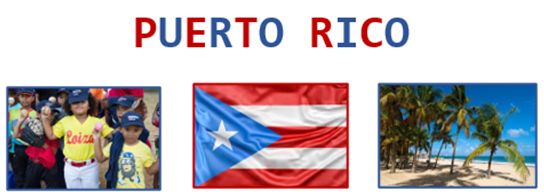
Puerto Rico, officially the Commonwealth of Puerto Rico, is a Caribbean island and unincorporated territory of the United States with official Commonwealth status. It is located in the northeast Caribbean Sea, approximately 1,000 miles (1,600 km) southeast of Miami, Florida, between the Dominican Republic and the U.S. Virgin Islands, and includes the eponymous main island and several smaller islands, such as Mona, Culebra, and Vieques. It has roughly 3.2 million residents, and its capital and most populous city is San Juan. Spanish and English are the official languages of the executive branch of government, though Spanish predominates.
Puerto Ricans have been U.S. citizens since 1917, and can move freely between the island and the mainland. However, as residents of an unincorporated territory, American citizens of Puerto Rico are disenfranchised at the national level, do not vote for the president or vice president, and generally do not pay federal income tax. In common with four other territories, Puerto Rico sends a nonvoting representative to the U.S. Congress, called a Resident Commissioner, and participates in presidential primaries; as it is not a state, Puerto Rico does not have a vote in Congress, which governs it under the Puerto Rico Federal Relations Act of 1950. Congress approved a local constitution in 1952, allowing U.S. citizens residing on the island to elect a governor. Puerto Rico’s current and future political status has consistently been a matter of significant debate.
Source: https://en.wikipedia.org/wiki/Puerto_Rico
In the 1990’s public healthcare was transferred from the government to contracted private insurers to provide health care services on a capitated payment plan. The PR Health Insurance Administration (PRHIA or ASES, Spanish acronym) oversees and negotiates contracts with private insurers.
The Government Health Plan (GHP) integrates physical and mental health in one facility, expands preventive medicine and screening, and provides direct access to specialists without need for referral within a Preferred Provider Network. The GHP is financed by a combination of state, municipal and federal funds (Medicaid and SCHIP). Medicaid funding to PR is limited to a fixed amount regardless of the eligible population medical needs, unlike the states that are set based on per capita income. ACA funds (non-recurrent) were added to the GHP for Medicaid assigned funds.
Source:https://mchb.tvisdata.hrsa.gov/Narratives/Overview/11398a5a-3858-47e2-a7b3-e0d3f8226c3b
- GLOBAL PRETERM BIRTH RATES – Puerto Rico
- Estimated # of preterm births: 12%
- https://www.marchofdimes.org/peristats/state-summaries/puerto-rico?lev=1&obj=3®=99&slev=4&sreg=72&stop=55&top=3
- (USA 9.56-Global Average: 10.6)
- Source- WHO 2014- https://ptb.srhr.org/

COMMUNITY

Pregnancy in Puerto Rico: Protecting the Health of Women and Children by Reducing Metal Exposures
Pahriya Ashrap PhD Student in Environmental Sciences – June 25, 2020
From a developmental view, children are most vulnerable during pregnancy and birth.
The body grows at tremendous speeds during these stages, so a seemingly minor amount of a toxicant can have a huge impact. And as we are learning from epigenetics—the study of heritable changes in gene expression without changes to the underlying DNA sequence—prenatal changes to a child’s biology can, years down the road, impact their offspring too.
It is essential to map the full process of pregnancy and the detrimental effects of certain chemicals to be able to develop interventions. And for every child, that starts with examining the causes of preterm birth.
WHY PRETERM BIRTH?
Preterm birth is a significant concern for public health around the world. Preterm birth occurs when a baby is delivered before the start of the 37th week of pregnancy and is the most common cause of death among infants worldwide. Survivors remain at risk for many adverse health consequences—neuro-developmental delays, disability as infants and adults, chronic respiratory problems, vision impairment, and hearing impairment.
In addition to the physical health consequences of preterm birth, the emotional and economic impact of preterm birth on families is tremendous.
Worldwide each year, an estimated 15 million babies are born too early—an average of more than 1 in 10 babies. In addition to the physical health consequences of preterm birth, the emotional and economic impact of preterm birth on families is tremendous.
WHY PUERTO RICO?
Studying preterm birth is especially important in a region like Puerto Rico, which has one of the highest incidences of preterm births among all US jurisdictions. Causes of preterm birth are complex and the etiology that triggers it is largely unknown, however, a number of contributing factors have been identified. Even though there is growing evidence that environmental factors may play a key role, these factors remain understudied. Many environmental exposures can be modified through technology/engineering, legislation/enforcement, and lifestyle changes, and therefore could be an optimal opportunity for prevention study.
The risk of exposure to contaminants is high for pregnant mothers in Puerto Rico.
This is also the case in Puerto Rico—environmental contamination on the island is heavy, with many hazardous waste sites and superfund sites. Superfund sites are areas contaminated by hazardous industrial waste that have been identified by the Environmental Protection Agency (EPA) as candidates for a federal clean-up program. The risk of exposure to contaminants—including but not limited to phenols and parabens, phthalates, and metals—is high for pregnant mothers in Puerto Rico. Now we have evidence, with a growing body of literature focusing on exposure to these environmental chemicals during pregnancy and the risk of preterm delivery.
WHY METALS?
Metals occur naturally in the environment and enter the human body through ingestion of food and water, supplement intake, and the use of metal-containing products through inhalation and skin contact.
Metals like cadmium, mercury, and lead are non-essential to human health and toxic to the human body even in very low amounts. Metals like manganese and zinc play key roles in human physiology and are considered essential to human health—but even these can be toxic at high concentrations. Both types of metals can be environmental toxicants at high concentrations in our ecosystems.
In general, we need to learn more about metal exposures and their effect on pregnancy, especially combinations of metal exposures. Humans are continuously exposed to mixtures of environmental toxicants, and we need to study the relationship of metal exposures both individually and in combination with each other. However, studying the combined effects of any toxicant can be difficult to replicate in lab settings.
REAL RISKS OF METAL EXPOSURE
To bridge the gap between lab samples and what happens to human cells during daily life, we use biostatistics and other tools to study a variety of biomarkers. Lab data is clean and straightforward. Data from humans going about daily life is “messy” because we have less control over the variables. Biostatistics—applying complex math systems to biological questions—is the centerpiece of a creative critical thinking process that helps us look at chemicals we scrutinize in the lab while also incorporating human data from “real-world” contexts.
In the Puerto Rico Testsite for Exploring Contamination Threats (PROTECT) project, we collected data from 812 pregnant women to explore how environmental exposures during pregnancy may impact adverse birth outcomes such as preterm birth risk. Each woman participated in up to three study visits at approximately 18, 22, and 26 weeks of gestation. Blood samples were collected during visits and used to determine concentrations of different metals. Demographic information collected through questionnaires and birth outcome data abstracted from medical records at birth were added to improve our statistical models.
We found that pregnant women in Puerto Rico had relatively low blood-lead concentrations when compared to the general US population and to pregnant women in other countries. All blood samples in our study had lead concentrations lower than the level of concern set by the Centers for Disease Control and Prevention (CDC) for pregnant women (5 μg/dL). Despite lower concentrations, however, our analysis revealed that maternal blood lead was still more strongly associated with increased risk of preterm birth than other metals we assessed. We also found that elevated levels of the essential metals manganese and zinc during pregnancy may also adversely affect birth outcomes.
EVEN A LITTLE LEAD
Our results are consistent with previous studies—even low levels of lead exposure, indicated by blood lead levels well below current “safe” levels, may be associated with preterm birth. These findings provide further support for the need to reduce lead exposure as much as possible for all pregnant women. We advise pregnant women to avoid common sources of lead exposure, including lead paint in older homes, house dust, contaminated garden soil, certain cosmetics, and lead-glazed ceramics.
During pregnancy and birth, when children are so developmentally vulnerable, even slight changes in environment can impact them and even their future offspring.
For adults, a small amount of a toxicant does not always create significant health problems. For a tiny fetus, the same exposures can have detrimental effects. During pregnancy and birth, when children are so developmentally vulnerable, even slight changes in environment can impact them and even their future offspring. Sensitive periods of growth, when the body is growing rapidly and the epigenome is helping the body develop, are extremely important processes to study.
In public health, we focus on prevention. And preventing infants from getting diseases is one of the most important ways public health can protect generations of children and support their families. Improved understanding of environmental and other factors that contribute to preterm birth, together with developing sustainable technologies to remove contamination, will have direct public health impacts.

PREEMIE Reauthorization Act of 2023
The PREEMIE Reauthorization Act represents the federal government’s commitment to preventing premature birth , the second leading cause of death among newborns
Background
Preterm birth is when a baby is born before 37 weeks. With preterm birth increasing at startling rates across the country, impacting 383,000 babies each year, we cannot sit complacently. We must act to better understand the cause of preterm birth, what is causing this shocking increase, and what we can do to prevent preterm birth to allow our moms and babies the best start at life possible.
Premature babies may have more health problems or need to stay in the hospital longer than babies born on time. Some of these babies also face long-term health effects, like problems that affect the brain, lungs, hearing, or vision.
In 2006, Congress passed the original PREEMIE Act (P.L. 109-450), expanding research and developed a public-private agenda aimed at reducing preterm birth and its consequences.
In 2018, Congress reauthorized a 5-year extension, called the PREEMIE Reauthorization Act (S. 3029/H.R. 6085), renewing the U.S.’s commitment to address preterm birth through federal research, promoting known interventions, and promoting community initiatives.
On December 31st, 2023, research and programs made possible by the PREEMIE Act will be put at risk when authorization for these programs ends. Supporting reauthorization will ensure that these lifesaving programs continue.
The PREEMIE Act was introduced on May 12, 2023 by Sen. Michael Bennet (D-CO), Sen. John Boozman (R-AZ), Rep. Burgess (R-TX), Rep. Eshoo (D-CA), Rep. Miller-Meeks (R-IA), Rep. Kelly (D-IL), Rep. Jen Kiggans (R-CA), and Rep. Lisa Blunt Rochester (D-DE).
This imperative legislation is a top priority for March of Dimes and numerous organizations involved in maternal and infant health.
Key bill provisions
Key provisions of the PREEMIE Reauthorization Act included:
- Renewal of the Centers for Disease Control and Prevention’s research and programs on preterm birth, including improved tracking of national data.
- Reauthorization of the Health Resources and Services Administration’s activities aimed at promoting healthy pregnancies and preventing preterm birth.
- Provides for a new study on the costs, impact of social factors, gaps in public health programs that lead to prematurity, and calls for HHS to make recommendations to prevent preterm birth.
- Establishment of an entity in the Department of Health and Human Services to coordinate all federal activities and programs related to preterm birth, infant mortality, and other adverse birth outcomes
Source:https://www.marchofdimes.org/preemie-act-2023

Luis Fonsi – Buenos Aires (Official Video)

Luis Fonsi 31.4M subscriber 1,694,612 views Premiered May 25, 2023 #LuisFonsi #OfficialVideo #BuenosAires ‘Buenos Aires’ out now: https://luisfonsi.lnk.to/BuenosAires!YTD Subscribe to my channel: https://smarturl.it/LuisFonsiYouTube


Preterm birth more likely with exposure to phthalates
Monday, July 11, 2022

NIH study of pregnant women confirms link with chemicals that could put pregnancy at risk
Pregnant women who were exposed to multiple phthalates during pregnancy had an increased risk of preterm birth, according to new research by the National Institutes of Health. Phthalates are chemicals used in personal care products, such as cosmetics, as well as in solvents, detergents, and food packaging.
After analyzing data from more than 6,000 pregnant women in the United States, researchers found that women with higher concentrations of several phthalate metabolites in their urine were more likely to deliver their babies preterm, which is delivering three or more weeks before a mother’s due date.
“Having a preterm birth can be dangerous for both baby and mom, so it is important to identify risk factors that could prevent it,” said Kelly Ferguson, Ph.D., an epidemiologist at the National Institute of Environmental Health Sciences (NIEHS), part of NIH, and the senior author on the study published in the journal JAMA Pediatrics.
*In this study, the largest study to date on this topic, Ferguson and her team pooled data from 16 studies conducted across the United States that included individual participant data on prenatal urinary phthalate metabolites (representing exposure to phthalates) as well as the timing of delivery. Researchers analyzed data from a total of 6,045 pregnant women who delivered between 1983-2018. Nine percent, or 539, of the women in the study delivered preterm. Phthalate metabolites were detected in more than 96% of urine samples.
Higher concentrations of most phthalate metabolites examined were associated with slightly higher odds of preterm birth. Exposure to four of the 11 phthalates found in the pregnant women was associated with a 14-16% greater probability of having a preterm birth. The most consistent findings were for exposure to a phthalate that is used commonly in personal care products like nail polish and cosmetics.
The researchers also used statistical models to simulate interventions that reduce phthalate exposures. They found that reducing the mixture of phthalate metabolite levels by 50% could prevent preterm births by 12% on average. Interventions targeting behaviors, such as trying to select phthalate-free personal care products (if listed on label), voluntary actions from companies to reduce phthalates in their products, or changes in standards and regulations could contribute to exposure reduction and protect pregnancies.
“It is difficult for people to completely eliminate exposure to these chemicals in everyday life, but our results show that even small reductions within a large population could have positive impacts on both mothers and their children,” said Barrett Welch, Ph.D., a postdoctoral fellow at NIEHS and first author on the study.
Eating fresh, home-cooked food, avoiding processed food that comes in plastic containers or wrapping, and selecting fragrance-free products or those labeled “phthalate-free,” are examples of things people can do that may reduce their exposures. Changes to the amount and types of products that contain phthalates could also reduce exposures.
The researchers are conducting additional studies to better understand the mechanisms by which exposure to phthalates can affect pregnancy and to determine if there are effective ways for mothers to reduce their exposures.
Source:https://news.umich.edu/study-links-common-chemicals-to-preterm-births-in-puerto-rico/

HEALTHCARE PARTNERS


Fellow’s Column:Identification and Management of Neonatal Rashes in Skin of Color
Kundan Malik OMS-4, MS, MHS; Saba Saleem, DO, MPH
Introduction: Neonatal rashes vary in the presentation in “skin of color,” which increases the risk of misdiagnosis and improper treatment since management differs slightly for infants with lighter skin. Erythema toxicum neonatorum (ETN) is a common rash that affects up to 50% of term infants within the first few weeks of life. It is less common in premature babies, but when it does occur, it happens several weeks after birth . A rash similar to this is acne neonatorum, also known as neonatal acne. This rash affects up to 20% of newborns, with a slightly higher prevalence in male infants . Both conditions are usually benign and self-limiting but can cause significant distress for parents and caregivers, especially in infants with “skin of color”. This situation can necessitate testing and treatment. This manuscript will discuss the differentiating etiology, clinical features, and management between ETN and acne neonatorum in infants with “skin of color.”
Etiology: The exact causes of ETN and acne neonatorum are unknown, but both are considered physiologic responses to the newborn’s environment. ETN is presumed to be related to colonizing the infant’s skin by various bacteria, fungi, and viruses acquired during birthing . Specifically, ETN is associated with the presence of Staphylococcus epidermidis and Corynebacterium species on the skin of affected infants. However, the prevalence and diversity of these microorganisms on the skin of infants with skin of color are not well studied.
Acne neonatorum is believed to be related to hormonal fluctuations during fetal and neonatal life. Specifically, acne neonatorum is related to the activation of sebaceous glands in response to maternal androgens. This process can increase sebum production and follicular hyperkeratosis. Additionally, colonization of the skin by Propionibacterium acnes and other bacteria may contribute to the development of acne neonatorum .
Clinical Features: ETN typically presents as small, erythematous, yellow-white papules or pustules surrounded by a halo of erythema . The lesions can appear on any part of the body but are most commonly found on the face, trunk, and extremities. In infants with “skin of color,” the rash may appear as dark red or brown papules, making it difficult to distinguish from other conditions such as miliaria or neonatal acne. Additionally, the lesions may be more extensive and involve a larger body area in infants with “skin of color”.
Acne neonatorum typically presents as erythematous papules, pustules, or comedones on the face, scalp, and upper trunk, with a predilection for the cheeks and forehead. A halo of erythema may surround the lesions and range in size from 1 to 3 mm. In infants with “skin of color,” acne neonatorum may be more challenging to diagnose than ETN. This variation is because the lesions may be less conspicuous and blend in with the background pigmentation.
Diagnosis: The diagnosis of ETN is primarily clinical and based on the characteristic appearance of the rash. A thorough clinical examination is essential in infants with “skin of color” to differentiate ETN from other skin conditions such as miliaria or neonatal acne. The biopsy is not typically necessary for diagnosis, but if performed, it will show an infiltrate of eosinophils and neutrophils in the upper dermis (1, 3). The diagnosis of acne neonatorum is also primarily clinical, based on the characteristic appearance of the lesions. However, in rare cases, a skin biopsy may be necessary to rule out other diagnoses, such as miliaria or impetigo. In infants with “skin of color,” a Wood’s lamp examination may also help visualize the lesions.
Management: Treatment of ETN and acne neonatorum is not typically necessary, as the rashes are self-limited and resolve independently within 1-2 weeks or a few weeks to months, respectively. However, reassurance and education for parents and caregivers are essential to prevent unnecessary concern and healthcare utilization. In infants with “skin of color,” it is essential to provide additional education on the expected clinical course of ETN, as the rash may appear differently and may take longer to resolve compared to infants with lighter skin. If pruritus is present, topical emollients or mild topical corticosteroids can be used. For acne neonatorum, it is crucial to avoid topical acne medications or harsh cleansers, as they can irritate the skin and exacerbate the condition. If the lesions are extensive or associated with significant inflammation or scarring, referral to a dermatologist may be considered . Conclusion: ETN and acne neonatorum are common, self-limiting, and usually benign rashes with different clinical features and management in infants with “skin of color.” The diagnosis may be more challenging due to the less conspicuous appearance of the lesions. However, it is important to provide additional education and reassurance to parents and caregivers for both conditions to prevent unnecessary interventions.
Source:http://neonatologytoday.net/newsletters/nt-may23.pdf

Editorial: Future medical education in pediatrics and neonatology

Front. Pediatr., 08 February 2023 Sec. Neonatology Volume 11 – 2023 | https://doi.org/10.3389/fped.2023.1136323
Michael Wagner1*, Philipp Deindl2 and Georg M. Schmölzer3,4
Editorial on the Research Topic
Future medical education in pediatrics and neonatology
Pediatric and neonatal emergencies generate high-stress levels and an immense cognitive load for healthcare providers. For decades, a “see one, do one, teach one” approach was a common strategy within medical training . However, this approach is a challenge for patient safety, as providers used to perform procedures on patients for the very first time. Nowadays, a “see one, simulate many, do many, teach one” is acknowledged as more appropriate, where students and healthcare providers can practice skills and emergencies safely without harming patients. Simulation-based medical education is usually performed as either low-fidelity or high-fidelity training utilizing manikins and specific technology for on-site training . However, the COVID-19 pandemic demonstrated that traditional simulation-based medical education is not preserved from the outage and that healthcare and educational systems should be prepared for new educational challenges such as virtual teaching approaches. In this special issue of Frontiers in Pediatrics about future medical education in pediatrics and neonatology, we aimed to collect research articles focusing on promising and innovative new teaching methods for student training and clinical education.
Virtual teaching
One strategy to overcome traditional training approaches with the need to be on-site, often limited due to staff shortages and lack of space to perform training, is a switch to virtual education strategies. Recently, there has been a significant increase in serious game applications . Serious games can augment learning and establish continuous algorithm and decision-making skills . The authors Bardelli et al. introduced a new computer game called “DIANA: Digital Application in Newborn Assessment”, which enables virtual training of neonatal life support on a computer, and the authors demonstrated the equivalence of this virtual training to conventional training. Furthermore, telemedicine for tele-simulation was also described as an option for distance training with the advantage of integrating external experts from other countries in the skill or team training process . Löllgen et al. combined both serious gaming and tele-simulation utilizing avatars as surrogates for human participants to enable remote team training in multiple institutions simultaneously. They suggested this methodology as a feasible alternative to connect educators and trainees virtually at the same place. Whereas this training needs to be synchronized for participants, Wellmann et al. presented an asynchronous online training course with evidence-based content for neonatologists internationally.
However, future challenges will include the optimal integration and utilization of serious games and research on the outcome of virtual teaching methods on students’ and healthcare providers’ knowledge and preservation of psychological safety in a remote virtual setting.
Individualized training
Future training approaches often utilize new technology or media (feedback devices, ultrasound, eye-tracking, augmented reality, video recording, 3D printing) compared to traditional training strategies or methods. These technologies are used and discussed for training and integration in clinical settings for real-time assessment . The utilization of video recording is an excellent example of how technology can be used to record simulations or real clinical situations for clinical education and research. After a critical or even only after a routine situation, a video recording, either with a designated video recording system or from a first-person perspective using eye-tracking glasses, can be reflected together with the whole team to identify problems such as the environment, the algorithm adherence, or teamwork and communication. After that, this knowledge can be used for targeted training to improve the workflow in the delivery room, intensive care unit, and individual and team behavior. Heesters et al. described in their article the integration of video recording and reflections in their local setting in combination with a narrative review about this technology for a change in team culture and an increase in patient safety. The article gives an excellent overview of necessary preconditions, technical issues, and the organization of video debriefings. While the optimal video recording system still needs to be determined, there are some advantages when using eye-tracking glasses, such as a first-person perspective as well as insights into the visual behavior of healthcare providers. This new technology has the potential to identify human factor issues and to learn more about individual behavior during routine and critical situations. Anesthetists have previously used this technology and identified visual attention’s influence on individual performance and workload (10). Gröpel et al. used eye-tracking in a cross-over randomized simulation trial and identified that a specific gaze behavior with a strong focus on the patient and a minimum of gaze transitions was correlated with improved outcomes of ventilations and chest compressions. Furthermore, this technology can be used for telemedicine, tele-simulation approaches, and generating new data in simulation-based medical education.
Besides video recording as a new educational tool, integrating objective feedback devices can play a significant role in training and supervision. Nowadays, most of the training is still performed using an instructor’s subjective feedback. However, it has been shown that adding an objective feedback device, such as a respiratory function monitor, leads to better trainees’ performance (11). Rod et al. confirmed that using a respiratory function monitor as objective feedback improved ventilation parameters. Moreover, real-time feedback in simulated and clinical situations can potentially decrease workload and improve patient outcomes. However, there are still many research questions about the optimal integration within a specific environment and the human-technology interaction before they can be recommended for routine use. Nevertheless, continuous data acquisition with feedback devices can help collect knowledge on individual performance.
Source:https://www.frontiersin.org/articles/10.3389/fped.2023.1136323/full
Most OB-GYNs in new poll say Dobbs ruling worsened pregnancy-related mortality
BY LAUREN SFORZA – 06/21/23

Most OB-GYNs said in a new poll that the Dobbs ruling from the Supreme Court last year worsened maternal health care and increased pregnancy-related mortality.
Health policy nonprofit KFF released its new poll Wednesday, and it found that 64 percent of OB-GYNs surveyed believed the June 2022 decision overturning Roe v. Wade worsened pregnancy-related mortality. Sixty-eight percent also said the decision worsened their ability to treat pregnancy-related emergencies.
Nearly a year ago, the Supreme Court ended the constitutional right to an abortion in the Dobbs v. Jackson Women’s Health Organization decision and allowed states to make their own policies about the health procedure. This prompted more than a dozen states in the past year to enact all-out abortion bans or laws that banned women from receiving an abortion based on gestational limits.
This comes as pregnancy-related deaths have been rising in the United States since 2019, according to a Centers for Disease Control and Prevention (CDC) report earlier this year. In 2021, there were 32.9 deaths for every 100,000 live births.
The poll also found that half of OB-GYNs in states where abortion is banned said they had patients in their practice unable to receive the care that they wanted. About 4 in 10 OB-GYNs nationally said that their decision-making autonomy has also been negatively affected since the ruling.
After the Dobbs decision, the poll found 1 in 5 office-based OB-GYNs nationally said they are providing abortion services. Nearly 30 percent of OB-GYNs in states where abortion is legal said that they are providing the health service, while 10 percent of OB-GYNs in states where there are gestational limits said they are continuing to provide the care.
On a national scale, 20 percent of OB-GYNs who are office-based said they have felt “constraints” to provide care for miscarriages and other pregnancy-related emergencies. This number significantly increased to 40 percent among OB-GYNs in states where abortion is banned.
Fourteen percent of OB-GYNs nationally said they provide in-person medication abortions, while 5 percent said they provide medication abortions via telehealth. More than half of the OB-GYNs surveyed said they have seen an increase in patients seeking contraception since the Dobbs decision, including long-term or permanent methods like sterilization, IUDs and implants.
The poll also reported 70 percent of OB-GYNs believed the landmark ruling “worsened racial and ethnic inequities in maternal health.” Racial disparities in maternal healthcare already exist due to access to quality health care and racial biases in health care — Black women are three times more likely to die from a pregnancy-related issue than white women, according to the CDC.
The poll was conducted from March 17 to May 18 among 569 OB-GYNs and has a margin of sampling error of plus or minus 5 percentage points at the confidence level of 95 percent.

PREEMIE FAMILY PARTNERS
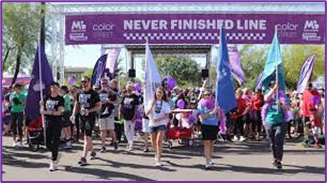
March of Dimes creating community for parents of premature babies

Apr 26, 2023 CBS Pittsburgh
Host Heather Abraham is chatting with Corey Rodman, a local ambassador for March of Dimes, which supports parents and families of premature babies.


Prenatal household air pollution linked to reduced birth weight and increased infant pneumonia risk

By Priyam Bose Ph.D June 25, 2023
Pre-term birth and low birth weight are the two most common causes of infant death. Many children below five years of age are vulnerable to acute lower respiratory infection (ALRI), which could manifest severe illness.
Household air pollution (HAP) is a leading factor responsible for reduced birth weight and high ALRI risk in children below the age of five years. HAP is caused by the inefficient burning of solid fuels in traditional cookstoves.
There remains a lack of studies that have determined the stove intervention type and timing of intervention, such as prenatal or early childhood, that could reduce the generation of HAP and alleviate its associated risks. Nevertheless, several studies have established a relationship between higher prenatal HAP exposure, higher pneumonia risk, and lower birth weight.
Thus, it is crucial to understand the time-varying associations and sensitive windows of HAP exposure that affect human health. There is a lack of evidence regarding the application of stove interventions in lowering HAP, which can improve birthweight in infants.
The Ghana Randomized Air Pollution and Health Study (GRAPHS) randomly assigned pregnant women to an improved efficiency biomass stove, a liquefied petroleum gas (LPG) stove, or a traditional open fire stove (control) to assess its effect on birth weight. Interestingly, none of the groups showed significant improvement in birth weight.
Another study conducted in Guatemala, known as the Randomized Exposure Study of Pollution Indoors and Respiratory Effects (RESPIRE), revealed that no difference in birth weight was observed between pregnant women subjected to a plancha-type stove with chimney ventilation or open fire for 12 months. Many other studies, including the multi-country Household Air Pollution Intervention Network (HAPIN) trial, reported similar findings.
Exposure-response analyses have consistently identified a relationship between higher air pollution and lower birth weight. At present, a limited amount of exposure-response data from HAP pregnancy cohorts is available.
The GRAPHS study revealed that for every one part per million (ppm) increase in average prenatal carbon monoxide (CO) exposure, a 39-gram lower birth weight and 14% elevated odds of low birth weight occurs. However, this study was not able to demonstrate whether an improvement in pneumonia risk was due to reduced HAP.
Study findings
The study cohort included 1,306 live births at over 28 weeks gestation. Among these, a total of 1,196 newborns had at least one valid prenatal CO measurement, pneumonia surveillance data, and birth weight data.
To this end, 25% of the children experienced at least one episode of physician-diagnosed pneumonia. Additionally, 9% of the cohort developed at least one episode of physician-diagnosed severe pneumonia.
The study findings strongly suggest the importance of prenatal HAP exposure on infant health. According to the identification of the sensitive windows of HAP exposure, prenatal CO exposure in early to mid-gestation was associated with lower birth weight, whereas prenatal CO exposure in later gestation was linked with an increased risk of severe pneumonia and pneumonia in females.
These findings emphasize the importance of using cleaner fuel cooking interventions in early pregnancy to improve the child’s birth weight and reduce the risk of pneumonia. The timeframe of early to mid-gestation coincides with the second wave of endovascular trophoblastic invasion.
Based on the study findings, the cookstoves intervention was implemented too late to reflect any effect on birth weight and possibly severe pneumonia. Thus, it is crucial for women of childbearing age to strictly use cleaner stoves, which could ensure the use of cleaner stoves during pregnancy. In many regions, socioeconomic limitations could prevent the frequent purchase and use of clean cooking fuels.
Conclusions
Exposure to HAP during early to mid-gestation impairs the child’s birth weight. Furthermore, mid- and late-gestation HAP exposure influences the manifestation of infant pneumonia.
The current study highlights the importance of prenatal HAP exposure during the in-utero period. Cleaner fuel cooking interventions during early pregnancy will help improve the newborn’s birth weight and alleviate pneumonia risk.

How can I support my premature child when they start primary school?
Whether you delay, defer, or send your child to primary school based on their birth date, it is always helpful to understand how you can support their transition.
Attend “meet the teacher” or “settling in” sessions at the school
Many schools offer “stay and play” style sessions ahead of the start of the school year to allow new children to meet their teachers and spend time in a classroom environment. These will help your child become familiar with the new school setting, socialise with other children, and help prepare them for full-time education.
If your school does not offer these sessions and you believe it would benefit your child, ask them for photographs of the classrooms and an idea of the activities in a typical day, so that you can share that information with your child.
At home, you can help your child with self-care skills, such as putting on their shoes and coat by themselves and opening snack packets without assistance.
Attend all follow-up appointments with your child’s specialists
Even if you think your child does not have any additional needs, be sure to attend all follow-up appointments with their health visitors and specialists. They may be able to identify additional needs and talk through the school start with you.
A face-to-face developmental assessment should be provided at 2 years of age for all children born premature. Children born before 28 weeks of gestation may be offered a developmental assessment at the age of 4, which can highlight issues that had not been obvious at their 2-year assessment.
Raise awareness of prematurity by sharing information with the school
Teachers are trained to deal with special needs and disabilities. However, studies have shown that only a small number of teachers feel they have received enough training to support children who were born premature.
On average, each primary school class across the UK may have two children who were born premature. It is really important that teachers understand the child’s potential challenges and know the best ways to support them.
Through the school’s admissions process, you should outline any issues or concerns around your child’s health or development. Explain that their birth was premature and include further details about neonatal stays, care that they’ve received, and challenges that you’re aware of.
The ‘PremAware School’ Scheme
Our friends at The Smallest Things, a charity set up to support premature babies, have created the Prem Aware Scheme. This campaign helps to support and train teachers in how prematurity can affect development, recognise any additional learning needs, and help children to achieve their potential.
Ask the schools you would like your child to join if they are aware of the PremAware scheme and encourage them to sign-up if they are not.
PRISM Training – Preterm Birth Information for Education Professionals
Bliss and The Smallest Things also invite schools to complete the Preterm Birth Information for Educational Professionals, a free and accessible online training platform.
It was developed by the PRISM Study, a group of doctors, professors and psychologists from various UK universities. It was created in partnership with parents, to improve the knowledge and confidence of teachers and other educational professionals for supporting premature children in the classroom.
The training outlines possible considerations for children born premature. This may include lower academic attainment, special educational or behavioural needs, as well as social and emotional problems.
It also provides supporting strategies that teachers can use to work with the child, help and encourage them, and plan and evaluate their learning.
While this training programme is aimed at teachers, it is also a useful resource for parents if you want to know more about how premature birth can affect educational development.
Source:https://www.bliss.org.uk/parents/growing-up/starting-primary-school/supporting-your-child

After a premature birth: how non-birthing parents including fathers might feel

It’s natural for non-birthing parents including fathers to feel many and mixed emotions after a premature birth. For example, you might be excited about becoming a parent but also worried about your baby (or babies) and their mother.
There’s a lot going on practically too. Straight after a premature birth you might be talking to doctors, learning about your premature baby’s condition, and telling your family and friends what’s going on. You might also be looking after other children or managing work or other responsibilities. It’s understandable if you feel overwhelmed sometimes too.
It’s healthy to take time to think about your emotions and needs, whatever they are. And it’s important to take time for yourself too – even if it’s just a quick nap or a hot shower.
It can also help to talk to someone you trust about how you’re feeling, particularly if you’re struggling to cope with difficult or negative feelings. You could talk with a friend, family member, social worker or other health professional at the hospital. You could also call Lifeline on 131 114, a parent helpline or MensLine on 1300 789 978.
When you acknowledge your feelings and look after yourself, you’re more likely to have mental and emotional energy to care for your baby and your baby’s birthing mother.
Getting involved while your premature baby is in hospital
Being hands on with the daily care of your premature baby, where possible, is the best way to build your skills and confidence. For example, you might want to be involved in feeding, changing nappies or settling your baby. Or you could learn how to give your baby a bath.
These activities also create one-on-one time with your baby, which is the building block of a positive relationship.
Premature babies can get overstimulated and stressed easily. You can see signs of tiredness in their body language and in their vital signs, like heart rate and oxygen levels. It’s a good idea to check with your baby’s nurse about what you can do and how much your baby can handle, especially in the early days.
And if you ever feel left out of your baby’s care, just let hospital staff know. You can talk to the nurse, social worker, doctor or NICU coordinator.
Getting involved is great for bonding with your premature baby. It helps you get to know your baby’s needs and respond to them with love, warmth and care. When you do this, you build your relationship with your baby. Your baby also feels safe and secure, which lays the foundation for all areas of your baby’s development.
Spending time in the NICU with your premature baby
The more time you spend in the NICU, the better it is for your child’s development. That’s because you’re getting your relationship with your child off to a great start.
If you’re in the NICU as much as possible, it can also help your baby’s birthing mother feel more confident. Your support can boost her wellbeing and mental health, and it’s also good for her relationships with the baby and you.
If you have to go back to work, any amount of time you can spend in the NICU is still good for your baby, the birthing mother and you.
Most NICUs aim for family-centred care, and good communication with you is a big part of this. Although they’re busy looking after your baby, NICU staff will usually be happy to talk with you about any questions or concerns. Just try to aim for a balance between letting staff focus on your baby and asking questions.
You and your partner: caring for each other
If you’re in a relationship with your baby’s birthing mother, your relationship can play a big part in helping you both cope with the experience of having a premature baby. It might even bring you closer as you go through the experience together.
If your partner can’t get to the NICU or special care nursery in the first few days after the birth, you might like to take a photo or video of your baby. Hearing and seeing your baby can help your partner feel better and more connected. It can also prepare your partner for what to expect in the NICU.
Keeping notes and taking photos or videos can help you and your partner feel more connected to your baby. You might think you’ll never forget this time in your family’s life, but even the strongest memories fade over time.
Managing extra responsibilities while your premature baby is in hospital
Whether you’re in a relationship together or you co-parent with your baby’s birthing mother, you could be busy managing extra responsibilities for quite a while.
As well as making trips into the hospital, you might be doing the shopping, going to work, organising visitors, and dropping off and picking up your other children if you have any.
And even if your baby’s mother is sent home while your baby is still in hospital, she’s likely to be busy expressing breastmilk for the baby or spending a lot of time at the hospital.
Here are a few ideas to help you with managing all this:
- Talk openly and honestly with your baby’s birthing mother about what’s happening for both of you. Good communication will help things run smoothly.
- Agree together on who does what – and what doesn’t have to be done. For example, if you live together, it might not matter if the house doesn’t get cleaned as often.
- Ask family members and friends for help with looking after other children.
- Look into ways to save time on household tasks. For example, it’s often quicker to shop online for groceries and have them delivered.
- Look into whether your workplace has any leave arrangements that might let you take some extra time off.
- Say ‘Yes, please!’ if someone offers to cook you a meal, do your shopping, pick up your children and so on.
Fathers and all non-birthing parents can get postnatal depression. Signs include low moods, trouble sleeping, trouble concentrating, and withdrawal from friends and family. If you think you might have antenatal depression, it’s important to see your GP or a mental health professional as soon as possible.

INNOVATIONS

Physiological Effects of Handling in Moderate to Late Preterm Infants Receiving Neonatal Intensive Care
Brashear, Nancy PhD, RN, CCRN; D’Errico, Ellen PhD, RN; Truax, Fayette Nguyen PhD, RN, PNP; Pentecost, Alena BS; Tan, John B. C. PhD; Bahjri, Khaled MD, DrPH, MPH; Angeles, Danilyn PhD-Advances in Neonatal Care 23(3):p 272-280, June 2023.
Abstract
Background:
Of all preterm births, approximately 82% are moderate to late preterm. Moderate to late preterm infants are often treated like full-term infants despite their physiological and metabolic immaturity, increasing their risk for mortality and morbidity.
Purpose:
To describe the relationship between routine caregiving methods and physiological markers of stress and hypoxemia in infants born between 32 and 366/7 weeks’ gestation.
Methods:
This descriptive study used a prospective observational design to examine the relationship between routine caregiving patterns (single procedure vs clustered care) and physiological markers of stress and hypoxemia such as regional oxygen saturation, quantified as renal and cerebral regional oxygen saturation (StO2), systemic oxygen saturation (Spo2), and heart rate (HR) in moderate to late preterm infants. Renal and cerebral StO2 was measured using near-infrared spectroscopy during a 6-hour study period. Spo2 and HR were measured using pulse oximetry.
Results:
A total of 231 procedures were captured in 37 participants. We found greater alterations in cerebral StO2, renal StO2, Spo2, and HR when routine procedures were performed consecutively in clusters than when procedures were performed singly or separately.
Implications for Practice and Research:
Our results suggest that the oxygen saturation and HR of moderate to late preterm infants were significantly altered when exposed to routine procedures that were performed consecutively, in clusters, compared with when exposed to procedures that were performed singly or separately. Adequately powered randomized controlled trials are needed to determine the type of caregiving patterns that will optimize the health outcomes of this vulnerable population.

“We are the ones who will have to make the change”: Cuban health cooperation and the integration of Cuban medical graduates into practice in the Pacific
Hum Resour Health 21, 36 (2023). https://doi.org/10.1186/s12960-023-00822-8
Abstract
Background
This paper responds to Asante et al. (in Hum Resour Health, 2014), providing an updated picture of the impacts of Cuban medical training in the Pacific region based on research carried out in 2019–2021, which focused on the experiences of Pacific Island doctors trained in Cuba and their integration into practice in their home countries.
Methods
The research focussed on two case studies—Solomon Islands and Kiribati. Study methods for this research included multi-sited ethnographic methods and semi-structured interviews as well as qualitative analysis of policy documents, reports, and media sources.
Results
The Cuban health assistance programme has had a significant impact on the medical workforce in the Pacific region increasing the number of doctors employed by Pacific Ministries of Health between 2012 and 2019. Qualitatively, there have been some notable improvements in the medical workforce and health delivery over this period. However, the integration of the Cuban-trained doctors into practise has been challenging, with criticisms of their clinical, procedural and communication skills, and the need for the rapid development of bridging and internship training programmes (ITPs) which were inadequately planned for at the outset of the programme.
Conclusions
The Cuban programme in the Pacific is an important model of development assistance for health in the region. While Cuba’s offer of scholarships was the trigger for a range of positive outcomes, the success of the programme has relied on input from a range of actors including support from other governments and institutions, and much hard work by the graduates themselves, often in the face of considerable criticism. Key impacts of the programme to date include the raw increase in the number of doctors and the development of the ITPs and career pathways for the graduates, although this has also led to the reorientation of Cuban graduates from preventative to curative health. There is considerable potential for these graduates to contribute to improved health outcomes across the region, particularly if their primary and preventative health care skills are utilised.
Source:https://human-resources health.biomedcentral.com/articles/10.1186/s12960-023-00822-8
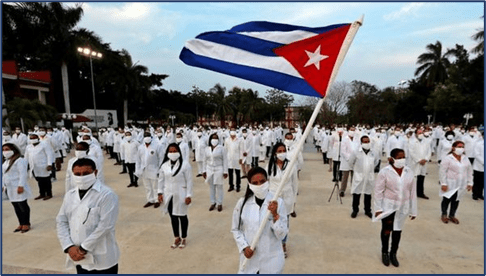
Nobel Peace Prize Nomination
While Cuban doctors have been working abroad for years, the increased dedication of the Brigade during the COVID-19 pandemic recently drew attention from the World Peace Council. In October 2020, the Council formally registered the candidacy of Cuban doctors for the Nobel Peace Prize, stating in a letter to the Norwegian Nobel Committee that the work of Cuban doctors during the pandemic was “the most sincere example of … international solidarity.” Organizations and individuals around the world supported this nomination, ranging from the mayor of the small Italian town of Crema to communist organizations in many African countries.
Source:https://hir.harvard.edu/exploring-the-implications-of-cuban-medical-diplomacy/
Hush Little Baby — Promise of the Eat, Sleep, Console Approach

Wanda D. Barfield, M.D., M.P.H.
“Hush little baby, don’t say a word …” This traditional lullaby is symbolic of our attempts to offer an appropriate intervention for infants with neonatal opioid withdrawal syndrome. The incidence of this condition, which affects newborns after maternal opioid exposure during pregnancy, has increased substantially in recent years, and more holistic approaches are being sought to support the care of mother, infant, family, and community.
In this issue of the Journal, Young et al. report the results of a large trial assessing a nonpharmacologic strategy — the Eat, Sleep, Console approach — for the treatment of neonatal opioid withdrawal syndrome. The study compares Eat, Sleep, Console with the more traditional approach of neonatal scoring for severity of withdrawal symptoms (typically, by means of the Finnegan or Modified Finnegan Neonatal Abstinence Scoring Tool4), which may overestimate the need for medications, typically morphine. The authors tested the hypothesis that the Eat, Sleep, Console approach can reduce the time until infants are ready for hospital discharge, without introducing harm.
Using a stepped-wedge, cluster-randomized method, the investigators assessed a sequential transition, in randomized order, of hospitals that treat neonatal opioid withdrawal syndrome from standard therapy (usual care) to the Eat, Sleep, Console approach. With the standard approach, a score of 8 or higher on the 21-point Finnegan scoring system assessing symptoms of opioid withdrawal (e.g., crying, loose stools, weight loss, and seizures) is considered to be an indication for opioid therapy. Fundamental components of the Eat, Sleep, Console approach include responding to newborns’ distress, watching for feeding cues, supporting a quiet and restful environment, and providing physical support through swaddling, rocking, and other means of consoling.
The use of this revised approach resulted in a significant reduction in the study’s primary outcome (the time until the infant was medically ready for discharge, defined according to established criteria) from 14.9 days to 8.2 days (adjusted mean difference, 6.7 days; 95% confidence interval [CI], 4.7 to 8.8). Infants in the Eat, Sleep, Console group were treated with opioids less often than those receiving usual care. There were no apparent between-group differences regarding in-hospital adverse events or safety measures assessed at 3 months, including nonroutine infant health care visits, rehospitalization, nonaccidental trauma, or death.
The findings in this study have important implications for the approach to care of newborns with neonatal opioid withdrawal syndrome. This nonpharmacologic intervention and its research design for multicenter implementation also show the importance of Perinatal Quality Collaboratives, state or multistate networks of teams working to improve the quality of care for mothers and babies.
Early shared successes and dissemination efforts through these collaborative networks provide opportunities to improve maternal and infant health in both large academic medical centers and smaller community hospitals in urban and rural settings. Since the publication of the first Eat, Sleep, Console quality improvement effort in 2017, Perinatal Quality Collaboratives in Colorado and Massachusetts have disseminated the approach and standardized the care of infants with neonatal opioid withdrawal syndrome for nearly all birthing hospitals in these states.
Nevertheless, some issues warrant consideration before further dissemination of this new approach. As reported by the investigators, a lower percentage of infants of Hispanic mothers were included in the Eat, Sleep, Console treatment group than in the standard-care group, owing to later transition of sites with larger Hispanic populations. A prior statewide quality improvement initiative of 13 birthing hospitals in Colorado, which also showed significant reductions in the length of hospital stay and pharmacologic treatment for infants after the initiation of the Eat, Sleep, Console care approach, similarly described a later transition to this care approach among hospitals with greater proportions of Hispanic infants — and as a result, the benefits of this approach appeared later among Hispanic infants. The quality of neonatal care has been shown to vary according to race and ethnic group among hospitals as well as within hospitals. Implicit bias and discrimination may lead to differential use of the Eat, Sleep, Console approach according to race, ethnic group, or language spoken. Other factors that may influence the implementation and effectiveness of this approach include limited hospital space to accommodate mothers and families and inadequate staffing or training to consistently implement the care protocol, particularly in under-resourced hospitals.
In addition, because study investigators used electronic medical records from the birthing hospital to assess the incidence of rehospitalization, they may have missed potential emergency department visits or readmissions to hospitals outside the study area. To maximize the effectiveness of the Eat, Sleep, Console approach, hospitals will need to consistently implement it, regularly assess adherence to its components, and follow infants closely after hospitalization.
The Eat, Sleep, Console approach offers an innovative opportunity to use a tried-and-true way to care for babies affected by neonatal opioid withdrawal syndrome — by holding them. Realizing its full potential requires the tools and resources to make this simple and nonpharmacologic approach a treatment that is equitable and available for all.
Source:https://www.nejm.org/doi/full/10.1056/NEJMe2304989?query=featured_secondary


This end of school read aloud, with minimal animated pages, lets children know what begins when school ends. Summertime and vacation! It will spark excitement and joy for Kindergarten and elementary age kids. The season of summer is one to look forward to!

How to Enjoy Summer on a Budget
By Evelyn Waugh
With longer days, warmer weather and the season for adventure upon us, the pressure to enjoy the season is on. But summer can get expensive fast: Trips to the water park, nights spent dining out on patios, a week at the beach or lake and other outings can really add up.
If trying to pack the season with as much fun as possible is putting stress on you financially, hit pause on making expensive plans and try these budget-savvy activities. Here are seven ways to enjoy summer, with tips and ideas for both kids and adults.
1. Get Outside
You’ve likely heard it before: Summer is the perfect time to get outdoors and commune with nature. Heading to the beach or going for a hike are great, but you don’t have to grab a beach towel or put on special shoes to get some fresh air. Even a simple walk around your neighborhood or trip to the park can be a no-cash-needed way to enjoy yourself and get the most out of the season. (Just check for park entry fees before you head out.)
2. Host a Potluck
The urge to go out to eat with friends is at its peak in summer. What’s more relaxing or luxurious than wining and dining alfresco in a warm evening breeze? But frequenting restaurants all summer long can be a recipe for blowing your budget, so it helps to find cheaper ways to come together around food. A potluck is the perfect alternative.
Hosting a potluck requires a bit of upfront thinking: You’ll need to invite guests, coordinate who wants to bring what, provide (or ask a guest to bring) plates and cutlery and set up a buffet for the food. But if you’re willing to take on a bit of organizing, it can be a great way to get together with loved ones and come away feeling full, with new memories and with your budget intact.
3. Look for Free Local Events
Many areas host free local events to help the community get outside and have fun in the summer. You may find that your area hosts live shows in the park, craft shows, movie screenings, community sports events or other types of summer festivities, all free to attend.
Apart from keeping your eyes peeled for fliers advertising local events, there are apps for staying in the know about everything going on in your locality. Eventbrite, All Events in the City and Meetup are great places to look.
4. Unleash Your Inner Astronomer
Summer is a great time to get into stargazing, when mild nights mean you can spend the evening outside without donning your winter coat. Here are a couple of celestial events you can look forward to in summer 2023:
The Perseid meteor shower, a dazzling display of meteors that shoot across the sky leaving bright trails, is expected to peak around August 12. It’s the perfect occasion to lay out on a blanket and stare up at the sky, because it’s an opportunity to watch hours of shooting stars.
You can also look forward to the biggest full moon of the year at the end of August. Often called a supermoon, the moon will be at its closest point to the Earth on August 30 and 31. On top of that, it will also be what astronomers call a “blue moon”: a term for the somewhat rare (every two or three years) event where there are two full moons in one month. So you can mark the first full moon on August 1 on your calendar—then enjoy the blue supermoon on August 30. The best part is, it won’t cost you a cent.
5. Have a DIY Movie Night
Going to the movies is a fun treat in the summer, but it can get expensive, especially when you’re bringing a group or buying popcorn and drinks. You can recreate the experience for less by staging your own movie night at home.
To make it a real occasion, dim the lights and stream a new movie. Pick up your favorite snacks at the grocery store, and go all out with lots of blankets and pillows. You can take it even further by throwing a themed movie night for kids, complete with pretend tickets, snack caddies, banners and the like.
6. Go to a Farmers Market
Even if you live in a region blessed with year-long good weather or indoor markets, hitting up the farmers market is a quintessentially wholesome summer experience.
Each week, you can grab your reusable bag and venture into a maze of vendors and farm-fresh food. If seasonal produce isn’t your jam, there’s usually much more—think handmade pickles, goat’s milk soaps, wool knits, nursery plants, the list goes on—plus live music, food trucks and a bustling crowd of farmers and neighbors. Even if you don’t buy anything, it’s fun to wander the stalls and take it all in.
7. Try Volunteering
You can give back and have a blast at the same time. Volunteer gigs span so many activities that whatever you’re passionate about, there’s probably an opportunity to incorporate into getting involved in your community.
Common volunteer work includes gardening, mentoring, tutoring, reading and hanging out with elders, animal rescue and rehabilitation, working at a soup kitchen, lending a hand at summer camp and so much more. Try looking for local opportunities on your city’s website or through a volunteer network. VolunteerMatch is a great place to search for local opportunities, wherever you live.
8.Splurge on a Budget
To pack the most fun into your summer without hurting your finances, balance those pricier treats with simple pleasures. There’s nothing wrong with heading to the movies or even splurging on a trip to the water park when you can afford it.
But balance your pricier plans with smaller treats—time spent in nature, home-cooked food shared with loved ones, the simple pleasure of time spent curled up on the sofa binging on TV or a great book—whatever helps you relax, unwind and celebrate this time of year.
Source:https://www.experian.com/blogs/ask-experian/how-to-enjoy-summer-on-budget/


As we transition into summer, I encourage us to reflect on the ways in which we can take advantage of the season to get outside of our comfort zone and give back to our community. Enriching our lives by engaging in causes we are passionate about can expand our perspective of the world around us and broaden our social network. Contributing to our communities through acts of service, outreach events, and volunteerism can help boost appreciation in our lives for others, build friendships, and promote a culture of inclusivity. Connecting with diverse groups of people and seeing a different side of the places we live can help us grow our self-awareness and support our psychological health. With the anticipated transitions in our personal, professional, academic, and/or family lives we may make this season my hope is that we may take the time to take a step back and consider the simple acts of kindness and service we can do to better our lives, communities, and world. Volunteering to clean up a community park, signing up to help out at a local fundraiser, or participating in a community center program to help empower youth could bring about newfound joy and personal empowerment. Let’s get out there and see where our community engagement could take us!

How can we come together to help our communities? This week on NowThis Kids, we’re talking to Emma Macdonald about how she gives back to her community with a revolving fridge. » Subscribe to NowThis Kids: https://go.nowth.is/kids_subscribe

ATUKITI | A Puerto Rico Surf Film | Rolando Montes, Hector Santamaria, Ale Moreda & Victor Bernardo
Jorge “Tutito” Benitez Jan 14, 2023
“ATÚKITI” is an experimental surf film by Jorge Benitez shot in Puerto Rico


 The Neonatal Womb Warriors