


The Bahamas, officially the Commonwealth of The Bahamas, is an island country within the Lucayan Archipelago of the West Indies in the North Atlantic. It takes up 97% of the Lucayan Archipelago’s land area and is home to 88% of the archipelago’s population. The archipelagic state consists of more than 3,000 islands, cays, and islets in the Atlantic Ocean, and is located north of Cuba and northwest of the island of Hispaniola (split between the Dominican Republic and Haiti) and the Turks and Caicos Islands, southeast of the U.S. state of Florida, and east of the Florida Keys. The capital is Nassau on the island of New Providence. The Royal Bahamas Defence Force describes The Bahamas’ territory as encompassing 470,000 km2 (180,000 sq mi) of ocean space.
The country gained governmental independence in 1973, led by Sir Lynden O. Pindling. Charles III is currently its monarch. In terms of gross domestic product per capita, The Bahamas is one of the richest countries in the Americas (following the United States and Canada), with an economy based on tourism and offshore finance.
Health standards have greatly improved throughout the Bahamas in recent years. New hospitals and healthcare facilities have opened in Nassau and Grand Bahama. These healthcare facilities have also lowered the price of care for their residents. In comparison to the United States, the cost of a procedure in the Bahamas is about 30-40% less. Still, there are high levels of health and economic inequality and most of the population are unable to obtain private health insurance. Catastrophic spending on healthcare has bankrupted many patients and their families.
The National Health Insurance program was established in 2017. This program gives anyone who is a resident of the Bahamas, healthcare for no cost up front when receiving the service. There are about 42,000 Bahamians or 10% of the population that have enrolled, but membership is voluntary. The Out Islands are serviced by small government clinics.[3] There are 80 primary care providers, including 4 private labs which provides care across New Providence, Grand Bahama, Abaco and Exuma.
Source:https://en.wikipedia.org/wiki/The_Bahamas#
- GLOBAL PRETERM BIRTH RATES – The Bahamas
- Estimated # of preterm births:10%
- (USA 9.56-Global Average: 10.6)
Source:https://data.un.org/Data.aspx?d=WHO&f=MEASURE_CODE%3AWHS_PBR
Embrace change, for it is universal law. Evolution is not just inevitable; it’s a path to new possibilities. Being receptive and appreciative can unlock the road to your dreams. Stephen Hawking once said that intelligence is the ability to adapt to change. Carl Jung empowered us with his words, stating, ‘I am not what happened to me, I am what I choose to become.’ These insights remind us that we have the power to adapt and transform, no matter what life brings our way.” – Kat and Kathy

COMMUNITY


Surgeon General’s Advisory Addressing Health Worker Burnout | 5.25.22
May 25, 2022
Health workers across have long faced factors like irregular hours and extraordinarily stressful working environments that led to high levels of burnout. The pandemic exacerbated that crisis, and now our health workforce and the communities they serve are at increasing risk. Our health depends on the well-being of our health workforce, and it’s time to take care of those who are always there to care for us.

Why health worker burnout matters:
The realities of our health care system are driving many health workers to burnout. They are at an increased risk for mental health challenges and choosing to leave the health workforce early. They work in distressing environments that strain their physical, emotional, and psychological well-being. This will make it harder for patients to get care when they need it.
Workforce shortages:
Physician demand will continue to grow faster than supply, leading to a shortage of between 54,100 and 139,000 physicians by 2033. The most alarming gaps are expected in primary care and rural communities. (Source: The Association of American Medical Colleges, 2020)
Differential impacts on health workers
Burnout, resource shortages, and high risk for severe COVID-19 infections have unevenly impacted women and health workers of color. This is due to pre-existing inequities around social determinants of health, exacerbated by the pandemic.
Health worker burnout harms all of us
If not addressed, the health worker burnout crisis will make it harder for patients to get care when they need it, cause health costs to rise, hinder our ability to prepare for the next public health emergency, and worsen health disparities.
Source:https://www.hhs.gov/surgeongeneral/priorities/health-worker-burnout/index.html




Newborn Hearing Screening
Updated: Jul 18, 2022 Author: Anne M Delaney, PhD; Chief Editor: Arlen D Meyers, MD, MBA
Overview
Universal screening programs have been implemented across the United States. Hearing loss occurs often enough in the general population to justify the legislation for universal hearing screening programs across the United States.
Hearing loss is one of the most common congenital anomalies, occurring in approximately 2-4 infants per 1000. Prior to implementation of universal newborn screening, testing was conducted only on infants who met the criteria of the high-risk register (HRR). It was found that the HRR was not enough, given that as many as 50% of infants born with hearing loss have no known risk factors. Reliable screening tests that minimize referral rates and maximize sensitivity and specificity are now readily available.
Early identification and intervention can prevent severe psychosocial, educational, and linguistic repercussions. Infants who are not identified before 6 months of age have delays in speech and language development. Intervention at or before 6 months of age allows a child with impaired hearing to develop normal speech and language, alongside his or her hearing peers.
A study from the Centers for Disease Control and Prevention (CDC) found that in the United States between 2006 and 2012, in newborns screened for hearing loss, the rate of hearing impairment diagnoses for those who did not pass their final screening test rose from 4.8% to 10.3%, while the rate of enrollment in early intervention services among children diagnosed with hearing loss grew from 55.4% to 61.7%. According to the study, however, reporting is inconsistent with regard to diagnostic test results (as opposed to screening results) and enrollment in early intervention. [
A study by Neumann et al involving 158 countries (containing nearly 95% of the world’s population) indicated that approximately 38% of infants are born in countries where newborn and infant hearing screening (NIHS) is minimal or absent. In addition, less than a third of newborns and infants were found to be enrolled in universal NIHS programs than encompass 85% of more of a region or country’s babies. See Table 1 below for common misconceptions held by the public about hearing loss and its identification in infants. Universal newborn hearing screening is essential to the normal speech and language development in the large number of infants born with hearing loss in the United States each year.
Table 1. Common Misconceptions Held by the Public and the Clinical Facts
| Misconception | Clinical Fact |
| Parents will know if their child has a hearing loss by the time their child is 2-3 months of age. | Prior to the universal screening, the average age at which children were found to have a hearing loss is 2-3 years. Children with mild-to-moderate hearing loss were often not identified until 4 years of age. |
| Parents can identify a hearing loss by clapping their hands behind the child’s head. | Children can compensate for a hearing loss. They use visual cues, such as shadows or parental expressions and reactions, or they may feel the breeze caused by the motion of the hands. |
| The HRR is all that is needed to identify children with hearing loss. | The HRR misses approximately 50% of all children with hearing loss. |
| Hearing loss does not occur often enough to justify the use of universal screening programs. | Hearing loss affects approximately 2-4 per 1000 live births, and it has been estimated to be one of the most common congenital anomalies. |
| Tests are not reliable and cause too many infants to be referred to specialists. | Referral rates are as low as 5-7%. |
| There is no rush to identify a hearing loss. The loss does not need to be identified until a child is aged 2-3 years. | Children identified when they are older than 6 months can have speech and language delays. Children identified when they are younger than 6 months do not have these delays and are equal to their hearing peers in terms of speech and language. |
| Children younger than 12 months cannot be fitted with hearing aids. | Children as young as 1 month of age can be fit with and benefit from hearing aids. |

Goin’ Down On Bay – Julien Believe feat. Angelique Sabrina
Premiered Oct 29, 2018
Celebrating the BIGGEST cultural explosion of The Bahamas, Julien Believe, the King of Junkanoo Pop, pays homage to his roots through his latest single titled ‘Goin’ Down On Bay.


HEALTHCARE PARTNERS

Nurses’ Knowledge, Communication Needs, and Future Directions in Neonatal Research–Results of an International Survey
Sundquist Beauman, Sandra MSN, CNS, RNC-NIC; Eklund, Wakako M. DNP, APRN, NNP-BC, FAANP, FAAN; Short, Mary A. MSN, CNS, RNC; Kenner, Carole PhD, RN, FAAN, FNAP, ANEF Advances in Neonatal Care 23(4):p 338-347, August 2023.
Abstract
Background:
Preterm birth is a significant contributor to neonatal morbidity and mortality. Despite legislative efforts to increase pediatric drug development, neonatal clinical trials continue to be infrequent. The International Neonatal Consortium (INC) includes nurses as key stakeholders in their mission to accelerate safe and effective therapies for neonates.
Purpose:
INC developed a survey for nurses, physicians, and parents to explore communication practices and stakeholders’ perceptions and knowledge regarding clinical trials in neonatal intensive care units (NICUs).
Methods:
A stepwise consensus approach was used to solicit responses to an online survey. The convenience sample was drawn from INC organizations representing the stakeholder groups. Representatives from the National Association of Neonatal Nurses and the Council of International Neonatal Nurses, Inc, participated in all stages of the survey development process, results analysis, and publication of results.
Results:
Participants included 188 nurses or nurse practitioners, mainly from the United States, Canada, the European Union, and Japan; 68% indicated some level of research involvement. Nurses expressed a lack of effective education to prepare them for participation in research. Results indicated a lack of a central information source for staff and systematic approaches to inform families of studies. The majority of nurses indicated they were not asked to provide input into clinical trials. Nurses were uncertain about research consent and result disclosure processes.
Implications for Practice and Research:
This study indicates the need to educate nurses in research, improve NICU research communication through standardized, systematic pathways, and leverage nurse involvement to enhance research communication.
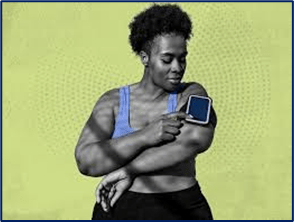
Exercise apps could be a major tool to combat mental health crisis among healthcare workers
Reviewed by Megan Craig, M.Sc. Aug 09, 2023

Simple home workouts using exercise apps can effectively reduce depressive symptoms in healthcare workers and could be a major tool to combat the global mental health crisis in the sector, says new University of British Columbia research.
The study, published today in JAMA Psychiatry, divided participants into either a waitlisted control group or an exercise group who were given free access to a suite of home exercise apps called DownDog, that included yoga, cardio and strength training. They were asked to aim for at least 80 minutes of moderate-intensity exercise per week over 12 weeks.
The positive effects were most pronounced among participants who completed an average of at least 80 minutes of exercise per week.
In addition to depressive symptoms, the researchers measured burnout symptoms and sick days over the two-week period prior to the beginning of their participation in the study, and every two weeks during the trial, while the exercise apps tracked participants’ workouts.
Exercise improved two measured facets of burnout, namely cynicism and emotional exhaustion. The exercise group also reported fewer sick days than the control group.
Using physical activity to boost mental health
While previous research has shown that exercise can improve depressive symptoms, researchers said behavioural approaches such as exercise were missing in the mental health initiatives offered by healthcare institutions around the world to address covid-19’s toll on their staff’s mental health.
“Our study provides the first evidence that working out at home using exercise apps, even with limited equipment, can significantly enhance the mental health of healthcare workers,” said lead author Dr. Eli Puterman, an associate professor at UBC’s school of kinesiology and Canada Research Chair in Physical Activity and Health.
“The past three years have been incredibly difficult for healthcare workers. Offering accessible, easy ways to exercise could be a great tool for employers to support their staff’s mental well-being, in addition to the institutional, provincial, and federal measures currently being undertaken to reduce healthcare workers’ burnout, sick leave and resignations.”
The study was conducted in collaboration with Providence Health Care and recruited participants across acute and long-term care hospitals in Vancouver, B.C. Most participants were women who worked as nurses.
For study co-investigator Agnes Black, director of Health Services and Clinical Research and Knowledge Translation at Providence Health Care, the study offers a welcome, preventative approach to mental health care.
“We recognize the incredible stress healthcare workers have endured during the pandemic and amid ongoing staff shortages. This is a really innovative and low-cost way to have a positive impact by putting our money upstream, before people are in crisis, are burnt out and have to call in sick. It’s a way to say, ‘We want to make it super easy for you to fit exercise into your day so you can stay physically and mentally healthy as you continue your vital work.'”
Making working out a habit
The study found that a major challenge was getting participants to stick to the program: between week two and week 12, adherence to the recommended 80 minutes of exercise per week dropped to 23 per cent of participants, from 54 per cent.
In the future, the researchers plan to explore whether providing motivational support such as fitness coaches can nurture the exercise habit.
“We also hope to do longer-term trials to focus on the broader mental, physical and economic impacts of this type of intervention,” said Dr. Puterman.
He encourages healthcare institutions to think about other ways they can support healthcare workers to be more physically active, such as offering free gym memberships, walk breaks at work, or staff exercise rooms within hospitals.
“While our findings underscore the potential of low-barrier interventions like offering exercise apps, we also have to figure out and address factors that prevent healthcare workers from exercising. Whether these are work-related stressors or other factors, we need to support healthcare workers on multiple fronts.”

As California maternity wards close, preterm birth rate rises

By Katie Hyson / Racial Justice and Social Equity Reporter Contributors: Carlos Castillo / Video Journalist Published August 14, 2023
The March of Dimes has a new report on maternity care in California. KPBS reporter Katie Hyson spoke with a local manager about what the report does and doesn’t reveal.


PREEMIE FAMILY PARTNERS

What Kinds of Follow-Up Care Will My Baby Need After NICU Discharge?
After leaving the NICU, your premature baby may need frequent medical and developmental follow-up appointments. In addition to regular checkups with your pediatrician, your baby’s health care team may recommend early intervention support services to help them thrive. These services may include occupational therapy, physical therapy or speech therapy, based on their individual needs. As your baby continues to get healthier and develop more skills, they’ll need fewer of these visits. Watch this video to learn more.


Preemie Voices: Live
Here we meet some of the preemie participants who wrote the inspiring letters in the “Preemie Voices” book (preemievoicesbook.com). The video provides a visual insight into the candid stories of young adults, both with and without disabilities. It is both powerful and educational and should be seen by former preemies, their parents, and health professionals.

Exploring Parental Bereavement Support in the Neonatal Intensive Care Unit (NICU)
POSTED ON 10 JULY 2023

A recent systematic review from Canada explored parental experiences and bereavement in the NICU, shedding light on the challenges of infant loss. Healthcare professionals are crucial in supporting parents, which can be done by facilitating meaningful moments and using clear communication. Strategies like shared decision-making, parental involvement in activities, and bonding time were also found to help with grief. Other resources like spiritual care and counselling are also essential. Understanding parents’ needs in neonatal loss can help healthcare professionals with their supportive role.
Unfortunately, despite significant advances in neonatal care in the last decade, not all NICU patients survive. For parents, losing their child causes severe emotional turmoil. The ethical decisions made during end-of-life care in the NICU can profoundly impact parents’ grief and bereavement experiences. Grief is a common emotional response, characterized by a range of emotions such as sadness, disappointment, shame, guilt, suffering, and helplessness. Bereavement, a long-term process, involves parents coming to terms with the loss and finding meaning in their child’s life.
Parental experiences in the NICU, including physical separation from the baby, interruptions in their parental role, and other losses, shape their bereavement process. Therefore, healthcare professionals are crucial in supporting parents through meaningful moments, encouraging memory-making, and engaging in effective and honest communication. Understanding these experiences is very important to provide appropriate support to parents.
A systematic review from Canada aimed to summarize empirical studies on parental bereavement in the NICU, and to identify considerations that healthcare professionals can use to guide their caregiving practices and bereavement support. The review included findings from 47 empirical studies of varying geographic locations conducted between 1990 and 2021.
Grief was found to be predominant among parents. It often evolved through stages, including denial, anger, bargaining, depression, and acceptance, although these stages would not necessarily occur in a linear fashion. More postnatal bonding times with the baby as well as shared decision-making between parents and healthcare providers were associated with less grief for parents.
Parents also highly valued the support provided by healthcare professionals, such as facilitating meaningful moments and memory-making. Opportunities for parental involvement in their infant’s care, such as bathing, dressing, and other parental responsibilities, as well as the provision of photographs and hand/foot molds, were also appreciated by parents and helped them navigate the grieving process.
Additionally, the study identified clear and compassionate communication that respects the individual experiences and values of the family to be a positive factor during challenging times. Parents were also found to often perceive more suffering in their babies than healthcare professionals, highlighting the need for sensitive and appropriate communication. Parents generally want the opportunity to say goodbye to their infant in a private and safe space.
The study also explored various supports parents found beneficial in the NICU and beyond. Spiritual care, palliative care consultation, and tailored education for healthcare providers were also valuable resources. Other beneficial resources were professional counselling, support groups, and community physicians to address the increased risks of physical health concerns, depression, anxiety, and post-traumatic stress.
By understanding and addressing the unique needs and experiences of parents facing neonatal loss, healthcare professionals can enhance the support they provide to families during this challenging time. Further research is encouraged to understand other long-term impacts of neonatal loss on parents’ mental health and the effectiveness of specific interventions.
Paper available at: Journal of Palliative Care Full list of authors: Jenna Lakhani, Cheryl Mack, Diane Kunyk, Janice Kung, and Michael van Manen

Hearing screening in NICU



INNOVATIONS

Gravens by Design: Global Research on Transition to Adulthood after Preterm Birth: Proceedings of the Graven’s Conference, Clearwater, FL, March 8-11, 2023
Saroj Saigal, MD, FRCP, FAAP

There is now a considerable body of research that shows that very preterm (VPT) birth is associated with an increased risk of neurological impairments, cognitive deficits, and behavioral and social problems that last from childhood to adolescence. Until recently, it was unclear whether these problems improved over time or persisted into adult life. In the last two decades, there has been an increasing interest in the outcomes at adulthood, which show that, although some problems have improved over time, newer issues have emerged with a high prevalence of mental health, cardiometabolic, and chronic health problems. This paper focuses on a broad range of outcomes from the world literature on former VPT/ELBW (very preterm/extremely low birthweight) infants in adulthood compared with full-term (FT) controls. In addition, the personal perspectives of the former preemies in adulthood will be highlighted.
Cognition, Educational Attainment, and Employment: Several studies have shown that cognitive deficits and problems with executive functioning persist into adulthood, with an incremental association with lower gestational age. Very preterm adults have lower rates of high school graduation and postsecondary educational attainment than their FT peers in cohort studies and population-linked registries. However, despite the inclusion of participants with neurological impairments, the McMaster study of extremely low birthweight infants (ELBW<1000g) showed no differences in the total years of education (16.0 vs. 16.7 years) or in postsecondary education at middle-adulthood (30–36 years). The Norwegian population linked study at ages 19-35 years showed a statistically significant association between gestational age and educational achievement, even after individuals with impairments were excluded, with 67.7% of individuals between 23 and 27 weeks gestation completing high school compared with 75.4% of FT adults, and 25% vs. 35% completing a bachelor’s degree. The Bavarian study showed that VLBW (very low birthweight) adults do not outgrow their earlier intellectual deficits, and the IQ was 0.9-1.27 and Executive Function 0.59-1.15 SD below that of controls. High SES can modify the impact of prematurity with a significant positive impact of 1.13 SD. Lately, Individual Participant Data (IPD) meta-analyses from several international consortia: the Adults born Preterm International Collaboration (APIC) and Research on European Children and Adults born Preterm (RECAP), have highlighted several aspects with lower intelligence equivalent to 12 IQ points and poorer mathematical performance in childhood and adulthood.
Regarding employment, although no significant differences were observed in the McMaster young adults at age 23 years (48% vs. 57%), at middle adulthood (age 30–36 years), a significant disparity emerged in employment and income in ELBW compared with FT adults. A lower proportion of ELBW adults was employed (80.4% vs. 91.8%, and the net income was $20,000/year lower than FT adults. The association with household income remained after excluding ELBW adults with impairments, with more ELBW adults requiring social assistance (13.8% vs 3.7%). Norwegian extremely preterm (EPT) young adults from the National Registry had lower job-related income (23% vs. 20%, P < 0.001), and 1 in 9 persons born < 0.001). Scandinavian studies have shown that preterm birth was associated with a stepwise increase in disability, decreased chance of completing university, and lower net income. However, despite the higher prevalence of disabilities, a significant proportion of young adults born prematurely completed high school were employed and were functioning well in society. It was also reassuring that, as a group, they contributed more to income tax than they received in benefits.
Social Outcomes, Relationships, and Reproduction: Many reports have shown that a higher proportion of VLBW and VPT young adults continue to live with their parents compared to FT adults (7,14), which is more so in individuals with disabilities. Compared with FT adults, those born EPT/VPT were less likely to have romantic relationships, cohabitation, and experience sexual intercourse and parenthood. (2,10,11,14) The McMaster study reported that 1 in 5 ELBW adults had never experienced sexual intercourse, and these differences remained even after excluding those with impairments. Furthermore, the likelihood of experiencing romantic partnership, sexuality, and parenthood showed a significant dose-response with a lower probability with decreasing gestational age. (9,11,14,-16) Several studies have shown poorer social relations and fewer friends among prematurely born adults than controls. (7,9,14,17) They also engaged less often in risk-taking behaviors than FT. (2,7,8,11)
Both cohort (2,11) and population-linked registries (9,10,18,19) report reproductive problems among individuals born prematurely. The Norwegian National Birth Registry of 60,354 premature births between 1967–1988 found a dose-response association by degree of prematurity with lower rates of reproduction in both males and females, higher rate of stillbirths (20.8/1000 births in <28 weeks vs. 7.6 FT/1000 births); and recurrent premature offspring in prematurely born women (14% in 22-27 weeks vs. 6.4% in FT). The Swedish population-based registry (1973-83 births) also reported a reduced probability of reproduction in both males and females.
Chronic Physical and Mental Health Conditions: Individuals born prematurely have been reported to experience a high prevalence of adult-onset medical conditions such as hypertension, Type 2 diabetes, and metabolic syndrome in mid-tolate adulthood. Higher blood pressure has been consistently reported in adults born VPT compared to FT controls. In IPD analyses, the mean difference in blood pressure in 1571 adults born VPT versus 777 FT controls was 3.4 mmHg systolic and 2.1 mmHg in diastolic blood pressure. There is also an association between preterm birth and with risk of ischemic heart disease at adulthood. Recent cohort studies have reported a higher prevalence of dysglycemia, insulin resistance, and hepatic fat content in adults born ELBW, which collectively increase cardiometabolic risk. The McMaster cohort found differences in body composition, elevated body fat, and reduced lean mass at middle adulthood, which likely contributed to the differences in metabolic health. IPD meta-analysis showed that individuals born preterm were at risk of not reaching their full airway growth potential at adulthood, which places them at higher risk for future chronic obstructive pulmonary disease. There are also adverse effects on the developing kidneys that can retard nephrogenesis.
Preterm birth increases the risk for psychiatric disorders such as anxiety, inattention, depression, and autistic traits later in life. The risk is also higher for psychosis, schizophrenia, and mood disorders. There was a stepwise increase in psychiatric hospital admissions with decreasing gestational age. Using clinical interviews, the ELBW survivors exhibited higher rates of anxiety and depression compared with FT controls. This was confirmed in a larger sample by Individual Participant Data metaanalysis, which suggested that individuals born VP/VLBW have higher odds of meeting criteria for certain psychiatric disorders into adulthood than FT controls. IPD analysis of self-reported mental health by VP young adults shows they have higher internalizing problems and more avoidant personality problems. Several studies have also shown that young adults born preterm have a lower tendency for antisocial and risk-taking behaviors, such as smoking and drinking, than term controls. Due to their timid personality and behaviors, they are at greater risk for increased bullying, peer victimization, and social exclusion.
Health-related quality of life and Personal perspectives: The Health Utility Index Mark 3 (HUI III) has been widely used in several studies to obtain the perspectives of health-related quality of life (HRQL) of ELBW/VPT. When the HRQL was obtained directly from the McMaster ELBW participants at YA (eliciting their own health status and own preferences using the Standard Gamble (SG) technique), the scores were equivalent to FT (0.85 vs. 0.88), where the scale of 0.00 is equivalent to dead, and 1.00 is perfect health. No differences were observed between ELBW adults with and without impairments. However, in comparing the longitudinal trajectories of the same cohort using the SG perspectives of Ontario parents (HUI3 community/societal preferences), the HRQL of ELBW was clinically lower than FT at each of the three-time points. Also, The HRQL of ELBW with impairments was statistically lower at all ages compared to those without neurosensory impairments. Compared with data from other countries that used HUI3 community preferences, the HRQL of the McMaster cohort at 30-36 years of age was significantly lower than the Netherlands and the German cohorts and there was no substantial improvement over time. This may be partly explained by the fact that the McMaster cohort included ELBW births, and the other two cohorts had VLBW participants. Again, using HUI3 community preferences, both the EPCURE participants (<26 weeks) and their parents rated their HRQL less favorably than the controls at both adolescence and adulthood, and there was a further decline at older age. IPD meta-analysis of HRQL of over 2100 VLBW/VPT 18-29 years showed a significant difference in the HUI3 multi-attribute utility score of −0.06 (95% CI −0.08, −0.04) in comparison to FT controls, especially concerning physical and cognitive functioning.
In a newer methodology of ‘Narrative Medicine,’ 41 ELBW participants in their mid-30s provided candid personal stories about their lives, struggles, and accomplishments and, against all odds, showed remarkable resilience in overcoming their challenges. These letters express a much broader view of their lives than the restricted health-related quality of life studies: Preemie Voices, Press, 2014, accompanied by a video documentary, www. preemievoicesbook.com.
Comments and Limitations: Preterm birth is a chronic, life-long condition. Except for specific brain lesions, early biomedical risk factors play a smaller role, and environmental and social factors exert a greater influence on later outcomes. Subsequently, plasticity, resilience, and recovery come into play, and therefore, the future of premature children must be looked at from a lifespan perspective, as ‘recovery’ may not be evident until early adulthood. The VPT/ELBW adult participant cited in the above studies were born in the early post-neonatal care era and did not receive the advanced technology and other ‘gentle interventions’ offered to the current survivors. Although these data may not be entirely applicable to today’s survivors, the findings can guide and design effective strategies to improve the health, social well-being, and psychiatric and cardio-metabolic problems of future vulnerable premature infants. In addition, obtaining the personal perspectives of children and adults born prematurely cannot be over-emphasized. It is now clear that health professionals’ perspectives on the outcome of premature infants are often discordant with that of the premature individuals themselves. Finally, it should be reiterated that despite disabilities and significant health issues, a significant majority of EP/VPT showed amazing resilience, placed a high valuation on their quality of life, and enjoyed a fulfilling lifestyle in adulthood.
Although the complex psychosocial needs of parents of extremely preterm infants in the NICU are now recognized, the long-term needs and advice for the future health and development of VPT at adulthood are sorely neglected. Based on our current knowledge of the high prevalence of cardiometabolic and mental health problems in adults born VPT, transition to adult physicians should include taking a birth history of prematurity so that preventative measures and anticipatory guidance can be undertaken.
Source:http://neonatologytoday.net/newsletters/nt-jul23.pdf
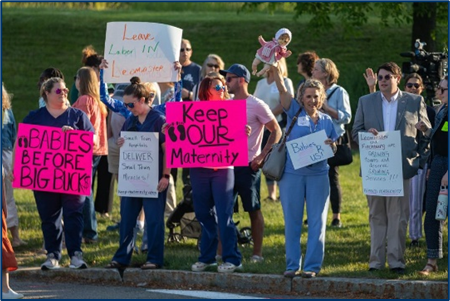
Maternity Deserts, Low Access to Care Affect 5.6M Birthing People
Researchers said the increase in maternity deserts and poor access to care is in part due to the closure of obstetric wards.
By Sara Heath – August 02, 2023
A whopping 5.6 million birthing people are finding themselves without access to maternity care as the prevalence of maternity deserts continues to grow, according to reports from March of Dimes.
These care access issues are compounded by the social determinants of health that also impact maternal health outcomes, the report authors said.
The March of Dimes report comes as the healthcare industry grapples with a fraught maternal health problem.
Separate studies have found that the US has the worst maternal health outcomes and worst maternal health equity out of the developed world. On top of that, the Supreme Court’s reversal of Roe v. Wade has called into question overall access to all kinds of reproductive healthcare, not just abortion.
Now, March of Dimes is outlining the state of birthing and maternity care access, particularly by shining a light on maternity care deserts.
“A person’s ability to have a healthy pregnancy and healthy birth should not be dictated by where they live and their ability to access consistent, quality care but these reports shows that, today, these factors make it dangerous to be pregnant and give birth for millions of women in the United States,” Dr. Elizabeth Cherot, March of Dimes president and chief executive officer, stated publicly.
“Our research shows maternity care is simply not a priority in our healthcare system and steps must be taken to ensure all moms receive the care they need and deserve to have healthy pregnancies and strong babies,” Cherot added. “We hope the knowledge provided in these reports will serve as a catalyst for action to tackle this growing crisis.”
Overall, 5.6 million birthing people live in counties with no or limited access to maternity care services, a trend that’s driven in large part by the loss of obstetric units in hospitals. Hospitals in 369 counties have seen their obstetric units close down since March of Dimes first reported on the topic in 2018. That represents around one in 10 counties.
Worse, 70 more counties in the US have been deemed as maternity care deserts as the result of obstetric ward closures since the 2018 report. Altogether, 36 percent of US counties are considered maternity care deserts, defined as counties without a hospital or birthing center that offers obstetric care and without any obstetric providers.
Obstetric ward closures are happening in some cases because of low birth volume and rising costs, the report authors said. Citing American Hospital Association figures, the report said over 50 percent of births in maternity care deserts are reimbursed via Medicaid, which offers a lower reimbursement rate than private insurance.
This makes the obstetrics ward a prime area of closure for a hospital facing tight margins.
But this phenomenon ultimately has a negative impact on maternal health. According to the researchers, over 32 million women of reproductive age are susceptible to poor health outcomes because they can’t access reproductive healthcare. This is most common in rural states such as North Dakota, South Dakota, Alaska, Oklahoma, and Nebraska.
These care access issues, and the consequences they hold for maternal health outcomes, are compounded by the prevalence of social determinants of health. The report authors pointed out that the environment, socioeconomics, and even housing access and pollution can indicate limited access to prenatal care. This is particularly true for women of color.
Moreover, occurrence of chronic disease plays a big role in health outcomes, they added. Eight in 10 maternity care deserts have a large population of pregnant people with a chronic illness, some of which impact birthing conditions like preeclampsia and pre-term birth.
SDOH and chronic illness are more common in places that are already maternity deserts, the team said, increasing the burden on birthing people with limited healthcare access options.
March of Dimes said these data points indicate a need for high-level policy change. Particularly, legislation that funds and sustains telehealth access, state perinatal regionalization programs to expand access to care, and programs that expand the healthcare workforce are integral.
The organization also endorsed the Rural Maternity and Obstetrics Management Strategies (RMOMS) and Rural Obstetrics Access and Maternal Services (ROAMS) to be expanded in all states. That’s in addition to an endorsement for extending Medicaid postpartum coverage from 60 days to a full year in all states.
“Every baby deserves the healthiest start to life, and every family should expect equitable, available, quality maternal care,” Cherot said. “These new reports show that the system is failing families today but paints a clear picture of the unique challenges facing mothers and babies at the local level—the first step in our work to put solutions in place, and build a better future for all families.”
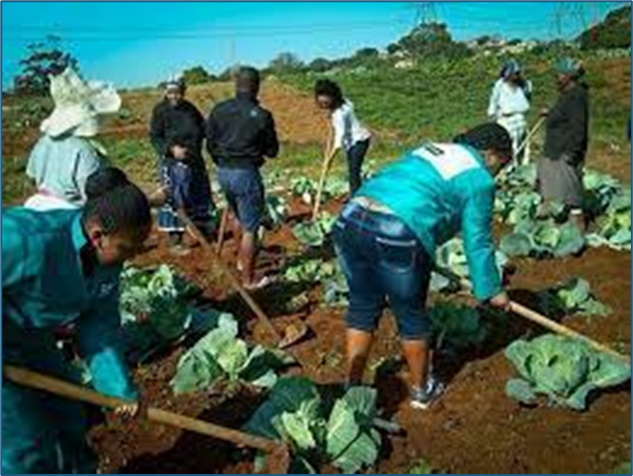
CLIMATE CHANGE WARRIORS

What are the challenges of Growing Up a Preemie ? | ft. Victoria DiGiovanni |

Adult Preemie Support Groups:
Hey there, Warriors! Let’s dive into the wonderful world of sharing resources for our incredible adult preemie infant survivors! Whether it’s sparking connections in vibrant online community support group chatrooms or igniting passion through engaging research initiatives, each resource we’ve got in our toolkit is a note in the symphony of care we’re creating.
Big cheers to the parents, family members, friends, healthcare providers, and communities that have been the wind beneath our wings on this unique journey! As fellow preemie survivors, your stories and wisdom are like compasses guiding fellow preemie warriors on this exhilarating rollercoaster ride. So, whether you’re swapping stories, sharing resources, or sending those virtual hugs that brighten any day, let’s keep the positivity flowing and the love spilling over. Because when we all bring our A-game, our preemie community gets a mega-boost of collective positivity that turns even cloudy days into sun-soaked adventures. Together, we’re not just passing around resources; we’re passing around resilience, happiness, and a colorful tapestry of caring that unites us as an unstoppable squad!
Check out these exciting adult preemie support resources below:

The Adult Preemie Advocacy Network (APAN) was set up in January 2021 by a group of adults who were born prematurely to share our experiences and discuss all issues relating to the long-term impact of premature birth. We hope this site will inform, support and advocate for the physical and mental health well-being of every adult preemie regardless of their gestation, health outcomes, or country of residence. All adults born prematurely deserve to have their voices heard! Please send us a message via social media or using the information on the Contact us page to share your preemie story.We also welcome discussion and communication from researchers and medical professionals interested in long-term outcomes. Please get in touch.
Link:https://adultpreemies.com/

We are a team of patients (i.e., ex-premature babies who are now adults), parents/caregivers of premature babies and healthcare professionals who are working together to identify research priorities in the most premature babies born before 25 weeks of gestation.
Link:https://www.npeu.ox.ac.uk/most-premature-babies/steering-group-membership
Preemie Support Community: An online community, the best place for connecting preemies young and old.
Link:https://www.inspire.com/groups/preemie/



💫 Children’s Books Read Aloud | YOU HAVE A SUPERPOWER by Sarah Lou


PLASTIC WARRIORS | DOCUMENTARY
Directed by Bahamian Filmmaker Lavado Stubbs and shot with vintage anamorphic lenses to exalt the beauty of The Bahamas’ landscapes, Plastic Warriors is a documentary that follows Kristal “Ocean” Ambrose’s journey to battle plastic pollution in The Bahamas and highlights the possibilities of change to protect the environment through youth empowerment.


 The Neonatal Womb Warriors